Get Premium
Dark mode theme is available exclusively for premium users. Learn more about the benefits of subscribing.
No fees, cancel anytime.

 Dark Mode Ad-Free Browsing Unlimited Content
 Ad-Free Browsing Unlimited Content Dark Mode
Join 1.2 million Panda readers who get the best art, memes, and fun stories every week!
Is there any photographer who has it tougher than wildlife photographers?
They travel to remote locations, from the freezing Arctic to sweltering jungles, hide for hours on end, and wait patiently for the perfect moment to capture an animal in its element. And perhaps the hardest part? They’re not supposed to interact with their subjects.
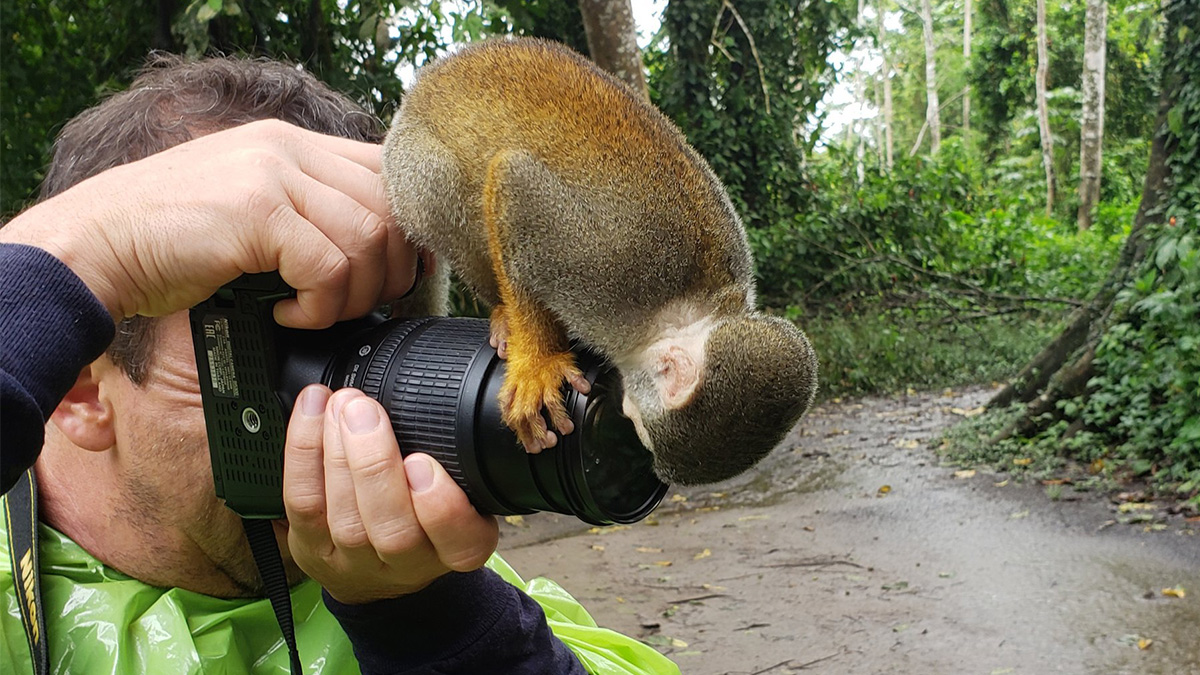
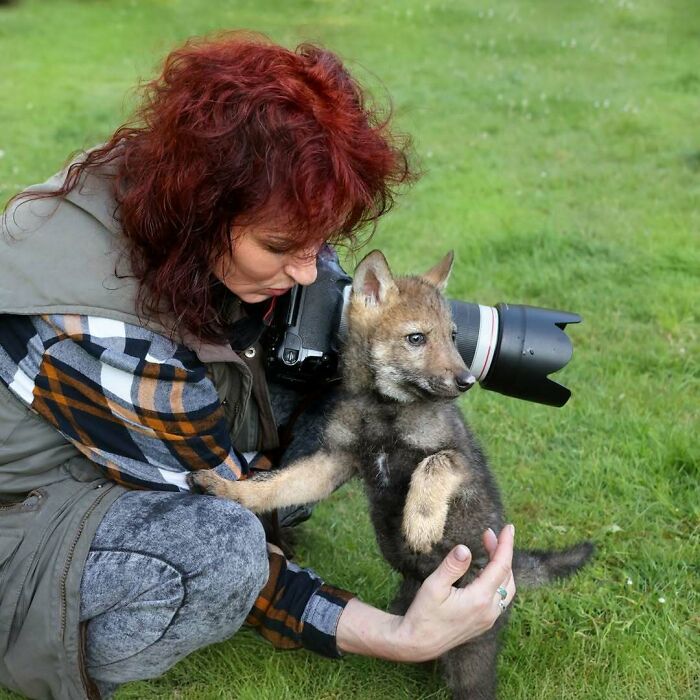
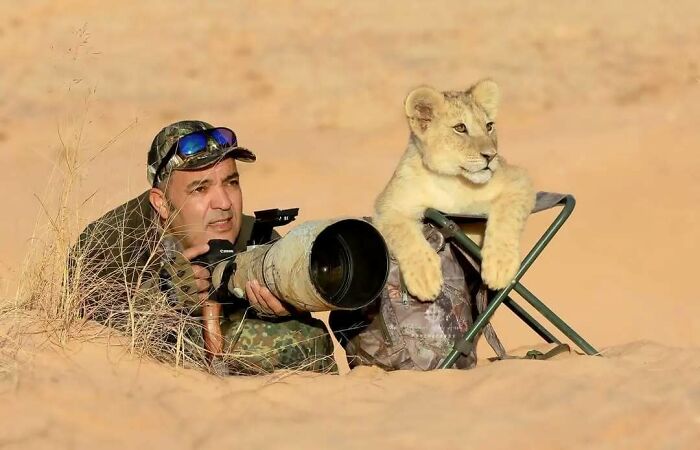
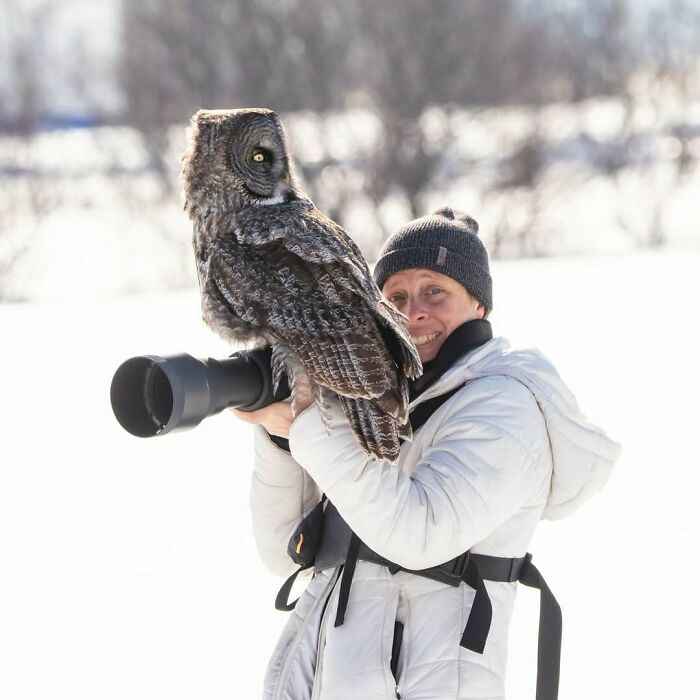
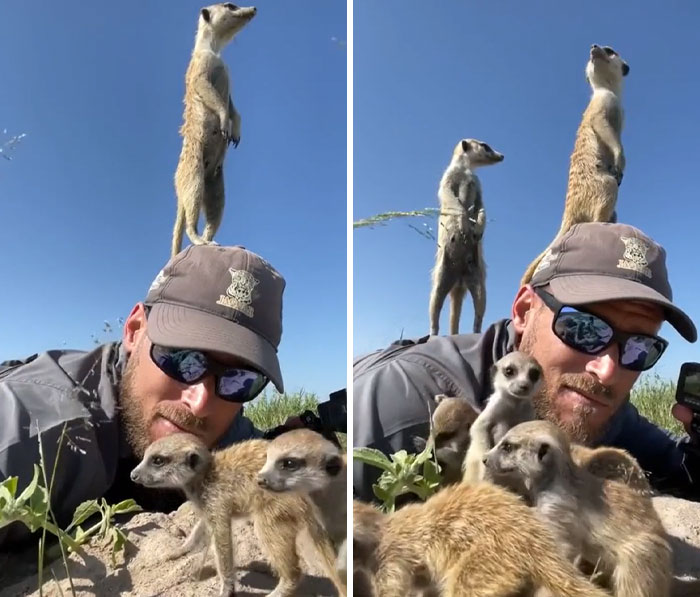
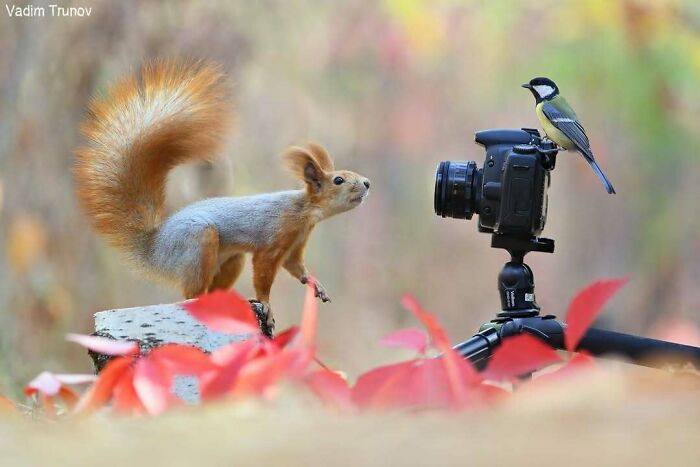
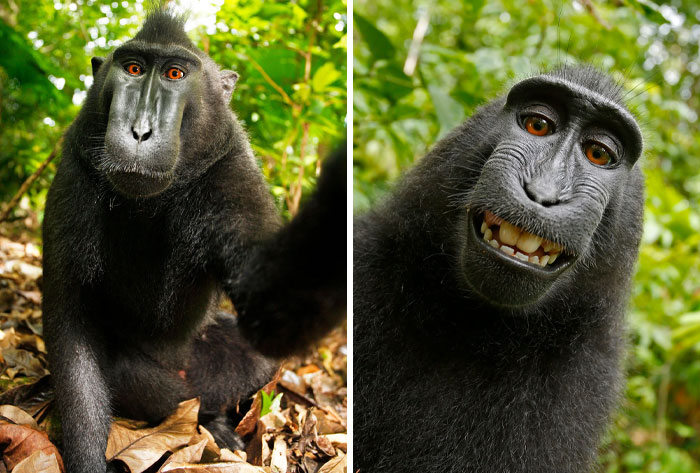
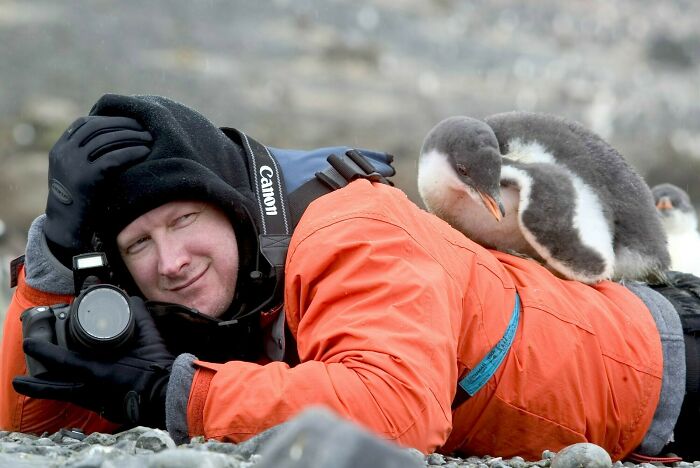
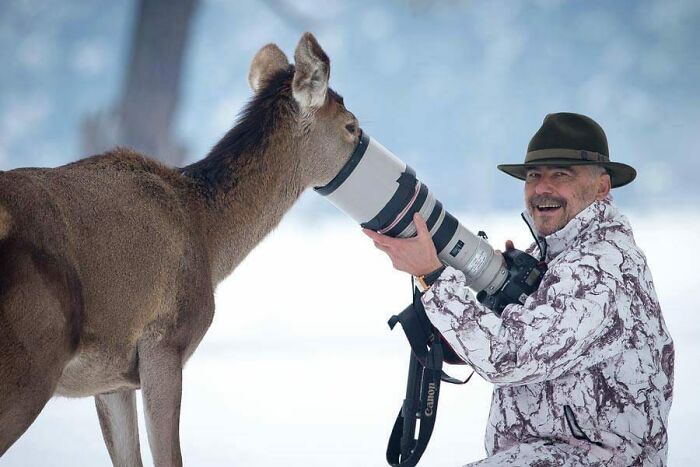
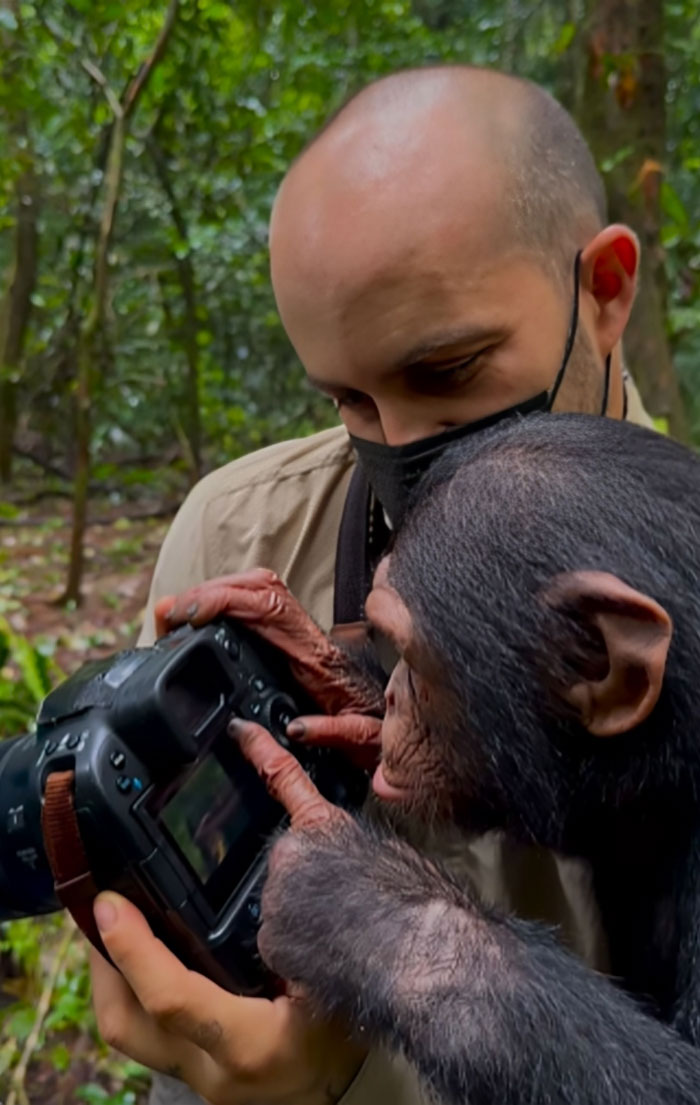
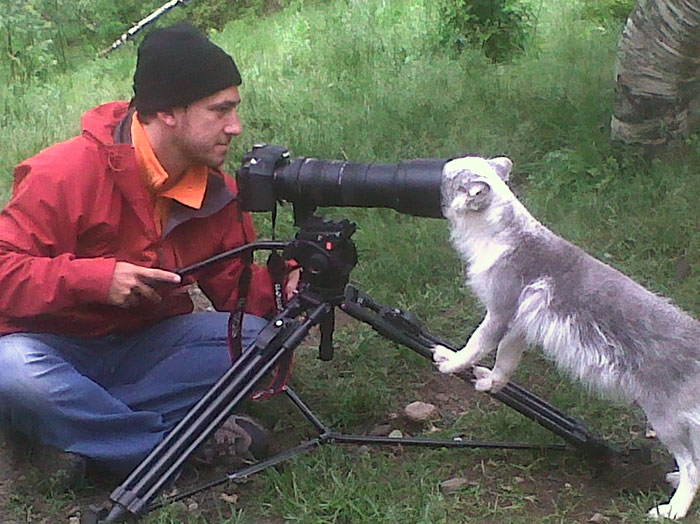
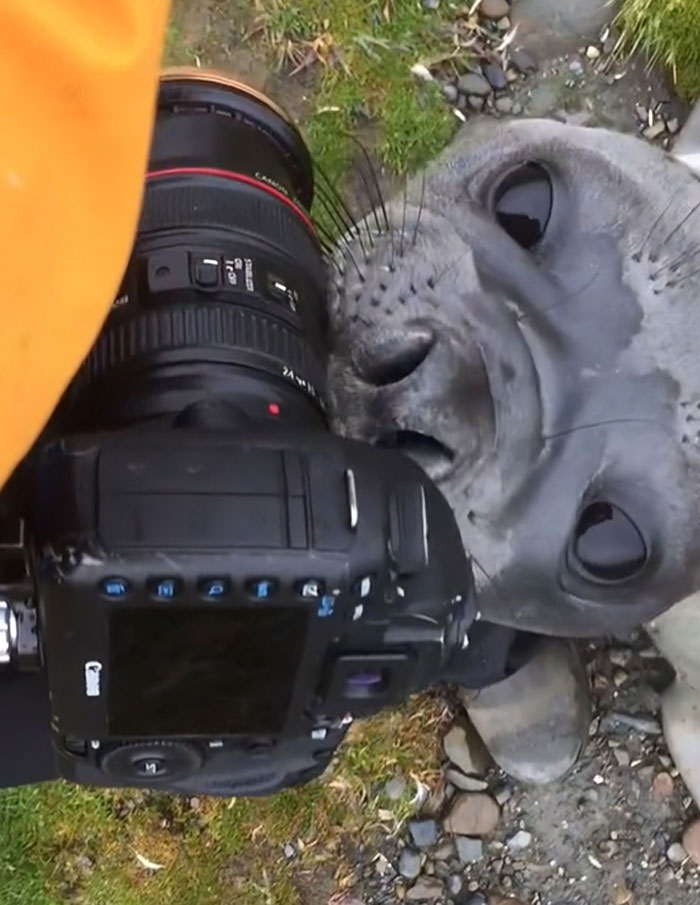
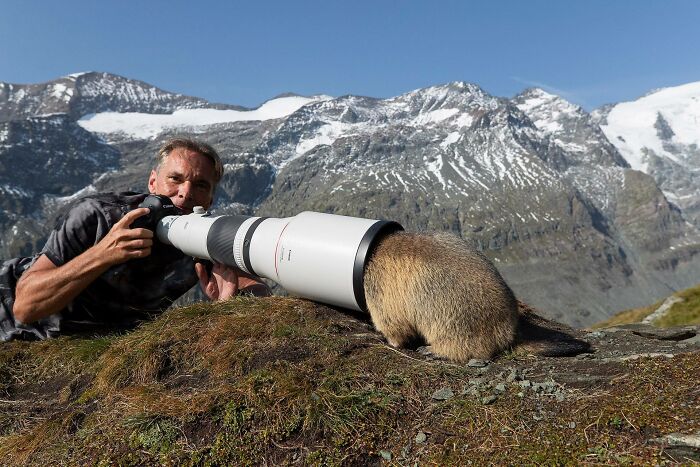
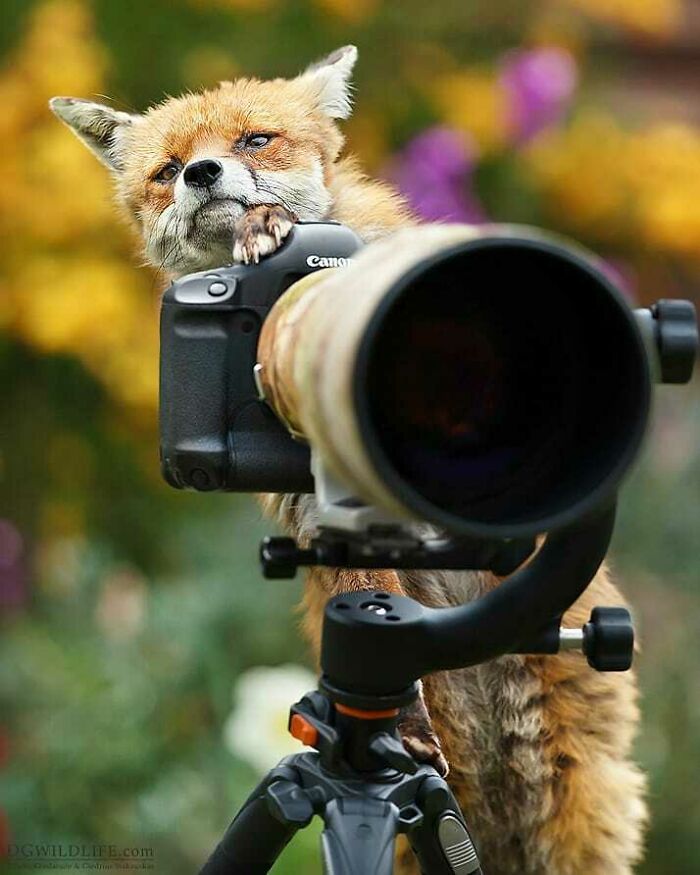
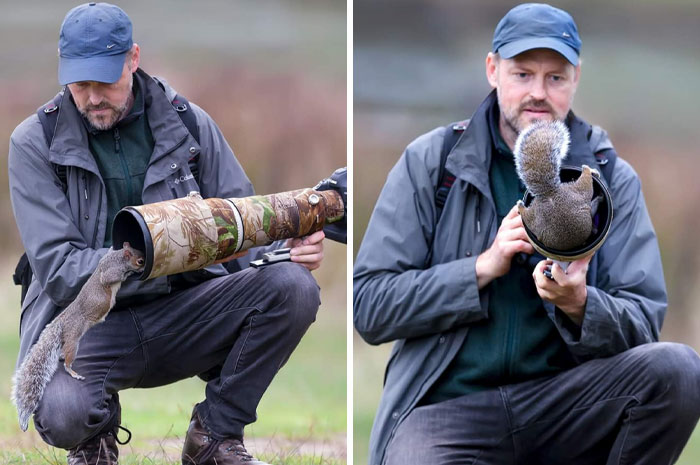
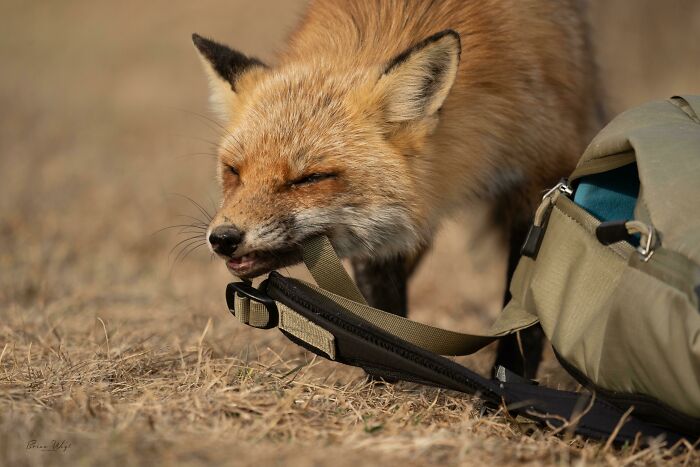
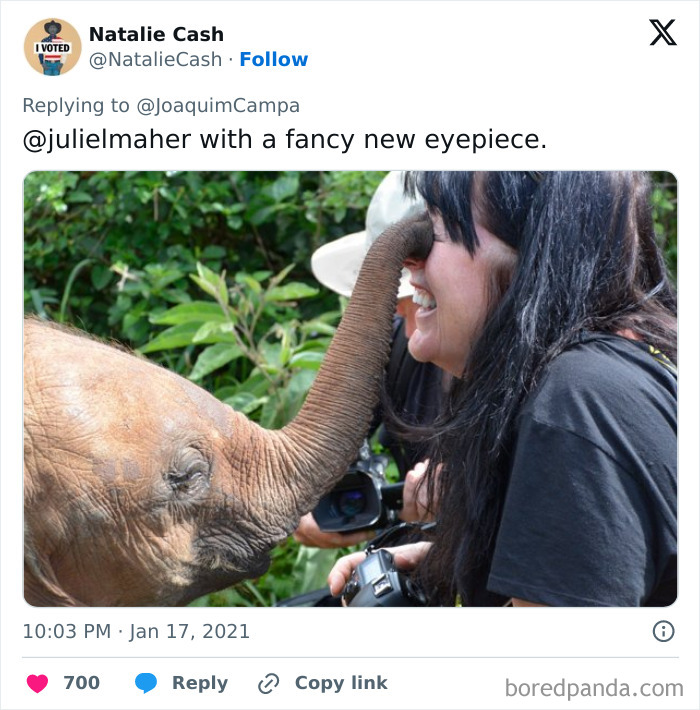
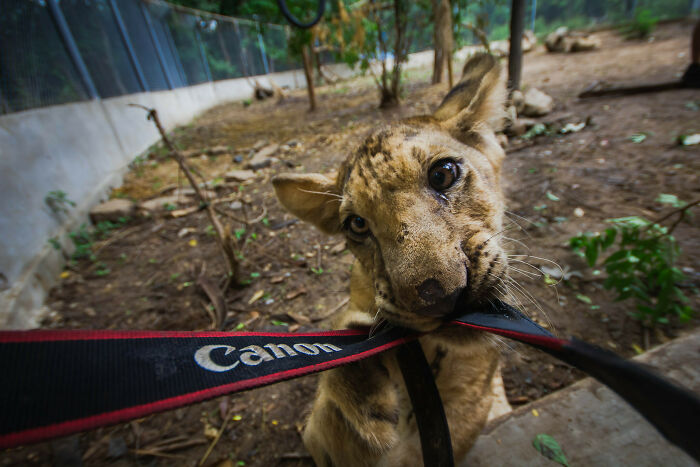
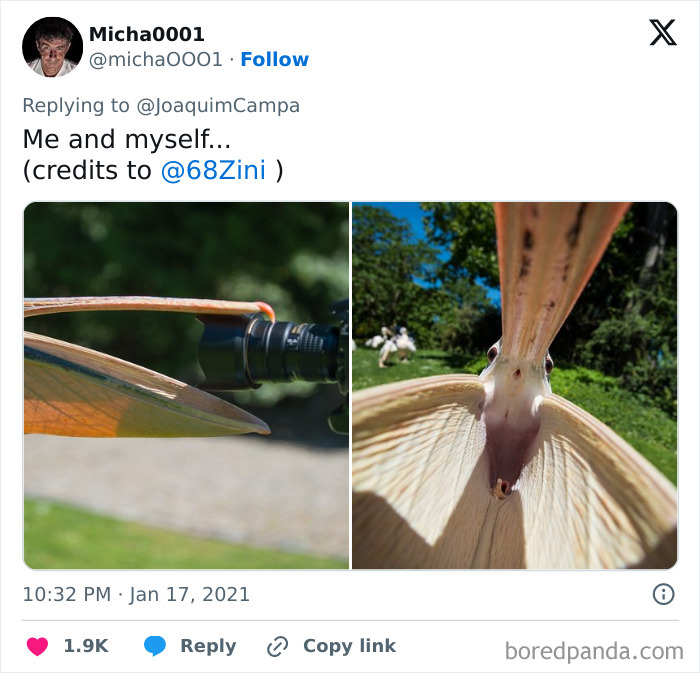
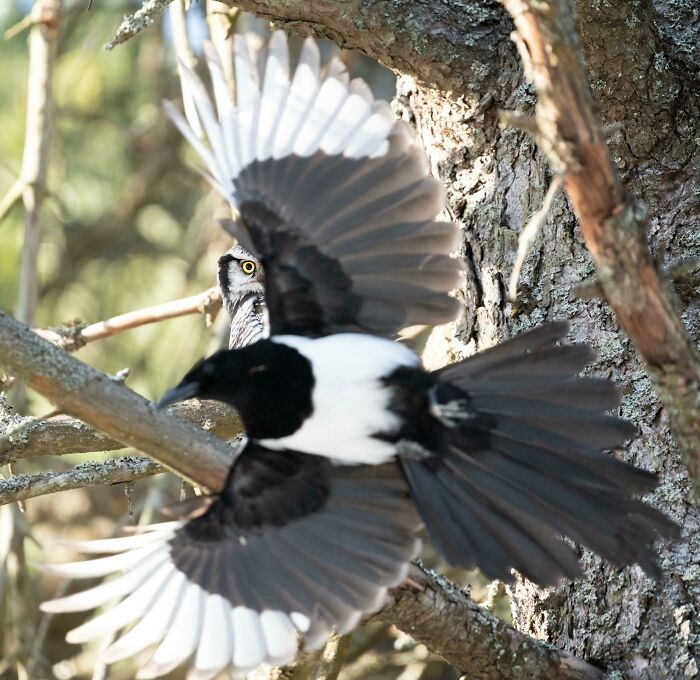
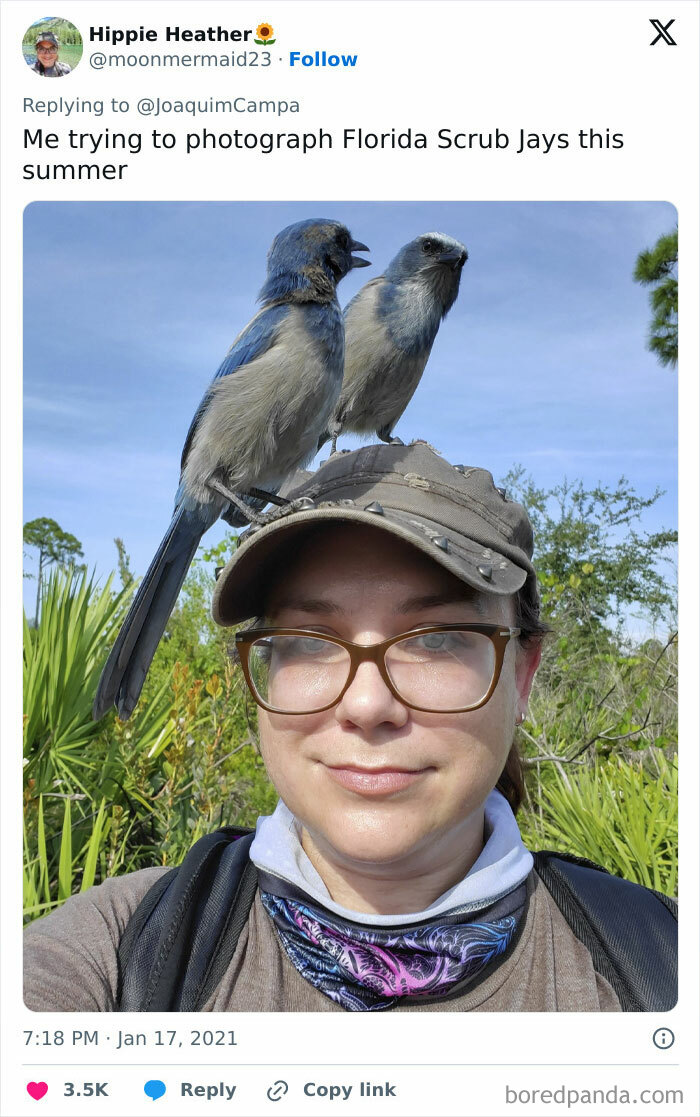
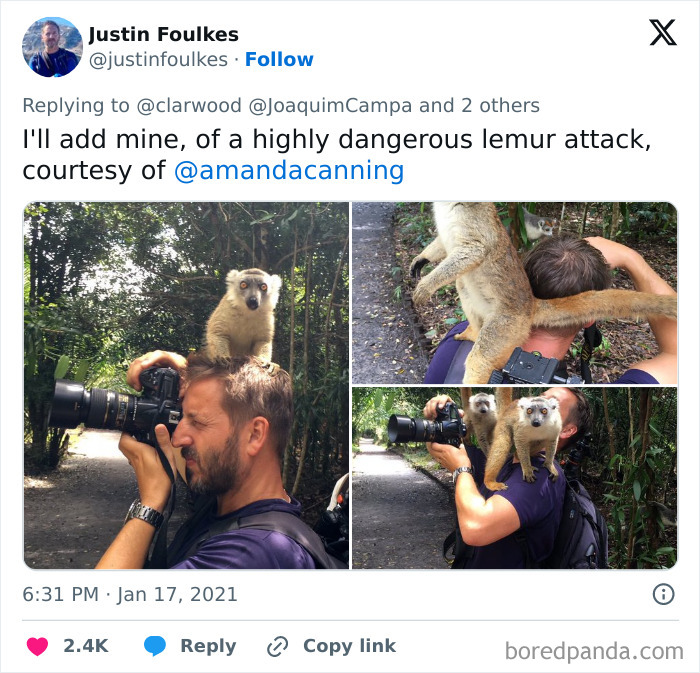
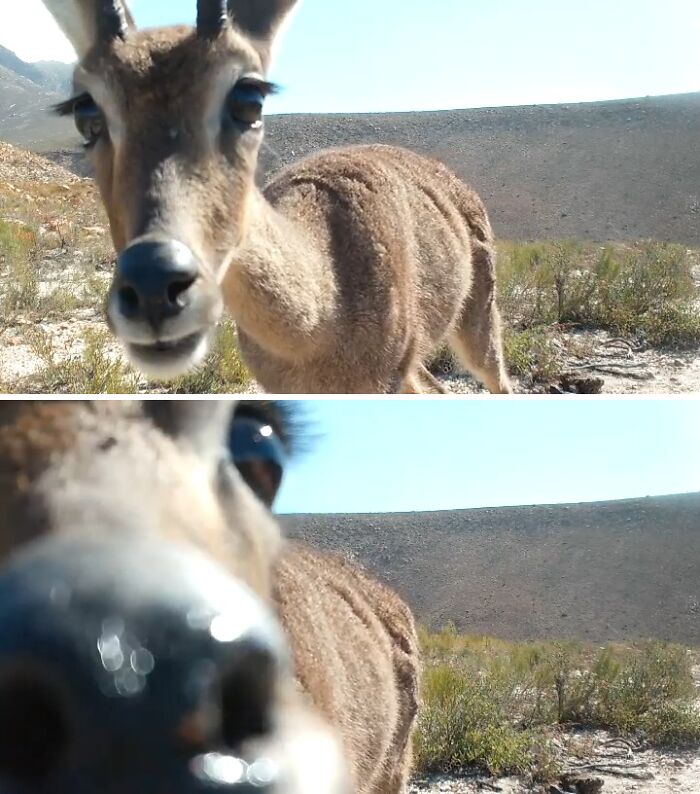
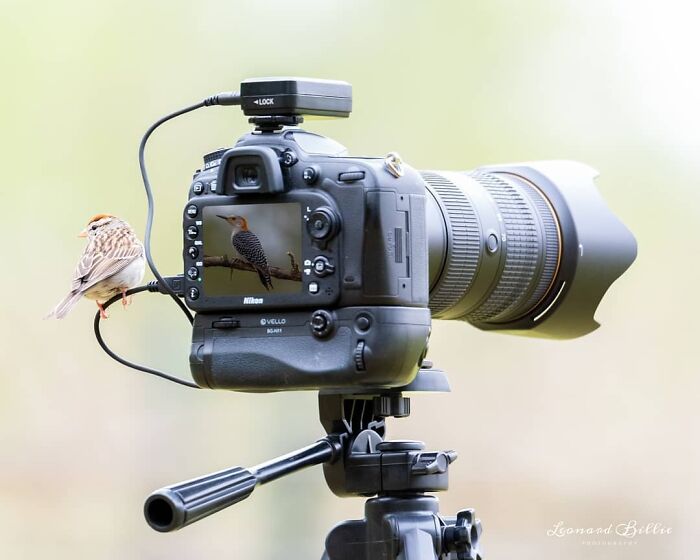
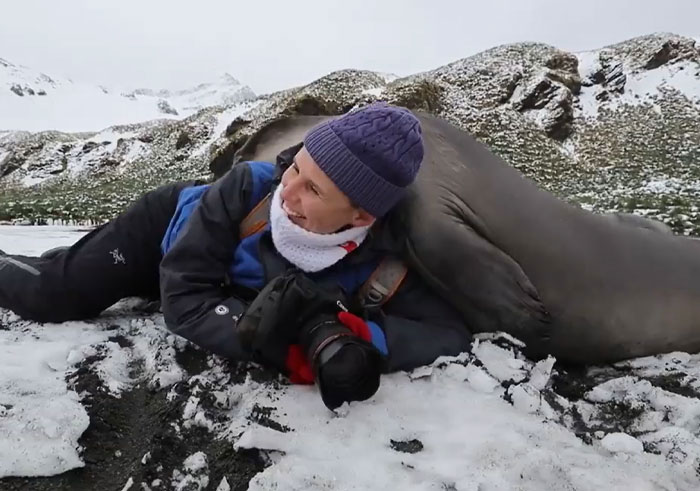
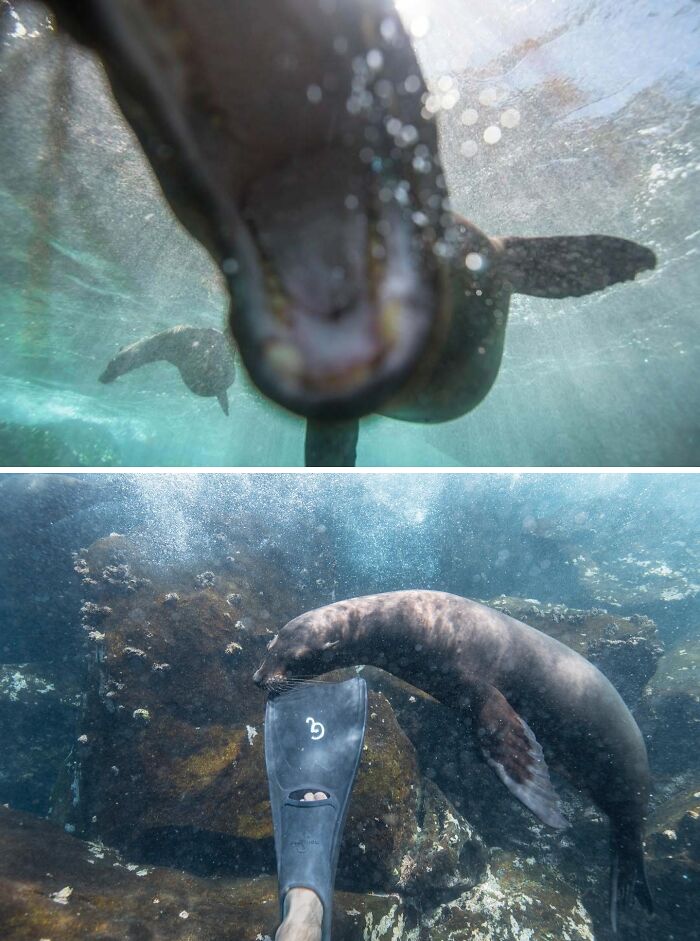
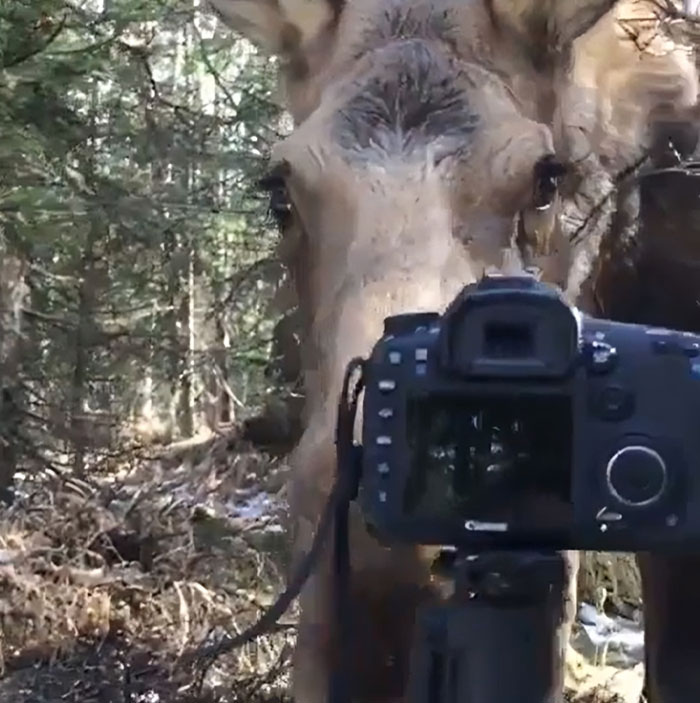
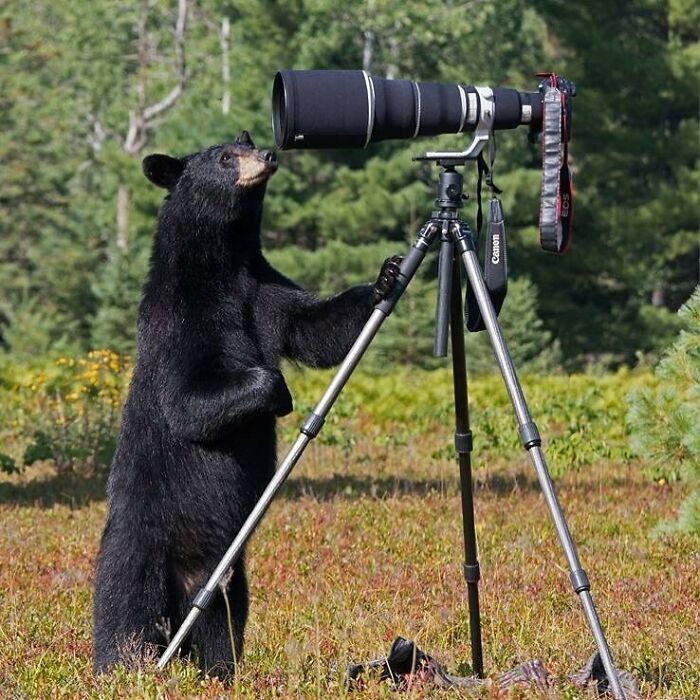
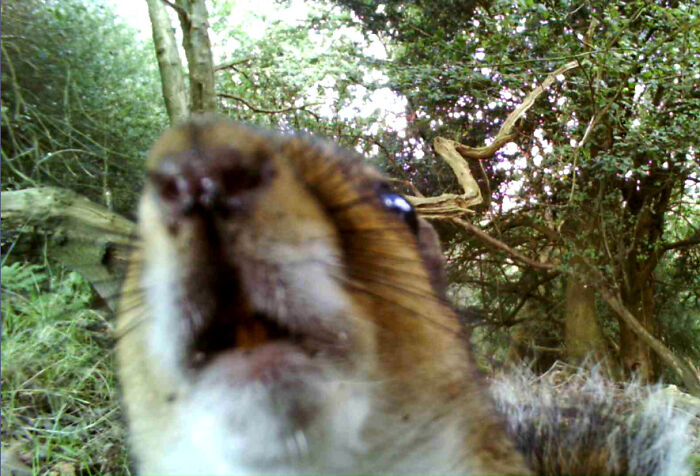
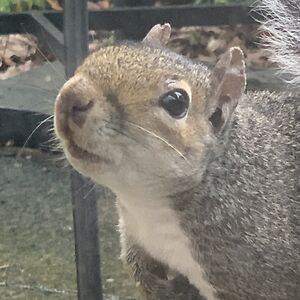
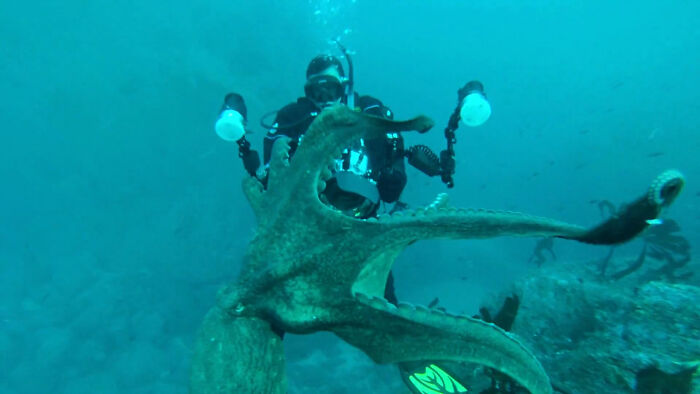
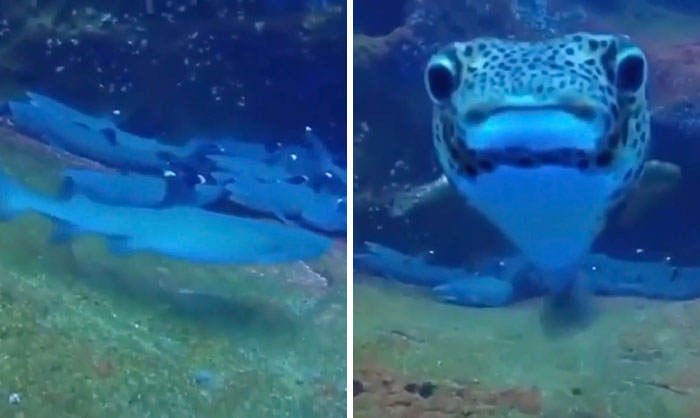
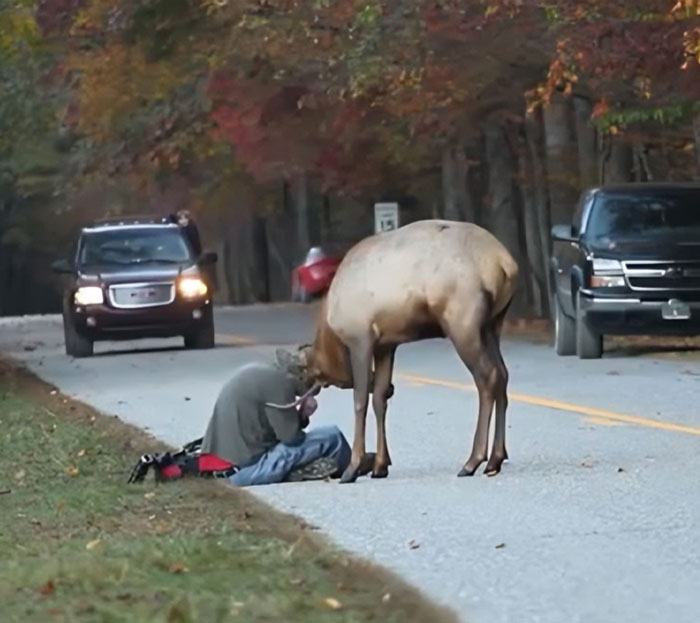
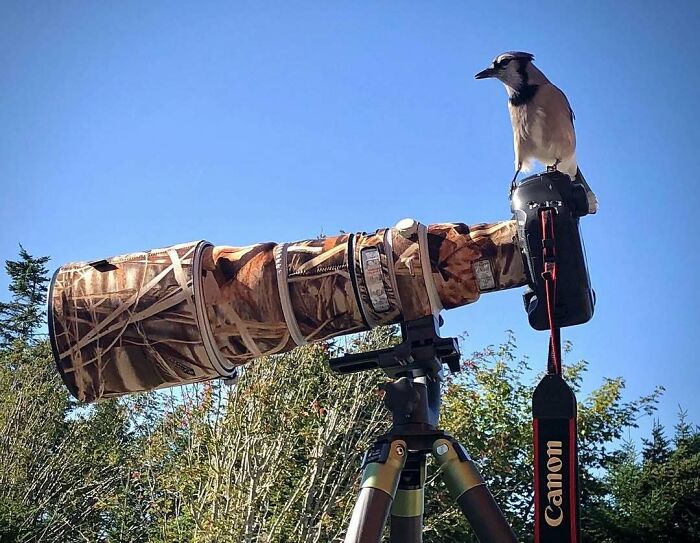
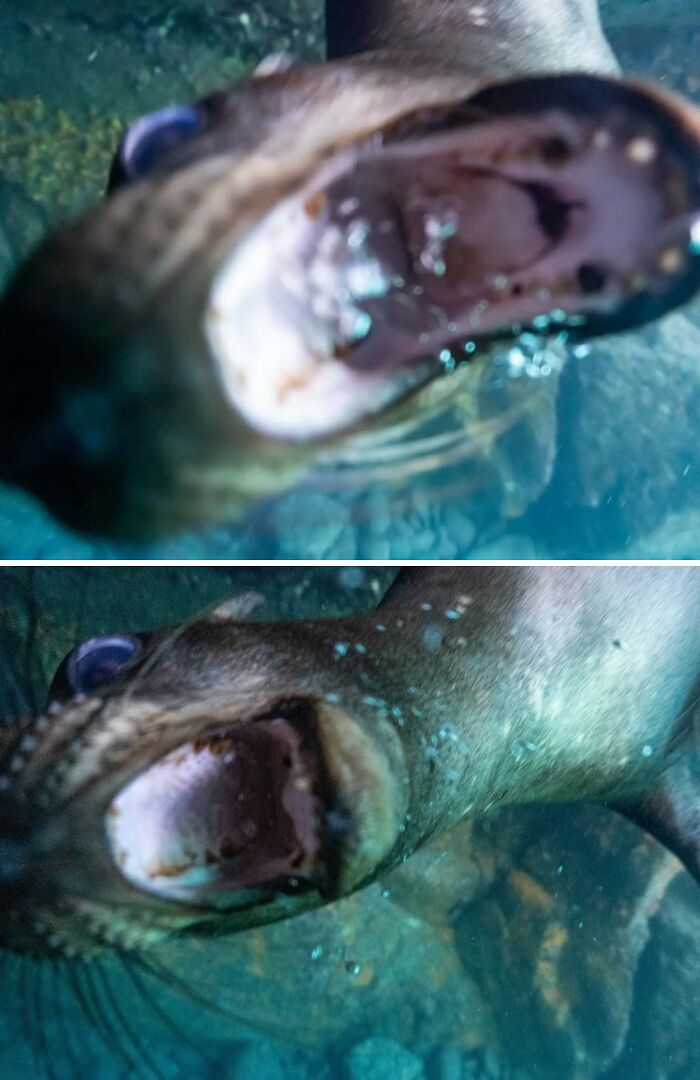
But sometimes, that rule goes out the window—thanks to the animals themselves. Curious and cheeky critters often decide to check out the strange humans with cameras, trying to figure out what’s going on or even attempting to take over as photographers themselves.
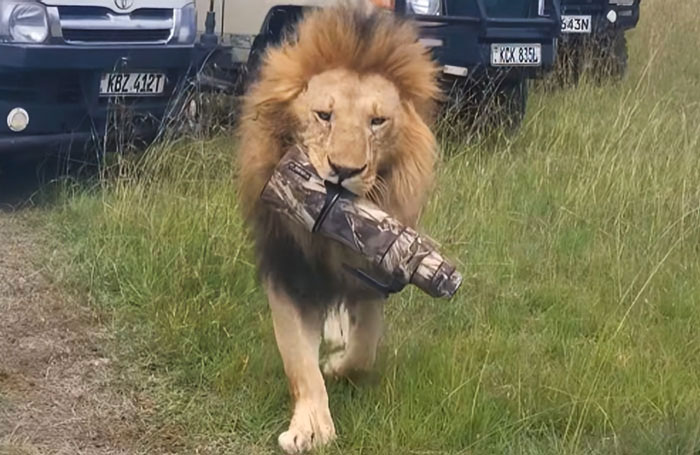
Granted, it’s a lot less fun when it’s a lion instead of a deer, but hey, still worth it.
This post may include affiliate links.
Not getting in the way of nature is wildlife photography 101.
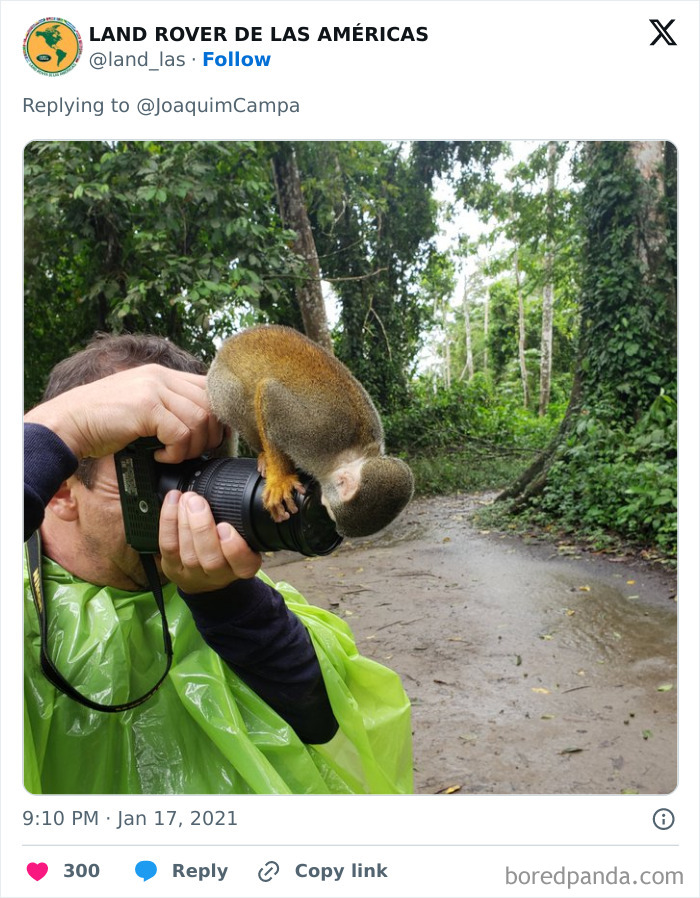
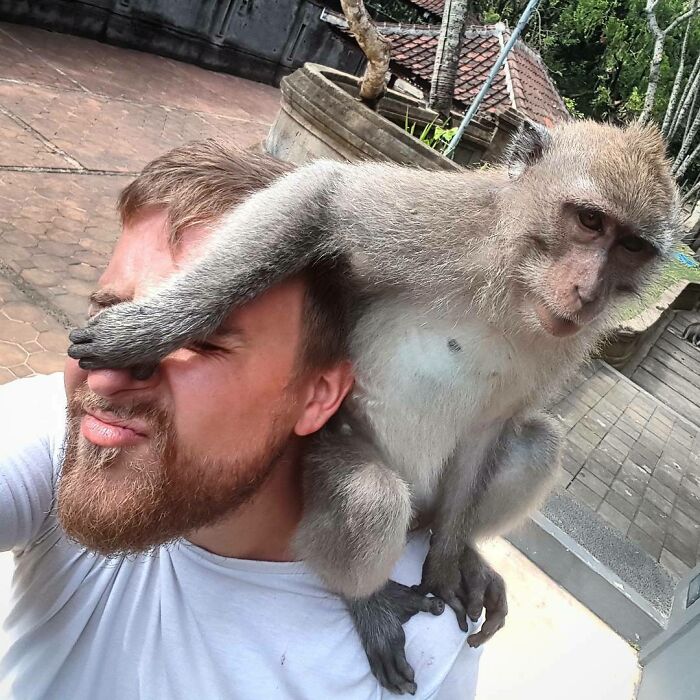
But imagine seeing a fluffy, friendly monkey just an arm’s length away. How do you resist the urge to reach out?
Well, you have to. It’s part of the job. And those who break this rule often pay the price.

Well, ya know, they like to be higher to check things out + this guy was just lying there, not doing anything, so...
Take Nancy Black, a U.S. marine biologist who fed killer whales while filming in 2004.
She was later fined $12,500 and placed on three years’ probation for luring the whales closer to her boat in the Monterey Bay National Marine Sanctuary, as reported by the Los Angeles Times.
Even if you don’t lure animals, bending the truth for a perfect shot can land you in hot water. In wildlife photography, no one’s handing out awards for Photoshop skills.
José Luis Rodriguez lost his Natural History Museum Photographer of the Year award after passing off what was likely a tame wolf as a wild one.
National Geographic photographer Gilles Nicolet faced backlash for staging a photo on ivory poaching using tusks borrowed from authorities.
Even David Attenborough faced criticism for narration that implied a polar bear den filmed in a zoo was actually in the wild.
Wildlife photography is a fine line you have to walk if you want to do it seriously.
Of course, beyond the laws protecting endangered species and the ethical guidelines in place, photographers do have creative freedom in how they bring their visions to life.
“Organizations may have their own guidelines [consider the BBC’s, for example], but there is a lot of variation in what’s considered acceptable,” professional wildlife filmmaker and photographer Jeff Hogan told National Geographic.
“That’s true among photographers, too—ethics vary widely. Plus, a lot of it depends on what you are trying to do with your work.”
If you’re filming a documentary, certain standards apply that might not be as strict when you’re creating a piece “based on a true story” or simply capturing a beautiful moment to hang on your wall.
Then there’s the patience. Lots of it.
“Basically, I wait,” is how Michel d’Oultremont, Wildlife Photographer of the Year in 2018, described his work to Vice.
To capture that one perfect frame, d’Oultremont spent weeks alone in places like Japan’s Hokkaido, the Carpathian Mountains, and Yellowstone in the U.S.
Often hidden beneath branches, he stayed perfectly still for up to eight hours a day, blending into the landscape as he waited for wildlife to appear.
Research and resourcefulness are also part of the craft. d’Oultremont, for instance, relies on tips from wildlife experts and forest rangers and scours Google Maps to find the best vantage points.
“I look up forest edges [where there’s usually more biodiversity], swamps and paths that animals might take. Plus it’s useful to pick the right spot for your lookout,” he explained.
And, of course, there’s the reality of expensive gear, unpredictable weather, long stretches alone with your thoughts, and animals that aren’t always as friendly as they look.
Yet when that moment finally arrives and you get the shot you’ve been working for, it’s worth every bit of the effort. Sharing these glimpses of the world as it is without us is a gift to everyone who gets to see it.
It’s a tough job, but it’s a rewarding one. So here’s to wildlife photographers and everything they’re willing to endure so we can witness the beauty of animals in their element.




That is really cute! I would love to have birds sitting on my head!


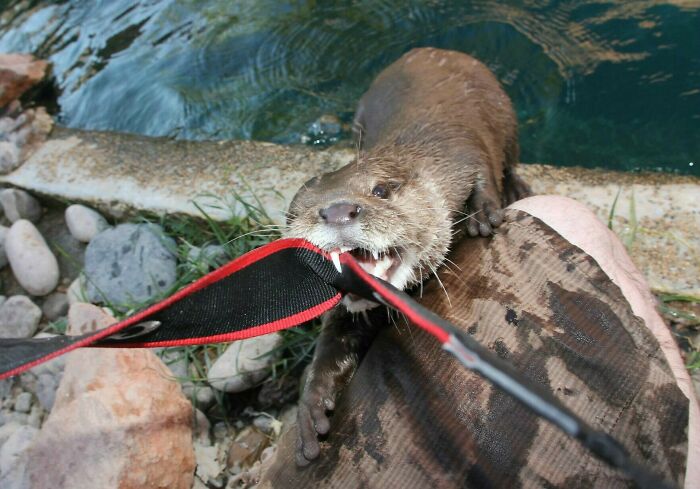
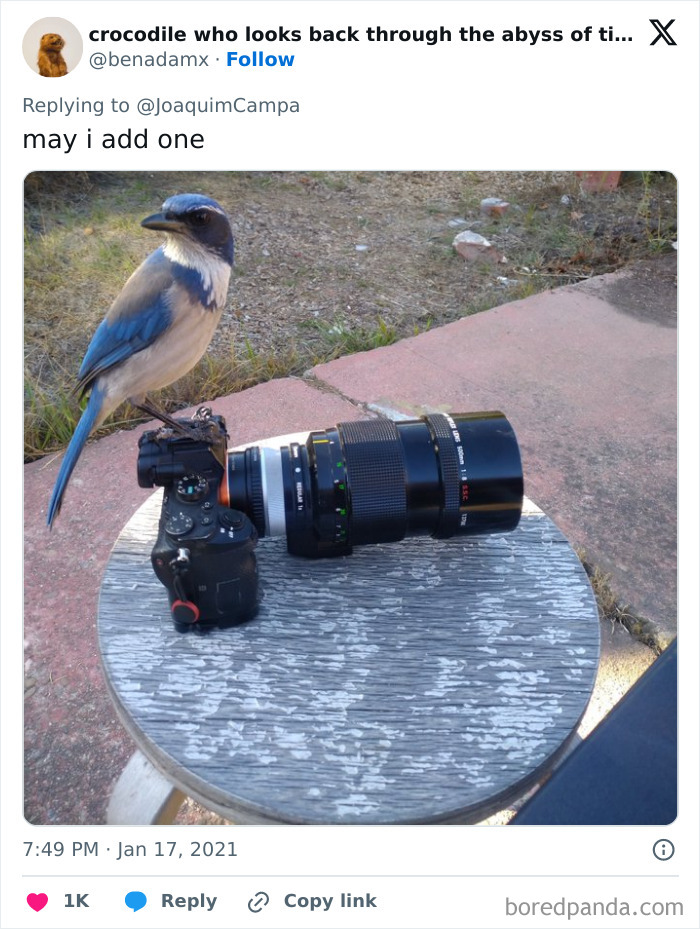
Crivens! Why has no Scot commented on "playing with my equipment"? We do have a reputation, you know. 🤭

I think I'd have left the camera (and the whole area) if thia bear came up to me.


What has to be one of the greatest adverts on television ever, by KitKat. I give you https://youtu.be/QeduBcf_hPM?si=ymwPBCh7uricfUQq
Foxes can act almost tame at times. I had one that had a den across the road from my house. She would lie down and watch me do yardwork, and in the spring, bring me her kits to show them to me. Never tried to approach her, and she kept her distance. When her time came, I found her in her usual spot in the yard. I gave her a proper burial as a friend. I sometimes wonder why over time humans never domesticated foxes, given their tendency to approach humans.
A Russian experiment domesticated foxes. They change colors, all types of different changes. There are TV shows and articles about it. Very cool to watch over the years
Load More Replies...
In one of the BBC wildlife programmes, they decided filming 24 hours a day would be too intrusive. 'Dung cameras' were created - cameras on remote control bases, with the outsides made to look like dung. Whilst in use, an elephant heard the dung-cam move, and went to investigate. After the investigation was complete, the elephants used the dung-cam for an impromptu game of football. They kicked the camera back and forth for quite some time.
Gorgeous and very entertaining - thank you. I wish I could think of comments for the individual photos.





I love animals, but I wouldn't get too close to alligator's, snakes, etc.


Love these pics! Here are a couple of my fave Youtube vids that are similar: https://www.youtube.com/watch?v=9T1vfsHYiKY&list=LL&index=118&t=2s -- Stephen Fry's wildlife photographer getting bonked by a kakapo -- https://www.youtube.com/watch?v=oXaJlpts_IY&list=LL&index=135 -- a baby elephant interrupting a reporter.
What has to be one of the greatest adverts on television ever, by KitKat. I give you https://youtu.be/QeduBcf_hPM?si=ymwPBCh7uricfUQq
Foxes can act almost tame at times. I had one that had a den across the road from my house. She would lie down and watch me do yardwork, and in the spring, bring me her kits to show them to me. Never tried to approach her, and she kept her distance. When her time came, I found her in her usual spot in the yard. I gave her a proper burial as a friend. I sometimes wonder why over time humans never domesticated foxes, given their tendency to approach humans.
A Russian experiment domesticated foxes. They change colors, all types of different changes. There are TV shows and articles about it. Very cool to watch over the years
Load More Replies... In one of the BBC wildlife programmes, they decided filming 24 hours a day would be too intrusive. 'Dung cameras' were created - cameras on remote control bases, with the outsides made to look like dung. Whilst in use, an elephant heard the dung-cam move, and went to investigate. After the investigation was complete, the elephants used the dung-cam for an impromptu game of football. They kicked the camera back and forth for quite some time.
Gorgeous and very entertaining - thank you. I wish I could think of comments for the individual photos.
I love animals, but I wouldn't get too close to alligator's, snakes, etc.
Love these pics! Here are a couple of my fave Youtube vids that are similar: https://www.youtube.com/watch?v=9T1vfsHYiKY&list=LL&index=118&t=2s -- Stephen Fry's wildlife photographer getting bonked by a kakapo -- https://www.youtube.com/watch?v=oXaJlpts_IY&list=LL&index=135 -- a baby elephant interrupting a reporter.








 No fees, cancel anytime