Get Premium
Dark mode theme is available exclusively for premium users. Learn more about the benefits of subscribing.
No fees, cancel anytime.

 Dark Mode Ad-Free Browsing Unlimited Content
 Ad-Free Browsing Unlimited Content Dark Mode
Join 1.2 million Panda readers who get the best art, memes, and fun stories every week!
Photography was still in its infancy during the 1800s, but what the early pioneers captured with their bulky cameras and glass plates was nothing short of revolutionary. These 36 photographs aren't just pretty pictures, but rather windows into moments that shaped our world. From the first images to tackle life's deepest themes to portraits of legends like Lincoln and Sitting Bull, these pictures prove that sometimes a single photograph really can be worth a thousand words. You'll see natural wonders documented for the first time, artistic breakthroughs that changed how we think about photography, and faces of people who made history. These images remind us why they say the camera never lies.
This post may include affiliate links.

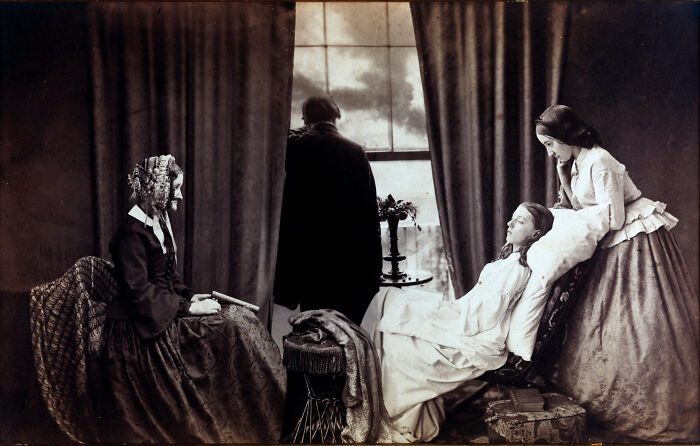
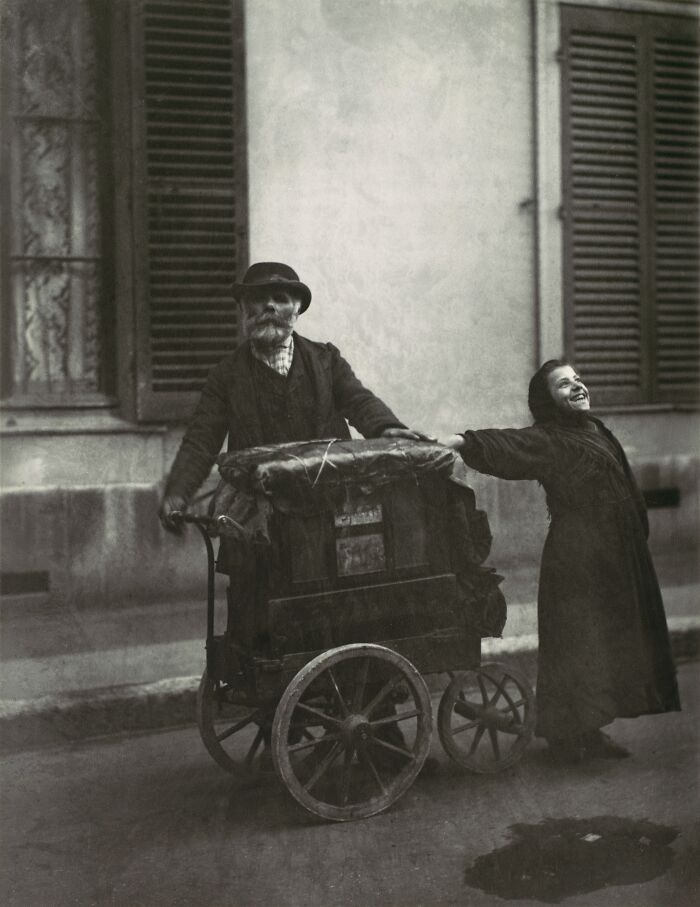
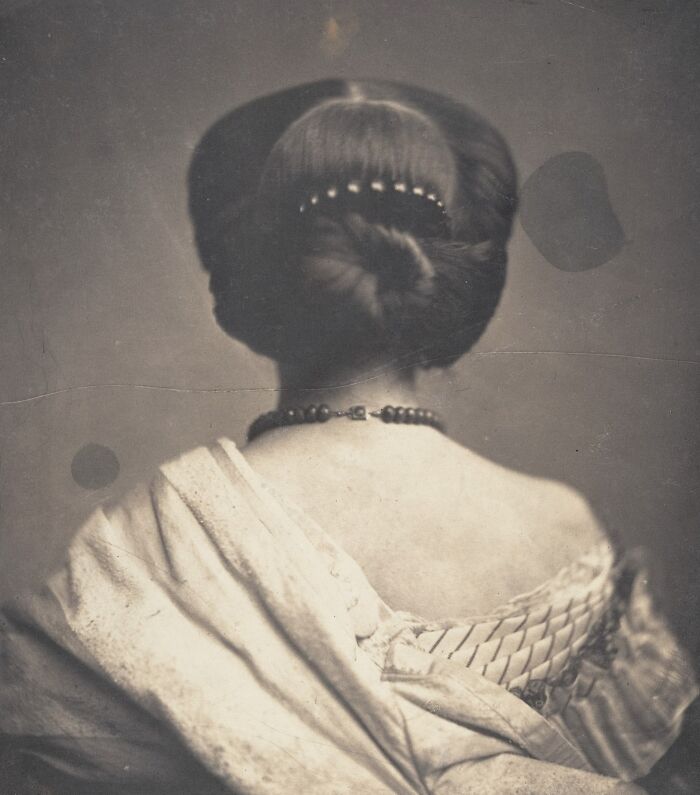
She looks like she could be an ancestor of my wife's family. We'll never know.
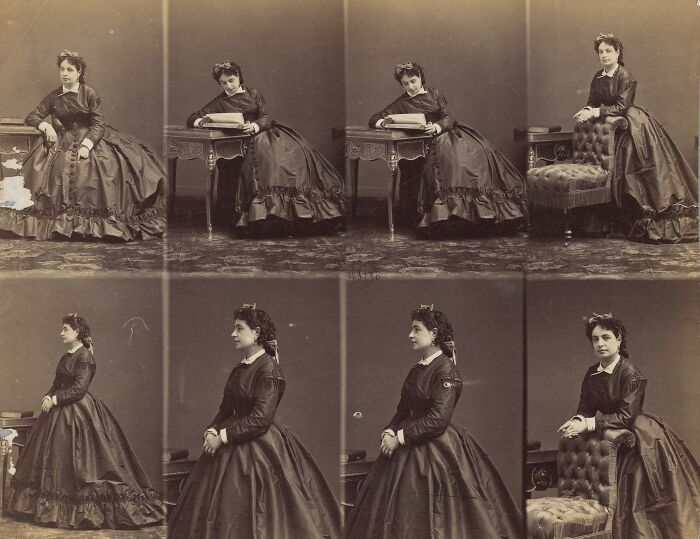
Unlike the effortless snaps of today, 19th-century photography was an arduous, chemical-laced process. Each image was a deliberate act, requiring subjects to hold still for long exposures, forever freezing a calculated moment in silver and light. This technical limitation is what gives many of these portraits their solemn, penetrating quality.

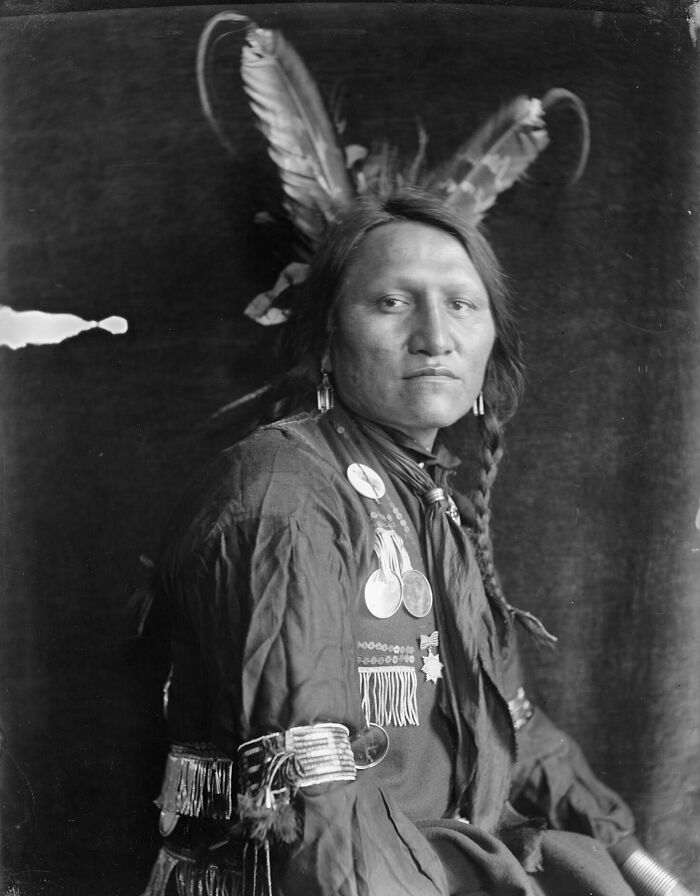
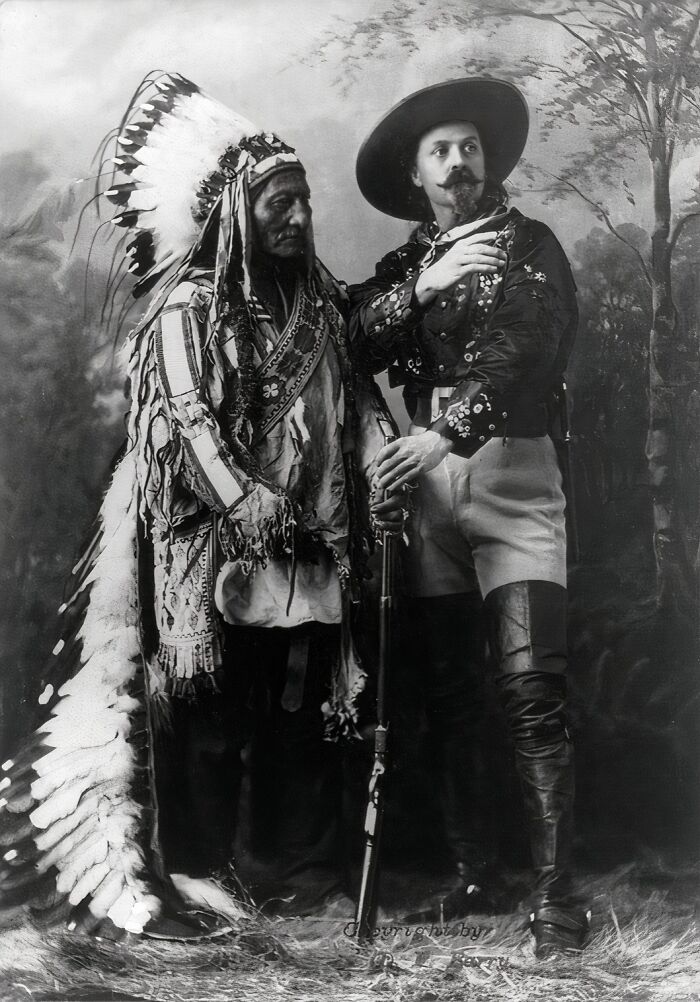
Again, Buffalo Bill treated these people like zoo animals. He was a horrible person.
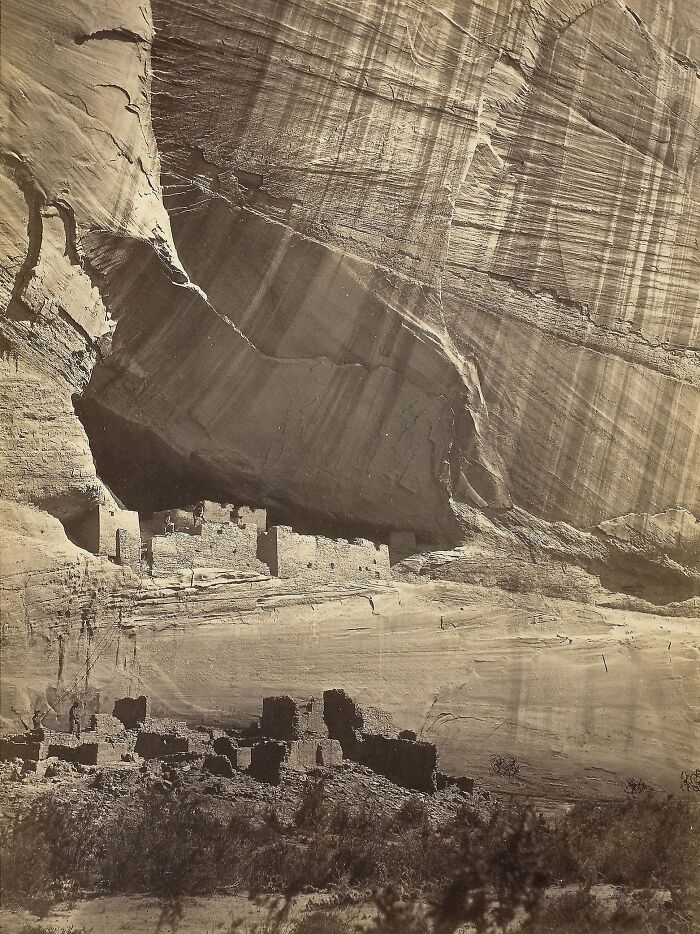
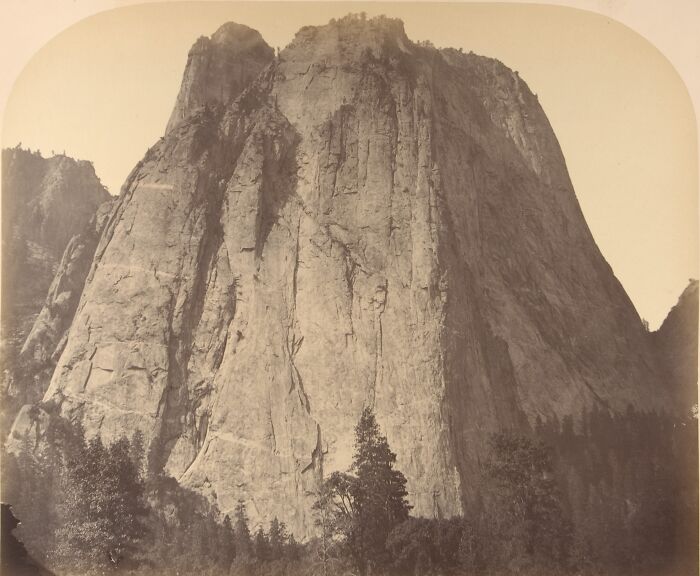
As the century progressed, the camera became an essential tool for documenting America's westward expansion. These images captured the collision of worlds with vast, untamed landscapes being seen by settlers for the first time, the faces of indigenous peoples confronting immense change, and the monumental engineering feats that would connect a continent.
Kind of a s****y way for a proud Native American to spend his twilight years. Buffalo Bill was not a good person and he treated many of his performers like they were property to be displayed to the public for money.
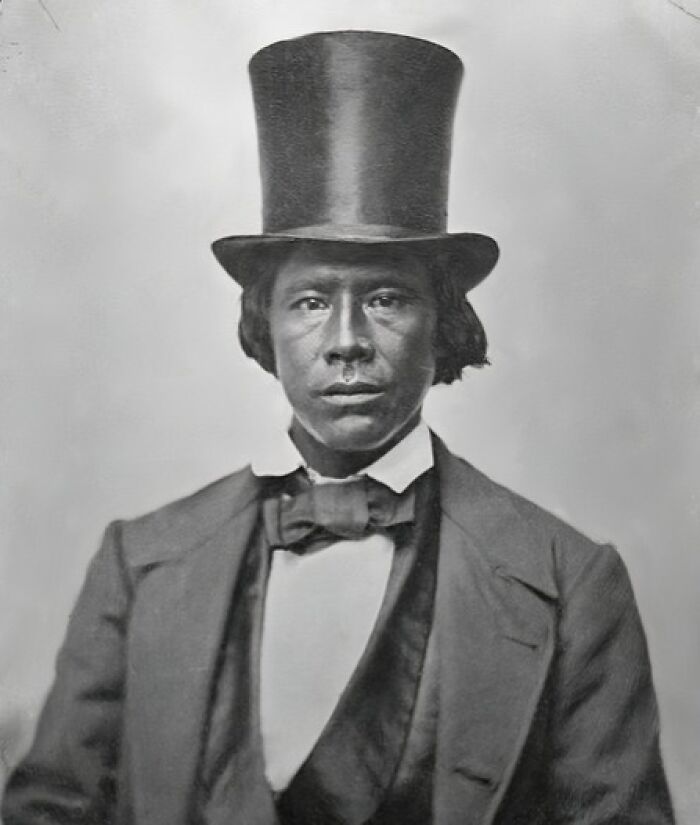
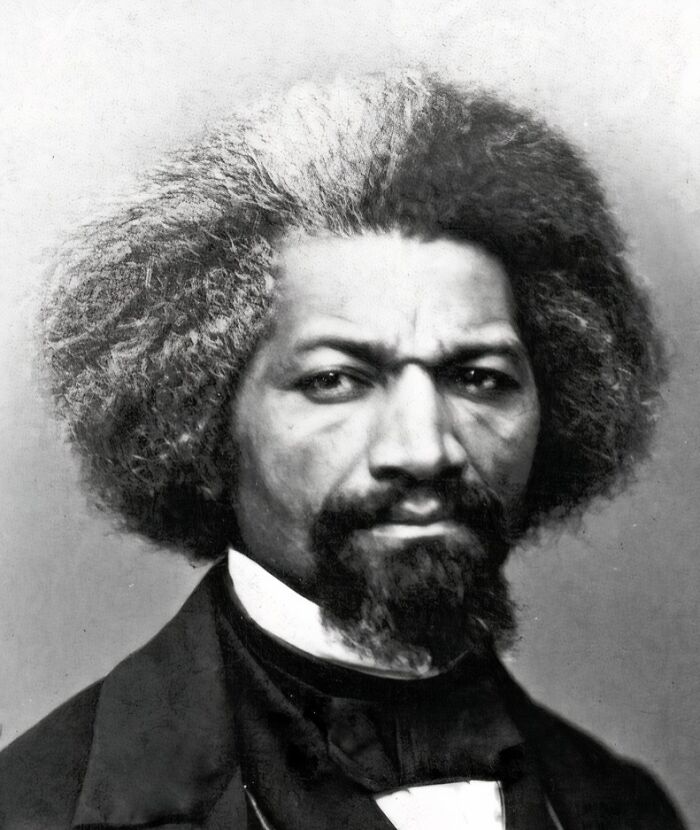
Douglass, at an older age, is shown on a US postage stamp. A fascinating, important man.
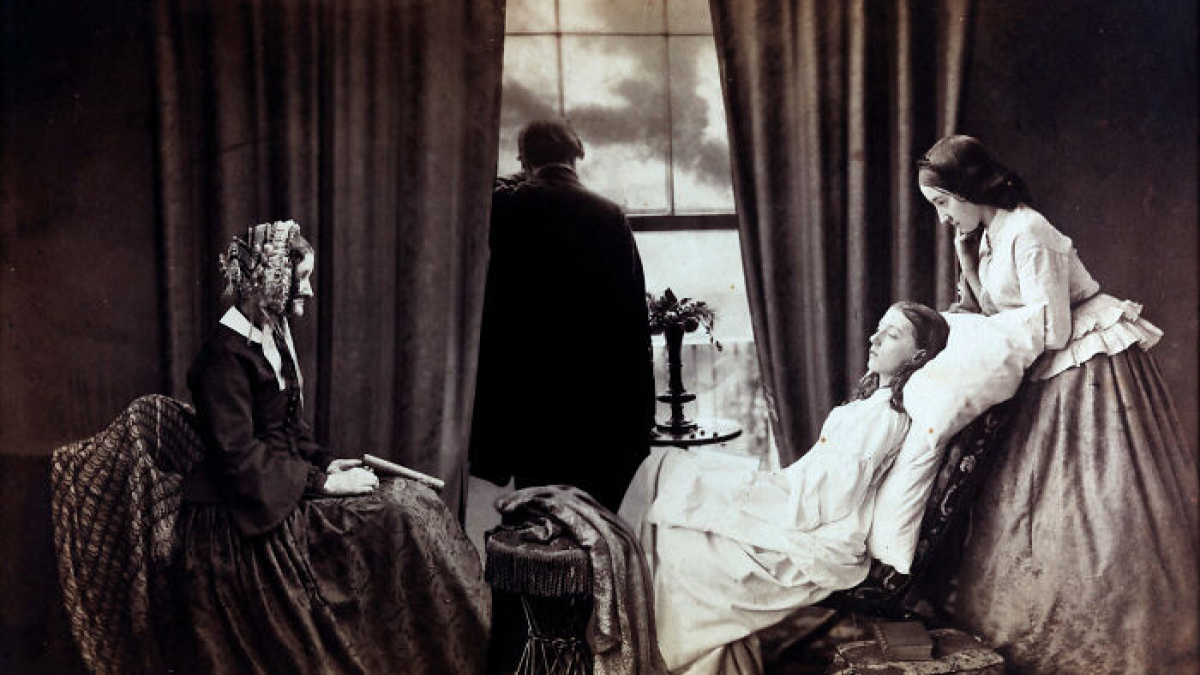
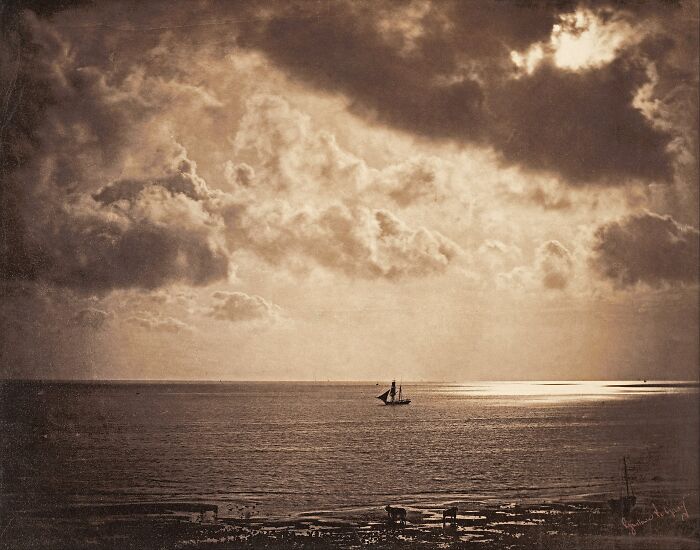
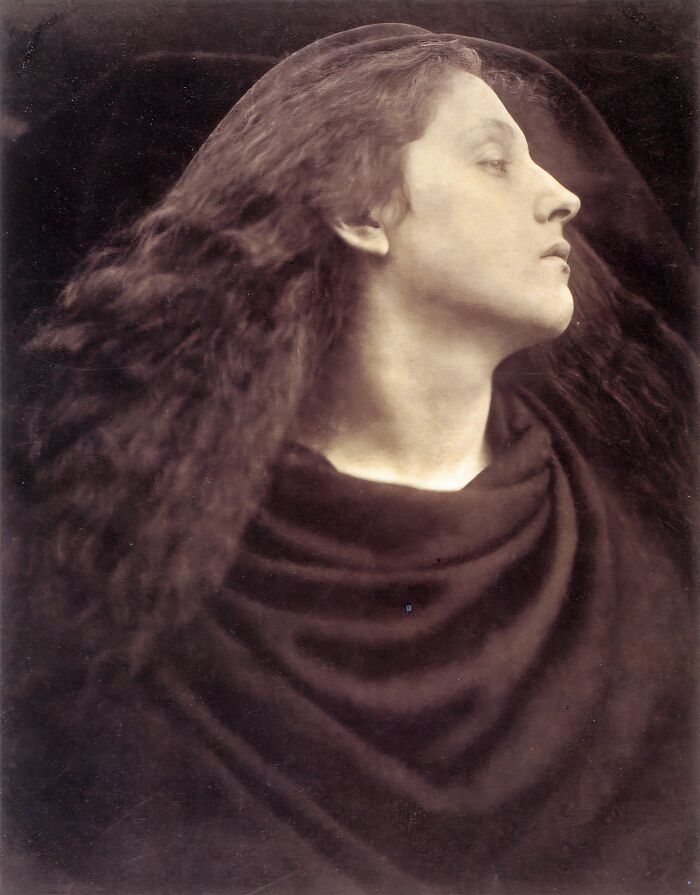
From its very inception, photography sparked a debate: was it a tool for pure documentation or a new medium for artistic expression? The pioneers of the craft explored both paths, creating scientifically precise records alongside carefully composed scenes that rivaled the emotional depth of classical painting.
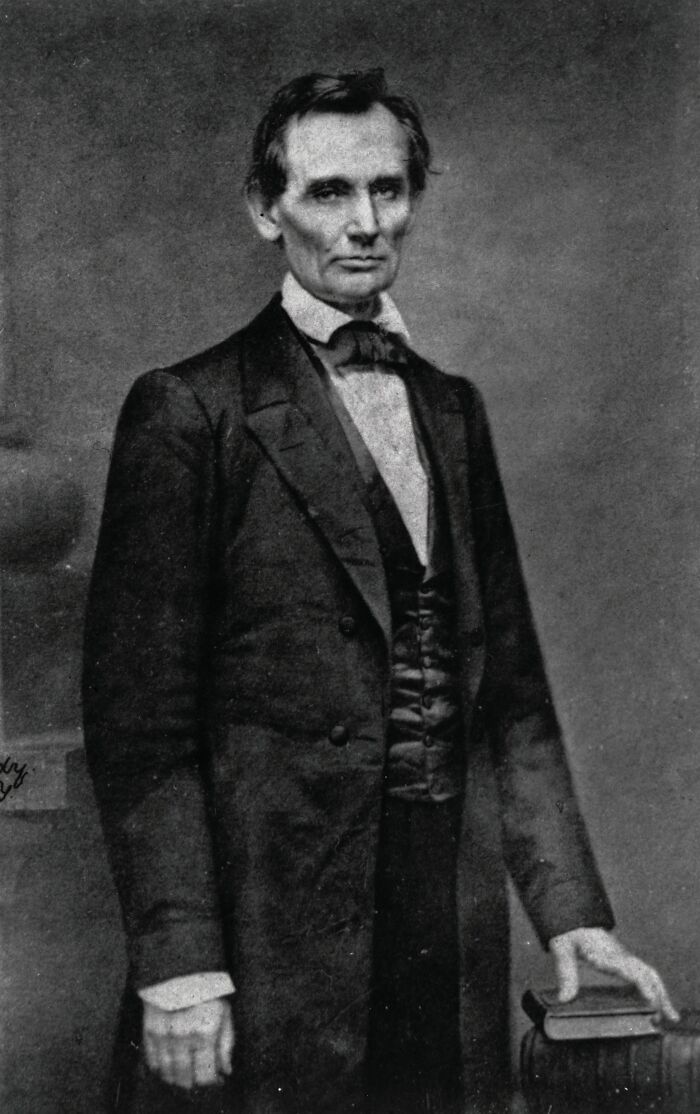
He didn't grow a beard until a little girl wrote and suggested it.

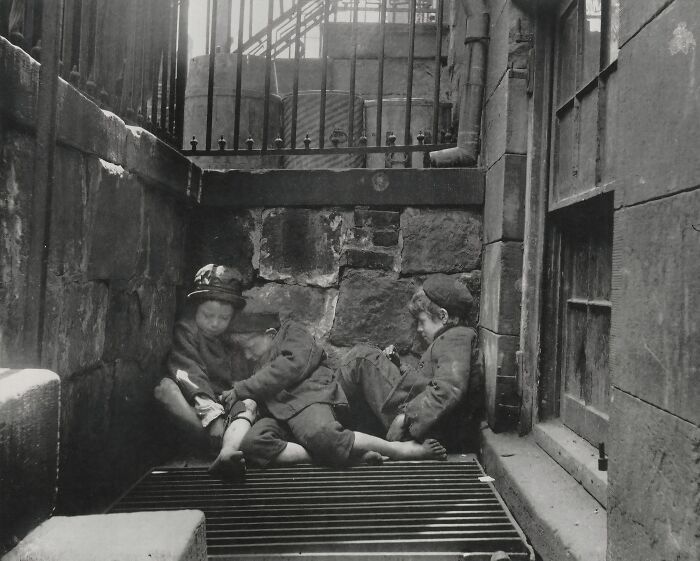
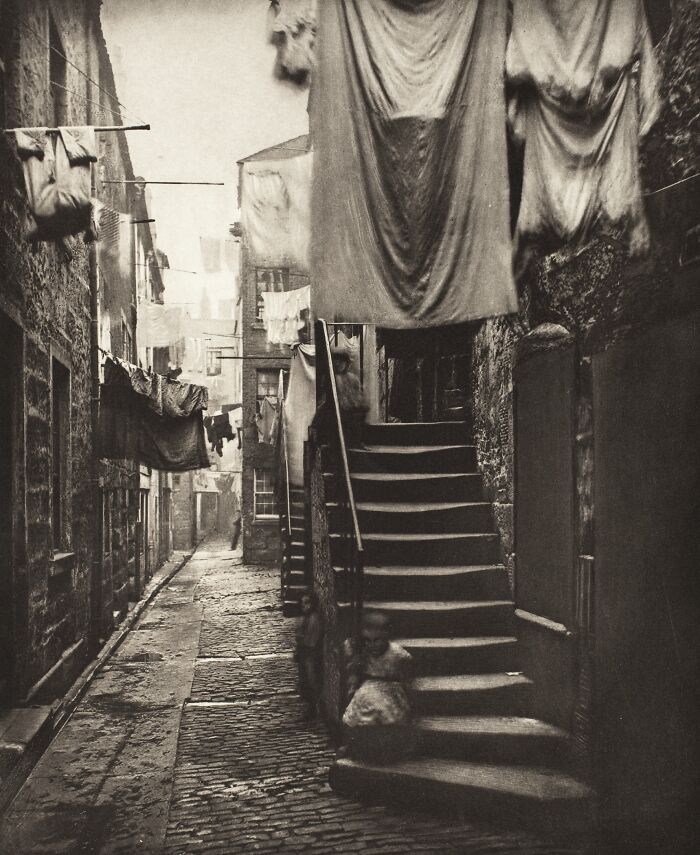
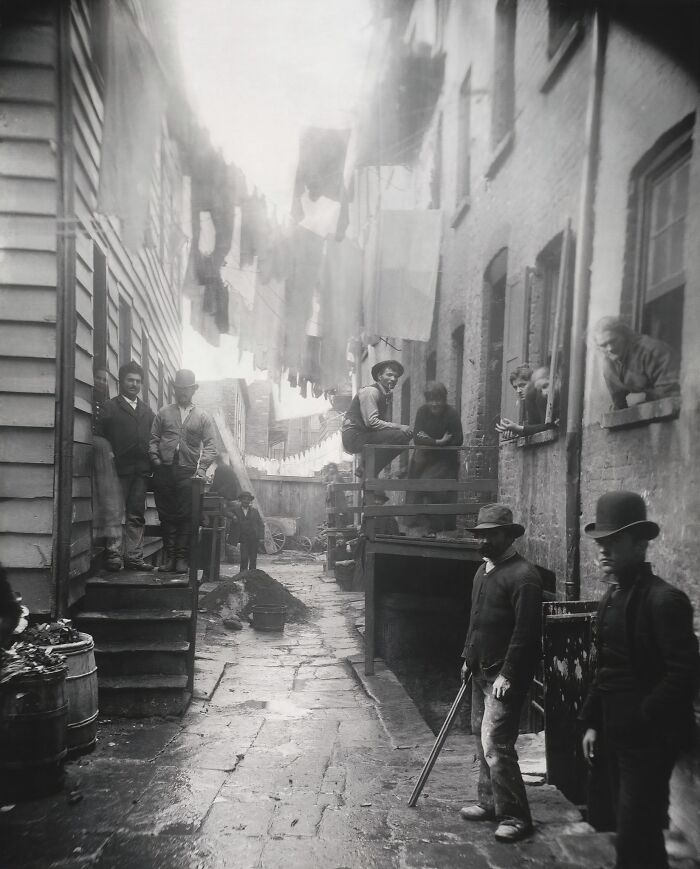
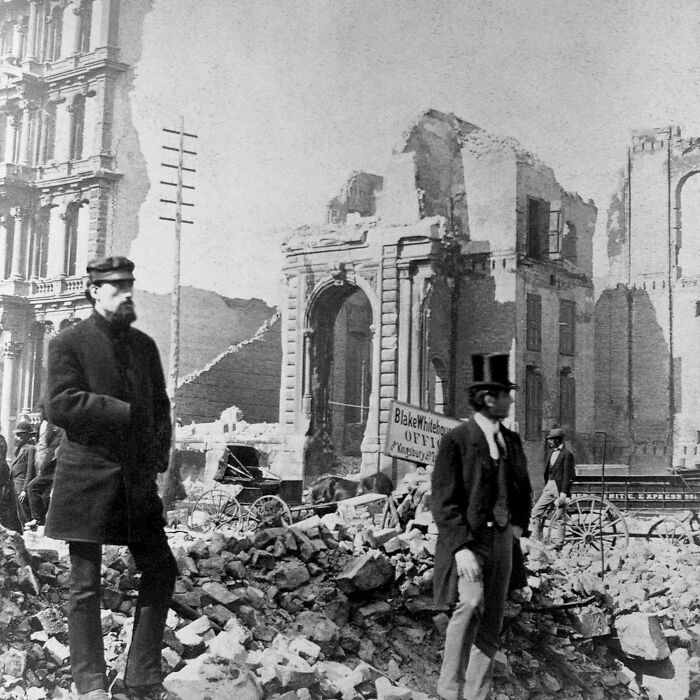
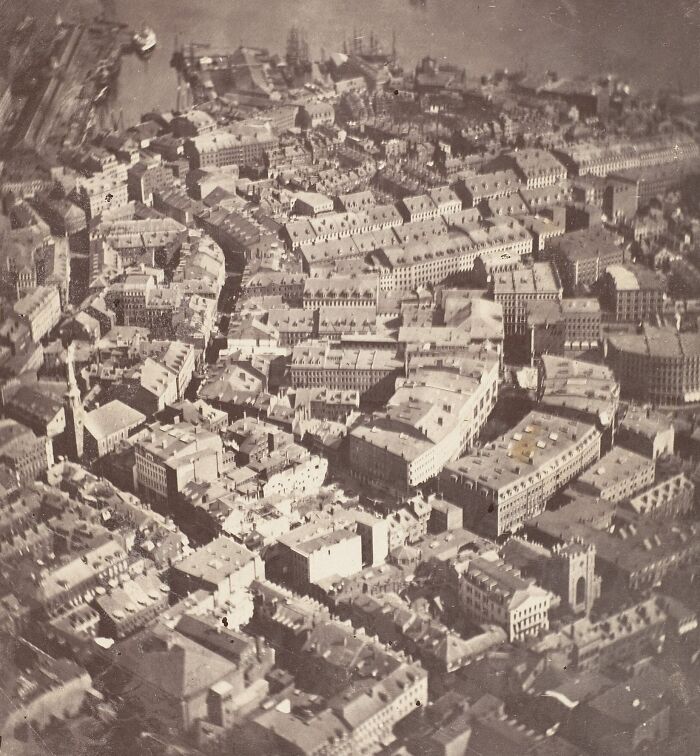
The Industrial Revolution dramatically reshaped the urban landscape, bringing both unprecedented progress and immense social challenges. Early documentary photographers did not shy away from this reality, turning their lenses on the crowded streets, the aftermath of disaster, and the stark living conditions of the working poor.

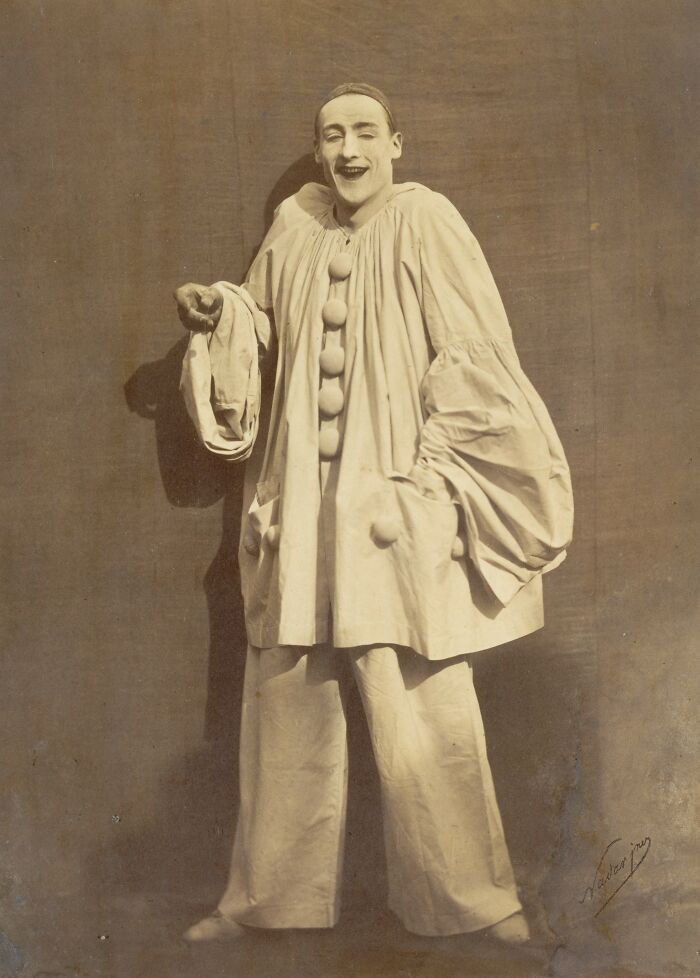
Jean-Gaspard Deburau. A little boy recognized him out of costume on the street in 1836. Annoyed, Deburau struck him with his cane, killing him.
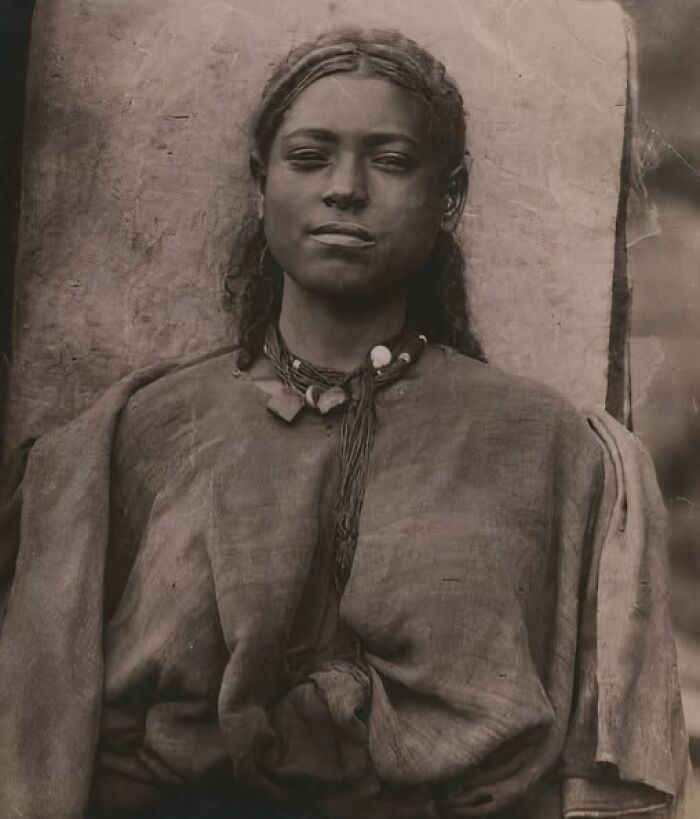
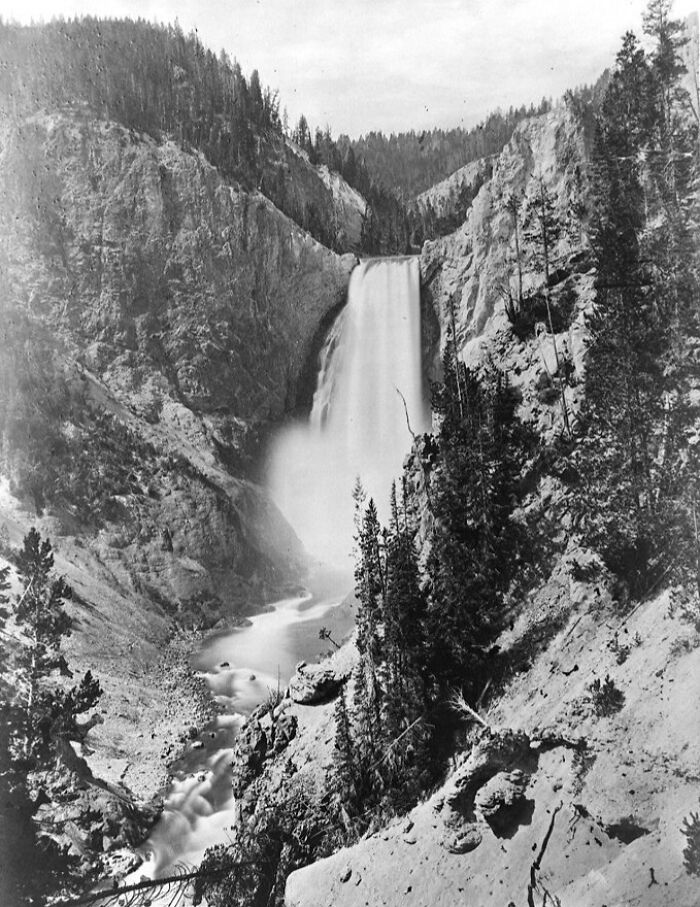
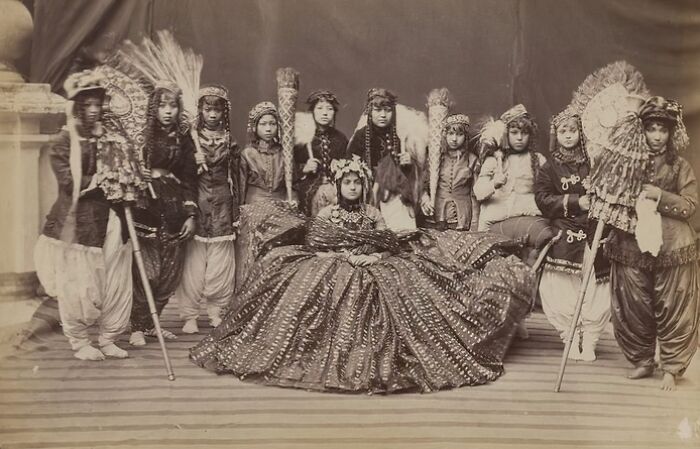
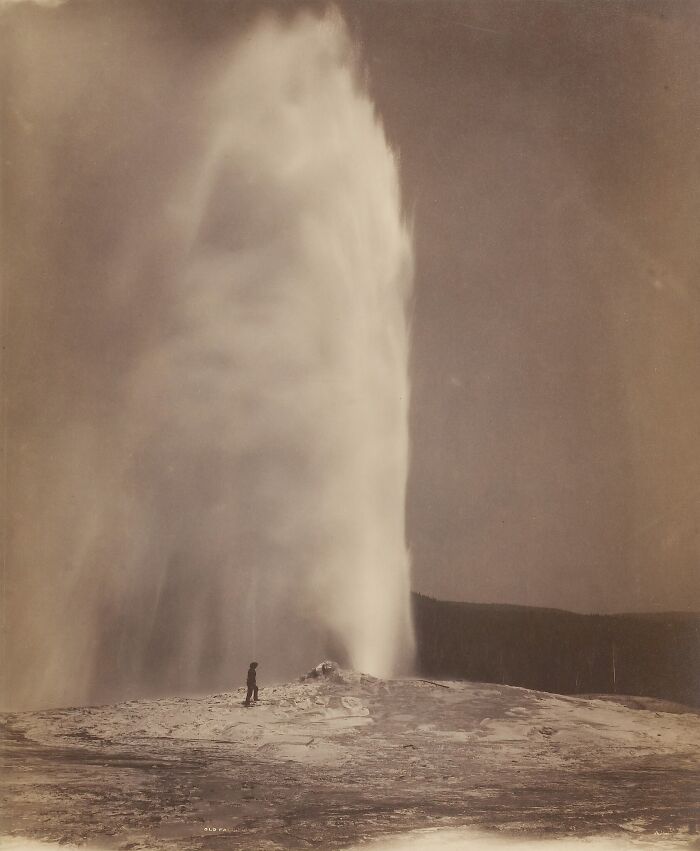
For the first time in human history, people could see faithful depictions of faraway lands and wonders without ever leaving their homes. Photography collapsed distances, bringing the majesty of a Yellowstone geyser or the face of a person from another continent into the parlors of Europe and America, forever changing our perception of the world.
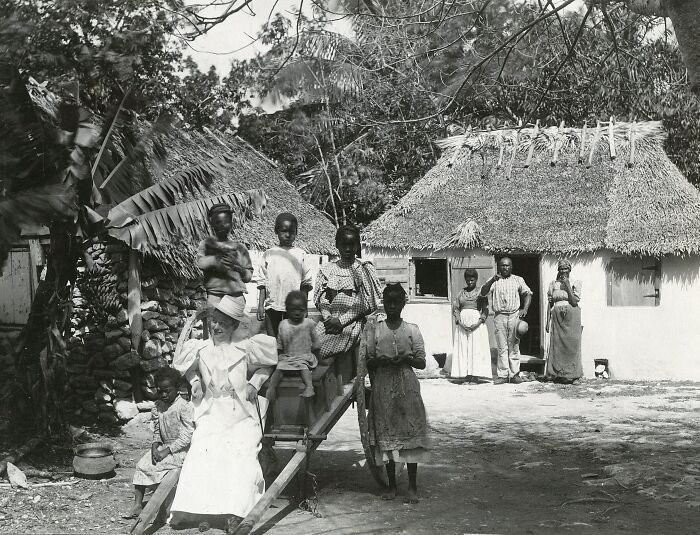
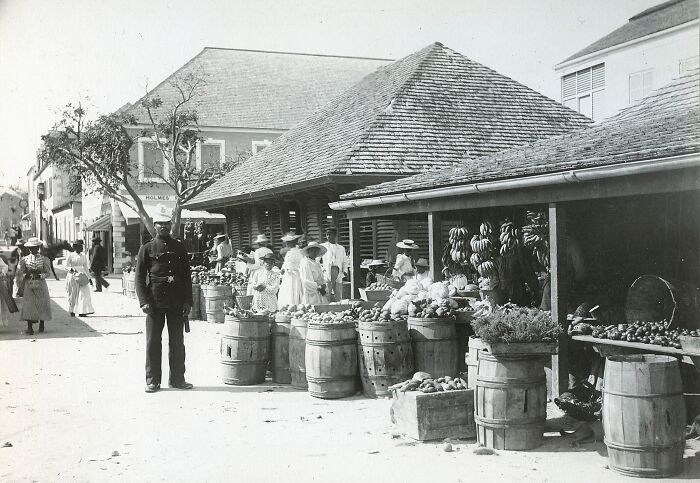
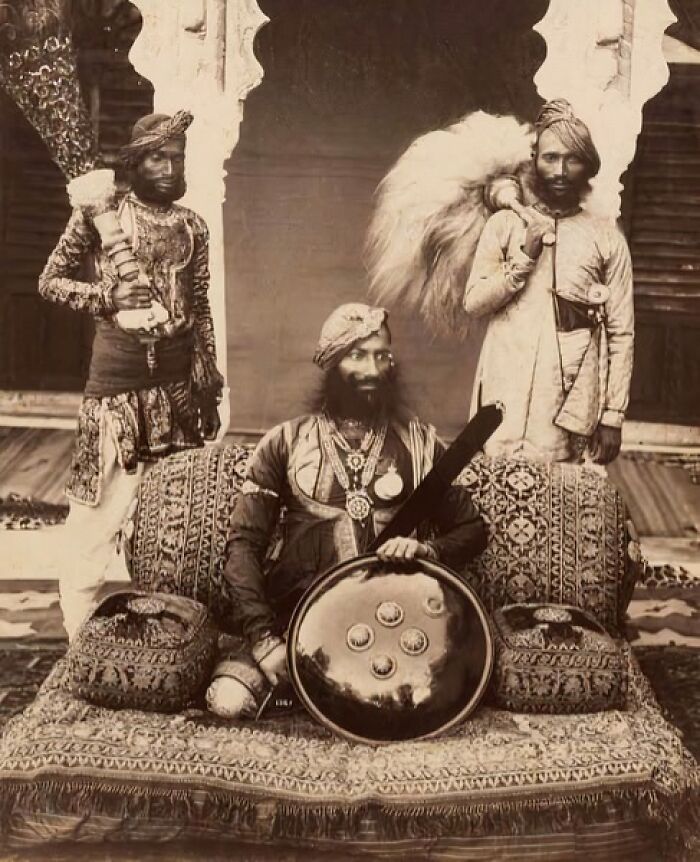
What native? Native of where? I see locals at home visited by a foreigner.
The vast majority of the workers were Chinese but were excluded from the photo. An example of how history isn presented differently than it actually happened.
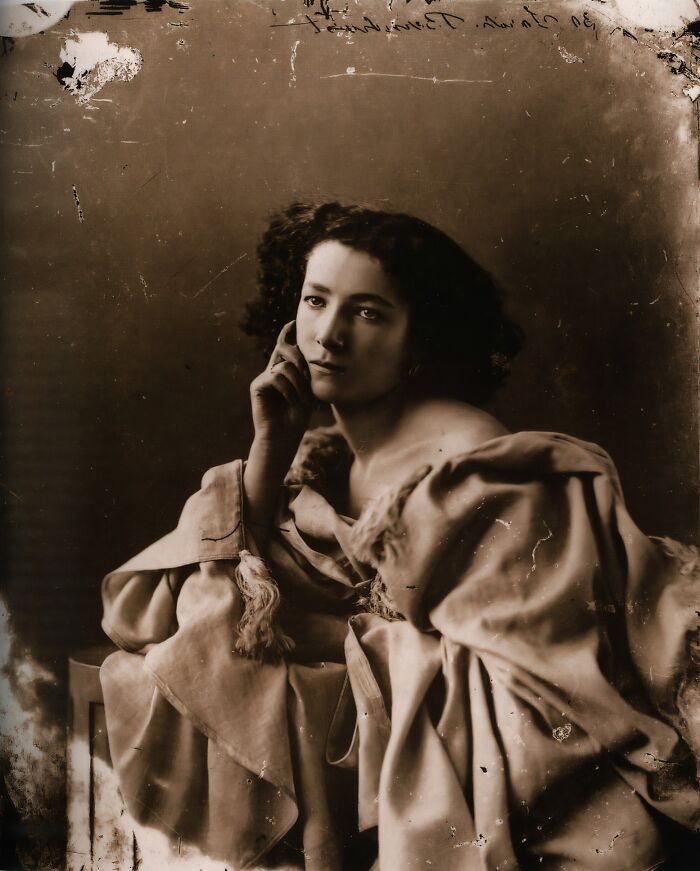
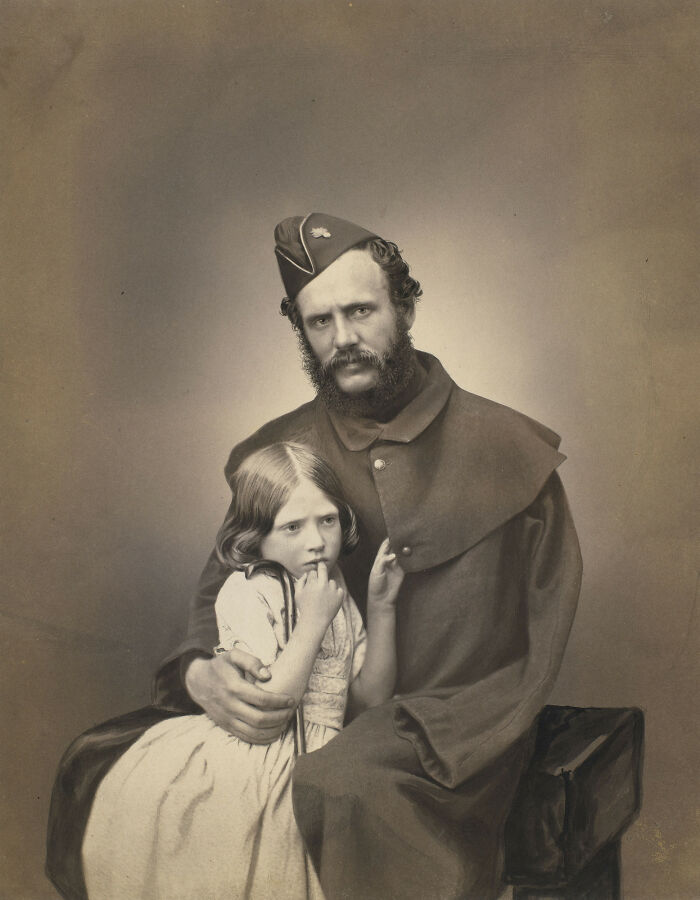
In an era before home movies or video calls, a photographic portrait was a rare and precious thing, a permanent record of a person's existence. Staring into the eyes of these 19th-century subjects, we are not just seeing a likeness, but connecting with the solemnity and character of individuals who lived through a transformative age.
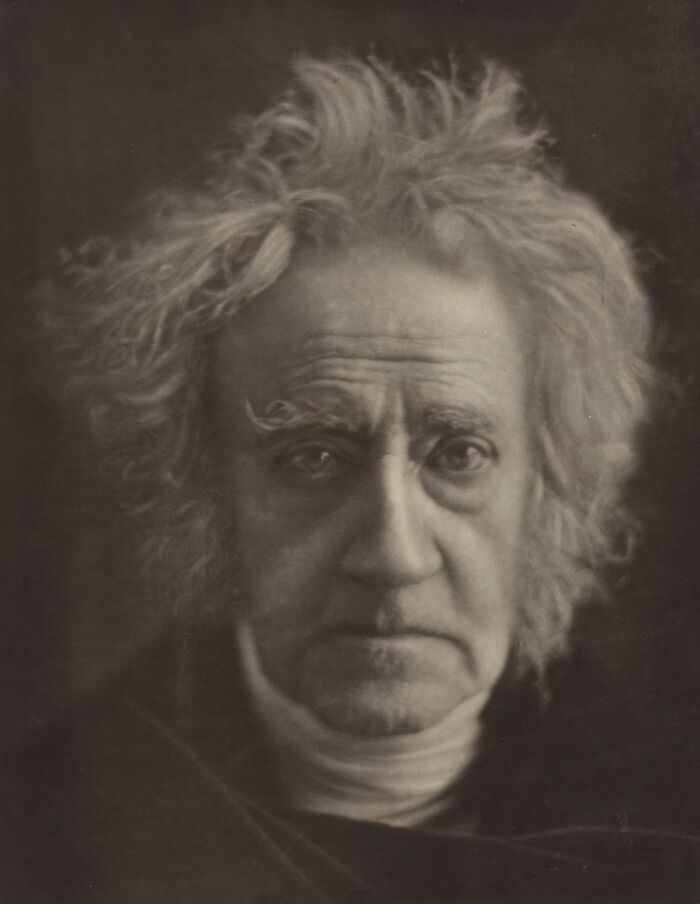
Born in 1792 - son of the noted astronomer William Herschel and nephew of the slightly overlooked astronomer Caroline Herschel: https://en.wikipedia.org/wiki/John_Herschel

so many american ones, i like the ones from the rest of the world much more
so many american ones, i like the ones from the rest of the world much more













 No fees, cancel anytime