Get Premium
Dark mode theme is available exclusively for premium users. Learn more about the benefits of subscribing.
No fees, cancel anytime.

 Dark Mode Ad-Free Browsing Unlimited Content
 Ad-Free Browsing Unlimited Content Dark Mode
Join 1.2 million Panda readers who get the best art, memes, and fun stories every week!
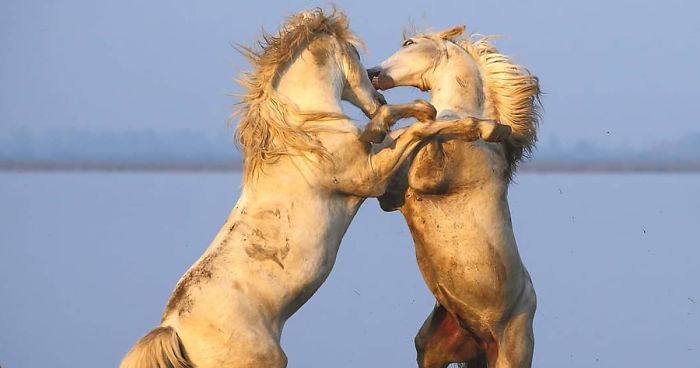
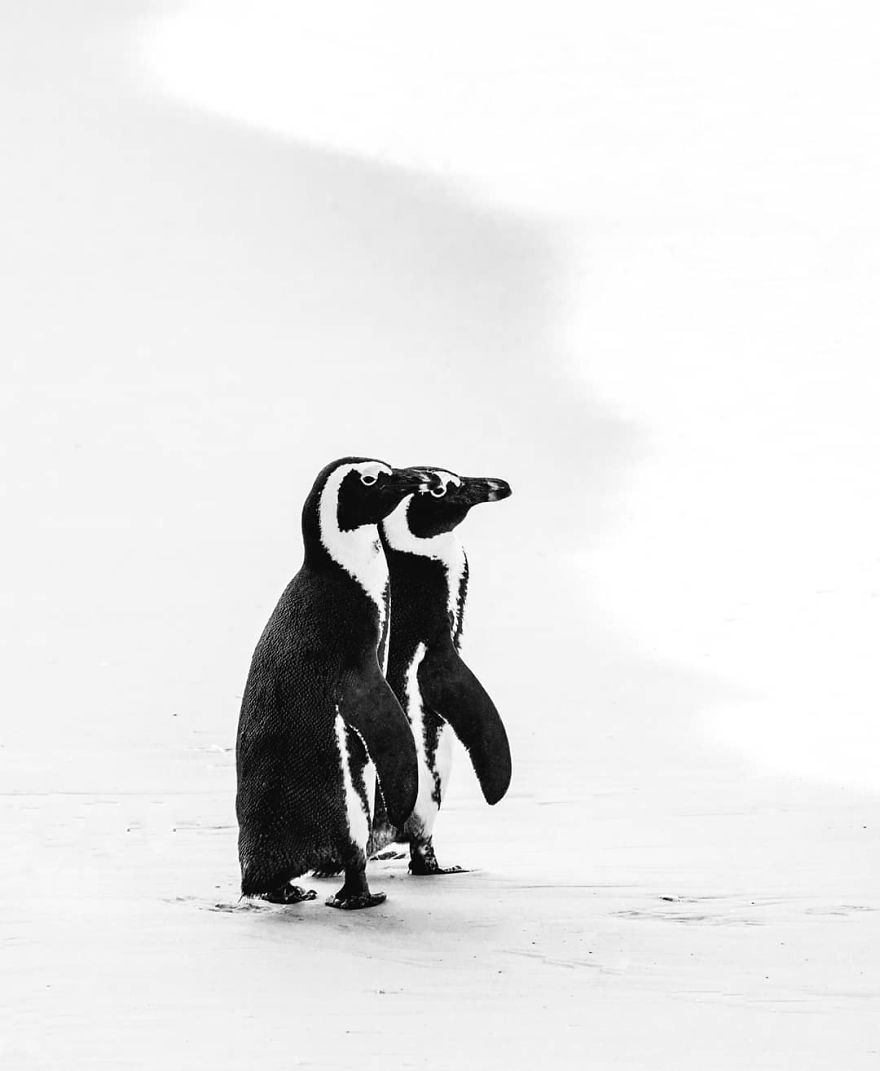
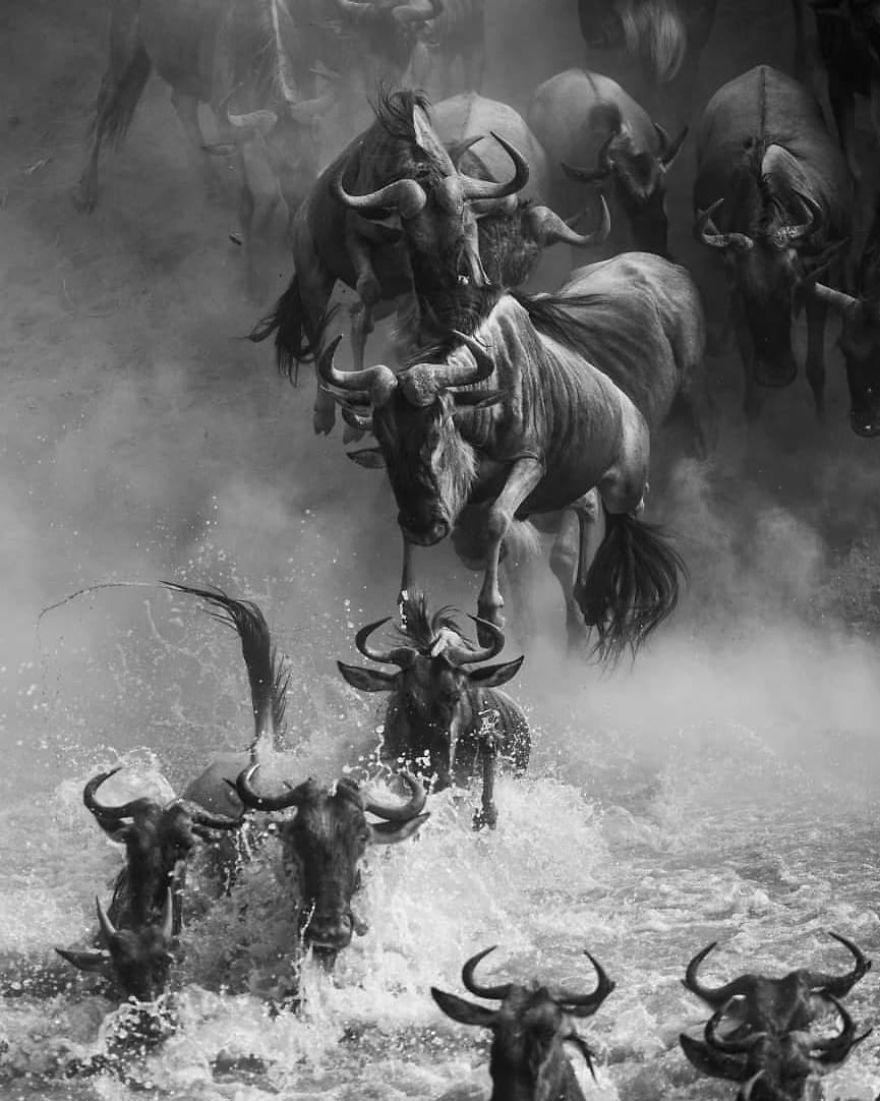
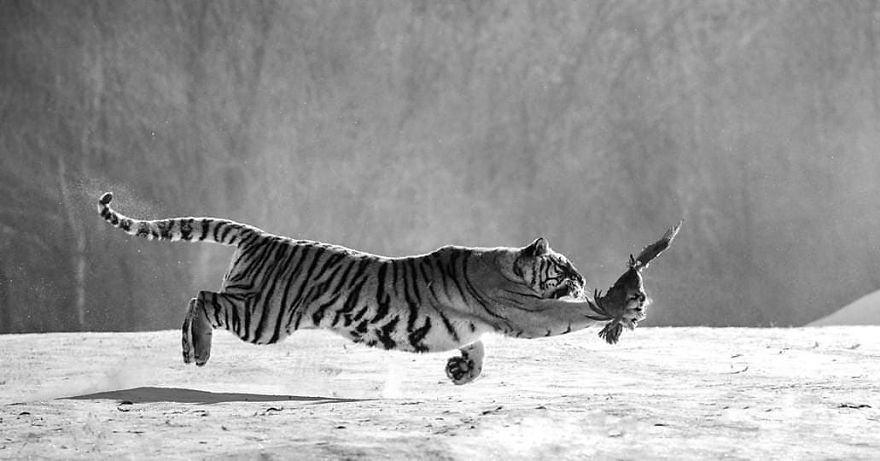
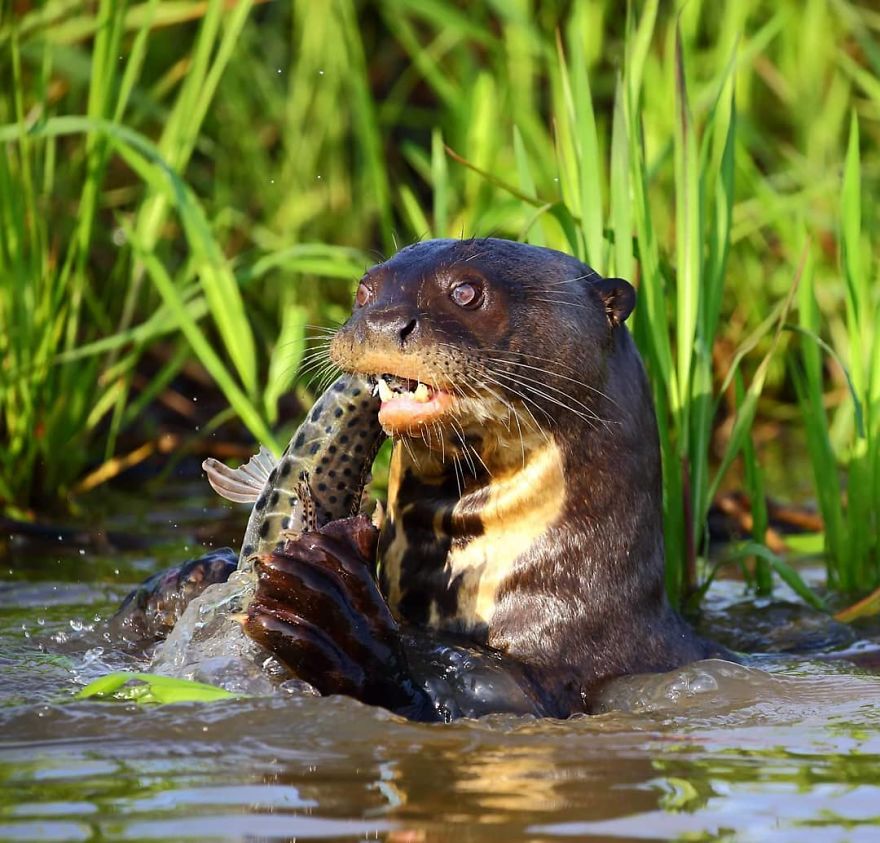
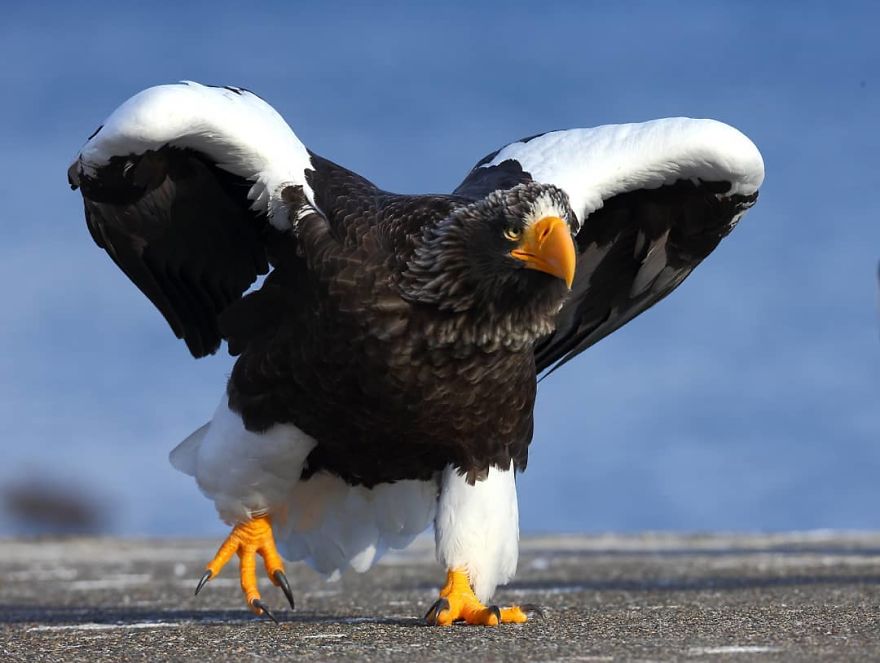
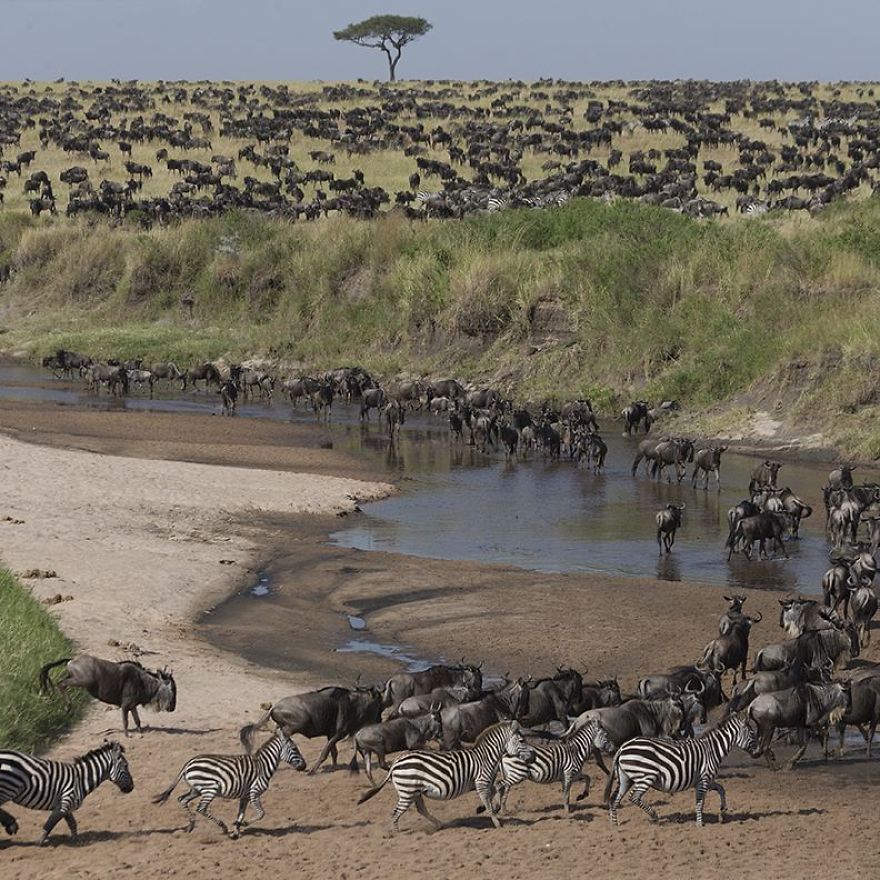
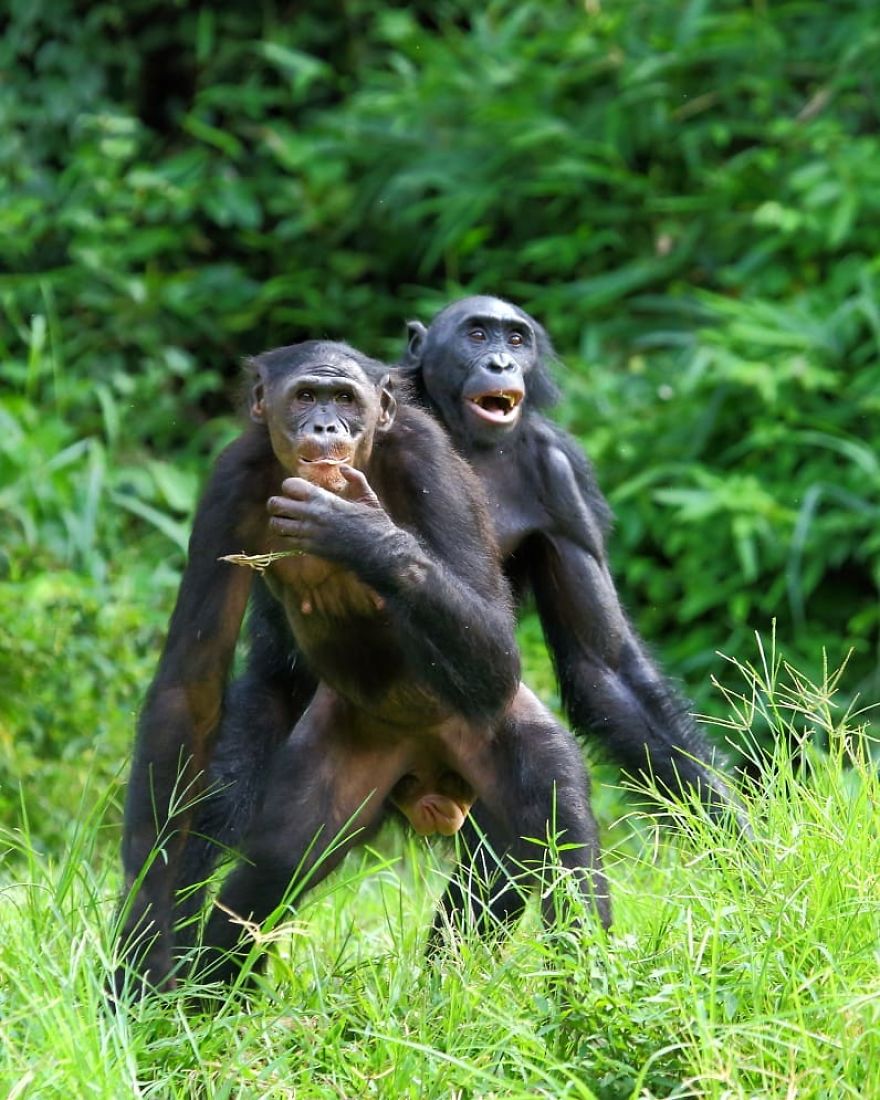
Andrey Gudkov is a Russian wildlife photographer who takes frequent expeditions to the most distant and dangerous Indonesian and African regions such as Borneo, Zambia, and Rinca Island. All to capture wild animals living in their natural habitat—a view which, due to modern life, has become exotic to our eyes. Through his photography, Gudkov tries to convey the beauty and importance of these animals as many of them are becoming endangered.
More info: Instagram | wildanimalssafari.com
This post may include affiliate links.
In order to chase his dreams and become a wildlife photographer, Gudkov had to wait for the moment to come. That moment was when the Soviet Union crashed and he was able to travel freely. "For me, it all began with the television programs of David Attenborough’s films, and the rare BBC nature programs that were shown on Soviet television many years ago. And when, at the end of the eighties, I first held a copy of National Geographic in my hands, it was a culture shock for me. The photographs dazzled, drew you in, seemed so fantastic and unreal. These shots were my pathway into a fairy tale where a simple Soviet man could hardly hope to end up. Such dreams of far-off countries and exotic animals really got into my head. And as soon as there appeared the opportunity to travel freely and acquire professional equipment, realizing that dream became a reality,” says Andrey Gudkov to Bored Panda.
The artist says that he always knew that he wanted to be a wildlife photographer. He was inspired by many famous wildlife photographers, which taught him the craft through textbooks. “I never had to ask myself what genre of photography I should shoot. I already knew that wildlife photography was the genre of photography where I had always wanted to work. My textbooks were the photo albums of world-famous wildlife photographers: Steve Bloom, Franz Lanting, Michael Poliza, and others. Their works inspired me, taught me, and gave me space for creative work; they served as my critics. Little by little, step by step, through trial and error, I worked out my own unique style. In the beginning, it all seemed simple and easy to understand. But the more I shot, the more I realized how difficult the genre was and how endless the opportunities were for creative work in it.”
He says that wildlife photography is extremely difficult as the photographer has to have special preparation and a lot of patience, not to mention financial investments in photo equipment and twelve to fifteen working hours in not-so-perfect working conditions. “Professional wildlife photography is a very complicated, specific genre of photography, demanding from the photographer special preparation and a special temperament, especially when shooting wildlife in their natural habitat. It also means considerable financial investment in photo equipment and technology, and dealing with endless bureaucratic procedures when organizing expeditions: long correspondences with officials and the directorships of national parks, purchases of licenses for photo shooting, etc. Apart from that, a wildlife photographer must possess very special knowledge about his subject; otherwise all the colossal efforts in organizing the expedition might go to waste. You must go armed with great patience and caution, because professionally photographing an animal without giving it serious thought is almost impossible. At times, you end up having to spend six or seven months getting ready for an expedition where you’ll only have three or four shooting days. The workday can be as long as twelve to fifteen hours. Be prepared for poor living conditions and a camping-style life: dirt, dust, rain, scorching sun, and traumas will be your unavoidable companions.
And if you spend a long time shooting in the tropics, then a whole bouquet of tropical diseases is practically guaranteed. And when you wake up at four AM several days in a row and realize that you have to go another fifteen kilometers through rain-drenched tropical forests in almost 100% humidity, carrying equipment that weighs twenty kilograms for the sake of a few shots (and sometimes just for a single one), ask yourself one question: 'Do I need this?' If the answer is negative, don’t torture yourself and those around you; after all, in the first stages of work, disappointment will be more common than success.”

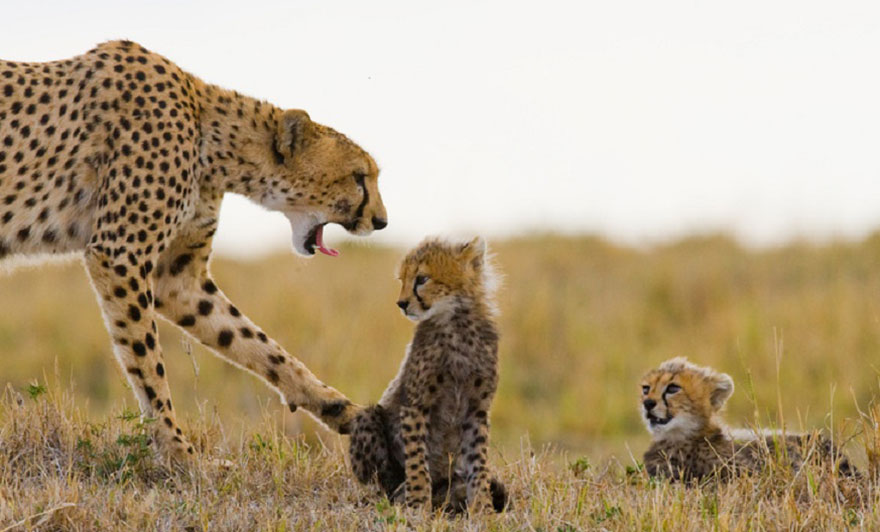
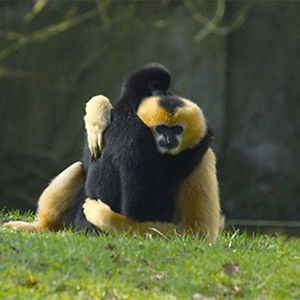
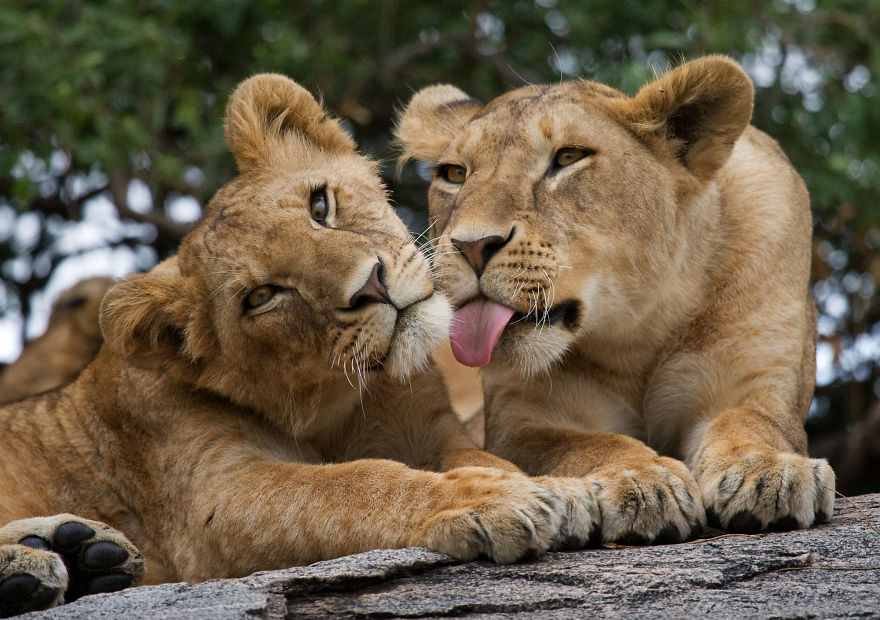
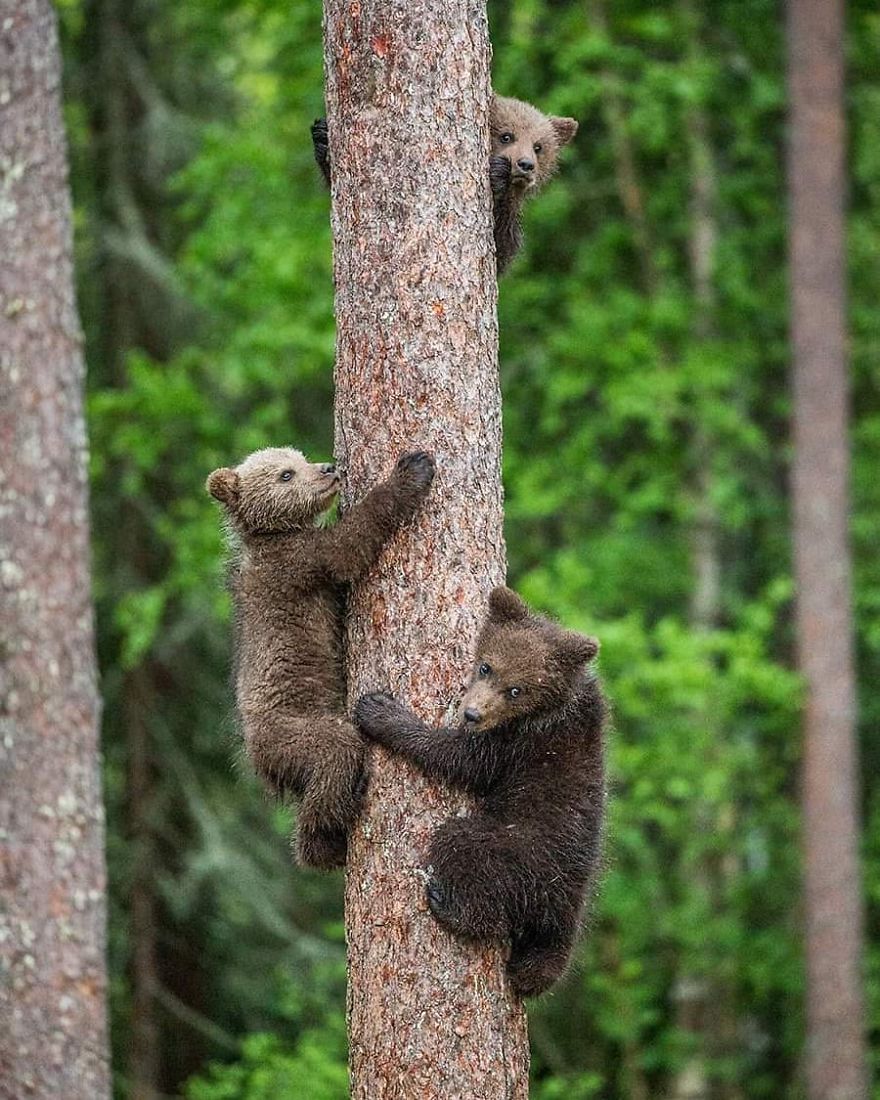
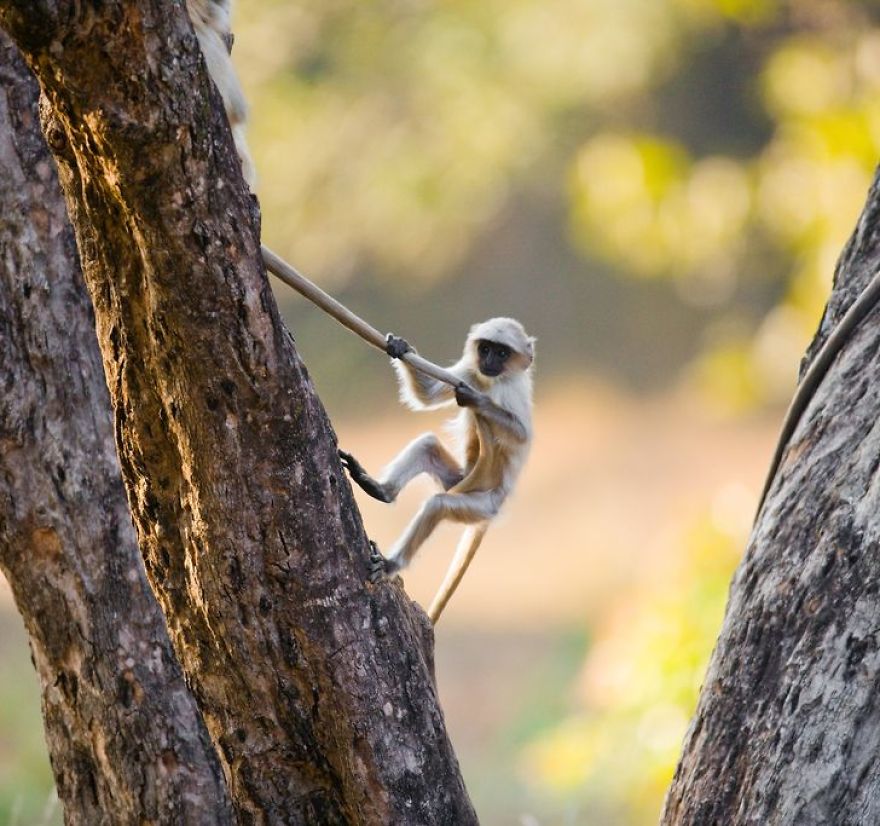
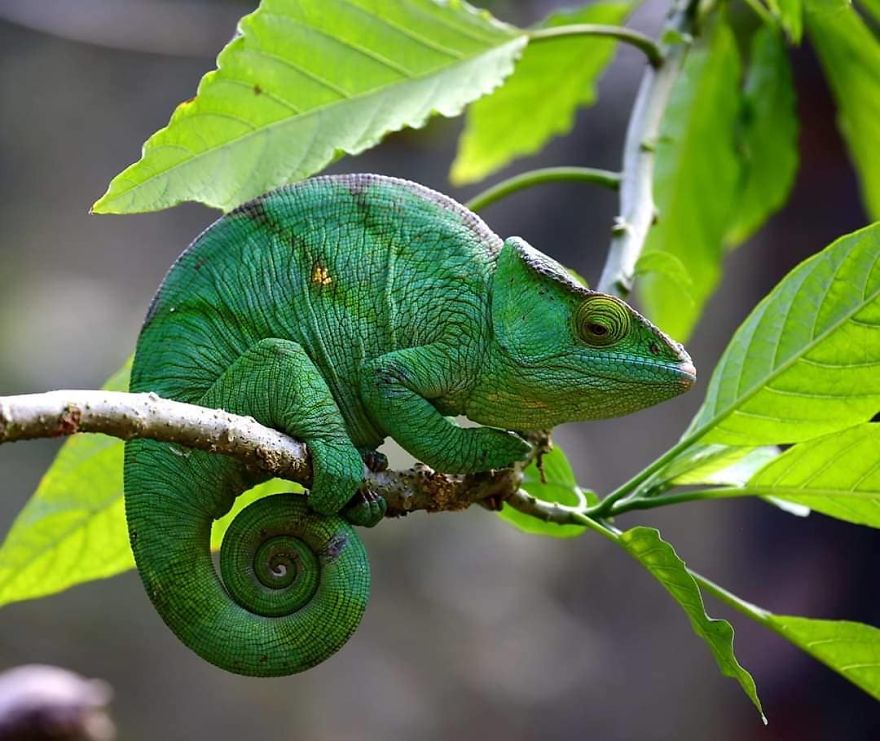
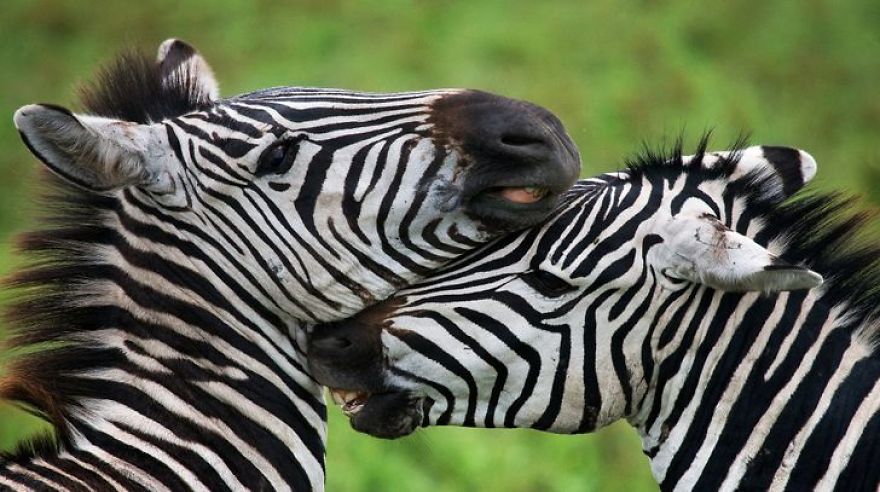
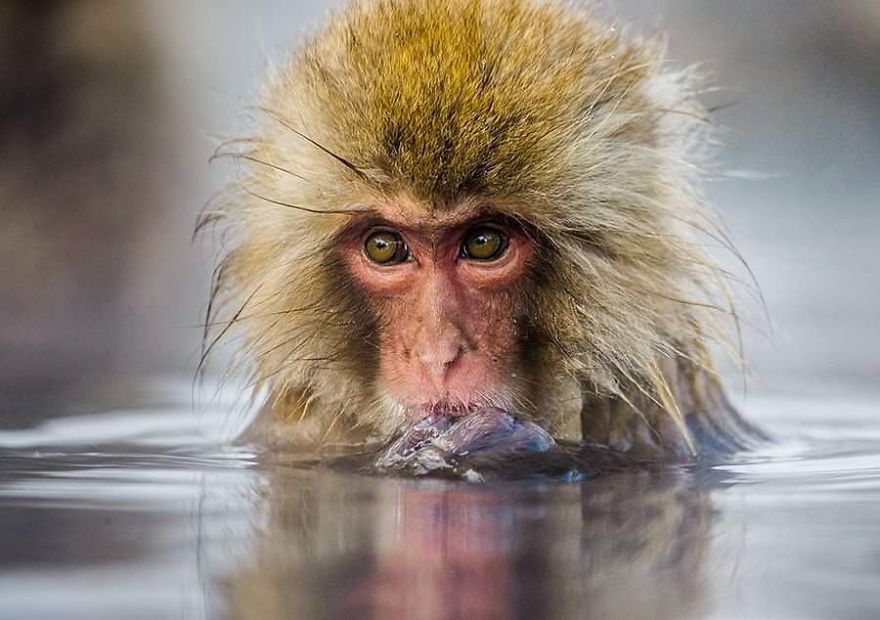
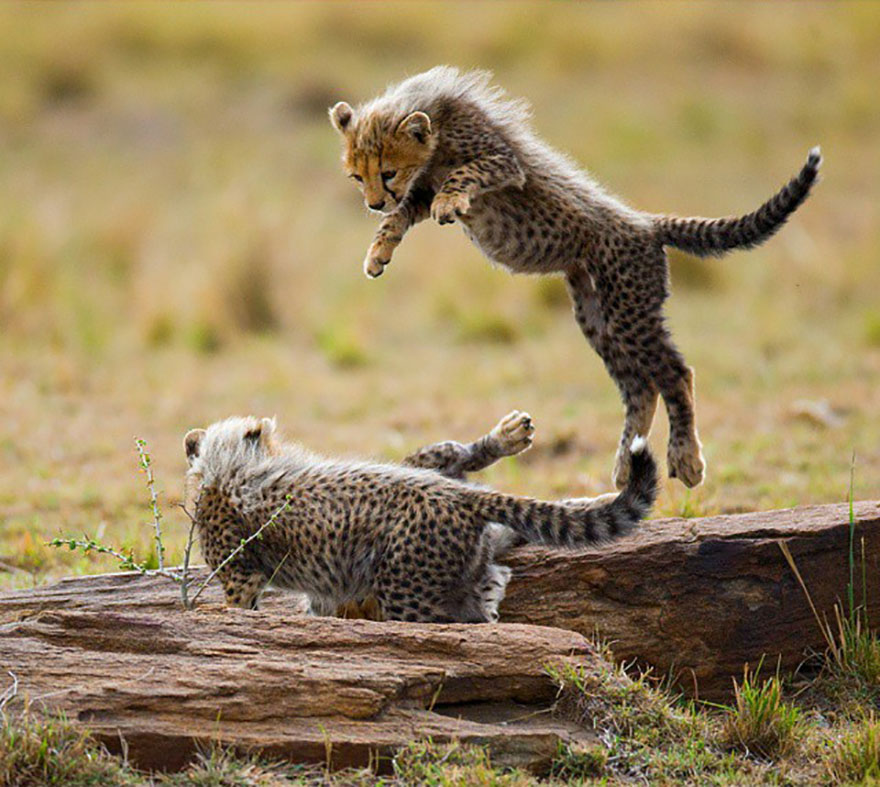
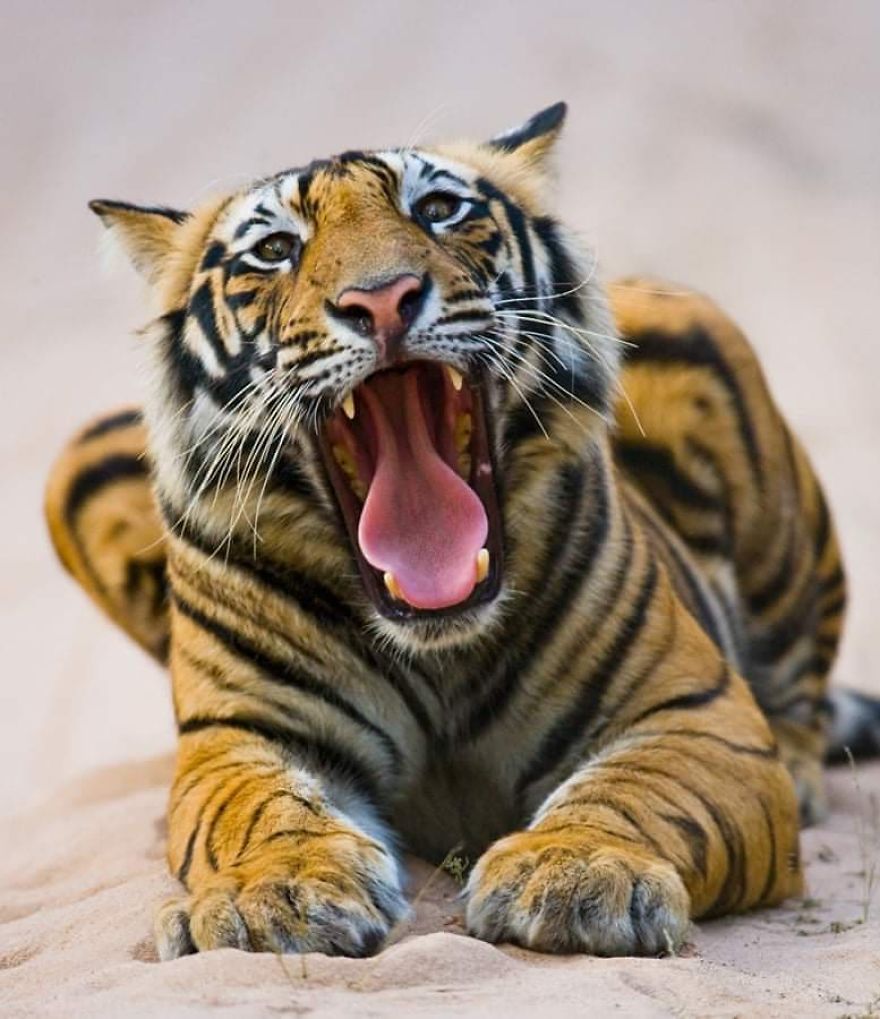
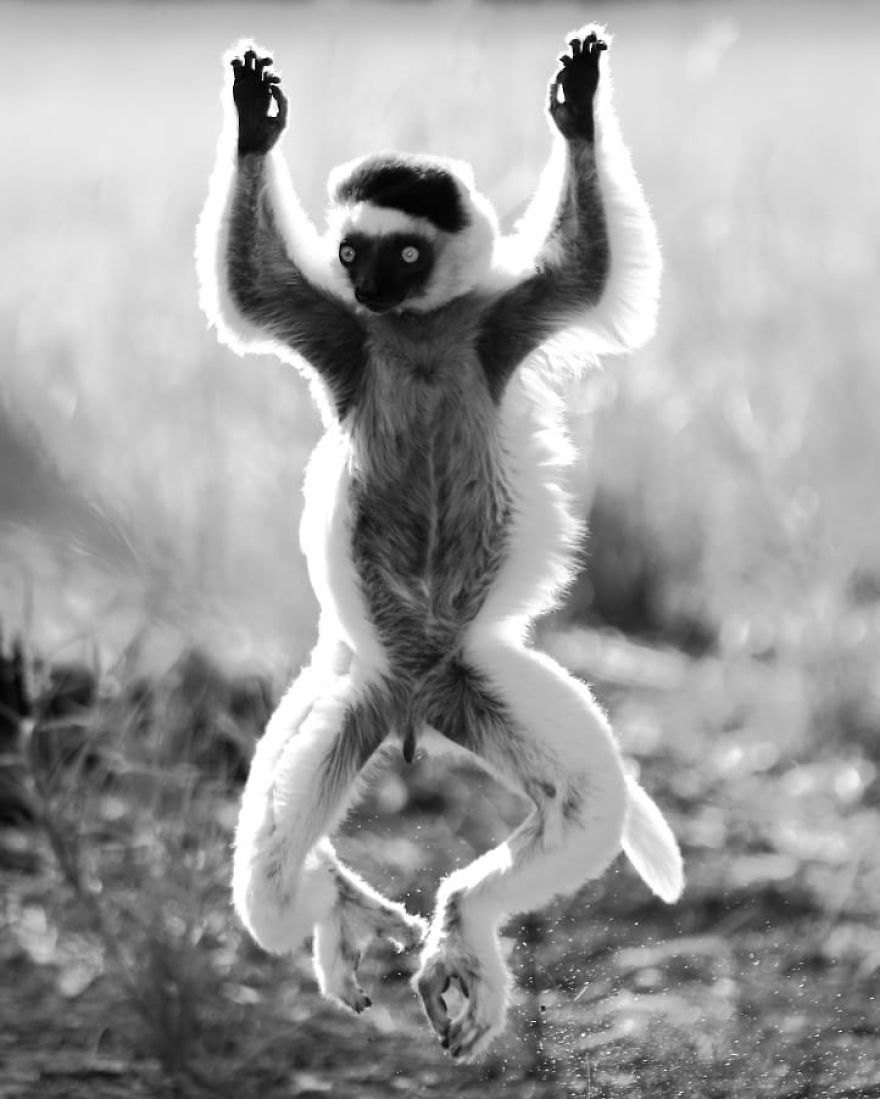
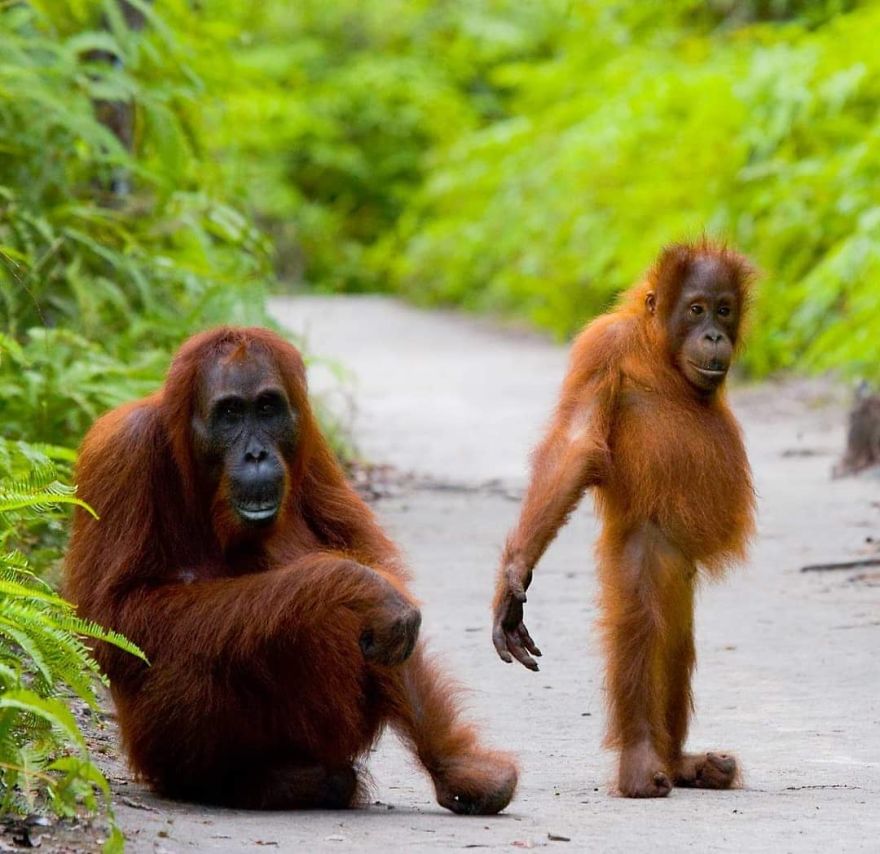
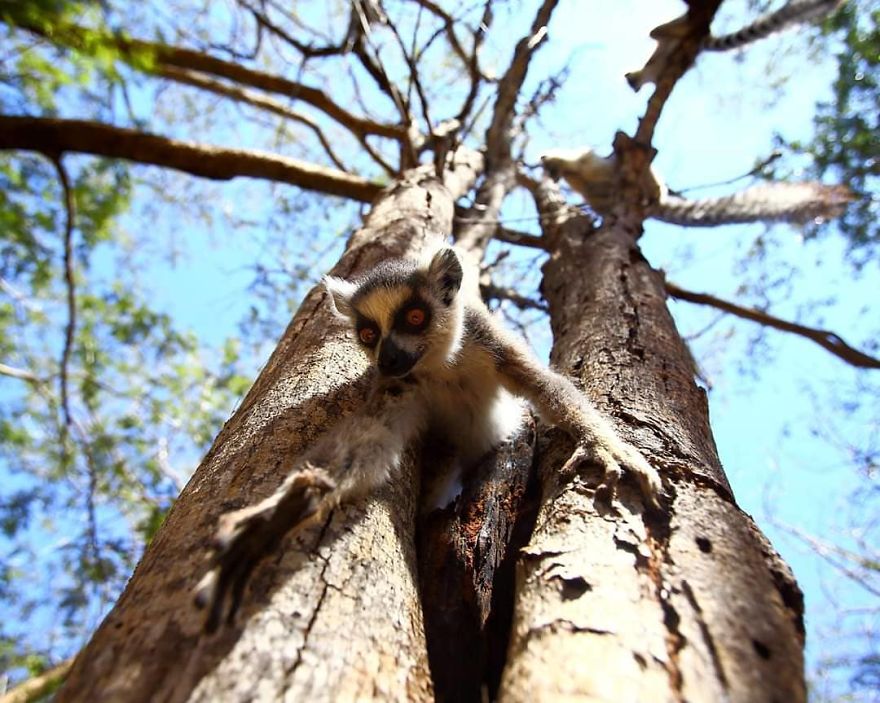
How many times I told you not to play with your sister's tail
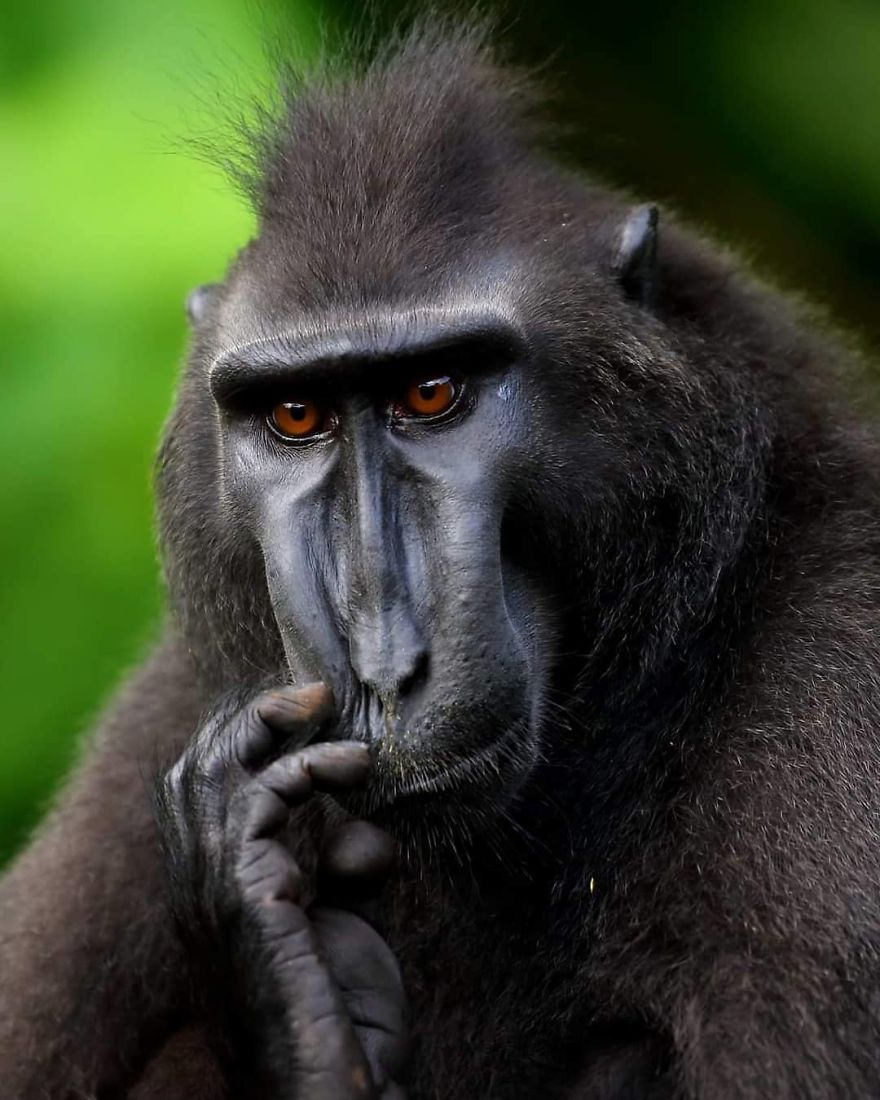
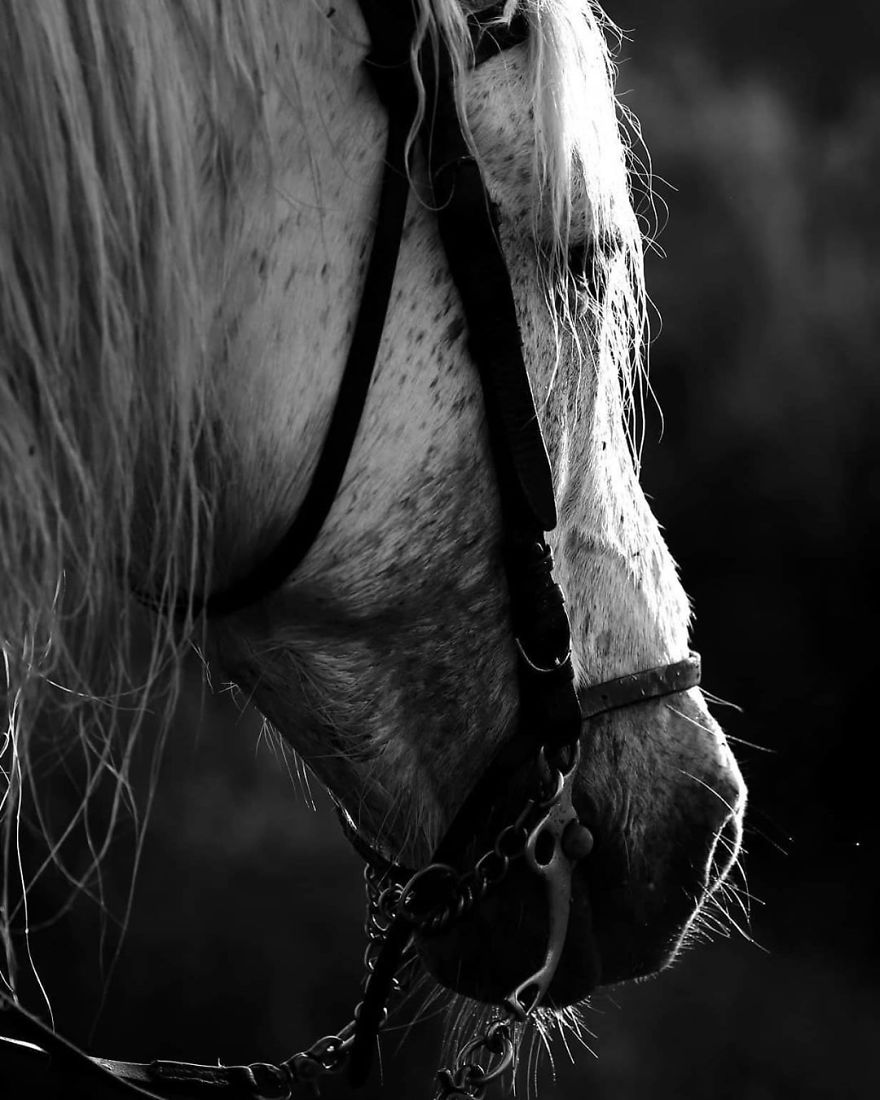
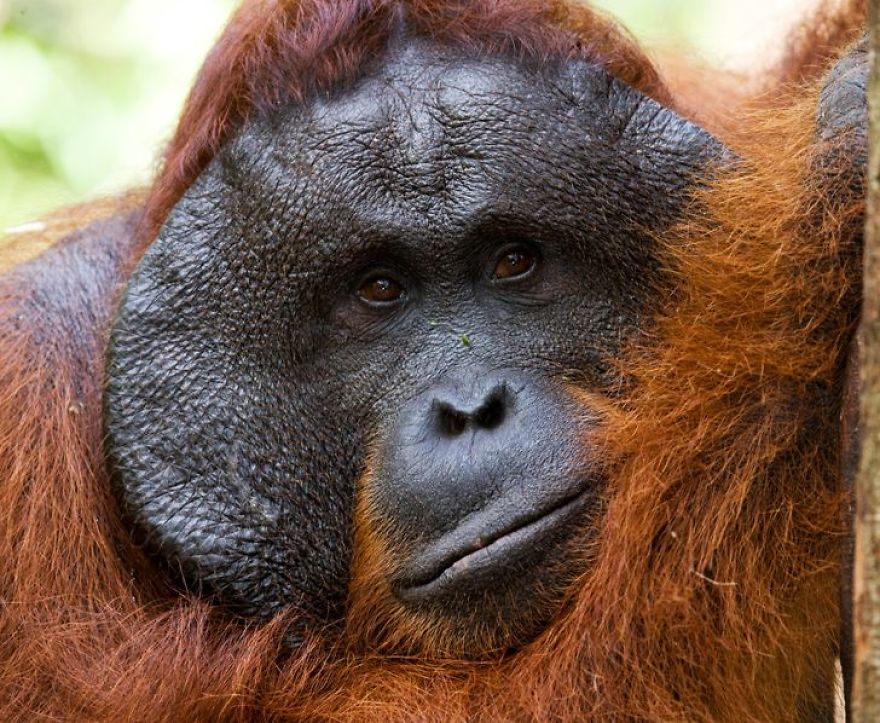
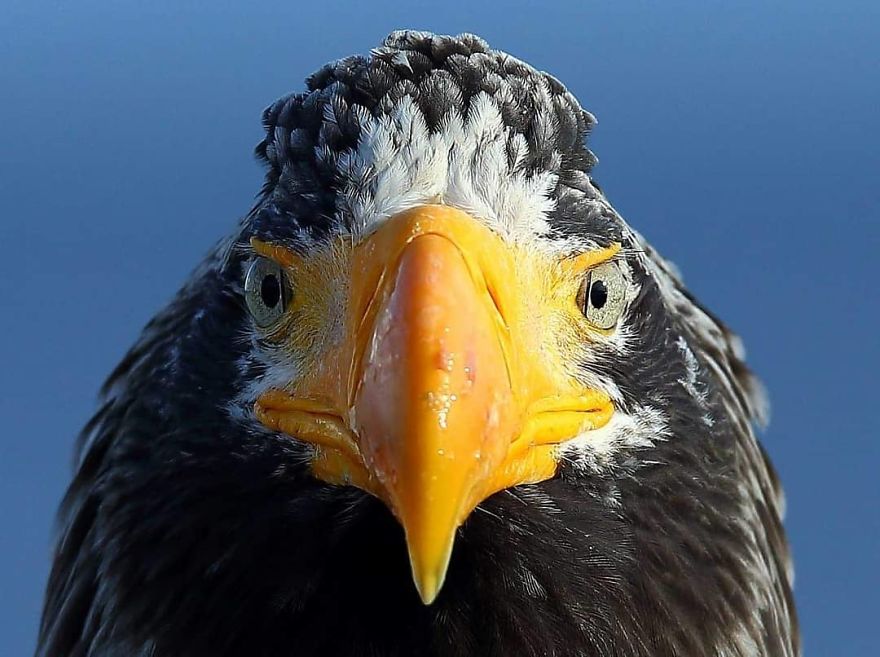
Gudkov believes that there are no beautiful or ugly animals as the success of the photo depends on the photographer’s attempt to find something human-like in each animal. “So what’s the secret to success in photographing animals? There are no beautiful or ugly animals. The most important thing, in my opinion, is to find something human in the animal and to attempt to convey this through your photograph. The eyes of an animal are a very important detail; they speak to its character and help us to understand it. Amazement and fear, tenderness and care, wrath, indifference, perplexity… all these qualities are intrinsic in the inhabitants of the natural world. The photographer’s mission is to recognize this and convey it to the viewer.”
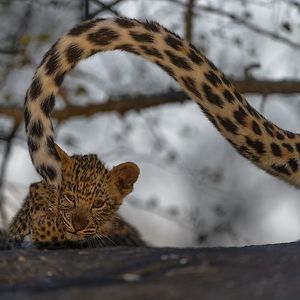
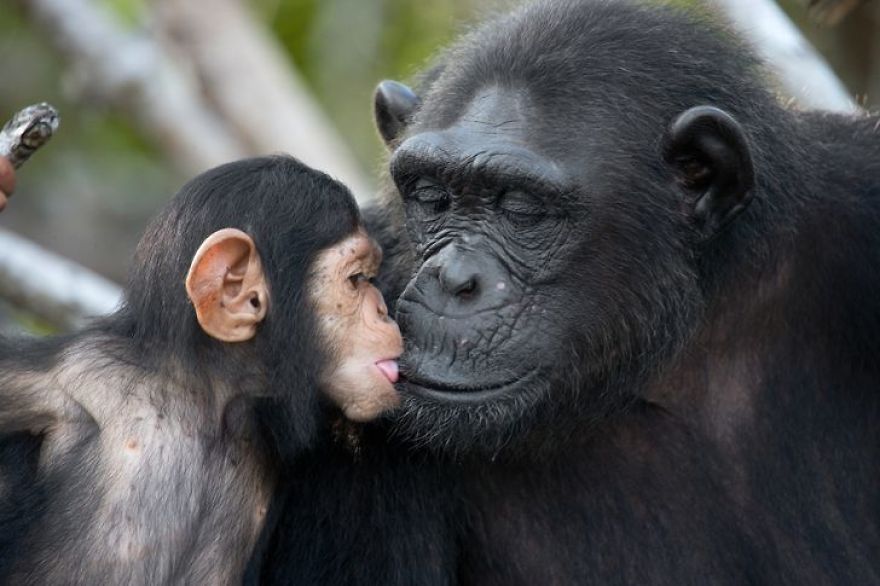
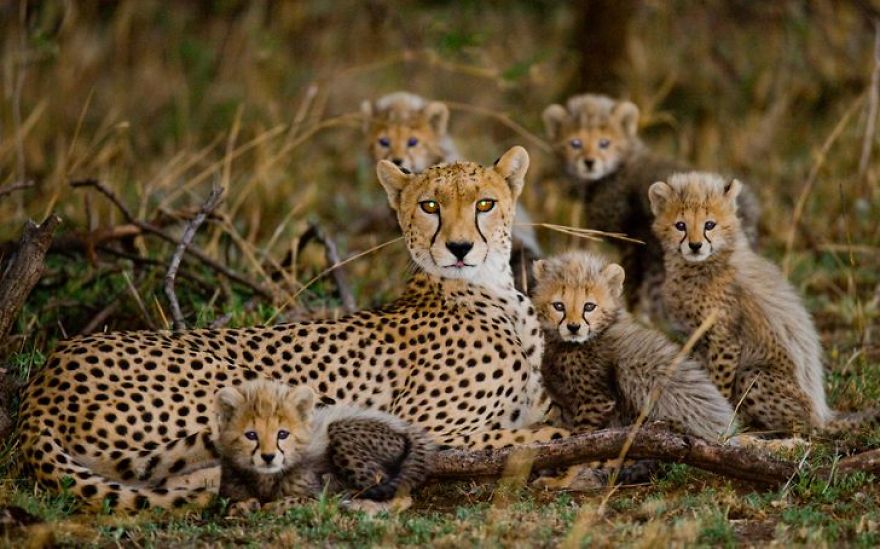
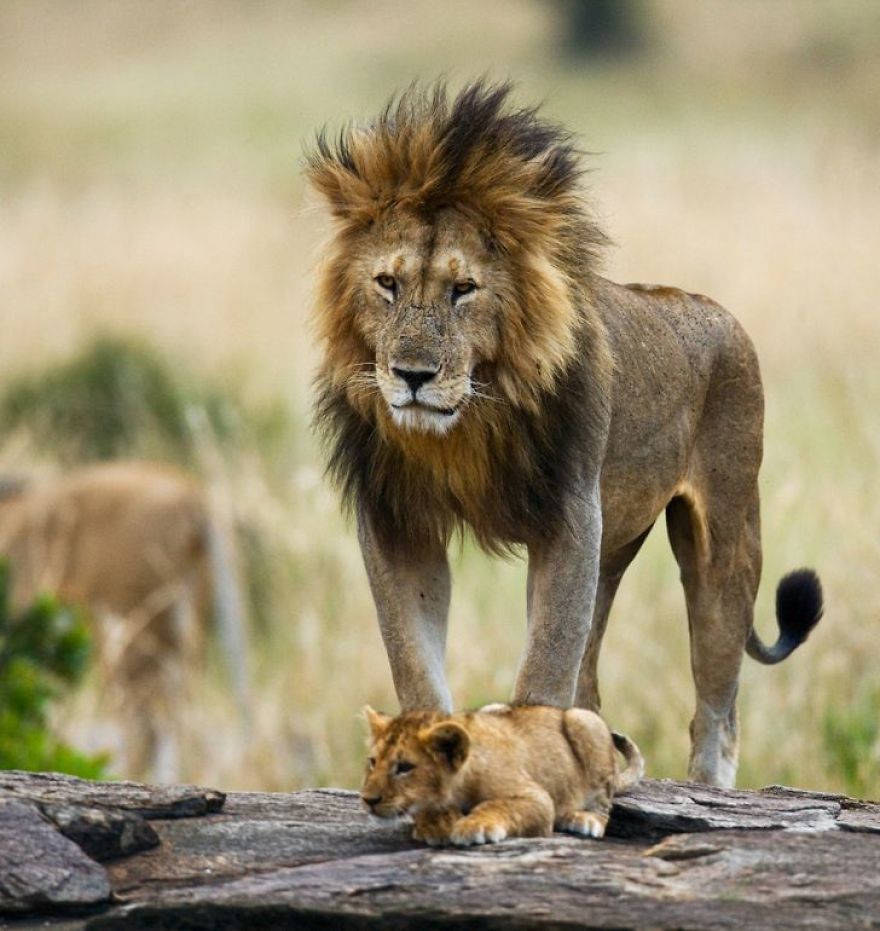
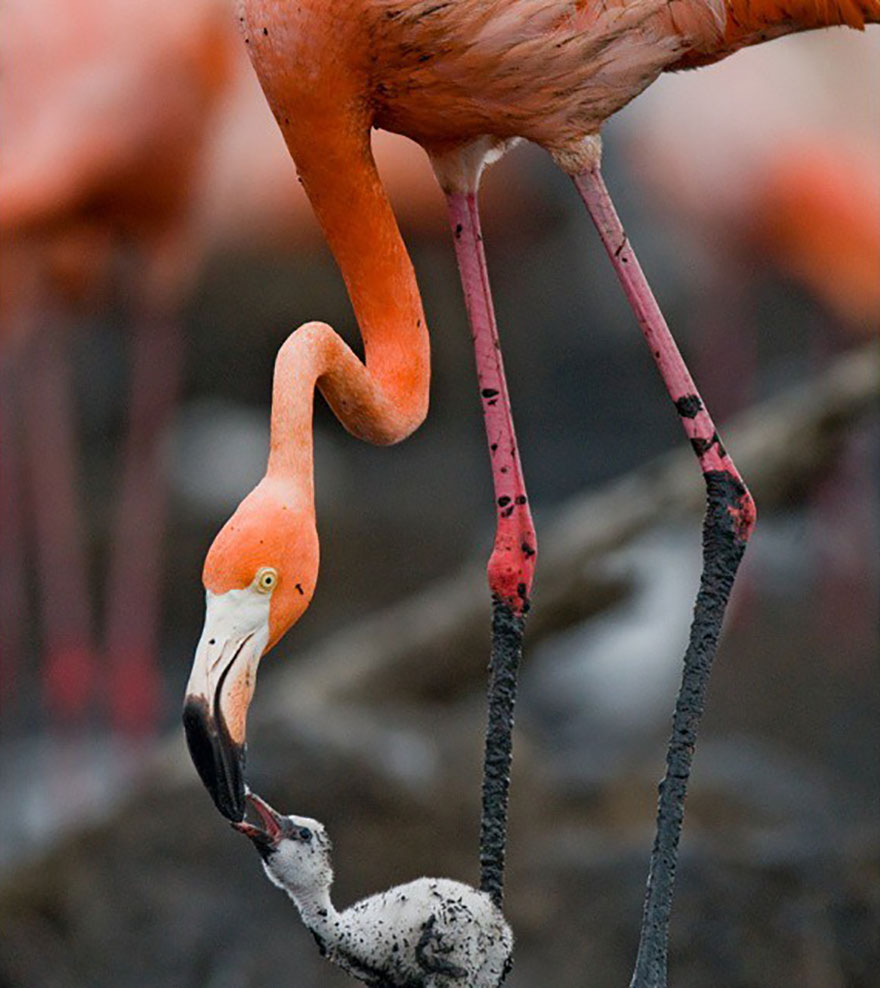
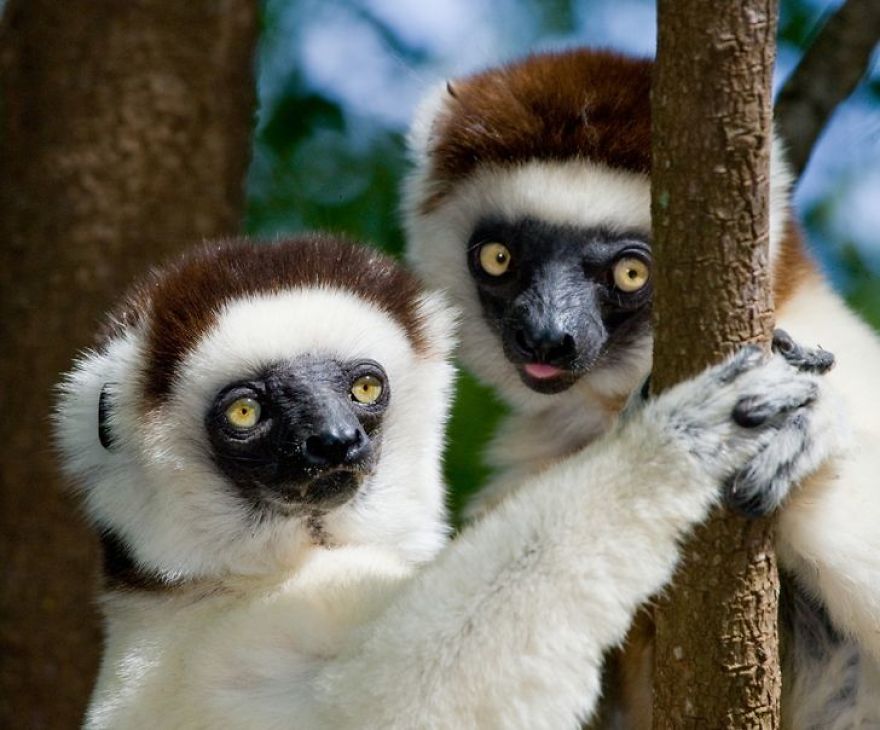
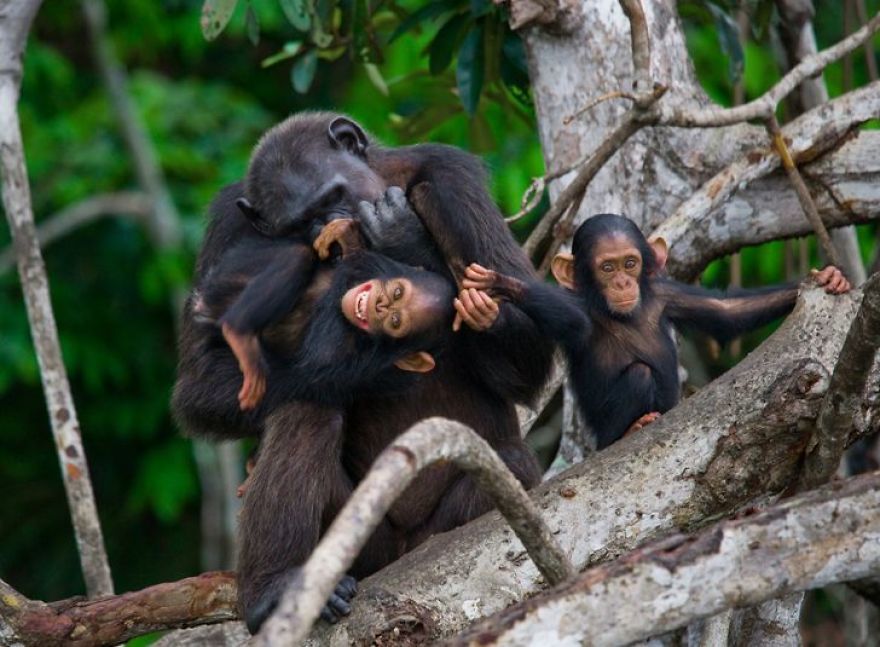
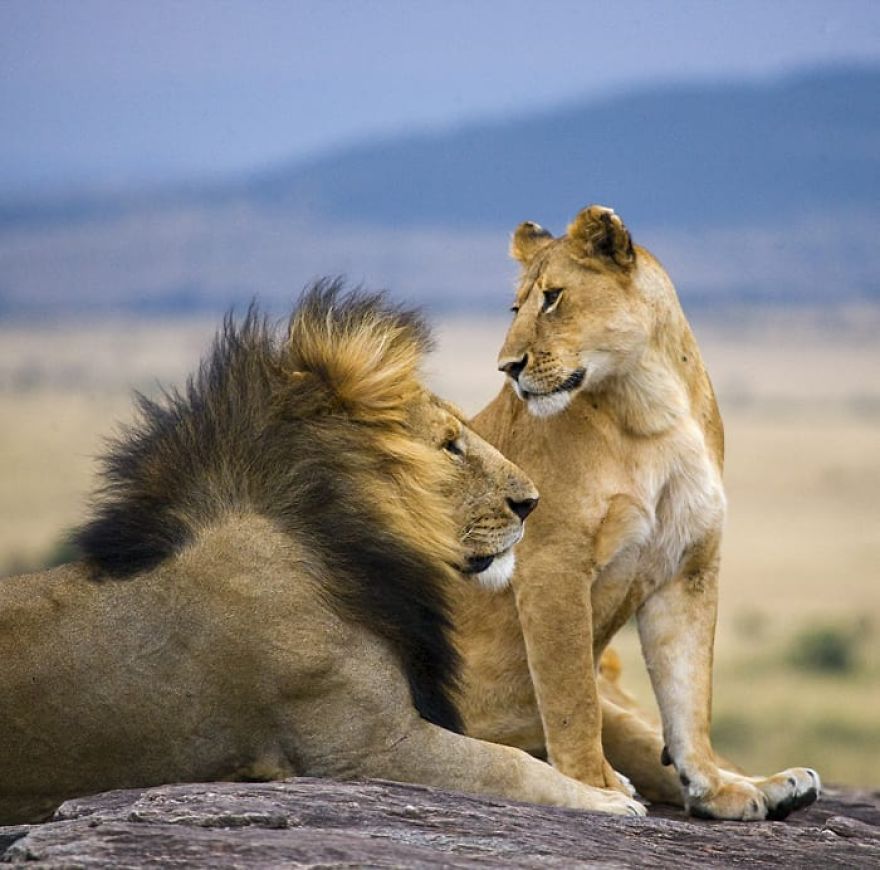
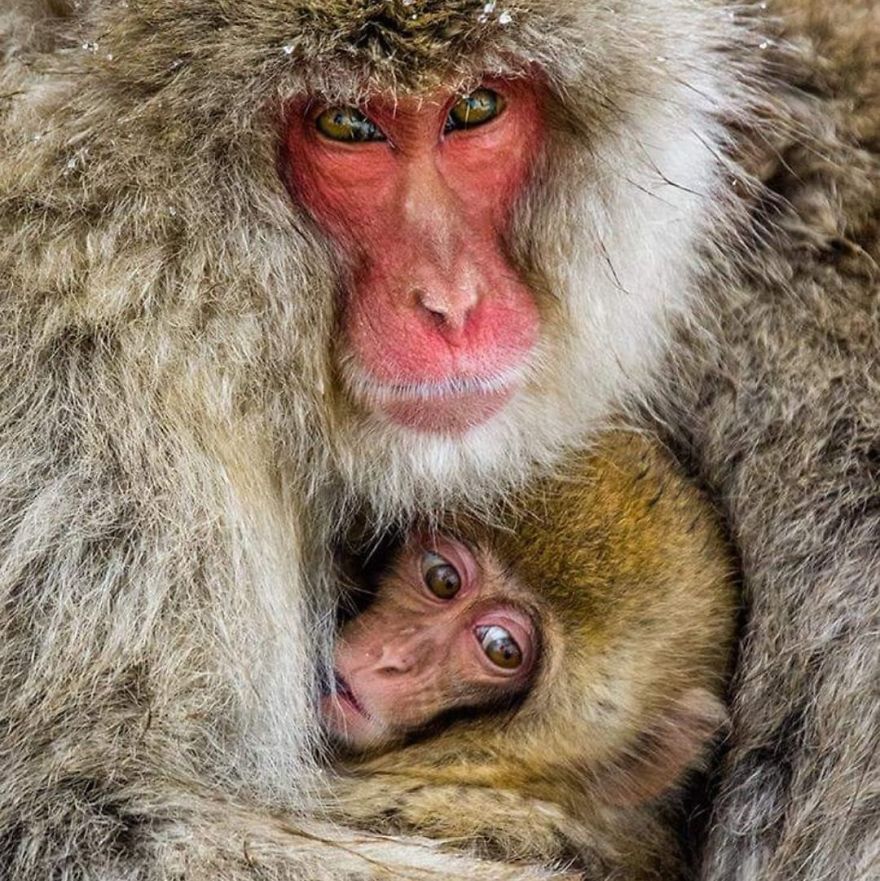
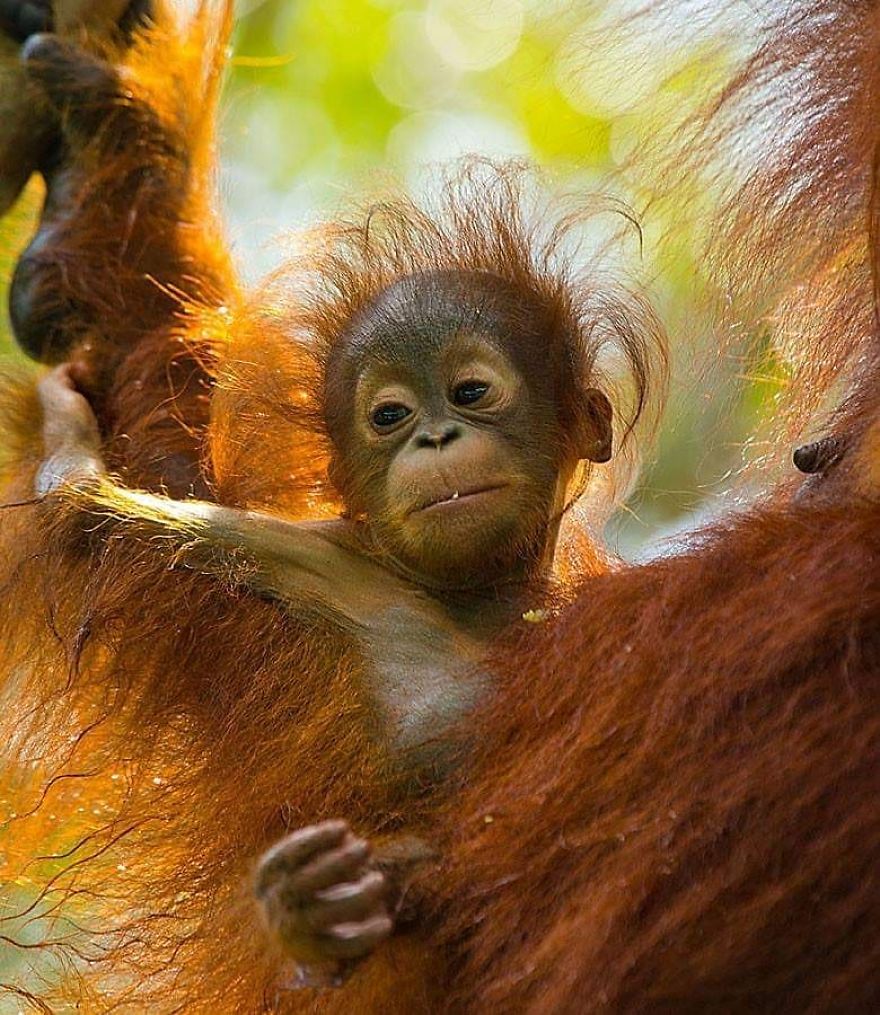
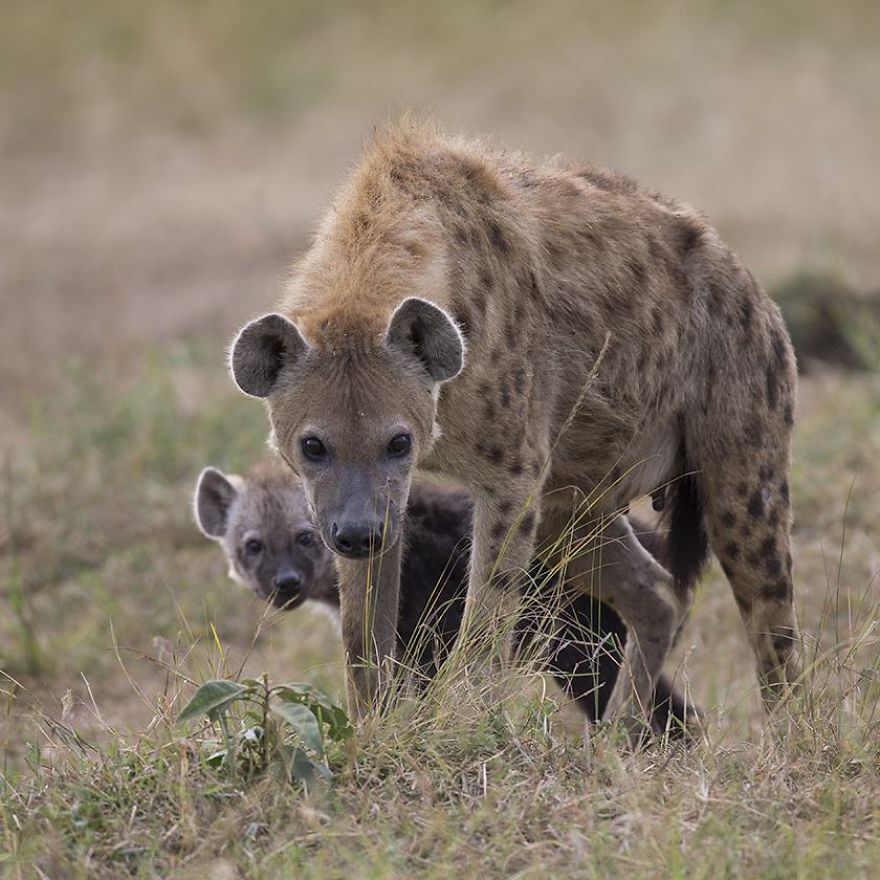
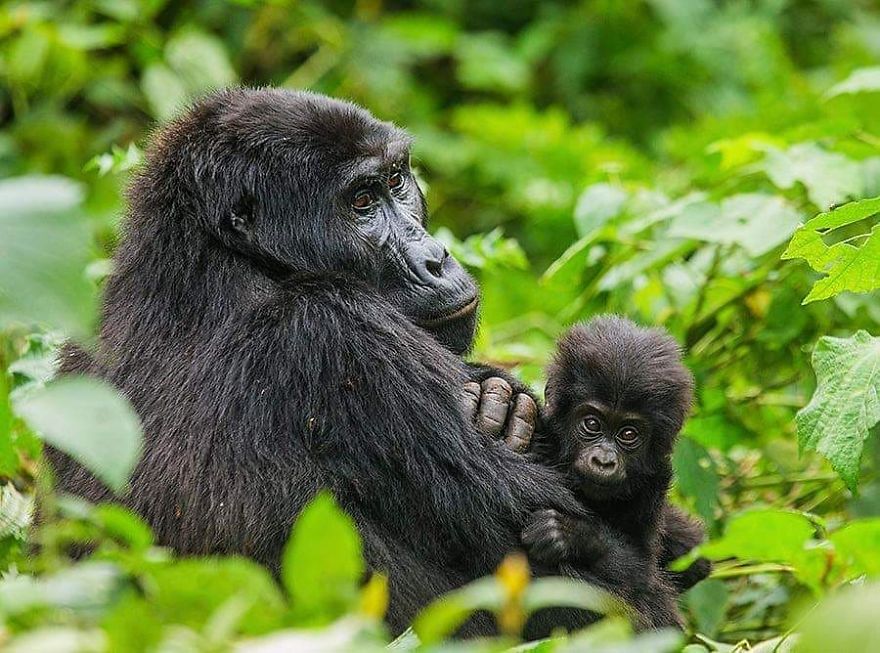
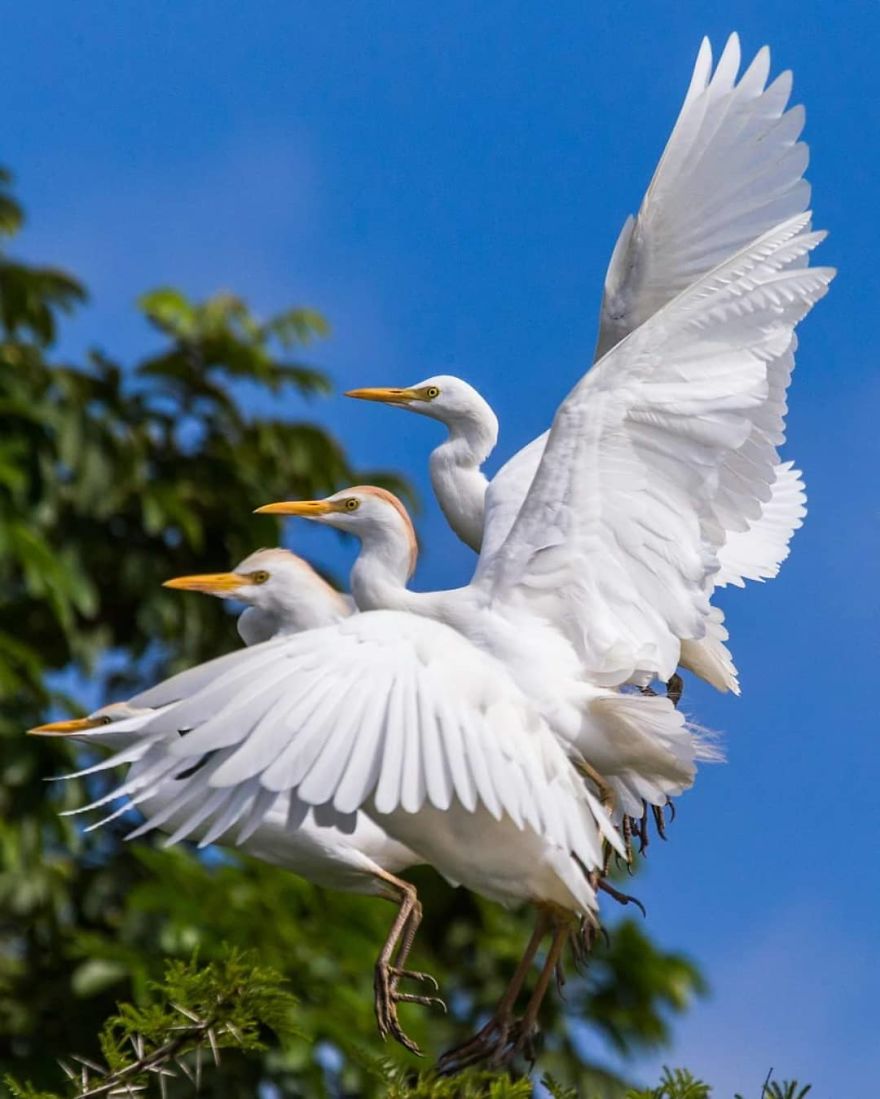
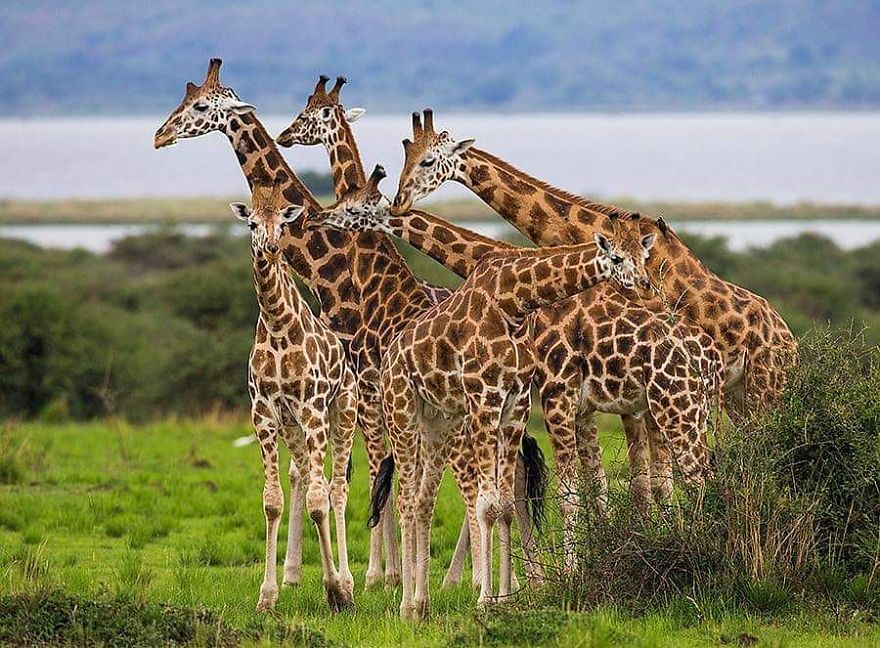
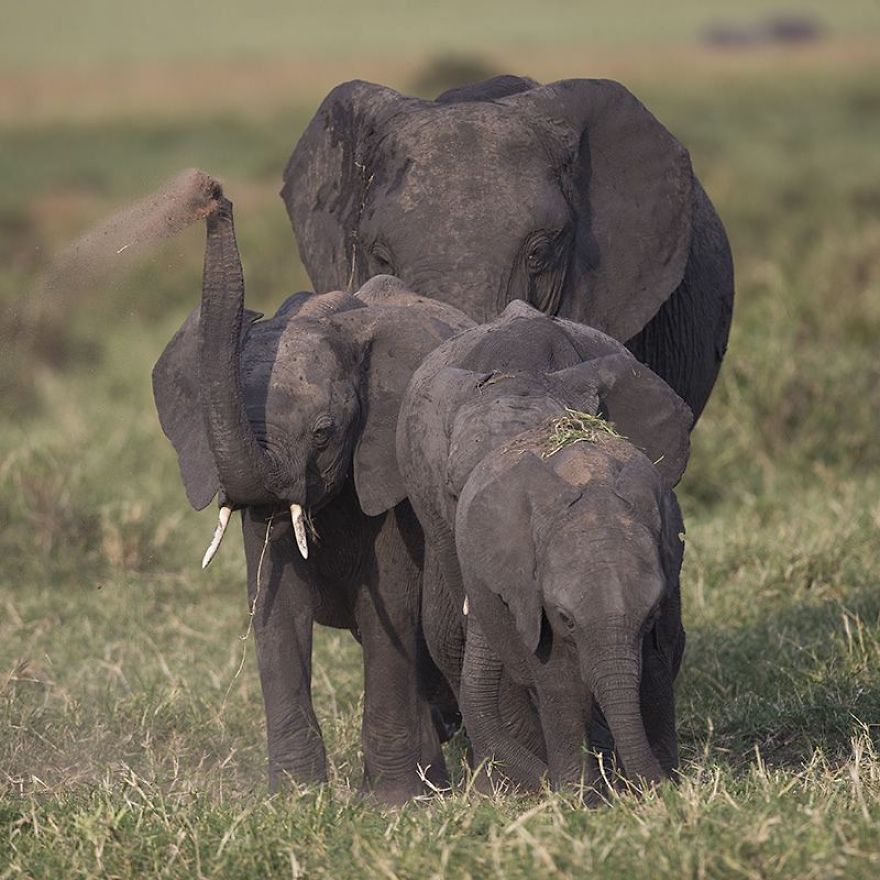
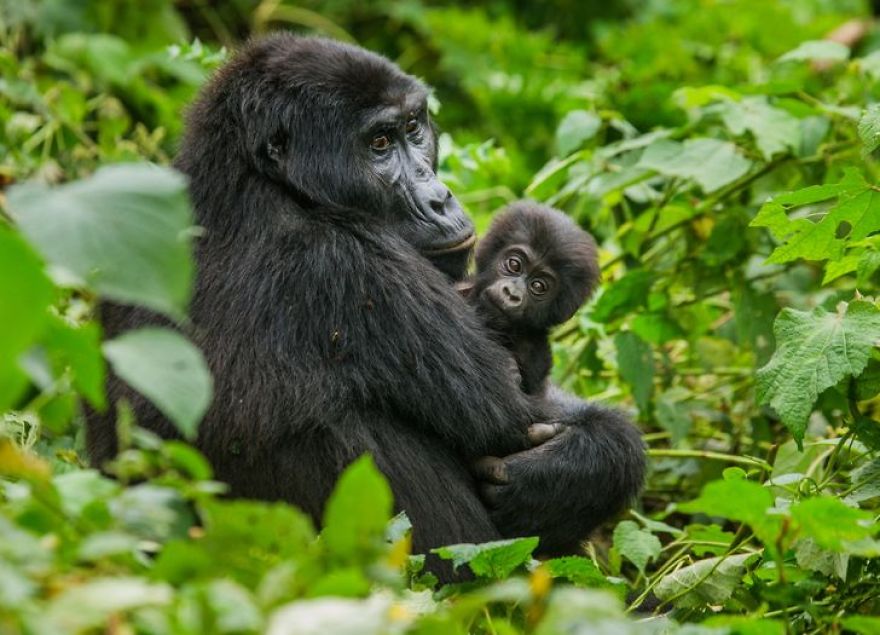
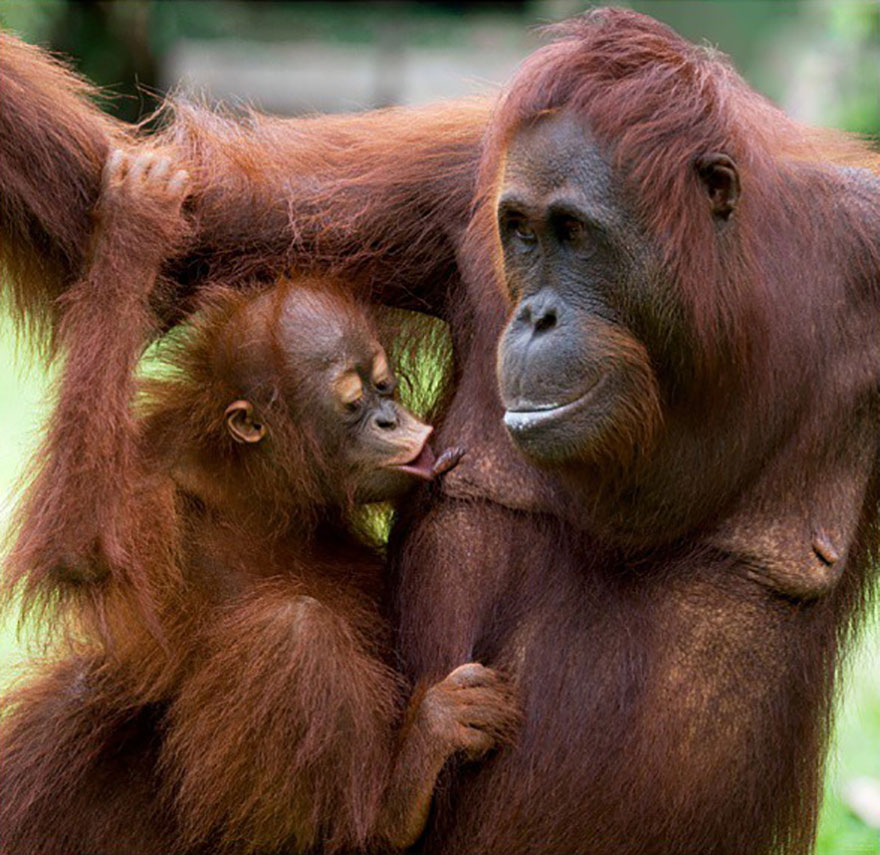
Wow! Can you imagine the waiting to get this perfect family portrait? Professional can't get that shot when people pay.
It’s important to understand that these animals are in great danger of becoming extinct due to our current living conditions. The artist says that each wildlife photographer’s mission is to show people that these animals are disappearing. “Over the past few years, I’ve visited many remote spots on our planet where nature still preserves its primordial beauty, untouched by omnipresent technical progress and globalization. Such places are so wild and impassable that tourists prefer not to go there. In such places, money has no value. And that’s a condition that has allowed many animals to stay safe there. But the world around us is changing catastrophically fast and a wildlife photographer’s mission is to attempt to show and impress upon people the disappearing, rare beauty and multiplicity of life forms that modern humanity can still meet with in the world.”

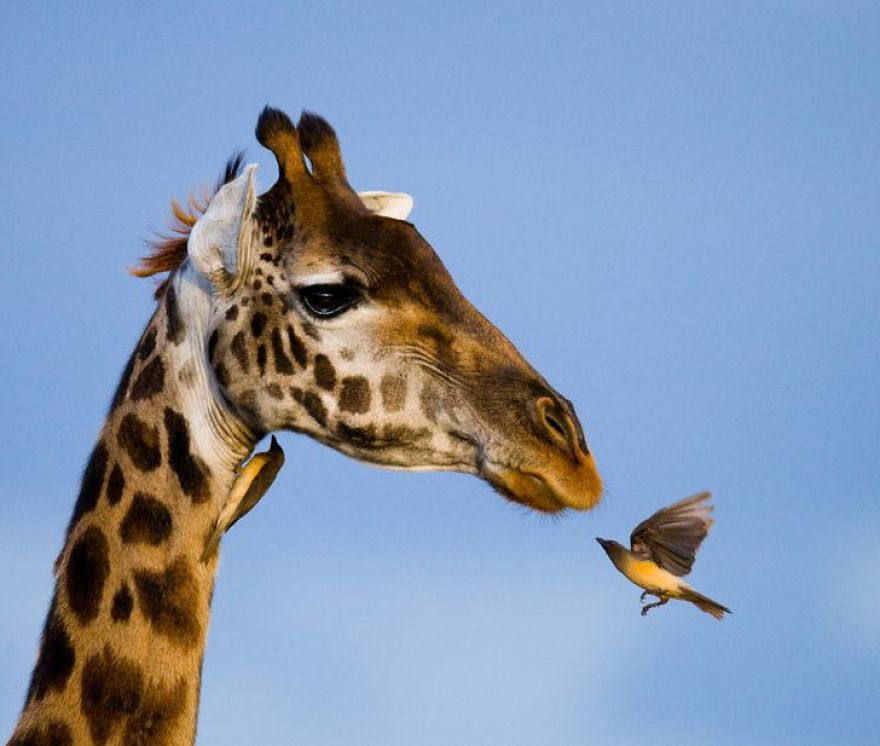
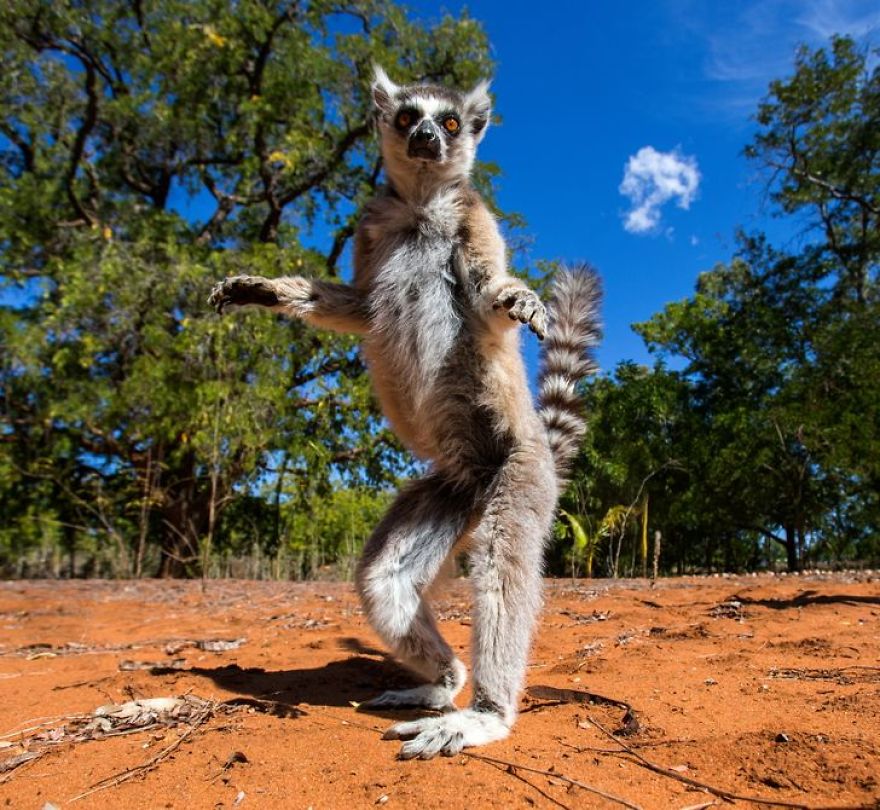
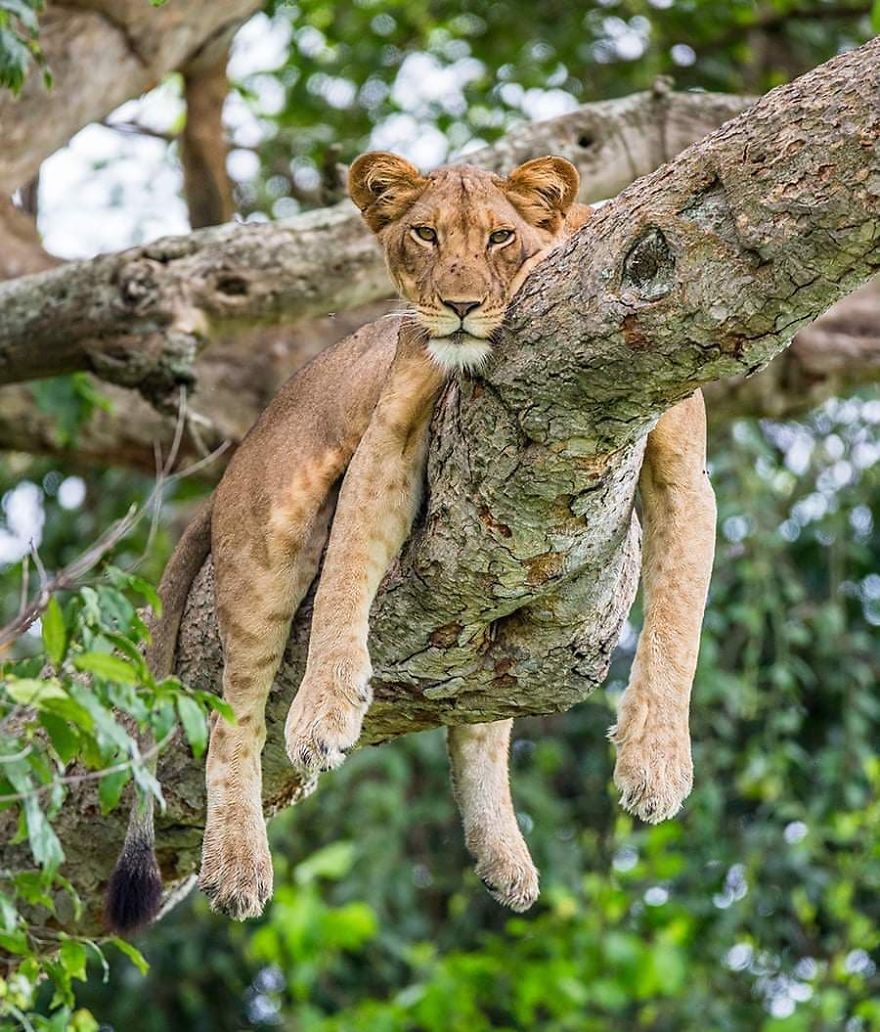
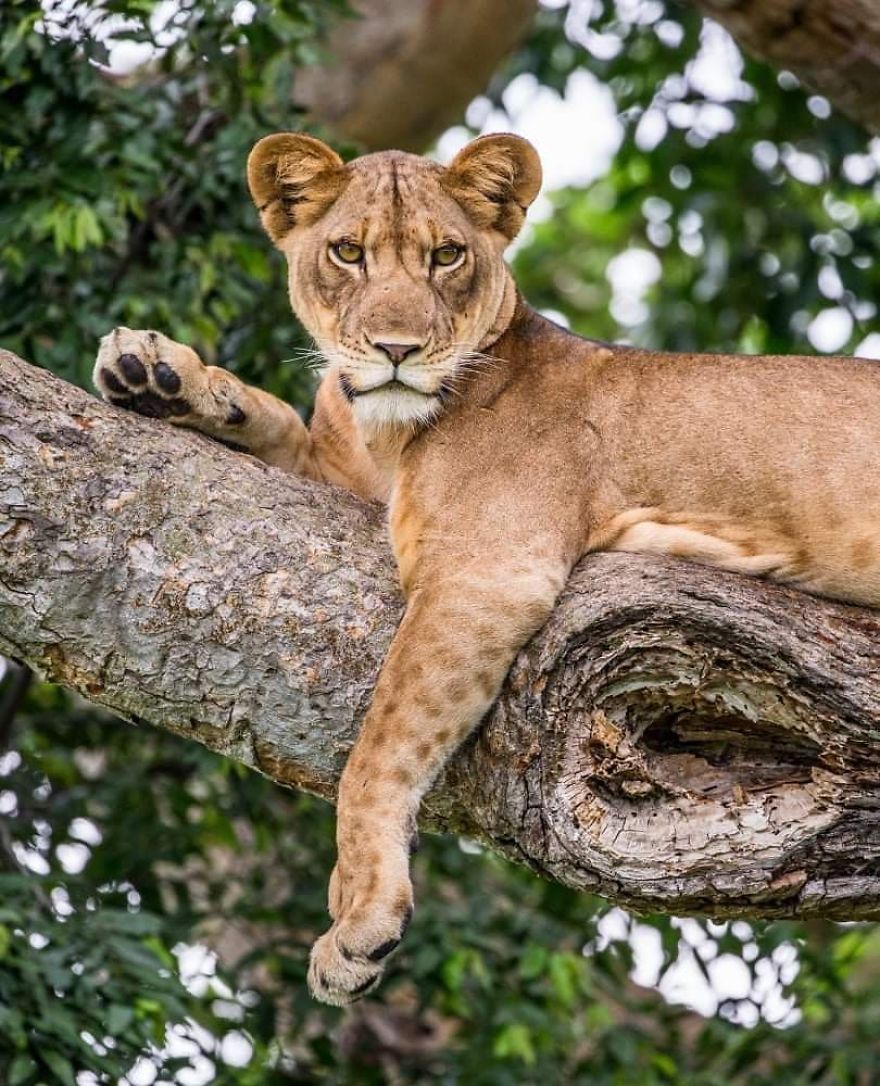
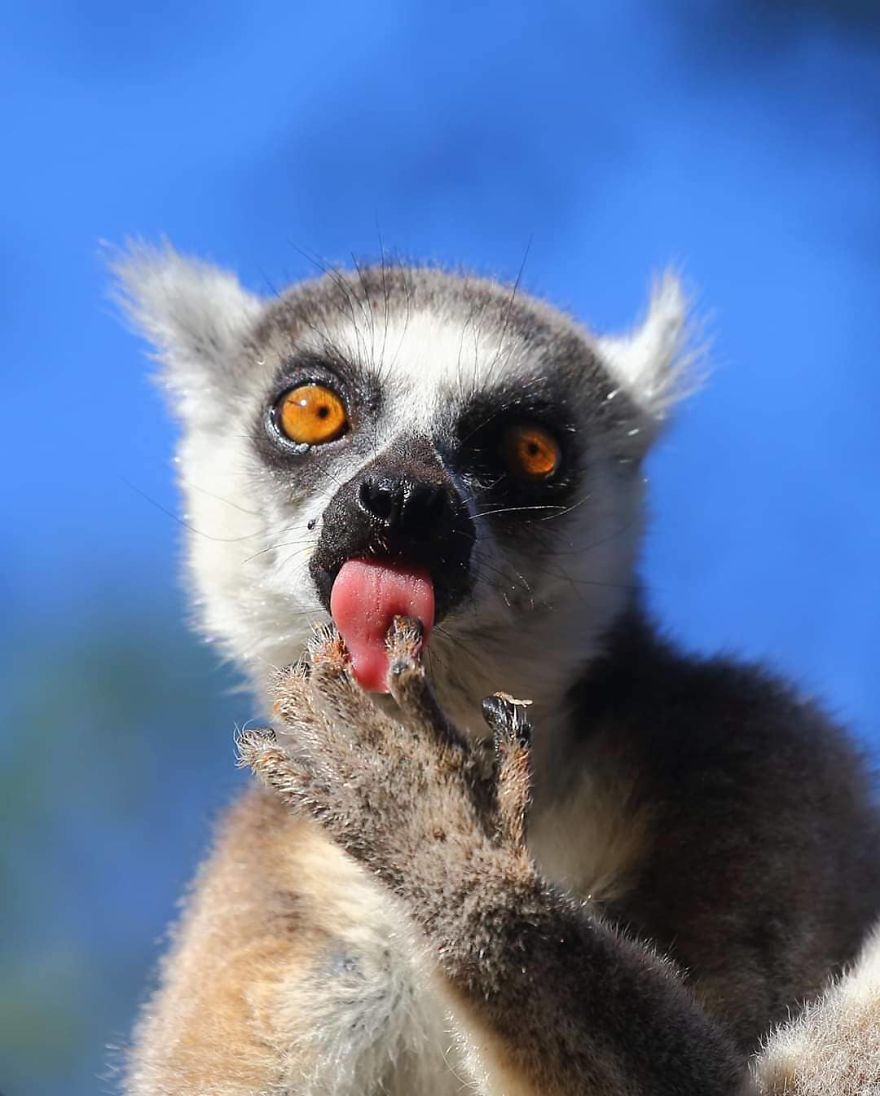
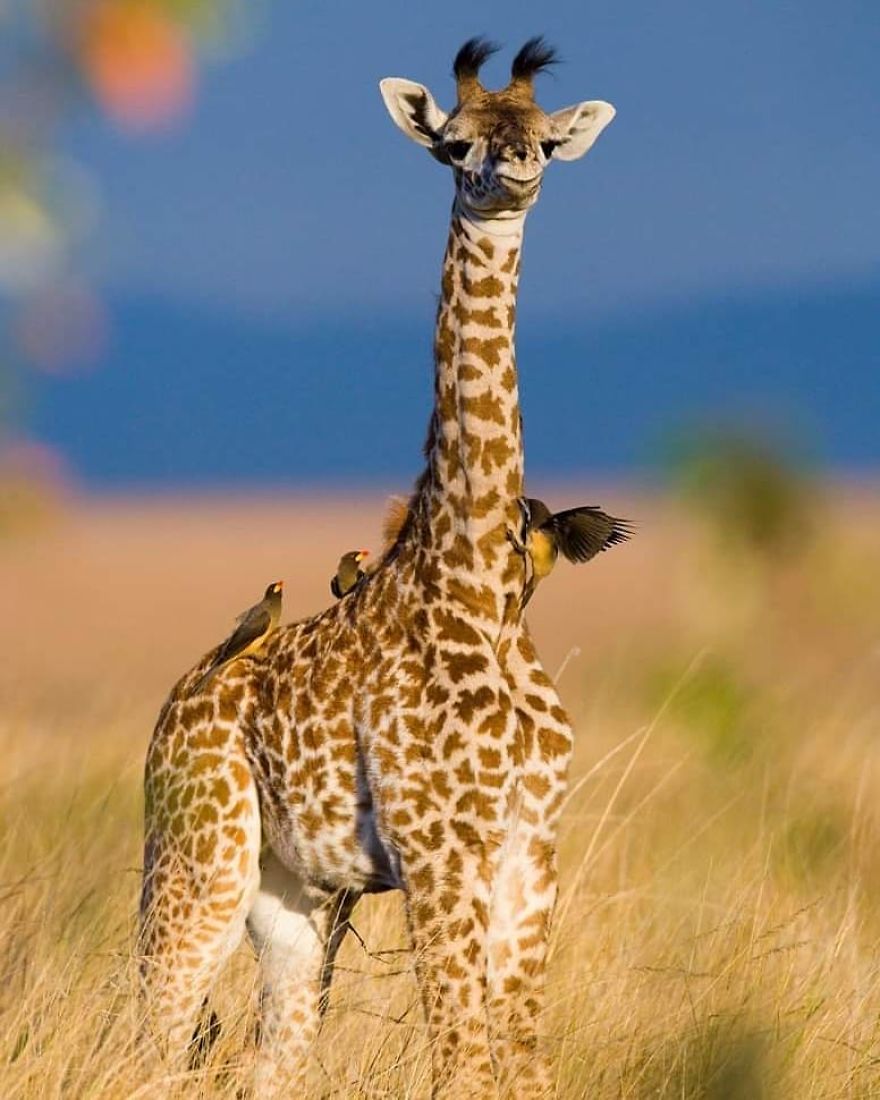
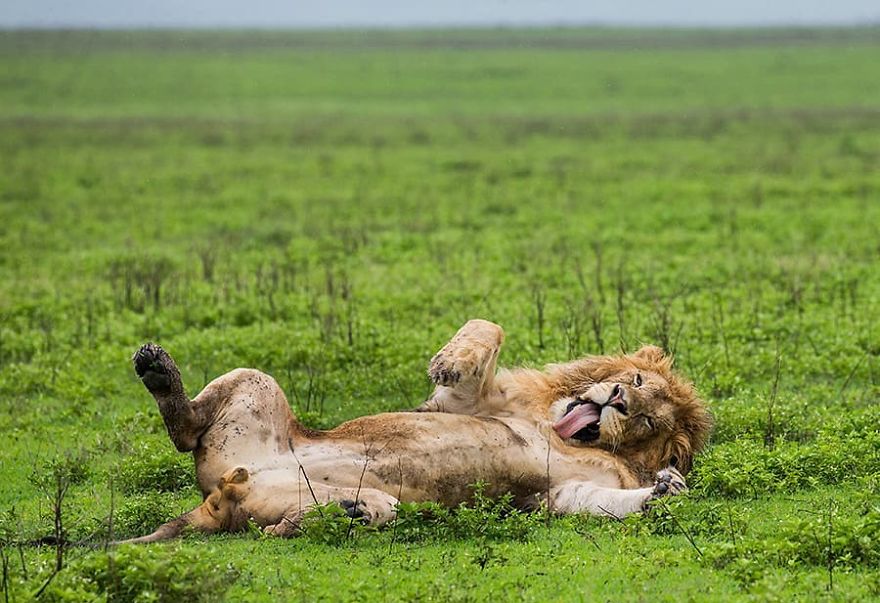
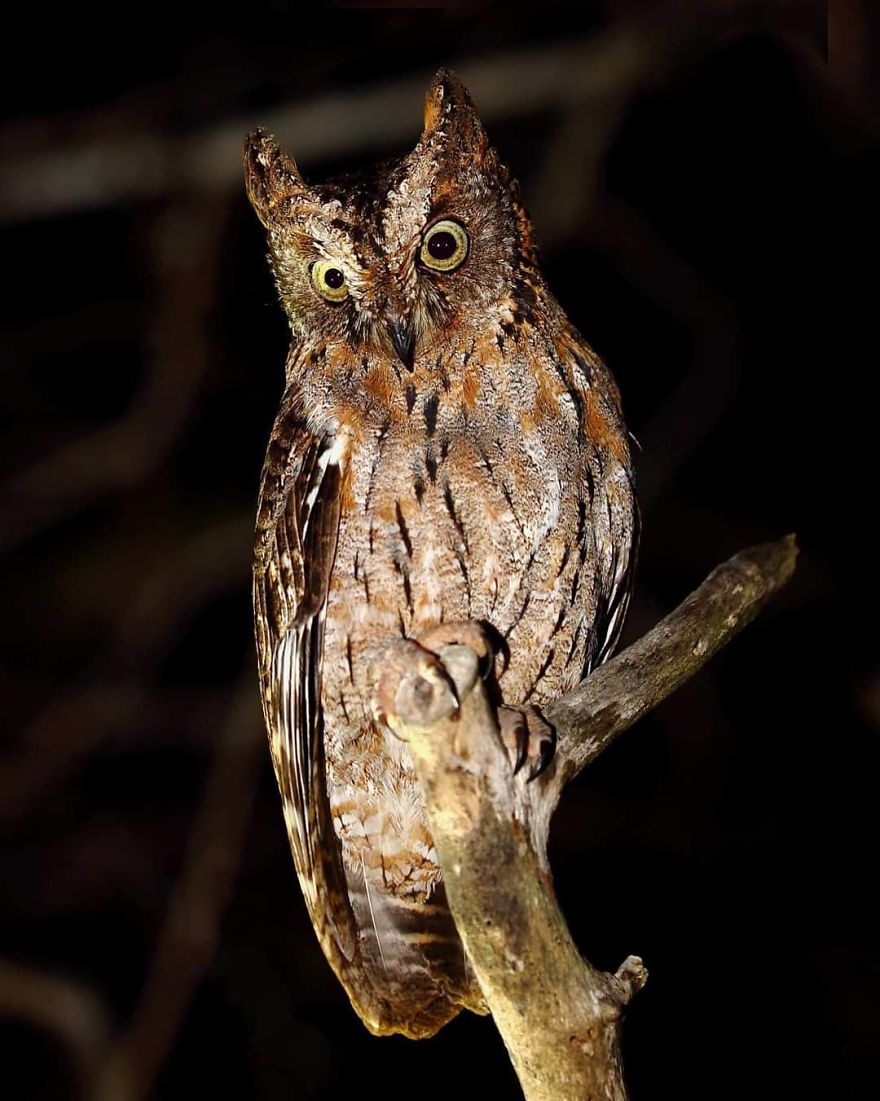
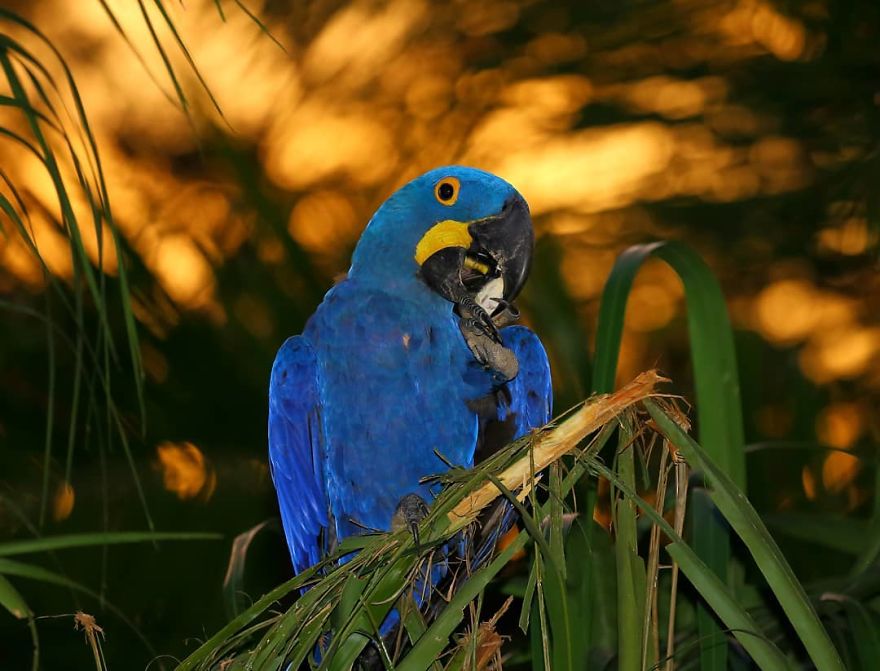
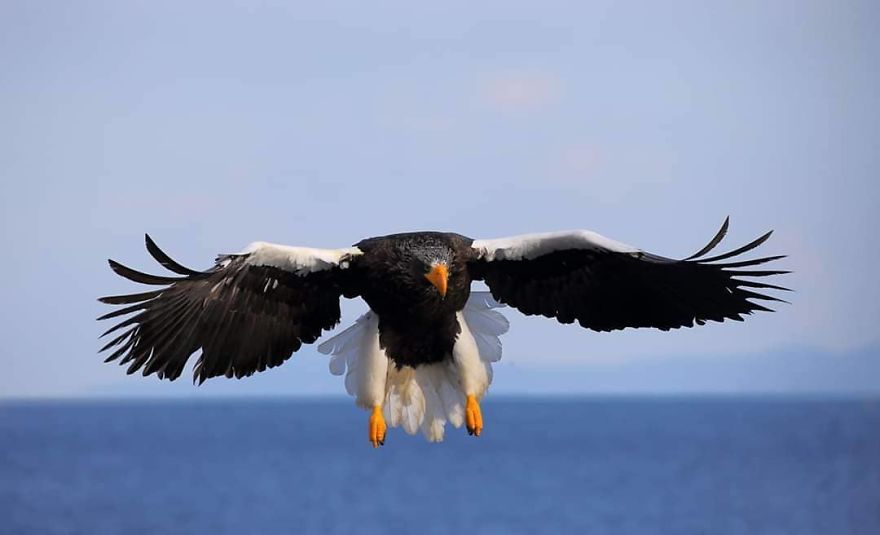
Zazu! How many times have I told you not to wander away from The Pridelands?

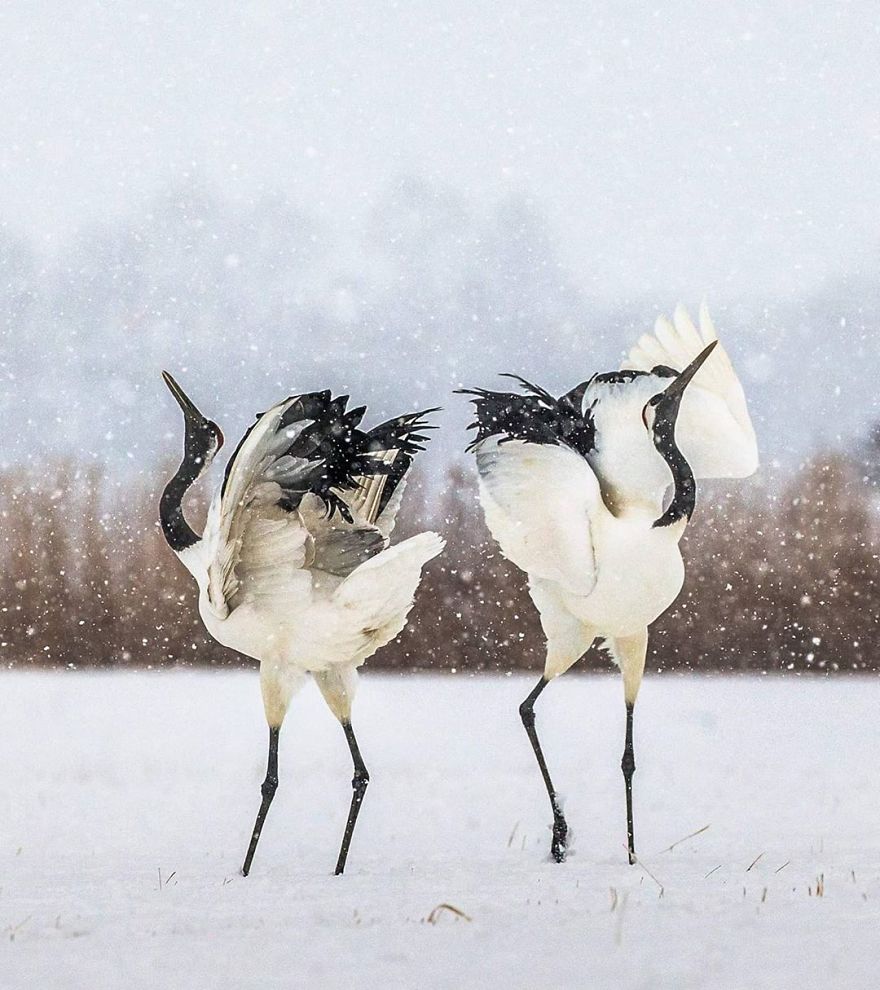
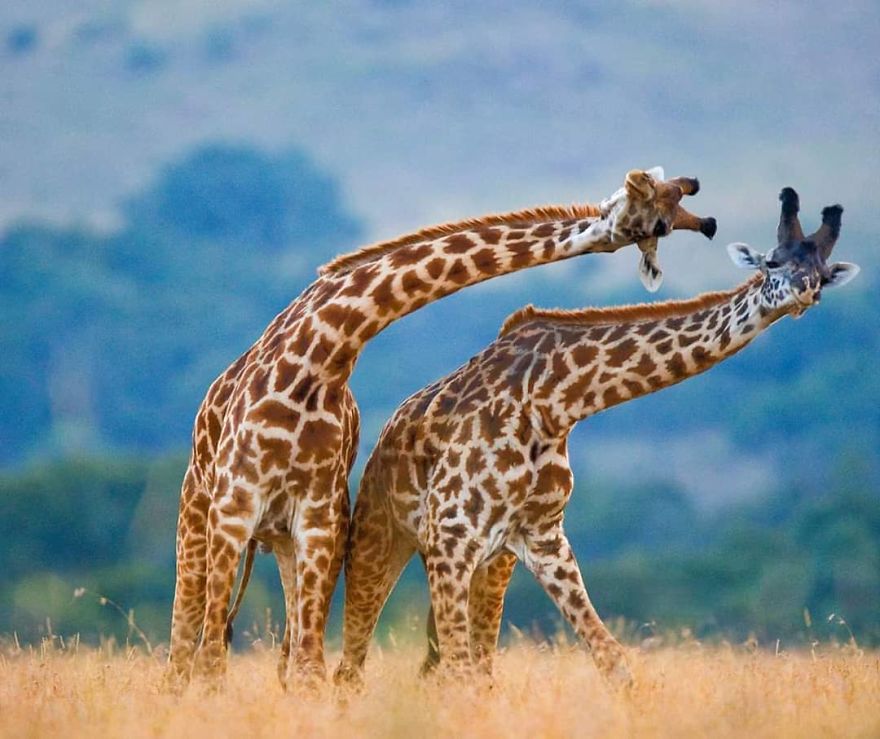
"Did you see what she's wearing today! How shocking!" (2 gossipy old ladies being judgmental)

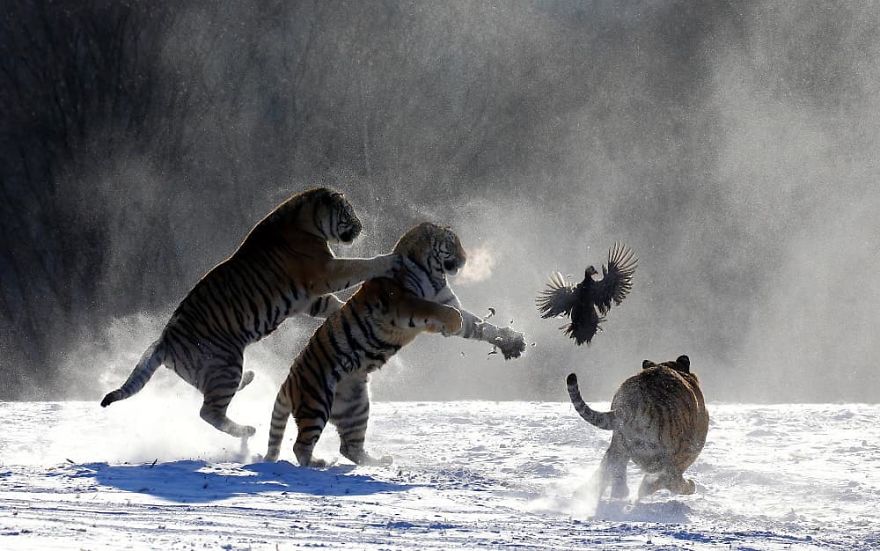
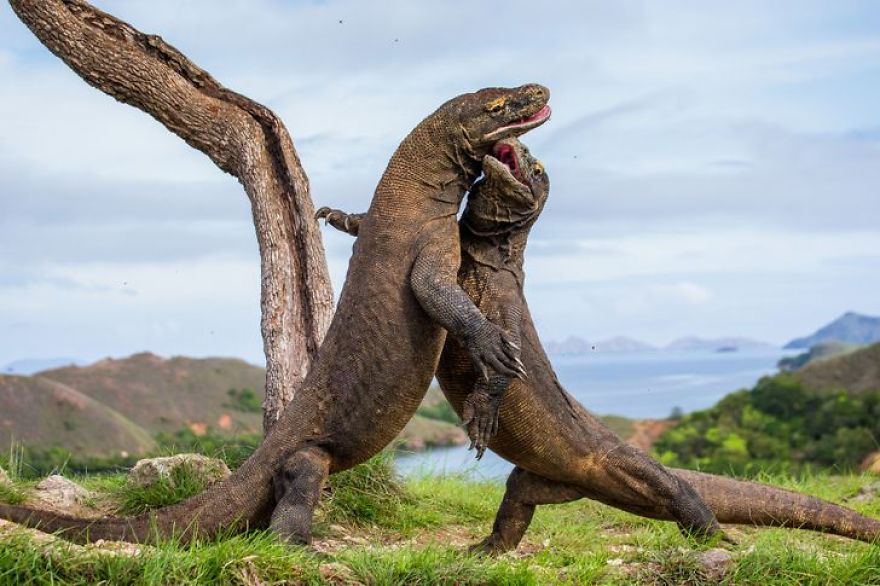
For a moment, I thought those were dinosaurs but kept scrolling anyway.

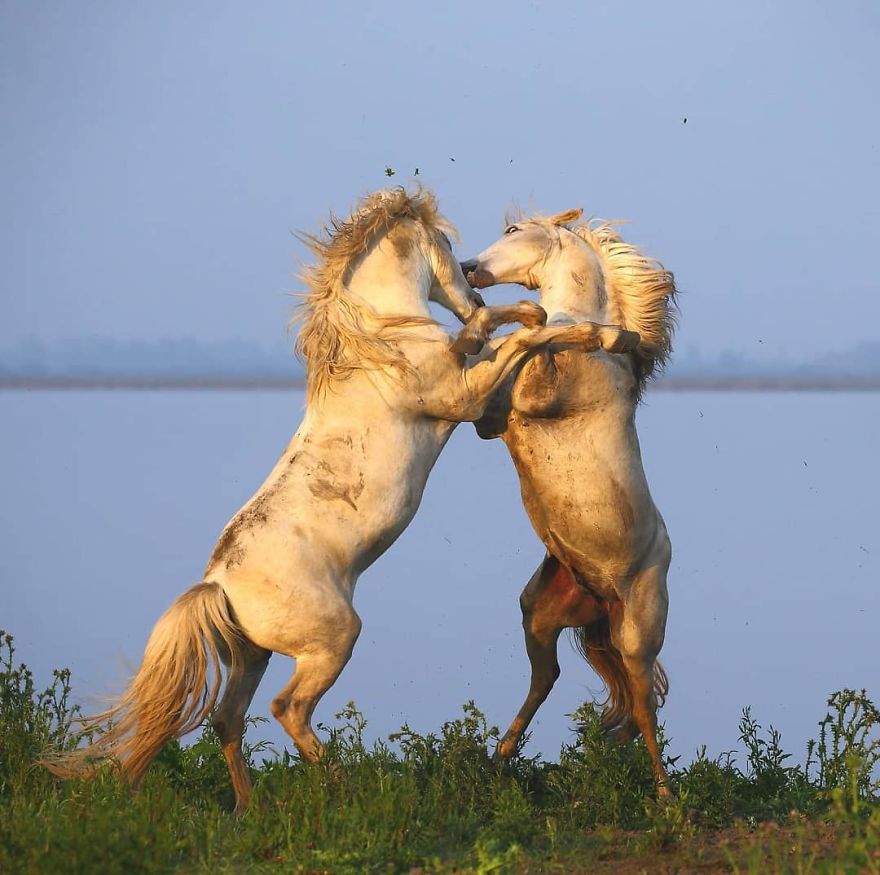
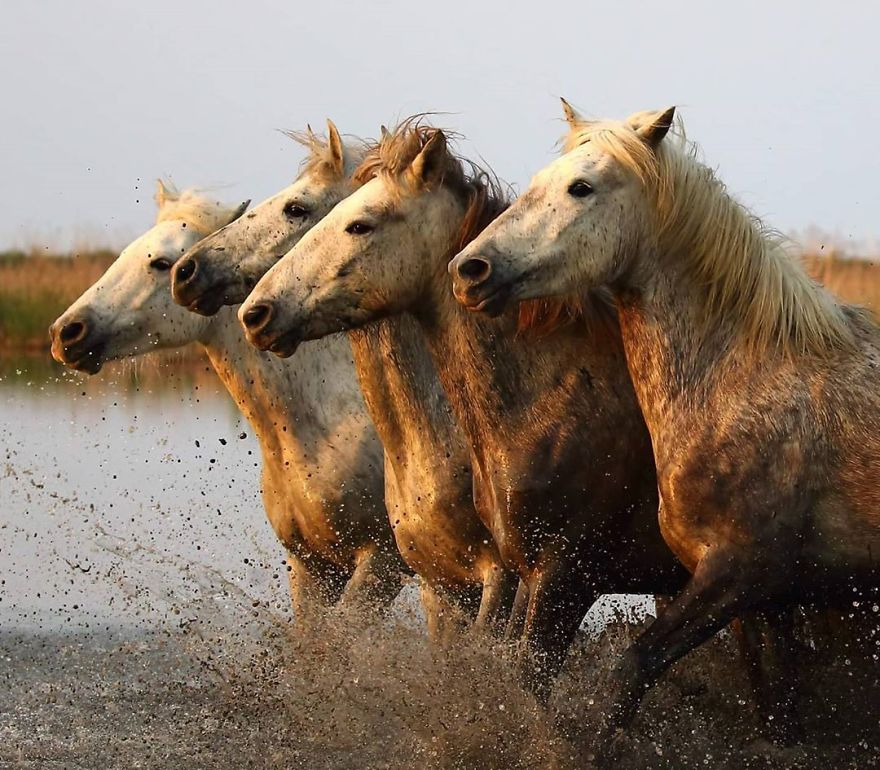
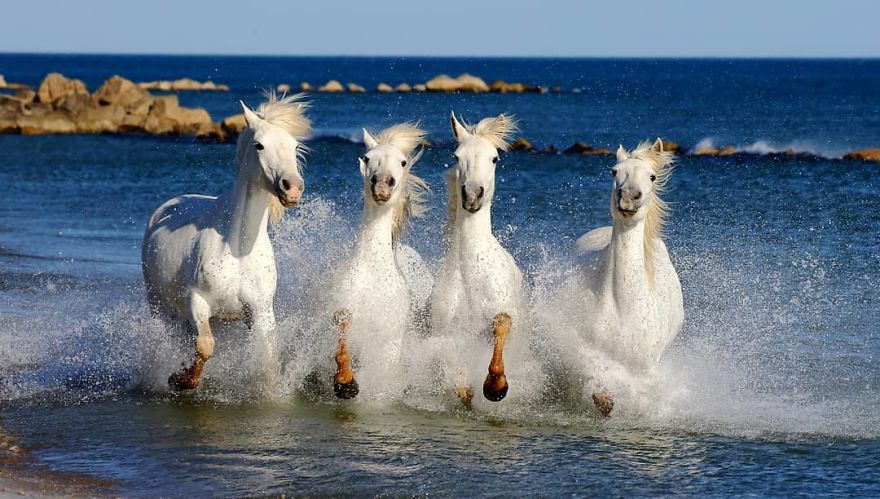
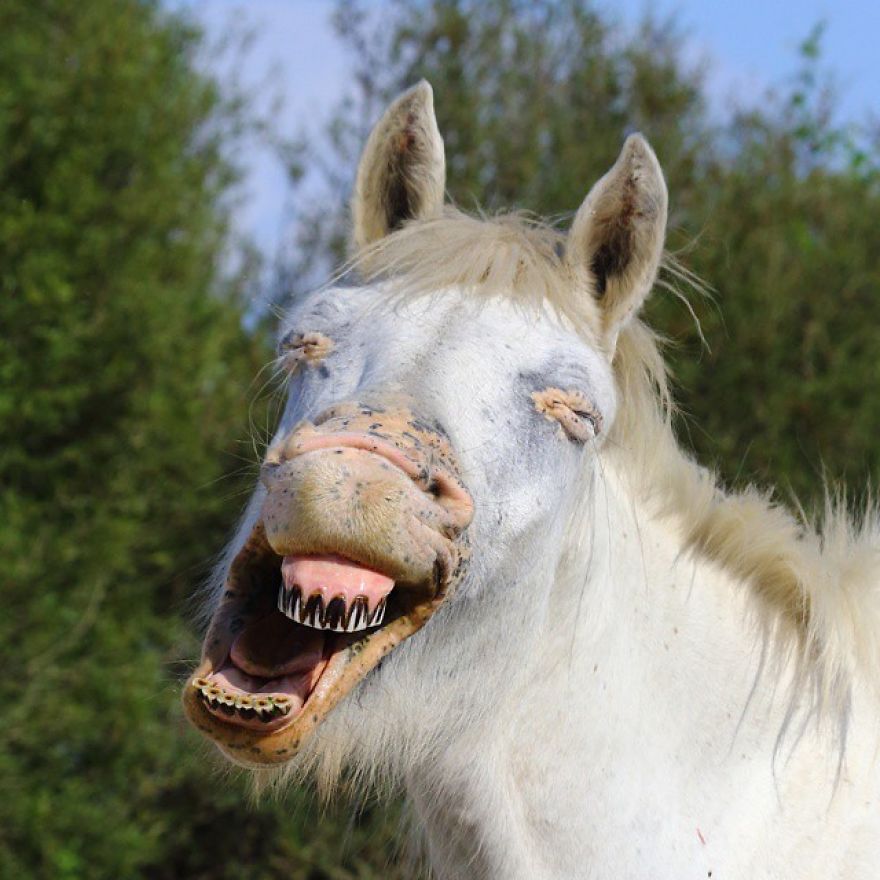
"Did you hear the one about a horse, donkey, and goat walk into a barn....."
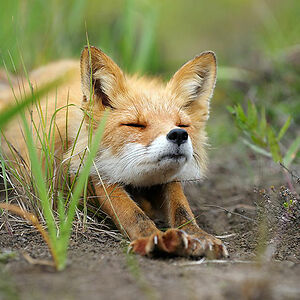
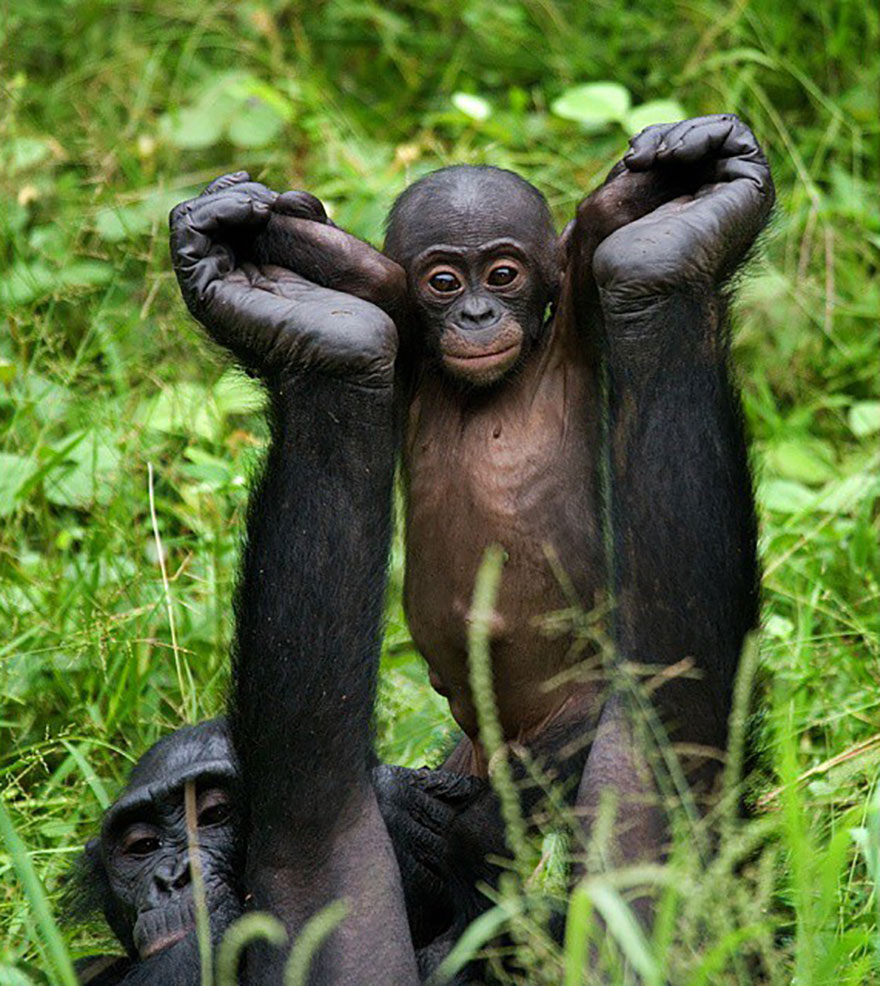
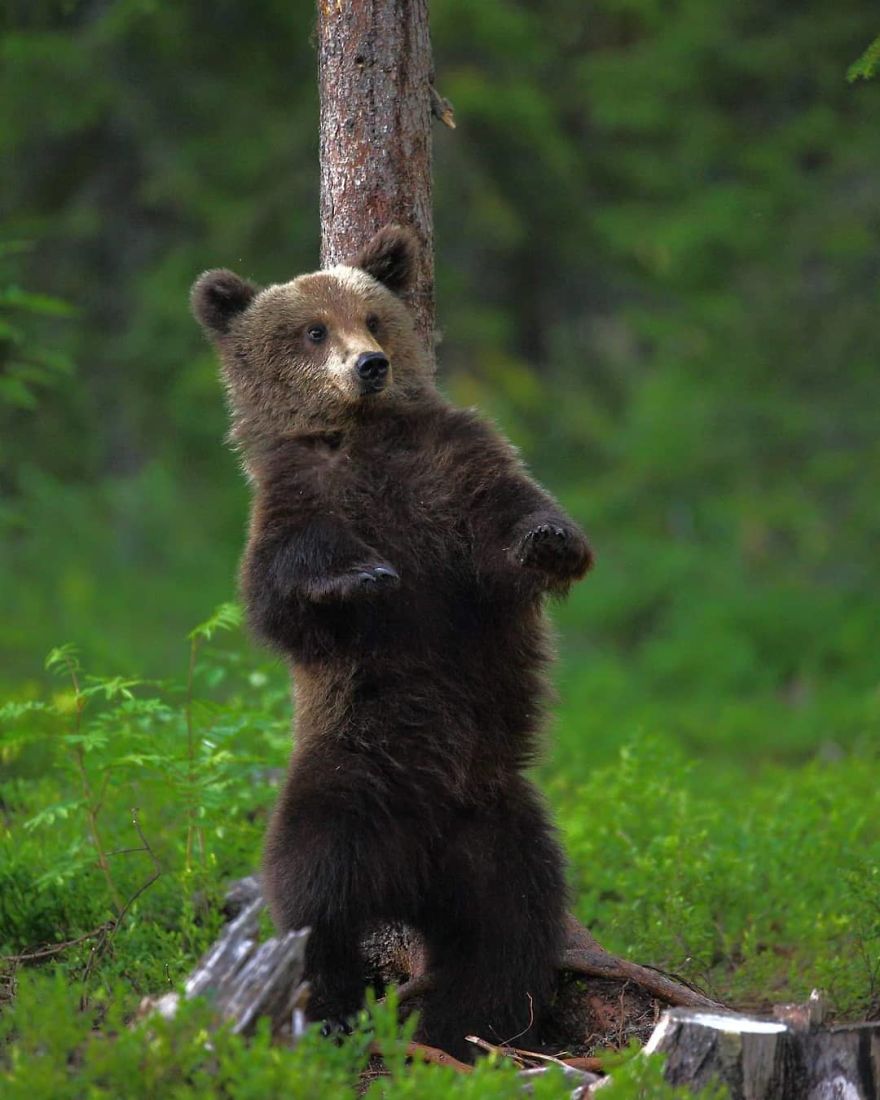
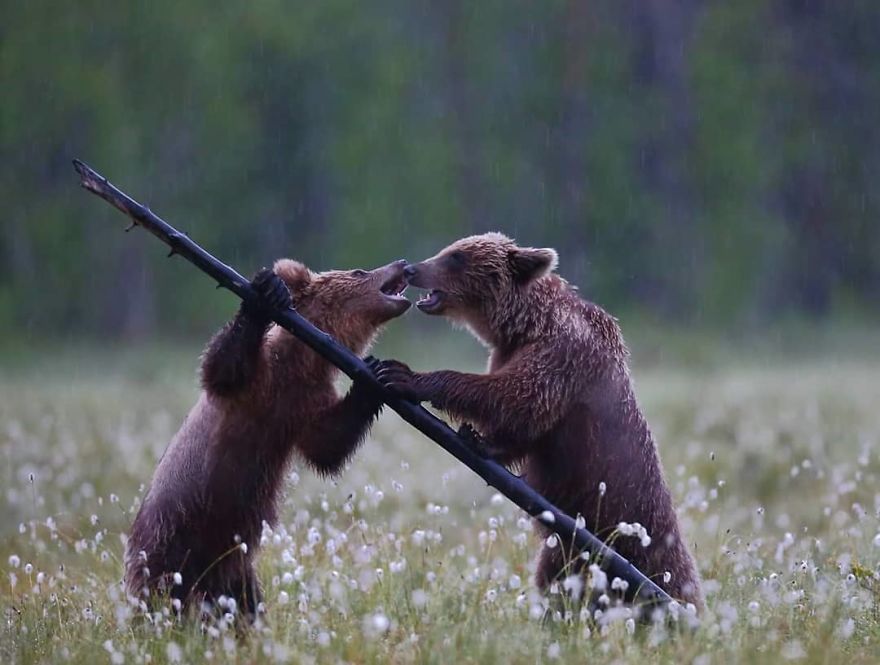
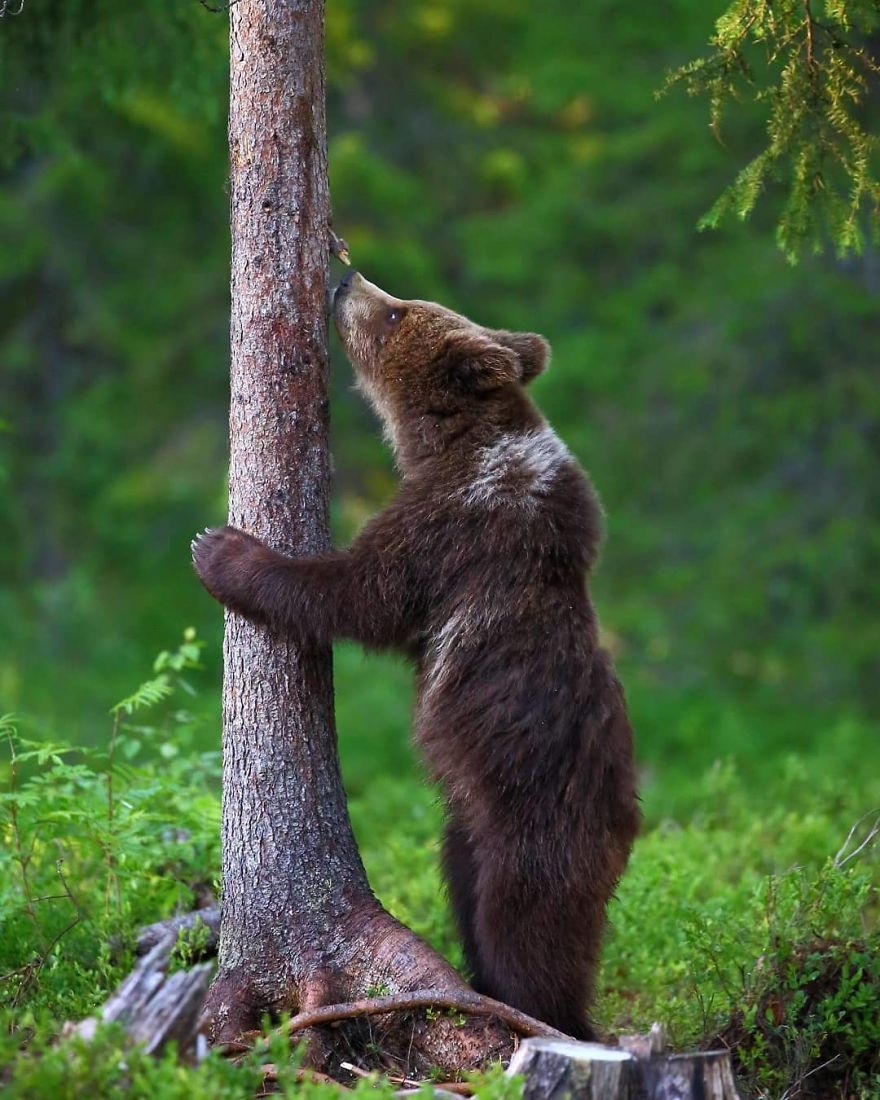
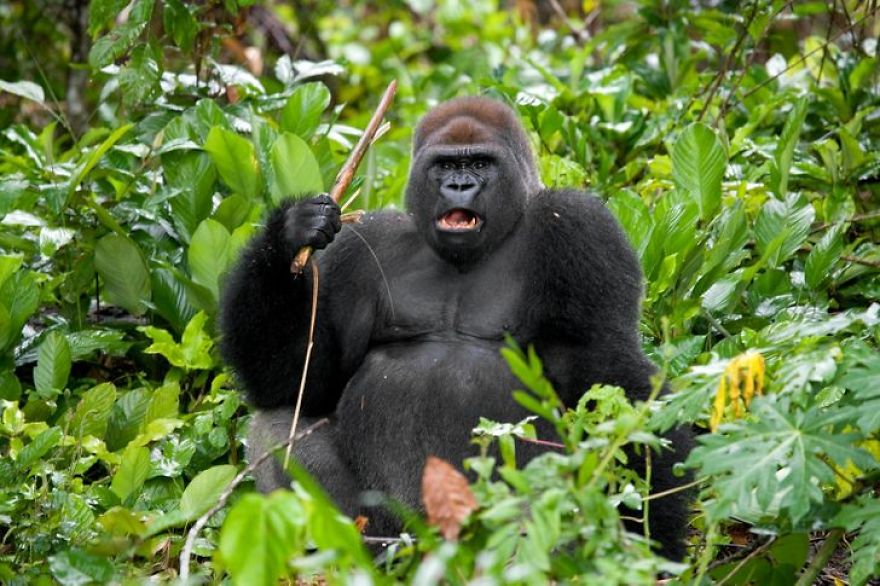
It's my stick Dave. Mommy said that I could play with it today! Did not.

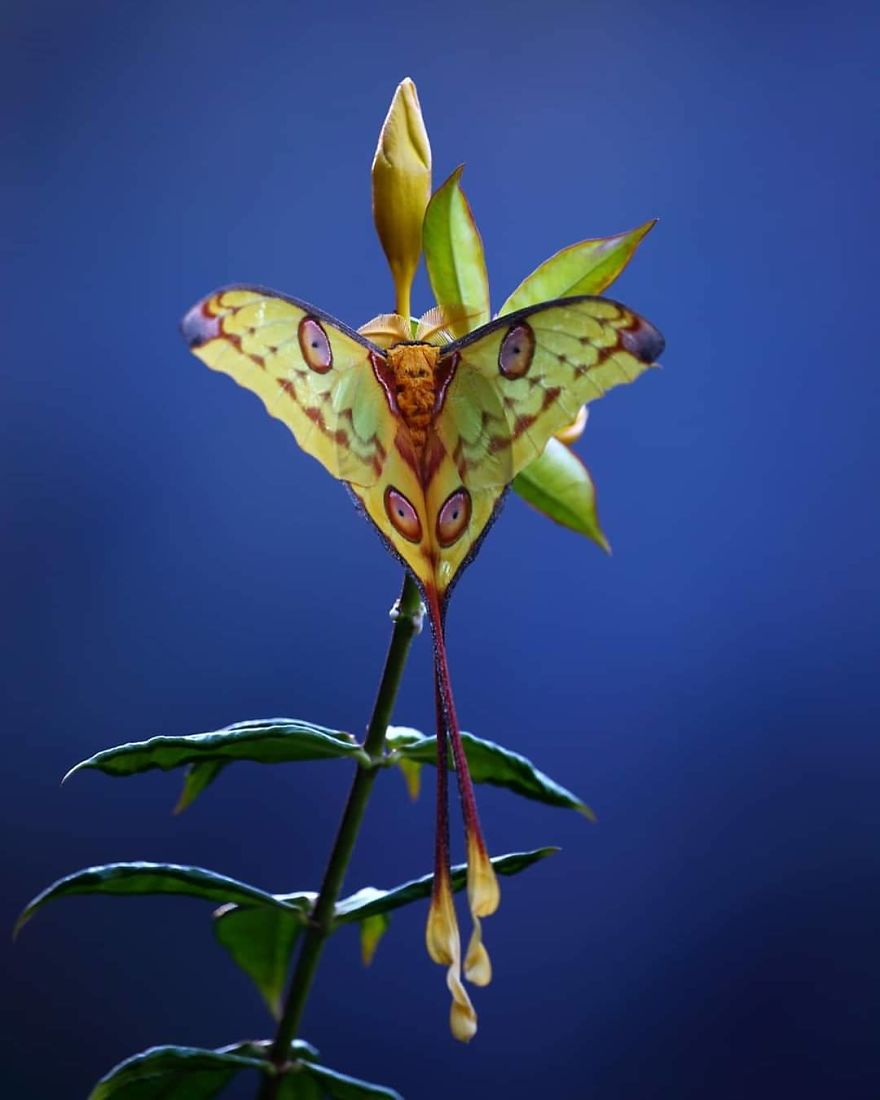
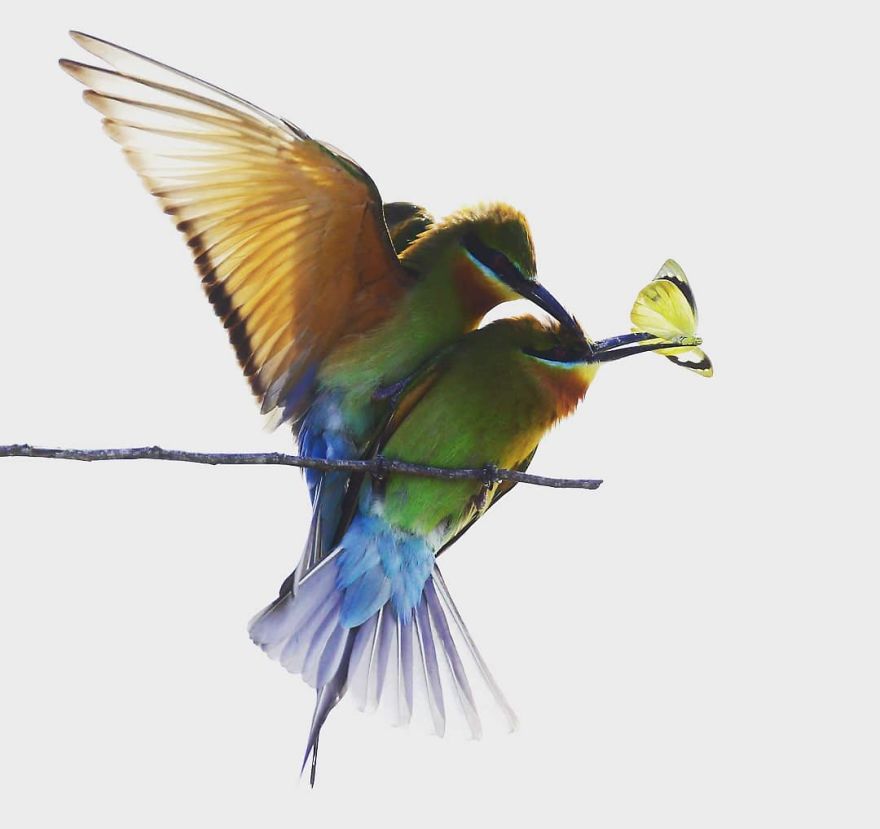
That's a moth, you can tell with its antenna. Butterflies antenna are very thin whilst moths are like combs.























 No fees, cancel anytime