Get Premium
Dark mode theme is available exclusively for premium users. Learn more about the benefits of subscribing.
No fees, cancel anytime.

 Dark Mode Ad-Free Browsing Unlimited Content
 Ad-Free Browsing Unlimited Content Dark Mode
Join 1.2 million Panda readers who get the best art, memes, and fun stories every week!

Netflix’s Monster world has finally turned its attention to a woman after telling the stories of three infamous male k*llers.
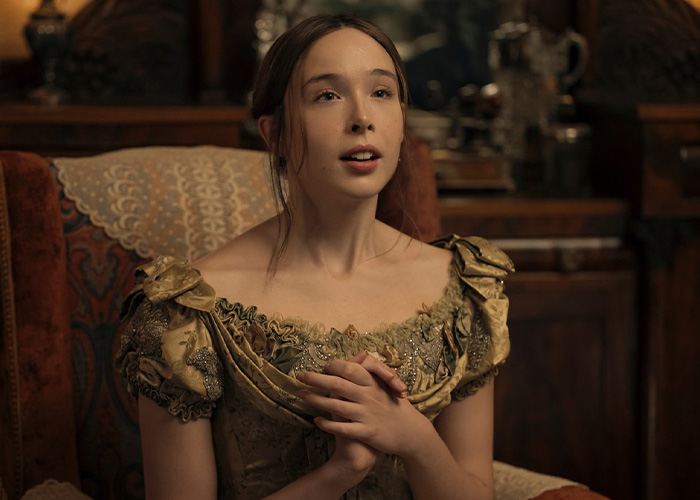
The fourth season, Monster: The Lizzie Borden Story,arrived on Netflix on September 17, with Ella Beatty playing Lizzie Borden, the Massachusetts woman accused of slaying her father and stepmother with an axe in 1892.
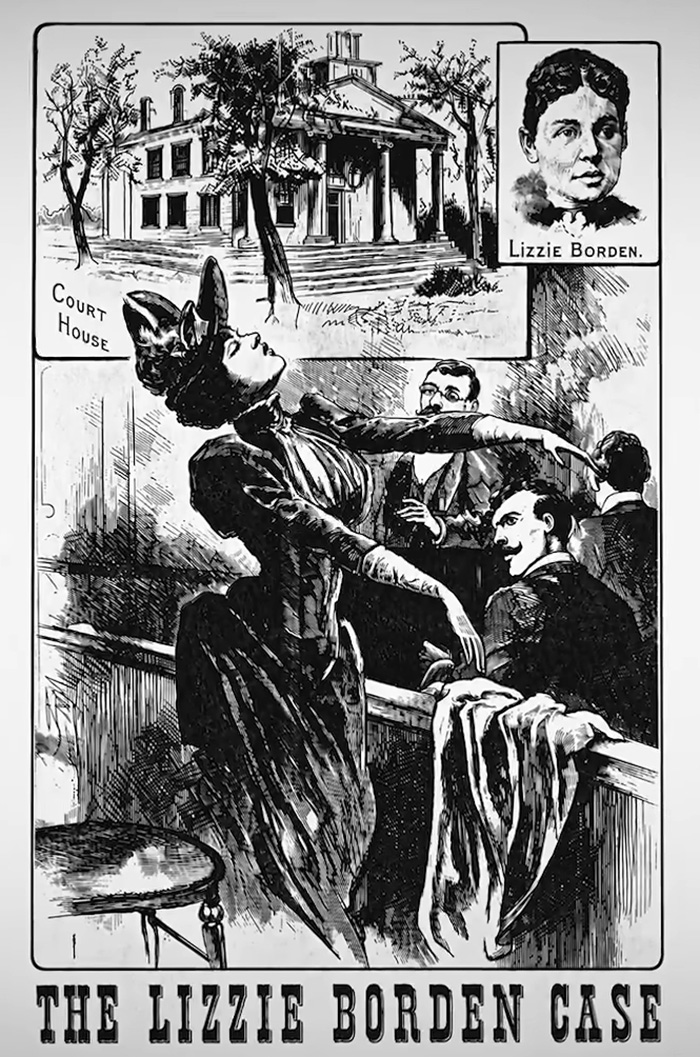
More than a century later, the case remains unresolved, and one question continues to fascinate people: if so much evidence seemed to point to Lizzie, why did a jury find her not guilty?
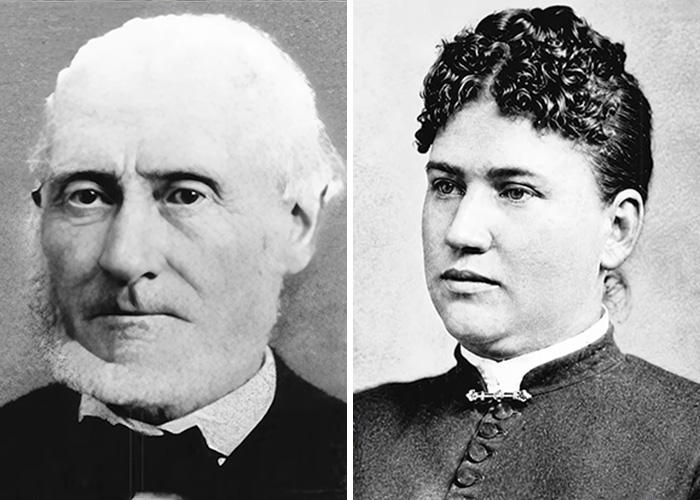
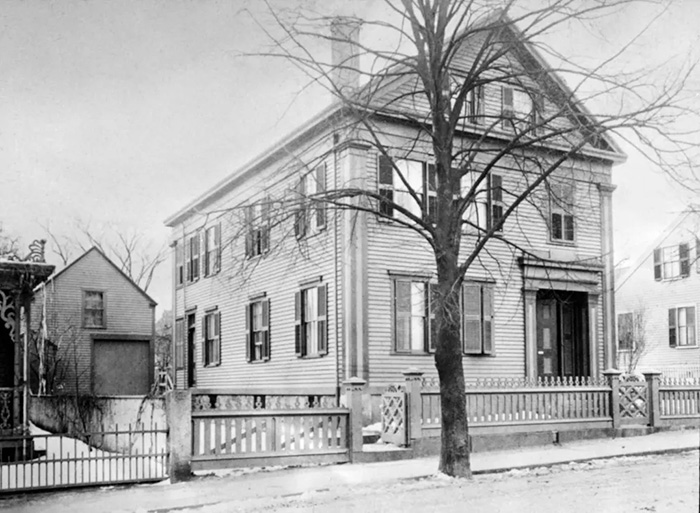
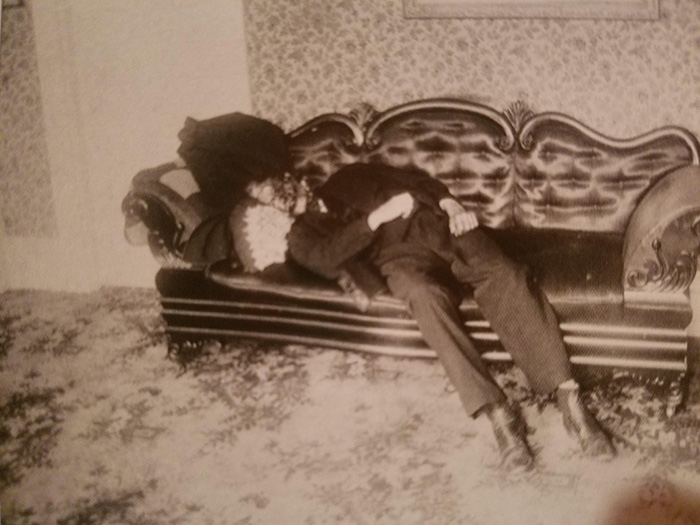
On August 4, 1892, Andrew Borden and his wife, Abby, were found brutally slain inside their home in Fall River, Massachusetts.
Andrew had been struck with a hatchet as many as 11 times, while Abby had suffered up to 19 blows to her head and neck, per Smithsonian Magazine.
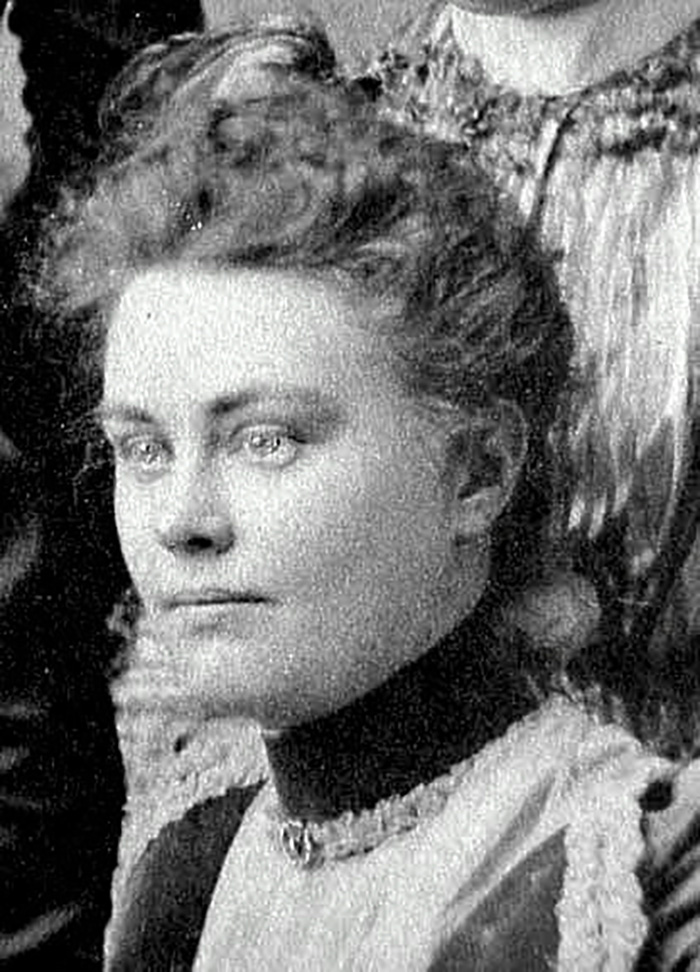
No one reported seeing an intruder enter the home, and Lizzie, Andrew’s 32-year-old daughter, soon became one of the main suspects.
The timeline of that morning also placed Lizzie inside the house around the time of the ki*lings.
According to maid Bridget Sullivan’s testimony, Andrew returned shortly before 11 a.m. Sullivan heard Lizzie laughing upstairs and believed she was close to where Abby’s body was later found.
Lizzie gave a different account of where she had been.
Shortly afterward, Andrew was kil*ed while resting on a sofa, and Lizzie discovered his body minutes later.
Police quickly began looking closely at Lizzie.
Her answers changed during questioning, and investigators reportedly became suspicious of her behavior.
She also made a point of calling Abby her stepmother, not her mother.
The investigation then uncovered several troubling pieces of evidence.
Investigators searched the Borden home and found a box of hatches in the basement. One had a broken handle and appeared to have been recently used, per CBS News.
It was also covered in ash, leading investigators to believe it may have been washed and then deliberately covered with soot.
Police also discovered a bucket containing bloody clothes.
That could have been important evidence, but Lizzie said she was menstruating at the time, and her family doctor confirmed it.
The bucket was never properly examined, leaving investigators without an answer about what was inside.
Another suspicious detail involved a local drugstore.
A druggist said Lizzie had recently asked about buying prussic acid, a highly dangerous p*ison.
She reportedly said she wanted it to clean a sealskin cape, but the druggist refused to sell it without a prescription.
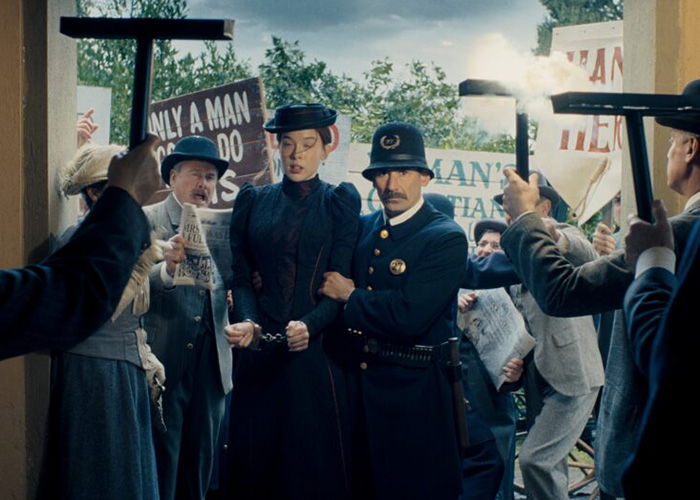
Lizzie was eventually arrested and became the central suspect in the case.
But when the m*rder trial finally began, the prosecution had a major problem. Much of the evidence that looked suspicious during the investigation could not be used against her in court.
Lizzie spent three days answering questions under oath, but she did not have a lawyer with her.
During that questioning, she sometimes gave contradictory answers and struggled to explain exactly where she had been before the slaying.
That testimony might have been extremely damaging to the prosecution.
But the court later ruled it inadmissible because Lizzie had not had a lawyer present during the questioning.
The druggist’s testimony about the prussic acid also could not be used.
The court considered it too remote from the murders, especially because Andrew and Abby had been k*lled with a weapon rather than p*ison.
That left prosecutors with a case based largely on circumstantial evidence.
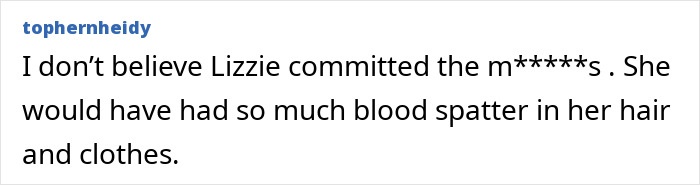
There were no eyewitnesses who saw Lizzie attack her father or stepmother. There were also no blood traces directly connecting her to the murders.
That distinction mattered enormously.
The prosecution could point to suspicious behavior, inconsistencies, and circumstances surrounding Lizzie, but proving that she committed two brutal murders beyond a reasonable doubt was a different challenge.
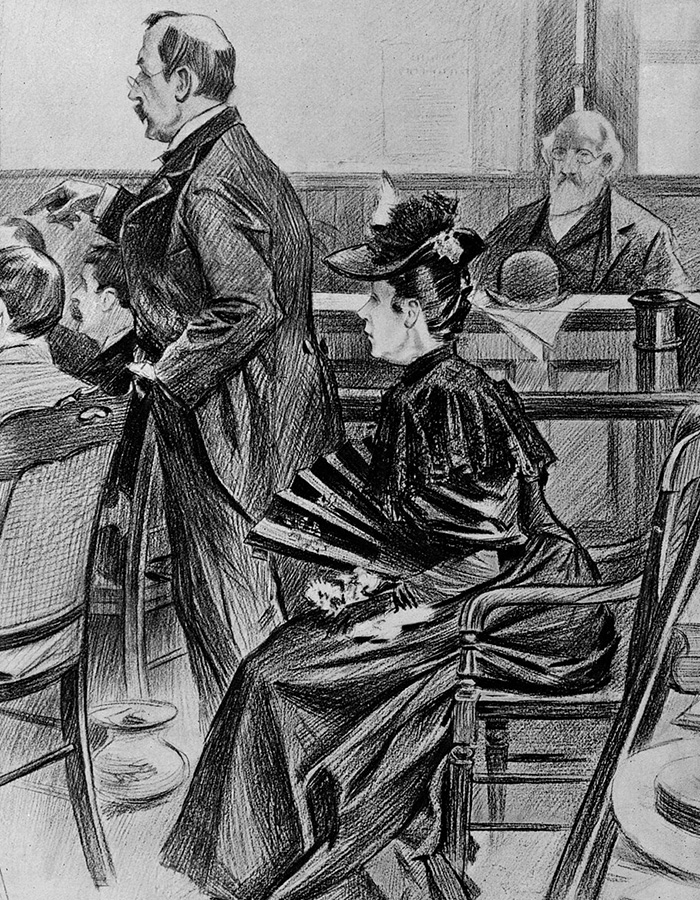
Lizzie was a wealthy, respectable Victorian woman accused of an extremely violent crime.
Her lawyers emphasized her femininity and character, presenting her as someone who did not fit the image of a brutal k*ller.
Her lawyer, former Massachusetts Governor George D. Robinson, reportedly advised her on how she should appear in court.
Lizzie dressed in black and sometimes carried flowers. Her femininity became an important part of the defense’s presentation.
The defense also brought people close to Lizzie to testify on her behalf.
Lizzie herself did not take the stand during the m*rder trial. She made only one statement proclaiming her innocence.
The prosecution therefore had to convince the jury with the remaining evidence, while the defense could focus on the lack of direct proof.
Netflix’s own examination of the case notes that Lizzie’s acquittal has remained controversial because the available evidence has continued to make her a suspect. At the same time, alternative suspects have also been suggested over the years.
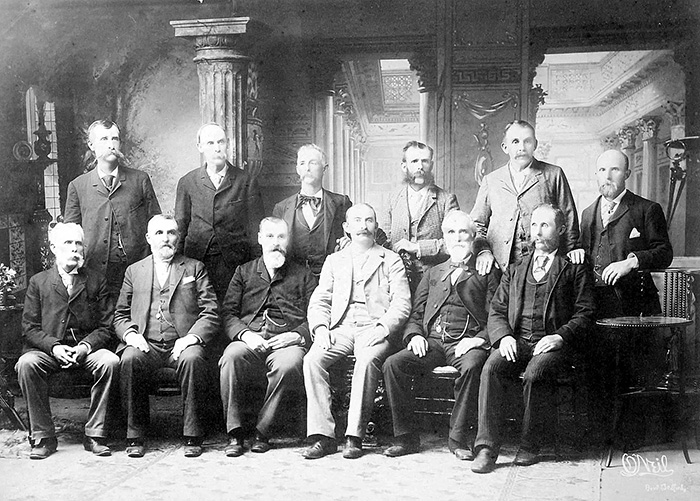
At the end of the 13-day trial in June 1893, Justice Justin Dewey summarized the case for the jury.
His comments were controversial because he appeared to favor Lizzie’s innocence while discussing her character and involvement in her church. He also questioned some of the state’s expert witnesses.
The jury then needed only about one hour to reach its decision.
Lizzie Borden was found not guilty of m*rdering either Andrew or Abby.
That did not mean the jury had established who k*lled the Bordens.
It meant the prosecution had failed to prove Lizzie’s guilt to the standard required for a conviction.
And that was the key reason Lizzie walked out of court as a free woman. The case against her looked suspicious, but the evidence that could be presented at trial was not enough to convict her.
Lizzie had spent about 10 months behind bars during the investigation and trial, but after her acquittal she returned to Fall River without a m*rder conviction.
The verdict did not dispel the suspicion.
She became increasingly isolated from society, later changed her name to Lizbeth, and moved with her sister Emma into a large home in Fall River.
The murders continued to follow her through the rest of her life.
More than 130 years later, nobody has been officially convicted of ki*ling Andrew and Abby Borden.
That uncertainty is also what gave Netflix’sMonster: The Lizzie Borden Story its central mystery.
The series is a fictionalized interpretation of a real case, and Netflix notes that it changes the historical record.
Ella Beatty, who plays Lizzie, has described the real case as highly disputed.
“It’s a very disputed case. A lot of people have a lot of really different points of view on what could have happened — and even have different points of view about Lizzie herself.”

By entering your email and clicking Subscribe, you're agreeing to let us send you customized marketing messages about us and our advertising partners. You are also agreeing to our Privacy Policy.
Thank you! You've successfully subscribed to newsletters!


"Investigators searched the Borden home and found a box of hatches in the basement."??? Hatches?

The jurors don't give someone the benefit of the doubt. You start with doubt and it's the government's job to eliminate all reasonable doubt of guilt. That's the basis of the legal system. It is an important distinction, but comments like that are only giving cover to the facsist folks trying control the courts. Do better
All evidence is circumstantial, except for direct witnessing if the event, which is often less reliable. Most convictions are in curcuminstancial evidence. Please stop perpetuating this weird lie that circumstantial evidence is irrelevant.
"Investigators searched the Borden home and found a box of hatches in the basement."??? Hatches?
The jurors don't give someone the benefit of the doubt. You start with doubt and it's the government's job to eliminate all reasonable doubt of guilt. That's the basis of the legal system. It is an important distinction, but comments like that are only giving cover to the facsist folks trying control the courts. Do better
All evidence is circumstantial, except for direct witnessing if the event, which is often less reliable. Most convictions are in curcuminstancial evidence. Please stop perpetuating this weird lie that circumstantial evidence is irrelevant.





















 No fees, cancel anytime











30
12