Get Premium
Dark mode theme is available exclusively for premium users. Learn more about the benefits of subscribing.
No fees, cancel anytime.

 Dark Mode Ad-Free Browsing Unlimited Content
 Ad-Free Browsing Unlimited Content Dark Mode
Join 1.2 million Panda readers who get the best art, memes, and fun stories every week!


Not everyone is a botanist, and sometimes the only thing you can do is stare at a plant wondering what on earth it is.
Luckily for us, the internet is ready to help. The subreddit r/whatsthisplant is a place where us clueless folk upload photos of mystery greenery to get IDs. The 490K-strong community jumps in, often sharing more than just a name—they add care tips, mention quirky features, and never criticize you for asking questions.
Not every living being can introduce themselves, so it's nice that others can do it for them.
This post may include affiliate links.
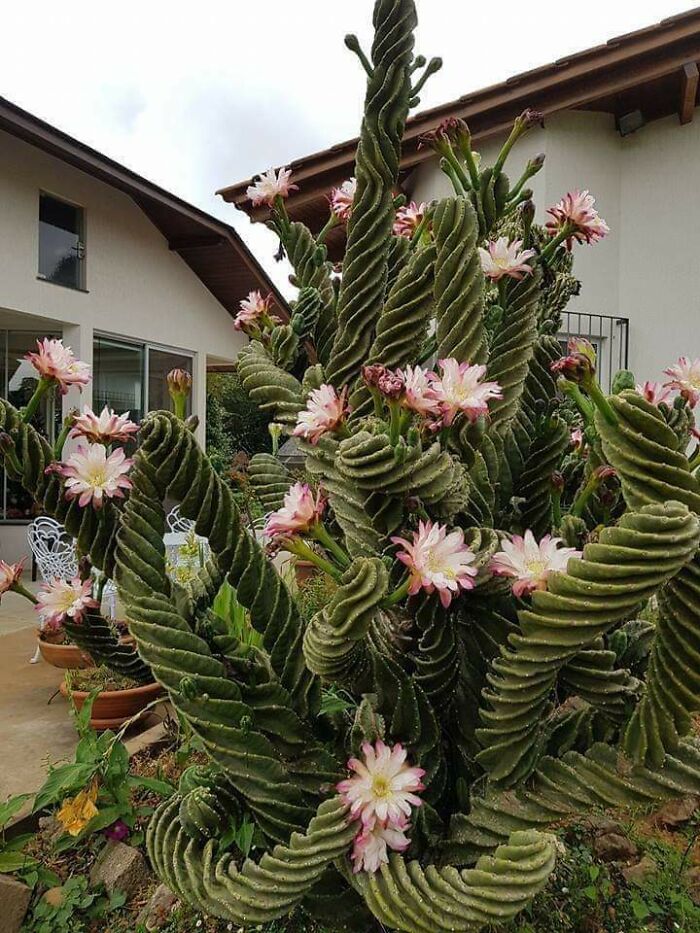
Cereus forbesii cv Spiralis
and that is a stunning specimen of it.
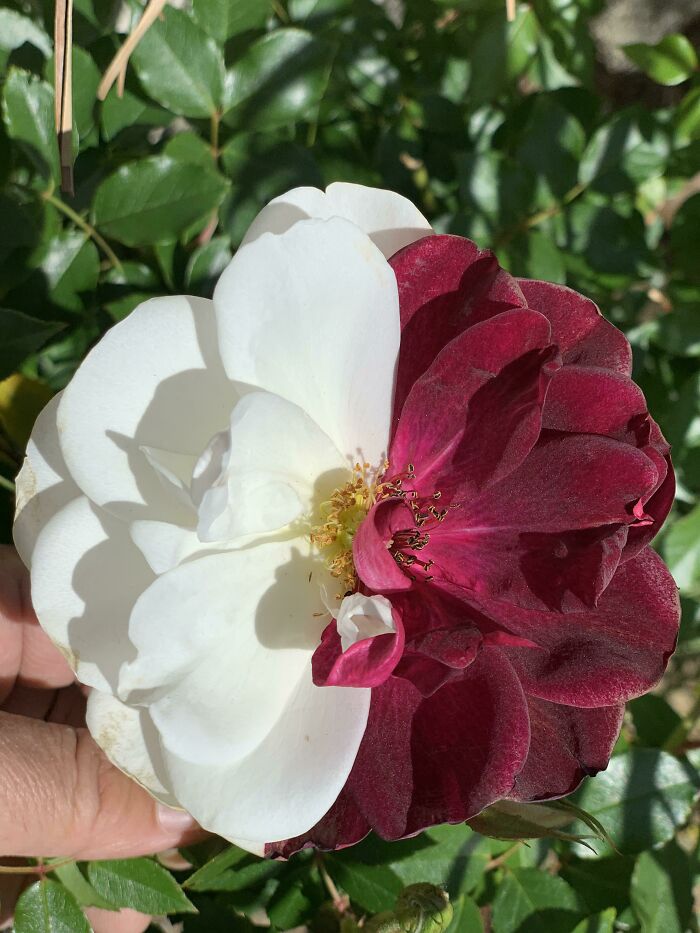
Plant geneticist here!
1 Nice rose!
2 I bet this was caused by a somatic mutation, specifically a transposon (jumping gene) inserting near something that activates color in petals (a transcription factor or anthocyanin gene). The unevenness could be due to variable epigenetic silencing of that region to keep the transposon from jumping again. The same mechanism causes striped flowers in petunias and morning glories.
Anyway, I think it's cool from a professional standpoint and wanted to share. 🙂

Gorgeous. If only the could grow a lot more at once. Imagine a bouquet of those.
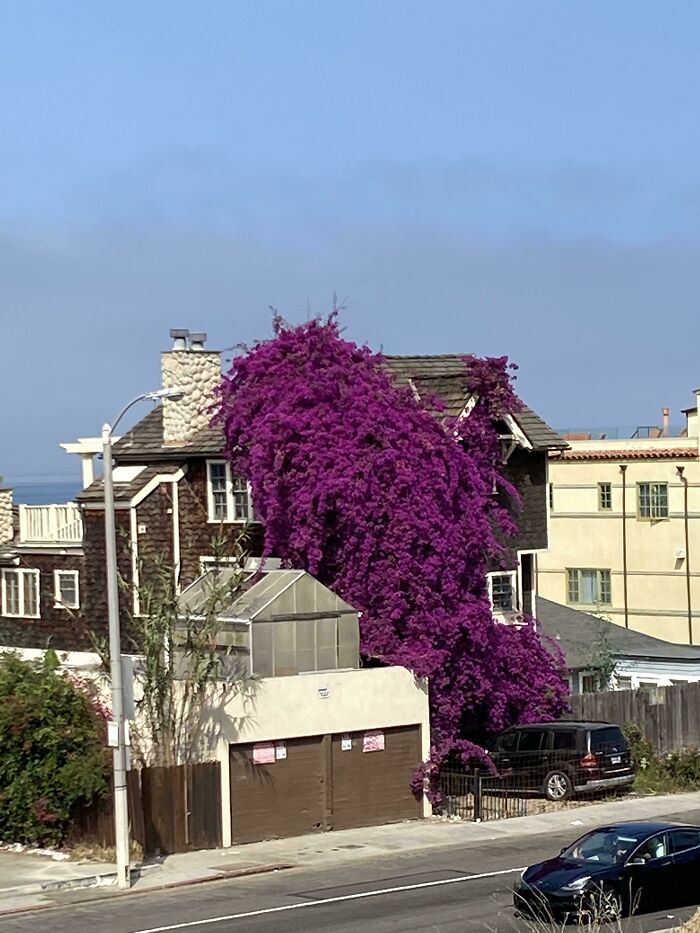
It's probably a Bougainvillea.
Dr. Erin Hill from the Department of Plant, Soil and Microbial Sciences at Michigan State University says people are driven to identify plants for many reasons; sometimes it is out of curiosity to know more about the world around us, while other times it is out of the desire or need to manage areas like gardens, agricultural fields, restored habitats, and/or natural preserves.
"Plants are the foundation of food webs, and they are tied to our understanding of how ecosystems function," Hill explains. "Plant identification has been and continues to be a matter of familiarity—knowledge passed down through mentorship by family or friends, or perhaps something learned in school."
One can also seek expert advice. For example, plant identification is one of the many services offered at Michigan State University (MSU) Plant & Pest Diagnostics and the MSU Herbarium, and help is available through the Michigan State University Extension Lawn. But you should be able to find similar resources at your local university, botanical garden, or natural history museum if you live elsewhere, too.
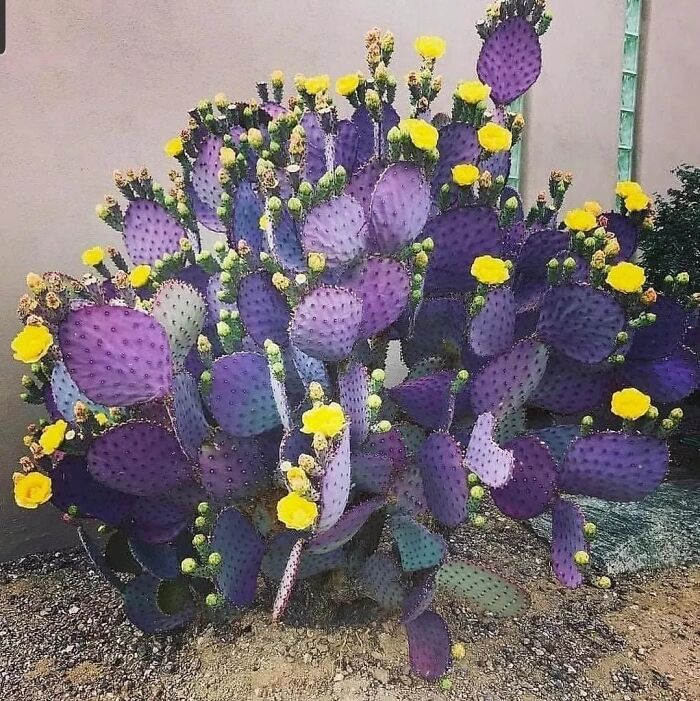
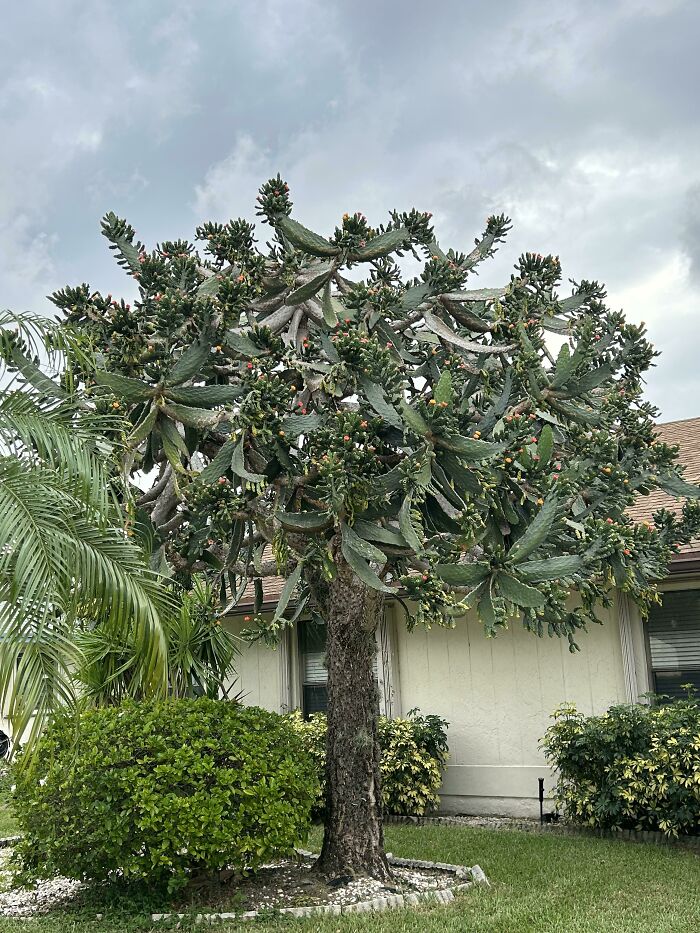
Santa Rita prickly pear
Caribbean tree cactus!
And one of the largest, oldest and most beautiful ones I've ever seen even online. this thing is absolutely awe inspiring
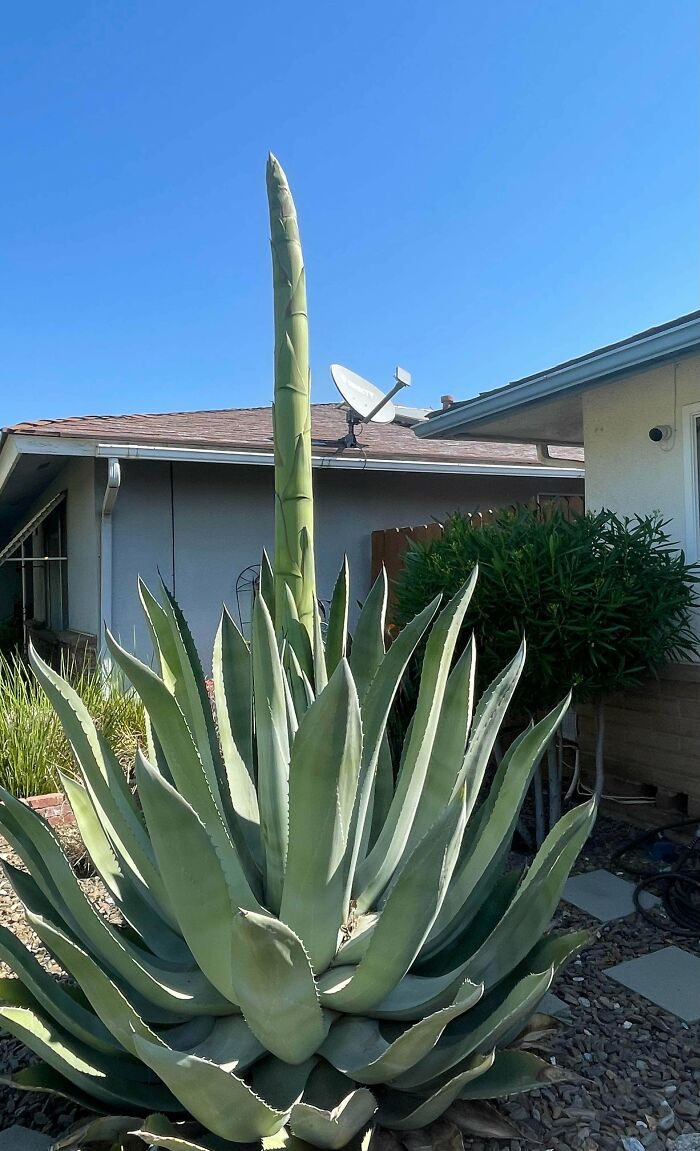
Agave only flower once--one absolutely giant asparagus-like flower stalk--and then die. It will make many little pups though.
Hill says that there are several smartphone apps available to assist with plant identification as well. "I began evaluating plant identification apps in 2018 for use in the weed science laboratory class at MSU, and for presentations to various garden and commodity groups. From 2018–2020, I evaluated a minimum of six apps (available for both Android and iOS smartphones) using 10–12 plants, with the best-performing apps carrying over to the next year's evaluation."
"In the fall of 2021, I drastically increased the number of identifications used to rank the apps by involving groups of university students enrolled in the lab," the scientist adds.
Since 2018, she and her students have evaluated a total of 16 apps. In 2023, all the apps tested used photo recognition software and geolocation information to identify plants, but some tested in the past required more descriptive input from the user, similar to traditional plant keys. "Most are free or have a free version. It is important to read all terms prior to downloading or purchasing apps. This assessment is for educational purposes only."
The top six apps were found to be:
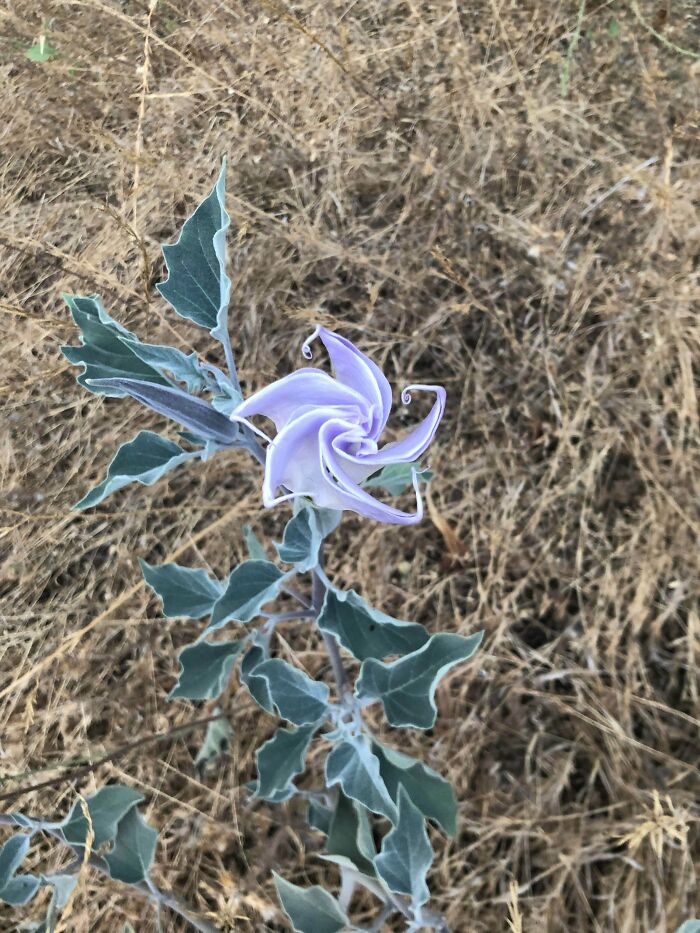
Datura

"Datura is a genus of nine species of highly poisonous, vespertine-flowering plants belonging to the nightshade family. They are commonly known as thornapples or jimsonweeds, but are also known as devil's trumpets or mad apple. Other English common names include moonflower, devil's weed, and hell's bells."
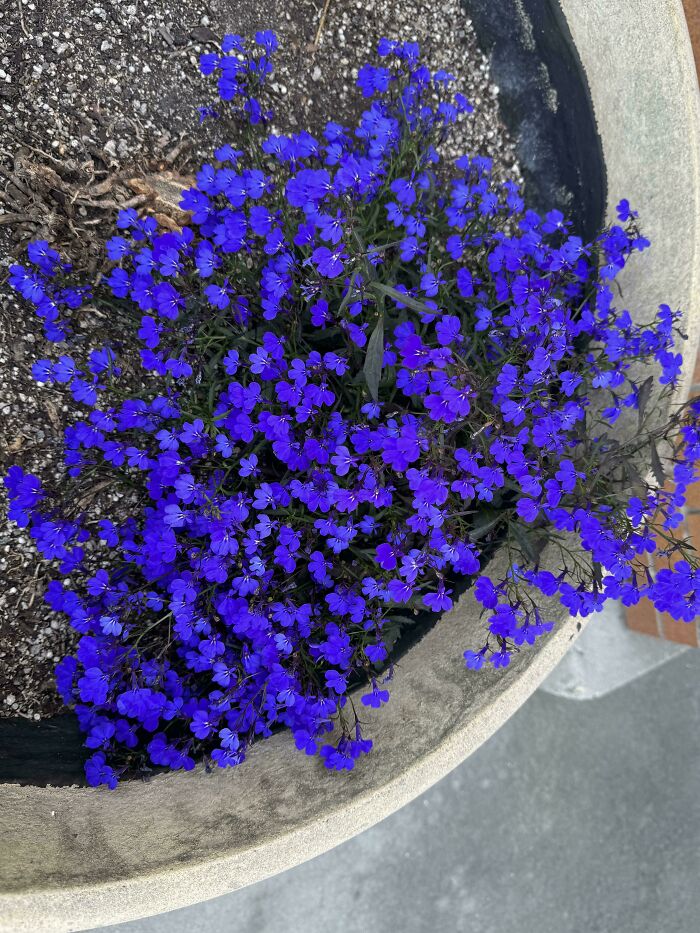
Blue lobelia
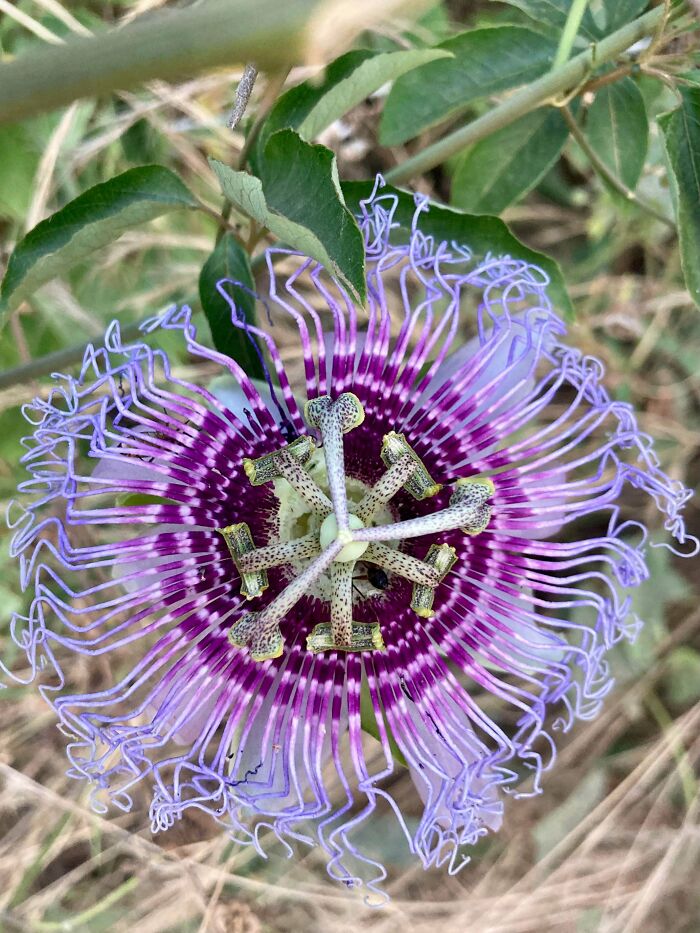
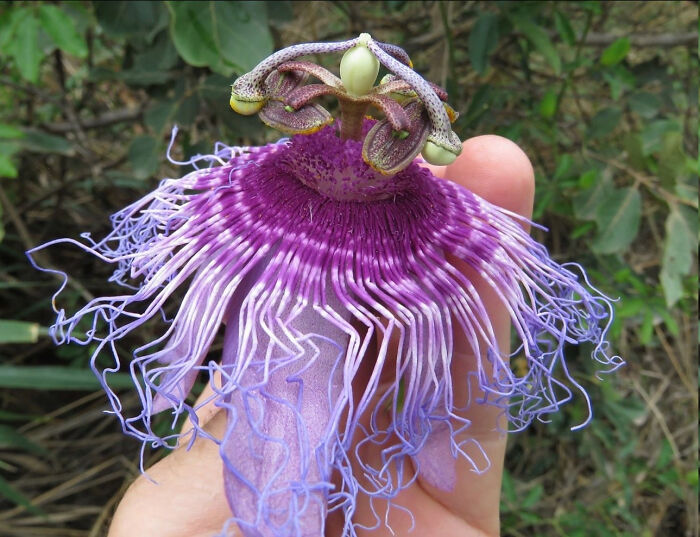
Passionflower. They're very distinctive!
However, keep in mind that an automated ID still makes mistakes. "The top-performing app was PictureThis, with 73% of the suggested identifications being correct," Hill says. "If the partial ratings (16%) are added to the correct ratings, we see that the app was helpful 89% of the time, averaged across all plant categories."
"Following this lead were PlantStory (48% accuracy) and PlantNet (40% accuracy). If you add in the partially correct answers, these apps were helpful 65% and 67% of the time, respectively."
So communities like r/whatsthisplant continue to be invaluable—a kind of crowd-sourced, peer-reviewed system where members correct each other’s guesses on the off chance someone gets it wrong.
For more examples of their work, check out our older publication on the subreddit.
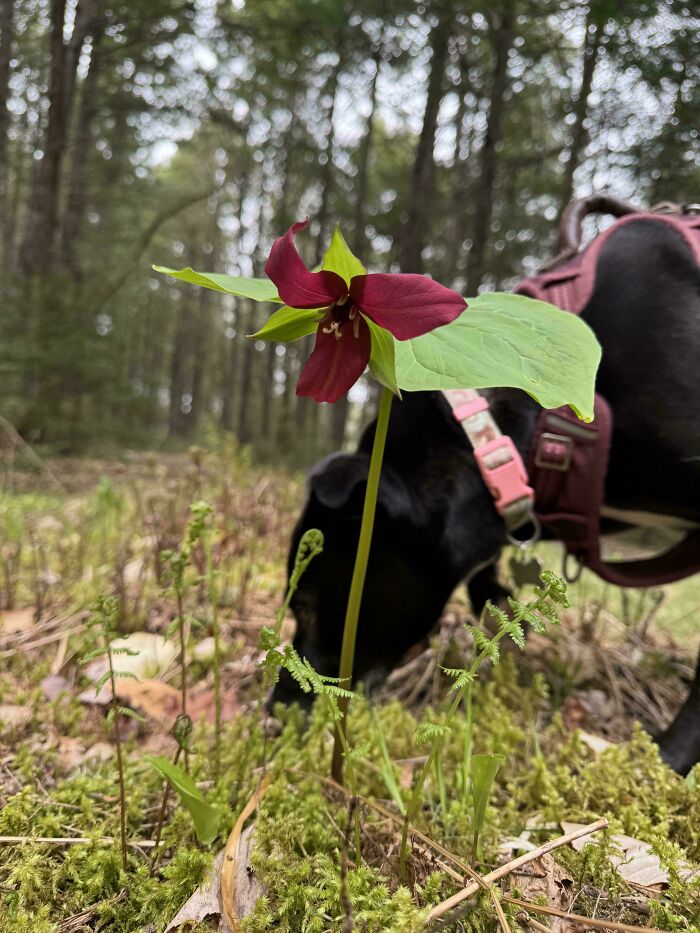
A red trillium! Nice find.
"Trillium erectum, the red trillium, also known as wake robin, purple trillium, bethroot, or stinking benjamin, is a species of flowering plant in the family Melanthiaceae. The plant takes its common name "wake robin" by analogy with the European robin, which has a red breast heralding spring."
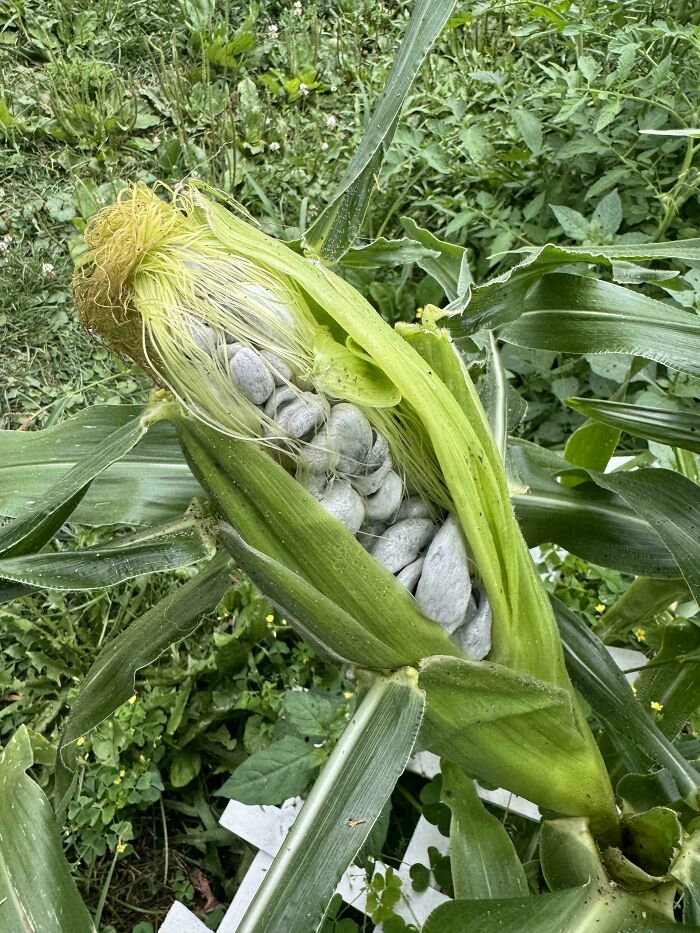
Corn smut. It’s an infection. Totally edible though. As a matter of fact in Mexico it’s called huitlacoche and it’s considered a delicacy
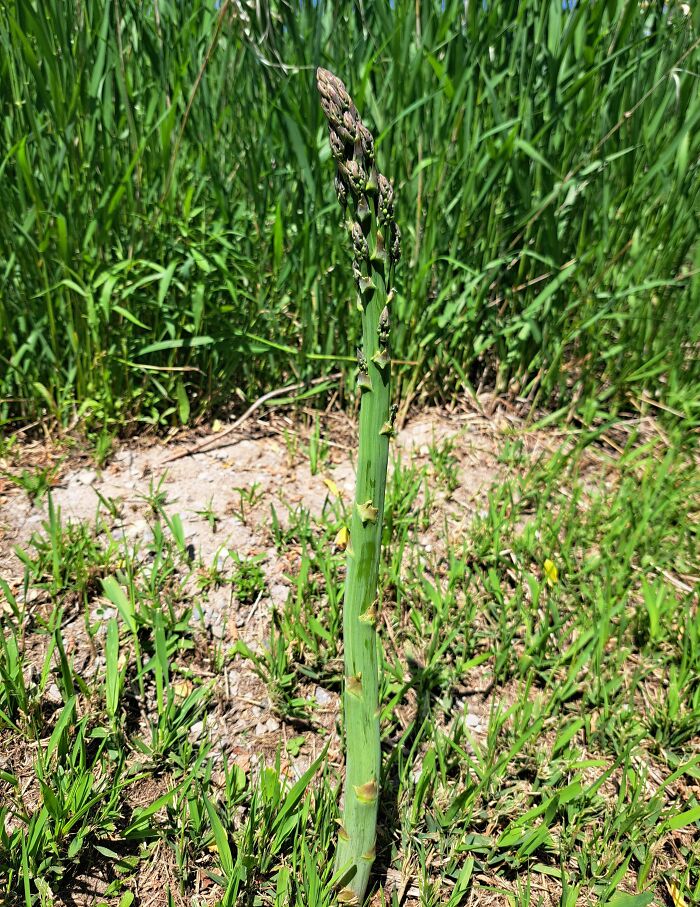
Asparagus
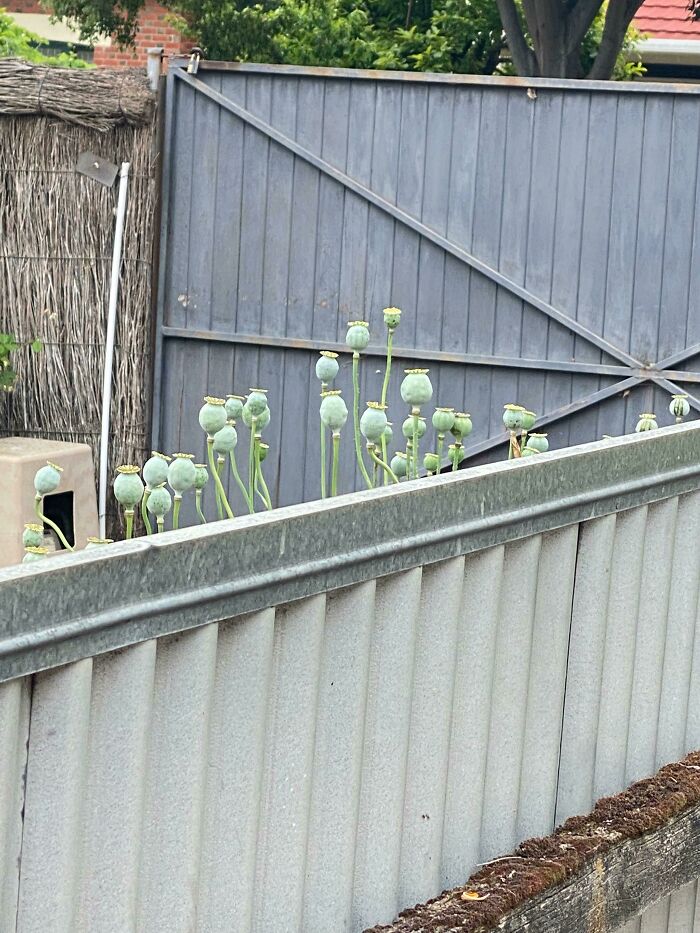
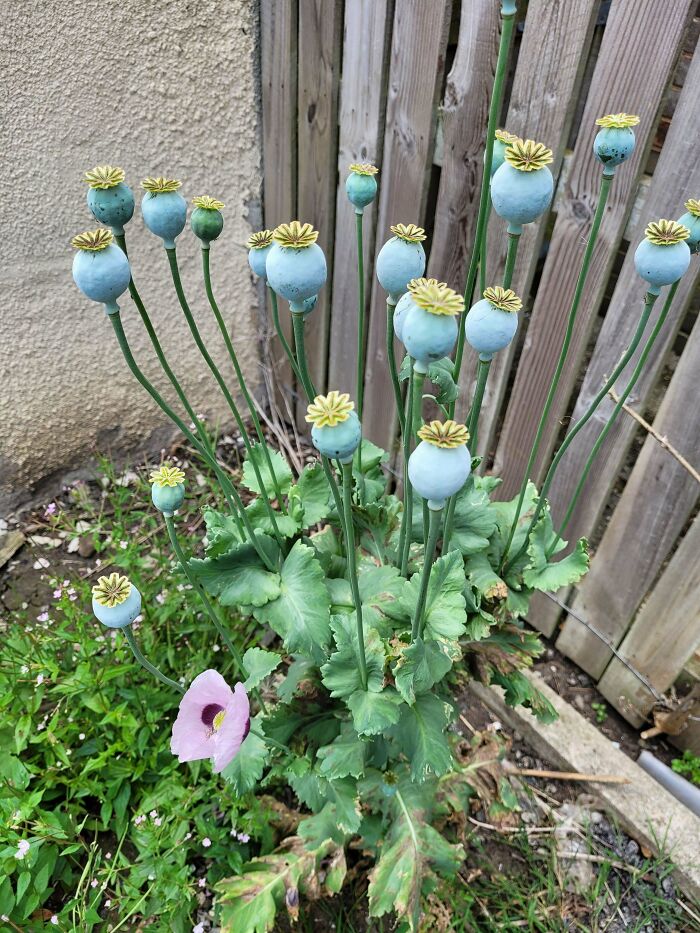
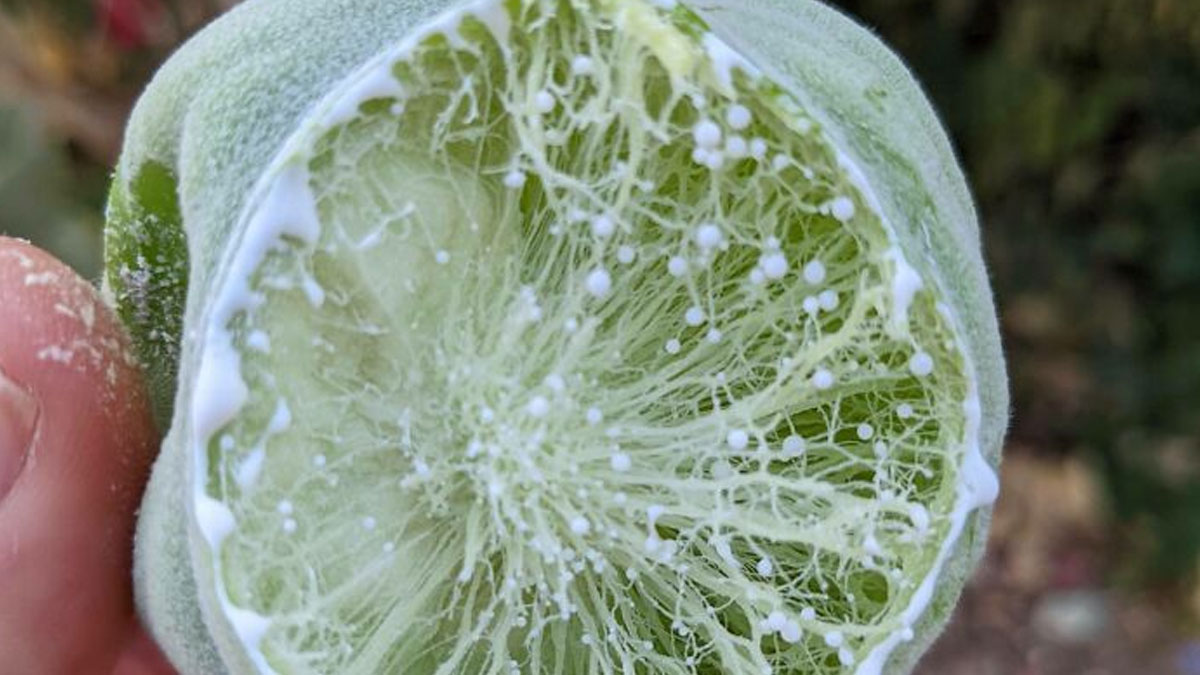
Opium poppy, but plenty of people grow them as ornamentals
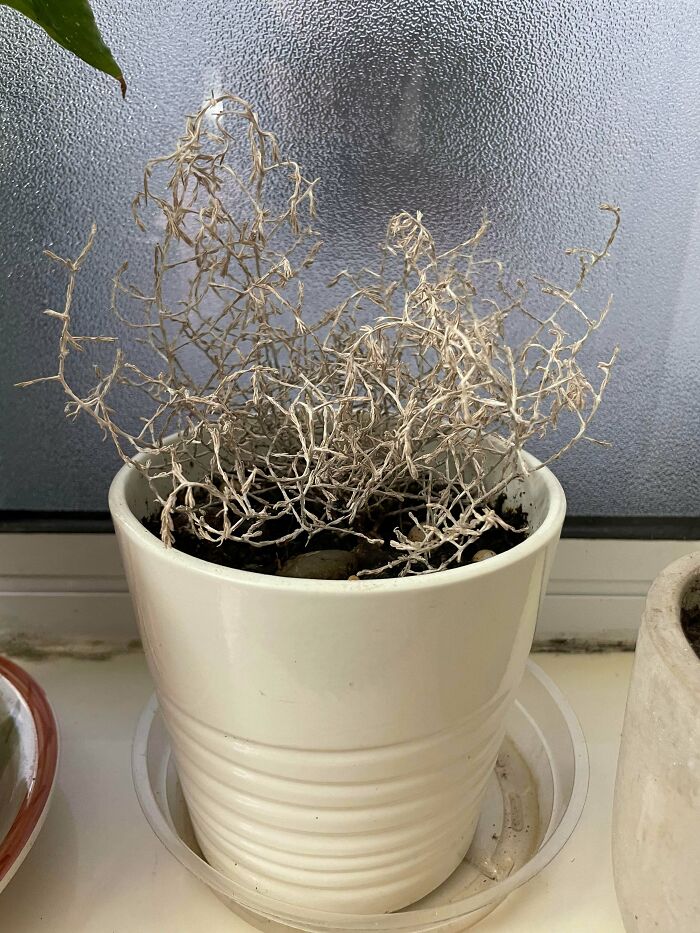
It's dead. It's been dead for years.
What exactly makes you think it's alive? It's not green, it doesn't grow.
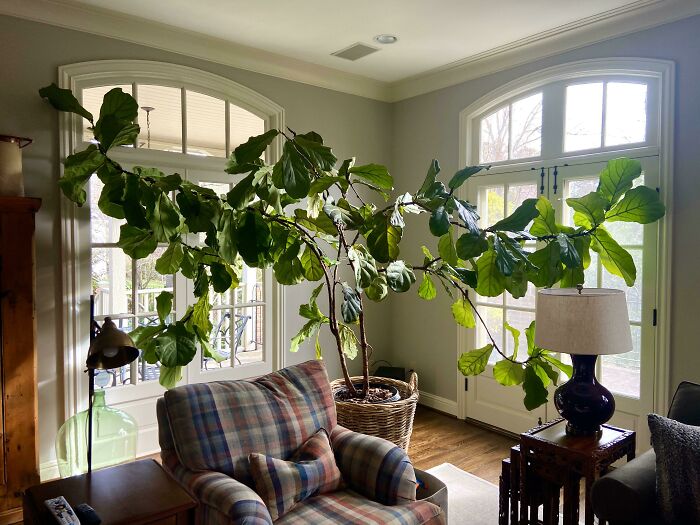
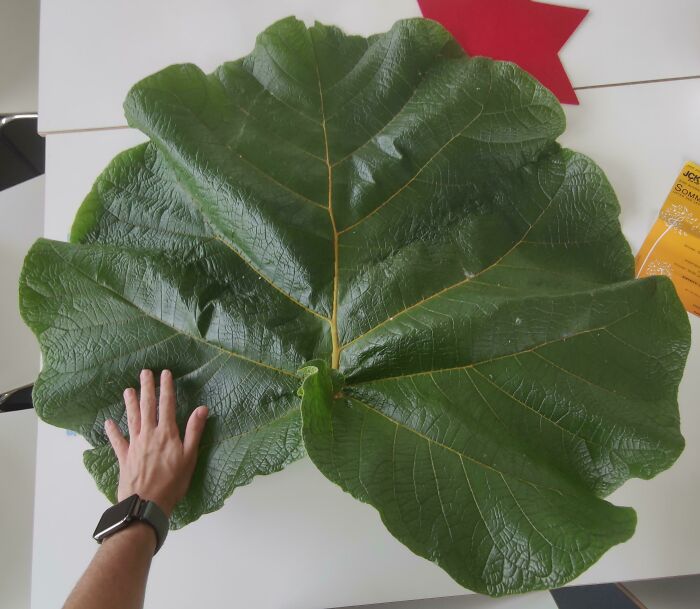
This woman grew the most epic fiddle leaf fig anyone has ever seen and has the audacity to not even know what it's called?
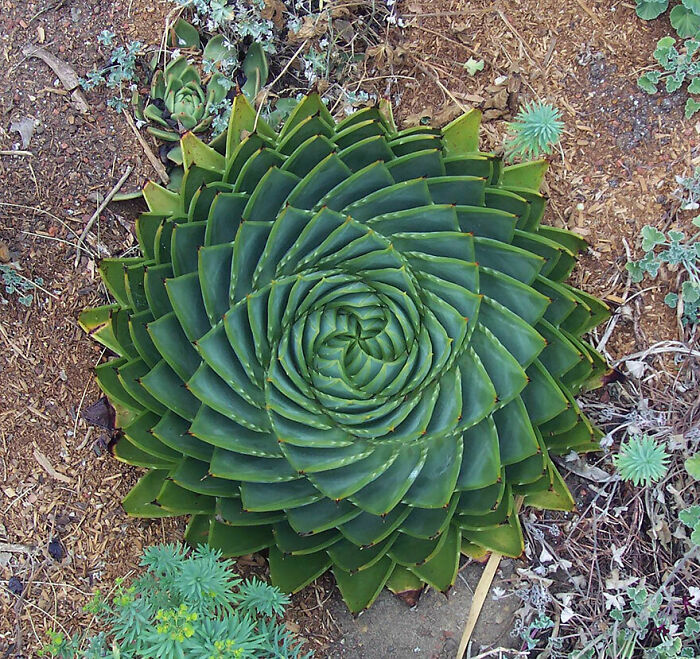
Spiral Aloe, Aloe polyphylla
"The species is highly sought after as an ornamental but is difficult to cultivate and usually soon dies if removed from its natural habitat. In South Africa, it is a criminal offence to remove plants or seed of Aloe polyphylla from their natural habitat or to buy plants from roadside vendors.The species is listed on Appendix I of CITES meaning commercial international trade is prohibited. In cultivation in the UK this plant has gained the Royal Horticultural Society's Award of Garden Merit."
its a bougainvillea
"The sap of bougainvillea can cause serious skin rashes, similar to Toxicodendron species."
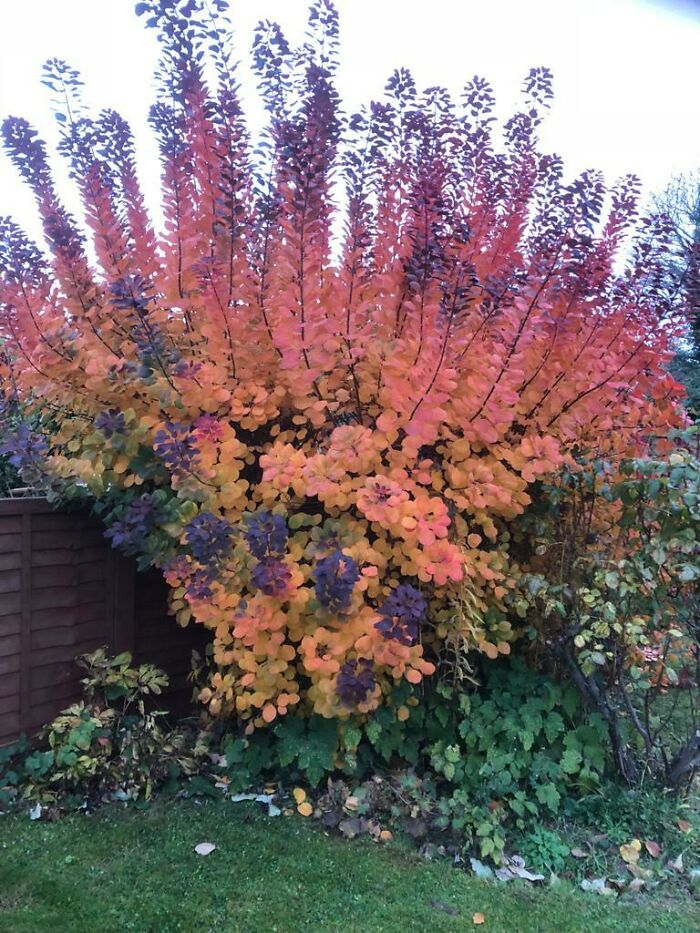
Smoke bush
"The smoke trees, particularly C. coggygria, are popular garden shrubs. Several bronze or purple-leaved cultivars of C. coggygria have been selected, with warm pink inflorescences set against purple-black foliage; the most common in commerce are 'Notcutt's Variety' and 'Royal Purple'. When brought into cultivation together, the two species will form hybrids; some garden cultivars are of this parentage. Cultivation is best in dry, infertile soils, which keeps the growth habit more compact and also improves the autumn colour; when planted in fertile soil, they become large, coarse and also tend to be short-lived, succumbing to verticillium wilt disease. They can be coppiced in early spring, to produce first-year shoots up to 2 m tall with large handsome leaves, but no "smoke"."
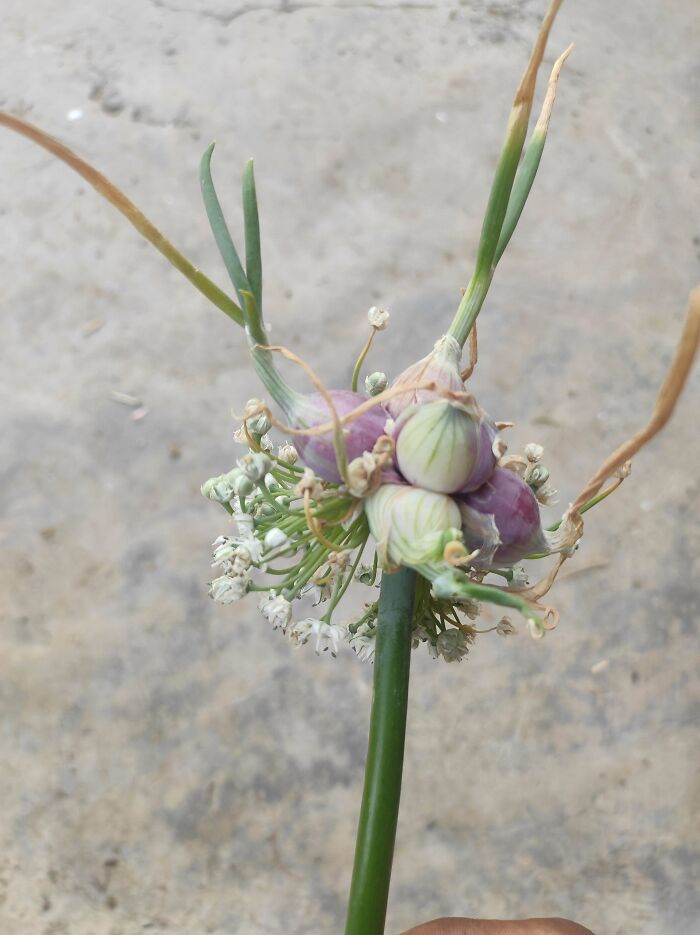
Egyptian walking onions do this.
They get heavy and fall over, planting themselves
Looks like a Redbud to me, too. I've never seen one with so many blossoms coming directly from the bark like that. A few, but not such dense clusters. Very pretty.
By the way, those pretty golden newborn leaves will be regular ol' green leaves in a few days.

Redbuds are my favorites. I wished the flowering lasted longer though!
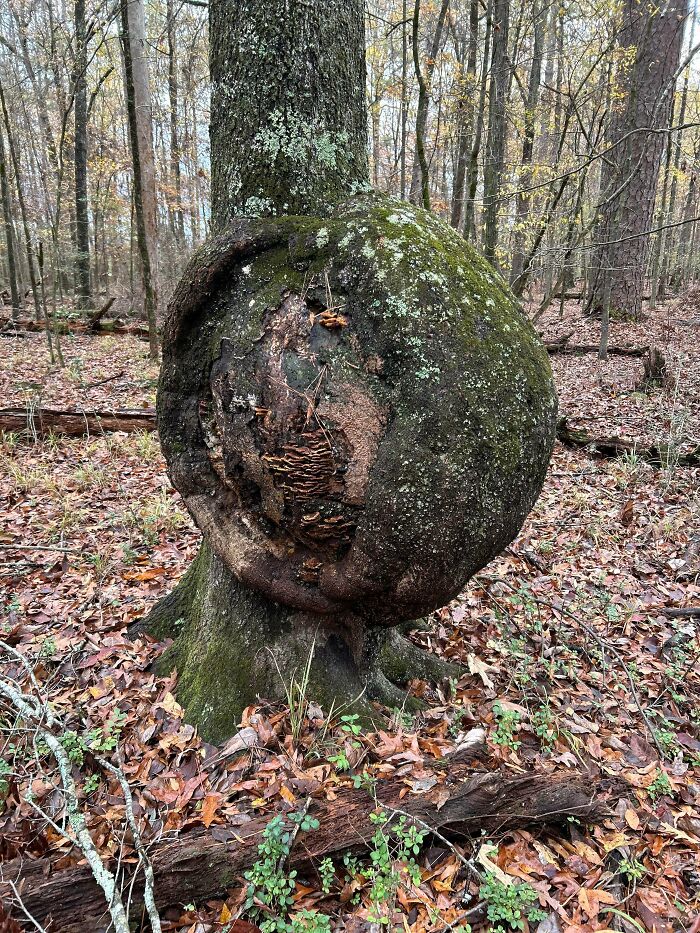
Congratulations, it’s a burl!
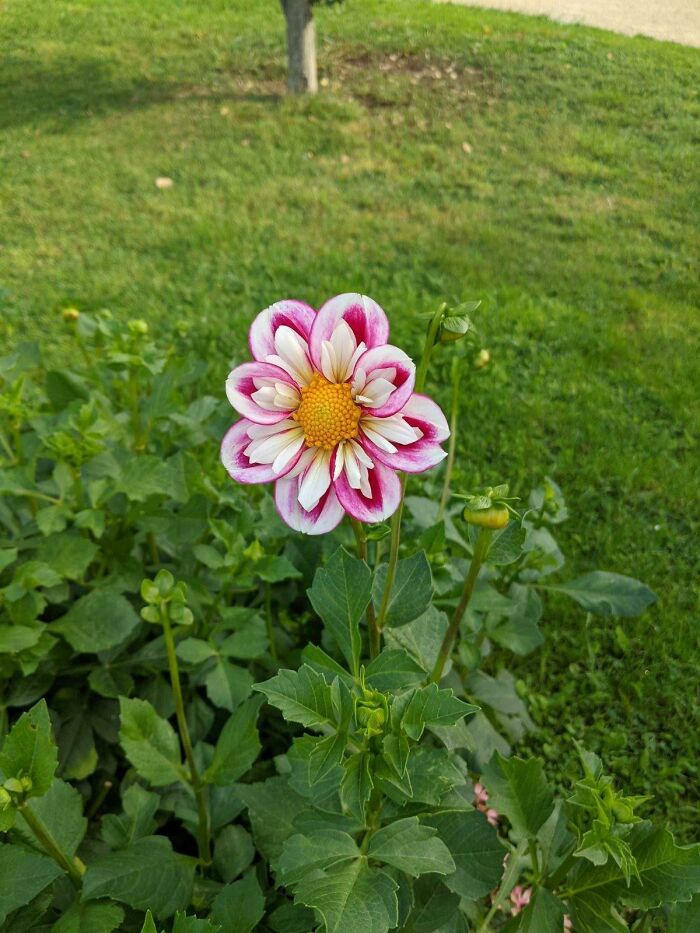
The cultivar is called Bumble Rumble!
"3" blooms have a very striking and unusual coloring. The base petals are a soft pink with a raspberry overlay not quite reaching the ends of each petal. This raspberry color is also very vivid on the backside of the bloom, an unusual occurrence. The collar, which is larger than most collarettes, is a pure white and extends almost to the end of the base petals making a vivid contrast to the raspberry petals. Plenty of blooms produced on the 4' plant."
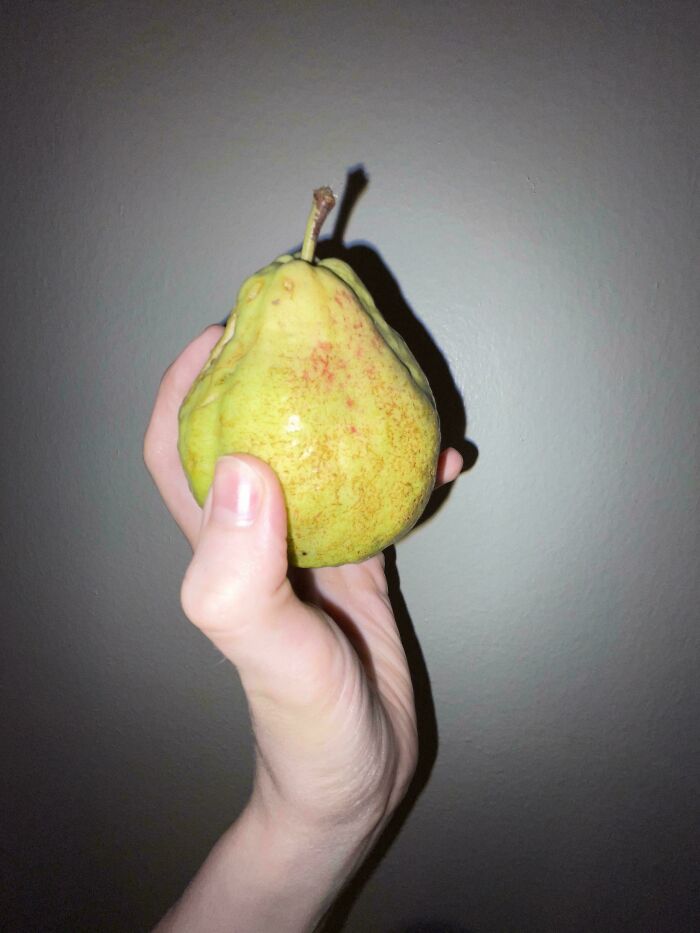
No offense intended but, where are you from that you don't know this is a pear?
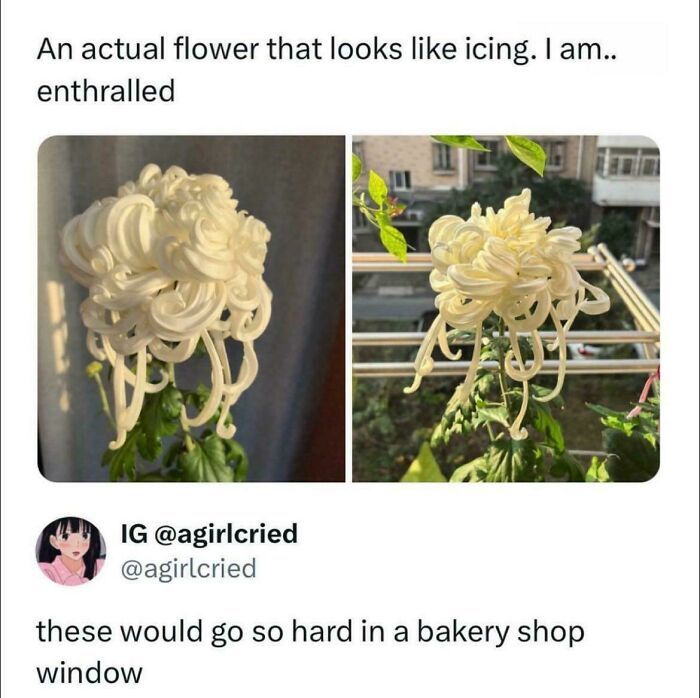
RuiYunDian Chrysanthemum. Google showed me similar images when I typed in "flower that looks like icing."
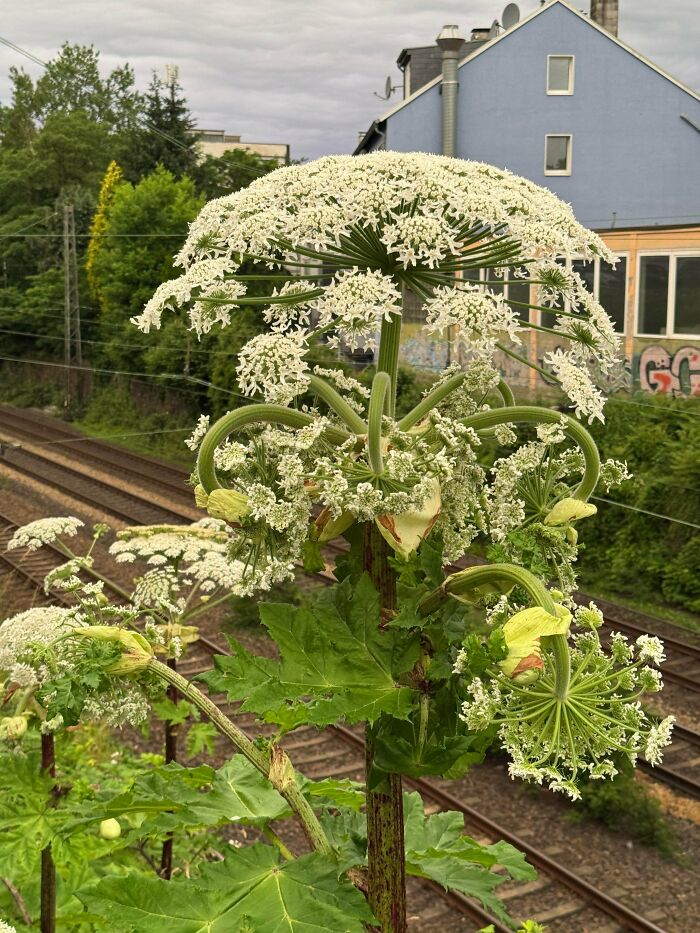
That is 💯 giant hogweed. Observe from a distance only. DO NOT TOUCH!
"The sap of giant hogweed is phototoxic and causes phytophotodermatitis in humans, resulting in blisters and scars. These serious reactions are due to the furanocoumarin derivatives in the leaves, roots, stems, flowers, and seeds of the plant. Consequently, the jurisdictions of many regions consider it a noxious weed."
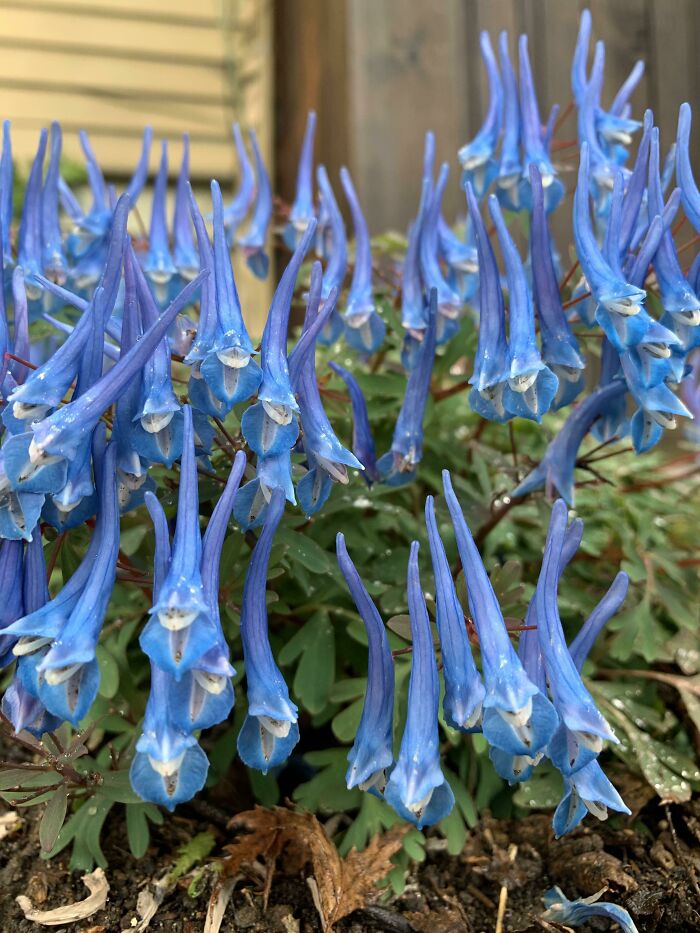
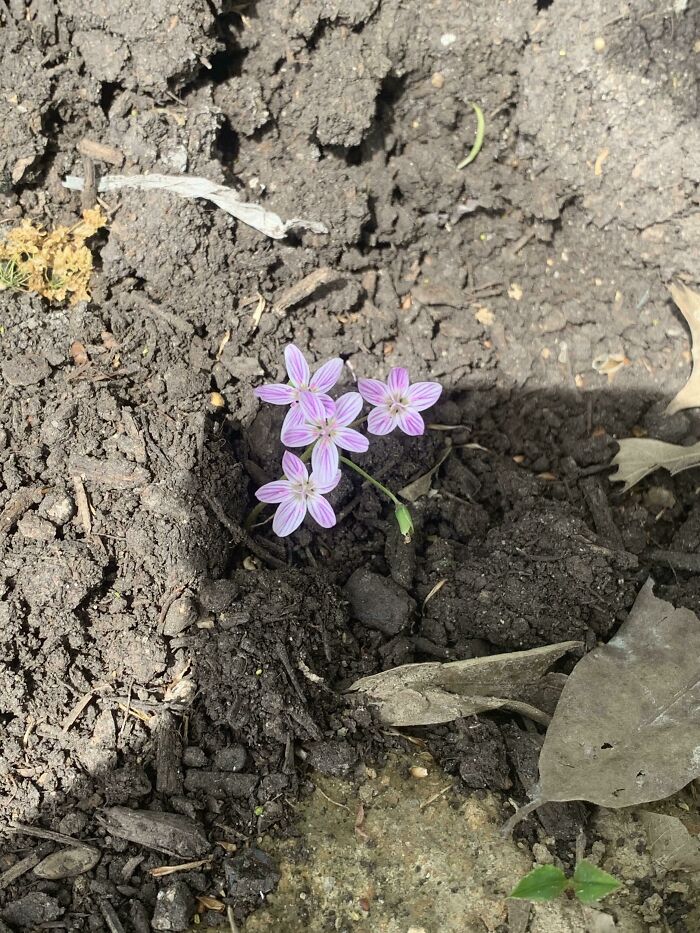
It's called Corydalis, from mountains of China originally! It's perennial so enjoy for years!
"Corydalis species are used as food plants by the larvae of some Lepidoptera species (butterflies), especially the clouded Apollo. Corydalis cava and some other tuberous species contain the alkaloid bulbocapnine, which is occasionally used in medicine but scientific evidence is lacking in the correct dosages and side effects. Many of the species in Corydalis contain other toxins and alkaloids like canadine, which blocks calcium. The species C. caseana is poisonous to livestock."
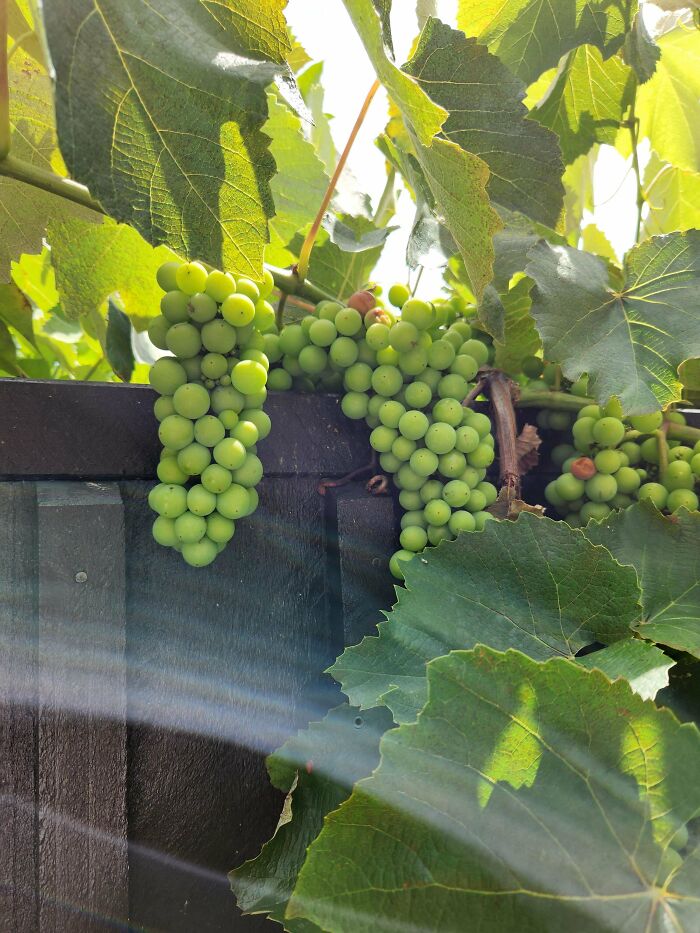
Grapes
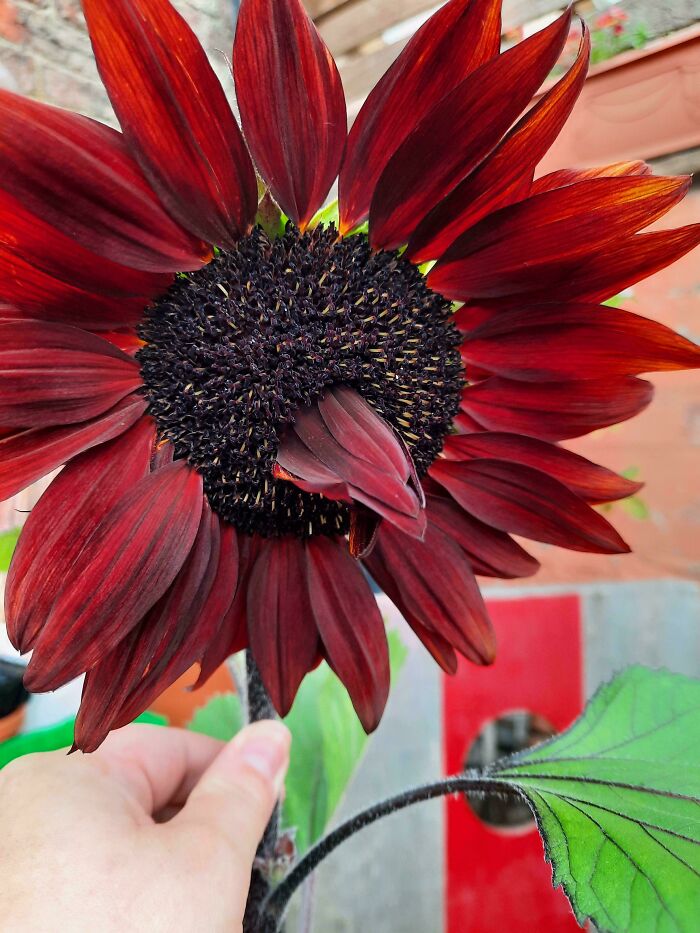
A sunflower is actually made up of a bunch of individual flowers of 2 different types. The petals around the outside are called ray flowers. The middle is made up of many disk flowers. This one just has a few ray flowers where there would normally be disk flowers.
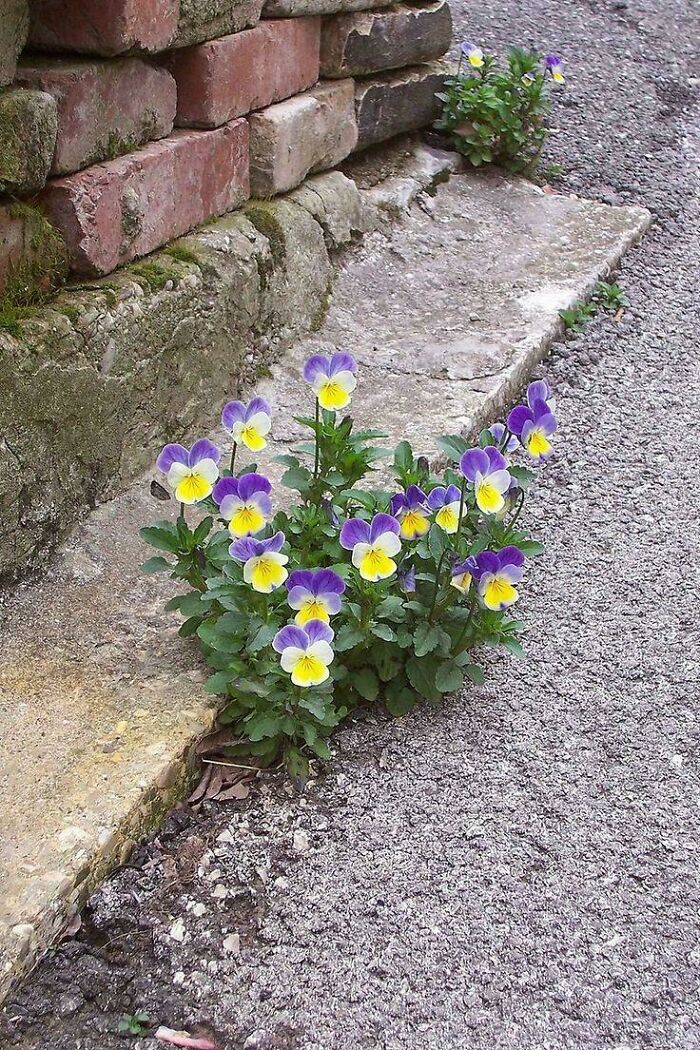
I call them Johnny Jump Ups because my father always did. But yes, violas.
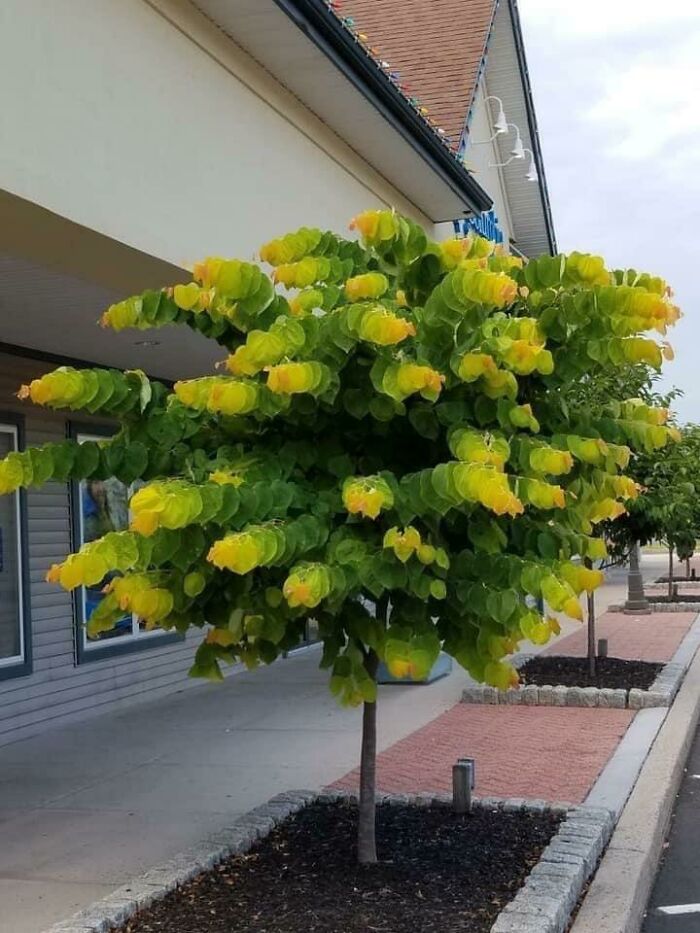
Rising Sun Redbud
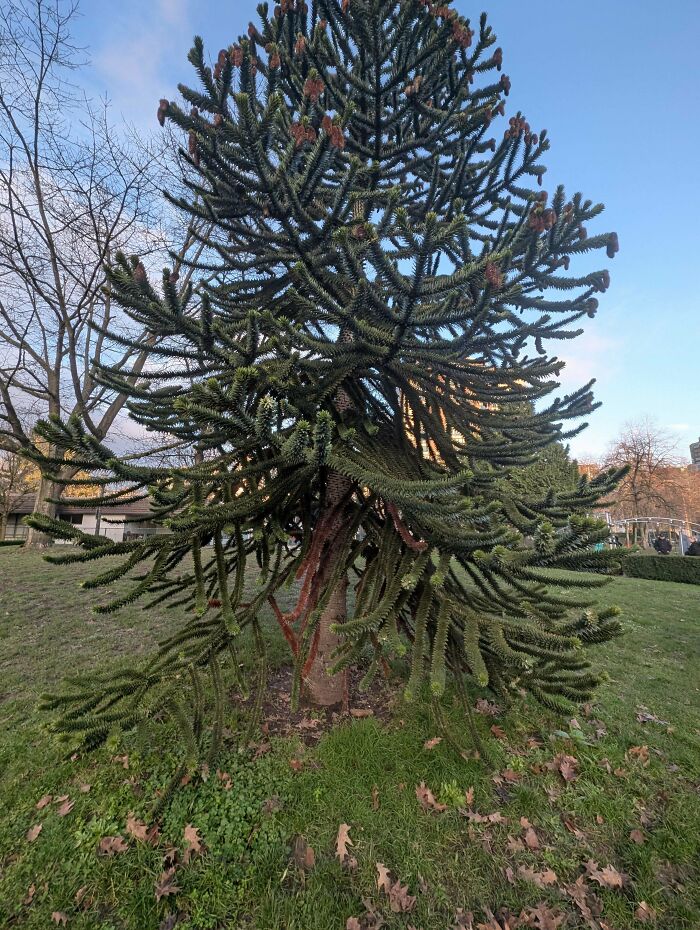
There was a post on r/mildlyinteresting featuring one of these about a year ago. Cool trees, I’ve never seen one IRL.
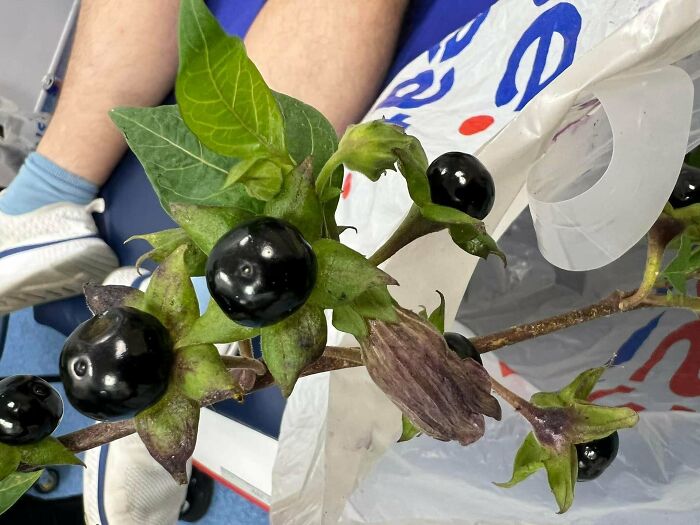
This plant has been identified as Deadly Nightshade (Atropa belladonna.) OP's son ate some of the fruit, experienced mild poisoning symptoms and was treated by a local emergency room. The child is now ok. The doctor commented that the child was lucky he did not consume more of the fruit. This occurred in the UK.
This demonstrates the importance of not eating random plants you find in the wild and keeping an eye on children around wild plants. This isn't always an easy task so you should be prepared.
If in doubt, call poison control for advice (link below to all poison control phone numbers worldwide.) If you're unable to talk to anyone on the phone, take the person or animal who has ingested the plant material straight to the doctor/emergency room or vet/emergency vet.
Post here to get an ID from the community, but do not wait for an ID as time is critical in cases of poisoning. It's always better to err on the side of caution.
Note: It is important to note that you should NOT induce vomiting if you think a poison has been consumed. There is a risk of choking on vomit, and plants can sometimes be toxic in a caustic way, meaning you will cause more damage by vomiting. Always let medical professionals make the decision whether to induce vomiting.
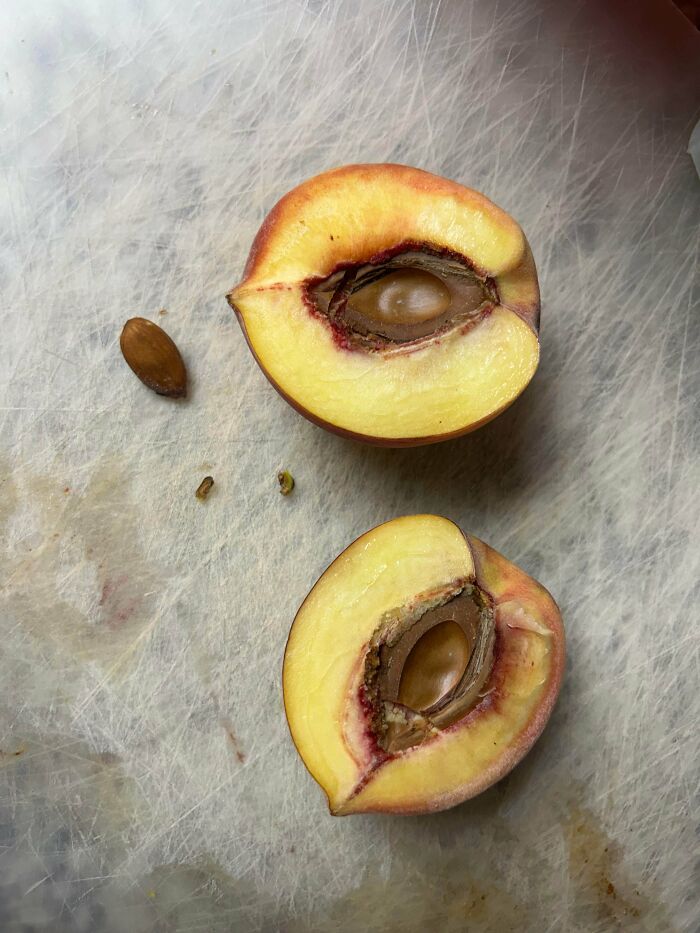
Peaches and almonds are related. Do Not Eat Peach Seeds!!!
"Peach pits can be poisonous if too many are eaten or if they are prepared improperly. Some types of cuisine or traditional medicine recommend consuming peach pits or the pits of similar fruits like apricots. The pits must be prepared in a way that breaks down amygdalin to prevent people eating them from being poisoned. According to the Singapore Food Agency, the typical preparation for apricot pits is to soak the pits in water and then boil them for at least 30 minutes. Amygdalin, also known as laetrile or vitamin B17, has been recommended by some as an alternative treatment for cancer. There is no evidence that this is a safe or effective treatment for cancer, and the chemical can be harmful by producing toxic levels of cyanide when it is broken down in the gut."
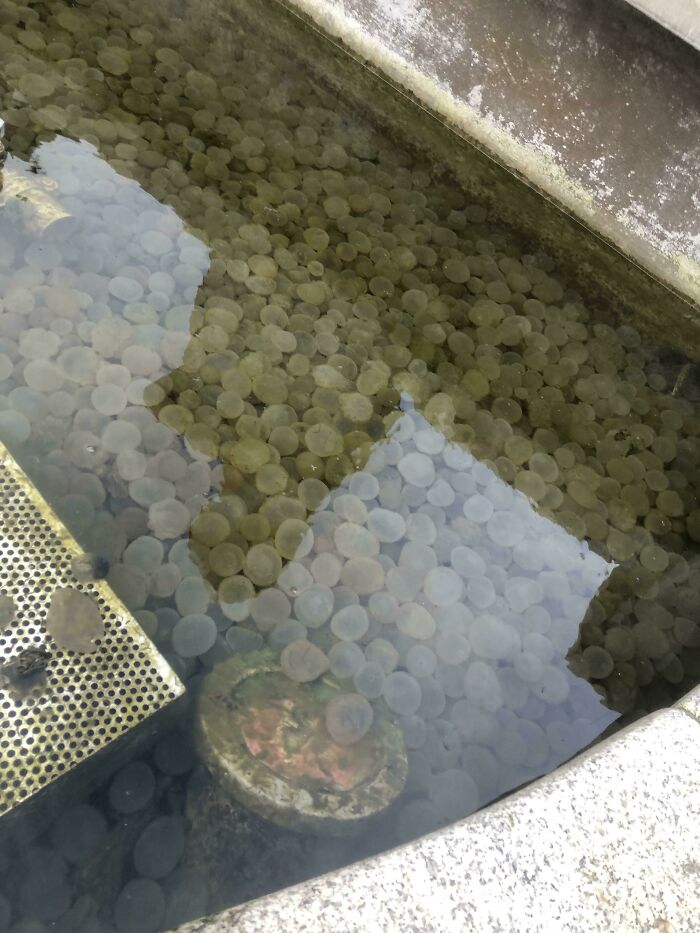
Wow! So many people have never seen frog eggs yet keep saying that’s what these are. The biggest giveaway that these are not frog eggs is that there are no baby frogs in them!
This is a type of freshwater cynanobacteria, much like the common bubble algae that people get in their reef tanks.
"Cyanobacteria are a large and diverse phylum of photosynthetic prokaryotes. They are defined by their unique combination of pigments and their ability to perform oxygenic photosynthesis. They often live in colonial aggregates that can take on a multitude of forms. Of particular interest are the filamentous species, which often dominate the upper layers of microbial mats found in extreme environments such as hot springs, hypersaline water, deserts and the polar regions, but are also widely distributed in more mundane environments as well. They are evolutionarily optimized for environmental conditions of low oxygen. Some species are nitrogen-fixing and live in a wide variety of moist soils and water, either freely or in a symbiotic relationship with plants or lichen-forming fungi (as in the lichen genus Peltigera)."
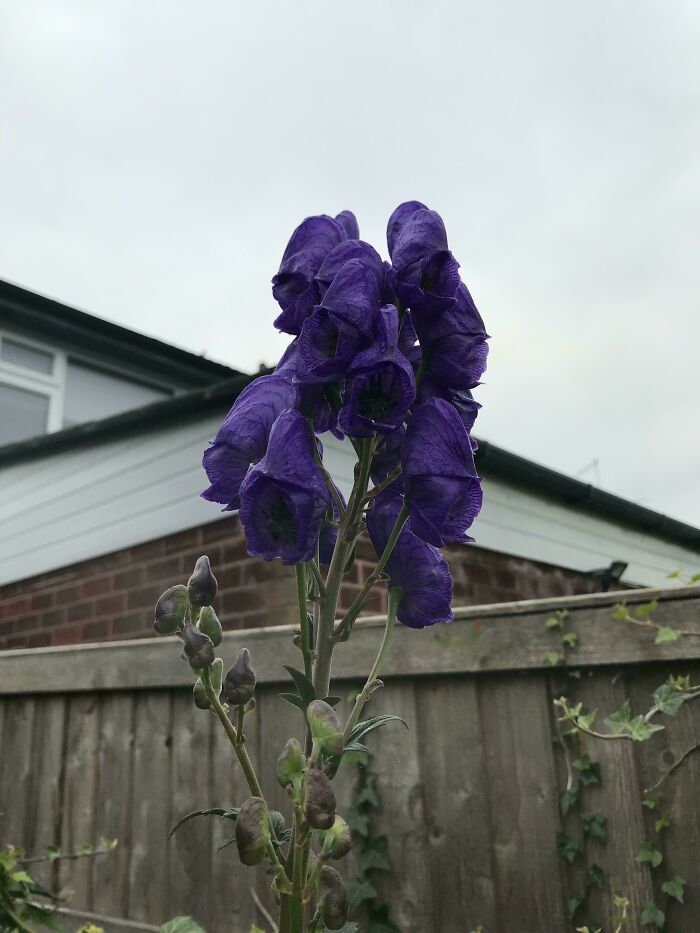
Monk’s Hood - Aconitum genus
In the buttercup family Ranunculaceae. Aka Wolf’s Bane
"Aconitum, also known as aconite, monkshood, wolfsbane, leopard's bane, devil's helmet, or blue rocket, is a genus of over 250 species of flowering plants belonging to the family Ranunculaceae. These herbaceous, frequently toxic perennial plants are chiefly native to the mountainous parts of the Northern Hemisphere in North America, Europe, and Asia, growing in the moisture-retentive but well-draining soils of mountain meadows. Most Aconitum species are extremely poisonous and must be handled very carefully. Several Aconitum hybrids, such as the Arendsii form of Aconitum carmichaelii, have won gardening awards—such as the Royal Horticultural Society's Award of Garden Merit. Some are used by florists." I believe this plant was discussed in the Harry Potter series.
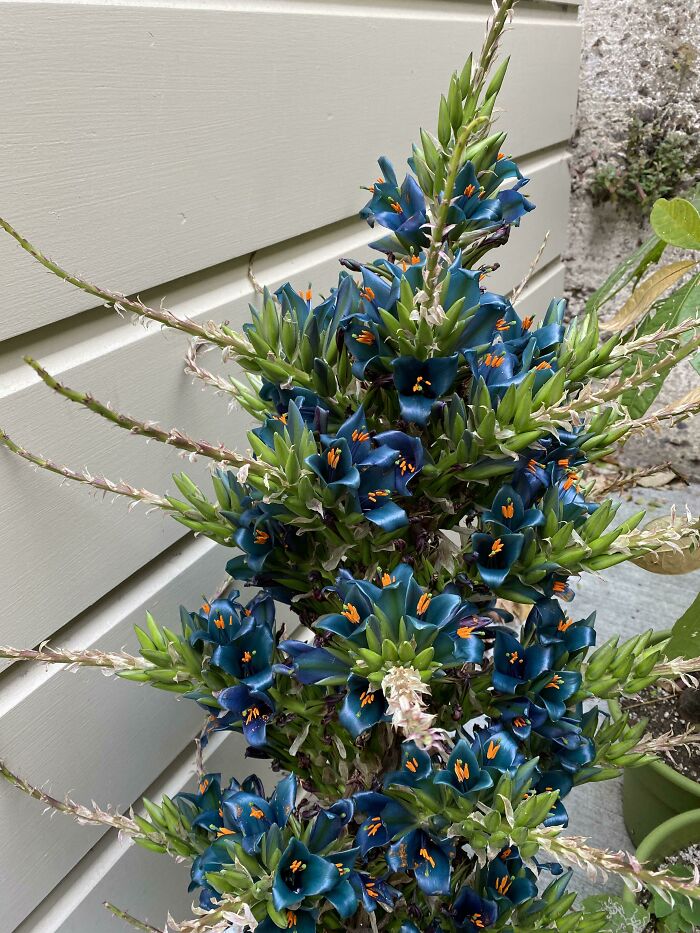
Looks like a bromeliad, Puya.
"Puya alpestris is a species of bromeliad endemic to the Chilean Andes. It is native to dry hills, rock outcrops in central and southern Chile at elevations of 0 to 2200 meters. It is one of the most southerly occurring species within the family. It is one of the few Puya species that are grown in some parks and gardens as an ornamental plant. It is more commonly known as the Sapphire Tower."
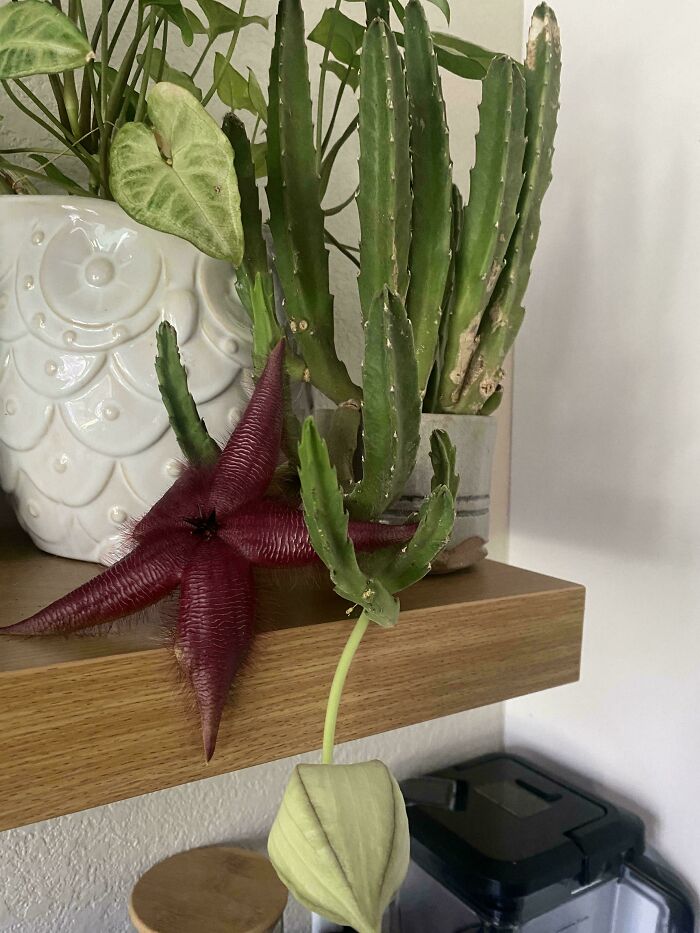
Stapelia lol
They smell bad because they attract flies as pollinators
"Stapelia is a genus of low-growing, spineless, stem succulent plants, predominantly from South Africa with a few from other parts of Africa. Several Asian and Latin American species were formerly included but they have all now been transferred to other genera. The flowers of certain species, most notably Stapelia gigantea, can reach 41 cm (16 inches) in diameter when fully open. Most Stapelia flowers are visibly hairy and generate the odor of rotten flesh when they bloom."
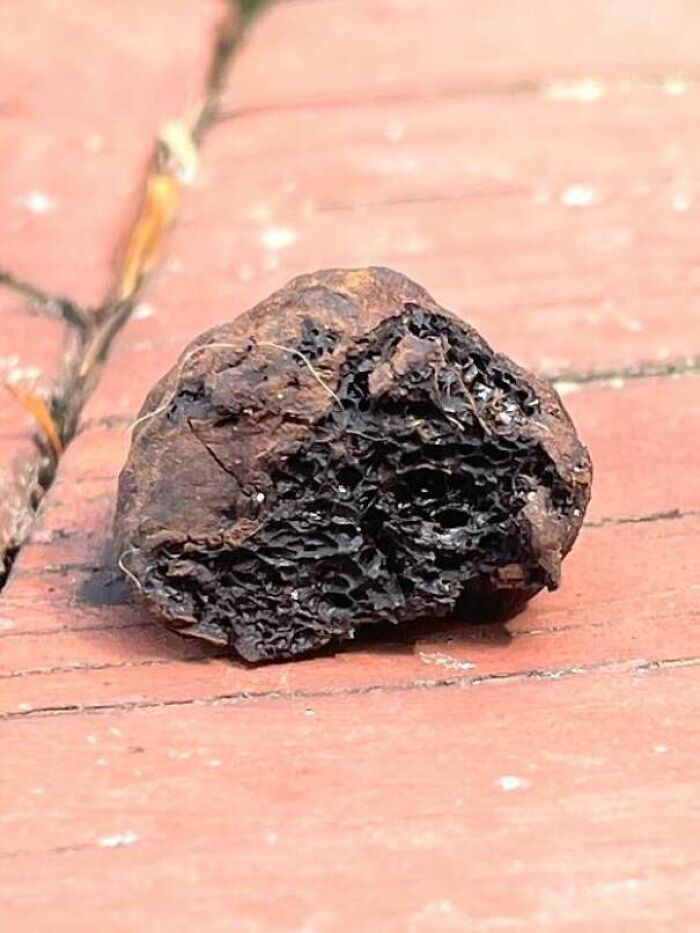
Truffles are fungi.
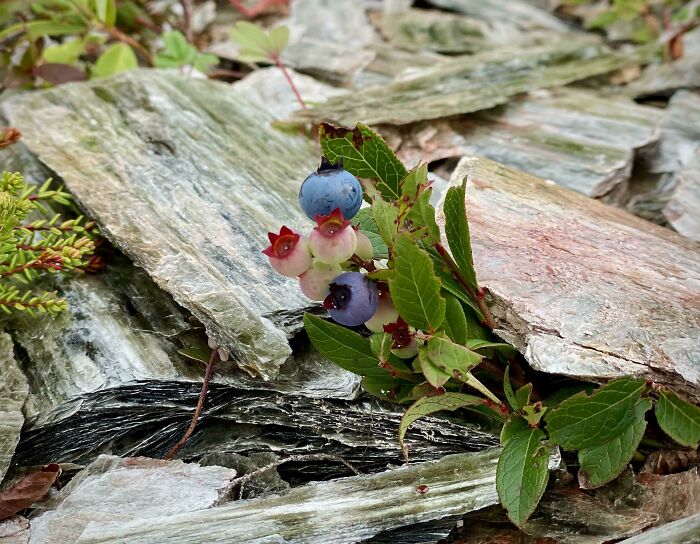
Oh, it’s actually blueberries.. crazy
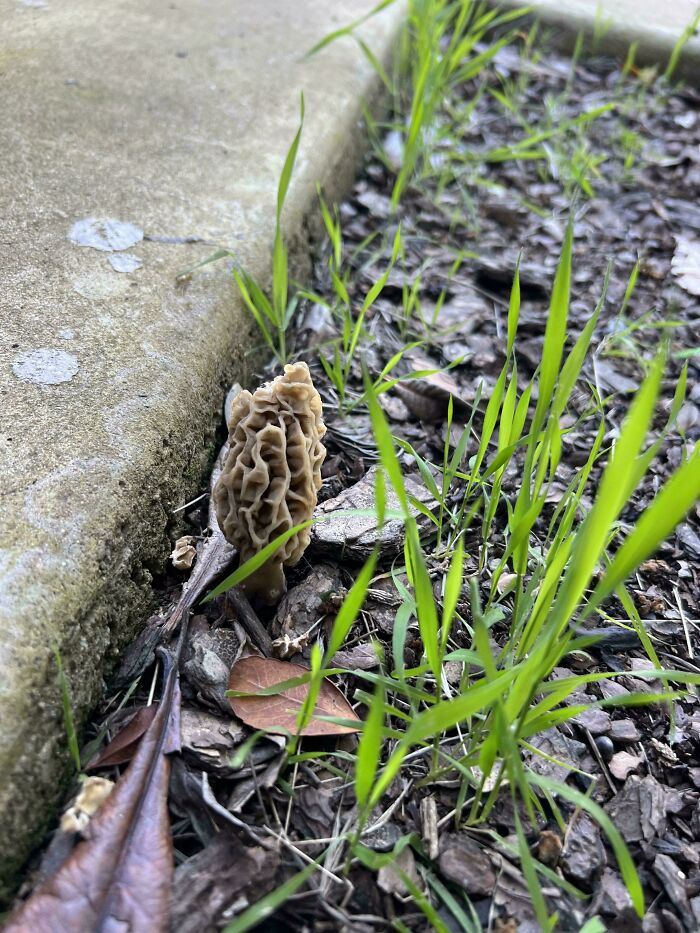
Morel Mushroom, Morchella sp.
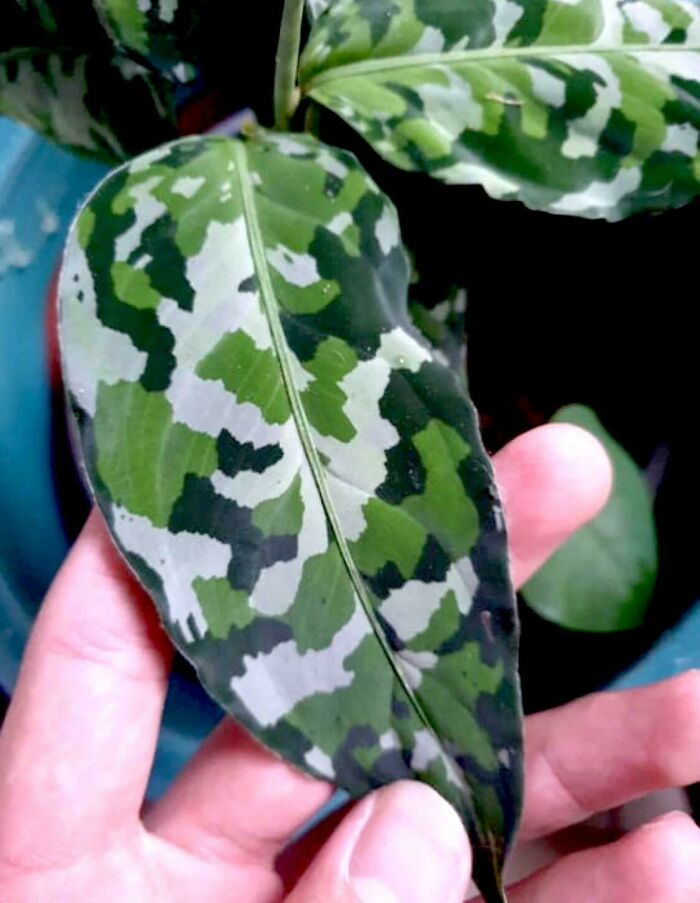
Aglaonema pictum Tricolor cultivar
Araceae family
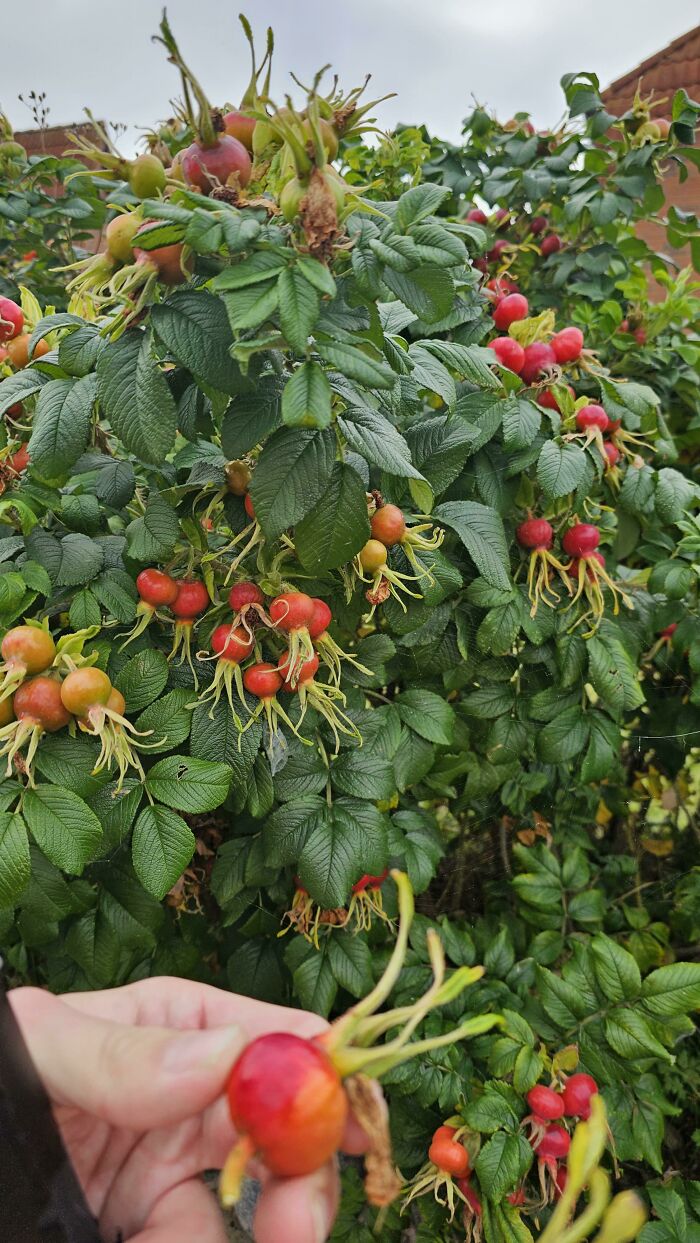
Rose hips. The fruits of a rose plant
"Rose hips are used in bread and pies, jam, jelly, marmalade, syrup, soup, tea, wine, and other beverages. Rose hips can be eaten raw, like berries, if care is taken to avoid the hairs inside the fruit. These urticating hairs are used as itching powder. A few rose species are sometimes grown for the ornamental value of their hips, such as Rosa moyesii, which has prominent, large, red bottle-shaped fruits. Rosa macrophylla 'Master Hugh' has the largest hips of any readily available rose. Rose hips are commonly used in herbal tea, often blended with hibiscus. An oil is also extracted from the seeds. Rose hip soup, known as nyponsoppa in Swedish, is especially popular in Sweden. Rhodomel, a type of mead, is made with rose hips. Rose hips can be used to make pálinka, the traditional Hungarian fruit brandy popular in Hungary, Romania, and other countries sharing Austro-Hungarian history. Rose hips are also the central ingredient of cockta, the fruity-tasting national soft drink of Slovenia."
If it is indeed fleabane
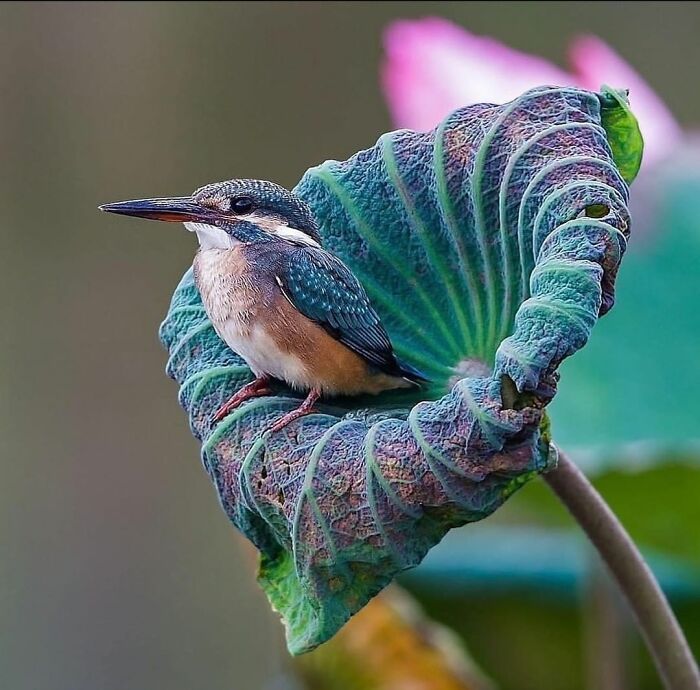
Judging by the super pink flower in the blurry back this is probably just lotus. Nelumbo nucifera.
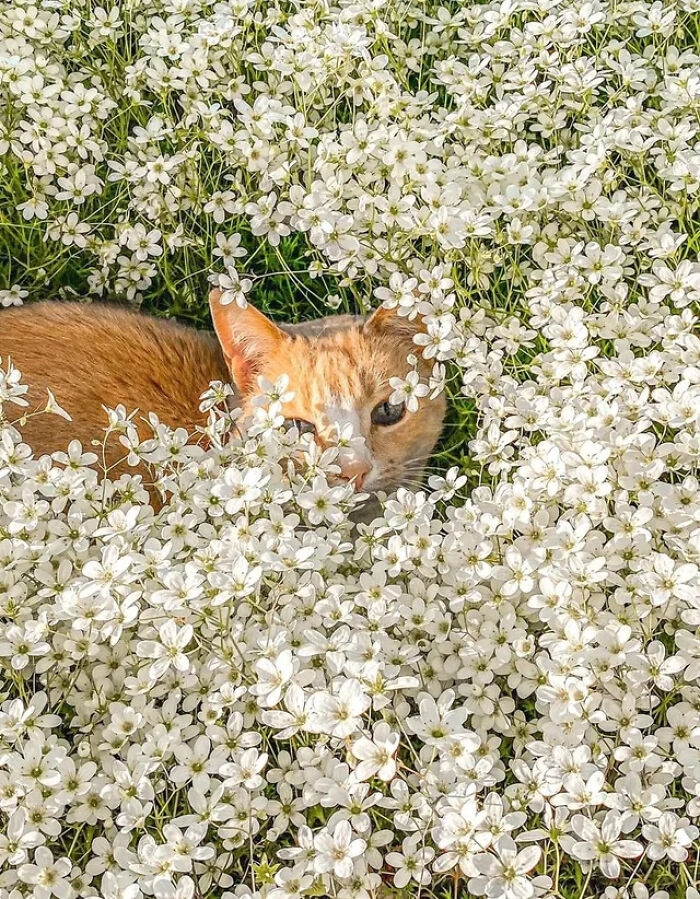
I put it through google lens, looks like Saxifraga Findling.
Variety or Cultivar 'Findling' _ 'Findling' is a low, cushion- to mound-forming, evergreen perennial with rosettes of small, oval to spoon-shaped, mid-green leaves and short stems bearing cup-shaped, white flowers from mid- to late spring.
"Saxifraga is the largest genus in the family Saxifragaceae, containing about 473 species of holarctic perennial plants, known as saxifrages or rockfoils. The Latin word saxifraga means literally "stone-breaker", from Latin saxum ("rock" or "stone") + frangere ("to break"). It is usually thought to indicate a medicinal use for treatment of urinary calculi (known as kidney or bladder stones), rather than breaking rocks apart."
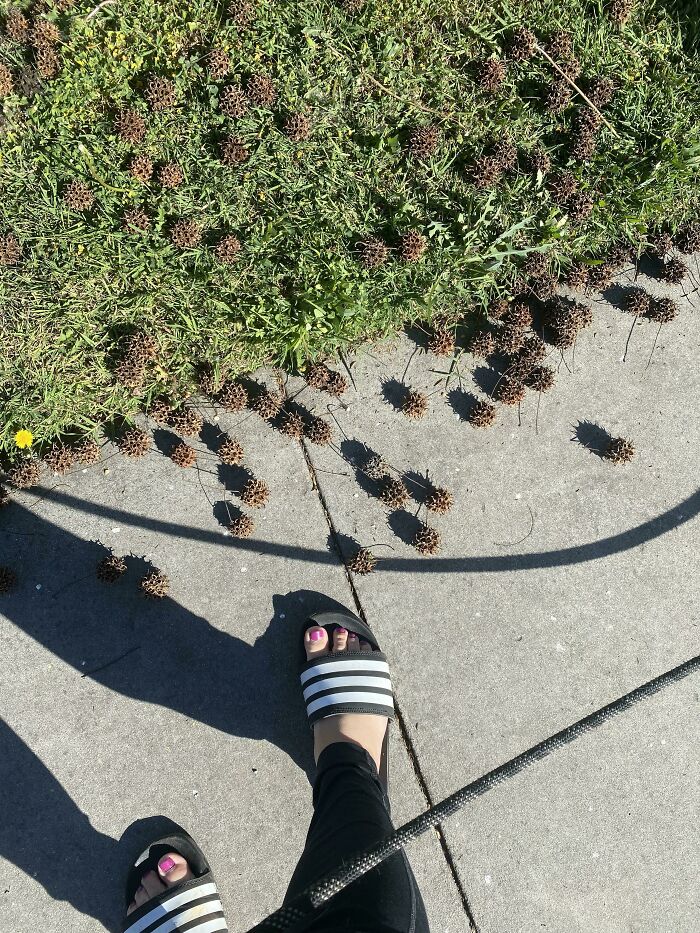
Sweetgum, Liquidambar styraciflua seed pods.
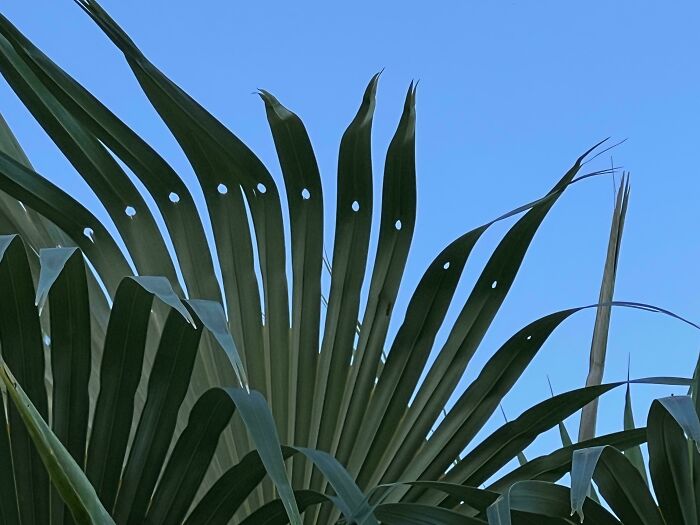
Sometimes I see this type of damage when a caterpillar ate a hole through leaves before they unfurled. The inner leaves have smaller holes bc it didn’t eat all the way through-
It's a long bottle gourd.
"Calabash, also known as bottle gourd, white-flowered gourd, long melon, birdhouse gourd, New Guinea bean, New Guinea butter bean, Tasmania bean, and opo squash, is a vine which is grown for its fruit. It belongs to the family Cucurbitaceae, is native to tropical Africa, and cultivated across the tropics. It can be either harvested young to be consumed as a vegetable, or harvested mature to be dried and used as a kitchen utensil (typically as a ladle or bowl), beverage container or a musical instrument. When it is fresh, the fruit has a light green smooth skin and white flesh. Calabash fruits have a variety of shapes: they can be huge and rounded, small and bottle-shaped, or slim and serpentine, and they can grow to be over a metre long. Rounder varieties are typically called calabash gourds. Calabash gourds can grow to great size. One grown in Taylorsvlle, Ky (US) in 2001 weighed 111.5 kg (246 lb). The gourd was one of the world's first cultivated plants grown not primarily for food."
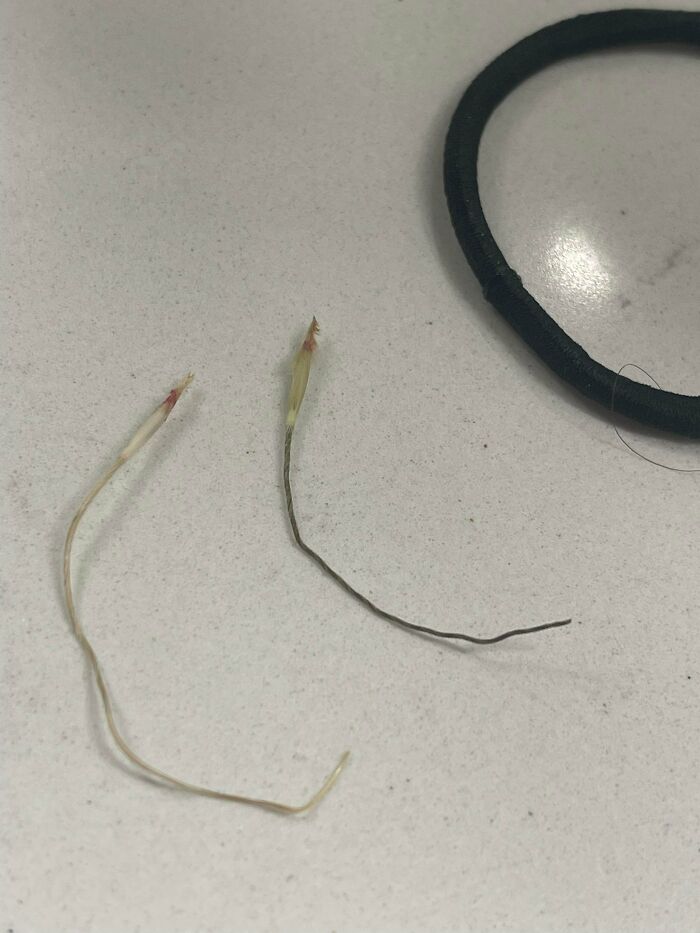
Nassella leucotricha. It's a species of speargrass. It is engineered to spin itself with changes in humidity, which will self plant in soil. It will do something similar in fur.
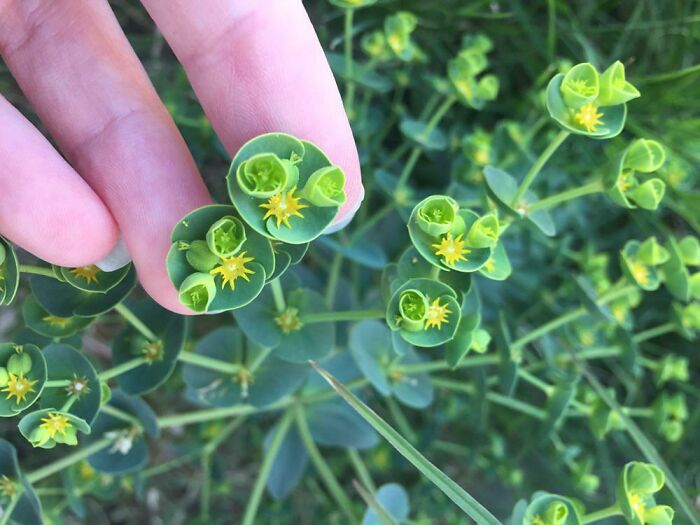
Geraldton Carnationweed, Carnation Spurge (Euphorbia terracina) I believe.
"Euphorbia terracina is toxic to both humans and livestock. As with many other Euphorbia species, exposure to its milky sap may cause irritation to skin, eyes, and digestive tracts. Uses: In some regions of Algeria, the sap of Euphorbia terracina is used to treat warts. The sap has been found to demonstrate antioxidative properties."
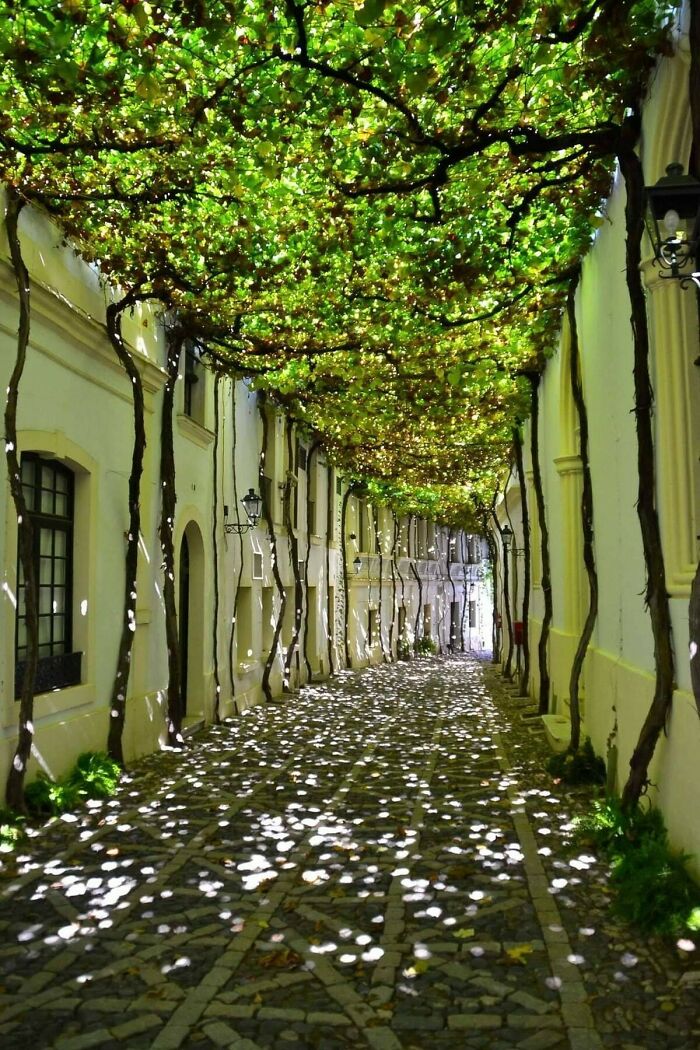
Those are common grape vines, Vitis vinifera. I think there's a winery at that place.
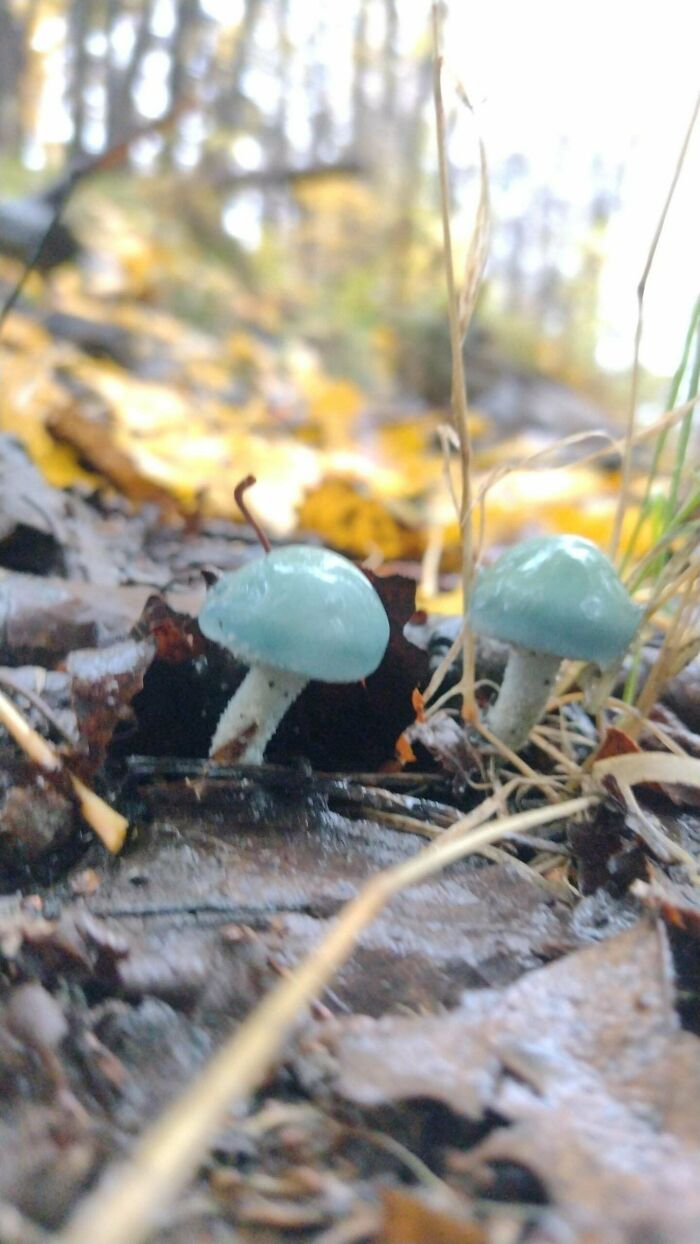
Blue Roundhead mushroom, Stropharia caerulea
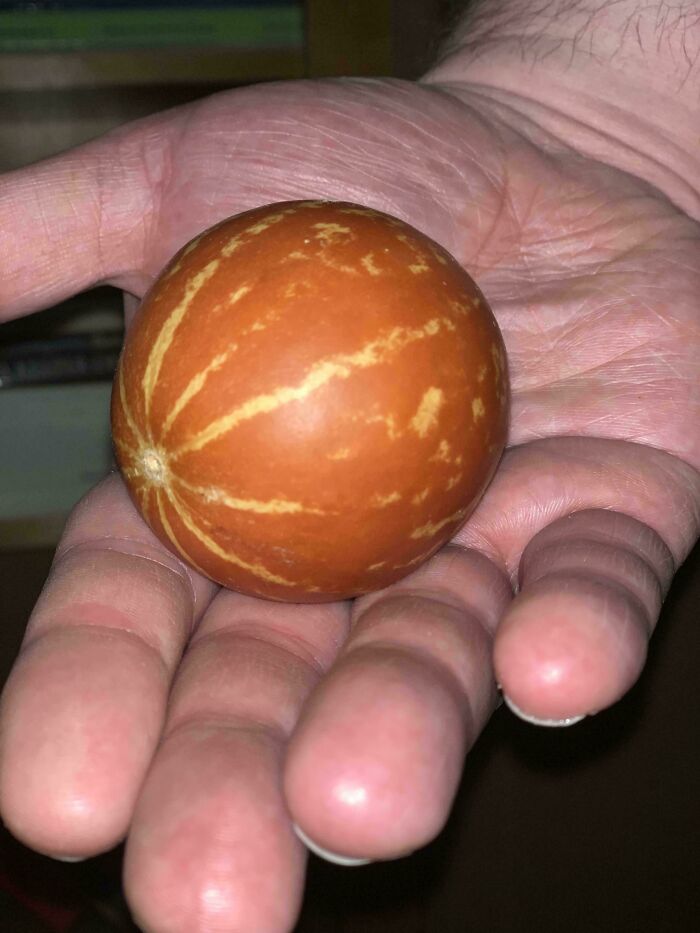
Pocket melon.
In 19th century upper class ladies would keep one in their handbags at festivies.
Rich Sweetness is a common variety. This one is probably a Queen Anne's.
"This variety, which is easy to grow on trellises, produces almost round fruits 7 cm in diameter. Their velvety skin is yellow and orange. Primarily grown for their intense fragrance, their white flesh is practically tasteless."
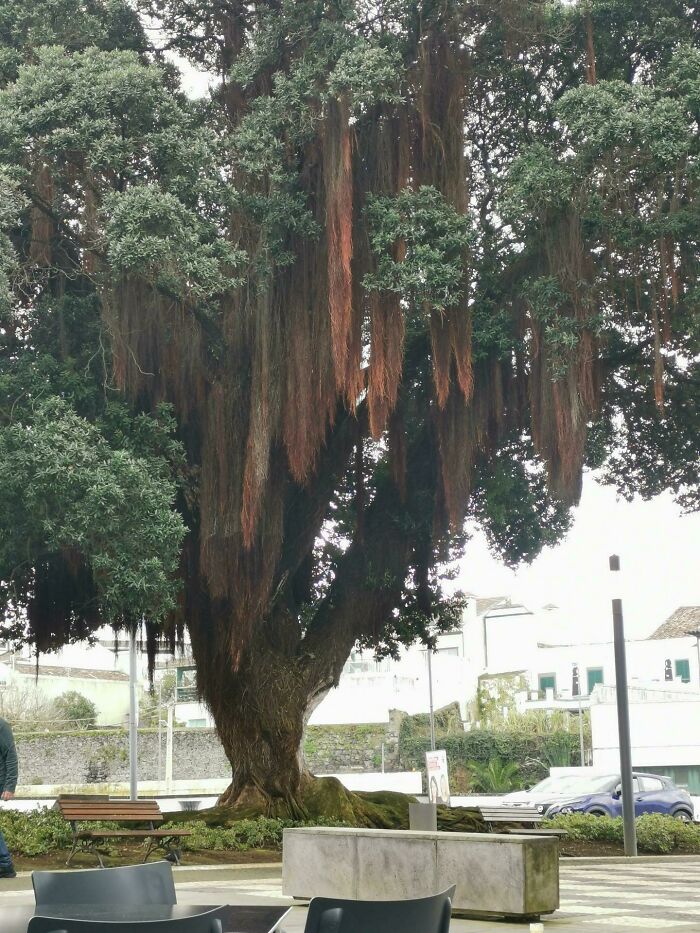
Metrosideros excelsa, commonly known as Pohutukawa in New Zealand.

Beautiful trees, attract loads of native birds. Just don't park near one.
Sodom Apple?
Do not eat.

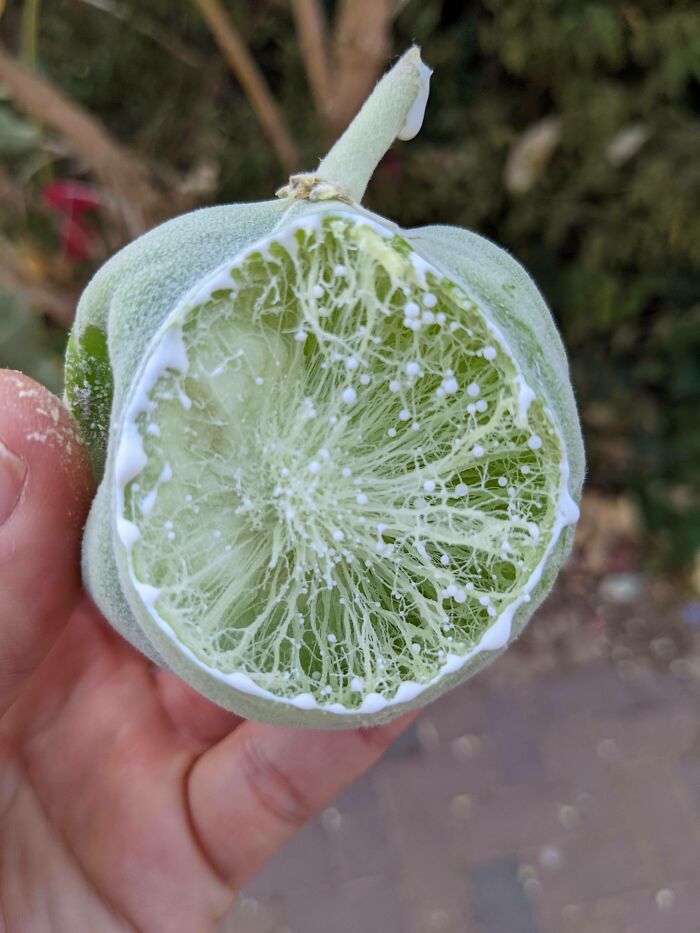
Calotropis process. Kiss your heart goodbye if you ingest this. The sticky Innards are highly toxic and also soap proof.
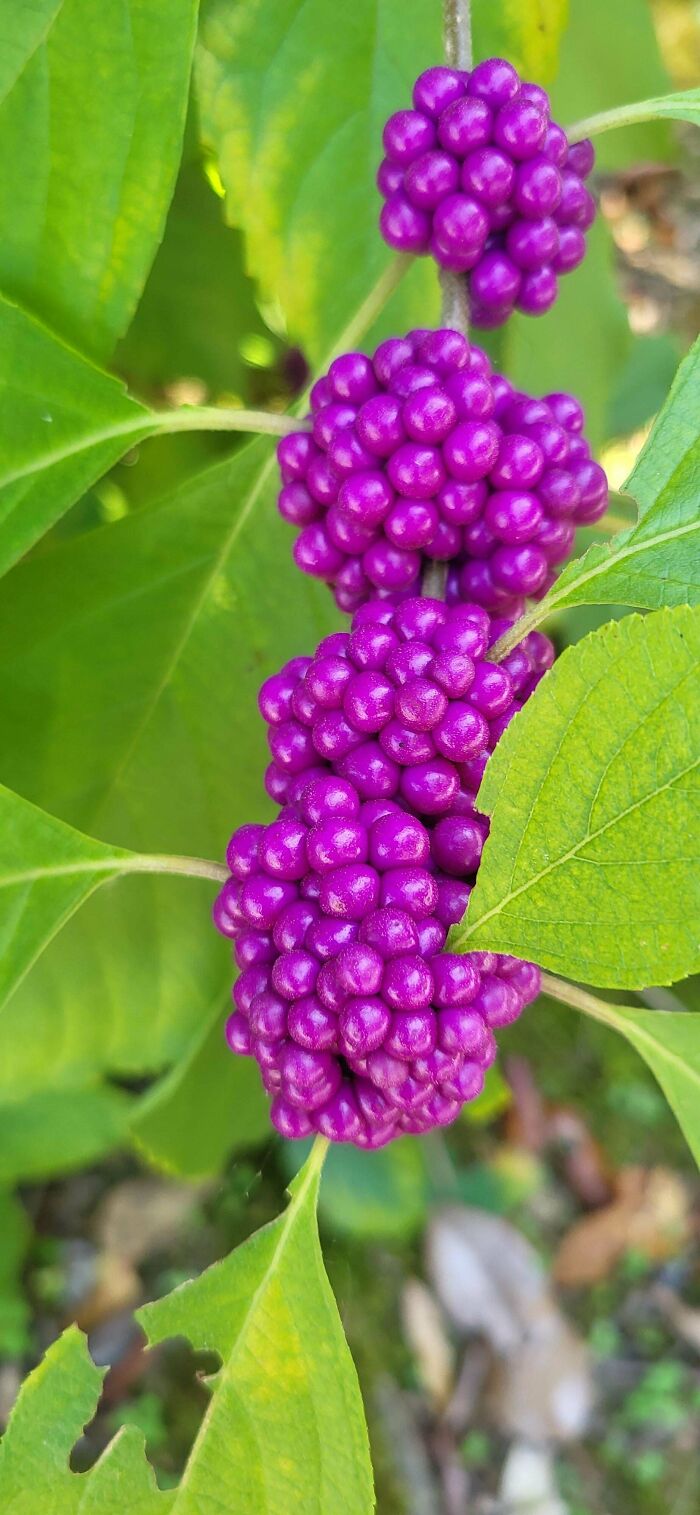
Beauty berry, popular with birds in winter
"The berries last well into the winter or dry season and are an important survival food for birds and other animals, though they will not eat them until other sources are depleted. The berries are highly astringent but are made into wine and jelly. Callicarpa species are used as food plants by the larvae of some Lepidoptera species in Asia including Endoclita malabaricus and Endoclita undulifer." "American beautyberry has been used as a folk remedy to prevent mosquito bites. Four chemicals isolated from Callicarpa have been shown to act as insect repellents: borneol, callicarpenal, intermedeol, and spathulenol. The use of callicarpenal has been patented by the United States Department of Agriculture's Agricultural Research Service as a mosquito repellent."
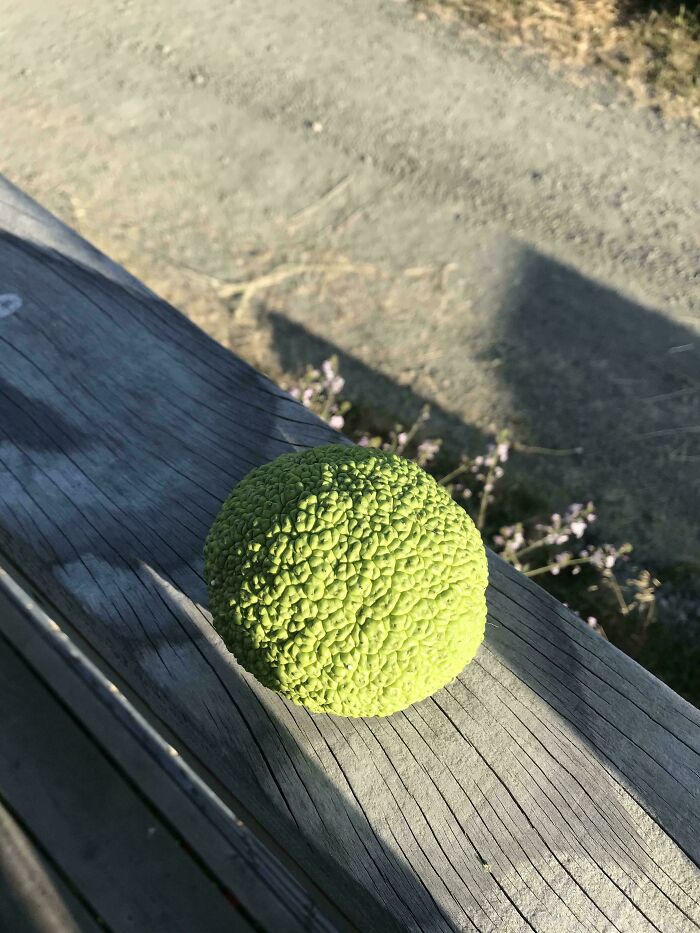
looks like osage orange, aka nature's softball lol
your friend should be fine but obviously isn't too bright
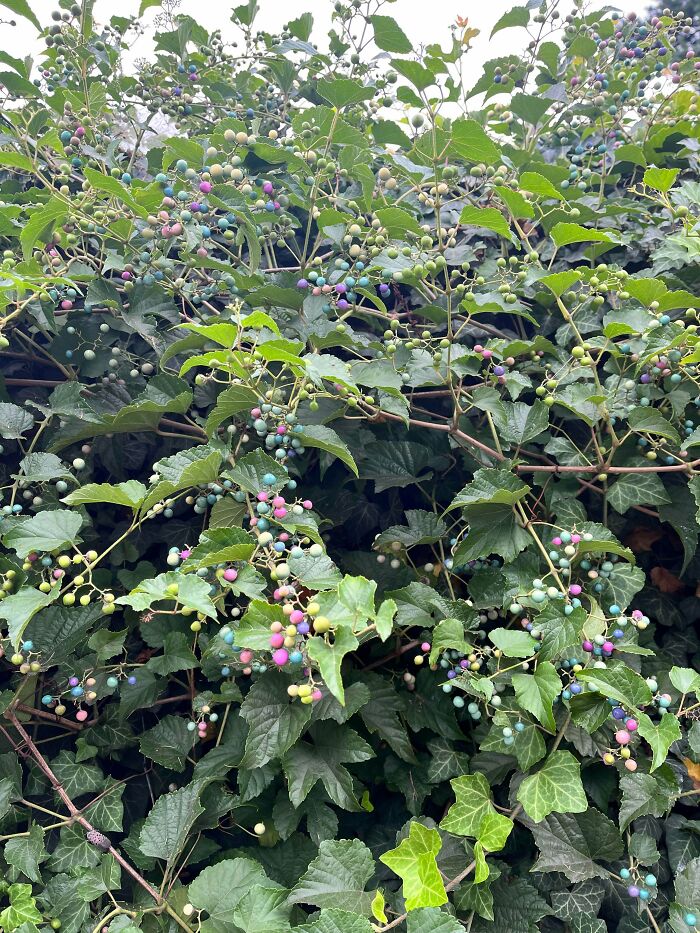
Porcelain berry, related to grapes and highly invasive in some places. The berries are technically edible, but aren’t considered desirable to eat due to lack of flavor and slimy texture (according to the internet, never tried them myself).
"Ampelopsis glandulosa, with common names creeper, porcelain berry, Amur peppervine, and wild grape, is a plant in the Vitaceae (grape) family, native to temperate areas of Asia, including China, Japan, India, Nepal, Myanmar, Vietnam, and the Philippines. It is commonly used as an ornamental plant, but is considered invasive outside of its native range. Ampelopsis glandulosa is generally similar to, and potentially confused with, grape species (genus Vitis) and other Ampelopsis species."
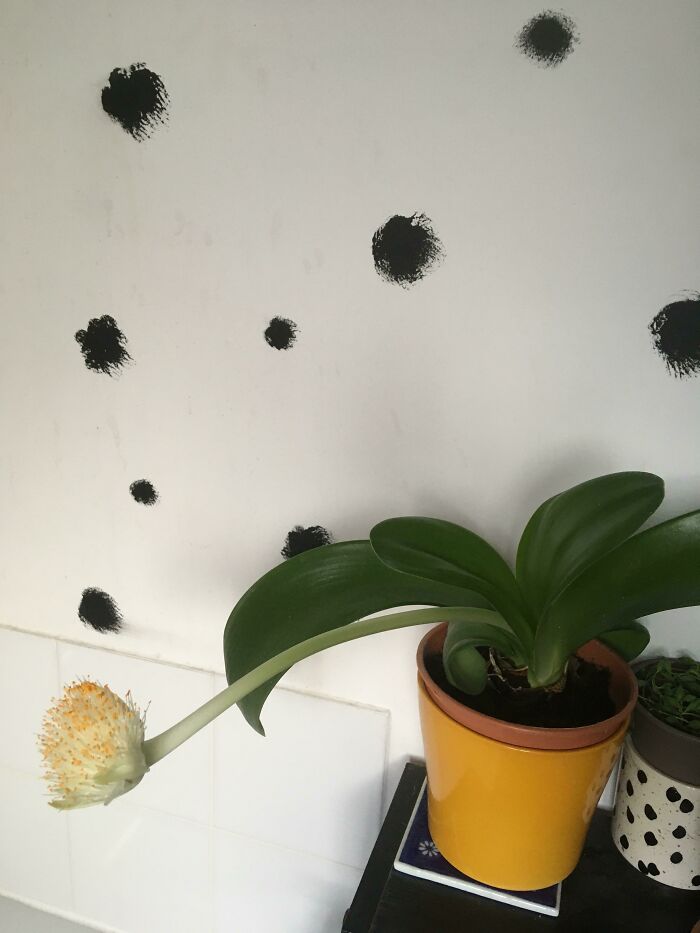
Haemanthus albiflos (Paintbrush Lily).
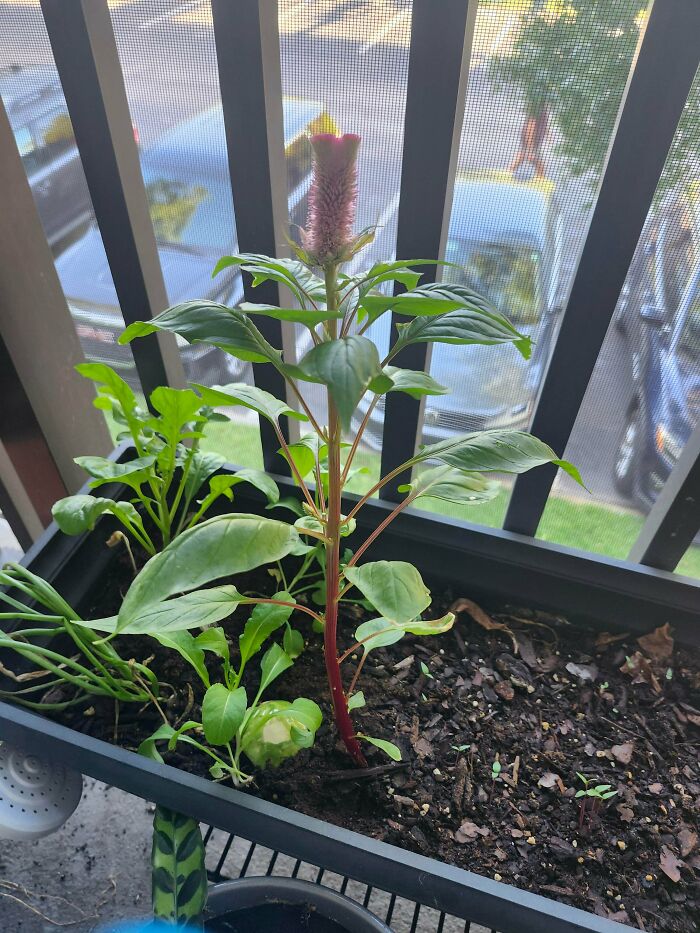
Celosia, this one has a crested flower, so could end up as a cockscomb
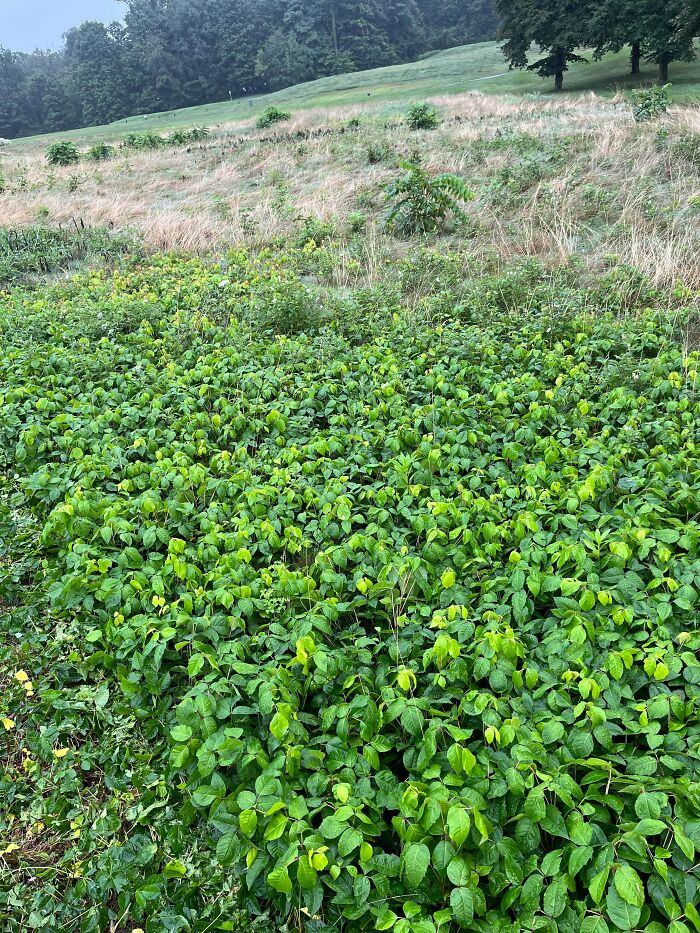
Looks like it to me. You should take a good shower with dish washing detergent and scrub every exposed inch of skin to get any oil off. Wash clothing with hot water and grease cutting detergent. The shoes may be a goner. Hopefully you're immune, but others in your household might not be and they can definitely get a rash from contaminated items. Good luck.
I used to get poison ivy rashes every year from the horses. It doesn't bother them, but the oil stays on their coat and can be passed to people that way.
Looks like Papaver somniferum
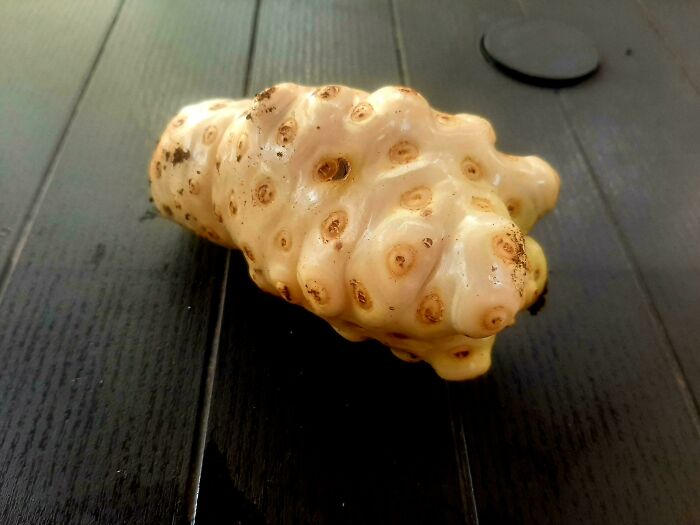
Looks like a Morinda citrifolia fruit, also known as noni. They are edible, but smell and taste horrible. It's famine food and a common ingredient in scam super juices.
"Morinda citrifolia is a fruit-bearing tree in the coffee family, Rubiaceae. There are over 100 names for this fruit across different regions, including great morinda, Indian mulberry, noni, beach mulberry, vomit fruit, awl tree, and cheesefruit. Native to Southeast Asia and Australasia, the species was spread across the Pacific by Polynesian sailors. It is now cultivated throughout the tropics and is widely naturalised. The plant contains anthraquinones, which can be harmful to human health. Although the fresh fruit is edible, its pungent odour makes it worthwhile only as a famine food. It is also used in traditional medicine and processed into products such as juices."
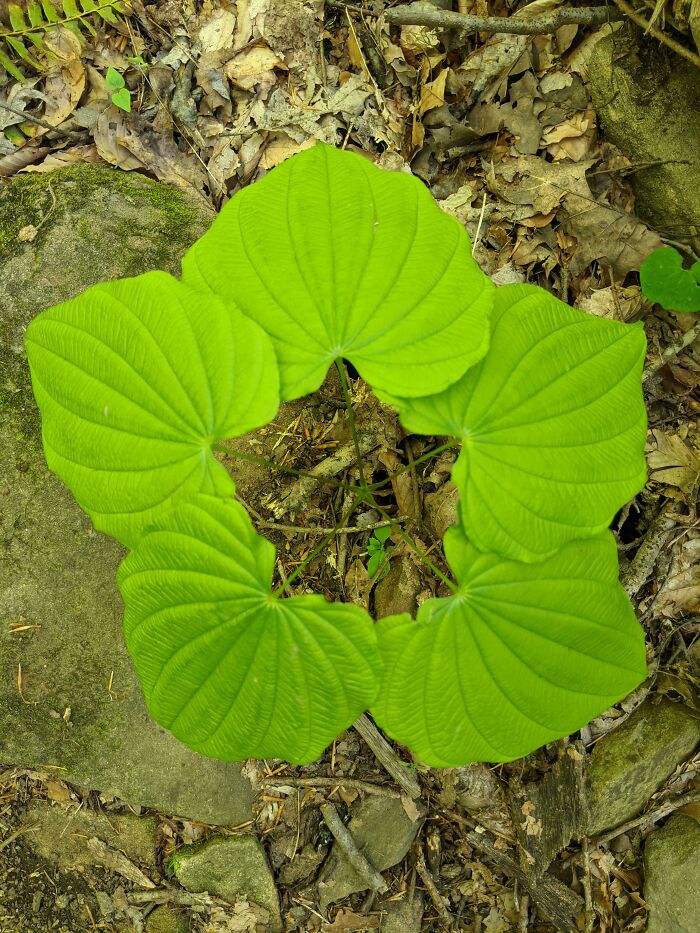
Wild yam (Dioscorea villosa)
"Dioscorea villosa (synonym D. quaternata) is a species of twining tuberous vine which is native to eastern North America. It is commonly known as wild yam, colic root, rheumatism root, devil's bones, and fourleaf yam. It is common and widespread in a range stretching from Texas and Florida north to Minnesota, Ontario and Massachusetts."
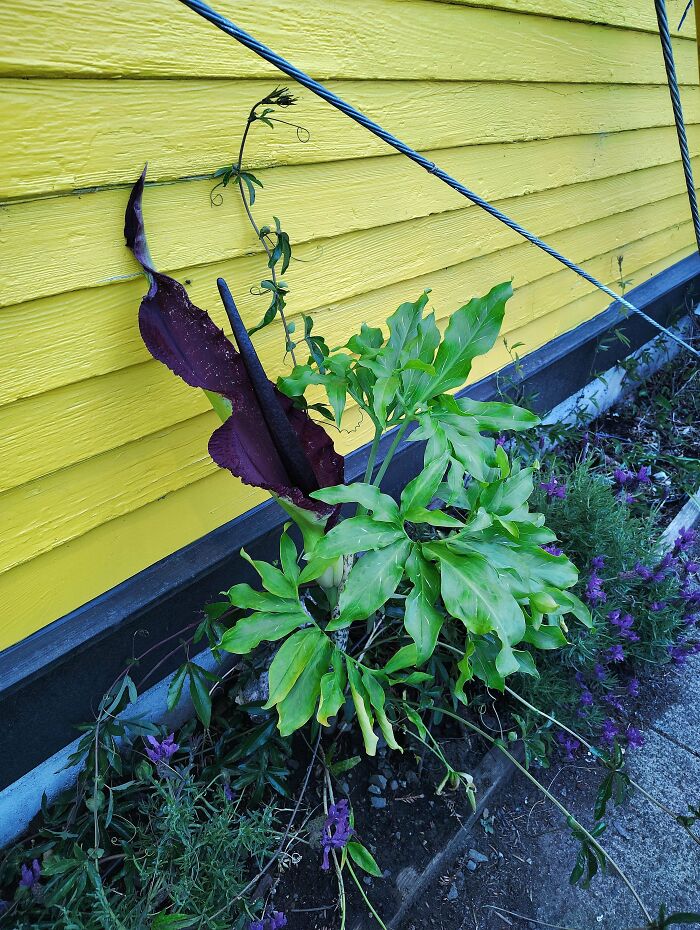
Dracunculus vulgaris
"The species is characterized by a large purple spathe and spadix, which has a very unpleasant smell reminiscent of rotting meat to attract flies (Lucilia and others) as pollinators. The large palmate leaves have occasional cream flecks along the veins. The dragon lily has the ability to heat itself to a temperature of 18 degrees Celsius. This addition to its traits does not have any correlation to its potent scent, however it does promote the comfort of the insects who choose to pollinate on the lily. The plant itself is large in size with an equally large internal floral chamber as well as an ample landing area for insects. The spathe and floral chamber guide the insects into the plant during the stage of stigma receptivity and then it releases the insects after the pollen is shed. While the flower doesn't close completely, the sticky walls are what make it difficult for the insect to climb out. After a day, the spathe begins to wither and the flies and or beetles are free."
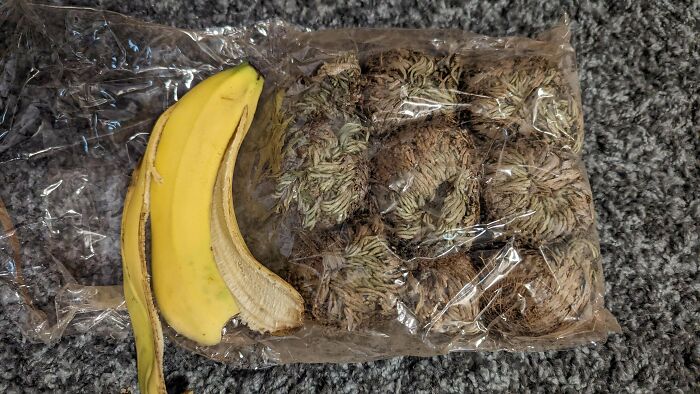
Resurrection plant maybe?

Jericho Flowers. We sell them in our shop. But we didn't send them to you.
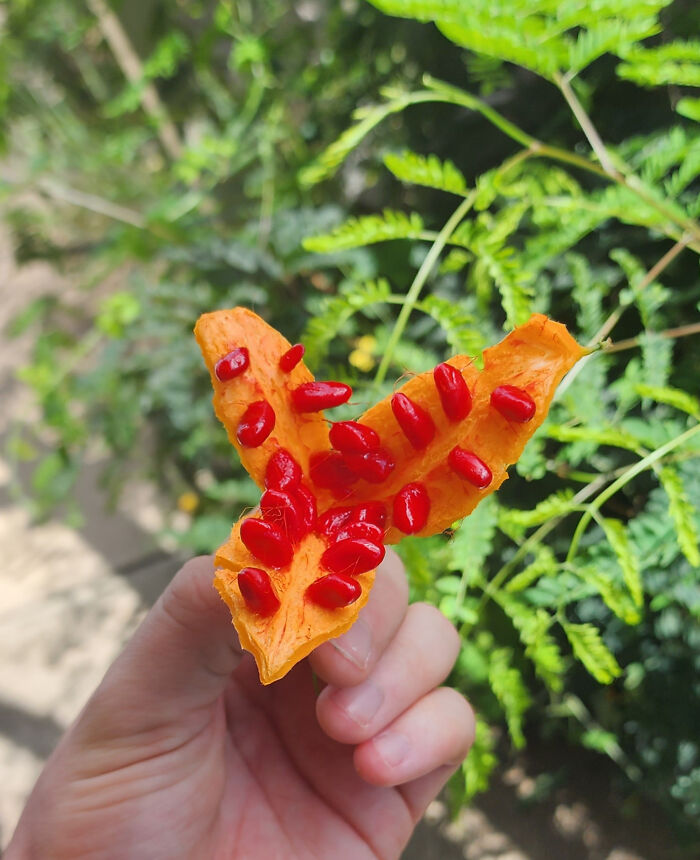
Bitter melon or bitter gourd. Raw fruit is A staple in Indian cuisine, turns yellow/orange when ripe and the thin flesh around the seeds is sweet.
"Bitter melon — also known as bitter gourd or Momordica charantia — is a tropical vine that belongs to the gourd family and is closely related to zucchini, squash, pumpkin, and cucumber. It's cultivated around the world for its edible fruit, which is considered a staple in many types of Asian cuisine."
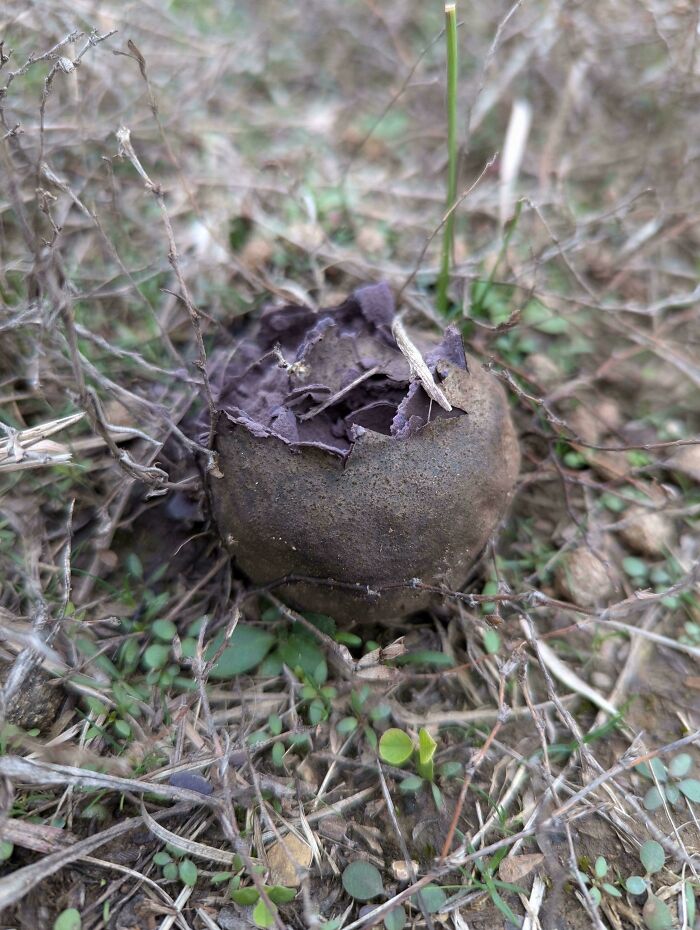
It’s a fungus. Puffball
"The distinguishing feature of all puffballs is that they do not have an open cap with spore-bearing gills. Instead, spores are produced internally, in a spheroidal fruit body called a gasterothecium (gasteroid 'stomach-like' basidiocarp). As the spores mature, they form a mass called a gleba in the centre of the fruitbody that is often of a distinctive color and texture. The basidiocarp remains closed until after the spores have been released from the basidia. Eventually, it develops an aperture, or dries, becomes brittle, and splits, and the spores escape. The spores of puffballs are statismospores rather than ballistospores, meaning they are not forcibly extruded from the basidium. Puffballs and similar forms are thought to have evolved convergently (that is, in numerous independent events) from Hymenomycetes by gasteromycetation, through secotioid stages. Thus, 'Gasteromycetes' and 'Gasteromycetidae' are now considered to be descriptive, morphological terms (more properly gasteroi"
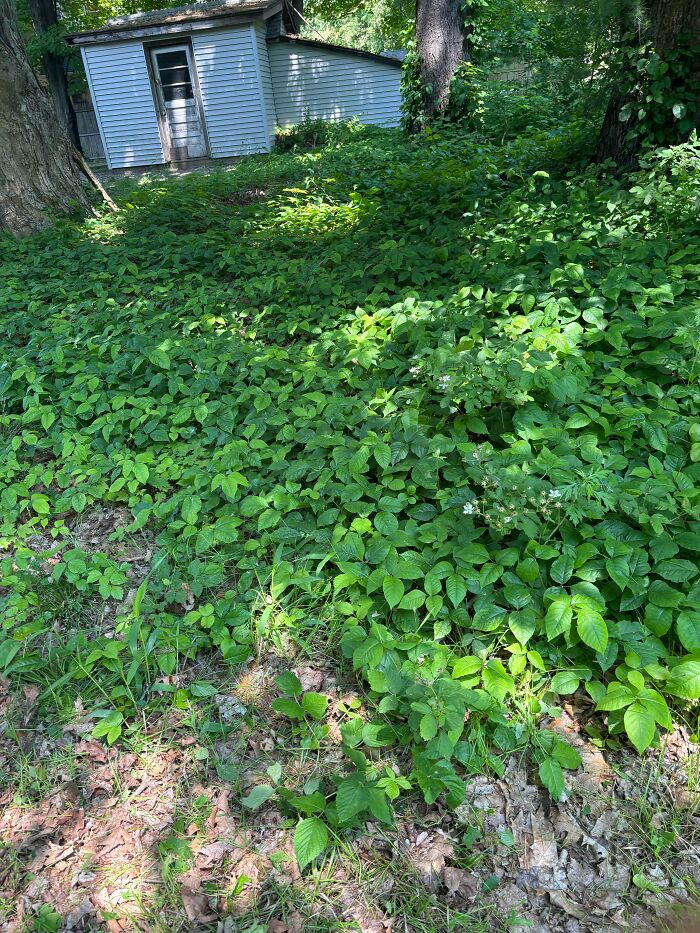
As others have stated, it is almost certainly poison ivy. I wanted to add that you should absolutely NOT burn it as it will atomize the irritant and can then get into your lungs and eyes. Also, if you kill it with chemicals, it can still irritate your skin after it is dead.

One eco-friendly solution I've heard of is to have goats come eat it (there are companies that do this!). Goats are immune to poison ivy and are one of the few animals that can eat it.
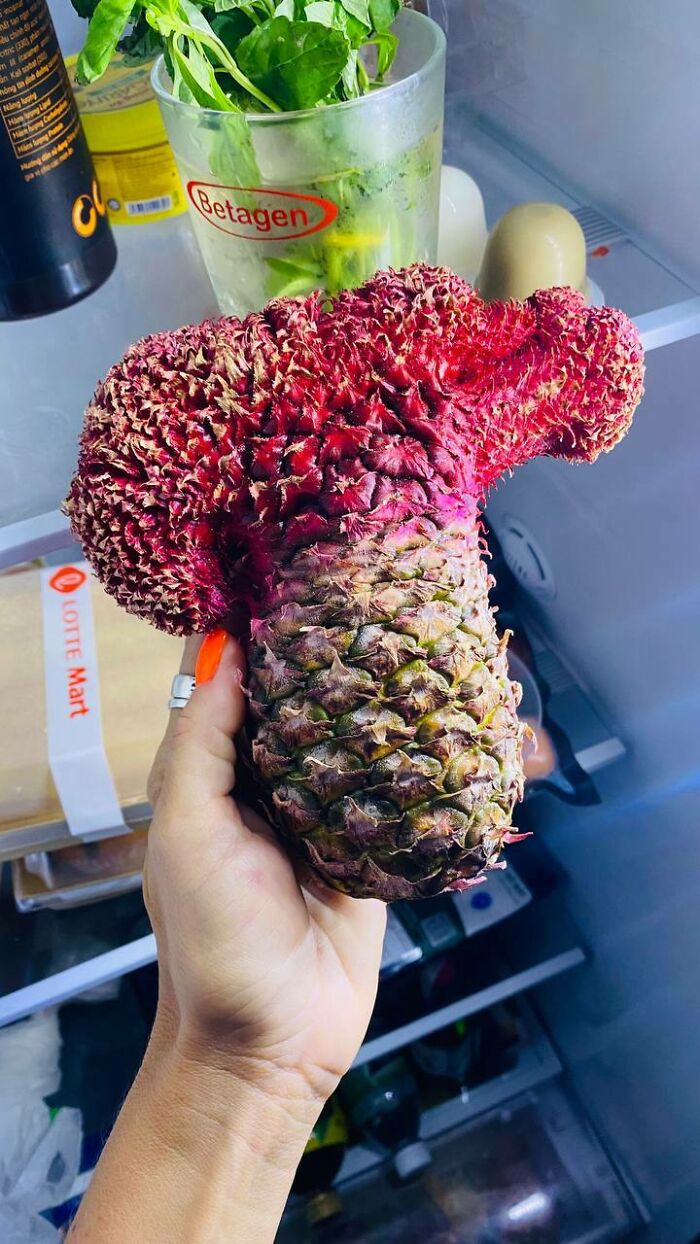
I have never seen a fasciated pineapple. So cool!!
"When fasciation occurs in pineapple crowns, the normally cylindrical crown becomes flattened and fan-like, resembling a rooster’s crest. The fruit itself may also become flattened or develop an irregular, elongated shape. This abnormality occurs when the growing tip of the plant produces abnormally wide growth, essentially creating a “wide” version of normal plant parts. The exact causes of fasciation aren’t fully understood, but research suggests it can result from genetic mutations, viral infections, bacterial infections, or severe environmental stress during critical development periods. Some studies indicate that fasciation might be more common in plants grown from certain types of planting material or in specific environmental conditions. Fasciated pineapples present significant marketing challenges because their unusual shapes don’t fit standard packaging and processing equipment. Additionally, the irregular fruit surface can be more susceptible to post-harvest diseases."
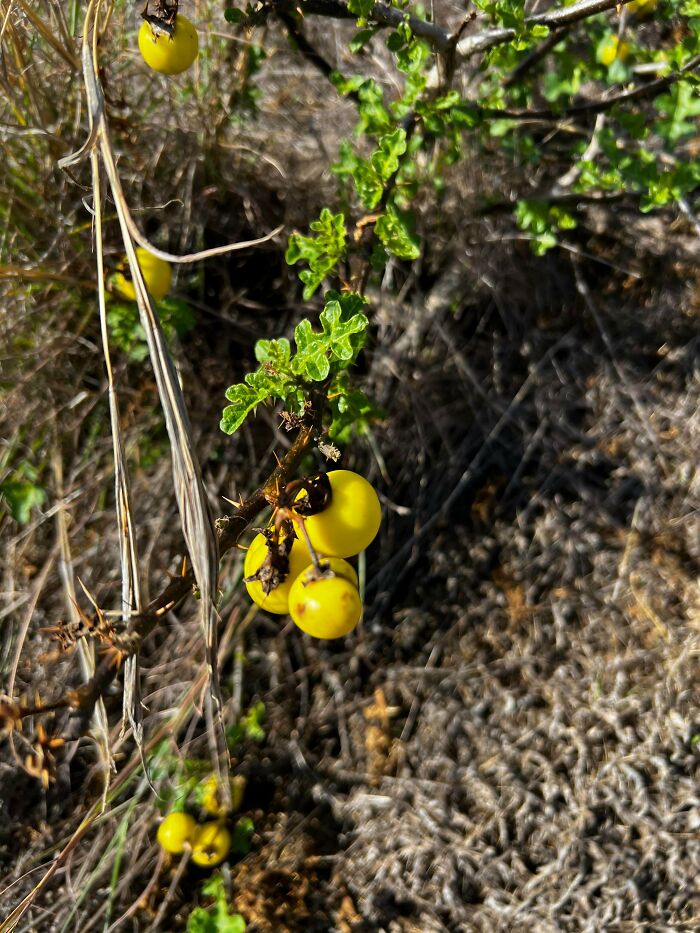
Devils Apple. A species of Nightshade. Toxic.
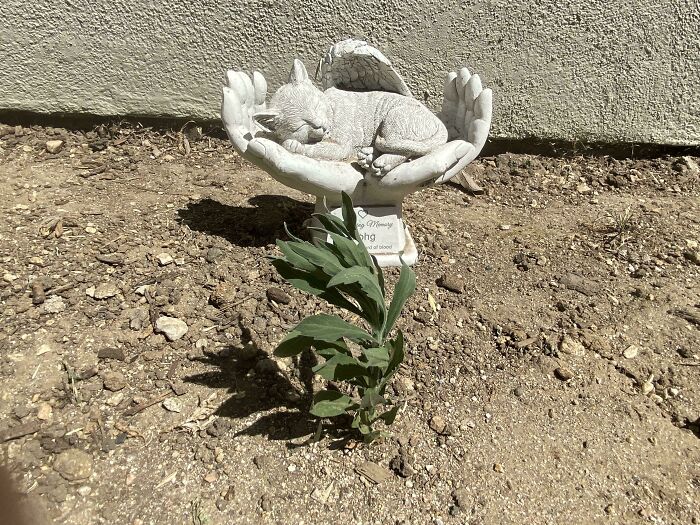
Let your wife know that AI plants are a huge scam online right now.
Blue Japanese Maple's do not exist.
Nor do flowers that look like cats.
You can get her a cyclamen but its going to look more like the ones in this article.

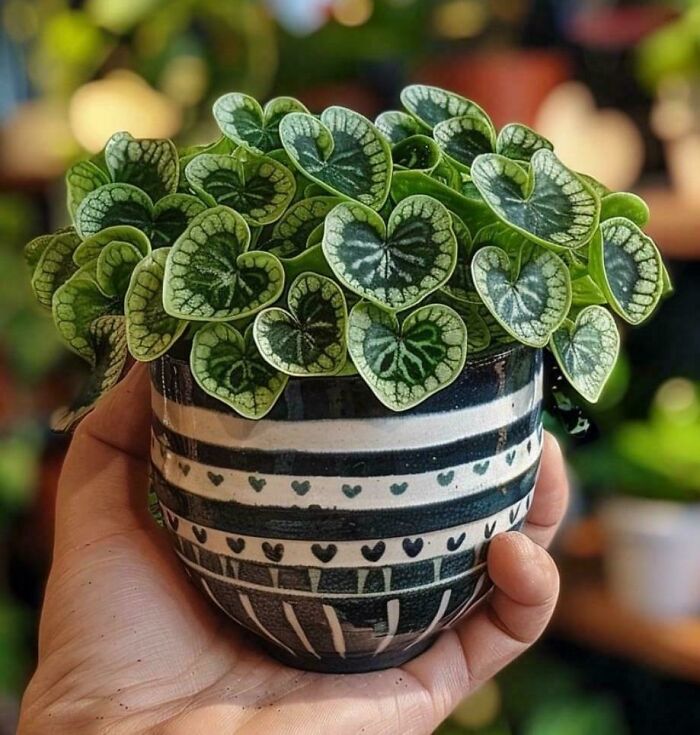
A nice Peperomia argyreia could do the trick, too, but the plant in the picture doesn't exist.
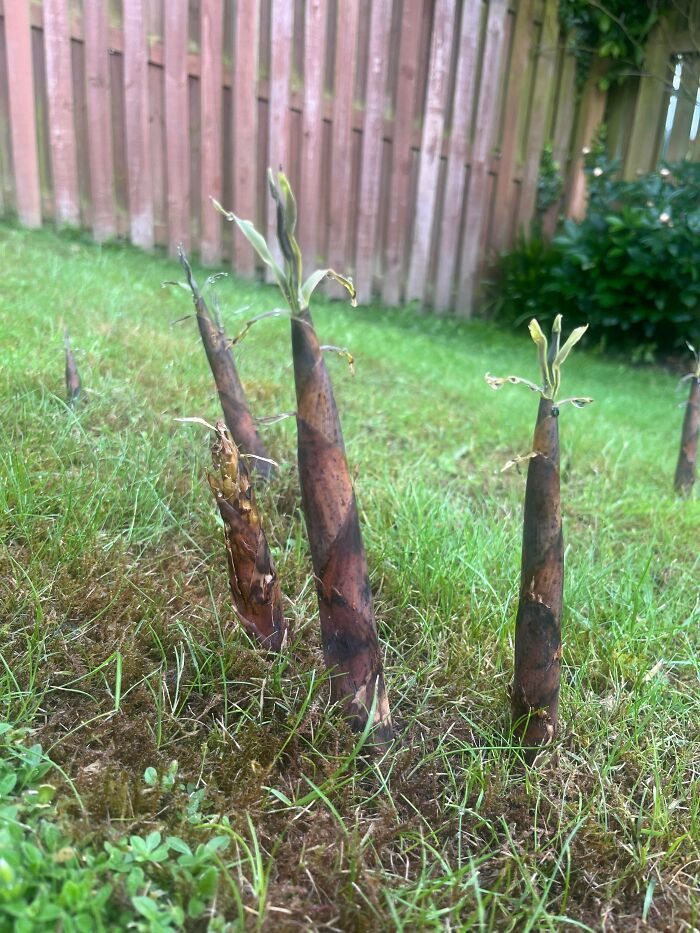
Those look like newly emerged bamboo canes. Did you recently move into this house?
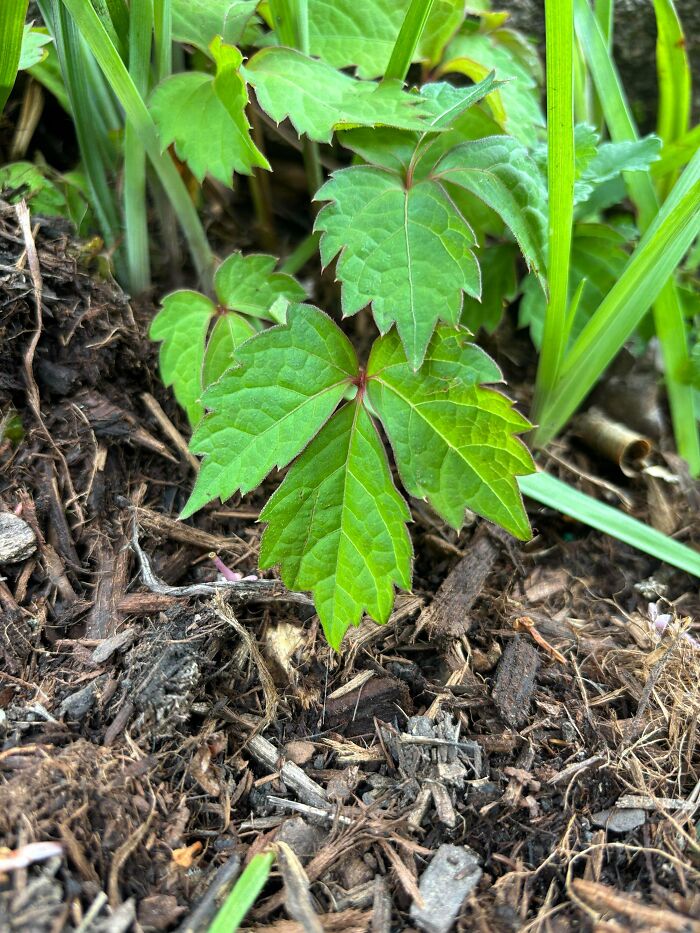
Boston ivy.
"P. tricuspidata uses adhesive pads to attach to surfaces, allowing it to climb vertically up trees, walls, and other structures. Contact with a surface signals the adhesive pads to secrete mucilage through microscopic pores which dries and creates a robust adhesive bond. The ability of a single adhesive pad to support thousands of times their weight may be explored as a model for new biomimetic materials. In its native range, the vine has traditional medicinal uses (China, Korea) and as a culinary sweetener (Japan). Both within and outside of East Asia, the plant is primarily used as an ornamental plant."
passion flower
"Passion flowers produce regular and usually showy flowers with a distinctive corona. There can be as many as eight concentric coronal series, as in the case of P. xiikzodz. and Passiflora alata. The hallmark of the genus is the androgynophore, a central column to which the stamens and pistil are attached, which can be very long in some species such as Passiflora coactilis. The flower is pentamerous (except for a few Southeast Asian species) and ripens into an indehiscent fruit with numerous seeds.The fruit ranges from 5–20 centimetres (2–8 in) long and 2.5–5 cm (1–2 in) across, depending upon the species or cultivar."
Looks like a Coccoloba. Lots of species in that genus, but the closest I'm familiar with is Coccoloba pubescens.

I am very grateful @MultaNocte for your sharing of so much interesting information in this post.
You're welcome. It was a learning journey for me as well. We have so many people here on BP with so much knowledge, like Kira and others, that it felt like it was my turn to do some research.
Load More Replies...
How many idiots are there tasting random fruit or berries without identifying them first? O_O


Thanks to Multa I now know several new ways to poison my enemies. "Here, try this." Seriously, I'm impressed. Thanks.

Kenny Kulbiski, thank you. I now have the beginnings of a story based around a person who was eating almonds, and would you believe it, there were some peach nuts in the mix.
Load More Replies... I am very grateful @MultaNocte for your sharing of so much interesting information in this post.
You're welcome. It was a learning journey for me as well. We have so many people here on BP with so much knowledge, like Kira and others, that it felt like it was my turn to do some research.
Load More Replies... How many idiots are there tasting random fruit or berries without identifying them first? O_O
Thanks to Multa I now know several new ways to poison my enemies. "Here, try this." Seriously, I'm impressed. Thanks.
Kenny Kulbiski, thank you. I now have the beginnings of a story based around a person who was eating almonds, and would you believe it, there were some peach nuts in the mix.
Load More Replies...






































 No fees, cancel anytime