Get Premium
Dark mode theme is available exclusively for premium users. Learn more about the benefits of subscribing.
No fees, cancel anytime.

 Dark Mode Ad-Free Browsing Unlimited Content
 Ad-Free Browsing Unlimited Content Dark Mode
Join 1.2 million Panda readers who get the best art, memes, and fun stories every week!
Every person is wonderfully unique, shaped by their own personality, dreams, and experiences. That diversity makes life endlessly fascinating. Yet for all our differences, we still share so much in common.
Nowhere is this clearer than in the world of memes. We’ve all dragged ourselves through exhausting workdays, shared ridiculous moments with friends, and watched in horror as dinner turned into a disaster. So when these everyday situations show up in meme form, we can’t help but laugh because they’re so perfectly, painfully relatable.
To give you a reason to chuckle today, we’ve rounded up a collection of funny posts from this Instagram page. Scroll down to check them out and upvote the ones that hit a little too close to home.
This post may include affiliate links.
It’s amazing that so many things we share in common can be made into memes we can laugh about. Naturally, while some are way funnier to certain people, others might fall completely flat. That’s okay though, we all have different personalities. But where do they come from exactly, and what dictates which personality we’ll get?
The answer is a mix of nature and nurture, though figuring out how much of each has been tricky for scientists. For decades, researchers studied twins to crack this code. The basic idea is simple: identical twins share 100% of their genes, while fraternal twins share about 50%. If identical twins are more similar than fraternal twins, genes must matter.
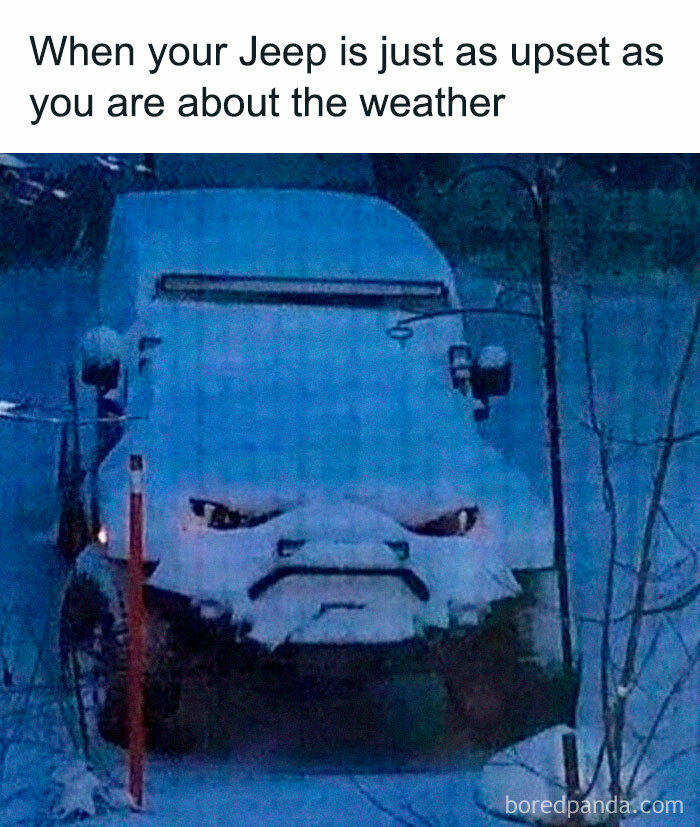
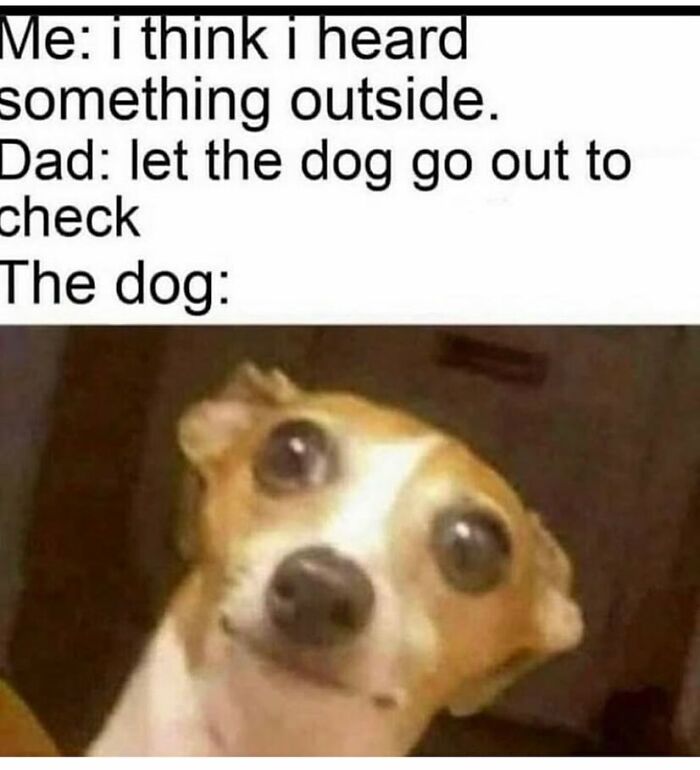
He's just mad because you're not out there letting him play in the snow!
The famous Minnesota Twin Study ran from 1979 to 1999, looking at twins separated at birth and raised by different families. The study examined various traits like height, weight, IQ, and rate of speech, finding for example that about 70 percent of IQ differences were due to genetics.
When it comes to the Big Five personality traits specifically (openness, conscientiousness, extraversion, agreeableness, and neuroticism), twin studies have found that about 40 to 60 percent of the differences between people come from genetic factors.

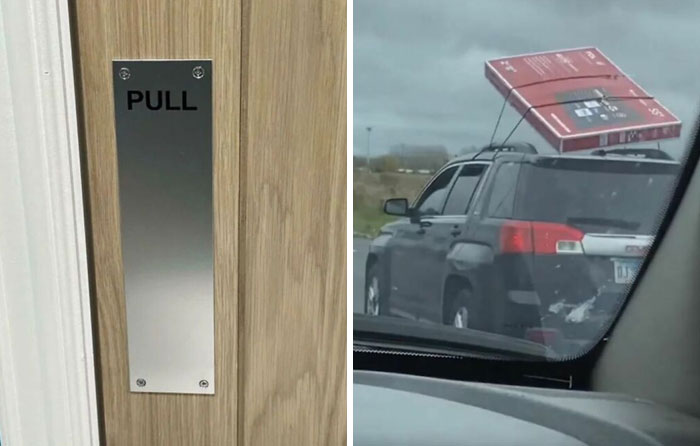
At least in the US, red is the top light, yellow is the middle light, green is the bottom light. My late mom once asked me how colorblind people can "read" the traffic lights. She never noticed the order.
Berit Brogaard, D.M.Sci., Ph.D., a professor and the director of the Brogaard Lab for Multisensory Research at the University of Miami, suggests this happens because twin studies can overestimate heritability when changes in society or technology connect a learned behavior to an inherited trait.
If that sounds confusing, think about basketball. Being tall is genetic, and tall people join basketball teams more often. If you studied twins, you might think joining basketball teams is genetic too, but that’s ridiculous because basketball was invented fairly recently, in the grand scheme of things.
Maybe the same thing happens with personality, where certain inherited physical traits only matter because of how society works today.
However much genetics influence personality, the rest comes down to what happens around you. And there’s real-life evidence for that. A study from the University of Edinburgh followed over 2,200 British twins from birth to age 18 and found that kids who grew up with more maternal warmth tended to become more open-minded and agreeable later on.
So even when two people share the same DNA, differences in how they’re treated while growing up can still shape who they become.
What about humor though? Is being funny something you’re born with? A 2025 twin study led by Gil Greengross tried to tackle this question.
The researchers had hundreds of twin pairs rate their own humor abilities and write funny captions for blank cartoons. When it came to people thinking they were funny, genes did play some role.
But when judges actually scored how funny the captions were, the results were surprising. Being genuinely funny seems to be something you learn through practice and exposure rather than inherit.
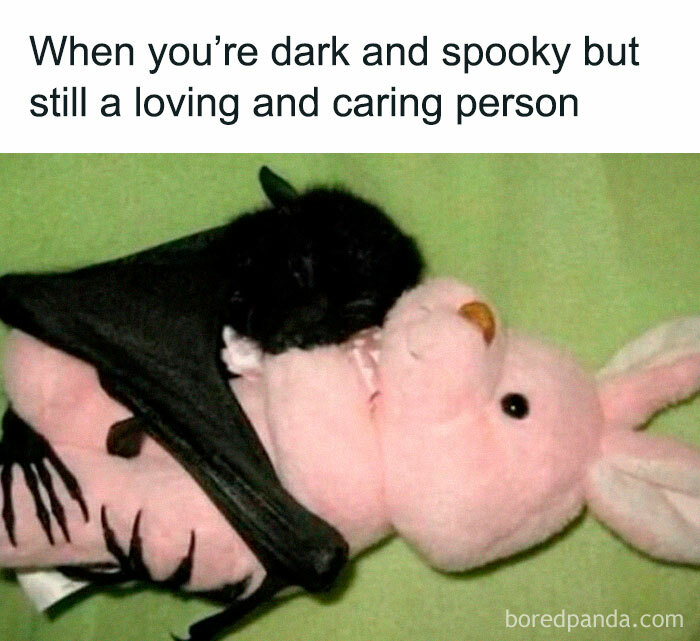
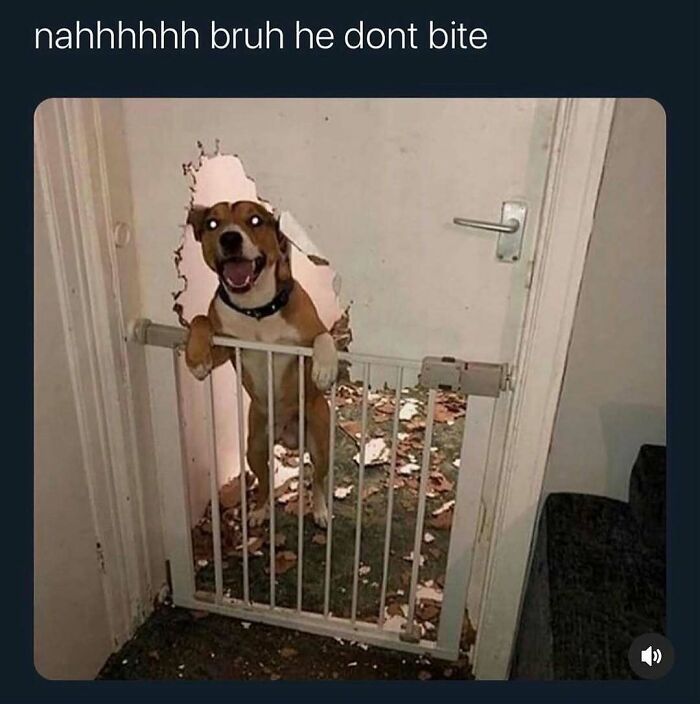
Very cute, they just make sure their boundaries are respected and demonstrate what happens when they aren't.
At the same time, scientists have also found small genetic links to how we react to humor. In a 23andMe analysis of over a million people, one of the strongest links to how easily someone “gets” a joke showed up in a gene involved in brain development and also studied in autism research.
Other studies have looked at a serotonin-related gene variation called 5-HTTLPR and found that people with certain versions of it tend to smile and laugh more easily.
Ultimately, our personalities and sense of humor are way more complicated than they seem. And what all of this suggests is that scientists are still piecing together how much comes from our genes and how much comes from our experiences. Practically, it’s kind of amazing that no two people end up exactly the same.

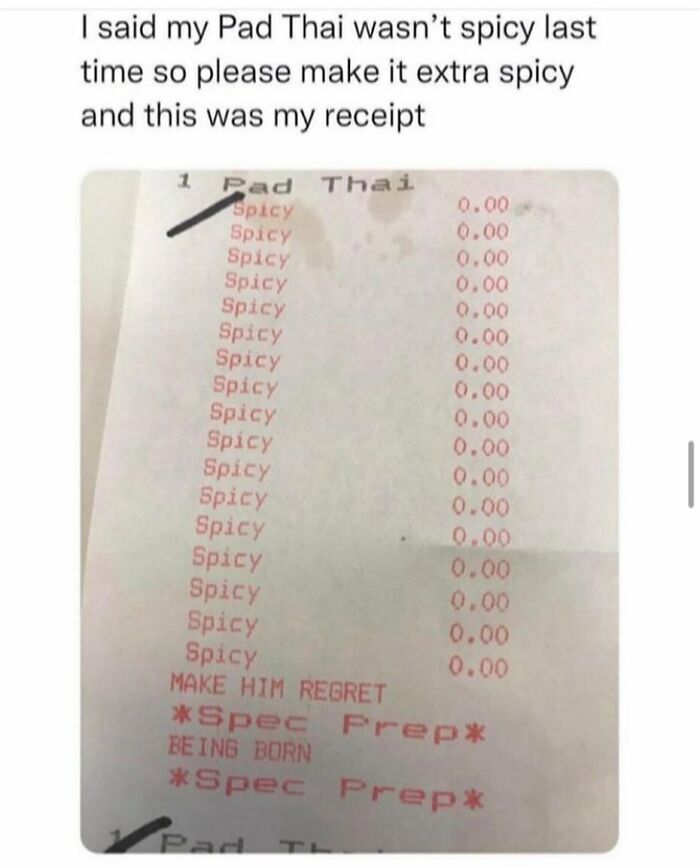
I did this once, he met the challenge, and we're both probably still telling the story. It was almost hot enough.
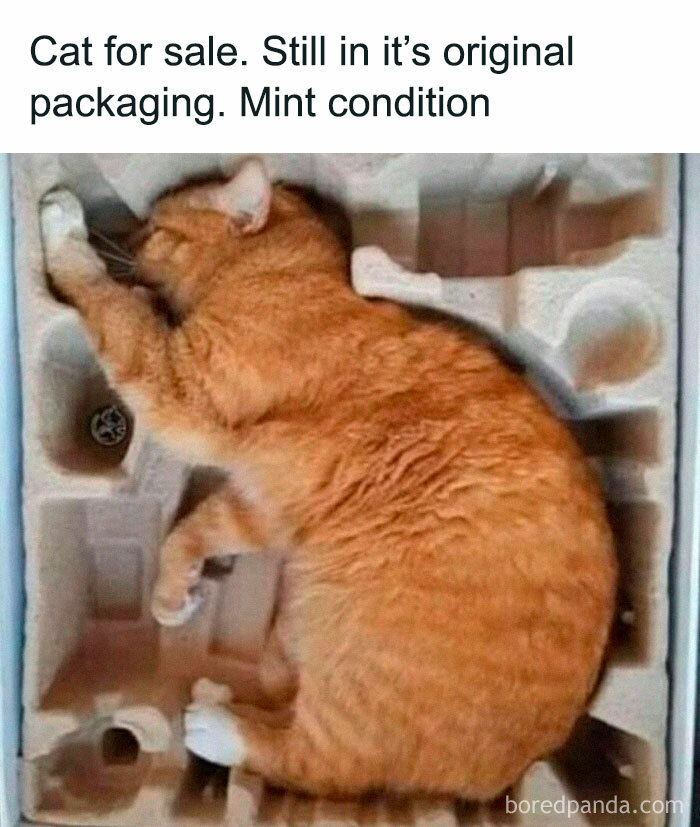
If this is real then I feel so bad for the cats whose owners aren’t taking care of them properly. Intentionally making your pets obese is not funny
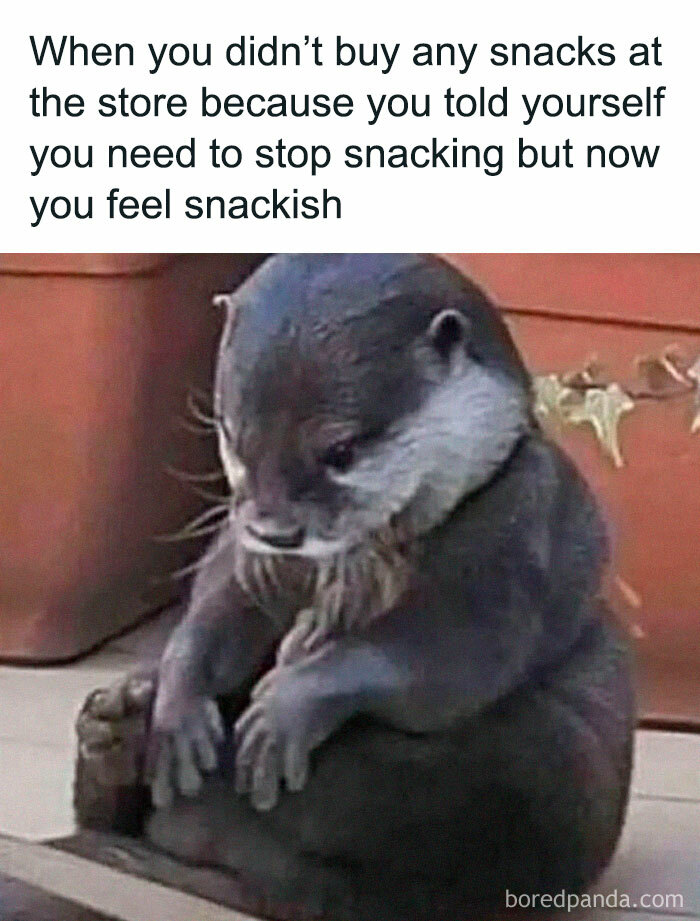
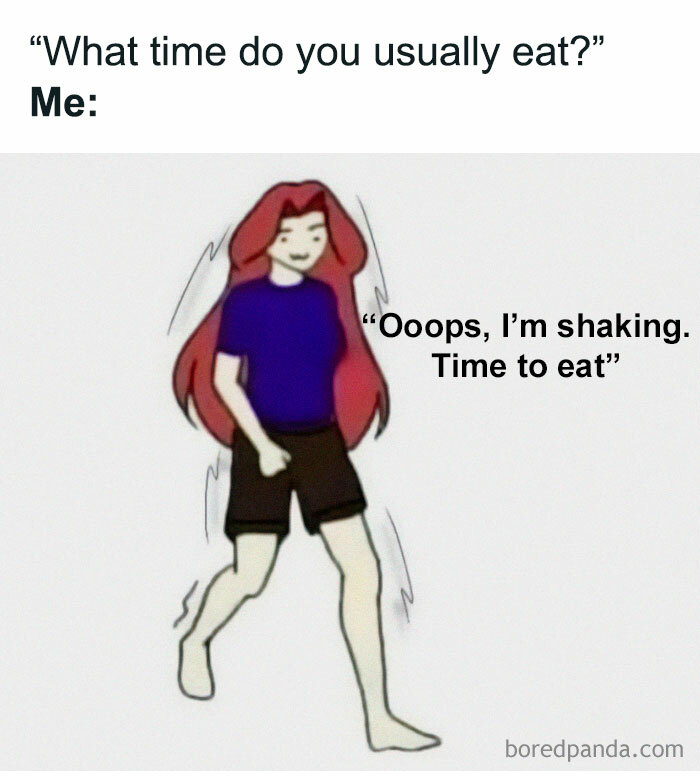
I hate how I already can’t tell if I’m hungry or not and when I skip meals due to this, my d*****s body will make me nauseous when I realise my folly and try giving it some nutrition
What humans have done to pugs and other flat nosed dogs/cats is criminally unforgivable.
Boy, Cinderella got old in a hurry. She looks like my mother. Wait, she looks like me.

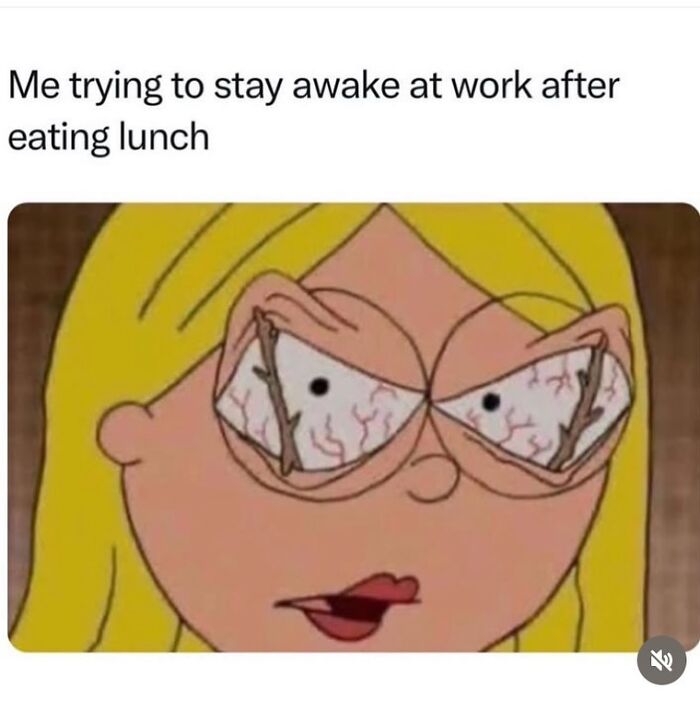
That is me when I was still working for whatever reason the company bought pizza for everyone.
I worked with a guy who came in with two black eyes. I asked what happened and he says, "The woman in front of me on the bus had a massive wedgie so I pulled it out for her." I said well that explains it but why two black eyes? He said "She was so upset I pulled it out that I put it back."....

 No fees, cancel anytime