Get Premium
Dark mode theme is available exclusively for premium users. Learn more about the benefits of subscribing.
No fees, cancel anytime.

 Dark Mode Ad-Free Browsing Unlimited Content
 Ad-Free Browsing Unlimited Content Dark Mode
Join 1.2 million Panda readers who get the best art, memes, and fun stories every week!
What do you imagine when someone mentions Japan? Maybe it’s warm bowls of ramen. Or peaceful mountain views. Or, of course, the iconic pop culture that has gained fans all over the world. Whatever it is, Japan has a reputation for making everything look a little cooler, a little cuter, and a lot more visually appealing.
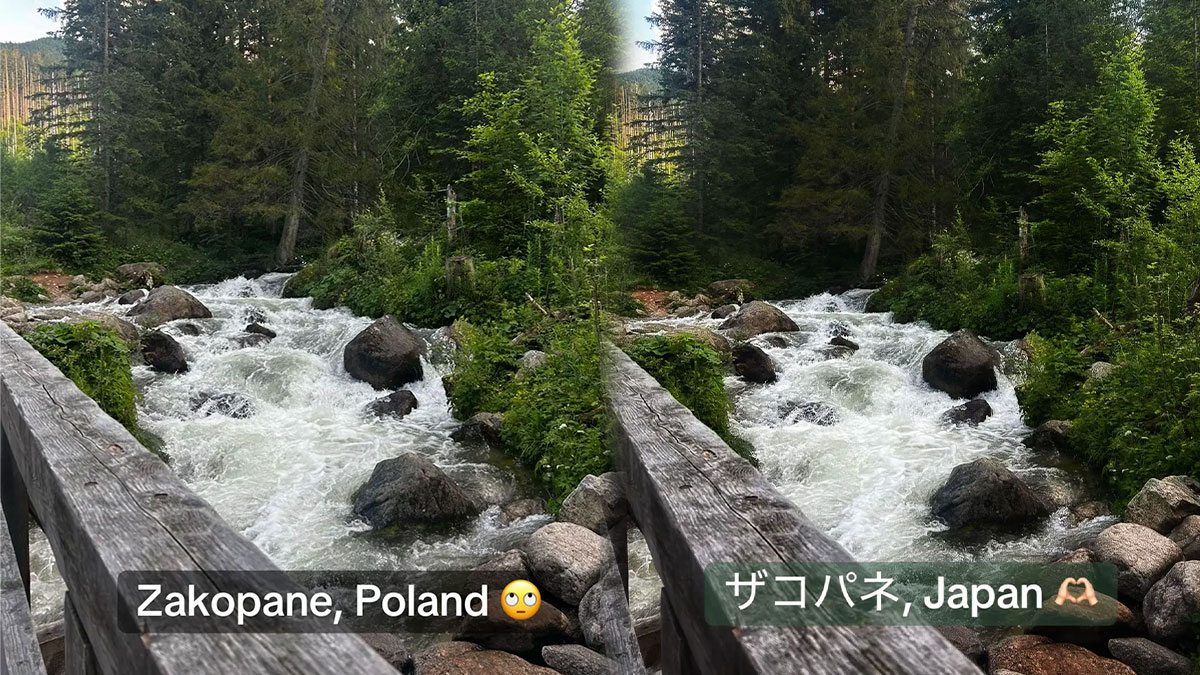
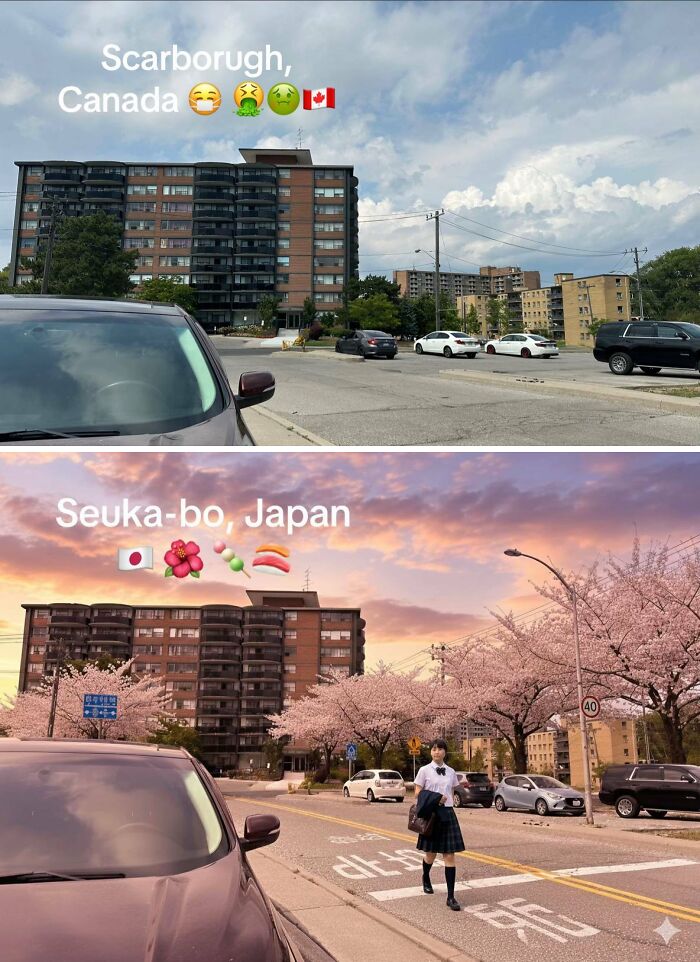
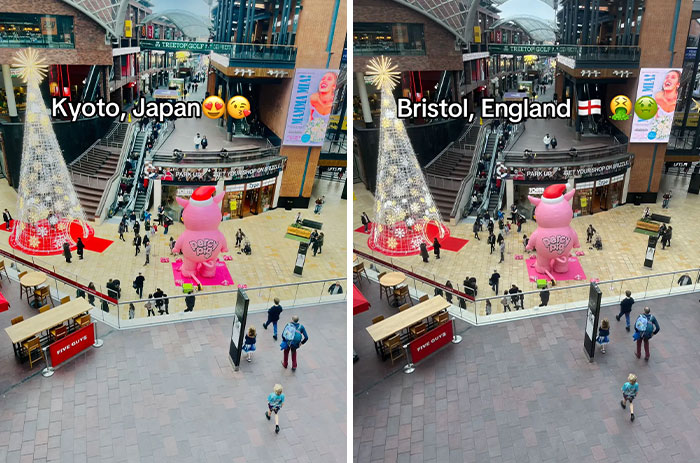
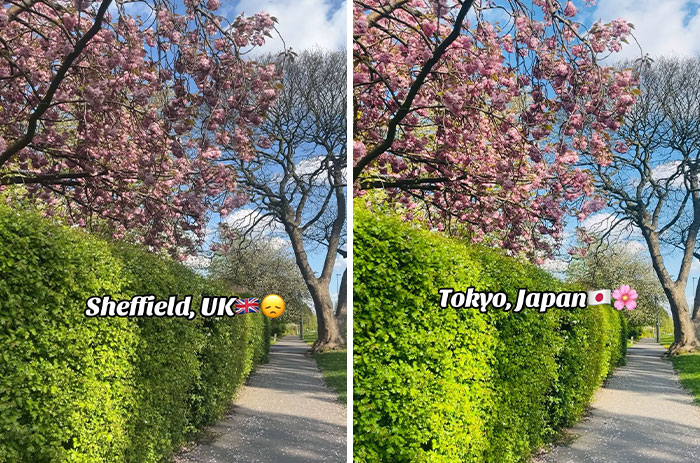
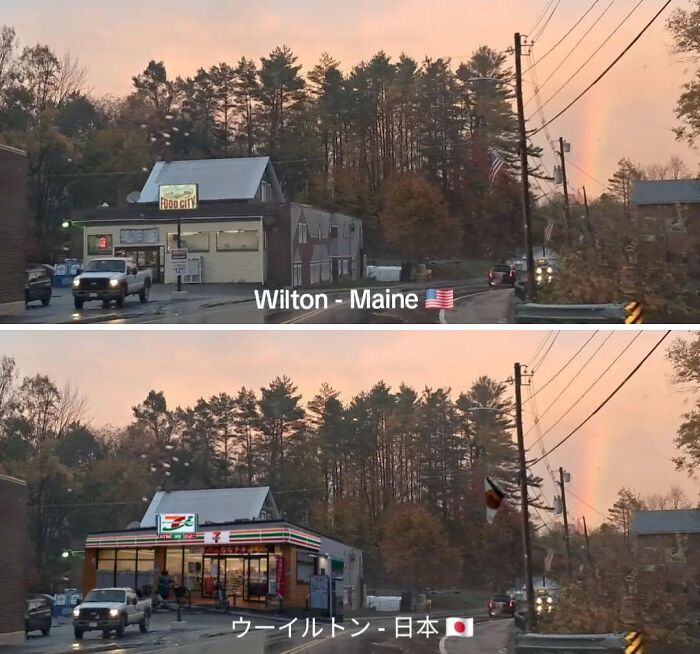
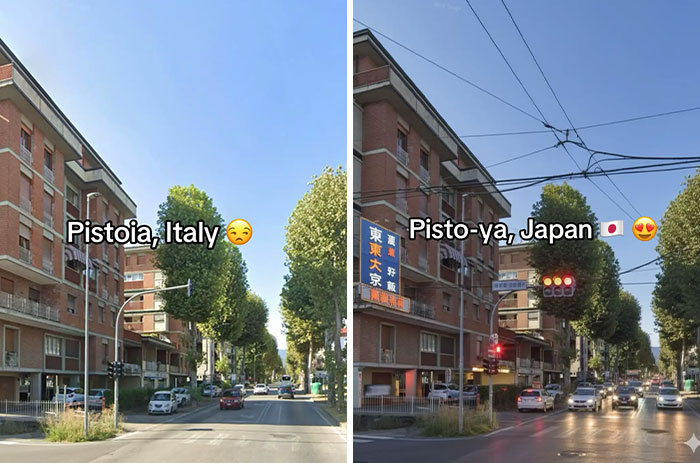
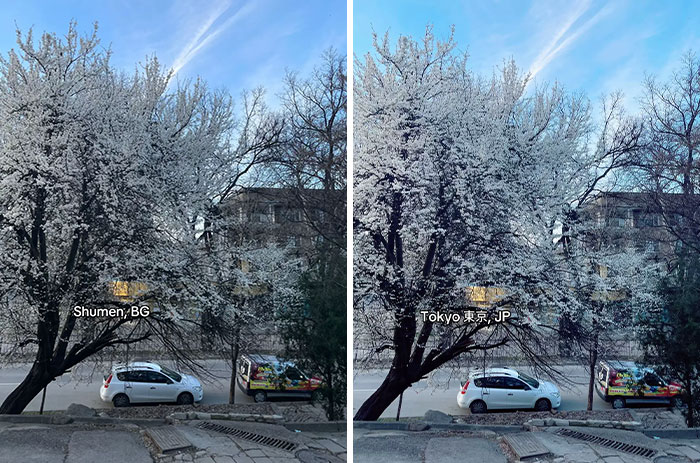
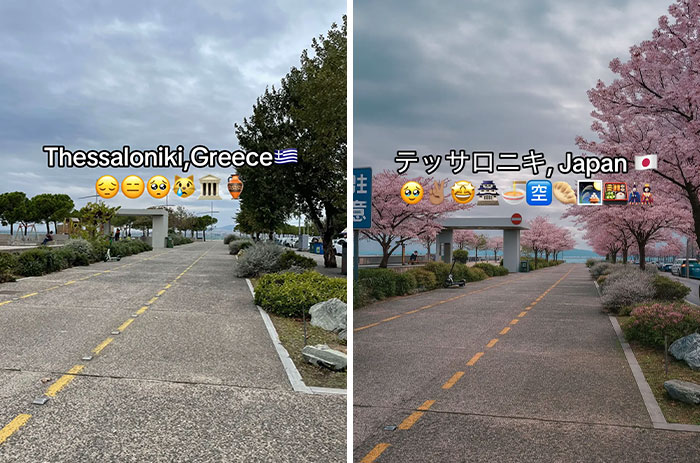
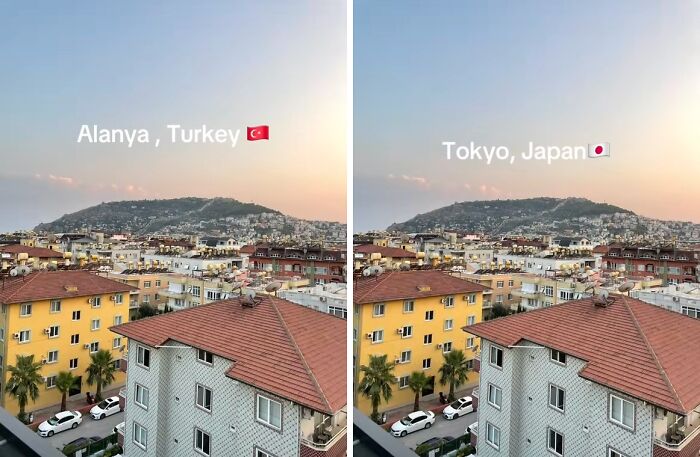
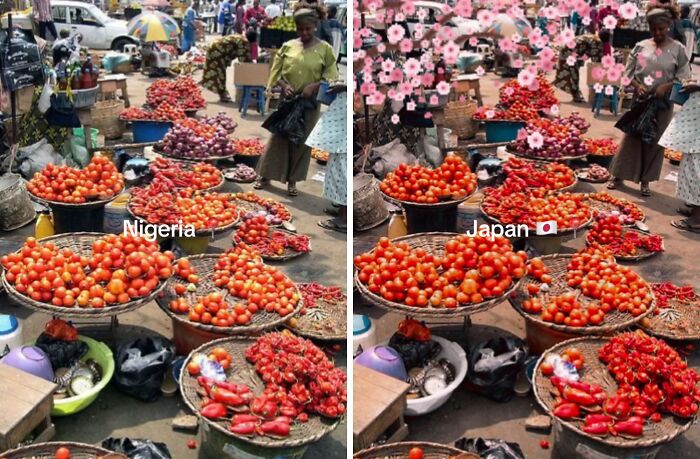
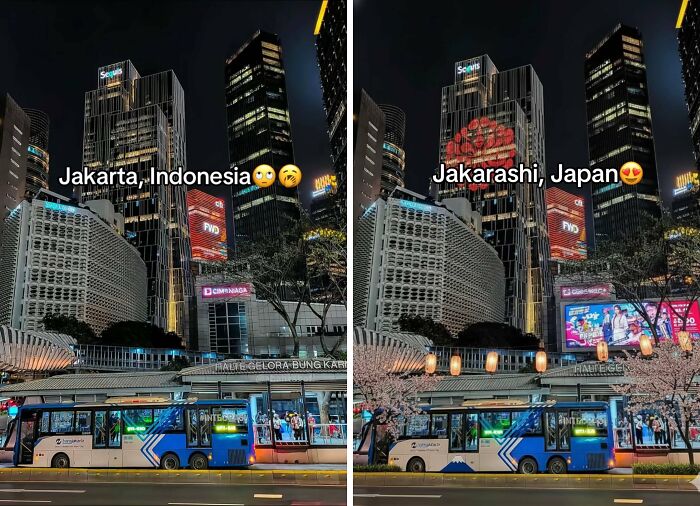
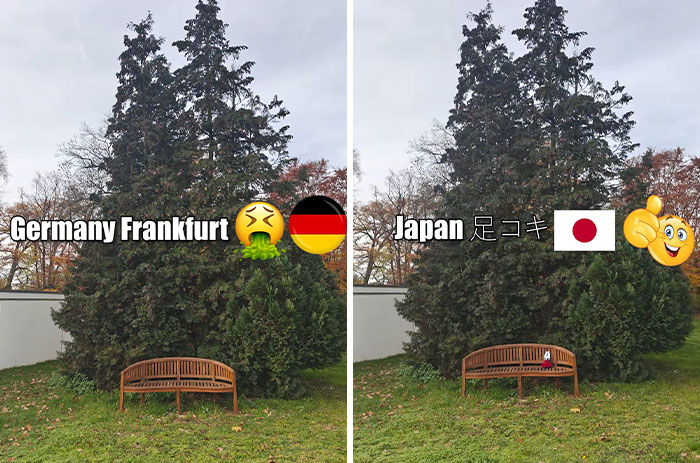
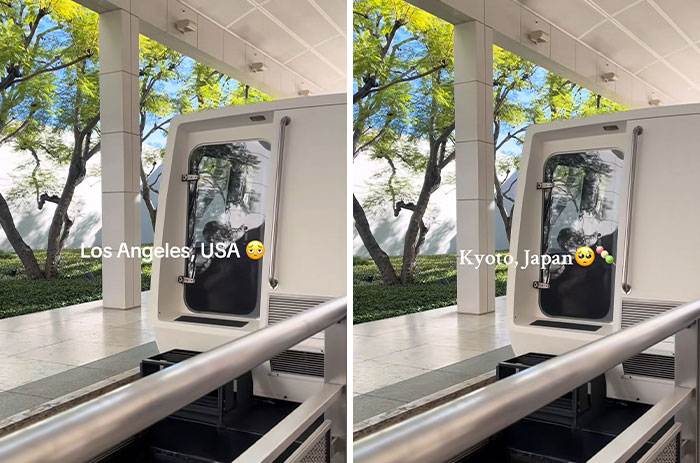
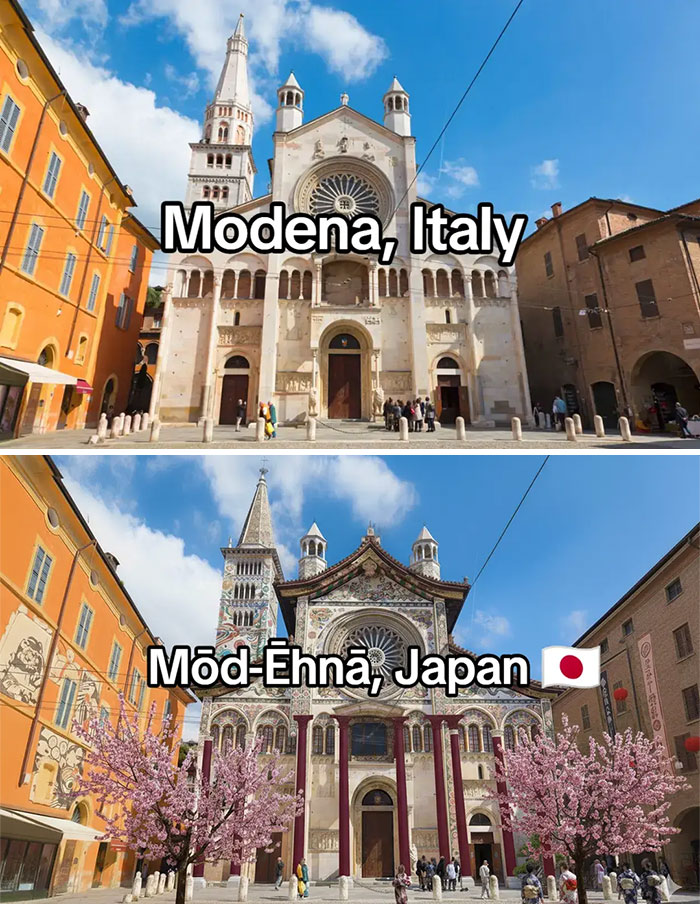
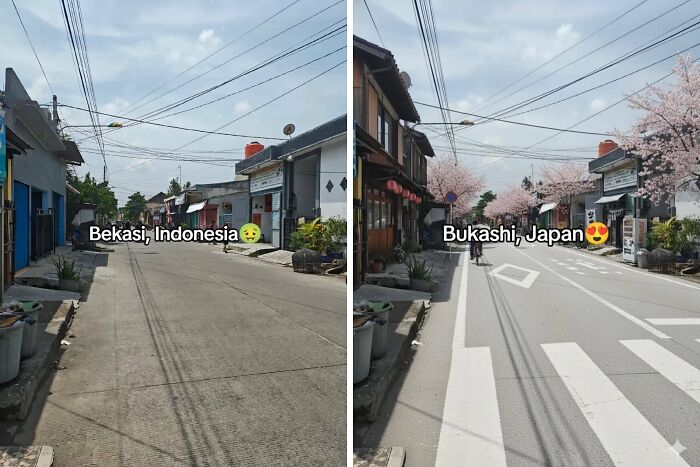
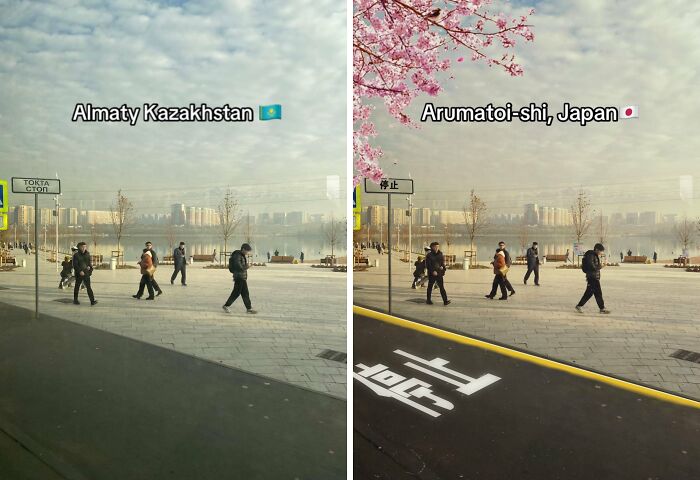
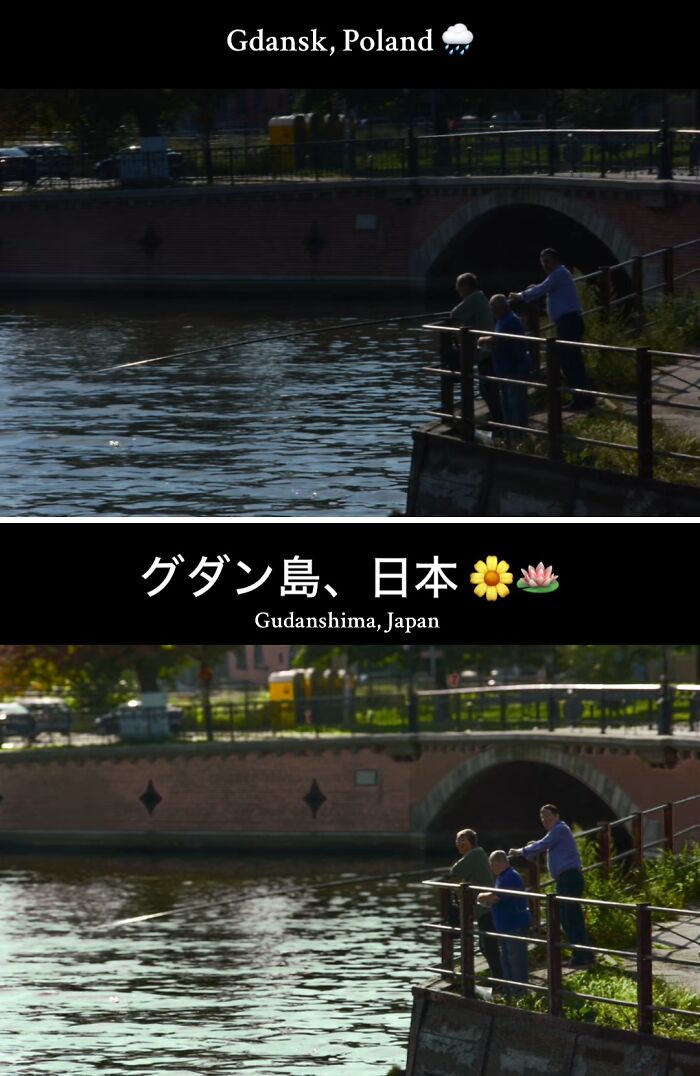
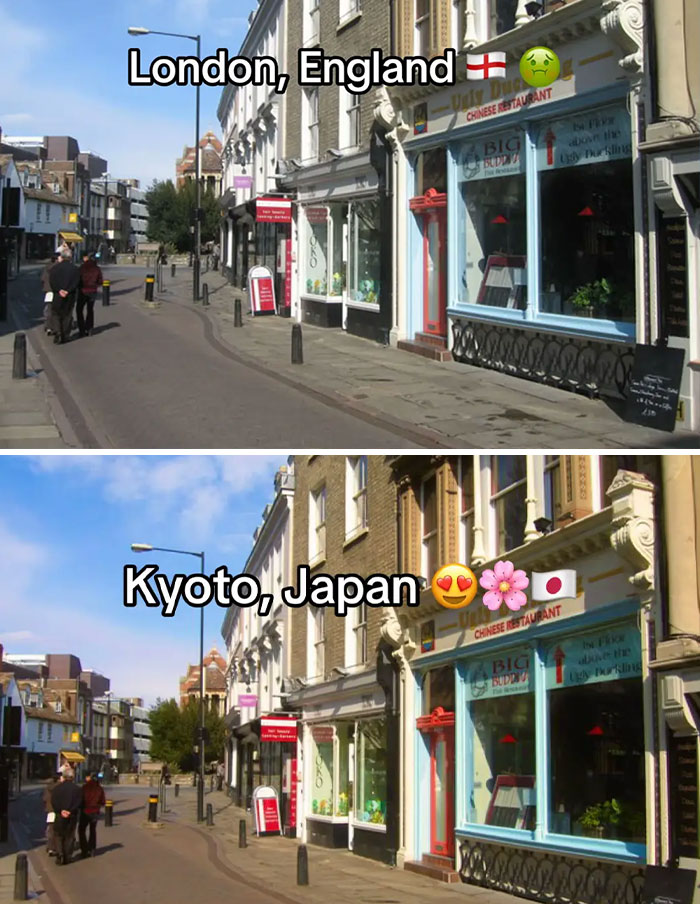
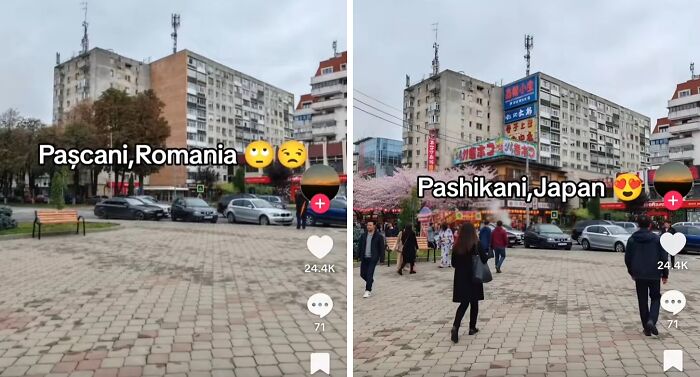
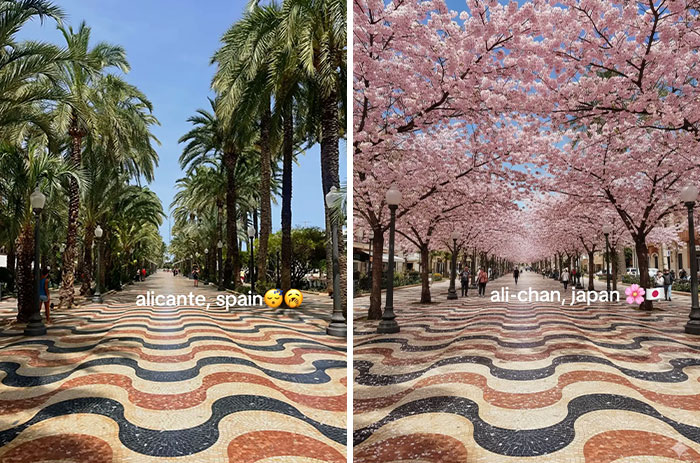
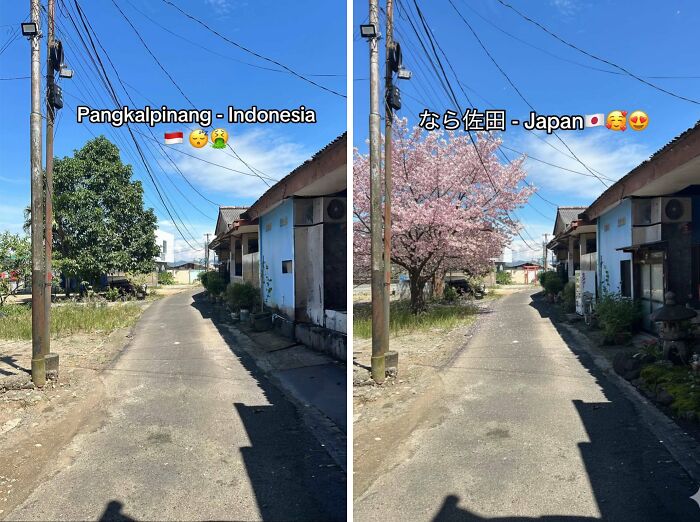
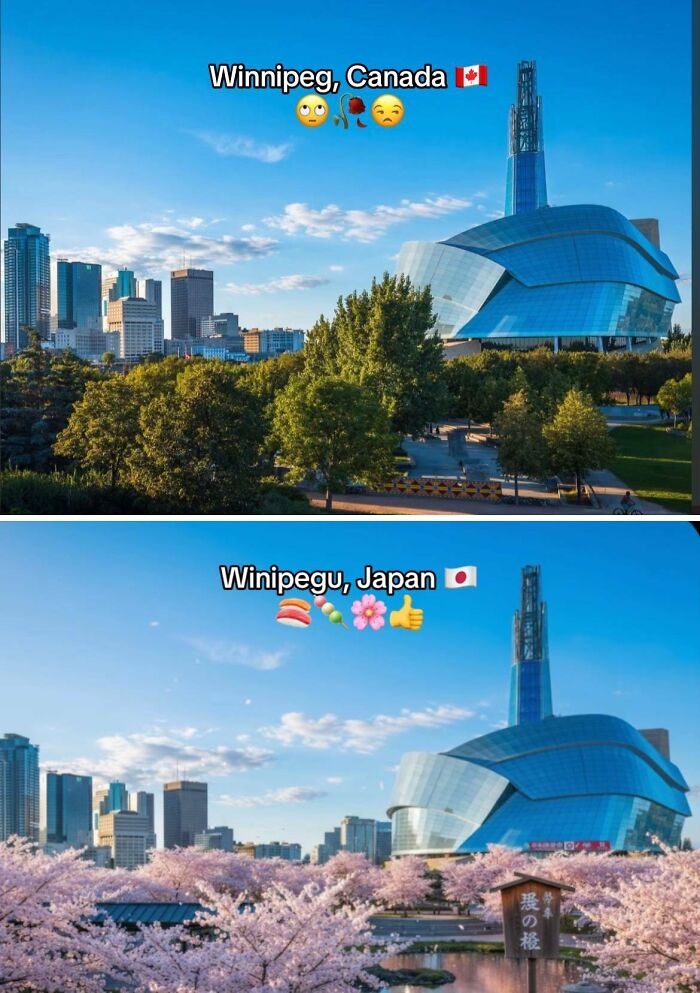
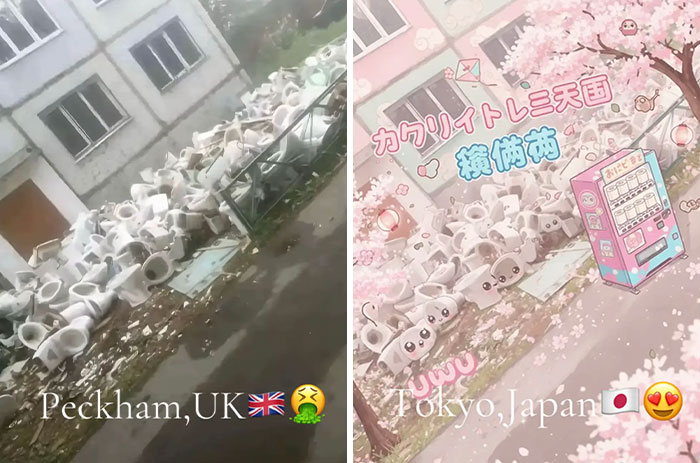
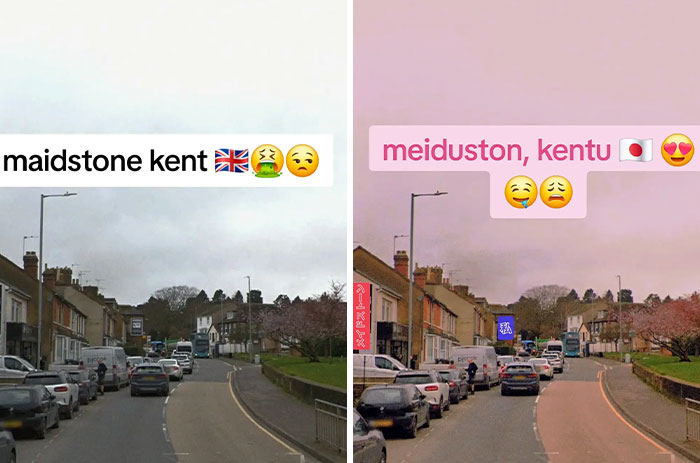
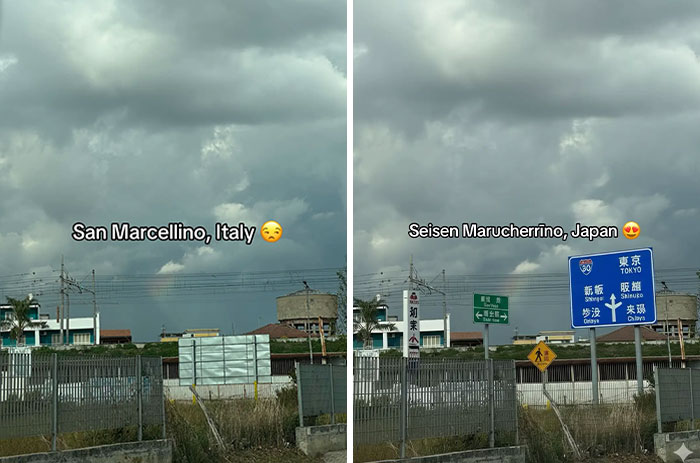
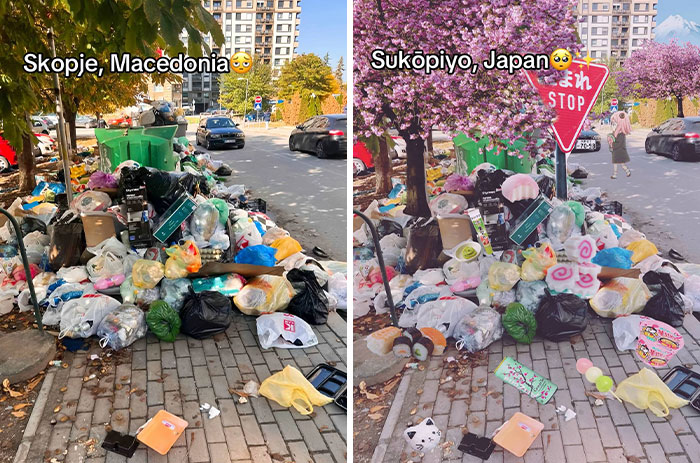
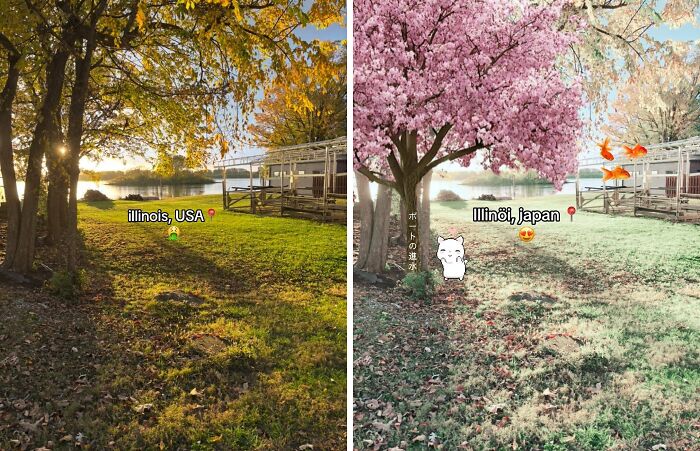
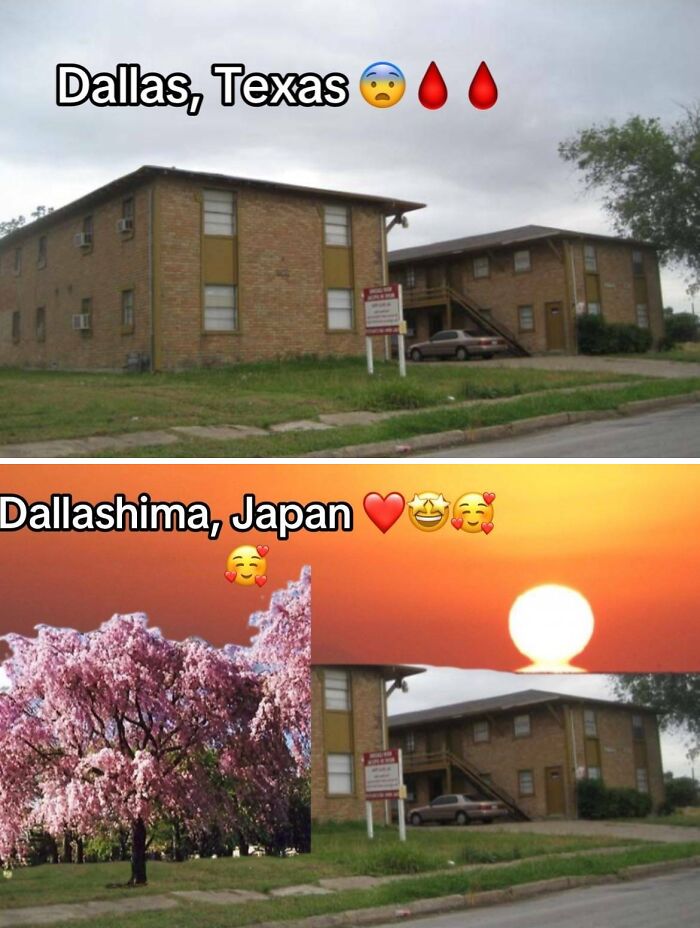
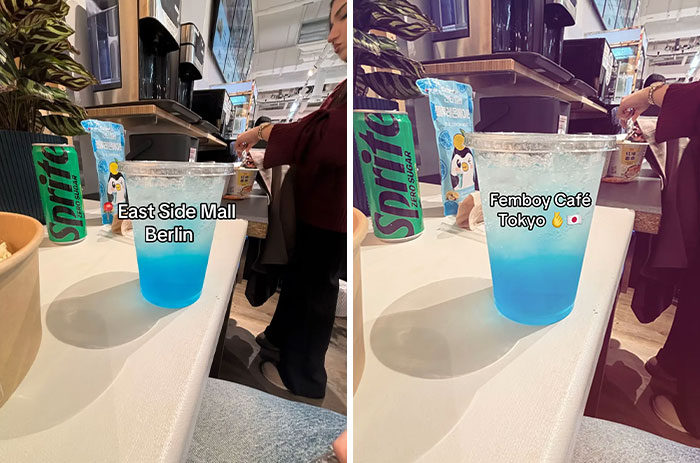
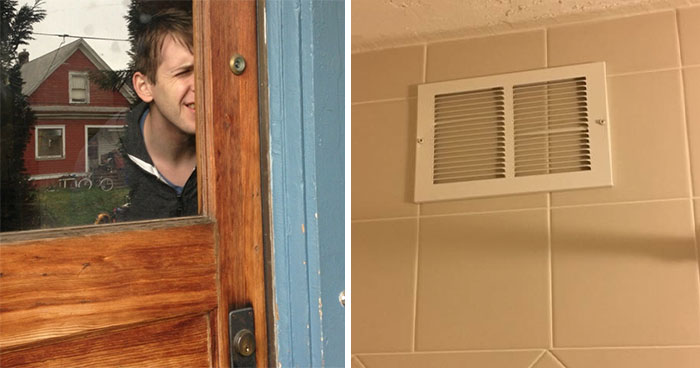
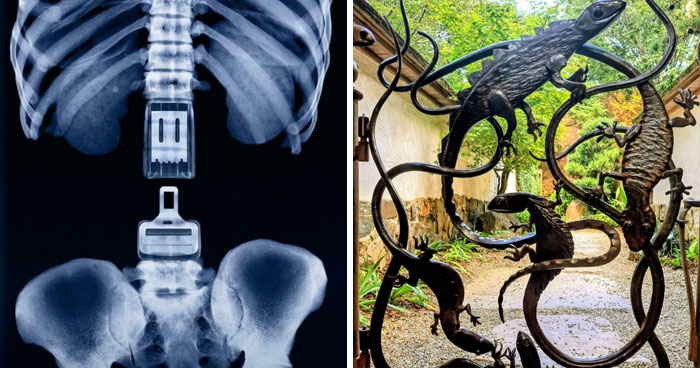
A viral TikTok trend is proving exactly that. People are taking random snapshots from their own cities and demonstrating that once you label them as “Japan,” they instantly come off as charming and aesthetically pleasing. Scroll down to see the “Japan Effect” in action.
This post may include affiliate links.
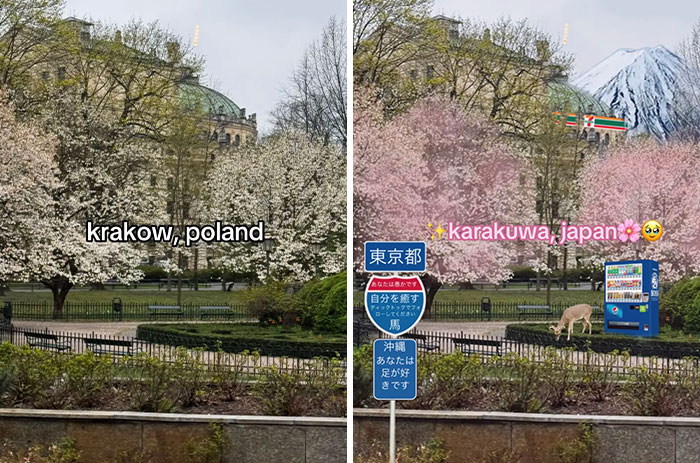
Krakow, Poland or “Kawakura, Japan”? One is real, the other is completely made up, yet with a few editing tricks, people on TikTok are turning one into the other.
That is the whole point of this viral TikTok trend. It suggests that the moment you “Japan-ize” a photo, it suddenly becomes more appealing, even if the original picture shows an ordinary street, grey buildings, or an average neighbourhood. Though, of course, Krakow is beautiful without needing any extra help.

So they lightened it up. Really, it doesn't count if you photoshop the pictures. Bc now you're looking at 2 different images. Of course the photoshopped one looks better. I see now why this article got a bunch of downvotes. I'm going to stop here. This is dumb.
At first glance, the trend feels harmless. It is meant to be a lighthearted and playful nod to the way people romanticize certain cultures.
But if you look just a little deeper, there is something worth thinking about. Every city has its own identity, history and beauty. When we treat one aesthetic as superior to all others, there is a risk of turning unique places into something they are not.
The interesting thing is not that people enjoy Japanese style. It is that Japan has earned such a powerful cultural reputation that even the idea of Japan can transform how we perceive a scene.
This did not appear overnight. Japan carried an international image rooted in war and economic recovery. Today, it has turned that around into something far more inviting, the complete opposite of what it used to be.
Different communities admire Japan for different reasons. Some love the kawaii aesthetic. Artists appreciate wabi-sabi and the country’s sense of design. Others grew up with anime, manga and video games.
These layers built a foundation of affection and fascination that turned Japan into a cultural symbol people recognize in a matter of seconds.

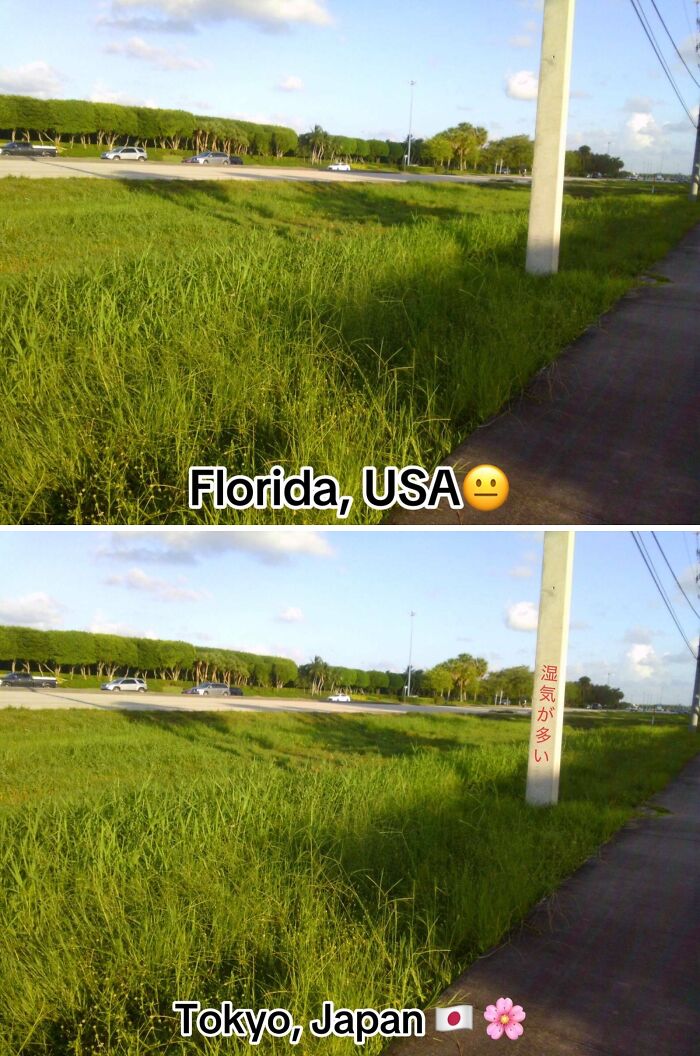
A strangely green and empty Tokyo. And writing ‘there’s lots of humidity’ on the concrete pole doesn’t really change that.
Writers and researchers have spent years documenting how Japan built this influence. As Tokyo Weekender notes, one reason for its widespread appeal is the country’s strength in soft power.
Soft power relies on cultural and economic influence rather than pressure, and Japan developed it steadily over time. It shared ideas, entertainment, and craft with the world, and these elements gradually became part of everyday life far beyond its borders.
This cultural presence shows up in small ways. A PlayStation or Nintendo console in the living room. A bottle of Kikkoman soy sauce in the kitchen. Studio Ghibli films on every major streaming platform.
These things are not aggressively marketed as symbols of national identity. They simply exist in people’s homes and shape how they feel about the country without saying a word.
The popularity of Japan’s entertainment industry pushed its influence even further. Video games like Pokémon, Mario and Zelda became a defining part of childhood for millions. I remember being a kid in the early 2000s, trading Pokémon cards at school or watching friends play Naruto on a PSP for hours.
At the time, anime was only beginning to find an audience abroad. Now it has moved from niche interest to full mainstream, with shows climbing Netflix charts and attracting global attention. This built an emotional connection. People learned to appreciate Japan through characters and stories long before many ever visited the country.
Quartz points to another important factor: wealth. After World War II, Japan’s economy grew at an incredibly fast pace, giving the country the means to experiment and create. Companies poured resources into entertainment, fashion and technology.
Even during recessions, people kept producing new ideas. Power Rangers, Sega’s rise in gaming, and the explosion of Harajuku fashion all helped strengthen Japan’s image as a place full of creativity and fresh thinking.
Over time, Japanese culture became something people actively looked for. It felt different from what they already knew, yet familiar enough to enjoy.
This is what makes the Japan Effect trend work. The label alone can create a sense of warmth and comfort. The reputation is so strong that it becomes a filter through which people see the world.
Still, the charm of Japan should not erase the value of other cities. Krakow has centuries of history. Thessaloniki offers unforgettable streets. Gdańsk has architecture that feels like a storybook.
Cities everywhere carry their own pride and identity. Japan’s influence is real and well-earned, but it should inspire appreciation, not comparison. The world is full of beauty, and each city deserves to shine on its own terms.

Come on, here's no difference. And KonKon is good Store with Japanese and Korean Konbini Stuff.

BUH?! This is quite possibly the dumbest BP post I've seen . . . and that's really saying something.


Nope, this is actually not "hehe so funny memes!" at all. This is terrible. This is actually harmful and offensive to both the locations being shìt upon as "ugly" or "less desirable" AND Japan. Not only does it give the impression that the locations in question have no charm, appeal, or interest of their own, they're actually ONLY "cute" or interesting if they're "Japanified" (in many of these photos, extremely poorly.) This harms both cultures. And, as an American myself, I have to point out the elephant in the room: if someone did this and "Americanized" photos of locations/cities in European/Canada/etc., people would be out in a mob with their pitchforks and torches. It doesn't make it any more "okay" just because we're "Japanifying" the locations instead. These cities and places have their own charm and don't need to be plastered with sakura flowers to be wonderful, beautiful, enjoyable places in their own right.
BUH?! This is quite possibly the dumbest BP post I've seen . . . and that's really saying something.
Nope, this is actually not "hehe so funny memes!" at all. This is terrible. This is actually harmful and offensive to both the locations being shìt upon as "ugly" or "less desirable" AND Japan. Not only does it give the impression that the locations in question have no charm, appeal, or interest of their own, they're actually ONLY "cute" or interesting if they're "Japanified" (in many of these photos, extremely poorly.) This harms both cultures. And, as an American myself, I have to point out the elephant in the room: if someone did this and "Americanized" photos of locations/cities in European/Canada/etc., people would be out in a mob with their pitchforks and torches. It doesn't make it any more "okay" just because we're "Japanifying" the locations instead. These cities and places have their own charm and don't need to be plastered with sakura flowers to be wonderful, beautiful, enjoyable places in their own right.
























 No fees, cancel anytime
 then open in external browser


 and click "Open in External Browser"