Get Premium
Dark mode theme is available exclusively for premium users. Learn more about the benefits of subscribing.
No fees, cancel anytime.

 Dark Mode Ad-Free Browsing Unlimited Content
 Ad-Free Browsing Unlimited Content Dark Mode
Join 1.2 million Panda readers who get the best art, memes, and fun stories every week!
29submissions
4days left

Unlike Gen Z kids, we Millennials never had Snapchat, our own smartphones, and 5G. We grew up with chat rooms, one PC per family, and dial-up internet. The early days of the Internet are starting to feel like something ancient, but the World Wide Web actually began in 1989. AOL and IRC were all the rage in the '90s, which makes them more than 30 years old.
The years of the early Internet had a lot of interesting phenomena. That’s why one Redditor decided to ask fellow Internet veterans: “What’s something ancient that only an Internet veteran would remember?” Mine is probably the old-school message boards, specifically the Dragon Ball Z-related ones. If there are any Internet veterans out here, let us know your picks!
Bored Panda reached out to the dean of technology at the triOS College and a self-proclaimed technogeek, Jason Eckert. He was kind enough to tell us more about what the Internet looked like at its inception and whether the concerns we have about it now were similar to the concerns then.
Click here & follow us for more lists, facts, and stories.
This post may include affiliate links.
"The Internet was originally called the 'World Wide Web (WWW)' or 'Information Superhighway' in mainstream media when it first gained popularity, back in the mid-1990s," Jason Eckert tells Bored Panda. "It coincided with the massive rise of PCs in homes and businesses (both small and large) that previously never did much with computers."
Eckert says that the mid-1990s were a very optimistic time for technology in general. "We had two technology booms: the massive rise of PCs in homes and businesses for the first time, and the ability to connect them to the 'Information Superhighway,' a.k.a. the Internet."
The expert gave us a quick rundown of how the early internet worked. "People bought access to this Information Superhighway from Internet Service Providers (ISPs) so that they could use their PCs to browse the worldwide collection of information on other computers connected to the network."
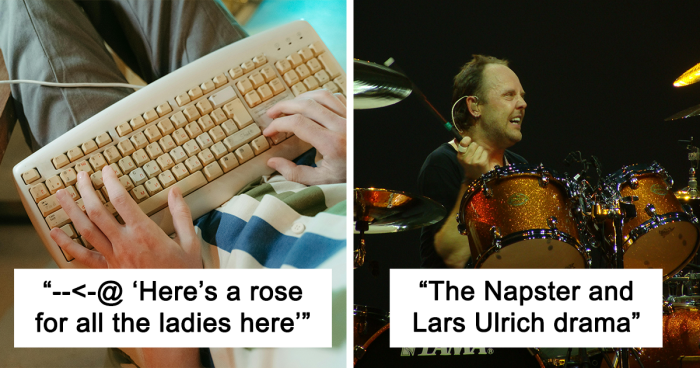
 --<-@ "Here's a rose for all the ladies here" Man, we thought we were so f****n smooth in those chatrooms.
"This information consisted of webpages with crude graphics and layouts by today's standards but was incredibly new and impressive at the time. The computers that served these webpages were called web servers, and the worldwide collection of web servers was called the 'World Wide Web' (www) or 'Web' for short."
Eckert notes that mainstream media, sitcoms, and movies glorified computers and the Internet whenever they could, and he mentions the cult classic Hackers (1995) as an example. "Everyone knew that computers and the Internet were the future," he says. "Pundits and regular folk regularly speculated on what the Web would evolve into – including David Bowie."
 Discussion boards for specific topics. (And not aggregated under the same website like reddit) I have fond memories of these. I met a lot of cool people, some of which I'm still in contact with a good decade and a half later.
 Rotten.com. I remember checking out this site in internet cafes and hoping no-one else was looking in. Gross, but informative.
Perhaps one of the biggest concerns of the modern Internet is data privacy (the recent Metaverse worldwide outage, for example). But what was it like back then, when the Internet was still in its infancy? Were there any such concerns or debates back then?
Eckert says yes: "Privacy concerns have been paramount since the 1960s, and the Internet added fuel to those fires, so to say. People talked about how governments and law enforcement had a new tool to abuse individual privacy and how telemarketers would migrate to using email and ads."
"And these concerns were even more so with those of us who worked in the tech industry. In 1999, Sun Microsystems' CEO Scott McNealy told reporters: 'You have zero privacy anyway. Get over it.'" I wonder, how would that go down nowadays, especially if we heard it from Mark Zuckerberg's lips?
For those who don't recall or are simply too young to remember, let's go through a couple of old Internet things. Dial-up internet, for example. Gen Xers seem to be so nostalgic about the modem sound. But how did it all work?
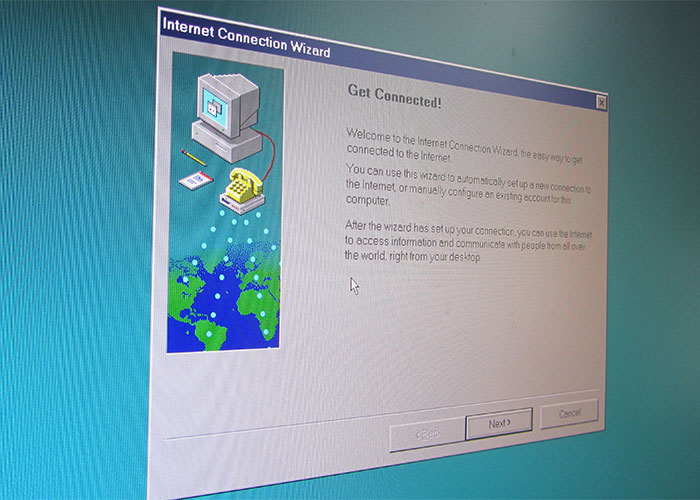
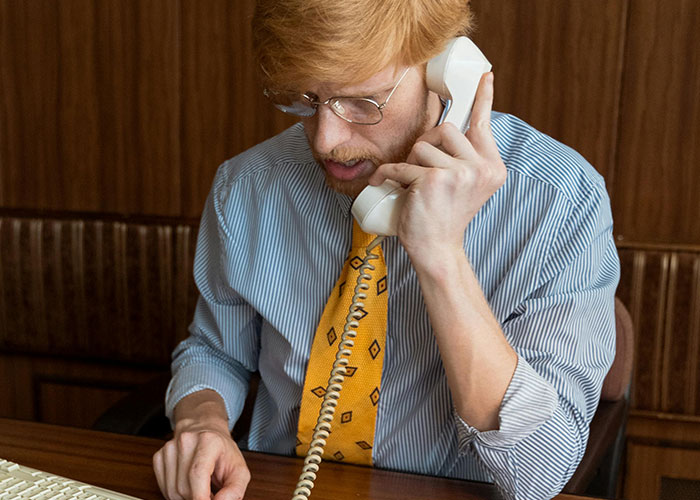
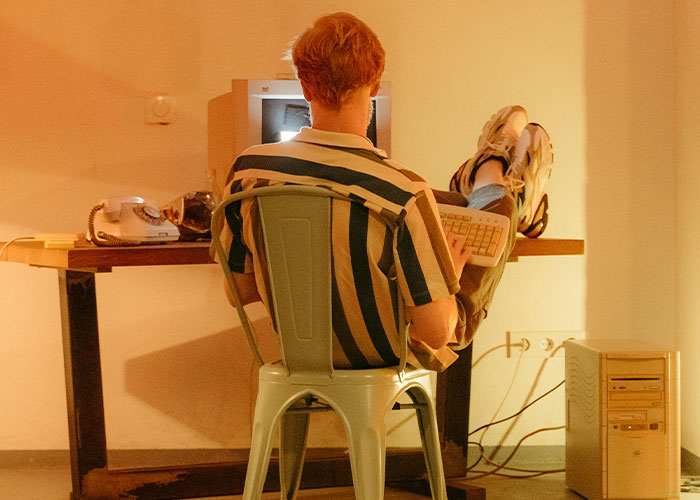
Long gone are the days when you needed a telephone line to have internet access at your home. Back in the '90s, you had to dial a specific phone number given by your internet service provider and establish a connection through a modem.
The computer then used the modem to convert digital data into analog signals that could be transmitted through a telephone line. The analog signals then went through the internet provider's equipment, which converted them back into digital data and connected the user to the internet.
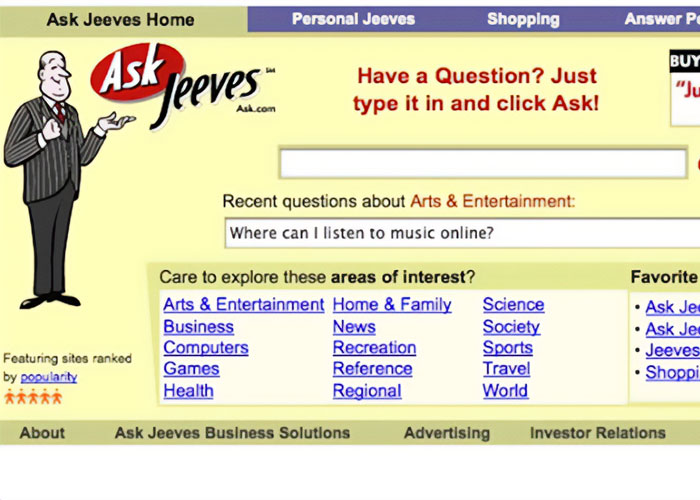
Google also wasn't always the default search engine. What we today know as Ask.com was one Ask Jeeves. Reginald Jeeves was a fictional butler from P.G. Wodehouse's comics who would answer etiquette questions from his employer, gentleman Bertie Wooster.
This predecessor to Google, Alexa, and Siri is the brainchild of American venture capitalist Garrett Gruener. He came up with the idea of a virtual concierge in 1992 and launched Ask Jeeves in 1997. People asked Jeeves all kinds of questions, from how to get rid of skunk smell to where one can find the best hotel.
 ICanHasCheezburger Its still around, but not the same at all. I can remember my mom and I howling and laughing together. She died twelve years ago and I still think about how much we fun we had with that website.
Although other search engines like Yahoo! and Alta Vista were already popular, Ask Jeeves stood out with its quirky butler character. Why did people stop asking Jeeves? When the dot-com bubble burst in 2000, advertisers fled from web development. The company reportedly lost $425 million, and in the coming years, Jeeves morphed into Ask.com.
 Learning basic HTML to pimp out your MySpace profile Bumper stickers on facebook Uploading a digital camera album of your night out Leaving moody asf away messages on AIM.
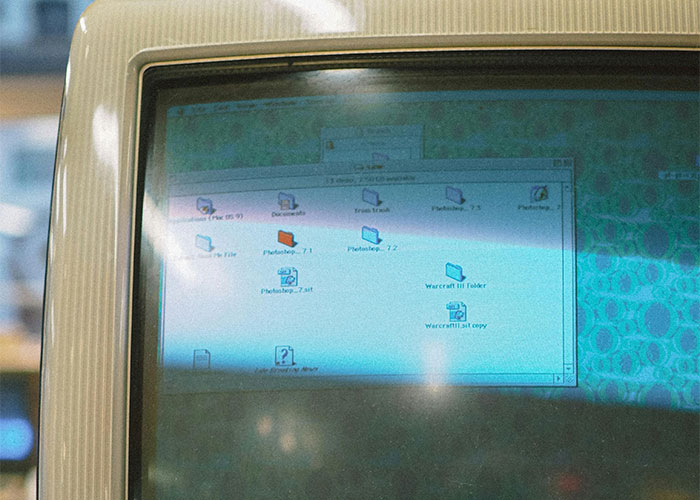 Treating chat rooms like real, physical places. Like, with an established setting and stuff. People would narrate what they’re doing in that space as they talked. Usually with a font or marker to designate the action: goes to the table and sips coffee.
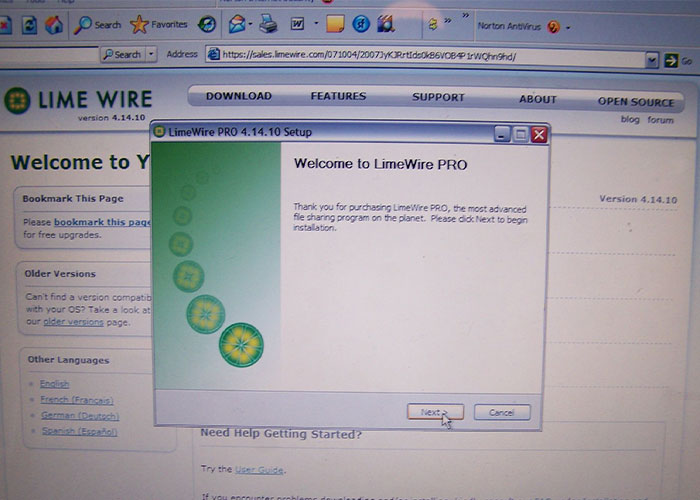
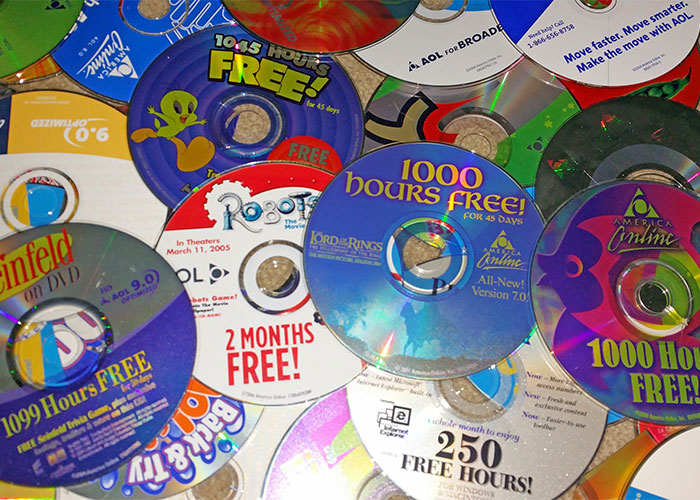
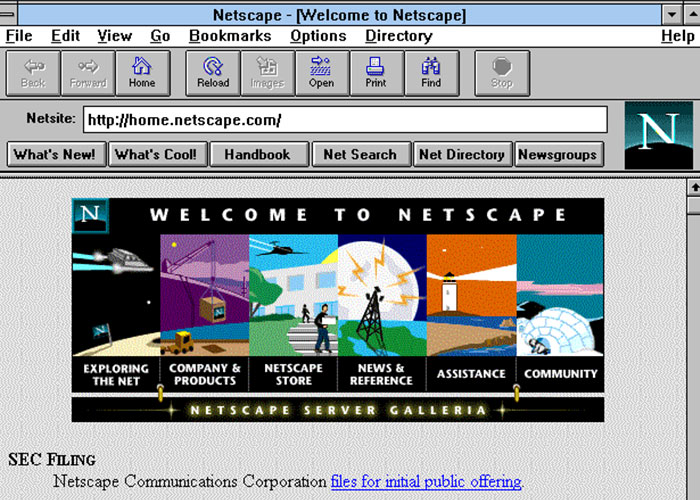
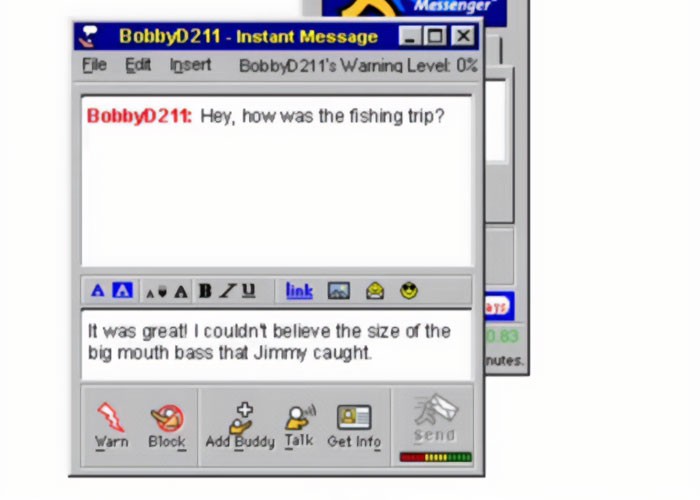
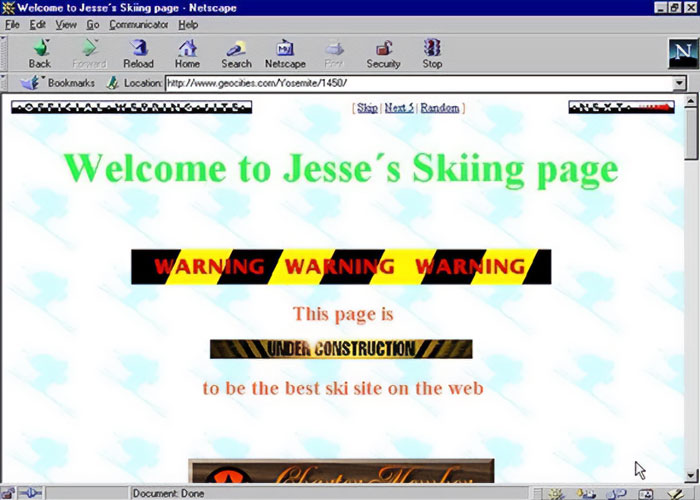
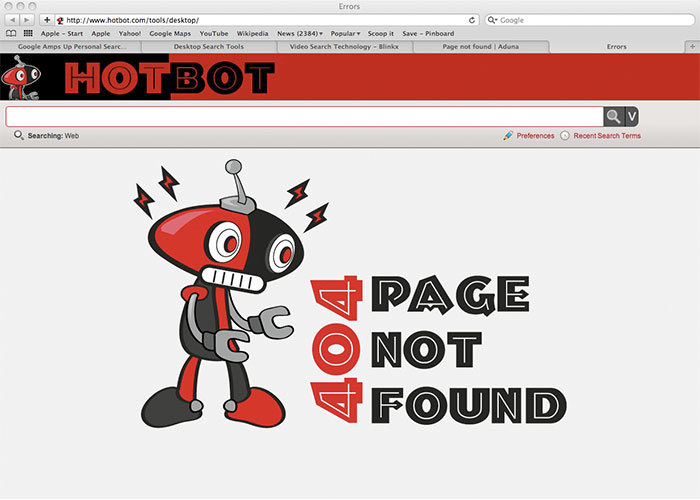 Google not existing Netscape Navigator Excite, HotBot, Lycos, Altavista, Webcrawler Amazon is just an online bookstore IRC ICQ, AIM, MSN Messenger, Yahoo Messenger, Trillian Yahoo Chatrooms Yahoo Games Usenet AOL CompuServe Prodigy NetZero Edit: More below: As u/TheOCDGeek reminded me, Juno (free email and later free internet). There were a ton of free internet services (dial-up) for a while. Most were backed by one company that I can't remember the name of. About.com Ask Jeeves Metacrawler (get results from many search engines on one page) Digg (Reddit before Reddit) StumbleUpon Webrings Guestbooks to sign Geocities (before it became Yahoo Geocities) Tripod Angelfire.





















 No fees, cancel anytime