Get Premium
Dark mode theme is available exclusively for premium users. Learn more about the benefits of subscribing.
No fees, cancel anytime.

 Dark Mode Ad-Free Browsing Unlimited Content
 Ad-Free Browsing Unlimited Content Dark Mode
Join 1.2 million Panda readers who get the best art, memes, and fun stories every week!



When you reach a certain level of income, making life easier becomes part of your routine. That can mean small conveniences, like a boiling-water tap that delivers instant hot water, or bigger ones, such as having people who save you time—cleaners, gardeners, and nannies.
The list goes on, and at a certain point, it can be hard to even imagine what that kind of lifestyle actually involves.
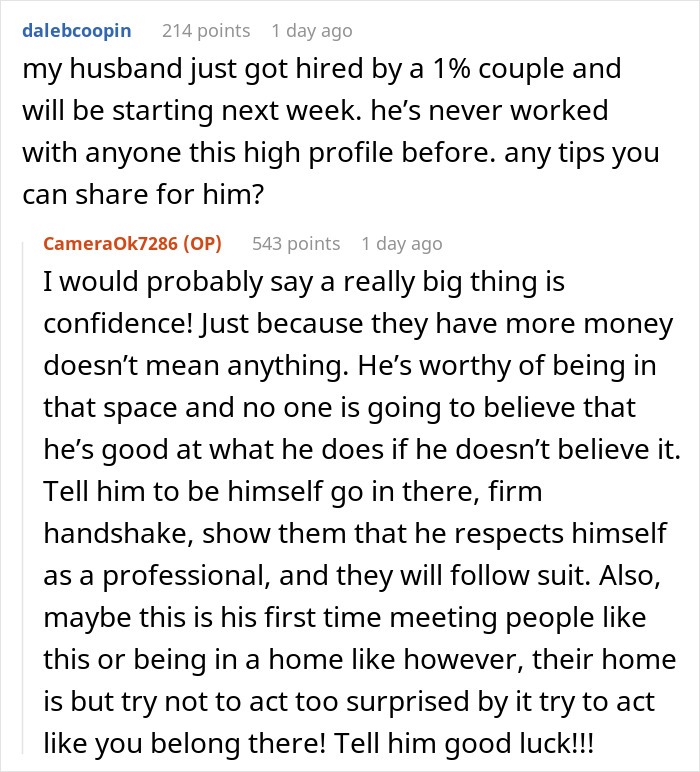
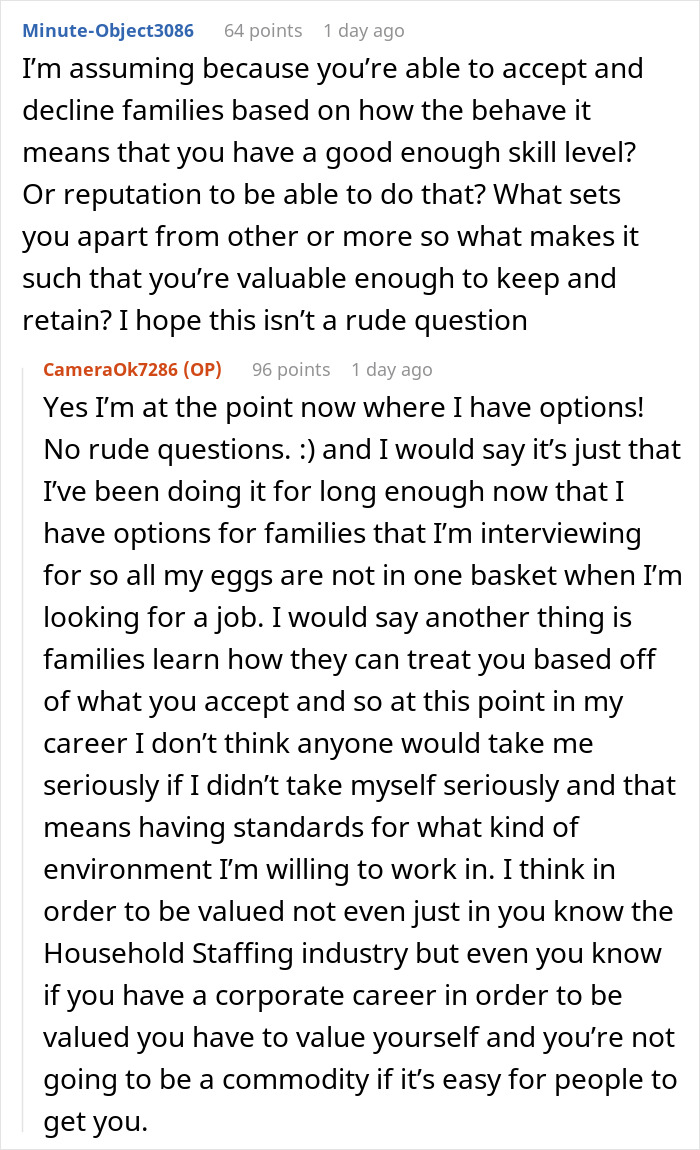
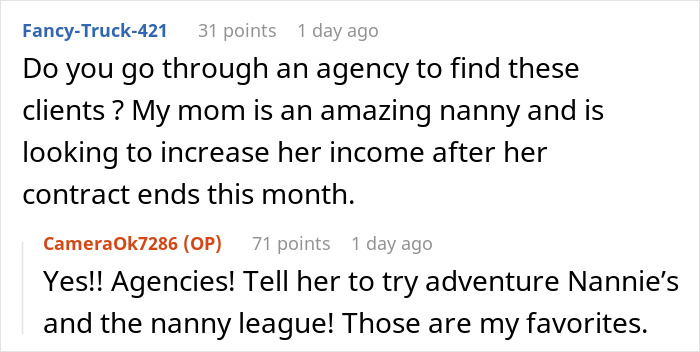
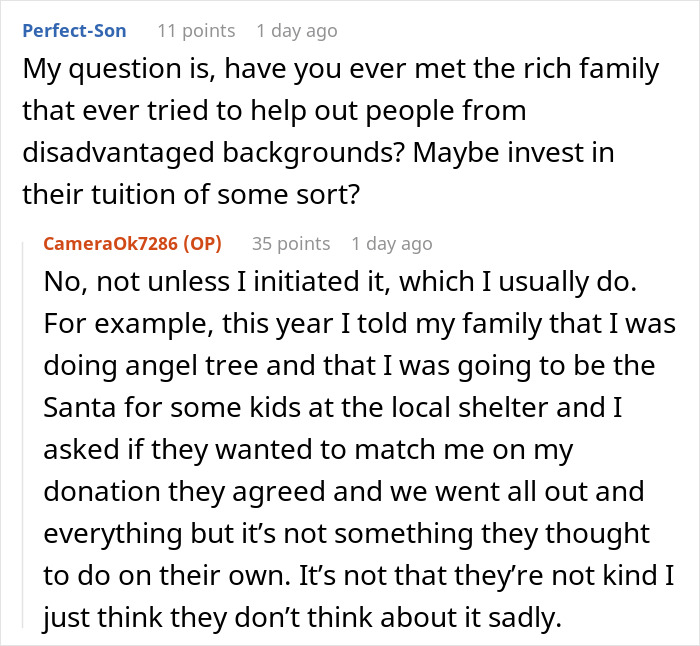
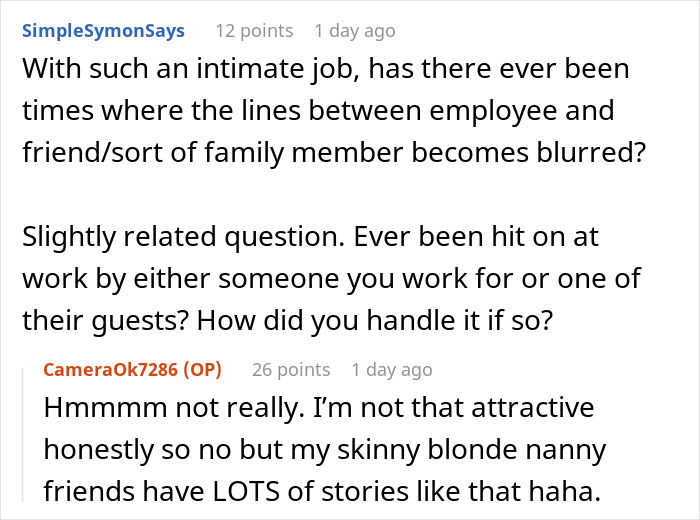
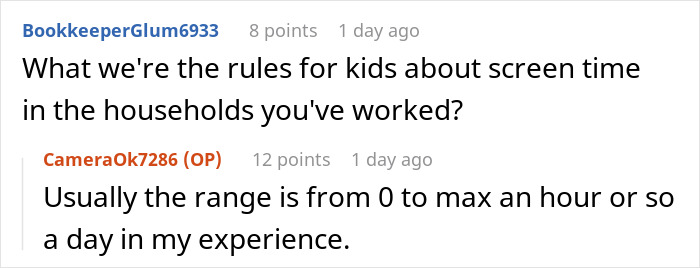
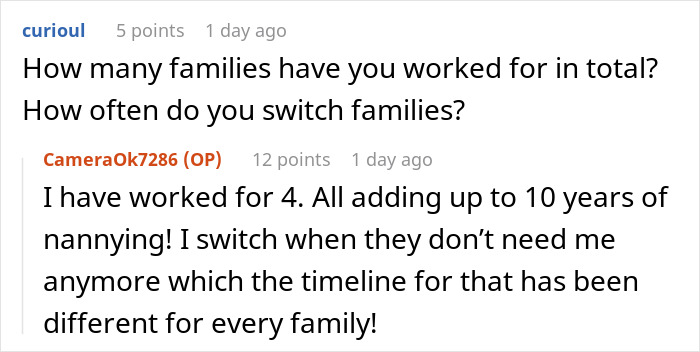
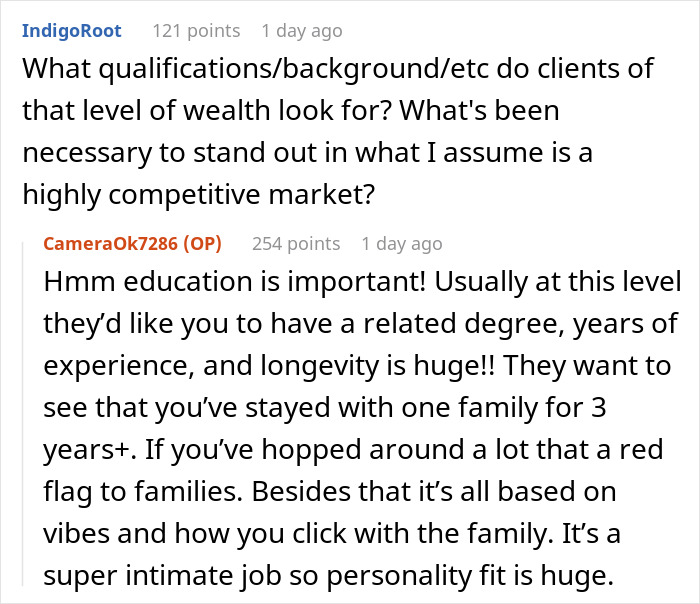
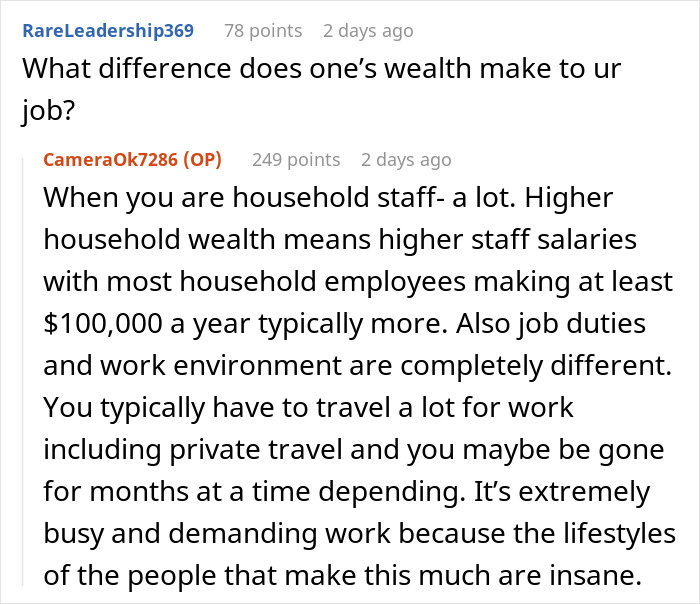
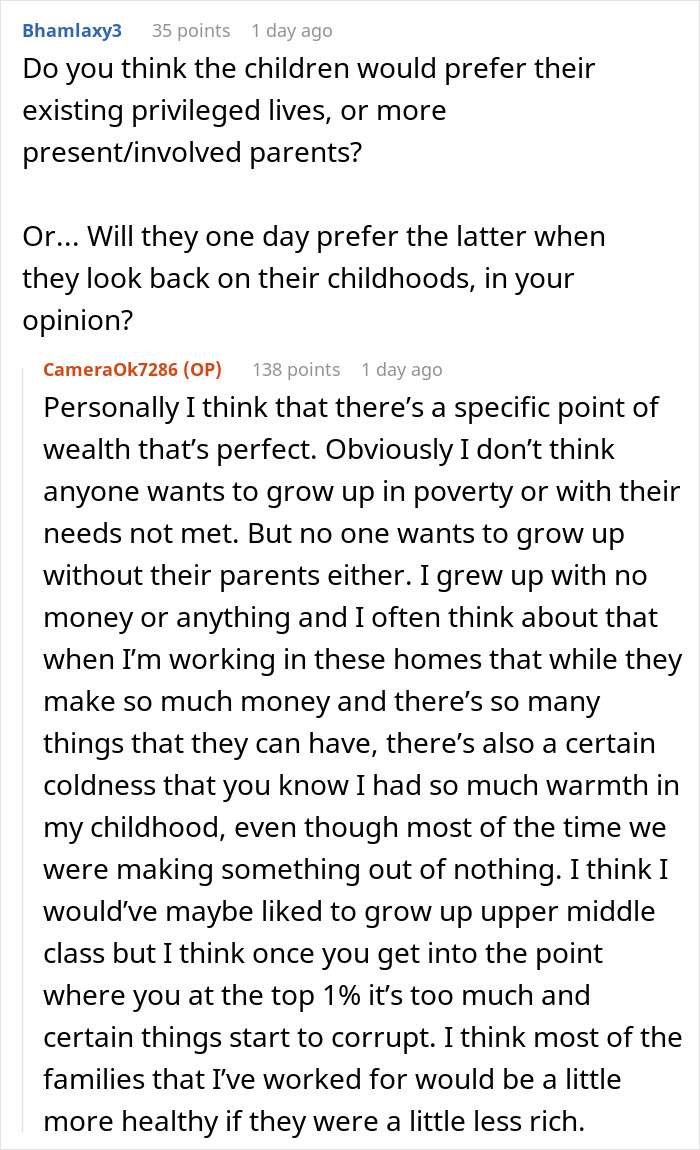
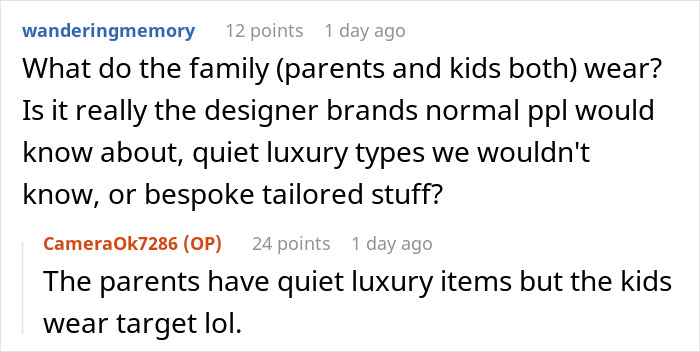
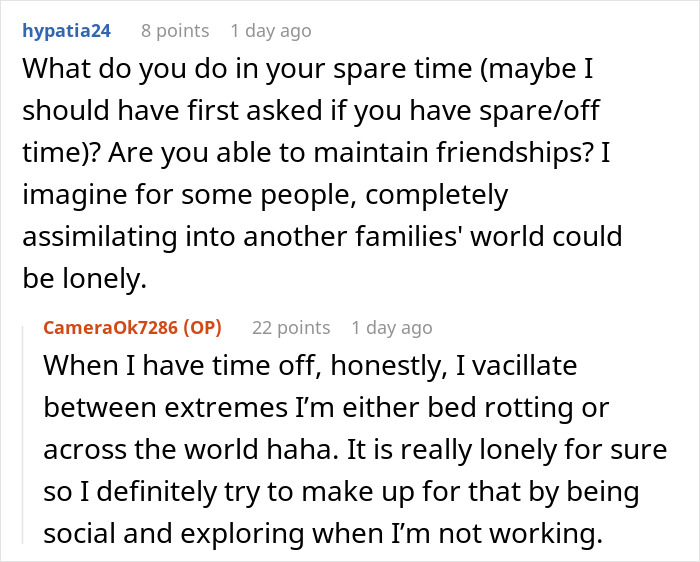
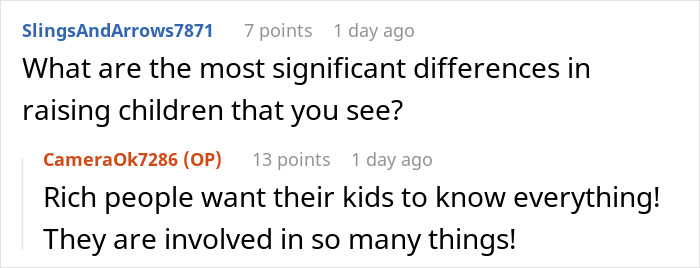
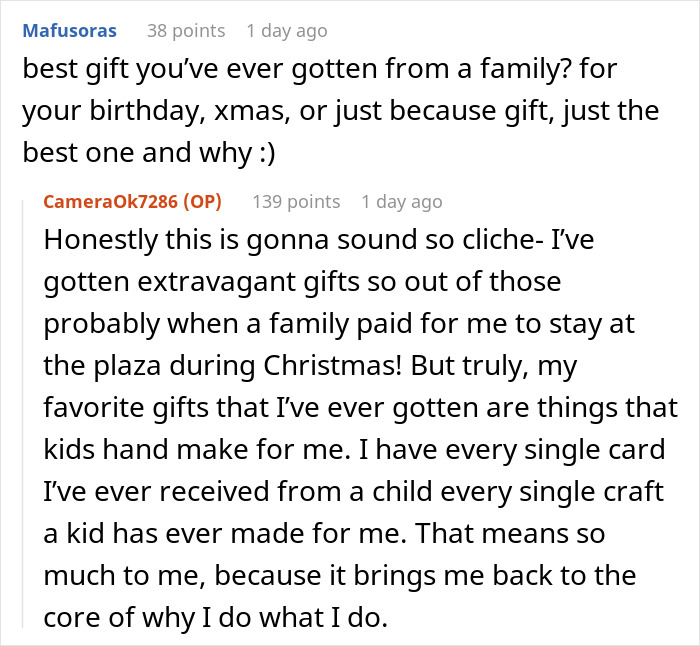
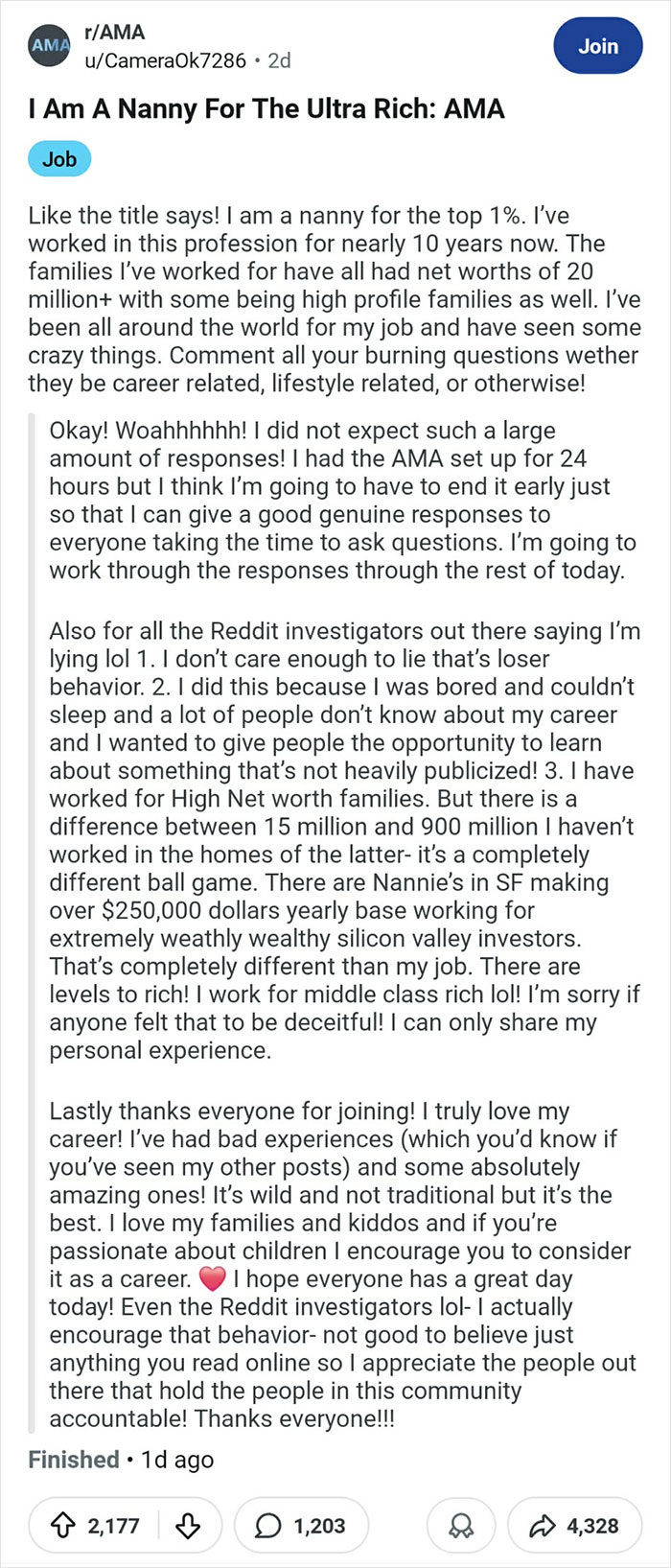
Luckily, we can get a closer look. One nanny who works for the ultra-wealthy recently took to Reddit to answer people’s burning questions about her job and what the world of the top 1% is really like. Read her candid responses below and upvote your favorites.
This post may include affiliate links.
Taking care of children is often described as a full-time job. Anyone who’s ever been around kids knows why. It demands attention, patience, creativity, and the ability to switch between roles faster than most people switch tabs. So it makes sense that people with the means to share some of that workload turn to professionals who can step in and help.

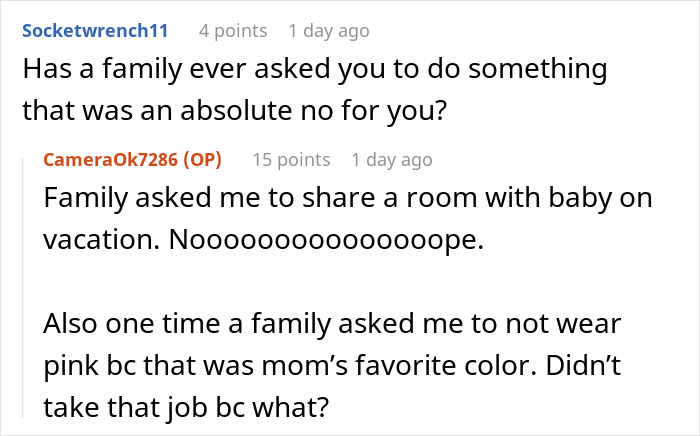
If I were the nanny, I would've been uncomfortable to find out he's on dating apps and he found me on one.

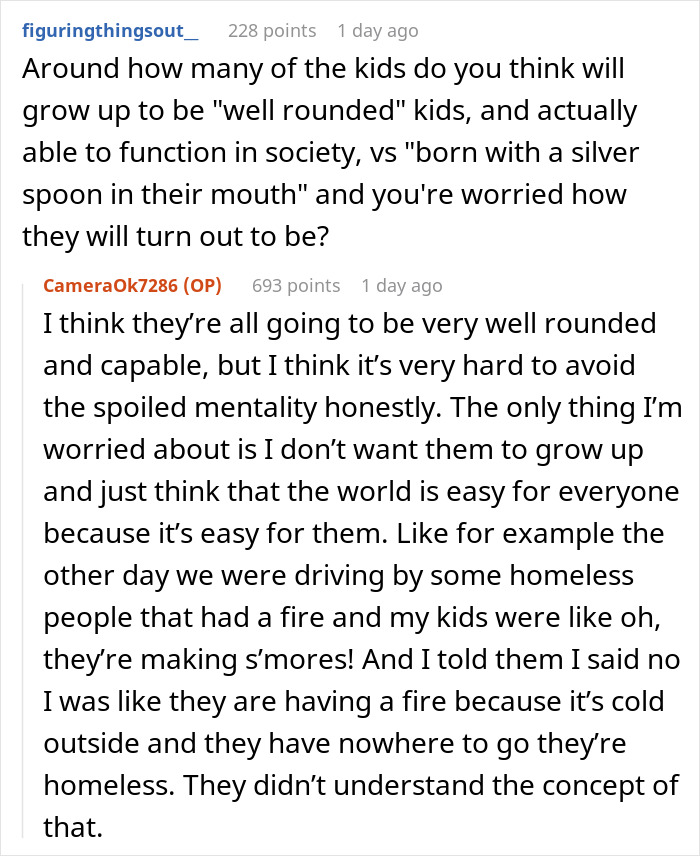
Now that’s just bad parenting isn’t it , 🥺I’ve seen rich people walk past homeless people like they are the scourge of the earth , it’s disgusting truely x
And there’s no single way to do that. The childcare world has many paths, and while the goal is the same—helping raise kids—the roles vary. The three most familiar ones are nannies, babysitters, and au pairs, each with their own responsibilities and expectations. But people often mix them up or aren’t fully sure what sets each role apart, so let’s break them down and take a closer look.

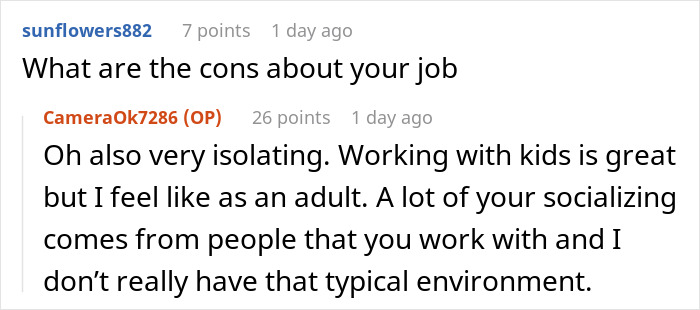
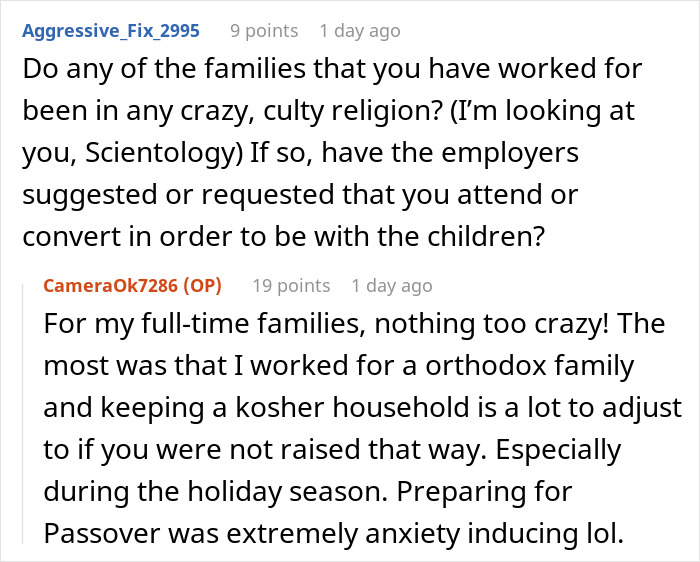
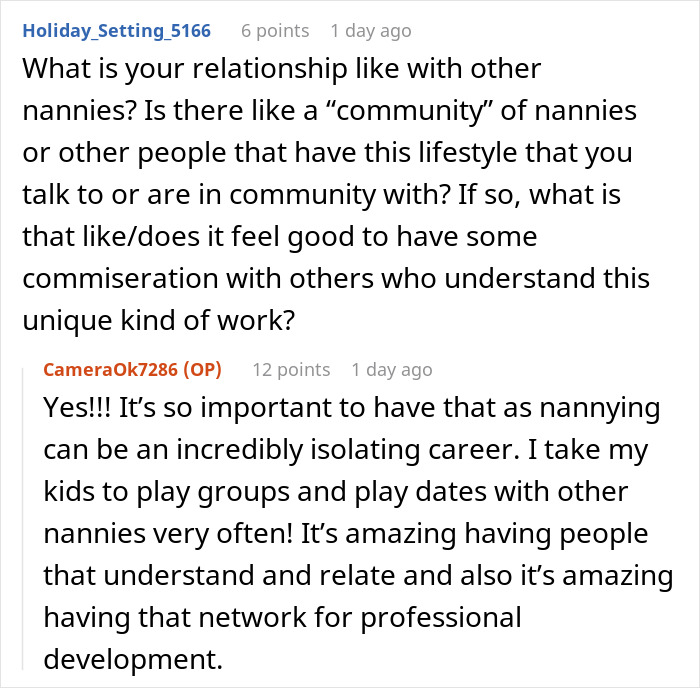
That's how I feel about my job. I run an after school care, single staffed, and sometimes I feel like I haven't talked to an adult all day (except brief hello/goodbye to parents). I love working with kids and find it easier to talk to them than adults, but it does sometimes feel isolating.
Nannies are often long-term caregivers who become closely involved with the family, Premier Nanny Source explains. Their work goes beyond keeping an eye on the children.
Depending on what’s agreed between the parents and the nanny, they might cook meals, help with homework, or drive kids to school and activities. What makes the role stand out is the personalized, consistent approach they bring to childcare.
“They’re responsible for the emotional, physical and intellectual growth of the child,” Helen Adeosun, veteran nanny and founder of CareAcademy, told Rasmussen University.

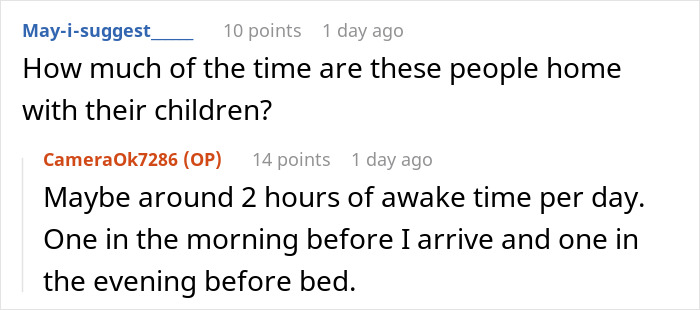
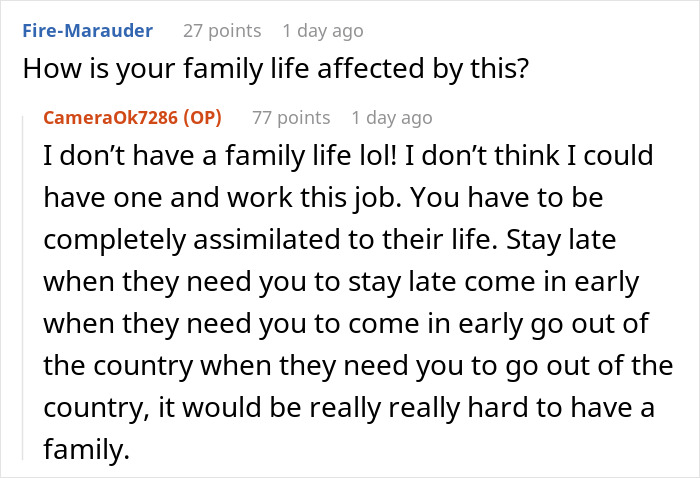
That's about how much time a working parent gets with their kids too. When I was working 12 hour days, I would get 2 hrs in the morning before school/work and 2 hrs in the evening after work before bed. Granted, we got a lot more time together on my days off, and to get those 2 hrs with him I'd wake up at 330am and keep him up past his bedtime just to spend time with him. I doubt these parents are doing that.
Rasmussen University also notes that experienced nannies pay close attention to a child’s development and will make adjustments based on the child’s needs. One day might involve inventing a game to help a toddler practice motor skills, another guiding a preschooler through early letters, and another noticing the subtle signs that a baby is ready to try solid foods.
For many people, nannying isn’t a side gig, it’s a long-term profession. Those who want to excel often invest in training and education to broaden their skills. Parents may look for qualifications such as:
Babysitters, meanwhile, focus on temporary care. According to Premier Nanny Source, their main role is to keep children safe and looked after while the parents are away. They might play, read stories, or help with bedtime routines, but they’re usually brought in for shorter periods rather than ongoing day-to-day involvement.
Their schedules tend to be flexible, which is why families often rely on them for evenings or last-minute needs. Even if a babysitter’s involvement is brief, families still rely on them for their ability to connect with kids and handle whatever comes up in that short stretch of time.
Au pairs are a whole other, and very interesting, path in childcare. The term comes from French and means “on equal terms,” reflecting the idea that the person becomes part of the household while helping care for the children. Au pairs are usually young adults between 18 and 26 who travel abroad to experience everyday life in another country while supporting a host family in return.
According to Au Pair in America, they live with the family and help with daily childcare, sometimes while taking college or enrichment courses. In the United States, an au pair can work up to 45 hours per week on a schedule set by the family. Because they share the same home, they’re often around when plans change at the last minute, such as a snow day or a canceled event.
The arrangement is meant to offer something valuable to everyone involved. The au pair gets a chance to explore another culture from the inside, and the host family welcomes someone who brings new perspectives, foods, stories, and traditions. Children often pick up phrases or habits that come from the au pair’s home country, and those little influences can stay with them long after the year is over.
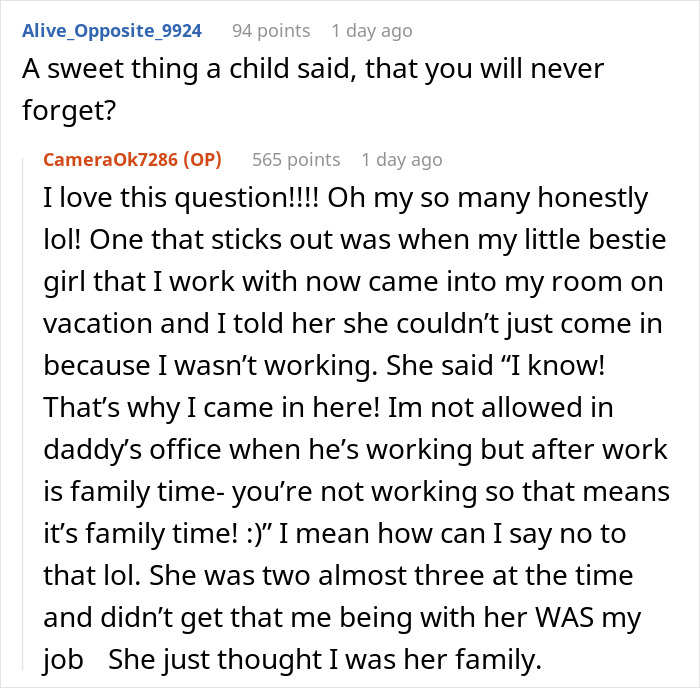
When I got my main nannying job, I spoke to the mum briefly a school pick up (I was picking up my sister who was in the same class as one of her kids) and then we walked home together. What really made her hire me though was the fact her youngest warmed to me immediately and spent the walk holding my hand while we sang 'This is the song that never ends'. Very different process to a higher paid nanny.
Put all this together, and it’s clear that childcare is as varied as the needs of the kids themselves. It asks a lot from the people who do it—not just keeping children entertained and cared for, but making sure they feel secure and are well looked after. So here’s to everyone in childcare who helps little (and not-so-little) ones stay supported and happy.

That's one of the things I'm most grateful for being lucky enough to have the possibility to do/learn when I was a child - and the variation of things we did. Nothing crazy but the opportunity to take up any activity (in sports, music, arts, extra education, etc.), learning languages, going places and learning and experiencing different cultures is such a privilige that I wish everyone could afford. However, there was always that "bubble" even if you try to avoid it, and which can also burst with horrible consequences later.

This makes me laugh because there was a story on Reddit awhile back where the nanny complained that the parents were having s e x in their room while she was in the house. The nanny (believe it or not) told them it made her uncomfortable and should stop. To no one's (but the nanny's) surprise they fired her.
I sometimes wonder what my nannies thought of me. I was a mix of very empathetic and involved in causes (especially indigenous and refugee rights and trauma and addíction support). Wanted to be a social anthropolgist at the age of six but as I grew up I felt I could do more being a human rights lawyer or work in international relations. It can be very frustrating and don't ever think things can easily be solved, otherwise they would have been already (but do have passion!). I grew up in that world so I had no illusions and unrealistic hopes, which I saw in a lot people starting their education. Anyway, I could also be quite spoilt (not so much for material things but more about what I wanted to do or not do), and apparently quite attention seeking. Now I want no one to see me... It must have been a very tiring job! I loved them all and learned so much from them, afterall I spent so much more time with them than my parents. I'm still in contact with the ones who have not passed.


Sounds like the perfect job for me. Except the kids part. I hate kids

Perhaps there is a market for dog nannies as well?!
Load More Replies... I sometimes wonder what my nannies thought of me. I was a mix of very empathetic and involved in causes (especially indigenous and refugee rights and trauma and addíction support). Wanted to be a social anthropolgist at the age of six but as I grew up I felt I could do more being a human rights lawyer or work in international relations. It can be very frustrating and don't ever think things can easily be solved, otherwise they would have been already (but do have passion!). I grew up in that world so I had no illusions and unrealistic hopes, which I saw in a lot people starting their education. Anyway, I could also be quite spoilt (not so much for material things but more about what I wanted to do or not do), and apparently quite attention seeking. Now I want no one to see me... It must have been a very tiring job! I loved them all and learned so much from them, afterall I spent so much more time with them than my parents. I'm still in contact with the ones who have not passed.
Sounds like the perfect job for me. Except the kids part. I hate kids
Perhaps there is a market for dog nannies as well?!
Load More Replies...




























 No fees, cancel anytime