Get Premium
Dark mode theme is available exclusively for premium users. Learn more about the benefits of subscribing.
No fees, cancel anytime.

 Dark Mode Ad-Free Browsing Unlimited Content
 Ad-Free Browsing Unlimited Content Dark Mode
Join 1.2 million Panda readers who get the best art, memes, and fun stories every week!
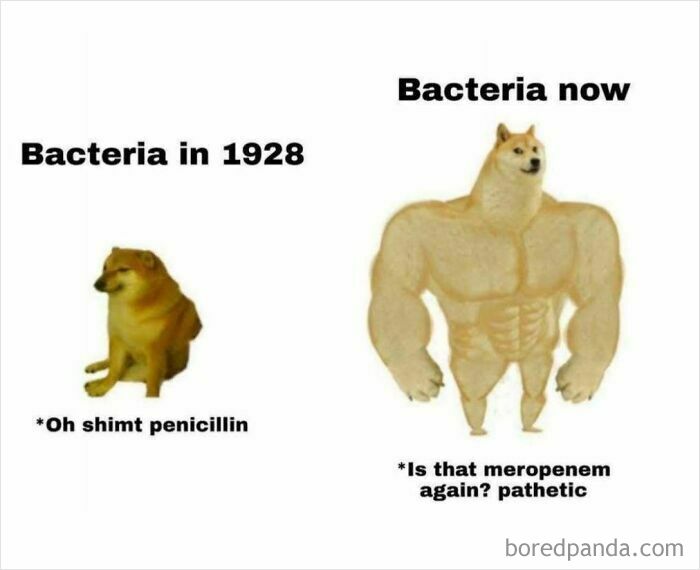
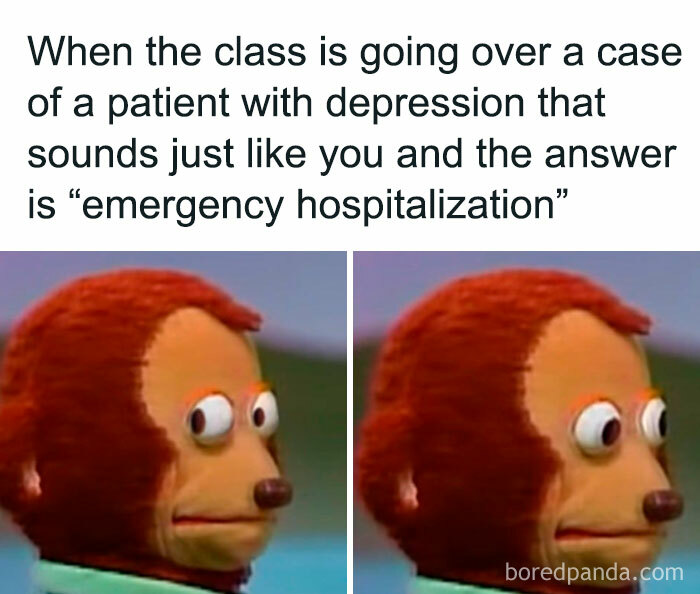
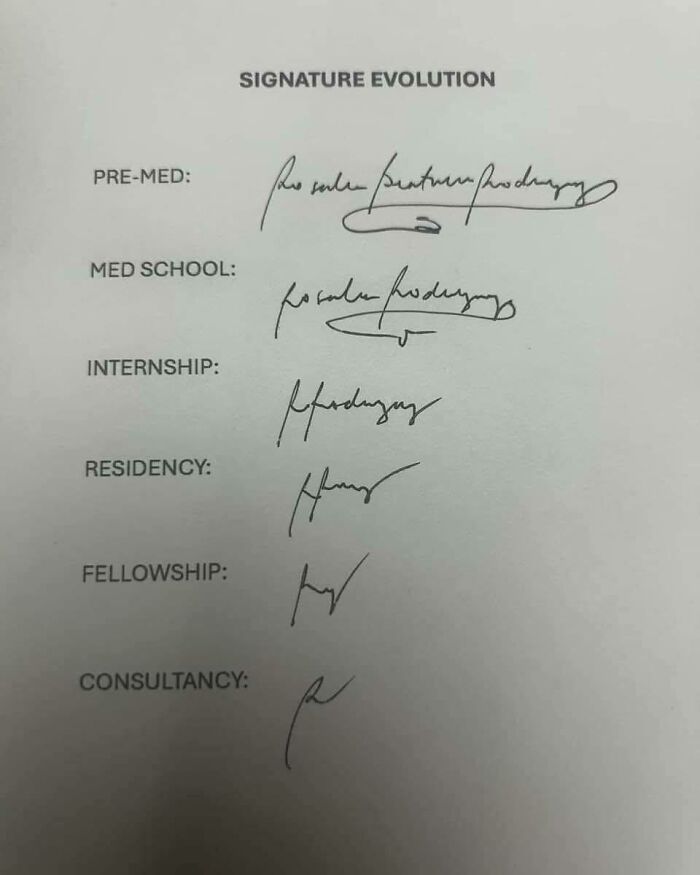
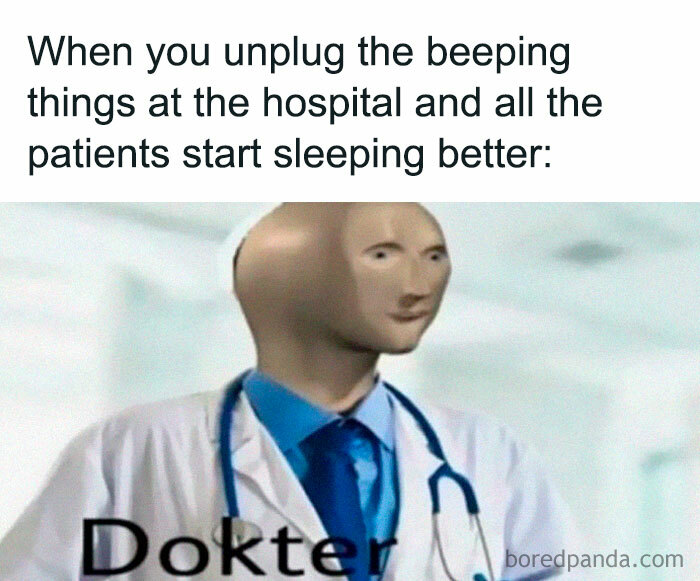
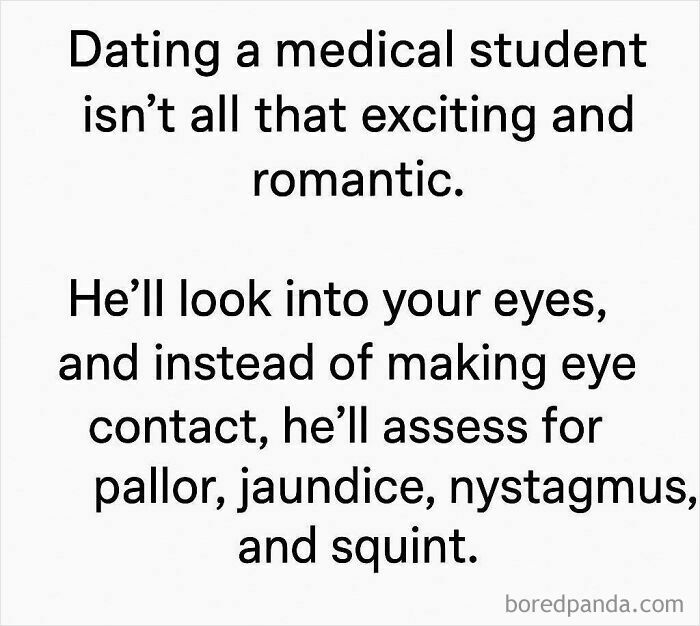
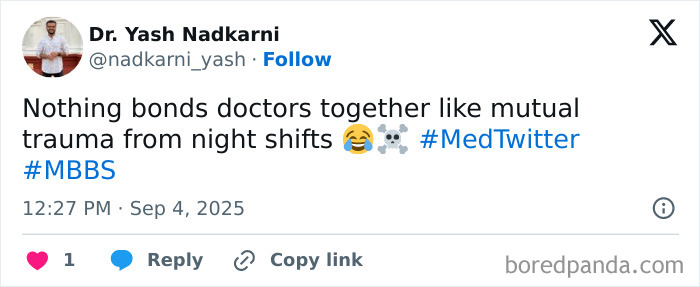
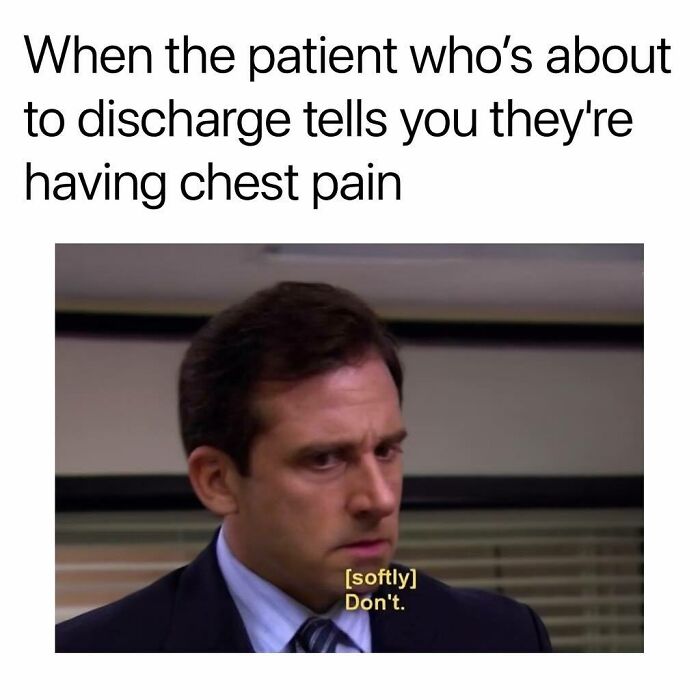
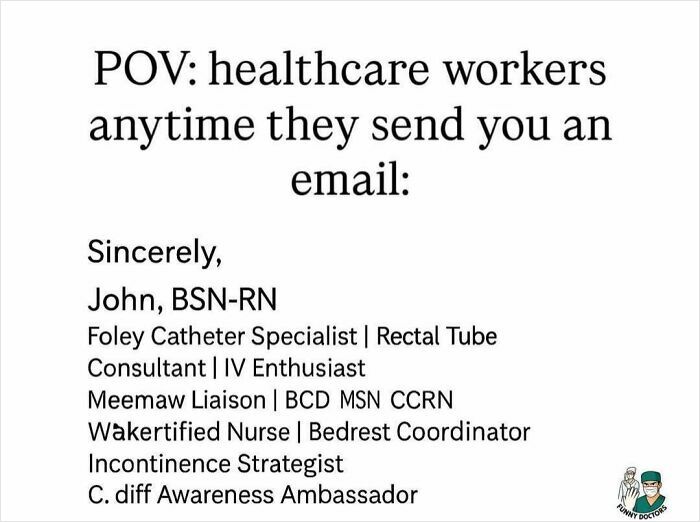
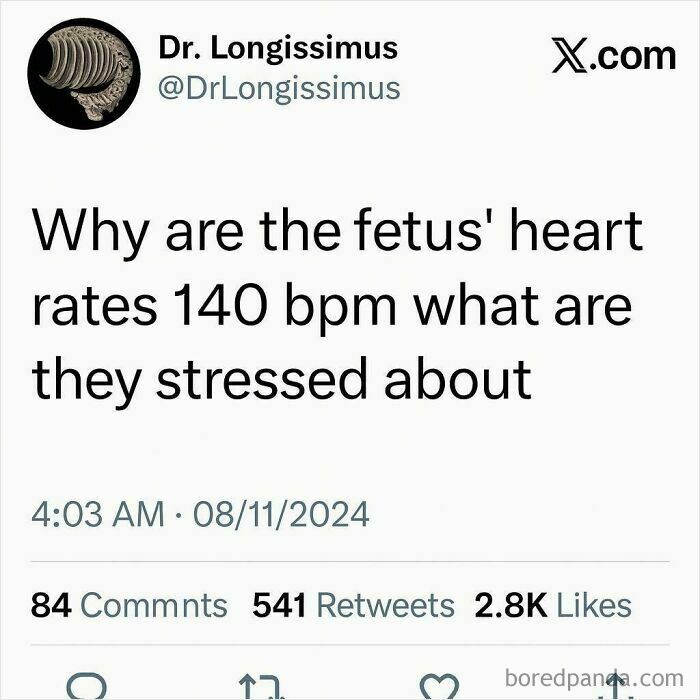
While most of us don’t really think about hospitals as funny places, it’s still, for many people, just a place where they work. In fact, in the US, it’s one of the most quickly growing employers. So just like every other sphere of human life, there are going to be folks making memes about it.
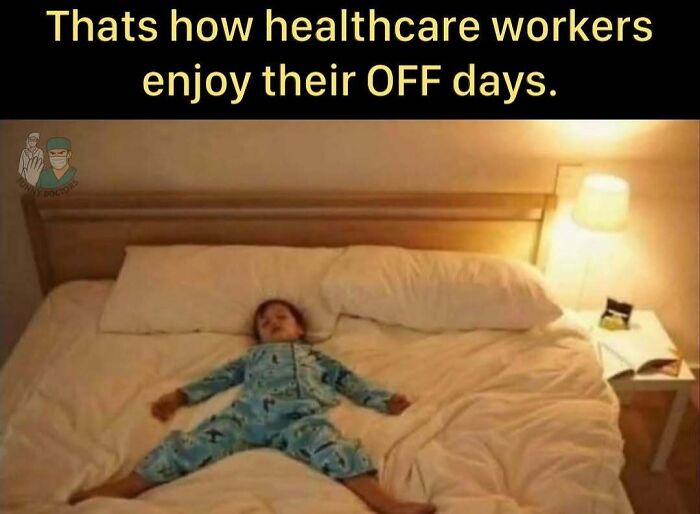
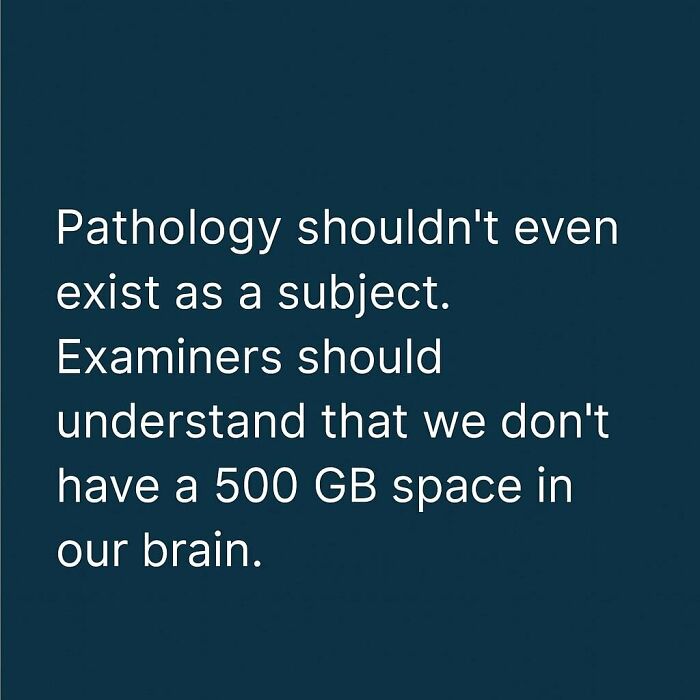
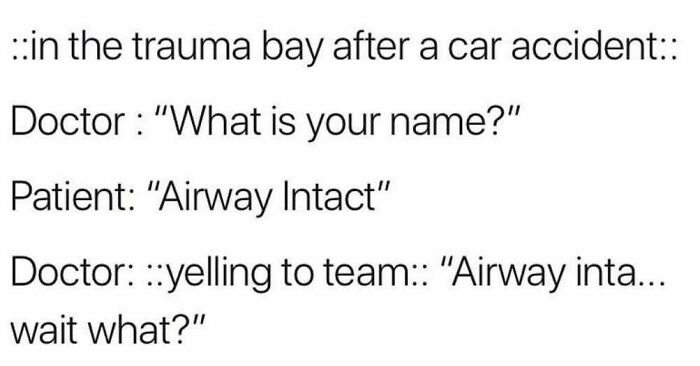
The “funny doctors” Instagram page is dedicated to hilarious memes about the trials and tribulations of working in medicine. So get comfortable as you scroll through, upvote your favorites and be sure to share your thoughts and experiences in the comments section down below.
This post may include affiliate links.
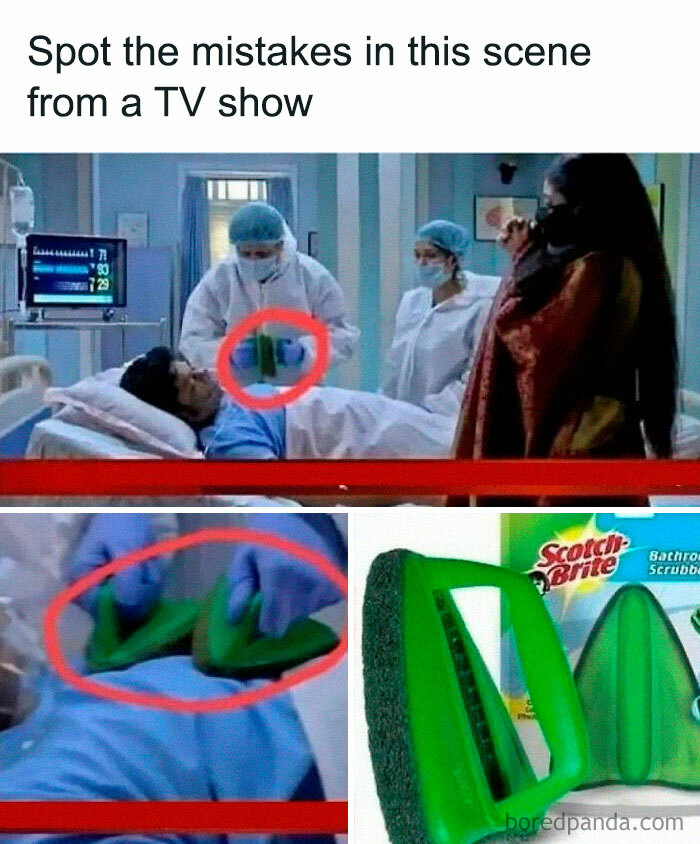
People want to believe that hospital work is exactly like TV. In their fantasies, doctors race into rooms with fabulous hair and genius diagnoses, nurses crack wonderful jokes as they hang IV bags, and every crisis gets resolved in sixty minutes, just in time for a slow-motion walk down the hall to inspirational music.
The truth? Hospital hallways do not have dramatic lighting, inspirational music does not begin to play, and the nearest thing to a grand finale is when, after a few tries, the vending machine will accept your crumpled five-dollar bill.
One of the biggest misconceptions is that hospital staff spend their days in non-stop emergencies. While life-or-death crises do take place, much of the work involves paperwork. Mountains and mountains of paperwork. Entire forests have been decimated to the cause of forms that must be filled out in triplicate. There are also hours of waiting: waiting for labs, waiting for consults, waiting for a printer that's been "jammed" since 2012. It is not the glamorous montage that people perceive.
Another popular myth is that hospital workers know absolutely everything. Ask about a rare tropical parasite found in only three people in history, and people are surprised when the response is, “Let me check.” In reality, the phrase “I’ll look that up” is as vital a tool as a stethoscope.
Medicine changes constantly, and no one has the entire medical encyclopedia in their head. Google may not be an option on the hospital computers, but let's just say "consulting the system" is a bit of a euphemism for the electronic alternative.



kinda like?? To me, EXACTLY THE SAME. No offence, though

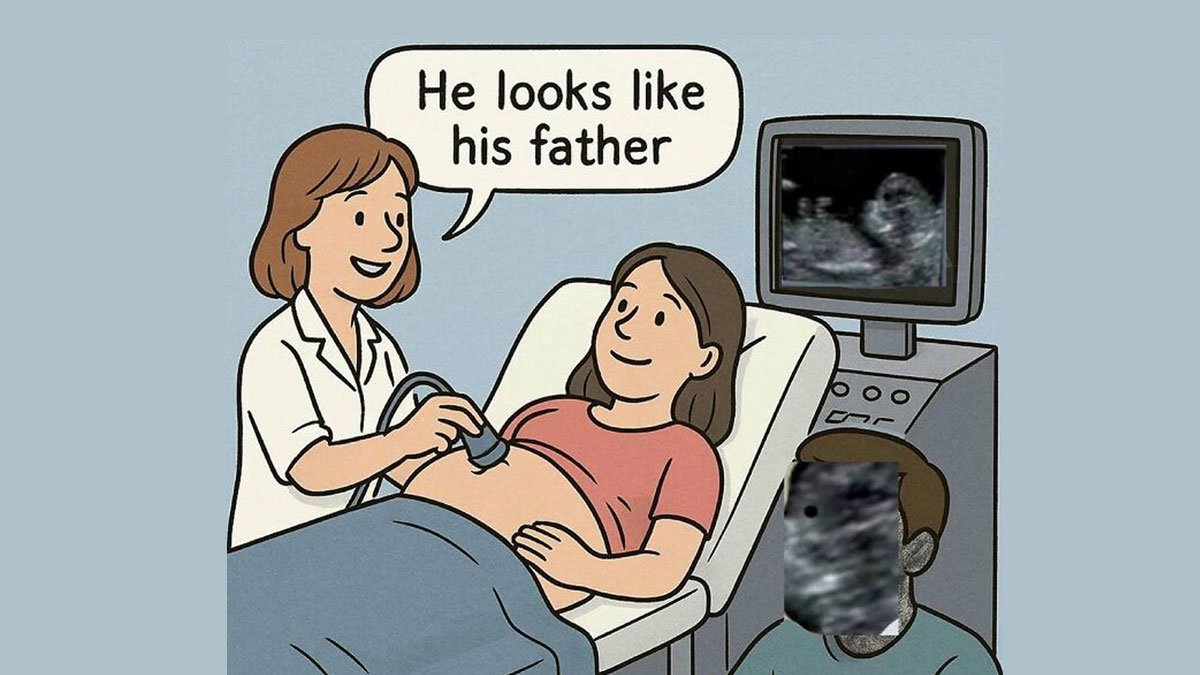
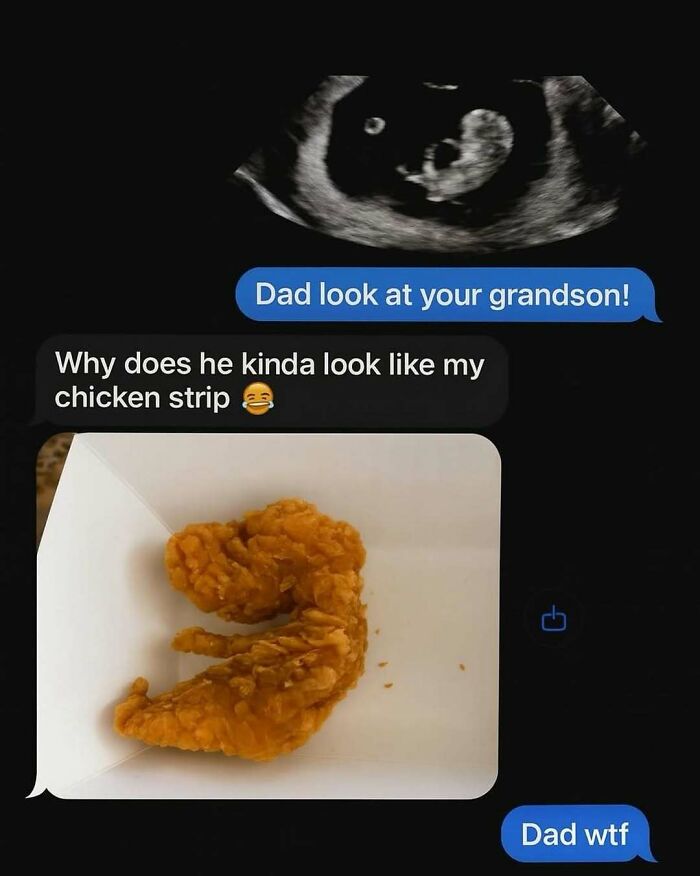
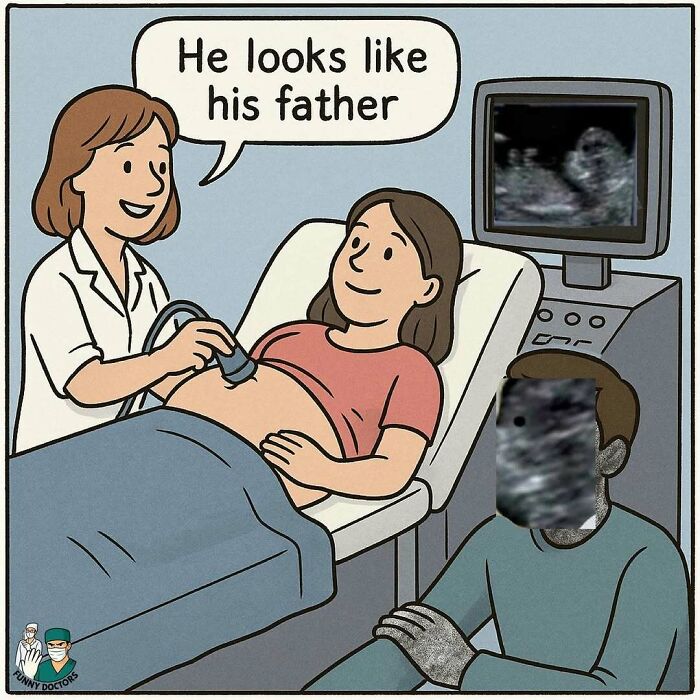
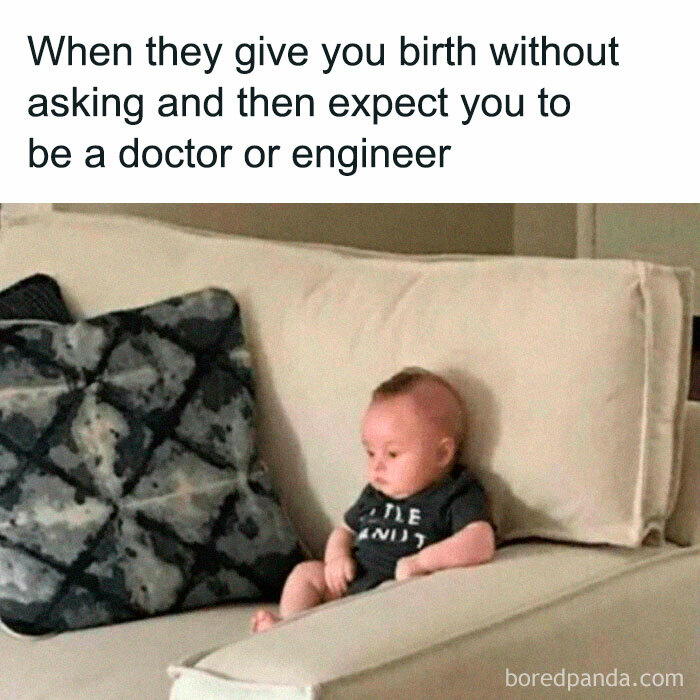
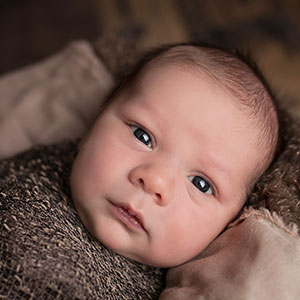
When they come out, they look like a bloody potato. "Who does it look like? Mom or Dad?" Me: "I duunow, it looks like a bloody potato!" "I'll bet it's so cute! Me: "Well, if you think a bloody potato is cute then, you do you!"
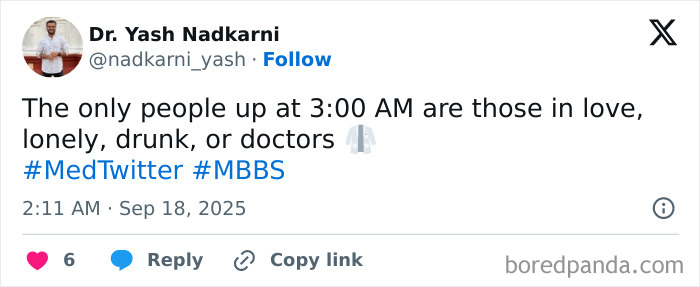
Then there's the idea that all hospital employees are cool, calm, and collected every minute of every day. Of course, workers are trained to be calm, but a lot of times calm looks like gallows humor whispered around the break room at 3 a.m.
Or sprinting down the hallway to catch a patient who decided to "stretch their legs" while attached to half of the cardiology department. Sometimes calm is being able to nod gravely while a patient explains that they sustained their injury in "a dispute with a raccoon."

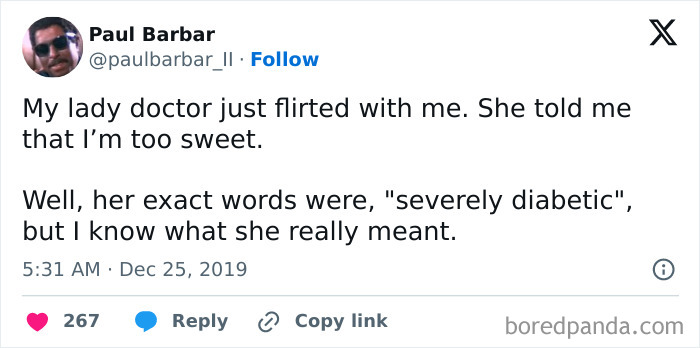
My dad always put "lady" before professions he didn't think women should be in. Every time he said he saw a lady doctor, I feigned confusion and asked why he needed a gynecologist.
Patients, though, are not the only font of unpredictability. Hospitals themselves have an appetite for chaos. Lifts seem to have secret laws of their own. Alarms go off at random, screaming like the soundtrack of a sci-fi horror movie, to be switched off without comment.

I have no idea who is Dr and who is not at any given medical situation, so just try to be patient and kind to everyone, and be firm and polite but not mean if you need something and are having a hard time getting the appropriate response
The quest for pens is a constant endeavor: pens get sucked into a parallel universe, and the one left on the ward is always bent beyond recognition. If hospital TV shows were realistic, entire storylines would be devoted to finding a working thermometer.
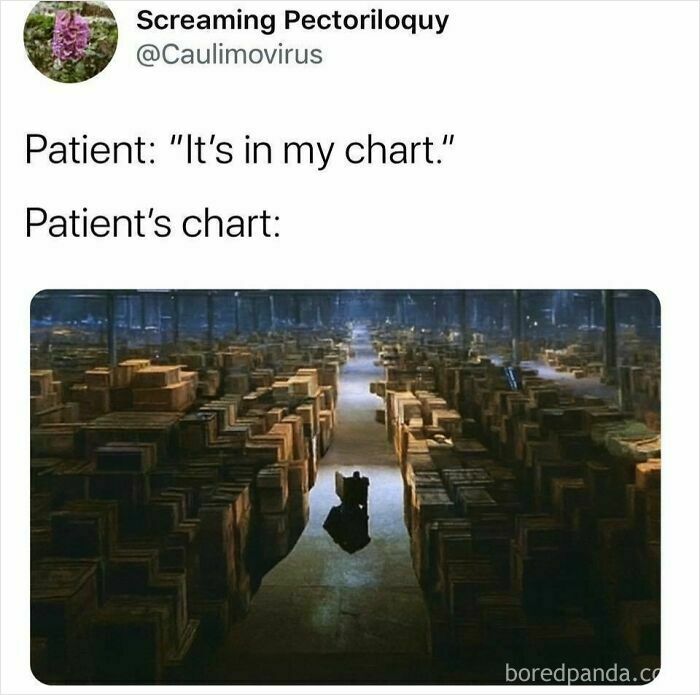
"Well, I take a white pill and 2 of the little ones at night. They gave me another one but it bothered my stomach, so I only take it when I need it. Can I get more of the white ones?"
And let’s not forget the food. People assume hospital cafeterias offer some sort of balanced, health-conscious cuisine. In reality, you’re more likely to find a suspicious casserole that looks the same on Monday as it does on Friday, or pizza that could double as construction material. Staff don’t eat because it’s gourmet, they eat because it’s there, and because lunch breaks are mythical creatures rumored to exist but rarely spotted in the wild.
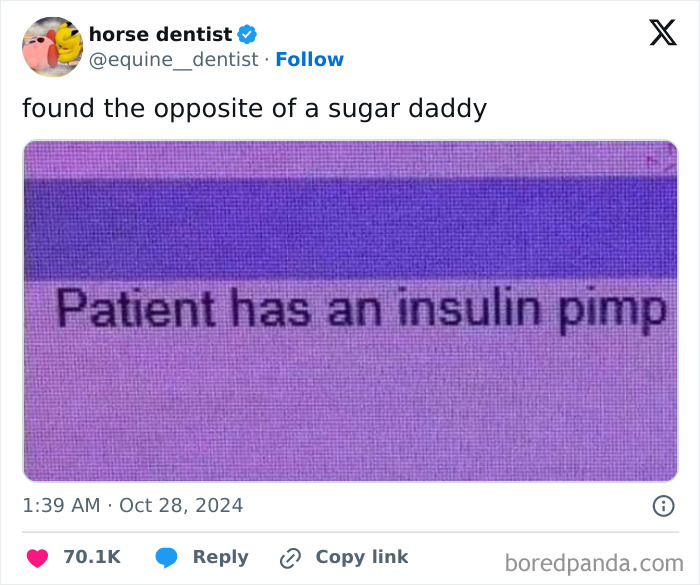
I feel this. I think I qualify to be a Field Combat Engineer? I play with hazardous chemicals
So indeed, hospital life is heroic, rewarding, and sometimes just plain dramatic. Yet it is also full of absurdities that no medical drama could ever possibly capture, the caffeine-powered staff who haven't had time to sit down in hours, the 2 a.m. debates about whether the vending machine snacks are a balanced diet, and the constant chorus of "has anyone seen my pen?" In the end, the misconceptions are humorous because the reality is messier, louder, and far more human, and that's what gets hospitals functioning at all.
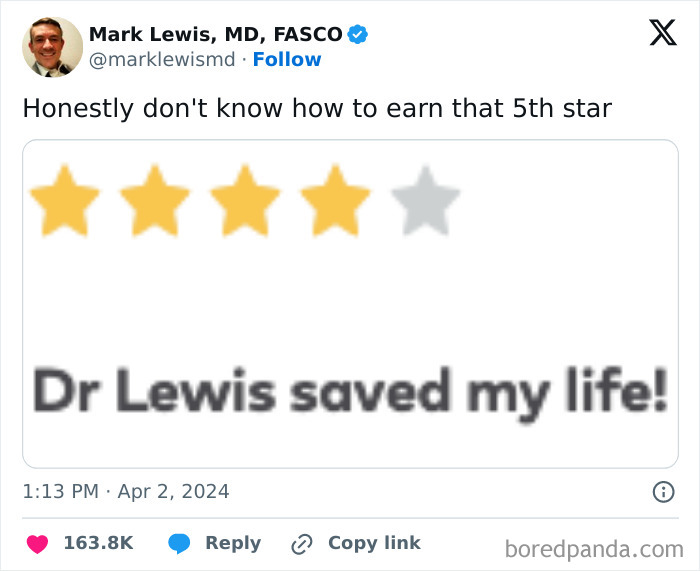
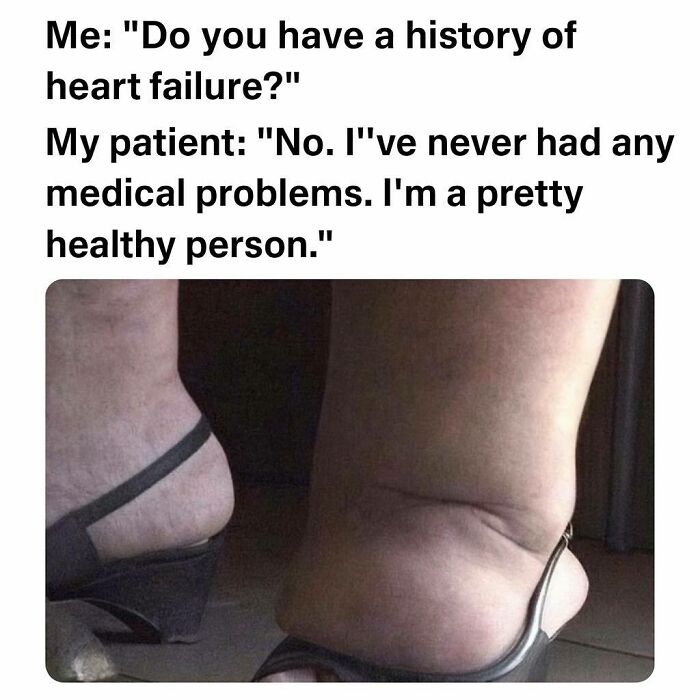
I'm the healthiest person the medical field has ever seen, Just remarkable, never been anyone like me.

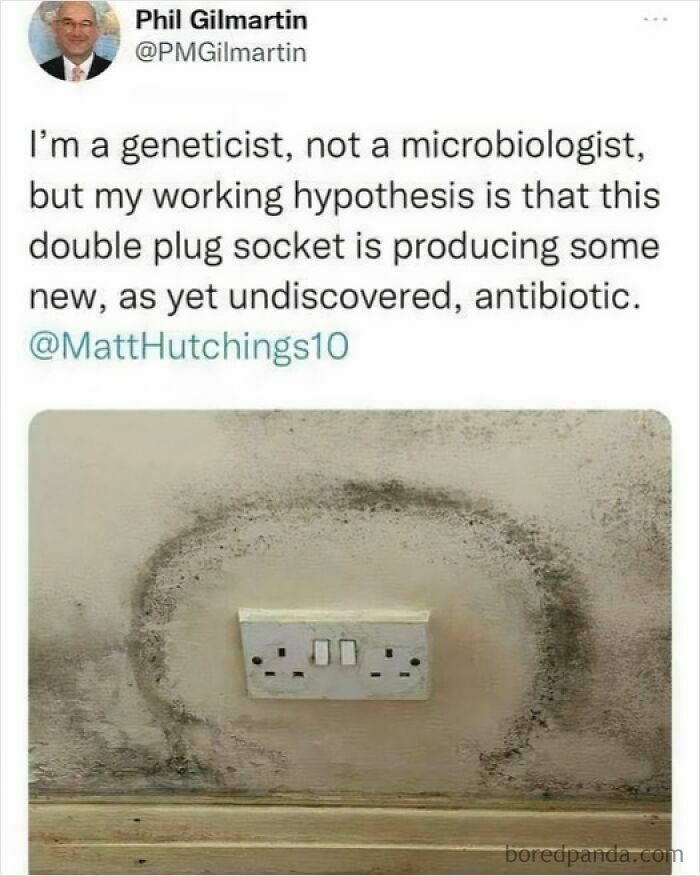
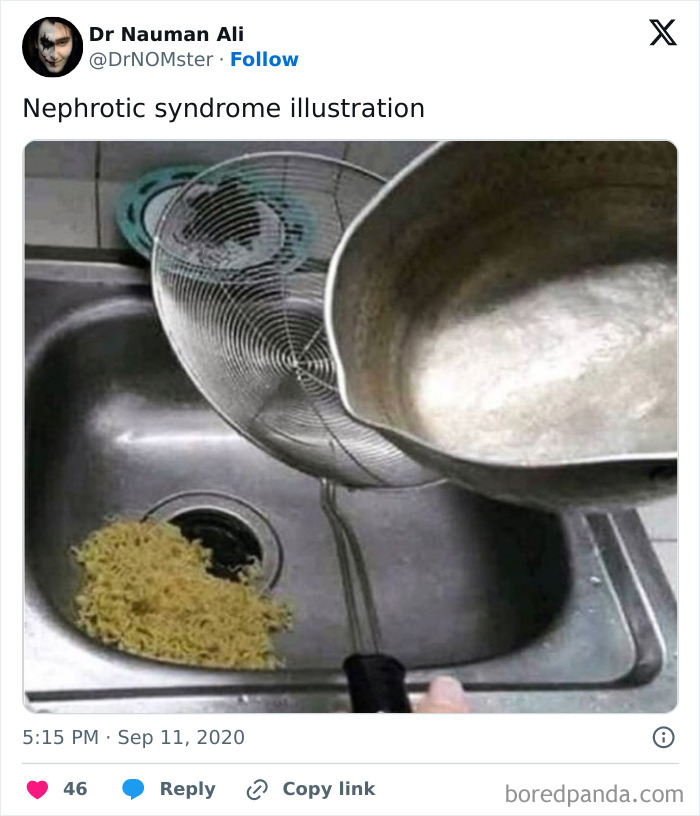
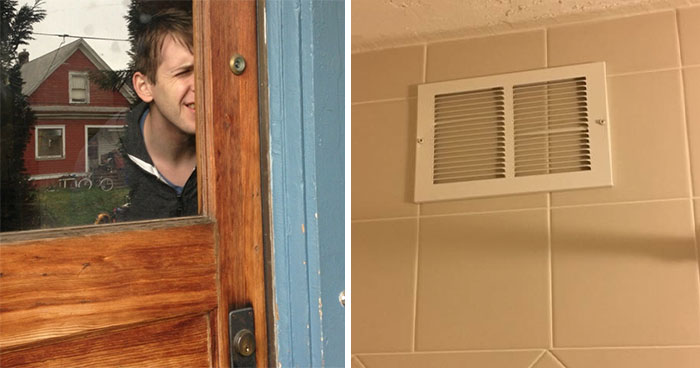
It’s heat from the outlets keeping that area less damp than the rest
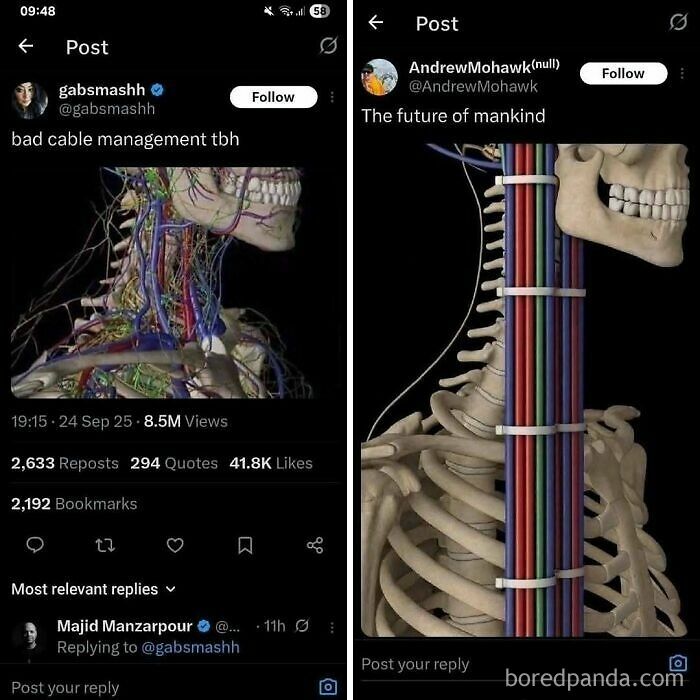
As we all know, the brachial plexus is a network of ventral branches of the spinal nerves of the last four cervical and first thoracic segments (C5–Th1). In humans, smaller bundles of the fourth cervical segment (C4) and second thoracic segment (Th2) are also involved in the formation of the brachial plexus. In some mammals, it begins with the sixth cervical nerve and extends to the second thoracic nerve (C6–Th2). The brachial plexus is part of the peripheral nervous system. After passing through the posterior scalene gap (the space between the anterior and middle scalene muscles), these spinal nerves unite to form three main trunks (trunks; more precisely, the superior trunk, middle trunk, and inferior trunk) and then into several interconnected strands (fascicles; lateral fascicle, medial fascicle, and posterior fascicle). These strands enter the axillary region along the subclavian artery and axillary artery. These strands then form nerves, which, due to the exchange of fibers

All our Japanese calligraphy teachers (and apparenlty many martial arts teachers) say that when practicing, we students are supposed to do what they tell us to do and not what we see them do.
And first responders to pick the 2nd last and deliver to the last in the list.
They deserve it. And they and we deserve them having shorter shifts.
And all of us working from home taking over 100 calls a day scheduling Dr's appts when it's quitting time. Especially when it's the day after a holiday or a full moon when people are in rare form.

If you live in the US, think of the money that would save you for a free exam, however.

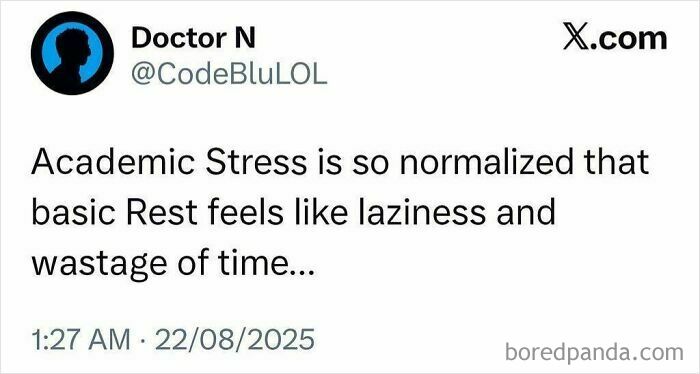
My psych teacher literally printed the powerpoint slides for each of us in year 11/12.



my cat decided I needed to get out of the house, so she gave me an infection by cutting open my arm!
this is a photo of her when I come home facb80cc-b...ae-png.jpg 

Do you have a specific question? I'm not a an expert but I'm enough of a nerd/medical buff to understand these memes.
Load More Replies...
my cat decided I needed to get out of the house, so she gave me an infection by cutting open my arm!
this is a photo of her when I come home facb80cc-b...ae-png.jpg
Do you have a specific question? I'm not a an expert but I'm enough of a nerd/medical buff to understand these memes.
Load More Replies... 





















 No fees, cancel anytime
 then open in external browser

 and click "Open in External Browser"