Get Premium
Dark mode theme is available exclusively for premium users. Learn more about the benefits of subscribing.
No fees, cancel anytime.

 Dark Mode Ad-Free Browsing Unlimited Content
 Ad-Free Browsing Unlimited Content Dark Mode
Join 1.2 million Panda readers who get the best art, memes, and fun stories every week!
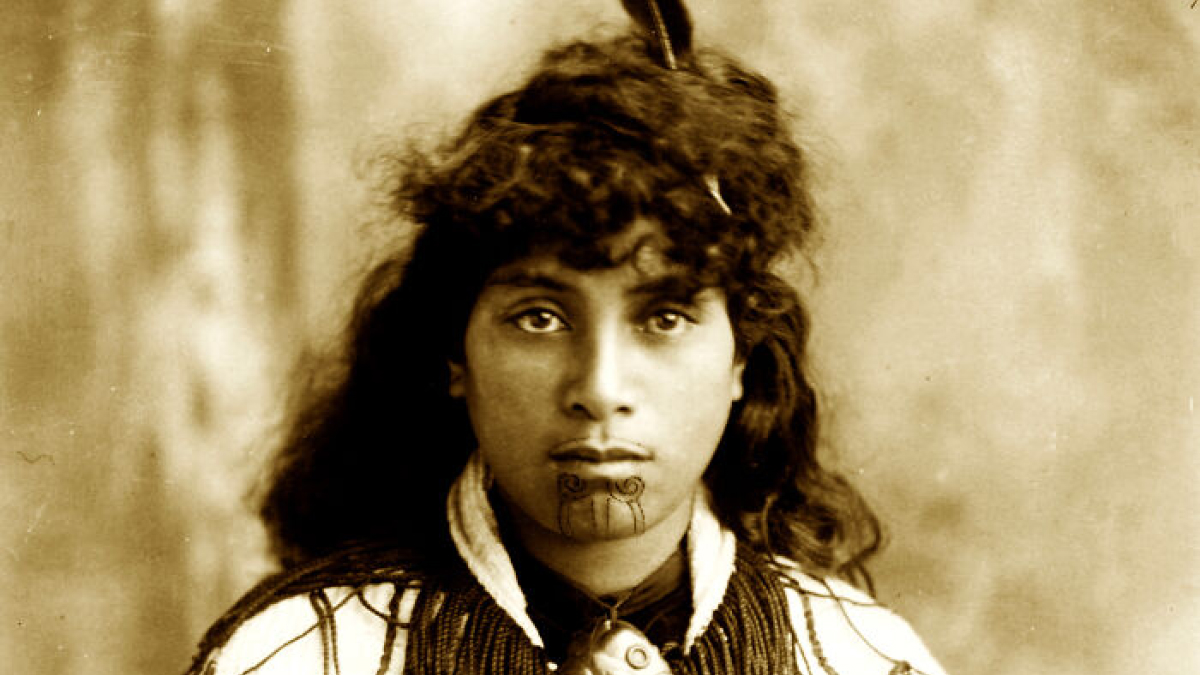
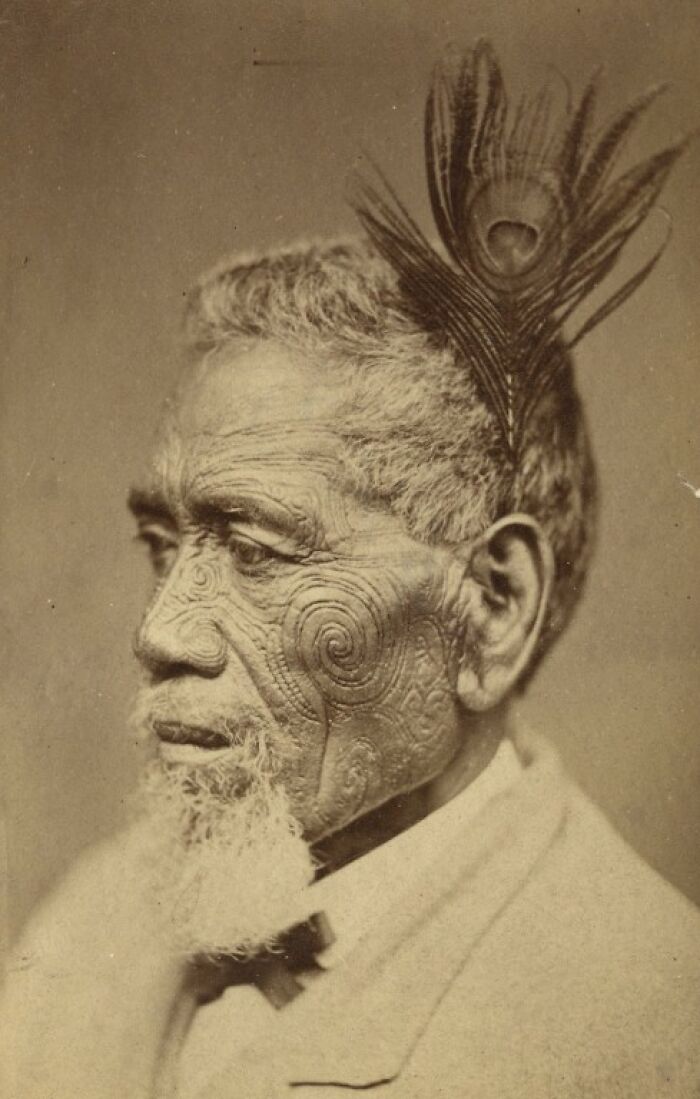
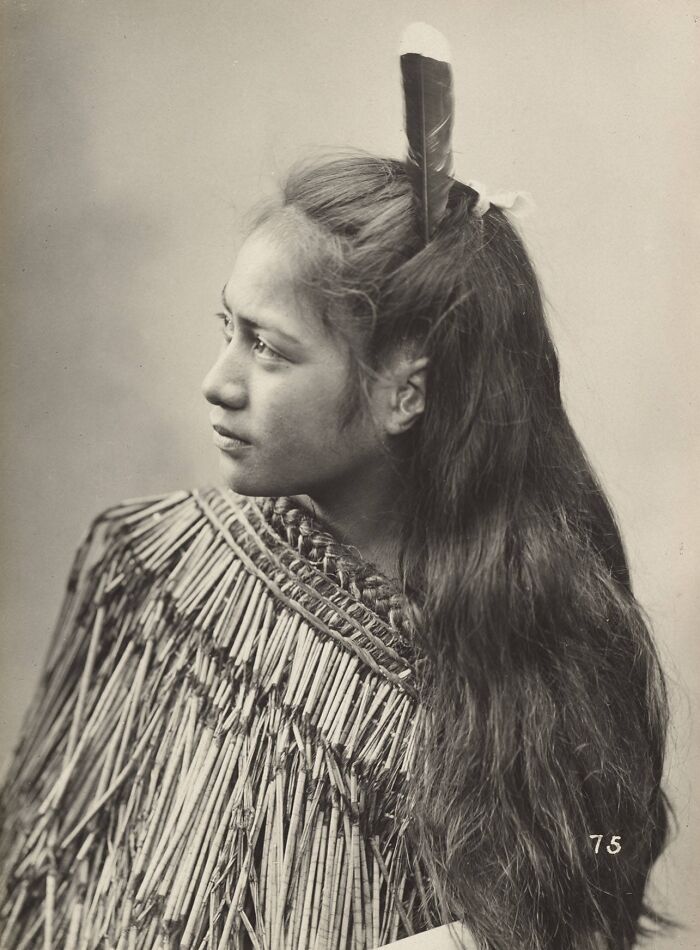
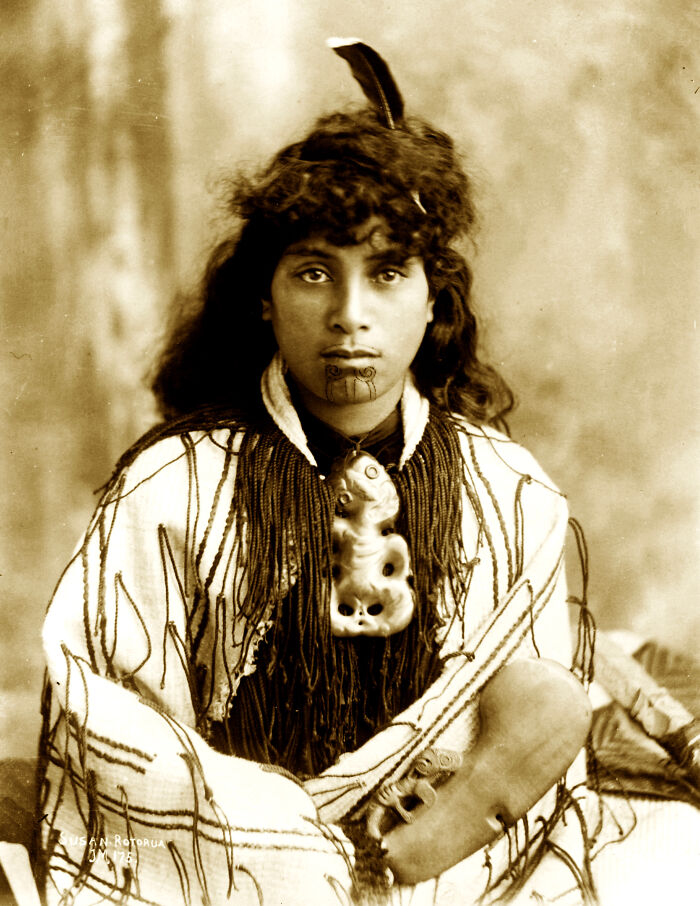
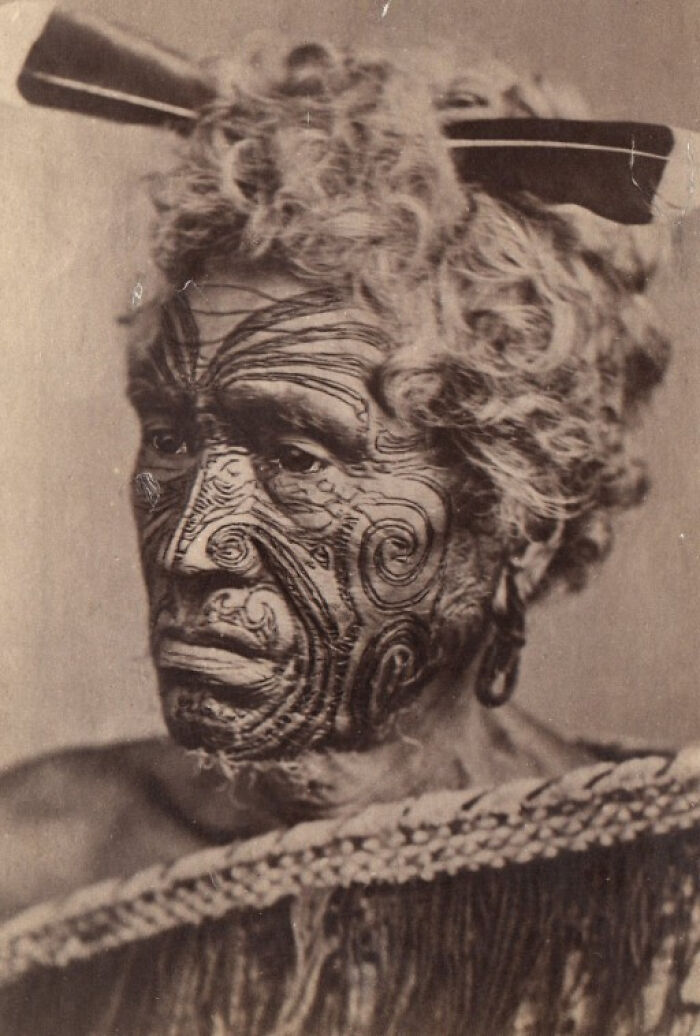
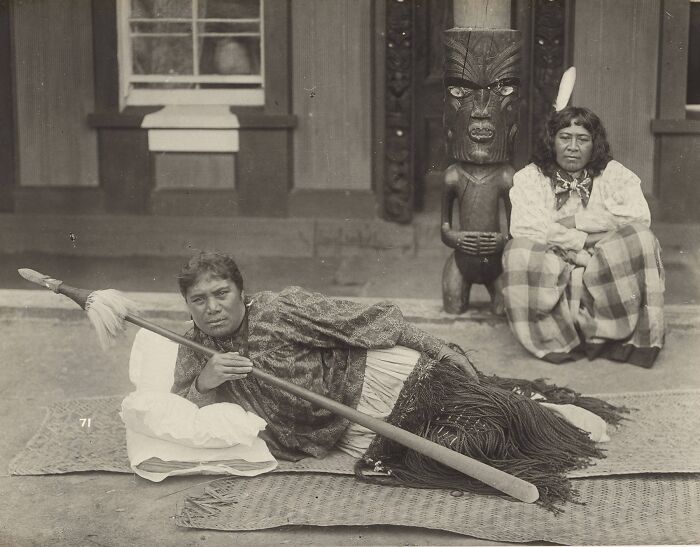
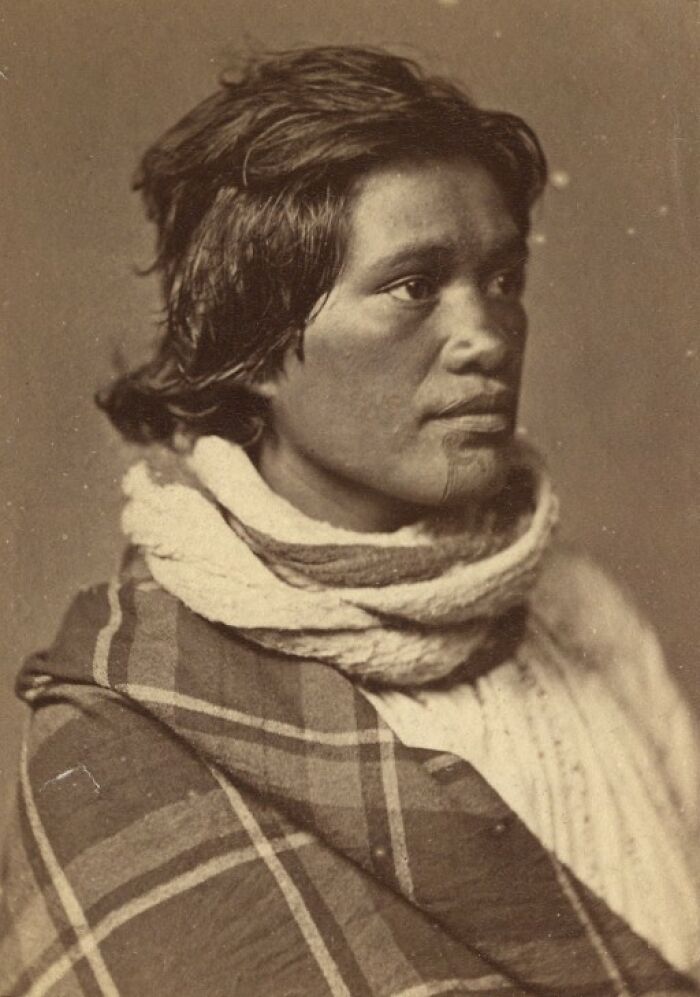
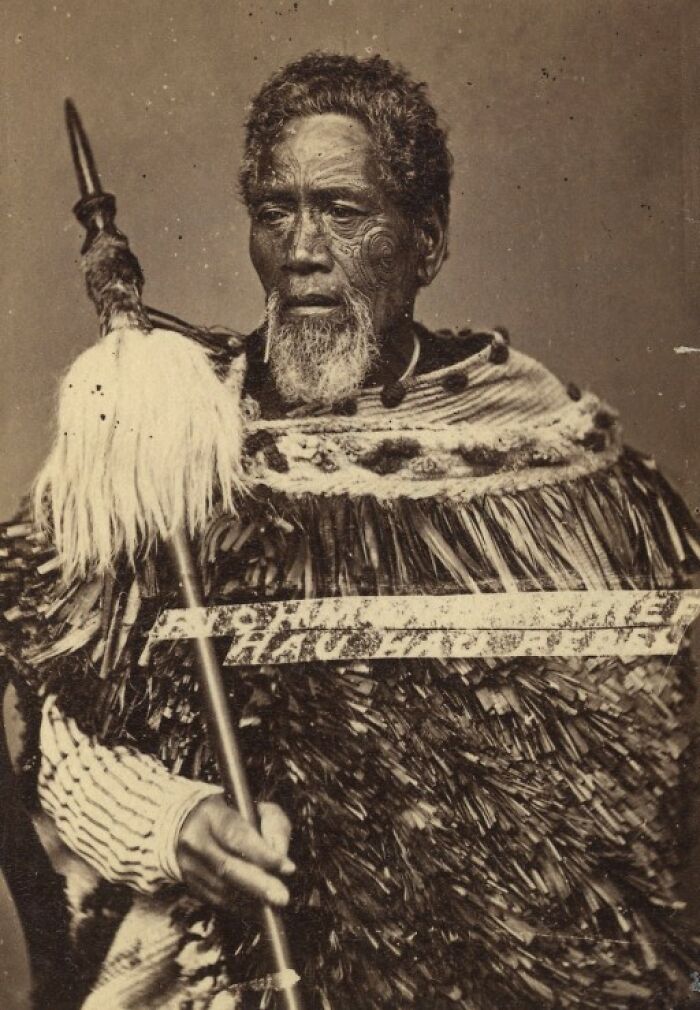
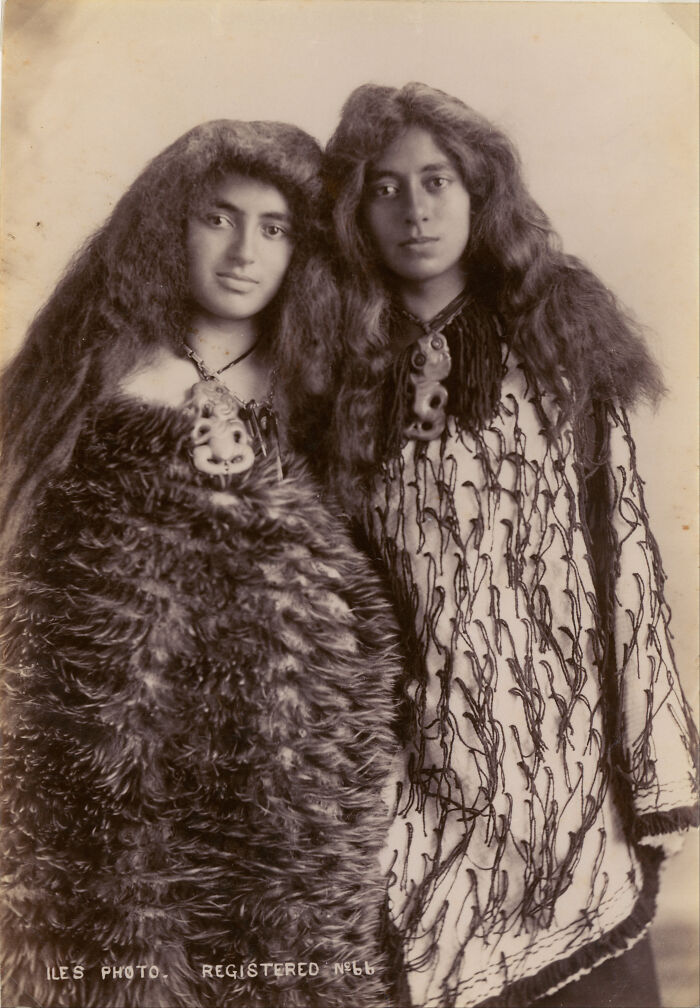
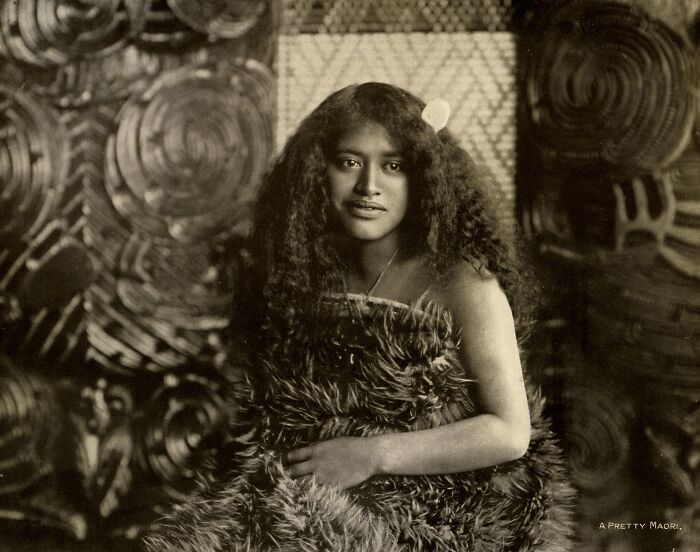
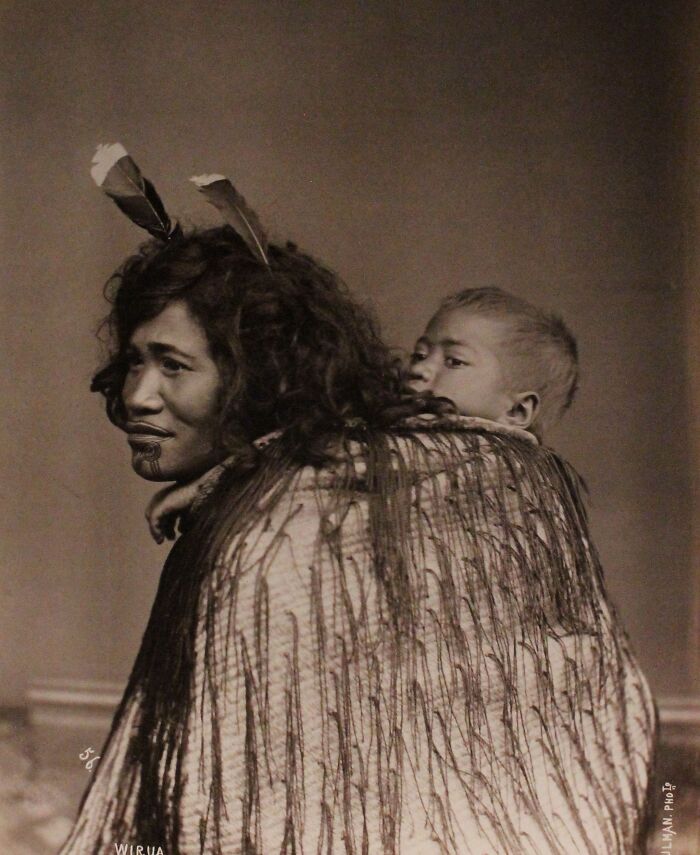
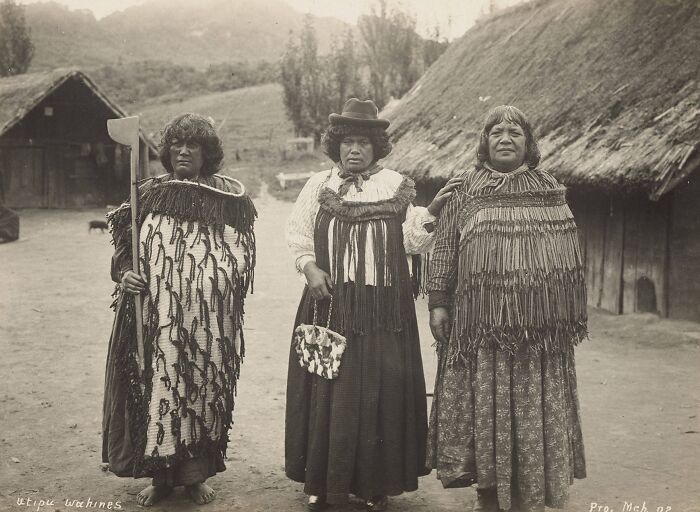
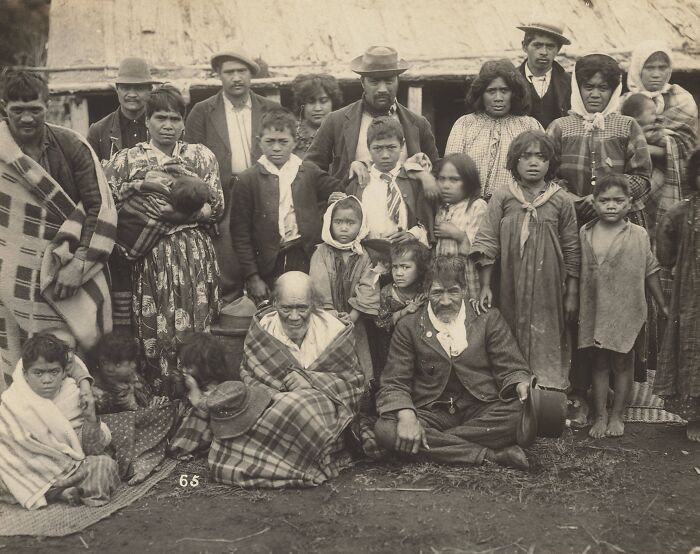
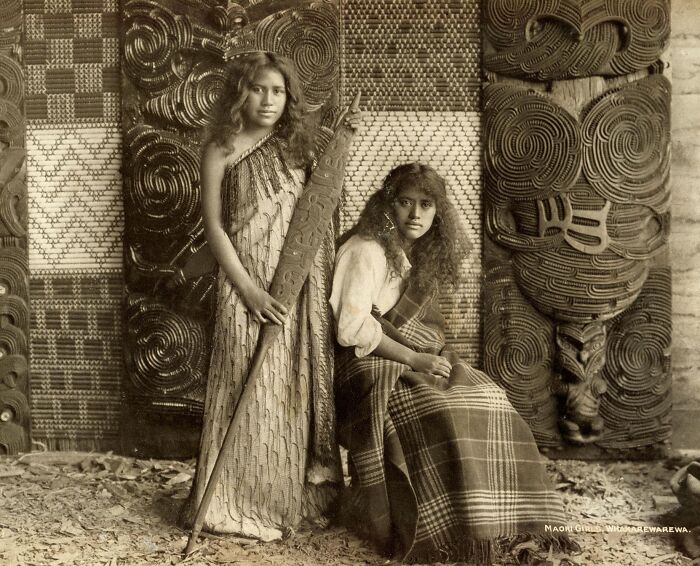
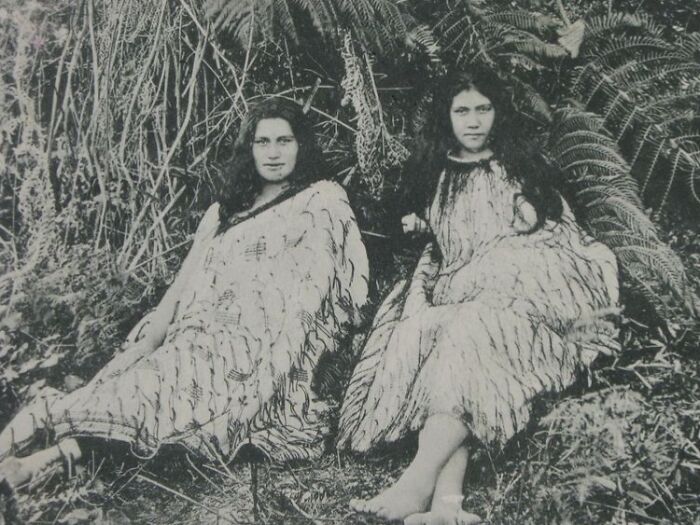
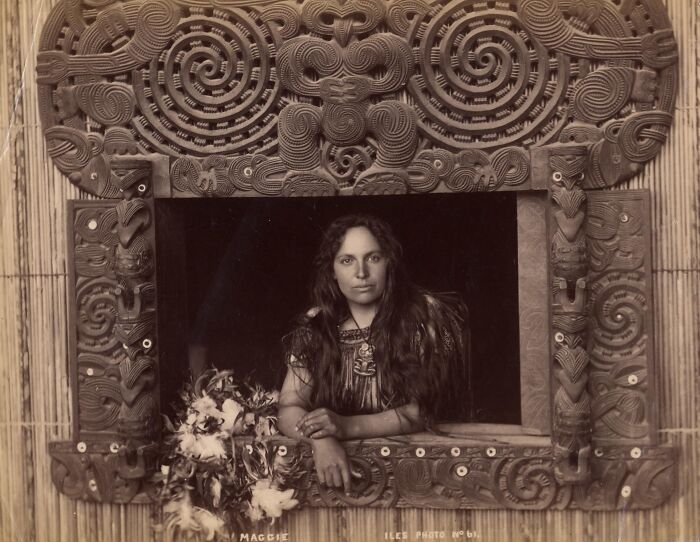
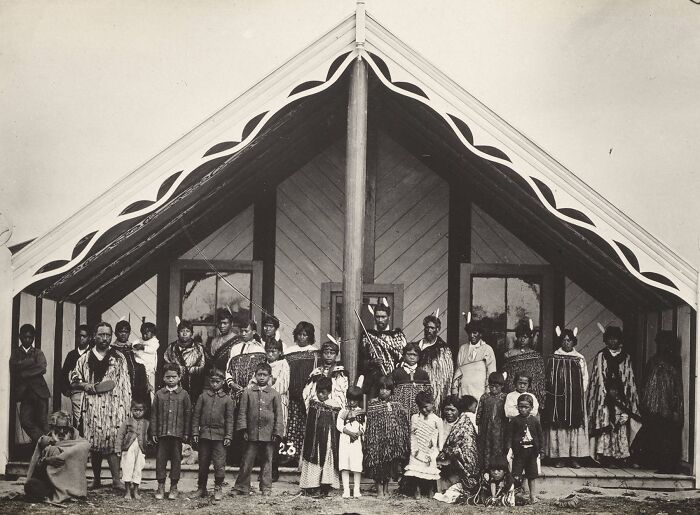
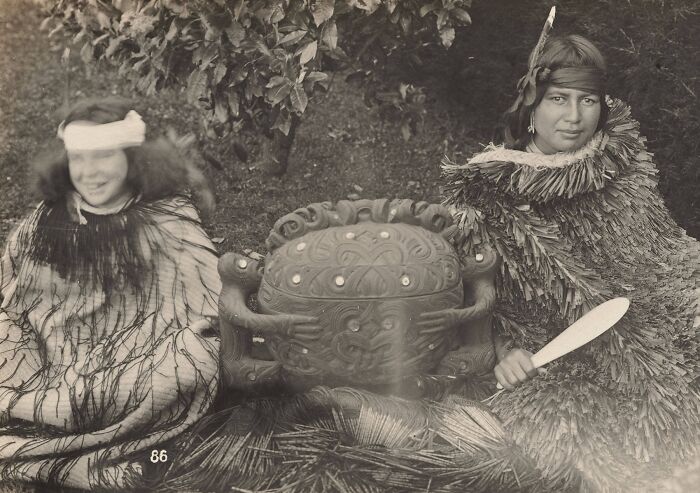
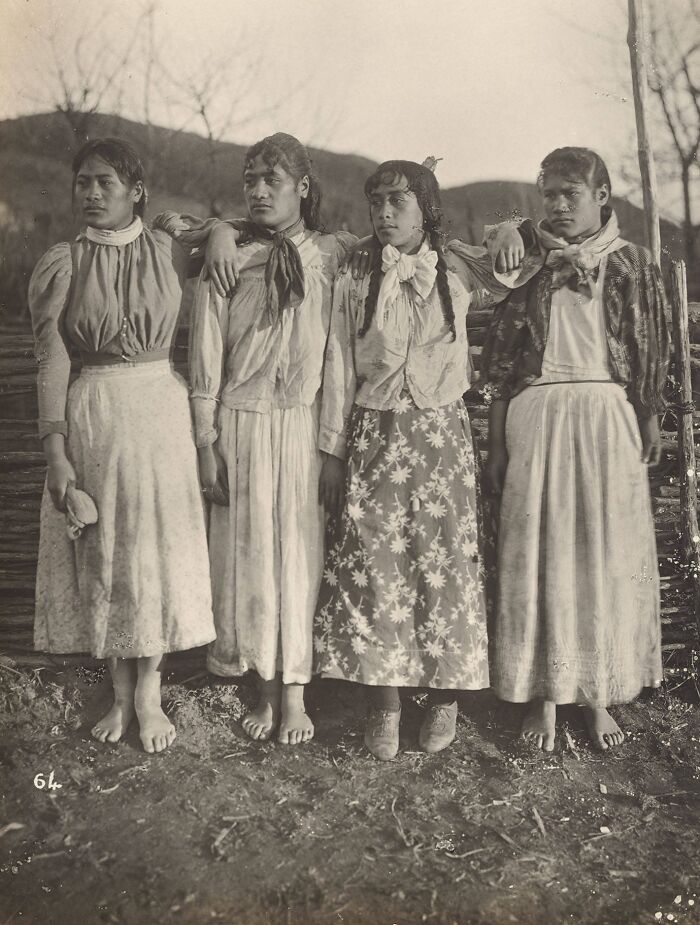
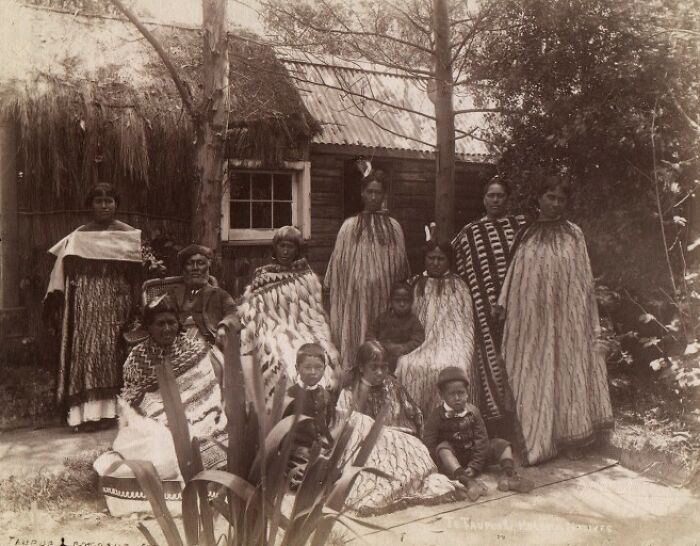
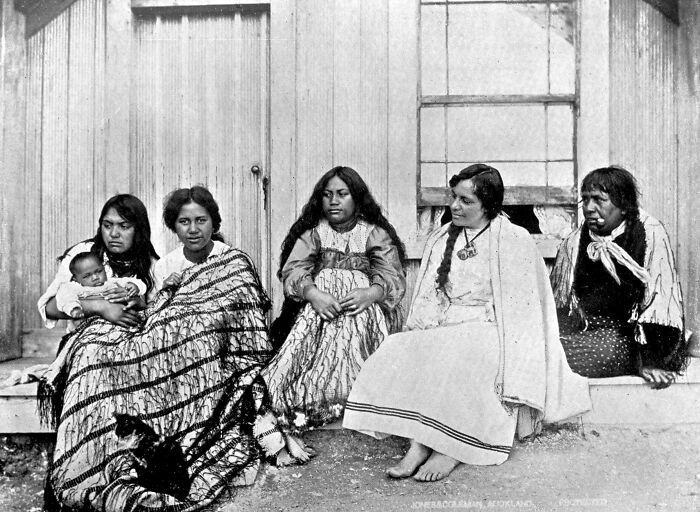
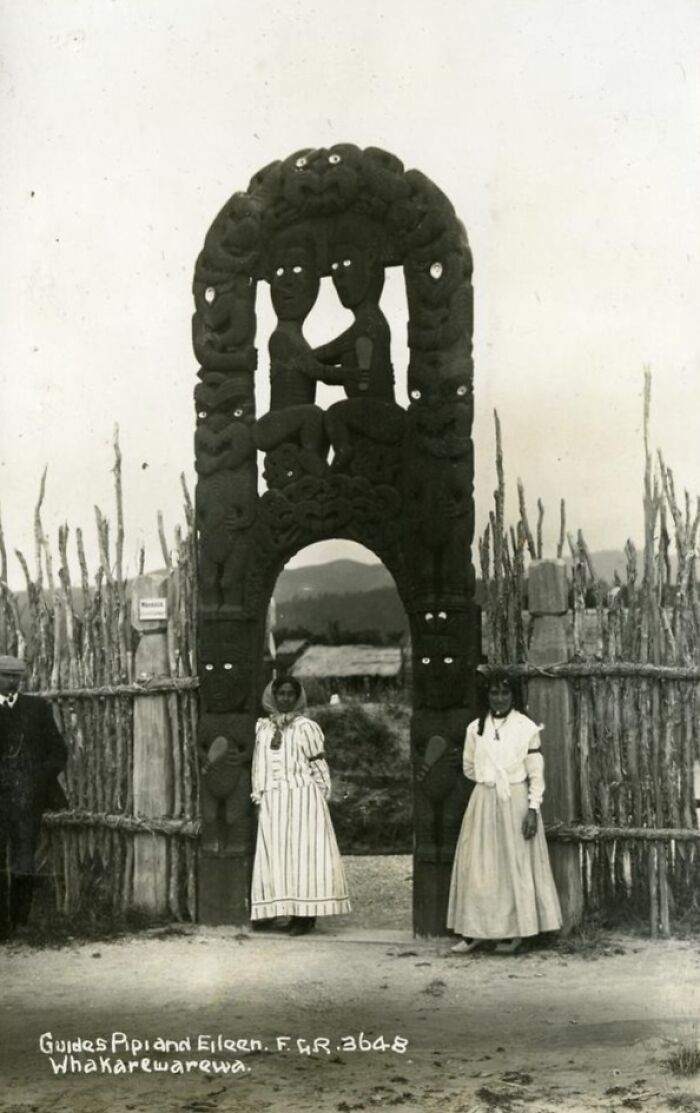
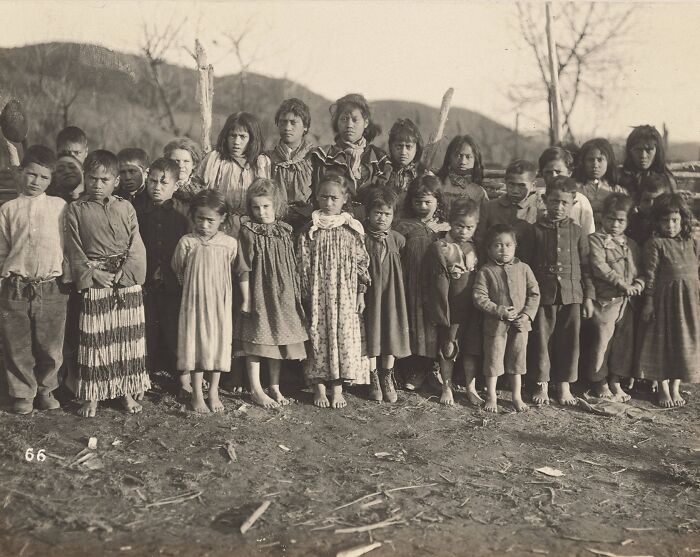
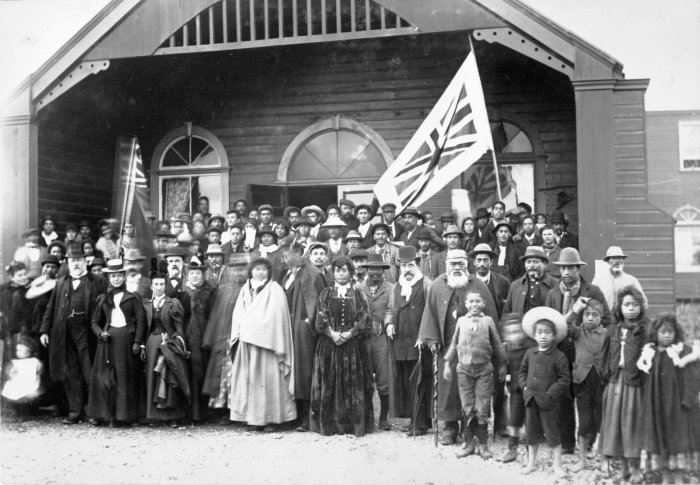
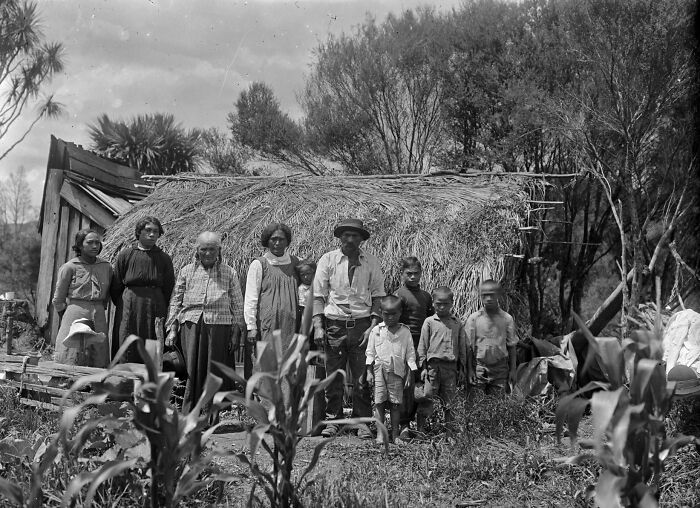
At the turn of the 20th century, the Māori, the indigenous people of Aotearoa (New Zealand), stood at a cultural crossroads. In the decades before, they saw devastating land loss, disease, and policies that aimed at forceful assimilation into colonial culture. The population was in rapid decline, with many even predicting extinction. But, in true Māori fashion, these indigenous people showed what they were made of. They saw the rise of a new generation of leaders that aimed to preserve and strengthen their culture. These photos capture those who were the bridge to the future of the Māori people, the keepers of tradition, and the survivors who fought with dignity.
This post may include affiliate links.
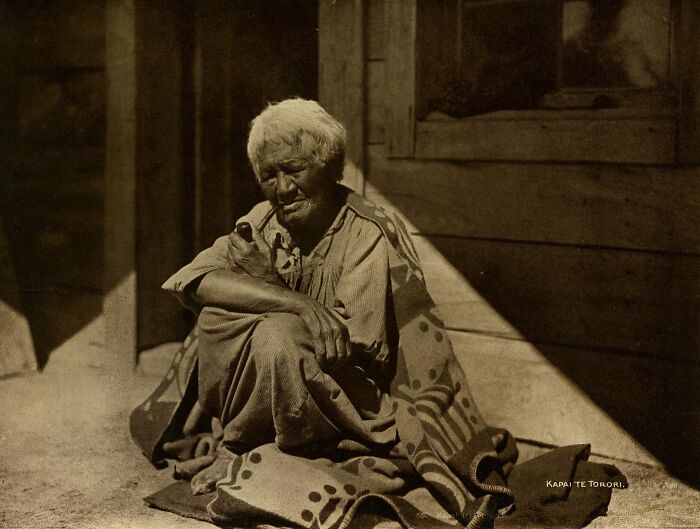
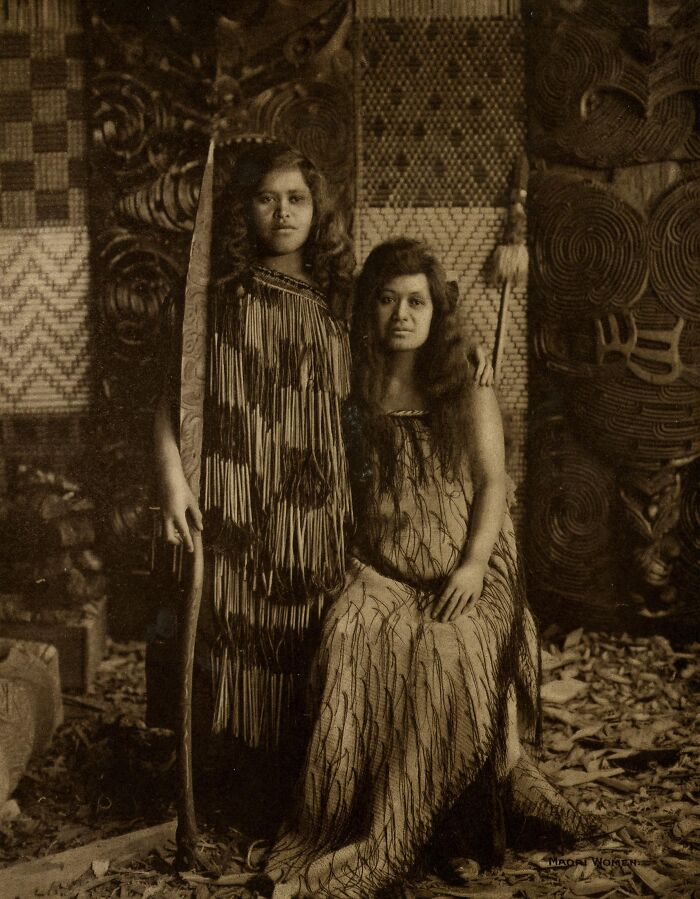
In looking at these faces, it is impossible to ignore the profound connection between person and culture. The intricate lines of the tā moko (traditional tattoos) are not mere decoration; they are a visual language of genealogy, identity, and social standing. Each portrait is so much more than a picture of an individual as it captures an ancestral history that was being fiercely protected against the pressures of a changing world.
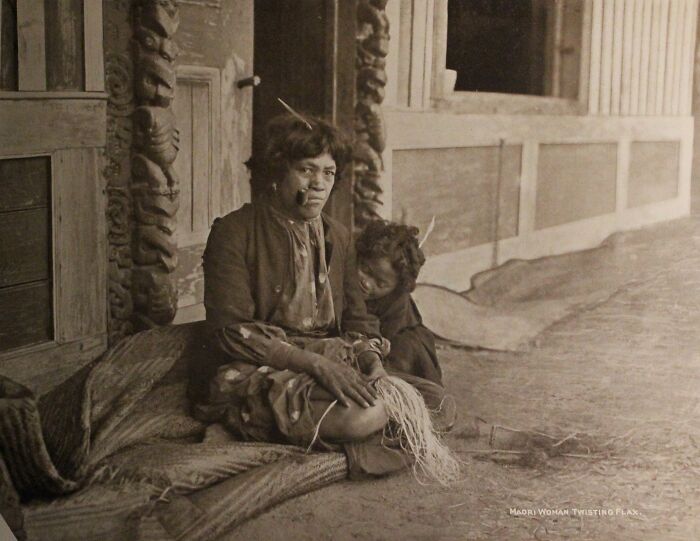
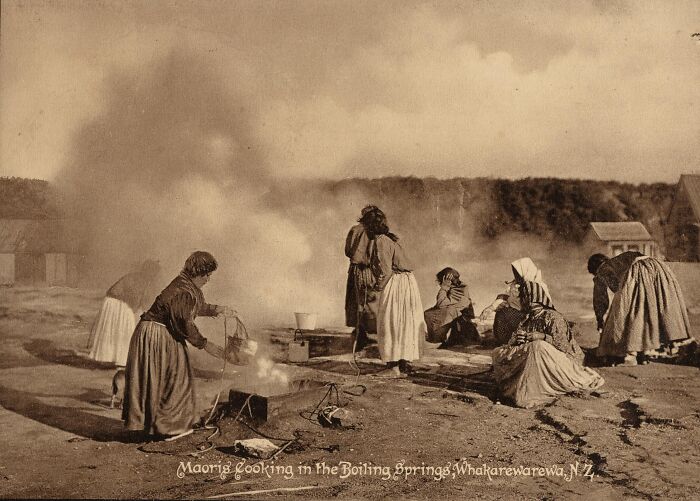
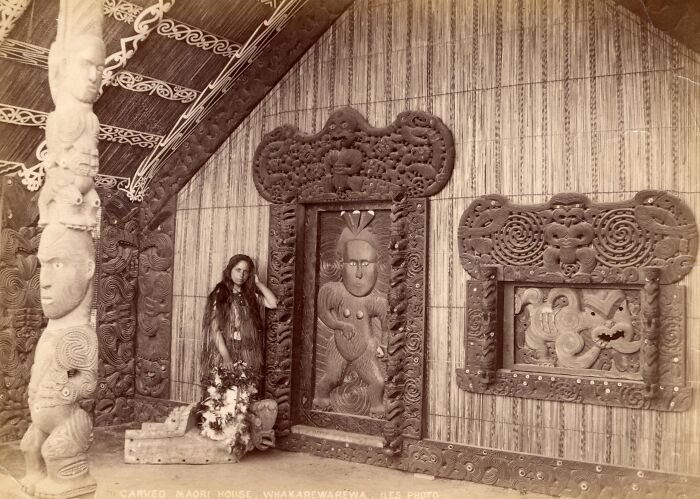
The strength seen in these portraits was forged in community. Beyond the individual gaze, these images also offer a window into the daily rhythms of village life. We see the weaving of flax, the preparation of food, the gathering at the marae (meeting grounds). It was in these shared moments, big and small, that Māori culture was lived, taught, and passed on, ensuring its survival for generations to come.























 No fees, cancel anytime