Get Premium
Dark mode theme is available exclusively for premium users. Learn more about the benefits of subscribing.
No fees, cancel anytime.

 Dark Mode Ad-Free Browsing Unlimited Content
 Ad-Free Browsing Unlimited Content Dark Mode
Join 1.2 million Panda readers who get the best art, memes, and fun stories every week!


While many people are fixated on the future, there’s still plenty that we don’t know about the past. After all, our planet has been here for billions of years, so there’s no way we could learn the entirety of human history in school.
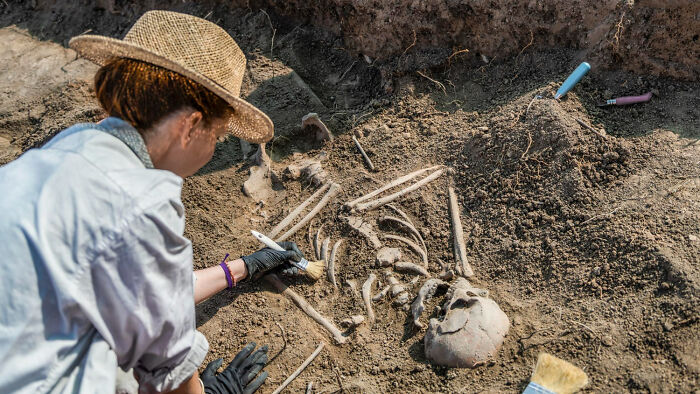
That’s why archaeologists have such an important job, and apparently, they’re making groundbreaking discoveries all the time. Redditors have been discussing mind-blowing information archaeologists have uncovered, so we’ve gathered a list of their most fascinating findings. Enjoy scrolling through these discoveries that you may not have heard about, and be sure to upvote the ones that you believe should have been major news!
This post may include affiliate links.

 In the Netherlands a whole bunch or Roman boats were found almost completely intact. They were probably used to go up and down the rivers of the Roman border to supply the forts with food/ammo etc.
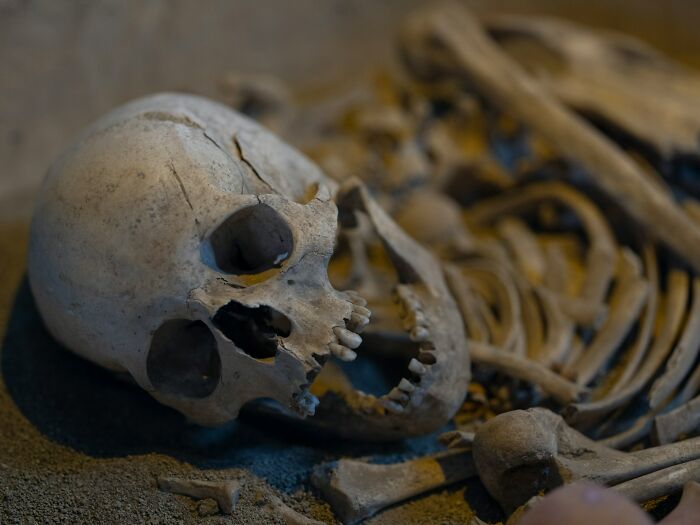 In Egypt a female Egyptian Priest was found buried nearby one of the pyramids.
Female priestess are not to believe to be common, so this discovery is truly remarkable and makes us see the life of an high power priestess over 4000 years ago.
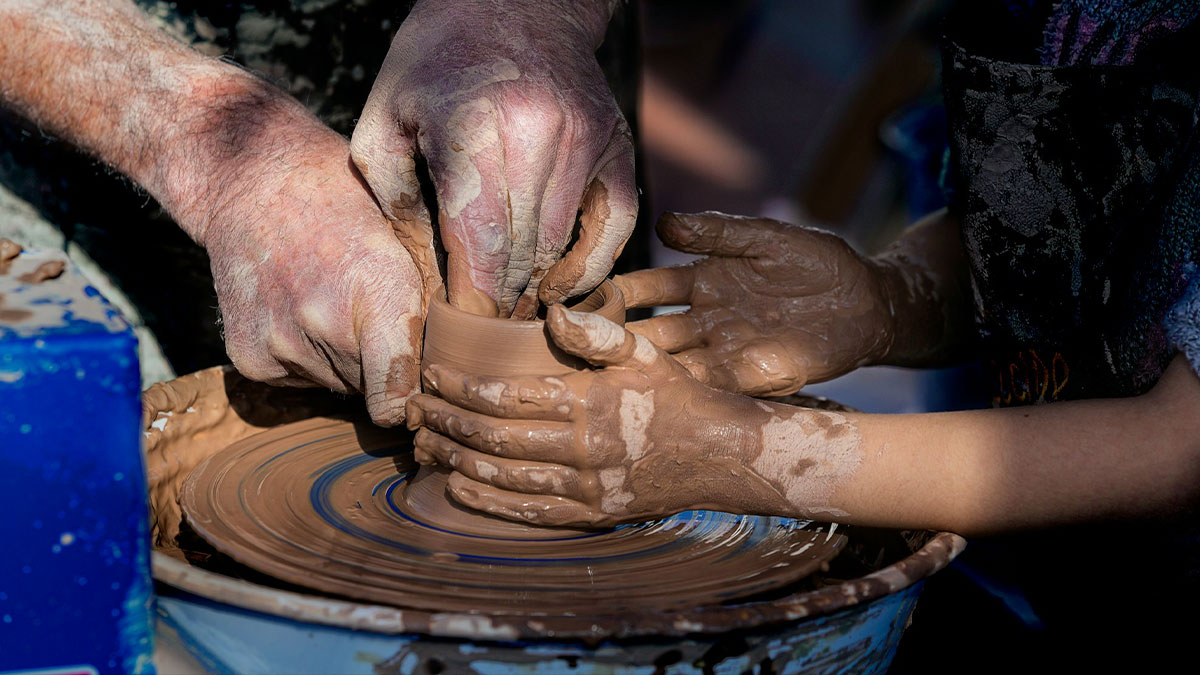
 I'm primarily an Egyptologist but I work for a UK regional archaeology crew, and recently they found a specific vessel which was very unusual. Its hard to describe but I couldn't find a picture, but it was a smallish clay pot, which had been made on a wheel and was incredibly well-made, but the neck of it was tiny, and it pinched in and out at points. Bad description I know. Anyway, we got it dated to around the Stuart era, and gave it over to a potter who we sometimes worked with, so he could attempt to make a copy.
He couldn't do it. He made a lovely pot, but it was nothing like the original. He explained that he couldn't get the clay thin enough to pinch like the original, because his hands were simply too big to make a pot with a neck of that size.
So after a lot of thought they came to a conclusion that it must have been children making these pots (I suggested women but it turned out even womens hands were too big). Based on other circumstantial evidence from the same context, this was from a relatively poor family, who trained their children in the same trade as them to create beautiful pottery to sell to the elites. In the Stuart era, that style of pottery was around a lot, but it had started not too far from the city we found it in, so we figured they must have been copying the popular style. It's so interesting to think that a child, probably no more than 8, made such a beautiful piece of work.
EDIT - Just adding for clarification as it seems to have confused some people - when I said I'm an Egyptologist, I mean that's my main link to archaeology. The pot I'm talking about here is from a regional archaeology find - it's Stuart, as in its English and dates from the 15th/16th centuries. Its not Egyptian, just to clear up any confusion!

So-called "puzzle jugs" were often made around that time, with intricate shapes and openings, probably to show off the technical skills of the potter, and also quite likely made by an apprentice as some sort of test of his skill. Apprentices would typically start at around 14 years old.
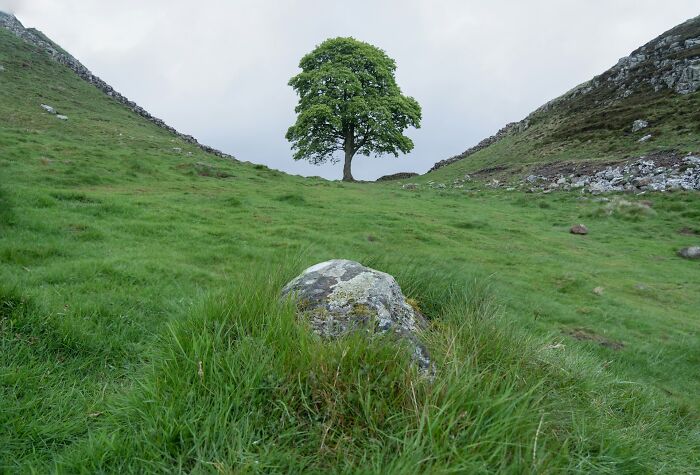 I live along Hadrian wall. And my god it's been so well kept there are daily finds. From bath house Sandles, leather boots various clothing just tapping into house Romans lived and how culture and tradition still stayed intact all the way north of England far from Rome.
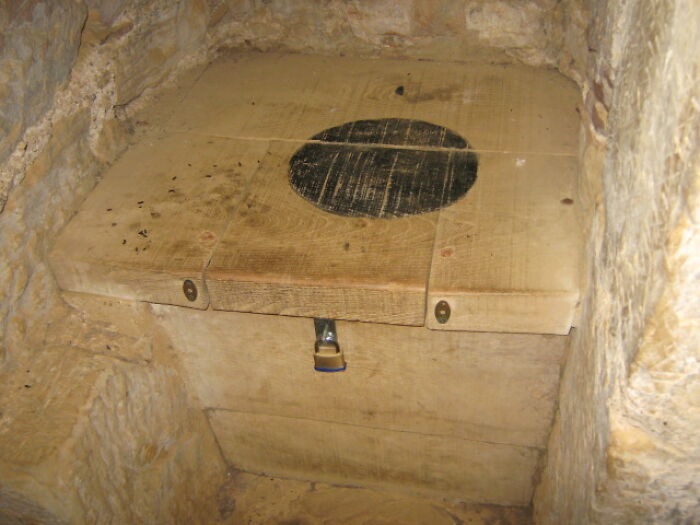 In my hometown of Luebeck in northern germany they found a latrine from the middle-age and analysed the genes of the tapeworms in it or something and apparently that dude that pooped there has once also pooped in England cause his DNA has been found in tapeworms there as well
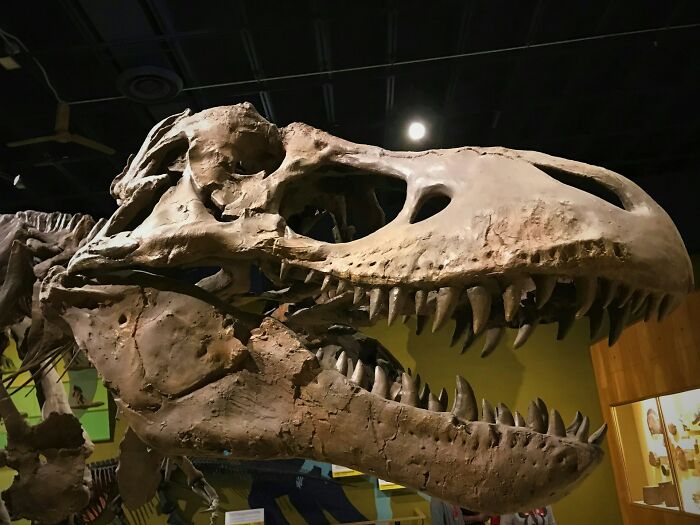 Not an arcaeologost, but a major in paleontology!
A well preserved t-rex skeleton has been discovered in Saskatchewan. They named the new World's largest & oldest T-rex skeleton.
I have always loved dinosaurs, sorry that it doesn't fully relate to the reddit question.
Source
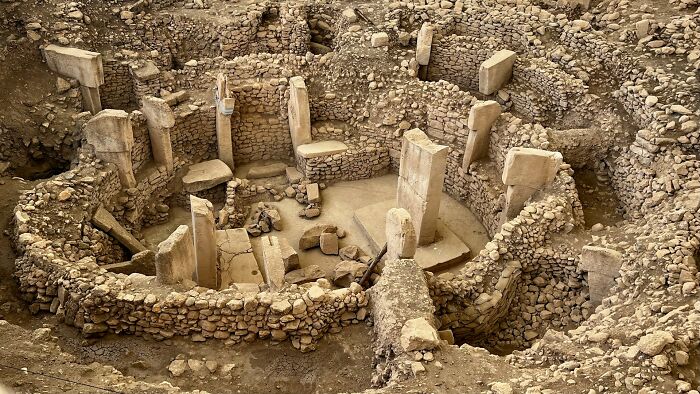 Though discovered quite a few years back, Gobekli Tepe only recently escaped the controversy of its significance. Now widely considered to quite possibly be the first temple of worship the site has caused a rethinking of early humankind's spiritual practices.
To give you an idea, Gobekli Tepe is estimated to be six millennia older than Stonehenge.
Also, I am not an archeologist, so here are so further details.

I always feel we unfairly think of our early ancestors as primitive cave men. An archeoloist once explained that progress has always been a 2 steps forward 1 step or more back affair. Like Roman concrete. It is amazing stuff and part of the reason so many old Roman buildings are still here. Much better than our modern version. But we lost the recipe for hundreds of years u till we could finally analyse it well enough to figure out its components.
 The recent discovery of tree climbing humans with monkey feet as recent as 40,000 yrs ago Indonesia.
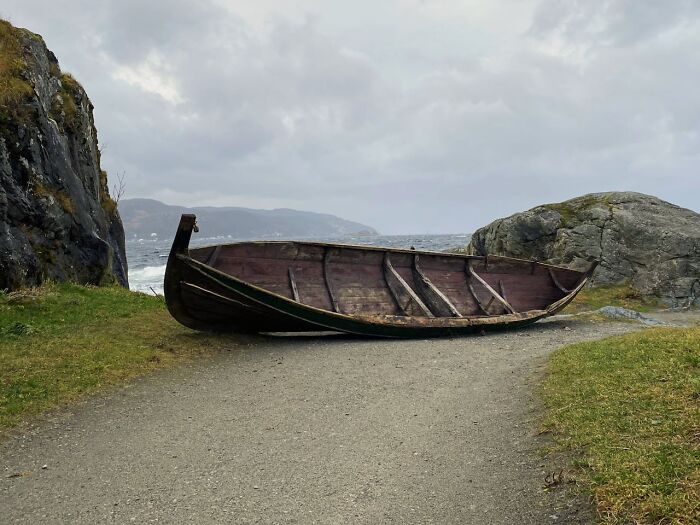 A couple of Viking ships and settlements have been found recently in Norway using LIDAR.
Three articles, unfortunately only the first is in English:
NIKU
TU
NRK

They found a Viking ship in NORWAY??? MY GOD, STOP THE PRESSES: THIS WILL CHANGE EVERYTHING!!! 🤪
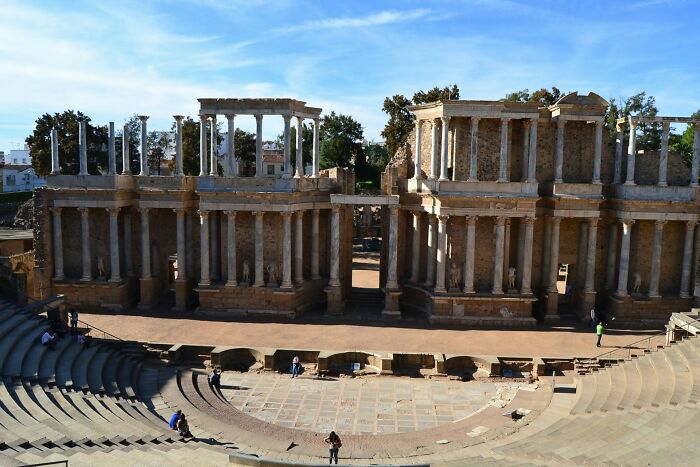 I'm an archaeological geophysicist. At the end of last year, I found a Roman theatre in a Roman town near Hull, UK. I've just completed a second survey there, with a couple of new buildings, but nothing as exciting as the theatre.
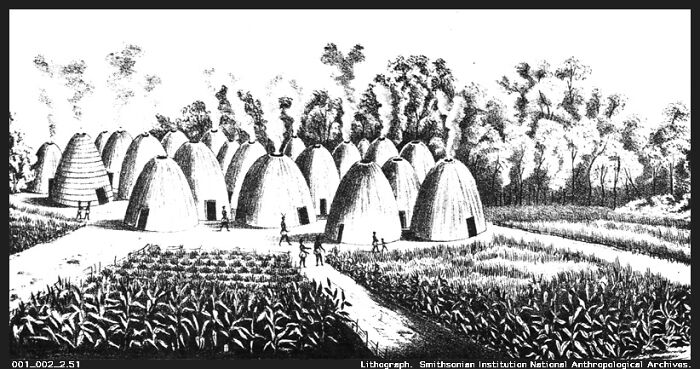 The lost city of Etzanoa, home to as many as 20,000 inhabitants was discovered in southern Kansas. The site was also the location of a battle between the Spanish and the Native American inhabitants.
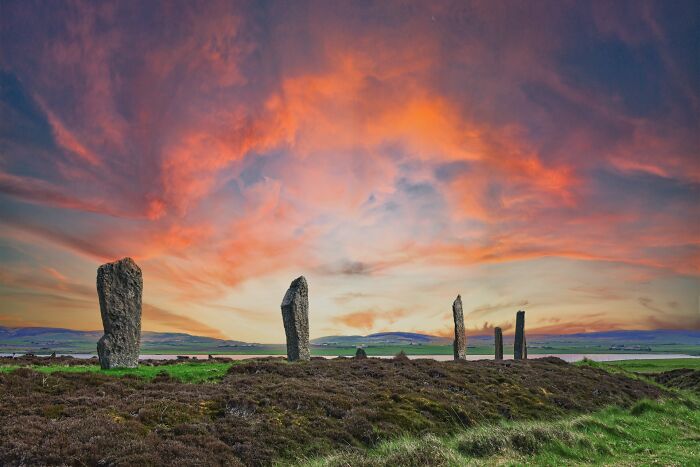 A thousand years before folk decided to pile up rocks on Salisbury Plain the Orkney Islands probably held the most important religious sites in Britain.
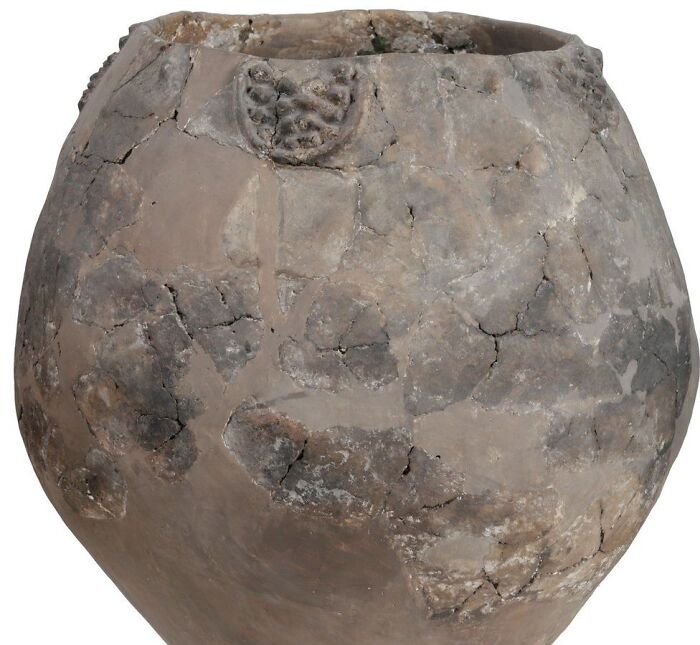 Discovery last year of a ceramic wine vessel, decorated with grape clusters, from Tiblisi, Georgia, pushing back the archaeological evidence for a functioning winery and vinicultural industry in the Transcaucuses 1000 years (from Areni One and Hajj Furiz Tepe) to over 8000 years ago. I'll drink to that!
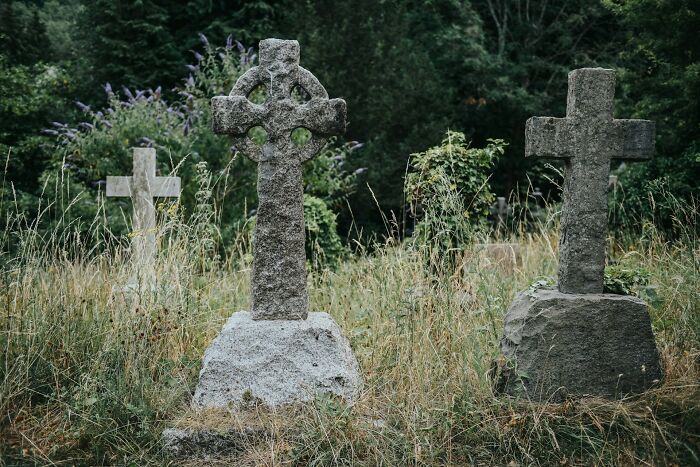 I'm an archaeologist who mostly works in the private sector. We find a lot of cool stuff, but almost everything we do is classified to some degree or another to discourage pot hunters and vandalism. This year I've found an extension of a really important Late Woodland (the period right before Europeans arrived in America) site, and worked on a very cool 19th century burial ground that had been partially destroyed out of negligence by a construction company, which is a big problem we run into. Both sites were super cool, but I can't get into specifics about where they're located!
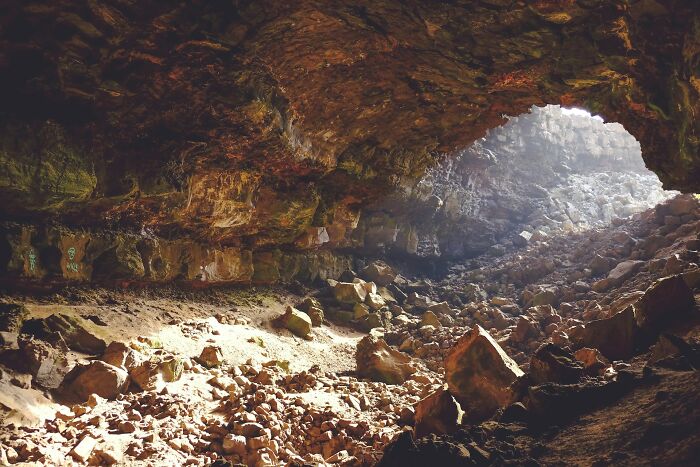 Yesterday I was reading they found a mixed Denisovan and Neanderthal family in a cave with a mix breed 13 year old daughter.
So neat!
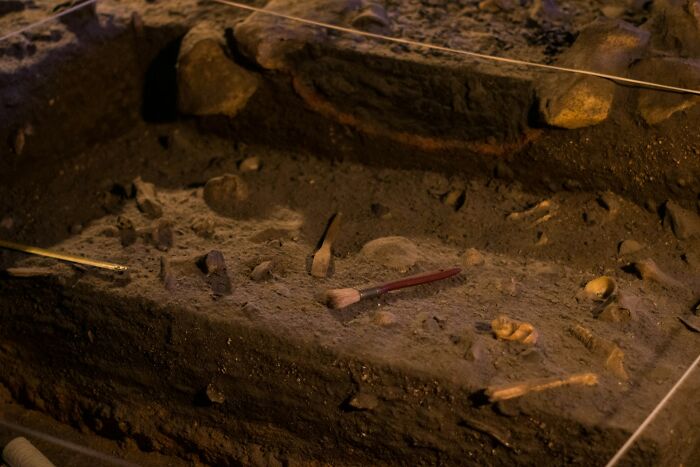 Don't know how major or interesting this is but in Athens in the area of Faliro (Φάληρο) (which used to be the port of ancient Athens before it was moved to Piraeus) during some excavations for the construction of a cultural center, a huge cemetery was discovered. An entire year of construction was put on hold (and this is a frequent problem in Athens, major construction work running into ancient buried buildings which now have to be preserved).
Apparently the cemetery is interesting not only because it hosts many dead babies and children, which were buried inside vessels, (infant mortality rate was very high) but also many prisoners and criminals who were executed. There's also a mass grave of about 80 shackled men.
It has been speculated the mass grave may be related to Cylon of Athens, a winner in the Olympics and wannabe tyrant, who tried to stage a coup by taking over the Acropolis but was promptly chased out of there by Megacles (of a powerful Athenian clan) and escaped to Megara. His followers sought refuge in the altar of Athena Polias. Anyone present at an altar was considered to be under the protection of the gods, and was not allowed to be harmed. They agreed to descend the Acropolis afted being promised they would be left unharmed but were slaughtered nonetheless by the followers of Megacles, as they considered the men unworthy of the gods' protection.
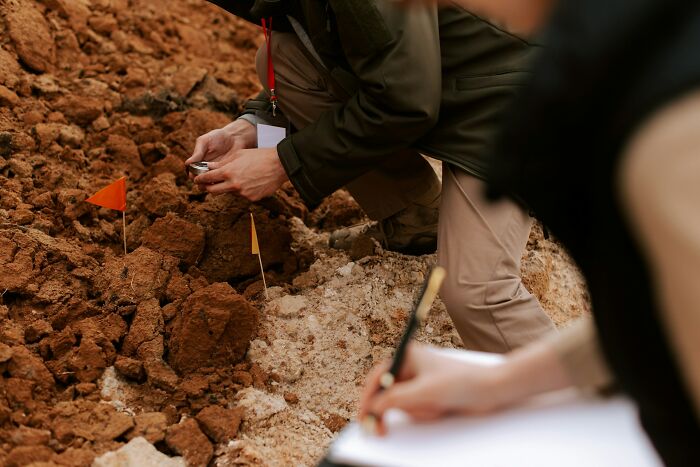 That Australasians reached South America tens of thousands of years before the northern migration. They keep the remarks within the relatively accepted time frames of 10,000 to 15,000 years ago. But the hidden truth is there is evidence of settlements closer to the 100,000BCE mark.
News Scientist
Smithsonian Magazine
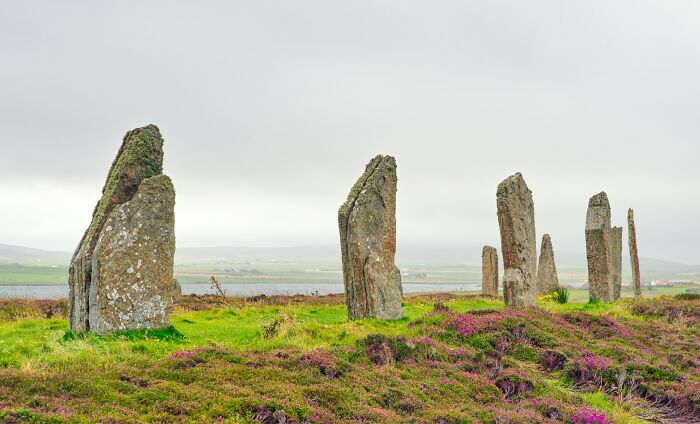 Orkney was the capital of neolithic Britain, turning the traditional map upside down.
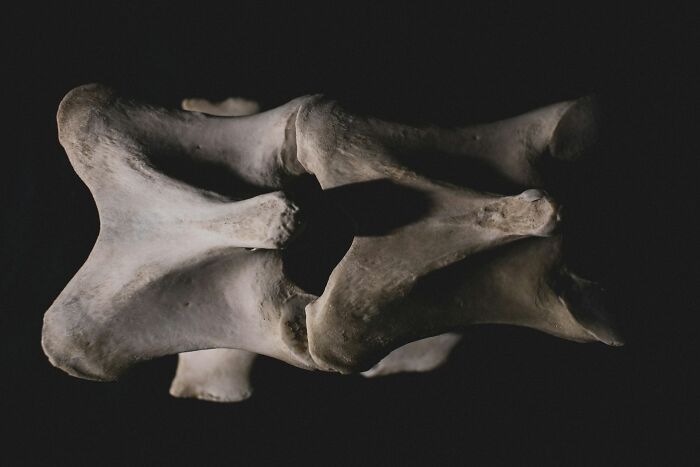 In the 1960’s two (headless) skeletons were found in a latrine of a house on the Greek island of Delos. This is a big deal because Delos was a sacred island and no one could be buried there, instead there was a cemetery on the neighbor island. But what is even more interesting is the excavators could not find the heads ANYWHERE. But what is even MORE interesting is that within this house was the largest single collection of phallus statues.
So fast forward to 2014, excavations were beginning again at this same house and they found the heads!!!! Two rooms over. It has been suggested that because of their unusual burial context (in the latrine), the fact that they were decapitated, and the fact that they were on Delos at all indicated that these two individuals got their lives taken away!
Next week I will be helping catalogue and analyze the skeletons- very exciting! Unfortunately for ethical reason I will most likely not be able to post photos.
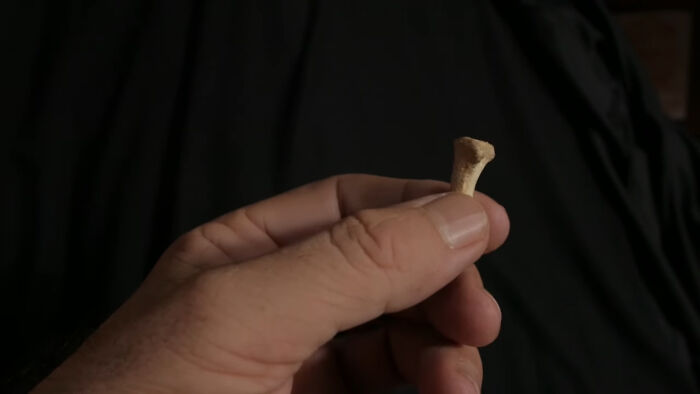 In April 2019, a new hominid species (human species) was declared in the Philippines. This has been ongoing research since 2007 but the research study was only recently unveiled to the world. This species shares commonalities with many of its contemporary humanoids (sapiens, neadertalensis, floresiensis). With the current finds, it is believed that h. Luzonesis was short (less than 4 ft. tall) just like its Indonesian cousin h. Floresiensis.
It's quite a fascinating research, here's a short video describing what we know so far
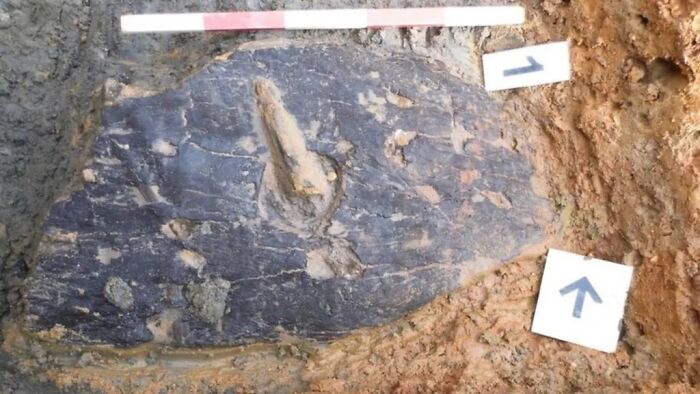 Recently a tonne of phenomenal finds have been excavated in Britain. Examples being a preserved iron age shield found in Leicestershire, which changes how we perceived Iron Age British tribal equipment in combat, hoping it will open the door to a broader understanding of the military capabilities of this period, and that C14 dating will give us a more specific dating assessment.
I've mainly worked in classical Greek and Imperial Roman archaeology and Vindolanda is one such site which has been pumping out phenomenal research and artifact findings. being a reasonably well preserved Roman fort along Hadrian's wall, artifacts are found daily. During the past couple of weeks, finds have ranged from leather shoes, tent canvas, even bathhouse sandals to prevent you burning your feet on the hot tiles. These finds have opened a window of immense understanding of daily life within a Roman defensive fort.
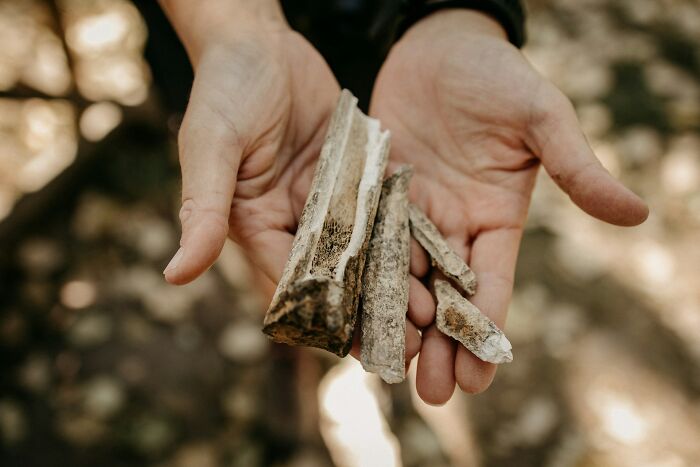 They recently discovered possible evidence that there were humans 100,000 years ago in the americas. In San Diego they found evidence of what we think are tools made of mastodon bone.
So essentially archaeologists are stubborn just like any other type of ideology on academia and they’re reluctant to let go of the theories that dominated the 20th century. For example we’ve always been taught “Clovis first” meaning the first people to populate the americas were the Clovis people 10-12k years ago. But now there is overwhelming evidence the America’s were populated before that and possibly all the way back to 100,000 years ago which would completely change our understanding of humans.

"StuBbOrN AcaDeMiA wOnT leT gO oF IdEoLogY" nope, it's just that you need a complete, sound theory to replace the previous one. A possible evidence that there might have been something is not enough: you need to explain how it got there, what it means and show it in the context of other findings that corroborate the timeline and confirm that your "how"' and "so what next" are plausible.
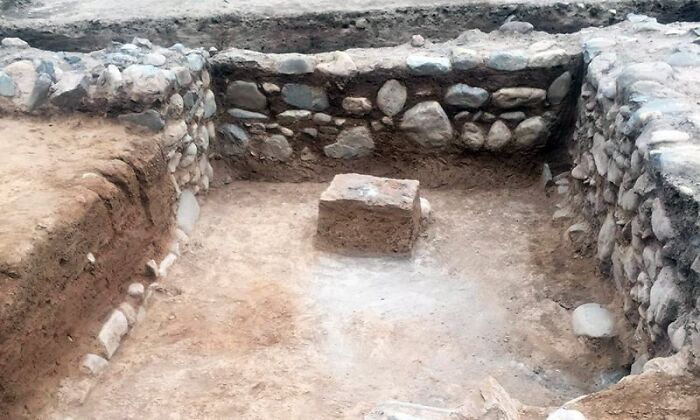 Not an Archeologist. Recently in Pakistan specifically around the City of Peshawar the remains of a somewhat intact workshop was found. People believe that it may be Gandhara Civilization but some think it may be older.
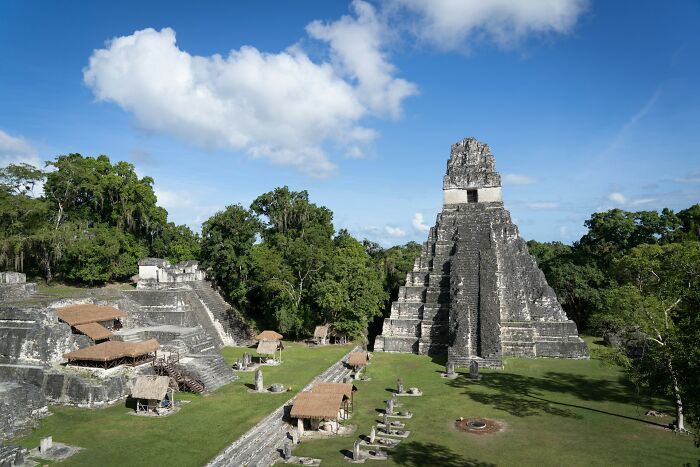 The mythical cities of the Amazon may not have been so mythical also Mayan cities in Guatemala are being uncovered too do to the use of LiDAR. LiDAR able to penetrate the forests and see the ruins below.
The Tomb of Neithhotep was discovered in the early 1900's, but it was badly damaged and therefore we're still investigating all the material we have. A lot of it was burnt by tomb robbers but there is still some epigraphic evidence.
One of the most interesting pieces is a tiny piece of pottery with a serekh on it, the symbol of the name of the king. For context, Neithhotep was from Predynastic Egypt, just before the first dynasty. And this is where it gets exciting - Neithhotep is believed to be the mother of the first pharaoh of Egypt. However, on this piece of pottery, her name is written in a serekh. Indicating she was a pharaoh. Of course its possible that it was just indicating her as Queen, but it's quite fun to think that there's a very good chance the first pharaoh of Egypt was a woman. Furthermore, as far as we can tell, this is the earliest ever surviving evidence of a woman's name written down. We all thought that was pretty cool.

Just for your information, the list of names on the Turin King list of Egypt goes back to before the first Dynasty. Which leads to speculation about whether these earlier names were genuine or mythological.
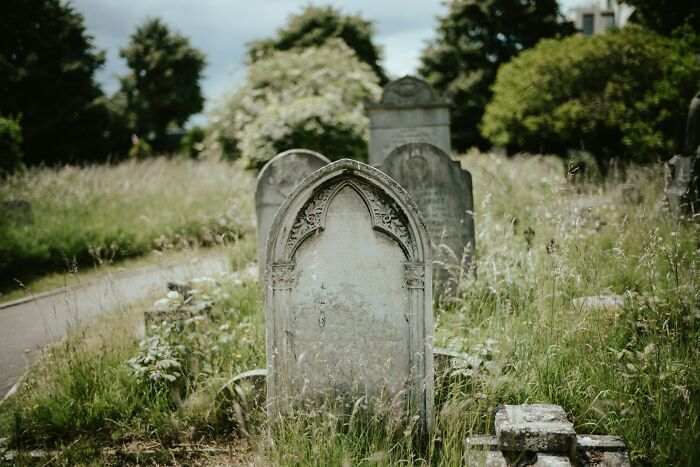 Atlantic Canada flip flopped hands between France and England when the new world was colonized. We are using ground penetrating radar to discover some burial grounds that don't exist on paper.

Not surprising, people have been burying their loved ones on their family farms for hundreds of years. Many of the graves become lost or forgotten when the property changes hands. My mother had 3 half-siblings who died in infancy in the early 1900s and were buried on the family farm. The location of the graves is lost to time. It's sad, in a way, but it happens.
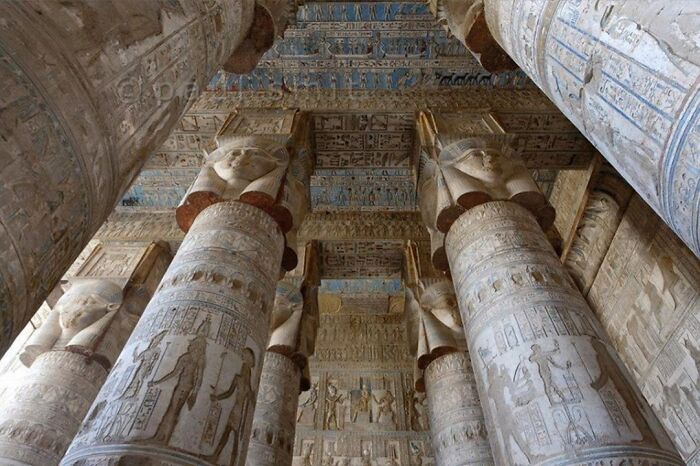 Not an archeologist, but apparently there has been found a temple full of columns buried directly beneath the Temple of Hathor (Dendera Temple Complex in Egypt).
Source (begin at 5:58 min if you want to skip the introduction and stuff).
Archaeology student here. I'm surprised nobody mentioned must farm. It's basicly a bronze age Pompeii. The preservation is incredible and when the processing of the finds is done we'll have a whole new vieuw on bronze age day to day life.
4 years ago a guy in Finland was metal detecting and found a small metallic wolfs head figure that the Finnish museum officials at the time said was just a piece of garbage. After a recent re-examination it turns out it is similar in design and composition to the type of figurine popular with Roman troops and the find might mean that their trade routes reached way further north than just Denmark. Circumstancial evidence dates it to the Middle Ages, but more research is needed. Either way it is a very significant find. The lesson here I guess is to always get a second opinion on your findings, this one might have ended up in the trash otherwise. Here´s an pics/article in finnish
I don’t know if it’s national news or anything but a bunch of fossils and bones of some sort of horned Dino were just found on a construction site in Highlands Ranch, Colorado. My cousins boyfriend was one of the workers that found them. Some jerk on his team was trying to load his truck up with a bunch of the fossils and bones and destroyed them, the museum had to confiscate stuff from him. But it’s still pretty cool that Colorado has another dinosaur! (I think we’ve had another dinosaur and another really good set of fossils found here.)
Also, I know this is paleontology and not archeology, but it’s still cool, and I wasn’t thinking about that when I decided to post.
Not an archaeologist, but aspiring to be one. There is currently a hunt for Caligula's third pleasure boat. The first two were found in Lake Nemi but were destroyed during the First World War, so this possible third one is the last one in existence.
Re-examination of an assemblage from the Early Iron Age Oakbank crannog in Loch Tay, Scotland has identified a wooden lyre bridge. A wooden whistle is also known from the site, and these two artefacts alone are some of the earliest and best evidence for musical instruments in Western Europe. The site was in use between 500-350 BC. A reconstructed crannog houses the collection and they recently got money for a project this year aiming to promote and display these artefacts to the local community and visitors.
3D model of the lyre bridge
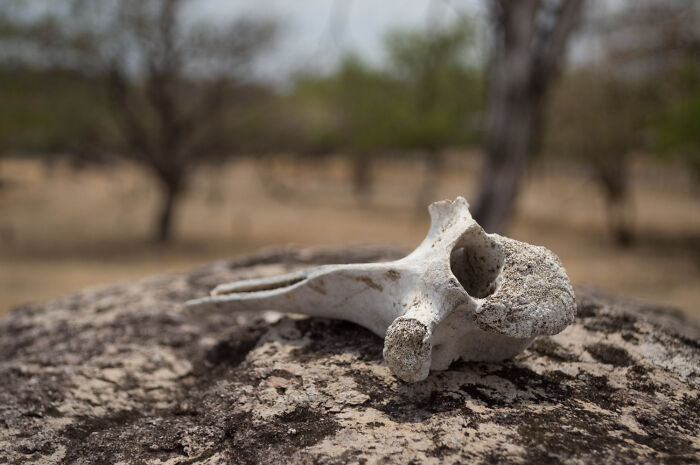 My anthropology professor from this semester spent the first half of the semester in Ethiopia doing an excavation.
They found a piece of bone with scratch markings on it, indicating a form of symbolism from 80 thousand years ago, which is nearly 30 thousand years before the previously oldest discovery.
According to my professor at least. His name was Michael J Rogers for anyone interested and in the know.
 Not an archaeologist, except in my youthful dreams.
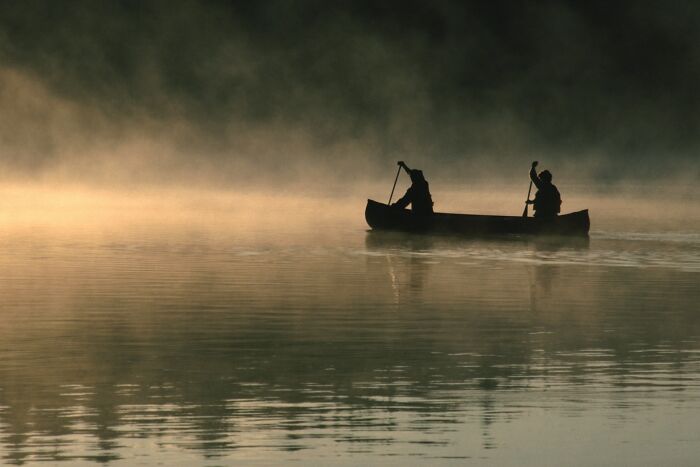
A Bronze Age canoe was recently uncovered during the building of a new bypass in North Wales. While not an earth shattering discovery, if it is a canoe, it is an extremely rare discovery and the first prehistoric example to be found in North West Wales.
I'm an Endiocronozoologist. In 1964 my team discovered the remains of a Ziwanis elder tribesman who had in his tomb the ancient talisman of Sha'Na however, it was missing a very distinct piece. Very recently upon expedition to the greater isles of Naath we set upon that jewel. The adventure that led to its discovery is a tale of the ages.
Not archeology but related: I worked on a television series about the Dutch 80 years war; a series of conflicts between 1568 and 1648 that formed our kingdom.
It is Game of Thrones minus the dragons.
I was amazed at the knowledge historians have about this period. Stuff like the exact locations of troops on a certain date more than 400 years ago. The exact route they took and local weather at the time. How they were recieved in different cities. Names and oilpaintings of all the important people
All this information from clever combination of information from archives , museums and private collections from all over Europe.
A couple years ago my grandma (an archaeologist) dug up a Roman era toilet seat in Romania.
Not and archaeologist, but in Eritrea they are currently working on uncovering the port city of Aksum Adulis. So far they’ve found a Byzantine church. (I forget it’s dating. ) An Italian university group is the lead of the adulis program. They are still trying to dig up the rest of the city which is about 40 hectares. They’ve managed to do just a small percentage of that.
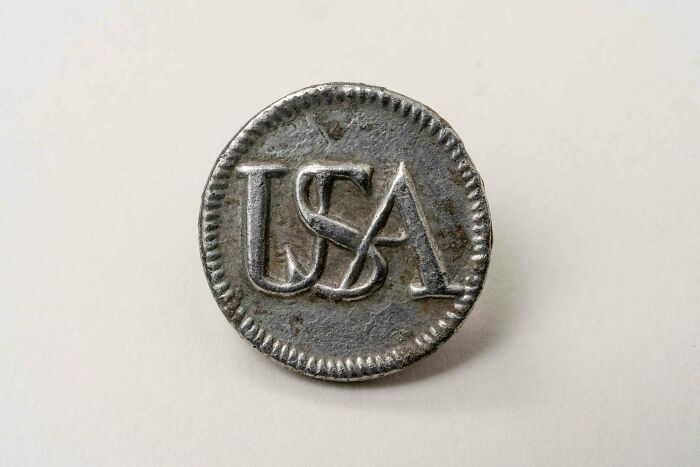 Not really that major but last year I did field school in North Jersey at a Revolutionary War encampment and we found a button (like a jacket button) that had USA written on it. It was really interesting to see the use of that acronym from such an early stage in America’s infancy. Everybody in the field school was freaking out about it.
Yes actually! I don't specialise in Ancient Egypt (my focus is on Greek and Roman Mechancial Technology) but a really interesting paper came out about the great pyramids that seems to explain a lot about them. I personally thought the theory was really compelling but I'm interested to see what people who are actually experts in the matter have to say about it.
It suggests that water from a lake was used to half fill the pyramid before escaping from the hidden door in a waterfall like manner and created a moat around the base of the pyramid, and it seems to take into account all of the weird chambers in the pyramid that people haven't been able to explain, and it corresponds well with ancient writings on the pyramids such as Herodotus and Strabo.
Not exactly archeology, but linked to that - at the end of the last Ice age, there was a swift drop of temperatures to much colder than it was even during the end of the Ice age. It lasted for centuries and coincides with the extinction of many species of the Ice age fauna (various mammoths, rhinos, cave bears, cave lions...) . It was speculated about what caused it and there was a hypothesis, which was considered pretty much obscure by many scientists, that a impact of an asteroid/comet caused it.
In November 2018, a crater in Greenland was found that might be - might - from that time period and if it were, would be a game-changer in our understanding of why so many species went extinct.
There are a lot of locations within Egypts pyramids and sphinxes, etc that are being guarded and kept in secret by the Egyptian residents. Bright Insight makes videos on this. there was a building near the pyramids covered in hieroglyphics. A worker their was bribed to allow a tourist to see a couple hidden areas. One of which was a normal Egyptian looking room with heavy slabs of sandstone. They moved one for restoration and discovered ANOTHER room, and probably more, beneath these floor slabs. This is just one area, and their is obvious corruption with some people working in these areas.

Sounds like a good gig. Build "secret" Egyptian artifacts/sites and then get tourists to bribe you to see them. I could see how that could be very lucrative.
Not sure how well the wider world knows about it, but an Anglo-Saxon burial has been discovered in Southend, which has some amazing finds in it. Currently it has the only surviving example of painted anglo saxon woodwork, it contains gold artefacts as well, but the woodwork is the real treasure here, at least to some . The papers briefly picked it up, but it's truly a brilliant find.
There was also an Iron Age Chariot burial in Pembrokeshire, the first of its type for the area I believe; they had been associated with the Parisi in Yorkshire, but this shows the practice wasn't confined to that area. Similarly, its the first example of La Téne artwork in Pembrokeshire.
I find that the public at large are more focused on golden artefacts, swords etc. But things like Pottery and artwork are so much more interesting to archaeolgists as they can tell you so much about the people. My old Lecturer said that you could tell an archaeologist by the way he reacted to ceramics.

Last year archaeologists were excavating in Norfolk ahead on construction work. During the dig they fund an extremely rare and intact carnyx along with an even rarer bronze sheet metal boar flag. The carnyx is also bronze and were used as war trumpets. A facsimile was made, absolutely huge. The dig was covered on a TV programme 'Digging For Britain' and a the copy blown. Incredible. Norfolk was in the heart of Iceni territory, think Boudicca!
Not an archaeologist, but I remember recently reading a very brief article online about archaeologists who managed to prove Romans brought rabbits to Britain from mainland Europe.
There's been a new buried chamber found under the temple that contains these carvings
A large floor stone was moved for renovation, and a pillar surrounded by sand was found directly under it.
#It's not being excavated publicly.
So there's rumours of potential theft. =(.
Mastadon bones dating back over 130000 years have been found in california with evidence that they were cracked open with tools to access the bone marrow. Hence, it is looking like we have been on this planet WAY longer than what we have been taught.

Nope - "we" (humans) have been in *North America* way longer than previously concluded. There's nothing in the San Diego site contesting how long we've been "on this planet". Unless, of course, you're discussing scientific research with creationist whackjobs who think that since they only value one book, that book *surely* must contain literal truth only. You can do that, of course, but it's about as fruitful as discussing landscaping and travel plans with someone who made it their vocation to spend their life 24/7 sitting on a wicker chair looking at a brick wall.


My favorite archaeological discovery is the carnyx, a Bronze Age Celtic trumpet. It’s vaguely similar to the modern trombone but it’s one long tube played upright with a boar’s head at the end, complete with ears and a tongue that clatters. Say you’re a Roman soldier in England in the first century A.D. - when England had extensive forests with wild boar - you’d hear somebody playing a carnyx over the next hill. You’d know it’s time to start running and not stop till you got home because the Celts are about to open a can of whoop-a*s on you. To hear a modern replica: https://www.youtube.com/watch?v=-DIIaCUJ1yQ
My favorite archaeological discovery is the carnyx, a Bronze Age Celtic trumpet. It’s vaguely similar to the modern trombone but it’s one long tube played upright with a boar’s head at the end, complete with ears and a tongue that clatters. Say you’re a Roman soldier in England in the first century A.D. - when England had extensive forests with wild boar - you’d hear somebody playing a carnyx over the next hill. You’d know it’s time to start running and not stop till you got home because the Celts are about to open a can of whoop-a*s on you. To hear a modern replica: https://www.youtube.com/watch?v=-DIIaCUJ1yQ




































 No fees, cancel anytime