Get Premium
Dark mode theme is available exclusively for premium users. Learn more about the benefits of subscribing.
No fees, cancel anytime.

 Dark Mode Ad-Free Browsing Unlimited Content
 Ad-Free Browsing Unlimited Content Dark Mode
Join 1.2 million Panda readers who get the best art, memes, and fun stories every week!



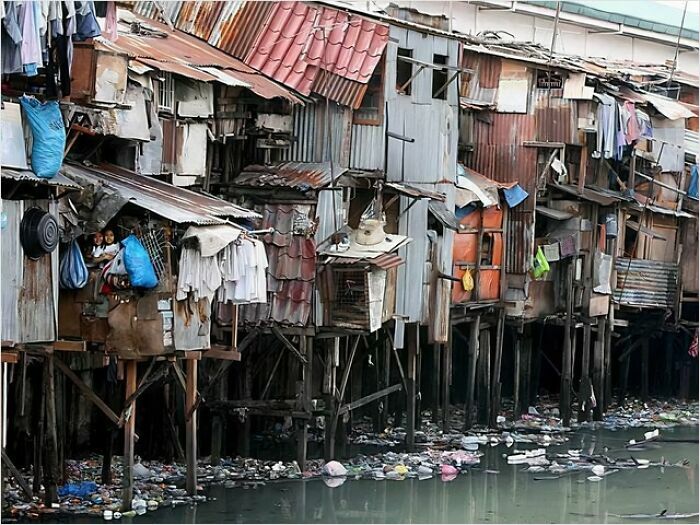
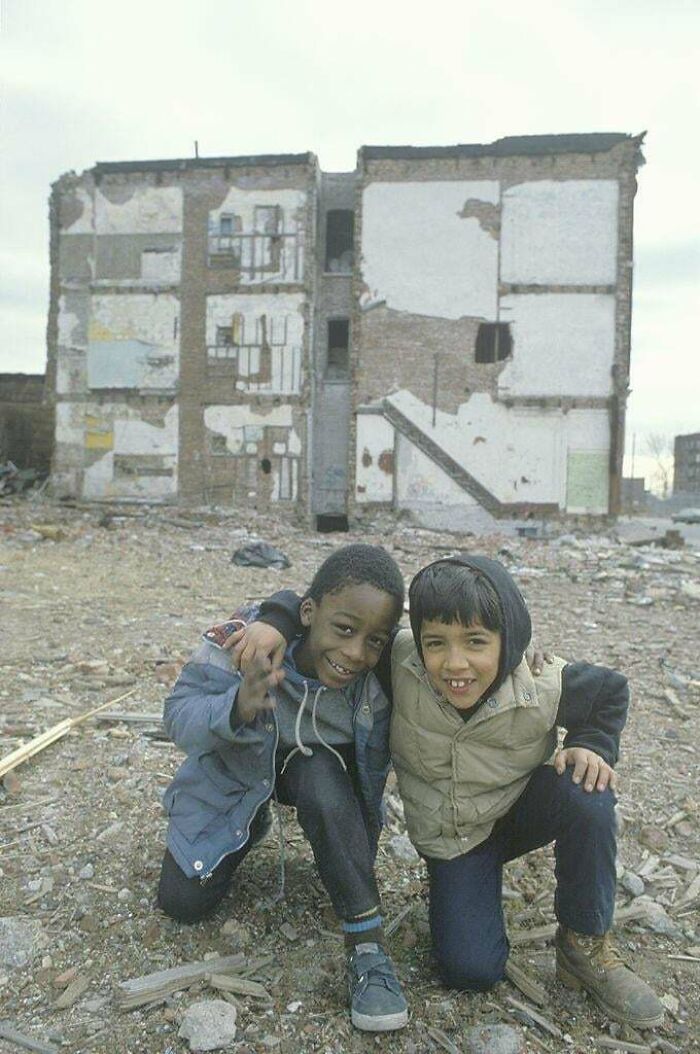
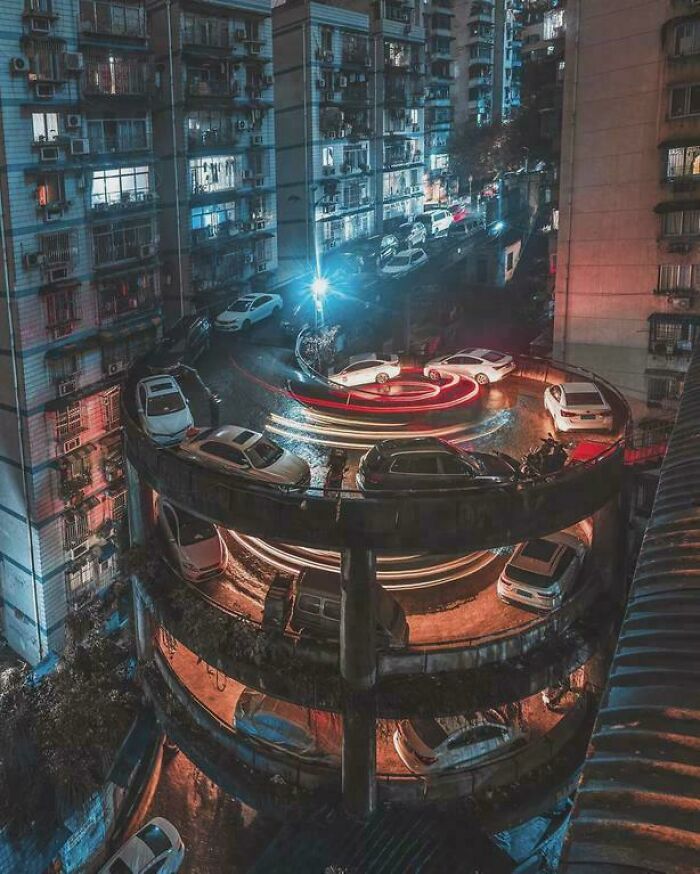
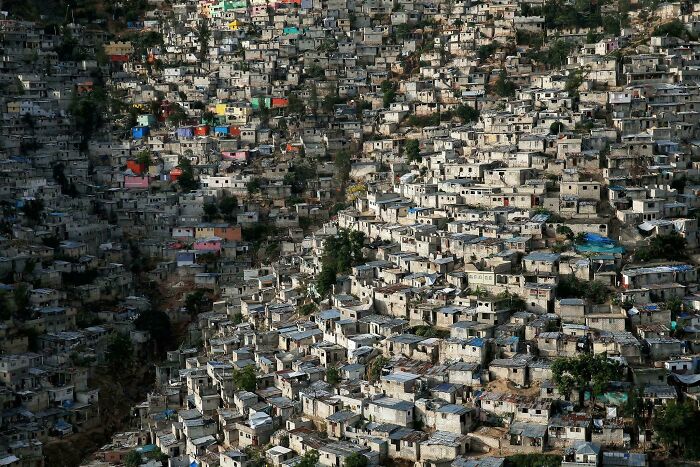
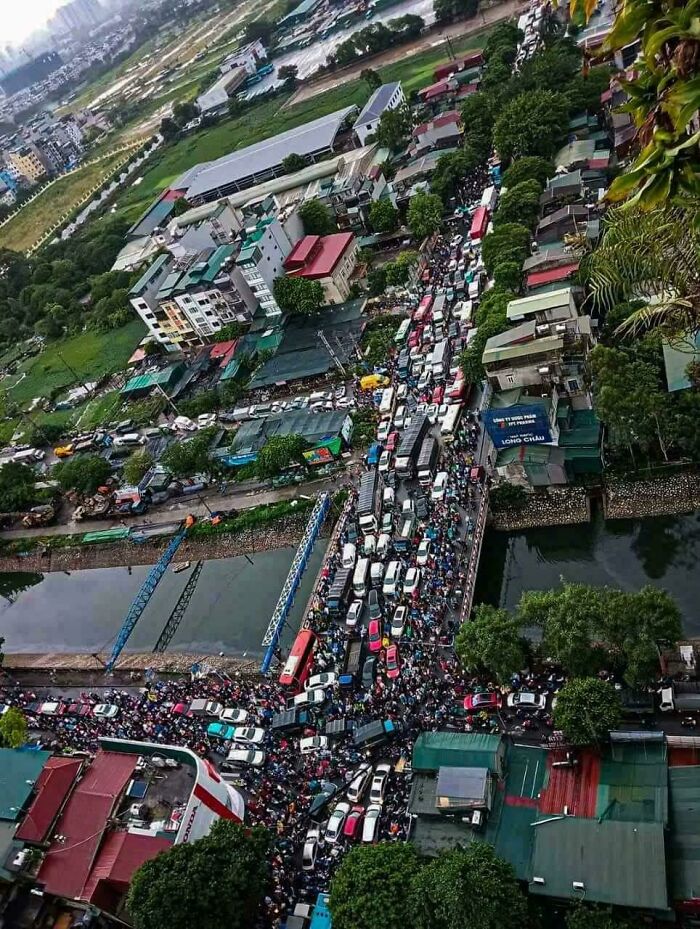
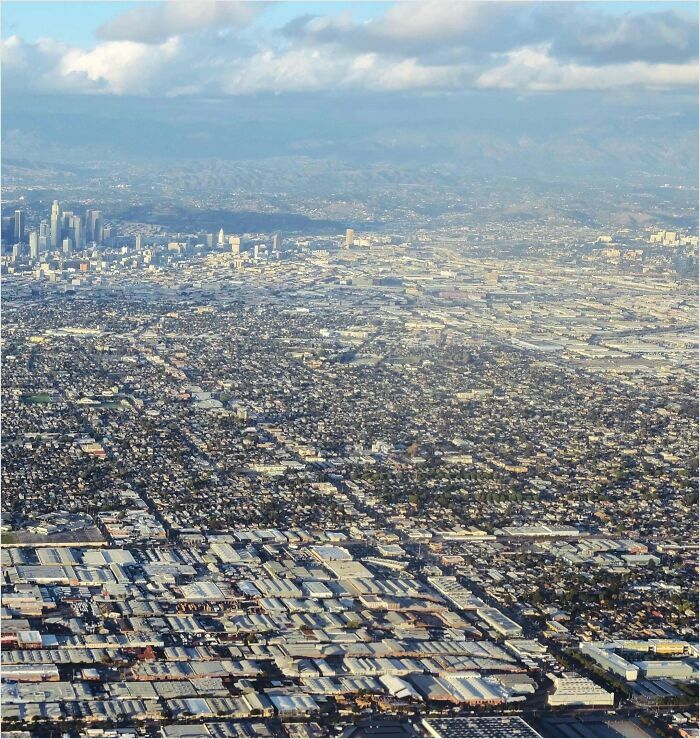
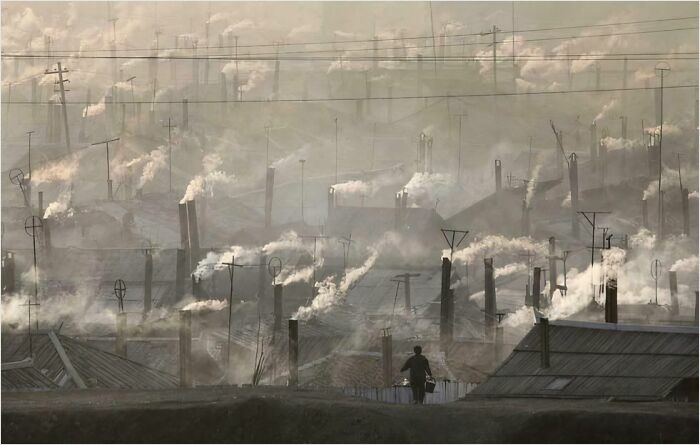
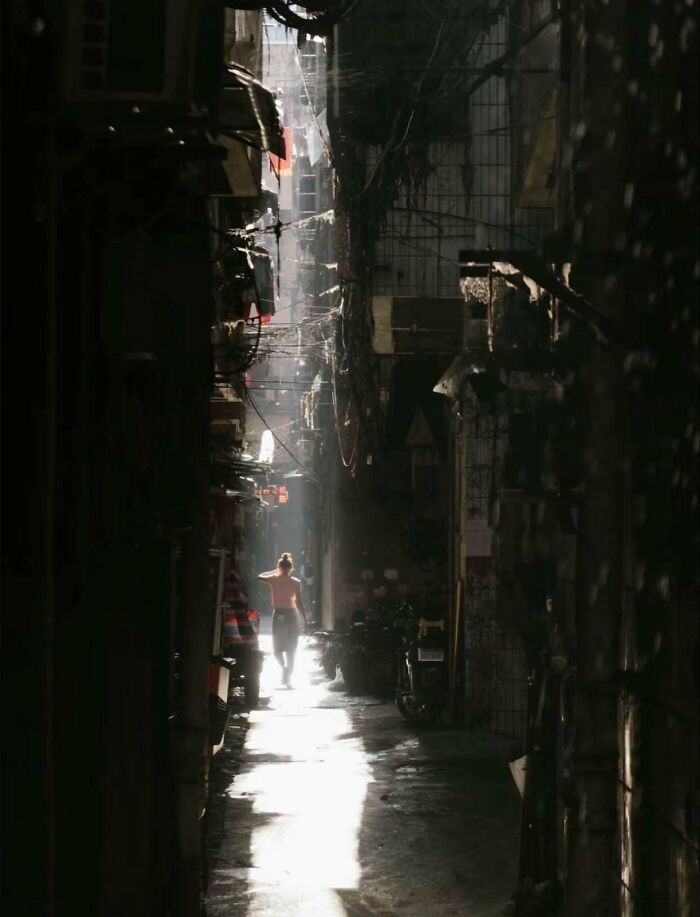
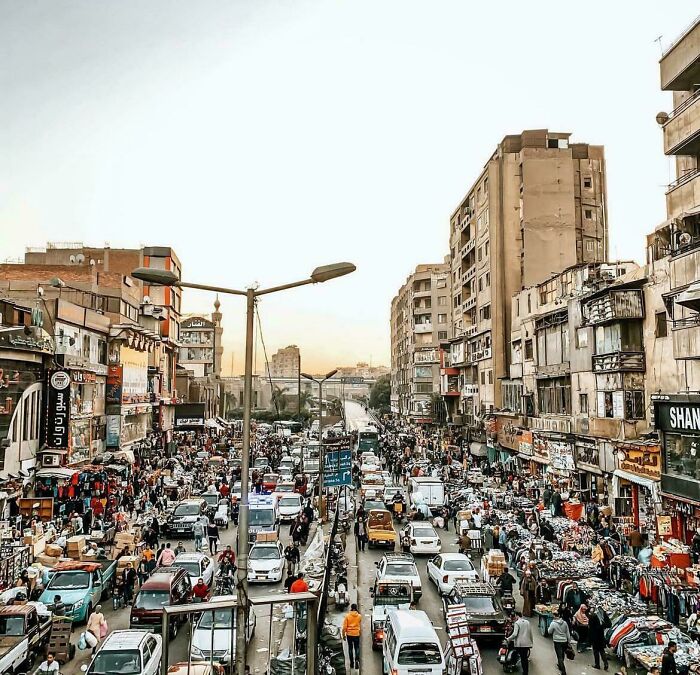
Some cities and the architecture there can make your jaw drop because of how impressive they look. But some others… Well, let's just say your jaw might drop because of a reaction far less positive than that. In the latter, you might be met with dirty streets, overcrowded neighborhoods, and buildings that resemble the set of an apocalypse-based movie more than it does someone’s home.
Today, we’re not focusing on beautiful cities, so if you’re a fan of incredible architecture, you might want to browse this list of architectural marvels instead. But if you’re curious to see what urban hell looks like, you’re in the right place, as we have quite a few pictures of it on today’s list.
Scroll down to find them below, where you will also find Bored Panda’s interview with an architectural psychologist and professor in the School of Architecture at the University of Nevada Las Vegas, Dak Kopec, who was kind enough to answer a few of our questions on architecture.
This post may include affiliate links.

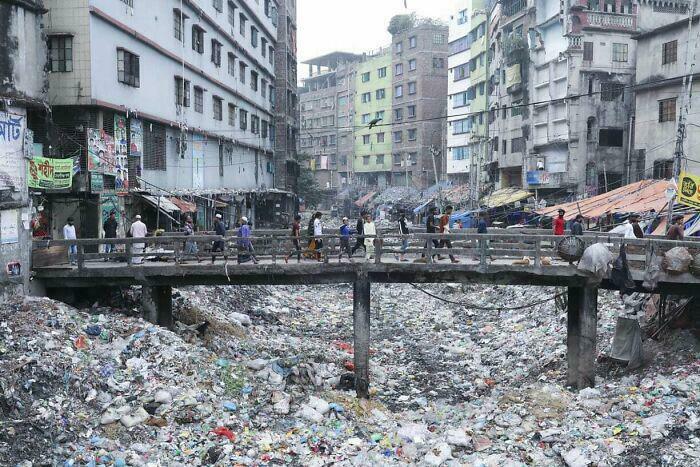
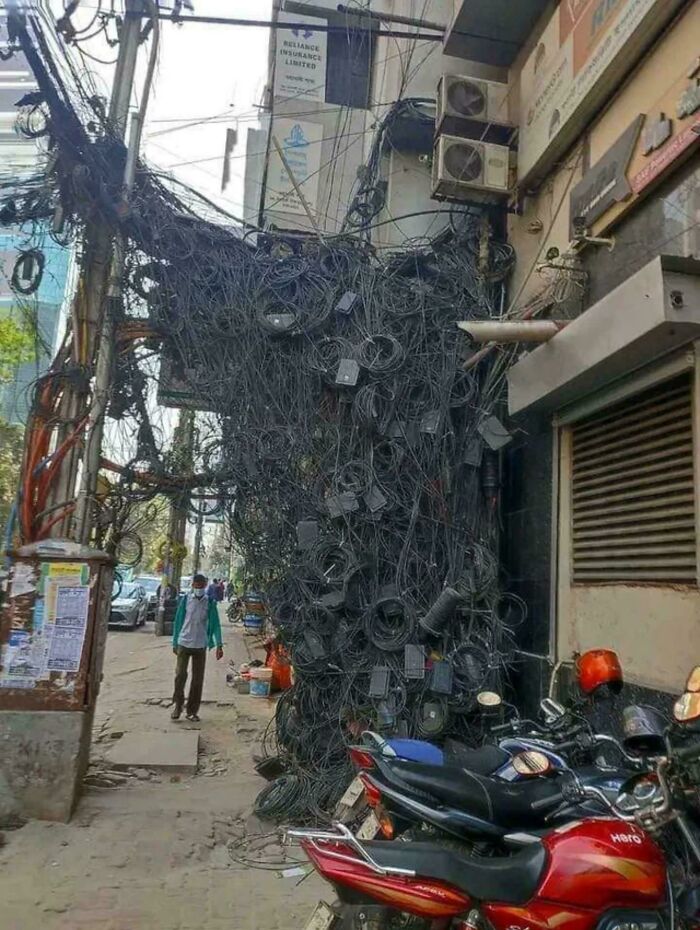
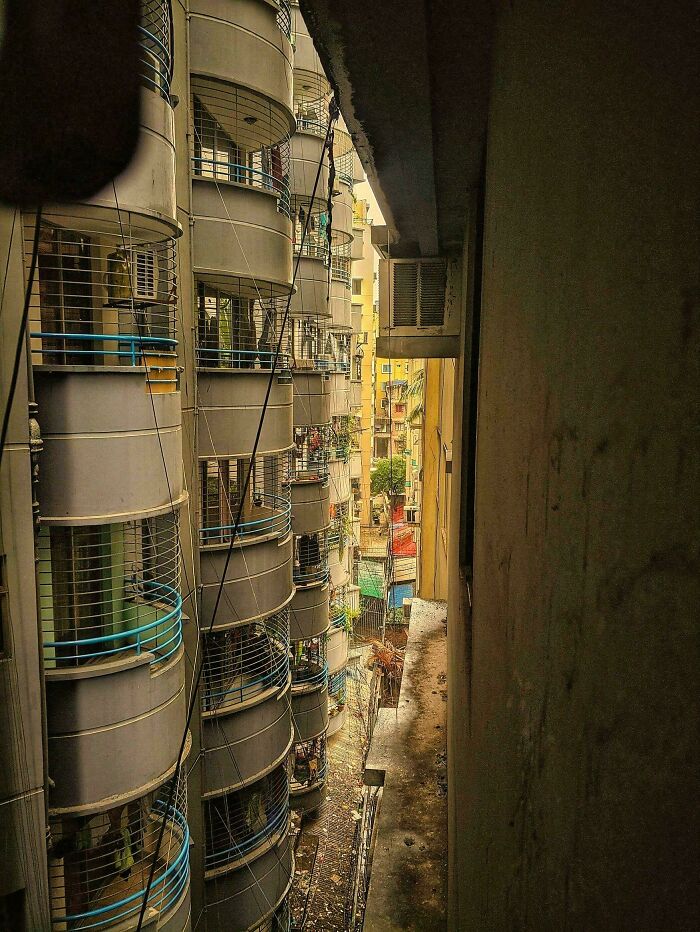
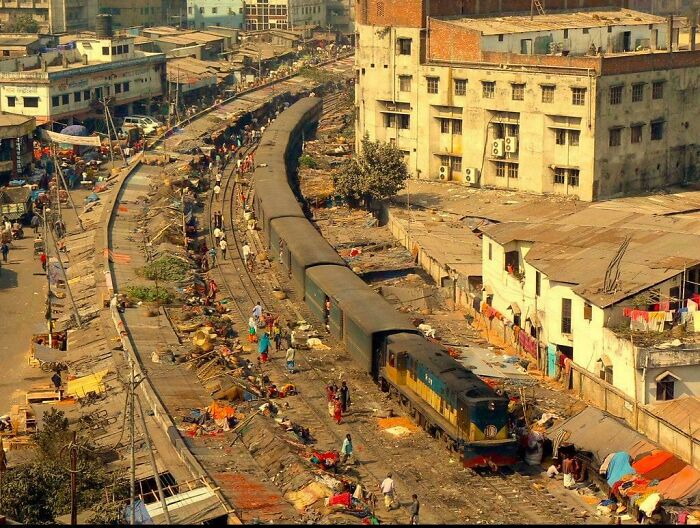
I would love to understand the why of this - how come this happens, not just in Bangladesh, but plenty of other places in SE Asia. Does anyone know? If nothing else, that rubbish could be burnt to generate heat and then electricity. "Where there's muck, there's brass" and all that.

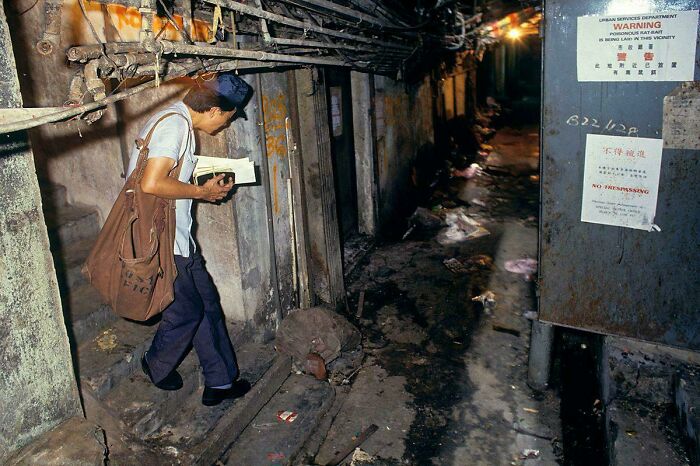
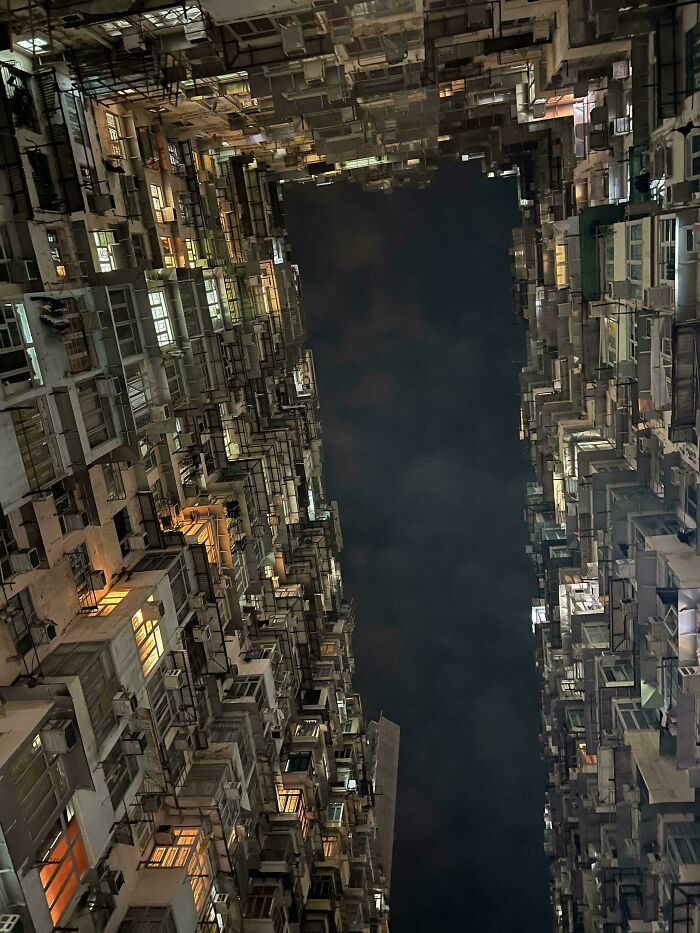
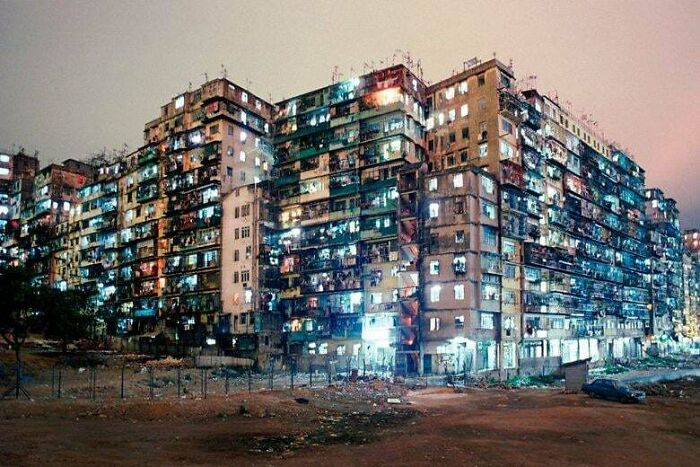
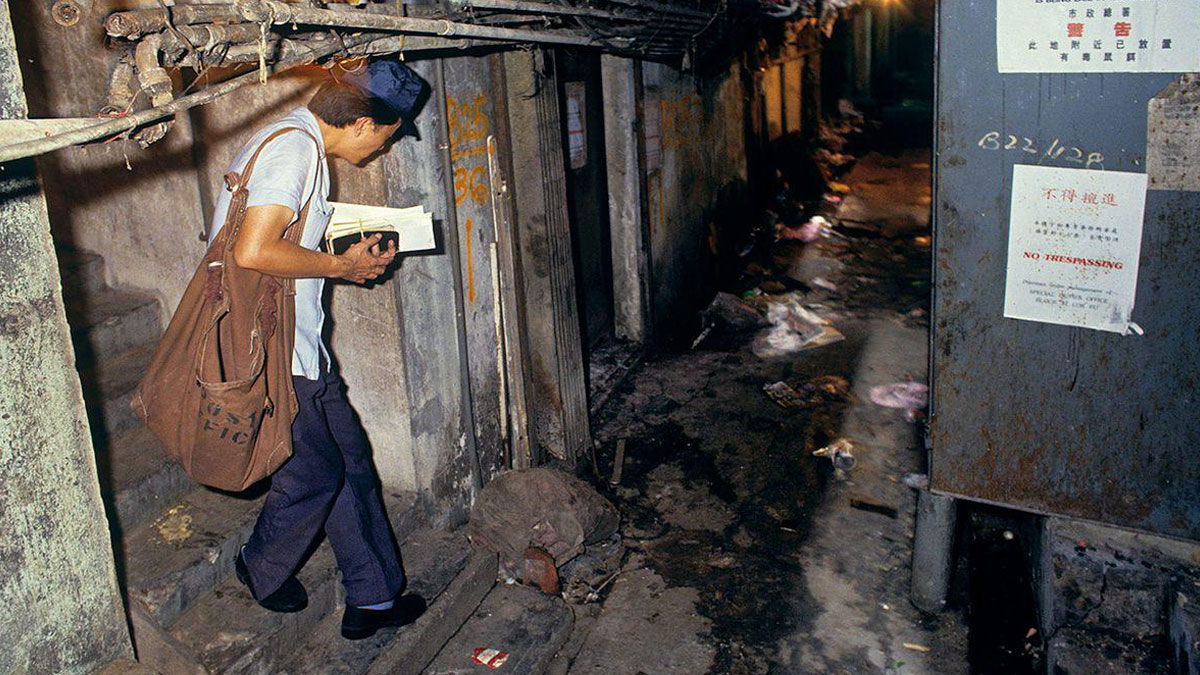
Kowloon Walled City was a fascinating place. A population of 1.3MILLION per square Kilometer. It was a lawless slum that must have been absolute hell to live in. the whole place was established as part of the same treaty that Established Hong Kong as a British protectorate. Short version, Kowloon was a weird loophole that neither side owned but it became a major conduit to move goods in and out of Communist China for about 50 years.
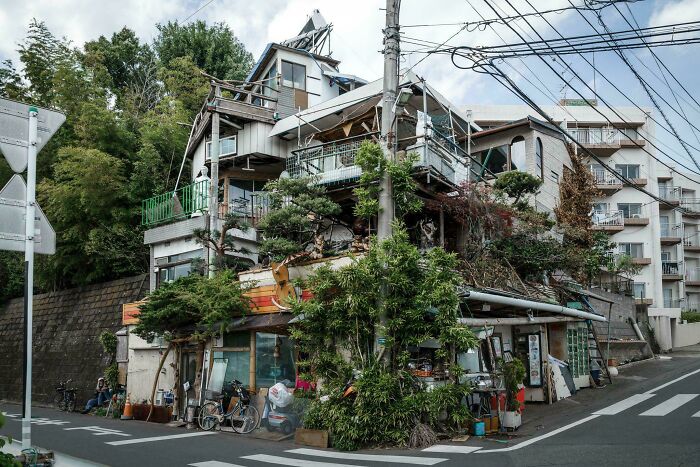
‘Urban hell’ can come in all shapes and sizes. Sometimes, it’s buildings that are simply unpleasant to look at, whether old or new. It can also be something that’s surprisingly inconvenient or serves no purpose at all. Oftentimes, it’s also something that requires destroying bits and pieces of nature, which is, in most cases, simply not worth it.
While ‘Urban hell’ means different things to different people, it usually evokes the same sentiment—a feeling that might make you want to turn your gaze away.
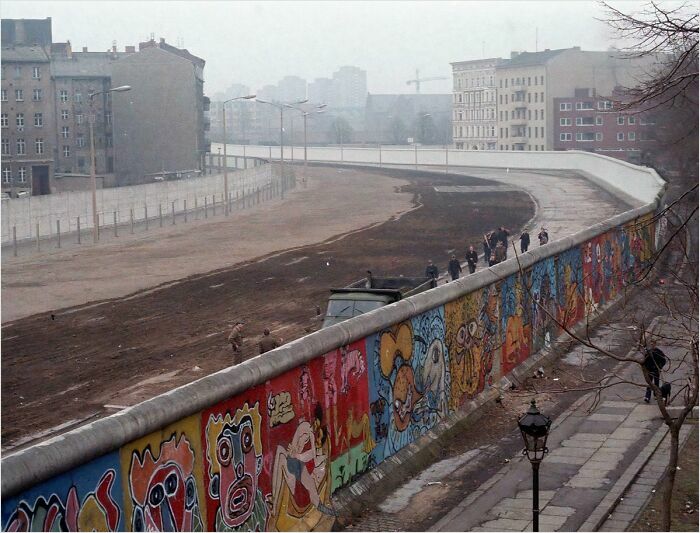
I remember the day the wall came down. I was only 9yo but I was starting to pay attention to the world. That was the biggest thing since Challenger.
Talking about loss of nature due to architectural wonders–or atrocities—architectural psychologist Dak Kopec noted that nature should play a significant role in regards to buildings and construction. “Land should not be viewed only in terms of the developer's profit but in the mental and physical health and well-being of the people,” he said.
According to the expert, destroying nature because of construction might lead to loss of empathy. “When people stop seeing themselves in the cycle of life, they can start to distance themself from caring. This might be caring for a tree or flowers, animals, and our fellow human beings. We are part of nature, and we need this connection to help keep us balanced.”

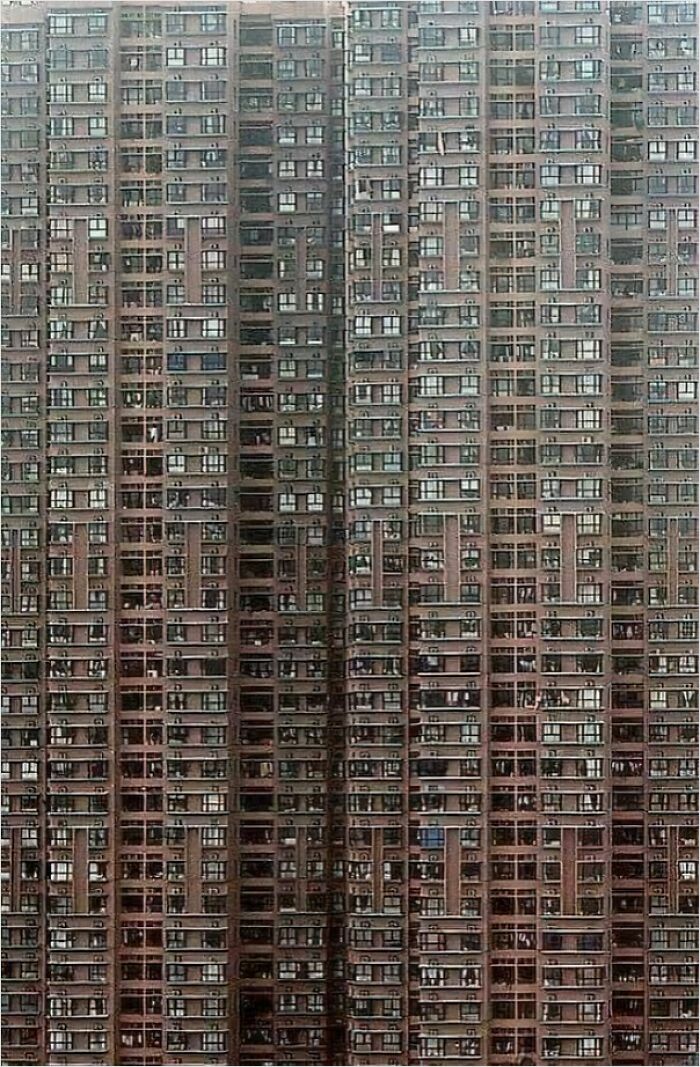
And the waiting lists for some of those apartments are mind-boggling.
Since whether or not something is an eye sore or eye candy is a highly subjective matter, people’s opinions tend to clash. And they often do when it comes to all sorts of iconic—well-known, for better or worse—buildings in cities all over the world.
Take the Montparnasse Tower in Paris, France, for instance. While it is hated by many Parisians, in a piece for T: The New York Times Style Magazine, Daniel Libeskind, a well-known architect, artist, professor, and set designer, stood in defense of said tower, not particularly because of its beauty, but because of the idea it represents.
“Parisians panicked when they saw it, and when they abandoned the tower they also abandoned the idea of a high-density sustainable city. Because they exiled all future high rises to some far neighborhood like La Défense, they were segregating growth,” Libeskind commented to T.

I'm certainly not 'jalous' of those who live there
Talking about the Montparnasse Tower, Libeskind continued to point out that, due to its shrinking capacity, people have no choice but to build good, high-rise buildings that are affordable. “Maybe Tour Montparnasse is not a work of genius, but it signified a notion of what the city of the future will have to be,” he noted.
As of January 2023, the French capital had just over 2.1 million residents. However, over the same year, it welcomed nearly 29 million visitors, which could make it feel pretty packed.

If you’re interested in packed cities, Prof. Alasdair Rae of the University of Sheffield has carried out interesting research, delving deeper into the density of populations in countries all over Europe. He located the densest kilometer in each one of them and found that the most densely populated city in Europe is not Paris. It’s… you guessed it, Barcelona.
According to Rae’s study, the most densely populated kilometer in one of Spain’s main hubs is home to nearly 54,000 people. Second on the list, the French capital houses a little over 52,200 in its most densely populated one square kilometer.
Following Barcelona and Paris were Szczecin in Poland (nearly 33,000 people per sq. km), Brussels in Belgium (29,100 people), Athens in Greece (just over 28,800 people), and Stockholm in Sweden (with roughly 26,100 people).

I don't understand the tourist appeal for cities with massive amounts of concrete and tall buildings.
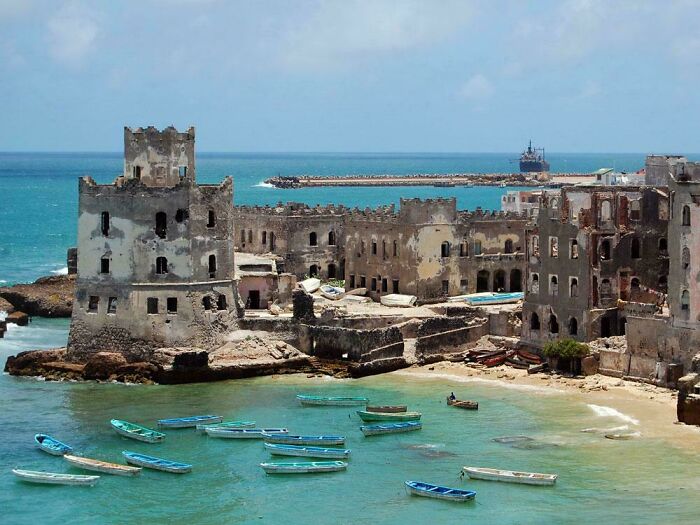
When it comes to the city with the highest population density globally, Mogadishu in Somalia tops the list, according to 2023 data. There, it’s not only one particular kilometer that’s densely populated but the entire city houses roughly 33,200 residents per square kilometer.
According to Prof. Kopec, overcrowding is a big problem. “People need space, and when areas are too dense, people can start to feel overcrowded and over-stimulated, which often translates to not caring for fellow people or the environment itself.”

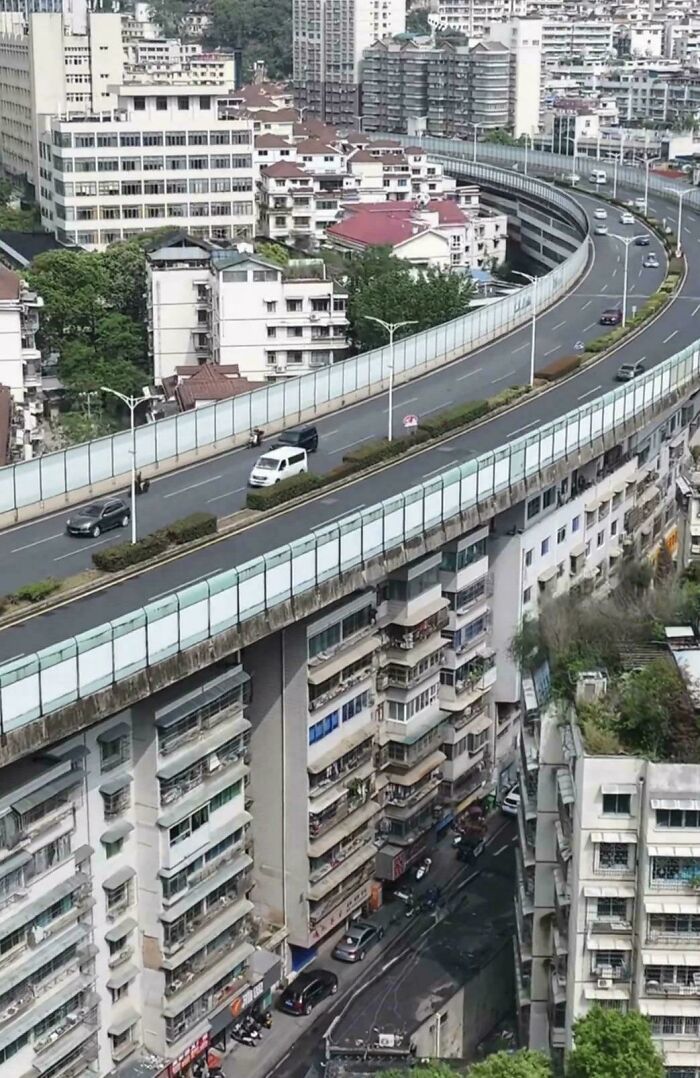
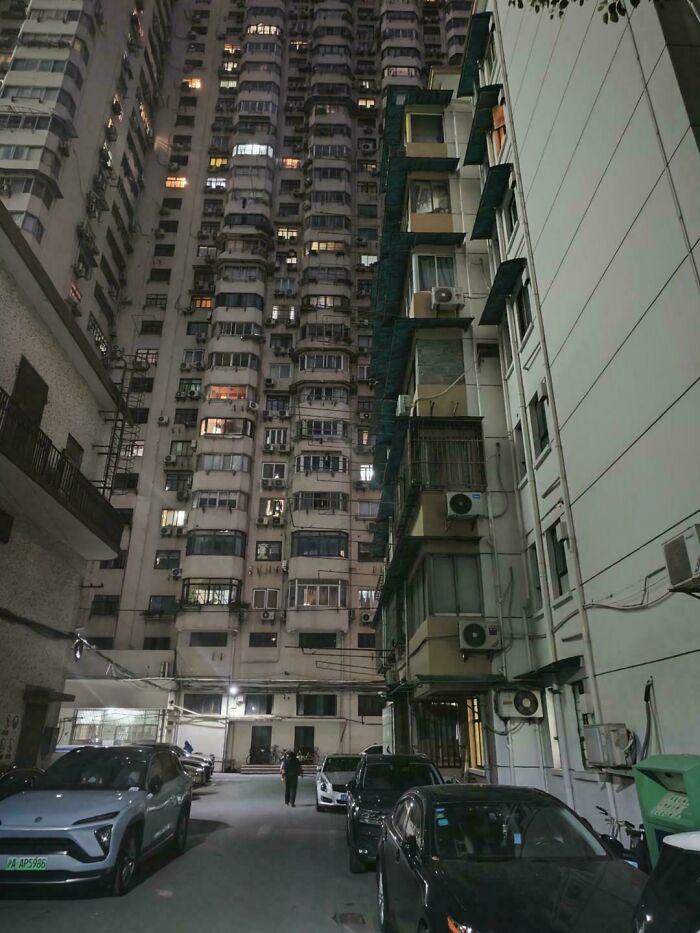
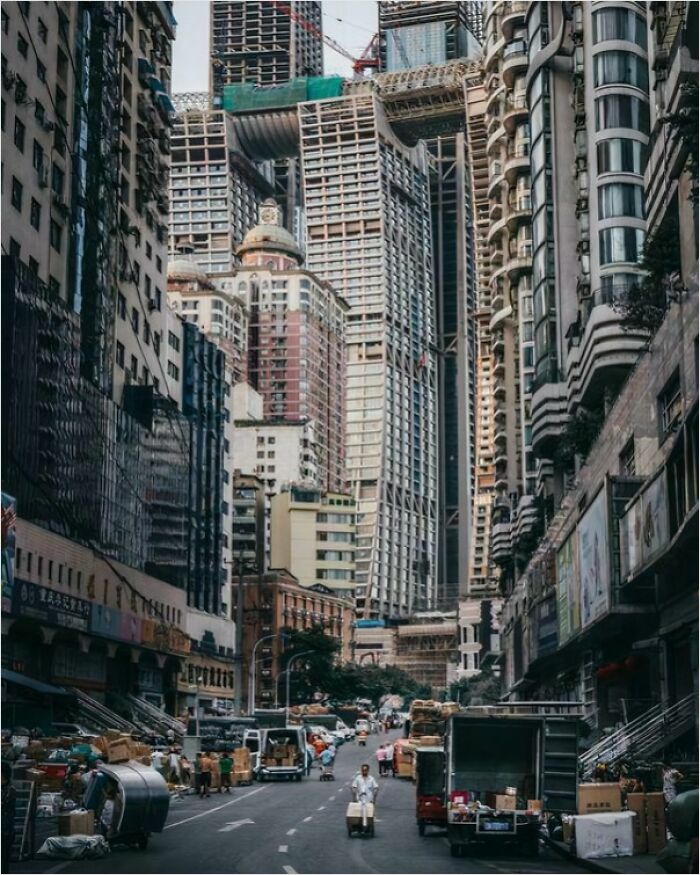
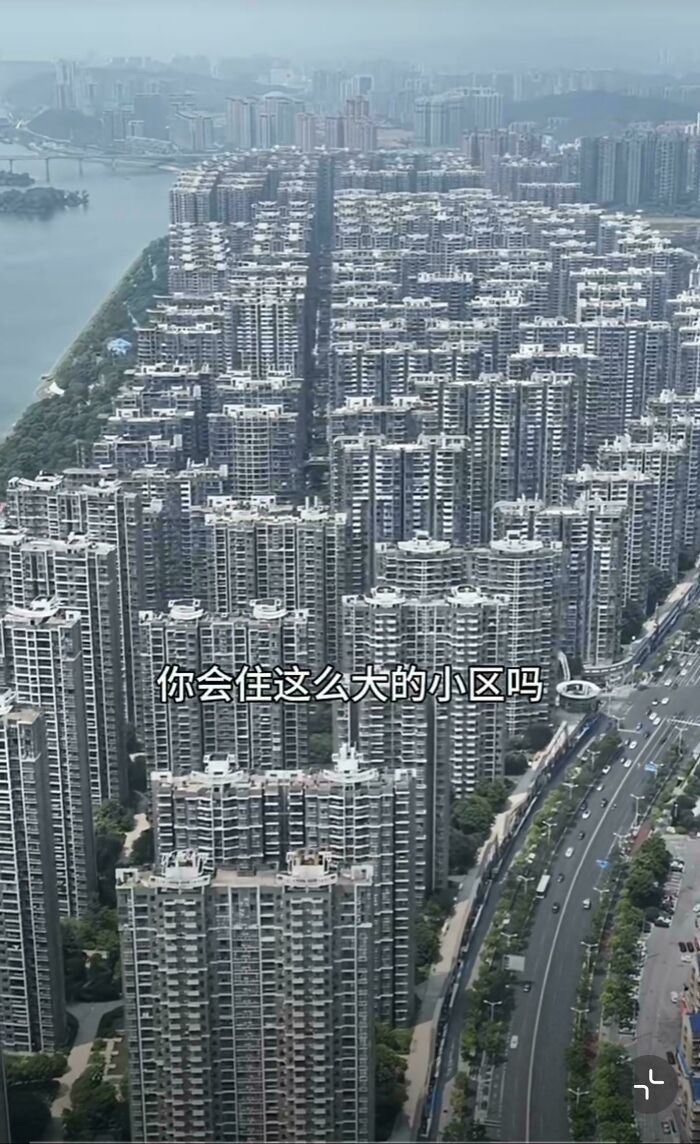
What always gets me about chinas infrastructure is - how do you get your furniture up there easily? What if you have stuff that won’t fit in the entry way? Do the crane it up?
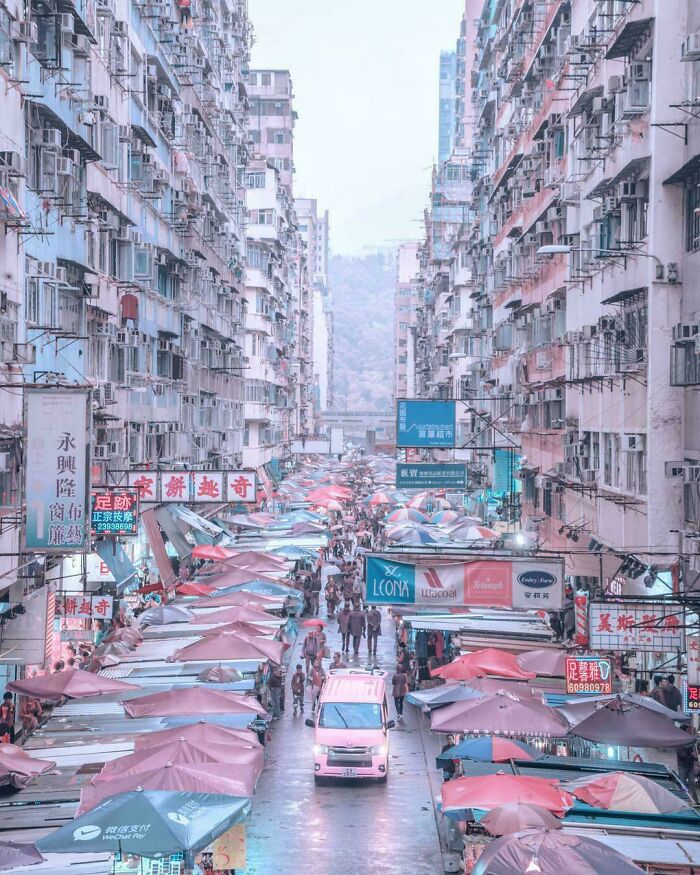
It’s safe to assume that for some people, incredibly densely populated places are the ultimate definition of ‘urban hell’; there are enough pictures on this list to demonstrate why. But if you don’t want to look at such hell any longer, continue with something more attractive in our architecture category or browse these expectations vs. reality: architecture edition pictures for a good giggle.

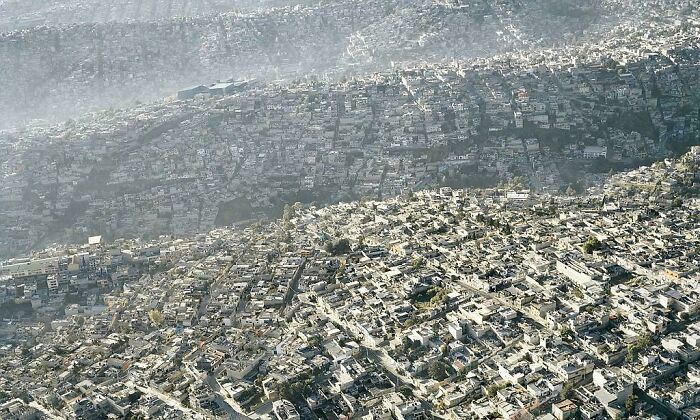
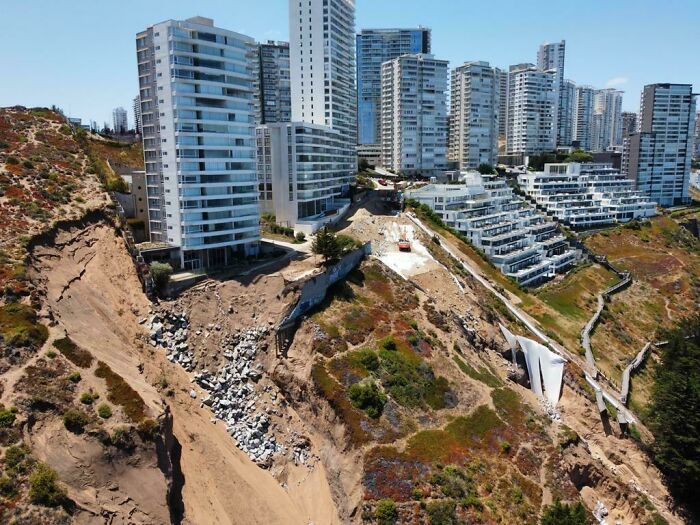
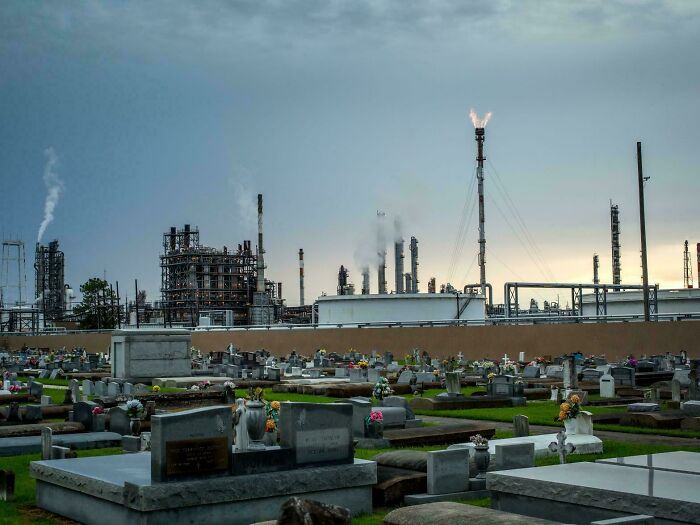
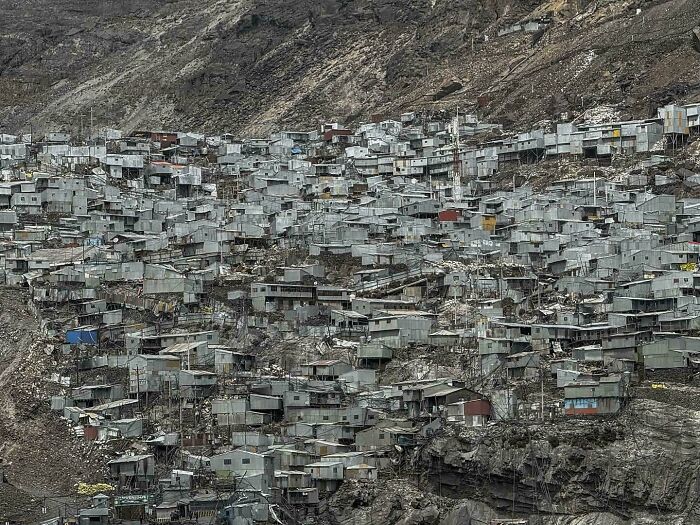
Particularly terrifying given that the area is prone to earthquakes and sand loves to get all unstable when the ground gets shaky...
Weird. No, not the image itself. But the fact there's no comments. If this was located in Anywhere, USA, there' would already be a dozen "America bad" comments, like several of the pics above.

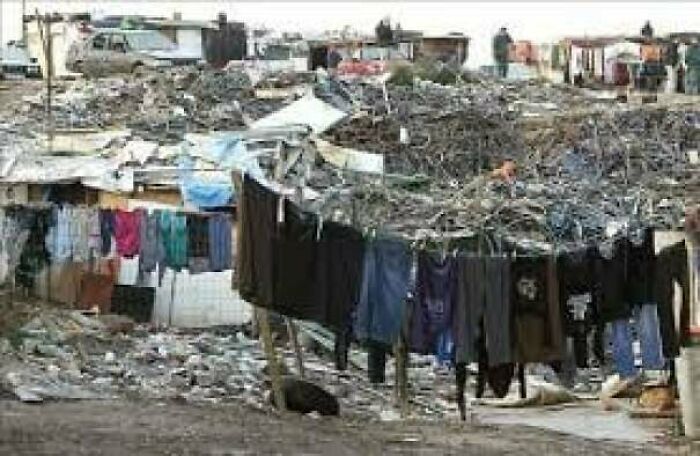
Cañada, not Canada. It's La Cañada Real, Madrid. No relationship with the soccer team.
You know when you watch a time travel movie where they come back from the Middle Ages and not much has changed in merry old England too much 😂 imagine the same movie premise but in China, pot time traveller would have a fit


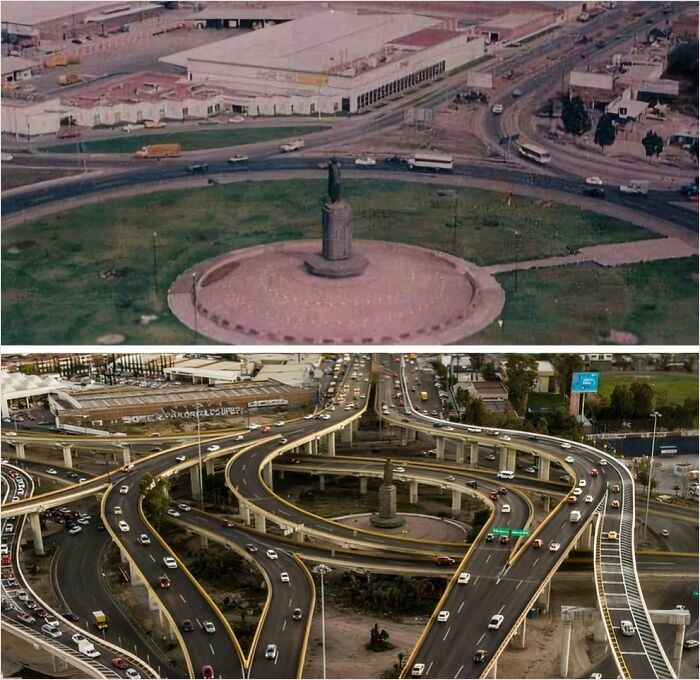
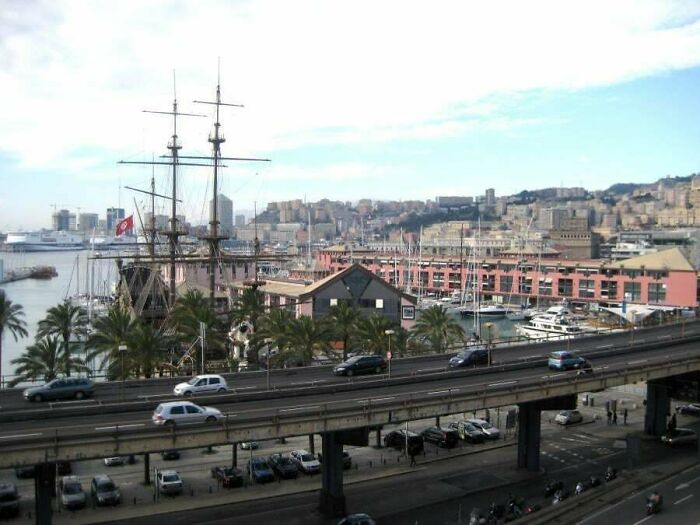
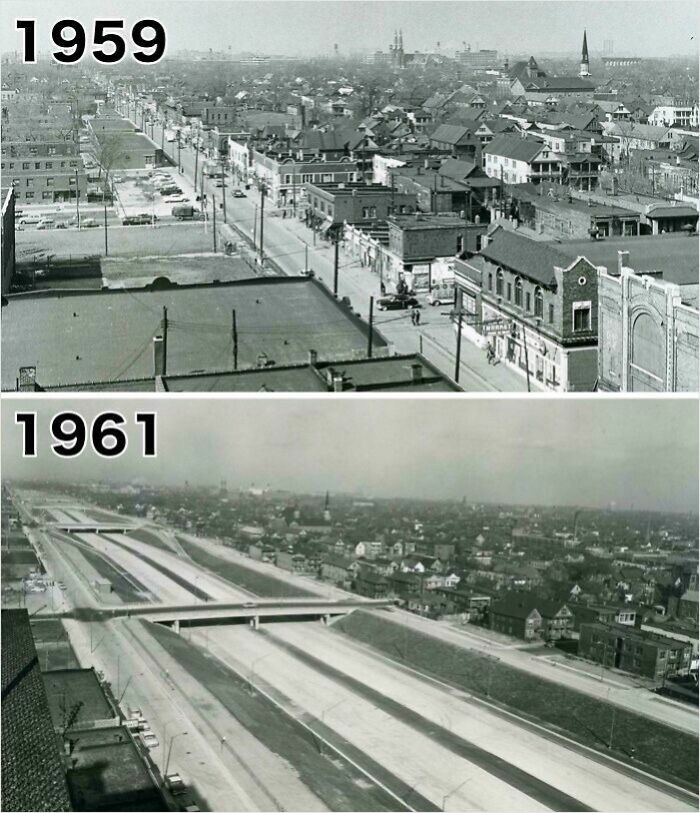
This is the USA. I don't know which particular city, but in a way that is irrelevant....because when Eisenhower put the highway system in this happened to many cities. For some reason it just didn't occur to those early highway planners that they could swerve around cities. So many communities were cut in half, creating defacto areas with less access to cultural assets like libraries, parks, government offices, etc...........To be clear, the highways were put in to facilitate the rapid movement of large scale military equipment and personnel. Making car travel easier was of secondary concern.

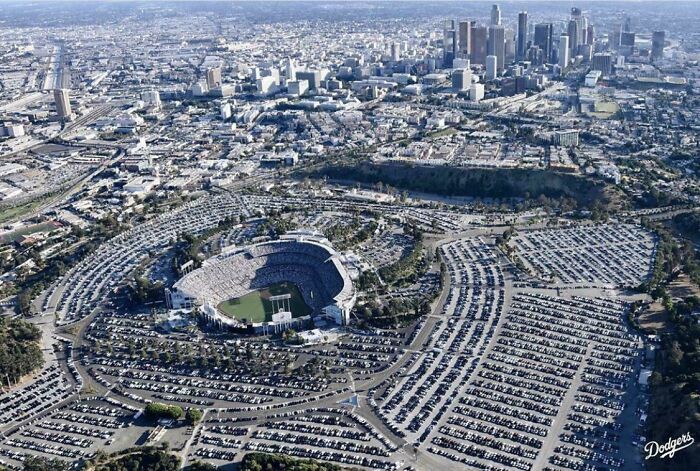
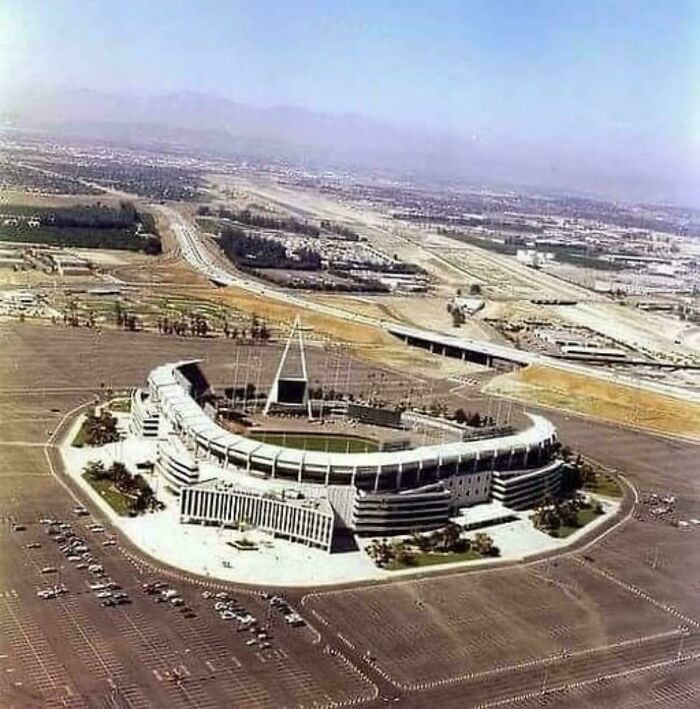
In 1949, the government of Los Angeles siezed hundreds of homes here by condemning them and declaring eminent domain, but not for a baseball stadium, but for a newer, government-controlled housing project. Pretty much everyone except the statist mayor hated the idea. After he was thrown out of office, nobody wanted to build the housing project that the neighborhood was destroyed in order to create. The stadium was built ten years later, after paying fair-market prices to buy out some additional homes.
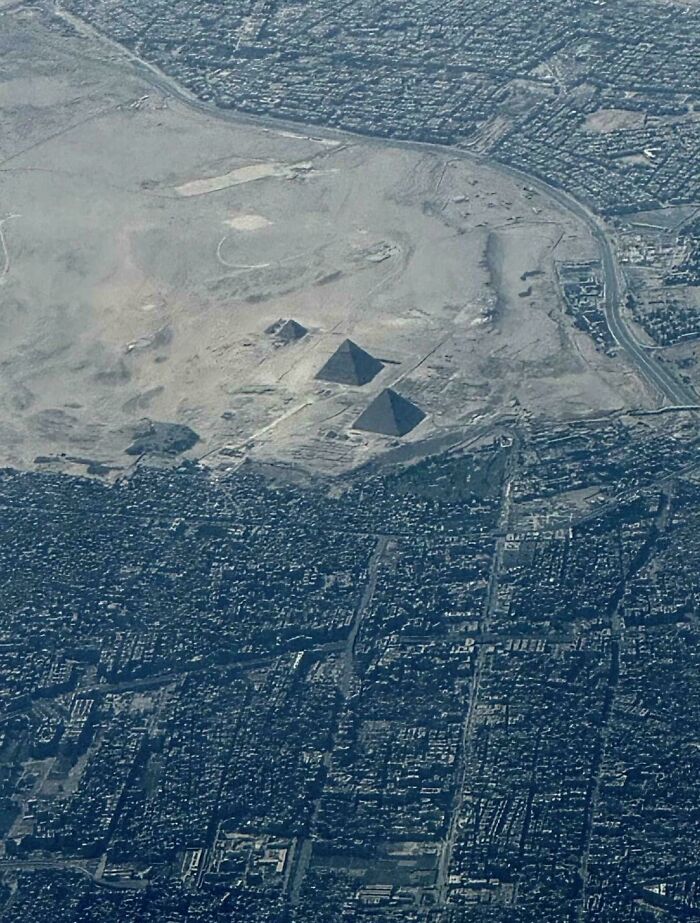
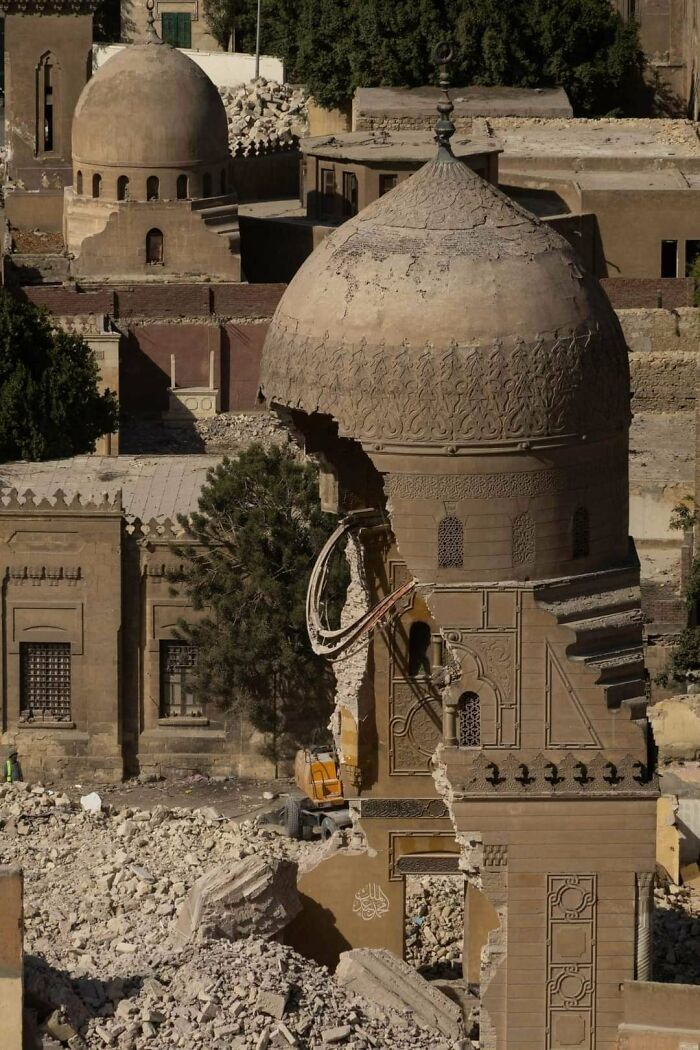
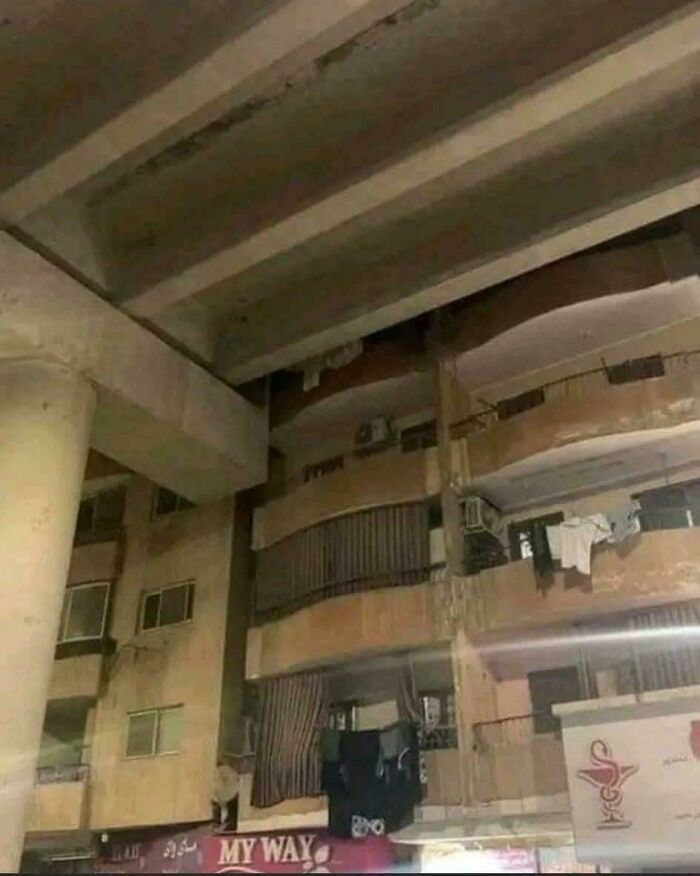
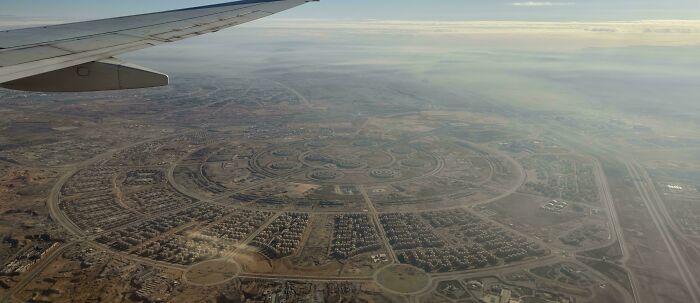
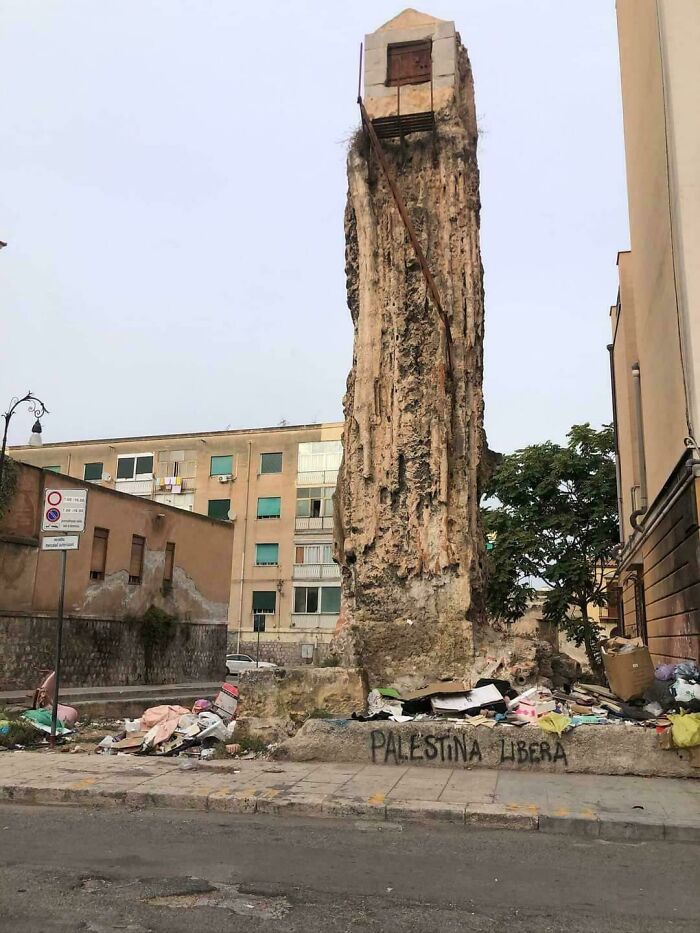
I read the original post. Apparently: "Egypt, Cairo (Shafi'i cemeteries in old Egypt to be precise), Halim Pasha Dome." Why? For crying out loud, why do this?

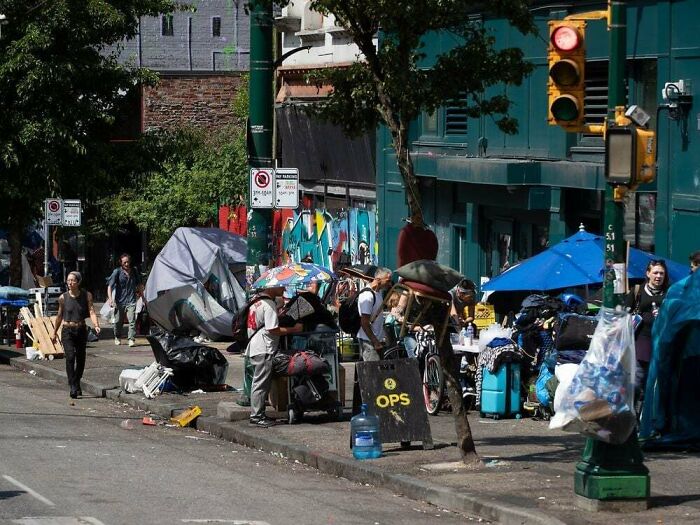
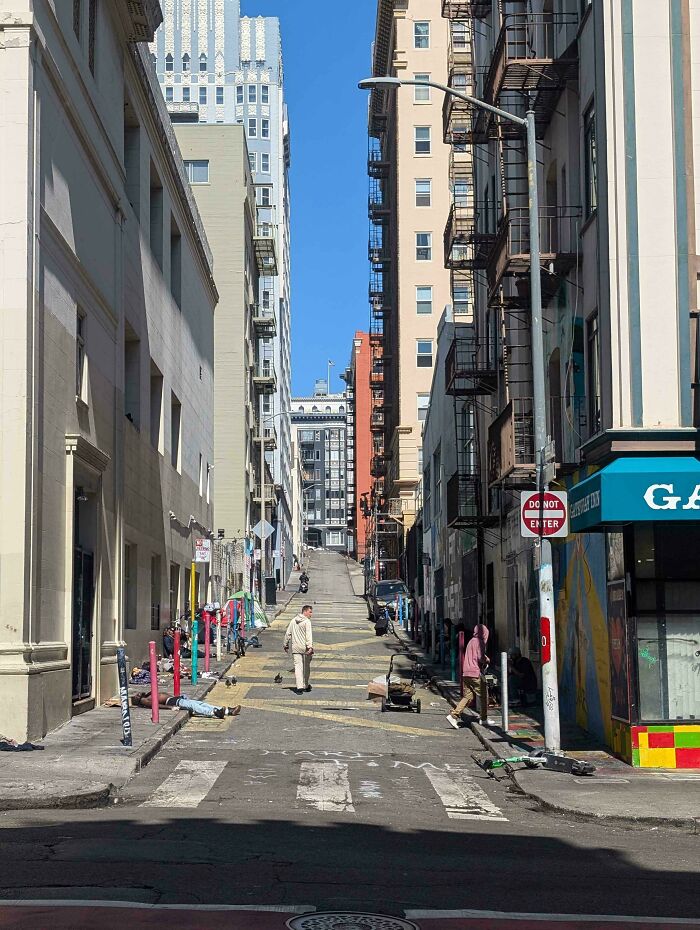
Toronto is much the same. The encampments get cleared periodically, which does nothing but create an endless cycle of movement from park to street corner to parkette to ravine to vacant lot and back again. Our three levels of government are unable (or rather unwilling) to cooperate on funding effective supports for unhoused people.

How is this a solution to anything? If it's supposed to stop squatters, they'll find somewhere else. A case of "if it's not on my patch, I don't have to do anything about it".
I don’t even want to know how and why caged balconies became mandatory. But upside, you could really let your big indoor parrot just chill indoor and outdoor without a worry 😂
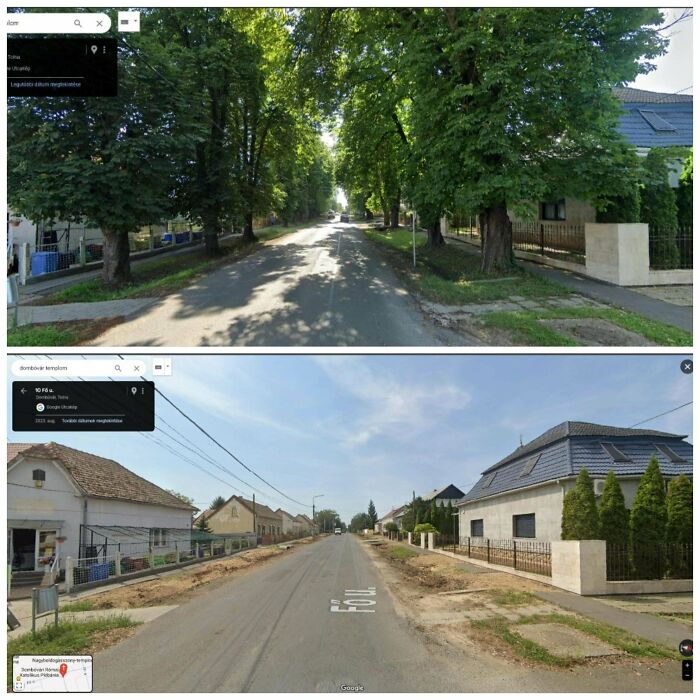
According to machine translation, this was done to install better drains. The residents are Not Happy. https://index.hu/belfold/2023/08/01/dombovar-fasor-kivagas-helyiek-tiltakozas-gesztenyefak-vizelvezetes/
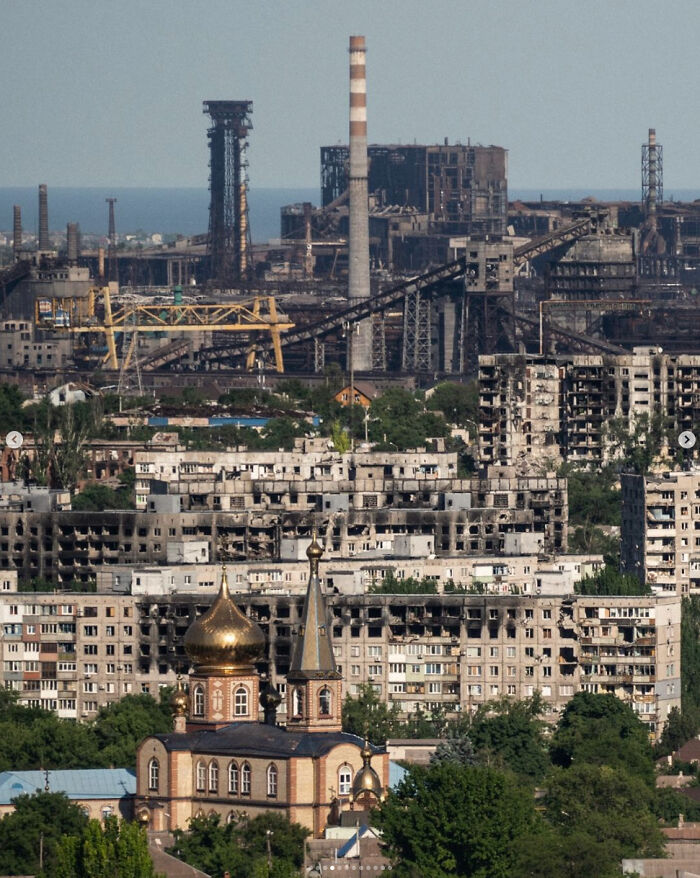
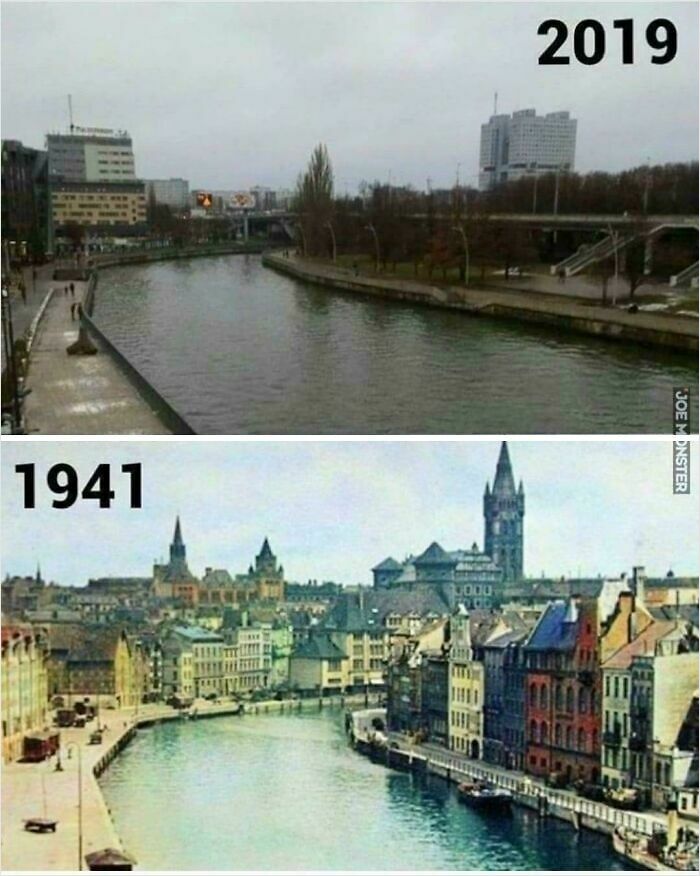
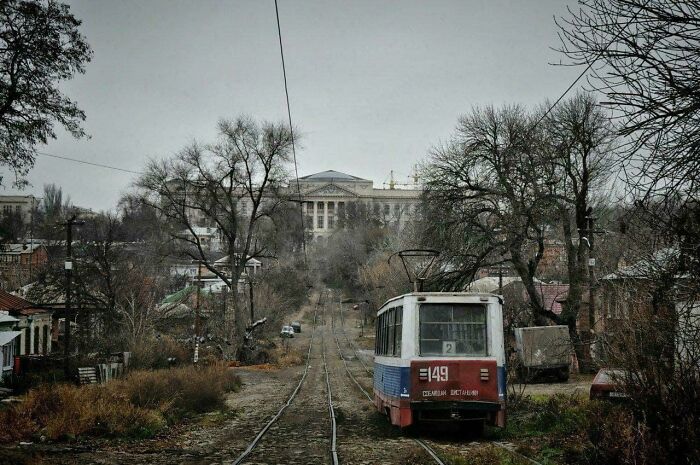
Königsberg (East Prussia) was very badly damaged during the Second World War before being annexed by the Russian Soviet Federative Republic and renamed Kaliningrad. https://en.wikipedia.org/wiki/Bombing_of_K%C3%B6nigsberg_in_World_War_II and https://en.wikipedia.org/wiki/Battle_of_K%C3%B6nigsberg and https://en.wikipedia.org/wiki/Kaliningrad#World_War_II

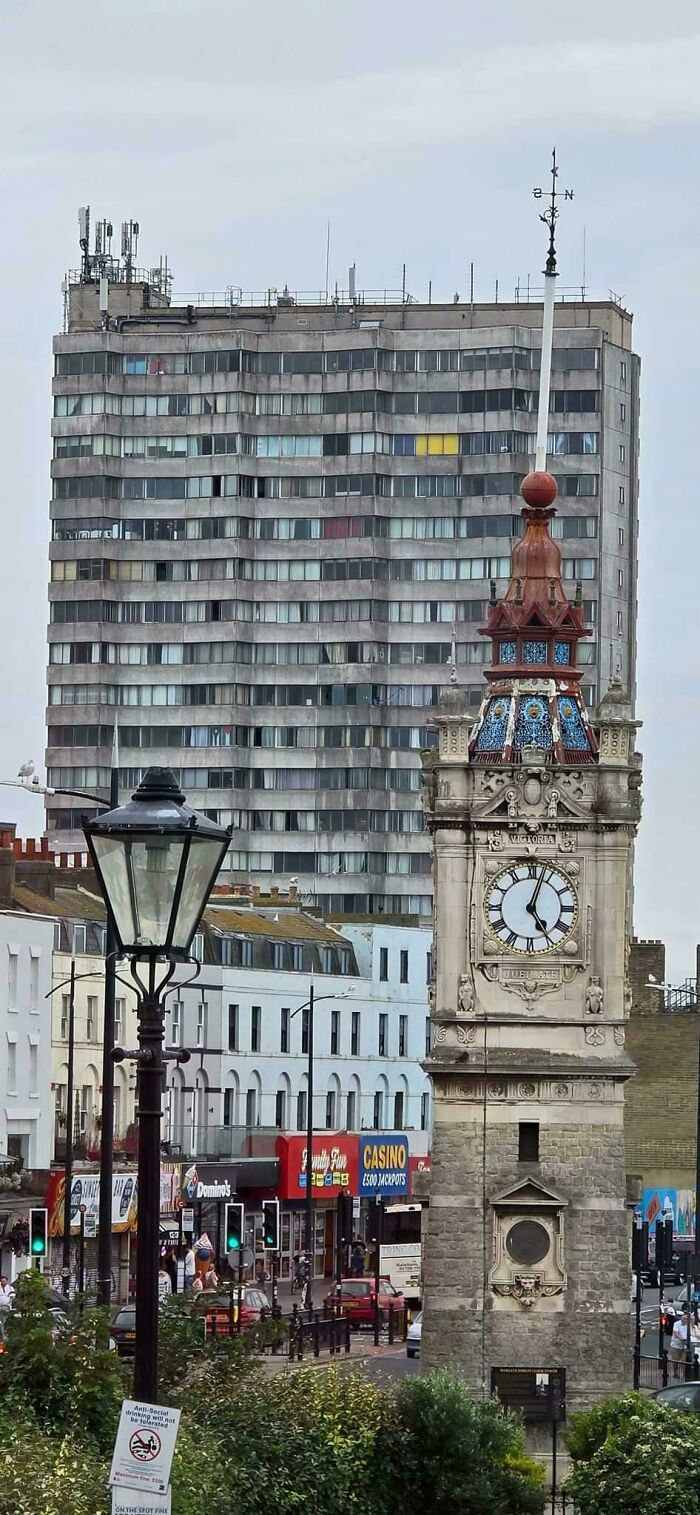
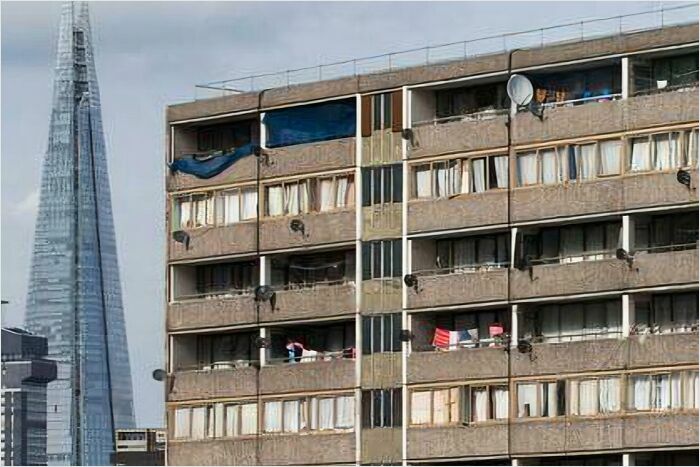
The low rise flats visible were intended as decent, affordable accomodation for ordinary working people. Things did not work out as intended, but what you see is an awful lot better than the "rookeries" with which London used to be plagued. https://en.wikipedia.org/wiki/Rookery_(slum)#London_rookeries

Idiots blaming the liberals for a problem created by Republicans.
More here: https://en.wikipedia.org/wiki/Angel_Stadium. California apparently has a great climate, if you're an orange (the fruit, that is, not the president elect).
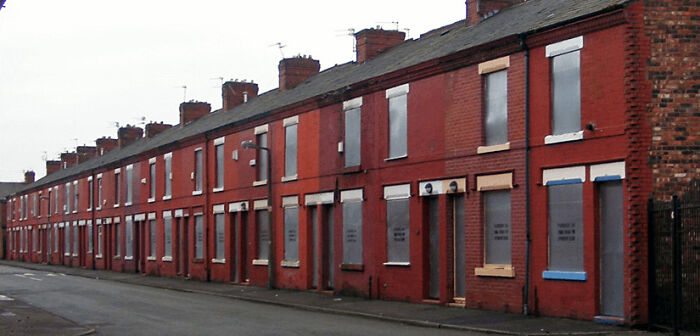
I don't know the street in question, but: Liverpool City Council has, every now and then, done the right thing with this sort of street and offered up the houses for sale a nominal price if you move in and renovate the property. The structure of such houses tends to be solid, but they need insulation, modern heating systems, modern everything added.

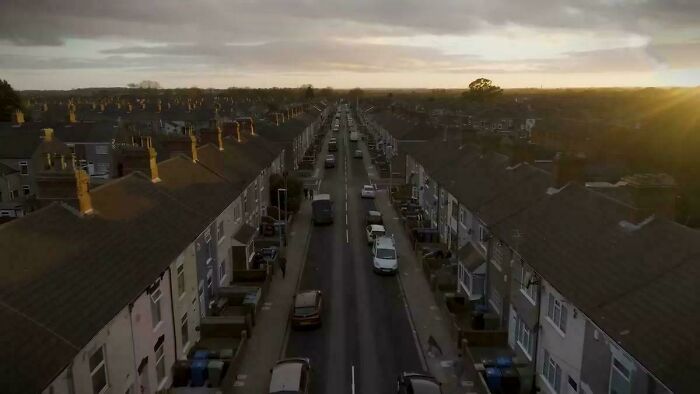
After a Google inspection, I'd say this is the nicest photo of the place.
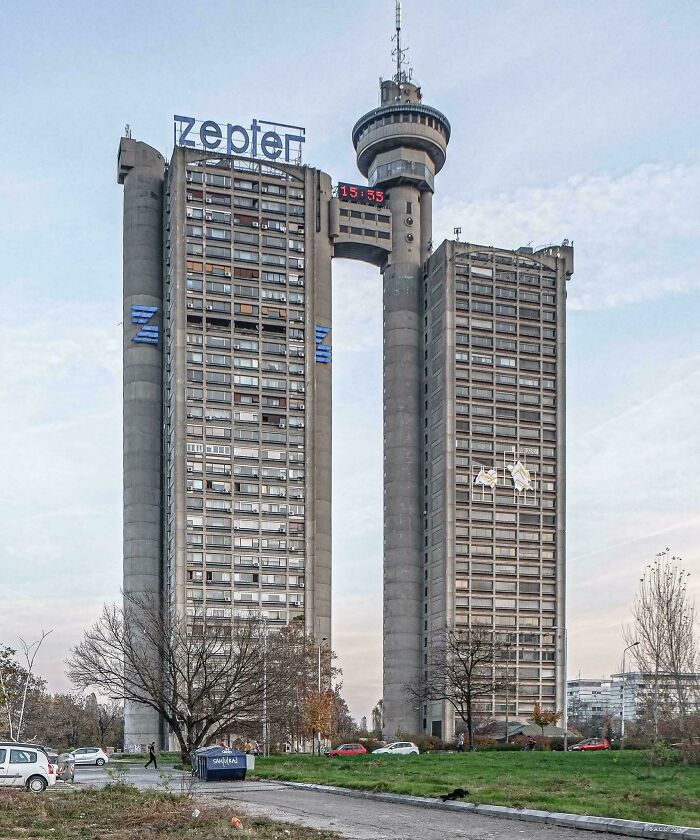
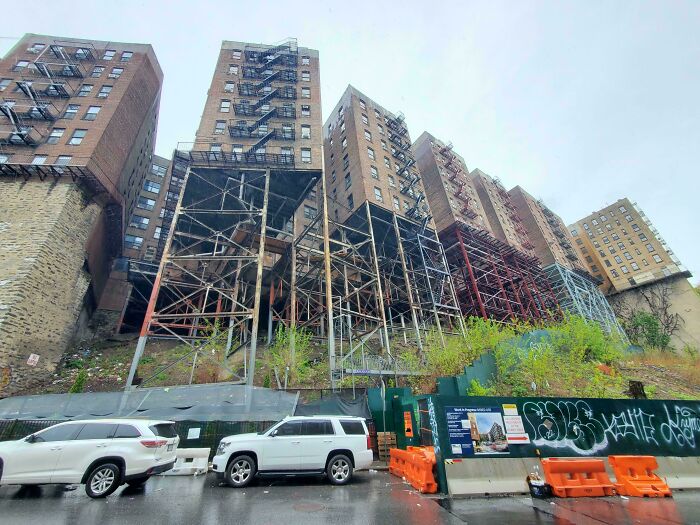
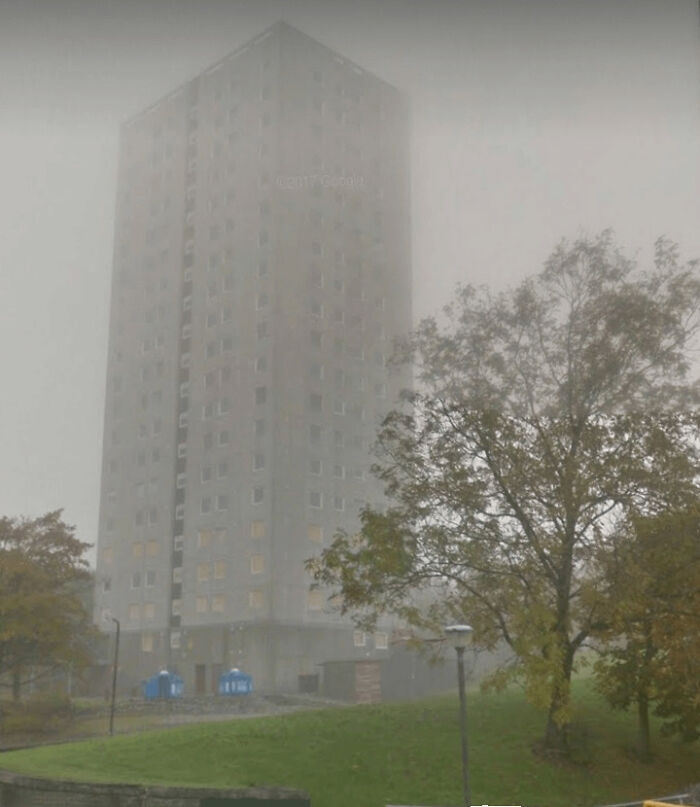
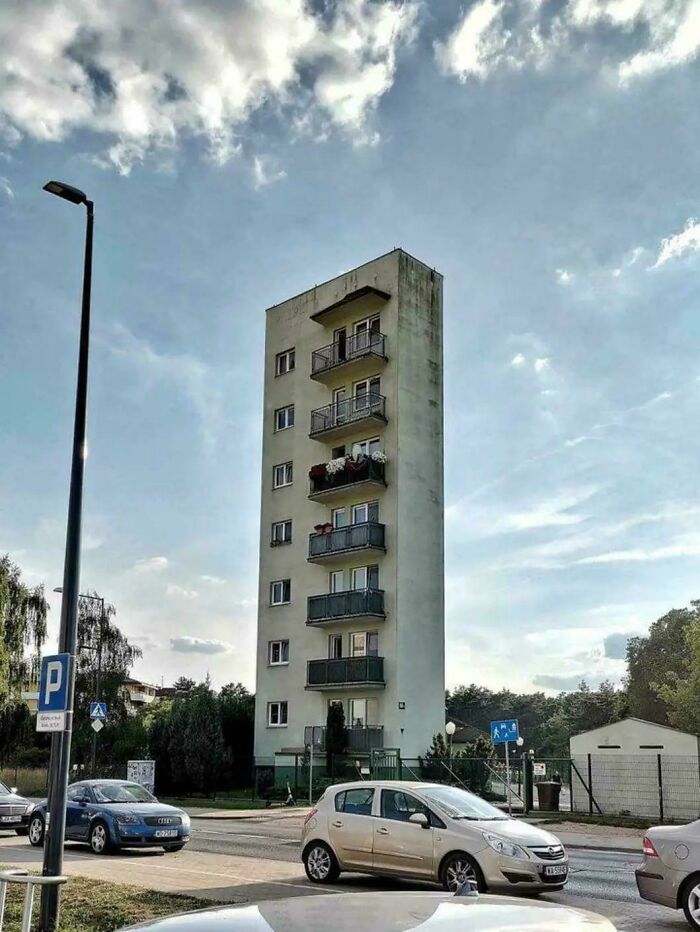
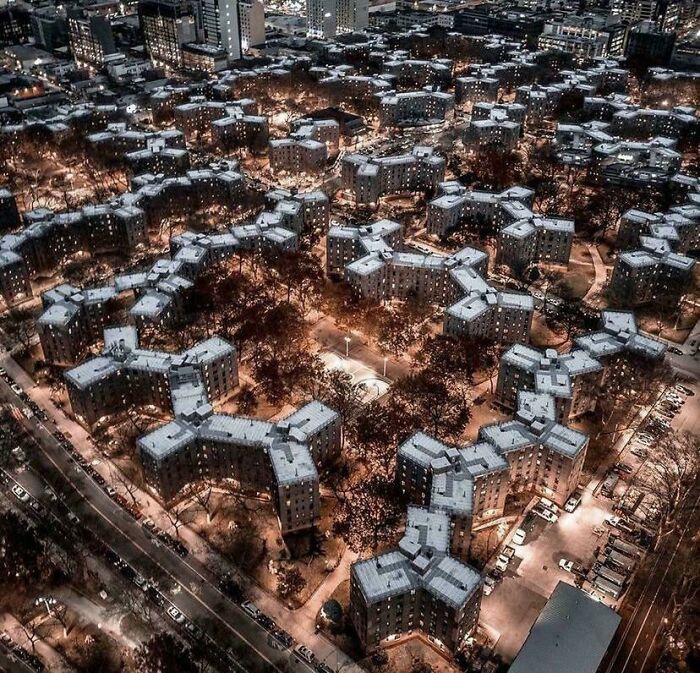
Hmm - could be worse. There are trees around and about, and it looks like a nice idea: one apartment on each floor, nice views, good ventilation. Possibly also: inadequate insulation and protection against damp. But maybe the designers and builders did their jobs properly.

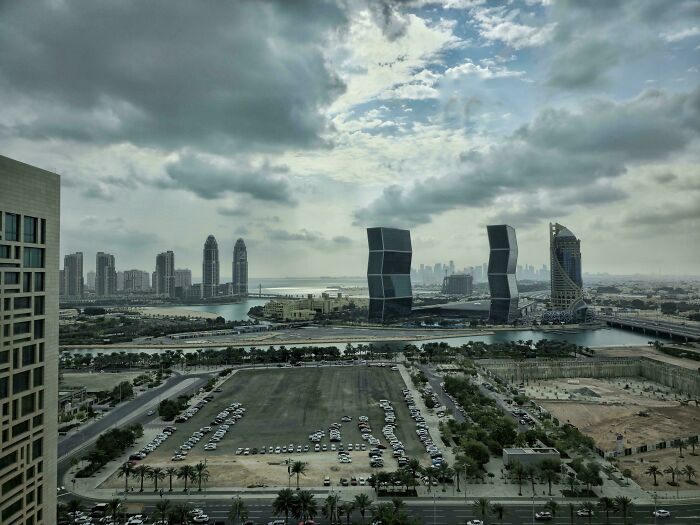
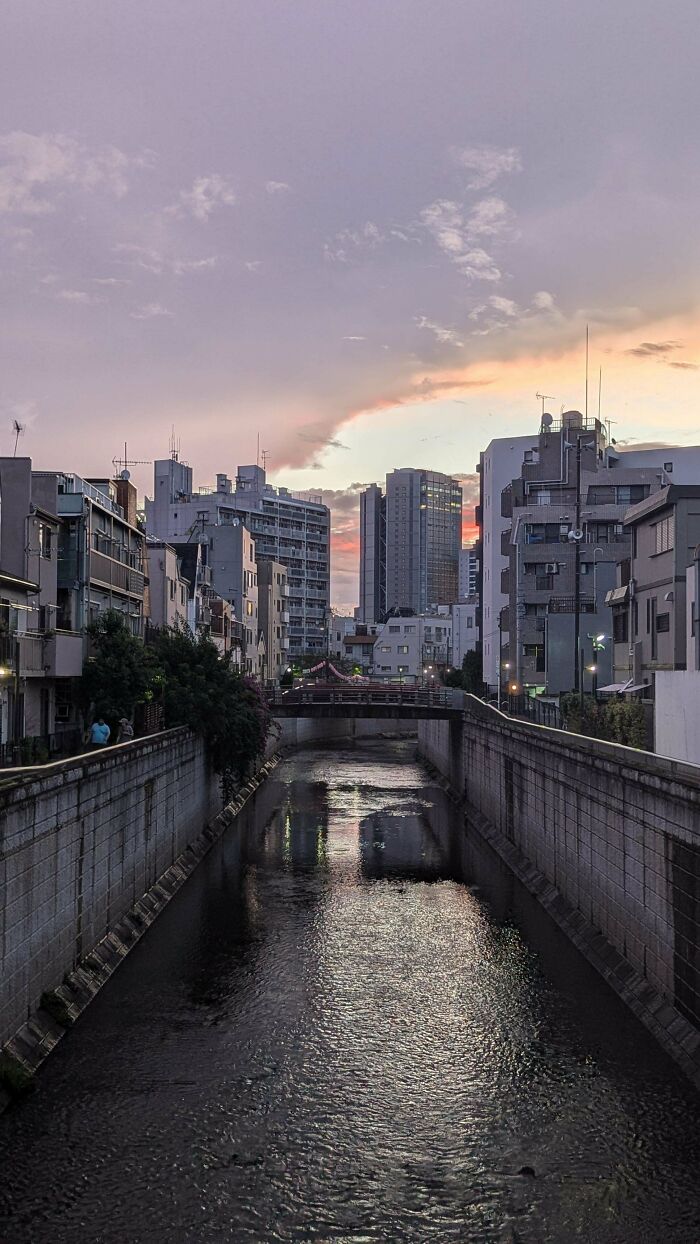
There is nothing wrong with this. Buildings look fine, the canal is clean. I’m not sure how this is failing to gentrify, nor why that’s inherently a problem

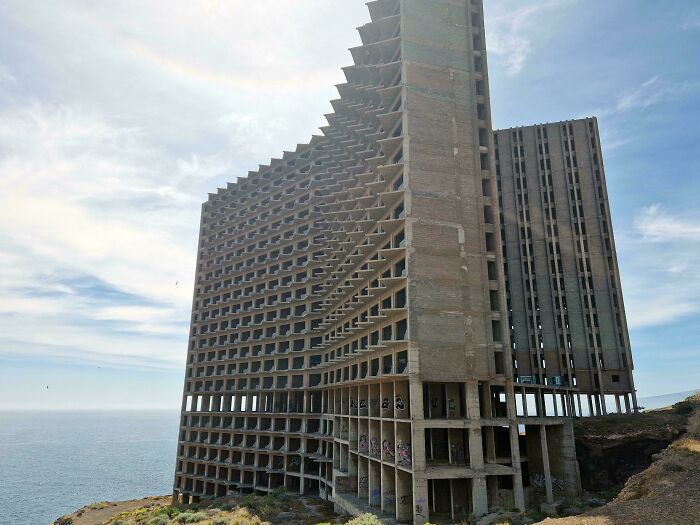
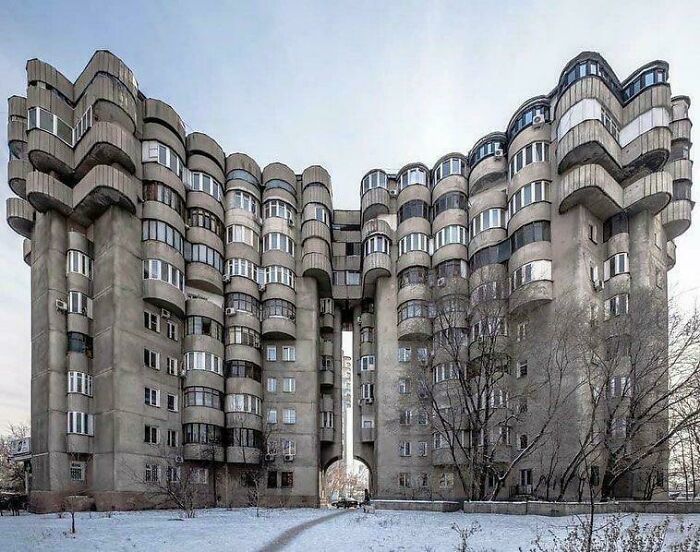
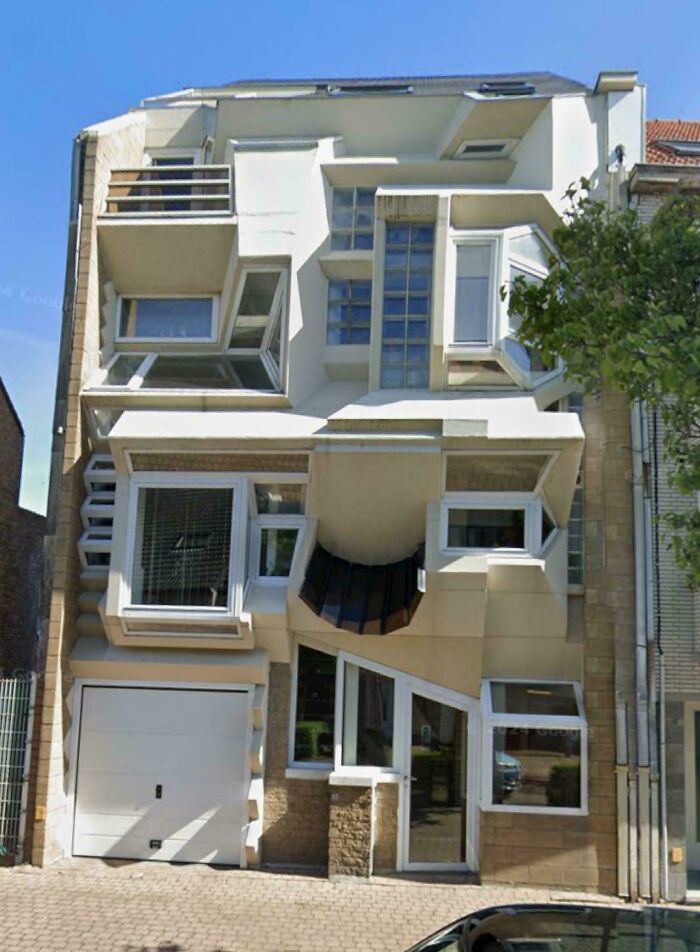
The plans got crumpled and the builders thought that was the way to build it
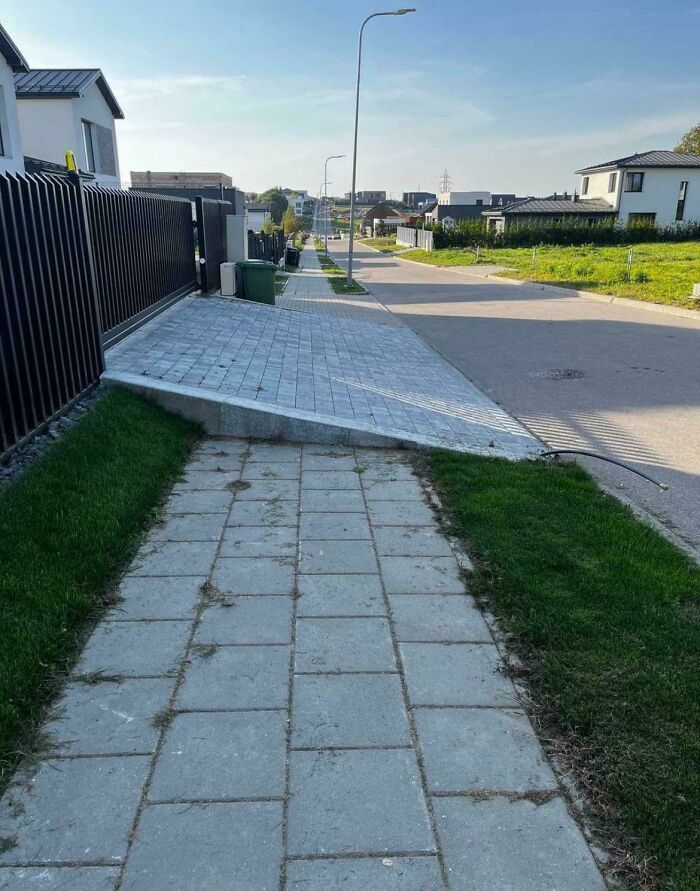
This is not urban? It looks blissfully suburban to me, with tons of space and greenery.


This is where I live, a little village called Studland, in the county of Dorset on England's south coast. studland-d...a6d623.jpg 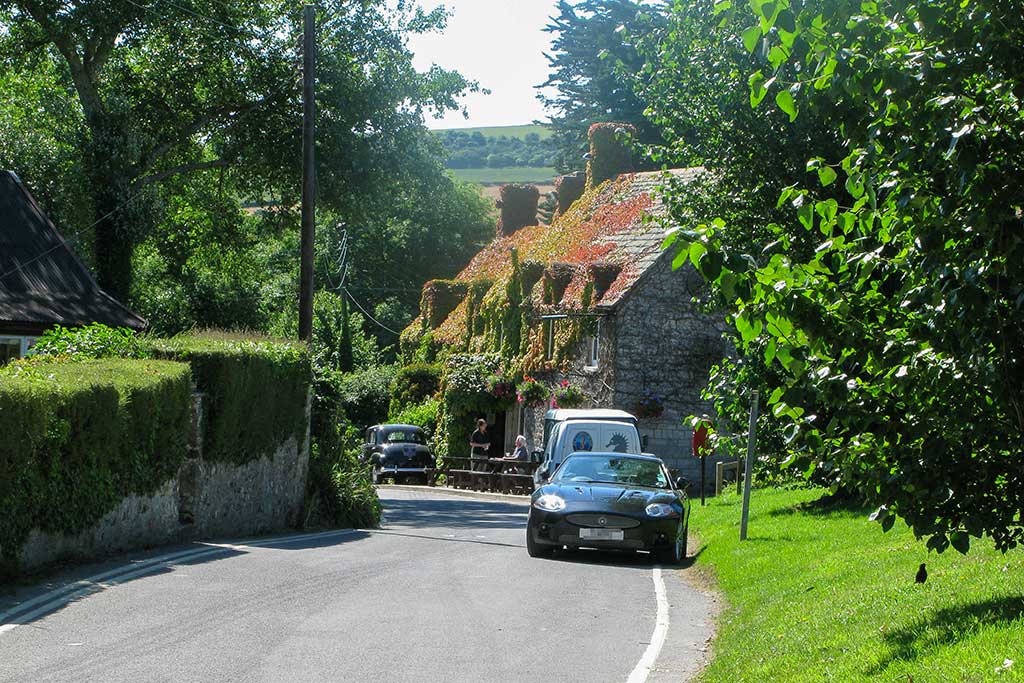

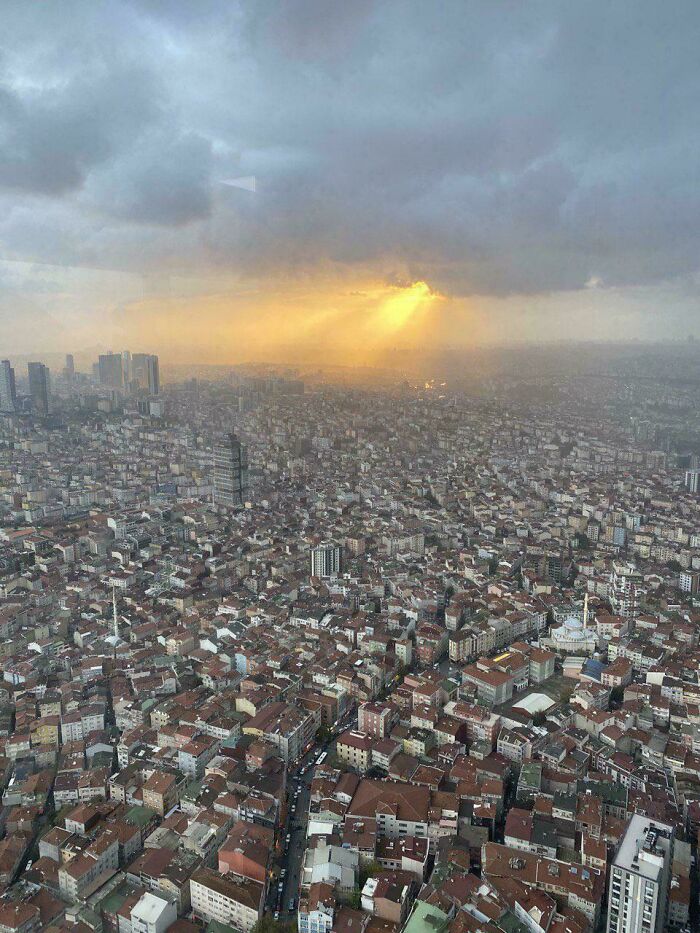
In the seventeenth century, there were seven hundred million people on the Earth. After WWI. about two billion, in the nineties, five billion, now we are over eight billion, at the end of this century, eleven billion are expected. Either we make the entire dry surface a waste suburbia or accept that we need to live above each other, in larger buildings.
I doubt the human species will make it to the end of the century.
Load More Replies... Housing 8 billion people requires these 8 billion to actively contribute in keeping their surroundings neat and clean. But as long as the world desires to buy cheap trash, made by people working 16 hours, 6 days a week, not much will change. And everybody wants unlimited electricity, but hates living next to a factory/plant.

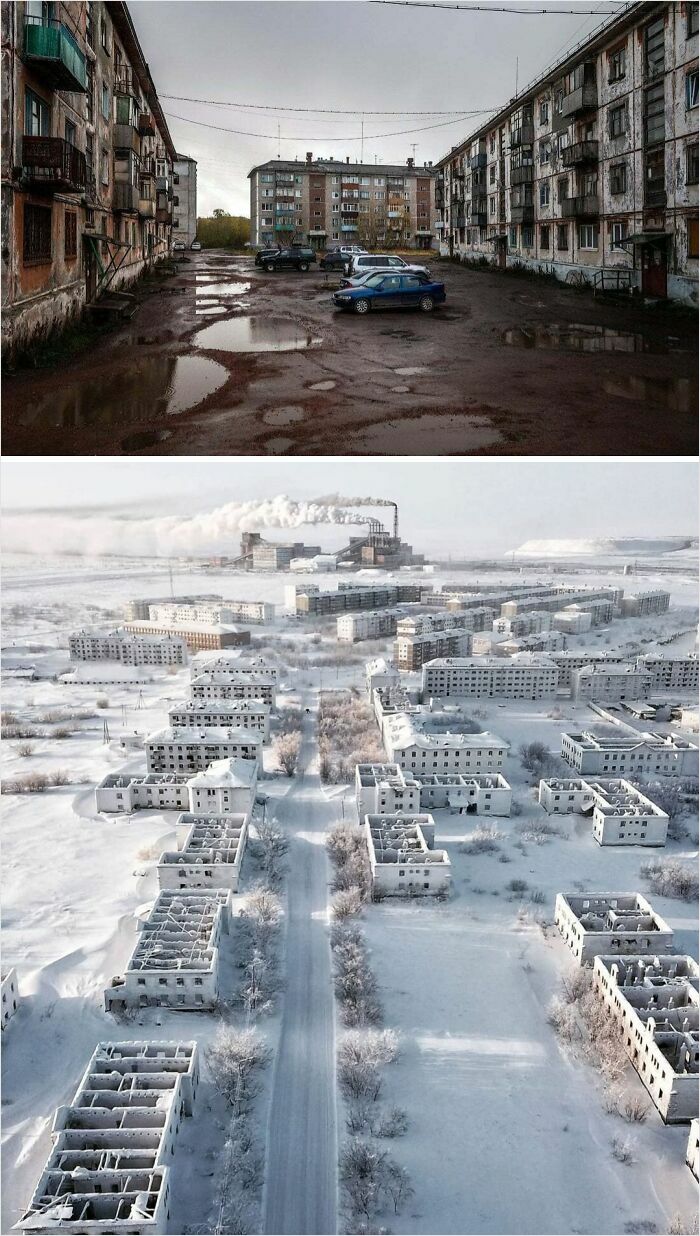
I'm surprised there were no pictures of Detroit or Gary, Indiana. From photos and films I've seen, I think the most soulless and depressing examples of "Urban Hell" would be in N.Korea and parts of Russia. Other places are condemned to this hell because of over population.


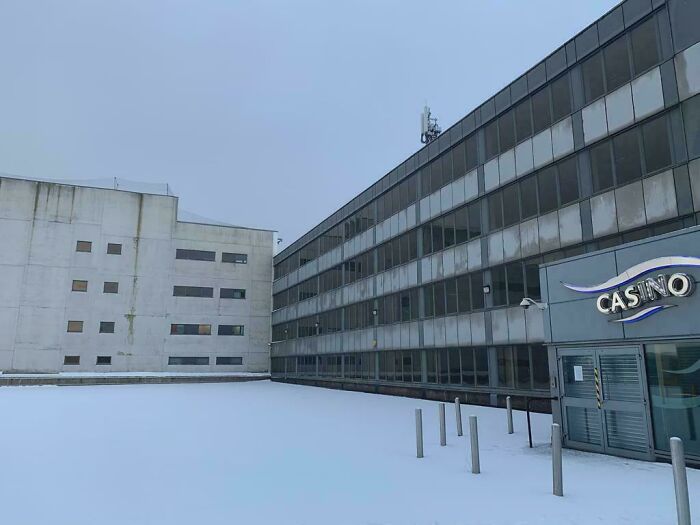
I visited Georgia this year and while it was stunning, some larger cities really shocked me (esp Batumi). This place is full of luxury hotels and casinos for the rich, and right next door there were high rise flats that were literally falling apart. People were living there in absolute poverty and struggling to make ends meet. When they looked out of their windows, the view they would get was of people living a lavish lifestyle, slurping Champagne and caviar. While I, myself am not rich, I can afford to travel, which is why we always choose to stay in small local hotels and support the local businesses.

I get that everyone is appalled by all the concrete, buildings, etc. But if we keep populating, and making people live outside their means, NO ONE can afford anything with any sort of land (there wouldn't be space anyway for everyone to have land). Being close to a city is sometimes all some people can do-having to rely on public transport. So all the people saying "ugh too many cars/streets/buildings".... where would YOU have people live??

We're past the tipping point of overpopulation. Driving a tesla isn't going to save the planet, snowflakes

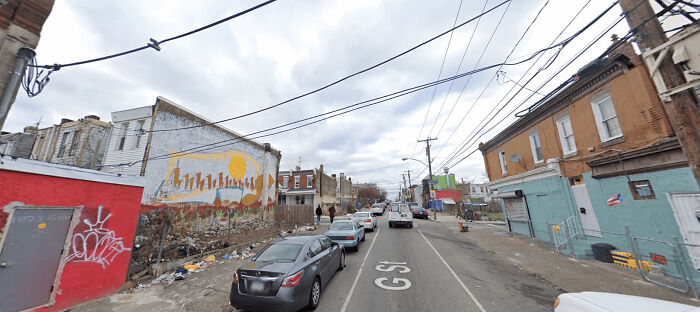
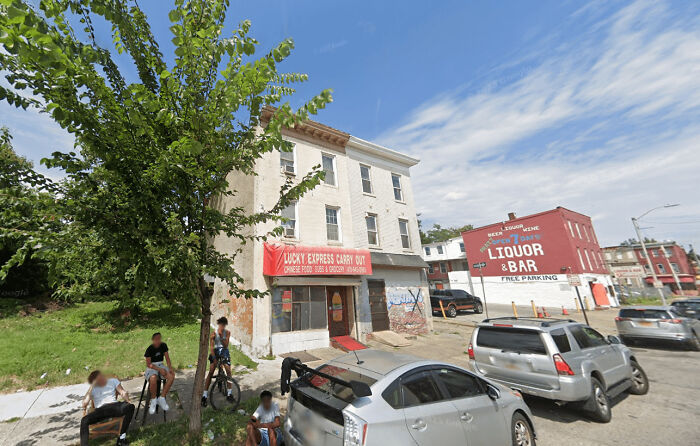
I grew up in the Kensington section of Philadelphia. But it was back in the days where it was all family, you walked to school with no problems, they decorated under the EL for blocks on end at Christmas, lots of small shops and eateries. I went to Conwell and Mastbaum. Now, The street I used to walk to school is a total nightmare, the other side (Dauphin St where I lived) heading towards Fishtown (Frankford) is now all built up and the row homes are now a half-mil while d***s and crime run rampant on the Kensington Ave side. It's so sad and odd at the same time.
This is where I live, a little village called Studland, in the county of Dorset on England's south coast. studland-d...a6d623.jpg
In the seventeenth century, there were seven hundred million people on the Earth. After WWI. about two billion, in the nineties, five billion, now we are over eight billion, at the end of this century, eleven billion are expected. Either we make the entire dry surface a waste suburbia or accept that we need to live above each other, in larger buildings.
I doubt the human species will make it to the end of the century.
Load More Replies... Housing 8 billion people requires these 8 billion to actively contribute in keeping their surroundings neat and clean. But as long as the world desires to buy cheap trash, made by people working 16 hours, 6 days a week, not much will change. And everybody wants unlimited electricity, but hates living next to a factory/plant.
I'm surprised there were no pictures of Detroit or Gary, Indiana. From photos and films I've seen, I think the most soulless and depressing examples of "Urban Hell" would be in N.Korea and parts of Russia. Other places are condemned to this hell because of over population.
I visited Georgia this year and while it was stunning, some larger cities really shocked me (esp Batumi). This place is full of luxury hotels and casinos for the rich, and right next door there were high rise flats that were literally falling apart. People were living there in absolute poverty and struggling to make ends meet. When they looked out of their windows, the view they would get was of people living a lavish lifestyle, slurping Champagne and caviar. While I, myself am not rich, I can afford to travel, which is why we always choose to stay in small local hotels and support the local businesses.
I get that everyone is appalled by all the concrete, buildings, etc. But if we keep populating, and making people live outside their means, NO ONE can afford anything with any sort of land (there wouldn't be space anyway for everyone to have land). Being close to a city is sometimes all some people can do-having to rely on public transport. So all the people saying "ugh too many cars/streets/buildings".... where would YOU have people live??
We're past the tipping point of overpopulation. Driving a tesla isn't going to save the planet, snowflakes
I grew up in the Kensington section of Philadelphia. But it was back in the days where it was all family, you walked to school with no problems, they decorated under the EL for blocks on end at Christmas, lots of small shops and eateries. I went to Conwell and Mastbaum. Now, The street I used to walk to school is a total nightmare, the other side (Dauphin St where I lived) heading towards Fishtown (Frankford) is now all built up and the row homes are now a half-mil while d***s and crime run rampant on the Kensington Ave side. It's so sad and odd at the same time.























 No fees, cancel anytime