Get Premium
Dark mode theme is available exclusively for premium users. Learn more about the benefits of subscribing.
No fees, cancel anytime.

 Dark Mode Ad-Free Browsing Unlimited Content
 Ad-Free Browsing Unlimited Content Dark Mode
Join 1.2 million Panda readers who get the best art, memes, and fun stories every week!
Here at Bored Panda, we have no shortage of wholesome content. It could be through memes, snapshots of random, humorous moments from daily life, or adorable pet photos to snap you out of a funk.
For today, we’re bringing you more images of animals being their cute, lovable selves. We collected these photos from the Loving Animals Instagram page, an online community of 3 million followers and counting. As for why they amassed this vast audience, you will see as you scroll through.
Enjoy the good vibes for today, and don’t forget to upvote your favorites!
This post may include affiliate links.
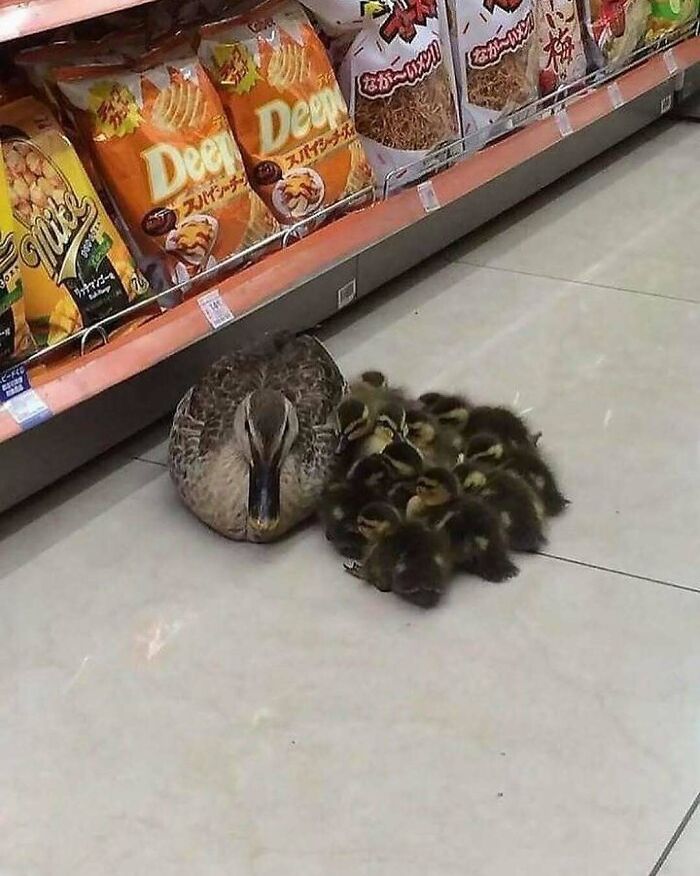
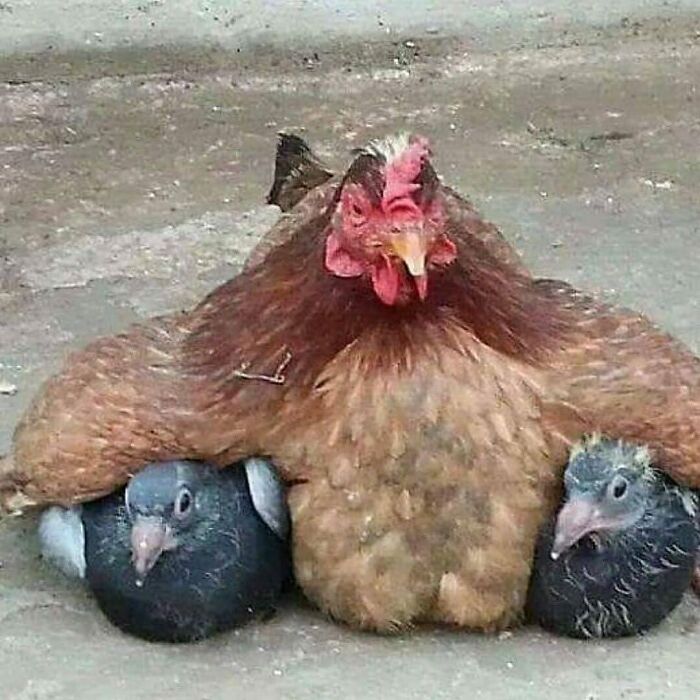
I guess shopping ain’t easy when you’re a single mom of a dozen
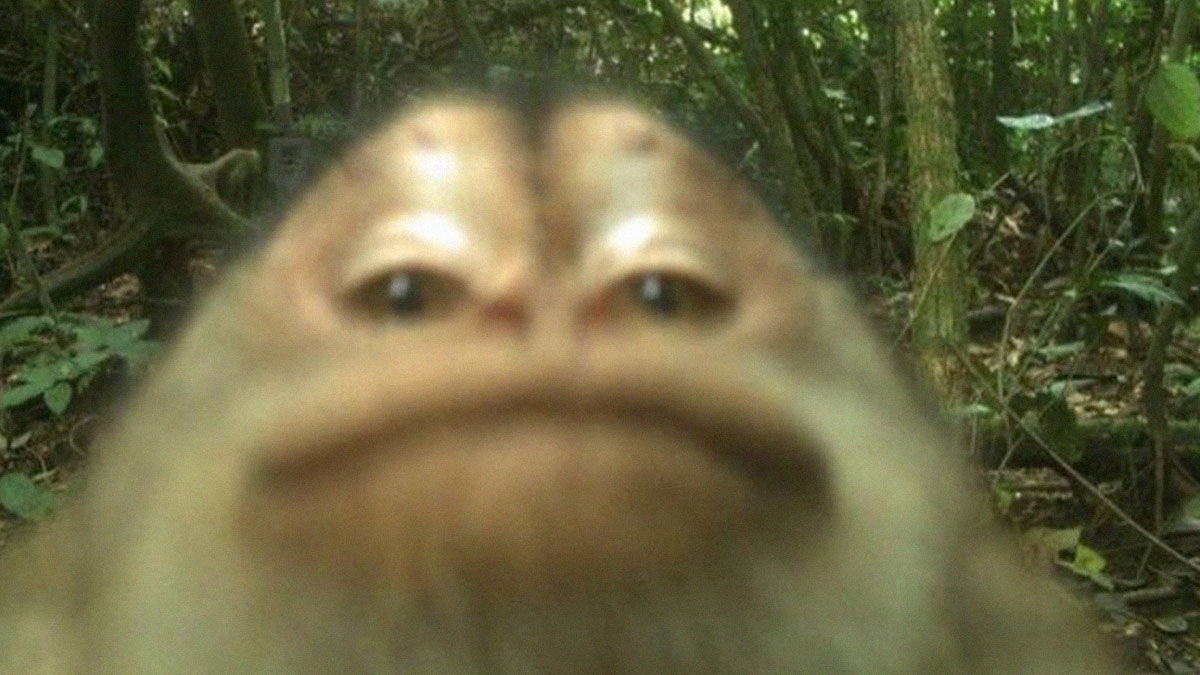
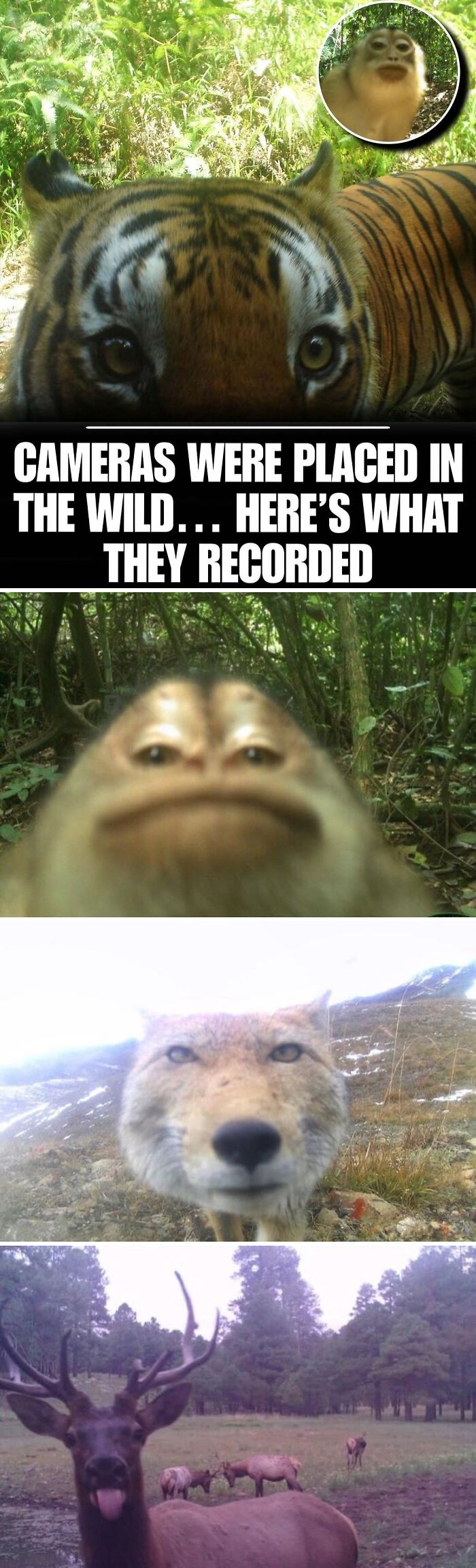
Camouflaged cameras placed in the wild let us witness animals as they truly are without human presence disturbing them.
Triggered by motion, these hidden tools reveal how wildlife behaves, hunts, travels, and interacts in its natural environment.
They help scientists study elusive species, understand their challenges, and develop better conservation plans.
And beyond the science, these cameras often capture rare, beautiful, or even hilarious moments reminding us why protecting wildlife matters!
Meet the Valais Blacknose Sheep, often called the cutest sheep in the world! 🐑🖤 Native to the Swiss Alps, their fluffy white coats and deep black faces make them look almost unreal like storybook characters brought to life! But these sheep aren’t just adorable! Their thick wool is famous for its quality, used to make some of the softest textiles in Europe. 🧶 And despite their mountain roots, they’re incredibly friendly and love human contact some even enjoy cuddles just like dogs!
📸 Credit @bopeep_valaisblacknose
You may already know that looking at images of cute animals can benefit our health in a variety of ways. Specifically, studies have shown that these photos and videos can help reduce stress levels by a whopping 50%.
But did you also know that sharing these photos can also enhance our social standing? This is according to Dr. Simon Moore, a chartered psychologist based in the UK.
This is the Japanese Bird, named "Shima Enaga'
Photo: zucky956a
The pudu is the tiniest deer on Earth and one of the most adorable too! 🦌💛 Native to South America, pudus come in two types: the Northern and Southern pudu. Both are shy, solitary animals that live in dense forests, perfectly adapted to sneak through the undergrowth. 🌿 Measuring only 30 to 44 cm tall (about the height of a house cat!), pudus are peaceful herbivores who love munching on leaves, fruit, and seeds. 🍃🍎 Sadly, this miniature marvel is now a vulnerable species threatened by habitat loss and poaching. Protecting these tiny deer means protecting one of nature’s most precious secrets.
In an article for The Independent, Dr. Moore provided a simple explanation: adorable animal photos make other people smile, which in turn makes us happy.
“Sharing photos that make others smile or laugh ensures that response is attributed to us (as the people who sent them the picture) and validates our ‘membership,’” he wrote.
Before they can fly, young owls rely on their legs. At this stage, their wings are still developing, so running becomes their main way of moving around 🦉 Owlets leave the nest early and spend time on the ground or nearby branches, exploring their surroundings and following their parents for food. Running allows them to escape danger, change position, and build strength before their first real flights It’s a short but important phase in their development a moment when instinct adapts to what the body isn’t ready to do yet! They are not flying yet but they are learning how to get there! 🪽 📸 Credit Photo 1/2 Hannie Heere
An unbelievable moment captured in the wild! 🤯 This stunning photo shows a green woodpecker carrying a weasel on its back a rare and dramatic scene that seems straight out of a fantasy movie! But what’s really happening here? This isn’t a playful ride, the weasel was actually attempting to prey on the bird. Luckily for the woodpecker, it managed to escape once it landed safely on the ground. Nature never ceases to amaze us. 🌍 📸 Via Martin Le May
Image credits: anthonydimitri
Researcher and educator Ghalia Shamayleh provided a similar insight regarding the benefits of sharing animal photos, likening it to a behavior in Gentoo penguins known as “pebbling.”
As she explained in an interview with BBC Science Focus, pebbling is a practice where Gentoo penguins present pebbles to their desired mates as a token of affection.
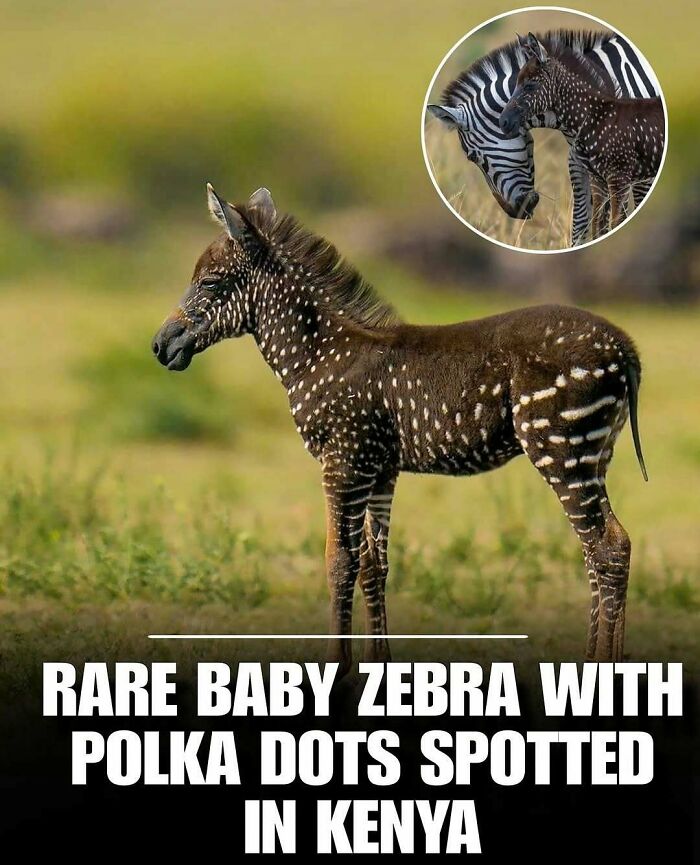
This is Tira, a very unusual zebra seen in the Maasai Mara. 🦓 Unlike most zebras with black and white stripes, Tira was born with a rare genetic condition called melanism, which changes the color of the coat. Instead of stripes, Tira has a dark brown body with white spots a pattern that’s almost never seen in the wild. This is the first time a zebra like this has been recorded in the area! 📸 Credit: Frank Liu
Via @king_rose_queen_daisy
You might think frogs are all slimy and jumpy… until you meet the Desert Rain Frog. This tiny ball of grump lives in the sandy dunes of Namibia and South Africa, spending most of its time buried in the ground like it’s hiding from responsibilities. 😤 Despite its angry face, this frog is harmless and its squeaky “scream” might just be the cutest sound you’ll hear today. And let’s be honest… it looks like a potato with legs. 🥔🐸 Rarely seen and often underestimated, the Desert Rain Frog proves that nature has a great sense of humor and that not all frogs are the same.
📸 Credit: @pampermoony
Shamayleh noted that human beings do their own version of pebbling by sharing cute animal photos on social media.
“By sharing animal content with the added reference to the sender's relationship, people digitally pebble their loved ones as though to say ‘This made me think of you, of our relationship’,” she said.
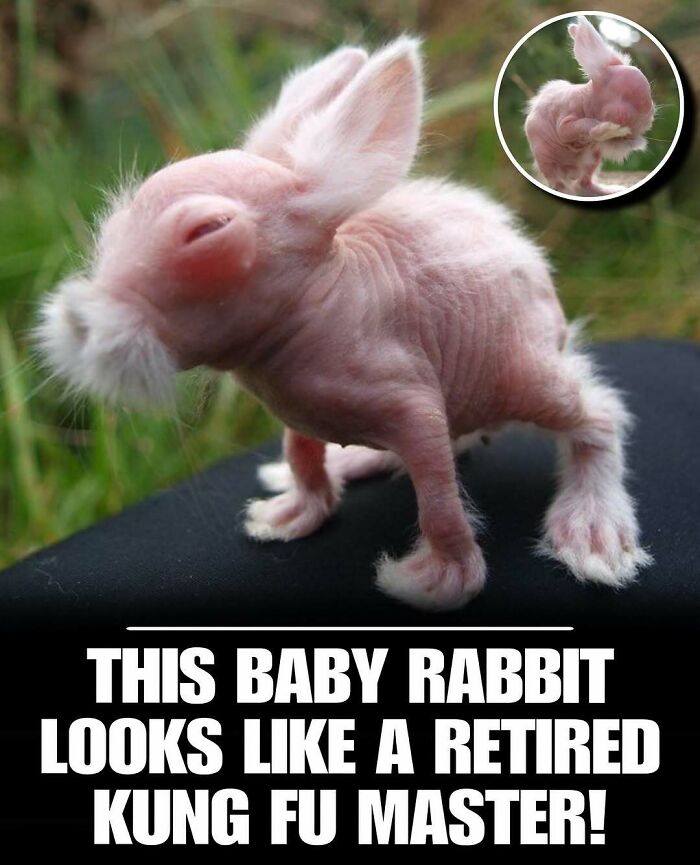
Ever seen a baby rabbit like this? 🐇 This rare little bunny was born nearly hairless, except for tiny tufts of fur on its paws and a fuzzy white mustache giving it the look of a tiny, wise sensei. Some baby rabbits are born with partial hairlessness due to a rare genetic trait, which makes their fur grow in patches. It doesn’t hurt them, it just makes them look incredibly unique. Tiny, fragile, and full of character, this little one already looks like it knows all of life’s secrets.
📸 Via @teddytassen
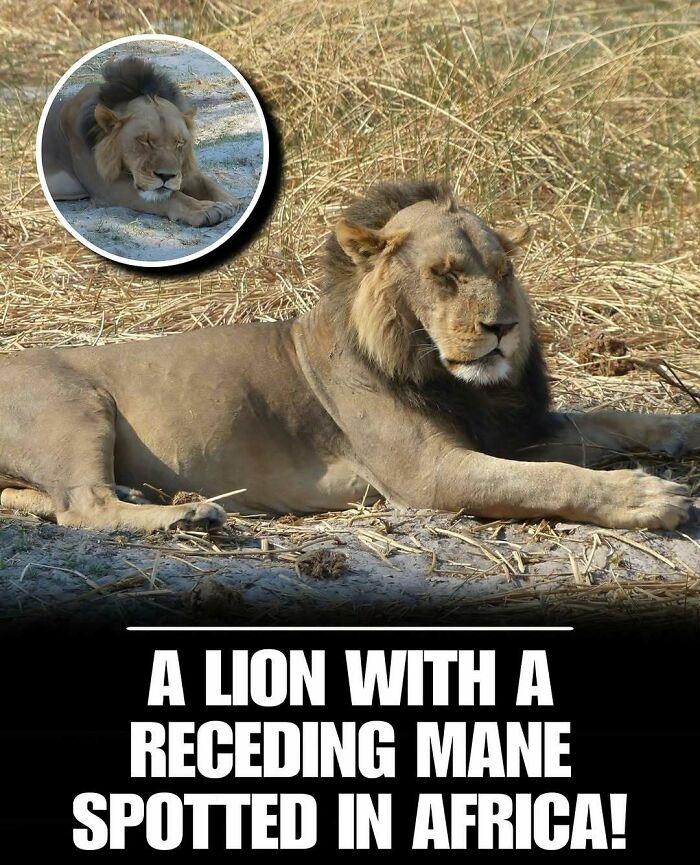
A photo of a lion with visible receding hair has gone viral, sparking laughter, sympathy, and a wave of memes. While most male lions display thick and majestic manes, this feline seems to have entered his “wise uncle era” a little earlier than expected 😅 Just like in humans, thinning of the mane in lions can be related to age, stress, health problems, or low testosterone levels. Studies from the University of Minnesota show that the mane can also shorten or thin due to poor nutrition or high temperatures
We would also like to hear from you, dear reader. Which of these photos cheered you up the most? Why do you think these particular images had such a profound effect on you? Let us know in the comments!
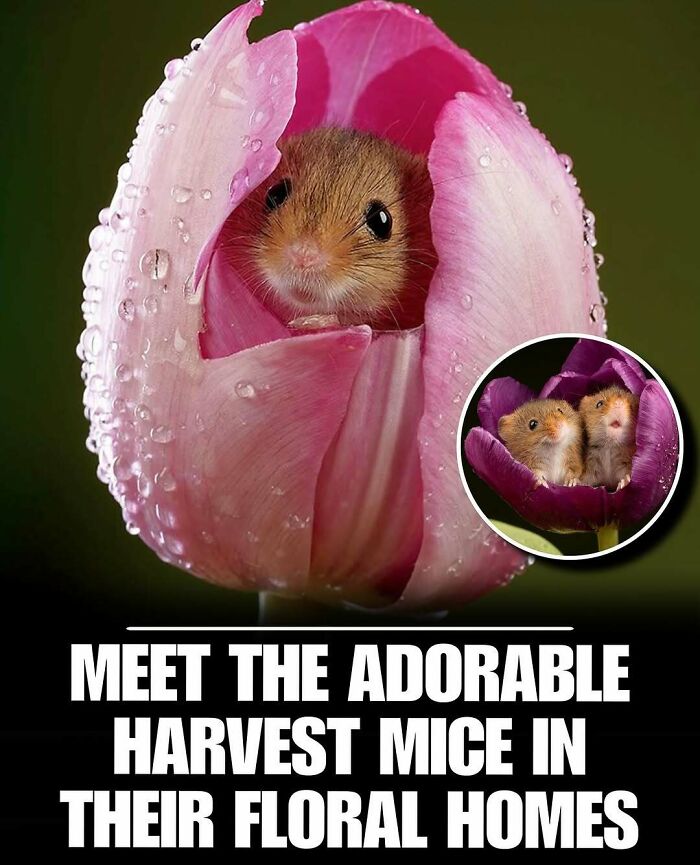
Meet the harvest mouse, one of the smallest rodents in Europe, weighing less than a 2€ coin! 🐭 These agile little climbers use their prehensile tails to balance on flowers and tall grasses, making them true acrobats of the wild. Their favorite spots? Hidden among petals and stems, where they find shelter and safety from predators. Looking at them nestled inside these tulips, it’s hard not to fall in love with their tiny, curious faces.
📸 Credit: @captivelight
A 140-year-old African spurred tortoise… with her 5-day-old baby softly perched on her head. This heartwarming moment, captured by Attila Balazs at Hungary’s Nyíregyháza Animal Park in 2011, instantly went viral. It’s a rare, genuine glimpse into maternal care no filters, no staging. Just a mother and her tiny baby sharing an unspoken bond!
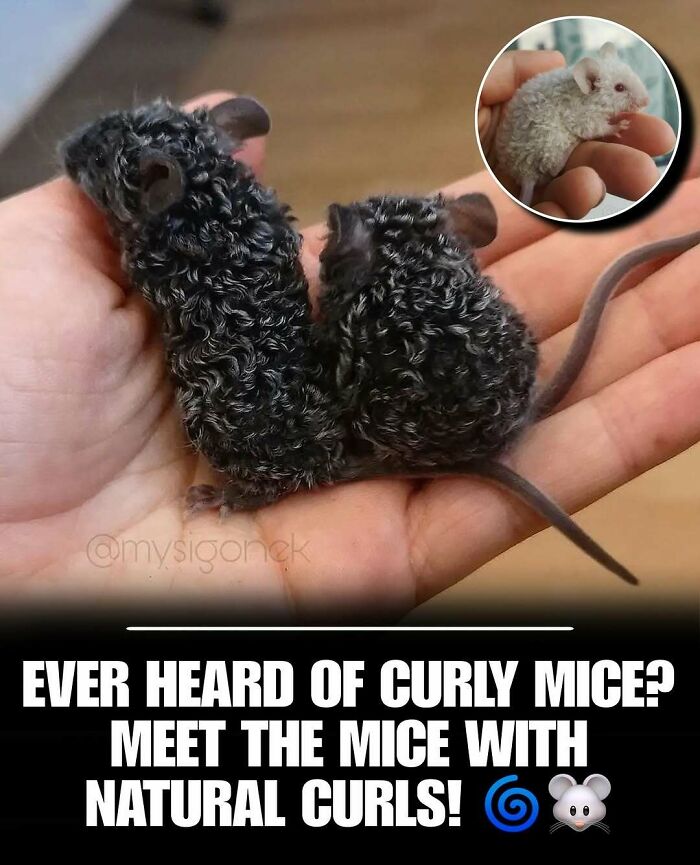
Did you know? These adorable mice are called “curly mice” or “rex mice”! 🐭🌀 They carry a special gene that gives them naturally curly fur like tiny teddy bears with whiskers! 💖 Their soft coats and sweet little curls make them truly one of a kind. Curly mice are bred ethically by enthusiasts and are known for their gentle nature and unique look. They also help teach us more about genetics and how amazing nature can be!
📸 Credit via @mysigonek
The cold gave these seals the cutest frozen mustaches. ❄️ Their whiskers are covered in tiny crystals of ice, making them look both majestic and a little funny at the same time! 🧊🦭 There’s something magical in the way they stay calm, even when surrounded by frost!
📸 Credit @emilyinnature_
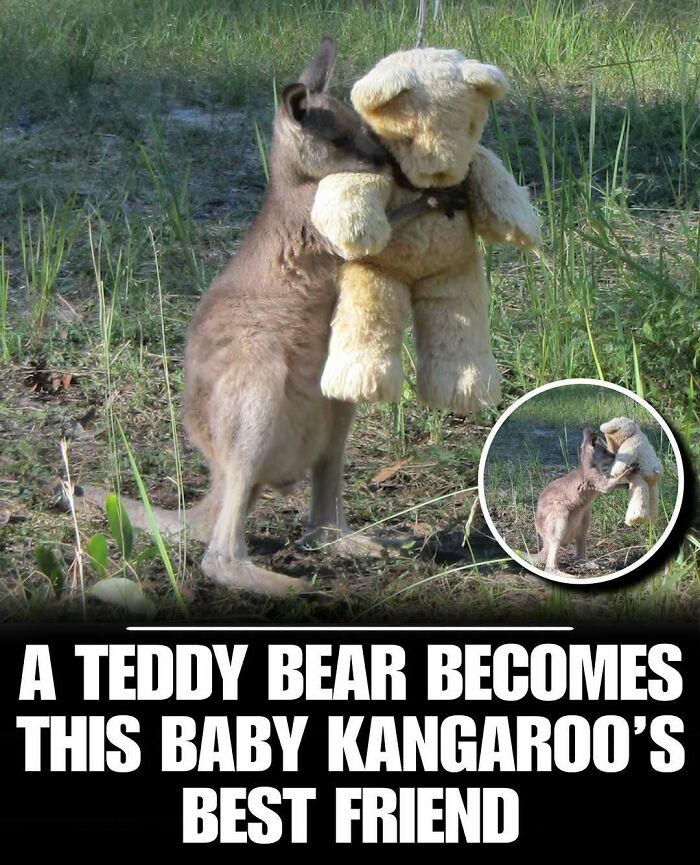
Doodlebug’s story will melt your heart. 🐾 After losing his mother too soon, this tiny eastern grey kangaroo was taken in by wildlife carer Gillian Abbott in New South Wales, Australia. Alone and distressed, he needed something to help him feel safe in this big, unfamiliar world. 🦘❤️ That’s when a simple teddy bear became his greatest comfort. For Doodlebug, hugging it wasn’t just play, it was his way of finding security and calm. Even as he grew older and began hopping around on his own, he never stopped coming back to embrace his beloved bear. 🧸 📸 Photo by Tim Abbott
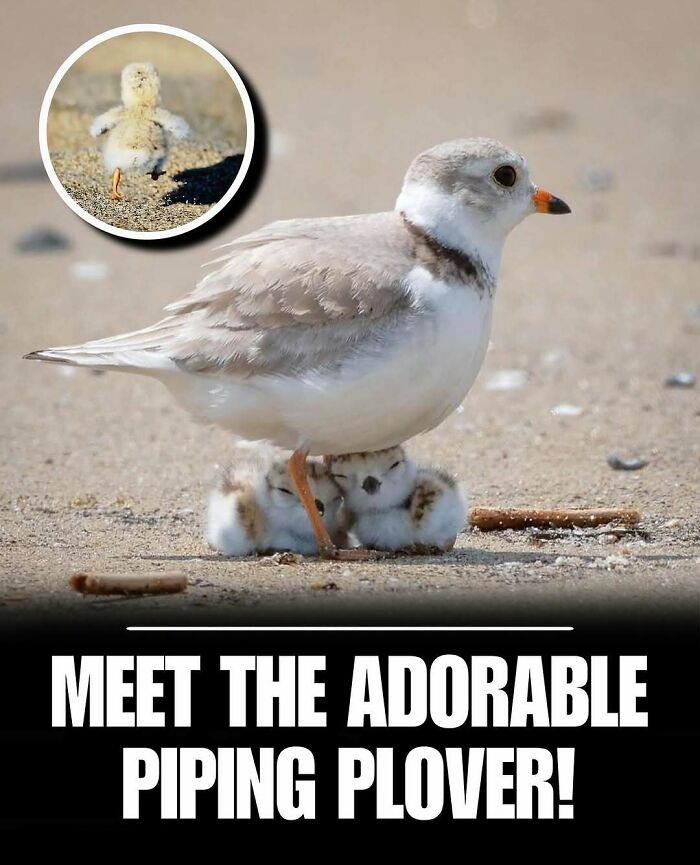
The Piping Plover (Charadrius melodus) is a small shorebird found along North America’s sandy beaches and lakeshores. 🐥 With their pale plumage, they blend perfectly into the sand a natural camouflage that helps protect them and their chicks from predators. 🌊 Sadly, Piping Plovers are listed as threatened or endangered in many regions due to habitat loss, human disturbance, and climate change. 🛑 During the breeding season, parents shelter their chicks under their bodies, keeping them warm and safe from danger. ☀️ 📸 Credit: Photo 1 to 9 @karl.ramsdell Photo 10 Randall Abi

Leopards are big fans of tree naps, it’s their way of staying safe, getting a good view of their territory, and finding the most peaceful place to rest. Thanks to their powerful limbs and amazing agility, they climb effortlessly and pick the comfiest branches to sprawl out and unwind. True experts in the art of tree lounging, they can make even the most awkward limb look like a luxury bed! 🌳😴🐆 📸 Credit: Photo 2 shujath.mohammed Photo 3 JJ Zapp Designs Photo 4 Thomas Dehne
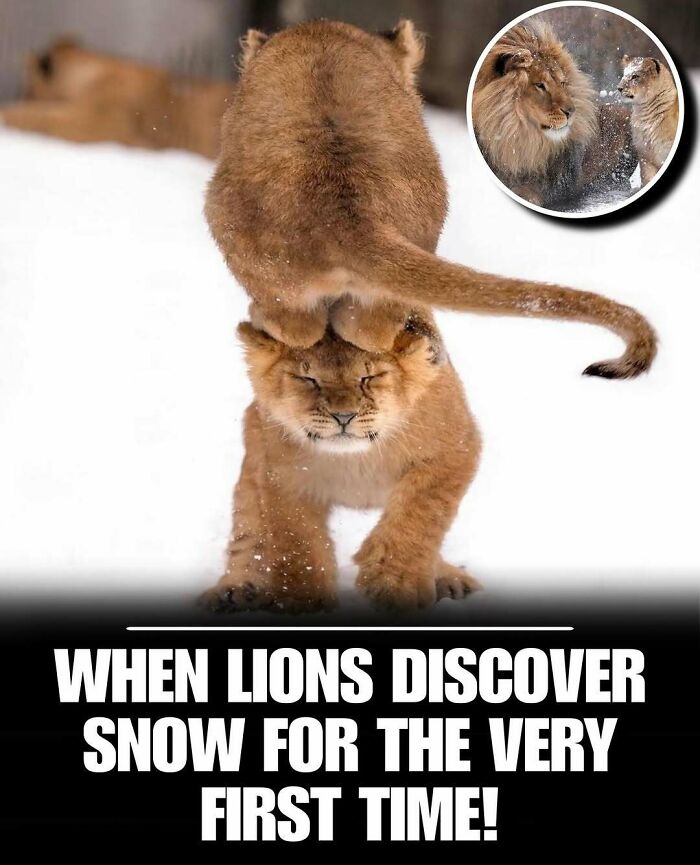
Seeing lions in the snow feels unusual. It’s not a place we expect them to be, and that’s exactly what makes it interesting! 🦁 The cold changes their behavior, their movements, their energy. They react differently, explore differently, and even play differently. These moments are rare, and that’s why they’re worth sharing! 🤍❄️ 📸 @riku_0710
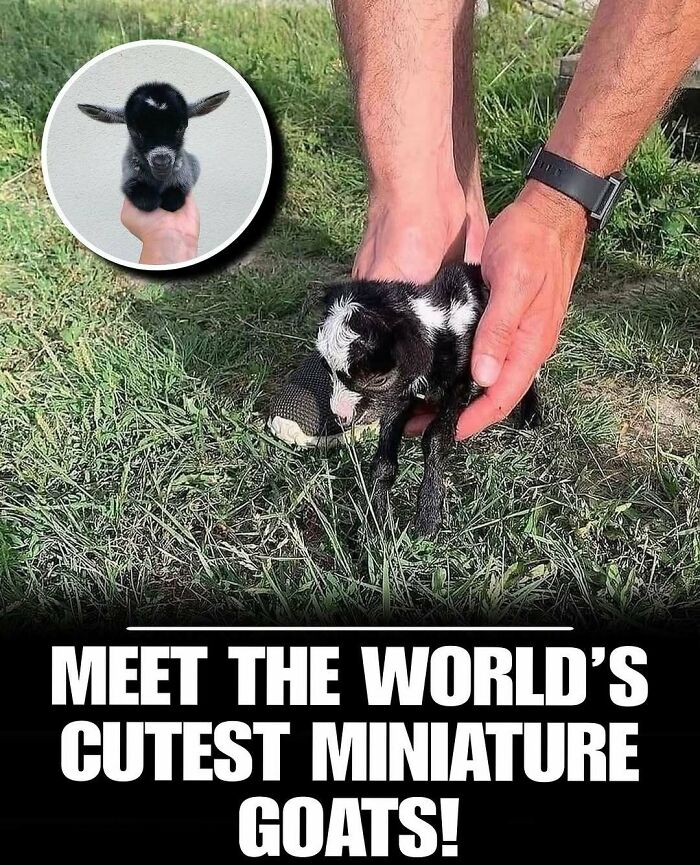
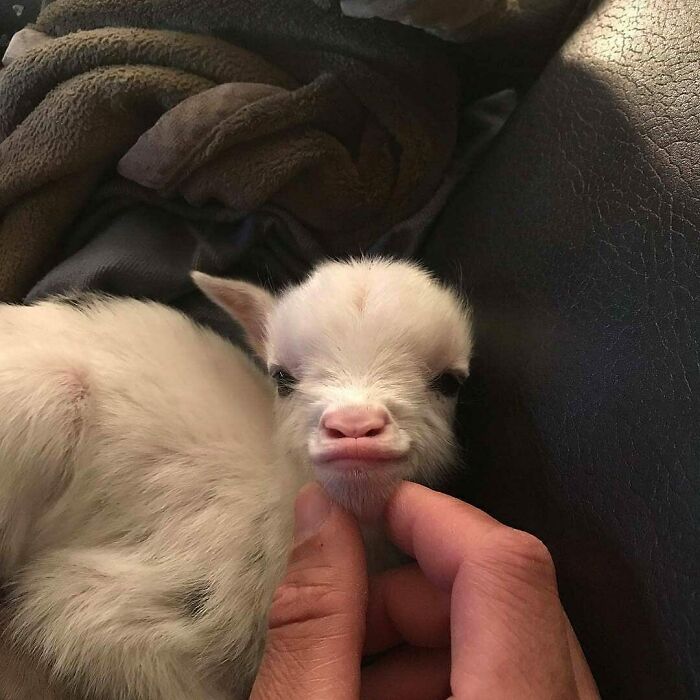
These little cuties can literally fit in the palm of your hand, but don’t let their size fool you they’re full of personality, energy, and endless charm. Miniature goats are known for their playful nature and affectionate behavior, making them one of the most loved small farm animals in the world. And honestly… how can anyone resist those faces? 😍 📸 Credit @chevre_toy_miniature
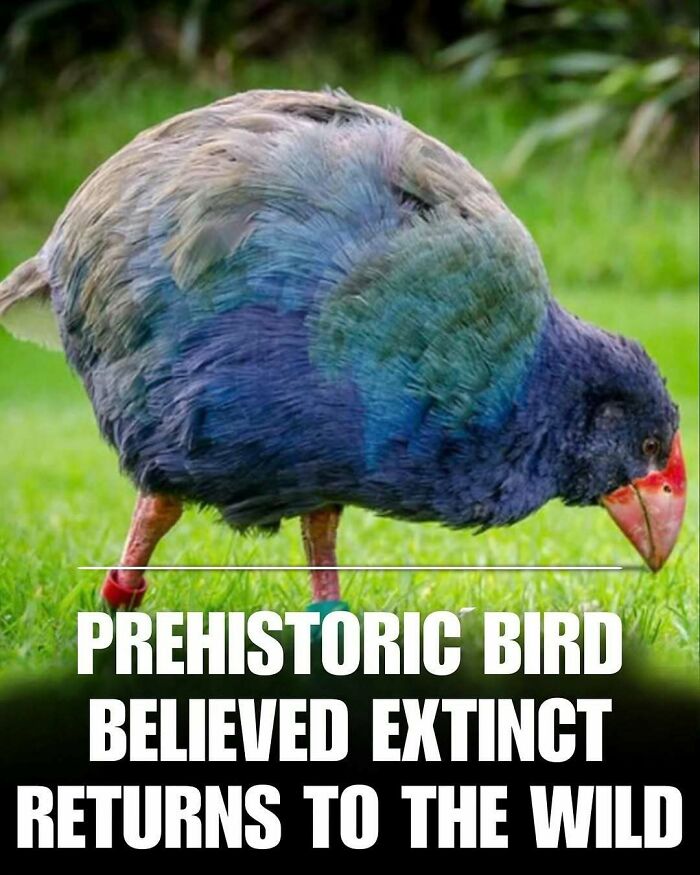
The takahē is a rare, flightless bird native to New Zealand, instantly recognizable by its vibrant blue-green feathers and striking red beak. 🟢🔵 Long thought to be extinct after disappearing in the late 1800s, it was dramatically rediscovered in 1948, deep in the mountains of the South Island. ⛰️ Thanks to decades of dedicated conservation work, its population has slowly recovered now exceeding 500 individuals, with steady growth year after year. 📈 Several takahē have even been reintroduced into their native alpine habitats, a milestone for both science and biodiversity. More than just a species, the takahē holds deep cultural meaning for the Māori people, who consider it a taonga a treasured being. Its story is proof that extinction isn’t always final — and that determined efforts can bring a species back from the edge.

What the wording?! XD Extinction is *always* final. The takahē was not extinct, it was just believed to be extinct. Until we can Jurassic Park things up for reals, extinction is always final. Which is why conservation of vulnerable species is so vital.
Dragon was born at Deer Tracks Junction in Cedar Springs, Michigan, with an exceptionally rare piebald genetic trait. His coat is marked with large white patches, a completely white face, and a soft pink nose a look found in less than 1% of whitetail deer. Shortly after birth, his mother rejected him. In the wild, a fawn with unusual coloring can be seen as a danger to the herd, attracting predators and reducing its chances of survival. Without human help, Dragon’s odds would have been minimal. Farm owner Hilary Powell stepped in, bottle-feeding him and keeping him safe until he was strong enough to roam in a protected pasture. Named Dragon by Hilary’s son, this little survivor has grown healthy and active, proving that with love and care, even the most fragile lives can thrive. 🦌✨ 📸 Credit: Deer Tracks Junction
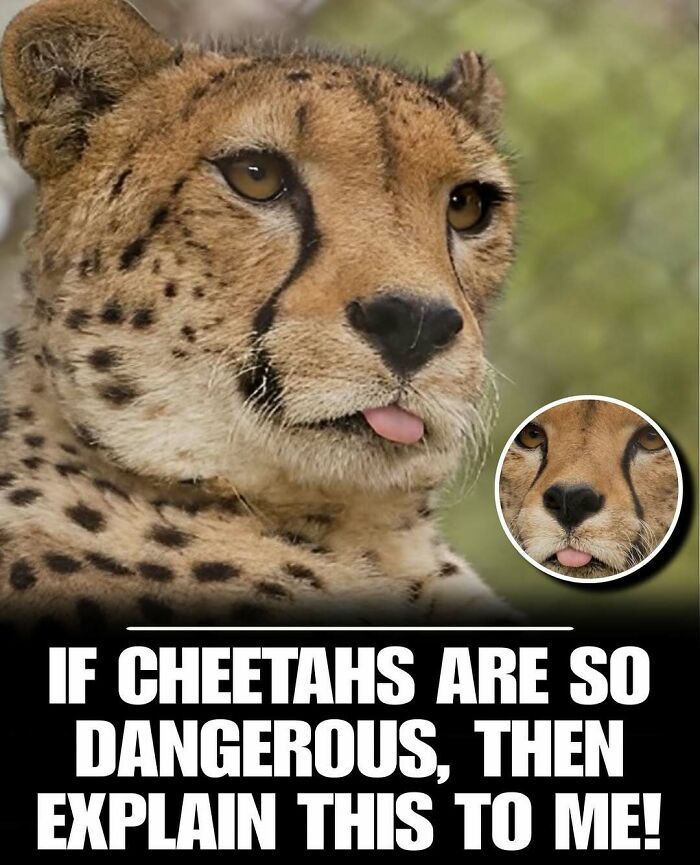
The cheetah (Acinonyx jubatus) is the fastest land mammal on Earth, reaching around 100–110 km/h over very short distances. This speed comes from a unique body built for acceleration: flexible spine, long legs, semi-retractable claws for grip, and large airways for efficient breathing. ⚡ Unlike lions or leopards, cheetahs do not hunt with brute strength. They rely on speed and precision, targeting mostly small antelopes like gazelles, tripping them with a front paw before suffocating their prey. After a sprint, they are extremely exhausted and vulnerable for several minutes! 🐆 Toward humans, cheetahs pose almost no threat. They are naturally shy, avoid confrontation, and prefer to flee rather than attack. The few recorded incidents are extremely rare and usually linked to captivity or extreme provocation. Today, cheetahs are a threatened species, with fewer than 7,000 left in the wild. Habitat loss, decline of prey, human-wildlife conflict, and illegal wildlife trade are the main reasons behind their rapid decline.
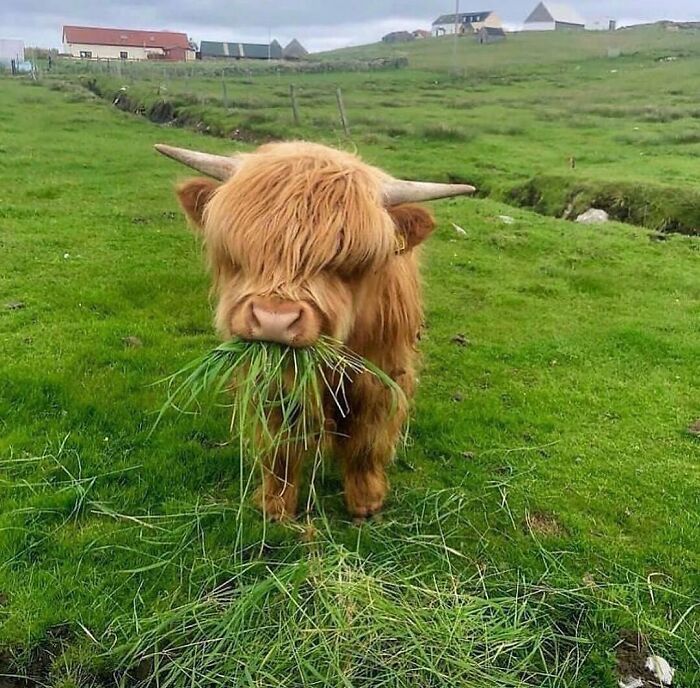
That’s so delicious 🐮🤤 Via @cholemayirvine
This tiny sunbird is using the heart of a banana flower as a natural bath, where rainwater gently collects inside the petals. A simple moment, yet incredibly rare to witness, where instinct meets perfect design! 🥰 Banana flowers don’t just produce fruit they also become temporary shelters, water sources, and feeding spots for many small birds and insects in tropical ecosystems. Everything serves a purpose, often in silence. 🐦 Scenes like this show how wildlife adapts using what nature offers, without waste, without excess. Just life flowing exactly as it was meant to! 🌎 📸 Credit: @rahulsinghclicks
The spotted quoll is one of Australia’s most striking little carnivores. Its white dots aren’t just pretty, they help it disappear into the forest shadows while it explores its world! 🥰 Like all marsupials, a quoll begins life tiny and fragile inside its mother’s pouch. As it grows, it climbs onto her back, learning the forest’s scents, sounds, and hiding places step by step. 🐾 Don’t let their size fool you. These youngsters quickly develop sharp instincts and surprising agility, becoming remarkable hunters as they mature. Spotting one at this age is a rare and unforgettable moment!
OMG please, one of my fellow Pandas please tell me that someone else also remembers that glorious article where EVERY SINGLE PHOTO's alt-text was something about the spotted quoll even when the photo was clearly NOT a spotted quoll XD
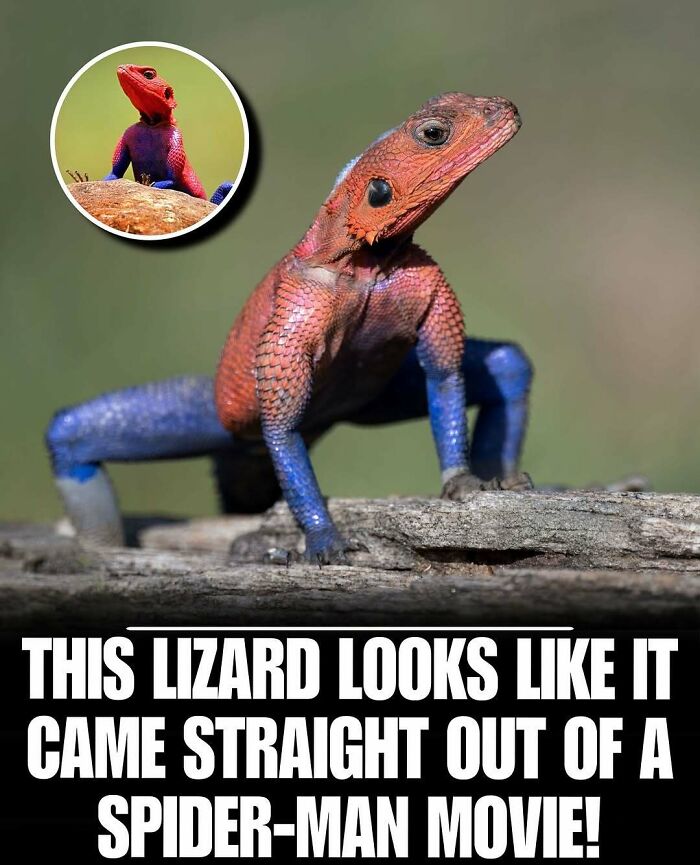
With colors that could rival a superhero’s suit, this stunning reptile is known as the Mwanza flat-headed rock agama or as many call it, the Spider-Man lizard. 🕷️ Native to East Africa, this dazzling species shows off its vibrant red and blue hues under the sun, especially during mating season when males display their brightest colors to impress. ❤️💙 They’re fast, fearless, and love climbing rocks and walls with agility that truly lives up to their nickname. Nature didn’t need CGI for this one it created its own superhero.
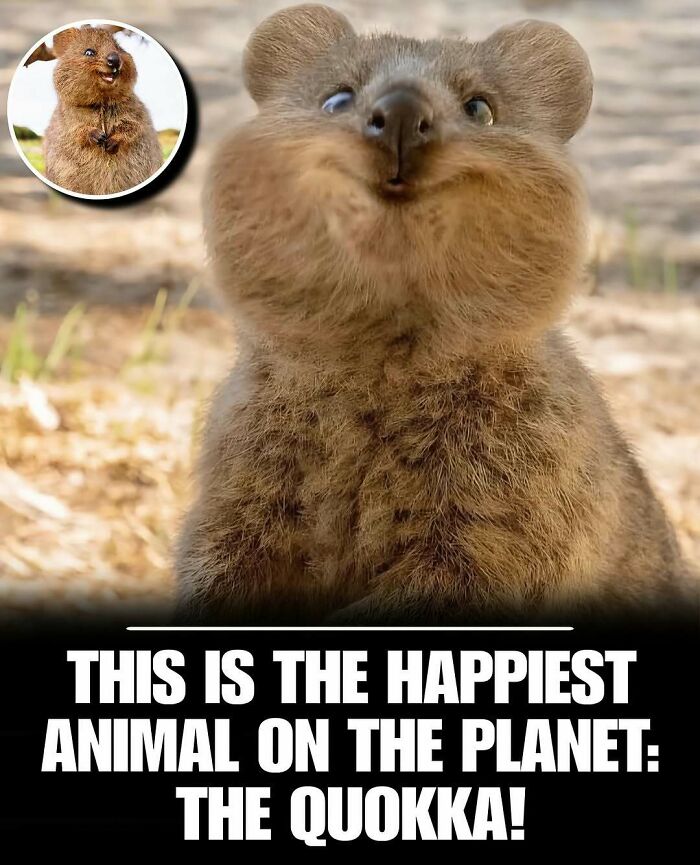
With their round cheeks and bright smiles, quokkas have earned the title of the “happiest animals in the world.” These little marsupials are found only in a few places in Western Australia, most famously on Rottnest Island. 🌿 Quokkas are herbivores, feeding mostly on leaves and grasses. They play an important role in their ecosystem by helping plants spread their seeds. Even though they look joyful, quokkas are a vulnerable species, facing threats from habitat loss and predators. 🌍 Seeing a quokka up close is a rare and heart-warming experience, a small creature with a big charm that continues to fascinate people around the world! 📸 @cruzysuzy
At @wildlifelearningcenter lives Zeus, a blind Western Screech Owl whose eyes shimmer like tiny constellations. 🌌 Even though he cannot see, his gaze reflects a universe of light and mystery. Zeus was rescued after an injury left him unable to survive in the wild. Today, he lives safely at the center, where his cosmic-looking eyes never fail to fascinate those who meet him. 🦉✨ More than his appearance, Zeus is a living reminder that nature often hides its most astonishing wonders in the most unexpected places. ❤️ 📸 Credits: @zeustheblindowl & @wildlifelearningcenter
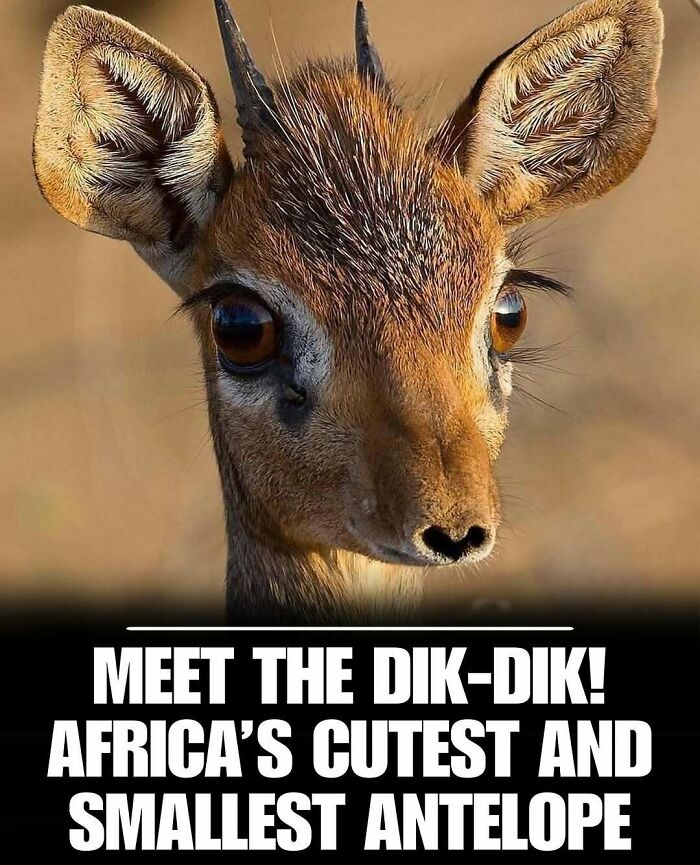
This miniature antelope, barely 30 cm tall, lives in the bushlands of eastern and southern Africa. With its huge eyes, delicate features, and shy nature, it almost looks like it stepped out of a cartoon. But don’t be fooled, despite their size, dik-diks are fast, alert, and incredibly adapted to surviving in the wild! 💨 They live in monogamous pairs and are fiercely territorial proof that small doesn’t mean weak. Nature never runs out of surprises… and this one fits in the palm of your hand. 🌿✨ 📸 Credit Photo 1-2 @mogenstrolle Photo 3 Jack Dobli Photo 4 Jean Wimmerlin
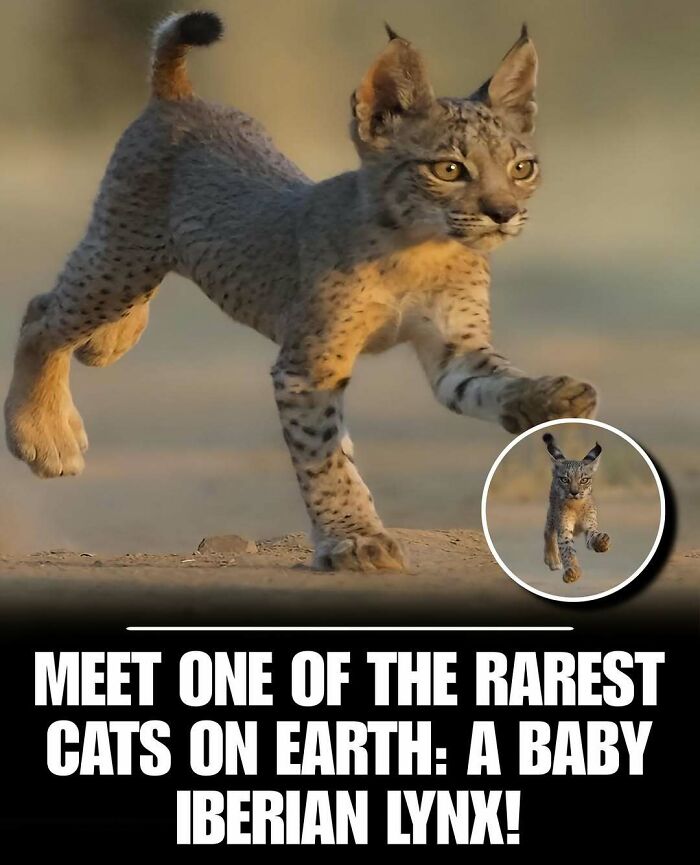
This little lynx is already showing the instinct, balance, and focus of a true wild predator. Every step, every jump is part of learning how to survive in a world where nothing is easy, even from the very beginning! 🐾 The Iberian lynx is one of the rarest wild cats on Earth, found only in small regions of Spain and Portugal. Thanks to years of protection and conservation, their population is slowly growing again, giving hope to a species that was once very close to disappearing! 💪 Watching a baby like this move freely is a powerful moment! 💛 📸 Credit: Marcello Galleano
Meet the viscacha one of South America’s most charming little secrets! 🐾 These adorable rodents, part of the Chinchillidae family (genera Lagidium and Lagostomus), may look like sleepy rabbits, but they’re actually closer relatives of chinchillas. 🐾 Found in the rocky highlands and grasslands of South America, viscachas spend their days basking in the sun, nibbling on plants, and living in tight-knit colonies. Their calm expressions and fluffy appearance make them one of the cutest animals you’ve probably never heard of!
Sometimes called the panda of the sea, the vaquita is a tiny porpoise that lives only in the northern Gulf of California, Mexico. Adults measure around 1.5 meters smaller than most dolphins, and have dark eyes and lips that give them that “panda-like” look. 🌊 There are now fewer than ten left in the wild. Their greatest threat comes from illegal fishing nets set to catch a fish called totoaba, whose bladder is sold on the black market. When vaquitas get trapped in these nets, they cannot reach the surface to breathe! 💔 Scientists still detect a few individuals using underwater microphones, which proves that life continues, fragile, but still present. Protecting this small population is now one of the ocean’s most urgent missions!
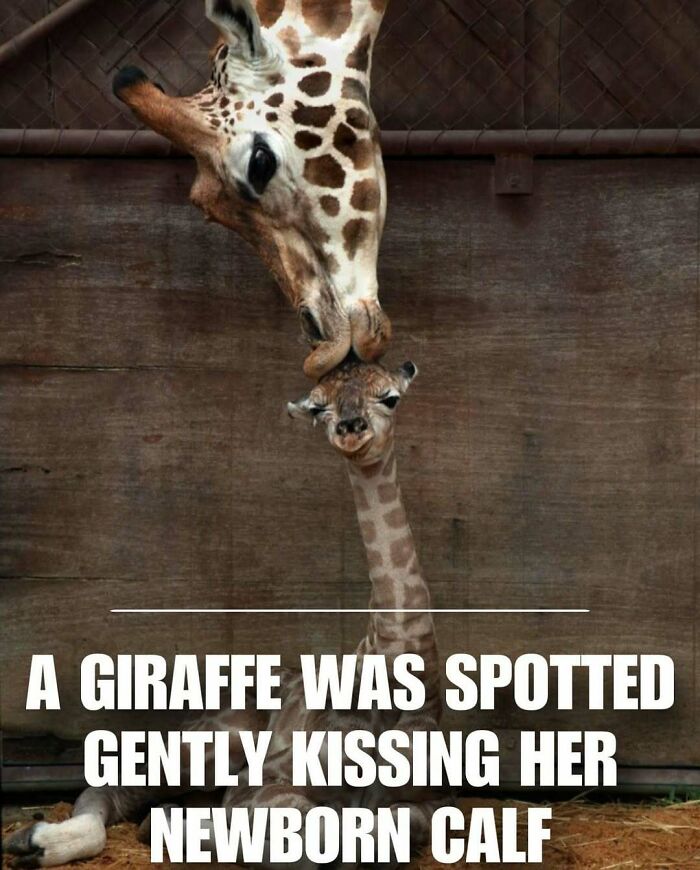
A tender moment unfolded in the wild as a mother giraffe lowered her head to greet her newborn with a gentle touch. Still wobbly on its legs, the calf instinctively leaned into the soft gesture a silent exchange full of warmth and instinctive connection. 🦒❤️ Scenes like this offer a powerful reminder: the bonds between mother and baby transcend species. It’s a quiet but powerful glimpse into the emotional depth and care found in the animal kingdom. 🐾 Via @perthzoo
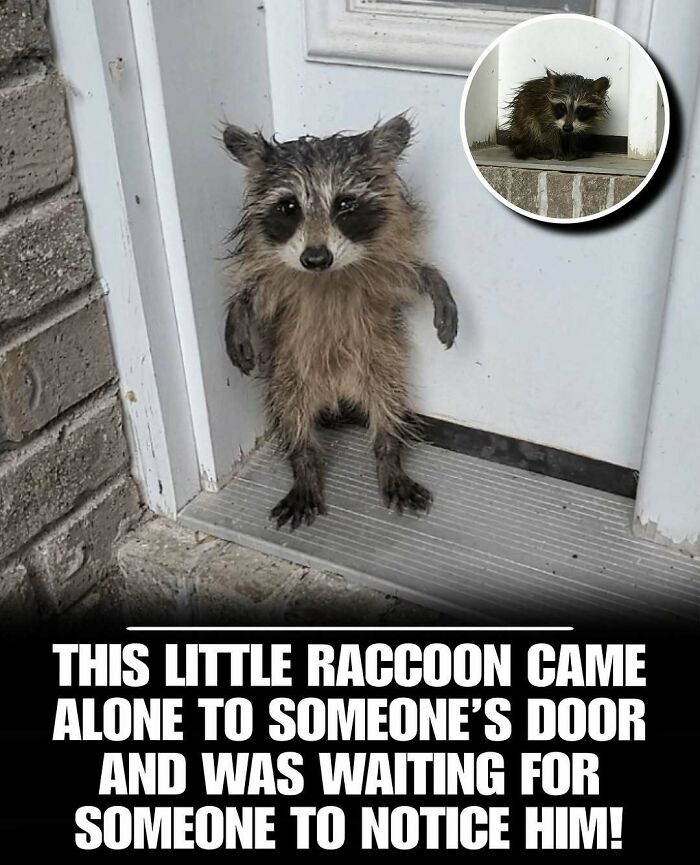
After a heavy rain in Massachusetts, a tiny two-month-old raccoon was found alone, drenched, and shivering on a doorstep. He stood there quietly, hoping someone would see him. Thankfully, a caring homeowner noticed and called for help. A local wildlife officer arrived, gently wrapped him in a towel, and brought him to Leyden Wildlife Rehabilitation. Now safe and cared for, this little orphan will stay until he’s healthy and strong enough to return to the wild. A beautiful reminder to look out for the most vulnerable animals around us. 🦝💚 📸 Credits Belchertown Animal Control / Leyden Center for Wildlife Rehabilitation
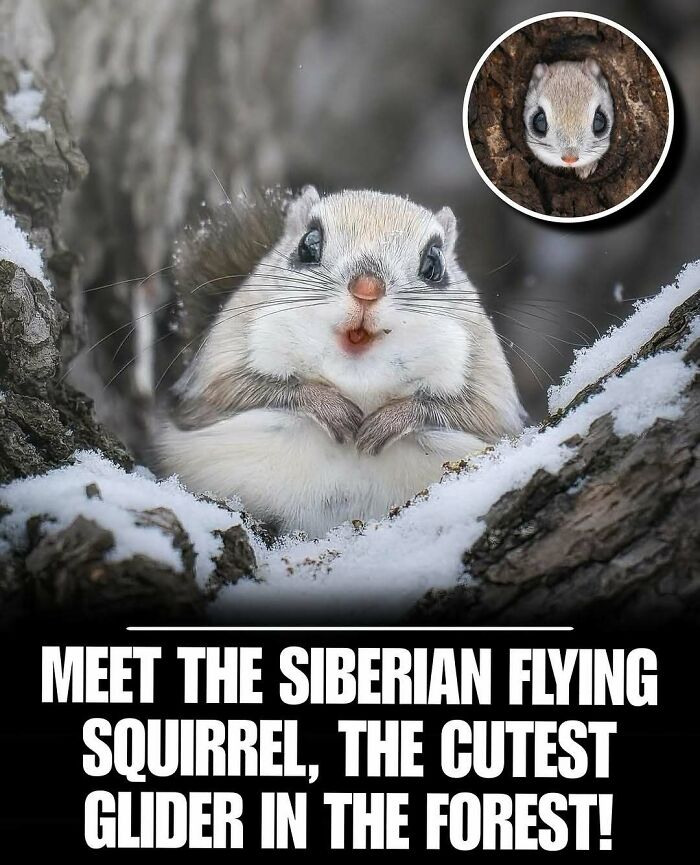
The Siberian flying squirrel is one of the forest’s tiniest wonders. 🐿️ With its big black eyes and silvery fur, it looks like it just leapt out of a fairy tale. This little glider moves from tree to tree using a thin membrane called a patagium, allowing it to soar up to 30 meters in a single jump. 🌲 At night, it quietly explores the branches in search of buds, bark, and nuts, blending perfectly into the calm of the twilight! Delicate and shy, it’s also a symbol of the northern wilderness!
📸 Credit: @thutrang.bhdn
Scientists exploring the Atlantic seafloor uncovered a striking duo a bright yellow deep-sea sponge and its companion, a vibrant pink starfish, side by side more than a mile beneath the waves 🌊 Using remotely operated vehicles (ROVs), the team found these striking creatures at Retrieval Seamount, ~1,885 m deep, east of New England. The sponge, from the genus Hertwigia, stood out with its unusual bright yellow hue rare in deep-sea habitats typically dominated by whites and oranges. The starfish belongs to the genus Chondraster, sporting five arms with sucker-covered tube feet, a carnivorous hunter of sponges and other marine invertebrates. While the image instantly drew fun comparisons to SpongeBob and Patrick, in reality this tiny starfish could well have been preparing for a meal rather than a friendship 🧽🐚 Captured by scientists aboard NOAA’s Okeanos Explorer, this captivating snapshot offers a glimpse into life in the deep ocean and two sea creatures that look like they’ve swum straight out of a cartoon world
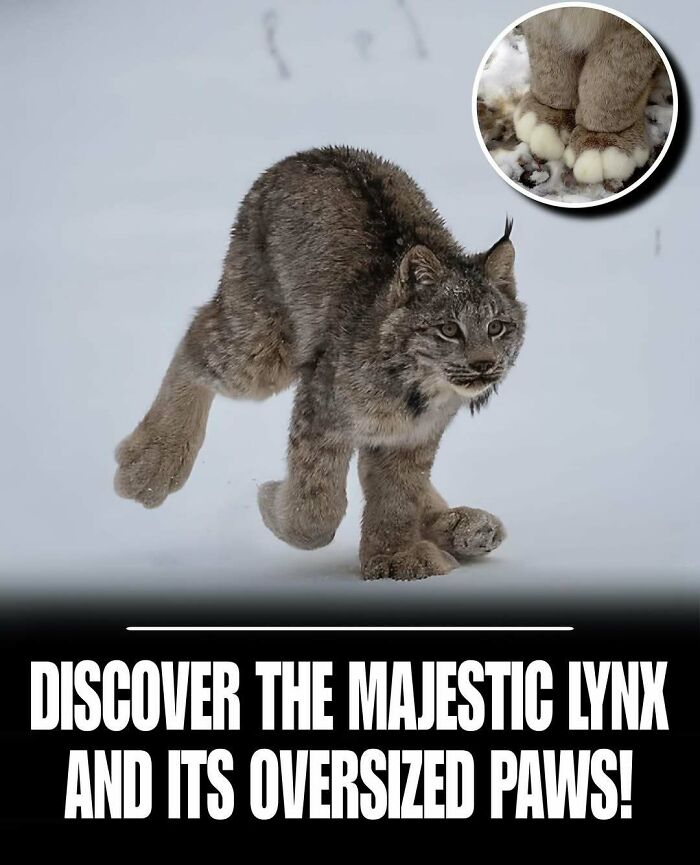
At first glance, the lynx looks powerful and calm But its most impressive feature is often overlooked: its paws! 🐾😼 The lynx has exceptionally large, wide paws that work like natural snowshoes ❄️ They spread its weight evenly, allowing it to move silently across deep snow without sinking. This adaptation gives the lynx a huge advantage in winter 🌨️ While other animals struggle, it can walk, stalk, and hunt efficiently in harsh conditions. Everything about the lynx is built for cold environments! 🐈⬛ From its dense fur to its strong legs, each detail helps it survive where snow dominates the landscape. 📸 Credit: Wild Wild West
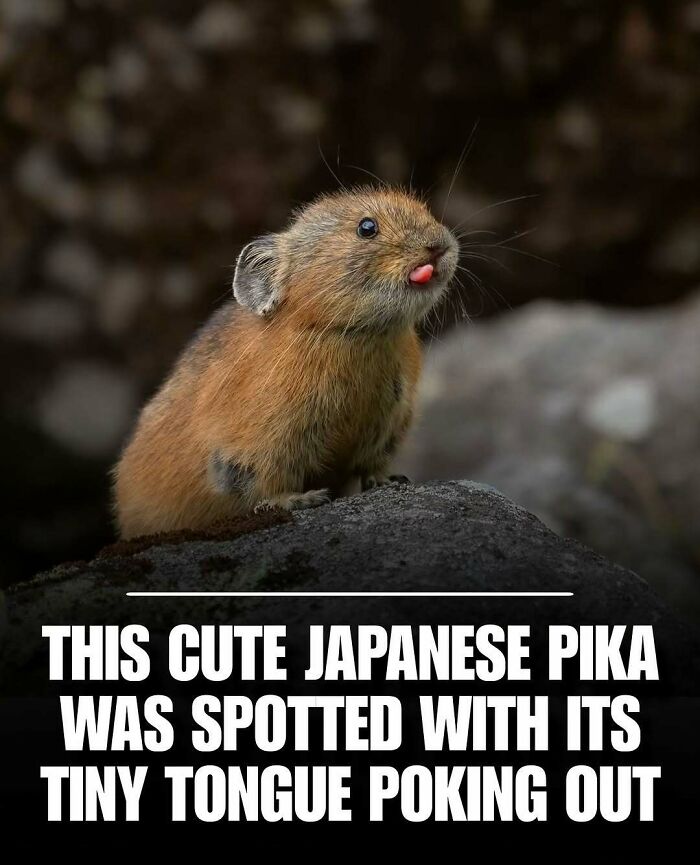
The Japanese pika (Ochotona hyperborea yesoensis) is a tiny mammal that lives in the cold mountain regions of northern Japan. ❄️🐾 Closely related to rabbits, these little creatures have round bodies, short limbs, and barely any visible tail plus those signature small ears that help them keep warm. 🍃 They live in rocky areas and collect dry grasses during the warmer months to build “hay piles” their secret food stash to survive the long, snowy winters. 🪵🌾 Usually shy and solitary, pikas are also known for their high-pitched calls, which they use to warn others or mark their territory. 🔊 📸 Credit @takashi_okashi
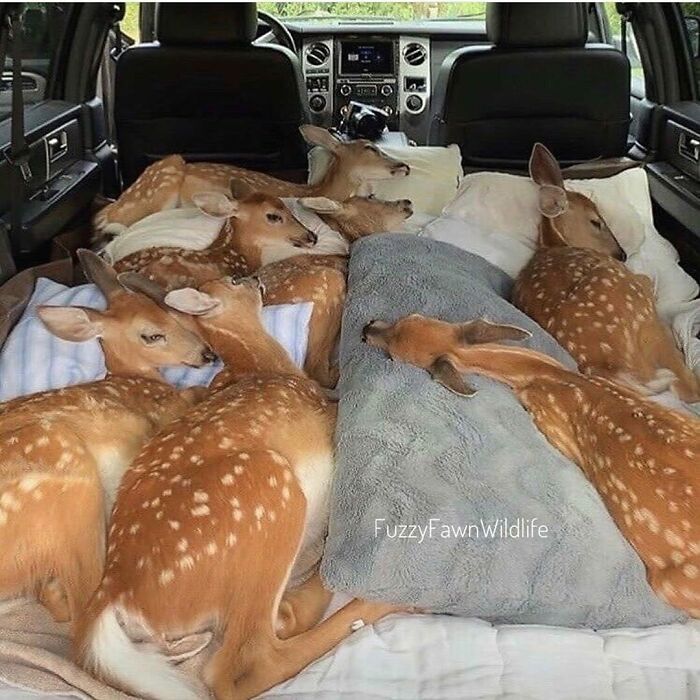
Rehabilitation Fuzzy Fawn Wildlife does rehabilitation for full-grown Deer and fawns in New York State that have been injured in any way, shape, or form. This photo is from one of their recent projects in the region bringing them back to the wild. ❤️ Via @fuzzyfawnwildlife
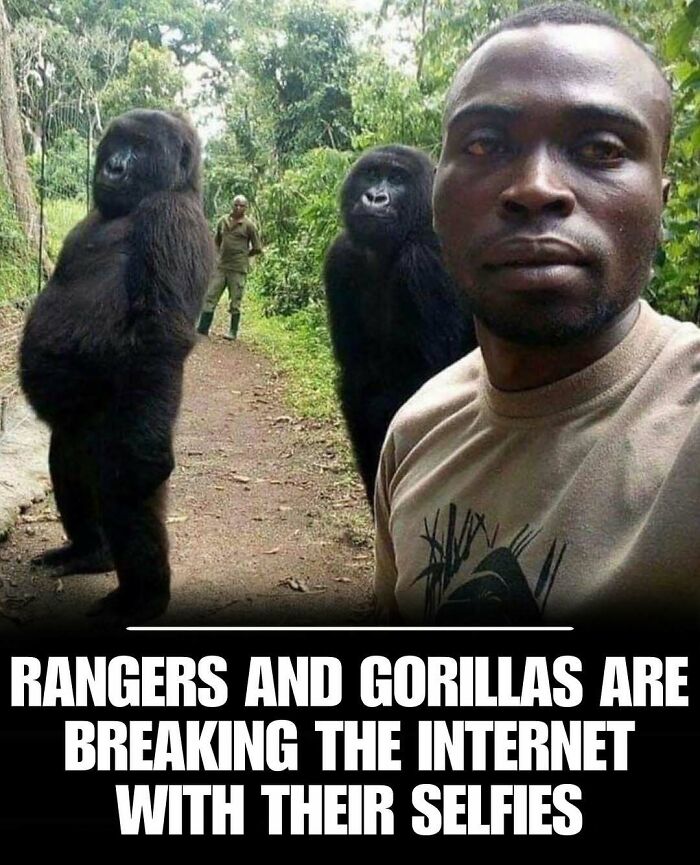
Rangers from Virunga National Park 📍 Selfies like this may seem fun at first glance and they are but they also carry a powerful message. These mountain gorillas are under constant protection, thanks to rangers who dedicate their lives, day and night, to keeping them safe from poachers and threats. This photo is more than just viral content, it’s a symbol of courage, resilience, and the extraordinary bond between humans and endangered wildlife 🦍❤️ 📸 Credit: @virunganationalpark
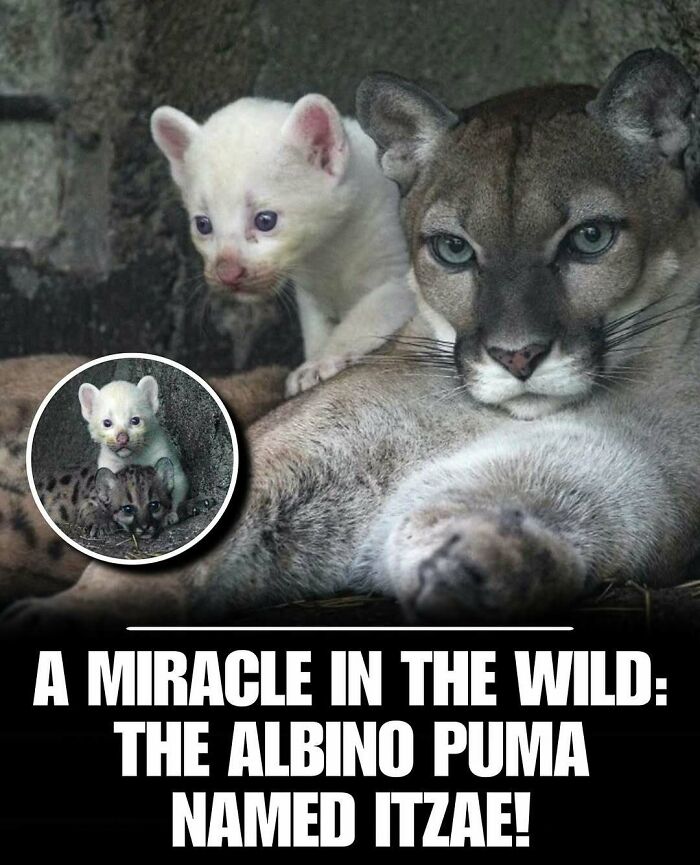
In Nicaragua’s Thomas Belt Zoo, something truly magical happened: the birth of Itzae, a rare albino puma whose name means “Gift from God” in Maya. 🤍 Among her three siblings, she is the only one born with this exceptional genetic trait making her one of just a handful of albino pumas ever seen on Earth. 🌍 Her snow-white fur and crystal-blue eyes are the result of a genetic mutation that blocks melanin production. Because of this, she’s more sensitive to sunlight and needs extra care from her keepers to stay strong and healthy. ☀️ Despite these challenges, Itzae is thriving. Playful, alert, and full of life, she reminds us how beautifully unpredictable nature can be a living symbol of rarity and resilience. 💫 📸 Credit: Oswald Rivas
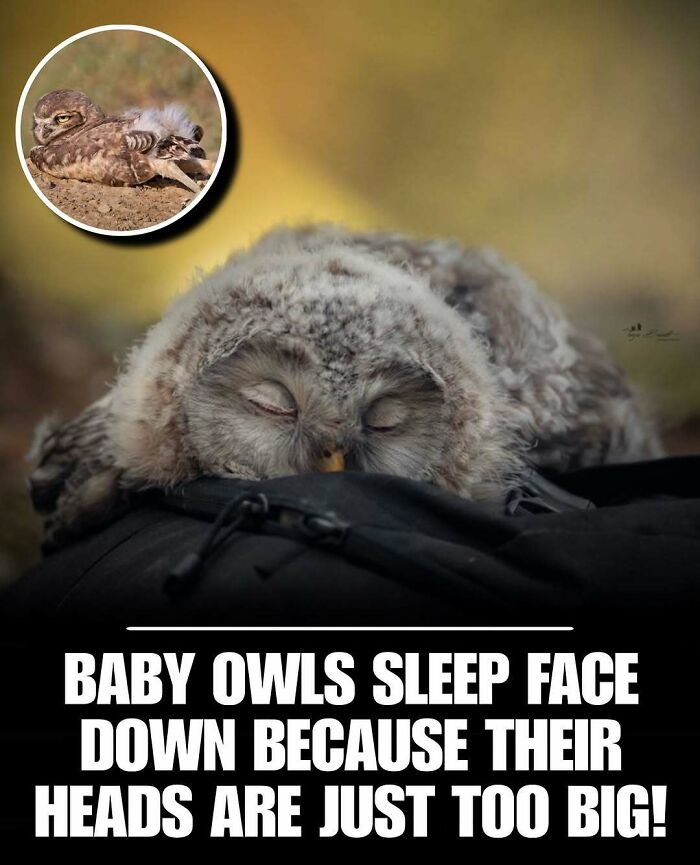
Baby owls sometimes take the cutest naps face down on their bellies! 🌸😴 Their heads are so large compared to their tiny bodies that it takes time for their neck muscles to fully develop. Until then, this position helps them rest comfortably while staying balanced and safe. 🦉 It’s one of those charming quirks that shows just how wonderfully nature adapts its creatures. 🥹🩷 📸 @jari_peltomaki
Native to Africa, the woolly chafer is a small beetle that looks surprisingly like a tiny ball of cotton rather than an insect. Its body is coated in fine, hair-like scales, giving it a soft and fuzzy texture. Unlike the typical shiny shells of most beetles, this unusual covering may serve as camouflage while also helping to control its body temperature in the wild. Despite its fluffy appearance, it’s far from fragile. The woolly chafer spends much of its life underground, feeding on plant roots and developing out of sight. From a hidden larva to its fuzzy adult stage, its transformation is remarkable. Rarely spotted, finding one in its natural habitat feels like uncovering a secret wonder of nature.
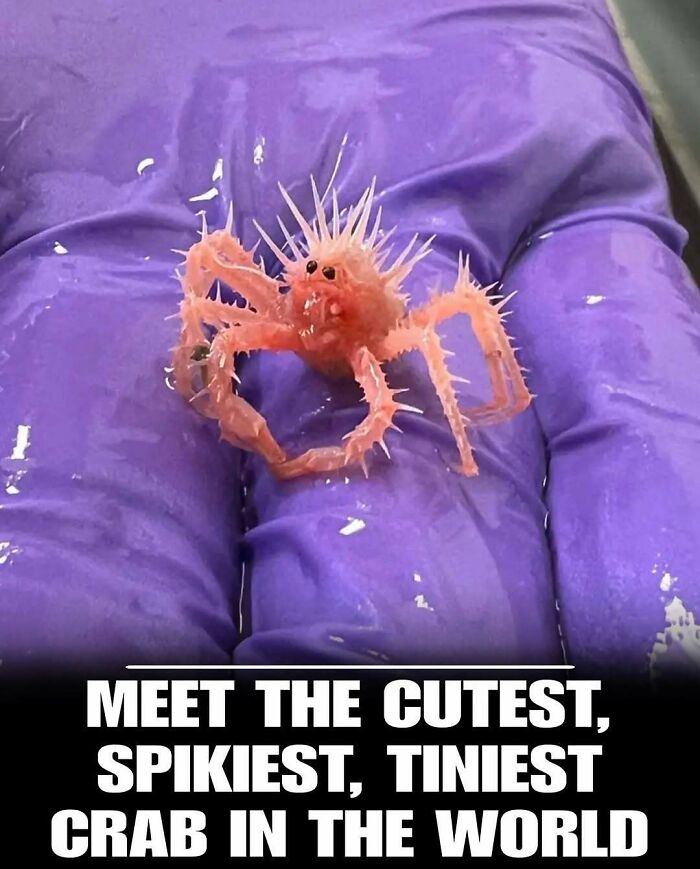
Say hello to one of the ocean’s tiniest treasures, a baby pink king crab! 🦀✨ Found in the Gulf of Mexico during a NOAA expedition, this miniature crab amazed researchers with its bright pink color and spiky little body. Even though it’s no bigger than a fingertip, this crab plays a crucial part in the marine ecosystem 🌊🌍. Every species, no matter the size, contributes to the balance of life under the sea. This adorable discovery quickly caught attention online, proving once again that the ocean is full of wonders waiting to be revealed 💖. 📸 Credit: Sasha Francis / NOAA / dpa
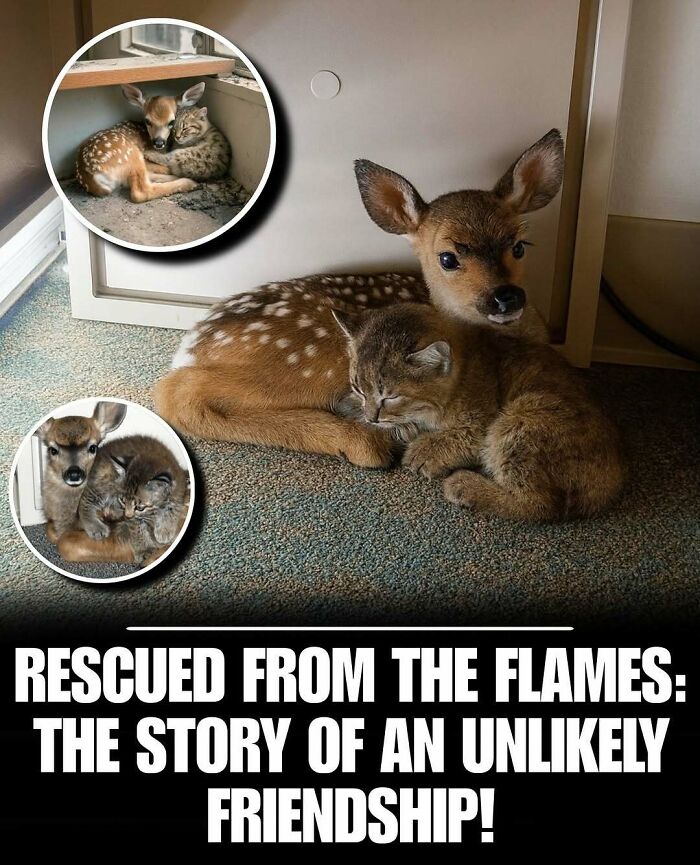
After being rescued from a fire, this fawn and kitten were found curled up together for comfort. 🦌🐱 Both had been scared and disoriented, but rescuers quickly took them to safety, where they could rest and recover. Their calmness around each other shows how animals can sometimes find peace, even after chaos. ❤️ 📸 Credit: Animal Rescue Team, California (2009)
On a remote island in the South Atlantic, photographer Yves Adams captured a king penguin with completely yellow plumage. Yes, yellow! 🐧✨ This is not a filter or Photoshop: this rare specimen shows leucism, a rare genetic condition that alters the pigments of its feathers, turning the classic black and white into bright yellow. 💛 According to experts, only 1 in 146,000 penguins could be born with this mutation. An unusual phenomenon that many call “the golden penguin.” 🌍🐧🌟 📸 Credit @yves_adams
Helping innocent animals! ❤️ Photographer (@cawildlife) says: Remember this little guy from a couple of years ago? This fledgling Northern Mockingbird arrived with knuckling feet. After being treated with "snowshoes," his feet were able to work normally and he was released to the wild soon after. Via @cawildlife SW
This is fake. Please don't spread this kind of nonsense: real photos of wildlife are stunning and beautiful. We don't need this sort of "cute" fake c**p!
The silky anteater is one of the smallest and most elusive species of anteaters in the world. Native to the tropical forests of Central and South America, this tiny climber is nocturnal and spends most of its life in the treetops, using its prehensile tail for balance. 🌿 Though it measures only about 35 cm in length, it’s a skilled hunter of ants and termites, capturing them with its long, sticky tongue. Its soft, golden fur blends seamlessly with the foliage, making it a true camouflage expert. 🐜 📸 Credit: Raby Nuñez
Deep in the heart of the forest, two playful fox cubs were spotted joyfully wrestling in the tall grass, their tiny paws and curious eyes full of life. 🐾 They rolled and chased one another under the golden light of late afternoon, creating a moment of pure innocence and connection. Scenes like this remind us of the gentle beauty that exists in the wild untouched, unfiltered, and truly magical. 🦊🌿 📸 Credit: @annastelloophotography
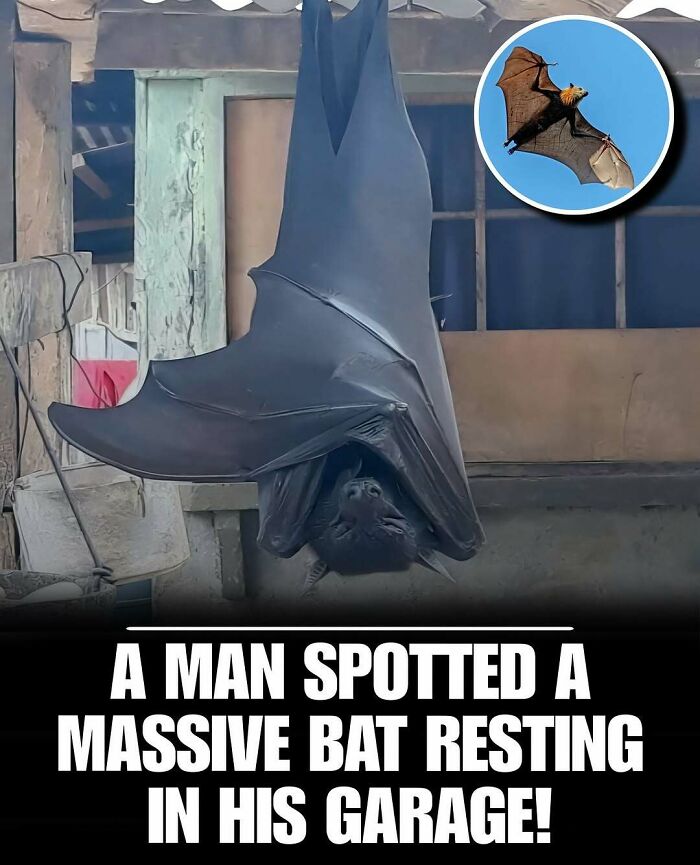
In 2020, a man in the Philippines walked into his garage and came face to face with a giant golden-crowned flying fox 🦇 With a wingspan that can reach 1.7 meters (5.6 feet), it’s one of the world’s largest bats and the photo quickly went viral. Despite its impressive size, this fruit bat is completely harmless. It feeds mainly on figs and other fruits, helping forests regenerate by spreading seeds 🌱🍌 But behind the awe lies a sad truth: the golden-crowned flying fox is endangered, threatened by deforestation and hunting. Protecting it means preserving both the species and the tropical forests it sustains
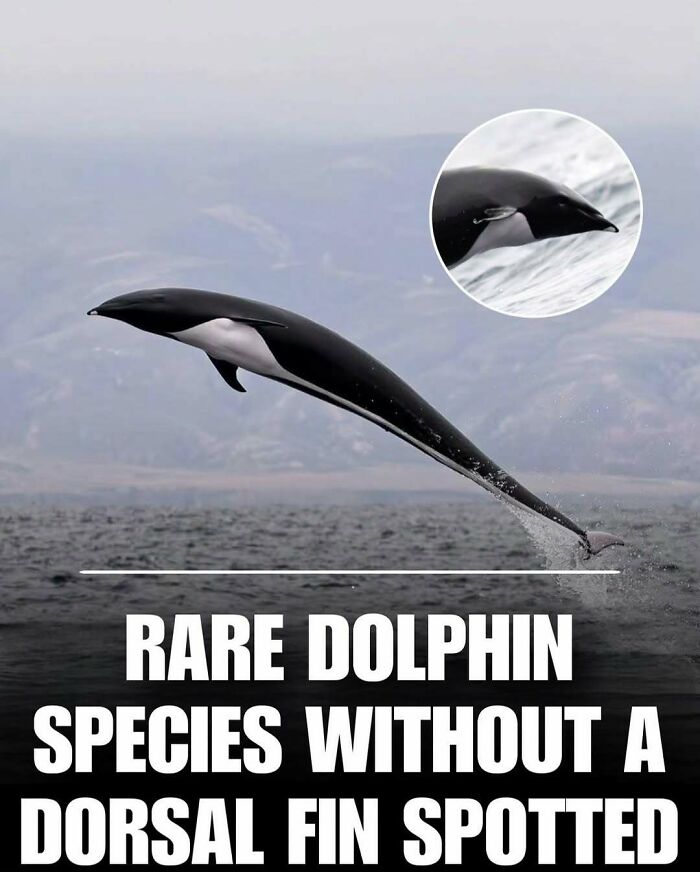
Discover the northern right whale dolphin, one of the rare dolphins without a dorsal fin. Its smooth, torpedo-like body allows it to move effortlessly through the water. 🌊 Famous for their aerial stunts, these dolphins leap, spin, and sometimes travel in synchronized groups called superpods, reaching up to 3,000 individuals! 🐬 They often team up with Pacific white-sided dolphins and dive deep to chase squid and small fish. 🎥 Footage by @nathoutsidethebox
Wondiwoi tree kangaroo is one of the rarest and most secretive animals in the world. First described in 1928, it wasn’t seen again for almost 90 years ⏳, leading many to believe it had gone extinct! 🦘 In 2018, a living one was finally photographed 📸 deep in the forests of Papua, Indonesia. Today, fewer than 50 adults are thought to survive, making it critically endangered ⚠️ Its rediscovery is a symbol of hope and a reminder of how important it is to protect the fragile forests of New Guinea
Fireflies are vanishing. These tiny glowing wonders that once lit up our childhood evenings are at risk of disappearing forever. Their magical light used to find a mate is being drowned out by artificial lighting, harmful pesticides, and the destruction of their natural habitats. 🌌 Recent research shows that without immediate action, many species may soon be gone. But it’s not too late. We can help by reducing outdoor lights, avoiding chemical treatments in our gardens, and planting native plants to restore their environment. So next time you spot one lighting up the dark, remember its survival depends on us. Spread the word. Small changes can keep their glow alive. ✨❤️ Via: 2- @man_pic 3- @masahito_tkd 4- @lakshmi55718 5- @slowflow.style
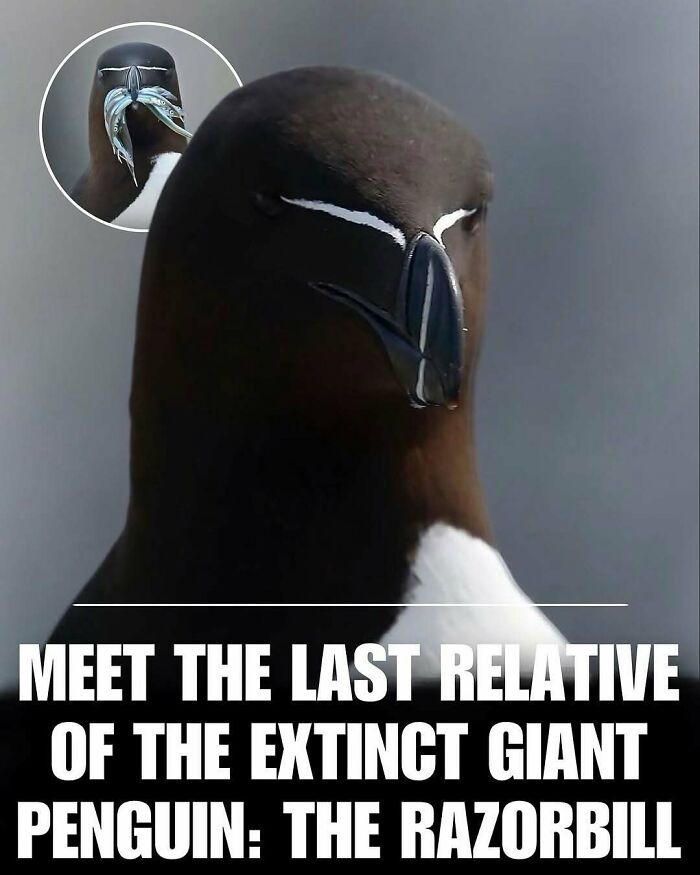
At first glance, the razorbill looks a lot like a penguin, but it’s actually the closest living relative of the great auk a large seabird that disappeared nearly two centuries ago. 🐧 These striking black-and-white birds live across the North Atlantic. While they can sometimes be seen as far north as Svalbard, they are more commonly found along rocky coasts in places like Norway and Scotland. 🌊 Today, razorbills face serious threats from overfishing and pollution, the same dangers that once drove the great auk to extinction. Protecting them is crucial if we don’t want history to repeat itself.
The black rain frog (Breviceps fuscus) is a small amphibian native to South Africa. 🇿🇦 It has a round body, short legs, and a sponge-like appearance that makes it instantly recognizable. Its expression often described as “grumpy” gives it a unique and charming look! 🐸😟 Unlike other frogs, it doesn’t hide underwater to protect itself from predators. Instead, it burrows into the dry, sandy ground to stay safe in its natural habitat.
Baby pūkeko don’t just walk, they perform a little balancing act! 🐥 With fluffy black down and feet comically oversized for their bodies, they almost look animated. But those giant toes aren’t just for show, they’re the perfect survival tool! 👣 In New Zealand’s wetlands, the ground is tricky: mud, reeds, and floating vegetation everywhere. Instead of sinking, pūkeko chicks spread their weight with those long toes, allowing them to step lightly across unstable ground, almost like tiny swamp dancers! 🌱 Unlike ducks, they don’t rely on webbing. Their toes are long and slender, built to grasp reeds, roots, and even slippery surfaces. Whether they’re tiptoeing through the shallows or climbing over plants, they handle their swampy world with ease. 🌊 And when it comes to character? They’re confident and sociable. Growing up in groups, pūkeko share the work of raising chicks and show little fear of people, small birds with big attitudes!
Born among rocks and cliffs, this baby klipspringer is already learning what balance really means 🪨🐐 From its very first days, every movement matters. Its small, compact body and dense coat are perfectly adapted to life on steep terrain, where agility is not a skill it’s a necessity. What makes klipspringers so unique is their hooves. They walk on the tips, almost like dancers, gripping the rock with incredible precision. Even at a young age, this instinct is already there, quietly developing with every step! 🐾 In these rocky landscapes, staying hidden is part of survival. The mother keeps her baby close, choosing safe crevices and teaching it how to move, pause, and observe. A quiet start to life, built on instinct, patience, and trust! 💪 Small, alert, and already remarkably adapted, this baby klipspringer is a reminder that nature designs each species exactly for the world it must face 🌍
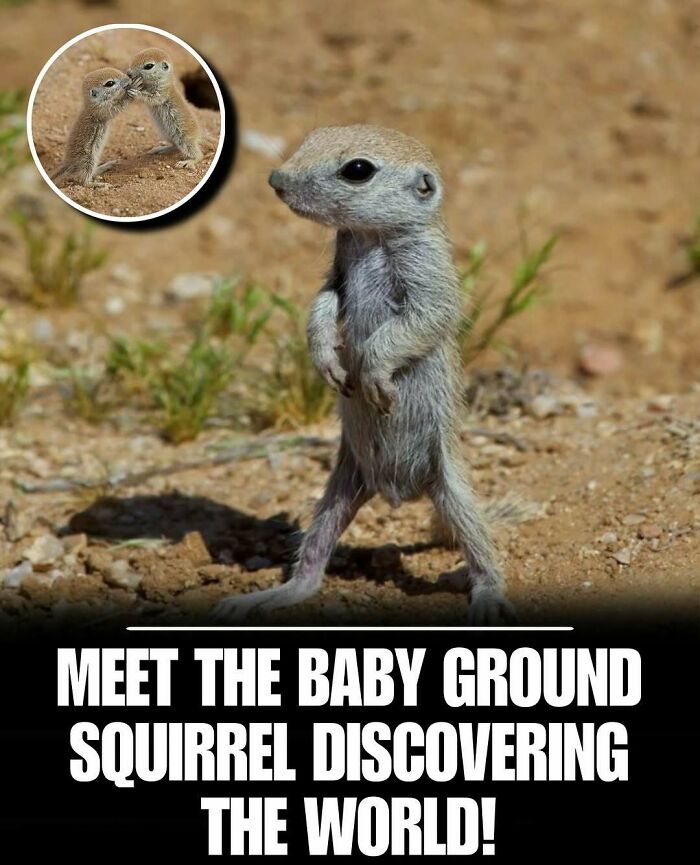
Each of these young ground squirrels has its own way of discovering the world. Some stand tall, others stay low to the ground, but all of them are already learning the first instincts of life in the desert. 👀 From their tiny paws to their bright eyes, every detail shows how quickly they grow. Even at just a few weeks old, they explore their surroundings with curiosity and a surprising sense of awareness! 🏜️ Their early days are full of small moments like these moments that shape how they move, how they stay safe, and how they interact with their future groups. Each one already carries a little piece of the desert’s energy.
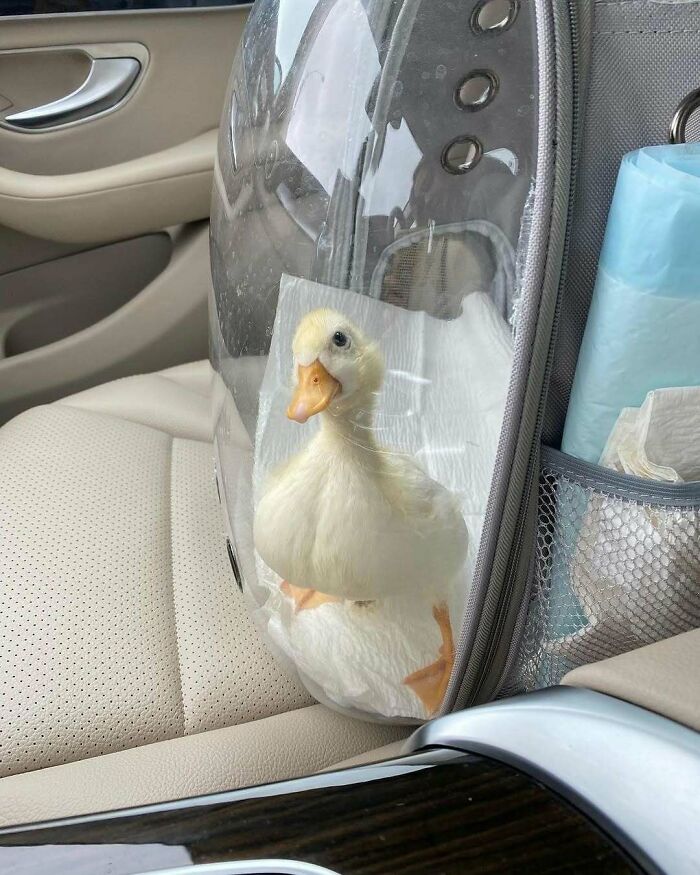
MiJiu’s first adventure outside the house : coffee mission ☕️🐥 Via @tytheduck
Animals are not toys! This little duck should be with its parents and siblings near a pond
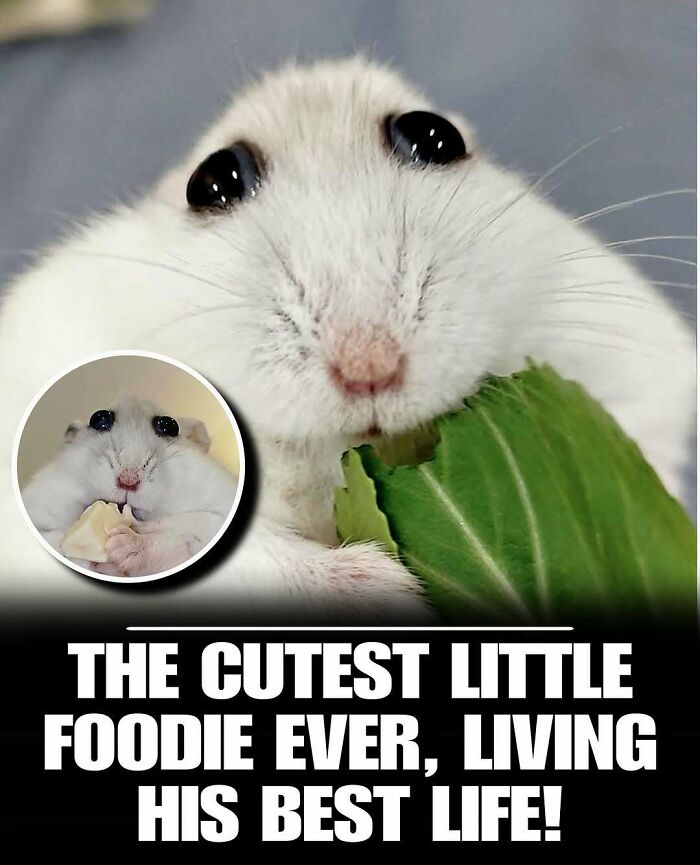
Tiny paws, bright eyes, and endless cuteness. 🐹✨ This little foodie enjoys every bite like it’s the best moment in the world. A ball of fluff that turns every snack into pure happiness. 🍓😋 Credit 📸 @mumunakap__
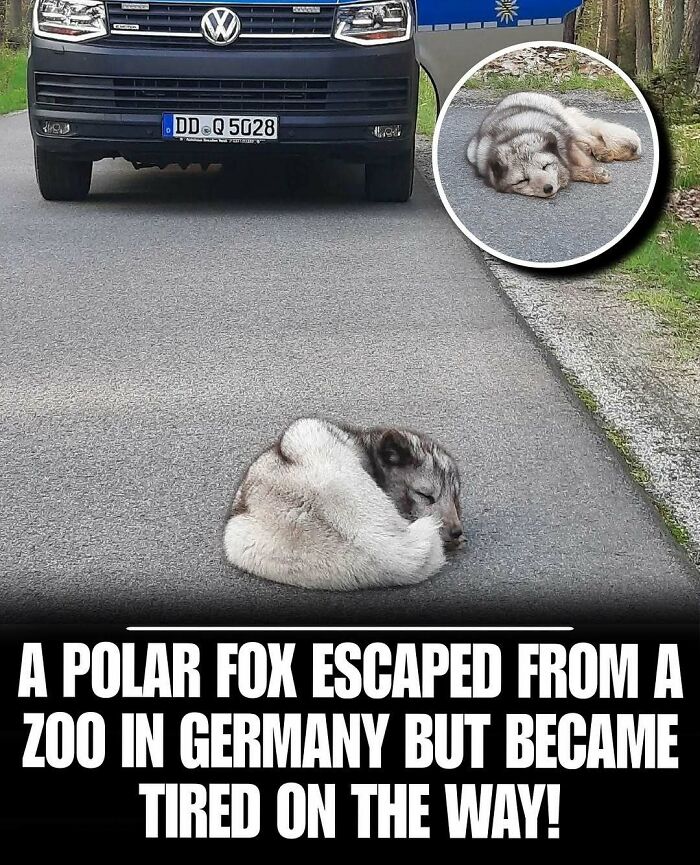
This little polar fox had quite an adventure! 🦊 It escaped from a zoo in Weißwasser, Germany, but exhaustion quickly caught up with it. Instead of running further, it decided to take a nap… right in the middle of the road. Luckily, police officers spotted the fox and made sure it was safe. A risky journey ended with a peaceful rescue. 🚓💤 Sometimes, even in the wildest adventures, rest wins.
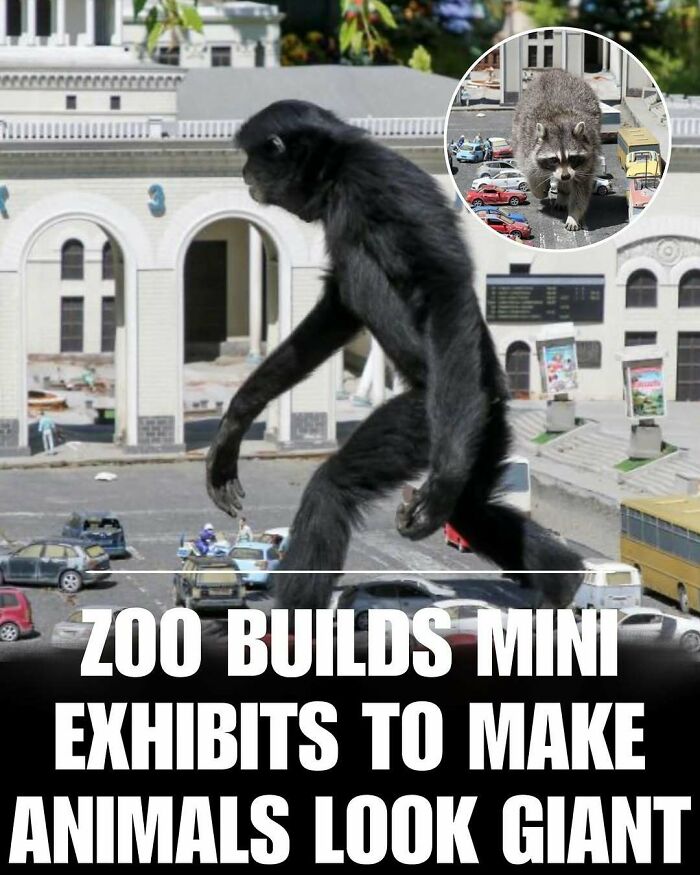
In Bakhchisaray, Crimea, a zoo has added a fun twist by pairing animals with miniature models of iconic buildings. The effect? Even a simple goat suddenly looks like a giant next to a tiny palace. This unique exhibit is part of the “Crimea in Miniature on the Palm” park, blending elements of a museum and a zoo. Visitors get to enjoy scaled-down landmarks alongside animals that, thanks to the clever setup, appear larger than life!































 No fees, cancel anytime
 then open in external browser


 and click "Open in External Browser"