Get Premium
Dark mode theme is available exclusively for premium users. Learn more about the benefits of subscribing.
No fees, cancel anytime.

 Dark Mode Ad-Free Browsing Unlimited Content
 Ad-Free Browsing Unlimited Content Dark Mode
Join 1.2 million Panda readers who get the best art, memes, and fun stories every week!

Imagine a world without photographs. There's so much we might never have "seen". Thanks to the invention and evolution of the camera, we have pieces of the past frozen in time. We are able to "experience" places we've never been. And we can share parts of our lives with strangers, in an instant.
Nowadays, almost anyone can be a photographer. An amateur one anyway. And you don't even need to carry a camera or professional equipment. A mobile phone with photographic capabilities will do just fine. But it wasn't always that way.
A group of highly talented photographers came before us, paving the way as they played with light around them. Facebook page History Photos Sealed In Time is a gorgeous gallery of "historical and vintage photos from around the world". Bored Panda has put together a list of our favorites. Keep scrolling for a captivating journey through the days of darkrooms and daylight color film. And learn a bit more about the days before digital photography.
This post may include affiliate links.

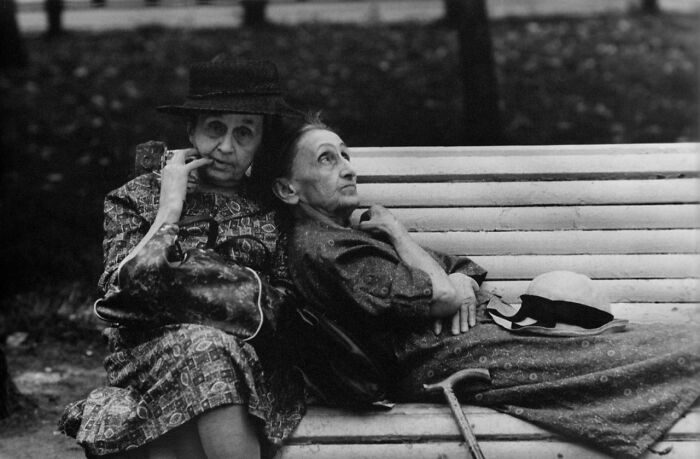
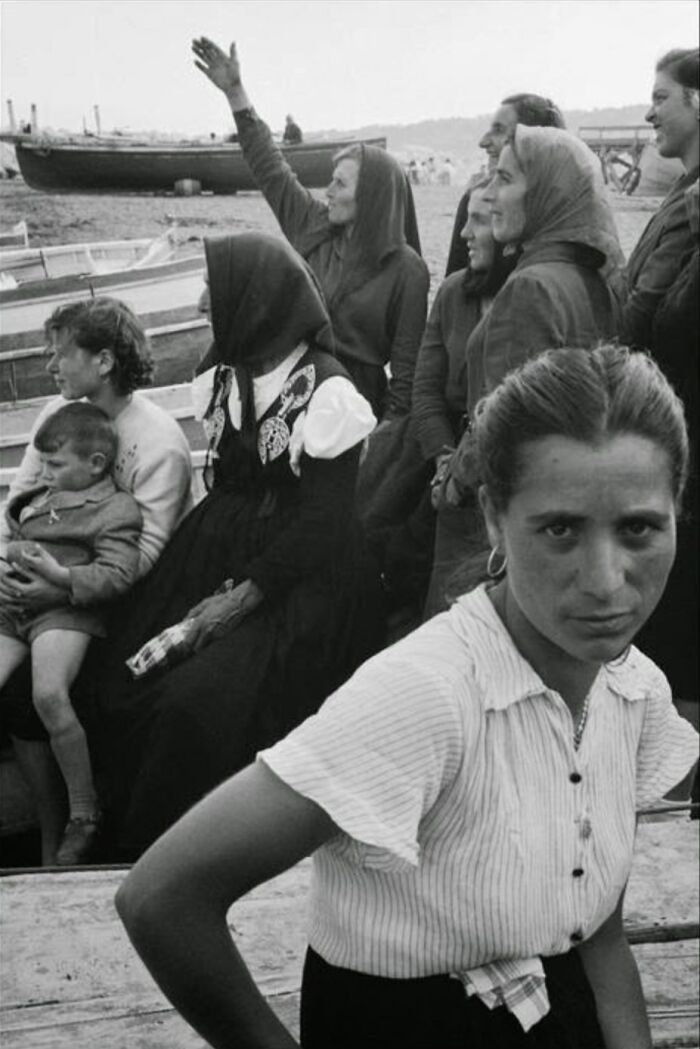
My mind keeps telling me that they're about to burst into song. I can actually feel the rumble preceding the first note!
The first ever photograph is known as “Window at Le Gras”. It came to life in 1826, when a French inventor set up a camera obscura to capture the view outside his window. "Camera obscura" is a Latin phrase, which literally means dark room. The National Gallery Of Art defines camera obscura as "an optical device that creates an image by focusing rays of light onto a screen or sheet of paper".
In essence, Nicéphore Niépce created the first camera that could properly capture an image and seal it in time. He had been playing around for a while. But at first, his images didn't "stick". In the early phases, he experimented with how a negative image could be created on paper coated with silver chloride. But those would always end up fading.

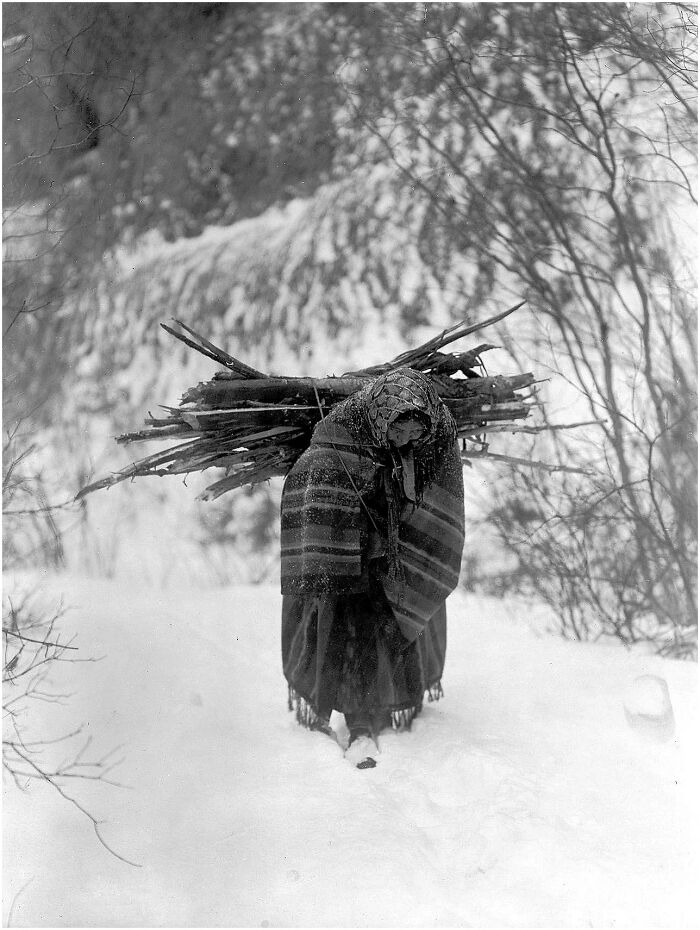
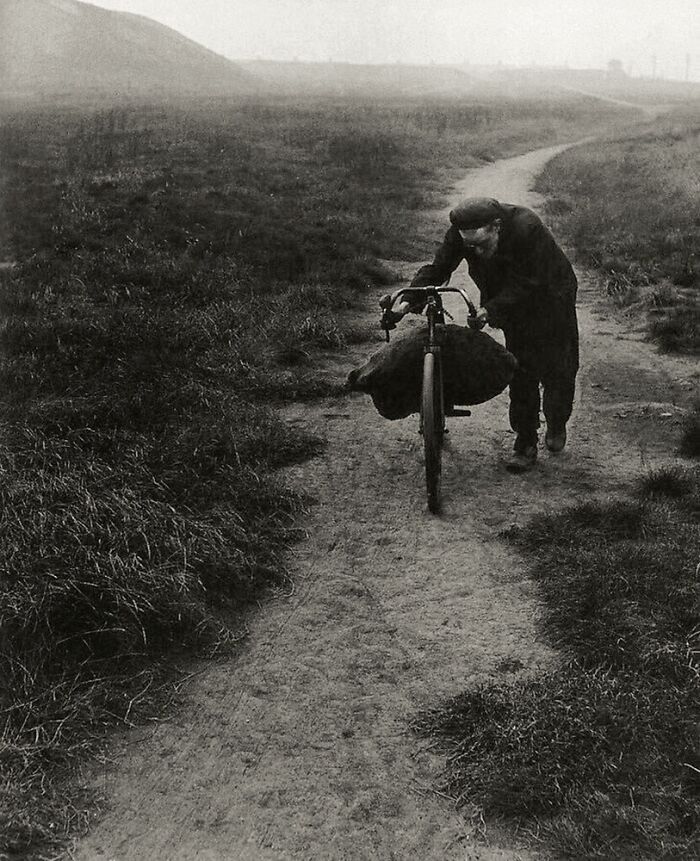
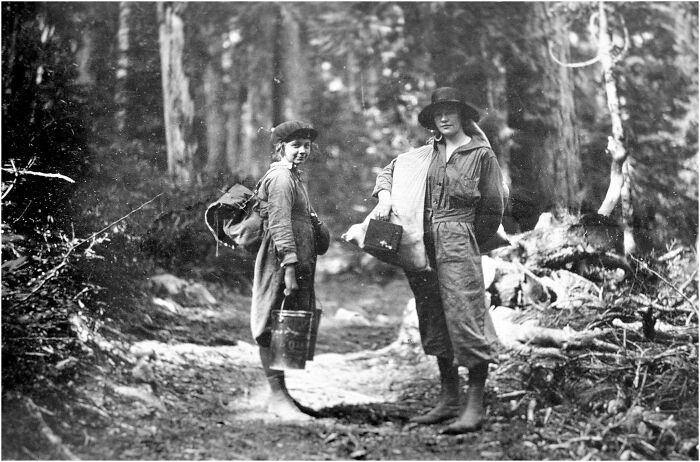
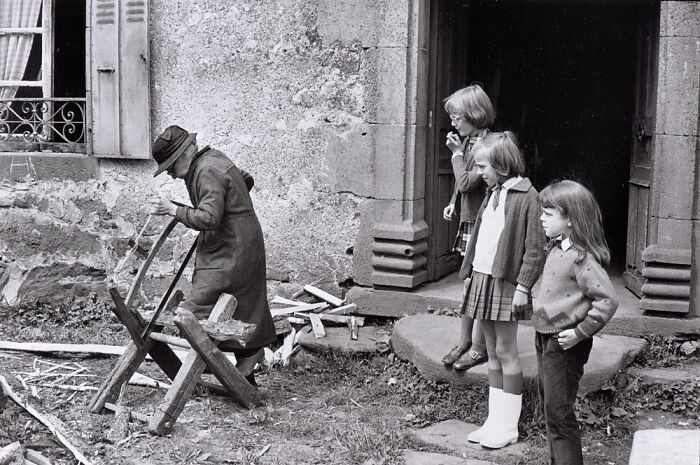
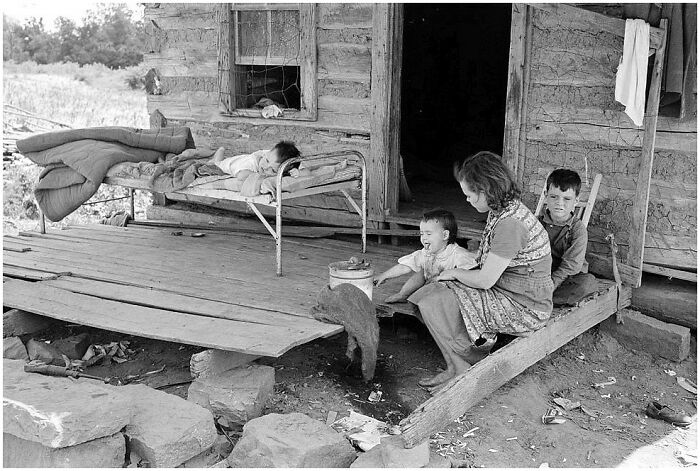
That picture could have been taken in any country of the world. The clothes would have been different, but a woman, often an old woman, stumbling under a heavy load of firewood, used to be a universal sight on all continents. Tending the hearthfire was a woman's job.

After much trial and error, and several later chemical explorations, he finally got it right. He discovered that a certain film mixed with pewter could produce permanent photographic images when exposed inside a camera obscura. Niépce called this process ‘heliography’.
His first photo was a view from the window of his estate in Burgundy, France. It required an exposure time of around 8 hours. And while Niépce's images were blurry, they paved the way for the sharper, more professional photographs we can enjoy in this compilation.

It would be a few more years before photography could become accessible to the public. A big room wasn’t exactly the most practical tool for most people. When Niépce died in 1833, his protege Louis Jacques Mandé Daguerre took over. Thanks to him, the world was introduced the first ever portable camera in 1839.
"A forerunner of the modern camera, the camera obscura consisted first of a room, then later of a portable box with a small opening in one side," reads the National Gallery of Art site. "Light reflected by objects in the natural world enters the box through a lens set into the opening and projects an image onto the opposite surface. The image, like one formed on the retina of the eye, is upside down and reversed.
Daguerre called his box camera the "Daguerreotype". It had plate inside, coated with a thin film of silver iodide. The plate had to be exposed to a few minutes or hours of light to produce an image. It was then treated with mercury vapor and hot saltwater to remove the silver iodide.
And voila! A permanent image, or daguerreotype, was left behind. But the images were still all mirror images, or in reverse. After trial and error, Daguerre managed to reduce the exposure time to just a few seconds. It was a turning point in the history of photography, and catapulted cameras into the commercial arena.

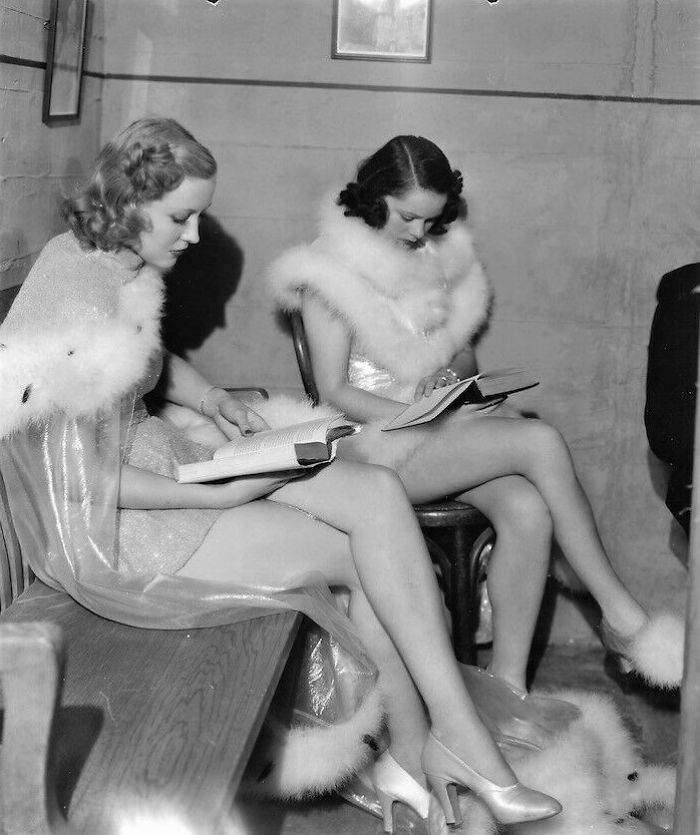
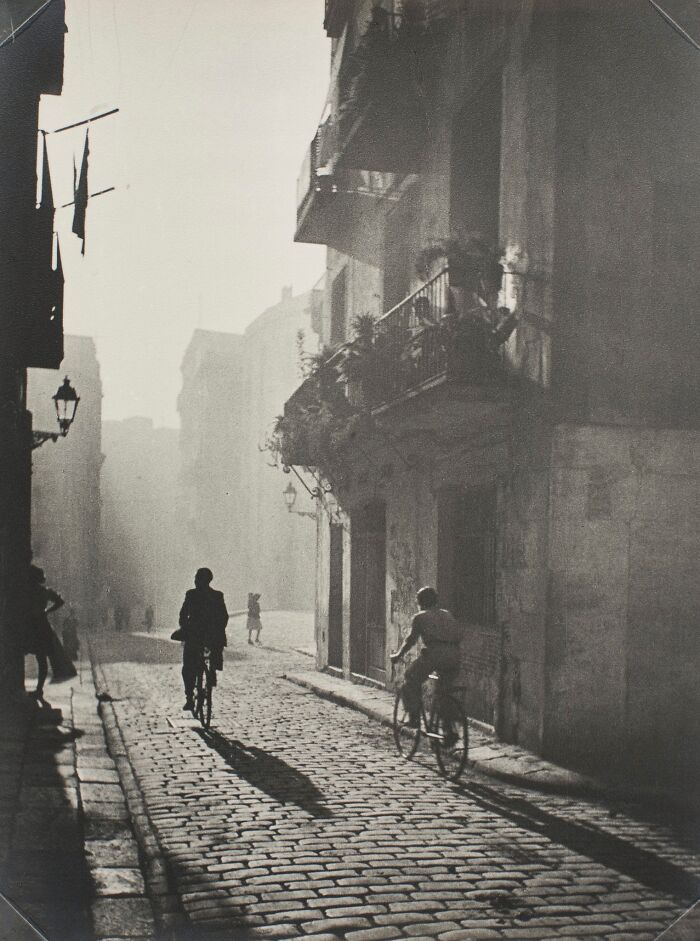
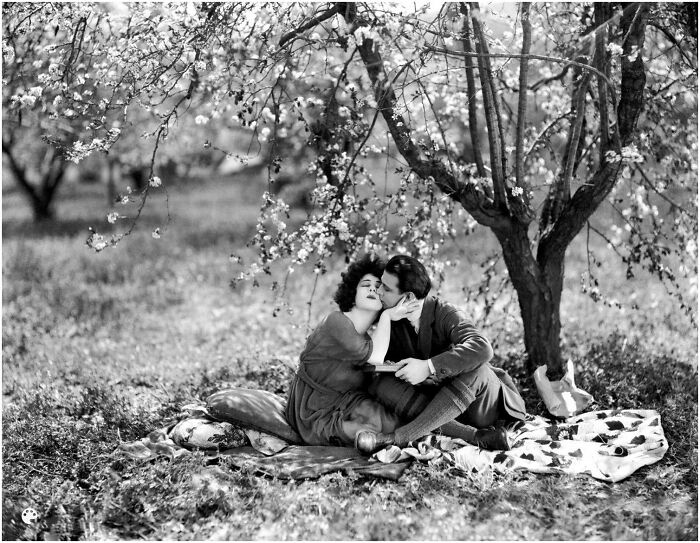
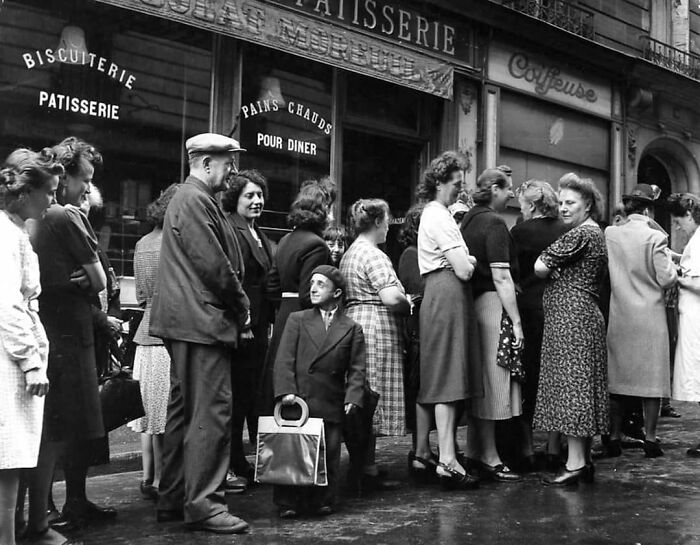
It rather depends on which half of the 1940s this is, as to how I feel about it.

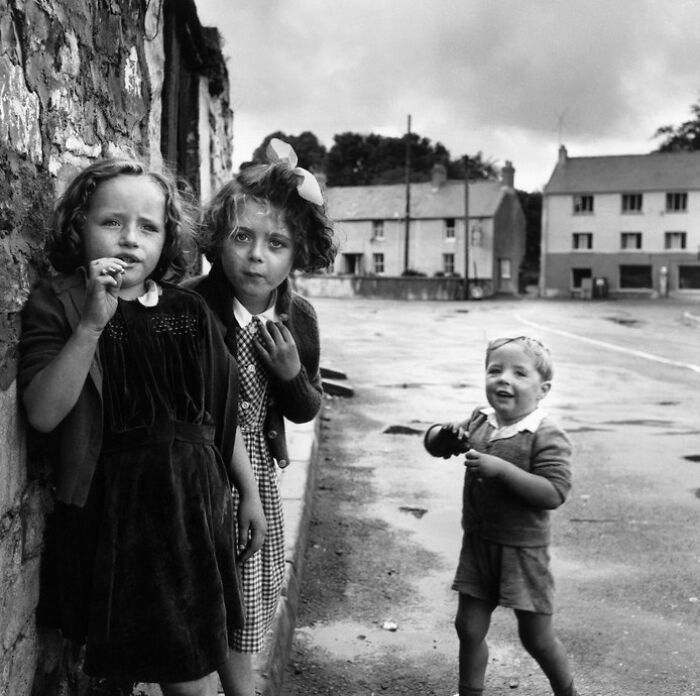
Laugharne is relatively local to me and I have ancestors from the town. This was taken in an area known as The Grist. Just out of shot is a Celtic cross. The buildings are all still there today. The one on the left is a cafe/gift shop, the one in the middle is a fish and chip shop/pub and the one on the right is a convenience store.
Back then, photographers could work on one print at a time. But William Henry Fox Talbot soon changed the game. He came up with what's known as the calotype process. It allowed photographers to create a negative, and use it to produce multiple prints at a time.
Following that was George Eastman’s creation of the first roll of Kodak film in 1889. Suddenly people could take multiple photos one after the other. And photographs didn’t have to be individually processed. It was the beginning of snapshots, as we know them now. When Thomas Edison later added perforated edges, we were gifted with the 35mm format that dominated the industry for years to come.
The first 35mm camera was introduced in 1925. The compact Leica was a far cry from the big, bulky box cameras that photographers had to lug around before. And as more people experimented over the years, we finally saw color film enter the fray.
Kodak was once again on the frontlines of film advancement. And released Kodachrome in 1936. Unlike monochrome, or black and white, the film had multiple layers and allowed photographers to bring their work to life with a range of vibrant colors.
Polaroid pictures added a whole fun, new element to photography. In a world where instant gratification reigns supreme, people were now able to snap and see their pics instantly. The invention of the first instant camera by Edwin H. Land in 1848 was met with much excitement. Many decades later, Instagram launched with a logo of a Polaroid camera.

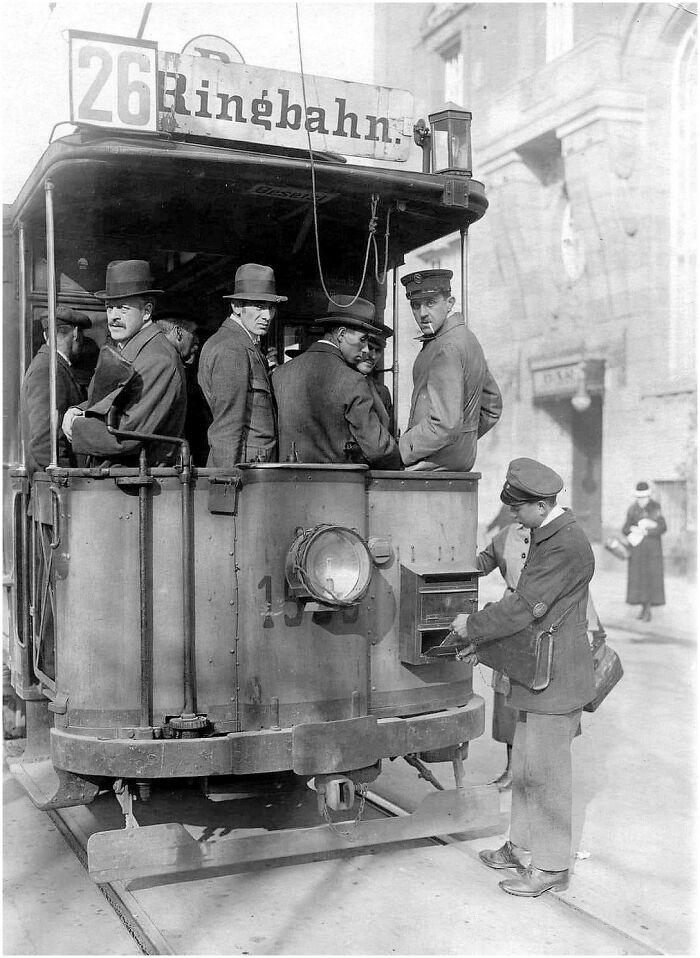
Jeez, the way those men are glaring at the camera! Either they are ticked about war reparations or the photographer owes all of them money!

The Jarrow March was a protest against unemployment by around 200 men from Jarrow, Northumberland, who walked to London to deliver a petition to the House of Commons. Mostly they weren't miners, but shipyard workers, following the closure of the shipyard which was the main source of employment in the town.

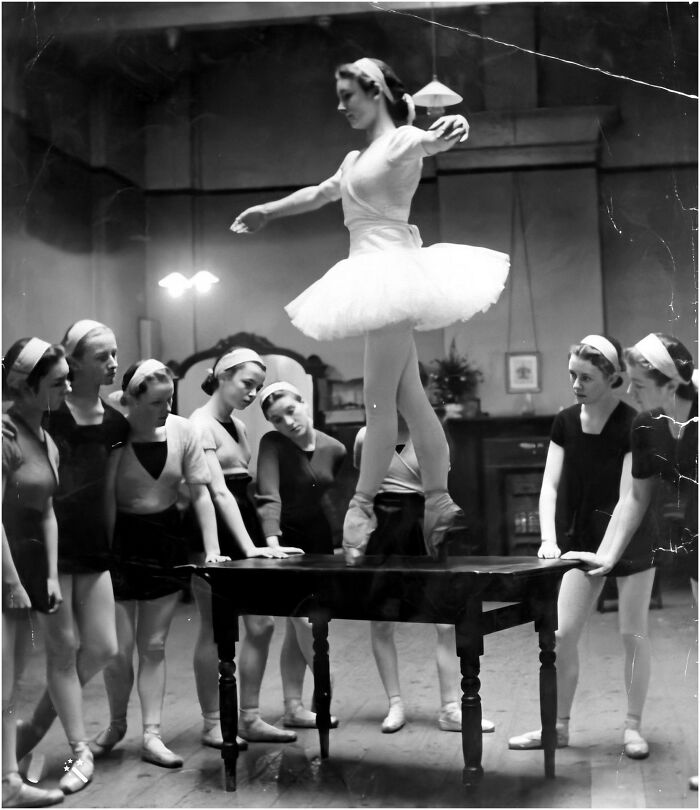
Apatheist ... very lol ...but she is doing a demo.... they won't need to go up on the table.
Load More Replies...
How pointe shoes have improved and changed over the course of ballet history.

What is going on with the foot on the 2nd girl from the left? Are ankles supposed to rotate like that?
Looks like she turning out her foot but by her ankles and not her hips. Some dancers will try to force it like that if their hips won't be able to. It's not good for their bodies. It also looks like the pointe shoes she's wearing are too tight. Something that may have been acceptable back then.
Load More Replies...
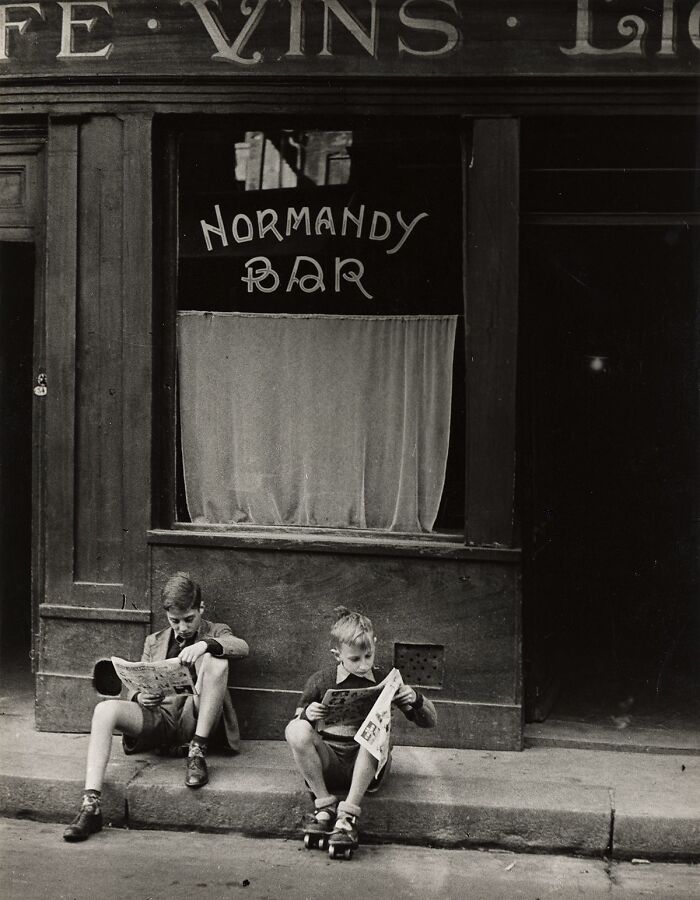
It's funny how many of us tilt our heads when wanting to pay attention. It's cute


A friend once told me she had studied under a student of Pavlova. She said it ruined her feet. They were made to touch the floor with their toes while lying on their back.


My partner and I are both near legal-blindness and would have suffered terribly from our lack of vision without these special spectacles. We make jokes about how we would not be survivors before spectacles were invented
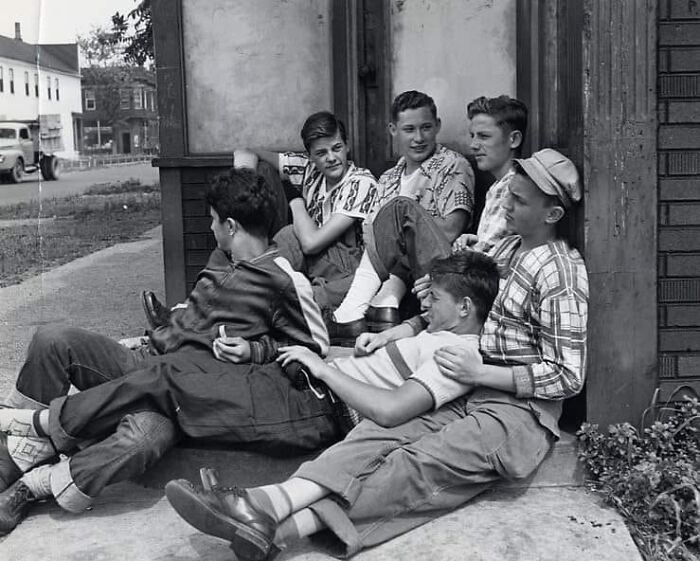
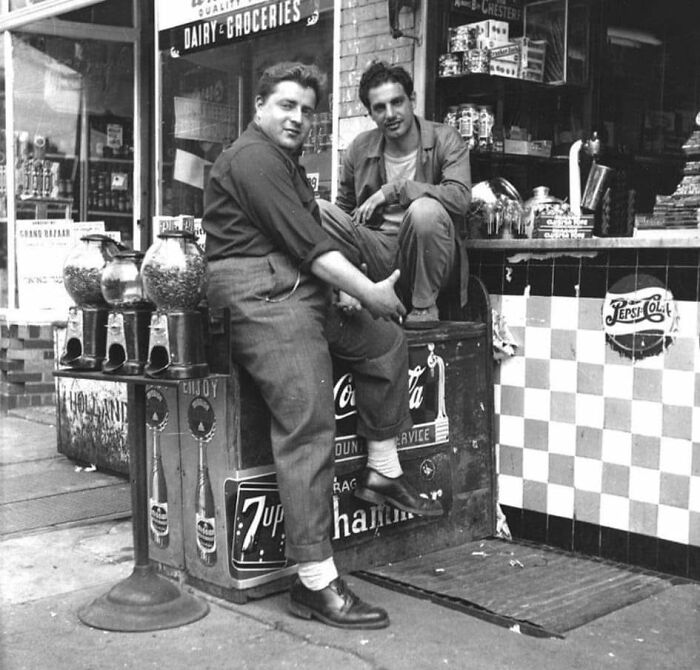
When did it become taboo for young men to have casual, physical contact with each other? I hope male friends hanging out with each other like this becomes normalized again soon.

On the right - 1953 or 1954 Ford. On the left (facing us) is a 1948 Dodge. Behind it a 1950 Plymouth.
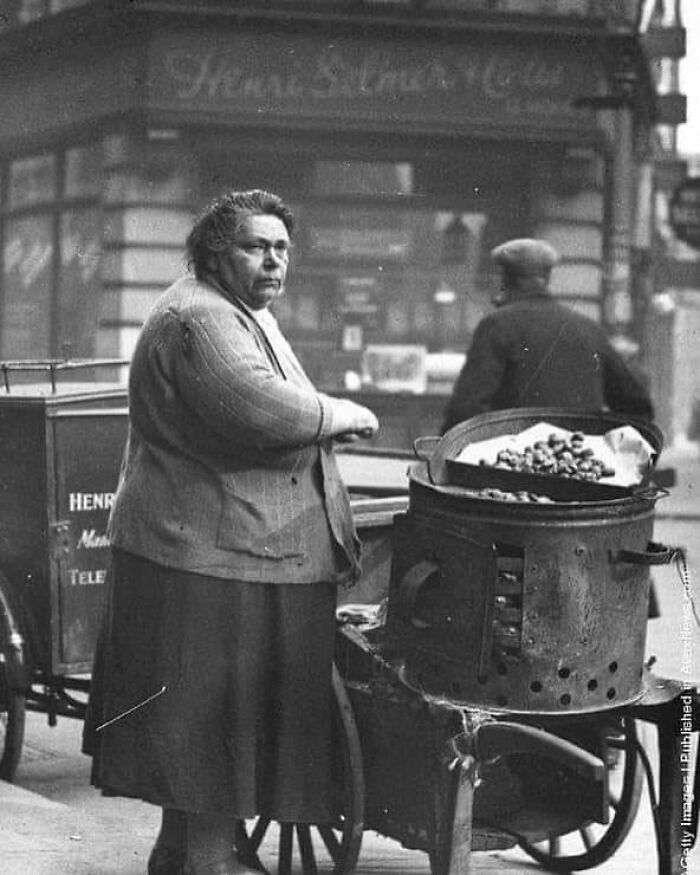
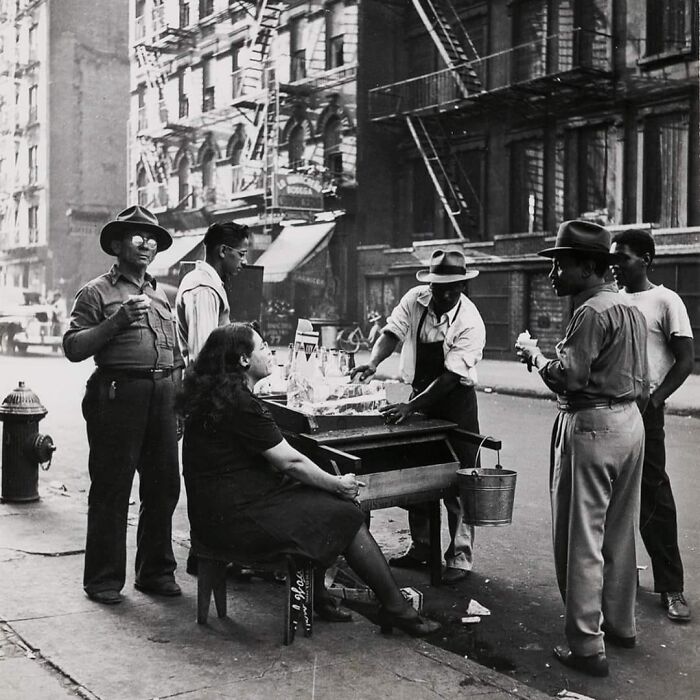
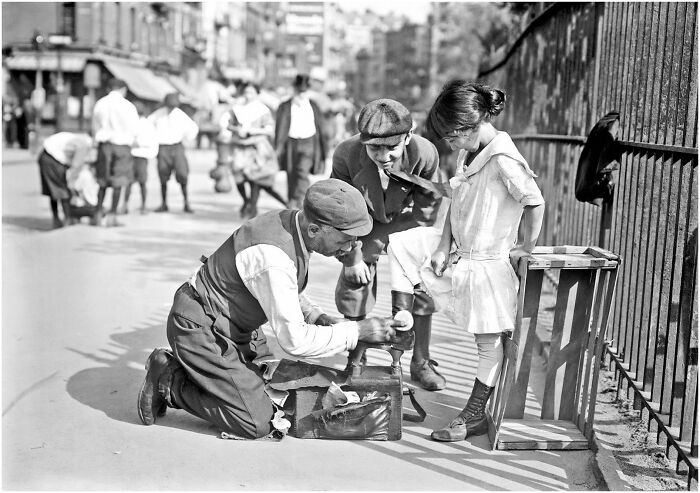
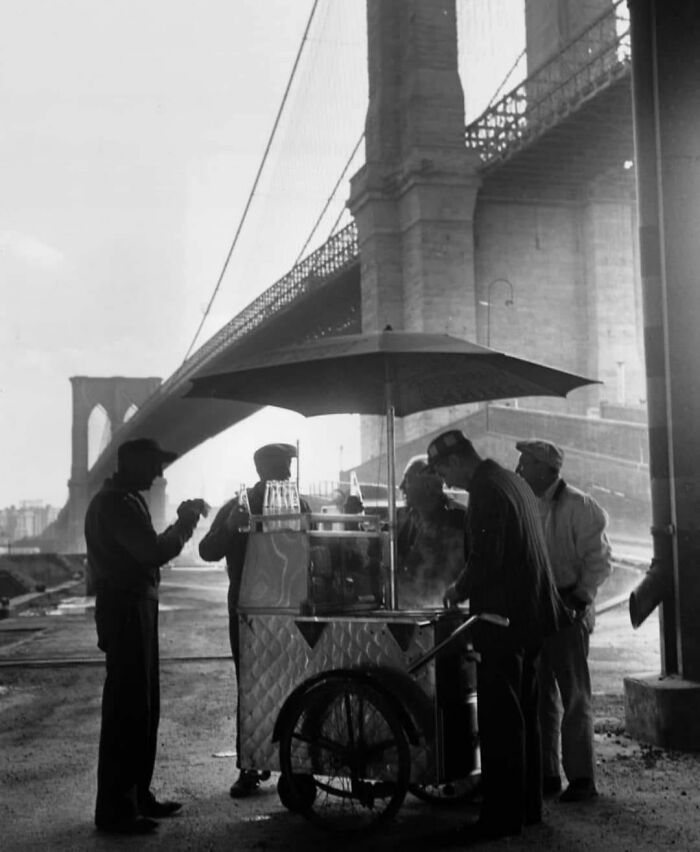
Vendors like this now need a permit to reserve specific locations in NYC. Some prime spots can cost hundreds of thousands per year. No joke - $200,000K to park a hot dog cart. https://shorturl.at/QOtA7

In case kids are wondering - we did have colour photos at the time many of these were taken. The 1960s was one of the most colourful decades.

At 71 years old, I look back at these pictures and amazed how they made it in such difficult times. And the kids of today would probably have not made it.


Bravo, Bored Panda! None of these (at least for me) was a rerun! Good job!

I'd love to own copies of some of these. They'd look great framed and hung around my home.

think you could do one showing the hardships or the early 20th century compared to the exact same hardships of the early 21st century?

In case kids are wondering - we did have colour photos at the time many of these were taken. The 1960s was one of the most colourful decades.
At 71 years old, I look back at these pictures and amazed how they made it in such difficult times. And the kids of today would probably have not made it.
Bravo, Bored Panda! None of these (at least for me) was a rerun! Good job!
I'd love to own copies of some of these. They'd look great framed and hung around my home.
think you could do one showing the hardships or the early 20th century compared to the exact same hardships of the early 21st century?






















 No fees, cancel anytime