Get Premium
Dark mode theme is available exclusively for premium users. Learn more about the benefits of subscribing.
No fees, cancel anytime.

 Dark Mode Ad-Free Browsing Unlimited Content
 Ad-Free Browsing Unlimited Content Dark Mode
Join 1.2 million Panda readers who get the best art, memes, and fun stories every week!
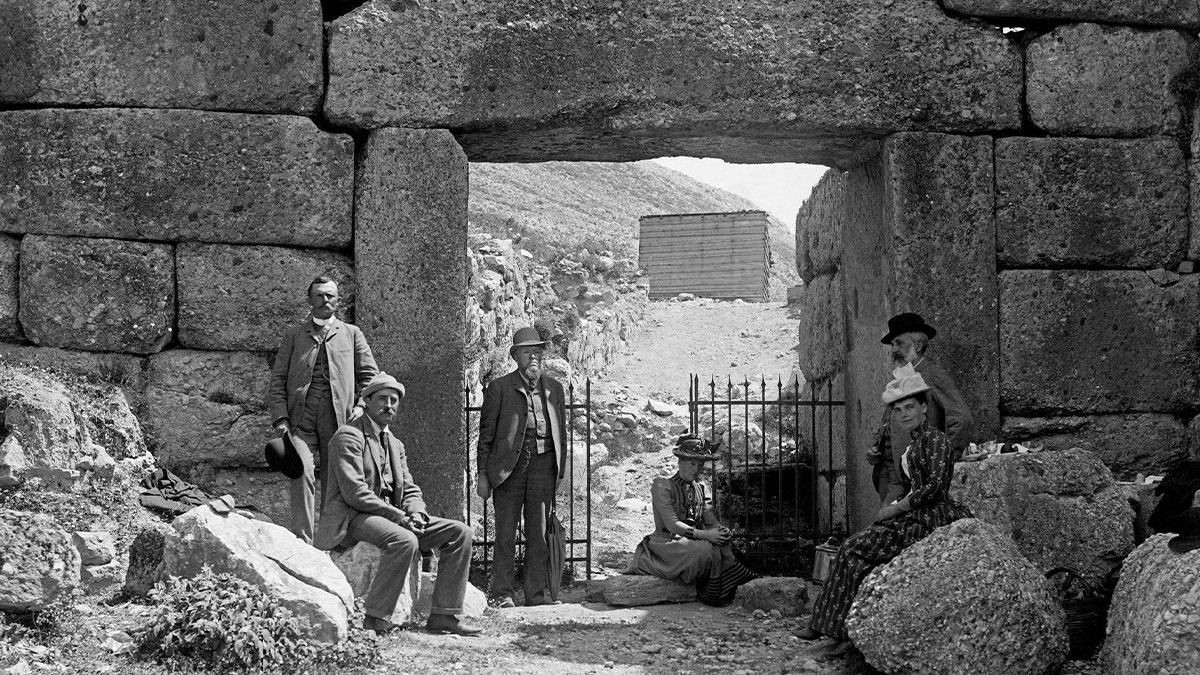



Vintage photography can offer you very different perspectives of the past, even if you’re looking at familiar buildings and landmarks. The switch to black-and-white photography alone is enough to make you pay attention to different details.
‘HistoryRepeated’ is a niche online community for history, architecture, and photography enthusiasts. Its members post photos of famous and lesser-known sites from all over the globe, and provide context about them. We’ve picked out some of the most iconic and timeless images to share with you. Keep scrolling to learn something new. Meanwhile, check out Bored Panda's interview with the founder of the community, Frank!
This post may include affiliate links.
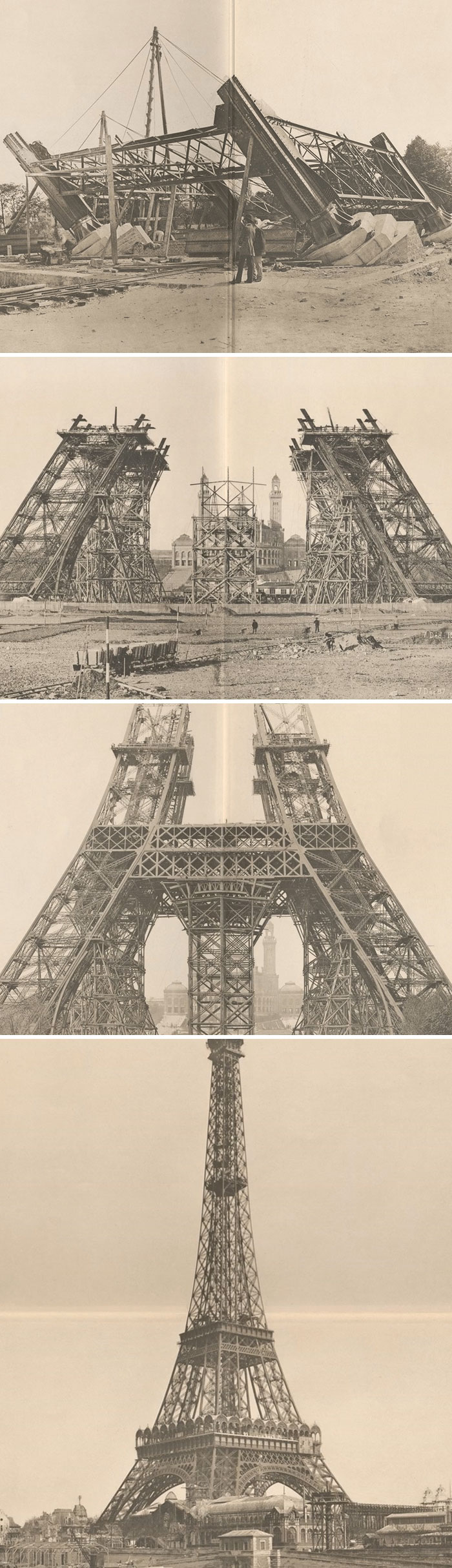
In the first photo (July 18), we see that the legs were put in position with positioning and stabilizing cables until they could be mounted to the first platform with millimeter precision using hydraulic jacks, and further construction could begin

Fun fact. Originally there were two teams supposed to work on the tower. Team 1 to work from the base up, team 2 to work from the top down. Both teams should have met somewhere in the middle. Unfortunately labour disputes caused the second team to drop out.
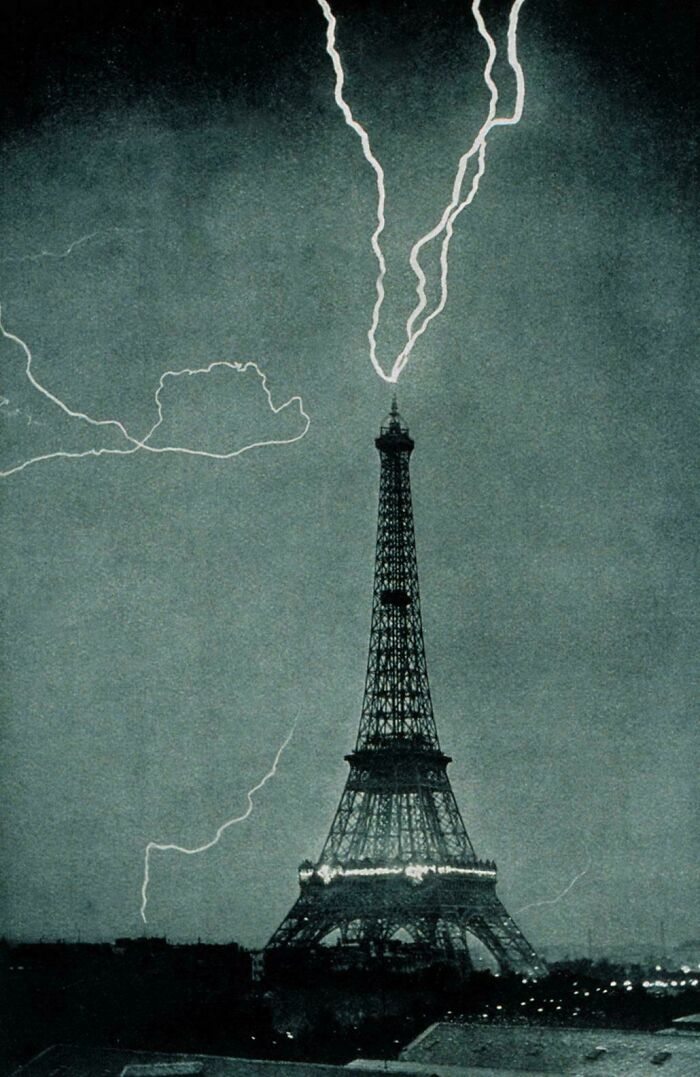
A lightning strike on the Eiffel tower on June 3, 1902, at 9:20 pm by photographer Gabriel Loppé. The tower itself was designed as a natural lightning rod, acting as a faraday cage, and is struck approximately 5 times per year

Don't be surprised if the Eiffel Tower comes to life, and walks away (ref. Frankenstein movie).
Bored Panda asked Frank, the founder of 'HistoryRepeated,' about the inspiration behind the online group.
"It's just a hobby to create this for everyone," he told Bored Panda.
"There are so many unique historical places in the world, and old photos of famous places really are nice in themselves to see, but sometimes also have very unique and/or forgotten stories."
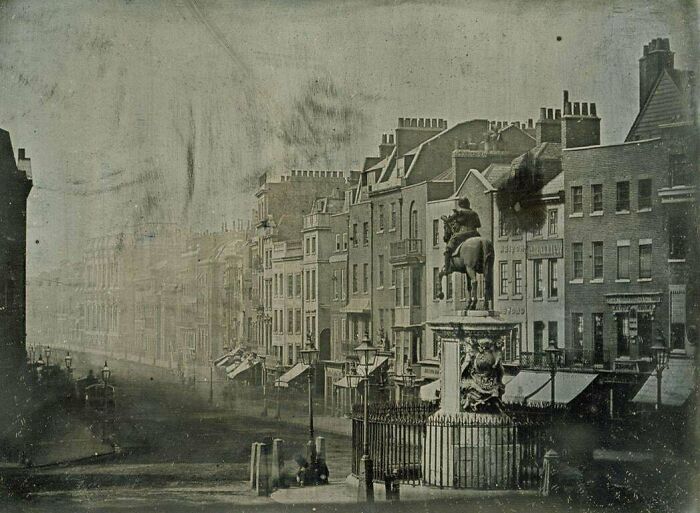
It is the first known photograph of London, taken by French mr. De st. Croix coming to promote a new photographic technique of mr. Daguerre in Britain. The vague figurines (because of minutes-long shutter speed) are the first Londoners to be photographed
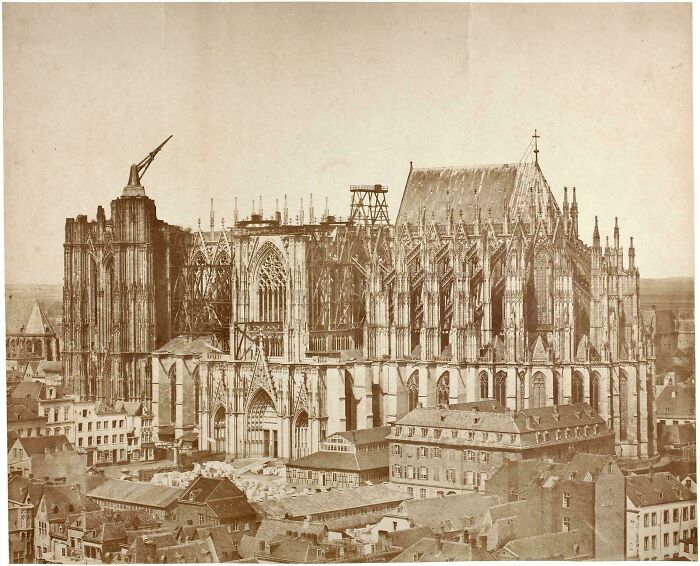
Since 1528 Building Was Stopped Because Of A Lack Of Interest And Money, But It Was Started Again In 1824 Using The Original Drawings. The Dome Was Finished In 1880
"It's nice to repost them [the stories] in one central place for everyone who likes a bit of history about the famous and less famous places in the world with a great story," Frank told us.
He added that, from his perspective, great and timeless photos are those that focus on something unique or show off lesser-known facets of a place.
Building something—anything!—that stands the test of time is phenomenally difficult. The same goes for architectural legacies. The passage of time eventually wears down all things, and it is incredibly expensive to build things that last. Not to mention the costs of maintenance and repair. But it’s still possible to do with enough resources.
However, in many cases, it’s not time, but the conscious decision to demolish a building that ends its lifespan.
French painter Eugène Constant visited the city in between 1848 - 1852. He used the new method of albumen on glass plate negatives
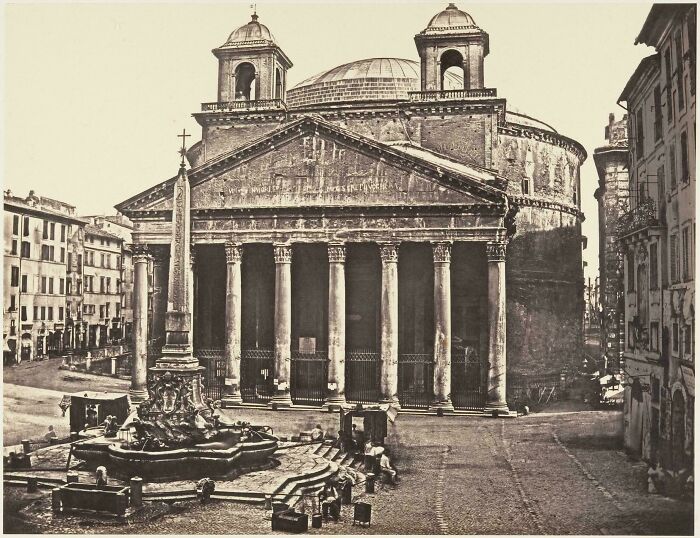
The Romans mastered concrete and free standing domes, but they were a little behind on power washers
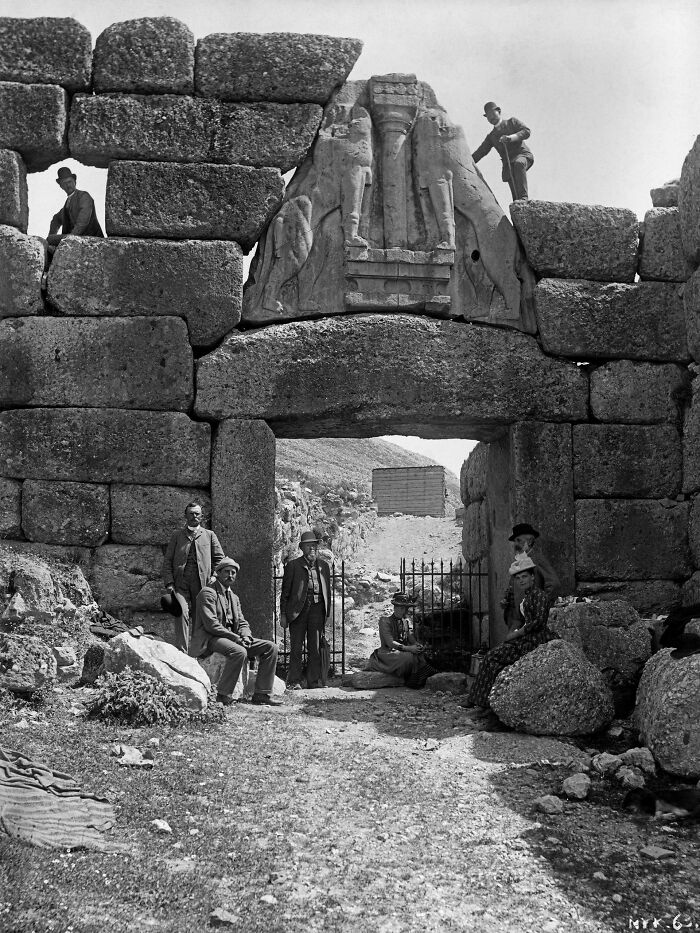
It was long assumed that the man leaning on the oldest monumental sculpture in Europe was the famous archaeologist Schliemann, who excavated Troy and Mycenae in the 1870s, but archival research now shows that it's a German count
According to Dezeen, most commercial buildings have a standard design life of around 50 to 60 years, “and it’s common for them to last only half that long.”
Mel Allwood, the sustainable buildings director at Arup, told Dezeen that it’s tough to predict when buildings will outlive their usefulness.
After all, a building has to have a useful function. And in some cases, it might be cheaper to tear something down than to renovate or retrofit it.
That being said, when you choose to demolish a building, you’re also destroying the architectural and cultural heritage of the location. And if whatever you build in its place ends up being destroyed just a few decades later, you’re creating a cycle of permanent demolition instead of preservation. It would be smarter to instead try to predict what functions might be needed in the future and to create buildings in such a way that it’s easier to adapt their interiors if need be.
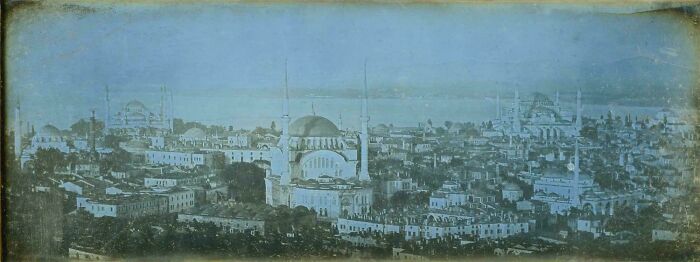
Is a daguerrotype panorama taken from the Beyazit lookout tower by French photographer Girault de Prangey. In the center is the Nuruosmaniye mosque, then less than 100 years old; on the left we see the hagia Sophia
British photographer Benjamin Turner had to stop mid-shoot, for which he had come from London, when part of his equipment fell into the water due to pushy onlookers who had never seen photography before

The look he gave them when he turned around because of what they did. Ooh!
“The very long-life building that is always raised in these circumstances is the Pantheon. The function is very basic: it’s the gathering of people in a city centre. It’s almost the lowest common denominator of what society is,” Allwood told Dezeen.
“It is fundamental that we want that material investment to have as long as possible to repay itself. But the constraint is about utility. If it stops being useful, it’s no longer paying back its investment, it’s just taking up space. And that judgement is really interesting.”
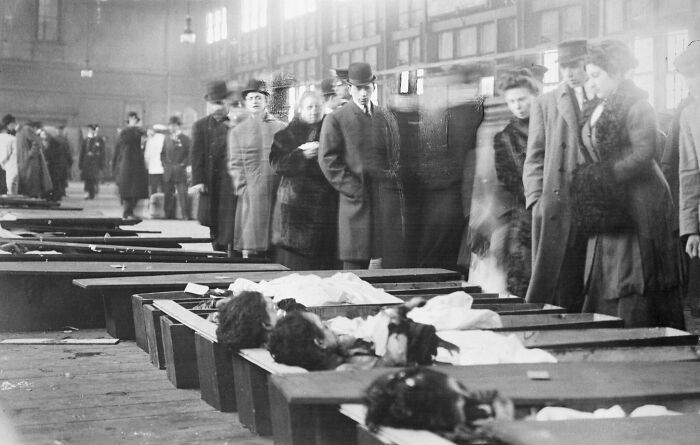
The fire takes 146 garment workers, mostly women, due to a lack of safety regulations. The public nature of this disaster led to sweeping safety reforms
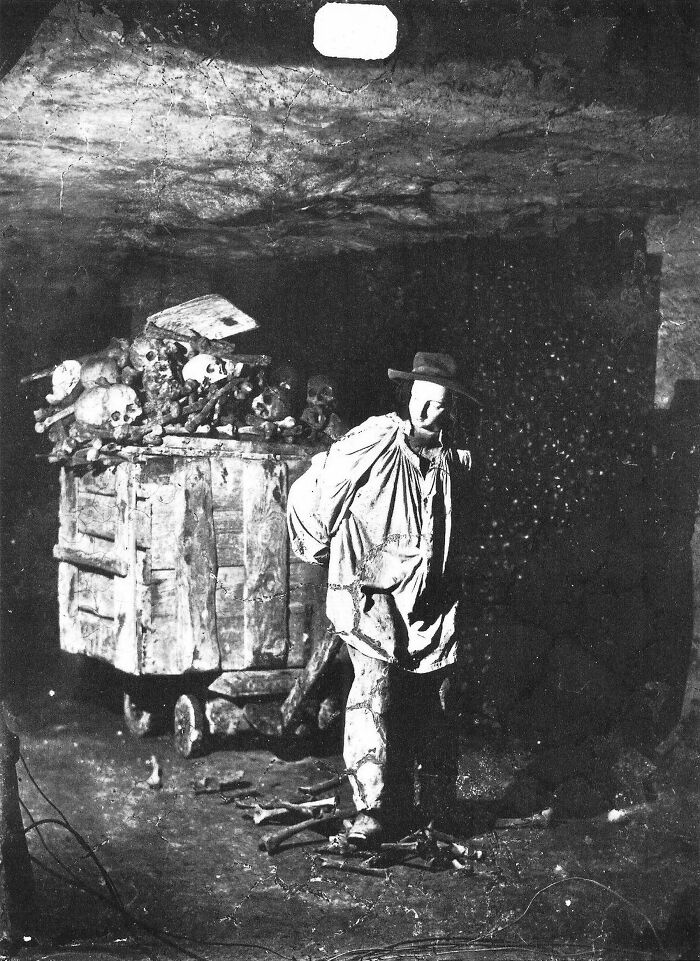
He used a magnesium powder exposure method, which had the risk of explosion but allowed him to reduce the shutter speed from 1 day to 20 minutes, enabling underground photography
The caption makes no sense. Magnesium powder burns very quickly. It's the original flash photography. I looked at the OP and found 'but after your question i looked to other sources and found this source claiming he in fact burned calcium carbonate. ' - that also makes no sense, because calcium carbonate is the main constituent of limestone and doesn't burn. However, calcium carbide (not carbonate) plus water generates acetylene, often used for bright lights back in the day - perhaps that's what he used. Also: 'Nadar actually used mannequins to “pose” as works down in the catacombs, rather than real people, due to how the long the process would take to photograph the location- people simply wouldn’t have been able to stand still for long enough. '
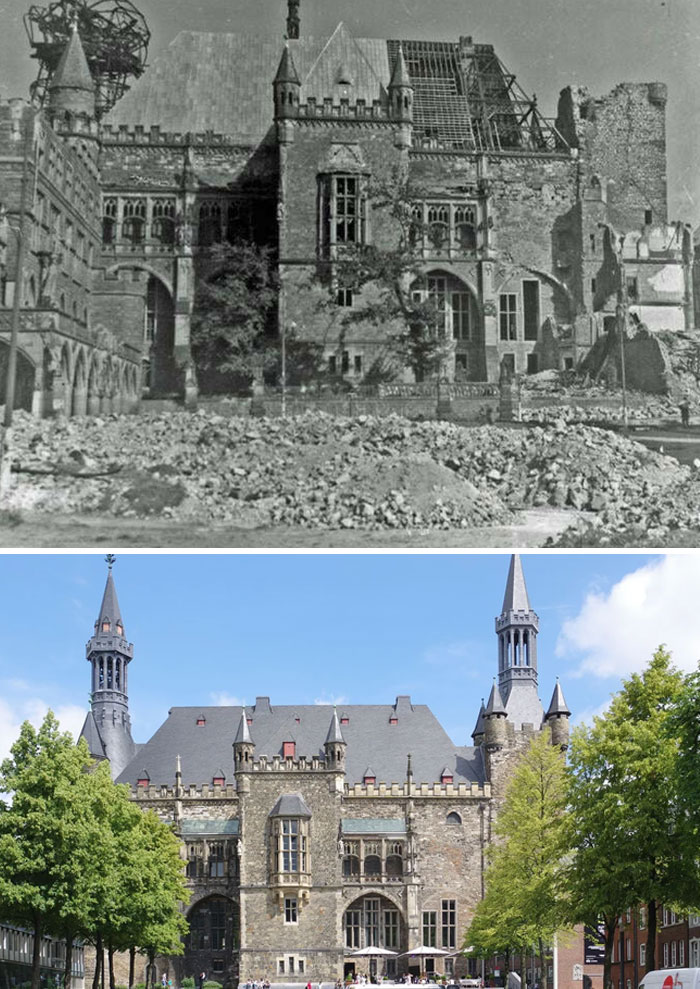
In fact the early 14th century administrative center which also served as medieval prison almost collapsed but was staved off through the use of emergency beams holding the structure in place

The mayor, risking the consequences of treason, contacted the advancing Americans to surrender the city. The Americans dithered; the Wehrmacht moved in, and a lot of buildings and lives were lost.
Allwood explained that if she “had a magic wand that would allow [her] to predict what kind of functions we're going to use buildings for in 20 years time, 50 years time, 100 years time, [she’d] be doing something else.”
Meanwhile, as Dezeen points out, some buildings are specifically built to last as long as humanly possible.
The Global Seed Vault in Svalbard, deep in the Norwegian permafrost, is one example of this. It is built in a way to last indefinitely and to withstand everything from climate change and nuclear winter to literal asteroid strikes.
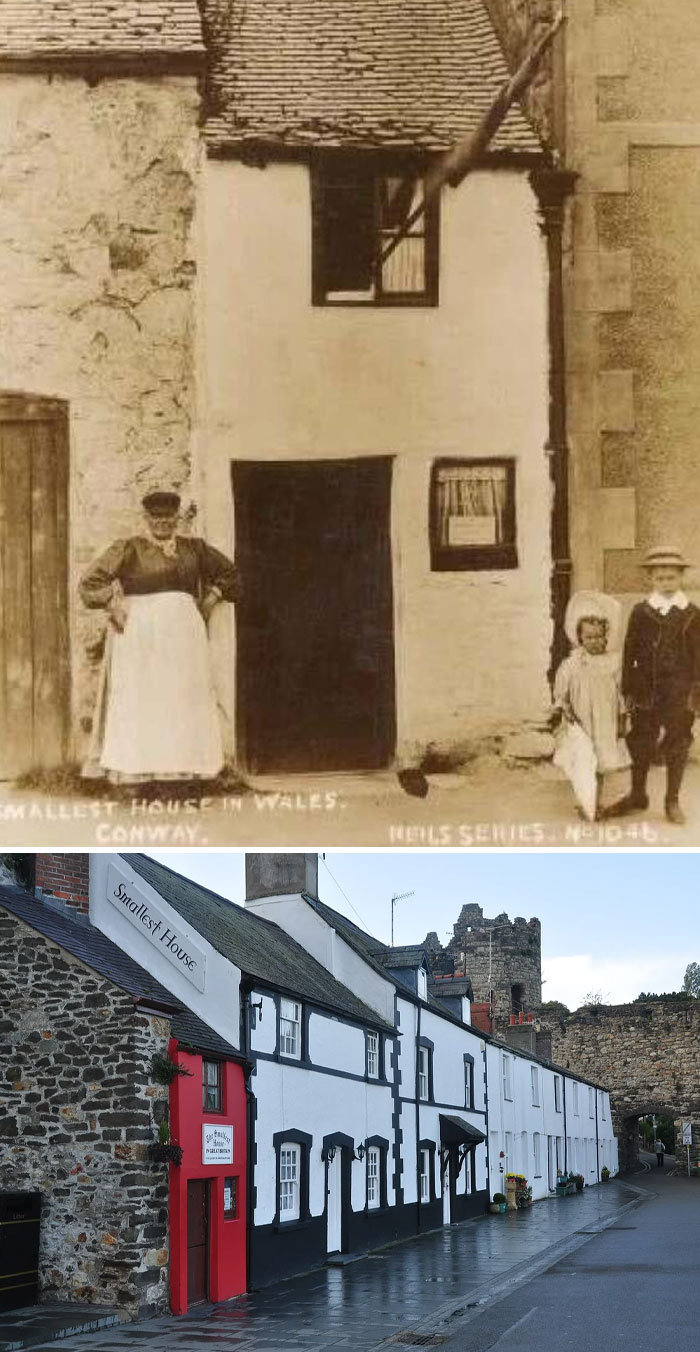
The 16th-century house is the smallest in Great Britain, with a floor area of 3.05 x 1.8 m. In 1900, the last resident, fisherman Robert James, who was 1.91 m tall, was forced to leave when the council declared the house uninhabitable
The occupant would be best placed to determine whether a house in inhabitable or not.
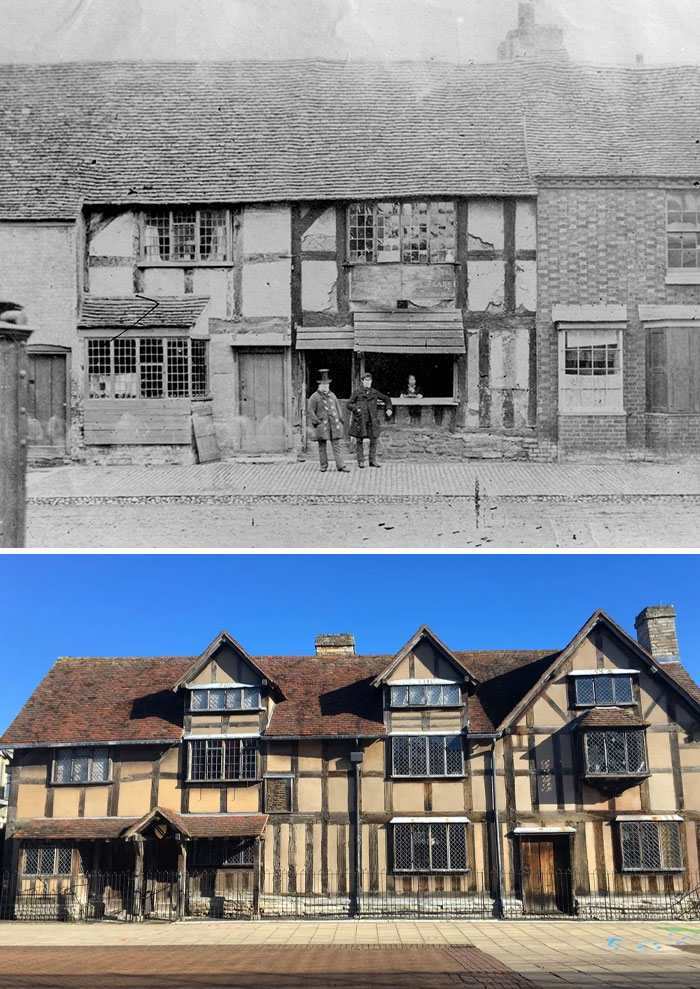
It began, paradoxically, with the demolition of the adjacent houses of the original 16th-century house in Stratford where the famous writer was born in 1564 and was based on a 1769 engraving of the original house

They didn't paint over the electrical outlets, did they? I hate when they do that.
And yet, Peter Söderman, the architect, told Dezeen that the building’s longevity “wasn’t that important” during the design process. However, in recent years, longevity has become a more and more important topic, as the conversation about architectural lifespans shifts.
“We have to think about buildings that they have a longer life expectancy than before. We’ve been building buildings with a 50-to-100-years perspective, but we actually should think longer than that.”
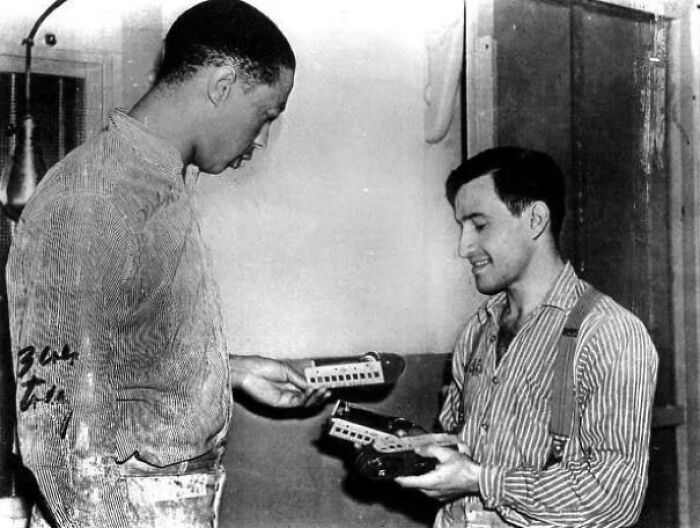
Giving his toy trains to another inmate (left) before he is taken to the gas chamber. Wrongfully accused of [crime], Joe had an IQ of 46, asked for ice cream as his last meal and was reportedly smiling while being led to the chamber-1939
If ever you need an argument against the death penalty, this is one of the strongest. Wrongfully convicted, never understanding what was being done to him - and k!lled by the state for a crime committed by someone else.
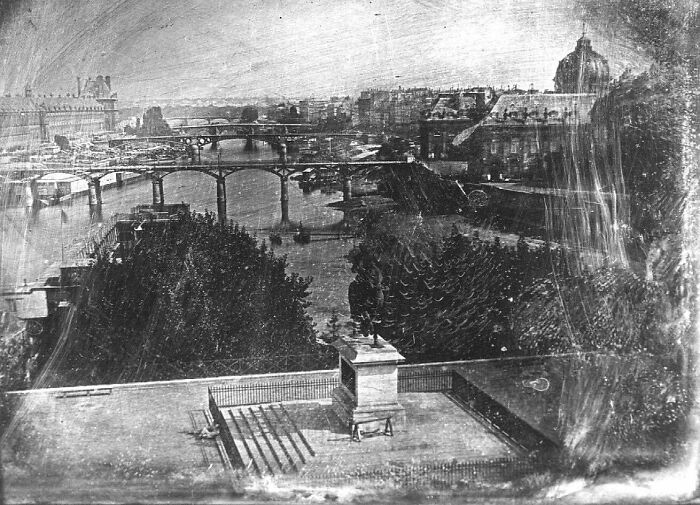
This picture by Daguerre is less famous than his 1838 photo of the first people ever captured on the Boulevard du Temple because the date is less certain, but two people appear to be lying to the left of the statue, so it's possible this is in fact older
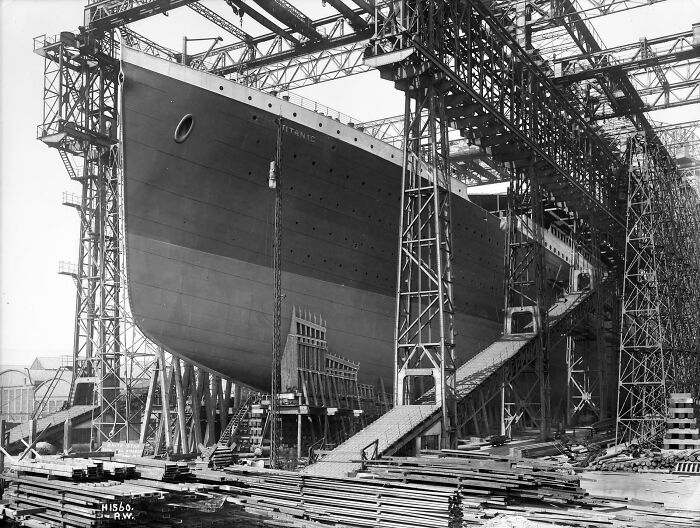
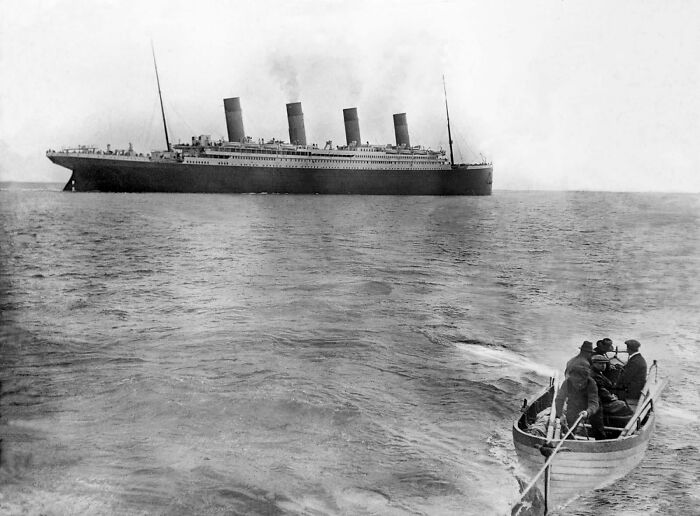
Of the more than 3,000 people who worked on the world's most famous ship, which set sail on April 2, 1912, 246 were injured, 28 of whom lost arms or legs to objects such as falling steel

It was considered a fairly easy assembly with fewer accidents than normal.
The ‘HistoryRepeated’ online group is a fairly new addition to the Reddit family. Its curator created it nearly a year ago, in late February 2025. According to him, the community is a place for people to “discover the world’s historic gems,” all from the comfort of their couch.
He notes that the group doesn't just cover the history of famous world historic sites, but also lesser-known locations as well.
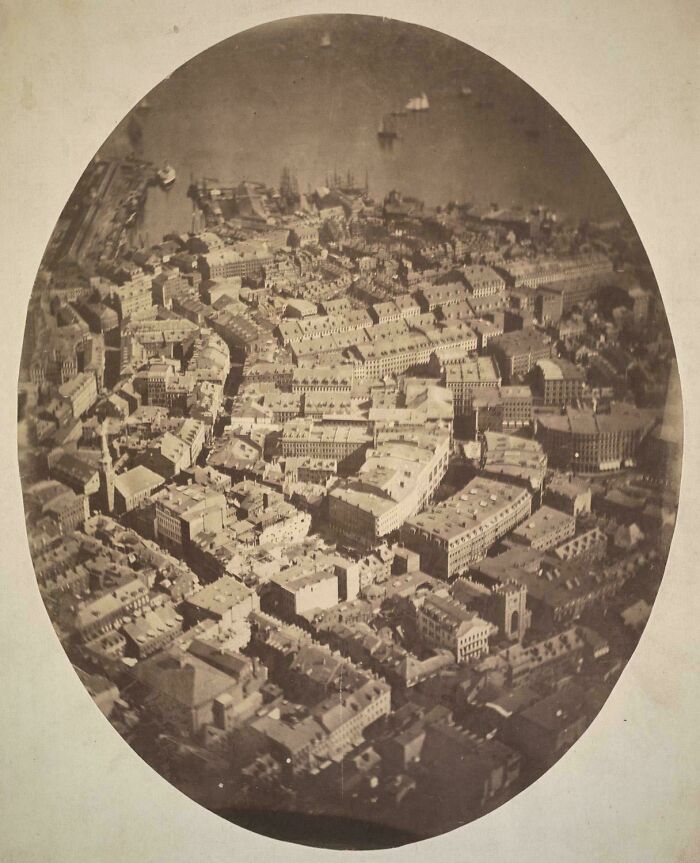
The area around milk street, old south meeting house & central wharf, which was later destroyed in the great fire (1872), was photographed at an altitude of 1200 feet (or 365 meters) in Samuel A. King's air balloon
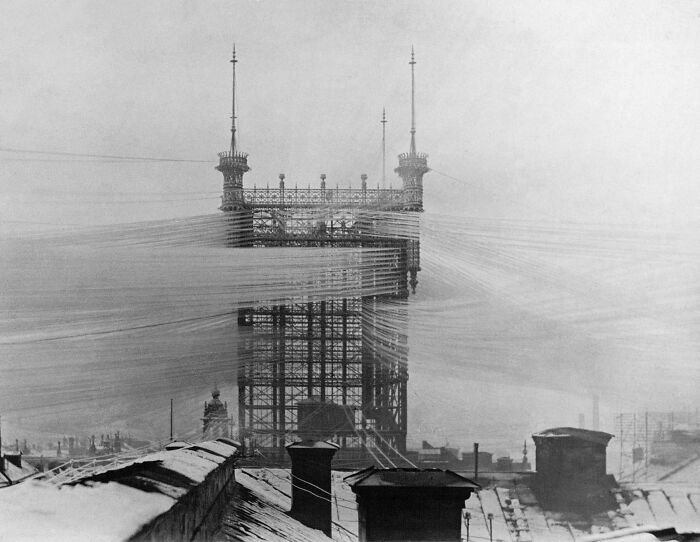
This was one of the main telephone junctions in Stockholm between 1887-1913 with about 5000 telephone lines connected here and remained as a landmark until 1953

And then Malmskillnadsgatan was known for something completely different••
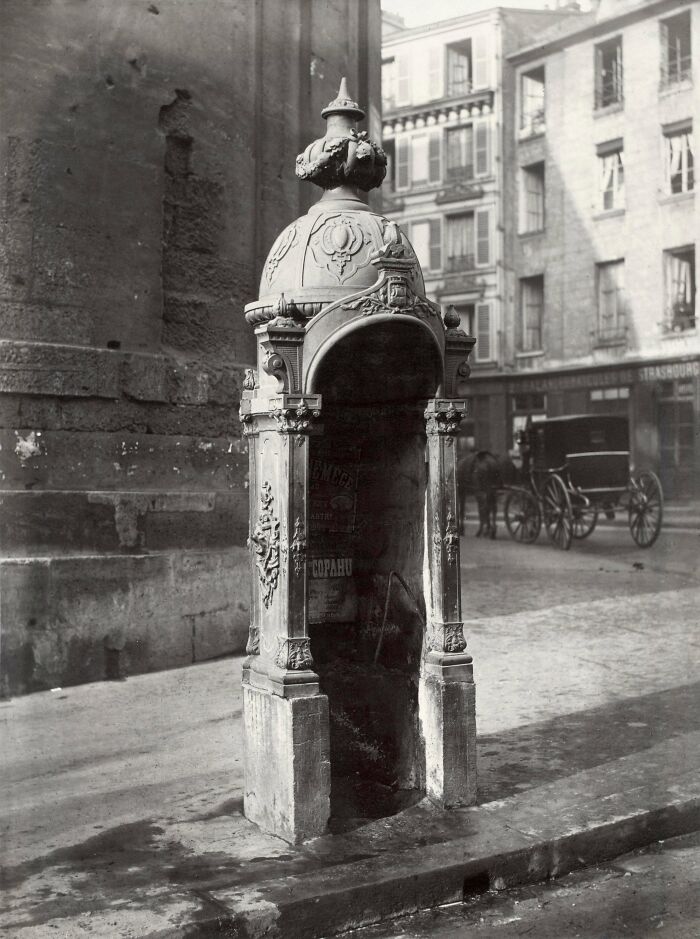
The very first were installed here in 1830 but were quickly destroyed during the French revolution. This is one of 400 cast iron urinals installed in 1834 when peace was restored
The moderator asks all the members of ‘HistoryRepeated’ to focus on history and historic places: “Opinions about it based on political views or modern-day cultural climate can be placed in other subs.”
What’s more, the discussions should be based on historical, scientific, architectural, and archeological facts, not alternative theories.
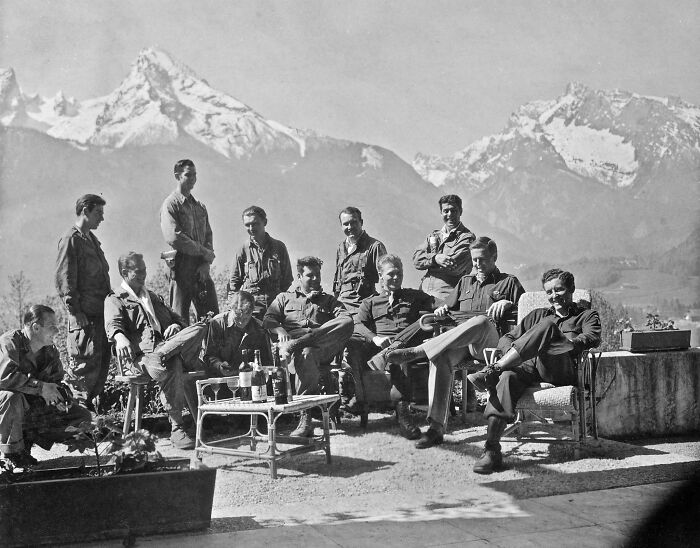
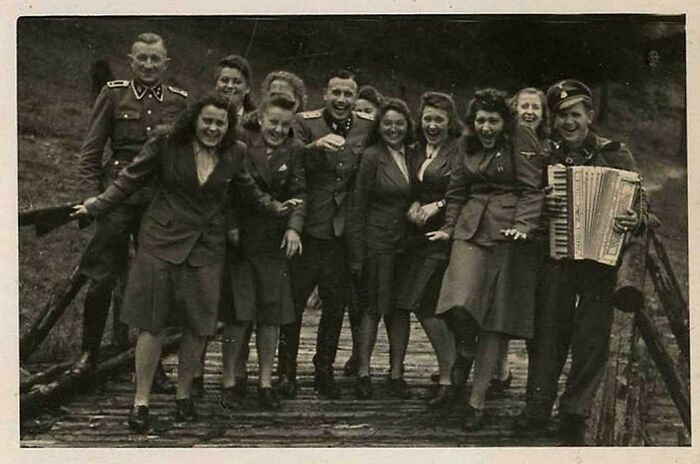
Having a well-earned rest after capturing Hitler's Eagle's nest in Berchtesgaden, Bavarian alps, May 1945. The bunker complex was completed in 1938 for 30 million reichsmark which equals around 163 million dollars today
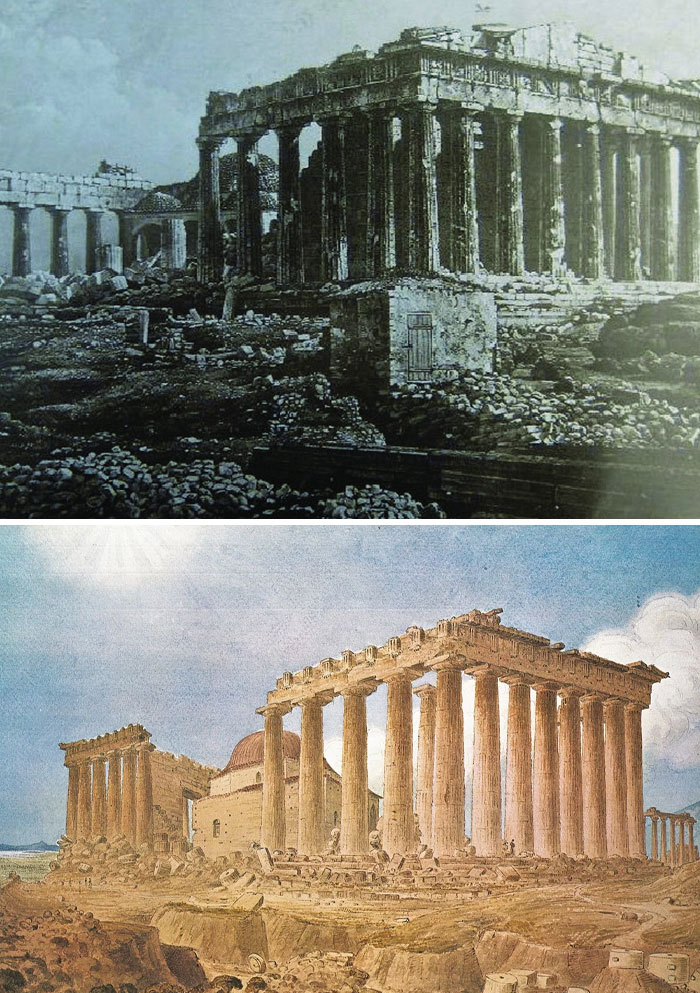
An observant eye will notice an Ottoman mosque in its center. It was demolished immediately after Greece gained independence from the ottomans in 1843 to showcase the idealized classical Greek identity again
Once you’re done scrolling through these photos, share your thoughts in the comments down below, Pandas. Which of these buildings impressed you the most and why? What is the most awe-inspiring historic site that you’ve personally seen? What, for you personally, are the signs of a truly timeless and iconic photo? What's your favorite historic period? We’d like to hear your insights.
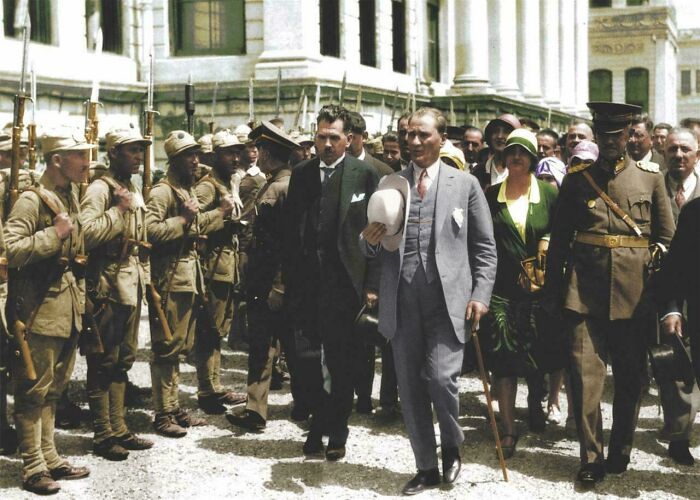
National assembly-members were required to wear European hats and the traditional fez was banned for the Turkish population. It was an attempt by the pro-european Atatürk to shift Ottoman identity more towards the west
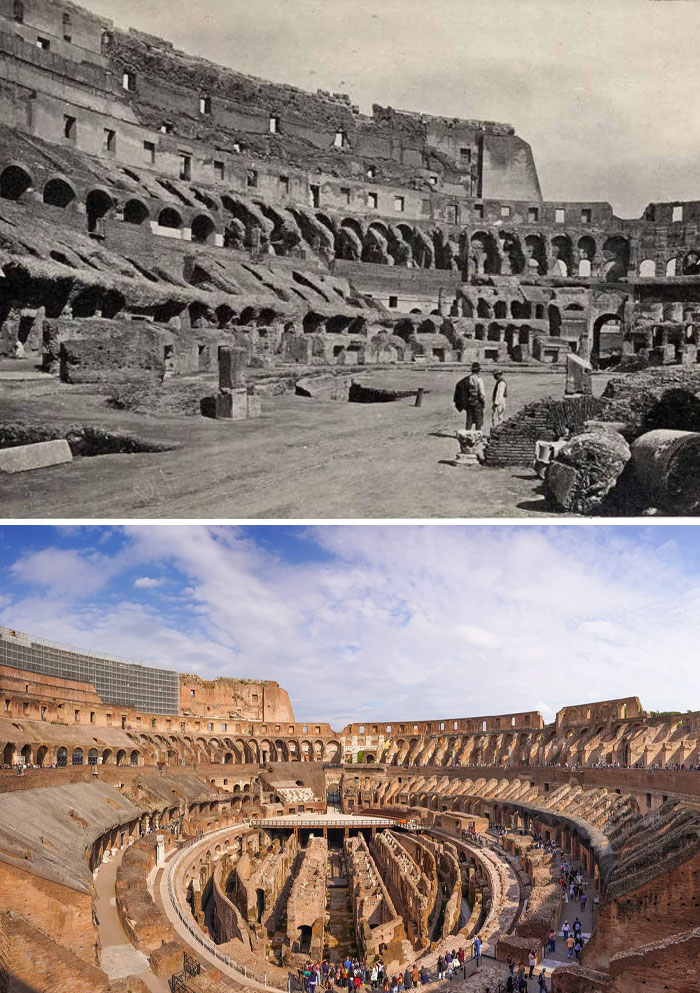
Dating back to the 1st century, it was a network of passageways with ingenious elevators, stairs and trapdoors to allow animals and soldiers to enter the arena at unexpected moments for spectacular effects
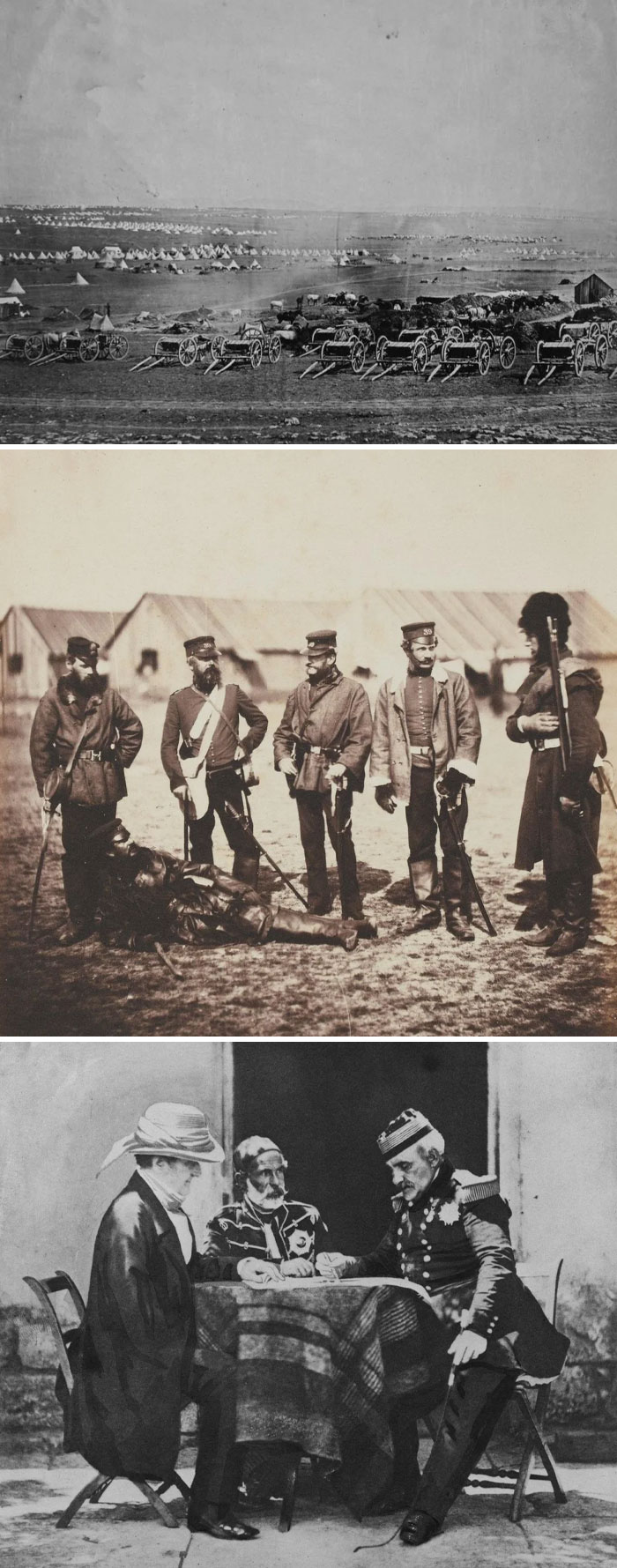
It is in fact the first war ever photographed. Roger Fenton took these photographs of Crimea in 1855, in which the French and British helped the Ottoman empire prevent russian power from expanding too much in central Europe

The war over what was to become Ukrainian territory probably dates back to the time that modern humans coming through what was to become the MIddle East encountered Neanderthals already living in what was to become Europe.
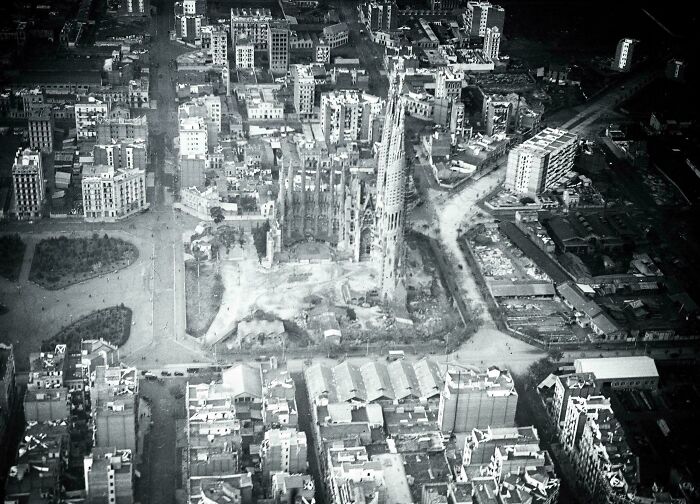
Construction of Gaudí's masterpiece is planned to be completed in 2026. The church is the most visited church besides saint peter's in Rome, and will be the highest in the world with its tower of Jesus reaching 172.5 meters
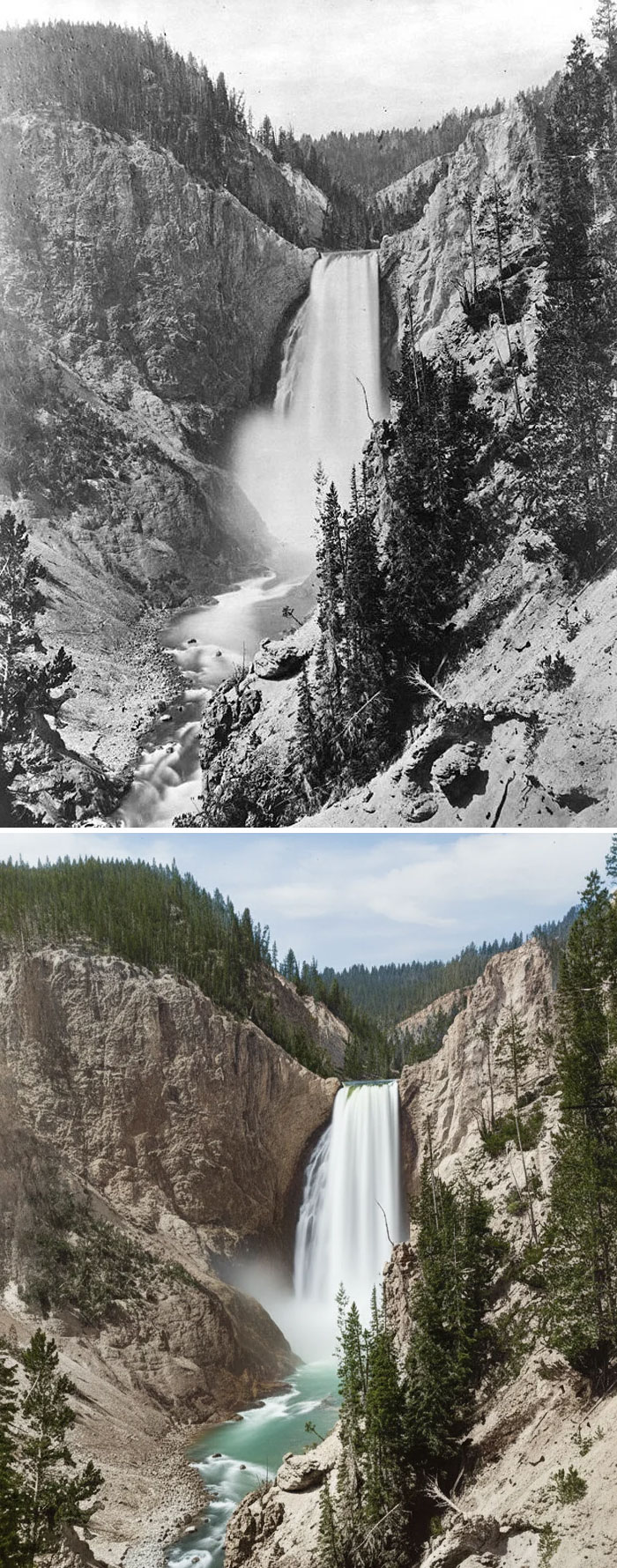
The 94-meter-high waterfall is the largest and most famous in the park. The photo, taken by William Henry Jackson, was taken from the location of the now-famous lookout point, before it was given that name in 1880
The photographer was Jesuit father Francis Browne, who was forced to disembark thanks to a telegram from his superior with the simple message: "Get off that ship," which saved his life
That's nonsense. It was a planned family trip. Source;: my step grandmother, who was the little girl on the trip.
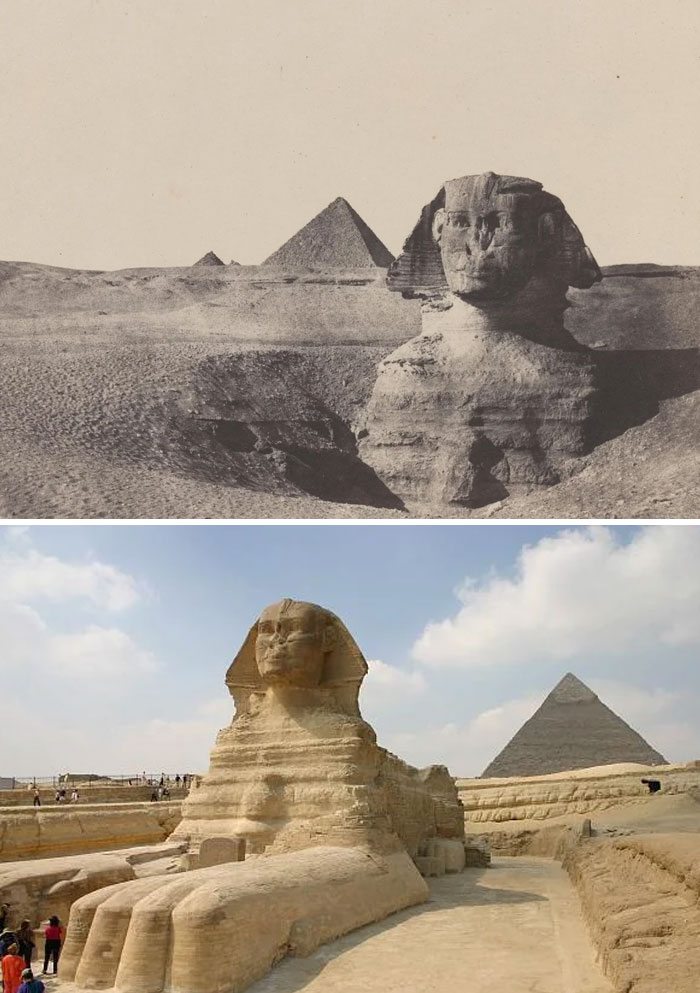
20-meter-high statue was finally excavated by Émile Baraize between 1925 and 1936. The photo was taken by inexperienced photographer Maxime du Camp during his trip to Egypt with the then-unknown writer Gustave Flaubert
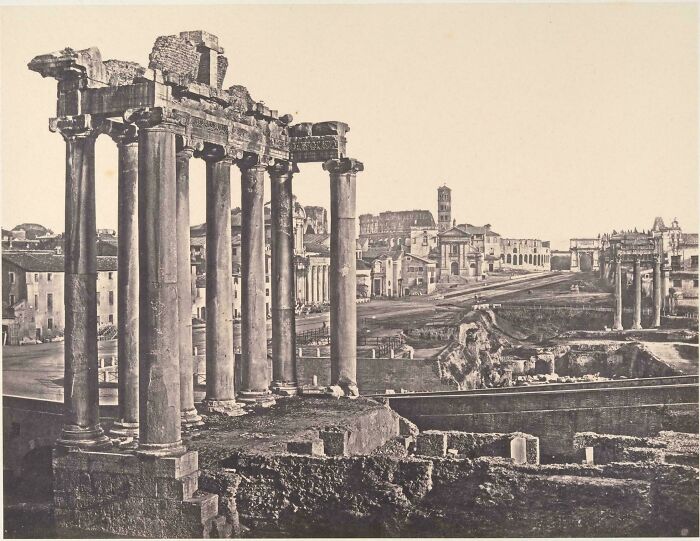
The famous pillars in front are the remains of the temple of Saturn. The original temple is believed to be built in the Roman kingdom, but these pillars are actually the remains of the third temple, built in 360 a.d. After a fire
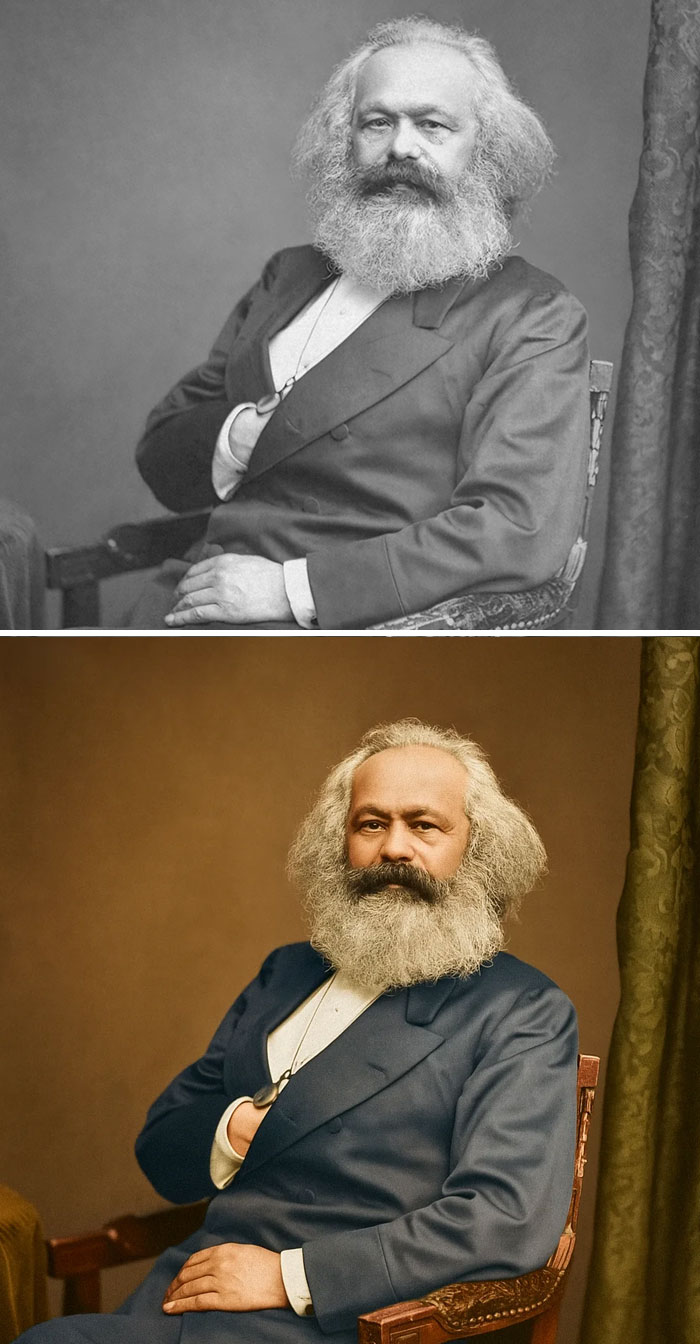
But did you know the photo we all know is in fact also a handmade black & white restoration of the 1875 original? The photo was selected by Friedrich Engels, who sent 12,000 copies to newspapers & organizations to promote Marx' famous "Das Kapital"
Both Engels and Marx came from wealthy families and had sponsors. This they avoided any employment and could focus on gibberish of working class oppression by the - wait for it - wealthy.
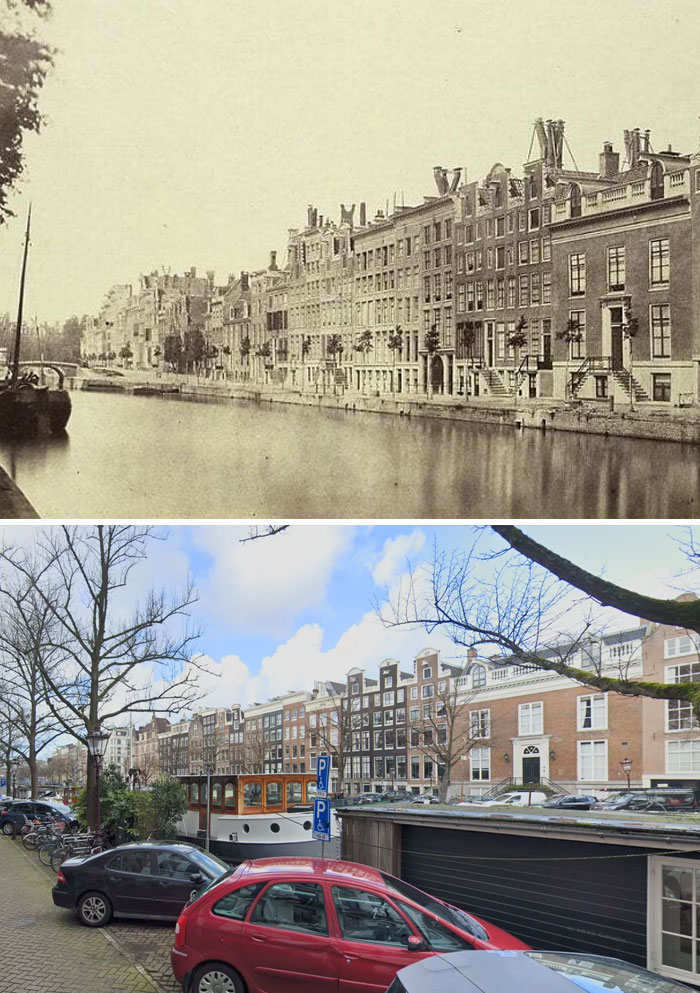
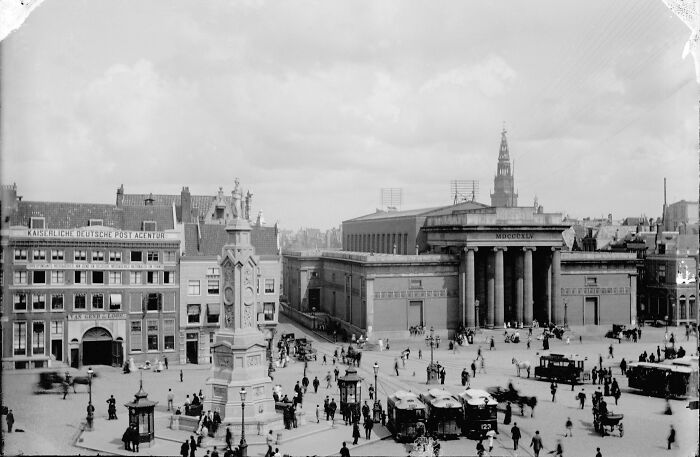
In the background to the right, instead of the Bijenkorf, we see the former Zocher stock exchange

fun fact: the statue was also called Naadje. it kept falling apart and in the end they removed it all together, but by then the locals would already say "it is totally Naadje" if something was bad or not well build. I used it in my younger years, never knowing where it came from.
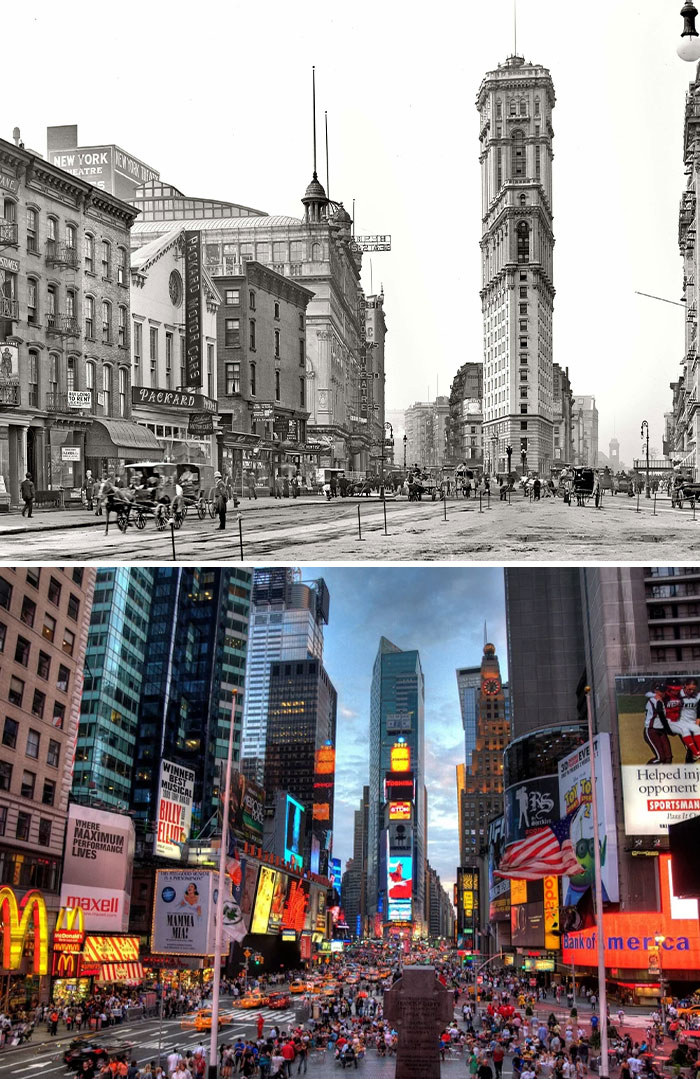
The original gothic revival building, designed by c. Eidlitz, was built as the headquarters for the New York times. The newspaper's owner, Adolph Ochs, convinced the city to rename the area, long acre square, times square in 1904
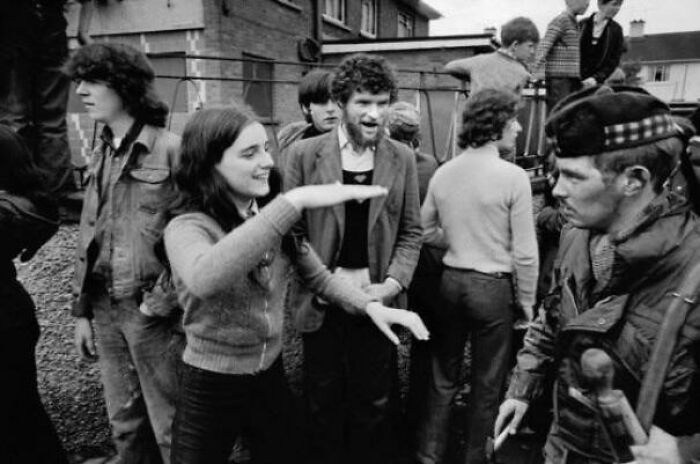
Derry, 1972: the year of 'Bloody Sunday, or the Bogside Massacre, a massacre on 30 January 1972 when British soldiers shot 26 unarmed civilians during a protest march in the Bogside area of Derry, in Northern Ireland.' Going by his hat, the soldier looks to be from a Scots regiment.

So early, back to 1838 and 1839, perhaps even 1836. Amazing historical and geographical archive.
So early, back to 1838 and 1839, perhaps even 1836. Amazing historical and geographical archive.

































 No fees, cancel anytime