Get Premium
Dark mode theme is available exclusively for premium users. Learn more about the benefits of subscribing.
No fees, cancel anytime.

 Dark Mode Ad-Free Browsing Unlimited Content
 Ad-Free Browsing Unlimited Content Dark Mode
Join 1.2 million Panda readers who get the best art, memes, and fun stories every week!
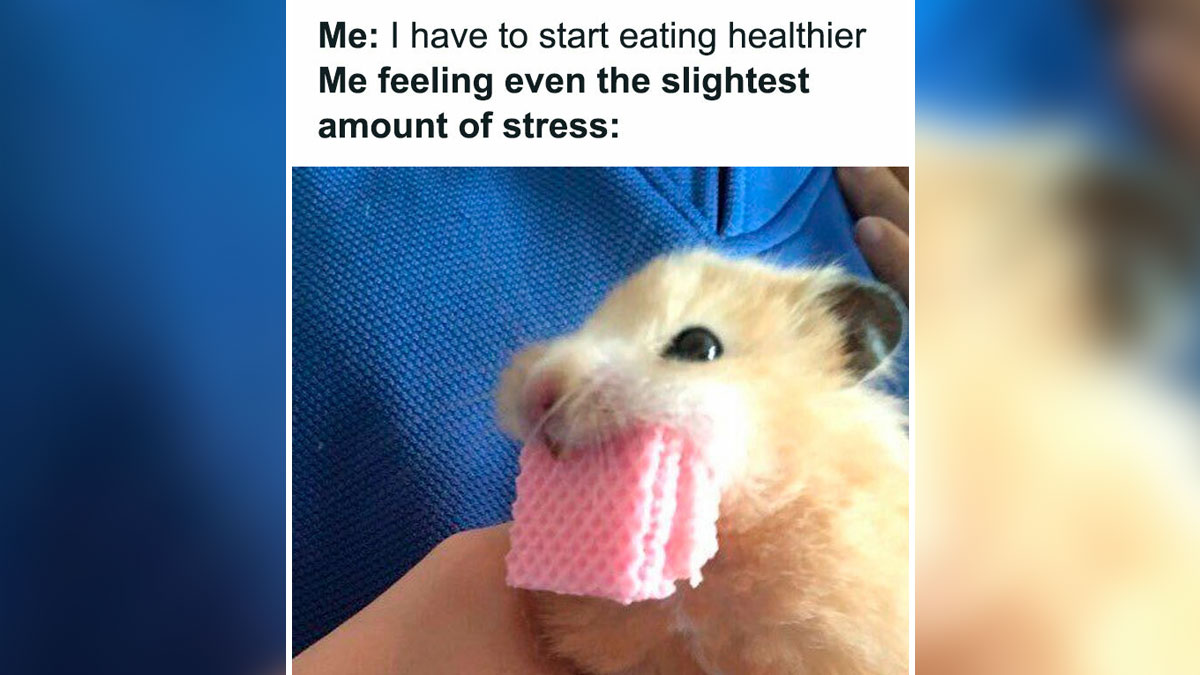



If a co-worker stops me at the coffee machine and asks how I’m doing, there’s a brief moment where I have to decide how deep my response should be, depending on how well we know each other. Then I follow up with a few sentences I try to make at least somewhat entertaining, so they’re rewarded for taking an interest in me—regardless of how genuine it is.
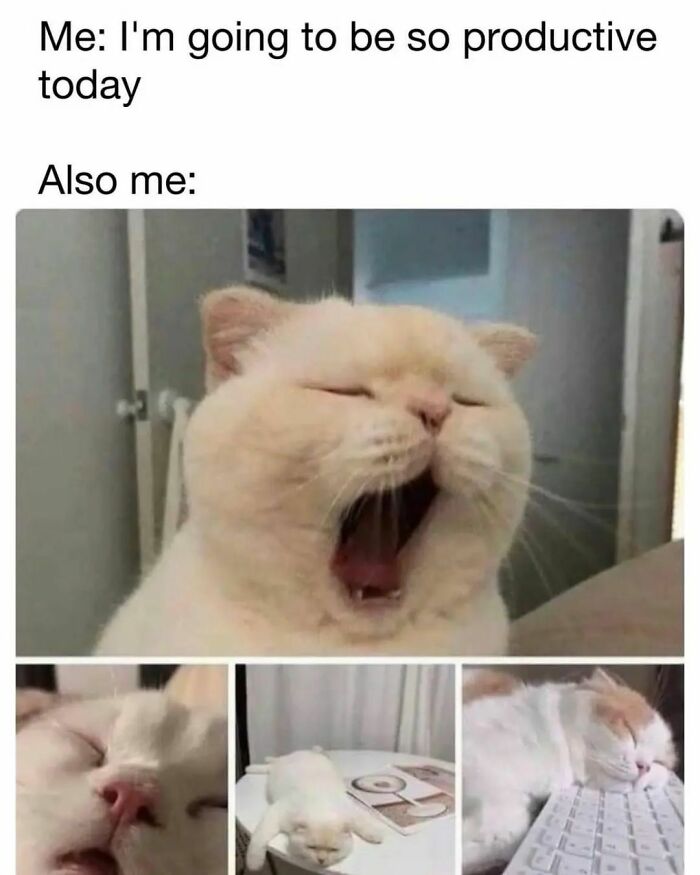
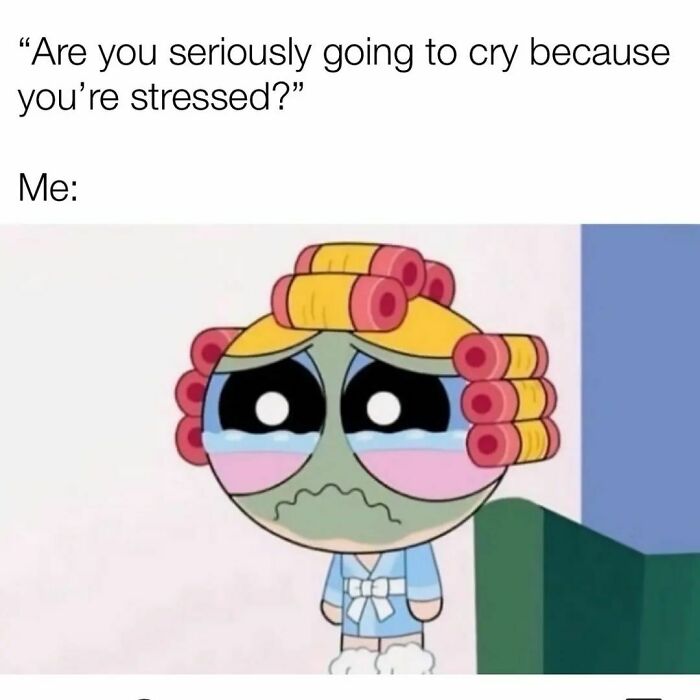
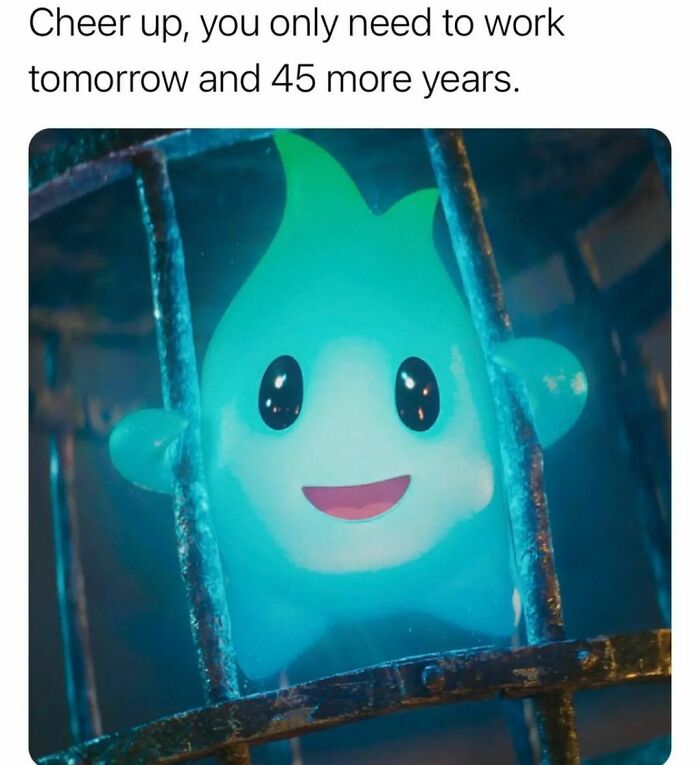
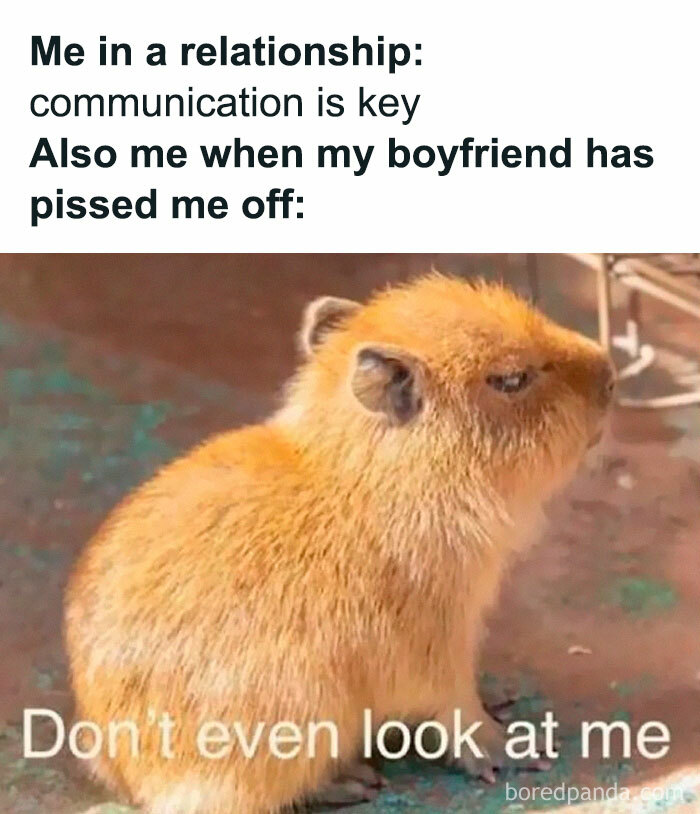
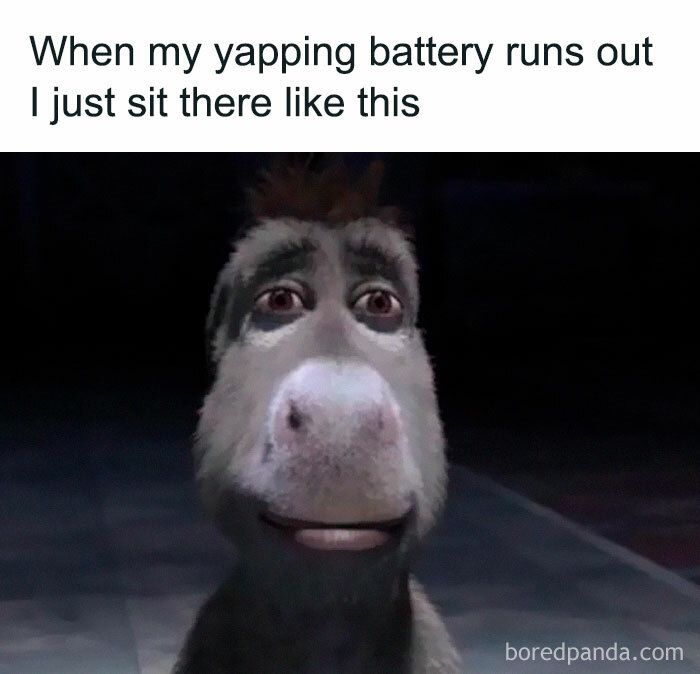
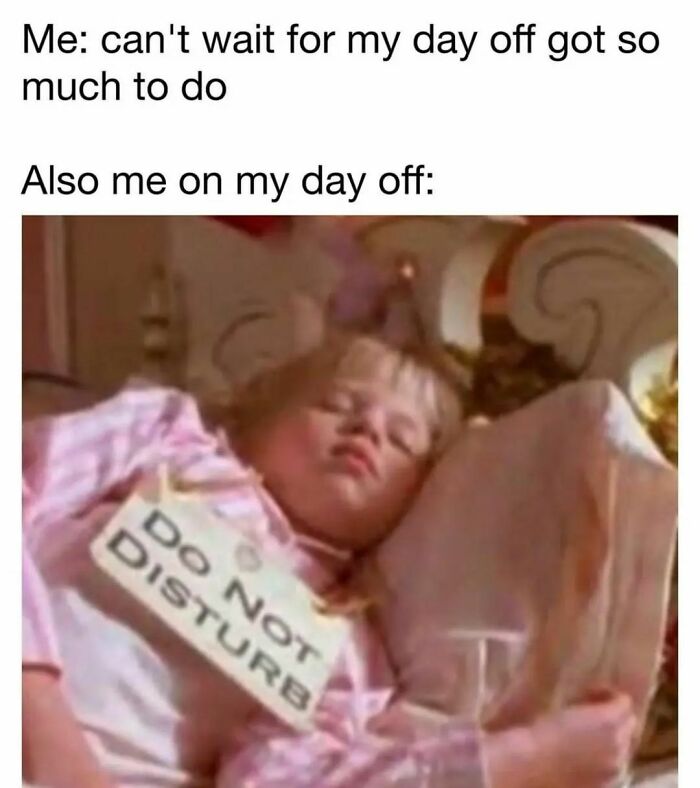
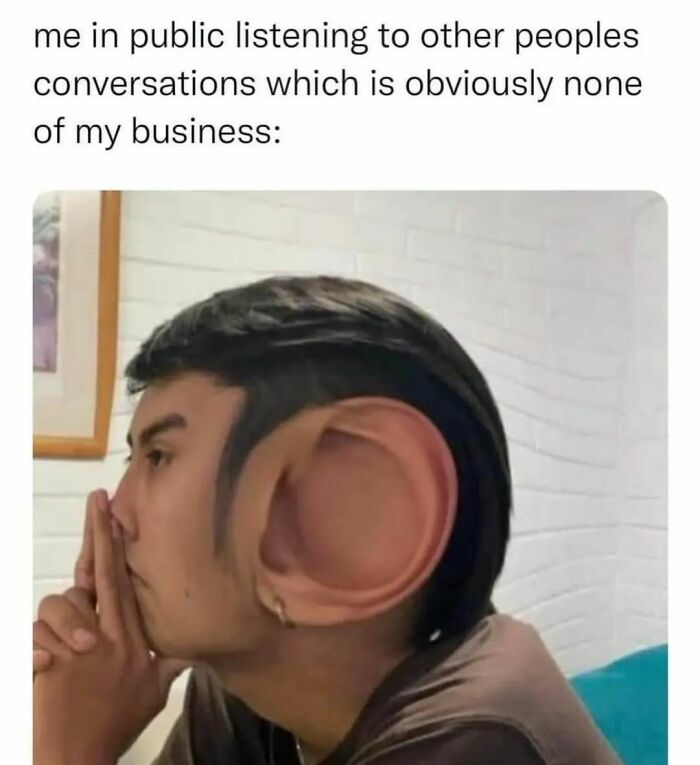
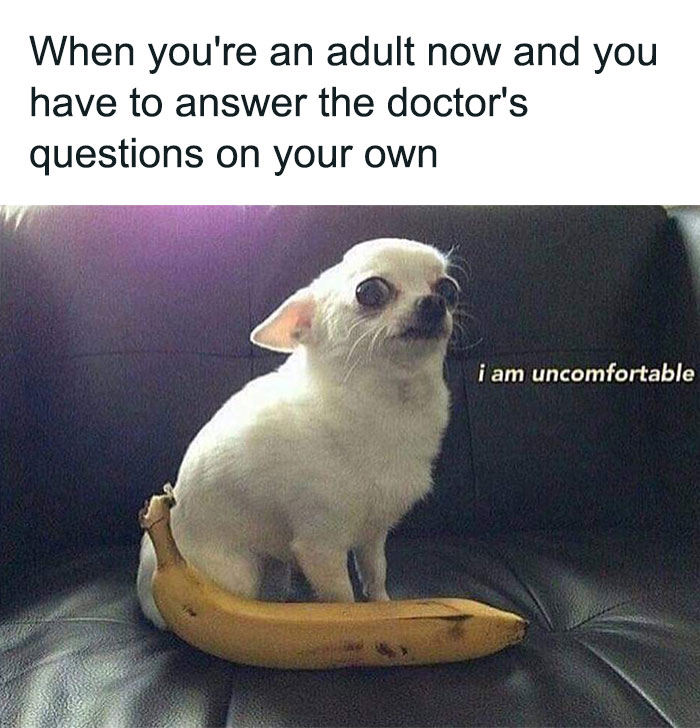
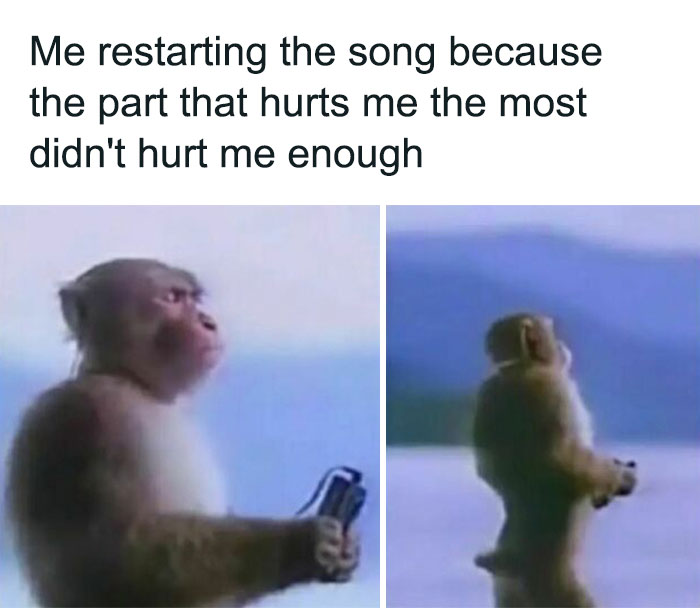
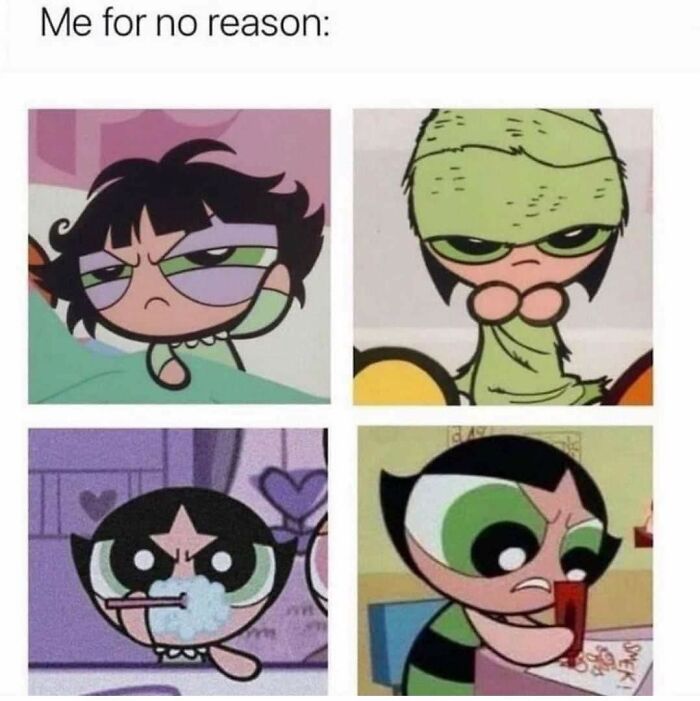
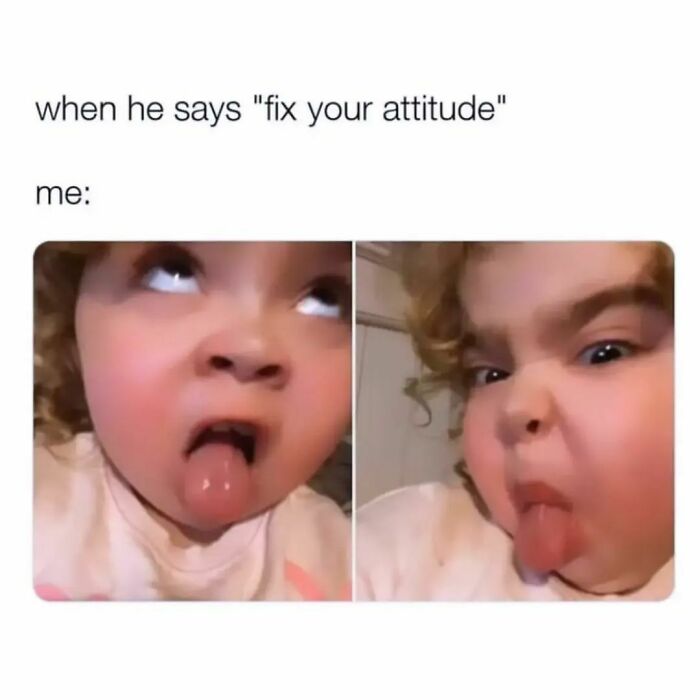
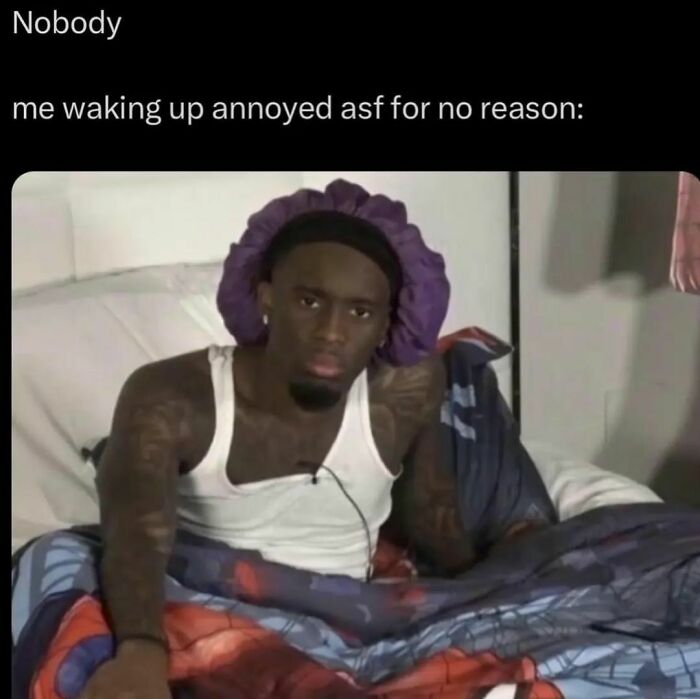
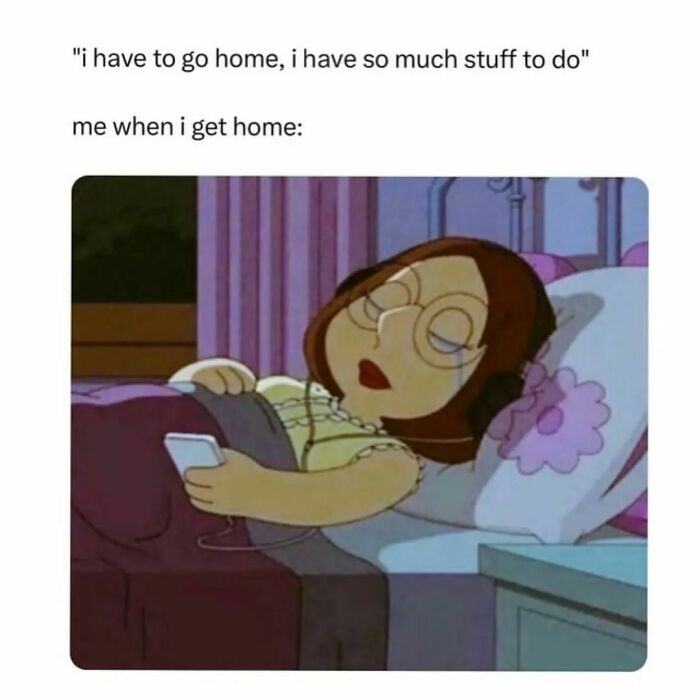
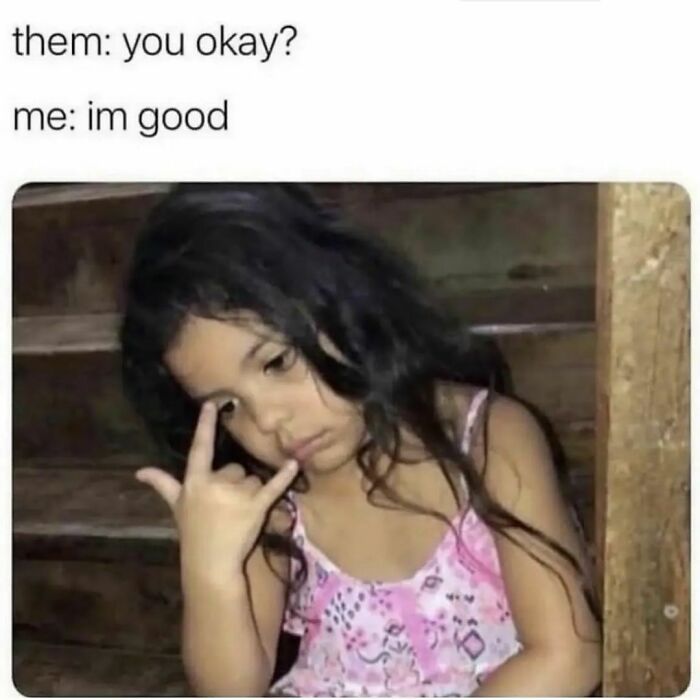
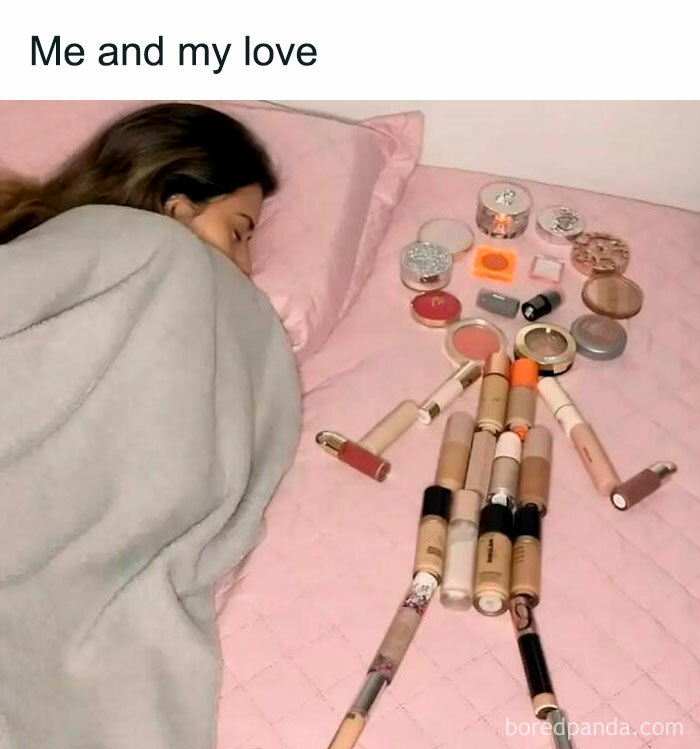
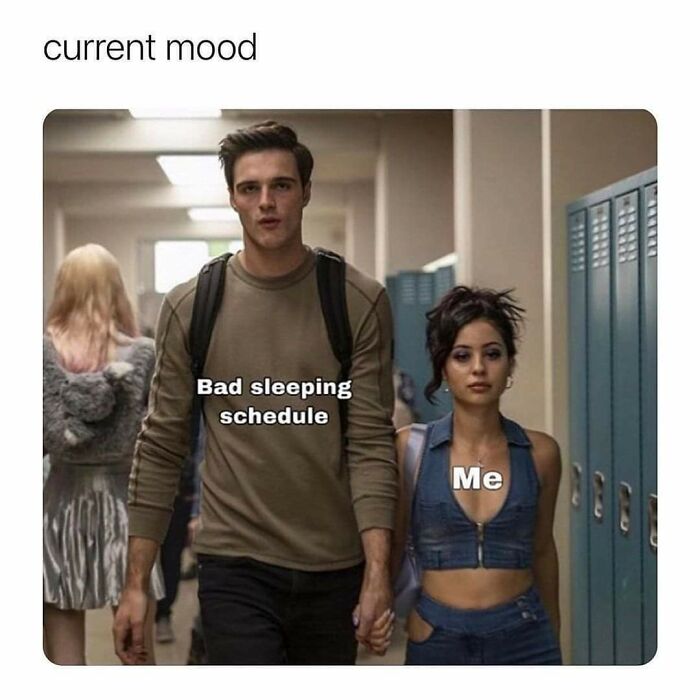
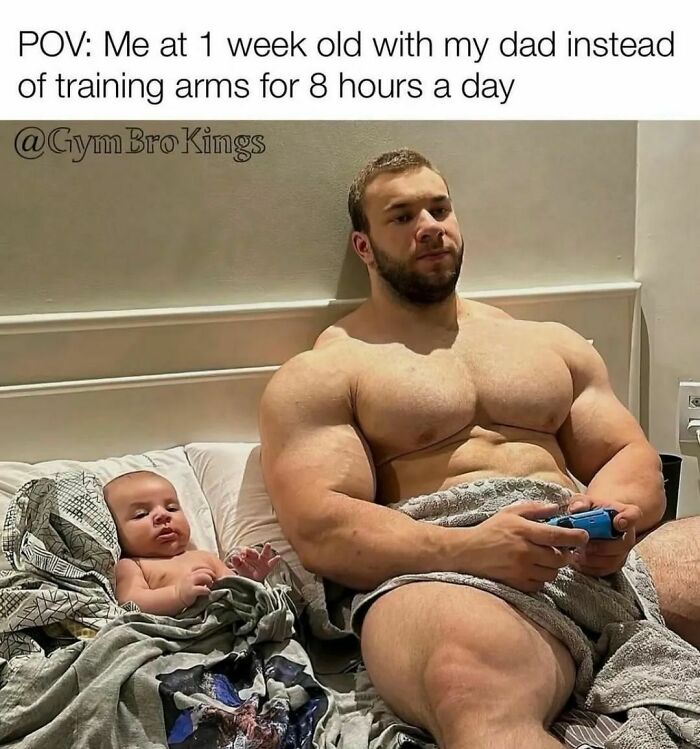
But online, things are much easier. If someone texts you, there’s no need for eye contact or even words! You can just send a meme and save the effort you’d put into yapping, because chances are, someone has already experienced what you're going through and has illustrated it with a spot-on picture/caption combo.
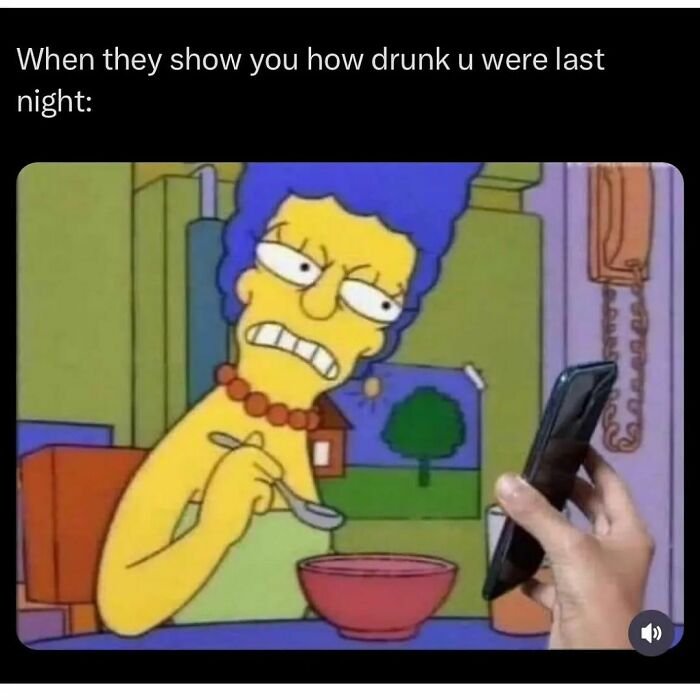
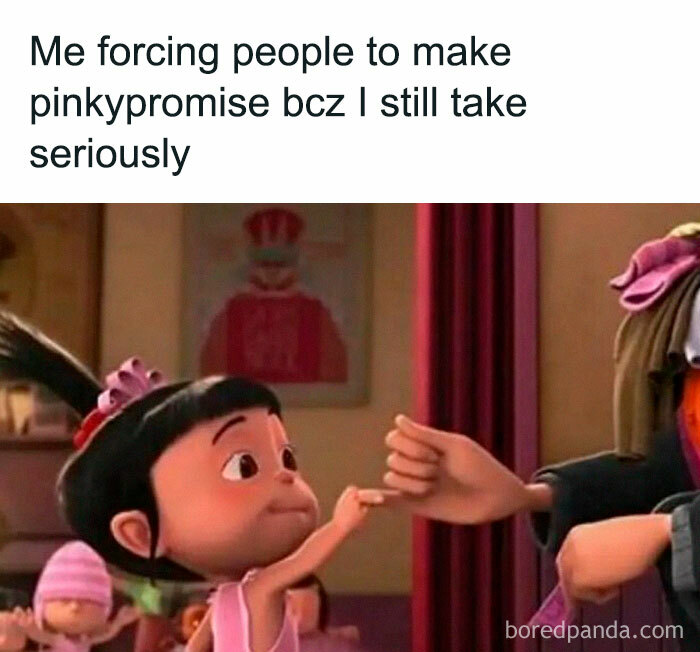
The Instagram account Sarcasm Daily is full of these funny, relatable memes, and scrolling through its feed is almost therapeutic. It's a reminder that we’re not crazy and that we have a lot more in common than we might think.
This post may include affiliate links.
Memes can help us not just in everyday life but also during challenging times. For example, during the coronavirus pandemic, Jessica Gall Myrick, a communications professor at Pennsylvania State University, along with two other researchers, surveyed more than 700 people to see whether consuming lighthearted memes eased their minds in the face of great uncertainty.
Their study, published by the American Psychological Association, concluded that it did. Respondents reported that viewing funny or cute memes helped lower their stress levels and made them feel more confident in their ability to face the global health crisis.
"People [were] using memes as a way to cope and talk about life during the pandemic, and to make social commentary," Myrick said.
"Because we're isolated, when you see a meme about covid and it reflects something about our experience, it's really powerful because you don't get to have as much interpersonal interaction with people. There's something about it that helps us relate to other people."
"If you're going through a stressful time, the last thing or most difficult thing is feeling alone in that stress, or feeling as if you’re the only one in that situation," said Rebecca Ortiz, a professor at Syracuse University who has studied the public influence of political memes.
"Memes are built upon the idea of shared cultural references ... It's not only the message that might be calming, it's the sense that this is something that's being shared among people who get it and might be struggling with the same issues," Ortiz added.

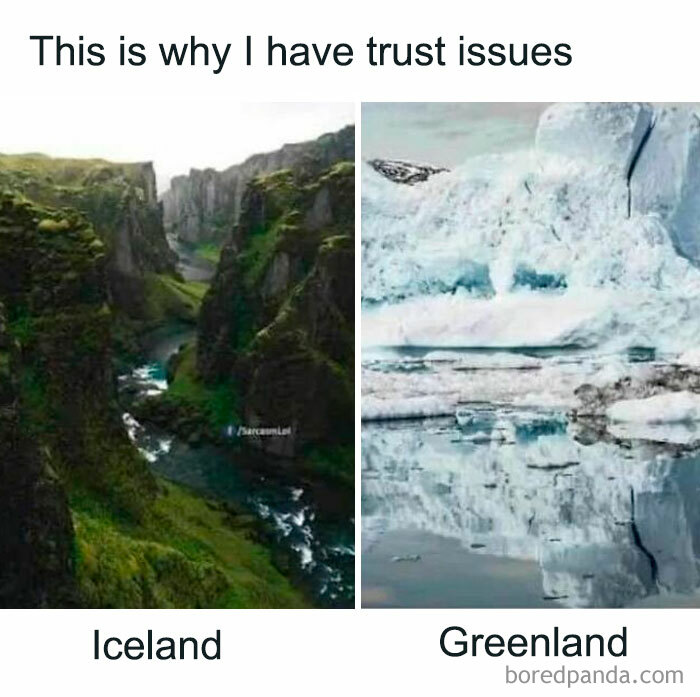
Greenland's name was an overt propaganda move by whichever Viking it was, to encourage colonization.
If in doubt just look into the fridge for inspiration. Never worked for me, but I'm sure next time I'll find it there
However, bad actors have also noticed our affinity for memes. Research by Dr. Stephanie Alice Baker, who is a senior lecturer in sociology at City St. George's, University of London and Dr. Michael James Walsh, an associate professor in social sciences at the University of Canberra, shows that memes form part of a highly sophisticated strategy to spread and monetize health disinformation.
"Memes aren't a recent invention. They have featured prominently in anti-vaccination messaging for centuries," the researchers write.
"When widespread smallpox immunisation began in the early 19th century, political cartoons published in print media used memes ... to evoke fear about the safety of the vaccine."
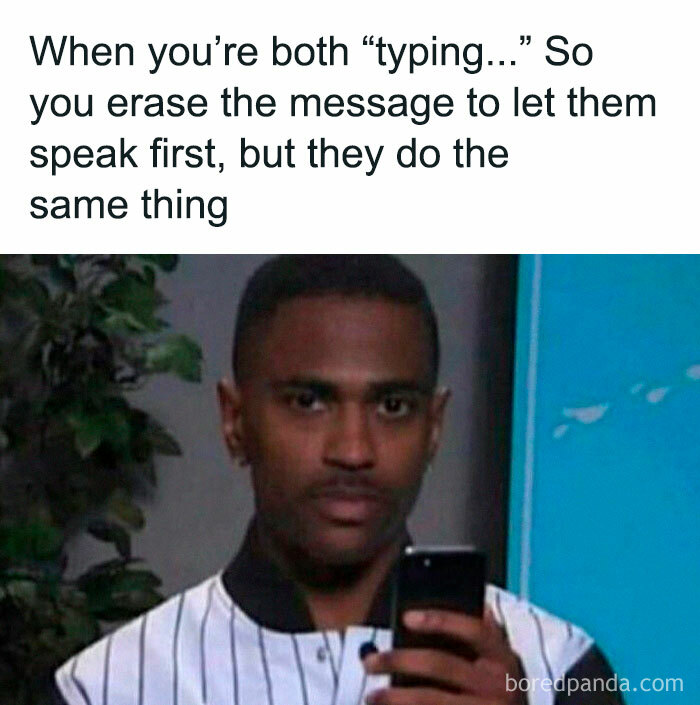
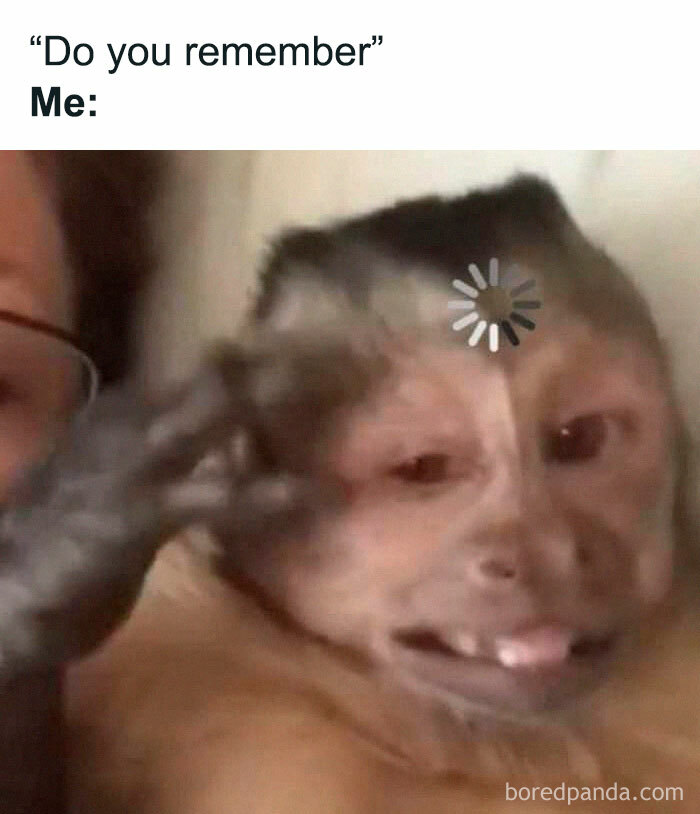
And then you both start typing again at the same time, and both stop again at the same time. It's the digital version of when you have to cross someone on the sidewalk and you have to choose whether you cross on the left on the right, and you both end up choosing the same side again and again, creating this weird little dance together.
The most infamous anti-vaccination meme, however, emerged from a now discredited 1998 study that falsely linked the measles, mumps and rubella (MMR) vaccine with autism.
"The meme 'vaccines cause autism,' which appeared on billboards and was circulated widely in the media, provoked doubts about the safety of the vaccine. The study, since described as an 'elaborate fraud,' was published the same year as the launch of Google’s search engine allowing “vaccines cause autism” to became a global meme," the researchers explain.
Over time, the anti-vaccine sentiment became a powerful gateway to promote potentially harmful health products. Baker and Walsh discovered that memes were used to market unauthorized medical products by directing consumers to online stores.
Countries use them for propaganda too. “Russia has weaponised memes as part of a broader strategy of offensive information warfare - using troll farms, state-controlled media, and AI-generated content to spread false and misleading information as part of their strategy to sow confusion,” explains Dr. Tine Munk, lead researcher and Senior Lecturer in Criminology at NTU’s School of Social Sciences.
So it's important to stay mindful of the content we consume online.

G'Kar: "Oh - Is that one of his household gods?" Zack Allen: "No! That's Daf - Yeah, I guess you could say that's sorta the Egyptian God of Frustration."
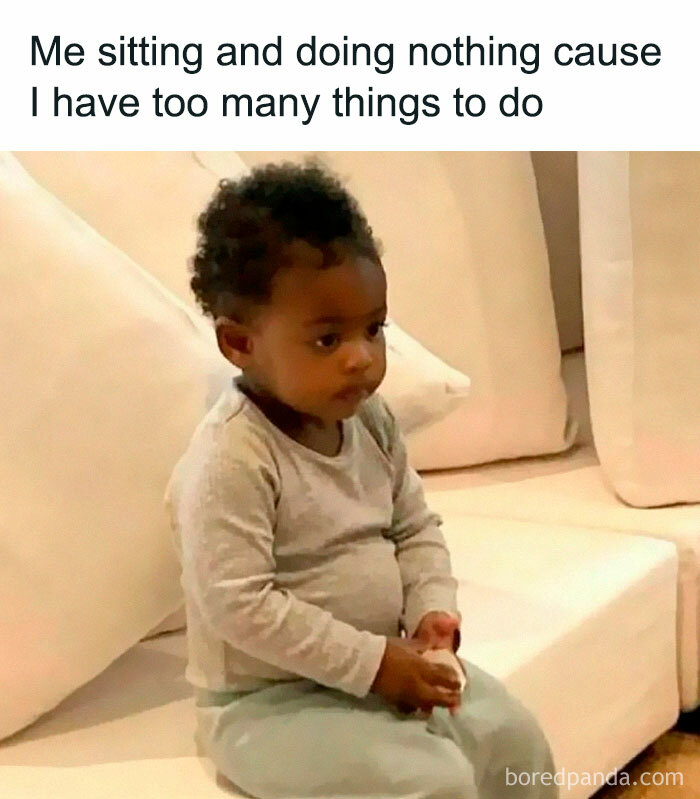
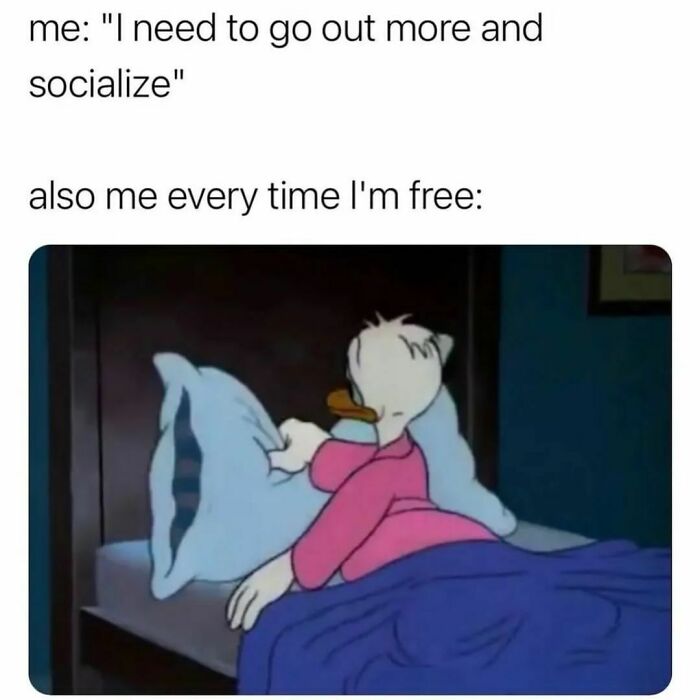
I'm not one of those sad people who spend their free time in bed. Not while I've got such a fabulously comfortable sofa which is closer to the kitchen and the bookshelves.

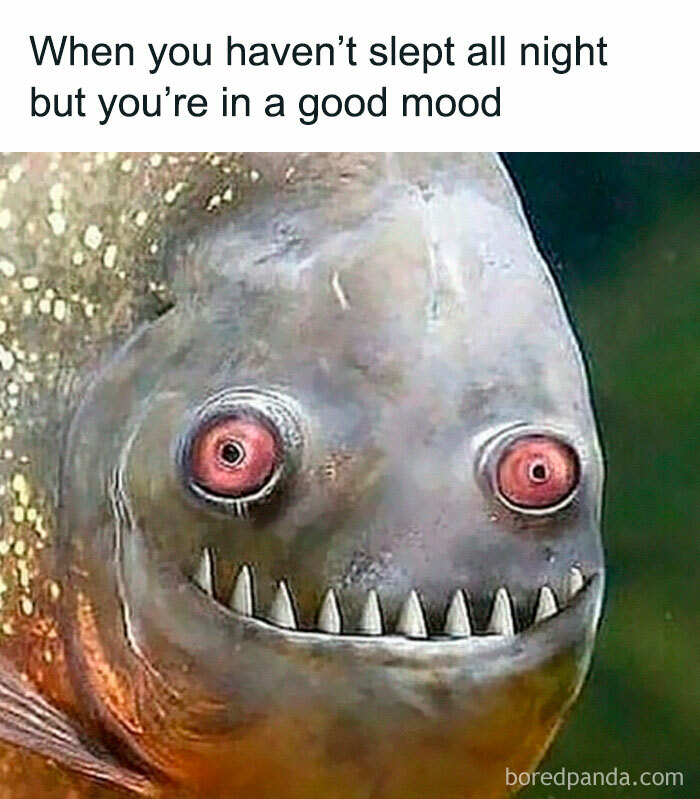
Why do I- on 10h of sleep, hydrated, caffeinated and after a good breakfast- still look the same as this?

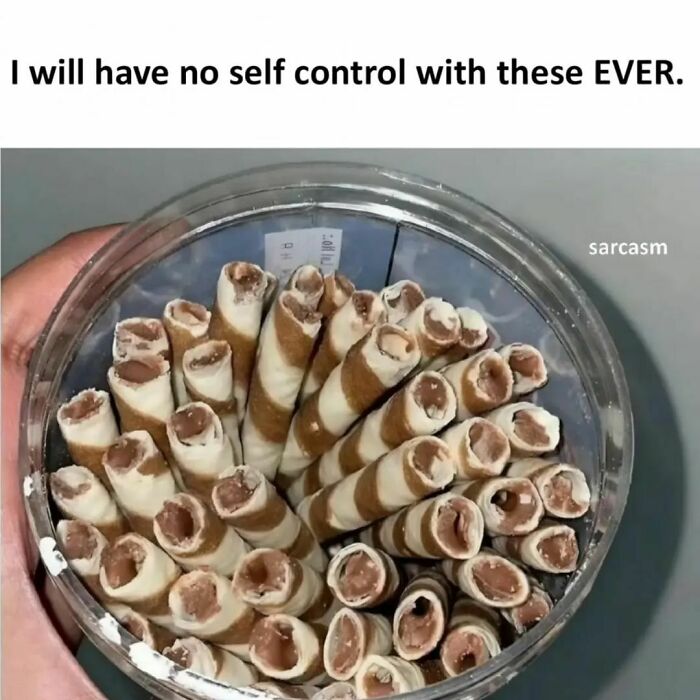
I'll just have one.... more. One more. Just one more. One more won't hurt.





 No fees, cancel anytime
 then open in external browser

 and click "Open in External Browser"