Get Premium
Dark mode theme is available exclusively for premium users. Learn more about the benefits of subscribing.
No fees, cancel anytime.

 Dark Mode Ad-Free Browsing Unlimited Content
 Ad-Free Browsing Unlimited Content Dark Mode
Join 1.2 million Panda readers who get the best art, memes, and fun stories every week!

53submissions
1week left

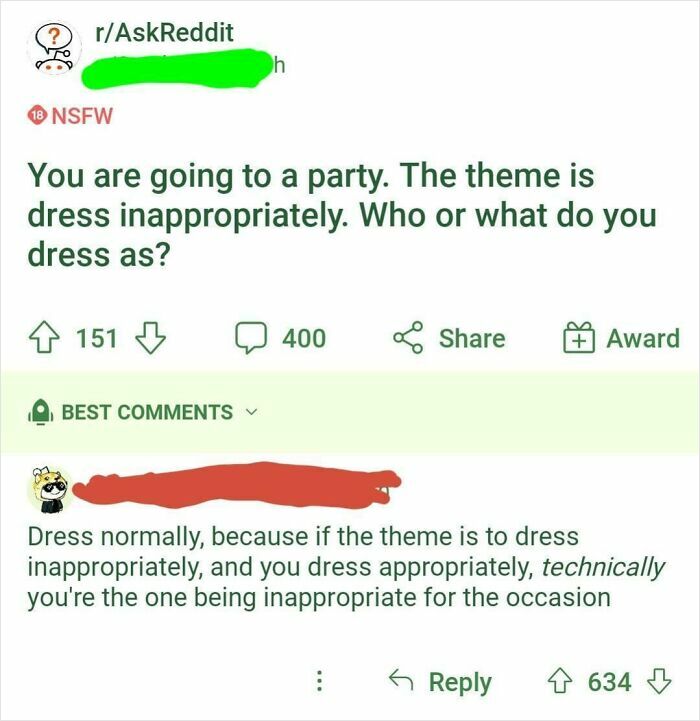
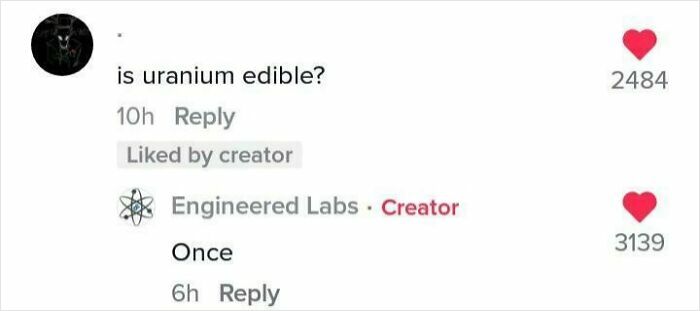
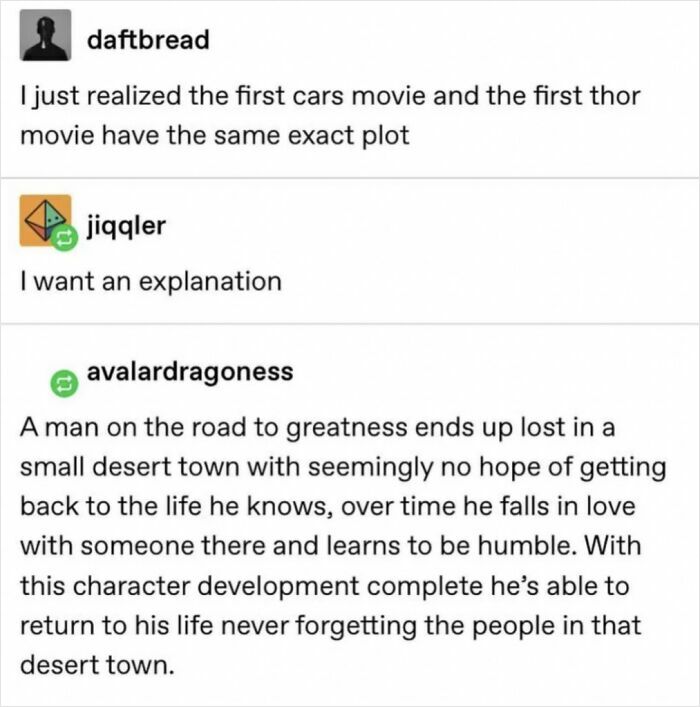
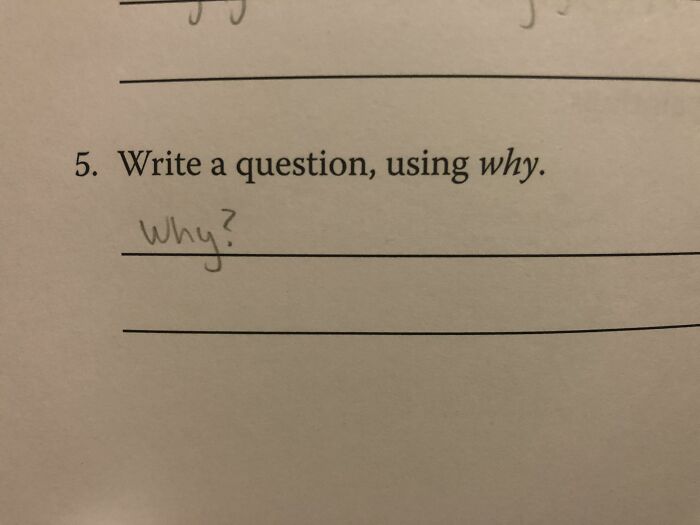
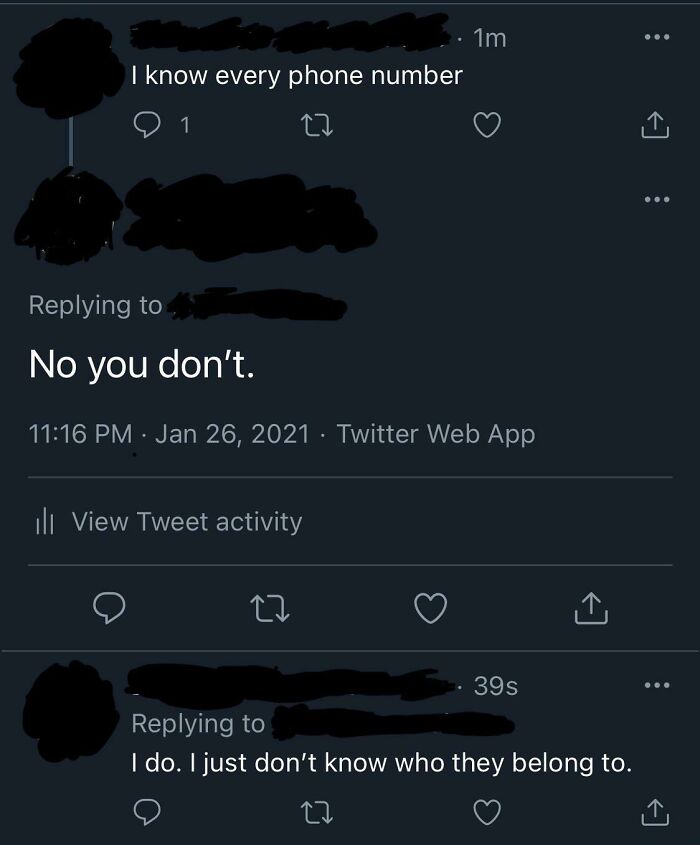
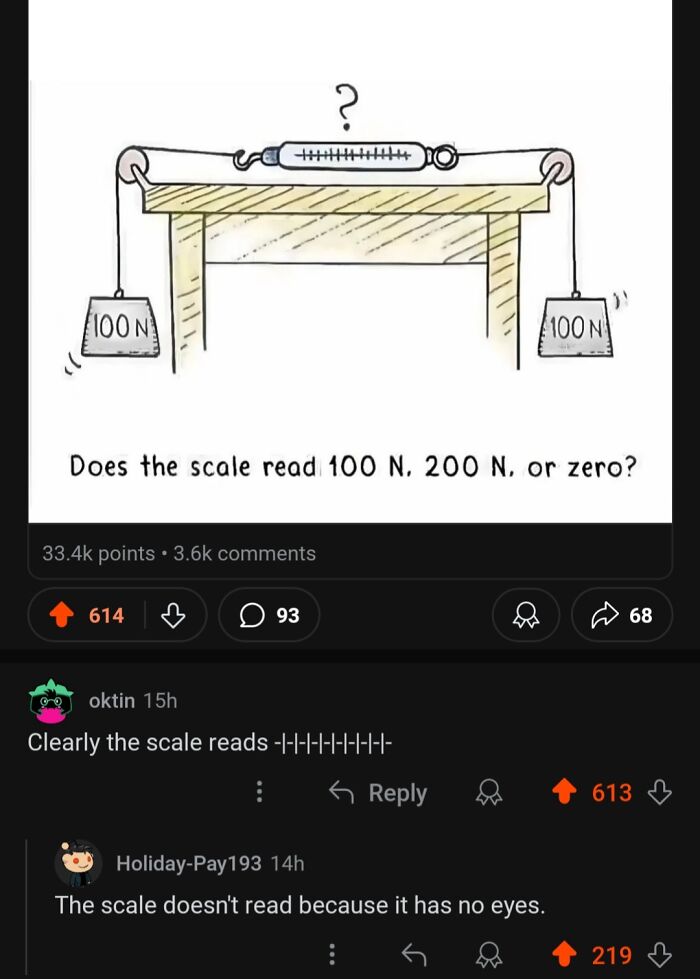
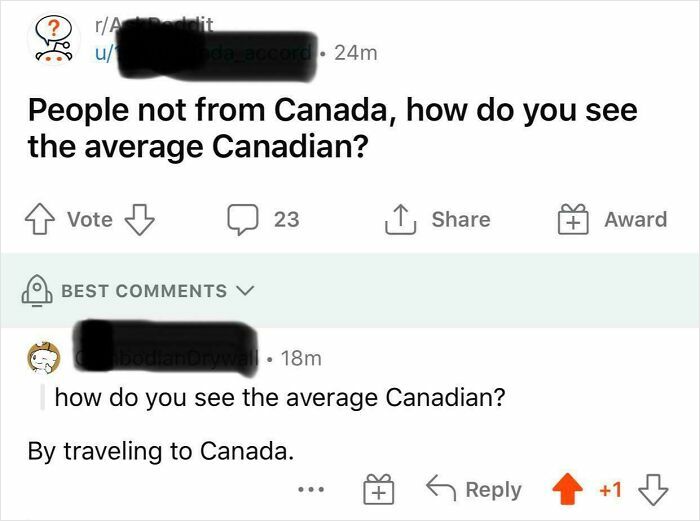
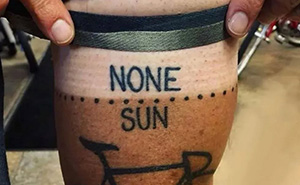
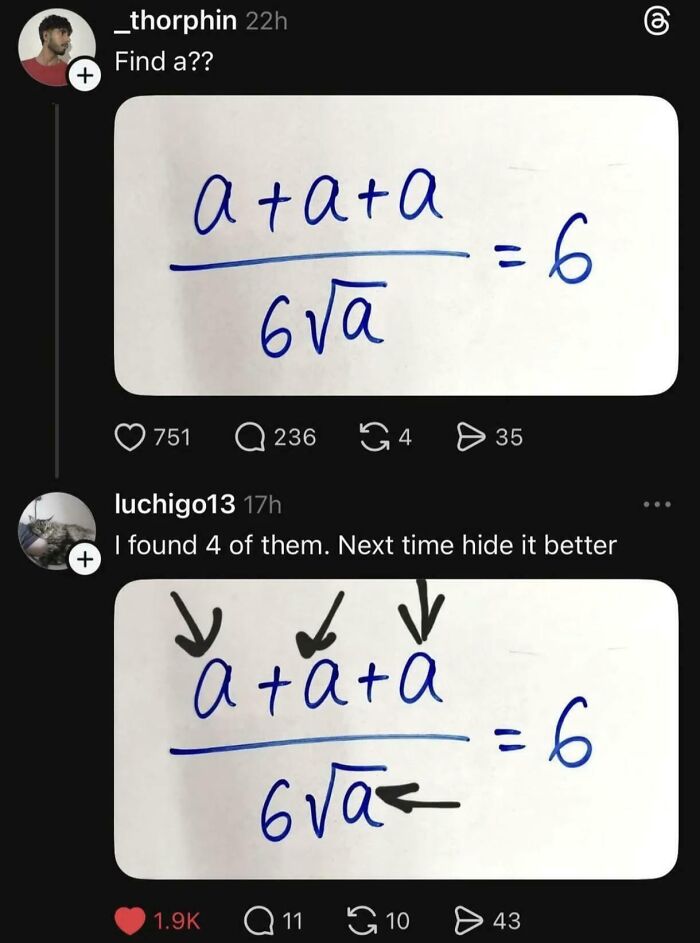
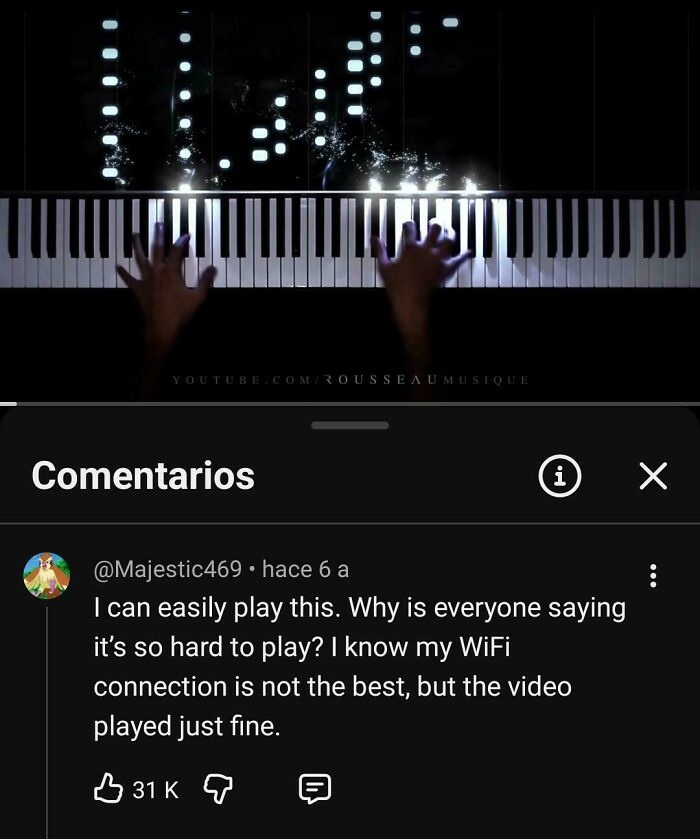
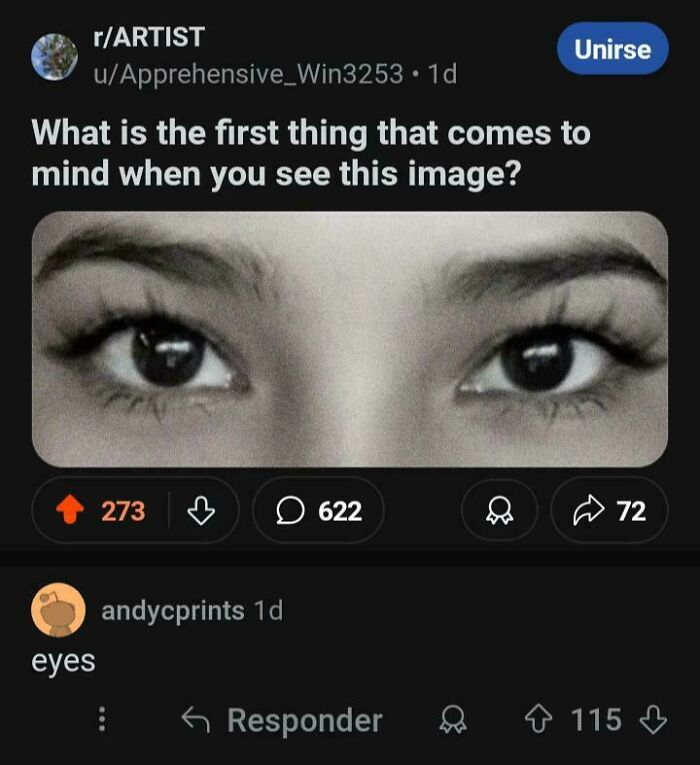
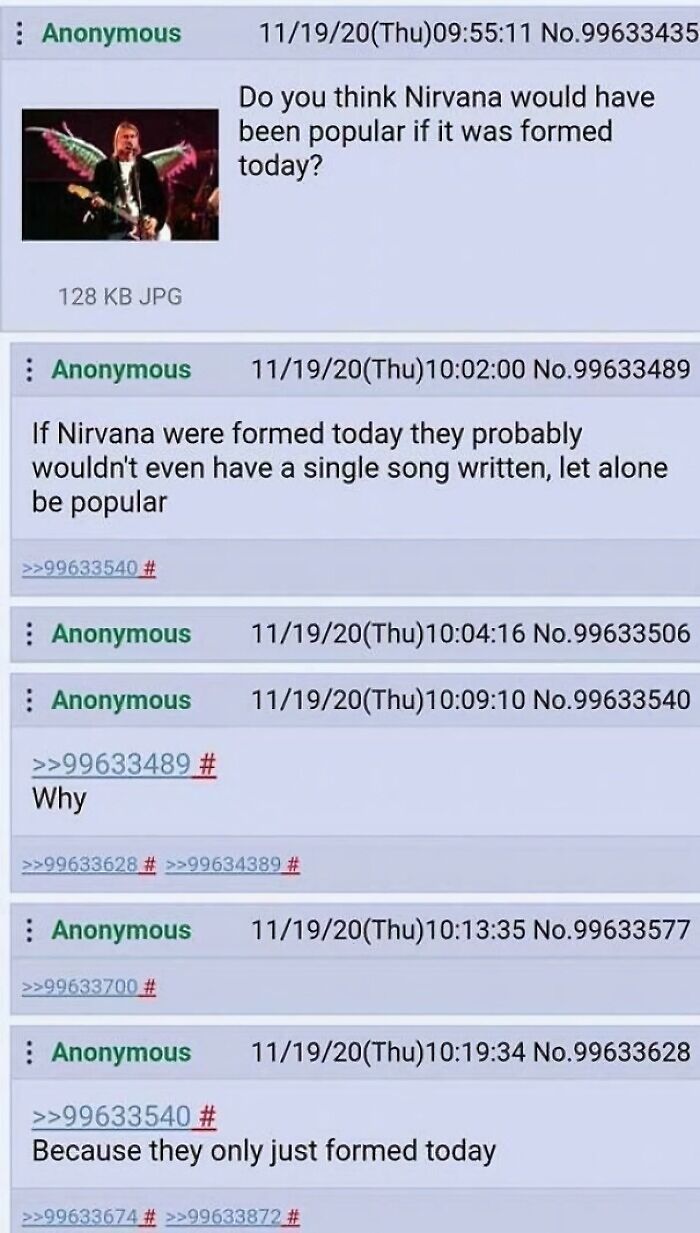
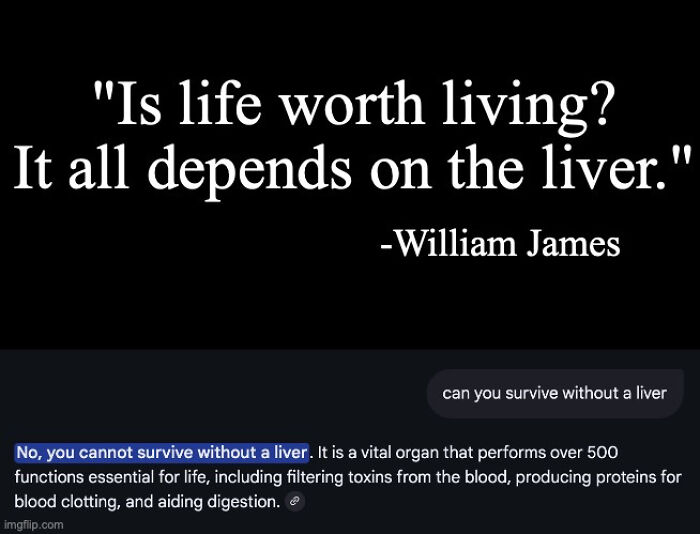
If someone asked you how many bones are in the human body and you said “more than three,” congrats—you’re technically correct. You’re also not getting invited back to trivia night, but still: correct.
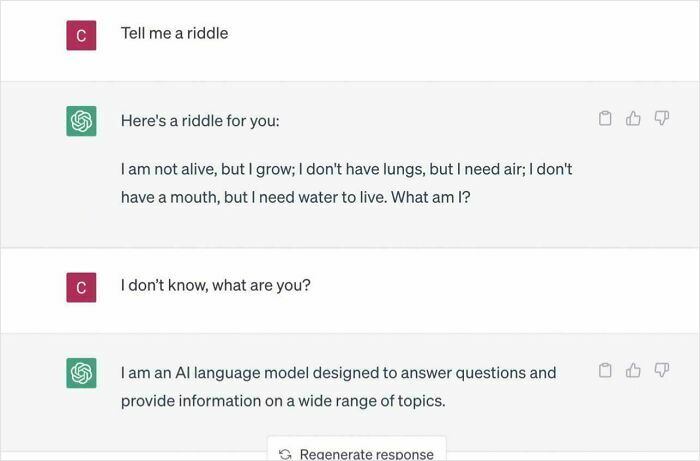
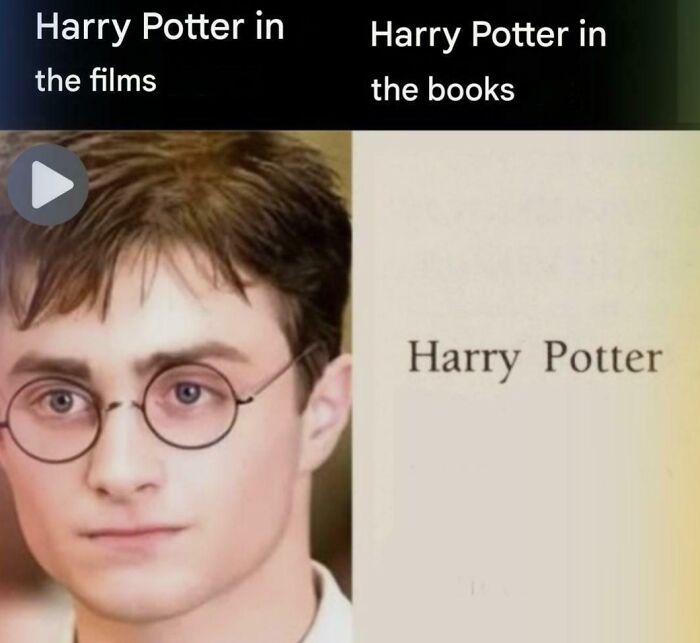
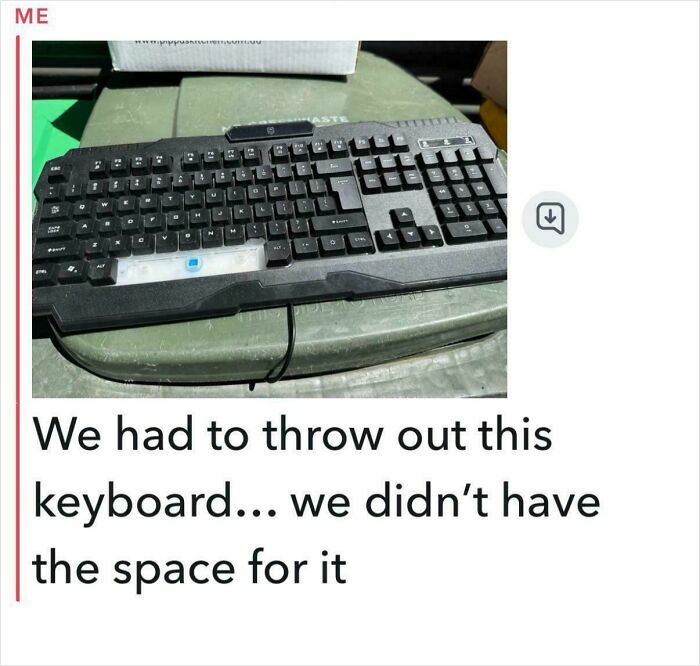
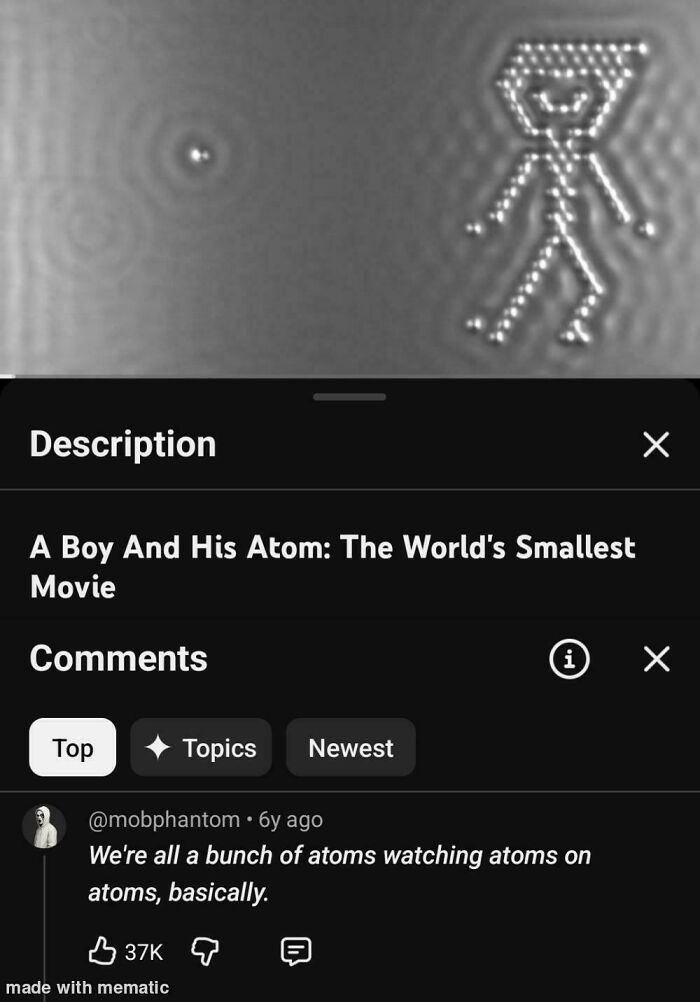
The internet, however, would welcome you with open arms. People post takes like this every day, and as long as they’re technically true, there’s not much anyone can say back. Below, we’ve gathered some of the funniest examples—scroll down and upvote your favorites.
Click here & follow us for more lists, facts, and stories.
This post may include affiliate links.
This compilation might not teach you much if you’re here for genuinely useful facts. but if you appreciate dry, cheeky, sarcastic humor? You’re in the right place. Because sarcasm is honestly a fine art, one that requires real skill and wit to pull off well.
Sarcasm has quite the history too. The word comes from the Greek sarkazein, meaning “to tear flesh like a dog.” Over time, it evolved to mean “to bite one’s lips in rage,” “to gnash one’s teeth,” “to sneer,” and “to speak bitterly.”
The first known use of “sarcasm” in its modern sense—”a sharp and often satirical or ironic utterance designed to cut or give pain”—dates back to 1619, several centuries ago.
Here’s the thing about sarcasm, though: it’s probably one of the least universal forms of humor out there. Not everyone gets it, and misunderstandings are common.
Entire cultures have been called out for not responding well to it—the Japanese, for example. But in reality, it’s not that Japanese people don’t use sarcasm; they just use it differently.
According to Metropolis, Japan’s leading English magazine, the Japanese language absolutely has sarcasm, it’s just used differently.
The term 皮肉 (hiniku) captures this, referring to moments where what you say contradicts what you actually mean. But unlike casual English sarcasm, it often shows up when things get tense—think criticism or confrontation rather than everyday banter.
That doesn’t mean it’s always cutting. Researchers like Kumiko Torikai and Hiroshi Tanaka point out that Japanese speakers regularly use indirect or ironic phrasing to gently tease friends or make social observations.
The real difference is in delivery: English sarcasm tends to be direct and obvious, while Japanese sarcasm works through subtle shifts in tone, specific language particles, or overly formal keigo (honorific speech).
In some cultures, sarcasm isn’t just expressed through words but through punctuation.
In certain Ethiopic languages, for example, sarcasm and unreal phrases are marked at the end of a sentence with a character called temherte slaq, which looks like an inverted exclamation point ¡.
In 1668, John Wilkins proposed using the same symbol as an irony mark in English, but clearly, that never caught on.
Misunderstanding sarcasm also isn’t entirely cultural. It can even be biological.
Different parts of the brain must work together to comprehend sarcasm, and this skill can be lacking in people with certain forms of brain damage, dementia, and sometimes autism. MRI studies have located this perception in the right parahippocampal gyrus.
Don’t underestimate how much of a talent sarcasm actually is. It is even argued to be more sophisticated than lying, which develops as early as age three, while sarcastic expressions emerge much later.
So if you’re a sarcasm enthusiast, know that it’s way deeper and more meaningful than it might seem.
It’s an interesting cognitive ability that involves multiple parts of your brain working together. It varies across cultures and requires real social awareness to master. Hopefully, these posts gave you a chance to appreciate it in action.





































 No fees, cancel anytime