Get Premium
Dark mode theme is available exclusively for premium users. Learn more about the benefits of subscribing.
No fees, cancel anytime.

 Dark Mode Ad-Free Browsing Unlimited Content
 Ad-Free Browsing Unlimited Content Dark Mode
Join 1.2 million Panda readers who get the best art, memes, and fun stories every week!
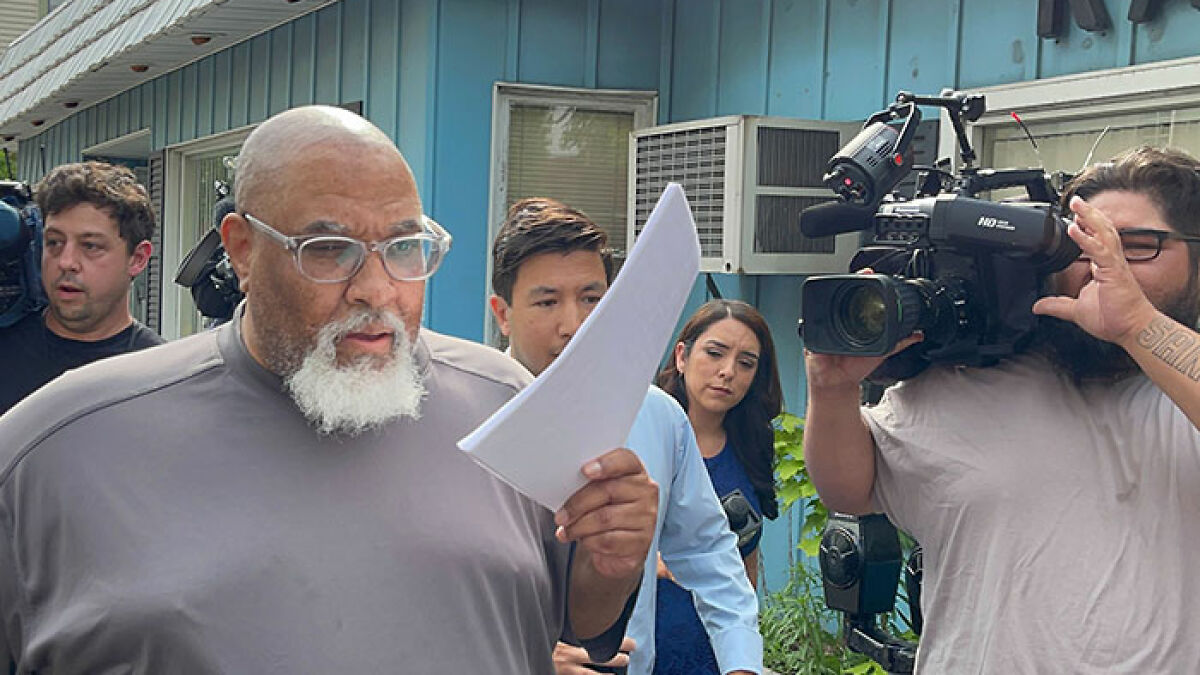
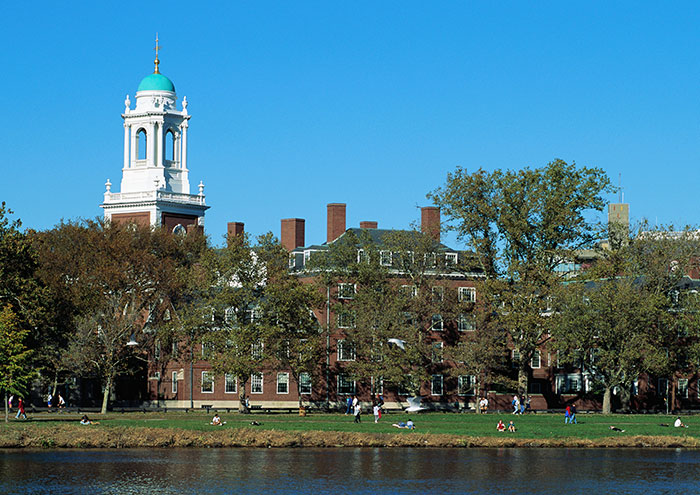
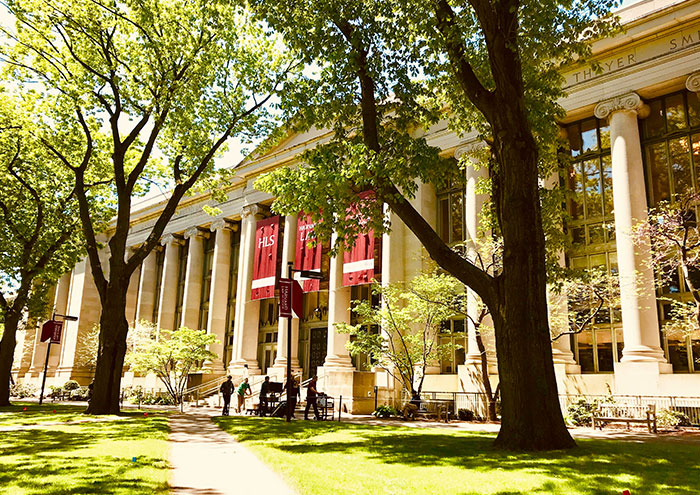
Harvard University is set to pay $53 million to settle a class-action lawsuit brought by families whose loved ones donated their bodies to Harvard Medical School for research and education.
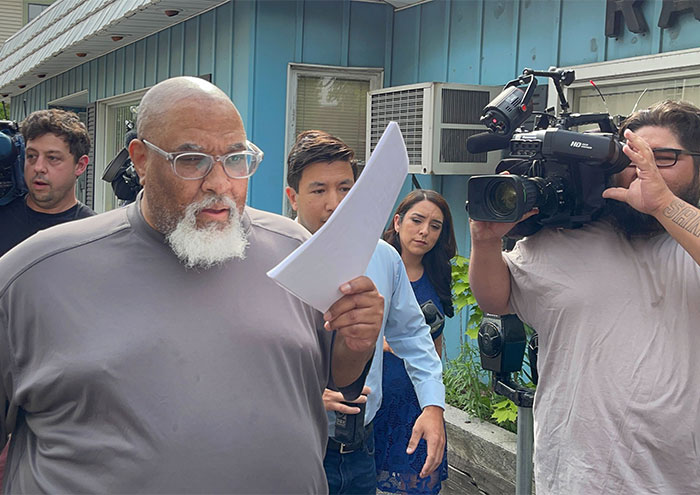
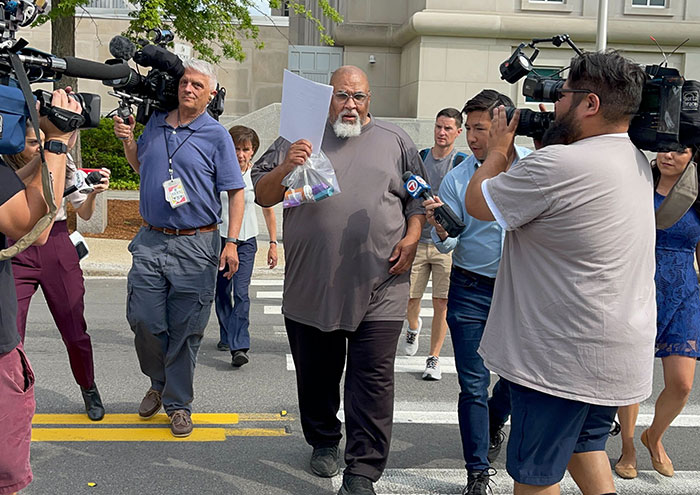
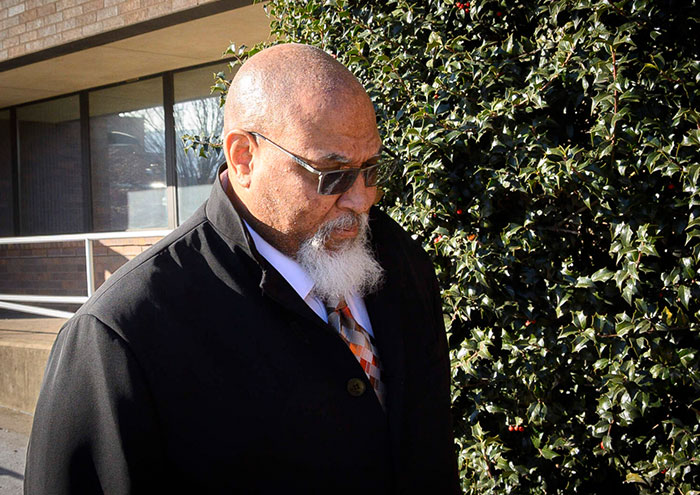
The case began after former morgue manager Cedric Lodge was arrested and accused of taking human remains and selling them.
The settlement includes more than money, with Harvard also agreeing to address the families directly and create a scholarship honoring body donors.
“What bothers me is that there’s somebody in some basement somewhere in this country or elsewhere fondling my wife’s body parts,” a donor’s husband told local mediain 2023.
People who donate their bodies to medical schools usually do so because they want their passing to help others. Their remains can be used to teach future doctors, study the human body, and improve medical treatment.
That was the understanding behind the donations made through Harvard Medical School’s Anatomical Gift Program.
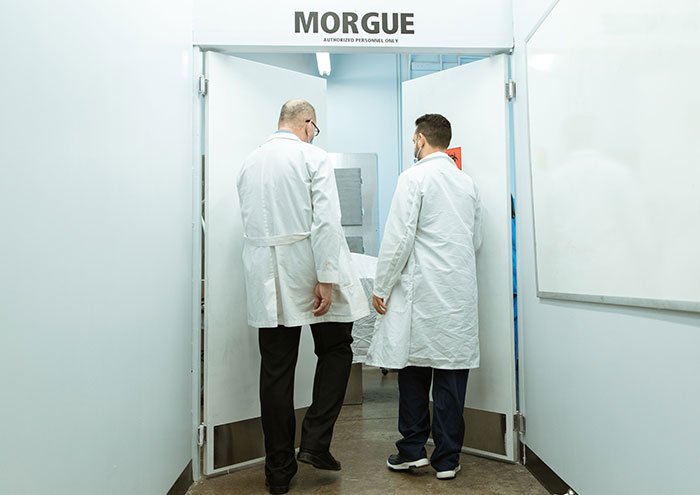
But prosecutors said in 2023 that Cedric Lodge, who worked as the school’s morgue manager for nearly three decades, misused that trust.
According to court records cited in the supplied reports, Lodge began appropriating body parts as early as 2018. The remains included brains, hands, skin, faces, heads, and other parts of donated cadavers.
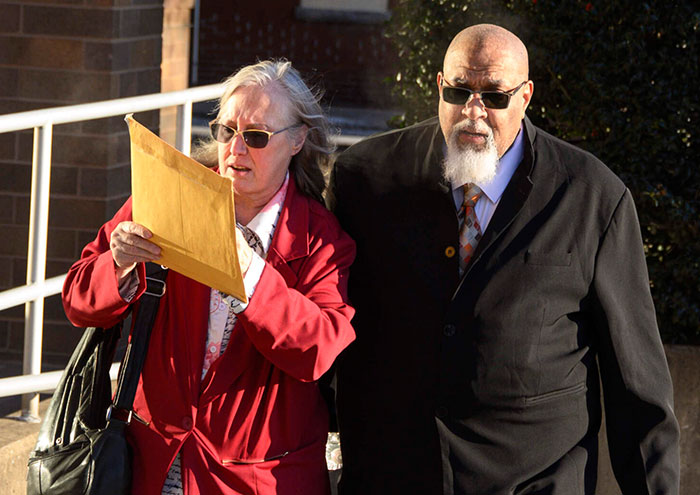
He took them from the Harvard morgue to his home in New Hampshire. He and his wife, Denise Lodge, then sold some of the remains to buyers in other states.
On May 22, 2025, Lodge admitted to participating in the illegal sale and interstate transportation of human remains.
He was sentenced to eight years in prison in December 2025, while his wife received a sentence of just over one year for helping him.
One of the most disturbing revelations from the investigation was that the body parts were not always purchased for medical education. One such example involved human skin.
Assistant U.S. Attorney Alisan Martin said Lodge provided skin to a buyer so it could be turned into leather and used to bind a book.
Martin described it as a “deeply horrifying reality.”
She also said Lodge and his wife sold a man’s face, adding that it might have been kept on a shelf or used for something even more disturbing.
Prosecutors alleged Lodge collected thousands of dollars from the sales between 2018 and March 2020 and treated parts of deceased people as products.
Martin shared he treated parts of “beloved human beings as if they were baubles to be sold for profit.”
The investigation further widened beyond Harvard.
According to the US Attorney Gerard M. Karam, seven people were charged in the larger human-remains trafficking network, with connections to Ivy League schools and the University of Arkansas.
In one case, two stillborn babies at Harvard Medical School’s Anatomical Gifts Program and an Arkansas mortuary and crematorium were among the remains involved in the investigation.
Lodge and his wife sold the parts to associates Katrina Maclean, Joshua Taylor, and Matthew Lampi.
Harvard fired Lodge in May 2023, after the allegations became public.
The university’s medical school leaders described what happened as an “abhorrent betrayal” of the people who had donated their bodies.
They said the donors had made a humanitarian choice to help medical education and research, making the alleged misuse of their remains especially disturbing.
Harvard also temporarily suspended its body-donation program for five months after Lodge was charged.
In June 2023, the families sued the university, arguing that Harvard had failed in its responsibility to protect their loved one’s remains.
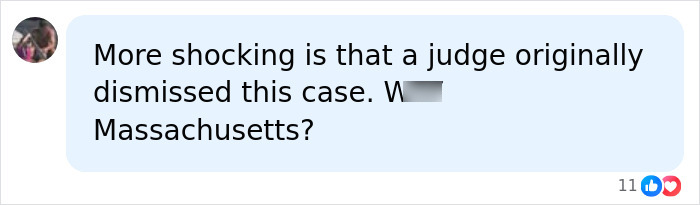
A judge initially dismissed the case.
However, the Massachusetts Supreme Judicial Court reviewed them in October 2025, finding that the families’ claims were enough to suggest the university had acted in poor faith in handling the bodies.
The court described the alleged treatment of the remains as “horrific and undignified.”
A state court judge in Boston has now preliminarily approved the $53 million settlement.
Harvard Medical School will also hold a webinar for the affected families and formally acknowledge that Lodge’s criminal actions were “morally reprehensible.”
The university has agreed to create an annual medical-school scholarship honoring people who donated their bodies to help advance research. The scholarship is expected to begin in the 2028-2028 academic year.
John Morgan, whose law firm represented families involved in the case, said the hope was that the resolution would prevent another family from experiencing something similar.
“We hope that this resolution ensures that this never happens to another family ever again,” Morgan said.
Funeral home director Jon Milton said body brokers often work through hospices and funeral homes. Families may agree to donate a loved one’s body partly because donation can come with free cremation.
That can be especially important for families who cannot afford a traditional funeral.
“It’s intensely unfortunate because there’s so much federal regulation regarding what universities and hospitals can do to procure donations,” Milton shared with The New York Post in 2023, who runs Laurel Hill Funeral Home and Memorial Park in Spotsylvania County.
“They rely on what’s considered the body-broker industry, which typically facilitates through hospices and funeral homes.”
Milton said only New York, Virginia, Oklahoma and Florida closely monitor whole-body donations and sales, according to the material provided. He argued that stronger federal oversight is needed.
According to figures cited in the reports, a donated body can be sold for around $5,000, with some reaching more than $10,000. A human head can reportedly command as much as $3,000, a spine around $1,200, and a pair of hands about $1,000.
An entire body can reportedly sell for as much as $11,000.
Thomas Champney, a cell biology and anatomy professor at the University of Miami, told The New York Post that the body brokers can serve a useful purpose when remains are being used for legitimate medical training.
“You’re training surgeons, you’re educating people, you’re doing something valuable,” he said.
His concern was what happens when money enters the process without proper safeguards.
“Where I have concerns is that in the middle there, you have people making money off these individuals’ altruistic donations.”
Champney said the Harvard case was even more troubling because some of the alleged uses had nothing to do with medical education.
He specifically pointed to the skin that prosecutors said was intended to be turned into leather.
Meanwhile, the National Funeral Directors Association has said that once a body is donated for research or medical training, relatively few federal or state rules govern what happens afterward.

By entering your email and clicking Subscribe, you're agreeing to let us send you customized marketing messages about us and our advertising partners. You are also agreeing to our Privacy Policy.
Thank you! You've successfully subscribed to newsletters!


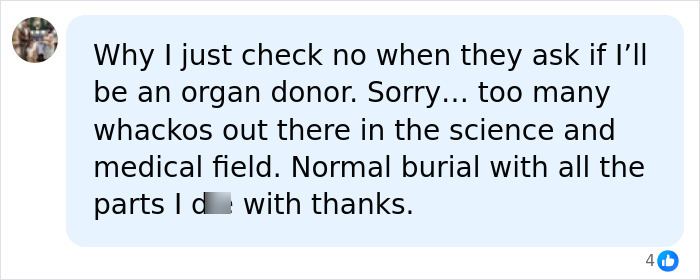
Sadly there are people out there who would dig up their own grandmother's grave if they thought they could make a buck from it.
Sadly there are people out there who would dig up their own grandmother's grave if they thought they could make a buck from it.














 No fees, cancel anytime














29
9