Get Premium
Dark mode theme is available exclusively for premium users. Learn more about the benefits of subscribing.
No fees, cancel anytime.

 Dark Mode Ad-Free Browsing Unlimited Content
 Ad-Free Browsing Unlimited Content Dark Mode
Join 1.2 million Panda readers who get the best art, memes, and fun stories every week!
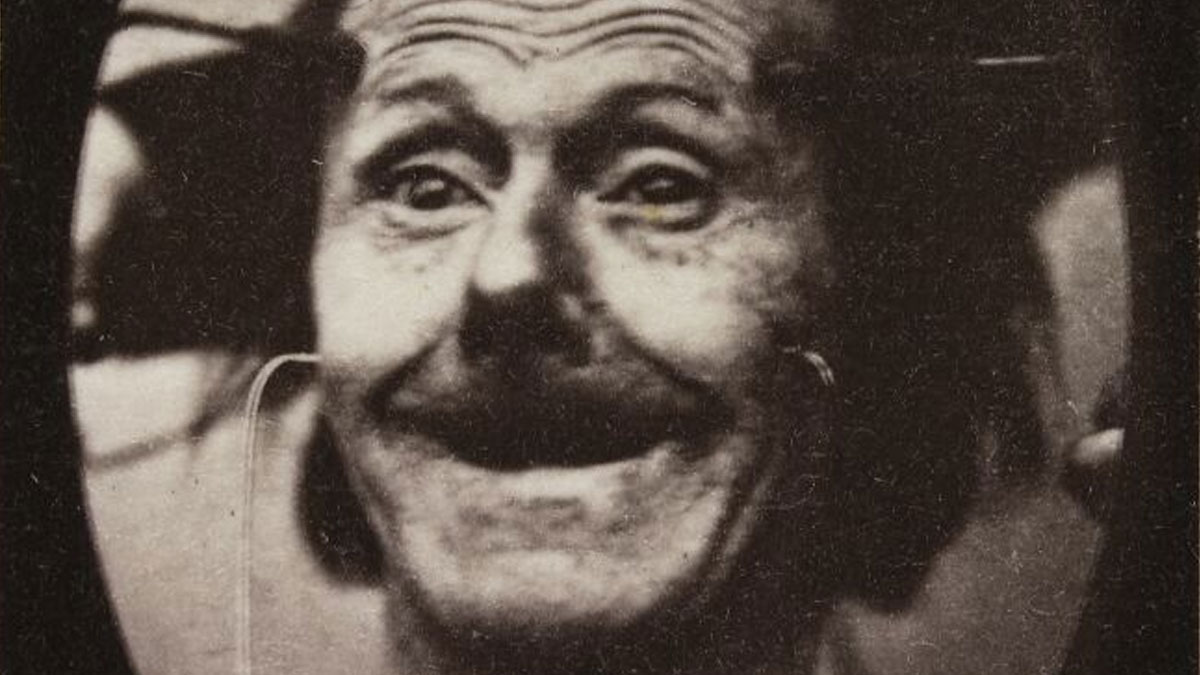



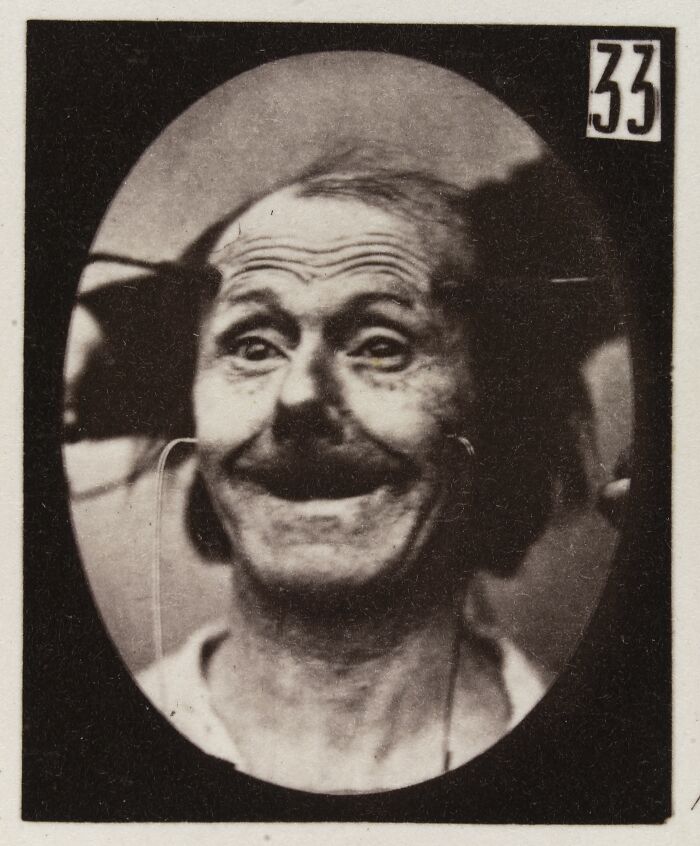
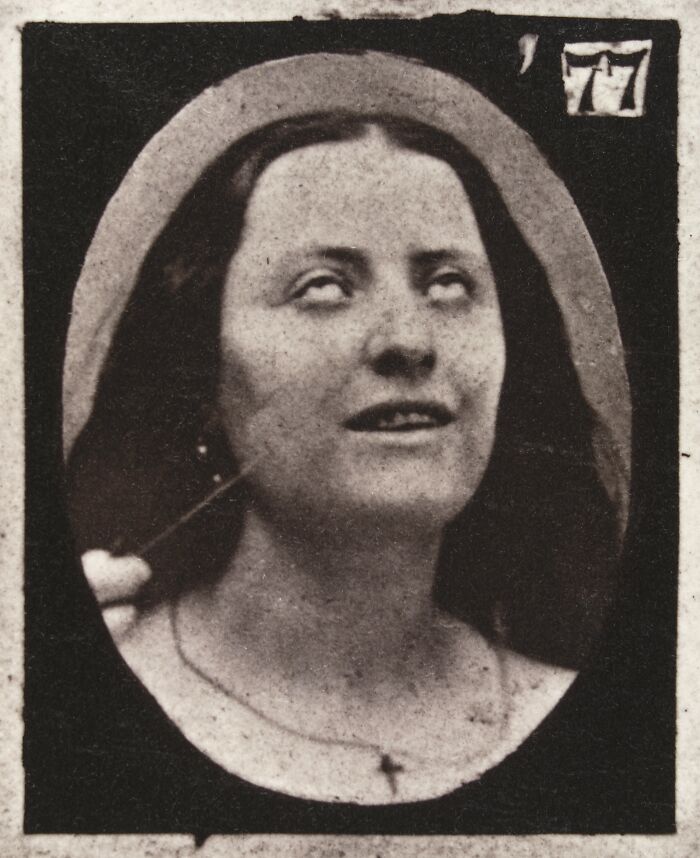
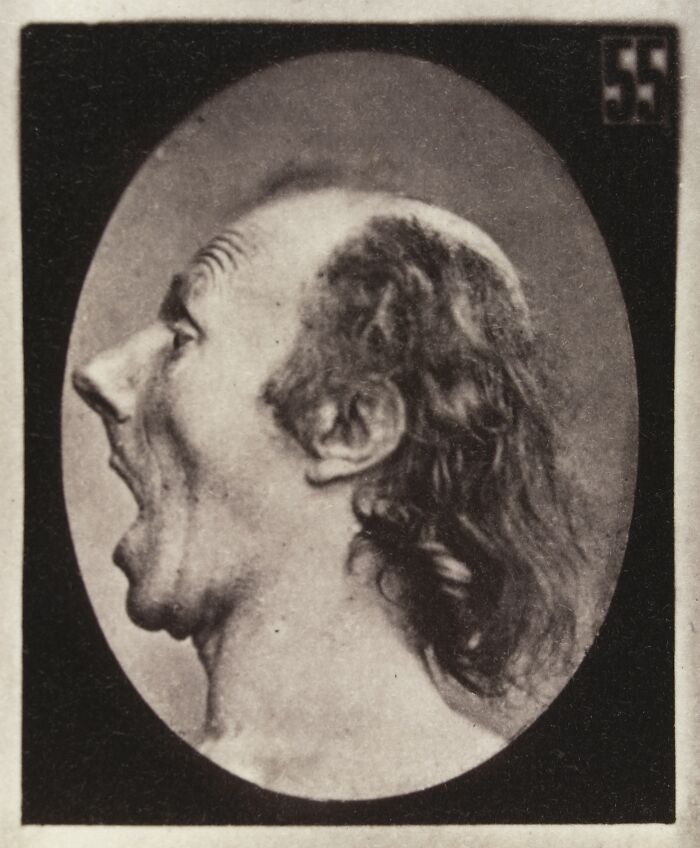
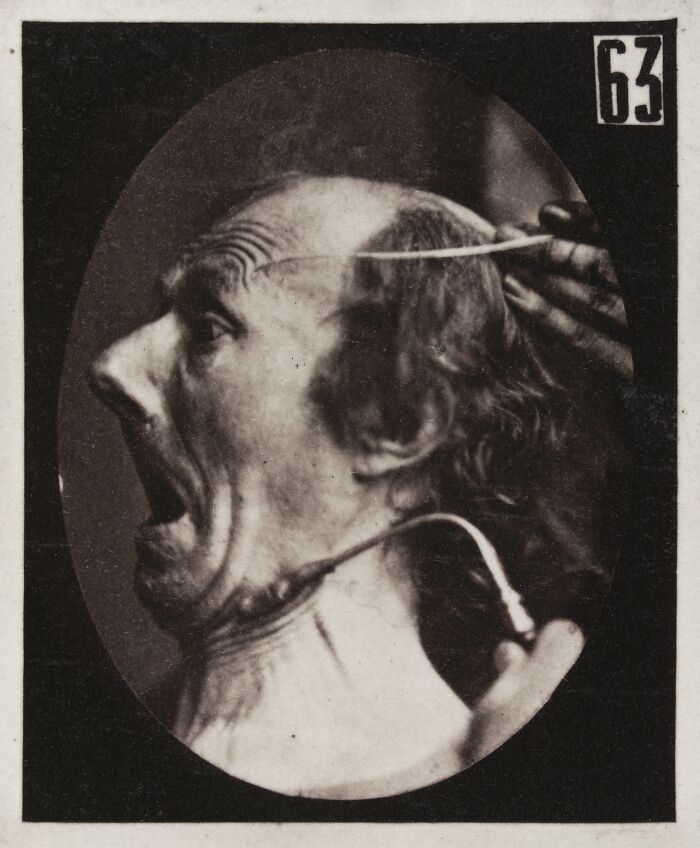
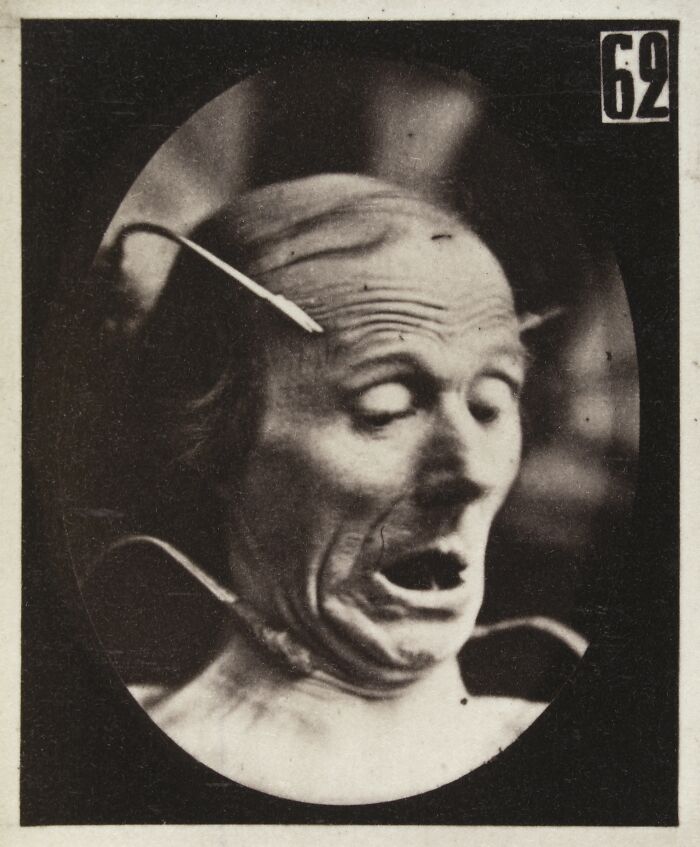
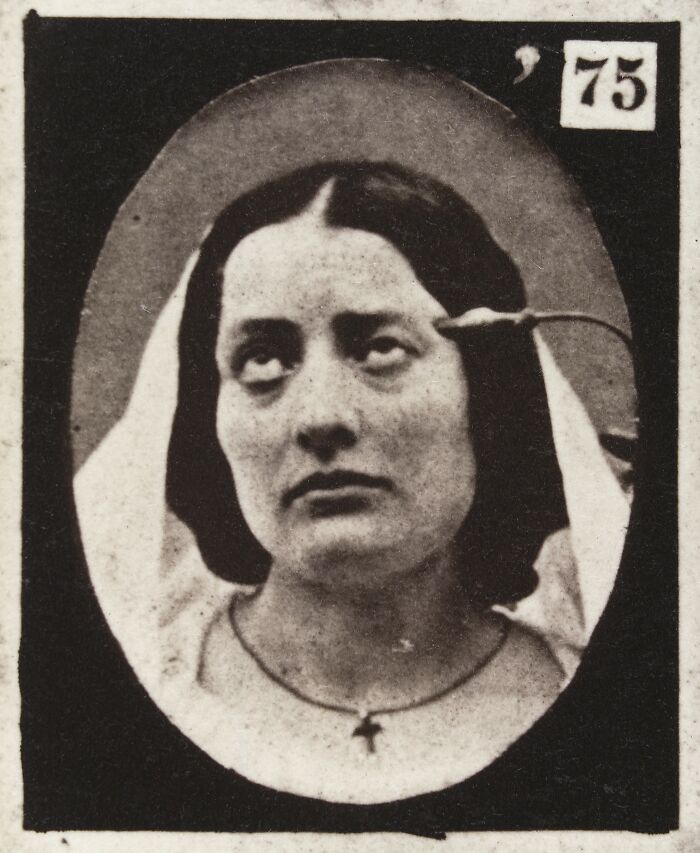
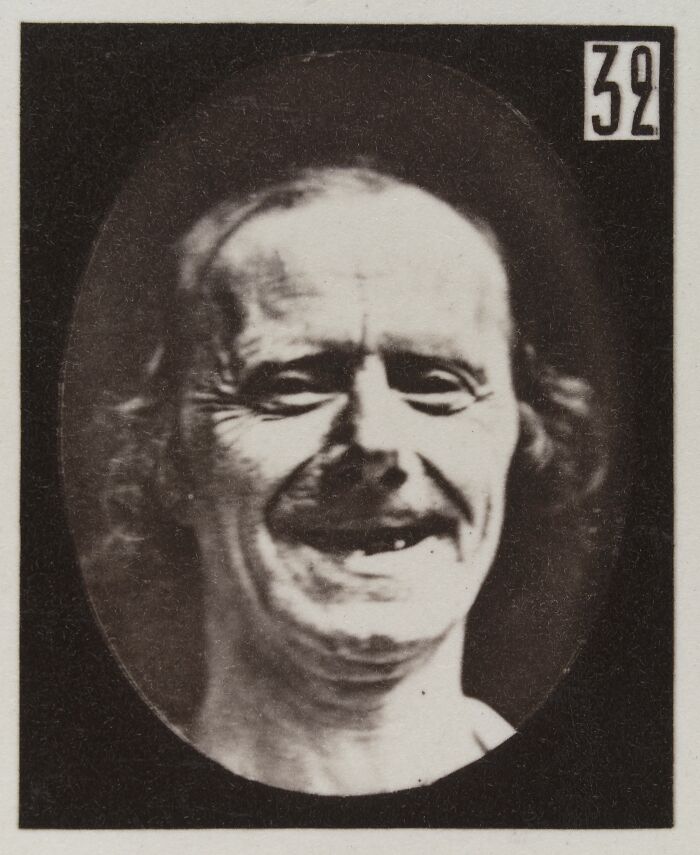
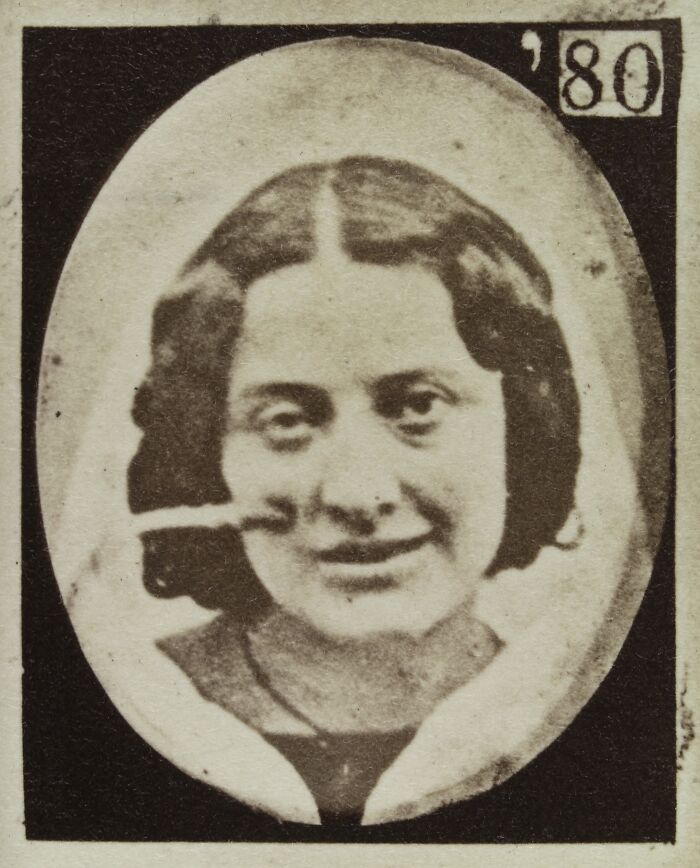
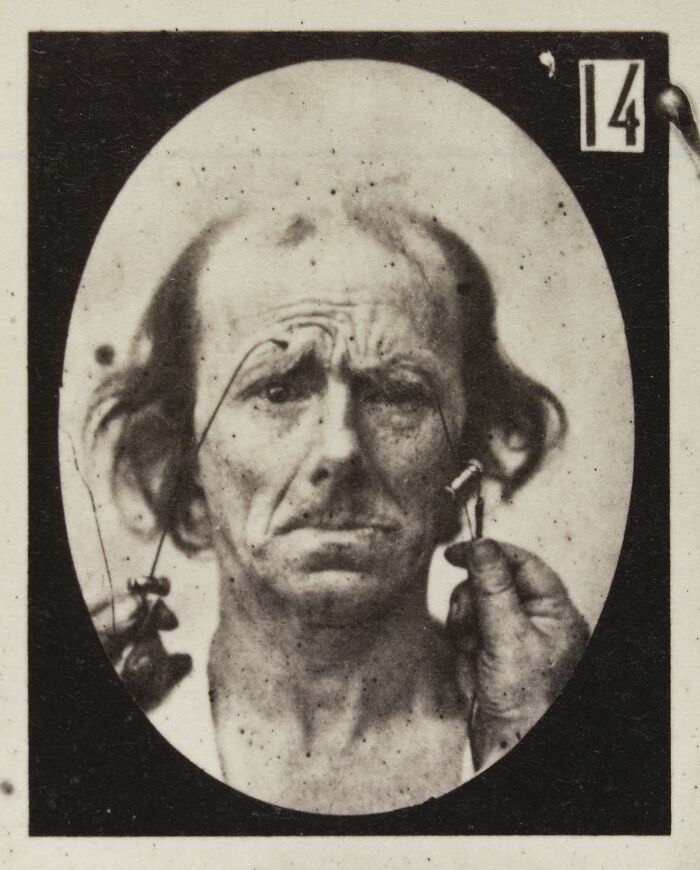
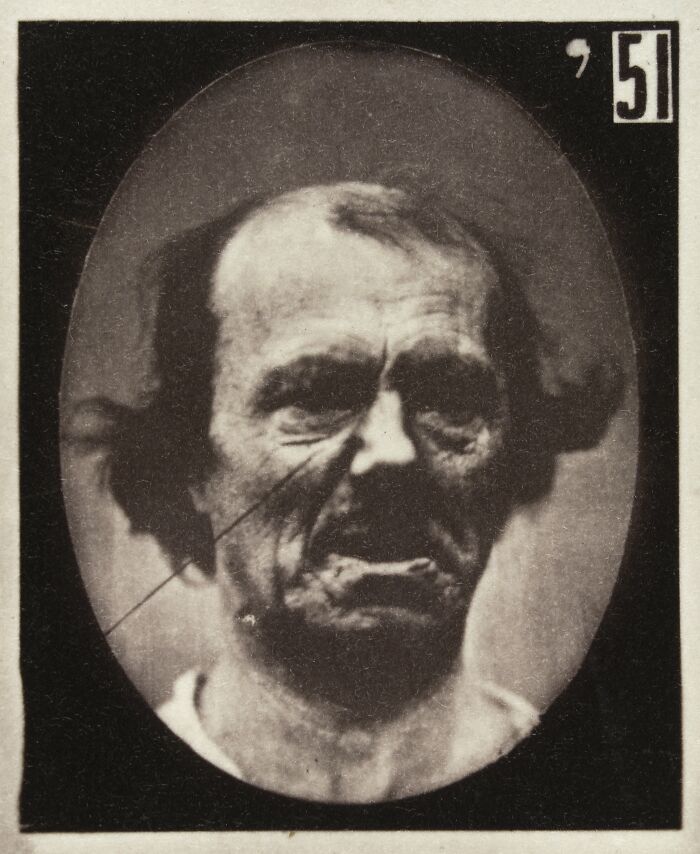
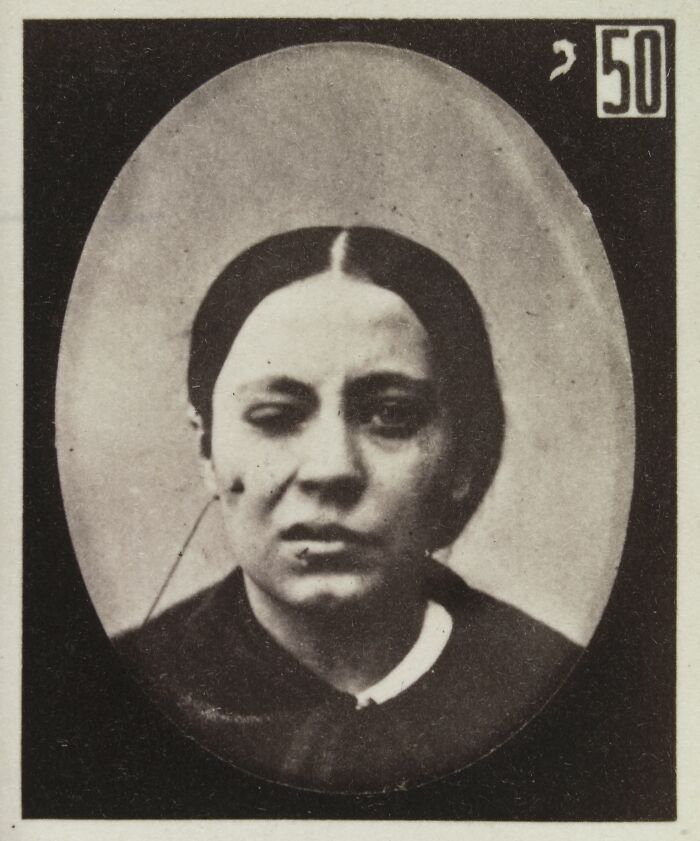
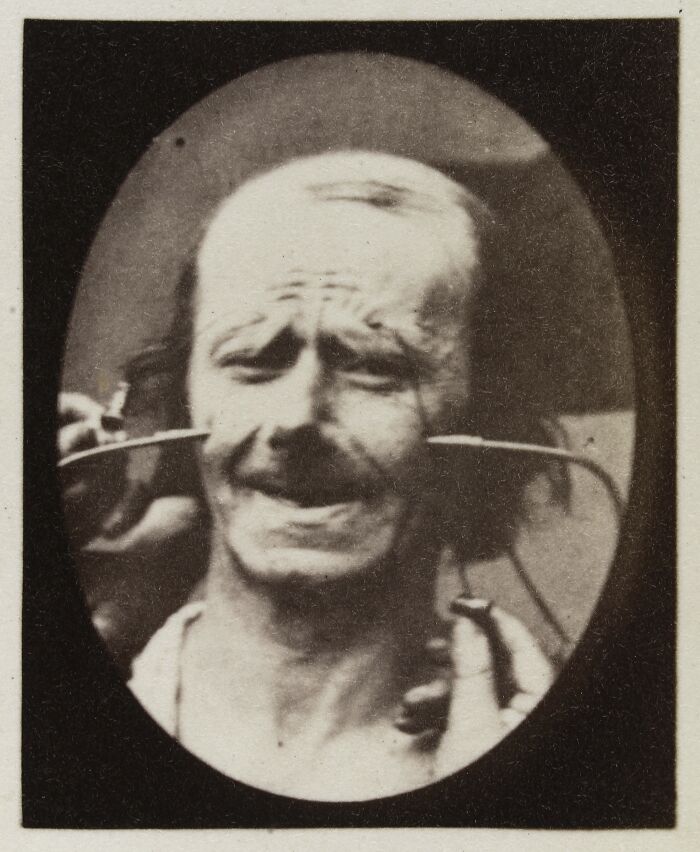
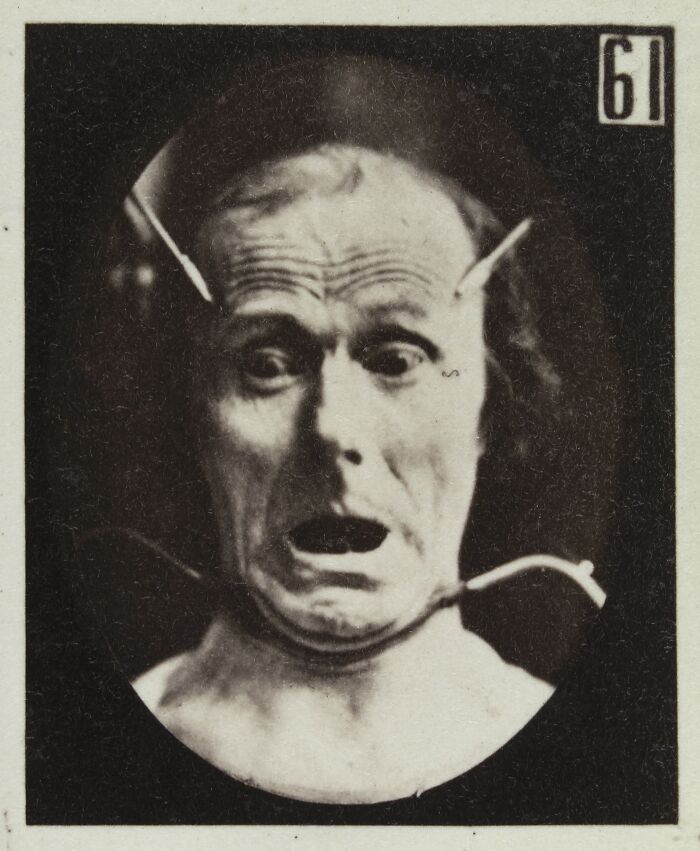
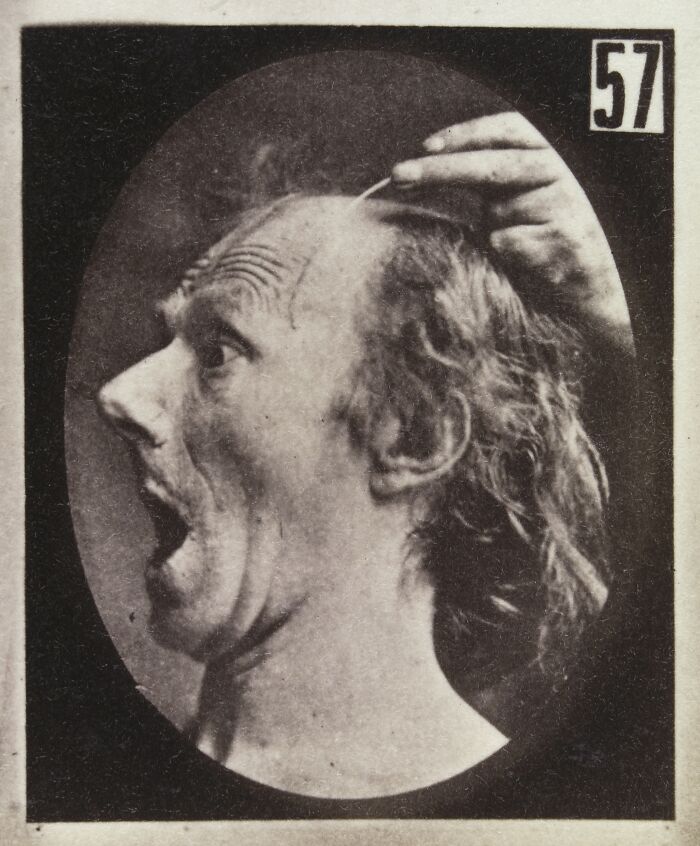
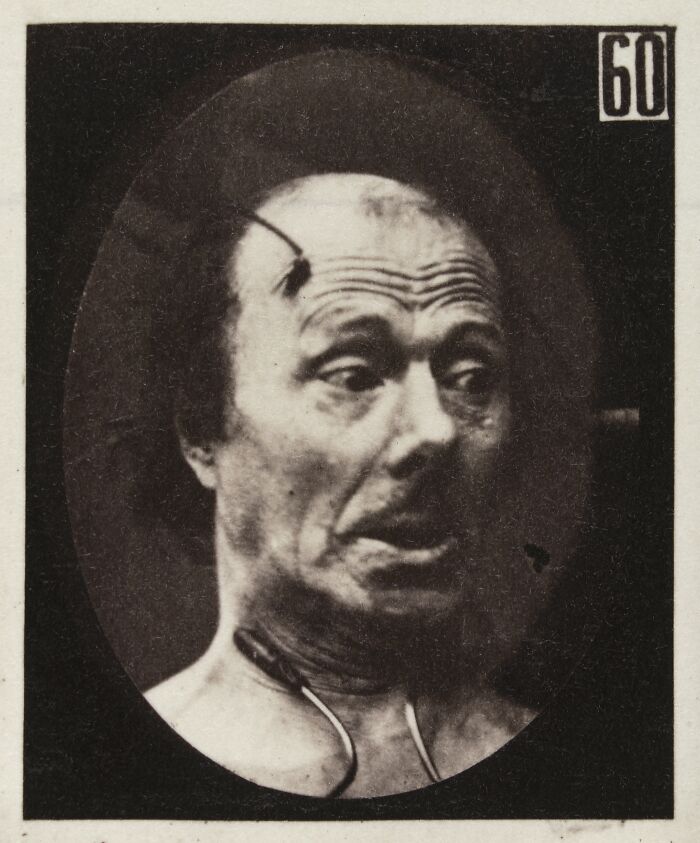
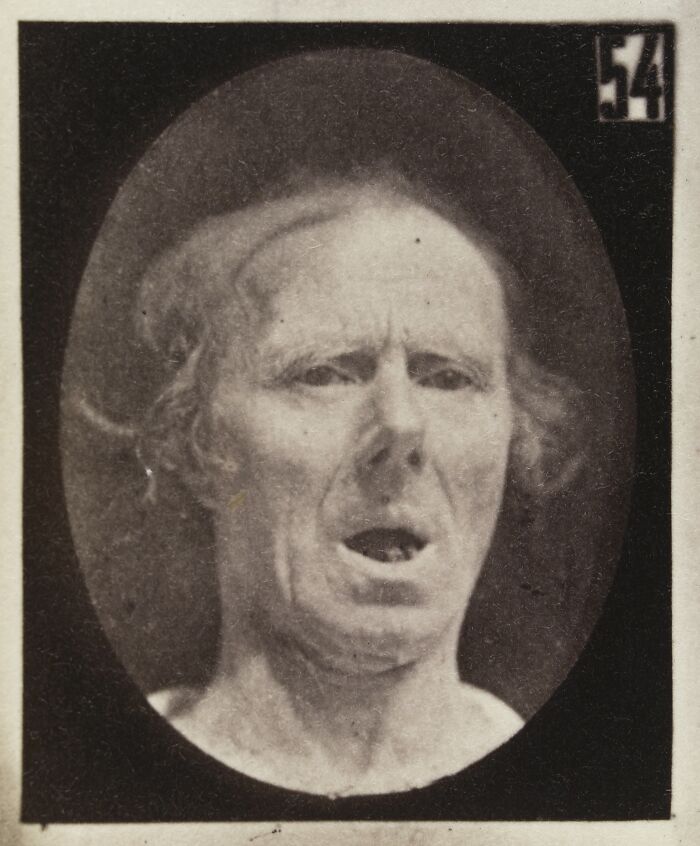
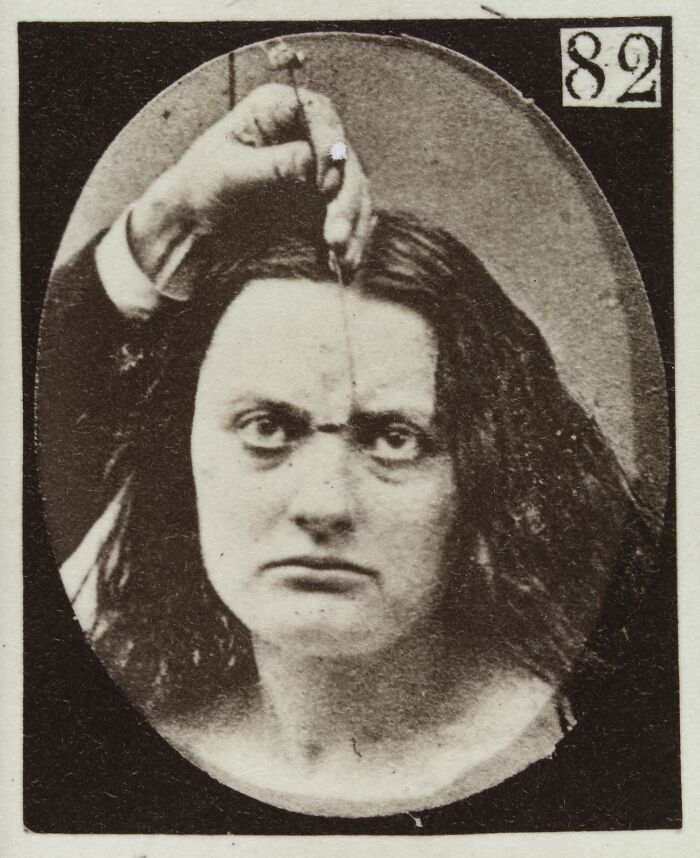
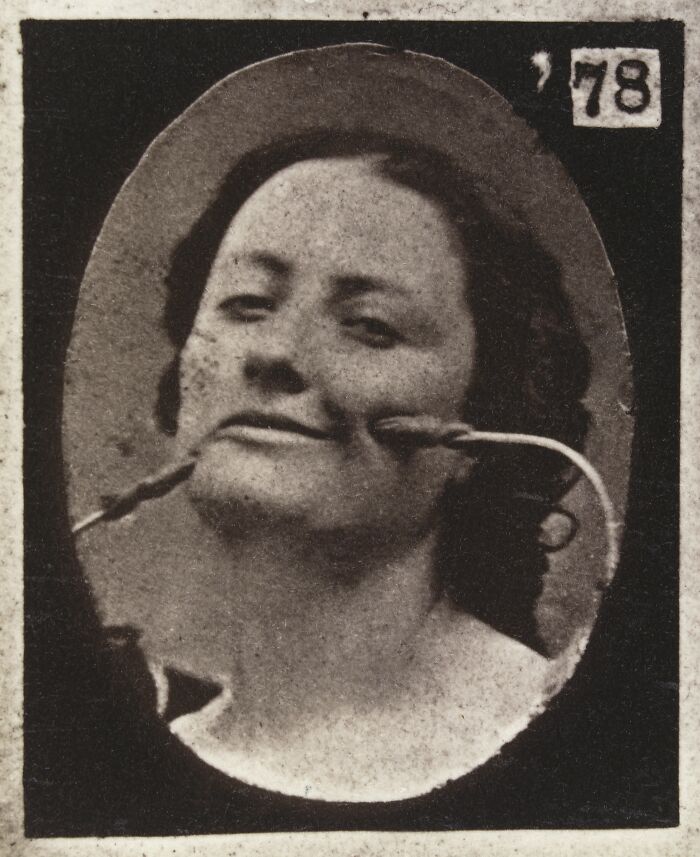
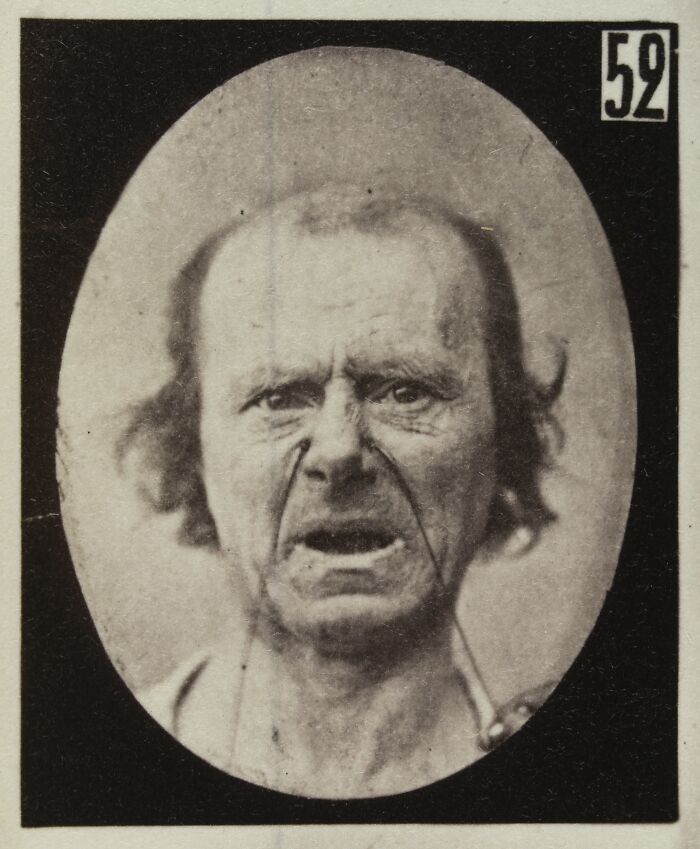
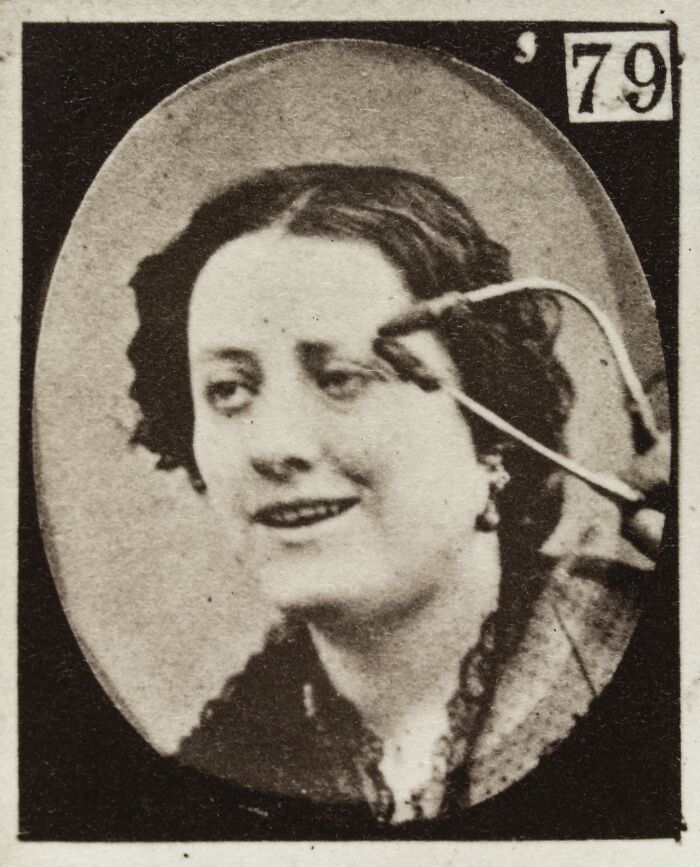
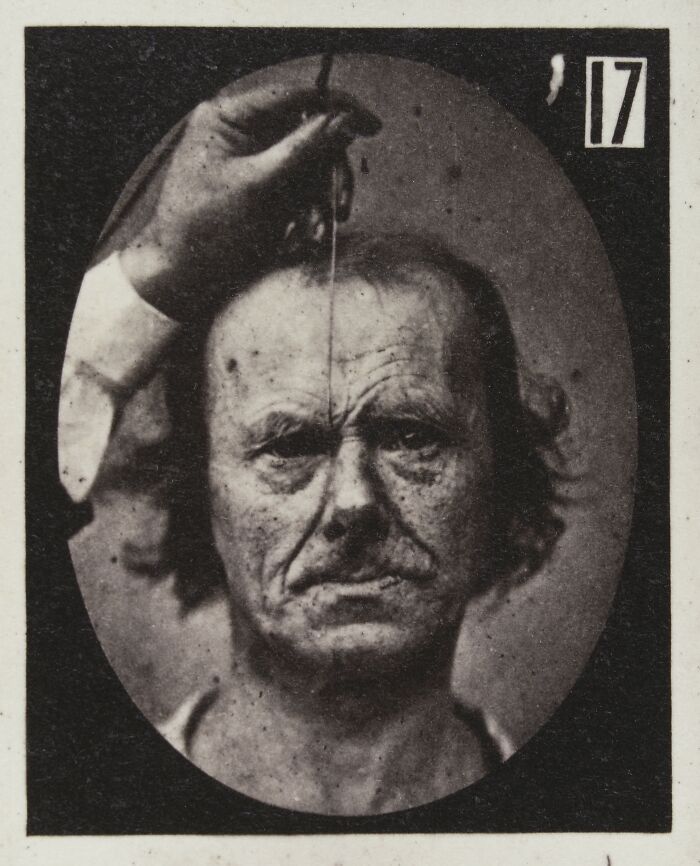
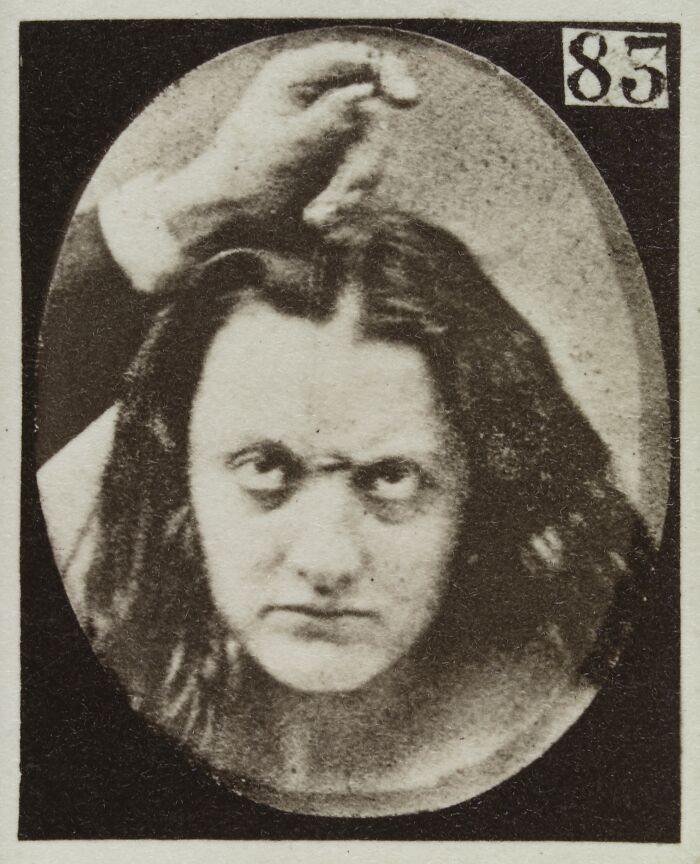
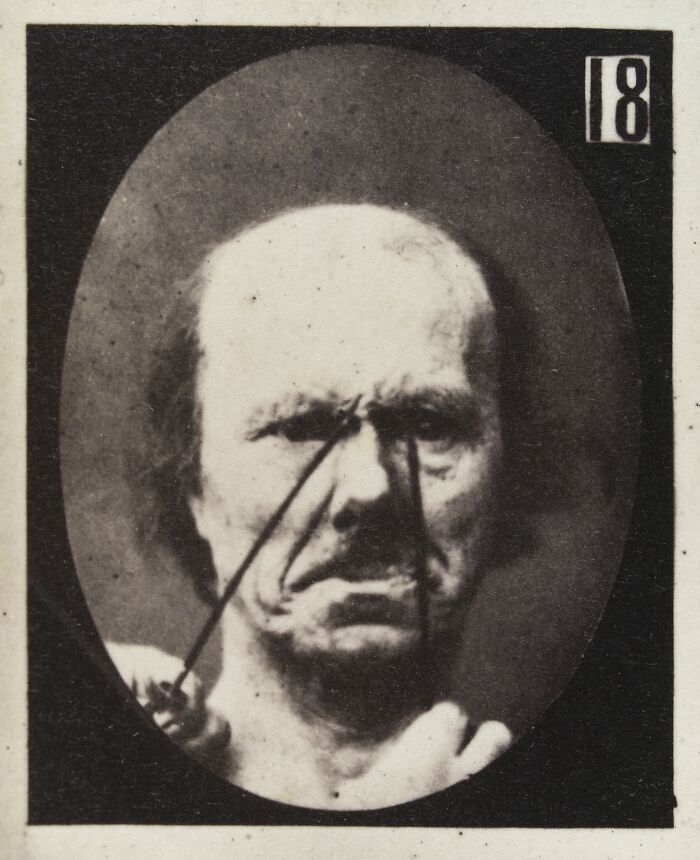
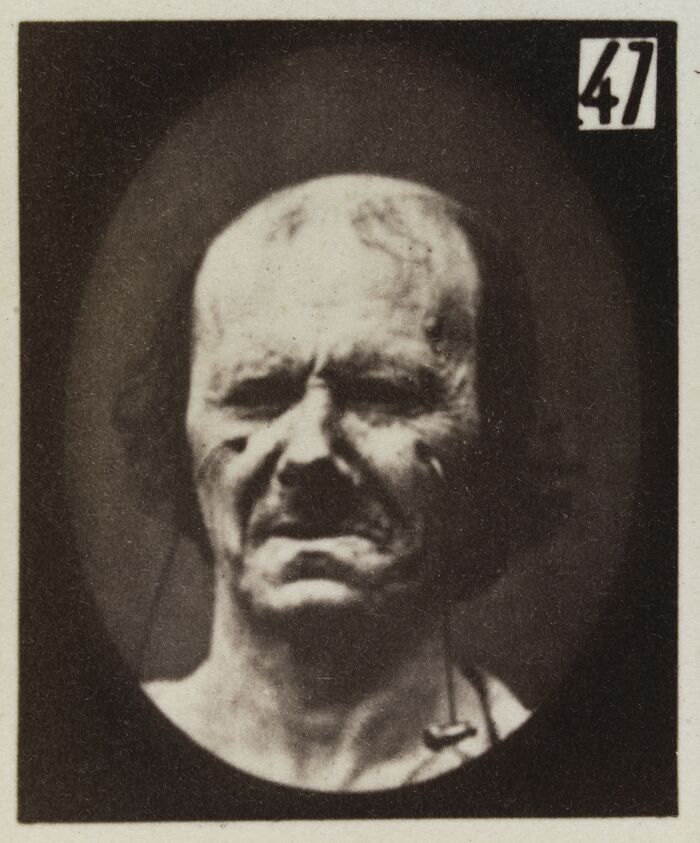
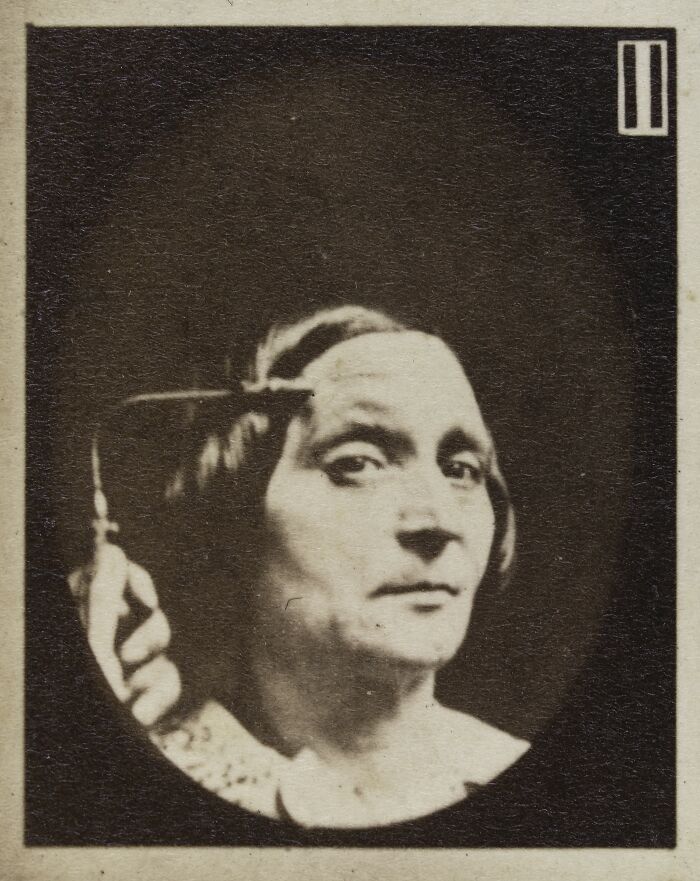
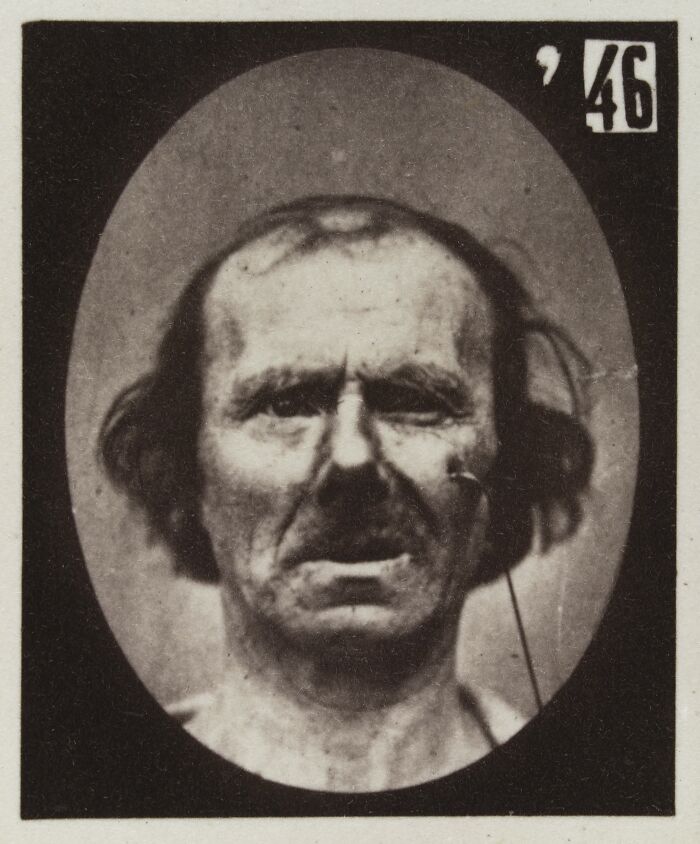
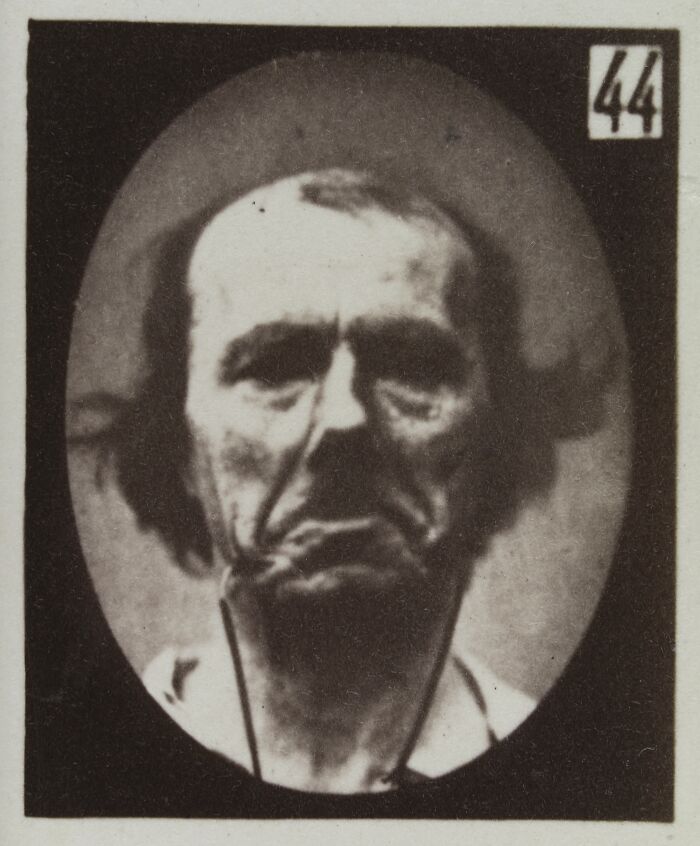
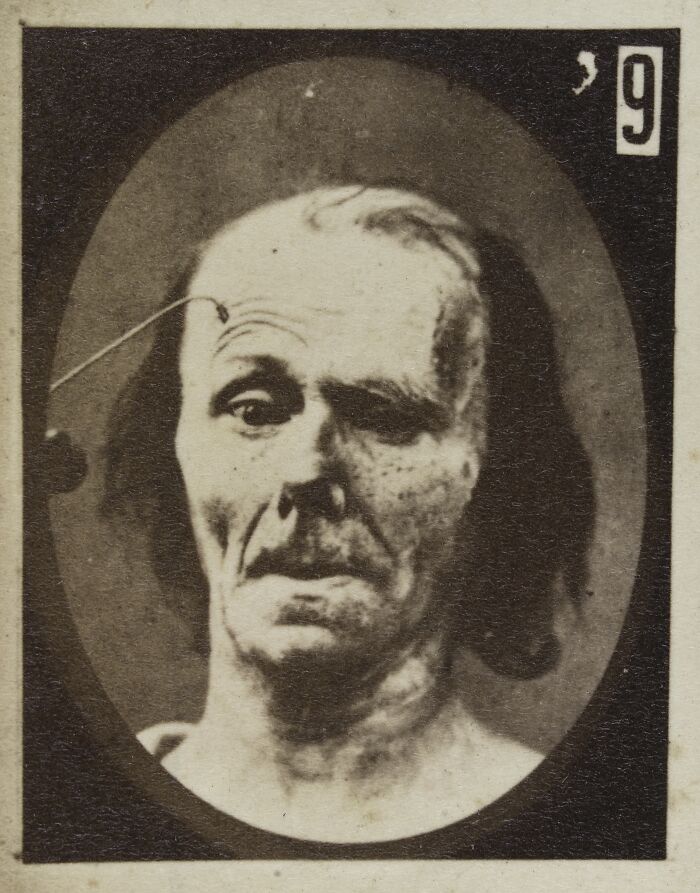
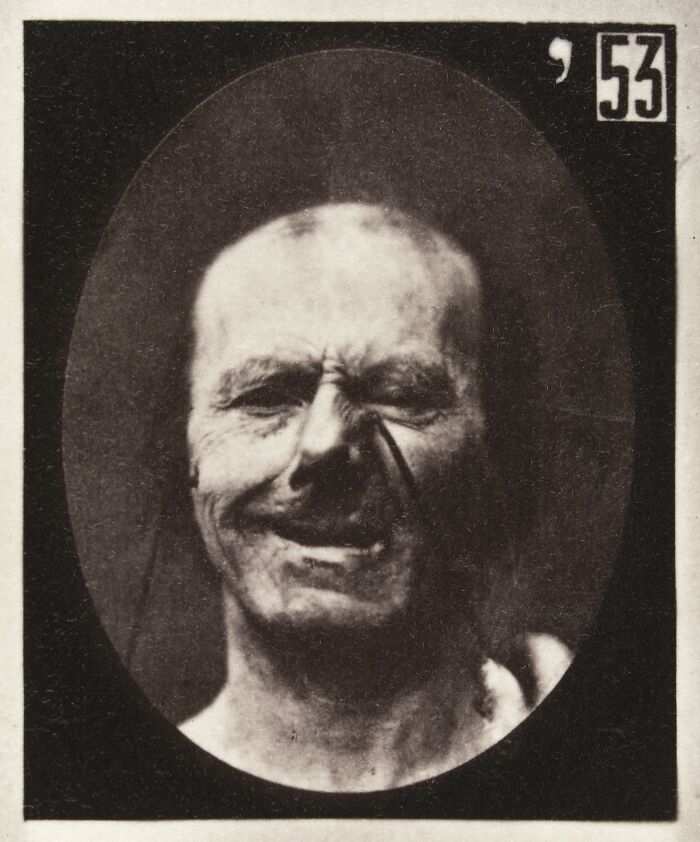
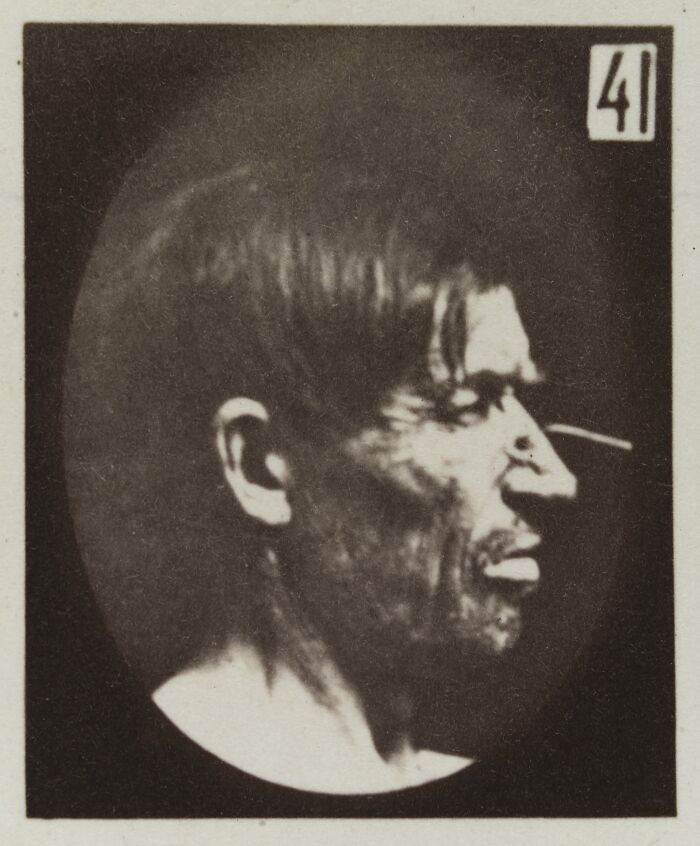
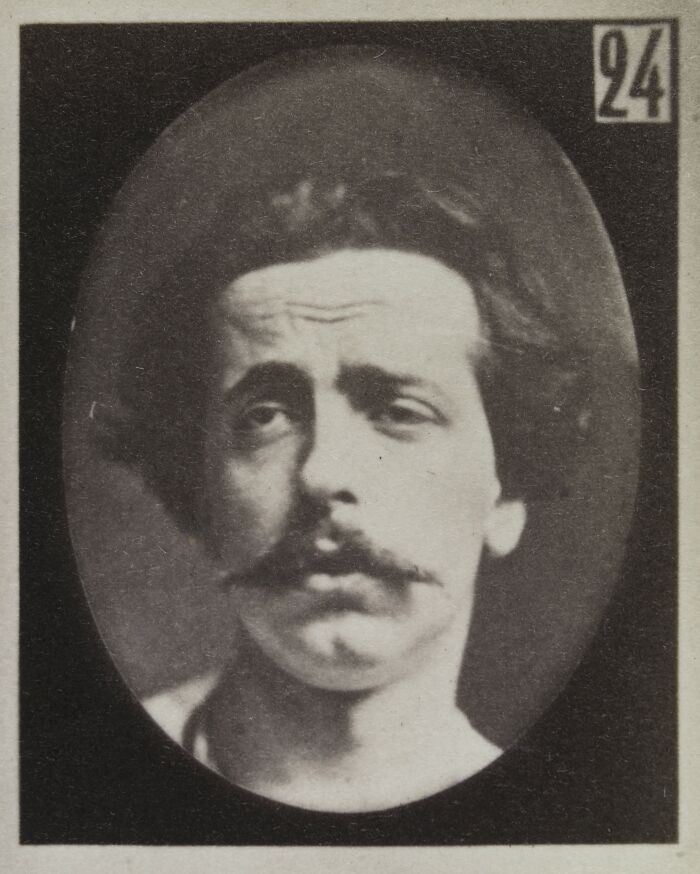
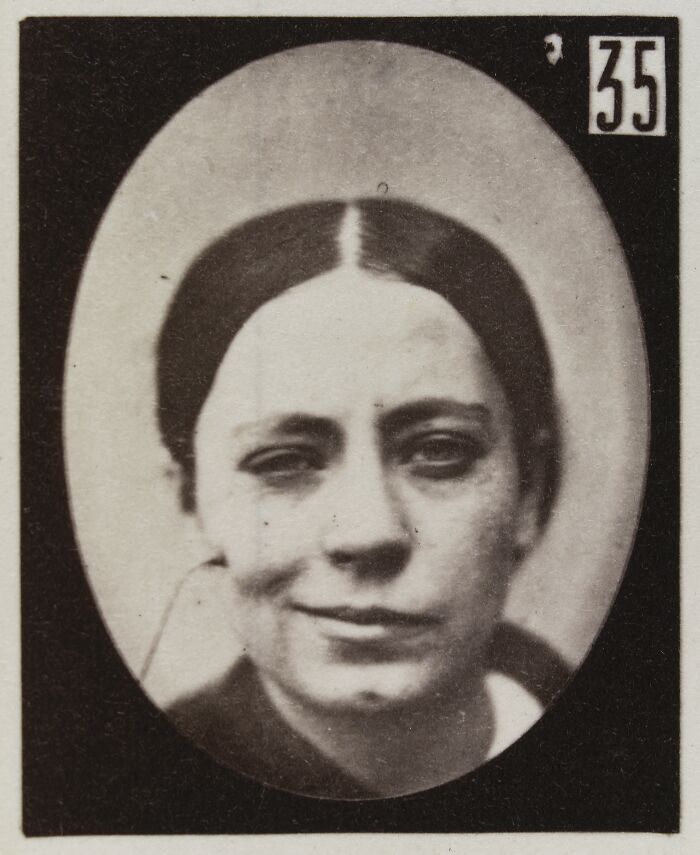
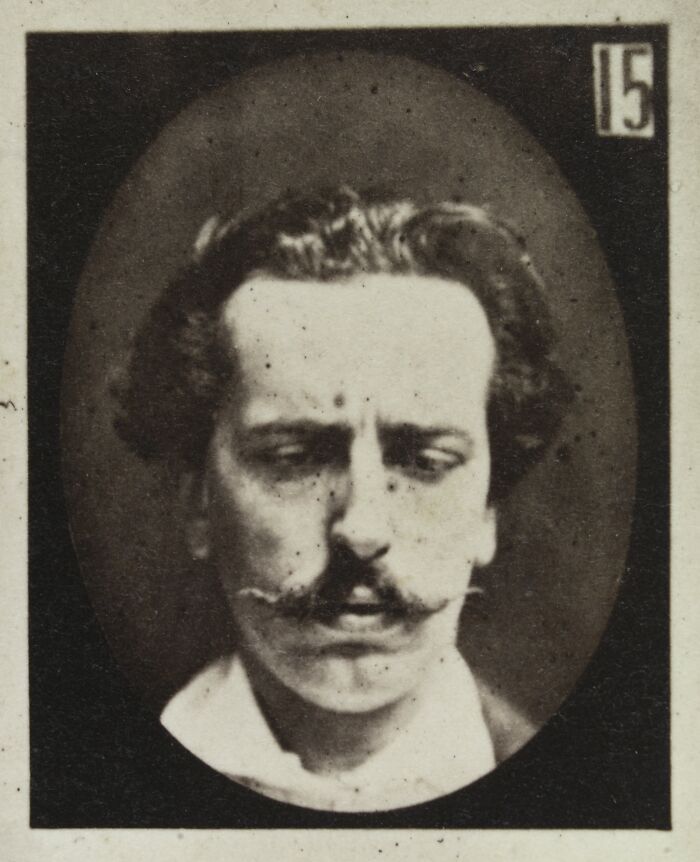
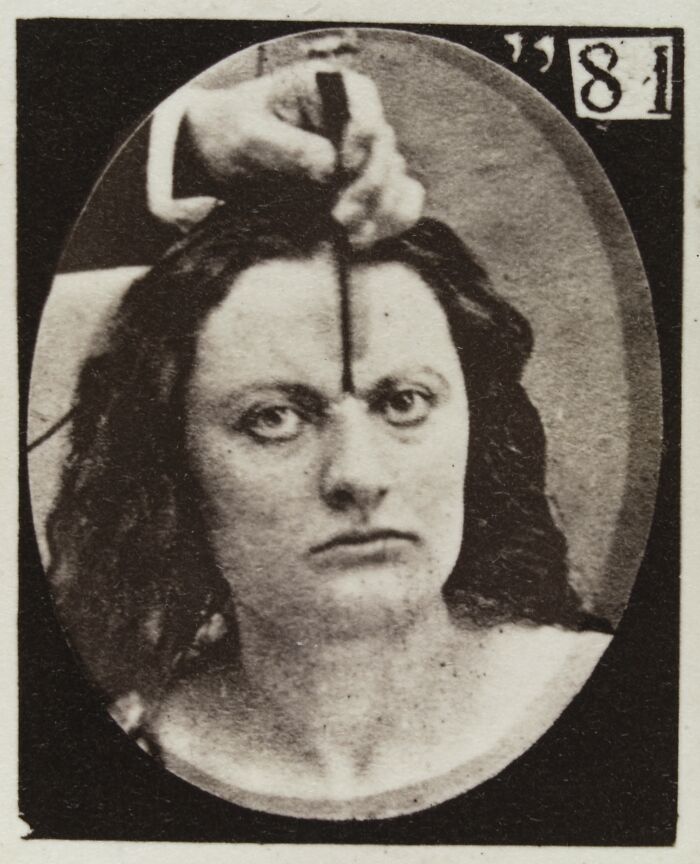
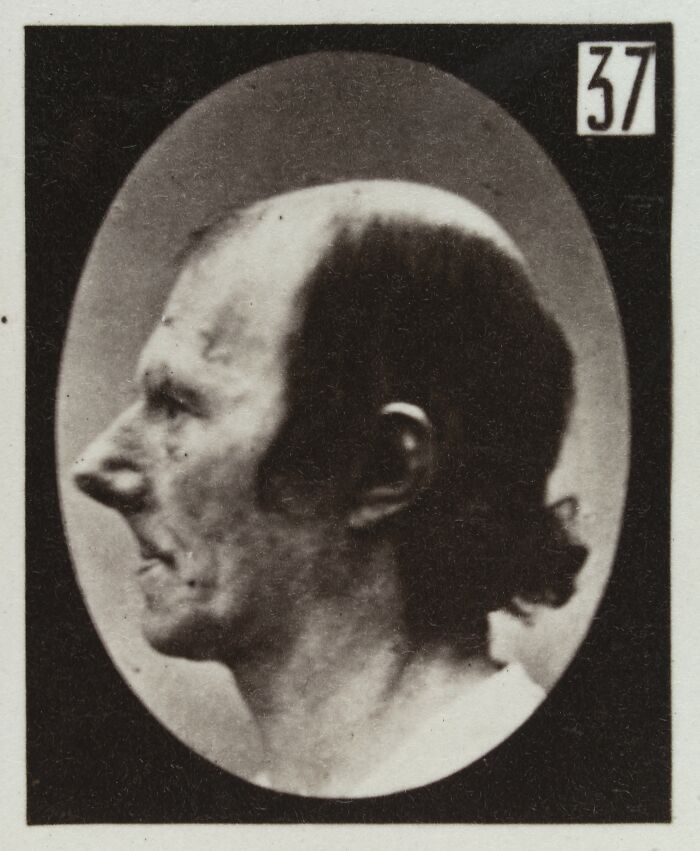
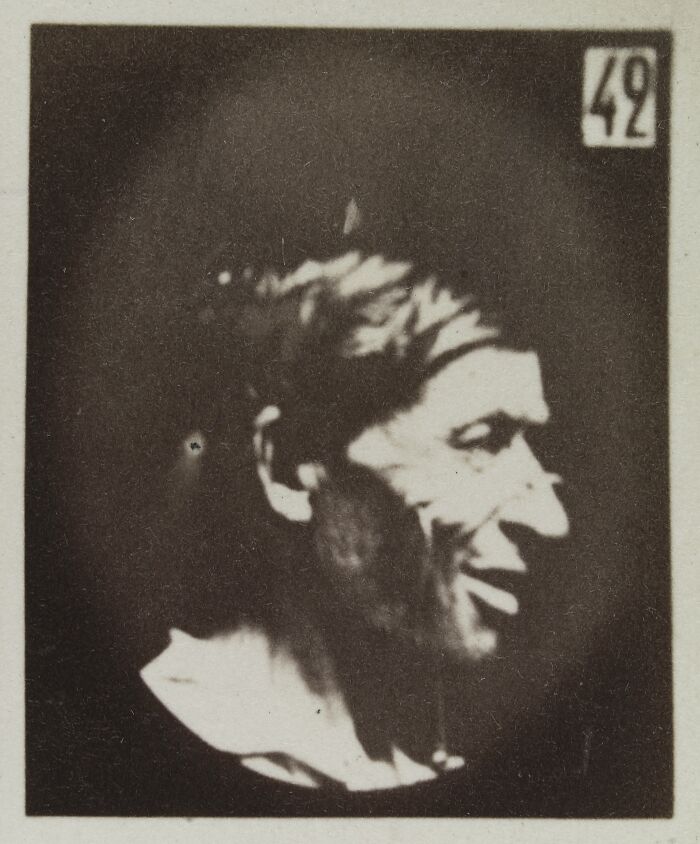
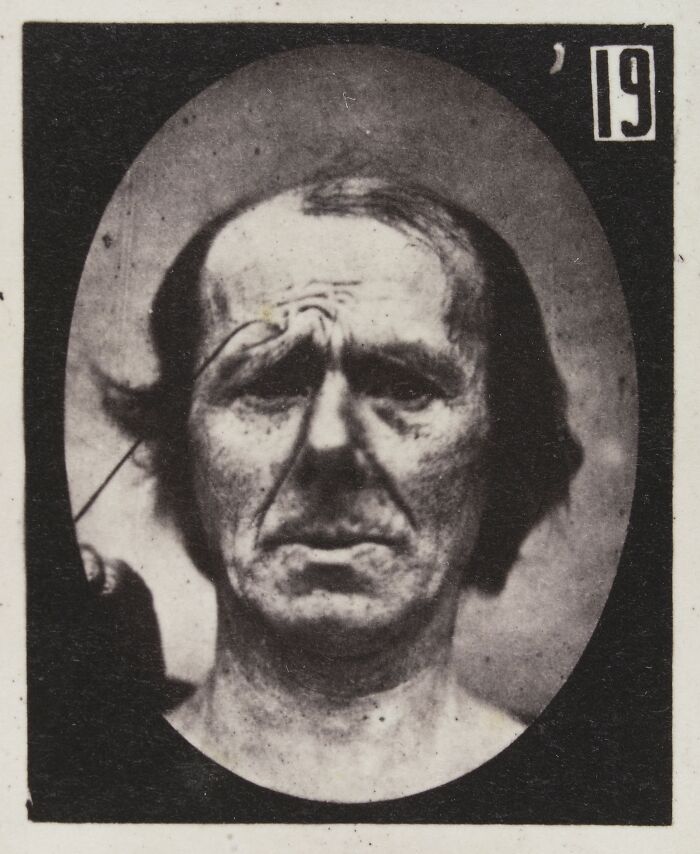
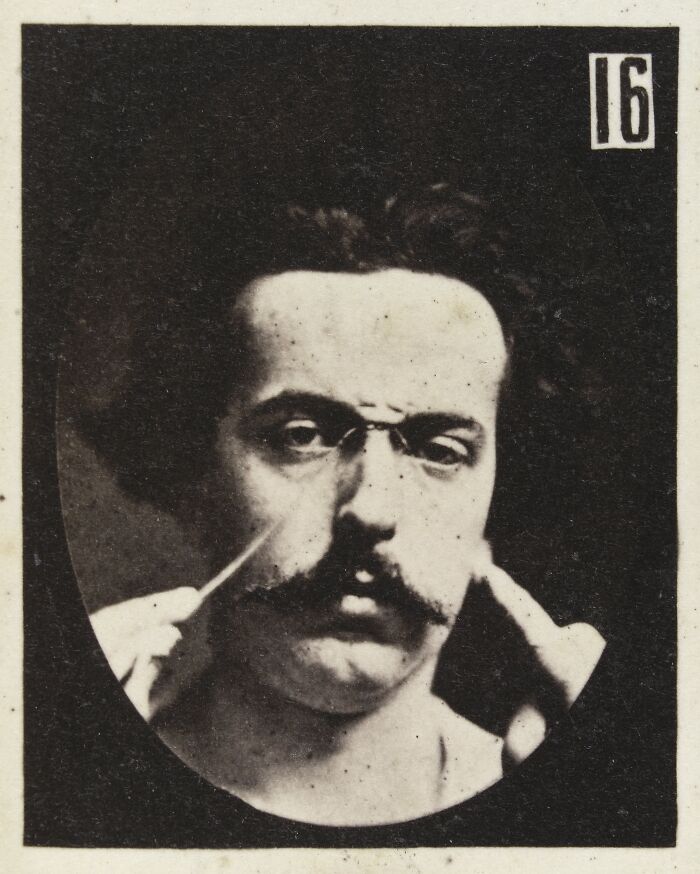
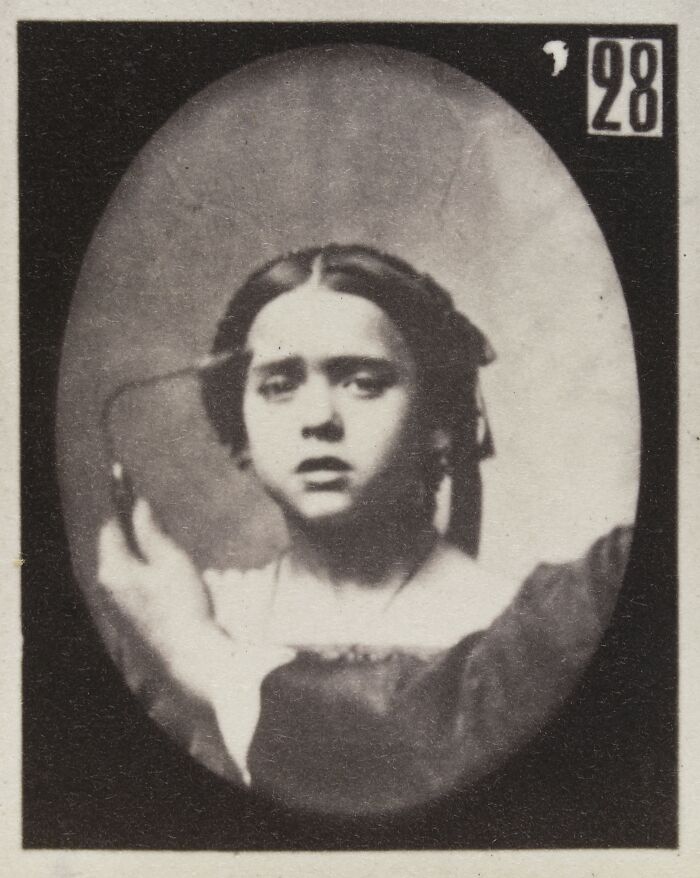
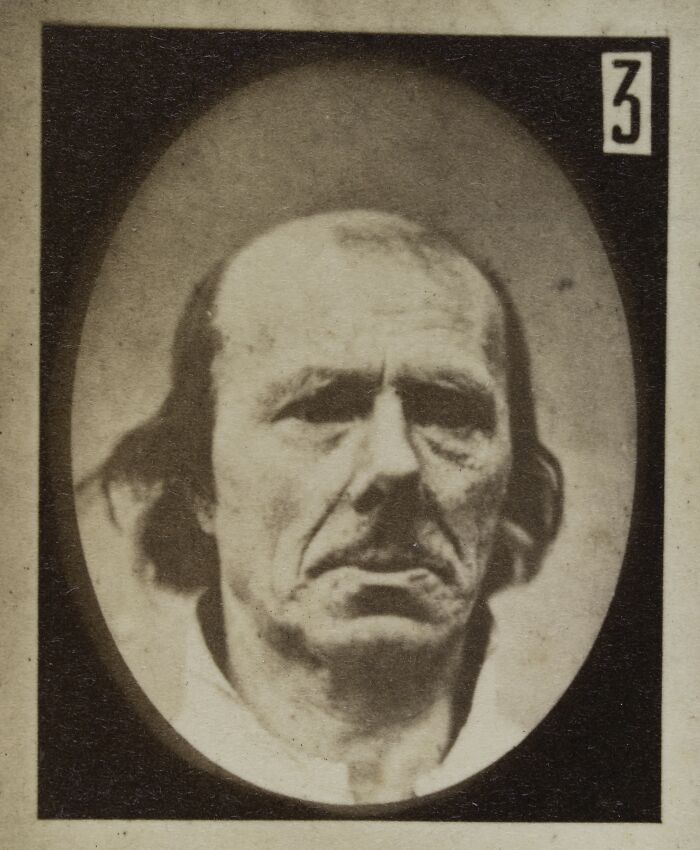
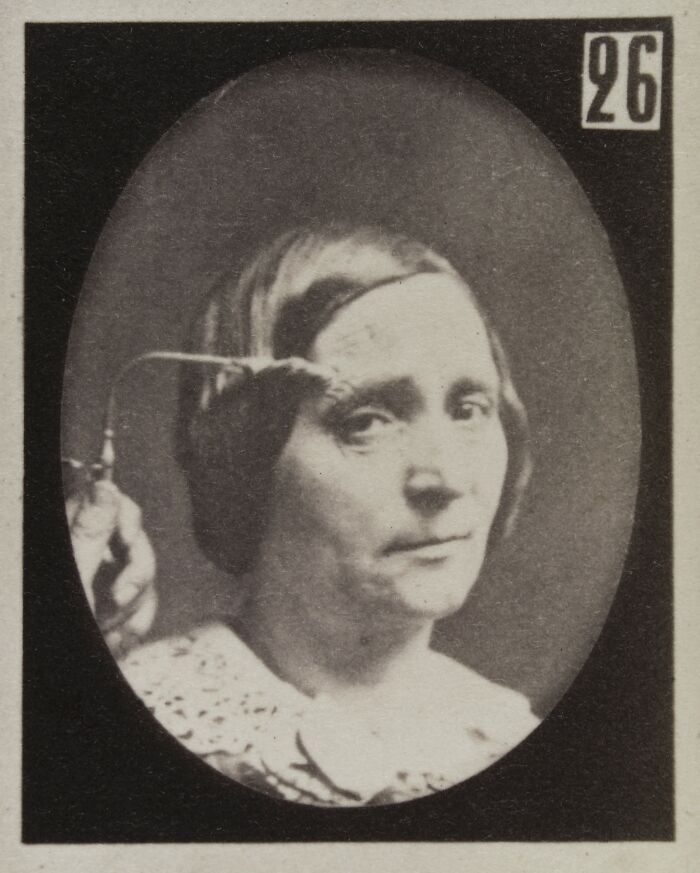
In 1862, French neurologist Guillaume Duchenne carried out an experiment. He stimulated people's facial muscles with small amounts of electricity to test which facial muscles we use for certain facial expressions. Thanks to the experiment, he was able to map out which muscles we use for smiling, frowning, crying, and fixing our resting jerk face.
However, his experiment wasn't without controversies. For the most part, it was about who he used as subjects for his experiment. But it's also about how the photos looked: while some of them seem funny at first glance, there's something unsettling the longer you look at them.
Duchenne's photographs are currently displayed at the Metropolitan Museum of Art, but what do you think, Pandas: are these scientific, artistic, or straight-up creepy?
This post may include affiliate links.
I had a TENS unit once which sends electrical impulses throuh your muscles through electrodes stuck to you. It was for back pain. You could put it on someones arm and make them hit themselves repeatedly lol. With consent of course, I did it too. I dont recommend attaching then to your head anywhere. Pain and colour.
First, let's get all the Duchenne controversies out of the way. When Duchenne was looking for participants for his study, few people agreed to be the subjects. Although he claimed that the electric shock administered only a small amount of electricity and was not painful, it still caused uncomfortable facial spasms.
Experts also don't deem Duchenne's experiments very ethical because he allegedly used mental health patients. Some sources claim that his subjects were paid, but, allegedly, he also used the severed heads of executed criminals to carry out his research.
Some of his notes show that he didn't think very highly of his subjects. As you scroll through the photographs, you'll probably notice that there are five different people in total: a young girl, a young woman, an older woman, a young man, and an old man. The latter was his principal subject, and Duchenne described him as "an old, toothless, man, with a thin face, whose appearance, without being precisely ugly, was more or less nondescript" and whose "intelligence was limited."
The old man was possibly the best subject for Duchenne's experiment. He had a medical condition that meant he had very little feeling in his face. Therefore, he didn't feel as uncomfortable with the electricity-induced facial spasms. His wrinkles also made him more expressive, allowing Duchenne to gauge and evaluate his expressions more clearly.
The young man is identified as Jules Talrich, an anatomist and anatomical modeler. Like his father, Talrich made wax and plaster anatomical models. He worked as a ceroplast at a university in Paris, but also had his own wax museum similar to our contemporary Madame Tussauds in London.
You can argue that Duchenne wasn't a good dude for using questionable tactics "in the name of science." But we can't deny that he's an influential figure in today's medical world. There are five neurological diseases named after him, and we refer to a true, genuine smile as a Duchenne smile.
How is it different from other smiles? A Duchenne smile is a facial expression that we humans recognize as an authentic expression of joy and happiness. Some call it the opposite of the "Pan Am smile," a forced, polite expression that is usually reserved for customers of service workers.
Experts describe a Duchenne smile as one that reaches your eyes, "making the corners wrinkle up with crow's feet." It requires us to use two facial muscles at once: the zygomaticus major muscle lifts the corners of our mouths, and the orbicularis oculi makes our eye corners wrinkle up and lifts our cheeks. Darwin and other researchers have since confirmed that the wrinkle at the eyes is what makes this kind of smile an expression of true joy.
In 2019, researchers found evidence that suggests the Duchenne smile can help us regulate our emotions. They studied individuals who felt ostracized in society, and found that a Duchenne smile helped them "spontaneously regulate their emotion experience" during stressful social encounters.
Another significant accomplishment of Guillaume Duchenne was the discovery of muscular dystrophy in the 1860s. The most common form of muscular dystrophy is even named after Duchenne. He was the first one to describe it, yet the gene that caused this wasn't discovered until the 1980s. Duchenne detailed the case of a boy who had the condition, and later wrote about 13 more cases of affected children. He was also the first one to do a biopsy of the patient's tissue and to examine it.
What do you think about Duchenne's facial experiments? Do you think his findings were worth the pain he possibly inflicted on his subjects? And do the photographs seem less creepy now that you know their purpose and influence on the medical community? Let us know your thoughts below!
And if you feel like you need some eye bleach from all the creepiness, check out this list of animals doing the most random stuff.

From the text: However, his experiment wasn't without controversies. For the most part, it was about who he used as subjects for his experiment. Well who did he use as subjects? I had to look it up: He used his patients, who probably weren't volunteers as the process,was painful.

Yes, they were patients in an asylum, and I don’t think there was any consent to having their pictures taken, if you note the constraints in the heads of some of them. These were vulnerable people with mental issues, and the doctor taking the picture took advantage of them. So it wasn’t some fun research into facial expressions, it was a non-consensual logging of the faces of people were bipolar, suffering from schizophrenia, and a host of other issues that put them in his orbit. Otherwise, he would’ve never been able to take these, or any, pictures. I wish the authors of these articles would dig deeper and find out the reality of thing like this, instead of only skimming the surface, totally misunderstanding them, then presenting them like some kind of fun experiment. I doubt it was fun for the poor patients having their pictures forcibly taken.
Load More Replies...
I'm currently reading Darwin's "the expression of the emotions in man and animals" and some of these photos are included.
From the text: However, his experiment wasn't without controversies. For the most part, it was about who he used as subjects for his experiment. Well who did he use as subjects? I had to look it up: He used his patients, who probably weren't volunteers as the process,was painful.
Yes, they were patients in an asylum, and I don’t think there was any consent to having their pictures taken, if you note the constraints in the heads of some of them. These were vulnerable people with mental issues, and the doctor taking the picture took advantage of them. So it wasn’t some fun research into facial expressions, it was a non-consensual logging of the faces of people were bipolar, suffering from schizophrenia, and a host of other issues that put them in his orbit. Otherwise, he would’ve never been able to take these, or any, pictures. I wish the authors of these articles would dig deeper and find out the reality of thing like this, instead of only skimming the surface, totally misunderstanding them, then presenting them like some kind of fun experiment. I doubt it was fun for the poor patients having their pictures forcibly taken.
Load More Replies... I'm currently reading Darwin's "the expression of the emotions in man and animals" and some of these photos are included.






















 No fees, cancel anytime