Get Premium
Dark mode theme is available exclusively for premium users. Learn more about the benefits of subscribing.
No fees, cancel anytime.

 Dark Mode Ad-Free Browsing Unlimited Content
 Ad-Free Browsing Unlimited Content Dark Mode
Join 1.2 million Panda readers who get the best art, memes, and fun stories every week!
This post may include affiliate links.
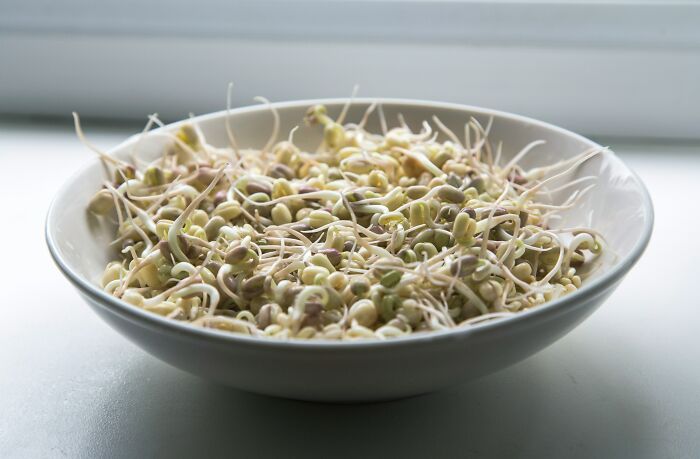
For individuals at high risk of food poisoning, such as children, older adults, pregnant women, or those with compromised immune systems, it's advisable to avoid eating sprouts entirely. This is because, as Isabel Maples, M.Ed., R.D.N., a spokesperson for the Academy of Nutrition and Dietetics, explains, “The warm, moist conditions that cause the seeds to sprout also are ideal for E. coli and salmonella.” Even attempting to grow sprouts at home doesn't eliminate this risk, as the initial seeds themselves could be contaminated. While sprouts might be consumed a day or two beyond their sell-by date, any sign of sliminess means the entire package should be discarded. As a general safety measure, cooking sprouts before eating them is a better approach.
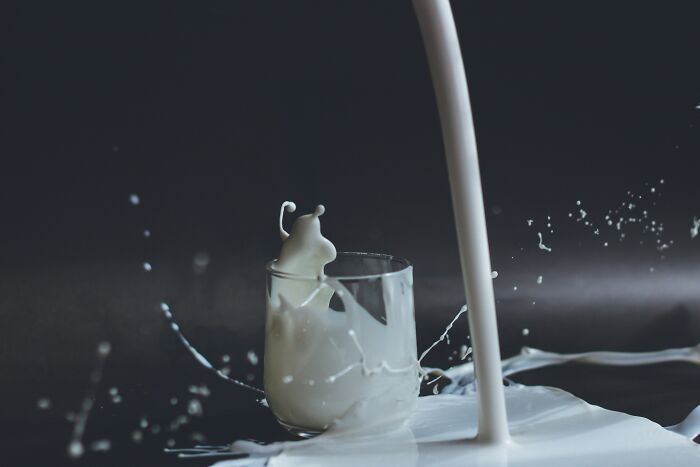
When it comes to dairy, you should never drink raw milk, no matter what the date says. This is because it hasn't been pasteurized to remove harmful germs like salmonella, E. coli, listeria, and campylobacter. Other dairy products can also go bad quickly after you open them. They have a lot of protein, which bacteria like to grow on. Katherine Zeratsky, R.D.N., a clinical dietician with Mayo Clinic, notes, “Milk products have a protein content that’s a good growing medium for bacterial action.” She also advises, “If they develop a sour smell, off color or curdling, you’ll obviously want to toss them.” Generally, once you open these kinds of milk products, it's best to use them up within about a week.
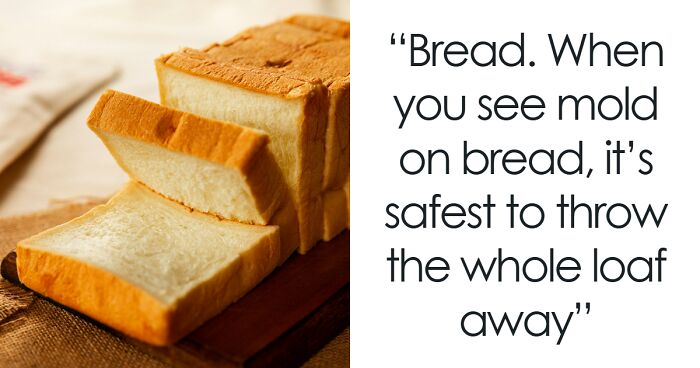
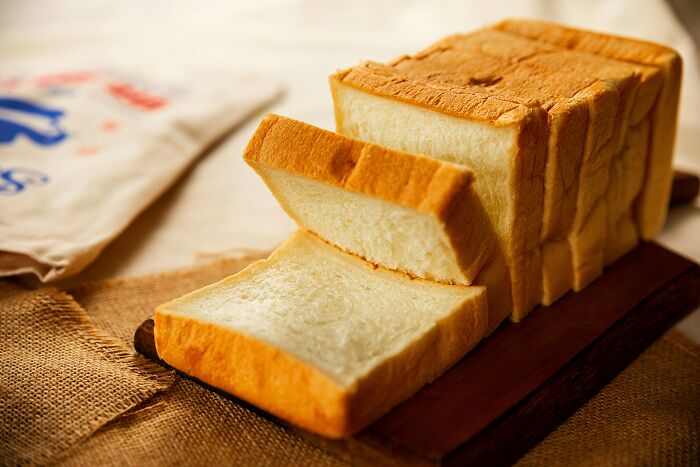
When you see mold on bread, it's safest to throw the whole loaf away. According to an expert, “Many types of mold are poisonous and pose a risk to health. Since consumers can’t distinguish between types of harmful versus harmless mold, the safest bet is to toss it. Even though the mold is visible on one or spots, it is likely present throughout the food.” Another added that “Bread has a fluffy, porous texture. When combined with mold spores, it’s a recipe for food waste because you shouldn’t try to salvage a loaf once you see mold on a slice.” This is good to keep in mind, particularly with fresh bread from a bakery or farmers' market, as it might not always have an expiration date printed on it.
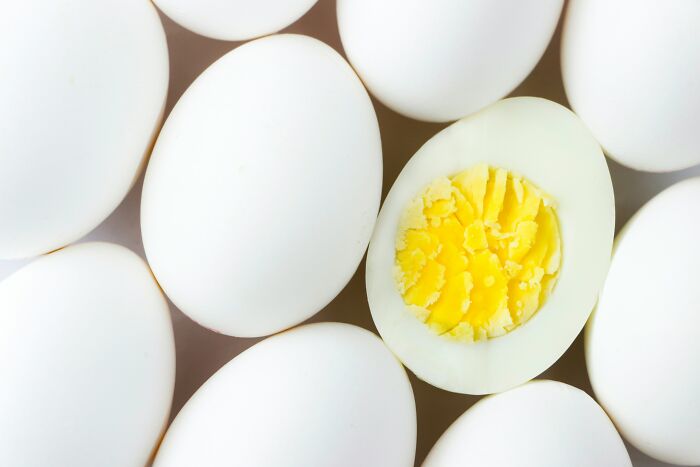
Should your eggs crack while you're hard-boiling them, they are still perfectly fine to eat. After cooking, these hard-boiled eggs will remain good for approximately one week. This information comes from Isabel Maples, M.Ed., R.D.N., a spokesperson for the Academy of Nutrition and Dietetics.
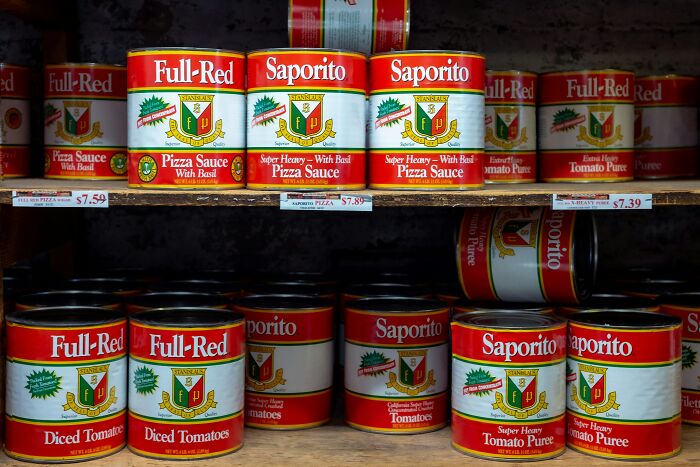
If a can has dents, rust, or is swollen, it's best to throw it away. However, "Canned goods can be used long past the sell-by date as long as the can isn't damaged," according to Clinical dietician Katherine Zeratsky, R.D.N., with Mayo Clinic. The type of food inside matters for how long it lasts. Unopened high-acid foods, like tomatoes or pineapple, are usually good for about a year past their best-by date. Low-acid canned items, such as beans or corn, can last much longer, sometimes up to five years.
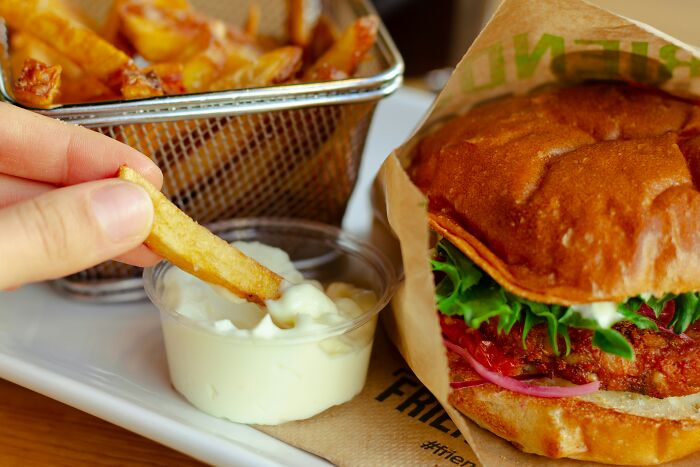
To help your mayonnaise last longer and prevent it from spoiling quickly, it's a good practice to spoon out the amount you need and then use a separate knife to spread it. This way, you avoid dipping back into the container and introducing contaminants. Isabel Maples, M.Ed., R.D.N., from the Academy of Nutrition and Dietetics, notes that "Mayo can last up to six months in the pantry and two months once opened and stored in the fridge." However, if you notice the mayo's quality declining or if it starts to separate, it's time to throw it out.
Once you bring raw fish or seafood home, U.S. Food and Drug guidelines suggest you should store it in your refrigerator for only one or two days before you either cook it or move it to the freezer. You can tell if seafood has gone bad by its smell; "sour, fishy, or ammonia odors" are key indicators, and these smells often get "stronger after cooking." If you detect these, food safety officials recommend "tossing the food." When you're at the store selecting raw fish, always check that it’s "being stored on a bed of ice that’s not melting." If the fish looks "dry or mushy, it’s probably old, and not safe to eat."
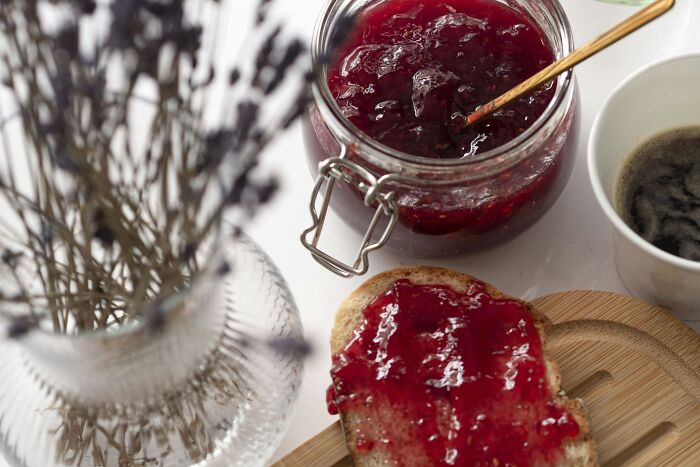
For unopened jars of jam or jelly, your pantry is a suitable storage spot where they can last for 6 to 18 months. Once opened, transferring them to the refrigerator extends their usability for another 6 to 12 months. If you've had a jar in the fridge for a while and observe sugar crystallizing, this is a normal occurrence, and the product remains safe for consumption; you don't need to throw it out right away simply because it seems to have been around for a long time.
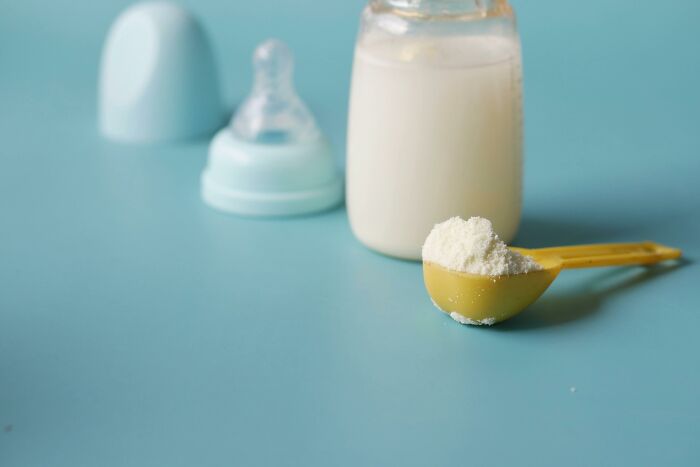
Discarding baby formula after its "use-by" date is crucial. Don Schaffner, Ph.D., a food microbiologist and distinguished professor at Rutgers University School of Environmental and Biological Sciences, explains, “It’s the sole source of nutrition for babies being fed formula. We know it contains the listed nutrients until the date on the label. But feeding your baby this after that date could be contributing to a nutrient deficiency.” Therefore, adhering to the "use-by" date ensures the infant receives the intended nutritional benefits.
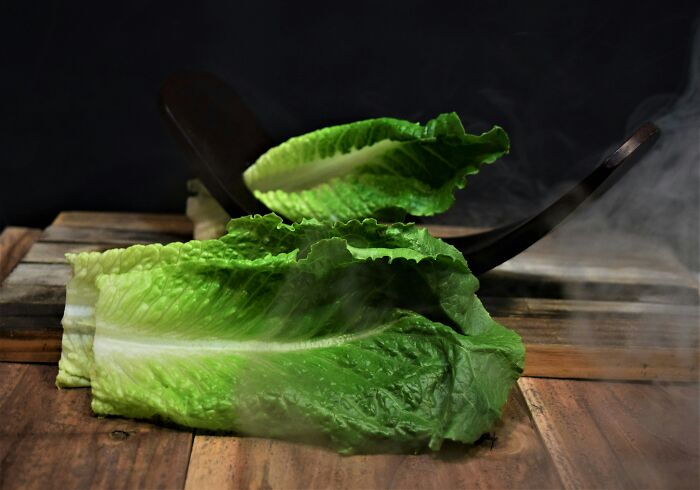
Keep an eye on head lettuce, as it generally stays fresh for about five days in the refrigerator. A key tip is to make sure it's dry, because lettuce that's wet will go bad more quickly. If you notice your lettuce turning slimy, it's best to throw the whole head out. "Leafy greens account for about half the food safety outbreaks with produce,” says Isabel Maples, M.Ed., R.D.N., spokesperson for the Academy of Nutrition and Dietetics. Cabbage, however, is a bit different; it can keep for months. If the outer leaves become soft, you can simply peel those off and use the rest.
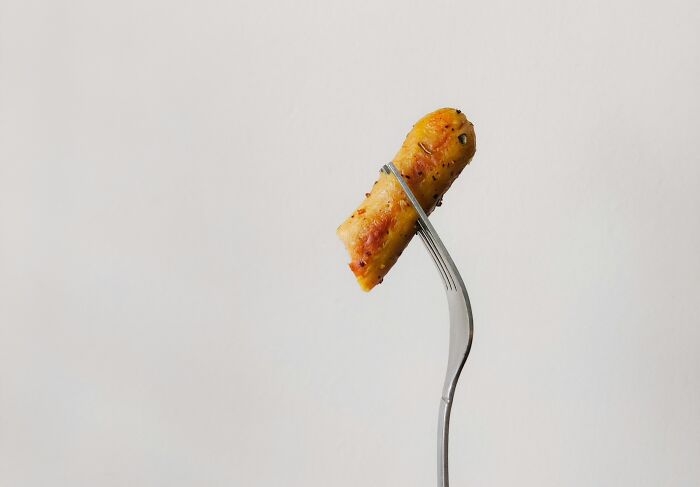
When dealing with any type of sausage, "the foodborne illness risk is listeria," according to Isabel Maples, M.Ed., R.D.N., a spokesperson for the Academy of Nutrition and Dietetics. Most sausages you buy will have a best-by date. For fresh sausages, you'll want to keep them in the refrigerator and use them within one to two days. Hard sausages offer a longer storage window; they can be kept for up to six months in the pantry or, after opening, for three weeks in the fridge. As for hot dogs, they can be stored in the fridge for about a week once opened, or for two weeks if the package is still sealed.
To get the most out of fresh berries, it's best to "toss any that are mushy or moldy," advises Isabel Maples, M.Ed., R.D.N., a spokesperson for the Academy of Nutrition and Dietetics. She also suggests washing them just before you plan to eat them, as "berries that stay wet are more likely to deteriorate." These fruits, which are packed with antioxidants, have a short window of freshness, typically lasting only 3 to 5 days after you buy them. If you don't think you'll eat them within that timeframe, you can freeze them, and they'll keep for up to a year.
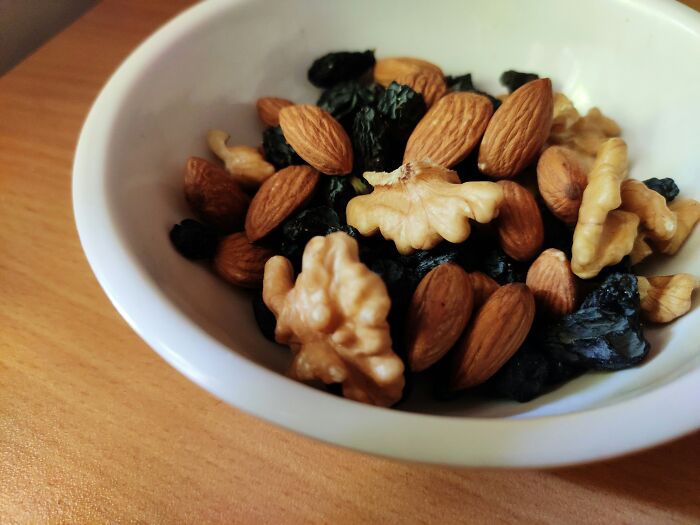
You'll know nuts have gone bad by their taste; "when the oils oxidize, the nut produces a bitter or sour taste, letting you know it's gone rancid,” explains dietitian Kelsey Kunik, RDN and nutrition advisor for Zenmaster Wellness. This happens because nuts are "so high in unsaturated fats, they tend to go rancid quickly," Kunik notes. To help them last longer, most nuts can be kept for about four to six months at room temperature if you store them in an airtight container in a dark location. Regarding consumption of spoiled nuts, Kunik adds, “While it's safe to eat nuts that have gone bad in small amounts, you won't want to because of the bad taste.”
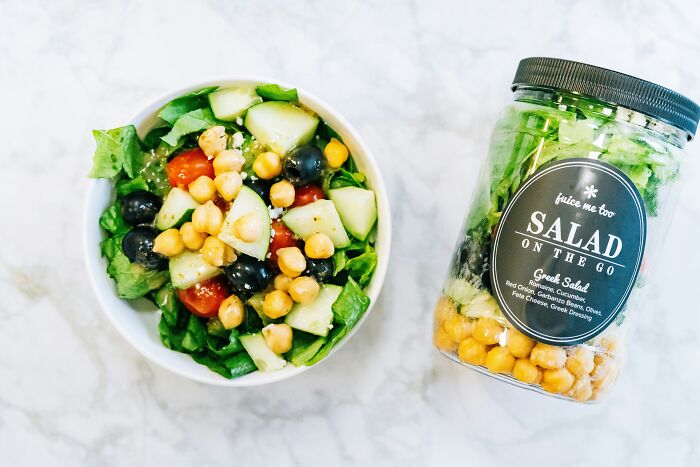
It's wise to discard pre-packaged salads if they've gone past their expiration date, or if you notice the lettuce has become brown or slimy. Generally, these types of salads are best consumed within a few days of purchase. Registered dietitian Isabel Smith, RDN, explains the reason for this caution, stating, “Pre-packaged salads can quickly become breeding grounds for harmful bacteria.”
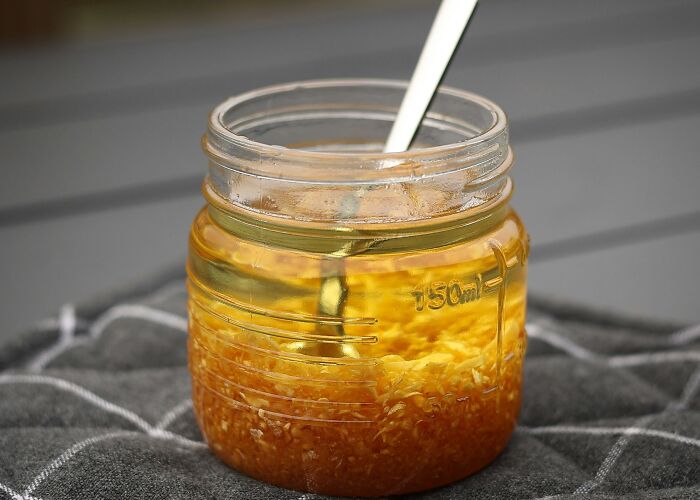
A significant safety concern with homemade garlic-in-oil mixtures is the potential for botulism to develop over time, as highlighted by the USDA. If you happen to chop more garlic than you require for a recipe and decide to store the excess in olive oil, it's essential to place it in an airtight container and refrigerate it promptly. Under these conditions, it should be used within one week. Extending its storage beyond this period is not advisable. This contrasts with commercially prepared pre-minced garlic, which is treated with preservatives to ensure it remains safe for consumption for a longer period.
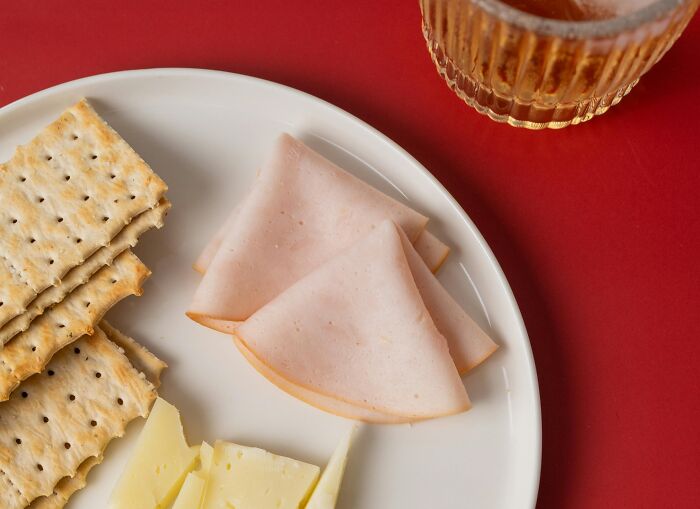
Be mindful that deli meat can harbor Listeria, a bacterium that "grows even in cold temperatures and can cause fever, muscle aches, diarrhea, and serious complications for pregnant women." Therefore, it's crucial not to wait for visible signs like sliminess or an off-smell, as by that point, it might already be unsafe. For items like hickory smoked turkey slices obtained from the deli counter, Londa Nwadike, Ph.D., a food safety specialist for Kansas State University and the University of Missouri, advises they "are only going to last you about 3 to 5 days." This timeframe applies unless you've purchased prepackaged deli meat in truly air-tight packaging.
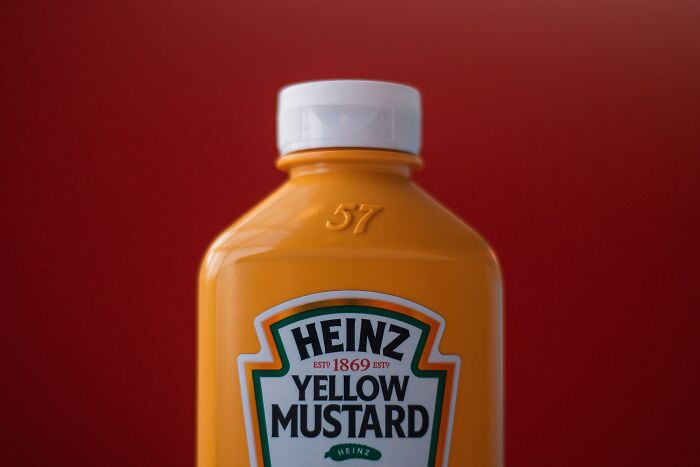
Mustard offers a notable shelf life, which is good news if you like to use it often. "Because of its acidity, mustard lasts up to a year in the fridge after opening," says Isabel Maples, M.Ed., R.D.N., spokesperson for the Academy of Nutrition and Dietetics. Should you find an unopened bottle that's past its best-by date and seems to be separating or has changed color, this is typically an issue of quality rather than a safety hazard, meaning it's often still alright to eat.
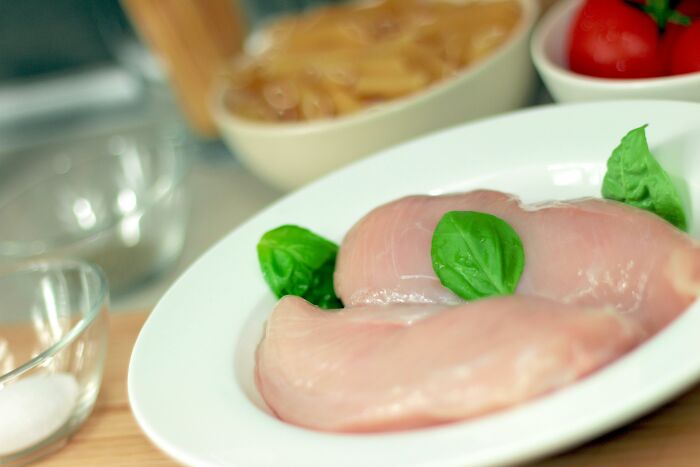
Be sure to cook or freeze fresh raw meat by its "use by" date. This is because bacteria like Salmonella and E. coli, which can cause foodborne illnesses, are often present on meat sold in stores and can multiply quickly after that date. Even before the "use by" date passes, it's crucial to cook your meat to the correct temperature to stay safe (you can look up safe minimum cooking temperatures for different meats). Ground beef carries a particularly high risk. According to Deborah Orlick Levy, R.D., a health and nutrition consultant for Carrington Farms, this is "because it's handled more during processing."
It's a good idea to get your leftovers into the fridge or freezer within two hours after cooking them. If you have large pieces of food, or big batches of things like soup or casseroles, it helps to cut them into smaller pieces or divide them into smaller containers. This allows them to cool down more quickly to a safe temperature once they're in the refrigerator. Keep in mind that most leftovers are only good for about three to four days when stored in the fridge. Clinical dietician Katherine Zeratsky, R.D.N., with Mayo Clinic, advises that after that time, you should "get rid of it or you risk food poisoning."
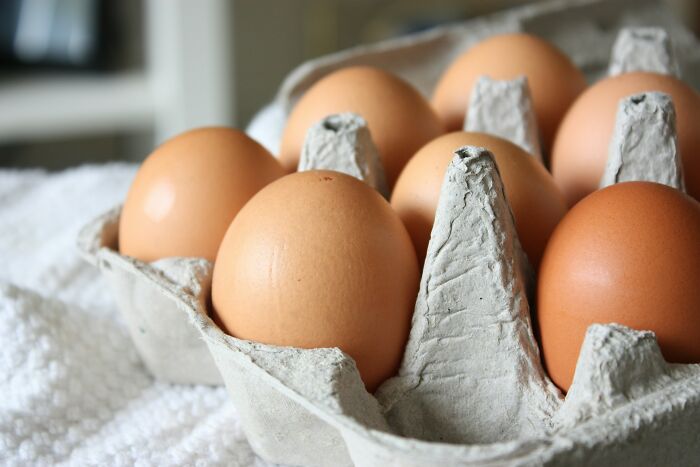
You have a good amount of time to use eggs you purchase. "Eggs have a shelf life of three to five weeks,” according to Isabel Maples, M.Ed., R.D.N., a spokesperson for the Academy of Nutrition and Dietetics. She adds, “Even if the sell-by date passes, they’re still okay to eat if they’ve been kept in a fridge at the proper temperature of 40 degrees or colder.” Interestingly, federal rules don't mandate a “sell-by” or “use-by” date on egg cartons, although individual states might have such requirements. However, it's crucial to discard any eggs that are cracked due to the risk of salmonella.
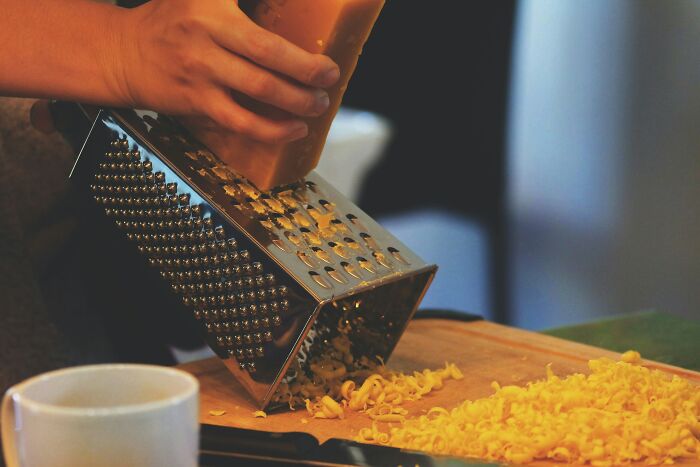
If you spot any mold in your bag of shredded cheese, it's crucial to "toss the entire bag because you have no idea how far the mold extends," cautions clinical dietician Katherine Zeratsky, R.D.N., with Mayo Clinic. This is particularly important because once a package of shredded cheese is opened, mold can begin to grow quite rapidly, so it's best to use it up within a few days. While an unopened package might last about a week beyond its printed sell-by date, vigilance is key after that seal is broken.
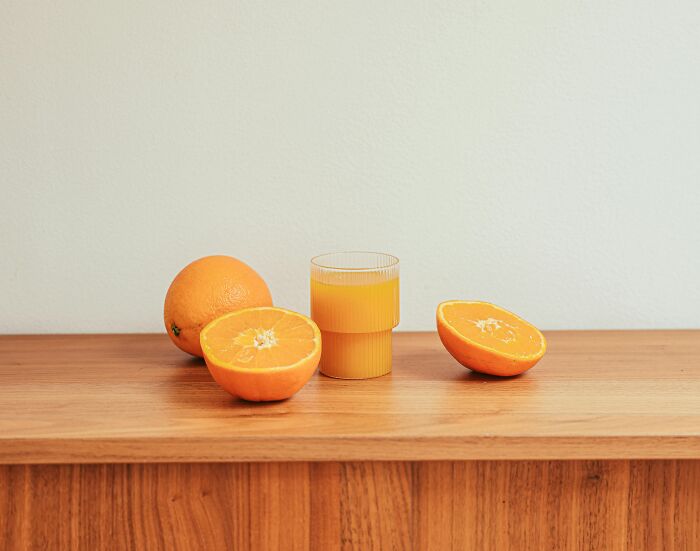
When considering juices, keep in mind that "Fresh-squeezed juices also have a short shelf life, so drink within a few days of purchase," according to clinical dietician Katherine Zeratsky, R.D.N., with Mayo Clinic. For juices that have been commercially processed, they generally stay good for about a week to 10 days once you've opened them. A different concern arises with unpasteurized juices: bacteria from the original produce can sometimes make their way into the final drink. For this reason, individuals who are at a higher risk of food poisoning should steer clear of any juices or ciders that have not undergone pasteurization.
For soft cheeses like cottage cheese and ricotta, which typically have a sell-by date, it's best to use them within about a week when stored in the fridge. Isabel Maples, M.Ed., R.D.N., a spokesperson for the Academy of Nutrition and Dietetics, explains that “Anything with a high moisture content will allow the bacteria and mold to move easily from one section of the food to another.” Because of this, she advises to “toss anything that has visible spoilage.”
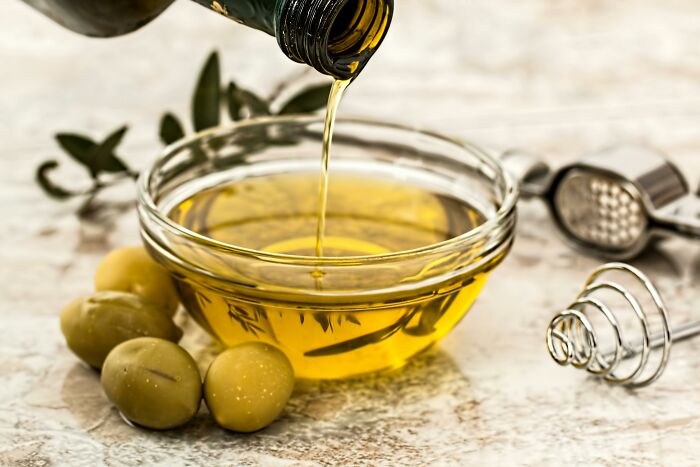
To maximize the shelf life of most cooking oils, storing them away from heat and light is beneficial. Generally, you can expect them to last for about a year on the shelf before being opened, and roughly six months after you've started using them. Clinical dietician Katherine Zeratsky, R.D.N., with Mayo Clinic, notes that "In time, they develop a rancid, bitter taste and should be discarded." Once this change in flavor occurs, it's best to get rid of the oil.
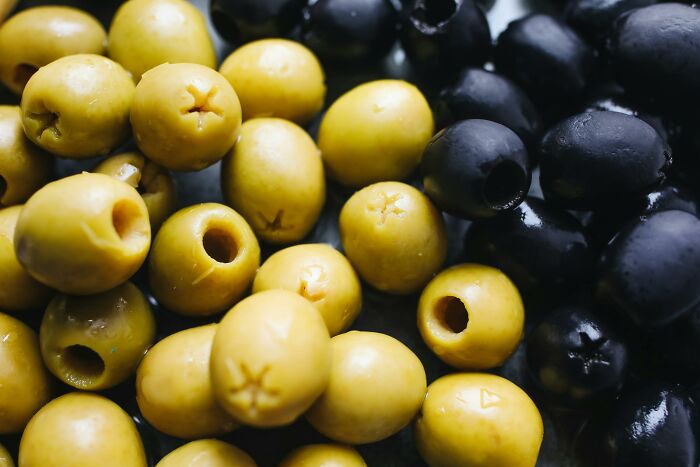
Isabel Maples, M.Ed., R.D.N., a spokesperson for the Academy of Nutrition and Dietetics, advises that olives remain good for "18 months after purchase if sealed, but only two weeks in the fridge once opened." If you find you're not using these products up within that two-week window after opening, she suggests you "Buy smaller jars if you don’t seem to go through them fast enough."
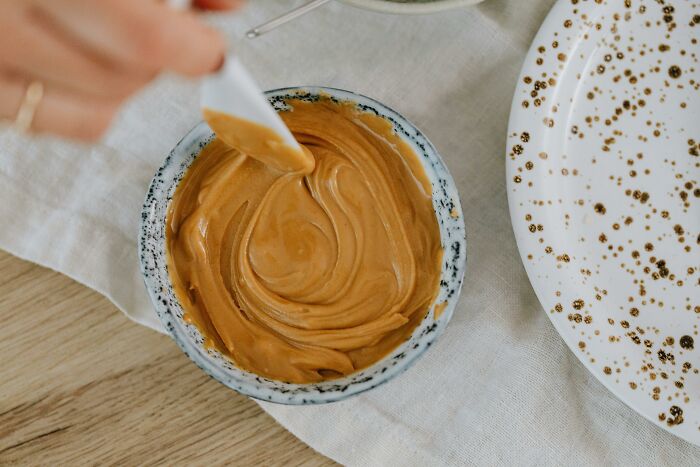
A helpful practice with peanut butter, as with other condiments, is to spoon out the amount you need and then use a separate knife for spreading. This helps prevent introducing contaminants into the jar. For those who enjoy a PBJ sandwich, there's good news regarding its longevity: "It's six to nine months unopened and two to three months opened," according to Isabel Maples, M.Ed., R.D.N., spokesperson for the Academy of Nutrition and Dietetics.





































 No fees, cancel anytime