Get Premium
Dark mode theme is available exclusively for premium users. Learn more about the benefits of subscribing.
No fees, cancel anytime.

 Dark Mode Ad-Free Browsing Unlimited Content
 Ad-Free Browsing Unlimited Content Dark Mode
Join 1.2 million Panda readers who get the best art, memes, and fun stories every week!
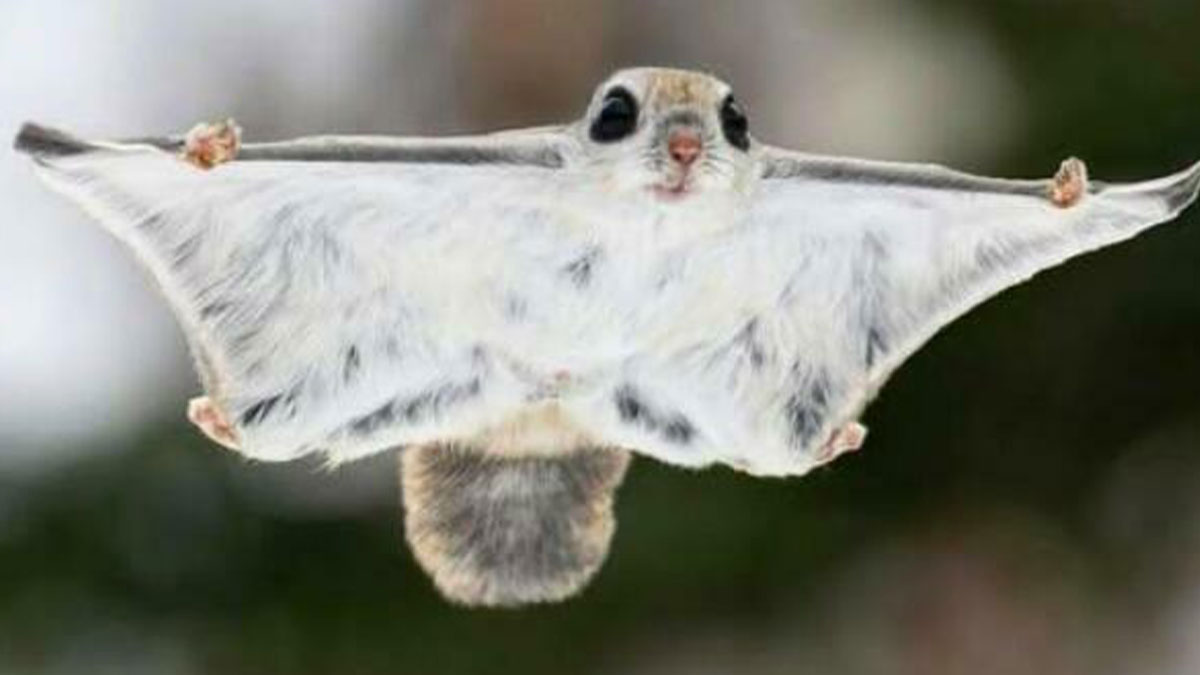


There's always something new we can learn about the world. Some people get discouraged by the bad experiences they've had at school, so, we here at Bored Panda try to make learning fun and easy for everyone. This time, we're encouraging you to learn new facts about animals, but with a twist: every fact will be more adorable and cute than the last one!
These animal facts come to you courtesy of the subreddit "Awwducational." It's an online community that invites people not to waste their precious time and learn something, but in a fun way. "r/awwducational is your source for all cute things in the natural world," the subreddit's bio reads. So, what are you waiting for, Pandas? Scroll and learn why echidnas have the cutest way possible to cool themselves down, and melt at the cuteness of the Japanese dwarf flying squirrels!
More info: Reddit
This post may include affiliate links.
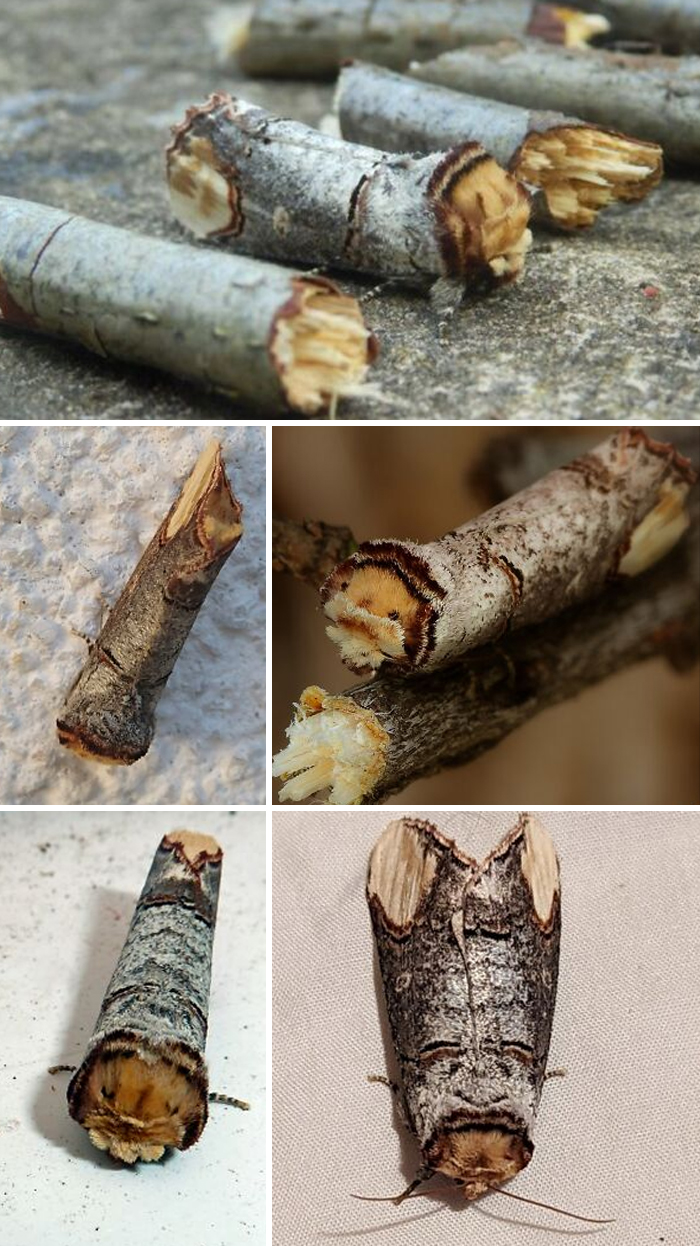
The moth's buff-colored head and the patches on its hindwings even resemble freshly-snapped wood.

The camoflage here is another level! I doubt I would ever notice it's a moth even if it was right in front of my eyes....
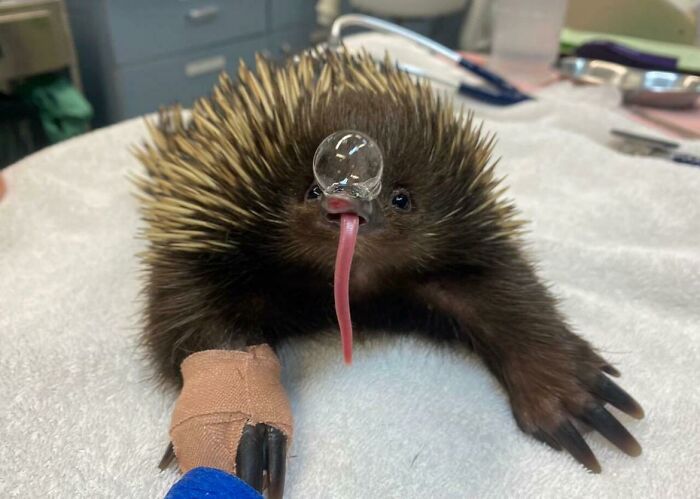
So, what's the deal with those echidnas and why do they have to blow snot bubbles to cool down? These adorable mammals are found in many parts of Australia and also in New Guinea, but the Australian desert environments are generally the most tricky for them to navigate. For a long time, people thought that echidnas were intolerant of high temperatures.
However, Christine Cooper and her fellow researchers at Curtin University in Perth found that to be false. After all, echidnas are the most widespread mammals in all of Australia! "They blow mucus bubbles from the tip of their snout and they've got a big blood sinus that sits underneath the skin at the tip of their snout," Cooper explained to ABC National Radio. "So that wets the area; as the water evaporates, it cools it, and that cools the blood."
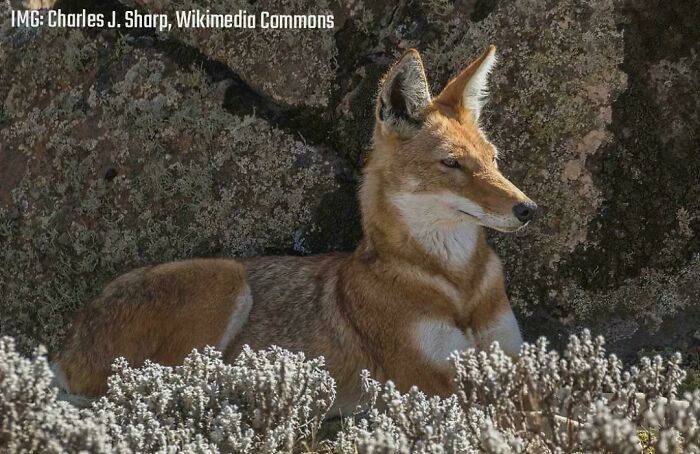
It is also known as the Simian fox, due to the red fur. It feeds almost exclusively on rodents in the highlands of Ethiopia, to which it is native.

"The Ethiopian wolf, also called the red jackal, the Simien jackal or Simien fox, is a canine native to the Ethiopian Highlands. In southeastern Ethiopia, it is also known as the horse jackal. It is similar to the coyote in size and build, and is distinguished by its long and narrow skull, and its red and white fur. Unlike most large canids, which are widespread, generalist feeders, the Ethiopian wolf is a highly specialised feeder of Afroalpine rodents with very specific habitat requirements. It is one of the world's rarest canids, and Africa's most endangered carnivore. The species's current range is limited to seven isolated mountain ranges at altitudes of 3,000–4,500 m, with the overall adult population estimated at 360–440 individuals in 2011, more than half of them in the Bale Mountains."
What's even more interesting is that echidnas keep their snouts cool even in cold temperatures. As Cooper explains, they need their snouts to be moist for electroreception. "They use electroreception to find their prey, and they keep their nose moist to do that. They always tend to have a moist nose."
As many other cute animals, echidnas have fallen victim to people who would like to own them as pets. But Cooper warns that, aside from them being wild animals, they're also pretty tricky to feed. "They're eating over 20,000 individual termites a day," she notes. The ones Cooper and her team have raised in captivity are used to humans, though, and follow them around like puppy dogs. However, the reason is not as cute as we would like: they just want more food.
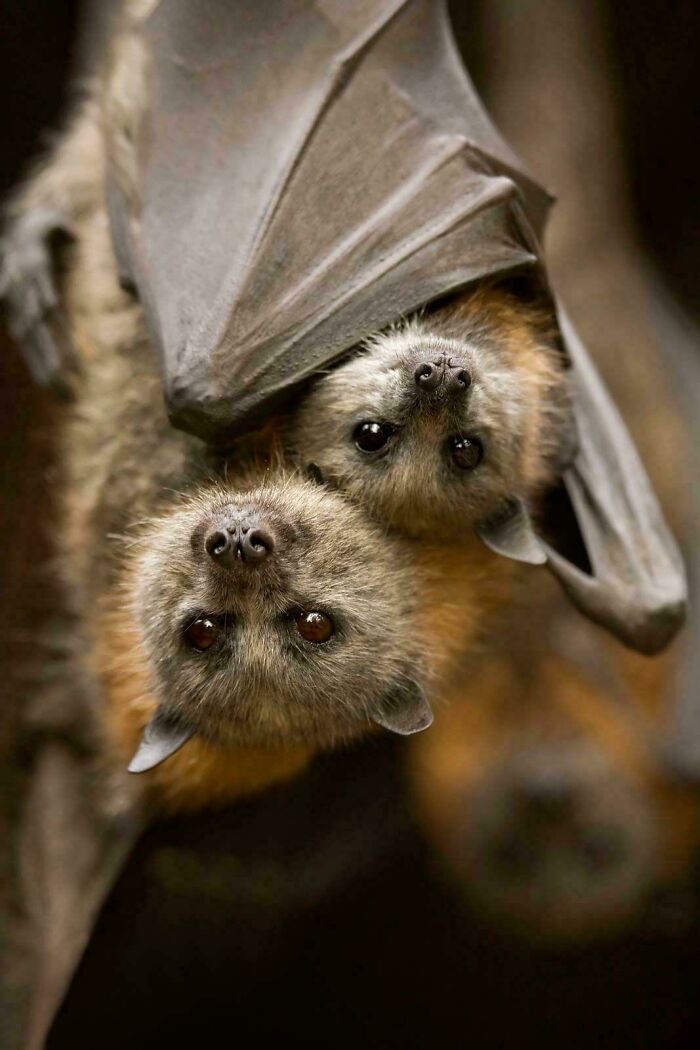
Pollen sticks to their bodies as they fly between trees, pollinating their flowers. This reinforces the forest's health, which in turn provides valuable timber, honey, carbon sinks, stable river systems, & tourism opportunities.
"Pteropus is a genus of megabats which are among the largest bats in the world. They are commonly known as fruit bats or flying foxes, among other colloquial names. They live in South Asia, Southeast Asia, Australia, East Africa, and some oceanic islands in the Indian and Pacific Oceans. There are at least 60 extant species in the genus. They eat fruit and other plant matter, and occasionally consume insects as well. They locate resources with their keen sense of smell. Most, but not all, are nocturnal. They navigate with keen eyesight, as they cannot echolocate. They have long life spans and low reproductive outputs, with females of most species producing only one offspring per year. Their slow life history makes their populations vulnerable to threats such as overhunting, culling, and natural disasters. Six flying fox species have been made extinct in modern times by overhunting. Flying foxes are often persecuted for their real or perceived role in damaging crops."
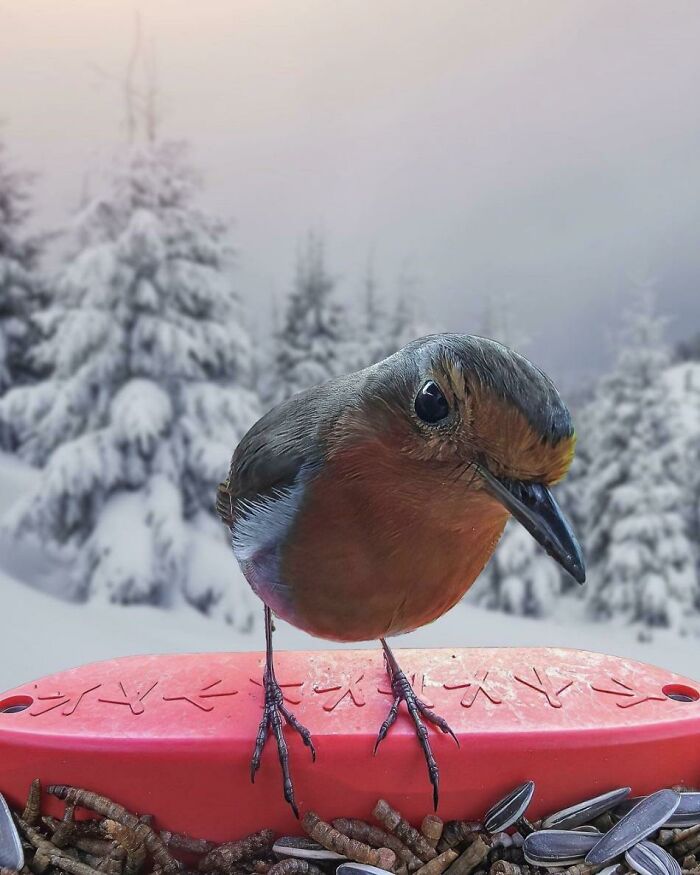
However, once past its first year, life expectancy increases. One robin has been recorded as reaching 19 years of age.
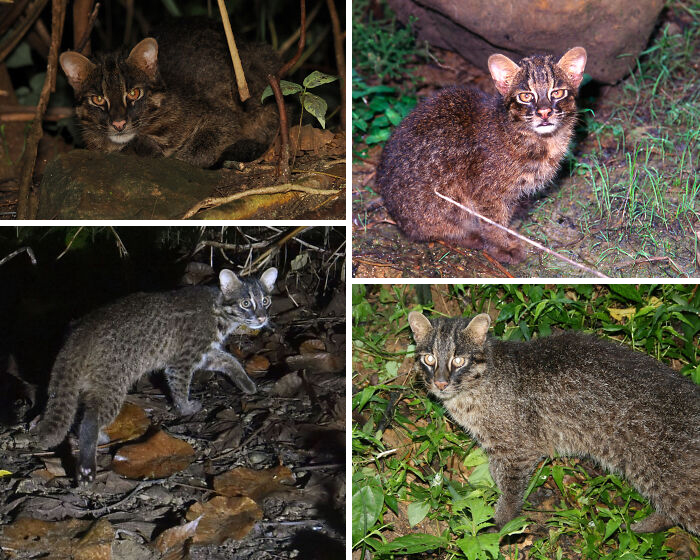
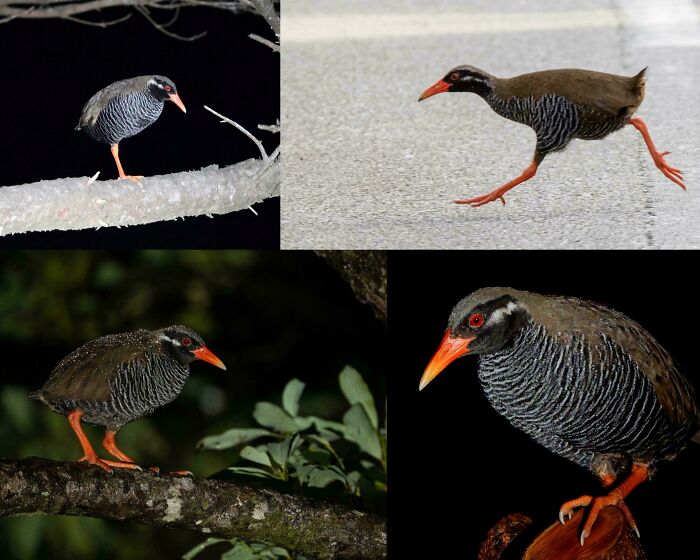
Found only on Japan's southern Island of Iriomote — with its current population estimated to be around 100 individuals.
Let's leave patootie echidnas behind and talk more about dwarf giraffes. How did they become a thing? Well, in 2018, scientists spotted an eight-foot-and-inch-inch giraffe in Namibia and called him Nigel. The one you see on this list, Gimli, is a dwarf giraffe someone spotted even earlier, in 2015, in Uganda's Murchison Falls National Park. Named after the brave dwarf from The Lord of the Rings, Gimli is slightly taller than Nigel at nine feet and four inches.
Both dwarf giraffes are about half as short as an average giraffe, and that gives them survival disadvantages. Scientists believe that they might have a lower chance of mating and have a difficult time running from their predators because of their shorter legs.

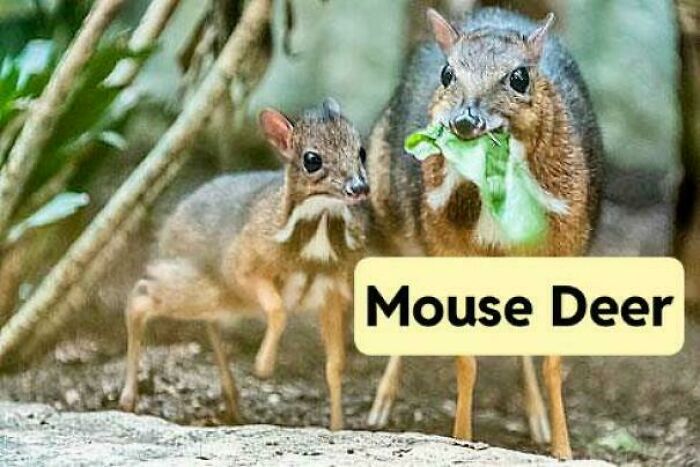
Nocturnal or Crepuscular (active dawn/dusk). They're the Smallest hoofed animals in the world. Considered to be living fossils as they're mostly unchanged today.
"Chevrotains, or mouse-deer, are small, even-toed ungulates that make up the family Tragulidae, and are the only living members of the infraorder Tragulina. The 10 extant species are placed in three genera, but several species also are known only from fossils. The extant species are found in forests in South and Southeast Asia; a single species, the water chevrotain, is found in the rainforests of Central and West Africa. In Nov. 2019, conservation scientists announced that they had photographed silver-backed chevrotains in a Vietnamese forest for the first time since the last confirmed sightings in 1990. They are solitary, or live in loose groupings or pairs, and feed almost exclusively on plant material. Chevrotains are the smallest hoofed mammals in the world. The Asian species weigh between 1-4 kg, while the African chevrotain is considerably larger, at 7–16 kg. With an average length of 45 cm and an average height of 30 cm, the Java mouse-deer is the smallest surviving ungulate."
Thought to be extinct for 150 years, it was rediscovered in 2018.
But how do giraffes get dwarfism, anyway? For some time, observers thought that both dwarf giraffes were actually juveniles, and only later noticed that they were fully grown males. Scientists theorize that it's due to skeletal dysplasia. "Instances of wild animals with these types of skeletal dysplasias are extraordinarily rare," conservationist scientist Michael Brown explained. "It's another interesting wrinkle in the unique story of giraffe in these diverse ecosystems."
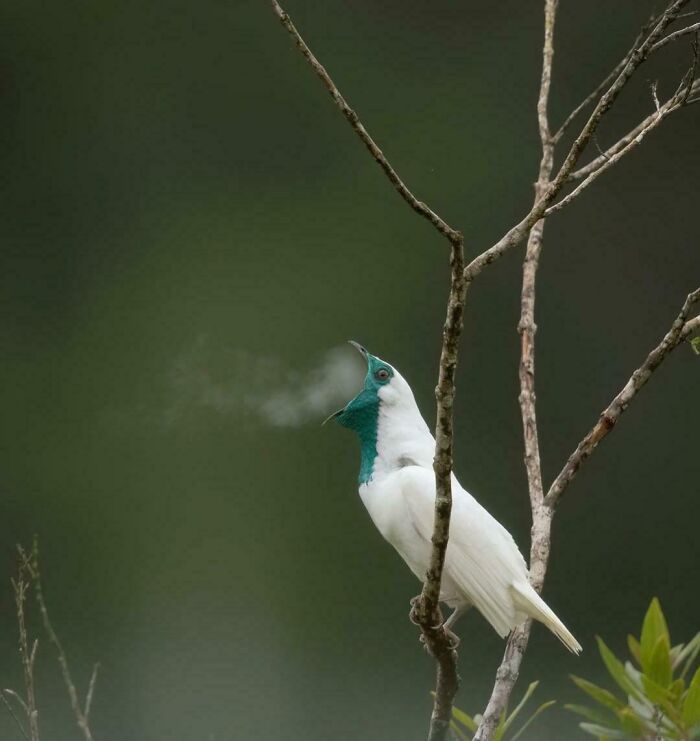
A sharp sound like that of a hammer striking an anvil or a bell, and It might takes a long time for young males to learn & perfect the call.
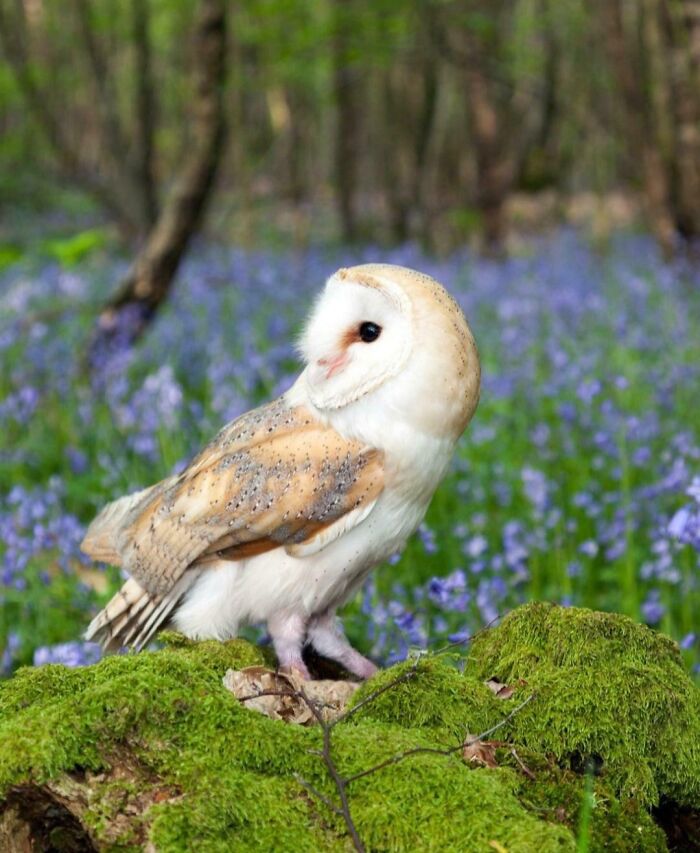
This very acute sense of hearing allows barn owls to capture prey hidden by vegetation or snow. Barn owls also have excellent low-light vision
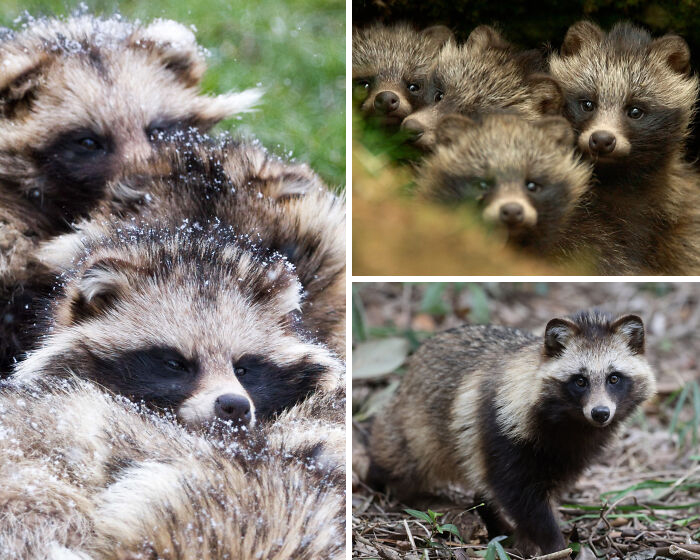
It’s the only member of the dog family that hibernates, able to put on 50% of its body weight in fat reserves as winter approaches, before snuggling down in its den, often with its partner.
"The common raccoon dog (Nyctereutes procyonoides), also called the Chinese or Asian raccoon dog to distinguish it from the Japanese raccoon dog, is a heavy-set, fox-like canid native to East Asia. Named for its raccoon-like face markings, it is most closely related to foxes. Common raccoon dogs feed on many animals and plant matter, and are unusual among canids (dogs, foxes, and other members of the family Canidae) in that they hibernate during cold winters and can climb trees. They are widespread in their native range, and are invasive in Europe where they were introduced for the fur trade. The similar Japanese raccoon dog (Nyctereutes viverrinus, the tanuki), native to Japan, is the only other living member of the genus Nyctereutes."
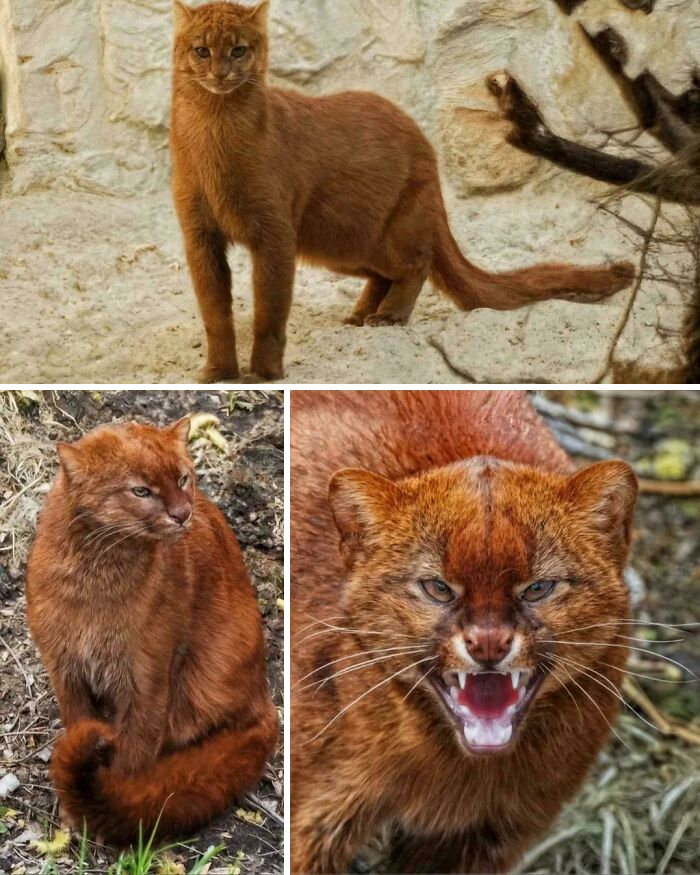
If you've never heard of the jaguarundi, don't worry – most people haven't. They're wild cats most commonly found in Central and South America. What makes them interesting is how little we know about them and how mysterious they are. They're classified as cats, but they're much smaller, more similar in appearance to the weasel-like martens. However, their behavior is more like that of a puma. They also have 38 chromosomes like most Old World cats, while most South American cats have 36.
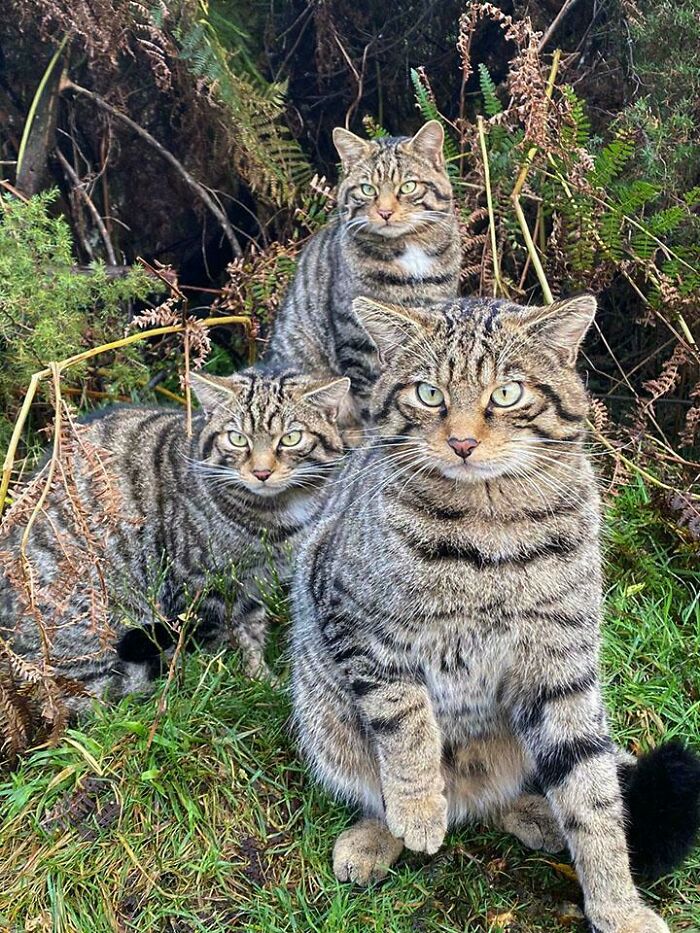
Starting in the mid-1950s, more than 5% of the genetic markers in Scottish wildcats began to resemble those of domestic cats. After 1997, that figure jumped to as high as 74%.
They are listed as Critically Endangered. Programs are in place to protect them through education and restoring habitats. There are also breeding programs in place to grow the population. Also known as the Highland Tiger because of their distinctive stripes, they are solitary creatures with sharp senses and excellent hunting skills. The Scottish Wildcat Action project is working to establish captive breeding programs at conservation centres, then releasing the cats into protected habitats. The first captive bred cats were released in 2023. You can look up SWA online and follow the progress.
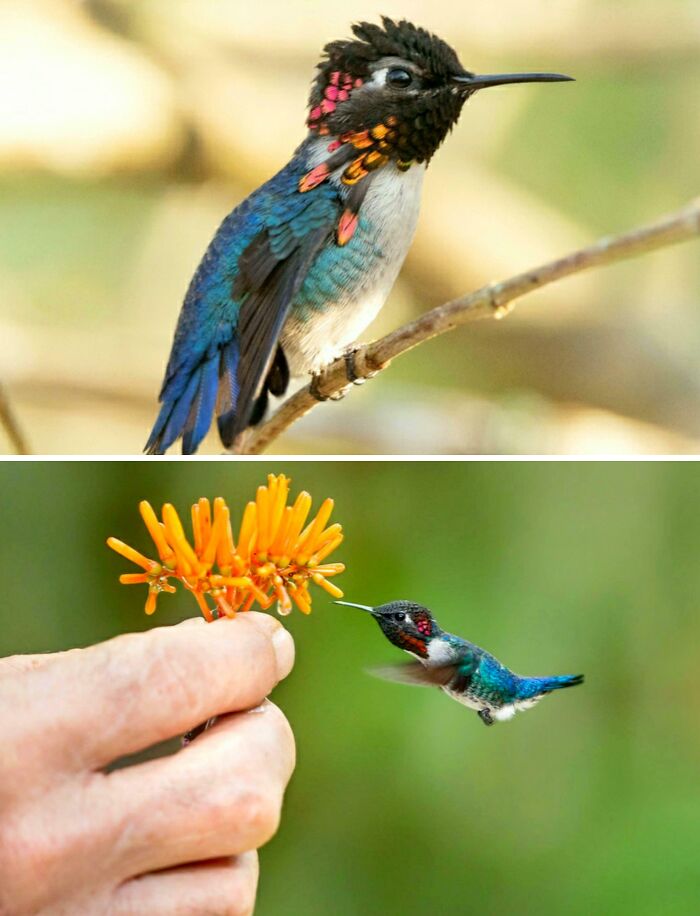
"The bee hummingbird is the smallest living bird. Females weigh 2.6 g (0.092 oz) and are 6.1 cm (2+3⁄8 in) long, and are slightly larger than males, which have an average weight of 1.95 g (0.069 oz) and length of 5.5 cm (2+1⁄8 in). Like all hummingbirds, it is a swift, strong flier. The male has a green pileum and bright red throat, iridescent gorget with elongated lateral plumes, bluish upper parts, and the rest of the underparts mostly greyish white. Compared to other small hummingbirds, which often have a slender appearance, the bee hummingbird looks rounded and plump. Female bee hummingbirds are bluish green with a pale gray underside. The tips of their tail feathers have white spots. During the mating season, males have a reddish to pink head, chin, and throat. The female lays only two eggs at a time, each about the size of a coffee bean."
Which means that the fertilized eggs remain "dormant" for 6 months before implanting in the uterus; the embryos then rapidly gestate, and the kits are born about 27 days later, weighing just 28g (1oz) each.
Despite jaguarundis being one of the most widespread cats in the Americas, we know relatively little about them. Why is that? In fact, jaguarundis are the least studied cats in the world. First of all, they're incredibly difficult to trap. Arturo Caso, president of Predator Conservation, spent more than a year trying to trap two jaguarundis for his radio-collar research in Tamaulipes, Mexico.
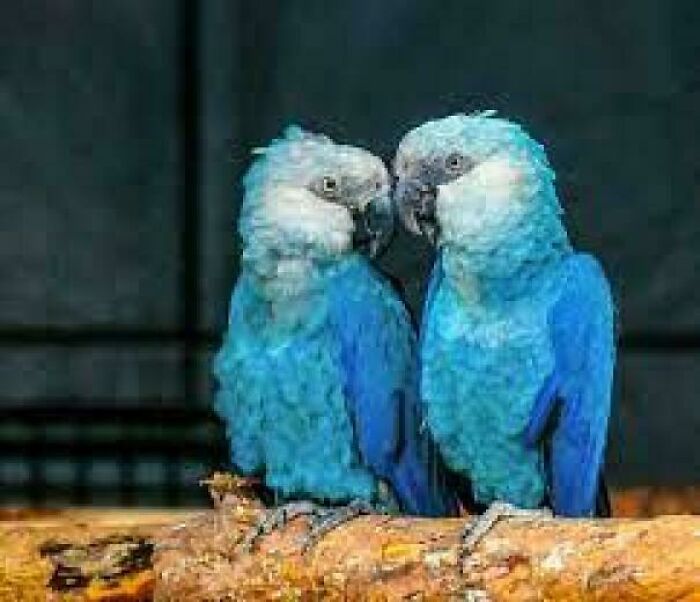
But after decades of conservation, a small population were reintroduced into the wild, and new ones have been born in the wild recently!
"The bird is a medium-size parrot weighing about 300 grams (11 oz), smaller than most of the large macaws. Its appearance is various shades of blue, with a grey-blue head, light blue underparts, and vivid blue upperparts. Males and females are almost identical in appearance; however, the females are slightly smaller."
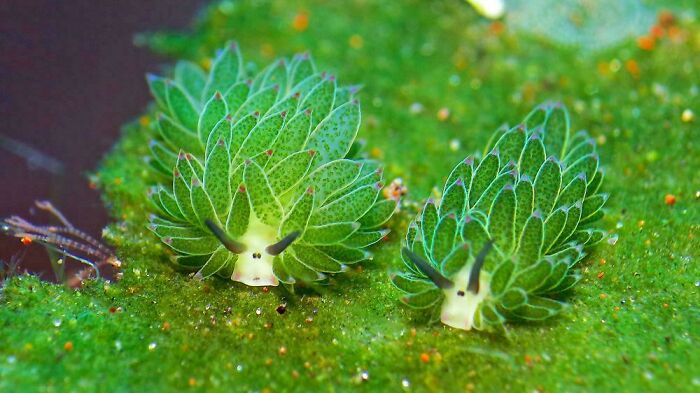
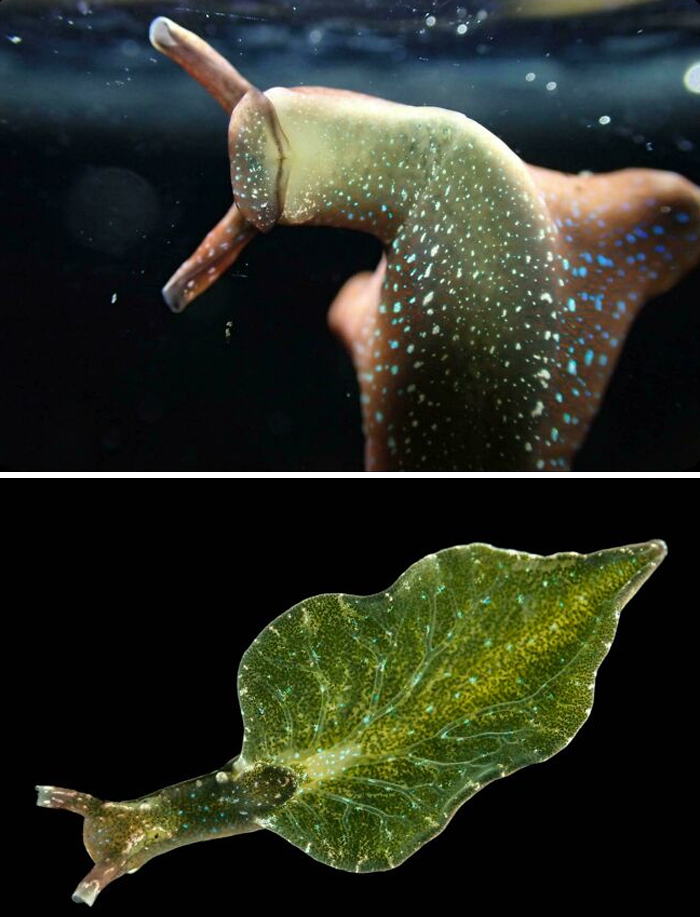
"Costasiella kuroshimae (also known as a leaf slug, sea sheep, or leaf sheep) is a species of sacoglossan sea slug. Costasiella kuroshimae are shell-less marine opisthobranch gastropod mollusks in the family Costasiellidae. Despite being animals, they indirectly perform photosynthesis, via kleptoplasty. They have two dark eyes and two rhinophores that emerge from the tops of their heads that look similar to sheep's ears or insect antennae. They range in size from 5 to 10 mm (1⁄4 to 3⁄8 inch) in length. Their leaf-like appearance is credited to the cerata featured in rows across their body. These cerata contain digestive glands that assist the Costasiella kuroshimae in obtaining and storing food. They also aid in defense and respiration."
Another reason is that jaguarundis resemble other critters who aren't even cats. Many people confuse them with otters, tayras, and other weasels. They have elongated backs and plain coats that are unusual for American wild cats, and even scientists have difficulty identifying them in the field. The third reason is much more practical: because they're not under threat of going extinct, it's difficult to secure funding and convince people that we need to study them.
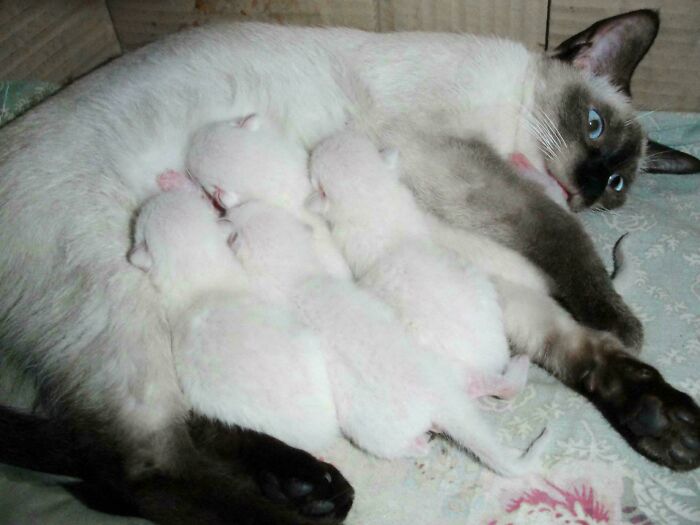
Their signature markings, or "points", begin to grow as they age, with their fur darkening in areas that are most susceptible to cooler temperatures. This is why their fur is usually darkest on their faces, ears, tails, and limbs!
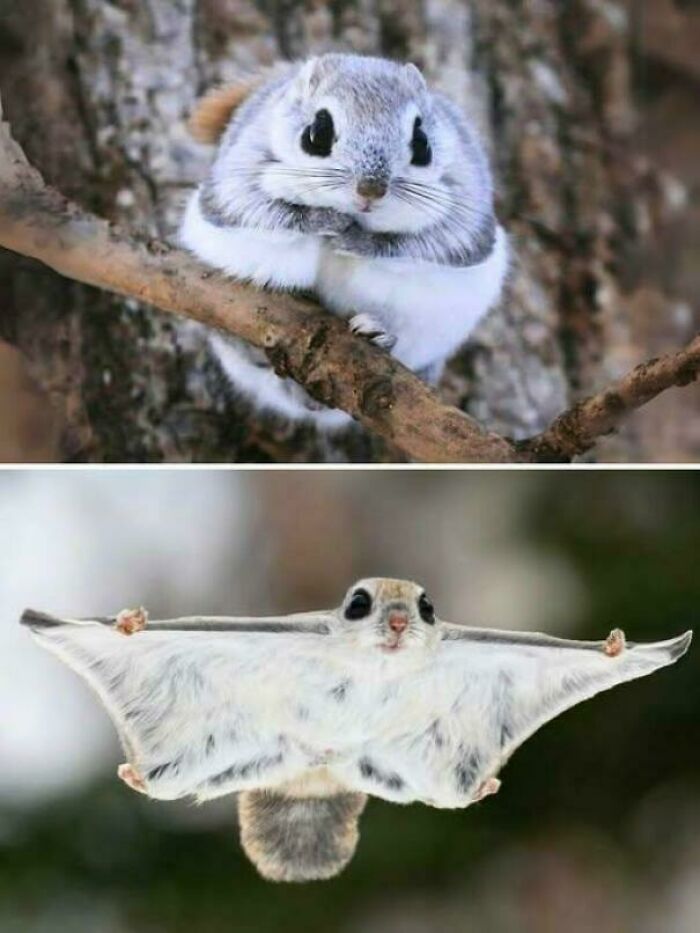
If you've never found regular squirrels to be cute, you probably haven't seen the Japanese dwarf flying squirrel. A squirrel that flies seems like it's straight out of science fiction, but this big-eyed critter isn't – they're just nocturnal. They live in trees and very rarely go down to the ground, and their wings, or rather, skin flaps (called patagia) help them to glide from tree to tree.
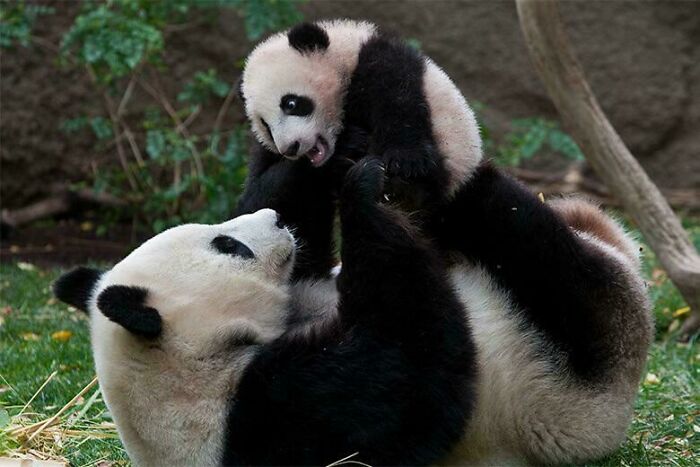
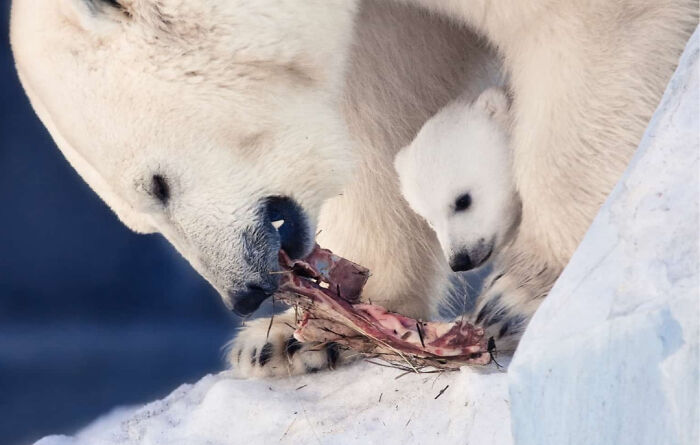
In the wild, pandas have no natural predators as adults and their breeding success rate is similar to some American black bear populations.
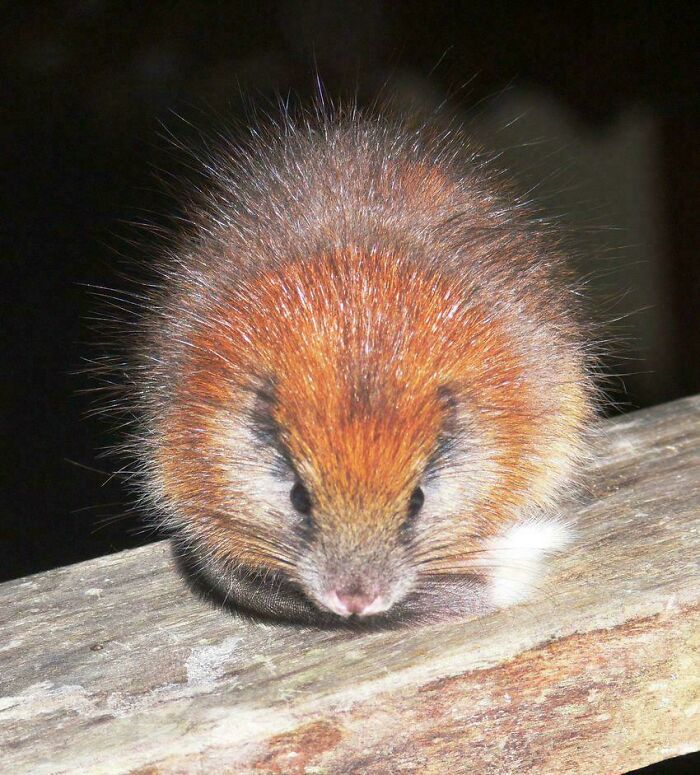
Believed extinct for over a century, one appeared suddenly at the front door of an ecolodge in a Colombian nature preserve, where researchers took pictures of it for two hours. Afterwards, it left and was never seen again.
"The red-crested tree-rat or Santa Marta toro is a species of tree-rat found in the monotypic genus Santamartamys in the family Echimyidae. It is nocturnal and is believed to feed on plant matter, and is mainly rufous, with young specimens having a grey coat. IUCN list the species as critically endangered: it is affected by feral cats, climate change, and the clearing of forest in its potential range in coastal Colombia. Found at altitudes of 700 to 2,000 meters, the species is endemic to Colombia in an isolated area with high levels of biodiversity. The species was initially identified as Isothrix rufodorsalis in 1899, re-classified as Diplomys rufodorsalis in 1935, and the monotypic genus Santamartamys was created in 2005 for the species."
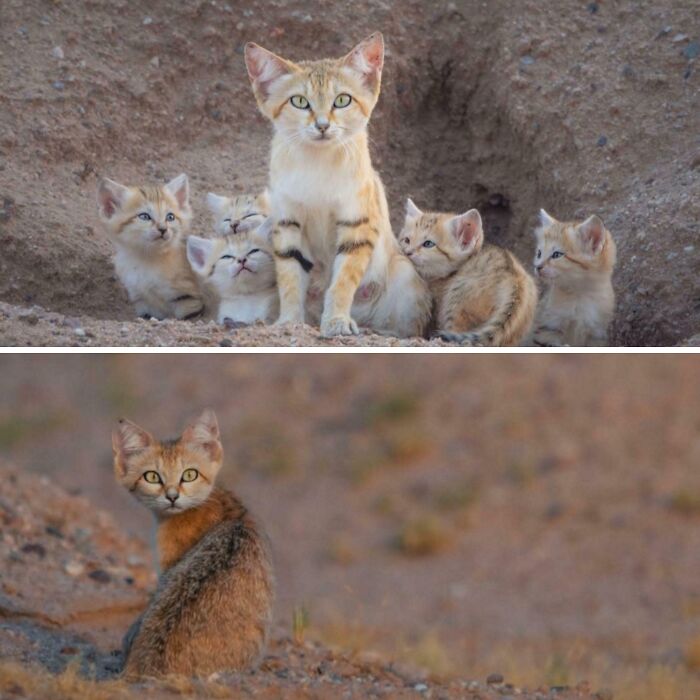
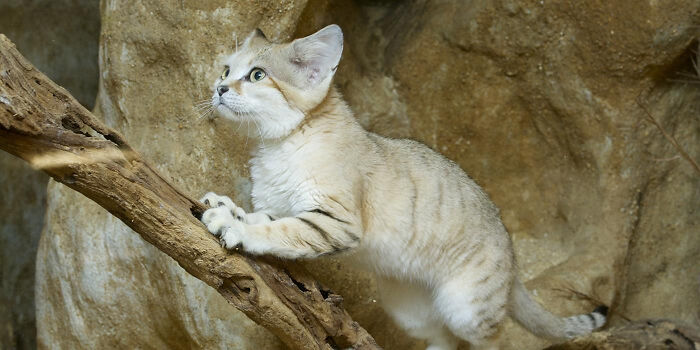
"The sand cat (Felis margarita) is a small wild cat that inhabits sandy and stony deserts far from water sources. With its sandy to light grey fur, it is well camouflaged in a desert environment. Its head-and-body length ranges from 39–52 cm with a 23–31 cm long tail. Its 5–7 cm short ears are set low on the sides of the head, aiding detection of prey moving underground. The long hair covering the soles of its paws insulates its pads against the extreme temperatures found in deserts. The sand cat usually rests in underground dens during the day and hunts at night. It moves 5.4 km on average at night in search of small rodents and birds. It also kills and consumes venomous snakes. In spring, the female gives birth to two to three kittens, which become sexually mature around the age of one year. The sand cat's ecological requirements are still poorly understood, as only a few in-depth studies targeting wild sand cat populations have been conducted."
If you're worried that these patooties are in danger of extinction, rest assured – they're currently listed as "Least Concern" by the IUCN (the International Union for Conservation of Nature). They live in well-protected areas and have a big population. And since they're so elusive with their small stature and blending abilities, they're good at evading predators, too.
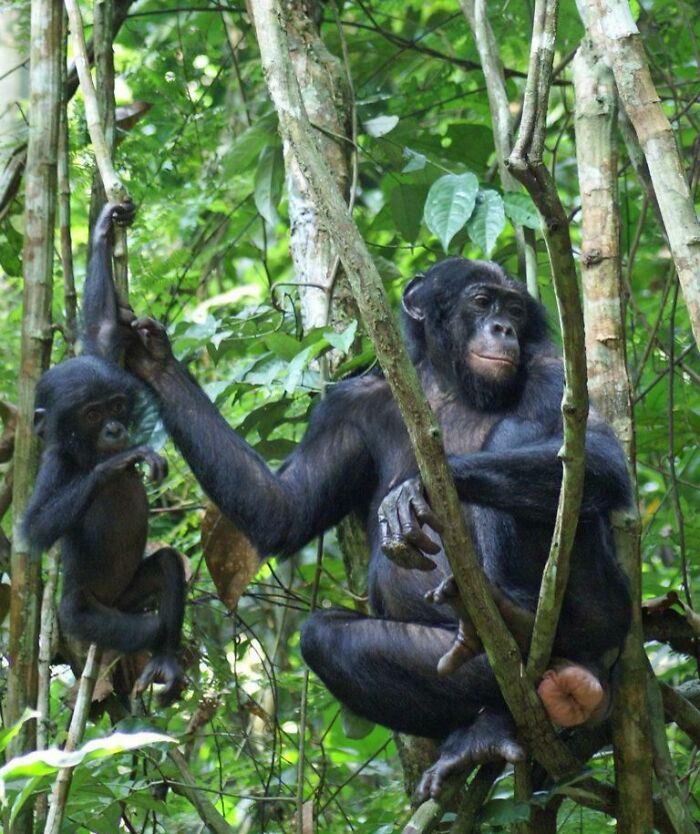
Females target males in 85% of their coalitions, and they occupy higher ranks compared to males when they form more frequent coalitions.
Which animal fact from this was your favorite, Pandas? Let us know in the comments, and don't forget to share some cute animal trivia we might've missed here. As always, if you'd like to see more wholesome animal content, check out our previous publications featuring the "Awwducational" subreddit here, here, and here!
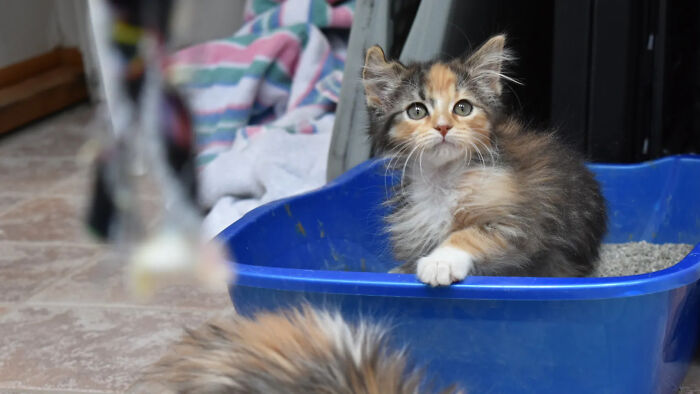
This means that a female cat can have a different color gene on each of her X chromosomes, with one for "red" (orange) and one for "black" (not orange.) Male cats need an extra chromosome to be calicos.
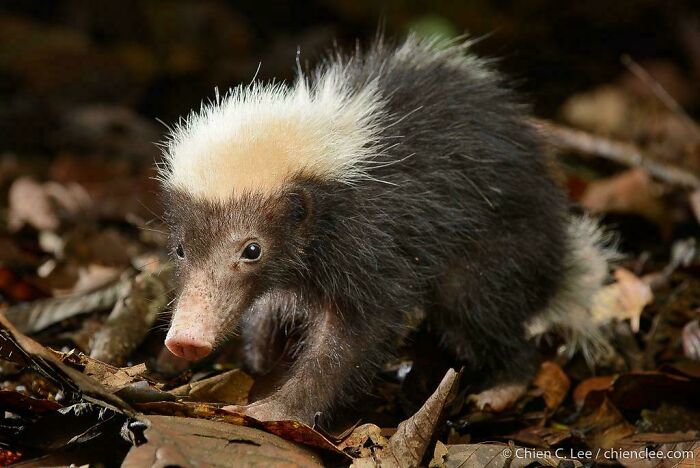
Despite the name, they and other stink badgers are not true badgers, and are instead the closest living relatives of the skunk.
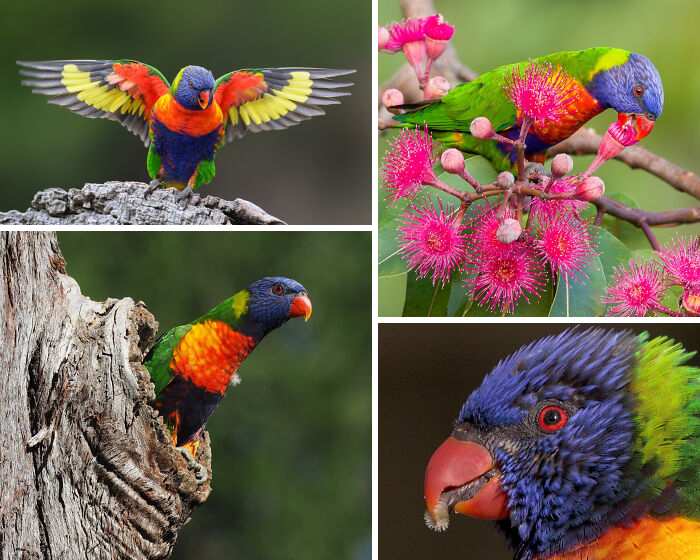
At night, they roost communally, perching close together and occasionally hanging upside down or lying on their backs, feet in the air.

Not nomadic. Not for at least 50 years. They like to sleep with the light on so choose dense foliage near the brightest light they can find, such as a city centre or a sports ground with night lighting, roosting in colonies of up to ten thousand individuals. And they are noisy. They're the most commonly seen/heard bird in Australia.
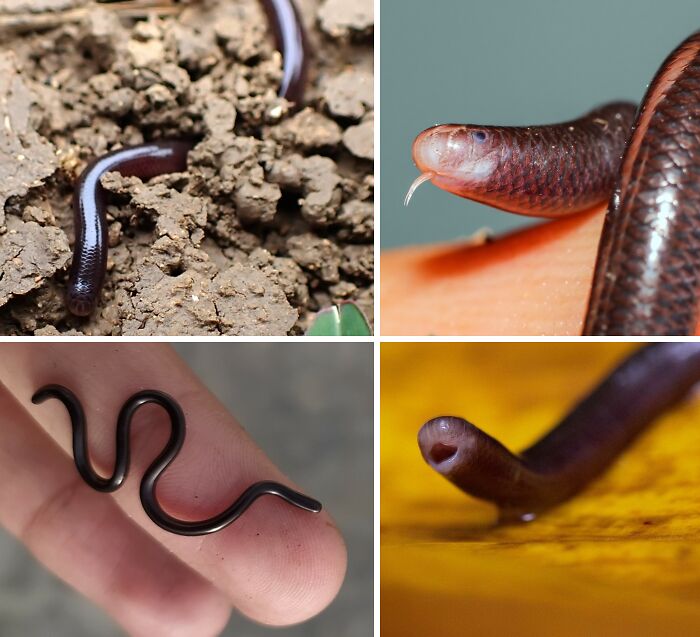
It looks and acts like a worm — some 13 cm (5 in) long and subterranean — but it's one of the world's smallest snake species.
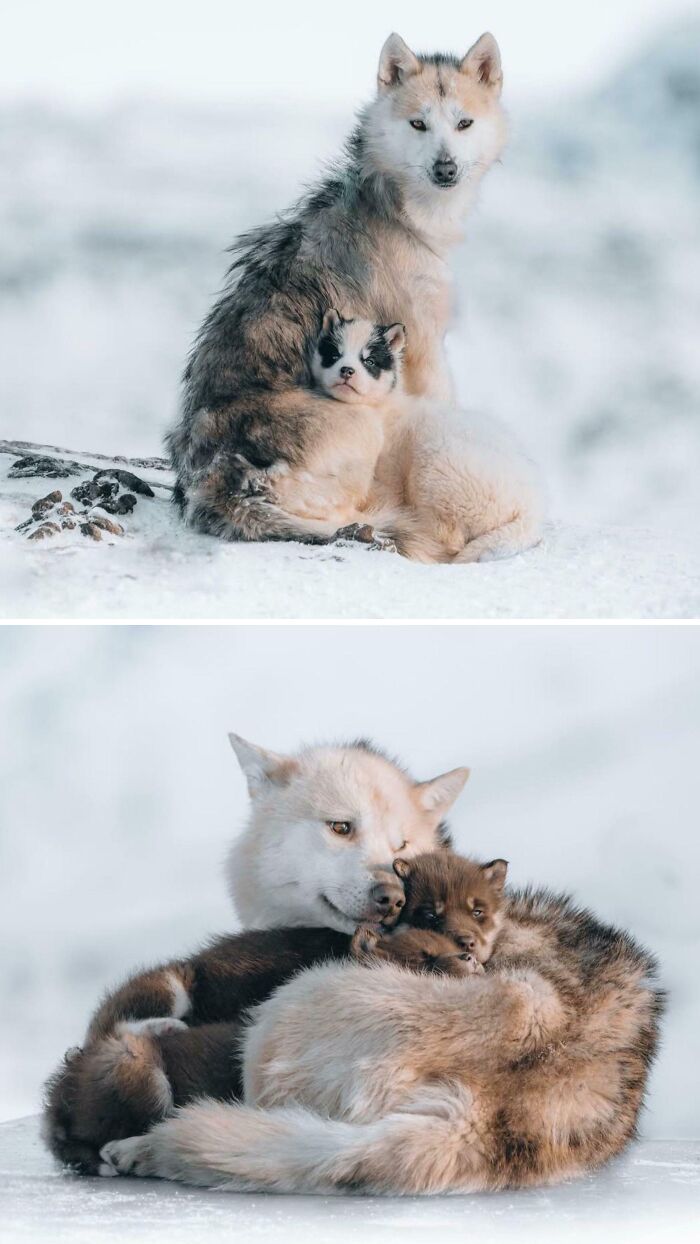
Greenland sled dogs don’t share much DNA with wolves, despite a reputation for having been interbred.
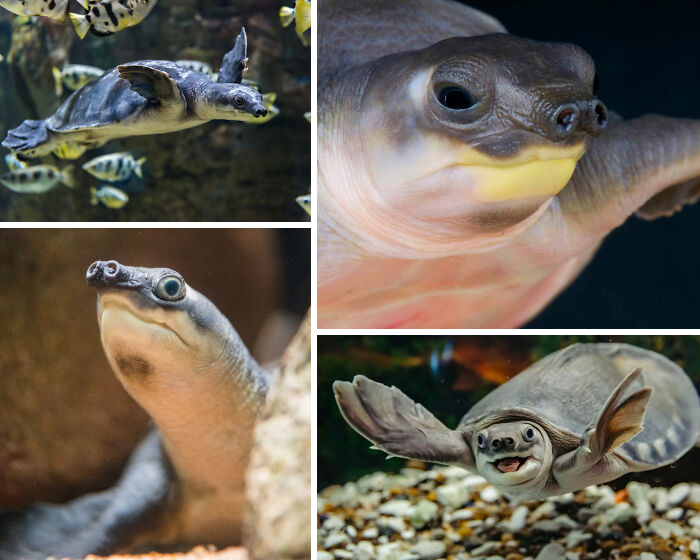
It lives in the rivers of northern Australia and southern New Guinea, using its pig-like nose to "snorkel" without exposing the rest of its body.
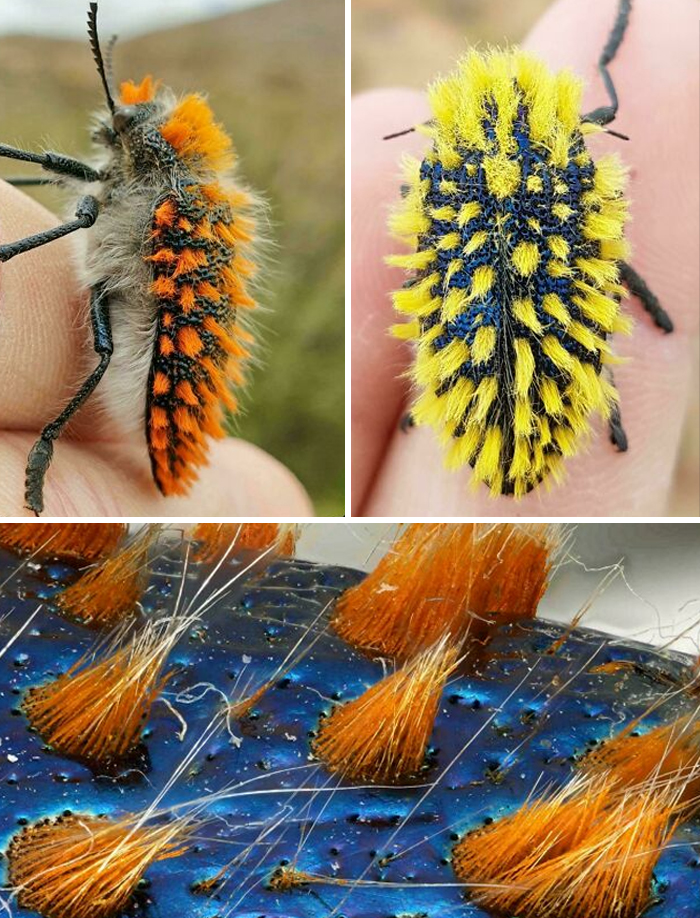
"Julodis cirrosa, the brush jewel beetle, is a species of beetles belonging to the Buprestidae family. This species occurs in Southern Africa. Julodis cirrosa reaches about 27 millimetres (1.1 in) in length. The coloration is metallic blue-green, the surface is punctured and covered by yellowish-orange wax-coated hairs."
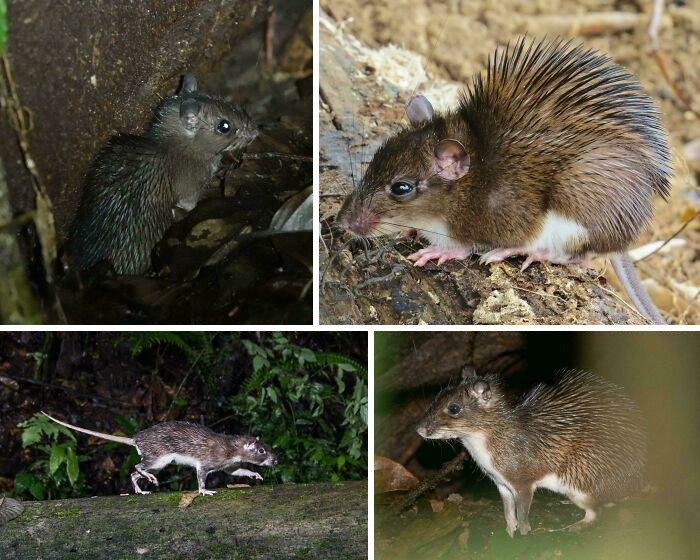
A great defense against the snakes and ocelots that share its wet rainforest habitat. Additionally, if all else fails, this rat can drop its tail to confuse or distract a predator.
"It is found in Latin America, from northern Honduras to northwest Ecuador. It possesses a range of spines on its back and sides of the body. Adults weigh between 218–790 grams (0.481–1.742 lb) with males weighing more on average than females. They are born with soft fur, and the spines begin growing after the first month. The thick spines on the back and sides measure up to 33 millimetres (1.3 in) and 2 millimetres (0.079 in) in diameter.[4] The head and body measures between 220–320 millimetres (8.7–12.6 in) in length, with the tail adding another 150–255 millimetres (5.9–10.0 in). The color of the armored rat range from black to reddish brown, and has a pure white underside. They are similar in appearance to Tome's spiny-rat, but the eyes of the armored rat are smaller and they have a longer snout. Its diet includes fruit, insects and green plant matter. The normal litter size is one to three."
They look like something you'd get out of a claw machine.
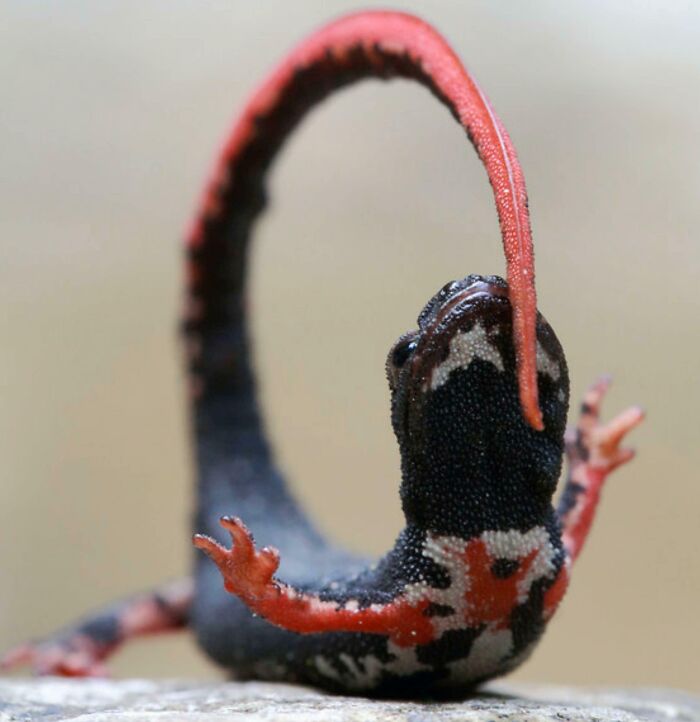
"This species is found only in the southern Apennine Range in Italy in humid valleys and shady, overgrown hillsides at altitudes between 200 and 1,200 m; to the north it borders the range of its sister species S. perspicillata. It is considered an important indicator species of environmental health. It has four toes on the hind feet rather than the five normally found in other salamanders and newts. It has a warty, brownish-black back, and a rather ribbed appearance on its flanks, with a creamy white, V-shaped mark between the eyes. The underside is covered in black and white markings, with pinkish-red underside to legs and tail."
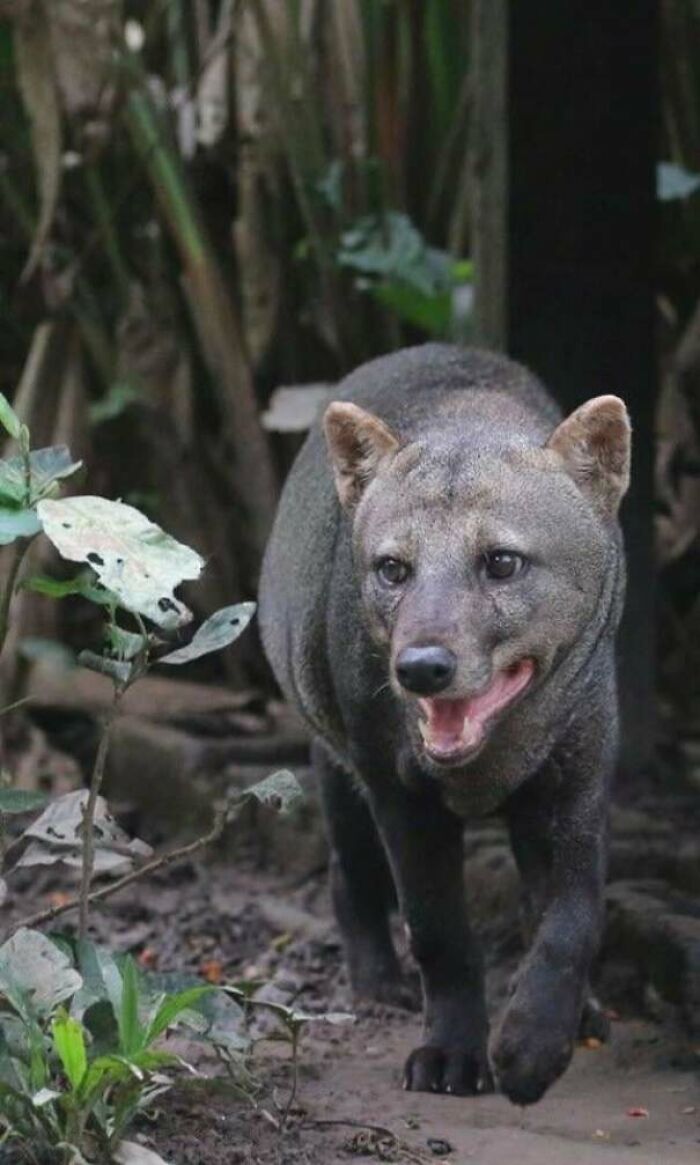
Unique features of their species not found in other canids include females being one third larger than males and both genders not reaching sexual maturity until 3 years old.
"The short-eared dog also known as the small-eared dog, short-eared fox or small eared zorro is a unique and elusive canid species endemic to the Amazonian basin. This is the only species assigned to the genus Atelocynus. The short-eared dog has short and slender limbs with short and rounded ears. It has a distinctive fox-like muzzle and bushy tail. Its paws are partly webbed, helping adapt it to its partly aquatic habitat. Its fur ranges from dark to reddish-grey, but can also be nearly navy blue, coffee brown, dark grey, or chestnut-grey to black, and the coat is short, with thick and bristly fur. It has a somewhat narrow chest, with dark color variation on the thorax merging to brighter, more reddish tones on the abdominal side of the body."
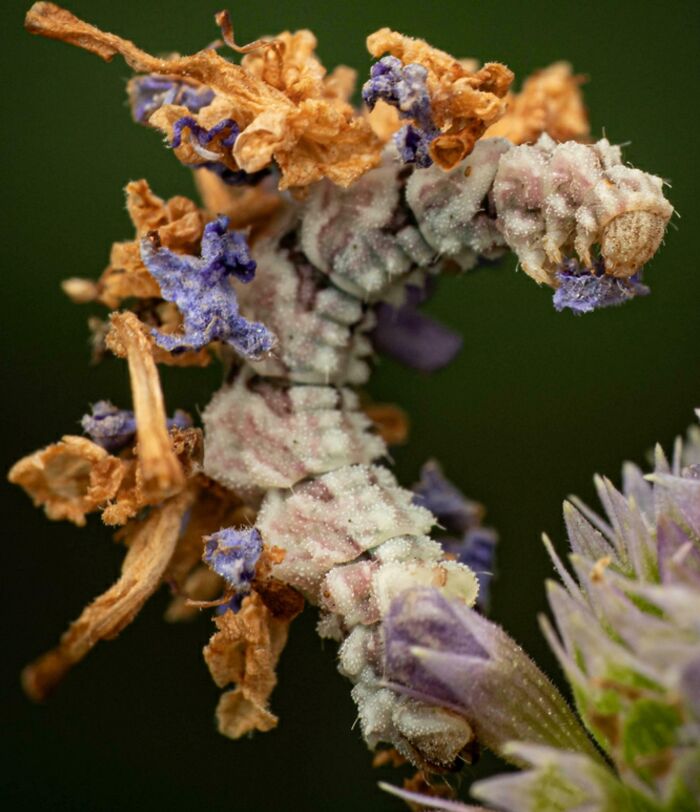
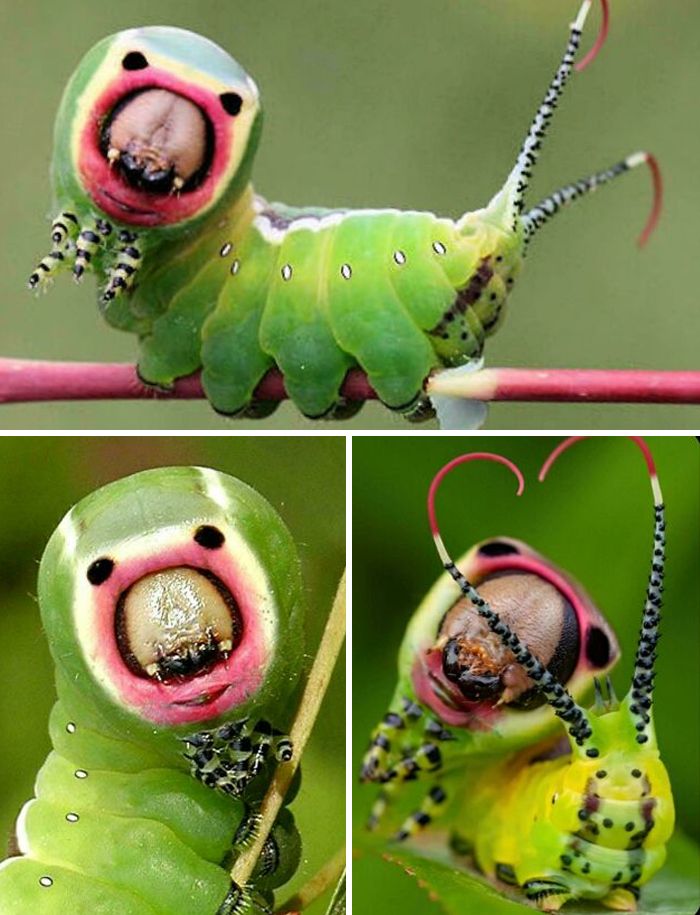
Using flower petals and foliage from the plants that it feeds upon, "gluing" the pieces onto its body with silk; when the caterpillar moves to a new host plant, it adjusts the disguise to match its new surroundings.

It must be maddening hearing every. single. sound. made over the whole wide world every. single. day.
They play an important ecological role in the cloud forests, helping disseminate the seeds of at least 32 tree species.
"Quetzals are strikingly colored birds in the trogon family. They are found in forests, especially in humid highlands, with the five species from the genus Pharomachrus being exclusively Neotropical, while a single species, the eared quetzal, Euptilotis neoxenus, is found in Guatemala, sometimes in Mexico and very locally in the southernmost United States. In the highlands of the states of Sonora, Chihuahua, Sinaloa, Durango, Nayarit, Zacatecas, Jalisco, and Michoacán, the eared quetzal can be found from northwest to west-central Mexico. It is a Mesoamerican indigenous species, but some reports show that it occasionally travels and nests in southeastern Arizona and New Mexico in the United States. June to October is the mating season for eared quetzals. Quetzals are fairly large (all over 32 cm (13 in) long), slightly bigger than other trogon species. The resplendent quetzal is the national bird of Guatemala because of its vibrant colour and cultural significance to the Maya."
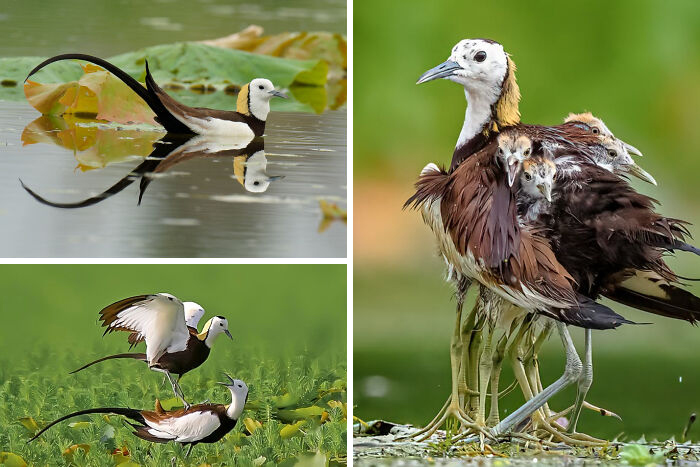
Each female mates with multiple males and, in a single season, lays up to 10 clutches that are raised by different males in her harem.

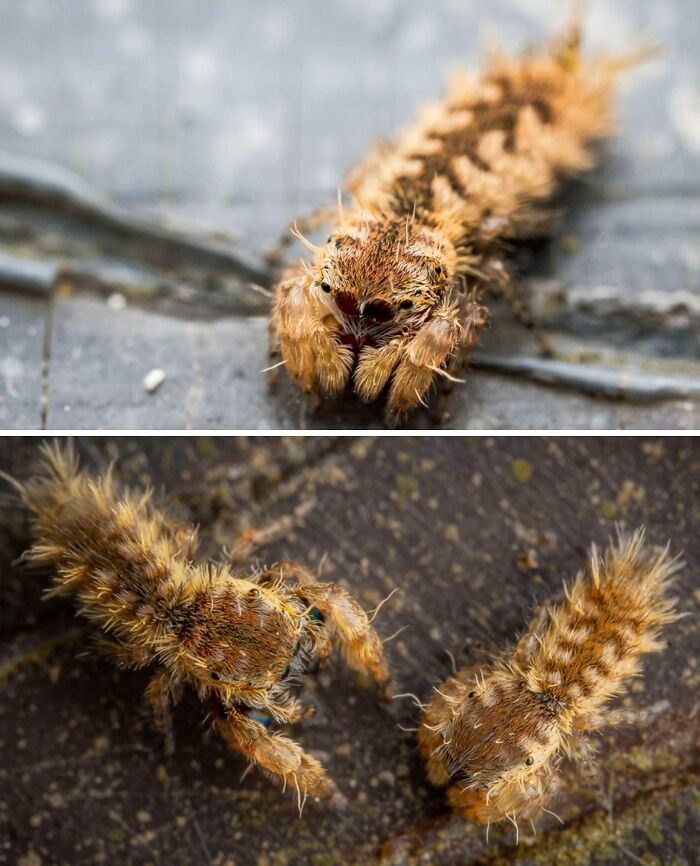
I looked at the picture on the right and thought, my god that's horrible, look at all of those legs he has. Then I looked up and saw all the babies heads sticking out of the wings.
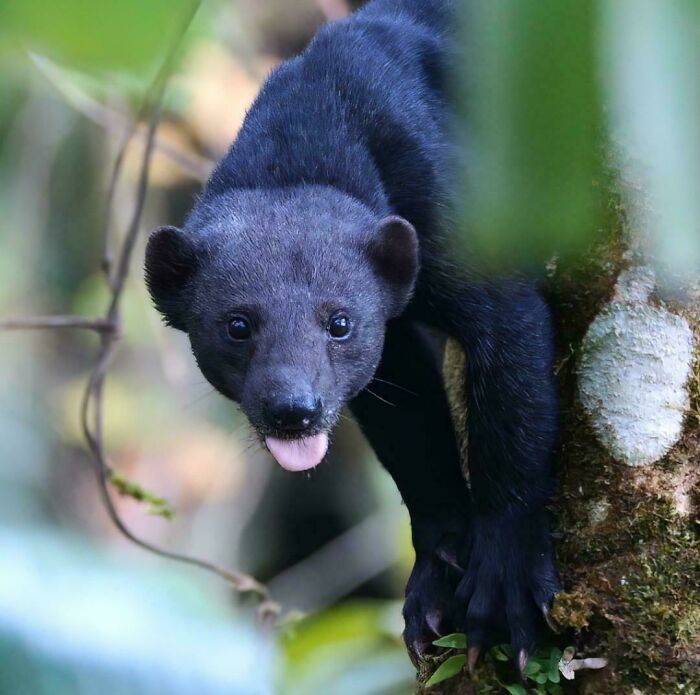
They live as semi-arboreal omnivores in forests ranging from The Southern Yucatan to Northern Argentina & are also well known for their intelligence, having been seen ripping unripe bananas from trees to save for later.
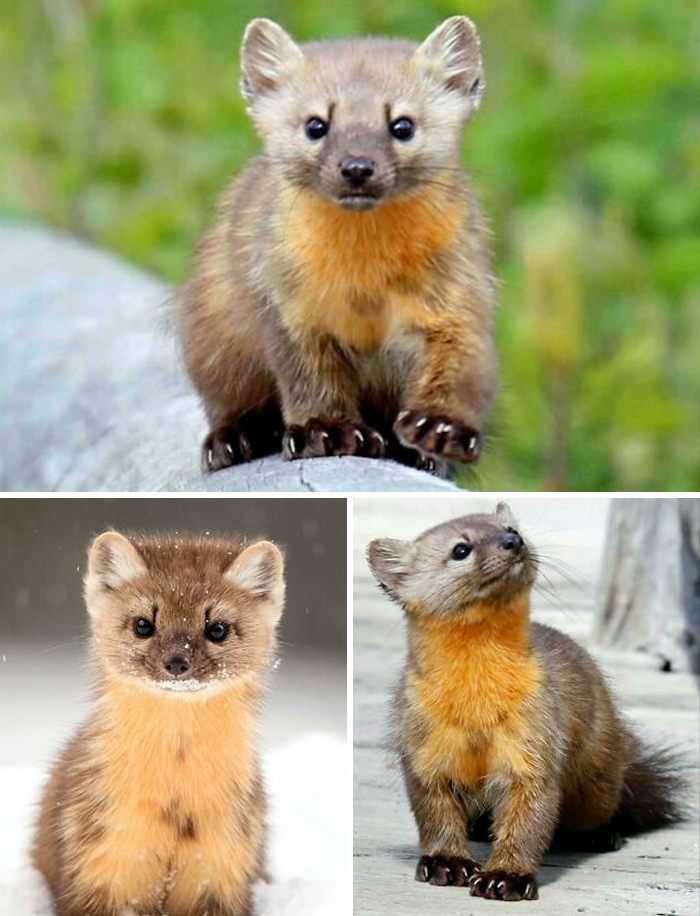
"Tayras are long, agile mustelids, similar in appearance to a large fisher or marten, but slightly more reminiscent of a sleeker, smaller wolverine. They range from 56 to 71 cm (22 to 28 in) in length, not including their 37- to 46-cm-long (15 to 18 in) bushy tail, and weigh 2.7 to 7.0 kg (6.0 to 15.4 lb). Males are larger and slightly more muscular than females. They have short, dark brown to black fur, which is relatively uniform in length and color across the body, limbs, and tail—except for a yellowish or orange "heart"-shaped spot on the chest. Each tayra's chest patch is unique in color, shape and size, and thus may be used by biologists, rescuers and other specialists to identify individuals. The fur on the head and neck is lighter, typically tan or greyish in colour. Albino, white, or beige-yellow individuals are also known, with genetic color morphs being not nearly as rare in tayras as among other mustelids."
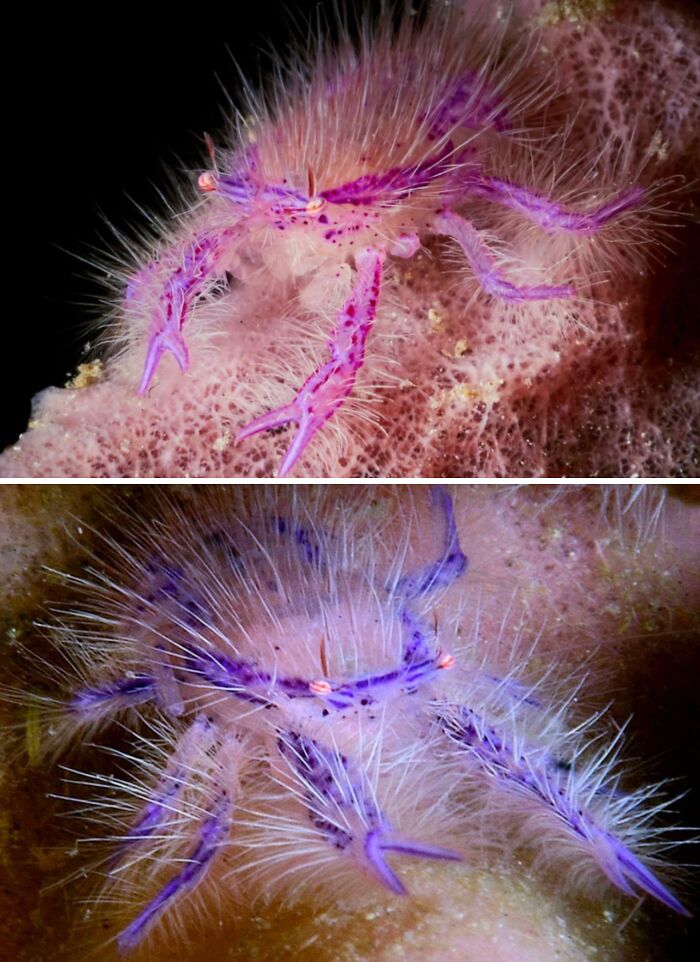
This species of crab has a strikingly colorful, fuzzy-looking appearance, and it feeds on various bits of detritus that are collected in its own "fur."
"Lauriea siagiani, also known as the pink hairy squat lobster or the fairy crab, is a species of squat lobster in the family Galatheidae, genus Lauriea. Lauriea siagiani is a small squat lobster, up to 7 millimetres (0.28 in) long. It differs from the only other species in the genus, Lauriea gardineri by a number of features, but most obviously by the coloration: L. gardineri is pale brown with darker bands, while L. siagiani is orange or pink with red or purplish markings. Lauriea siagiani is found around the giant sponge Xestospongia testudinaria, and has been recorded from Indonesia, the Philippines and Japan."
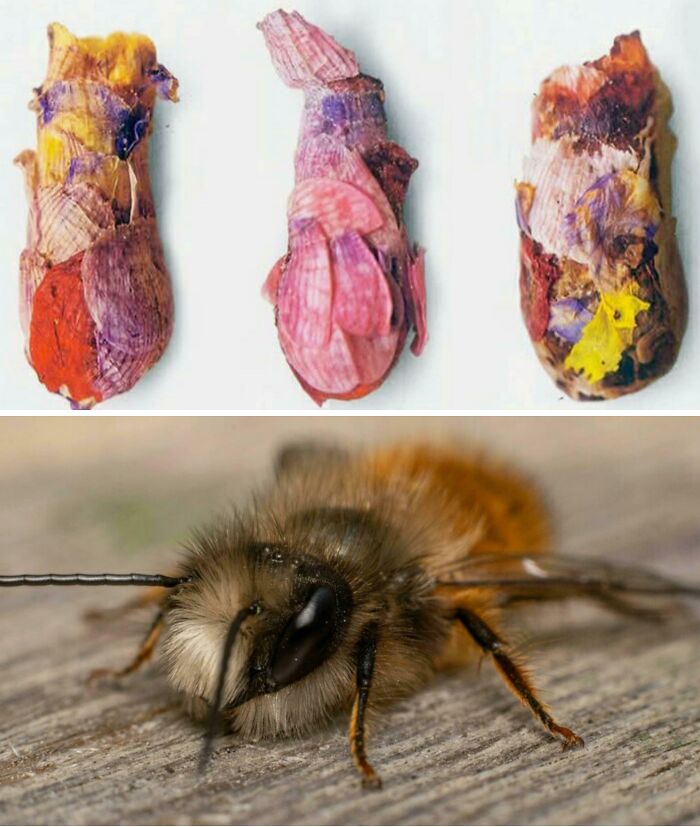
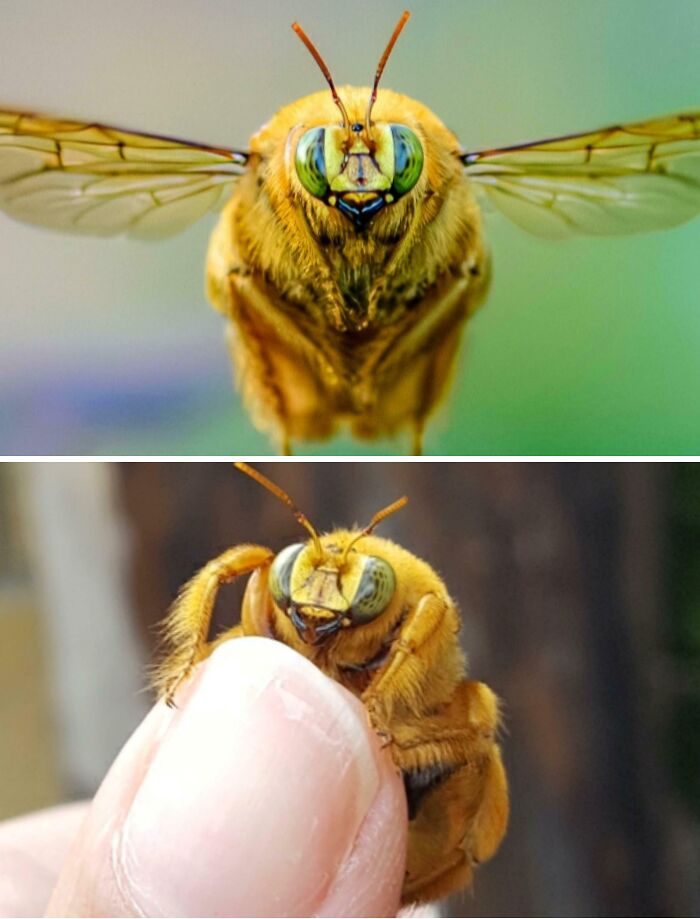
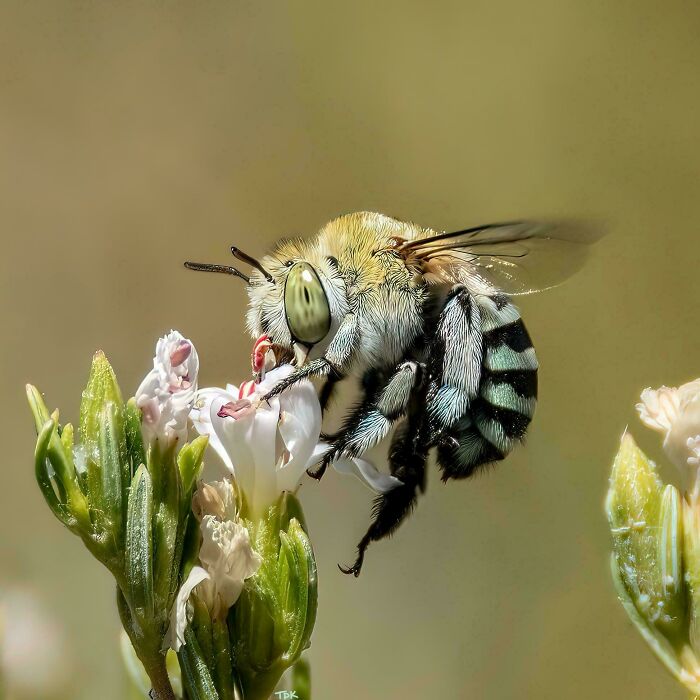
Blue Banded Bees perform a special type of pollination called 'buzz pollination'. Blue Banded Bees can grasp a flower and shiver her flight muscles, causing the pollen to shoot out of the pollen capsule. She can then collect the pollen for her nest and carry it from flower to flower, pollinating them as she goes.
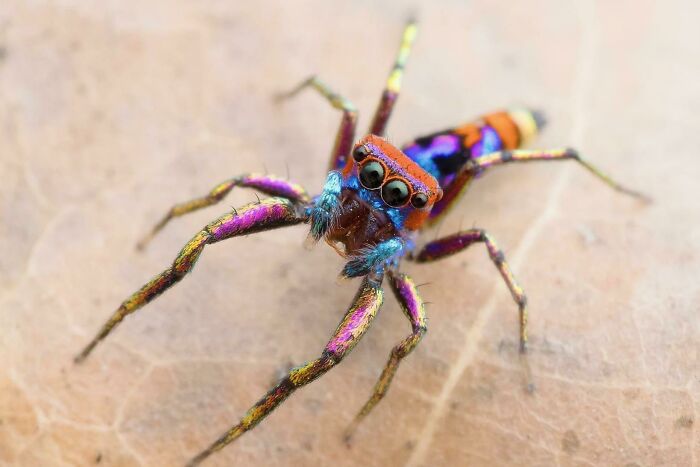
"Amegilla cingulata is a species of blue-banded bee native to Australia. Currently, several scientific organizations are conducting research on how A. cingulata benefits agriculture through its distinctive "buzz pollination." "A. cingulata has a very striking appearance similar to several other species of Amegilla. Unlike honey bees, it has pale opalescent blue stripes on its abdomen. The male can be distinguished by the number of complete bands, having five as opposed to the females' four. In size, A. cingulata can grow to 10–12 mm (0.39–0.47 in)."
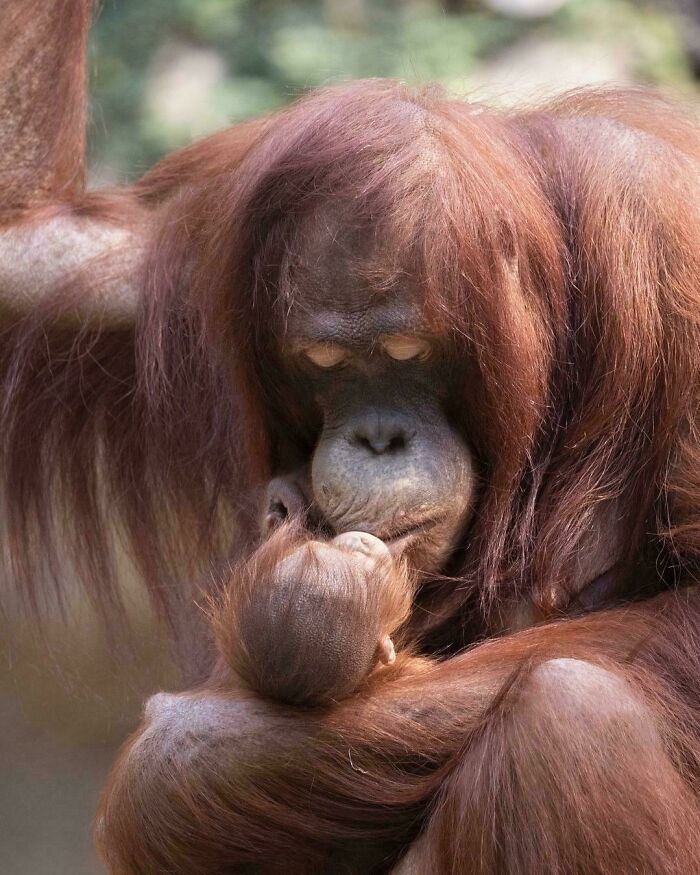
Because they spend so much time raising their offspring, females will typically only have around 3 to 4 children in their lifetime.
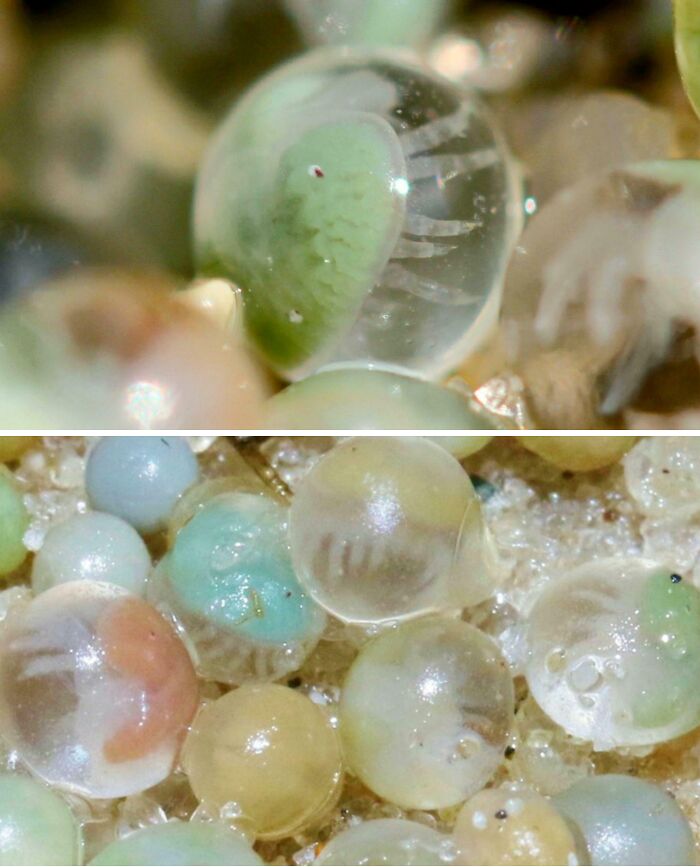
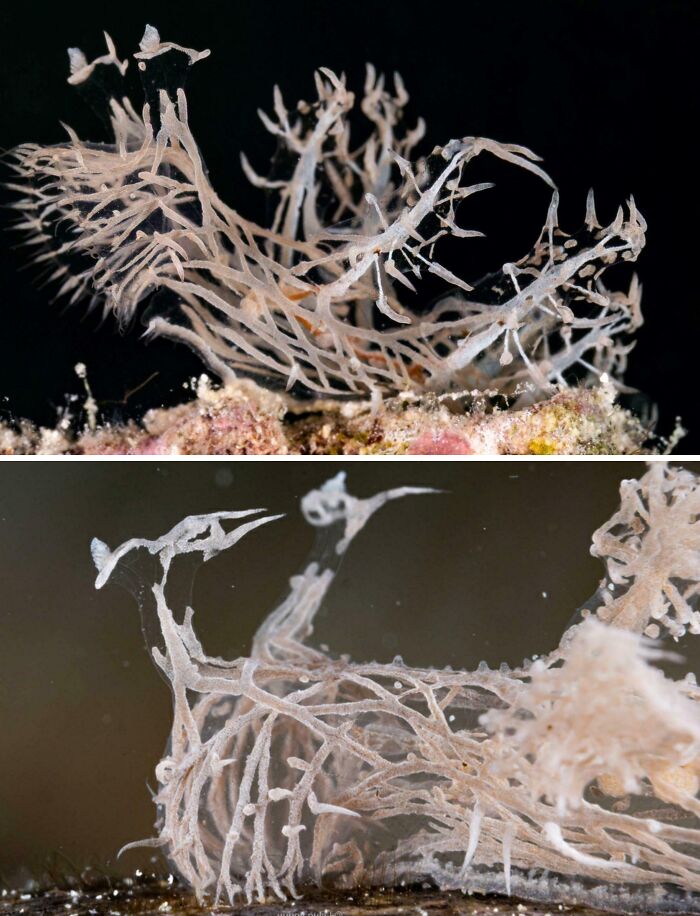
"Melibe colemani, also known as the Coleman's melibe, ghost nudi, or ghost melibe, is a species of nudibranch in the family Tethydidae. Discovered by Neville Coleman in 2008 off the coast of the island of Mabul in Malaysia, it was formally described by Marta Pola and Terrence Gosliner in 2012 and named in honour of its discoverer. It is found throughout the Coral Triangle region of Malaysia, Indonesia, and the Philippines. Due to its translucent body and network of brown tubules across its body, its appearance has been described as a "pile of strings" or a "string of snot in the water". This appearance is likely to serve as camouflage, resembling oceanic debris. Its strange appearance has led some to dub it "the holy grail of nudibranchs"."
With its skinny snout, it sniffs and searches through leaf litter for its favourite food: earthworms.
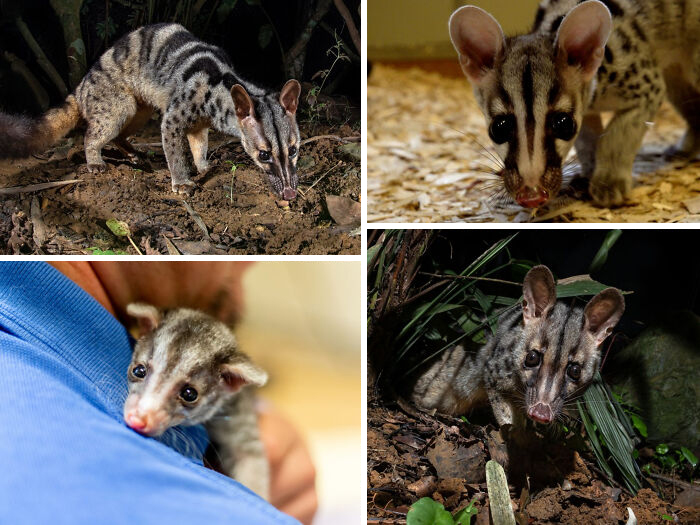
"The Owston's palm civet has a tawny buff-grey body with highly contrasted black markings on its back and tail, and four bands on its back. These bands run from around the eyes to the first third of the tail. It has large rounded ears and black eyes. is a mid-sized palm civet at 57 cm plus a tail of 43 cm, weighing around 1.8–2.7 kg. The last two-thirds of the tail is completely black, and there are black spots on the legs. Both males and females of this species are very skinny. Since both males and females have the same markings, the only way to distinguish the sexes is through looking at genitalia and pelage. Females have an orange pelage only on their lower bellies, whereas males have an orange patch through the chest, that differs in hue from the ones of females. Owston's palm civet lives in lowland evergreen forests where dry seasons are not too harsh. They live in a restricted range of territory, spanning Vietnam, Laos and a very small portion of southern China."
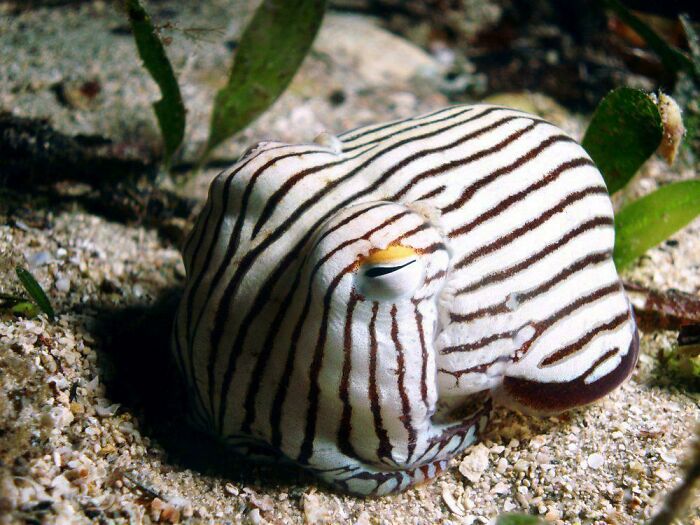
It bites when threatened, and it's venom contains tetrodoxin, the same neurotoxin in the venom of it's very distant cousin, the blue ringed octopus.
"Sepioloidea lineolata also have glands underneath their body that can secrete a toxic slime whenever the squid is being attacked by a predator. The slime scares off the predators or allows the striped pyjama squid enough time to escape. Another defense mechanism that S. lineolata uses is its inking behavior. The ink that cephalopods produce is made of secretions from two different glands that is colored by melanin. The ink that is expelled can mimic the shape of the squid and thereby distract the predator long enough for the squid to get away, or it can interfere with the vision of the predator."
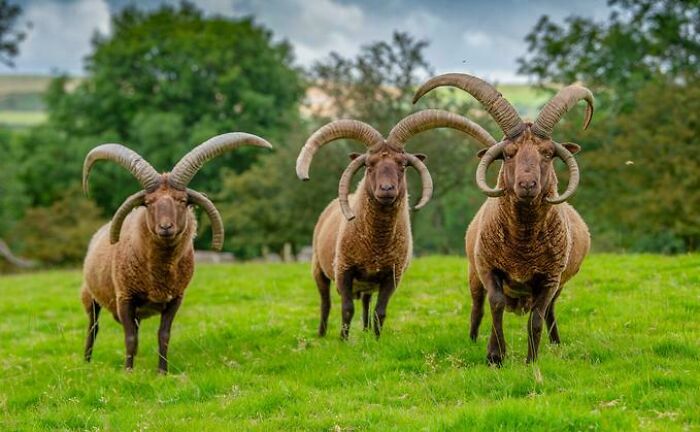
"The Manx Loaghtan is one of the Northern European short-tailed sheep breeds, and descends from the primitive sheep once found throughout Scotland, the Hebrides, and Shetland Islands. The word Loaghtan comes from the Manx words lugh dhoan, which mean mouse-brown and describe the colour of the sheep. This breed is primarily raised for its meat, which some consider a delicacy. In 2008, the meat received EU recognition and protection under the Protected Designation of Origin scheme, which requires products with a regional name to originate in the named region. The Rare Breeds Survival Trust has characterised the Loaghtan as "at risk". By the 1950s there were only 43 surviving specimens. Manx National Heritage developed two healthy flocks. These have given rise to commercial flocks on the Isle of Man, United Kingdom and Jersey. Even so, today there are still fewer than 1,500 registered breeding females."
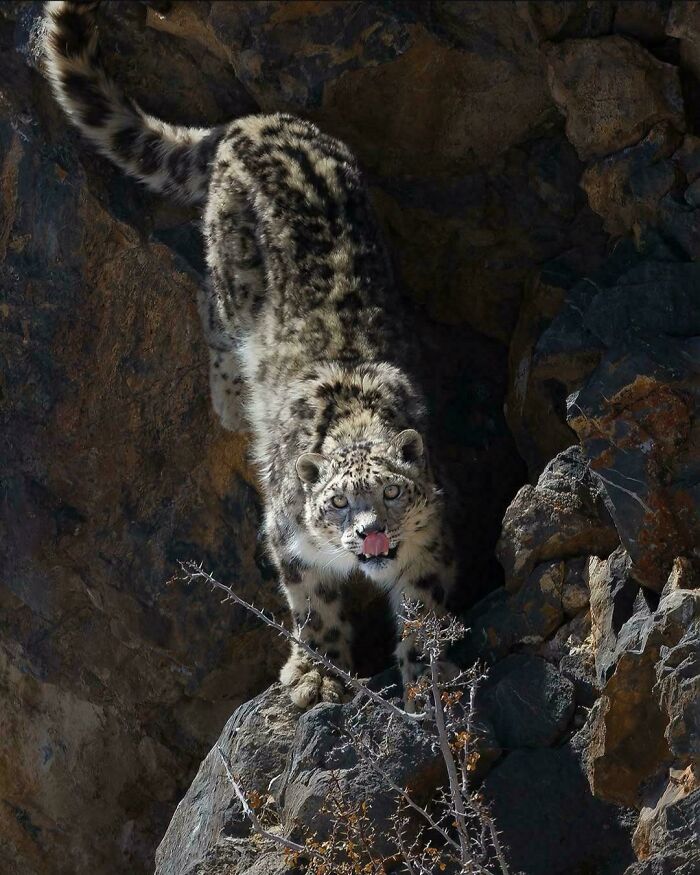
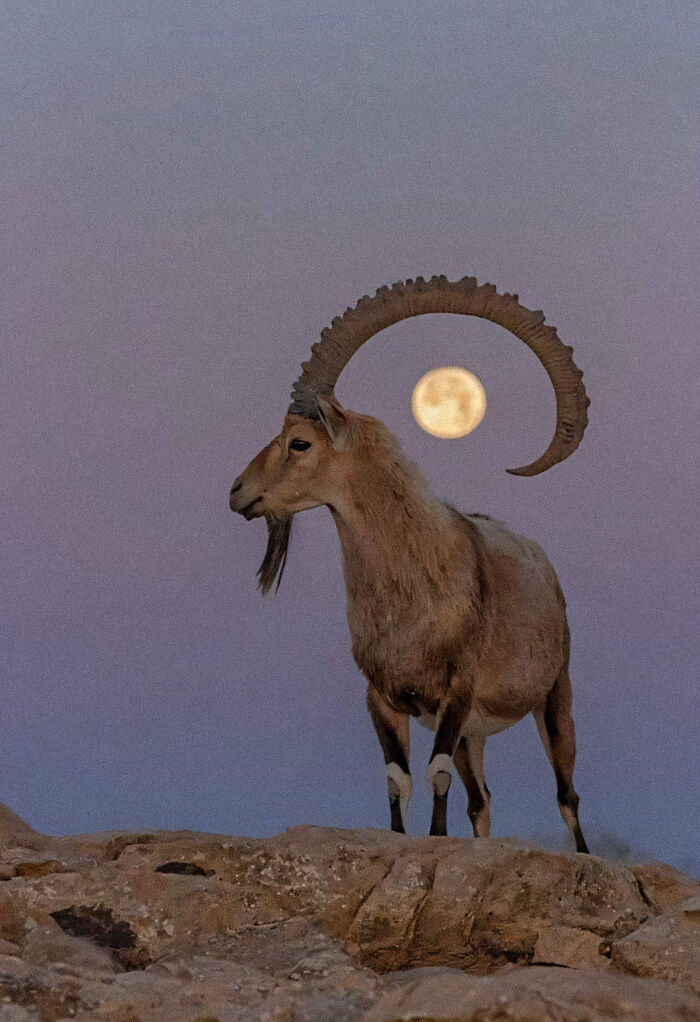
These nimble climbers' highly developed hooves, which offer exceptional traction, enable them to easily scale virtually vertical cliffs. They can obtain food in their rocky surroundings and avoid predators thanks to this capacity.
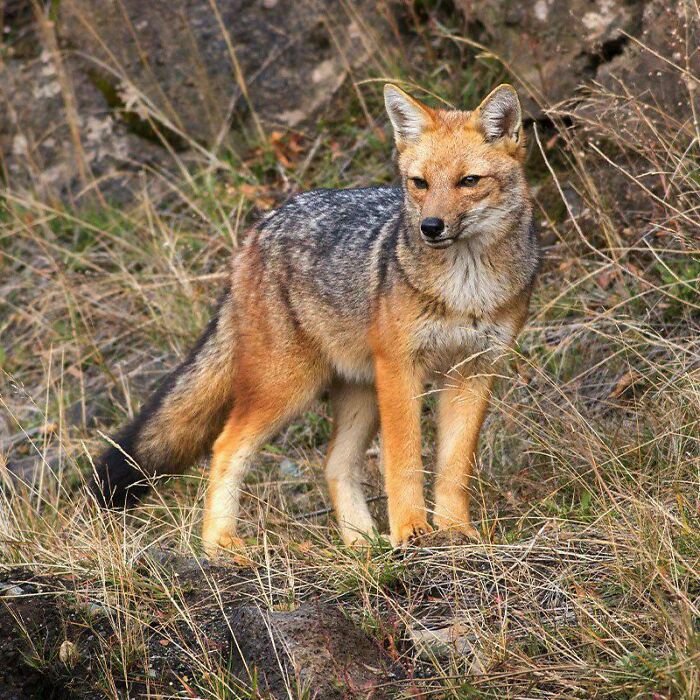
It is an opportunistic feeder that primarily targets small prey, most importantly invasive European rabbits which it helps control the numbers of.
"The culpeo, also known as Culpeo zorro, Andean zorro, Andean fox, Paramo wolf, Andean wolf, and colpeo fox, is a species of South American fox. Despite the name, it is not a true fox, but more closely related to wolves and jackals. Its appearance resembles that of foxes due to convergent evolution. The culpeo's diet consists largely of rodents, rabbits, birds and lizards, and to a lesser extent, plant material and carrion. They may prey on Andean flamingos and baby vicuña. The culpeo sometimes attacks farm animals, among them sheep, goats and poultry; for this, it is hunted in rural Chile and Argentina. In some regions, it has become rare, but overall the species is not threatened with extinction. The culpeo was domesticated by the Selkʼnam people of Tierra del Fuego, producing the Fuegian dog which became extinct in the late 19th or early 20th century."
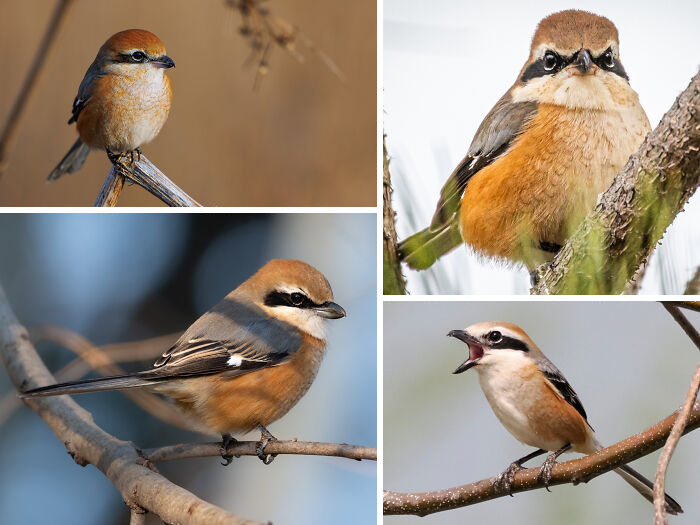
In some regions, farmers use its call to time their work and avoid the winter frosts. The shrike's cries also serve as warnings, staking its claim over hunting grounds.
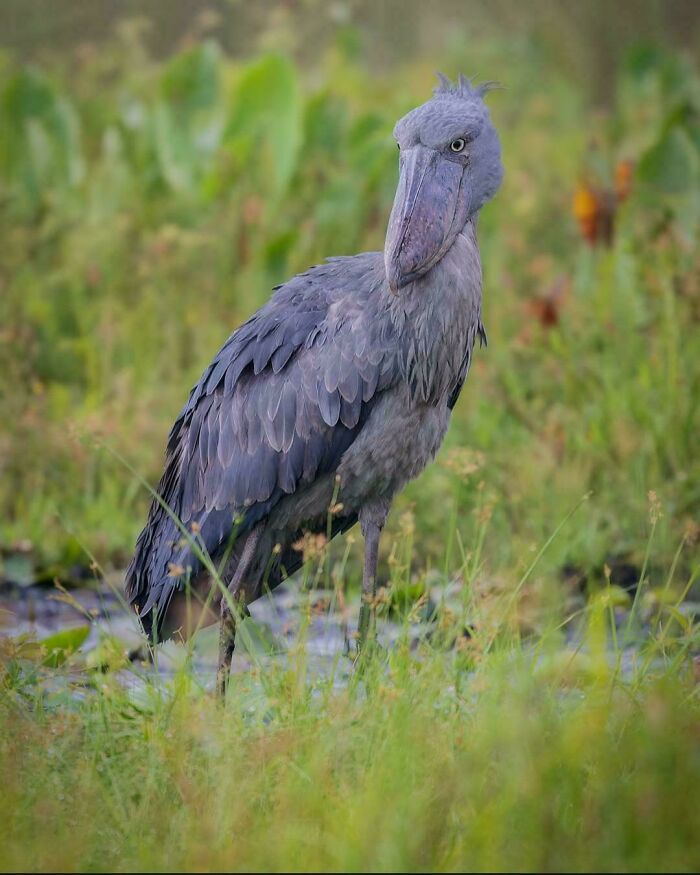
Researchers studying these birds have been able to come within 6 feet of a shoebill stork on its nest. The shoebill stork will not threaten humans, but will only stare right back at them. They stand 110 to 140 cm tall, with some being 152 cm tall.
"The shoebill is a tall bird, with a typical height range of 110 to 140 cm and some specimens reaching as much as 152 cm. Length from tail to beak can range from 100 to 140 cm and wingspan is 230 to 260 cm. Weight has reportedly ranged from 4 to 7 kg. A male will weigh on average around 5.6 kg and is larger than a typical female of 4.9 kg. The signature feature of the species is its huge, bulbous bill, which is pinkish in color with erratic greyish markings. The exposed culmen (or the measurement along the top of the upper mandible) is 18.8 to 24 cm, the third longest bill among extant birds after pelicans and large storks, and can outrival the pelicans in bill circumference, especially if the bill is considered as the hard, bony keratin portion." (cont.)
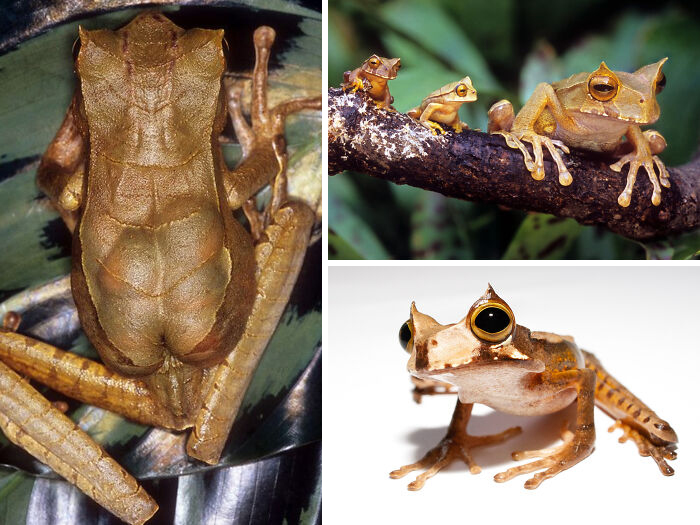
The female carries the eggs in a pouch on her back, each in its own chamber, until they emerge as fully-formed froglets.
"An adult Gastrotheca cornuta grows to about 7 to 8 centimetres (2.8 to 3.1 in) long. The head is broad and the snout is rounded when viewed from above. The iris of the eye is bronze with a greenish center and the upper eyelid has a triangular peak. The skin on the back is smooth and has a number of transverse ridges. The fingers are unwebbed but have circular pads on their tips. The hind legs are long and the toes are partially webbed. The female has a pouch on her lower back in which she broods her eggs. The body color is pale brown at night but dark brown by day and there are pale markings between the mouth and eyes during the day. Permanent color features include narrow dark transverse stripes on the body, a dark line running from near the eye to the groin and a pinkish or light brown belly."
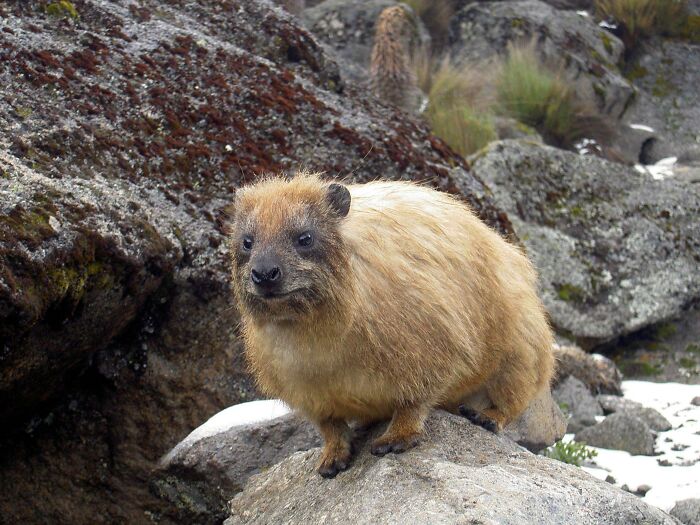
"Rock hyraxes are squat and heavily built, with adults reaching a length of 50 cm (20 in) and weighing around 4 kg (8.8 lb), with a slight sexual dimorphism, males being about 10% heavier than females. Their fur is thick and grey-brown, although this varies strongly between different environments, from dark brown in wetter habitats, to light gray in desert-living individuals. Hyrax size (as measured by skull length and humerus diameter) is correlated to precipitation, probably because of the effect on preferred hyrax forage. Prominent in and apparently unique to hyraxes is the dorsal gland, which excretes an odour used for social communication and territorial marking. The gland is most clearly visible in dominant males." "The rock hyrax, also called dassie, Cape hyrax, rock rabbit, or coney, is a medium-sized terrestrial mammal native to Africa and the Middle East. Commonly referred to in South Africa as the dassie."
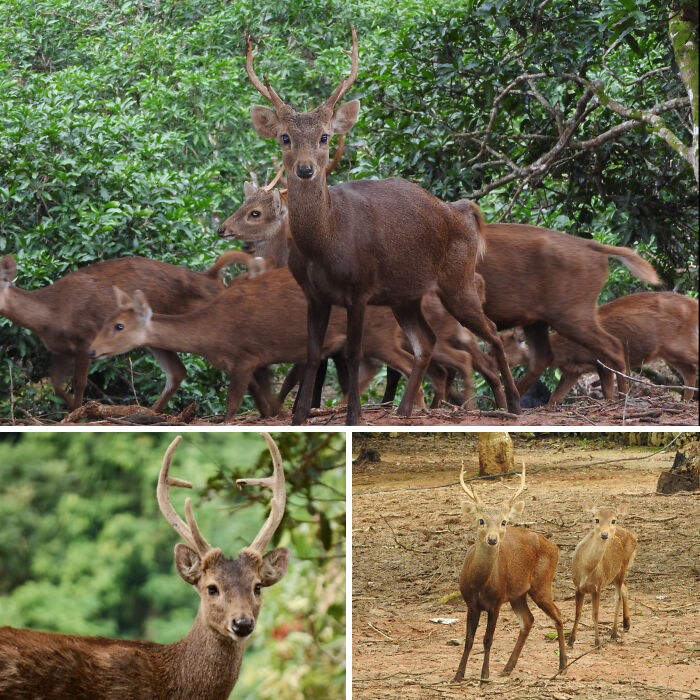
It's only found on the small Indonesian island of Bawean and is considered 'critically endangered' — with an estimated population of less than 300 individuals.
"A typical height for males of 60–70 cm (24–28 in) has been reported. Males have three-tined antlers. Their fawns are spotted at birth, which separates them from the best known western population of the related Indian hog deer (Axis porcinus). Their pelage is short, smooth, and soft, and generally a light brown in color. There are few distinctive yellow markings which are limited to the head and neck. There is also a light throat patch or 'bib' and a whitish eye-ring. Infants have white spots on their backs when younger."
They assimilate the majority of it directly into their own body fat & don’t digest carbohydrates or proteins as well as Brown Bears do.
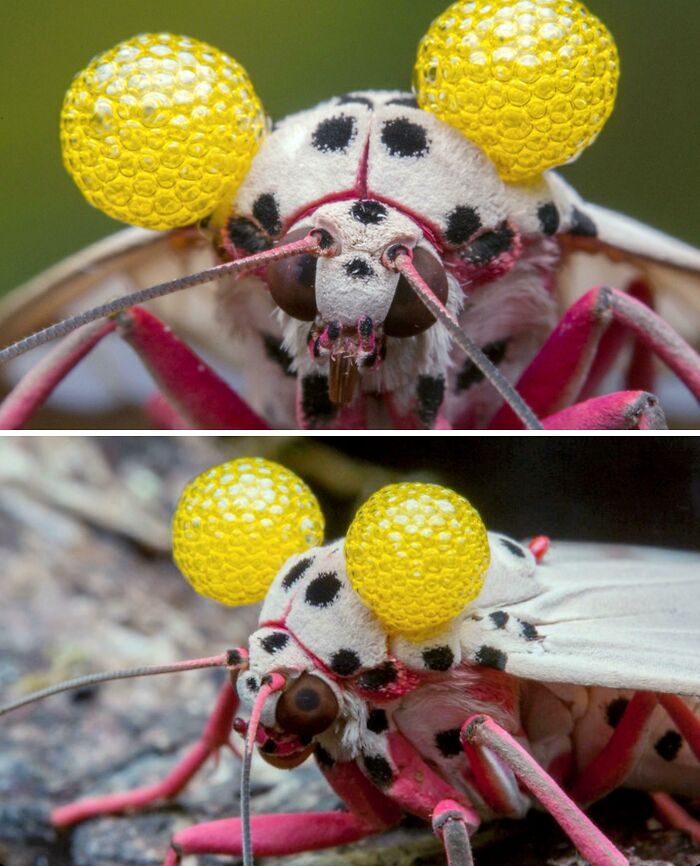
"Amerila rubripes, Walker's frother, is a moth of the subfamily Arctiinae. It is found in Queensland. The wingspan is about 50 mm. Adults have translucent white wings. They have black spots on the thorax, and red and orange areas on the legs, hindwings and body. When disturbed, the moth exudes a froth from glands beside the eyes." "Moths of the genus Amerila are commonly known as "frother moths," because they can produce a pungent, unpalatable froth in order to deter predators. A distinctive "sizzling" or "hissing" sound is also emitted as the frothy substance bubbles out."
"The chital, also called spotted deer and axis deer, is a deer species native to the Indian subcontinent. It was first described by Johann Christian Polycarp Erxleben in 1777. A moderate-sized deer, male chital reach 90 cm (35 in) and females 70 cm (28 in) at the shoulder. While males weigh 70–90 kg (150–200 lb), females weigh around 40–60 kg (88–132 lb). It is s******y dimorphic; males are larger than females, and antlers are present only on males. The upper parts are golden to rufous, completely covered in white spots. The abdomen, rump, throat, insides of legs, ears, and tail are all white. The antlers, three-pronged, are nearly 1 m (3 ft 3 in) long."
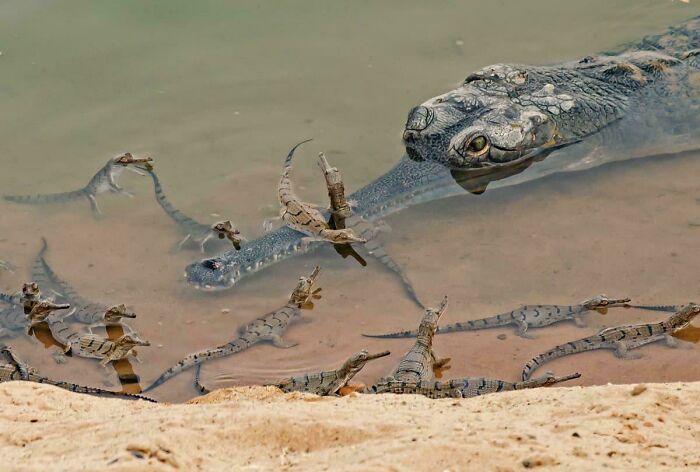
The male gharial is distinguished from the female (pictured here) by a large, bulbous protuberance on his nose.
"The gharial, also known as gavial or fish-eating crocodile, is a crocodilian in the family Gavialidae and among the longest of all living crocodilians. Mature females are 2.6 to 4.5 m (8 ft 6 in to 14 ft 9 in) long, and males 3 to 6 m (9 ft 10 in to 19 ft 8 in). Adult males have a distinct boss at the end of the snout, which resembles an earthenware pot known as a ghara, hence the name "gharial". The gharial is well adapted to catching fish because of its long, narrow snout and 110 sharp, interlocking teeth." "The wild gharial population has declined drastically since the 1930s and is limited to only 2% of its historical range today. Conservation programmes initiated in India and Nepal focused on reintroducing captive-bred gharials since the early 1980s."
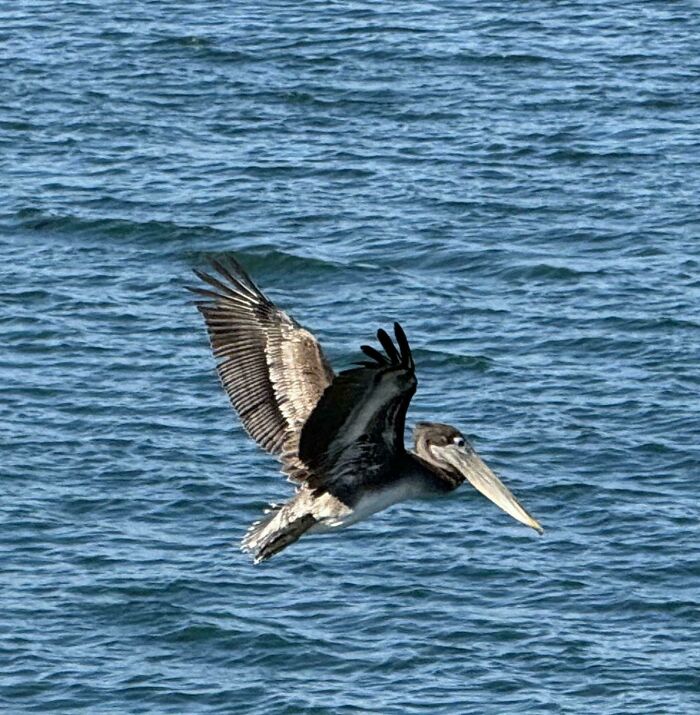
DDT runoff was causing the shells on their eggs to be very thin. Since DDT was banned, their numbers have steadily increased and in 2009, they were officially removed from the Endangered and Threatened list.
Not only is it the world's smallest jellyfish, but also one of the most venomous, and can be near impossible to spot due to being translucent.
The venom is so painful that it can't be helped even by narcotic pain relievers. I saw a documentary once about a researcher who was studying Irukandji. Both he and his colleague got stung and were in agony. And it lasts for a long time.
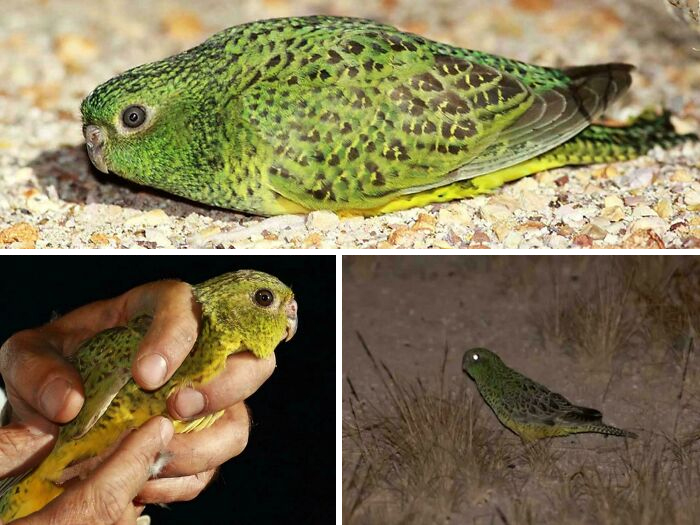
One of Australia's most elusive birds, this nocturnal parrot lives in isolated arid regions, spending most of its time on the ground and hiding within tunnels of spinifex grass.
"A relatively small and short-tailed parrot, the species' colour is predominantly a yellowish green, mottled with dark brown, blacks and yellows. Both sexes have this coloration. It is distinguished from the two superficially similar ground parrot species by its shorter tail and different range and habitat. Predominantly terrestrial, taking to the air only when panicked or in search of water, the night parrot has furtive, nocturnal habits and—even when it was abundant—was apparently a highly secretive species. Its natural habitat appears to be the spinifex grass which still dominates much of the dry, dusty Australian interior; other early reports also indicate that it never strayed far from water. It may also inhabit chenopod shrublands, eucalyptus woodlands, and mallee shrublands. One of the vocalisations of the night parrot has been described as a croak and identified as a contact call. Other calls, mostly short "ding-ding" whistles, and a more drawn out whistle, have been recorded."
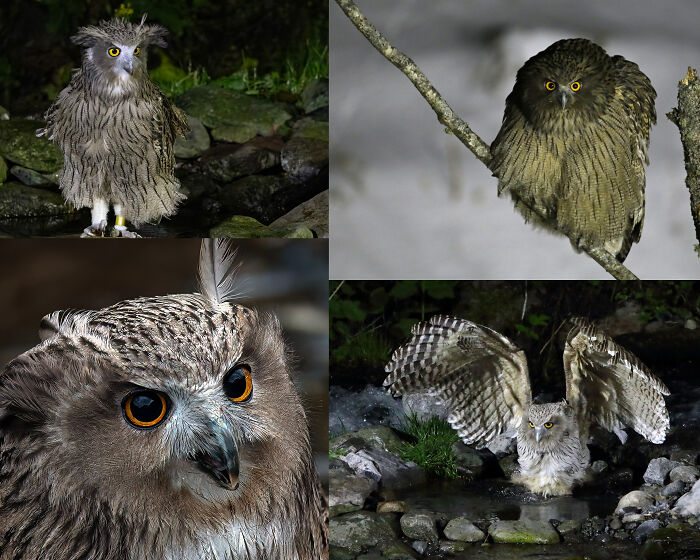
It is endangered — it's estimated that less than 2,000 individuals hunt the cold rivers of northeast Asia.
"Blakiston's fish owl is the largest living species of owl. A pair field study of the species showed males weighing from 2.95 to 3.6 kg (6.5 to 7.9 lb), while the female, at up to 2.95 to 4.6 kg (6.5 to 10.1 lb), is about 25% larger. Around February, the average weight of Russian fish owls was 3.1 kg (6.8 lb) in seven males and 3.25 kg (7.2 lb) in five females, typically when their body mass at its lowest throughout the year. Blakiston's fish owl measures 60 to 72 cm (24 to 28 in) in total length, and thus measures slightly less at average and maximum length than the great grey owl, a species which has a significantly lower body mass. The Eurasian eagle-owl is sometimes considered the largest overall living owl species. The three largest species of eagle-owl, all found in Siberia and the Russian Far East, are close in size to the Blakiston's fish owl."
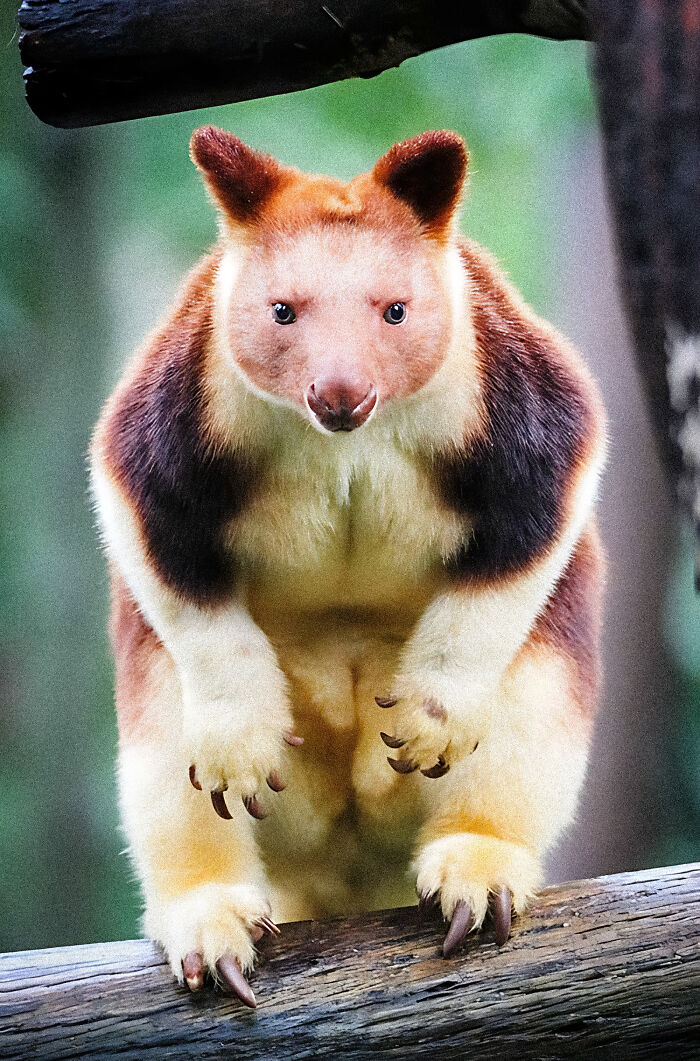
These tree-kangaroos live mostly in trees, as opposed to their terrestrial cousins. their strong forelimbs and long tail helps them jump on treetops.
According to zoo keepers, if you see a tree kangaroo climbing down out of a tree, run. They only come down when they are very very angry.
They use light to deter predators by startling them or to attract larger predators to their location to feed on whatever might be feeding on them - this is called the burglar alarm theory.
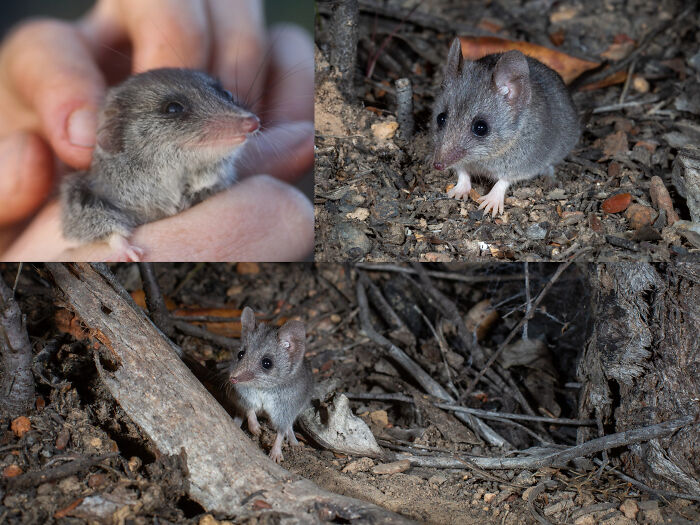
In 2019–2020, catastrophic bushfires swept across the island, burning over 90% of the dunnart’s habitat. The species was feared extinct, but a few were found to have survived — perhaps just 50–100 individuals.
The Kangaroo island bushfires were catastrophic for a large variety of native animals, including the koalas there.
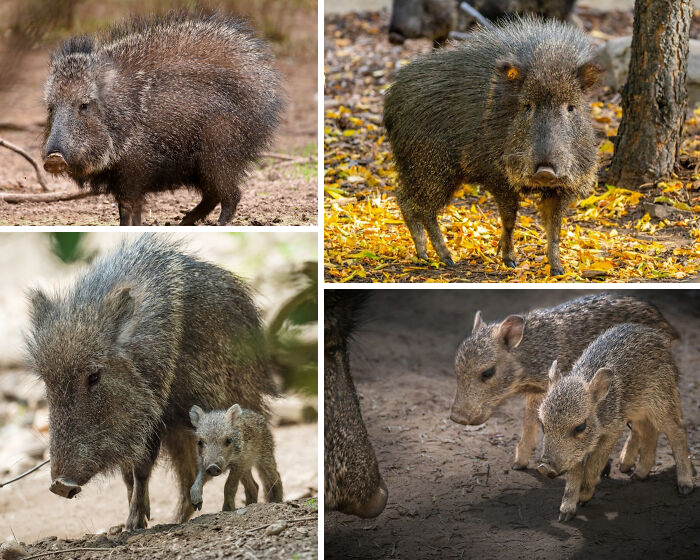
In the early 1970s, a living population was found in an isolated area of Paraguay — in a region known as the Gran Chaco. This species is the largest and rarest of the three living peccaries.
"The Chacoan peccary (Catagonus wagneri), also called the taguá, is a peccary found in the Gran Chaco of Paraguay, Bolivia, and Argentina. It is the only extant species of genus Catagonus. With a total estimated population of approximately 3,000, it is considered to be an endangered species. The Chacoan peccary was first described in 1930 based on fossils and was originally thought to be an extinct species. In 1971, the animal was discovered to still be extant in the Argentine province of Salta. The species was well-known to the local people, but it took a while for Western scientists to acknowledge its existence. Because it was originally described as extinct before its rediscovery, it is an example of a Lazarus taxon."
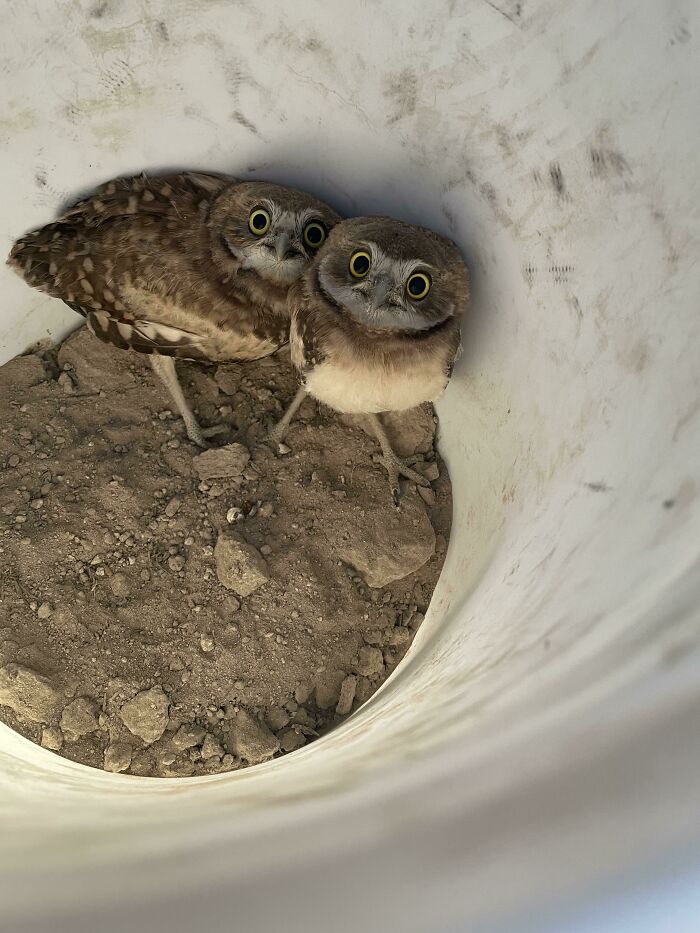
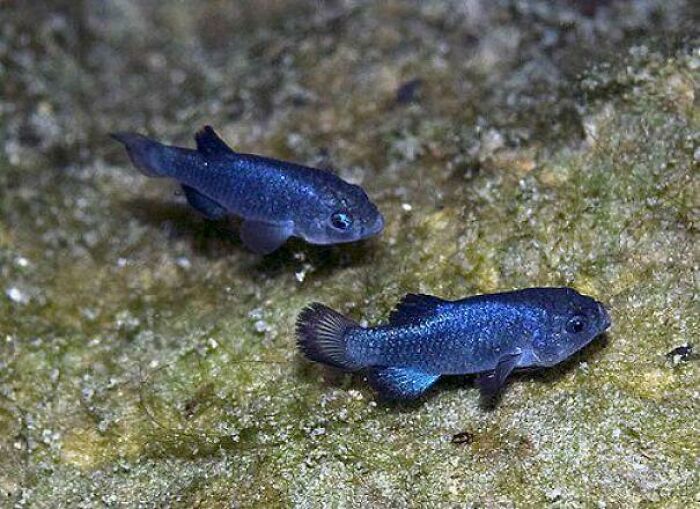
It's native to the United States. They're found only in the water filled cave system that gives them their name, and extensive efforts have been made to preserve them.
"The Devils Hole pupfish is a critically endangered species of the family Cyprinodontidae (pupfishes) found only in Devils Hole, a water-filled cavern in the US state of Nevada. It was first described as a species in 1930 and is most closely related to C. nevadensis and the Death Valley pupfish (C. salinus). The age of the species is unknown, with differing analyses offering ranges between one thousand and sixty thousand years. It is a small fish, with maximum lengths of up to 30 mm (1.2 in). Individuals vary in coloration based on age and sex: males are bright metallic blue while females and juveniles are more yellow. A defining trait of this species is its lack of pelvic fins. The pupfish consumes nearly every available food resource at Devils Hole, including beetles, snails, algae, and freshwater crustaceans, with diet varying throughout the year. It is preyed on by the predaceous diving beetle species Neoclypeodytes cinctellus."
And then incorporating those cells into its own body, where they continue to photosynthesize, allowing the sea slug to survive without food for months at a time.
"Adult length of E. viridis ranges between 15-20mm, with an healthy adult weight of 15–20 mg. The surface of the slug is covered in tiny spots of red, yellow, blue or green that are reported to have a glistening appearance. Parapodia extend from the sides of the slug, and are the main location of captured chloroplasts. Rhinophores extend upward from its head. Elysia viridis feed using radular teeth, which in this species, E. gordanae, can vary in design based upon the diet of the individual."
Their plumage is basically black, white, and chestnut, while their faces and legs are bright red. Such birds are famous for their fantastic aerial displays consisting of great swoops and loops.
"The bateleur, also known as the bateleur eagle, is a medium-sized eagle in the family Accipitridae. It is often considered a relative of the snake eagles and, like them, it is classified within the subfamily Circaetinae. It is the only member of the genus Terathopius and may be the origin of the "Zimbabwe Bird", the national emblem of Zimbabwe. Adult bateleurs are generally black in colour with a chestnut colour on the mantle as well as also on the rump and tail. Adults also have gray patches about the leading edges of the wings (extending to the secondaries in females) with bright red on their cere and their feet. Adults also show white greater coverts, contrasting with black remiges in males, gray patches on the underwing primaries and black wingtips. The juvenile bateleur is quite different, being largely drab brown with a bit of paler feather scaling."
Before nightfall, it uses its powerful clawed feet to climb trees, where it sleeps to avoid nocturnal-hunting pit vipers. In the morning, it drops back down in a graceless fluttering of wings.
"It is a medium-sized and almost flightless rail with short wings and tail, olive-brown upperparts, black underparts with white bars and a red bill and legs. It occurs in subtropical moist forests and in neighboring habitats. It nests and feeds on the ground but usually roosts in trees. It is classified as an endangered species and is threatened by habitat loss and introduced predators."
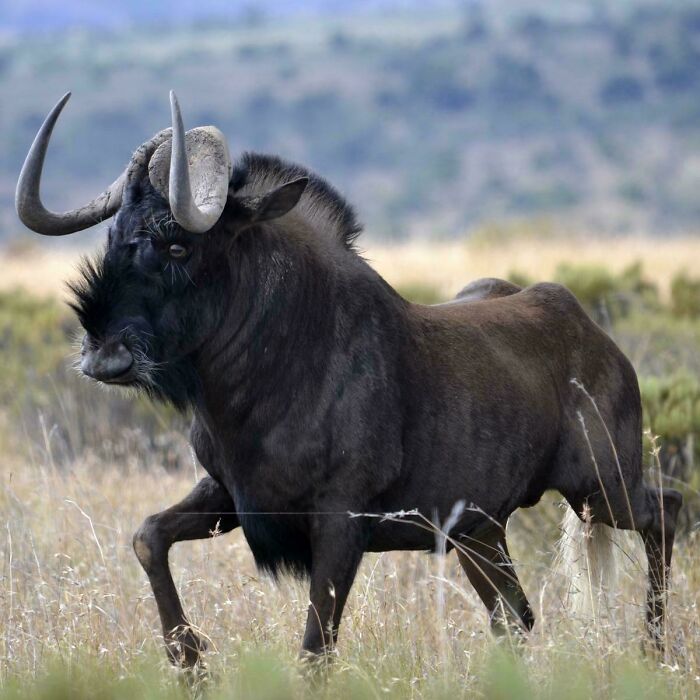
It was once nearly hunted to extinction but since has been successfully reintroduced to many parts of its natural range.
"The black wildebeest is typically 170–220 cm in head-and-body length, and the typical weight is 110–180 kg. Males stand about 111–121 cm at the shoulder, while the height of the females is 106–116 cm. The black wildebeest is characterised by its white, long, horse-like tail. It also has a dark brown to black coat and long, dark-coloured hair between its forelegs and under its belly. The black wildebeest is an herbivore, and almost the whole diet consists of grasses. Water is an essential requirement. The three distinct social groups are the female herds, the bachelor herds, and the territorial bulls. They are fast runners and communicate using a variety of visual and vocal communications. The primary breeding season for the black wildebeest is from February to April. A single calf is usually born after a gestational period of about 8 and 1/2 months. The calf remains with its mother until her next calf is born a year later."
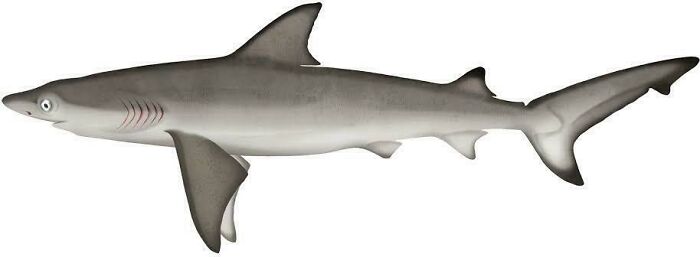
Difficult to approach or even photograph, these timid sharks grow to 3-4 feet long and inhabit the coastal waters of northern Australia, Papua New Guinea, and the Solomon Islands.
"The nervous shark is a species of requiem shark, and part of the family Carcharhinidae, so named because of its timid behavior in regard to humans. It is common in shallow, coastal waters off northern Australia, Papua New Guinea, and the Solomon Islands. A small brownish or grayish shark typically measuring 1.0–1.3 m (3.3–4.3 ft) long, this species has a short, blunt snout, oval eyes, and a relatively large second dorsal fin. The leading margins of most fins are finely edged with black, and the lower caudal fin lobe is black-tipped. Small bony fishes are the main prey of the nervous shark, while crustaceans, molluscs, and snakes may also be eaten. It is viviparous, with the developing embryos nourished through a placental connection. The details of its life history seem to vary depending on latitude—for example, the timing of the breeding season and the length of the gestation period. Females produce litters of one to six young either annually or biennially."
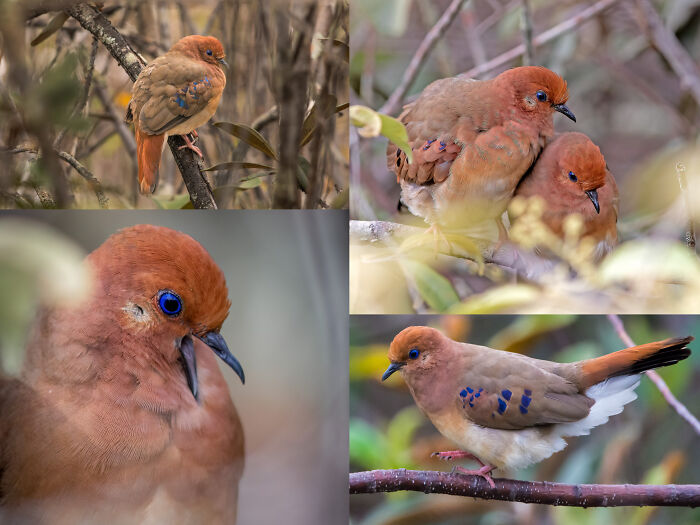
Current population estimates range from over 250 wild individuals to as few as 16.
"The blue-eyed ground dove is 15.5 cm (6.1 in) long. The male's head, neck, wing coverts, uppertail coverts, and breast are purplish red. Its lower breast, belly, flanks, shoulders, and back are browner. Its vent and undertail coverts are white. The closed wing shows dark brown and chestnut with iridescent blue spots. The central tail feathers are rufous and the outer ones darker. Its eye is blue surrounded by bare gray skin. The adult female is paler, especially on its underparts. The juvenile has rufous edges on many feathers and the wing's spots are obscure."
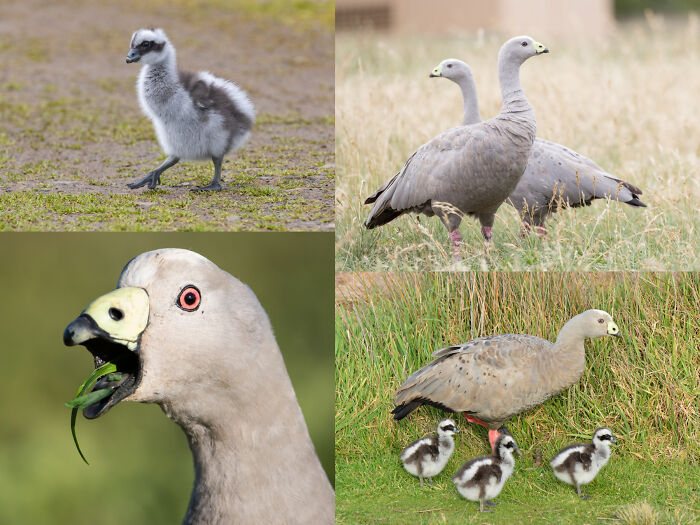
An aggressively protective parent, it chases away larger animals, including humans, by battering them with the hard "wrist" bones on its wings and pecking with its knobby beak.
"Adult Cape Barren geese are large birds, typically measuring 75–100 cm (30–39 in) long and weighing between 3.7–5.2 kg (8.2–11.5 lb), with males generally being larger than females. The plumage is mostly pale grey with a slight brown tint. The head is somewhat small in proportion to the body and mostly grey in colour, save for a pale whitish patch on the forehead and crown. The bill is short, measuring 56–63 mm (2.2–2.5 in) in length, triangular in shape and black in colour with a prominent pale yellow-green cere covering more than half the length of the bill. Feathers on the breast and back have pale margins, while the upperwing coverts and scapular feathers each have a brownish grey spot near the tip. The flight feathers are grey with black tips, with the black extending to cover the distal half of the outer primaries, giving the appearance of a dark trailing edge to the wings when in flight. The tail feathers are black, and the legs are pink with black feet."
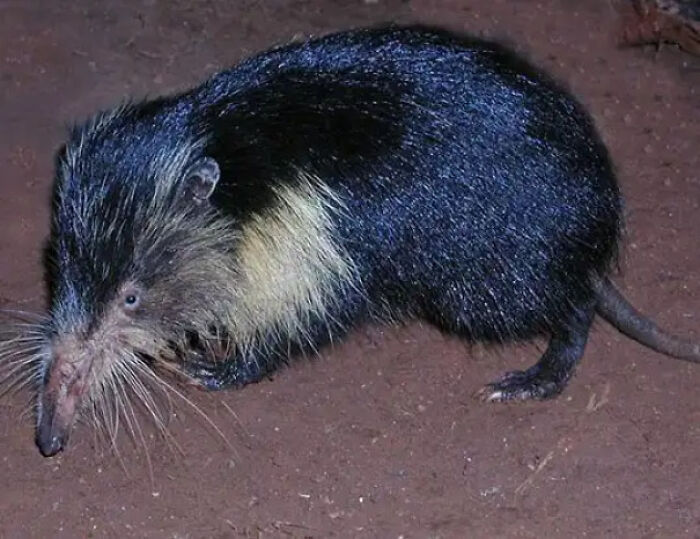
Though it superficially resembles a rat or shrew, it is actually in its own family, with only one other extant species. Both species of solenodon are nocturnal, primarily insectivorous, and have a venomous bite.
"The Cuban solenodon or almiquí (Atopogale cubana) is a small, furry, shrew-like mammal endemic to mountainous forests on Cuba. It is the only species in the genus Atopogale. An elusive animal, it lives in burrows and is only active at night when it uses its unusual toxic saliva to feed on insects. The solenodons (family Solenodontidae), native to the Caribbean, are one of only a few mammals that are venomous. With small eyes, and dark brown to black hair, the Cuban solenodon is sometimes compared to a shrew, although it most closely resembles members of the family Tenrecidae of Madagascar. It is 16–22 in (41–56 cm) long from nose to tail-tip and resembles a large brown rat with an extremely elongated snout and a long, naked, scaly tail."
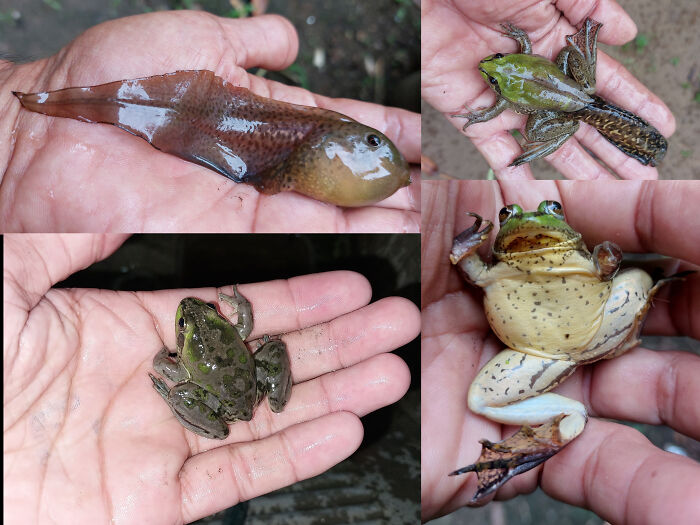
It eventually metamorphoses into a shrunken adult frog, only some 7 centimetres (2.7 in) long.
"Pseudis paradoxa, known as the paradoxical frog or shrinking frog, is a species of hylid frog from South America. Its name refers to the very large—up to 27 cm (11 in) long—tadpole (the world's longest), which in turn "shrinks" during metamorphosis into an ordinary-sized frog, only about a quarter or third of its former length. Although the recordholder was a tadpole in Amapá that belonged to this species, others in the genus Pseudis also have large tadpoles and ordinary-sized adults."
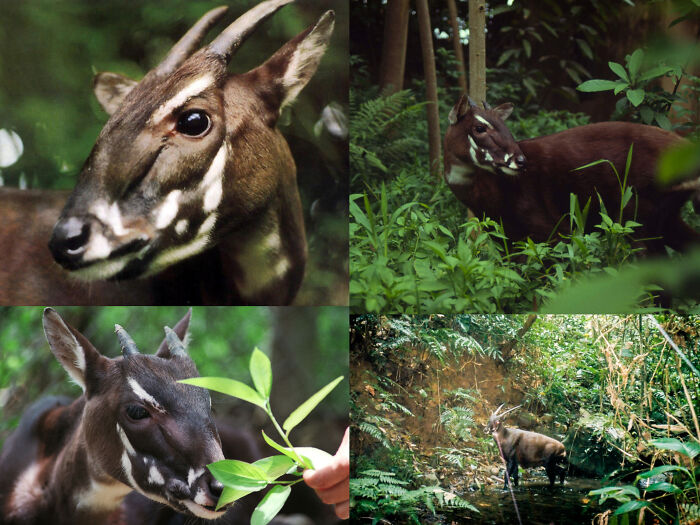
Discovered by science in 1992, it has never been directly observed alive by researchers in the wild and may number fewer than 100 individuals.
"The saola, also called spindlehorn, Asian unicorn, or infrequently, Vu Quang bovid, is a forest-dwelling bovid native to the Annamite Range in Vietnam and Laos. It was first described in 1993 following a discovery of remains in Vũ Quang National Park by a joint survey of the Vietnamese Ministry of Forestry and the World Wide Fund for Nature, Saolas have since been kept in captivity multiple times, although only for short periods as they died within a matter of weeks to months." "There is concern that the species may already be extinct. It is the only species in the genus Pseudoryx and the earliest diverging member of the tribe Bovini, placing buffalo and cattle as its closest relatives."
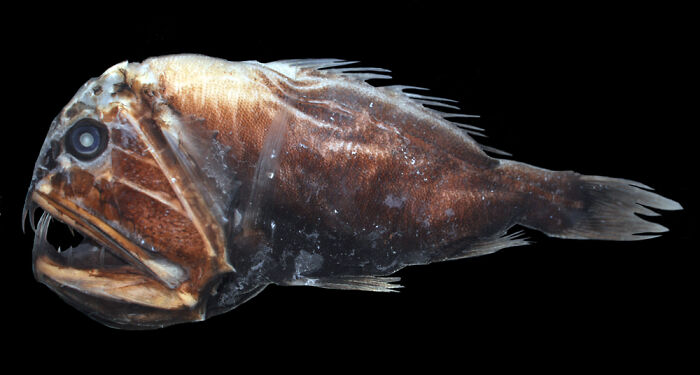
"Fangtooths are beryciform fish of the family Anoplogastridae (sometimes spelled "Anoplogasteridae") that live in the deep sea. The name is from the Greek anoplo, meaning "unarmed", and γαστήρ, meaning "stomach". With a worldwide distribution in tropical and cold-temperate waters, the family contains only two very similar species in one genus, with no known close relatives." "While named for their disproportionately large, fang-like teeth and unapproachable visage, fangtooths are actually quite small and harmless to humans: the larger of the two species, the common fangtooth, reaches a maximum length of just 16 cm (6.3 in); the shorthorn fangtooth is less than half this size though currently known only from juvenile specimens."
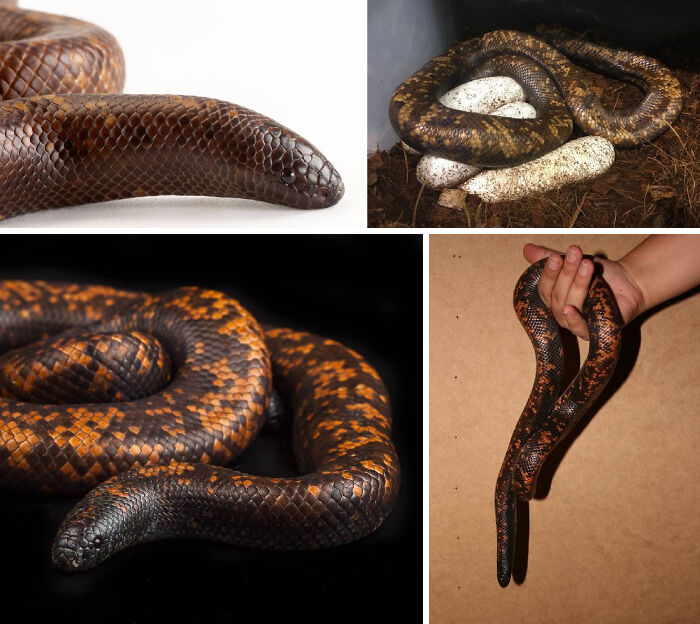
Its common name is a misnomer, it is actually a species of boa. Unlike most boas, they lay one to three enormous eggs that may represent up to half of the female's body weight.
"The Calabar python is a species of non-venomous snake in the family Boidae. The species is endemic to West and Central Africa. It is the only species in its genus." "Calabaria reinhardtii grows to no more than 1 m (39 in) in total length (including tail), and the body is fairly uniform in its thickness from head to tail, with a pronounced cylindrical profile. No palatal teeth are present and, unlike other boids, the compact skull includes a prefrontal bone. No thermoreceptive labial pits are present. Adapted to burrowing, the body is cylindrical with a blunt head and equally blunt tail. The head is covered with enlarged shields. The shape of the tail closely resembles that of the head which may be a defensive adaptation, meant to confuse an attacker. The body is muscular and strong. The eyes are relatively small and usually a dark reddish-brown color. The pupil is round."
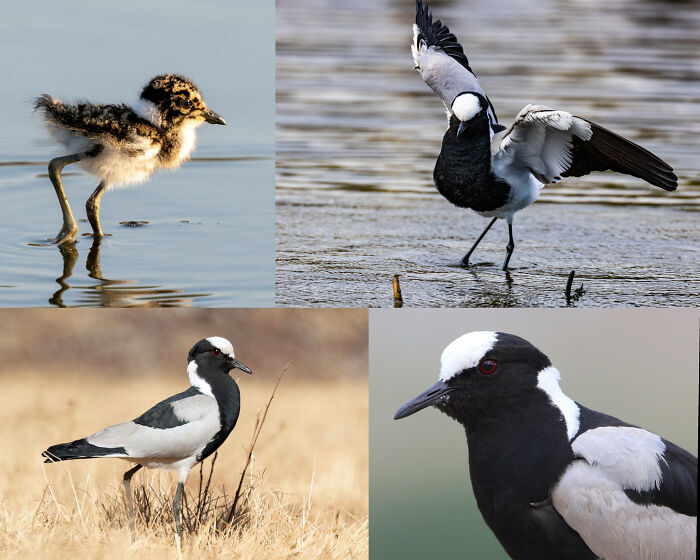
It's an exceedingly bold bird when defending its chicks, known to attack raptors and go after elephants using the sharp spurs on its carpal (wrist) joints.
"Blacksmith lapwings are very boldly patterned in black, grey and white, possibly warning colours to predators. It is one of five lapwing species (two African, one Asian and two Neotropical) that share the characteristics of red eyes and a bold pied plumage, with a carpal (wing) spur adorning the wrist joint; a sharp black protrusion which they use to aggressively defend their young from potential threats, through persistent aerial dives typically targeting the head. The portions of the bird's body bare to plumage average a black coloration for the bill, and either a black or white-grey dappling on the legs. Females average larger and heavier but the sexes are generally alike."
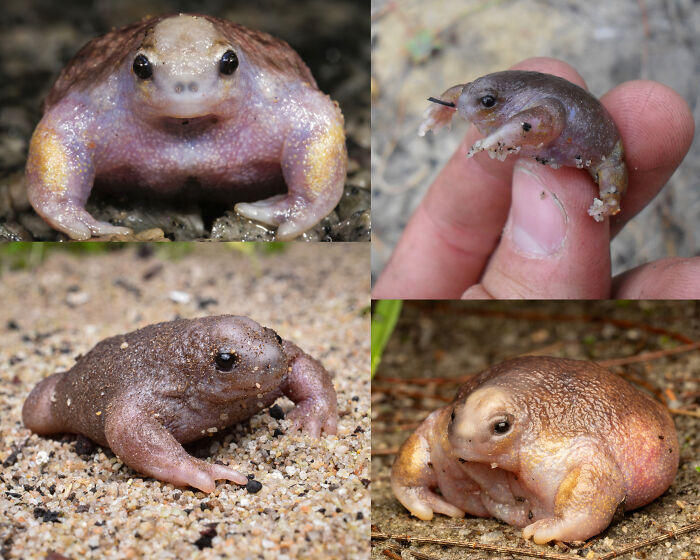
Adapted to semi-arid habitats far from water, its tadpoles develop inside their eggs and hatch as tiny frogs.
"Myobatrachus is a genus of frogs found in Western Australia. It is monotypic, being represented by the single species, Myobatrachus gouldii, also known as the turtle frog. It gets its name from the resemblance to a shell-less chelonian, which is a type of turtle. It is described to have an extremely small narrow head, short limbs, and a round body. They can get up to 45 millimetres (1.8 in) long. Anatomy studies of this species say that it has an incredibly large pectoral girdle for its size. Due to its unusual morphology, the features of this creature are thought to originate with old frog lineages from the early Tertiary or late Mesozoic eras."
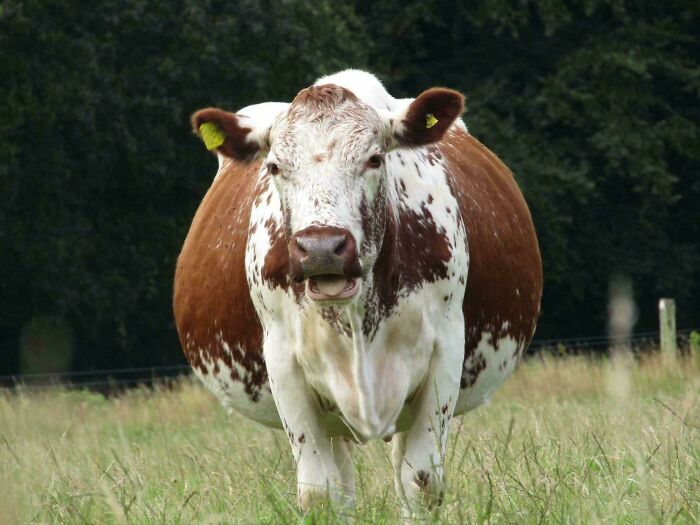
"The Irish Moiled Cow is one of the oldest breeds of cow in Ireland. Throughout the 19th century, they were relatively popular throughout Ireland, due to being a hardy breed that could effectively be used for both their milk and meat. With the introduction of more specialised breeds (such as friesians for milk, herefords/anguses for beef, etc.), their popularity began to decline. By the late 1970s, only 30 cows and 2 bulls remained, being maintained by only two breeders. In 1979 they were marked as "critically endangered" by the Rare Breed Survival Trust."
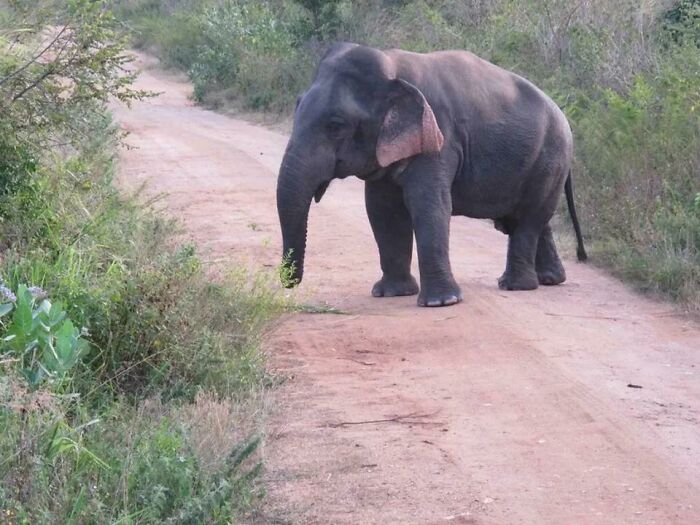
They digest it so efficiently that bamboo protein supplies them with at least half of their calories, which is on par with the carnivorous diets of Wolves.
Bamboo has a defence against pandas. They synchronise their flowering and when flowering they become inedible. The pandas will starve during this time unless they find food elsewhere.
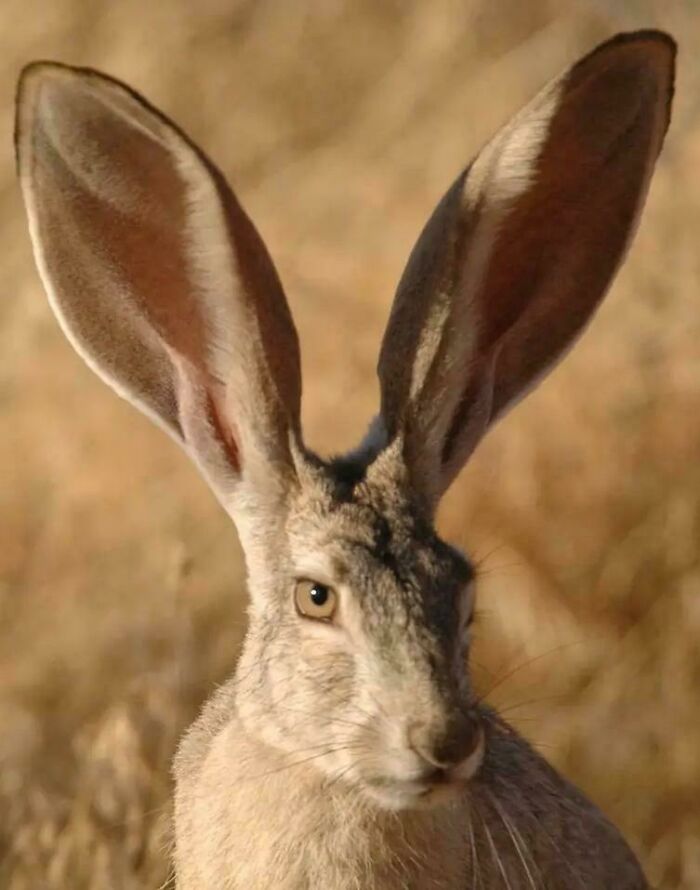
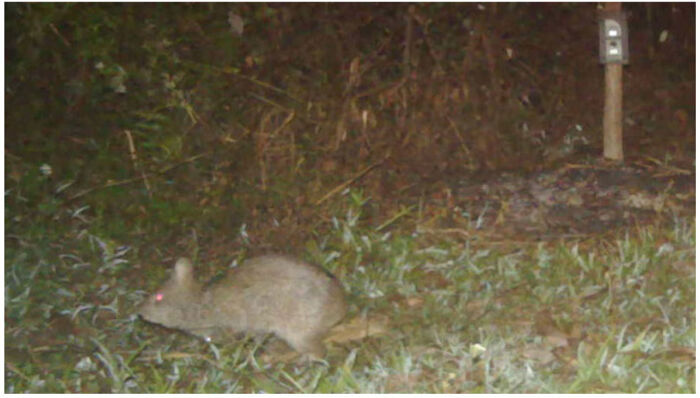
It's one of the rarest Lagomorphs in the world and has a patchy distribution. This is one of the only publicly available photos taken of it.
"Named for its bristly fur coat, the hispid hare is a rabbit with dark-brown fur and a large nose. It has small ears compared to the Indian hare, a lagomorph that occurs in the same regions as the hispid hare. Once thought to be extinct, the hispid hare was rediscovered in Assam in 1971 and has been found in isolated populations across India, Nepal, and Bangladesh. Its historic range extended along the southern foothills of the Himalayas, and a related fossil in the genus Caprolagus has been found as far away as Indonesia. Today, the species' habitat is much smaller and is highly fragmented."
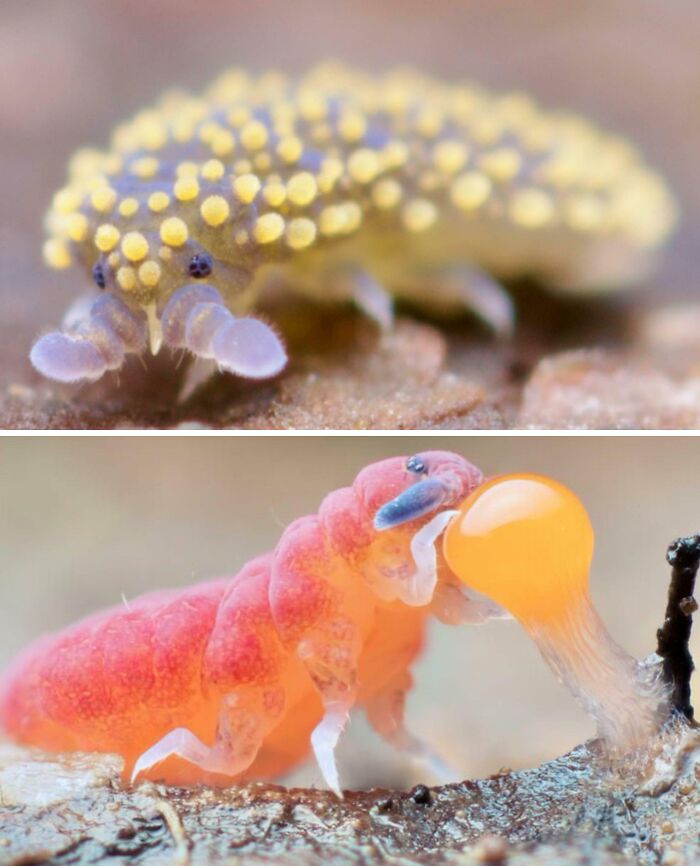
And they can evade predators by catapulting themselves into the air while their bodies rotate up to 500 times per second.
"Members of the Collembola are normally less than 6 mm (0.24 in) long, have six or fewer abdominal segments, and possess a tubular appendage (the collophore or ventral tube) with reversible, sticky vesicles, projecting ventrally from the first abdominal segment. It is believed to be associated with fluid uptake and balance, excretion, and orientation of the organism itself. Most species have an abdominal, tail-like appendage known as a furcula (or furca). It is located on the ventral side of the fourth abdominal segment and is folded beneath the body, held under tension by a small structure called the retinaculum (or tenaculum). When released, it snaps against the substrate, flinging the springtail into the air and allowing for rapid evasion and travel. All of this takes place in as little as 18 milliseconds."
While most plant feeders feed on the sugar rich phloem, these little guys feed on xylem. It's still got sugar but the excess water allows them to excrete this foam, creating a bubble house.
I found out the hard way that touching the bubbles that a spittlebug produces, brings my skin up in a mass of red blisters. And it hurts.
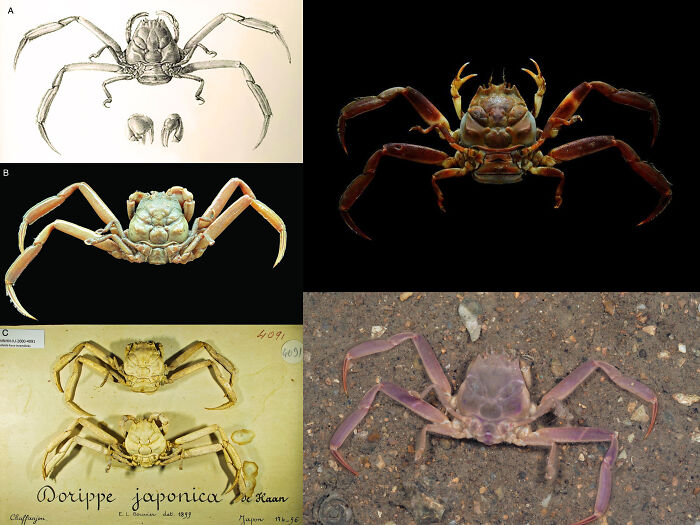
A popular theory proposed that fishermen spared the crabs with the most face-like shells, throwing them back instead — selectively breeding the species to resemble a scowling samurai. While a neat idea, it's unlikely to be true.
"Heikegani (平家蟹, ヘイケガニ; Literal meaning: Heike Crab, Heikeopsis japonica) is a species of crab native to Japan, with a shell that bears a pattern resembling a human face – an example of the phenomenon of pareidolia – which is interpreted to be the face of an angry samurai, hence the nickname samurai crab. The crabs are named after the once powerful Taira clan which dominated medieval Japan, commonly known as the Heike. It is believed that these crabs are reincarnations of the Heike warriors defeated at the naval Battle of Dan-no-ura as told in The Tale of the Heike. While the crabs are edible, they are not eaten by most Japanese."
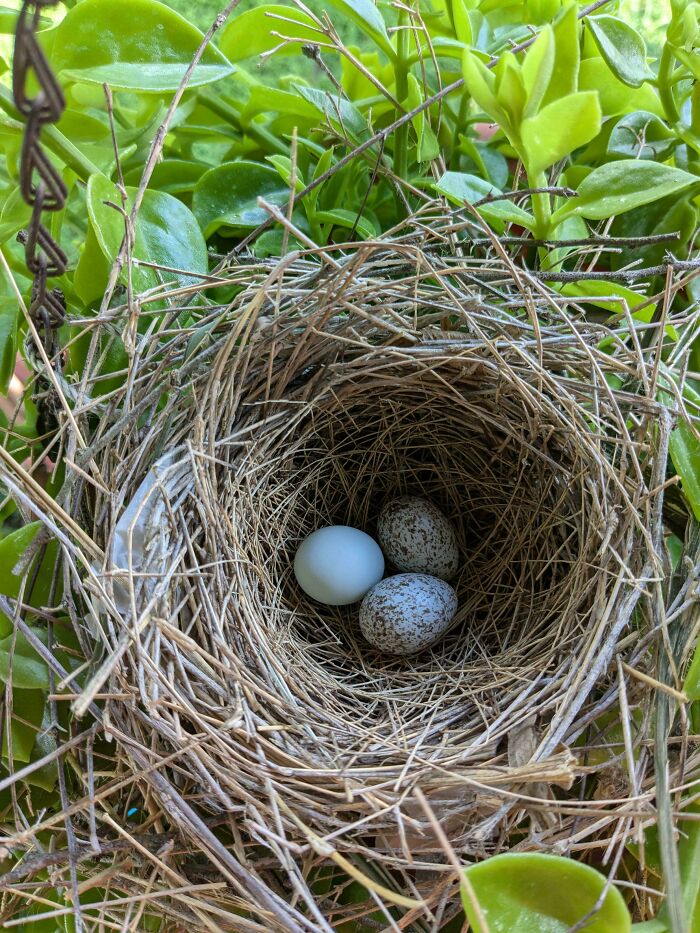
"The brown-headed cowbird is an obligate brood parasite; it lays its eggs in the nests of other small passerines (perching birds), particularly those that build cup-like nests. The brown-headed cowbird eggs have been documented in nests of at least 220 host species, including hummingbirds and raptors. More than 140 different species of birds are known to have raised young cowbirds. The young cowbird is fed by the host parents at the expense of their own young. Brown-headed cowbird females can lay up to 40 eggs in a season." "Brown-headed cowbirds seem to periodically check on their eggs and young after they have deposited them. Removal of the parasitic egg may trigger a retaliatory reaction termed "mafia behavior". According to one study the cowbird returned to ransack the nests of a range of host species 56% of the time when their egg was removed. In addition, the cowbird also destroyed nests in a type of "farming behavior" to force the hosts to build new ones."
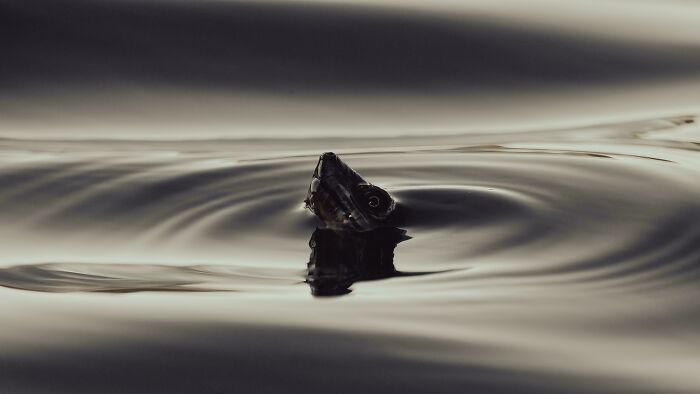
"The oblong turtle (Chelodina oblonga), also known commonly as the narrow-breasted snake-necked turtle, southwestern snake-necked turtle, (western) long-neck(ed) turtle, and as yaagan in Noongar language, is a species of turtle in the family Chelidae. The species is endemic to the southwestern part of Western Australia." "Oblong turtles usually have a carapace length of under 30 cm, but has been recorded with a carapace length of up to 40 cm. Hatchlings will have a carapace length of 30 mm." "The oblong turtle lives in a wide range of freshwater habitats, including wetlands, lakes and rivers. They are known to be capable of living in urban and agricultural environments, such as urban lakes and dams. The turtle is an opportunistic carnivore, feeding mainly on macro-invertebrates, but also carrion, frogs and fish. Hatchlings may eat mosquito larvae and aquatic plants as well."
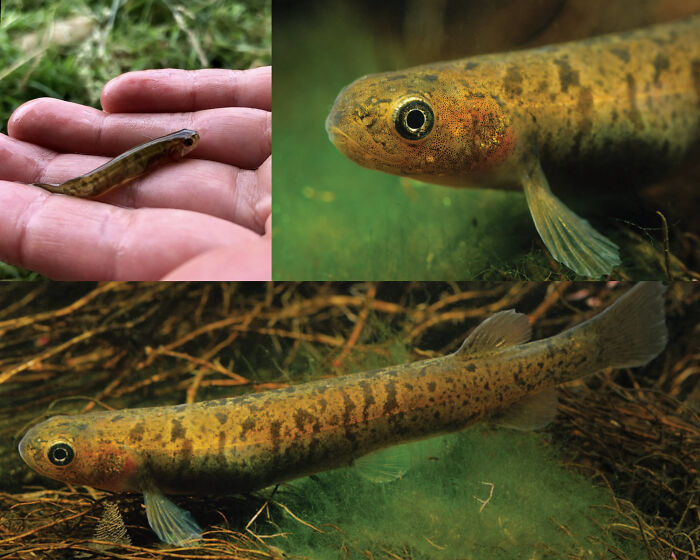
These 7-centimetre (2.8 in) fish live in the southern reaches of New Zealand and are considered 'critically endangered.'
"Galaxias gollumoides has a stout, slightly depressed build with its body tapering back into a long, deep caudal peduncle. It has a slightly arched back and flat ventral sides. Its dorsal and anal fins have a short base but are high and rounded with long middle rays. The start of its anal fin is a little behind the origin of its dorsal fin. It has round pelvic fins, a round caudal fin, and rounded, paired pectoral fins. Additionally, it has a short, blunt snout, with a mouth reaching back to just below the center of its eyes. Its upper and lower jaw are approximately equal in length, and it possesses enlarged canines on both the upper and lower jaws. The species also has small laterosensory pores on its head. Like all species in the family Galaxiidae, G. gollumoides is scaleless. Body color morphs include a transparent beige or brown with a silver or white belly and indistinct darker pigmentation on the back, towards the tail. Additional morphs found include black to olive green, darkening ventrally."
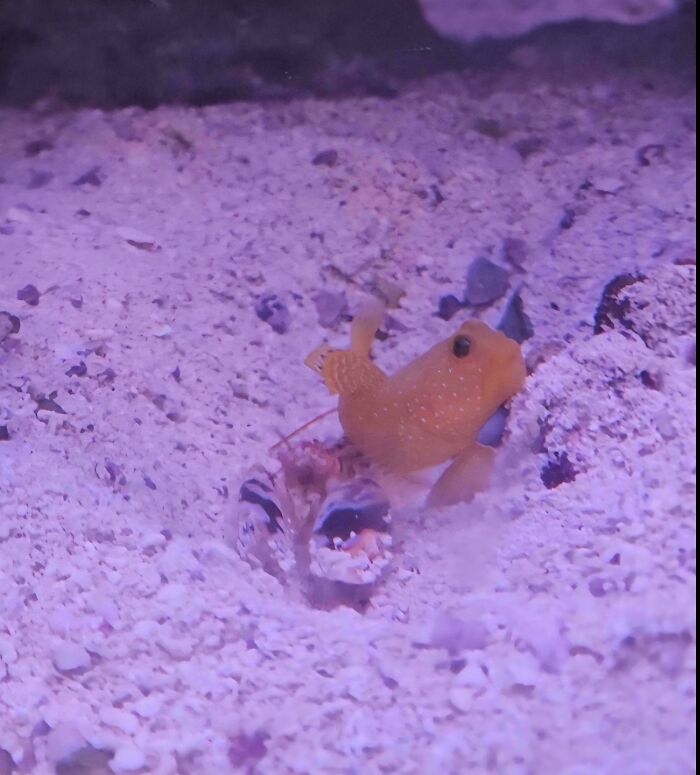
The goby, with its good eyesight, acts as a lookout for predators, while the shrimp provides a safe burrow for the goby to live in.
Pistol shrimp are very interesting. They can snap with their claws and "create a cavitation bubble that generates acoustic pressures up to 80 kilopascals (12 psi) at a distance of 4 cm from the claw. As it ejects from the claw, the bubble reaches speeds of 25 m/s (90 km/h; 56 mph). The pressure is high enough to kill small fish." "When in colonies, the snapping shrimp can interfere with sonar and underwater communication. The shrimp are considered a major source of sound in the ocean." "The snap can also produce sonoluminescence from the collapsing cavitation bubble. As it collapses, the cavitation bubble emits a short flash of light with a broad spectrum. If the light were of thermal origin, a temperature of the emitter over 5,000 K (4,700 °C) would be required. In comparison, the surface temperature of the Sun is estimated to be around 5,772 K (5,500 °C)."


I know! When will some BP writers finally get it that the reason that their articles get downvoted, even when they have their statutory 30 upvotes and add another 30 that they borrowed, and still end up with downvotes, (I think the record that I saw was -98) was that the articles are NOT what most of us want to see. Quirky, puppies, kittens, cats, dogs, horses, art, skills, funny, yes. Celebrity, Karen on plane/AITA, not so much. Dear BP, just because something on X or Reddit is popular there, doesn't mean it will be popular here! Rant over!
Load More Replies...
I know - it is so very sad. I'd add a pic of one, but BP would just hide it.
Load More Replies...
Multa Nocte definitely wins for contributions for this page. So much interesting information.

Thank you for all the extra information Multa I think you should change your middle name to Attenborough. Ps, I'm not being sarcastic .
Nah, but thanks. As I hope you can see by the quotes, I quoted all this from on-line sources because I wanted to know as well.
Load More Replies...
I know! When will some BP writers finally get it that the reason that their articles get downvoted, even when they have their statutory 30 upvotes and add another 30 that they borrowed, and still end up with downvotes, (I think the record that I saw was -98) was that the articles are NOT what most of us want to see. Quirky, puppies, kittens, cats, dogs, horses, art, skills, funny, yes. Celebrity, Karen on plane/AITA, not so much. Dear BP, just because something on X or Reddit is popular there, doesn't mean it will be popular here! Rant over!
Load More Replies... I know - it is so very sad. I'd add a pic of one, but BP would just hide it.
Load More Replies... Multa Nocte definitely wins for contributions for this page. So much interesting information.
Thank you for all the extra information Multa I think you should change your middle name to Attenborough. Ps, I'm not being sarcastic .
Nah, but thanks. As I hope you can see by the quotes, I quoted all this from on-line sources because I wanted to know as well.
Load More Replies... 


































 No fees, cancel anytime
 then open in external browser


 and click "Open in External Browser"