Everyone has to eat, so it probably makes sense, at some point, to learn how to actually cook. In the age of the internet, it’s never been easier, there are literally thousands of recipes, often with videos of how to do things. But, in all that noise, it can be good to pick out what actually works.
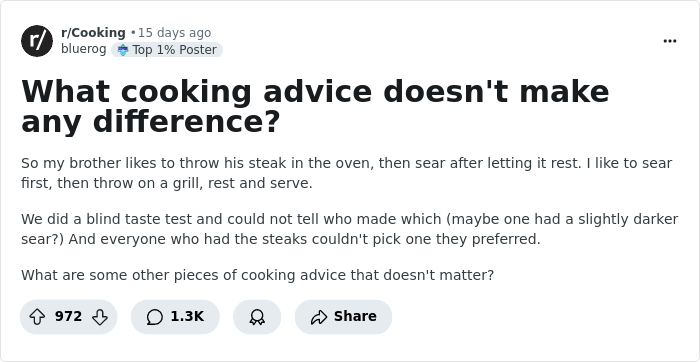
Someone asked “What cooking advice doesn't make any difference?” and people detailed their tips, tricks and observations. We also got in touch with the person who posted the question in the first place. So get comfortable as you scroll through, upvote your favorites and be sure to share your thoughts and experiences in the comments below.
This post may include affiliate links.
My grandmother insisted and would get angry for people not following her sacred advice...you must always stir clockwise. Tried it counterclockwise and I get the same result Her spirit did reach through the void and smack me though.

I think that's probably due to superstition. If you stir anticlockwise it brings bad luck.
Quick question: why do some people spell it "anticlockwise" instead of "counterclockwise"?
Load More Replies...That's a really good example of "Empirical Superstition". The prescription of always stirring clockwise dates back to cooking manuals and practices from the Middle Ages. It's unclear if that's linked to some older superstitions, or if it's just part of the common practice -at the time- of trying to regulate and put order in all the aspects of an art so to create an orderly, cohesive, ritual practice that was easy to teach to uneducated trainees. What the people at the time did not know though is WHY IT WORKS. Mind you, the direction doesn't really matter as long as it's constant. It has been proven that moving in the same direction helps avoiding turbulent flow and crate a better texture in long proteins (such as gluten or albumine), reduce air inclusion and improves mixing of sieved powders. Depending on the recipe, it could have (minor) effects in making your bread rise better, prevent spoilage in preservation or avoid lumps.
Of course it makes not difference. Everyone knows you need to stir in figure eights in the direction against the Earth's rotation. Of course that reverses if you travel to the southern hemisphere.
And with your right hand only!!! I lived with a great-aunt when I was in high school and she insisted the soup be stirred clockwise only, and I must use my right hand. I had been taught to follow no set pattern, as long as you were moving stuff from the outer to the inner pot to get it to heat evenly.
Counterclockwise works better for me and it just seems like the natural direction for my hand to stir. I've always been confused as to why people stir clockwise. Seems uncomfortable.
Counterclockwise with the right hand is more likely to cause spills. It's about kitchen hygiene, not cooking result.
I usually stir clockwise, but simply because it's more comfortable for me. My cousin, who's left handed, almost always stir anticlockwise, because it's more comfortable for him. It doen't matter which way you stir, and most of people couldn't care less.
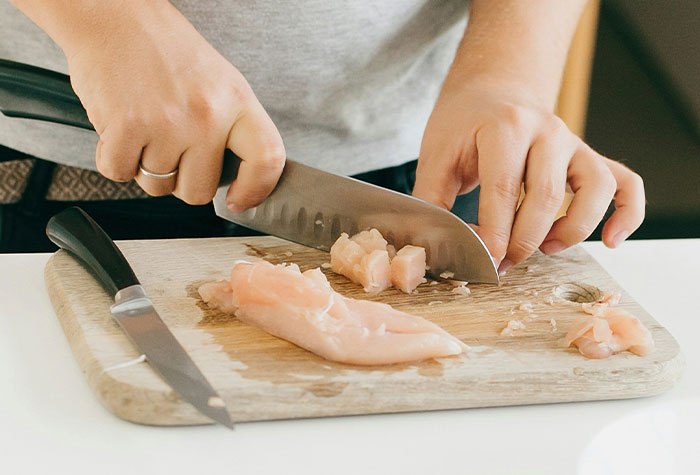
YOU DON'T NEED TO WASH YOUR CHICKEN. I will literally fight anyone who says you do. I've been cooking for 18 years, cook raw chicken weekly and have NEVER gotten sick. If anything washing chicken creates possible contamination.

Guessing this is from an American. Elsewhere no one would think of needing to wash their chicken....
ehh we have some chicken washing weirdos in Germany. I always cringe when I see chicken or meat water boarded on Das perfekte Dinner
Load More Replies...For people who say they need to wash the slime off the meat, chicken meat shouldn't be slimy. If it's slimy then you need to change your supplier because there's something seriously wrong.
Just wash your hands, cutting board and knife after cutting chicken.
The only time chicken needs washing is when it's slaughtered. Unless you're doing at home slaughtering and butchery your store bought chicken is as clean as raw meat is ever going to get.
I have never in my life heard of washing chicken. Except when I roast a whole chicken, I do rinse the cavity then dry well and stuff with lemon wedges, garlic cloves, thyme (fresh), butter and lots of salt.
It has also been proven that washing you chix just spreads bacteria all around your sink
Then clean the sink, boards, etc. with a little bleach.
Load More Replies...I have designated colander's and cutting boards for different things, like vegetables, poultry, beef, seafood, etc. specifically because of what I do and do not wash. I do drain and rinse my chicken with water only, because it makes it easier to do barbecue, rubs, seasoning, basting or prepping it to fry and allows those to adhere to the chicken easier. I do the same with various cuts of meat and fish as well, depending on how I plan to cut or cook them. Yes, I clean the hell out of my sink and basically, anything that I use while cooking, so there isn't any chance of cross contamination. I had to go through multiple food and safety classes by the Health Department when I was working in a bakery and deli. Plus, my Mama was born in 1933 and was a country girl, I've had certain practices and techniques drummed into me since I could walk and she had me in the kitchen with her. I'm Gen X and a late baby, being raised with an old school way of cooking and baking is pretty much normal to me.
People do not need to wash raw chicken. The reason you have to cook it to reach a certain temperature is because the cooking to that temperature kills the bacteria.
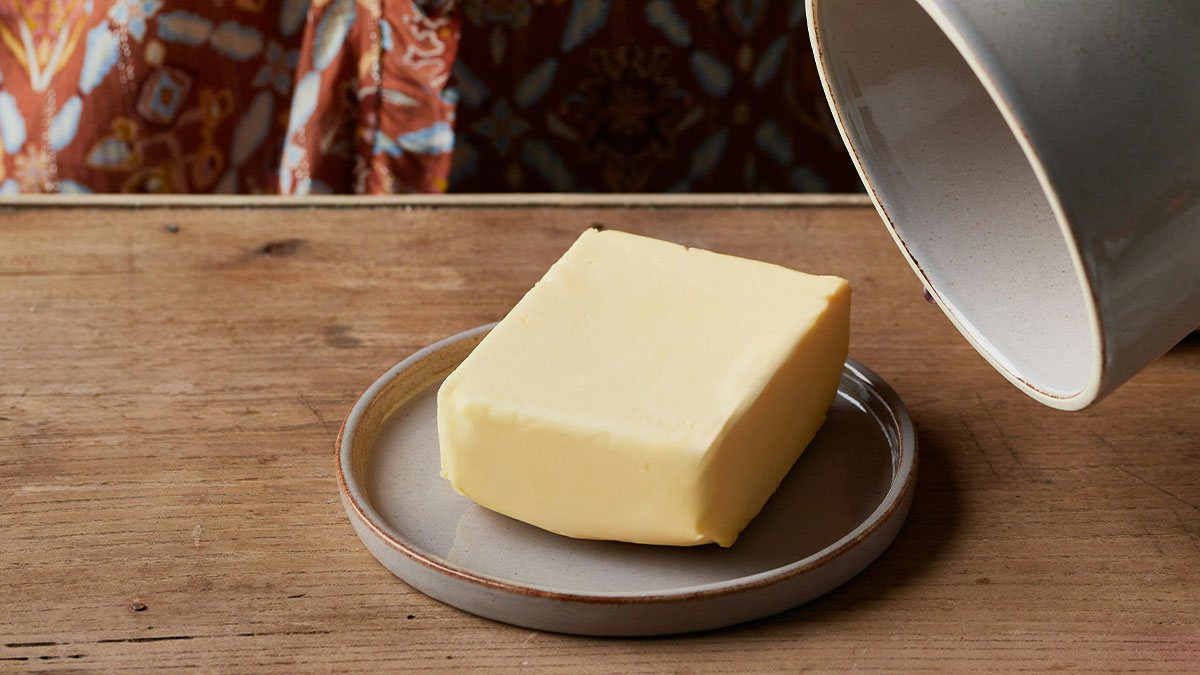
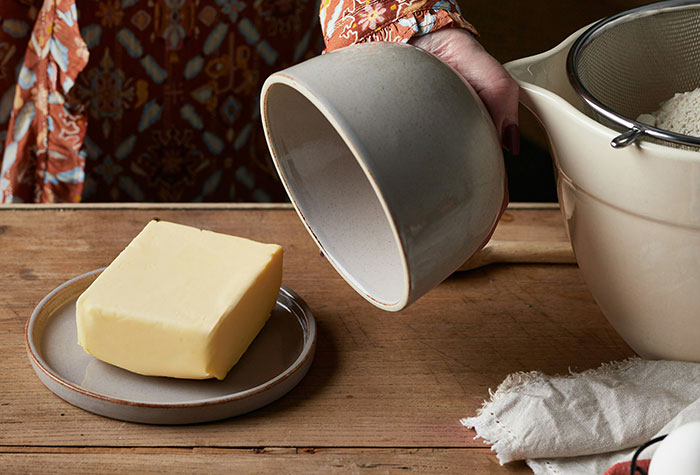
I use salted butter even when it calls for unsalted.
It's fine, provided you add less salt to compensate for the salt in the butter.
Even if you don't, the amount will make very little difference
Load More Replies...I heard a winner of Master Chef Australia say he uses salted butter no matter what he cooks. If it's good enough for him, it's good enough for me.
Load More Replies...I prefer salted butter too, but for some baking it just doesn't work. I use unsalted butter for croissants for Nd chocolatines because they get less fluffy if I use salted, and I use half salted/unsalted for things like caramel and buttercream, it is better than using only unsalted.
Agreed. It does seem to make a difference with baking, but other cooking not so much.
Load More Replies...My aunt one made her buttercream cake with salted butter by mistake. The biggest kitchen disaster in our family history.
I can see this. I don't bake much but buttercream frosting is definitely a situation where salt would not be appreciated
Load More Replies...I always use unsalted butter, and add salt if the recipe calls for salted butter.
Especially since the salt content can vary by brand.
Load More Replies...The reason unsalted butter is called for is so you can control the level of seasoning. Sure, you can use salted but you then need to adjust how much salt you add to the dish. Using unsalted allows for more control over this.
Agree with the comments. I don't bake so I only use salted butter. I don't use a lot of salt because I try to cook from scratch and use fresh ingredients so not much salt is needed. Or butter. A little olive oil and salt goes a long way on veggies sautéed or grilled. Might be why in my 50's my cholesterol levels are great. My mom and dad who drown everything in butter, salt and any oil are on all kinds of d***s for blood pressure.
I always use salted butter. Unsalted butter just makes me sad. Never has negatively effected my puff pastry, baking, etc.
Yeah I've never had it affect my rough puff at all
Load More Replies...Bored Panda got in touch with the netizen who posted this question online and they were kind enough to share some more details. Naturally, we were curious to hear why they asked this to the internet in the first place. “I'm simply an impatient cook. I don't want to marinade for 20+ hours,” they shared.
“I don't want to wash rice or eat cold steak because “I need to rest it 10 minutes." I use the microwave for steaming vegetables — and it's better than a pan and faster than a pan and fewer dishes than a pan. I'm cheap too. Salt is salt (people really buy fancy salt; it's NaCl — only 2 elements).”
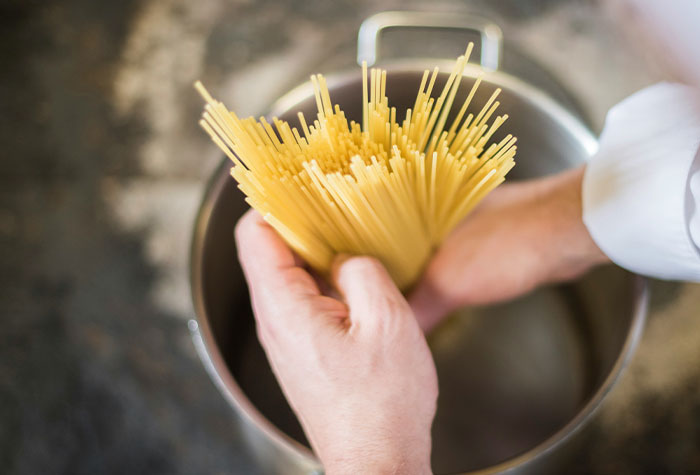
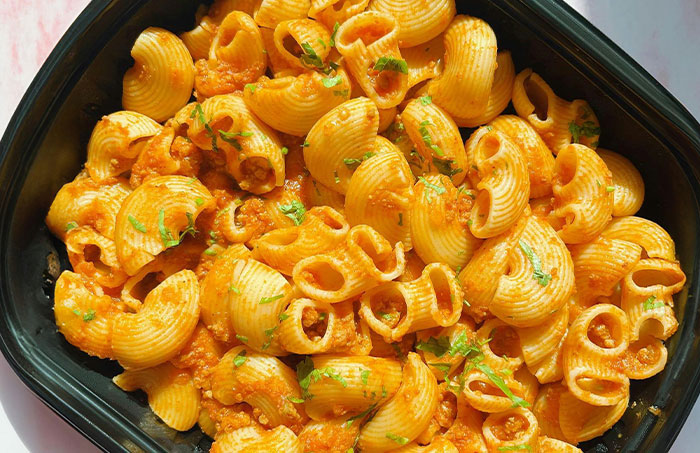
Using large amounts of water to cook pasta. You can use a much smaller amount AND it's actually better for having more concentrated starchy water for dishes like cacio e pepe.

When I'm in a hurry and I'm just cooking for myself, I cook pasta in a frying pan. At the end, I add oil and, for example, pesto to the remaining thick starch water. Good, easy and fast, but I'm afraid that the ghost of an Italian nonna will hit me with a wooden spoon and call me easy and fast.
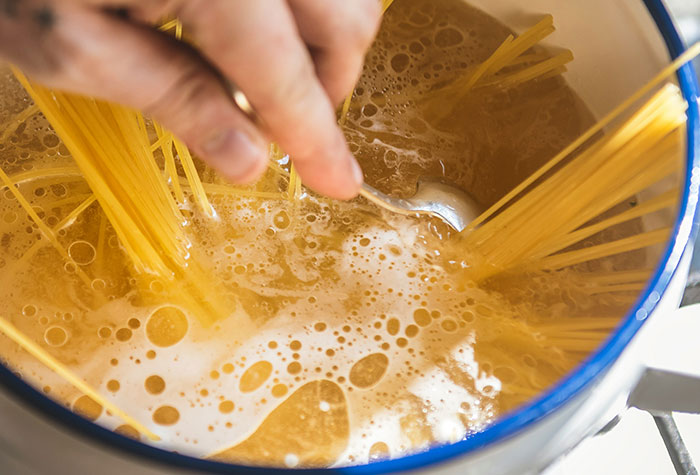
If you break the spaghetti before cooking it I believe the ghost of the Italian nonna hitting you with a wooden spoon will be guaranteed.
Load More Replies...I also cook pasta completely in my sauce. I'm lazy, so I cook the ground beef, add onions, then spices, then tomato sauce with lots of extra water, then stir in the pasta. I don't use long thin shaped pasta, I use shaped pasta like penne or rotini. All in one big pot. I've seen that method of cooking pasta in cooking show on public television.
I'm sure this works fine for that specific type of sauce. It won't work for carbonara, aglio e olio or any of their friends.
Load More Replies...I always let it boil, add pasta, bring back to boil, TURN OFF HEAT, set timer for 12 minutes, and then dump, rinse, and FABOO! This comes from my old days of the gas bill being too high, and it stuck with me, but works wonders!
I do something similar with potatoes. I think the consistency(?) of the potatoes is better this way but I might just imagine it
Load More Replies...Well, the temperature of the water will go down much more the less you use. That could make a difference.
The starchy pasta water is the big payoff. Use it to thicken and emulsify your sauce.
This explains why the tiktok boxed mac n cheese hack is so good. (If you're wondering you dump everything in the pot - noodles, sauce pack, butter - then cover with water to just above the pasta. Then you just cook until the noodles are tender and the sauce thickens. Some people add milk after but I like it without. Add a little grated cheese and you're good. Easy way to elevate a cheap food.)
Throwing oil in pasta cooking water. Those two don't mix. All you're doing is wasting the oil. It will achieve absolutely nothing. If you're concerned about them sticking and need to use it, use it *after* they're cooking. Stop it.
Edit:if you're concerned about your pots boiling over you could always try paying attention.
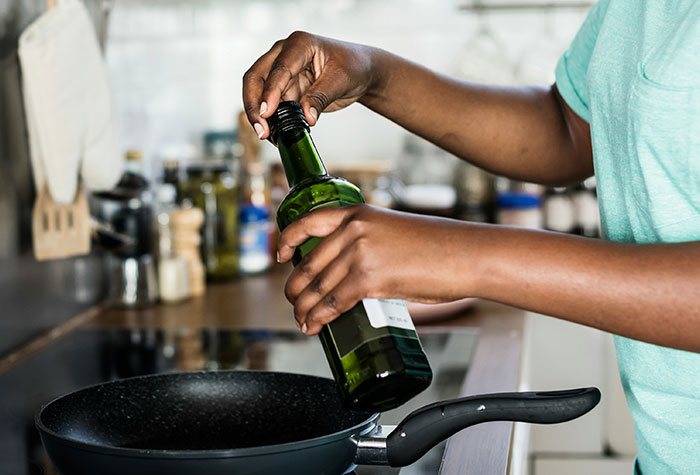
If your pasta is sticking you are not using enough water, and the oil will prevent your sauce sticking to the pasta.
I think they mean it sticks to itself when serving, not that it sticks to the pan. But yes, oil is contra-indicated for use with a sauce, but of course is an essential part of the clasicc aglio, olio e peperoncino.
Load More Replies...To be a bit nerdy: The different shapes of pasta exists because they are optimised for different kind of sauces. E.g. screws has a large surface area and can soak up and hold onto a lot of sauce. If you coat the pasta in slippery oil, you totally ruin this ability. It is mainly pasta that has been coocked a long time ago and been allowed to cool that will stick toghether, or pasta that has been compressed a lot, at the bottom of a big pot. So if you simply boil your pasta, in reasonable quantities, right before you serve it, you should be good without the oil.
The idea is after straining the water off you add a splash of pasta and mix it to stop the pasta sticking to itself. Adding it to the water is supposed to also work, but doesn't properly. If it's going in a sauce then the sauce should stop it sticking.
Load More Replies...Over boiling is the reason you're supposed to use a large pot with plenty of water. Putting a utensil like a wooden spoon across the pot can also help disruption the surface tension if does begin to foam.
My cousin tried that trick in my house, told her not do it with a wooden spoon and a gas stove. She did it anyway and almost burnt my kitchen down.
Load More Replies...My boyfriend adds oil. No matter how many times I show him that stirring constantly keeps it from sticking. Sauce slides off when you add oil. I haven't broken up with him, though.
Wait... a man holds on to his opinion even after it's show to be incorrect? Say it ain't so!
Load More Replies...This entry is currently #12, and is the first sensible, correct and non-completely-dumb entry in this list.
With pasta just stir them constantly and they wont stick, and take a paper napkin dip it in oil and cover upper side of your pot making a ring, that will stop it from boiling over.
Oil is to break the surface tension and stop the pot from boiling over. It doesn't stick to the noodles. Seriously though, a half tsp of oil will let you not even worry about boil-overs. Oil quiets water. They used to calm waves by throwing oil in the ocean. It works incredibly well.
You do not have kids do you. It will wait until you look away for 3 seconds and boil over. I add a bit of oil...0
Only adding oil to a hot skillet.
i've added oil to a cold skillet and it was fine.
Oil should be only added to the COLD skillet in non-stick pans. Heating a pan without the oil causes quick heat buildup that damages the nonstick finish. For uncoated steel skillets, it makes no difference except it's safer to add oil to the cold pan because it prevent spraying of overheated oil.
I find if I heat my cast iron and stainless steel pans before oiling them, it really helps to keep food from sticking. But yes. Add oil to cold nonstick pans.
Load More Replies...I had a righteous oil fire adding it to a hot pan one time. NEVER AGAIN
I remember watching Graham Kerr (the Galloping Gourmet) telling us "hot pan, cold oil, food won't stick"
Dude :). Thank you for raising The Galloping Gourmet memory. Ancient history. But fun. You're not old, I'm old
Load More Replies...I never heat my skillet up before adding oil. Too easy to have it too hot. I once saw (on the Food Network!) some woman adding bacon to a screaming hot pan. Horrified.
“How many butters do you need in your refrigerator? I watched a cooking show where they insisted on $300 and $500+ pans and Dutch ovens and... And no. A knife should cut food. I'm not spending $150+ on a single knife; a knife I can't even throw in the dishwasher even,” they added.
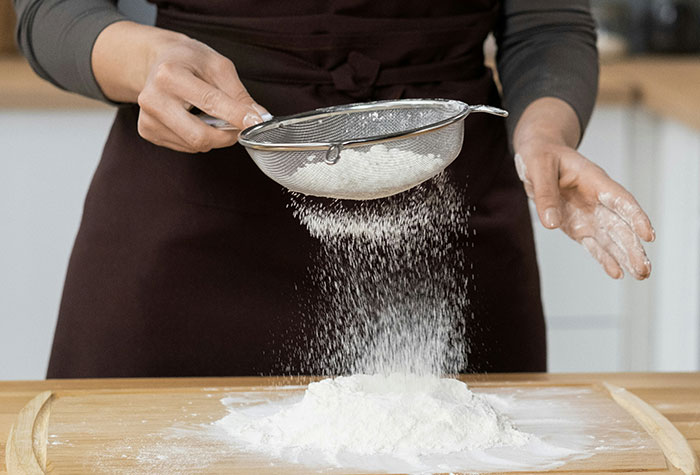
It depends a *lot* on specific recipes. But a couple that jump out at me:
Garlic presses are perfectly acceptable alternatives to mincing garlic with a knife in many applications. Jarred garlic is perfectly acceptable in many applications.
Sifting flour doesn't matter in most recipes (but matters a lot in a few).

Sifting flour is primarily done to break up lumps, aerate the flour, and ensure an even distribution of dry ingredients, especially in recipes that call for a light and fluffy texture. ifting also helps in the accurate measurement of flour, as sifted flour is less dense than unsifted flour.
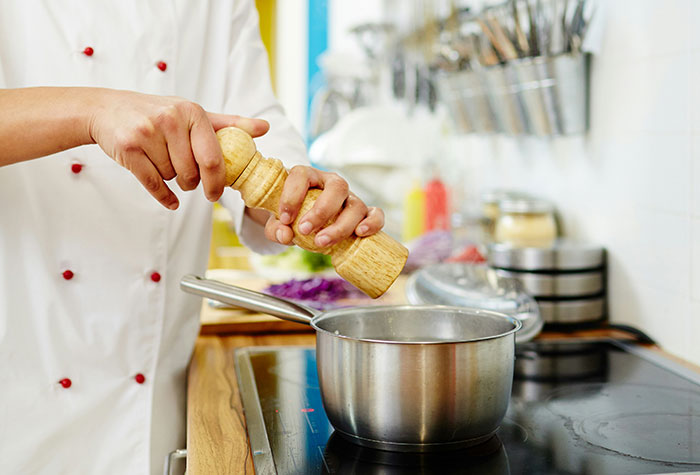
If you want accuracy then go by weight, not volume. How dense it is won't matter when using weight.
Load More Replies...In the past sifting was used to remove the bran and germ that were usually left with the flour and are coarser, unsuitable for some recipes (especially pastry). Now this separation is made at the mill, and you get refined flour that does not need sifting for most application. It's still important when you need to make mix that are quite runny since excess liquid would harden the clumps and make them difficult to mix in, or when you need to make an areated mix for cakes.
When using flour - you should go by weight, not cups. And jarred garlic is nasty AF and destroys the taste of anything you put it in .
The only problem with that is if you have a lot of heirloom recipes they go by volume not weight. So it's trial and error time
Load More Replies...Back in the 1970s, if you used a garlic press it meant you were a fancy-pants. Now, it means you're a churl.
It might also mean I have mad knife skills, but life is too short to mince garlic by hand.
Load More Replies...Dump the flour and other prone-to-get-chunky dry ingredients in a bowl and whisk it all together. Done.
I remember the days before "pre-sifted flour" was a thing. I still have the old sifter in a cupboard.
Salt before the water is boiling or after. It changes f**k all, do whatever you want.
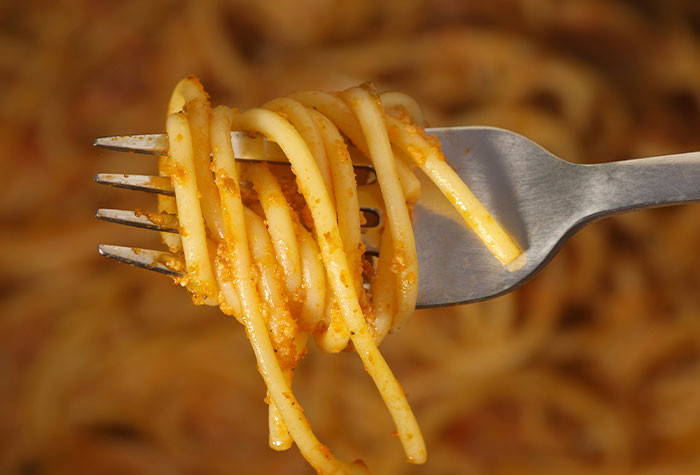
I'm sure someone will correct me, but I understand that adding salt to water increases the boiling point of water--but not by much.
"But there's more to the answer, Giddings noted. She explained that the heat capacity — the amount of heat needed to raise the temperature of a substance by 1 degree C — is lower for saltwater than it is for freshwater. This means that saltwater isn't as resistant to changing temperature as freshwater is; put another way, less heat is required to increase saltwater's temperature by 1 degree C than to do the same to freshwater, she said." - https://www.livescience.com/56214-does-salt-make-water-boil-faster.html
Load More Replies...Well, pay attention to not use the salt in cold water when uzing a cromargan pot. It really does not make a difference for cooking but I ruined a pot once because the salt in the cold water corroded the chrome layer.
How long did you let the salted cold water sit in the pan? !?
Load More Replies...Ditto. If I get bored and don't have anything else going on and the salt is close. I see no difference.
Load More Replies...Saw video on YouTube where scientists explained that adding salt to cold water prolonged time required to bring it to boil. The reason being, adding salt means you add mass to water, so have to heat more mass that when water is already boiling. In reality - it does F-all difference.
I heard that salt helps pasta not stick together, that or it makes the pasta have a slightly different taste. Didn't taste much different than cooking without it.
I’m going to continue breaking my spaghetti noodles into pieces that are more convenient to boil AND eat and nobody can convince me this is not a superior way of going about things!
LOL - pasta is a type of noodle. Ask Marco Polo.
Load More Replies...When I cook spaghetti, I always break my spaghetti in two. Makes it easier to get all of the spaghetti in the pot, plus it makes it easier to eat.
That's how my mom has always done it and I do the same. I don't care if it's not the official way. If the noodles are left long I cut them up before I eat them anyway. It's less messy than twirling or doing to spoon thing.
We also wanted to hear their opinion on why the thread ended up with thousands of comments and examples from across the internet. “It's popular because cooking is filled with old wives tales. It's popular because we're all a little lazy and tired of pretentious cooking.”
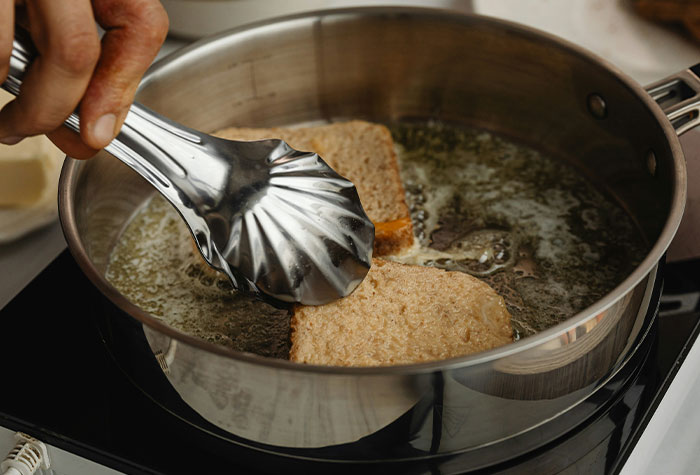
Using a screaming hot pan for searing. You can't cook higher than the smoke point of your oil. All you're doing is tripping your home's smoke detectors, creating acrid oxidized fats that's terrible for you and tastes bad.
Maillard reaction only needs around 300-330F. Plenty of room below the smoke point to get a nice sear without breaking down your oil to acrid flavors.
Most only when I wok I use really high temps. So that no good then? Lots of smoke, but good tasting wok. 🤷♂️
I use a high smoke-point oil like groundnut for chinese and most pan-frying dishes
Load More Replies...I've seen a number of videos saying you should heat a pan until a few drops of water placed in it dance around instead of sitting there and sizzling, then add the oil, followed closely by the meat. It will initially stick, but after a few minutes it will release and you can flip it. I have done this a number of times, and have never had any noticeable smoke. If other people have smoke I suspect they are heating their pans past the point I described above.
When searing meat in one piece, this is true. Please consider that for other foods, the first one in also cools off the pan. More importantly, for frying, the hotter the oil, the greater the sudden surge of temperature in the food that's being fries. That surge produces water vapor, which creates pressure to keep fat from entering the food. With very hot oil, you get very crisp fried foods with much less grease.
Please tell my SO this. He wouldn't listen. And I am the one who can put the smoke detectors back in place because he is afraid of heights.
If you use a stainless steel pan, you HAVE TO heat it up really well to have the non stick effect. Otherwise you'll be scraping half your meat off the bottom of the pan.
Reading that as "acrid oxidized farts" really adds something to the comment 😂
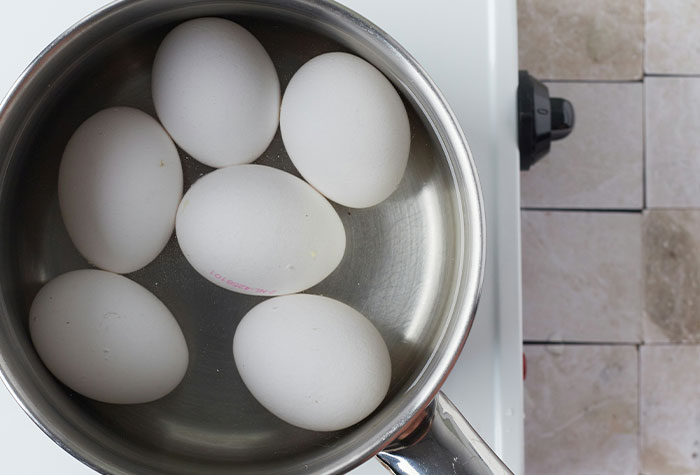
Boiling eggs in water with a splash of vinegar does *not* make it easier to peel them when they're cooked.
You need put boiled eggs into cold water after they are done. This contracts the egg white from the shell and makes it easier to peel. I also poke a little hole in the shell which supposedly helps against cracking, but it works without it as well.
I dunno. Immediately after removing the eggs from the heat, I start running cold water into the pot. When it's cool enough that I won't get burned, I pour the water out & refill it with cold, then dump ice into the pot on top of that. There will be some eggs in the batch that peel easily, and some that do not.
Load More Replies...OP is wrong. First, vinegar contains lots of acetic acid, that dissolves the calcium carbonate in the eggshell. The shell thus becomes more brittle and easier to peel. Second, the acetic acid reacts quickly with the ovoalbumine in the egg white, coagulating it: if an eggshell cracks, the white will set faster and won't spill as much. Third, vinegar acts as a mild disinfectant, reducing risk potential from bacteria present on the shell. If OP think it doesn't work, maybe he isn't using enough: you should use 30-40 ml per liter of water to reach an effective concentration.
You know what a good disinfectant is? BOILING WATER for nine minutes. Why would you need more disinfectant than that? Also, your first point has some technically true facts that don't actually apply in reality to boiling eggs and eggshells because there isn't enough acid to penetrate the thick shell and have any real impact in the concentrations and time periods they're in contact.. I agree with the second point, though.
Load More Replies...But will adding vinegar help eggs from cracking while boiling? That's what I thought you used it for.
My experience is that if the egg does crack slightly, the vinegar prevents too much of the white from oozing out because it coagulates faster. I've given up trying to be gentle with unruly boiled eggs. I take a cleaver and chop clear through them in one stroke then scoop the contents out with a spoon.
Load More Replies...After years of mangled eggs and a million different, not working "hacks" , what workes for me without a fail, every single time, no matter how old or new the eggs are: put eggs (make sure they are not frindge cold) into already boiling water, cook on medium heat for 15 mins, pop onto a rack or chopping board to cool for 15 mins, peel. That's it.
15 minutes? Why 15? That‘s SO long! You only need 7 minutes for hard boiled eggs
Load More Replies...Putting vinegar in the water helps if the egg cracks - you won't get as much of the white escaping.
I cook my eggs in my InstantPot and they almost always turn out easy to peel.
This is the primary thing I use ours for. Absolutely perfect and easy to peel every time!
Load More Replies...Whatever I do doesn't seem to make any difference. I do find though that the fresher the egg, the easier it is to peel.
Quite the contrary! In fresh eggs the white is slightly more more acidic and binds easily to the shell membrane. The white oxidizes over time, becoming more alkaline and the bond weakens; the membrane now sticks more to the shell than to the white, making peeling easier. The older the eggs, the larger the air pockets between the shell and membrane, while in new eggs the membrane is firmly attached. Older eggs also lose part of their humidity (that's why for firm Macarons you need weeks-old eggs), so the white's proteins are more concentrated and the resulting hard boiled egg is... harder, reducing the likelihood of the white breaking while peeling.
Load More Replies...
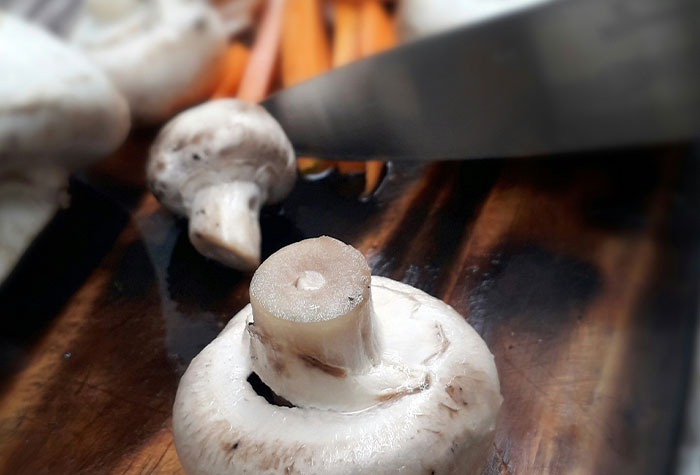
I grew up hearing that you're not supposed to wash mushrooms but I always do and it turns out fine.

I spent years using a damp paper towel to wipe the dirt off of mushrooms. Never again! I got enlightened via an Insta Reel that explained that 'shrooms are mostly water anyway. Toss'em in a colander, rinse briskly with cold water. Shake'em dry and tumble them out of the colander into a pile of paper towels and pat dry. Works a treat!
Or just throw them into a fry pan and cook them without any of the rinsing nonsense.
Load More Replies...Alton Brown did a funny routine about this on one episode of "Good Eats!".
i give my mushrooms a couple good vinegar and water baths. A lot of dirt comes out. Especially if i'm using them raw in a salad or just grilling them where they aren't going to be fully cooked like kabobs or with steaks.
There's nothing wrong with washing mushrooms. It's only that they sometimes tend to absorb water like a sponge, so you need to be careful to not leave them in water & dry them afterwards. Depending on recipe, it might take a bit longer to cook them if they're extra wet, but that's not a big deal.
They left us with some parting thoughts. “I'm not a very good cook. I can't seem to get the hang of a meat thermometer for example and to see if a steak is done, I'll cut a small slice into it to check if it hit medium. Then I'll eat my hot steak 3 minutes after I pull it off the grill. And I love my steaks (hence why my brother challenged me to a "who can make the best steak" contest. I'm still bitter that we "tied").”
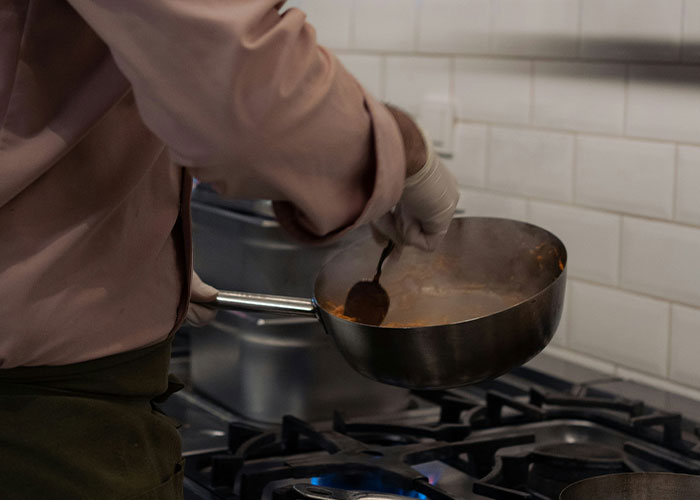
I don't heat milk up before adding it to roux.

Exaclty. In fact the classic recipe for bechamel adds COLD milk specifically to prevent lumps in the roux. Pierre de La Varenne, who first wrote in a cookbook the recipe for the century-old Tuscan Balsamella sauce that he learned from the Italian cooks following Caterina De Medici, specifically calls for cold or lukewarm milk.
Cold liquid is much more forgiving when making a roux-based sauce.
Load More Replies...Making roux is more about the continuous stirring while adding the liquid gradually then about its temperature
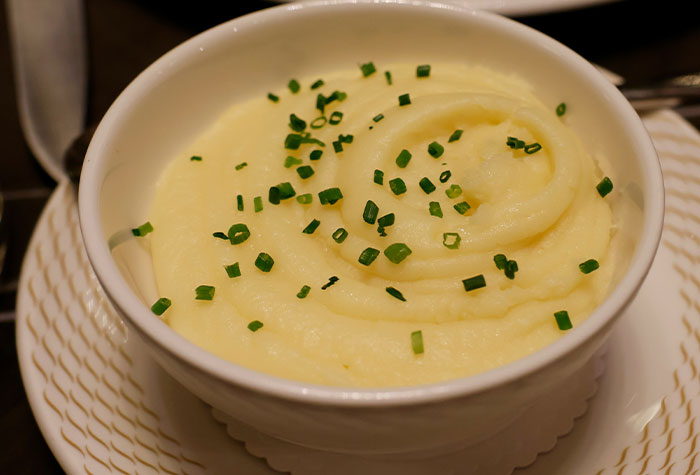
You don't need a ricer to make amazing mashed potatoes.
If you're a broke college student, you can make them with a g*****n *fork*. I wouldn't recommend it, but it can be done.

This baby, that jams every drawer known to mankind, is all you need! (And I even leave the skins on. SOOO yum!) 71YwrJPqCu..._QL80_.jpg
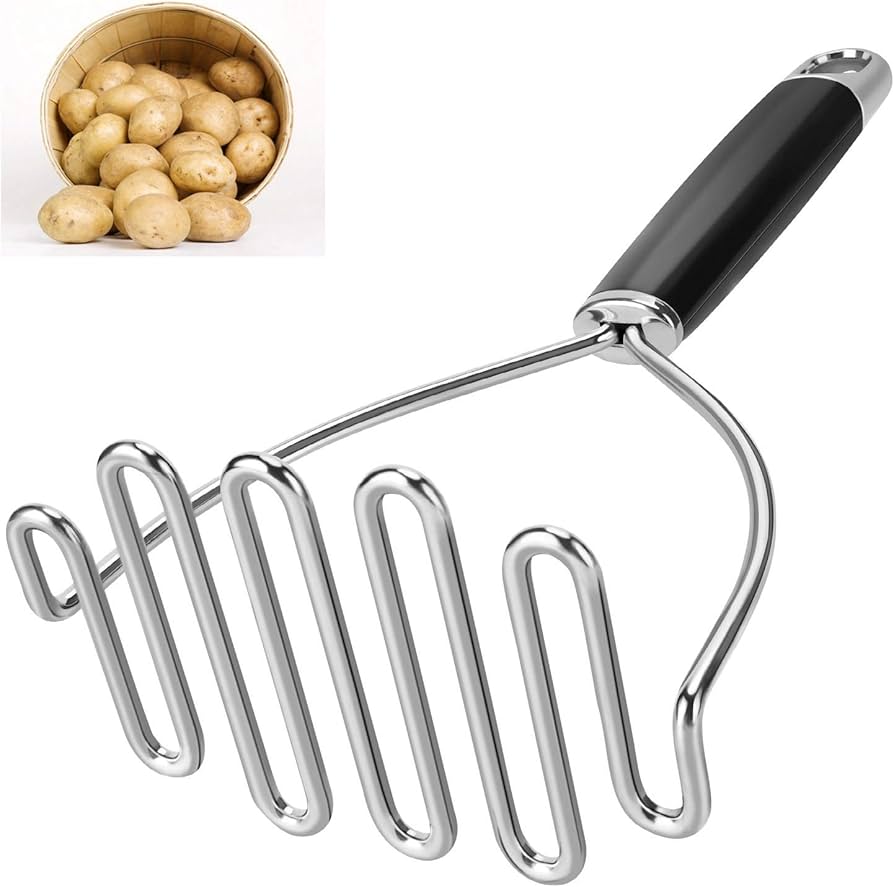
My husband does not understand this tool. I do not understand paste whipped potatoes. We alternate. My way. His way. We agree to disagree
Load More Replies...My mom does that too. I've never made them before - that's always been my brother's specialty.
Load More Replies...you can also use an electric mixer. Just don't overdo it by going on forever, as that tend to activate the starch and make the mash gooey. My kitchen is really too small to dedicated tools that is only serving a single purpose. The real secret to a good mash is a lot of butter, and you can spice it up a bit by adding other root vegetables. E.g. Parsnip adds a nice sweetness to it.
While you don't NEED a ricer you'll definitely get better results in less time. Want to make them even better? Boil them in milk
I hate it when they are too smooth, tastes artificial
Load More Replies...Chistmas Day many years ago and I broke the masher. Mash also works in the food processor (an old Kenwood).
I've never heard of a using a ricer for mashed potatoes. I have a good, old school potato masher. And old one with a good tall/sturdy handle and thick metal that doesn't bend like some of those newer cheap ones. I prefer 'some lumps'. If you prefer super creamy texture like a friend of mine, a mixer works well.
Active dry versus instant yeast.
Most bakers and recipe writers say to just chuck the yeast in with the dries. The whole step of putting active dry yeast and warm water to bloom it is just checking the yeast is alive.
If you know you bought it relatively recently don’t bother with that step.
pre-mixing the yeast with water (and a bit of sugar) is required for any mix where there is salt in the dries. Bread, pizza, focaccia etc, all need to have the salt mixed into the flour first, to avoid spots of excessive concentration that will k**l the yeast; then the yeast that was added to water to start "reviving" it is put in the dries in liquid form to help with even distribution.
I use active dry yeast in bread and pizza recipes with salt, never an issue. But maybe there are some recipes that use much more salt can cause problems.
Load More Replies...I always add all the dry ingredients, including the yeast, then add the liquid ingredients. I bake every week, and have never had a failed dough.
but it's so fun watching the yeast spout in the water, it's like a science experiment.
“But I do stand by a quote from Anthony Bourdain, "Garlic is Devine. Anyone too lazy to peel and chop it fresh doesn't deserve to eat it." But I'll agree the garlic press people are probably right in that it doesn't make a difference.”
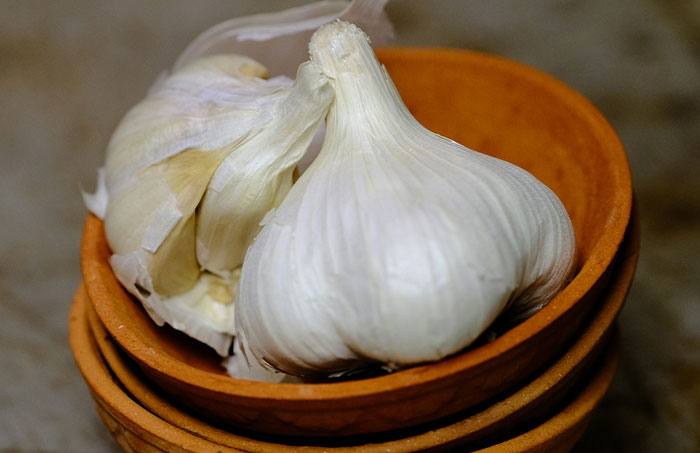
The whole “always use fresh garlic” thing. Sometimes the jarred stuff hits just fine.
I also sometimes buy the little frozen cubes of it. All garlic tastes good!
Unfortunately I am spoiled because my aunt used to grow garlic and i would hang it to dry and have it all year long. I still buy whole garlic. I will never use garlic powder or garlic salt or jarred stuff again. I'm going to try to grow some next year in the little area I have. Gotta find some at a farmers market at the right time and it's cheap and lasts a long time.
I watched a YouTube video on this and it turns out that from most to least garlicky it's fresh garlic, powdered garlic, and then jarred. But if you use enough of any of that, it'll be garlicky enough
Given how strongly divided opinions are on this I can't help but to wonder if maybe one of the preservatives affects taste more for some than others? I have tried to use minced and jarred garlic many times and just can't stand the stuff, but appreciate that many people notice no difference and enjoy it.
If I bought fresh, the clove would go mouldy before I'd used half of it.
If I bought jars, it would get nasty before I'd used half of it. Fresh garlic lasts a good amount of time, and there's little enough of it that I'll use it up.
Load More Replies...
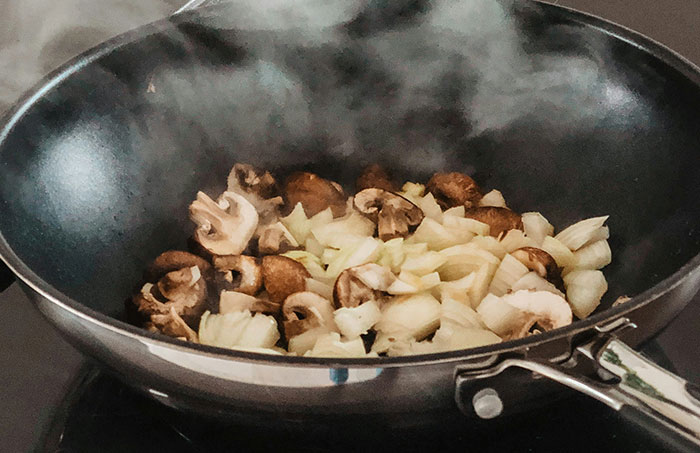
It’s okay if your mushrooms are steaming at first (due to pan overcrowding). Just let them cook down and they’ll get that nice brown color.
The trick is to NOT add salt during the cooking process; you can add salt after they're browned. (Adding salt early in the process brings out moisture, which steams them and prevents browning).
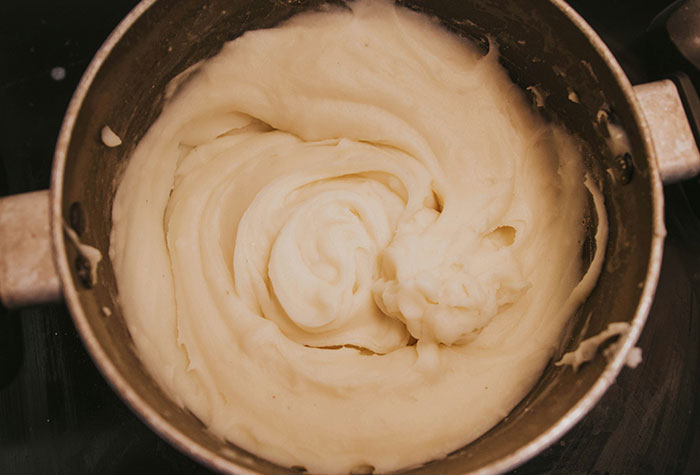
But I want to bring out the moisture, so they become more substantial and less watery. I usually sweat mushrooms for this reason.
Load More Replies...
I made mascarpone and cream cheese from scratch the other day. All the recipes on line say to avoid using ultrapasteurized cream but it's very hard to find cream that has not been UP these days. They say it could have the proteins already broken down. Considering that UT brings the cream to 185F for TWO SECONDS and when you make mascarpone or cream cheese you bring the cream to 185 for several minutes i reasoned that someone must have said this once for no good reason and now it's in every recipe. It's wrong! Made great mascarpone and cream cheese.
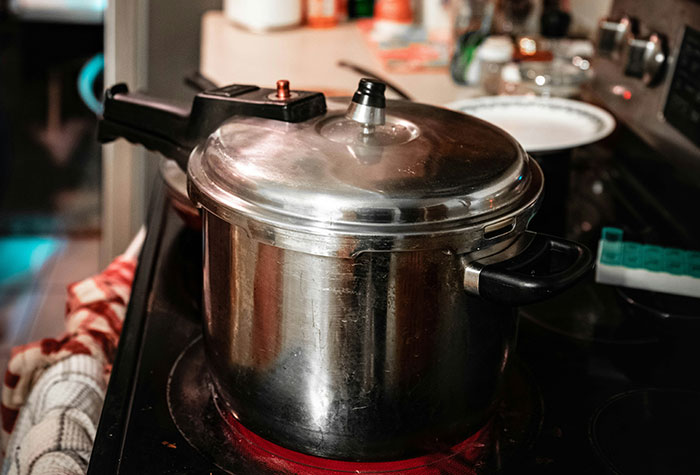
My husband's British mother used to- get this- PRESSURE COOK the steak first- like, on a steam rack in the pot. Then she'd take it out and sear it. He swears, up down and sideways, that method makes scrumptious steak. I'm nearly 60, and I'm still too scared to try it 😂😂😂.

That's great for braised steak, but not for steak that you might want to eat medium or rare. In the old days in Brutish cookery all meat was expected to be cooked right through so this method made it quicker and easier to make it tender (depending on the cut of meat). Edit: just noticed my typo, decided to leave it, quite apt.
Sounds similar to how fancy immersion (aka sous vide) cooking in restaurants is done.
No it doesn't. Sous vide is at a very tightly controlled temperature, so the meat can't overcook for an extended period. Compared to that, the pressure boiler is like hitting it with a sledgehammer, and cooks it at a temperature that is way too high. The British kitchen is infamous for its bland food, and this sound like it fits perfectly into that.
Load More Replies...I had a British colleague that would microwave a steak before frying it. Considering the British got their french nickname because of their ability roast beef(rosbif) they have declined since then.
Your colleague, maybe. That is disgusting. All real men worship a good steak!
Load More Replies...Some people use the word "steak" for cuts that I don't. Tough, flavorful, braise-able cuts of beef like chuck or brisket benefit from the pressure cooker. Ribeyes and tenderloin will be ruined by the pressure cooker.
Has he had therapy? A steak is a terrible thing to waste. That being said, both me and my SO agree our mom's tended to cook meat until it had no flavor, rubbery texture, and the appearance of shoe leather. Looking at you turkey that was so dry one thanksgiving I pulled out a pack iof cigarette rolling papers and asked my brother if he'd rather smoke it
Some cooks parboil ribs before BBQing. They tend to be very moist (the ribs).
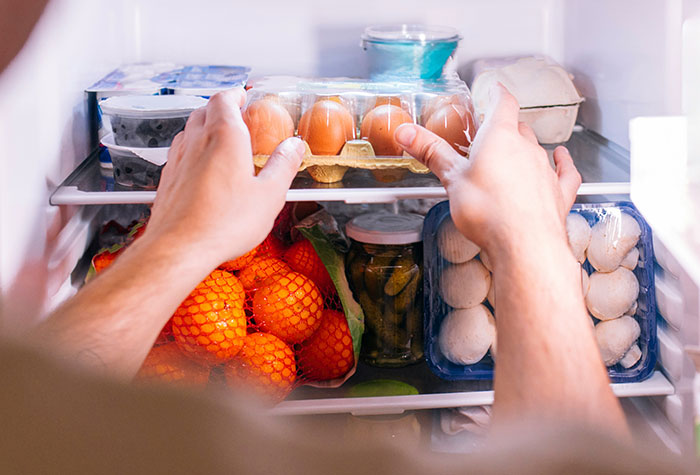
My eggs are never room temperature when I bake. I’ve done it. Don’t notice any difference.
Another clueless OP. Cold eggs are required in most pastry because they help keep the dough cold. When you work with pastry that has butter inside, using cold eggs and milk keeps the pastry firmer, less sticky and easier to work with. Cold also slows down gluten binding, keeping pastry softer and reducing crust formation. For strongly leavened pastry and cakes you typically want non-cold eggs because the gluten helps stabilizing the rise in the oven.
I don't think I have ever read a recipe that calls for cold eggs. I tend to keep the things I buy in the same environment that they are in the supermarket. Eggs are never kept in the fridge in the UK supermarkets.
The important factor here is that if you live in a country where eggs are required to be prewashed before being sold in a supermarket, you need to refrigerate them.
Load More Replies...It depends on where in the world you are. Eggs, from natures side, has a natural coating that preserves them (otherwise if they spoiled quickly the chick wouldn't survive). However in some countries, the eggs are washed, which removes the coating and makes them less durable. Washed eggs need refrigeration to compensate.
Load More Replies...It's only really important if the eggs need to be cold for separating or whipping. A quick way to warm an egg up to "room temp" is to submerge it in warm water for a few minutes.
They probably are room temperature. For most recipes, the ratio of eggs to dry goods / other ingredients is low enough they warm up as they are mixed in with the other room temperature ingredients. Sometimes a recipe calls for a bit of milk and I've never seen one that told me to warm up the milk to room temperature. Presumably for the same reason - it warms up enough on its own.
You don’t have to thaw veggies before cooking them (I also dont thaw seafood).
For me it depends on how I'm using the vegetables. If I am including some frozen stuff in a stir fry I thaw them first for timing so they are 'done' about the same time as non frozen ingredients. If I am just making a pan of vegetables then I usually go straight from freezer to pan.
Load More Replies...I freeze my fresh cayenne and habaneros and other peppers, you never want to thaw them they will plump up and become mushy. Cut frozen throw right into the dish and they will cook fine.
I only defrost vegetables if I don't want any extra moisture in what I'm cooking... but otherwise it goes straight from the freezer into the pot/pan
I will put still frozen chopped broccoli, peas, or whatever into whatever it is I'm cooking. Frozen veggies hold their nutrition better than canned or fresh, so I always keep some in my freezer.
Canned veg is usually nasty (except tomatoes!). I'll take frozen any time.
Load More Replies...Xeno, They taste better than canned. They are more convenient than fresh. I live alone and frequent trips to a nearby town for grocery runs is not practical. Having a lot of frozen veggies on hand gives me "near fresh" for most veggies. Canned veggies have a more 'soggy' texture and the cans are more work to open.
Load More Replies...
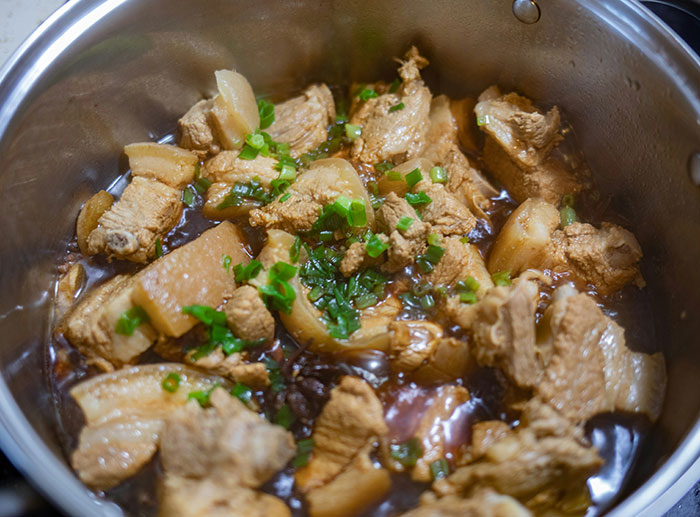
You don't need to cook pork till it is as tough as shoe leather. Mom always believed that unless you cook pork till its was truly dead, you would die a horrible death within 24 hours.
Pork chops, roasts, or ribs MUST reach a minimum internal temperature of 145°F (63°C) for two to three minutes, while ground pork MUST reach a minimum internal temperature of 160°F (71°C) to render it safe to eat. The issue here is, Trichinosis. Basically, Trichinosis is a parasitic worm which is found primarily in pork. The worm is near microscopic, so you can't see it with the naked eye. https://www.mayoclinic.org/diseases-conditions/trichinosis/symptoms-causes/syc-20378583
Yes, that's the history and the reason for what is essentially an old wives' tale (in the literal sense, which does not mean it's not correct). Properly raised pork will not be contaminated, so it's no longer necessary, and in any case the temperatures you quote are much lower than those that would give the shoeleather consistency.
Load More Replies...The US has between 10 - 20 cases of trichinosis annually according to the CDC.
Load More Replies...This was needed when pork wasn't produced in sanitary conditions. However, if the pork comes from a "back yard" pen, I'd cook it well. The Trichinosis worm is still around, just not is professional hog operatioins.
My dad once made some very thin pork chops that he fried for so long they were dark and hard. He ate some of the bone without even realizing it wasn't part of the meat.
Pork does need a longer cooking time, and that is why Jews don't eat pork, because they weren't cooking it long enough and they would get sick and die, so some smart Rabbi realized it they told the people that G-d told them not to eat pork, they would solve the issue.
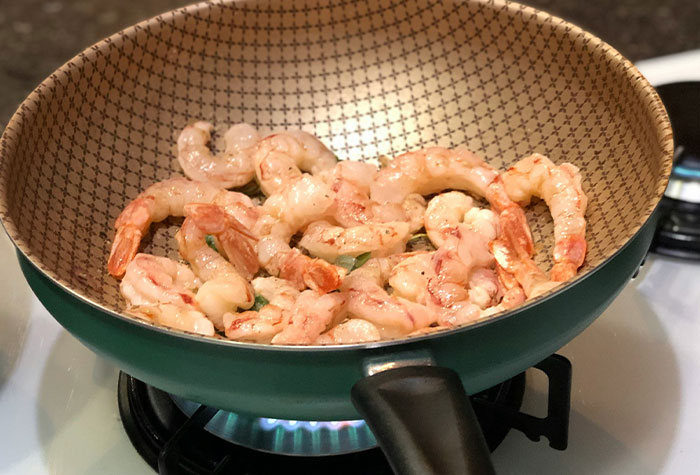
Frozen prawns (for Americans shrimp) will be soft and squishy when cooked.
No they won't, prawns and most fish are snap frozen at sea when they are straight out of the water, this process does not result in mushy prawns.

And most 'fresh' supermarket prawns have been defrosted, so in a way the frozen ones are fresher.
I'd say that depends on the region. Here in Siberia, definitely. Thailand, maybe not.
Load More Replies...In the UK it is illegal to sell raw prawns that haven't been previously frozen. This ensures that the fishermen have an incentive to freeze the prawns immediately while at sea rather than spends days on end fishing and then bring them to sure when they've been dead for too long.
Although the terms of often interchanged, prawns and shrimp are not the same animal.
What happens when you freeze food, is that he water inside the cells expands in volume when it turns to ice. The cells can't handle this, and their outer membranes bursts like an overinflated balloon and the liquid leaks out. That is why you often see a lot of liquid surrounding a steak or other meat that has been defrosted, and some texture has been lost. Some thing happens to prawns. Those that hasn't been frozen a definitely better, but harder to store.
Frozen shrimp/prawns do not go mooshy when cooked. Freezer burnt shrimp, however, ewwww goo.
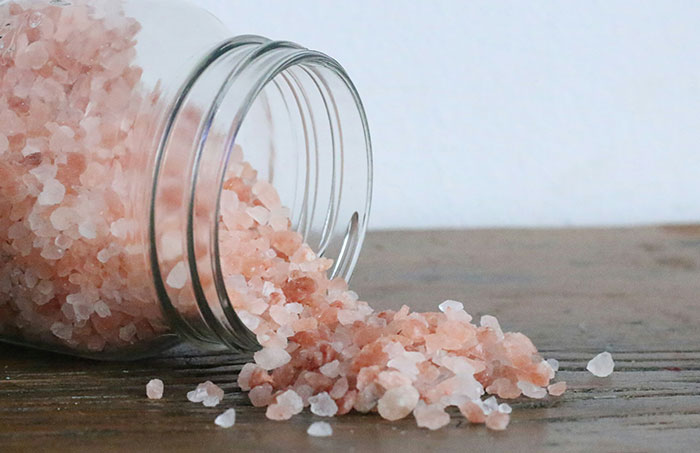
Fancy salt vs cheap salt.
I only use those fancy oh la laa salt flakes etc. as a finishing touch on top of focaccia or saltine crackers, for example.
in cooked food - no difference. At the table? Yes, it does make a difference. And it's not fancy vs cheap, it's fine vs flake vs coarse, plus different salts do taste different. I'll swear by Morton's Coarse Kosher, with Himalayan coarse as a second. Neither are expensive.
A friend managed to get thyroid problems from using only the fancy salts that have no iodine.
Yes! I don't use a lot of salt but didn't realize the iodine content in different salts. So I make sure i buy salt with Iodine. I have family history of thyroid problems.
Load More Replies...Kala namak, that holy grail of salt for those with egg allergies and vegans.
Load More Replies...Disagree. Malden salt is so much better than Saxa table salt, no question IMHO
Yes, and "kosher salt" in so many american recipes. Never really understood what could be non=kosher abut salt or why anyone thinks it would make any difference in cooking.
I have seen a few videos explaining the difference. It has to do with the shape and size of the salt grains, which can affect how it sticks to the food.
Load More Replies...
If you didn’t save any pasta water, it’s like totally fine. The hot pasta will give off tons more starch when you add it to sauce.

That is if you don't rise it like a crazy person. Pasta should go from water to sauce ASAP.
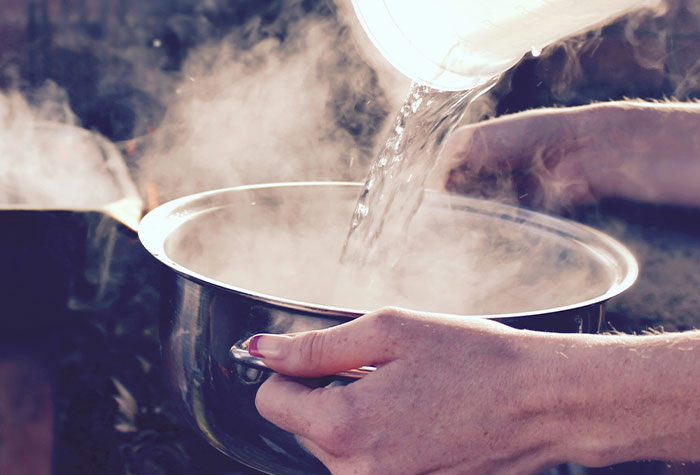
Some recipes require significant quantities of starch water. Carbonara, Cacio e Pepe, Gricia... In general, if you mix cheese into the sauce, you need a cup of water for mixing in, and the pasta typically used for those sauces (spaghetti or similar long pasta) would not retain nearly enough.
I always save all the pasta water. It's super starchy, because I didn't use too much water. I can toss the excess water later if need be.
"Add hot liquid to roux and you don't get lumps"
I have never heated the liquid I'm adding to a roux beyond maybe room temperature and have never had a lumpy or grainy end product.
This is plain wrong, even the oldest recipes calls for cold or lukewarm milk or broth, never hot.
Maybe so, but I use what is at hand and never had problems. When I make a veloute from roux and liquid, it is often the case that this liquid is near boiling. For example poaching liquid from fish or asparagus. Never had lumps - I use a wire whisk and vigorous stirring.
Load More Replies...That's actually the opposite. You fix a broken sauce by adding a few tablespoons of cold water and whisk. You also should be using sodium citrate. Dissolve a quarter tsp in very hot water then add to the roux when you put the cream or whatever liquid that you're using. Seriously though. Broken sauce=fix with a couple tablespoons of cold water. It's never failed for me.
Never heard of this. Just continually stir with a whisk and there will not be any lumps.
I've had roux turn lumpy with hot liquid, but it very seldom happens with cold.
It is more a matter of how fast you add the liquid. If you add too much, it can be hard to whisk out the lumps. add a little, which till homogen, add a little more whisk, and so on.
I always add all (or most, so I can adjust with more if needed later) the cold liquid. Just heat gently while continually stirring. I'm a bit funny about using unnecessary implements, so will do almost anything to avoid using a whisk.
Load More Replies...
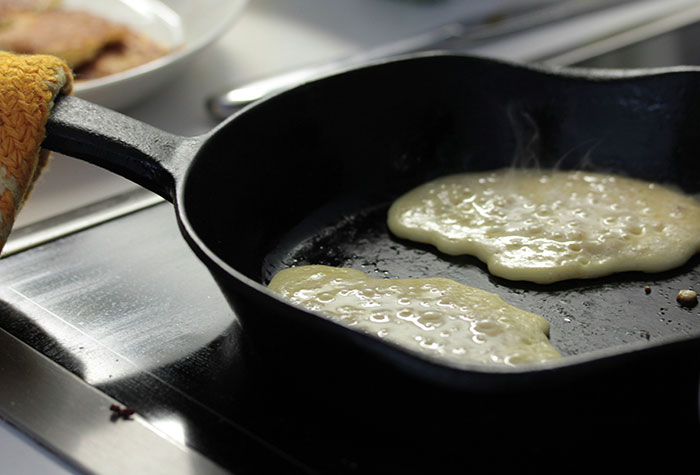
Most advice about how to care for cast iron.
Please don't soak them. It will make the bottom rust, and will create holes in the surface where food will get stuck and will burn. I have seen pans ruined by being left overnight under water. And don't use concentrated soap directly on the surface.
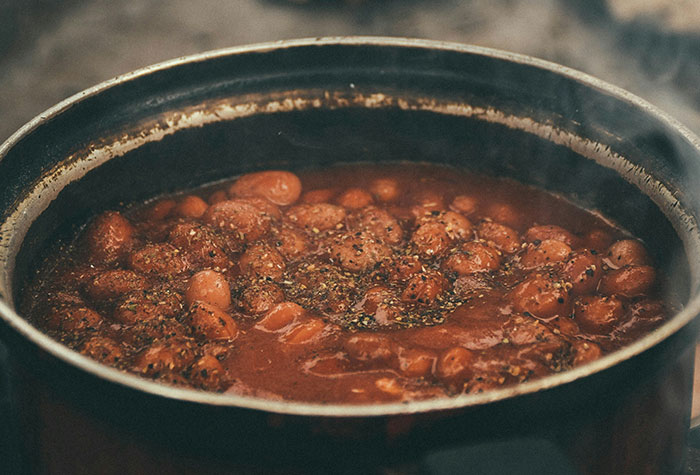
I absolutely agree that you should not soak them. Rust is bad. However, I've seen recommendations that you shouldn't use soap, and even some saying not to wash them with water at all. I disagree with those.
Load More Replies...The main thing to consider with cast iron, is if you lose the seasoning (a layer of oil on the pan), then the cast iron will rust... fast. In a matter of minutes. Which can make life difficult, as the process to fix that involves essentially sanding off all the rust, then spending the next several hours reapplying the seasoning to the pan. This happens all too often with dishwashers, as the detergents used in those are designed to dissolve oils... which as I said, are what the seasoning is made up of. By the same token, while you can use an unseasoned cast iron pan, you aren't going to like the results, as everything short of water that you put into it, is going to stick to the pan.
Who is putting cast iron in a dishwasher??? 😱😱
Load More Replies...My Mom had her Mom's cast iron skillet. Thing was epically seasoned. My ex was helping with dish washing and used STEEL WOOL on it. He's lucky he didn't get the pan upside his head. I coveted that pan but finally bought one at 45yo because it seemed morbid to be waiting for her to pass so I could inherit it. My brother has it now. XO
Most advice about how to never put certain pans in the dishwasher. The dishwasher is not the issue, the detergent (sometimes) is. If a manufacturer says you can put your pan in the dishwasher, you can put your pan in a dishwasher. I've had two chefs freak out when I said I was gonna put my stainless steel pans in the dishwasher like I was trying to microwave a can of soup.
I guess you mean microwaving soup still in its actual can. Nothing wrong with microwaving canned soup in a soupdish!
Load More Replies...Depending on what you're cooking, coarse salt and a paper towel will do the trick. Rinse thoroughly however, and wipe with whatever oil you like. Cooking oil, not 10W30.
Skimming the bean foam off.
I think it removes some of the starches that can cause unexpected....consequences. :p At least that's what I think.
Yes, it does. And some protein with it. It -might- also remove some unwanted aroma, too, but I really don't think it matters that much.
Load More Replies...Well, it looks like scum. What are we supposed to do, save it for scrumble?
Adding all stock to risotto in one go vs in small ladlefuls.

That just makes a soggy mess, Rice can only handle all the water, you have to put it in a bit at a time.
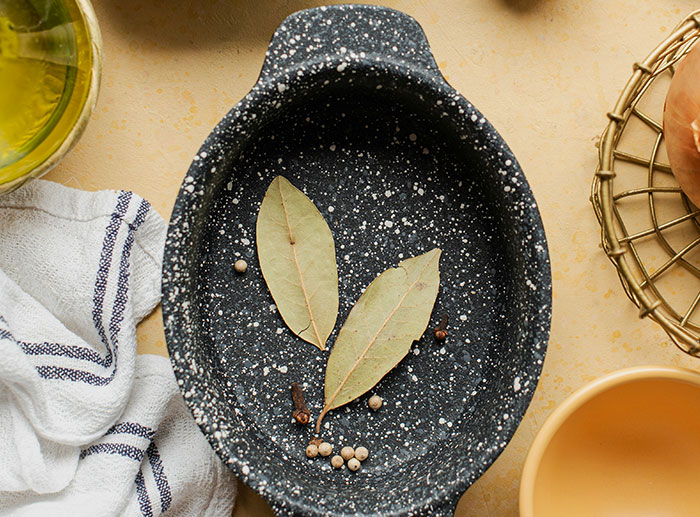
This is incorrect. I make risotto by adding all of the liquid, and it most definitely doesn't create a soggy mess.
Load More Replies...You add small quantities of stock because you need the rice to stay relatively dry, so when you slowly stir the rice, the grains scratch against the bottom of the pan, the scratching remove some starch from the grains. The starch removed from the grains makes the creamy texture typical of the risotto sauce. If you put all the stock in one go you can't make that creamy sauce. Also, the scarcity of water allow the pan temperature to rise above the water boiling point, allowing the development of the Maillard reaction, creating aroma in the risotto added ingredients (i.e. mushrooms or vegetables).
This person clearly doesn't know what a good risotto is like. You can get something adequate by the 'dump it all in' method, but not anything great.
The issue is that you don't know exactly how much you'd need, as different setting of the stove will make more or less evaporate. So you want to be able to test as you go and adjust the amount accordingly. Ideally risotto should be a little "al dente", so you can't just boil the excess of, without overcooking the rise. If you add it all at once, you risk ending up with soup.
You have to add it a little at a time or it doesn't come out right You have to stay with it and stir all the time.
Personally, bay leaves in most stews that feature a lot of other herbs and spices. It definitely has a flavor, but if you've got a ton of basil and oregano in your Bolognese, I cannot taste the difference that a few bay leaves make.
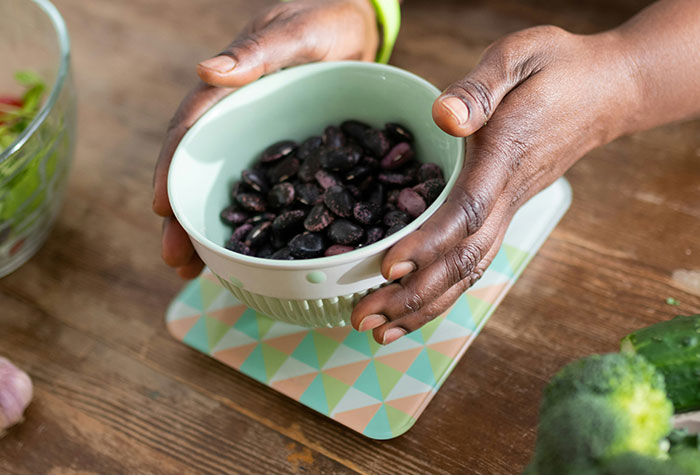
Sure, if you can't taste things then just leave them out, but please don't assume the same about your dinner guests. Anyway, most people will notice something that tastes really good even if they can't pinpoint the ingredients used to make it so.
It gives an earthy aroma, you can definitely notice it
Load More Replies...I bet they're making a sauce with a quick cook time. Bay need some cooking to give off it's fat and water soluble oils.
Why is there oregano and basil in the bolognese to begin with? Basil and oregano is for marinara...
Use whatever herbs you like. Oregano is very common in Italian ragu from all regions, Basil pairs well with tomato, so why not?
Load More Replies...Gotta have at least on bay leaf if not 3. You notice it when it's not there.
I called my ex-boss out for not adding bay leaves to her red beans and rice. I could absolutely tell.
For home cooks weighted ingredients vs volumetric. If you find one easier than the other (or just prefer one) that’s fine but I guarantee you’ll never notice the difference in the final product.
I lived in France and every housewares store sells a verre doseur which is a way to approximate weights by volume (most homes just use an empty mustard jar with a 100g line marked on the side lol).
Weight for the solids, volume for the liquids. It takes away uncertainty (density and compacting for flour and similar, fat content affecting weight for milk and such)
Glass measuring CUP for liquids, metal measuring SPOONS for dry ingredients.
There are also measuring CUPS for dry ingredients. If you are making a cake, spoons would be ridiculous. but dry and wet cups are different.
Load More Replies...
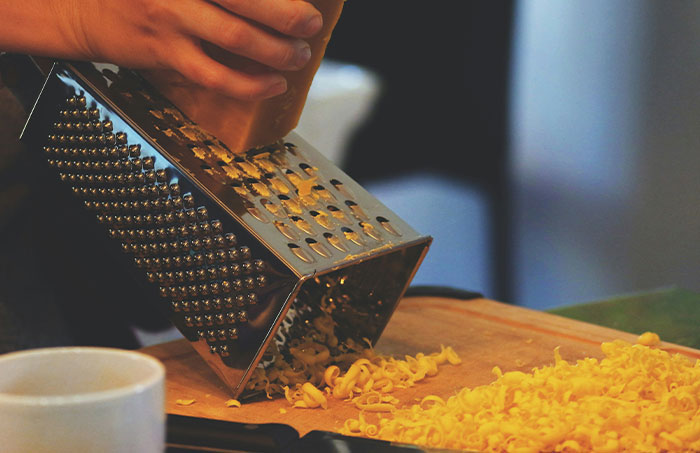
Pre shredded cheese melts fine.
But is never, NEVER going to be as good as the real thing. I will die on this hill.
My problem with pre shredded cheese, is thinking about how much of that stuff is actually cheese.
Pre-shredded cheese has an additive that prevents it from becoming a giant ball of cheese in the package, and typically cellulose -a starch.
TASTE! It's about taste, not whether it melts. Almost all shredded cheese is coated with an anticaking agent to keep it from becoming a stuck blob. "These agents are typically combinations of starch, cellulose, or calcium sulfate" I recently purchased a bag of shred for the first time in ages. It uses potato starch instead of cellulose and I thought maybe I wouldn't taste the difference. Nope, can still taste it. It's not "awful" but it just isn't as good as when I shred the cheese myself. You do you - but I'd suggest a taste comparison if you are curious.
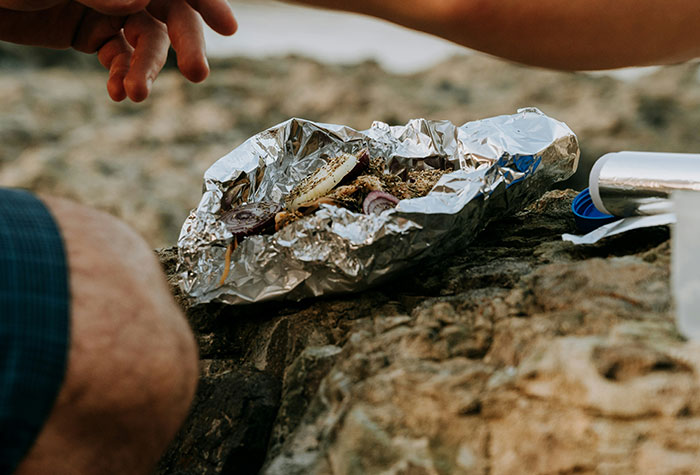
Shiny side of aluminum foil vs. dull side.
If I use the dull side out, I can still hear the voices. If I use the shiny side I can hear the voices too, bit they are less persuasive.
Load More Replies...One side is shiny because of the way it's made. No difference at all.
Only makes a difference if you’re using the non-stick reynolds wrap. that one is dull side up. it’s even etched on the foil and says so on the box. standard foil - doesn’t matter which side.
Someone finally tested this in a lab. The shiny side does emit slightly more light than the dull side but not in amounts you will ever notice in your kitchen.
Washing rice. Fight me.
Another dumb OP take, with a side of excess confidence. You wash rice to remove the dust left on the grains, that is rich in starch because it shreds off the outer layers of the grain. If you need to make Asian style rice, you wash the rice thoroughly because you want the grain separated after cooking. If you make risotto or paella, you absolutely do not wash the rice.
A lot of Asian dishes call for rice that sticks too. I do like to do a quick rinse on them at that point too, but that's because we've had occasionally silverfish in the kitchen
Load More Replies...Depends how you're going to cook it. In some methods it really makes a difference. Also depends on the type of rice and how it has been packed and shipped - if there's a lot of loose dust coating it then yes it should be rinsed off first for most uses. These days most rice is relatively 'clean' so it's much less critical.
Yes. Different rices have different needs. I can cook basmsti without rinsing and it is separated. Regular white rice will not ( which is fine if i am mixing in burritto but not if i want chicken and rice ). Jasmin is hit or miss with rinsing, etc.
Load More Replies...Pre-rinse is supposed to help reduce arsenic, which almost all rice contains to some varying degree…?
Depends on the rice, this comment shows me an OP that does not know rice.
It depends on your end goal. If you are cooking white rice, washing it removes most of the natural arsenic. The arsenic tends to mostly be in the brown hull that gets buffed off to make white rice. Residue remains. How much arsenic is in your rice depends on where it was grown. So .. that's a consideration in addition to how 'starchy' / sticky it is.
Sometimes I do and sometimes I don't and I don't see a real difference
I agree. I haven't washed a grain of rice in my life, I mean the stuff gets cooked ffs.
Not peeling ginger.
Especially from frozen. But I like to use fine strips (julienne) in some dishes so will always peel that first, but just scrape with the back of a knife or a spoon, no sharp edges required.
Load More Replies...I somehow manage to make sourdough bread without pre-heating the oven and the pot. Also the pot is not cast iron, but jena glass. I very much like that I can see the bread at any time.
Glass conducts heat differently and I have learned that a glass pan can explode in the oven with bad luck. (I make mine in a large metal pot with a lid). No-fuss sourdough breads are pretty low maintenance. You have to be more careful when baking the pie crust because metal, porcelain or glass pans mean different baking times due to heat conductivity. Nothing ruins a delicious pie like a soggy raw crust.
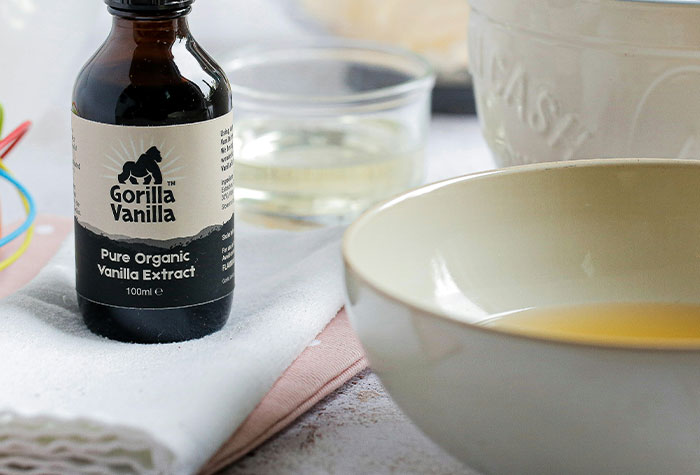
Vanilla Extract vs Bourbon in cookies. I can barely tell the difference, and if anything, the ones w/ Bourbon taste better.
I can definitely tell the difference between bourbon and real vanilla extract.
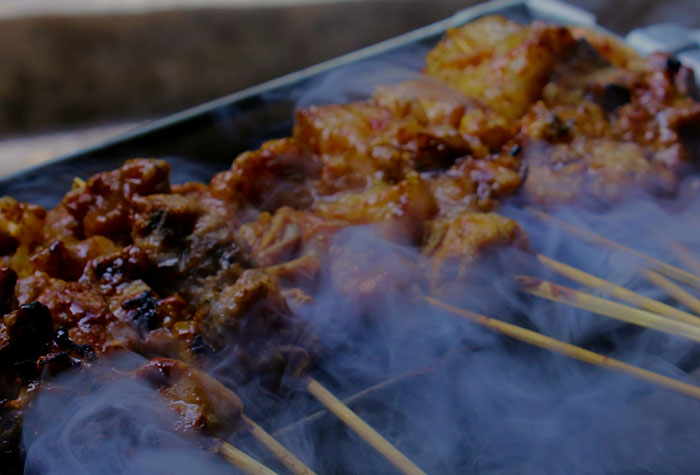
They're probably using cheap extract which is more alcohol based
Load More Replies...I'm guessing an American usage here where "bourbon" refers to an artificial vanilla flavouring? If so then yes, there is a huge difference, but probably your cookies are so sweet and with other flavours that you just don't notice it. Try it in more delicate recipes and you'll easily taste the difference.
I've never heard of artificial vanilla being referred to as bourbon.
Load More Replies...Is this person talking about artificial vanilla extract or natural vanilla extract? There is vanilla extract where the vanilla pod is soaked in bourbon called borubon vanilla extract, but the standard stuff off the shelf without the bourbon is generally vodak or rum based.
Bourbon vanilla doesn't have bourbon in it. It's a type of vanilla grown in the Madagascar region. The name differentiates it from Mexican or Tahitian vanillas (obvious grown in other parts of the world). Just like wine, the soil and climate vanilla is grown in, and well as the processing, influences the flavor and there is a difference. Extract is just the word for a liquid infused with the flavor of vanilla beans. It can be made from any variety of vanilla bean.
Putting salt everywhere even in sweet recipe.
Use less sugar, and add a pinch of salt, it makes things taste sweeter. So while the effect is probably minimal you eat less sugar.
Same reason people put a dash of salt on fruit slices like watermelon. It actually makes the watermelon taste sweeter.
Load More Replies...
When I'm smoking meat that takes 8-24 hours to finish (ribs, pork shoulder, brisket, etc), I go for 2 hours in the smoker, then wrap it and stick it in the oven. So much less hassle that way.

I've been starting in the smoker and finishing in the InstatPot. It's wonderfully moist BBQ.
Keeping the fire on when cooking pasta (after you brought the water to a boil, added the salt and pasta and brought it back to boil).
Everyone in Italy does it, my parents and friends included, if you don't they'll say that your pasta will get soggy and gluey due to the lower temperature.
In reality you can switch off the fire and the pasta will cook without any trouble, if you are paranoid you can at least lower the fire to the minimum.
From what I gathered leaving the fire on was something that started from restaurant chefs, when you have 100 pasta dishes coming out in 2 hours you can't afford to let the water lose heat, so you keep it boiling all the time, chefs brought this custom to television and we adopted it as if it was a god mandate.
I'm using Parisi's method (Nobel prize laureate in physics): put pasta in boiling water, cover, turn off stove, keep for 1 minute more than written on the package (2 minuter more, if the original time is above 10 minutes). Works perfectly well, checked many times for "al dente" texture.
Do you still stir? Seems like it would clump together if you just covered and let it sit.
Load More Replies...Personal take. If you are weird like me and find texture just as important as flavour, dont do this
Doesn't the pasta stick together when the boiling isn't mixing them though?
That the anticaking agents in pre-shredded cheese will affect the texture of whatever you're making... After many many experiments, I still can't see any difference. I suspect this one to be a legend.
Not a legend...It's also not worth it, it costs more in the bag and the anti-caking powder does prevent proper melting when making sauces. It's cheaper and requires little effort to do it the right way.
The only time preshredded is allowed is as a quick on the go snack where you can't cut/grate.
Load More Replies...Pimento and cheese needs freshly grated cheese. The pre grated stuff gives it a horrible texture.
There is definitely added agents to prevent sticking in pre-shredded cheese that effects the melting and flavor. It takes hardly anything to shred cheese from a block; even mozzarella, and it's worth the quality.
Shredded cheese is much more expensive than a block of cheese, at least in my country. So when I need 2,5 kg of cheese for 1 meal I will buy block instead of shredded thank you very much.
Mac and cheese from scratch for 10 people. It's only a birthday dish.
Load More Replies...Uh...no. The difference between fresh shredded and bag can be like night and day in something like a cheese sauce. Bag cheese will immediately begin the "seize up" the sauce and make it harder to make a creamy flowing sauce. If you use the sauce for a baked dish like mac and cheese, it just keeps getting firmer until it forms almost like a new variety of cheese. No thank you.
It does affect mouth texture. If you use it 'raw' such as topping a taco, I can tell the difference in texture / taste. If I am melting a small amount into some refried beans or other dish, I am much less likely to notice the texture difference. But if you do a side by side taste comparison of pre-shredded vs shred yourself, there is a definite taste / texture difference due to the anticaking agents.
I rinse off preshredded cheese in a large sieve, with cold water to get the coating off.
Black pepper. Yes, I only use freshly ground. I just don’t taste any difference in things like stews or sauces. .
It does depend when you add the pepper. Adding at the end is preferable if you want to be able to taste it.
Adding at the end is the only right way. The peppercorn oleoresin contains piperine and limonene. If heated slightly the limonene evaporates, and at over 160°C the piperine burns. As a results, cooked pepper loses the complex aromatic profile it has when freshly ground, and just preserves the spicy sensation until overheated. On the contrary, other spices such as turmeric, cinnamon and cardamom require heating to release their oils, so they have to be added early on, possibly in searing hot oil to extract the flavors and lose the bitter compounds.
Load More Replies...Ground pepper like most aromatic spices will lose some of it's more delicate flavour over time, a process that is much slower if you leave them whole. The difference between some that you bought and opened last week and the stuff that's been sat at the back of the shelf for the past five years will be much greater than fresh vs. pre-ground.
If they mean as compared to white pepper - then what I was taught is it was mainly about having black specs in white sauces and soups. White pepper is also more mild, but I don't know if I can tell much difference when it's cooked into a dish. Maybe if I needed the pepper flavor to be extremely subtle.
Blanching rabe. it helps but isn’t with the steps if you’re serving w lots of garlic and oil as a supporting dish. like it’s served.
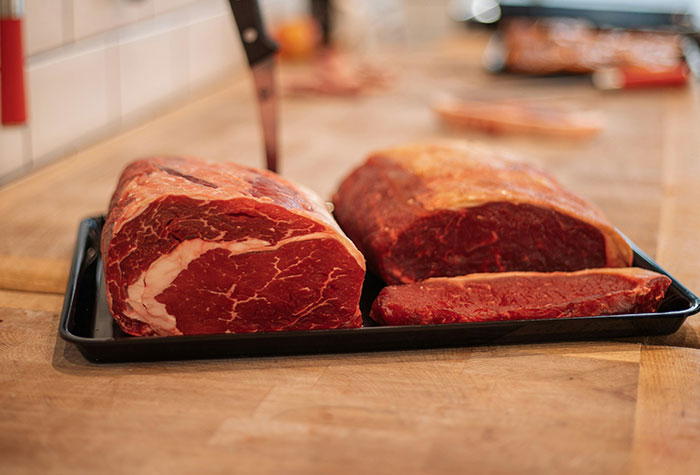
Bringing meat "to room temp" before cooking it. You can cook meat straight from the fridge and you will never notice a difference. I can't remember which YouTube channel did the experiments, but they showed their work and the final outcome is that letting meat sit out for an hour or two before cooking makes no difference in the outcome. Yet you still hear big-name chefs telling you to do this.
I agree with you, because the core temperature of the meat is different at the start so the cooking process will never be equal between the two. I can't imagine how it can't make a difference, cooking meat that is 4 degrees and cooking meat that is 18 degrees, roughly.
Load More Replies...Depends on the meat or cuts. Cold meat instead of frying may start boiling instead. And the cooking time will be faster. Im a Chef
Not true. It doesn't need that long, but very cold meat will at the very least change the cooking time as quoted by said chefs on their recipes, and on some cases may leave the middle undercooked and the outside overdone.. . . And a very cold steak or chicken fillet will tend to curl up if it hits a hot pan which inhibits heat transfer.
I feel like it depends on what you are cooking. If I am BBQing a medium rare ribeye steak, I do find starting temperature makes a difference. I wouldn't say I let it get full room temperature. But since I often use a garlic/salt/olive oil rub, it sits on the counter for a little while and is somewhere between fridge and room temperatures. For something like a pot roast, it would probably not matter other than a few minutes of cooking time.
I like to cook steaks from cold, so that they are rare on the inside when cooked.
I have been told, that it depends on the frying pan. A light (thin) one gets cooled down by cold meat, but if yours af a good heavy one, it probably doesn't make a difference.
On slow-cooked meats (think crock pot or a loooooong braise), I have not found searing the meat first to result in any better flavor development. All it does it take extra time and leave me with an extra dish to wash.
But something that's not cooking all day, it's worth the extra step.

It just looks better with some casseroles/recipes and taste wise - especially if you’re gonna deglaze before building a sauce back up
If you’re just searing, then I agree, but if you’re getting the fond and deglazing then it absolutely adds depth to slow cooking. A lot of people don’t take the meat beyond a sear because they don’t want burnt bits of yumminess.
Lazy me sticks the seasoned meat in the oven with some veg to roast and toss that in the slow cooker with all that tasty cholesterol
You brown the meat to give your gravy/sauce a nice color and extra flavor. Otherwise, the gravy might end up kind of gray looking.
I've started searing the meat for stews. Adds flavor and if you use a little starch, you can tenderize the meat and add some thickening to your stew.
Mom taught us to preheat the oven with the pot roast pan in it. Once hot, add meat, turn once. Then add liquid and braise, later add potatoes and carrots. Then even later add celery and onion.
Load More Replies...If cooking beans in a pressure cooker you can soak them in water overnight. But you don't need to. So WTF does the recipe say its optional? How about I don't bother with remembering to soak them overnight because it doesn't matter and is an entirely unnecessary step.
Tinned beans are just as good anyway. Dried ones may be cheaper, until you factor in the effort and cooking costs on a relatively small scale.
I buy big bags of beans, and make them all at once. Then I'll weigh the beans into canned sized portions and freeze it. It's not much work and you have beans for whenever you want.
Load More Replies...I can't say anything about using a pressure cooker, (as I've never used one) but I can tell you that it makes a hell of a difference if you don't have one. I once thought that beans needed to soak for an hour or so, before reading the instructions. When it said overnight and I was a little short on time, I thought: "Nah, I will just boil them for a little longer". It doesn't work like that. They had to boil like forever, and never really got completely soft.
Soaking them decreases the time required for cooking them, and also reduces the contents of indigestible carbohydrates. Not strictly necessary, but can be helpful for some people.
"reduces the contents of indigestible carbs" yeah, we call that removing the consequencial gas from the beans, iykwim
Load More Replies...Soaking is to reduce the 'fart factor'. == "Yes, soaking beans can help reduce gas. Soaking breaks down indigestible sugars, which can cause flatulence, and the water can be drained and rinsed away before cooking. This method, combined with boiling for a short time and then covering for an overnight soak, can dissolve up to 90% of these sugars into the water. "
Adding ingredients by (smaller) portions and not all at once. I always just pour/mix stuff together and never had any problem.
This is all well and good, until your potatoes or celery over cooks and turns to mush. Fun fact: Different vegetables, cook at different rates. Some cook far faster than others, and will turn into goop if introduced too early.
I willing to bet that they are using precooked veggies (canned/frozen) if they dump it all at once
Load More Replies...Seasoning the chopping board.
Ok, I'll be the one to ask, wtf does seasoning a chopping board consist of?
I have no idea... It sounds like it would be an old thing, but growing up in the Southern United States where so much cooking is traditional/old ways I'm wondering if it is a newer trend...
Load More Replies...It doesn’t matter if you pour the cream or the tea first.
American chuckles at the idea of fainting in British, which is the most polite and unobtrusive way to faint. Fainting in American is loud and takes up a lot of space…
Load More Replies...Very true. Because it's going to be poured down the sink anyway. Cream in tea would be an abomination, I have never heard of such a thing.
LOL at the judgmental folks in comments. Drink your tea however you like. I do and don't put cream in tea depending on the type of tea and my mood. I like a good strong chai tea mix with a small spoon of honey and a splash of cream or half and half. And doing the same with Market Spice tea gets me "near chai" flavor. On the other hand I don't like cream in the oolong tea you get at most Chinese restaurants. I do put my cream in after though. It might not 'matter' but it is easier to tell how much you have added.
Yes definitely. You don't know how strong the tea is going to be. Add the MILK afterwards slowly so you don't swamp it. That's for real british tea of course.
Load More Replies...
If you're not infusing the milk when making pastry cream, **there's no need for tempering the eggs.** Whisk it all together ( or use a blender if it's a huge batch) and cook it over medium heat until it bubbles, cook for one minute more, take off heat, add butter and flavoring, DONE.
This is a s****y pastry cream. OG cream is made by mixing sugar, yolk and starch in a bowl, then adding the hot milk with vanilla extract. You add the milk slowly (what OP here calls "tempering") because it start the denaturation of the egg proteins, stretching them and making it easier for the proteins to combine in a smooth texture. Adding all the hot milk at the same time would cook the proteins and create lumps. Heating the mixed eggs would just burn the eggs at the bottom, and create burnt lumps.
Hot to make pastry cream like a modern pro chef in 10 minutes or less. Half a liter of milk, mixed with the seeds from a vanilla pod. Cut the pod in large pieces and put it into the milk. Put into the microwave for 5 minutes. Mix quickly 5 yolks, 100 g of sugar and 50 g of corn starch into a bowl until they are almost white in color. Pour the hot milk into the cream through a sieve (to remove the pod), slowly while mixing energetically. Put the bowl in the microwave for 2 minutes, pull out, mix energetically, cool. Done. (recipe from a friend, sous-chef patissier in a Michelin restaurant)
Load More Replies...
Not really advice but I hate the old rumor that a mollusk that doesn’t open after cooking is “bad.”
A lot of people don’t know that a mollusks neutral, or relaxed state, is in fact open and that they have to engage their muscle to close. Sometimes they never relax during cooking and they just stay closed. That’s literally it. Lol.
Yeah... how about no. It's bad practice to eat any mollusk that doesn't open. This is because it could signify a dead mollusk. The issue here is they actually break down very quickly. It only takes minutes from the moment the mollusk dies for bacterial growth in the flesh to reach a point where they release a ton of toxins which can cause serious health issues. The best case scenario is you get a seriously bad case of food poisoning. Worst case, you have to go to the emergency room to get your stomach pumped.
I clearly disagree with everyone reading this, but I read a book by Dr Karl Kruszelnicki who is my favourite scientist, that did show this to be a myth.
How to cut an onion. Onions are already pre-sliced. You don’t need to slice them horizontally first.
Actually I partially agree with this one, but I always cut towards the centre, in segments if you like, before doing the cross-cut. The classic chef way does one or two horizontal cuts followed by vertical ones for a more consistent dice but my way is good, and fine, enough for any dish.
Load More Replies...This is a total myth perpetrated by idiots. Slice an onion in half, take a look at the cross-section, the layers are circular not horizontal. If you want horizontal separation you need to slice it that way. Top chefs are top for a reason, they know what they're talking about.
This depends on whether you want your onions diced or left in the long sections. I would like to point out that the videos I've seen of people cutting an onion in half, placing it with the cut side down, then cutting vertically top to bottom, then horizontally, then vertically across the onion are wasting time with the second series of cuts. Because the onion has layers cutting vertically in both directions dices them just fine.
Baking is full of pretentious snobs. It's not that hard, but people act like you'll absolutely ruin a batch of buns by putting in slightly more flour than you need.

Cooking is art. Baking is chemistry. A pinch extra or less of any ingredient won't be the end of the world but anything more than that and yes those pretentious snobs are correct
Depends on what you're baking. Back when I baked, I'd throw in a bunch of this and a bunch of that and stuff came out great. But the bread, cakes, cookies, etc that I baked were not highly exacting recipes.
Load More Replies...How much baking has OP actually done? I had to do a lot of experimenting just to reduce the number of cookies in an old family recipe. I no longer have a family, two dozen cookies is more than I need. It really does matter.
The sourdough experiments of 2010. 30 bricks until the perfect loaf
Load More Replies...Apparently, folding things into egg whites doesn't matter that much.

It does if you want your cake to be light and airy. Why spend all the time to whisk if you are just going to deflate the batter?
Marinading pan-cooked meat for any length of time. Unless the marinade contains ingredients that actively soften the meat (like pineapple), nothing is happening that won't happen at speed in the cooking process.
I don't think the post was a matter of whether adding a certain "sauce" to meat makes a difference in how it tastes, but rather whether it has an effect if you let the meat soak in it for hours vs. just adding it right before you cook it.
Load More Replies...Marinading is not done to soften the meat or speed the cooking process. Marinading works by adding flavor through the infusion of herbs, spices, and other ingredients. It can also help soften some meats, but to do that you need to have a marinade with a vinegar, or slightly acidic content. Pineapple, is not required. Marinades also help with the moisture retention of meat.
You don’t rlly need to preheat your oven for most things :/.
My (new a couple of years ago) oven has a specific "cold start" feature to minimise the need for this. But in most cases (not for cake or pastry) there's no point in waiting until it's hot, just add an extra five or ten minutes onto the cooking time.
Load More Replies...Cakes - absolutely must cook from hot and always do. Oven chips on the other hand, I honestly wouldn't know how long from a hot oven.
It's to take guesswork out of cooking times. Most of us are already standing in the kitchen mixing up whatever is going in the oven so why not turn on the oven so it's ready? I am sometimes sloppy with it like putting something in while the oven is still a few degrees below set temp, but it is close enough it doesn't matter. Also, obviously the 'what' matters. A lasagna that has to cook for a long time matters less than a batch of cookies supposed to cook for 8 minutes.
Marinating meat is almost entirely pointless, and people refuse to accept that regardless of how easy it is to demonstrate. Watch, I'll get downvoted just for bringing it up.
And texture in many cases. Vinegar in a marinade starts to break down some of the meat fibres.
Load More Replies...I don't understand people that marinate a steak. Why spend the money for a good steak if you are just going to change the flavor? I want to taste the STEAK, not the marinade.
Good cuts, no. Cheap cuts, yes. Depending on the final application.
Load More Replies...The idea that you can't boil steak. A nice boiled steak is the same as some fancy seared thing. Boil it till well done, pour on ketchup or vinegar, or boil in vinegar (all methods I have actually witnessed). What's not to love?
I've cooked professionally off and on for years. I also teach basic cookery. My advice: follow the recipe the first time BEFORE changing it to fit your taste. Don't critique the recipe if you change everything. Beyond that...stop making cooking your supper (etc.) such a big deal. You don't have to follow every rule. If the dish you are cooking works for you, then that is what works for you. Stop telling people they MUST cook the way you cook. Sure. there are some firm rules you need to follow to get the results you want, but an awful lot of cooking advice is pure BS.
There are some "rules" that are there for a reason. You -as a teacher above all- should understand that not everyone can get a grasp of the advanced chemistry involved in cooking, and some of it must be dumbed down to some easy to understand tenets. Your average Nana doesn't need to know how 16g NaHCO3 reacts with 16g KHC4H4O6 to produce 1,9 liters of CO2 ; she is fine with knowing that adding 1 bag of cream of tartar to a spoon of baking powder will rise 500 grams of dough. That doesn't mean that Nana can improve the results by twisting the "rule", like adding twice the soda or replacing baking soda with sugar.
Load More Replies...Some of these folks who can't tell the difference in flavor, smell, or texture of some foods might want to see a doctor. You might have a neurological issue or something...
Even English public schools are not that stupid about cooking!
Load More Replies...I've cooked professionally off and on for years. I also teach basic cookery. My advice: follow the recipe the first time BEFORE changing it to fit your taste. Don't critique the recipe if you change everything. Beyond that...stop making cooking your supper (etc.) such a big deal. You don't have to follow every rule. If the dish you are cooking works for you, then that is what works for you. Stop telling people they MUST cook the way you cook. Sure. there are some firm rules you need to follow to get the results you want, but an awful lot of cooking advice is pure BS.
There are some "rules" that are there for a reason. You -as a teacher above all- should understand that not everyone can get a grasp of the advanced chemistry involved in cooking, and some of it must be dumbed down to some easy to understand tenets. Your average Nana doesn't need to know how 16g NaHCO3 reacts with 16g KHC4H4O6 to produce 1,9 liters of CO2 ; she is fine with knowing that adding 1 bag of cream of tartar to a spoon of baking powder will rise 500 grams of dough. That doesn't mean that Nana can improve the results by twisting the "rule", like adding twice the soda or replacing baking soda with sugar.
Load More Replies...Some of these folks who can't tell the difference in flavor, smell, or texture of some foods might want to see a doctor. You might have a neurological issue or something...
Even English public schools are not that stupid about cooking!
Load More Replies...