Get Premium
Dark mode theme is available exclusively for premium users. Learn more about the benefits of subscribing.
No fees, cancel anytime.

 Dark Mode Ad-Free Browsing Unlimited Content
 Ad-Free Browsing Unlimited Content Dark Mode
Join 1.2 million Panda readers who get the best art, memes, and fun stories every week!

48submissions
1week left

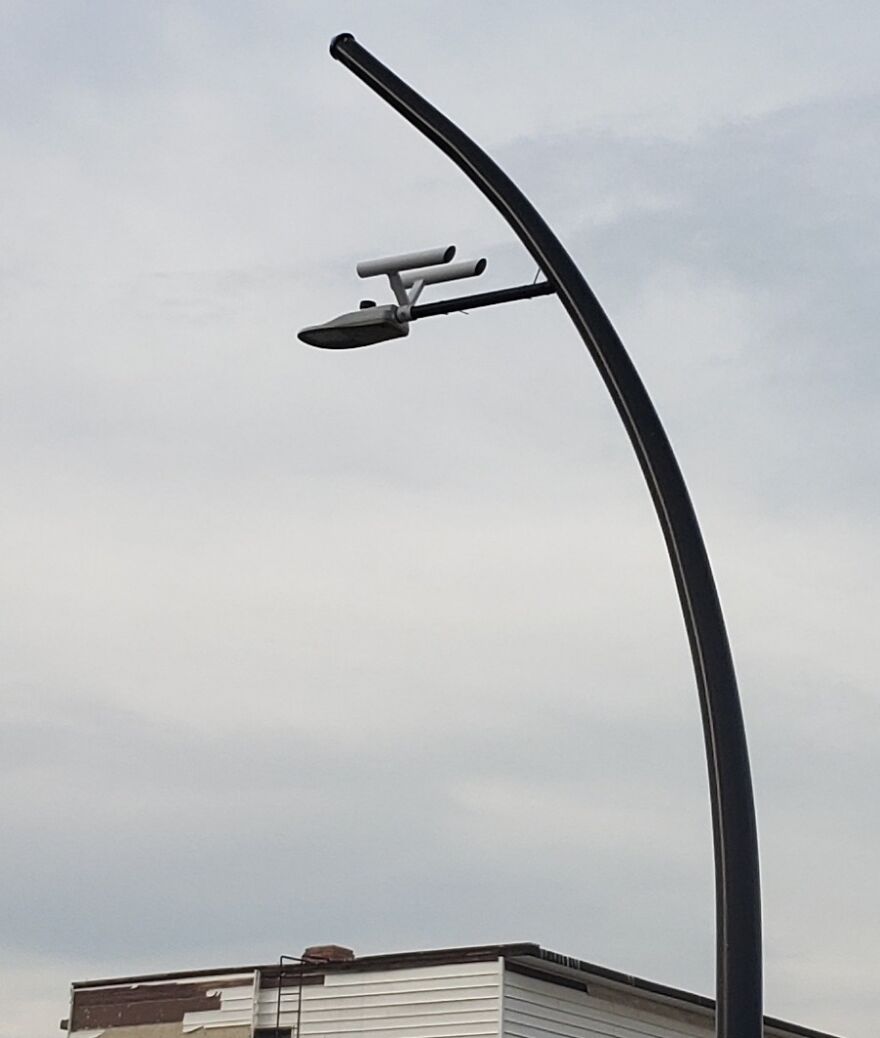
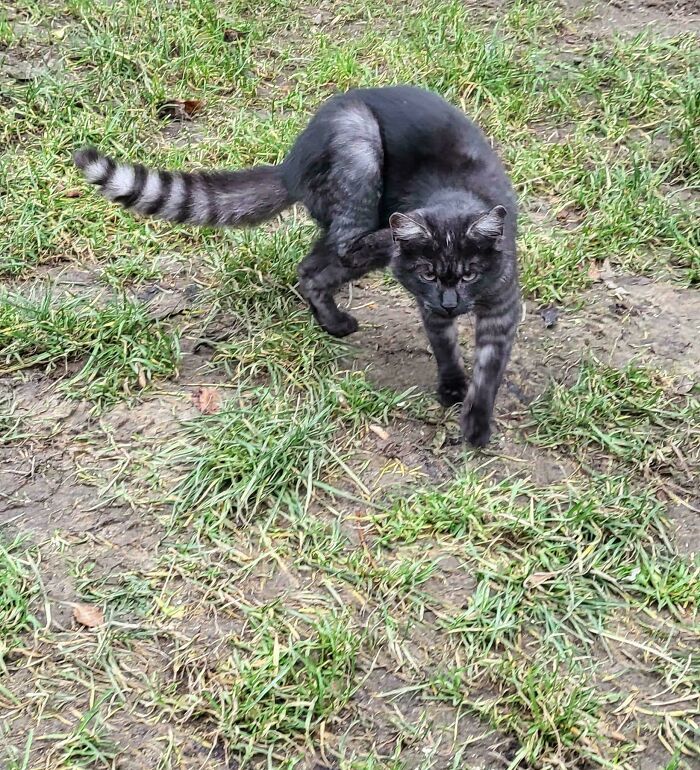
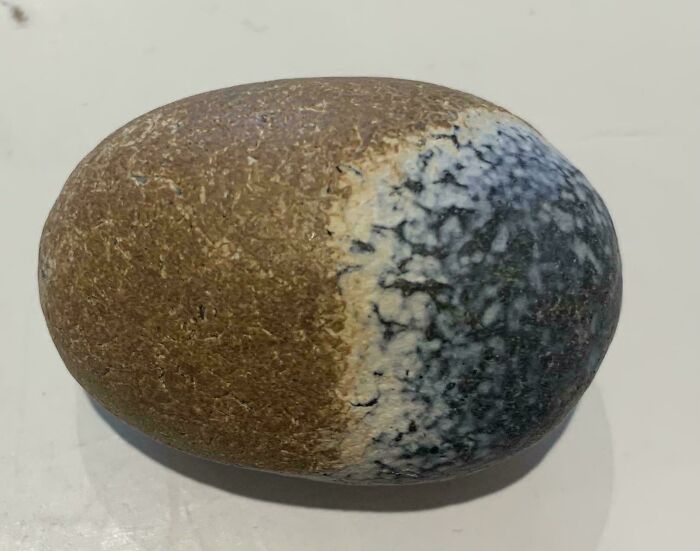
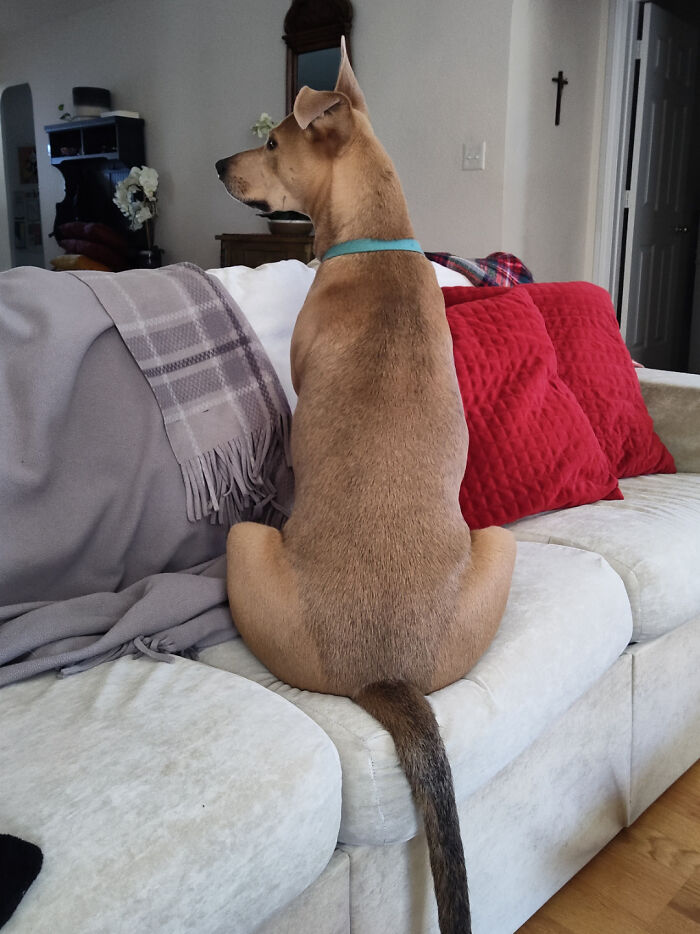
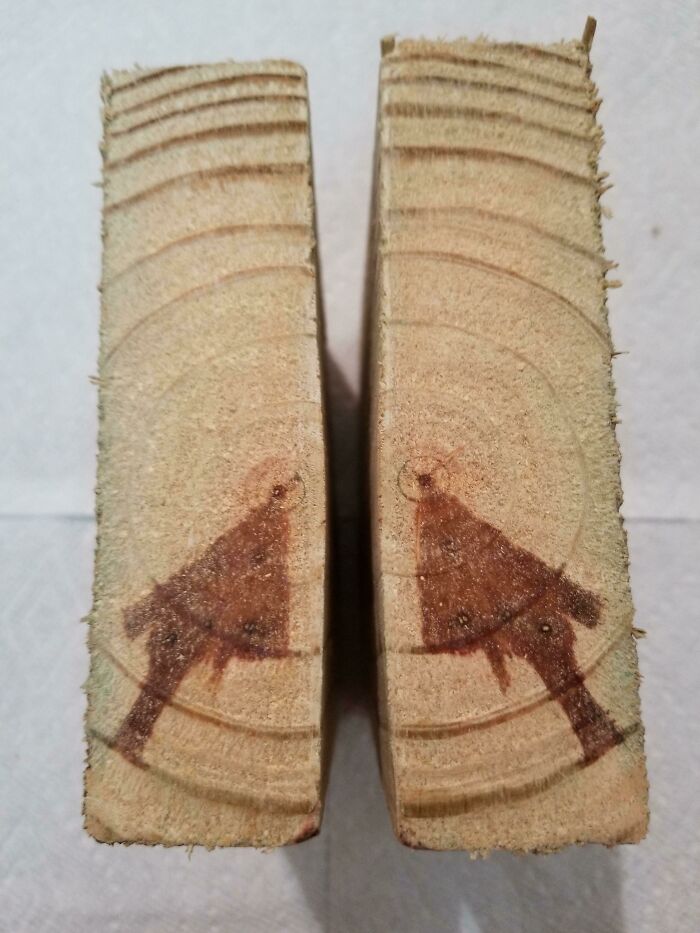
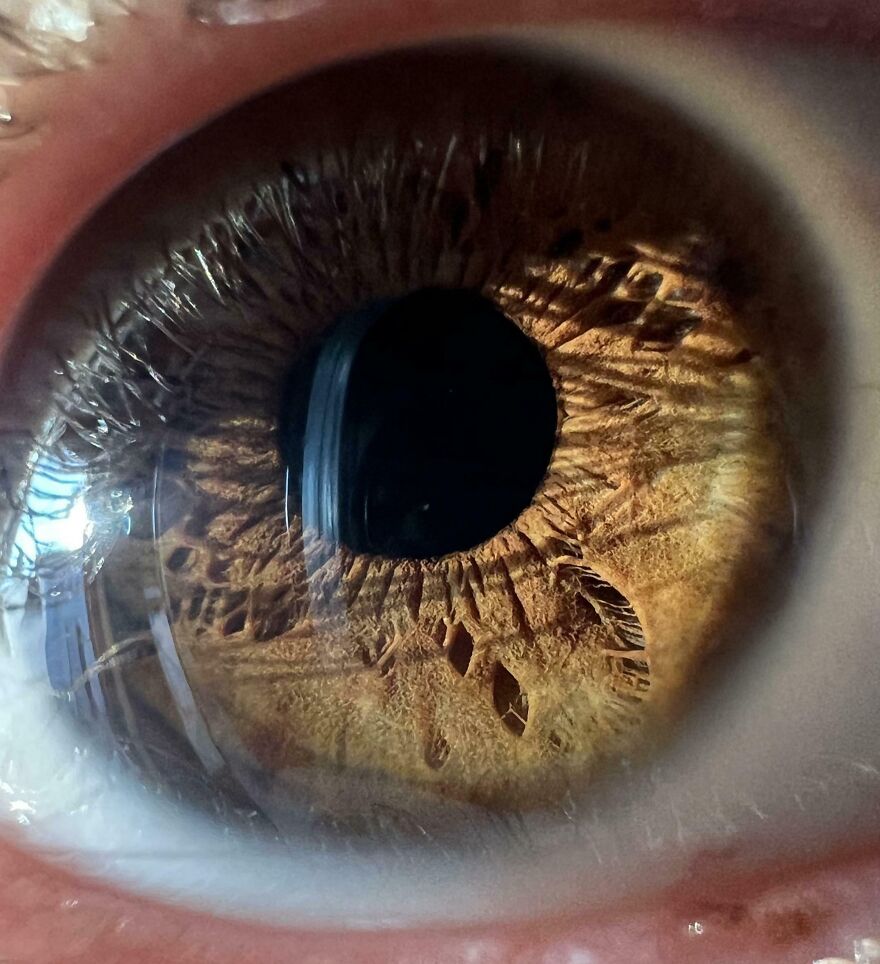
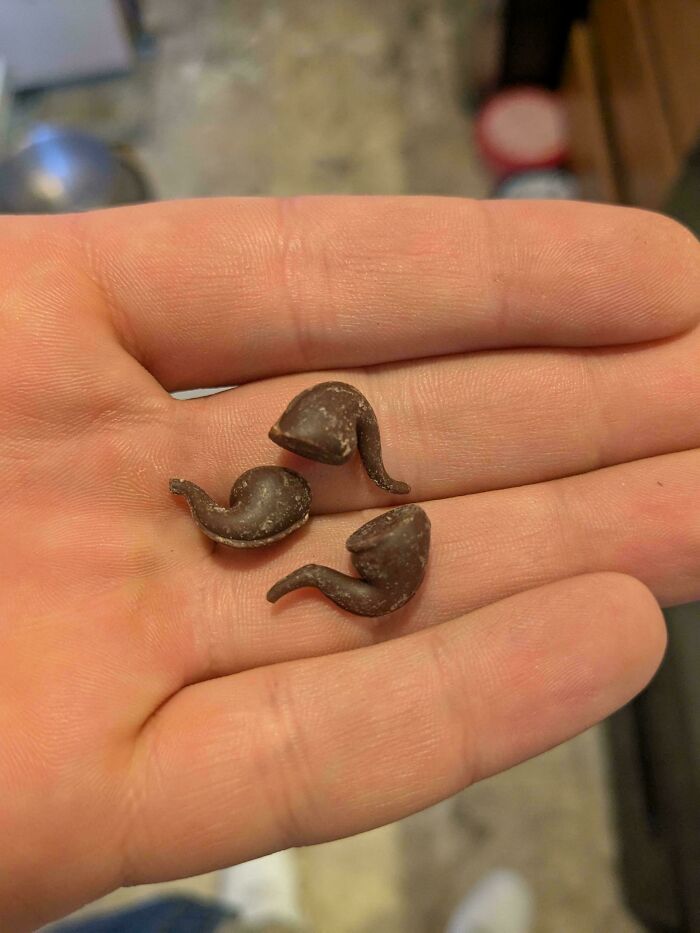
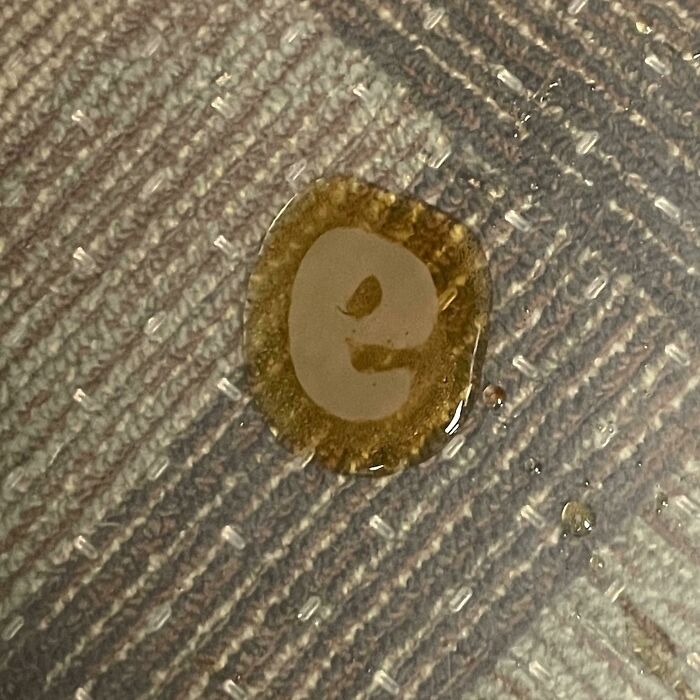
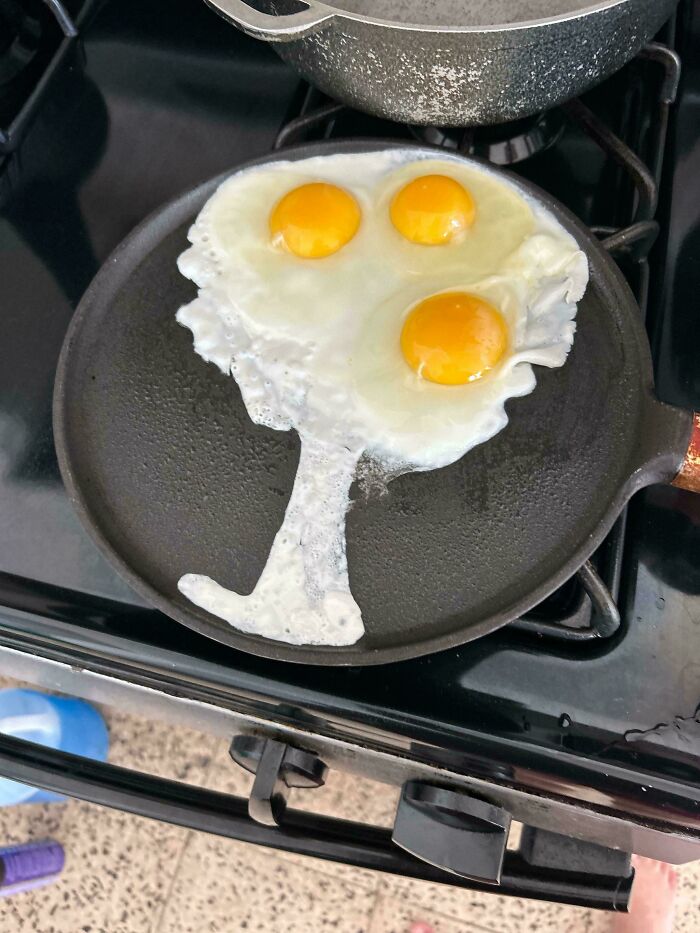
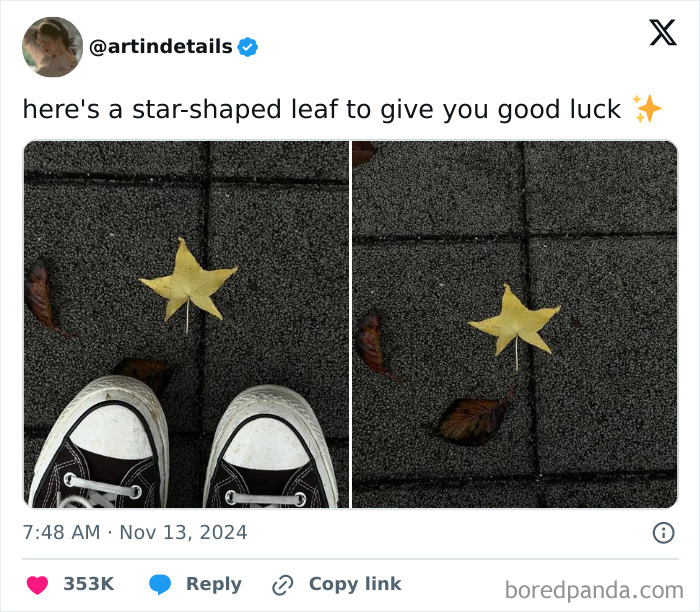
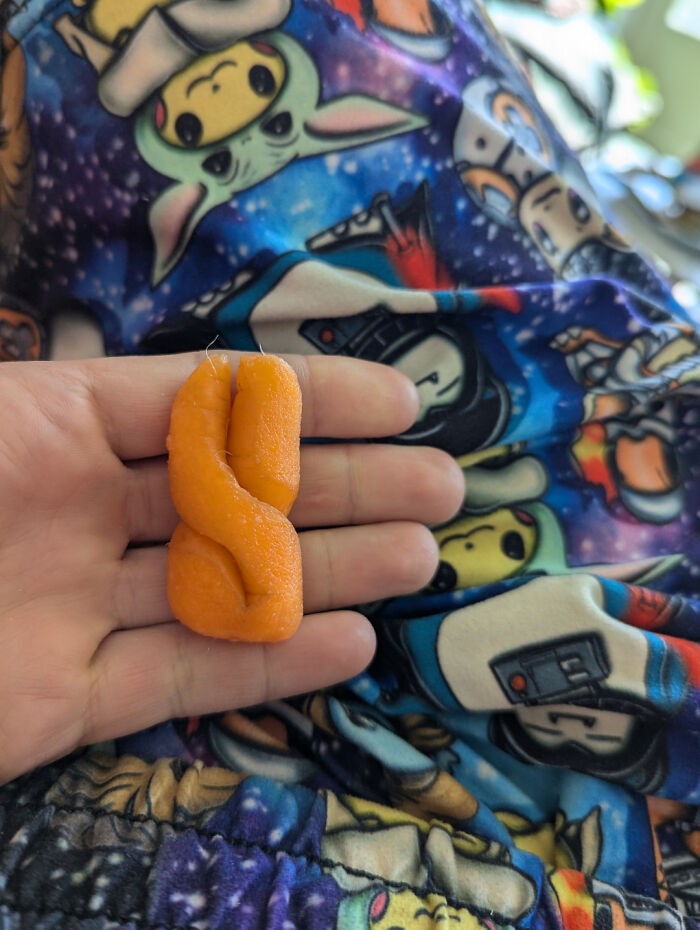
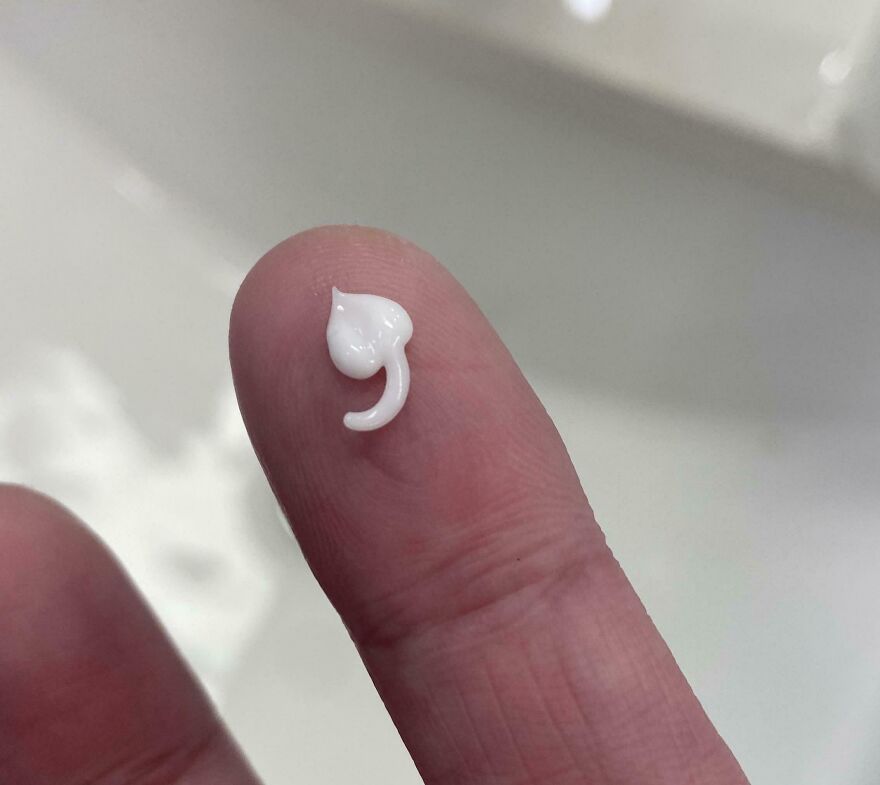
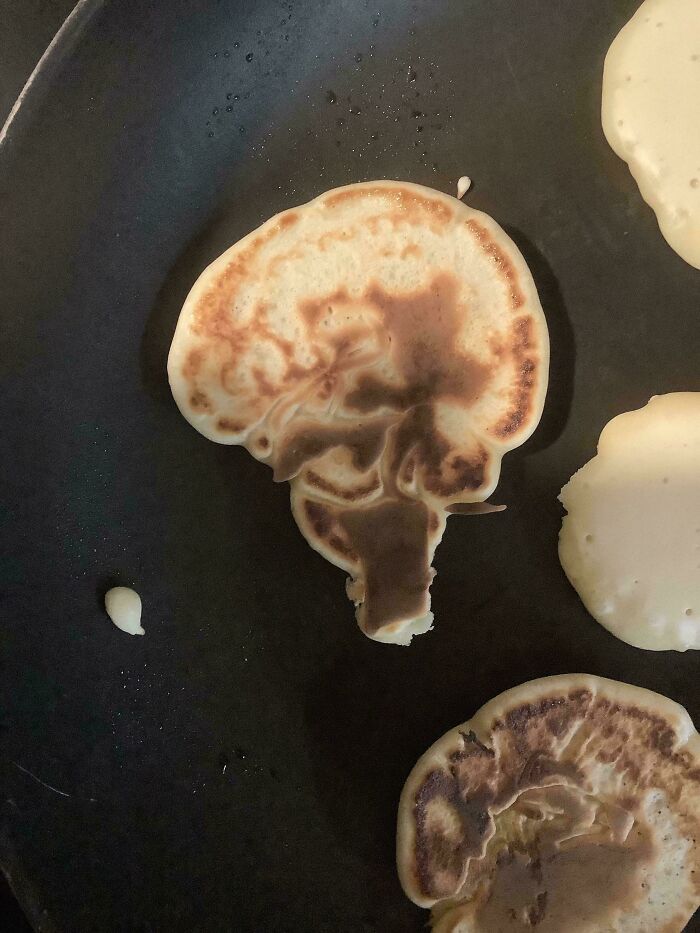
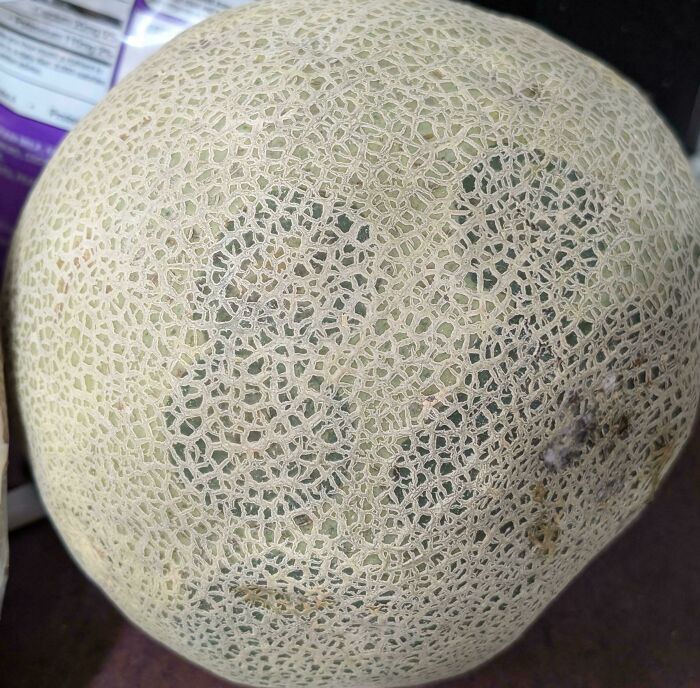
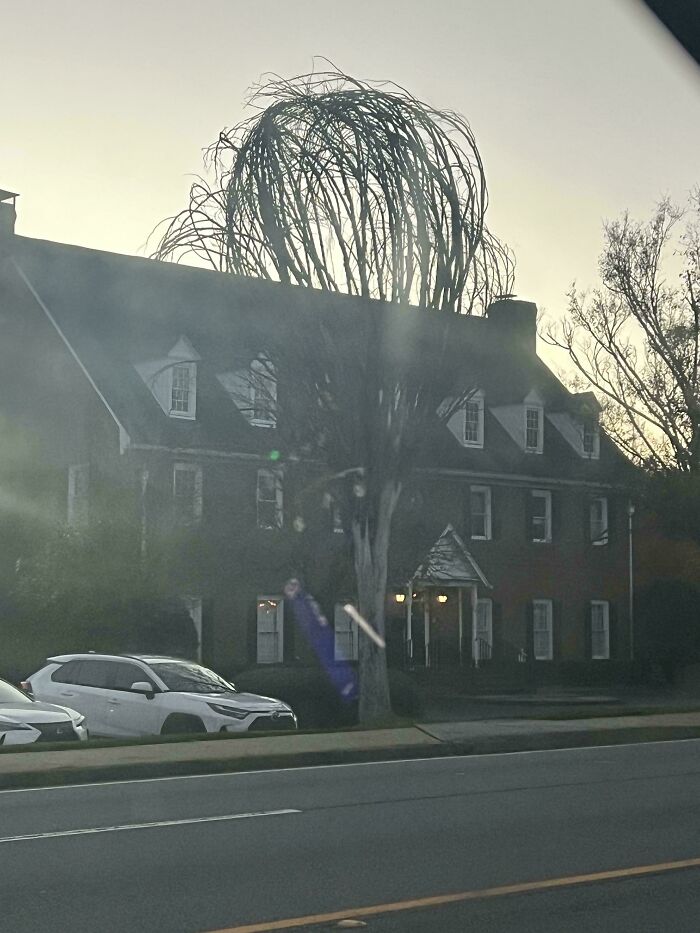
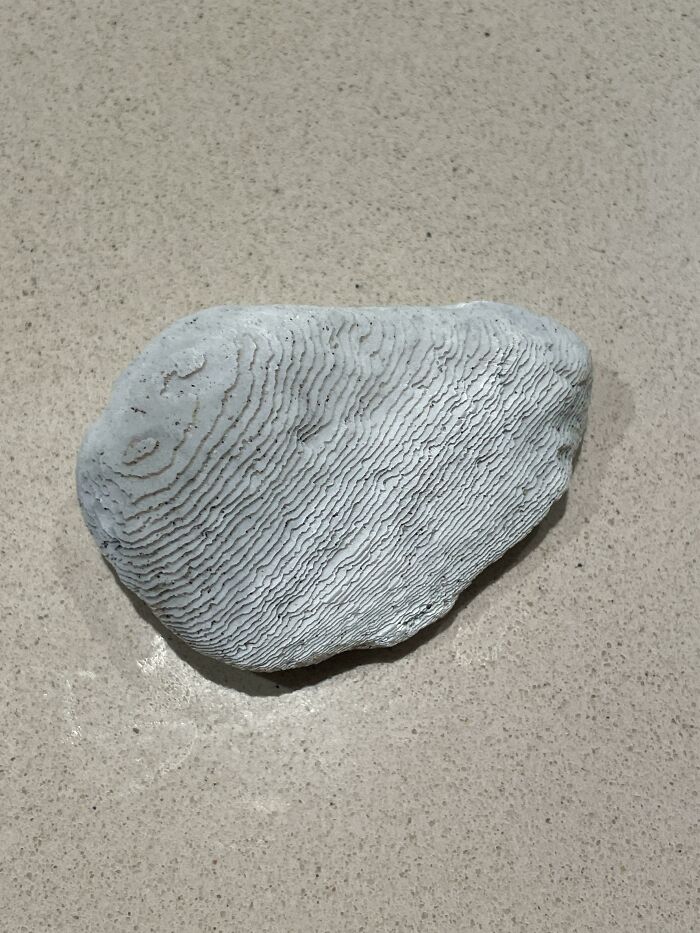
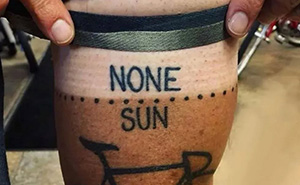
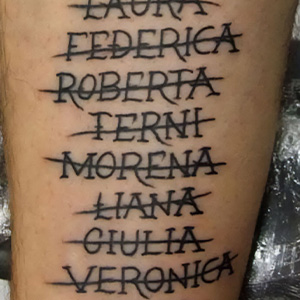
When you look up at the sky full of fluffy clouds, what do you see? An elephant holding a balloon? Or perhaps a dragon spewing fire? This is nothing strange, as our brains are programmed to recognize familiar patterns and shapes in what we see. The phenomenon, called pareidolia, helps us make sense of the world and avoid danger.
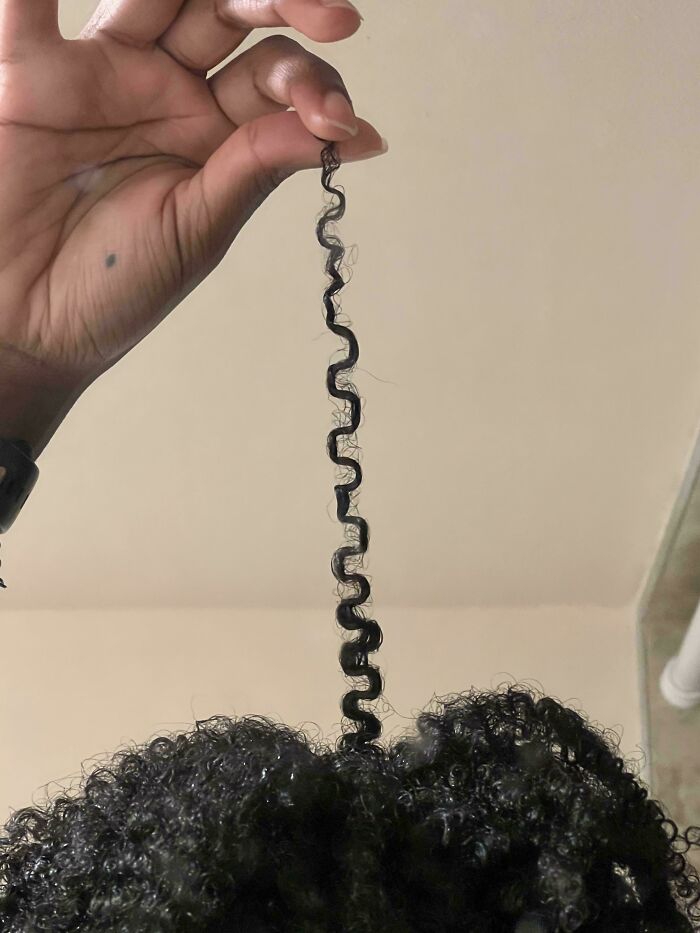
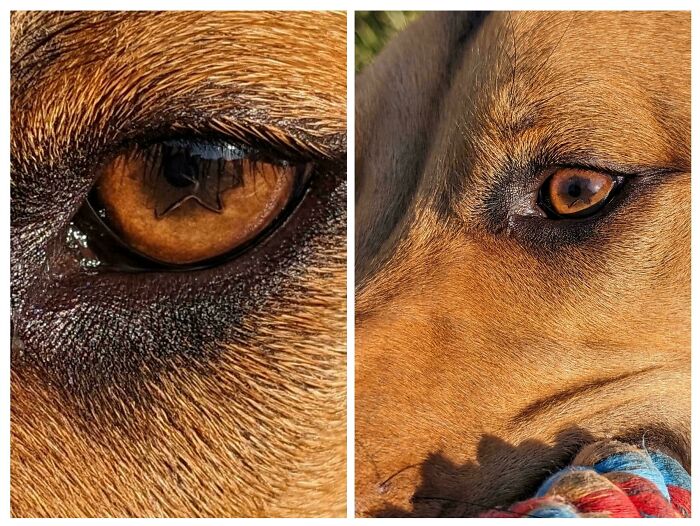
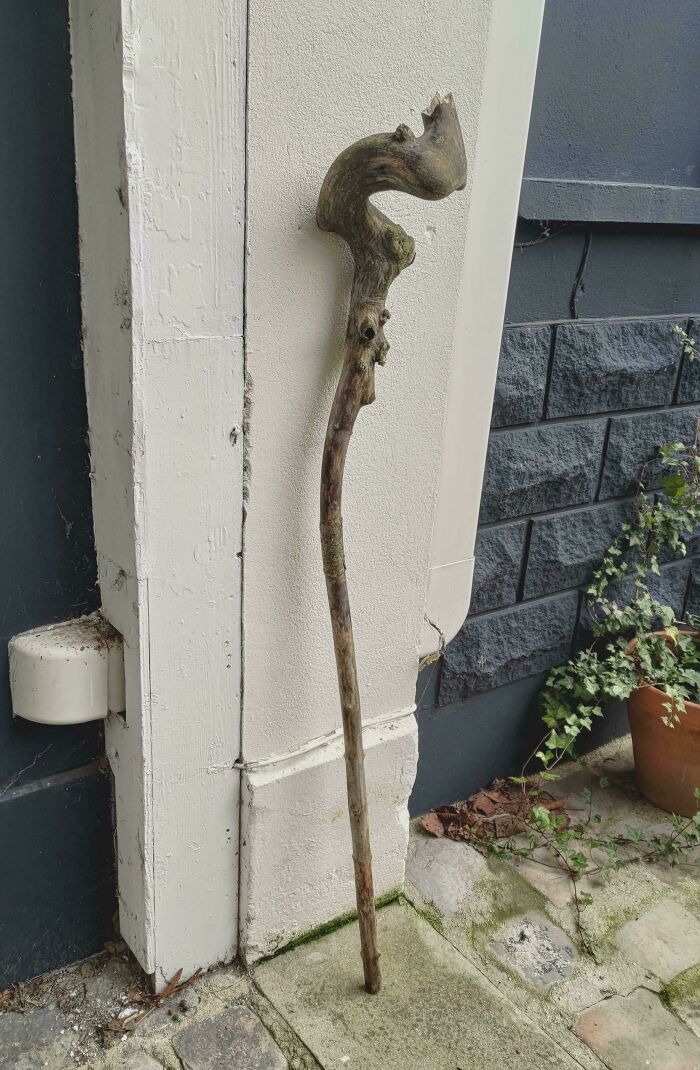
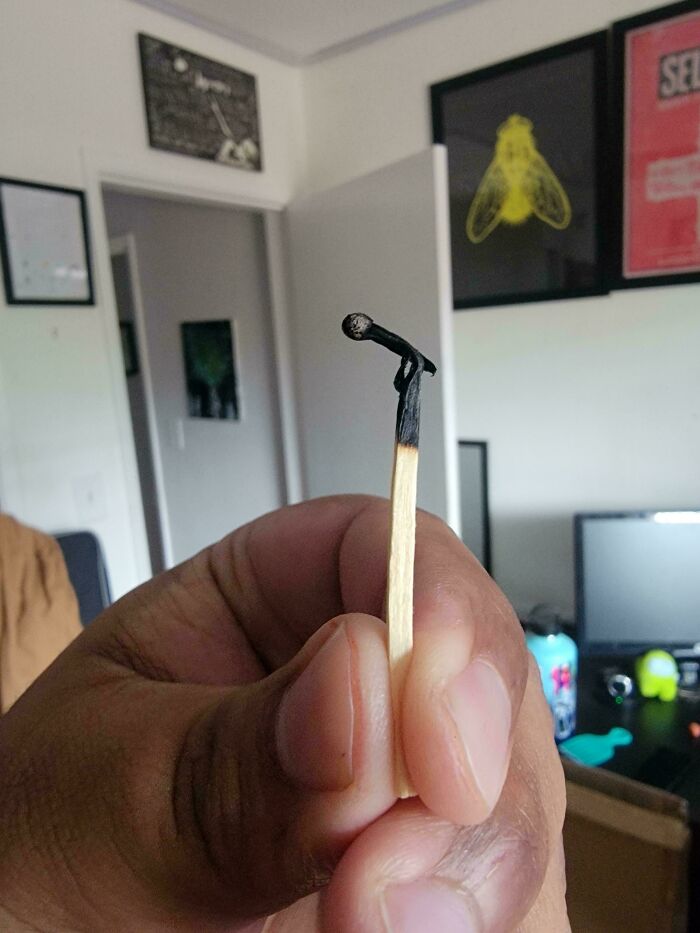
Bored Panda gathered many more similar examples where people saw things as other things, assigning meaning when there might not be one. Scroll down to find them, and be sure to upvote the ones that mess with your eyes and brains the most!
While you're at it, don't forget to check out a conversation with associate professor from UQ’s School of Psychology, Dr. Jessica Taubert, who kindly agreed to tell us more about the phenomenon of pareidolia.
Click here & follow us for more lists, facts, and stories.
This post may include affiliate links.
Associate professor from UQ’s School of Psychology, Dr. Jessica Taubert, explains that pareidolia describes "the perception of anything meaningful that isn’t actually there."
Even though it’s something all people have, not much is known about the phenomenon. Neuroscientists have some understanding of where it can happen in the brain and are sure that it’s an evolutionary skill that was valuable for us in the natural world to identify faces and other threats.
"Face pareidolia is the most common example of pareidolia, which most people will be familiar with, but occasionally we see animals or bodies (or body parts like hands)," says Dr. Taubert. "Our visual system is optimised for detecting faces because they are uniquely important visual stimuli. A side effect of this hypersensitivity is that we often see faces where there are none."
"In the case of faces, the advantages of rapidly detecting a potential social agent (who might be a friend but could equally be a foe) outweigh the disadvantages associated with mistaking a mop for a face. Indeed, there is no real downside to seeing faces in noise or in ordinary objects. That’s why even if you are very prone to seeing face pareidolia, there is no corrective mechanism—just enjoy," adds Dr. Taubert.
Interestingly, making out objects on the moon’s surface also has its own category: lunar pareidolia. People often see light and dark patches of the moon and interpret them as familiar shapes. In some European countries, people see a ‘banished man’ carrying a bundle of sticks, while in Asian cultures they observe a rabbit.
Hermann Rorschach was also inspired by people’s ability to see meaning where there isn’t. His Rorschach inkblot test, where people are influenced or guided by specialists to see things in ink splotches that reveal their unconscious thoughts, is an example of directed pareidolia. This test is still used in practice by some psychologists to diagnose schizophrenia.
Despite many optical examples, pareidolia isn’t limited to visual perception and can also happen with sounds. It occurs when we misinterpret bird songs, white noise, or running water as human speech. We also can mishear lyrics or words that don’t exist.
Generally speaking, pareidolia is a type of apophenia, which is a broader term for finding meaning in random data. It’s our human nature to make connections in a world that can feel chaotic and out of order. However, when it becomes extreme, it can be a sign of mental illness like bipolar disorder, severe depression, and schizophrenia, which make people lose touch with reality.
At the same time, experts see a positive side to apophenia and pareidolia. “We think pareidolia may enhance focus, creativity, and innovation because you’re seeing things in a different way. If this turns out to be the case, building pareidolia skills could be very useful in helping to solve problems in many areas of society,” said Susan Magsamen, director of the International Arts and Mind Lab at the Petersen Brain Science Institute.
“Often we underrate different ways of interpretation or unique perceptions,” she continued. “Think about all the problems that you could address by having better ability to interpret ideas and learning how to communicate and collaborate more effectively. Could something as simple as pareidolia be a tool that could help do that?”



















 No fees, cancel anytime