Get Premium
Dark mode theme is available exclusively for premium users. Learn more about the benefits of subscribing.
No fees, cancel anytime.

 Dark Mode Ad-Free Browsing Unlimited Content
 Ad-Free Browsing Unlimited Content Dark Mode
Join 1.2 million Panda readers who get the best art, memes, and fun stories every week!
33submissions
Finished

After spending a lot of time on Earth, one of the things you’ve probably noticed is that human history can be… well, weirder than weird. In between all the hard-fought battles, seminal treaties, and rousing speeches, you’ll find some truly odd events. Like Napoleon Bonaparte getting swarmed by rabbits in 1807. No, really! We were shocked when we found out, too!
Scroll down for Bored Panda’s collection of some of the most bizarre and unbelievable historical facts that sound completely fake, but are actually true. Check them out below! They’re good for piquing your curiosity about new topics and for impressing your friends the next time you get together.
This post may include affiliate links.
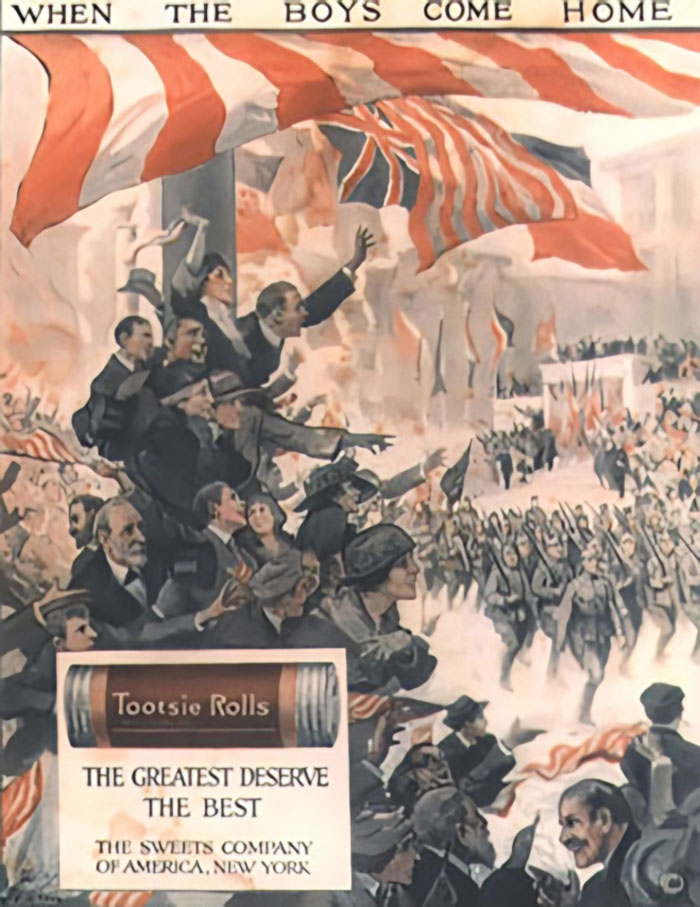
During the brutal Battle of Chosin Reservoir in the Korean War, a group of surrounded U.S. Marines made an urgent radio call for a resupply of 60mm mortar rounds, using their codename for the ammunition: "Tootsie Rolls." Due to a communication mix-up, the next airdrop they received wasn't ammunition, but thousands of actual Tootsie Roll candies. While initially a frustrating mistake, the candy proved to be a lifesaver. It was one of the few rations that didn't freeze solid in the sub-zero temperatures, providing much-needed calories. More importantly, the Marines discovered that when they chewed the Tootsie Rolls into a malleable putty, it was perfect for patching bullet holes and cracks in their vehicles' fuel lines, hoses, and radiators. This makeshift, edible patch kit proved surprisingly effective, allowing them to keep their equipment running and aiding in their eventual breakout.
The ancient Greek historian Herodotus recorded a unique and surprisingly pragmatic decision-making process used by the ancient Persians. When faced with a matter of great importance, the Persians would first debate the issue while drunk. They believed that the intoxication would strip away their inhibitions, allowing for a more honest and unrestrained discussion. The following day, they would reconsider the same topic completely sober. If, in the clear light of day, the decision they made while drunk still seemed like a good idea, they would adopt it. This two-part system, which also worked in reverse, was a clever way to ensure their most important decisions could withstand the scrutiny of both their most passionate and their most rational selves.
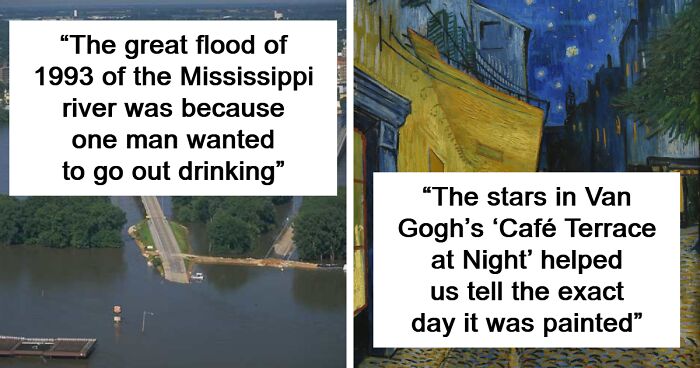
Although Vincent van Gogh is known for his expressive and emotional style, his famous painting "Café Terrace at Night" is a work of remarkable astronomical accuracy. He painted the scene in Arles, France, capturing the night sky with such precision that modern astronomers have been able to pinpoint the exact date and time. By analyzing the positions of the stars in the painting, particularly the prominent depiction of the Big Dipper constellation, experts determined that Van Gogh created the work on the evening of September 16th or 17th, 1888. This incredible detail reveals that even amidst his unique artistic vision, Van Gogh was a keen and faithful observer of the world around him, grounding his celestial masterpiece in a specific, real-world moment.
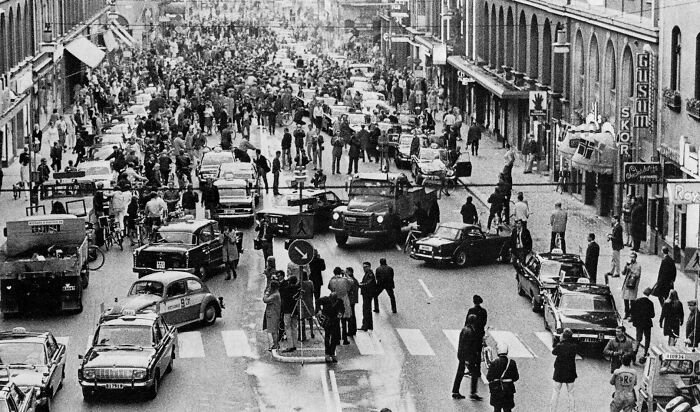
On a single, wild day in 1967, the entire nation of Sweden collectively switched which side of the road they drove on. Known as "Dagen H" (H-Day), the changeover occurred at precisely 4:50 AM on September 3rd. At that moment, all traffic nationwide was ordered to come to a complete stop, carefully cross over to the right-hand side of the road, and wait for the signal to proceed. This massive undertaking required reconfiguring thousands of intersections, replacing traffic signs overnight, and even modifying buses by adding doors on the other side. Despite the immense potential for chaos, the transition was a remarkable success, with a well-informed public executing one of the strangest and most coordinated traffic jams in history.
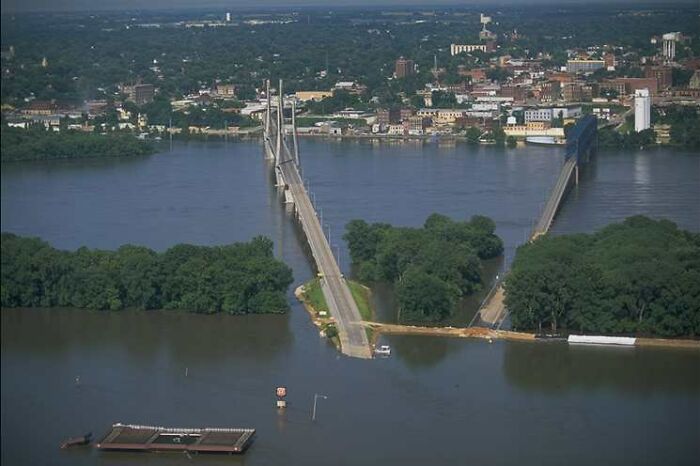
During the massive "Great Flood of 1993," James Scott just wanted an excuse to keep partying. His bizarre and selfish plan was to strand his wife on the other side of the Mississippi River by causing a small flood. To do this, he removed several sandbags from a levee near West Quincy, Missouri, hoping to make a road impassable. His sabotage worked catastrophically well: the levee completely failed, unleashing a torrent that submerged 14,000 acres of farmland and destroyed a bridge. Though he maintained his innocence, Scott was convicted of intentionally causing a catastrophe and sentenced to life in prison, all because he wanted a night out.
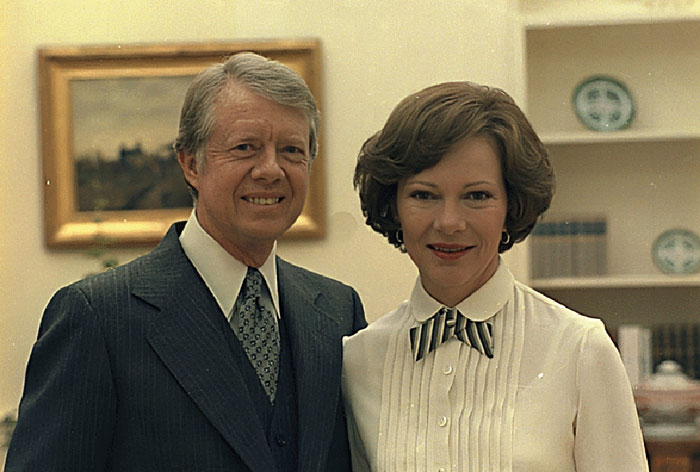
The bond between Jimmy and Rosalynn Carter began decades before they ever fell in love, right at the moment of her birth. In the small town of Plains, Georgia, Jimmy's mother, Lillian Carter, was a registered nurse who assisted in the delivery of her neighbor's new baby, Rosalynn Smith. According to the story, a three-year-old Jimmy was the first person his mother told about the newborn girl. This remarkable small-town connection served as the unknowing first chapter to what would become the longest presidential marriage in American history, linking the future president and first lady from Rosalynn's very first day.
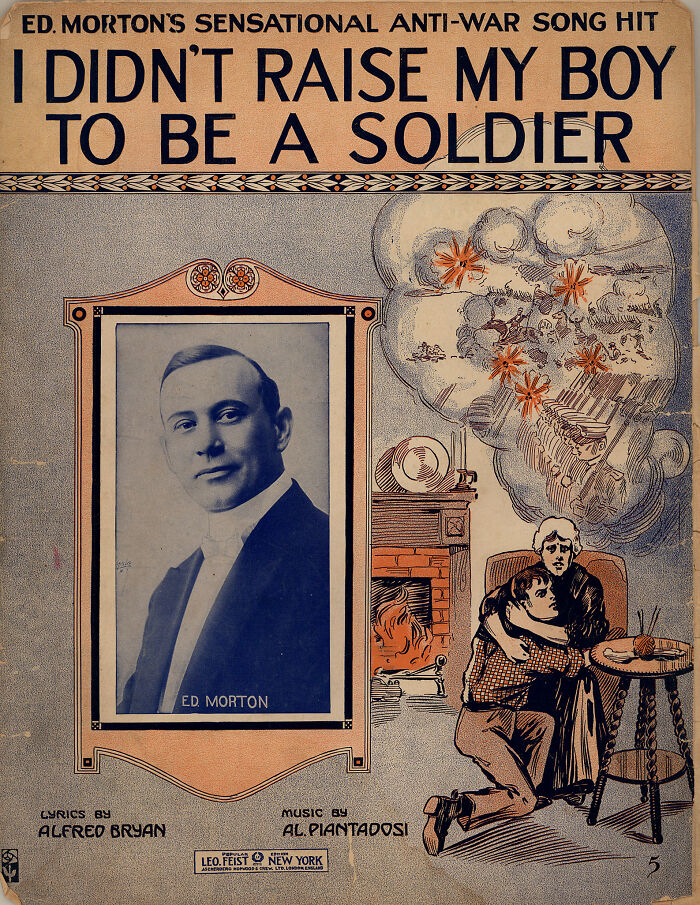
In a bold and unusual move, a 1916 constitutional amendment proposed a radical change to how the United States would declare war. The proposed Ludlow Amendment stipulated that the country could not go to war without a direct, national vote from the public. But the truly wild part was its built-in consequence: anyone who voted "yes" to go to war would be automatically enlisted for military service. The amendment was ultimately defeated, but it remains a fascinating and creatively extreme attempt to ensure that the people who chose to send the country to war would be the same ones who had to fight it.
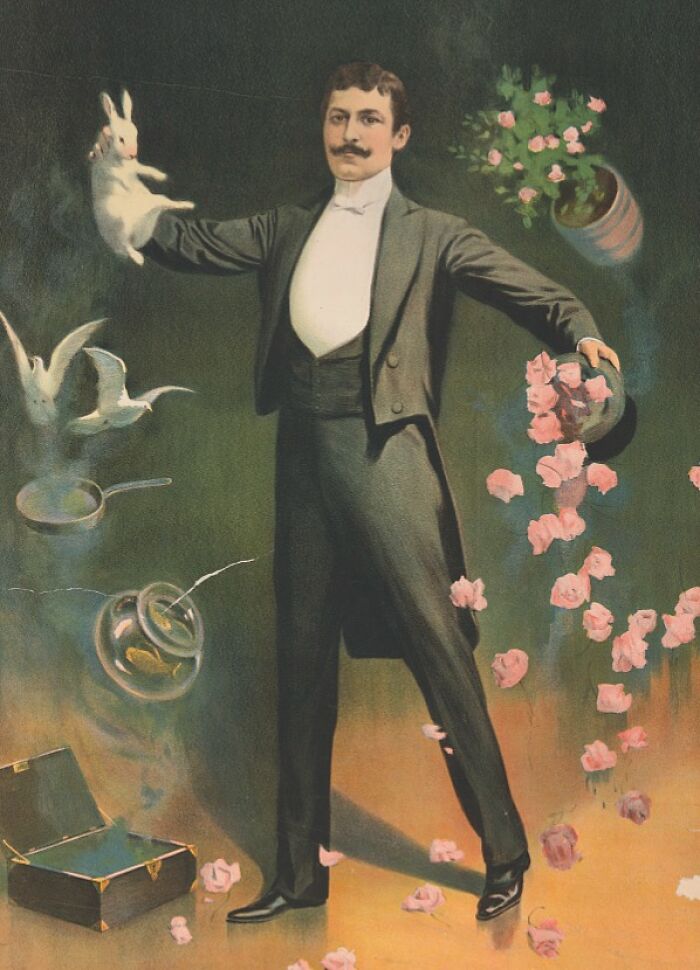
The classic magician's incantation "hocus pocus" has a surprisingly sacred, if misunderstood, origin. The phrase is widely believed to be an alternative version of the Latin words "hoc est corpus meum," meaning "This is my body," spoken by priests during the Catholic Mass. For centuries, congregations who didn't understand Latin heard these words during the most mysterious and seemingly magical part of the service, the transubstantiation. Over time, the sacred phrase was slurred into a nonsensical incantation that became synonymous with a miraculous transformation, eventually getting adopted by stage performers to add a little flair to their magic tricks.
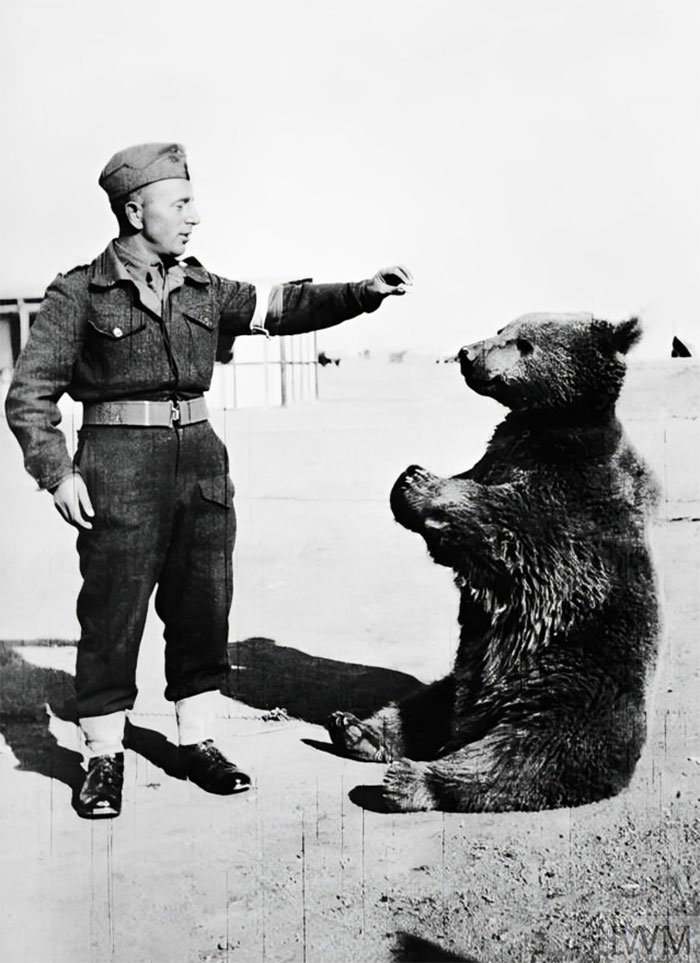
During World War II, soldiers of the Polish II Corps adopted an orphaned Syrian brown bear cub they named Wojtek. The bear became an unofficial mascot, traveling with the unit and even learning to drink beer and smoke (and eat) cigarettes. His most famous contribution came during the fierce Battle of Monte Cassino in Italy, where he helped his human comrades by carrying heavy crates of artillery shells. To get him onto a British transport ship heading to Italy—as regulations forbade pets—the soldiers officially enlisted Wojtek into the army. He was given the rank of private, a serial number, and a paybook, making him arguably the most unusual enlisted soldier of the war.
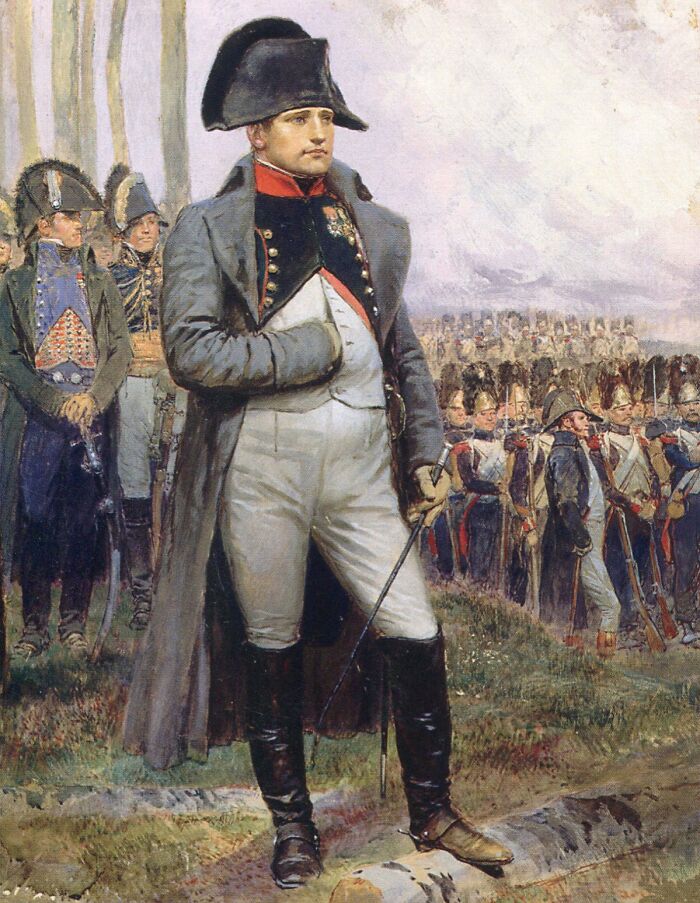
After signing the Treaties of Tilsit in 1807, Napoleon Bonaparte decided to celebrate with a rabbit hunt. His chief of staff, tasked with organizing the event, gathered hundreds of domesticated rabbits instead of wild ones. When the cages were opened, the bunnies didn't scatter in fear; they saw the famous general and his men as a source of food and charged. The massive, fluffy horde swarmed Napoleon, climbing up his legs and jacket until the man who had conquered much of Europe was forced into a humiliating retreat, fleeing in his carriage from a furry, hungry army.
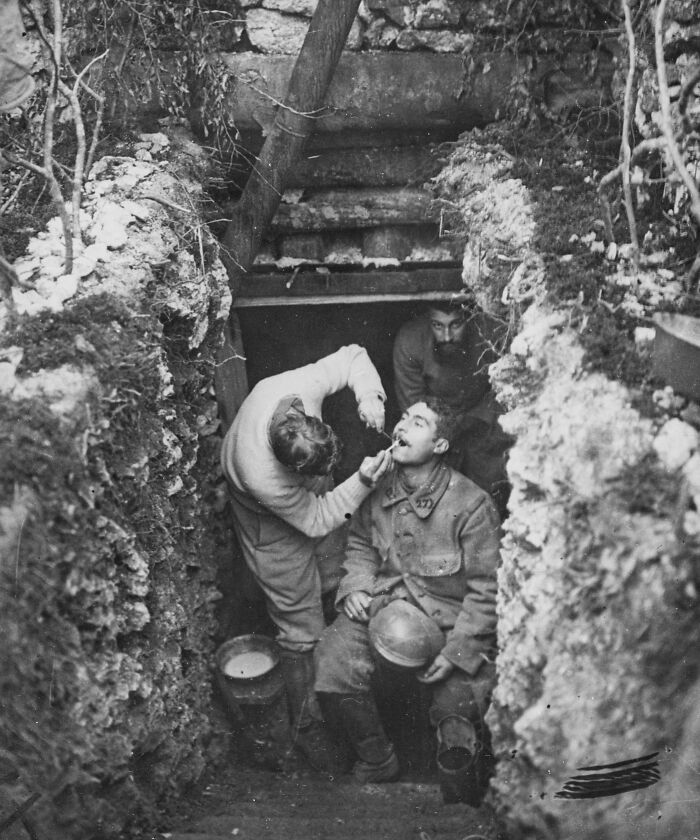
During the chaos of World War I, a French-American dental surgeon named Auguste Valadier decided to take his practice to the front lines in the most luxurious way imaginable. After being turned down by the French army, he offered his services to the British and converted his personal 1913 Rolls Royce into a fully equipped mobile dental office, complete with a chair and drills in the back. Valadier would drive around treating British soldiers, and he famously used his unique position to his advantage: while high-ranking generals were helpless in his dental chair, he would persuade them of the urgent need for a specialized facial and jaw surgery unit. His unique brand of lobbying was incredibly effective and directly led to the establishment of a pioneering hospital for reconstructive surgery, helping countless soldiers with devastating facial injuries.
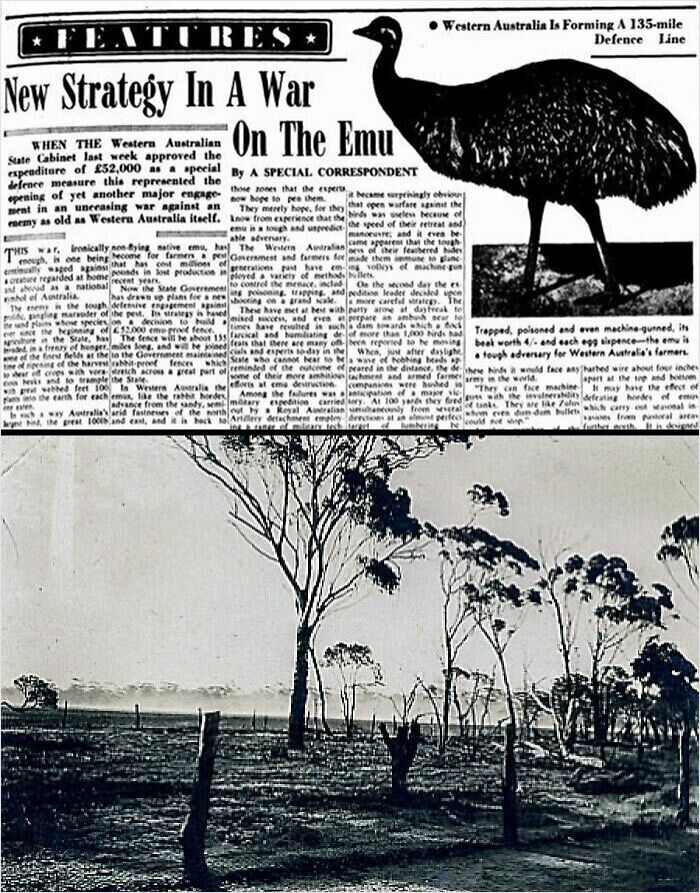
In one of the most bizarre military campaigns in history, the Australian army literally declared war on emus in 1932. After a massive population of the large, flightless birds began destroying crops in Western Australia, the government deployed soldiers armed with two Lewis machine guns to handle the problem. The "Great Emu War" was a complete and utter fiasco. The emus proved to be surprisingly brilliant tacticians, splitting into small, fast-moving groups that made them nearly impossible targets for the machine guns. After several humiliating skirmishes, a paltry number of casualties on the emu side, and a lot of wasted ammunition, the military was forced to withdraw. In the end, the emus won, handing the Australian army a uniquely embarrassing defeat.
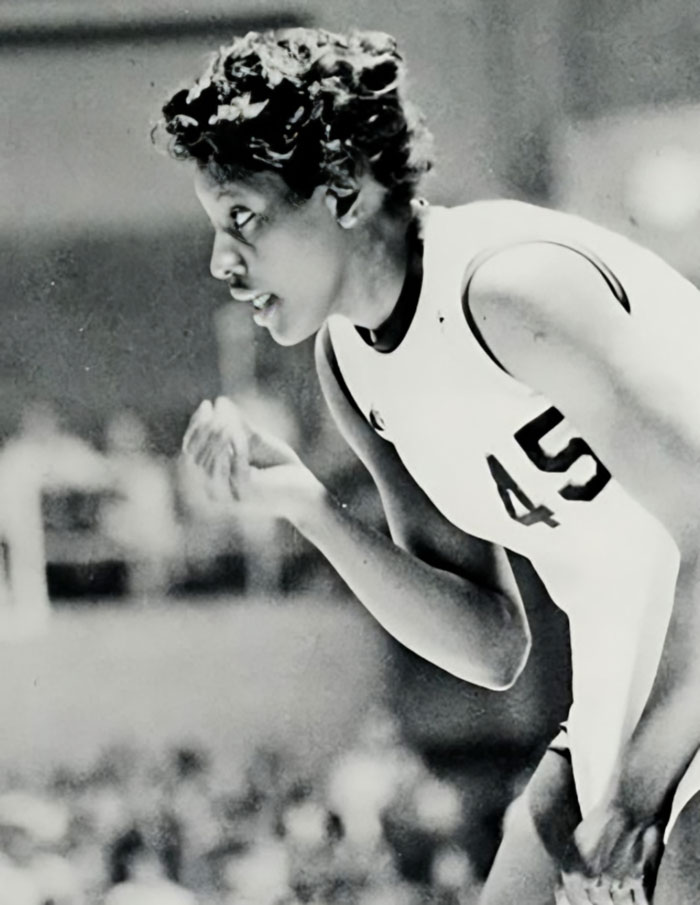
In a move that stunned the sports world, the New Orleans Jazz officially drafted a woman in the seventh round of the 1977 NBA draft. The player was Lusia "Lucy" Harris, a 6-foot-3 powerhouse who had completely dominated college basketball, leading Delta State University to three consecutive national championships. She was also a silver medalist from the first-ever women's Olympic basketball tournament. While she was a legitimate talent, Harris ultimately declined the offer to try out for the team, as she was pregnant at the time and planned to start a family. Even though she never played a single game in the league, her selection remains a landmark moment in sports history, making her the first and only woman ever to be officially drafted by the NBA.
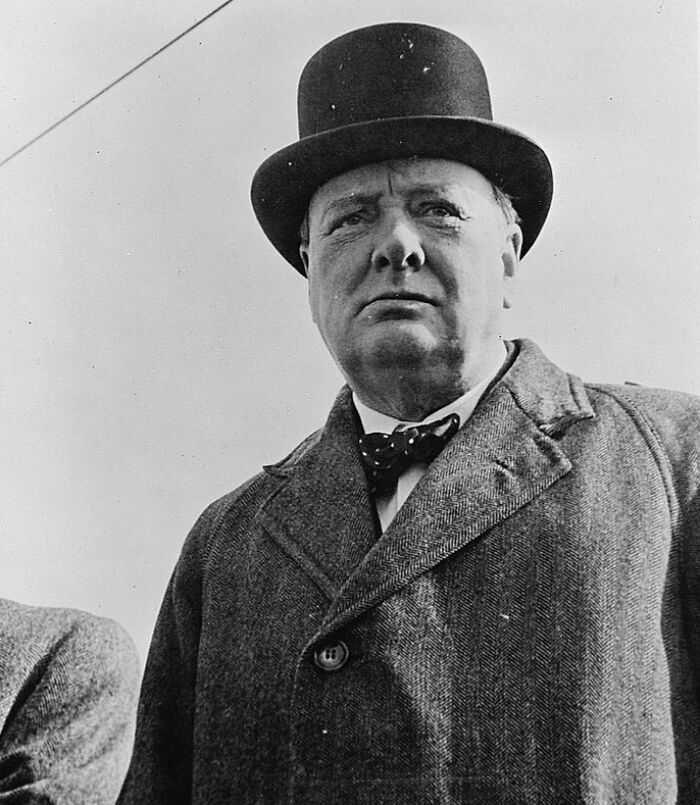
When Winston Churchill visited the United States during Prohibition, he came prepared with a unique and clever way to bypass the country's strict alcohol laws. In 1931, after being struck by a car in New York City, Churchill obtained a prescription from his doctor for "the use of alcoholic spirits especially at mealtimes." The doctor's note specified that the "minimum quantity is 250 cubic centimeters," a generous amount that ensured the future Prime Minister would not have to endure his American recovery without his customary brandy.
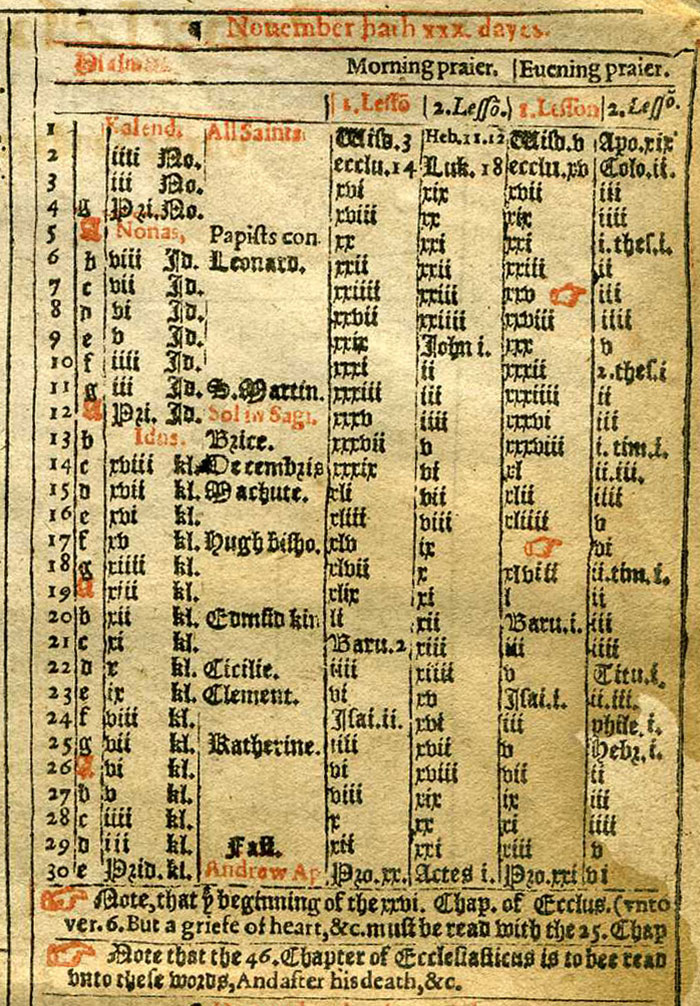
The year 46 BCE holds the record as the longest in human history, lasting an incredible 445 days. This "Year of Confusion," as it came to be known, was the result of Julius Caesar's ambitious and much-needed overhaul of the Roman calendar. At the time, the Roman calendar was a mess, falling wildly out of sync with the solar year. To correct this and prepare for the implementation of his new, more accurate Julian calendar, Caesar had to add two extra, intercalary months between November and December. This one-time, massive adjustment brought the calendar back in line with the seasons, but in doing so, created a single, bizarrely long year that stands as a unique and confusing blip in history.
During the Cold War, even the most mundane items could be part of a secret code, and for some agents, that included their own shoelaces. Spies from various Eastern Bloc countries developed a complex and subtle system of non-verbal communication based on how their shoes were tied. A seemingly innocuous change in the lacing pattern, the color of the laces, or the way the knots were tied could signal a wealth of information to another agent. This silent, visual language allowed them to confirm meetings, signal danger, or pass on messages right in plain sight, turning a simple fashion choice into a covert tool of espionage.
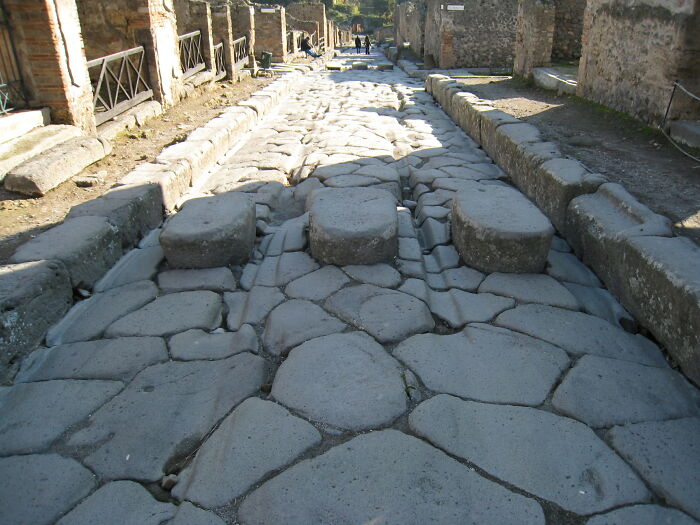
While Pompeii is frozen in time as a tragic monument to a volcanic eruption, the preserved city also reveals a surprisingly modern and sophisticated urban life. The Roman streets were cleverly designed with raised "stepping stones" that functioned as the world's first crosswalks, allowing pedestrians to cross the street without stepping in the rainwater and sewage that flowed through the gutters. The city was also filled with numerous "thermopolia," which were essentially ancient fast-food joints. These small, counter-service shops offered hot, ready-to-eat meals to the residents of Pompeii, a convenient and popular option for those who didn't have private kitchens in their homes.
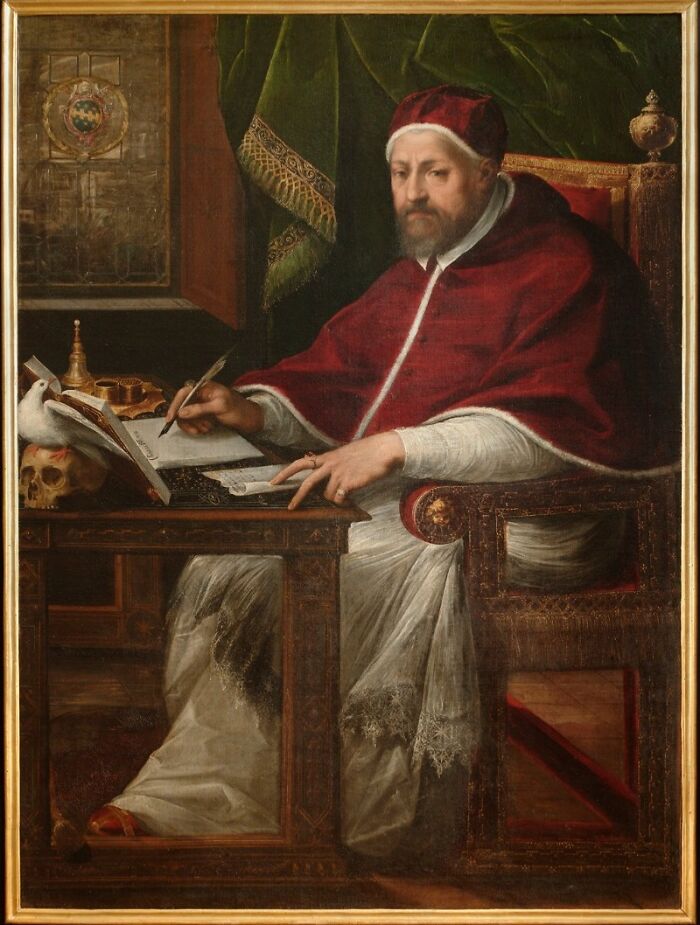
When coffee first arrived in Europe in the 16th century, it was met with deep suspicion and fear by many devout Christians. The stimulating new beverage, which came from the Ottoman Empire, was dubbed "the bitter invention of Satan" by some of Pope Clement VIII's advisors, who urged him to ban it. The story goes that before making a decision, the Pope decided to try the drink for himself. He was so impressed with its taste and aroma that he reportedly declared, "This devil's drink is so delicious... we should cheat the devil by baptizing it!" With that, he gave the beverage his papal approval, helping to pave the way for coffee to become a beloved staple of Western culture.
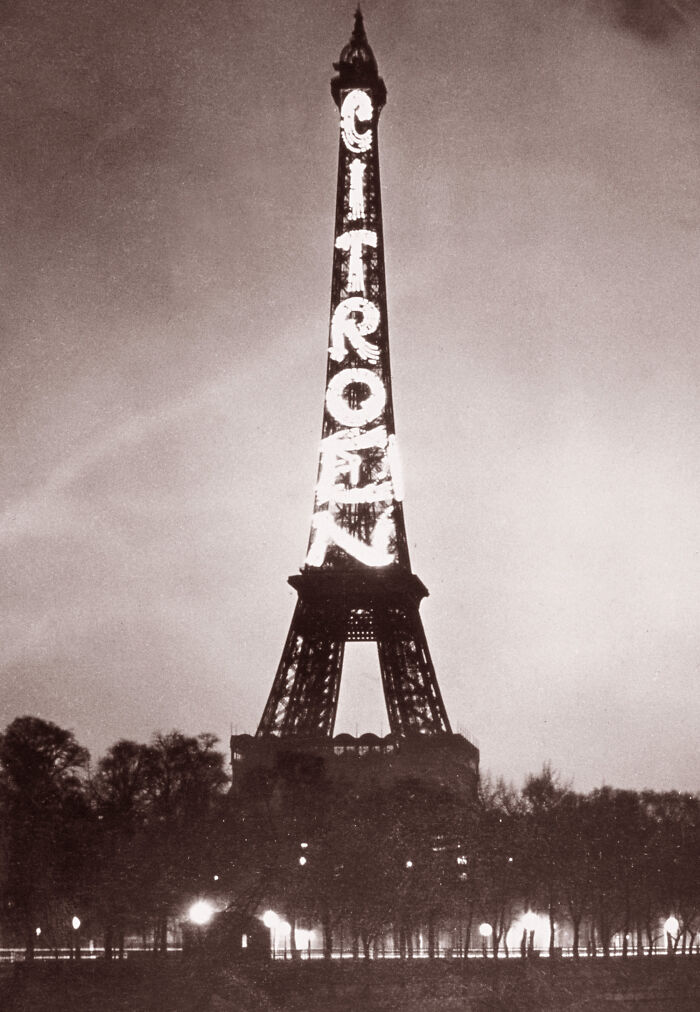
For nine years, the Eiffel Tower, one of the world's most iconic landmarks, also served as the world's largest billboard. In 1925, automotive pioneer André Citroën rented the entire tower and emblazoned his company's name down its side in 100-foot-tall letters made from 250,000 light bulbs. The massive, glittering sign was so bright that it was reportedly used by Charles Lindbergh as a beacon to guide him into Paris at the end of his historic solo flight across the Atlantic. The colossal advertisement remained a fixture of the Paris skyline until the Citroën company went bankrupt in 1934.
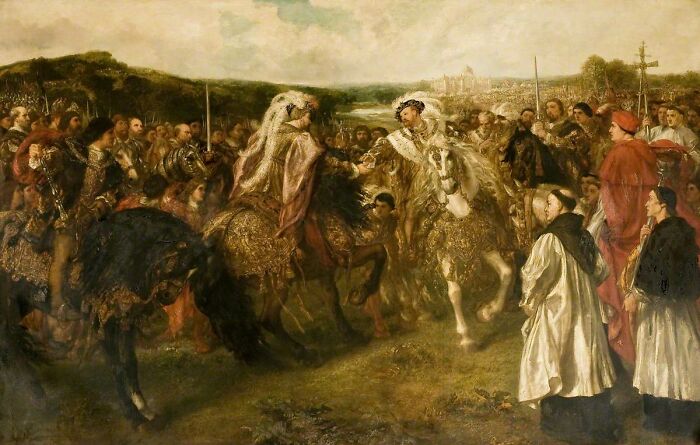
During a lavish diplomatic summit in 1520 known as the Field of the Cloth of Gold, two of Europe's most powerful and competitive monarchs, King Henry VIII of England and King Francis I of France, engaged in a friendly but intense wrestling match. The famously athletic and arrogant Henry, after a day of feasting and drinking, challenged Francis to a bout. The French king, known for his skill in wrestling, quickly accepted. In a surprising and embarrassing turn of events for the English monarch, Francis swiftly threw Henry to the ground, winning the match and bruising a considerable royal ego in the process.
During his ambitious military campaigns, Napoleon Bonaparte was faced with a massive logistical problem: how to feed his enormous, constantly moving army. He famously declared that "an army marches on its stomach" and offered a hefty prize of 12,000 francs to anyone who could invent a reliable method of preserving food. The challenge was won in 1810 by a French chef and confectioner named Nicolas Appert. Appert developed a process of sealing food in airtight glass jars and then boiling them, a groundbreaking technique that was the direct precursor to modern canning. Though he never fully understood the science behind why it worked, his invention provided Napoleon's troops with a stable food supply, revolutionized food preservation, and earned him the title "the father of canning."
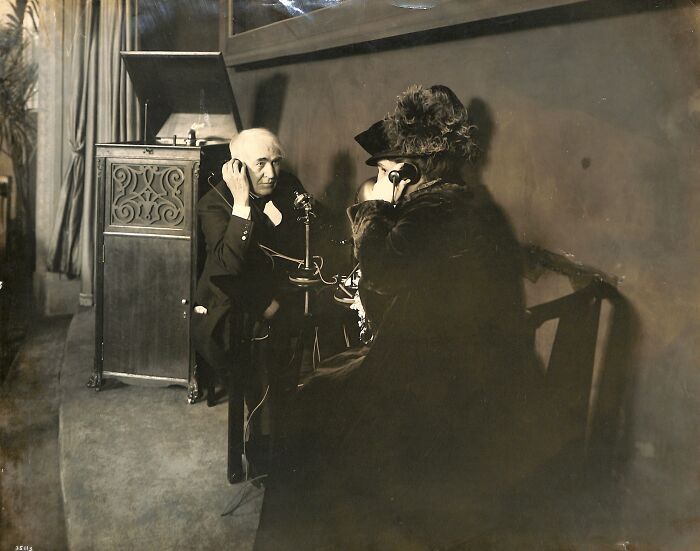
Before the invention of the telephone, "hello" was a word used to express surprise, not a common greeting. When the first phone lines were being established, inventor Alexander Graham Bell was adamant that the proper way to answer a call should be "ahoy," a nautical term. However, his rival, Thomas Edison, had a different idea. Edison championed the use of "hello" and instructed the operators at the first telephone exchange in New Haven, Connecticut, to answer all calls with the word. Edison's preference quickly caught on, was printed in early phonebook manuals, and "ahoy" was relegated to the history books, meaning a simple technological rivalry is the reason we don't greet each other like pirates today.
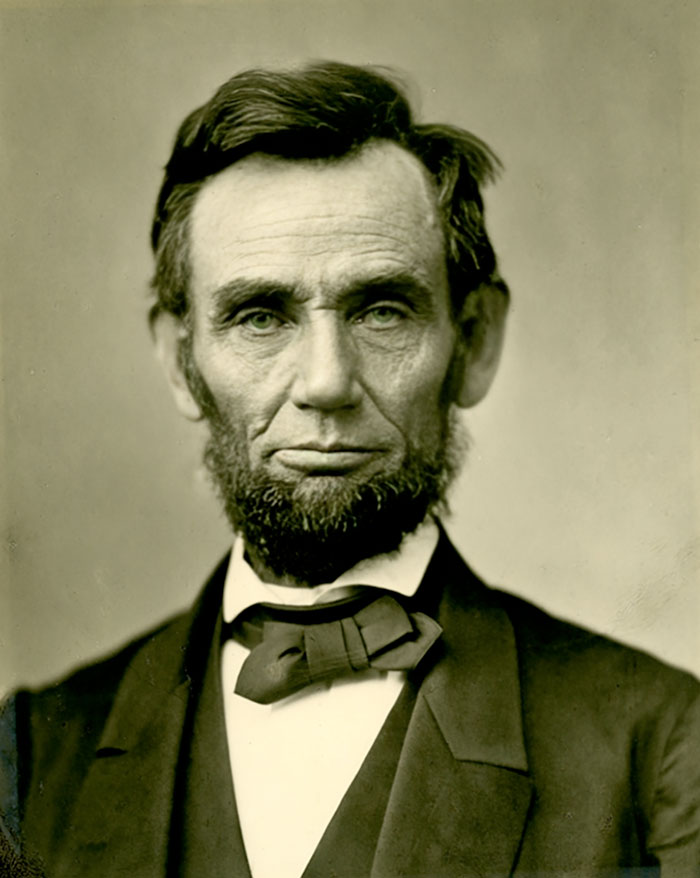
Despite his towering physical presence and a legacy defined by profound, resonant speeches, Abraham Lincoln's actual voice would likely be a surprise to modern ears. Contrary to the deep, commanding tones often used to portray him, historical accounts from those who knew him consistently describe his voice as a shrill, high-pitched tenor. One contemporary journalist even noted that his voice was "sharp, squeaking, piping," and "unpleasant." This small, humanizing detail offers a stark contrast to the monumental, baritone image of the Great Emancipator that has been crafted in popular culture.
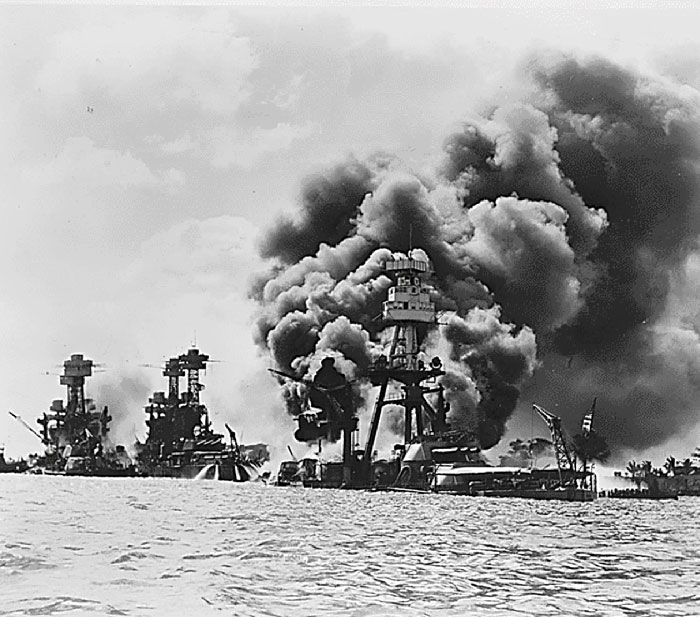
After the USS West Virginia was salvaged from the bottom of Pearl Harbor, workers made a grim and heartbreaking discovery. Inside a sealed storeroom, they found the bodies of three sailors. What made the scene truly tragic was a calendar found nearby. On it, the men had used red pencil to mark off the days, indicating that they had survived in an airtight compartment for sixteen days after the ship sank, from December 7th to December 23rd. This small, desperate record revealed that they had lived through the initial attack, only to slowly perish in the dark, trapped beneath the water, long after the battle was over.
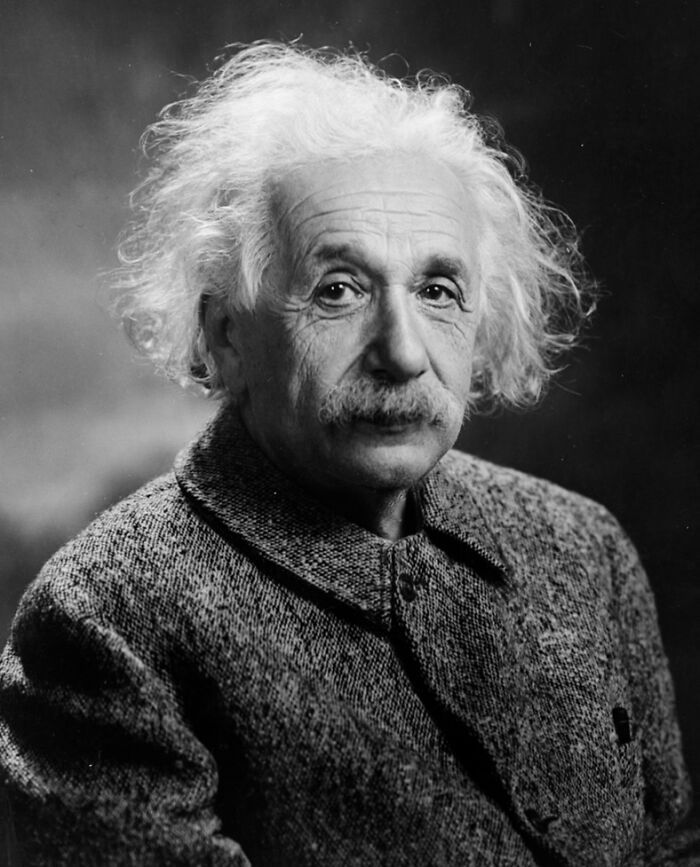
When Albert Einstein died in 1955, he left specific instructions to be cremated so that his body would not be "worshipped." However, the pathologist on duty, Dr. Thomas Harvey, decided to take matters into his own hands and secretly removed Einstein's brain for scientific study. For the next several decades, Harvey kept the brain, sliced into 240 pieces and stored in mason jars, as a strange personal possession. He moved it across the country, at one point keeping it in a cider box under a beer cooler, all while hoping to unlock the secrets of genius. Harvey's bizarre and unauthorized guardianship of the famous brain remained largely unknown to the public until a reporter tracked him down in 1978, revealing one of the weirdest and most macabre footnotes in the history of science.
In the late 19th and early 20th centuries, a time when being overweight was a sign of wealth and success, a peculiar social trend emerged: "Fat Men's Clubs." These exclusive social organizations, which popped up across the United States and Europe, had a strict and hefty entrance requirement: members had to weigh at least 200 pounds. The clubs were a place for portly gentlemen to celebrate their size, with annual gatherings that featured massive, multi-course feasts and friendly weigh-ins on industrial scales. It was a short-lived but popular movement that proudly celebrated a physical attribute that would, in just a few decades, be seen as a serious health concern.
In a move that would seem shocking to modern Americans, the Puritan leaders of the Massachusetts Bay Colony actually banned the celebration of Christmas in 1659. The Puritans viewed the holiday as a decadent, pagan festival with no biblical basis, and they were particularly offended by the boisterous, often drunken revelry that was common during English Christmas celebrations at the time. Their law, which imposed a five-shilling fine on anyone caught "feasting" or otherwise observing the day, was part of a broader effort to purify the church of any traditions they deemed unholy. The ban remained in place for 22 years and was so deeply ingrained in New England culture that Christmas didn't become a public holiday in Boston until the mid-19th century.
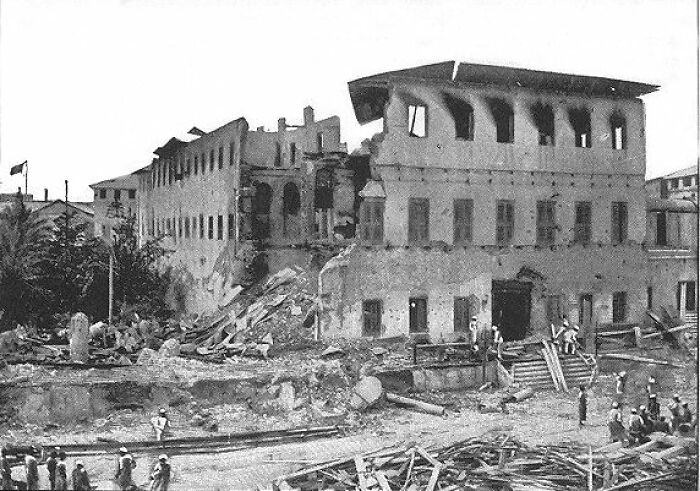
The shortest war in recorded history, a conflict between Britain and Zanzibar in 1896, was over in less time than it takes to watch a sitcom. The "war" began after the pro-British sultan of Zanzibar died and his cousin, Khalid bin Barghash, seized the throne without British approval. When Khalid refused to step down, the British Royal Navy assembled its warships in the harbor and issued an ultimatum. At 9:02 AM on August 27th, they opened fire on the sultan's palace, and by 9:40 AM, the Zanzibari forces had surrendered, officially ending the war after a mere 38 minutes of strafing.
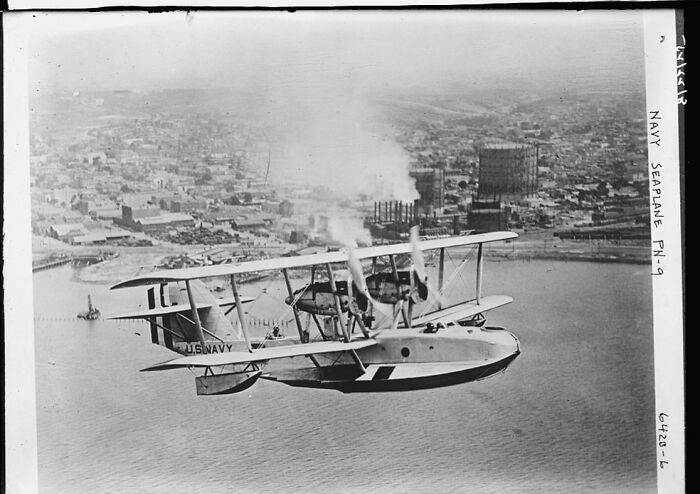
In 1925, the U.S. Navy attempted a groundbreaking feat: the first-ever non-stop flight from the mainland to Hawaii. Two naval flying boats took off from San Francisco, but the journey quickly turned into a disaster. One of the planes was forced to ditch in the ocean just a few hundred miles from the coast. The second plane, commanded by John Rodgers, ran out of fuel just short of the islands and was also forced to land in the open ocean. Stranded and with no radio, the crew of five survived for the next nine days by turning their plane into a makeshift sailboat. They ingeniously stripped the fabric from the lower wings to create sails and navigated their way 450 miles to the shores of Kauai, ultimately finishing their "flight" by sea.
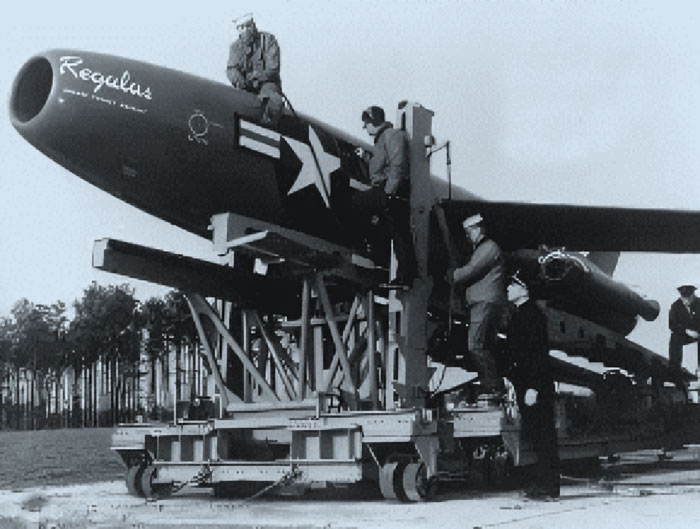
During the height of the Cold War, the U.S. Postal Service decided to get into the rocket age by launching mail from a cruise missile. In a 1959 joint operation with the Navy, a Regulus cruise missile packed with 3,000 pieces of official U.S. mail was fired from the deck of the submarine USS Barbero. The missile successfully flew over 100 miles and landed at a naval air station in Florida, delivering its cargo in just 22 minutes. Upon its successful landing, Postmaster General Arthur Summerfield enthusiastically declared that mail would be delivered by missile "before man reaches the moon." Despite the successful test, the idea was quickly shelved due to the sheer cost and impracticality of using guided missiles for postal delivery, making it a short-lived, though spectacular, footnote in postal history.
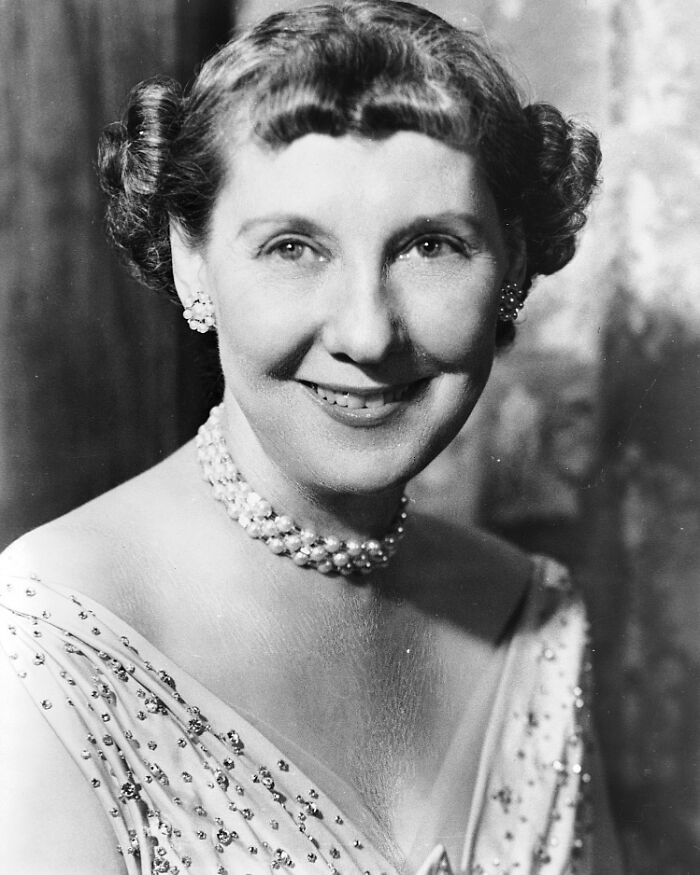
The transition of power from the Eisenhowers to the Kennedys in 1961 was a famously frosty affair, particularly between the outgoing and incoming First Ladies. Mamie Eisenhower, who reportedly held a personal dislike for the Kennedys, gave Jackie Kennedy a notoriously cold and abrupt tour of the White House. The tour was so rushed that Jackie, who had just secretly given birth to her son John Jr. via a difficult C-section, was left physically exhausted. To add a final, petty insult, Mamie allegedly forced Jackie to walk the entire tour, despite knowing about her recent surgery, and neglected to arrange for a wheelchair. This chilly and inhospitable welcome set the tone for a relationship that would remain distant for years.
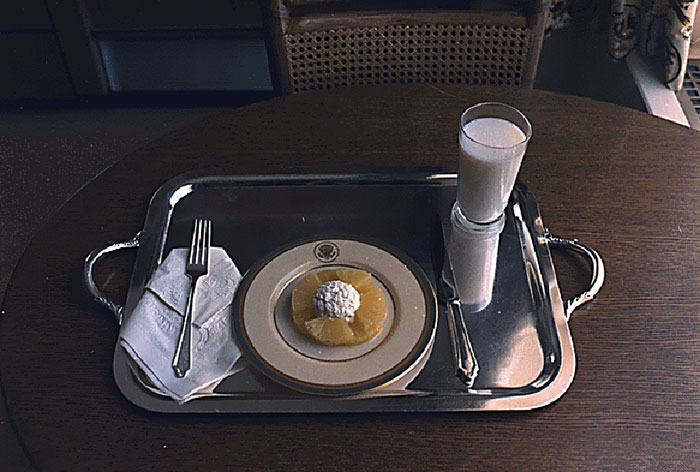
The story of Richard Nixon's final meal in the White House has long been a piece of political lore, with most accounts claiming it was a simple, sad dish of cottage cheese and pineapple. However, that popular myth is incorrect. According to his personal records, on the evening of August 8, 1974, just hours before he would announce his resignation, President Nixon actually ate a hearty last supper. His final, decidedly less humble meal as president consisted of a beef tenderloin, a baked potato, and a crisp green salad, a far cry from the famously ascetic dish that has come to define his final, lonely hours in the Oval Office.
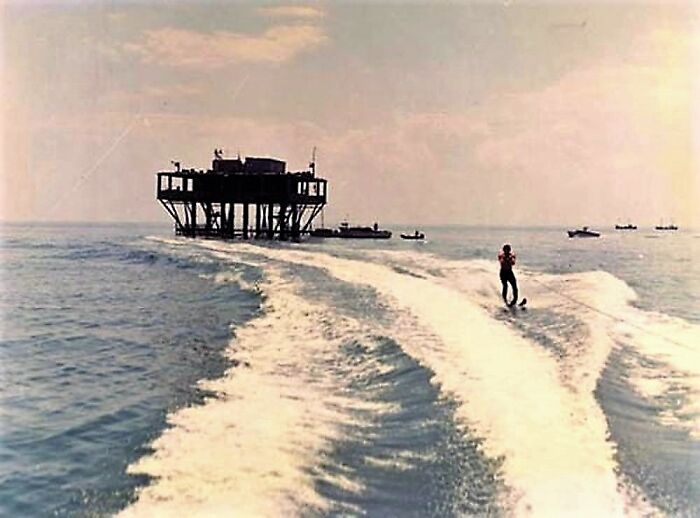
In a wild and short-lived experiment in libertarianism, an Italian engineer named Giorgio Rosa decided to build his own country in the middle of the Adriatic Sea. In 1967, after years of construction, he completed a 400-square-meter platform just outside of Italy's territorial waters. The following year, he declared it the independent "Republic of Rose Island," complete with its own government, currency, and post office. The Italian government, however, was not impressed by this new micronation, viewing it as a clever tax-dodging scheme. Just 55 days after Rose Island declared its independence, the Italian Navy showed up, evacuated the platform, and then, in a dramatic and definitive end, used dynamite to blow it up and send the world's newest country to the bottom of the sea.






















 No fees, cancel anytime
 then open in external browser


 and click "Open in External Browser"