Get Premium
Dark mode theme is available exclusively for premium users. Learn more about the benefits of subscribing.
No fees, cancel anytime.

 Dark Mode Ad-Free Browsing Unlimited Content
 Ad-Free Browsing Unlimited Content Dark Mode
Join 1.2 million Panda readers who get the best art, memes, and fun stories every week!


When I was a teen and the time came to decide what my career should be, I wanted to be an archaeologist for a while. If I had kept that dream, I could've become one of the 7,720 professional archaeologists in the U.S.
You might think that we already dug up the most significant historical artifacts that there are, but archaeology is a path that keeps on giving. For example, a national gas distributor in Lima, Peru claims that they have been responsible for around 2,200 discoveries in the past 20 years.
But this time, we would like to dedicate a post to the most disturbing and scary archaeological finds. Courtesy of the history and archaeology professionals who shared their knowledge in two Quora threads, Bored Panda brings you the times they dug up something that maybe would've been better off buried.
This post may include affiliate links.
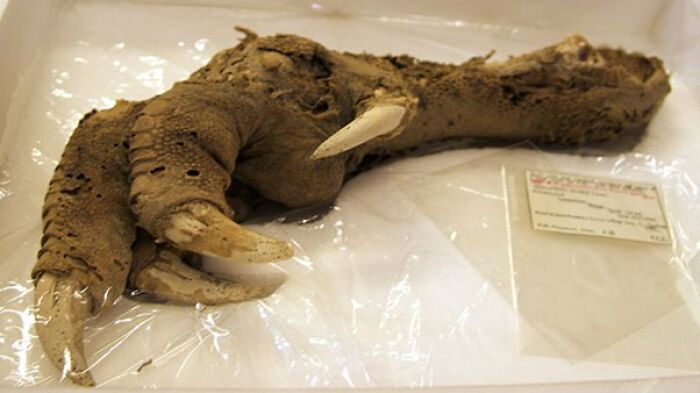 Mount Owen Moa. An expedition was digging deeper into the cave system of Mount Owen in New Zealand when it came across a huge claw. it was determined that the claw belonged to an Upland Moa, a huge prehistoric bird that apparently came with a nasty set of claws

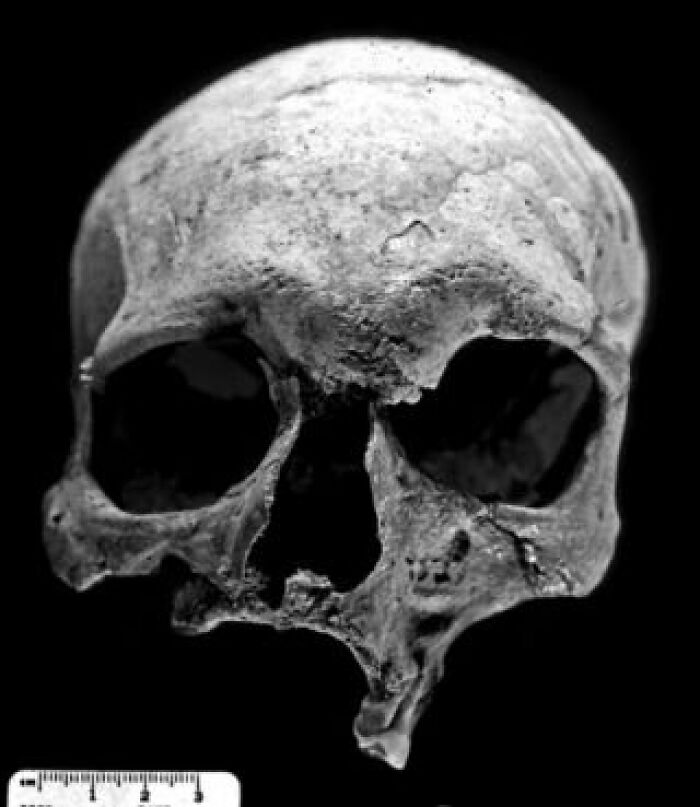 The First Leper. Leprosy is hard disease which infects humans; leprosy was common in the Medieval period, like king Baldwin of Jerusalem. The first leper man ever was 4000 years before, and this is his skull which was saved through the centuries .
 The two most frightening things ever discovered by me, personally, while on a dig are:
1 The human remains on site may have died of cholera. That's one of those “OK, yeah, boss. Do you suppose that maybe you could have mentioned that before I started collecting? And maybe offered us face masks? Or at least told me to buy my own?”
2 The Forest Service put us up in barracks. Once we were all settled in, and started cooking, we found mouse and rat droppings under the kitchen sink. When we reported that to the GS-12, she said “Oh yeah, watch out for symptoms of hantavirus, it has been pretty prevelant around here lately, and there have also been a few cases of bubonic plague in the area.”
Nothing I have found from the past is as terrifying as what I have found in the present!
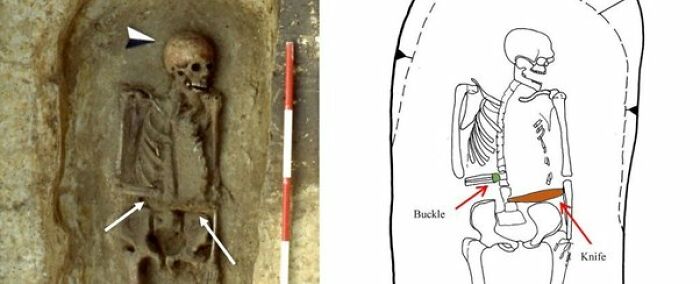 The Knife-Armed Man
While excavating a 1200- to 1400-year-old necropolis in northern Italy, archaeologists found the remains of a man with a knife blade prosthetic arm. Analysis of the man’s bones revealed that his arm had been removed through blunt-force trauma below the elbow, and that he lived for some time afterward with the knife blade prosthesis in place of a hand.
The Knife-Armed Man
While excavating a 1200- to 1400-year-old necropolis in northern Italy, archaeologists found the remains of a man with a knife blade prosthetic arm. Analysis of the man’s bones revealed that his arm had been removed through blunt-force trauma below the elbow, and that he lived for some time afterward with the knife blade prosthesis in place of a hand.
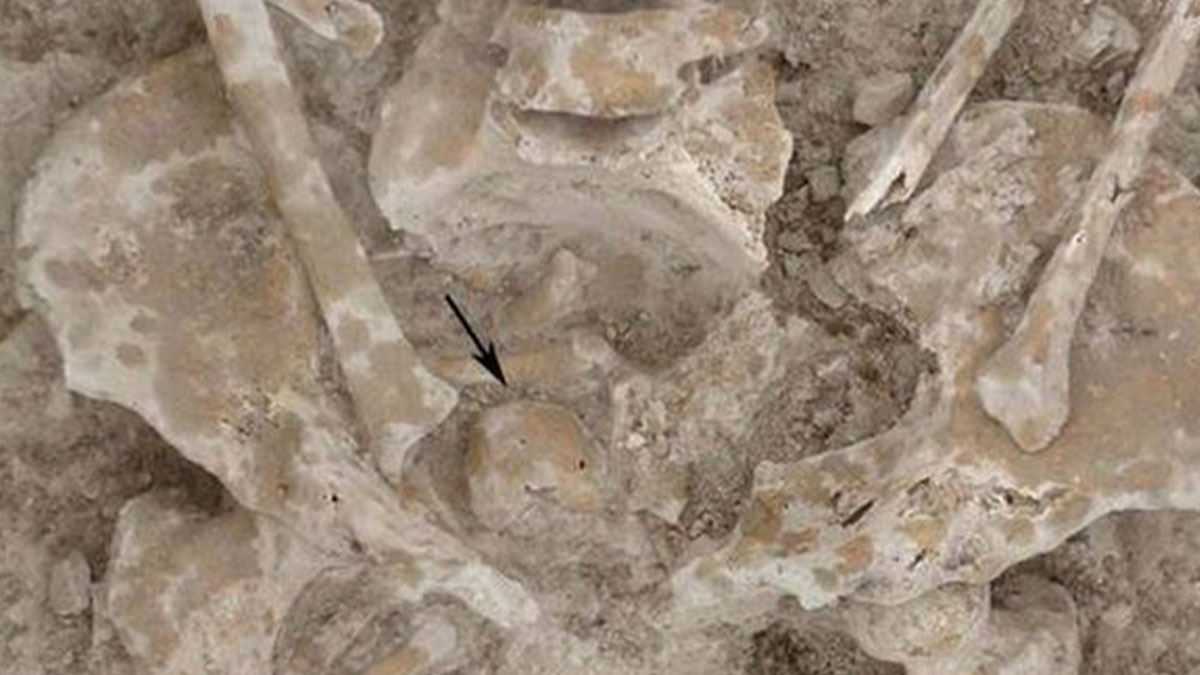
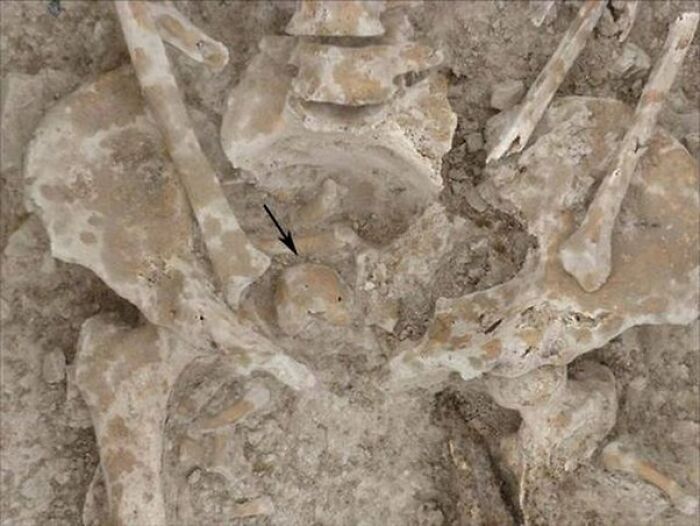 A calcified mass that would turn out to be a tumor was discovered in the pelvis of the Roman woman's corpse.
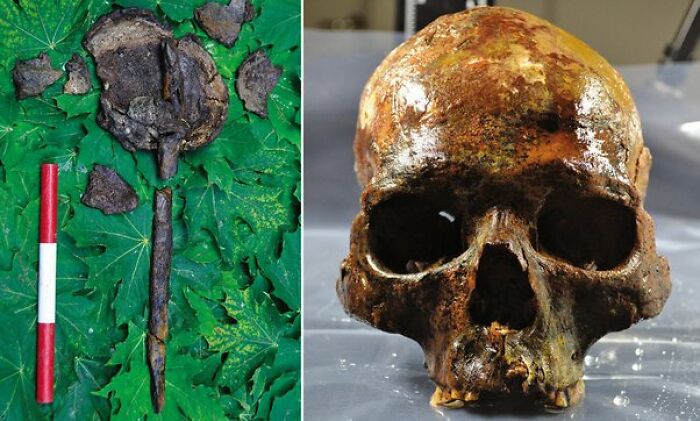 When archaeologists were excavating a dry prehistoric lake bed in Motala, Sweden in 2009, they stumbled upon one of the most peculiar archaeological discoveries the world had seen – the so-called ‘Tomb of the Sunkenoffering or Sunken Skulls’, a collection of skulls dating back 8,000 years, which had been mounted on stakes.
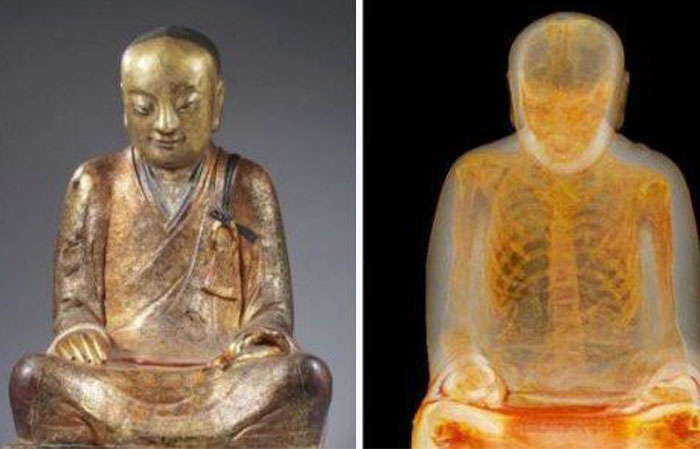 The 1000 year old body of Buddist monk was dscovered inside an ancient statue of Buddha. A statue of a sitting Buddha that made its way from a temple in China to a market in the Netherlands revealed an extraordinary secret -- a 1,000-year-old mummified monk.
The mummy was discovered, encased in a cavity in the statue, when a private buyer brought it to an expert for restoration. It's unclear when or how the statue was removed from China.
The 1000 year old body of Buddist monk was dscovered inside an ancient statue of Buddha. A statue of a sitting Buddha that made its way from a temple in China to a market in the Netherlands revealed an extraordinary secret -- a 1,000-year-old mummified monk.
The mummy was discovered, encased in a cavity in the statue, when a private buyer brought it to an expert for restoration. It's unclear when or how the statue was removed from China.
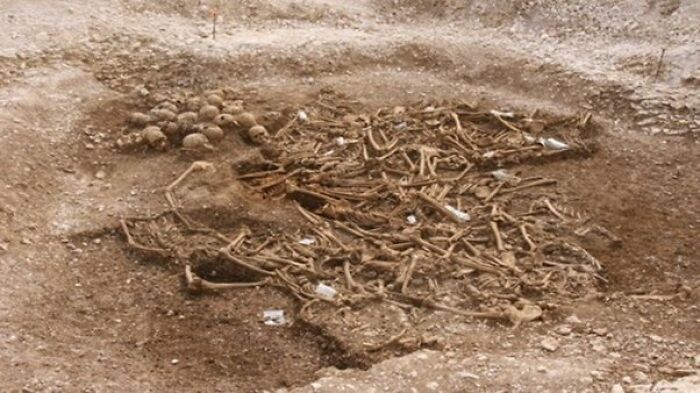 Headless Vikings. Headless vikings were found in Dorset, the archaeologists said maybe some villagers had survived a raid and exacted their revenge. However, it still Brutal way to kill someone
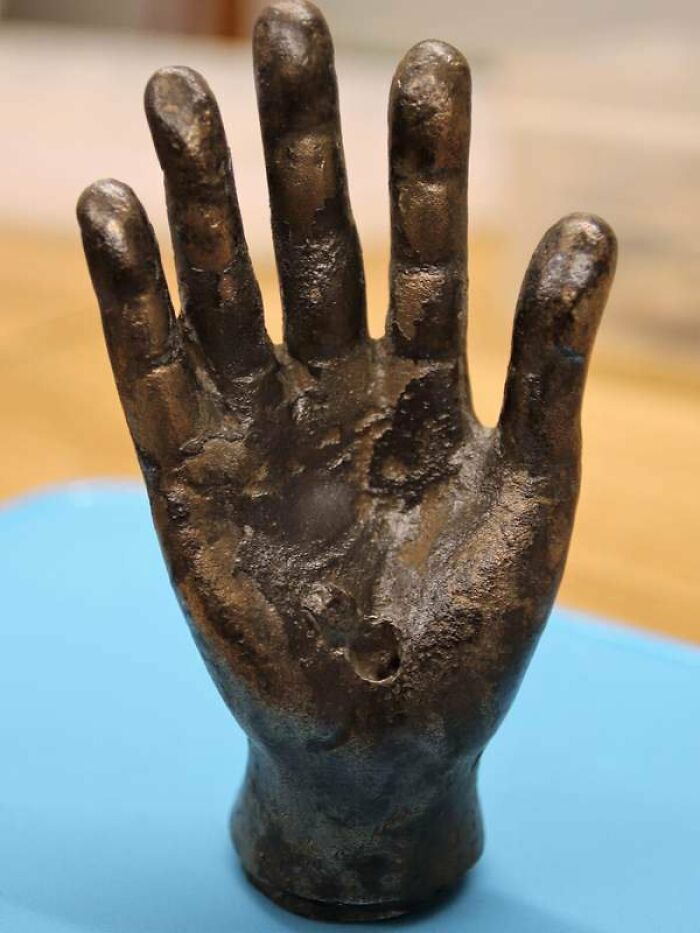 A Creepy Tiny Hand. At the Roman fort of Vindolanda near Hadrian’s Wall in England, archaeologists found a creepy, lifelike, miniature bronze hand. The hand may be associated with the worship of Jupiter Dolichenus, a mystery cult whose practices were shrouded in secrecy, which was very popular in the Roman army of the early 3rd century CE. The hand was likely left as an offering after a major invasion of Scotland in which a huge number of people may have been killed.
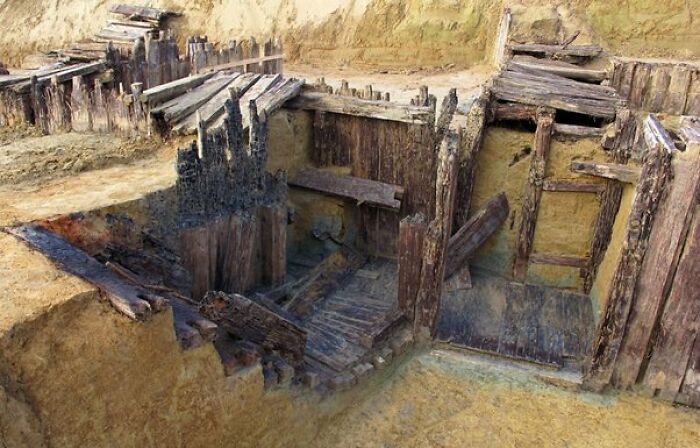 Ninety-four years later, archaeologists would uncover their perfectly preserved bodies as well as various other odds and ends during a dig at the Alsatian town of Carspach
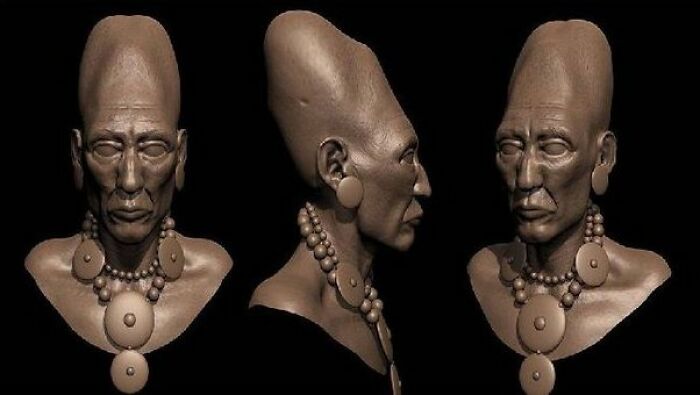 In many ancient cultures, elongated heads appeared as a result of cranial deformation, and arguably the most famous examples are those coming from the Paracas culture.

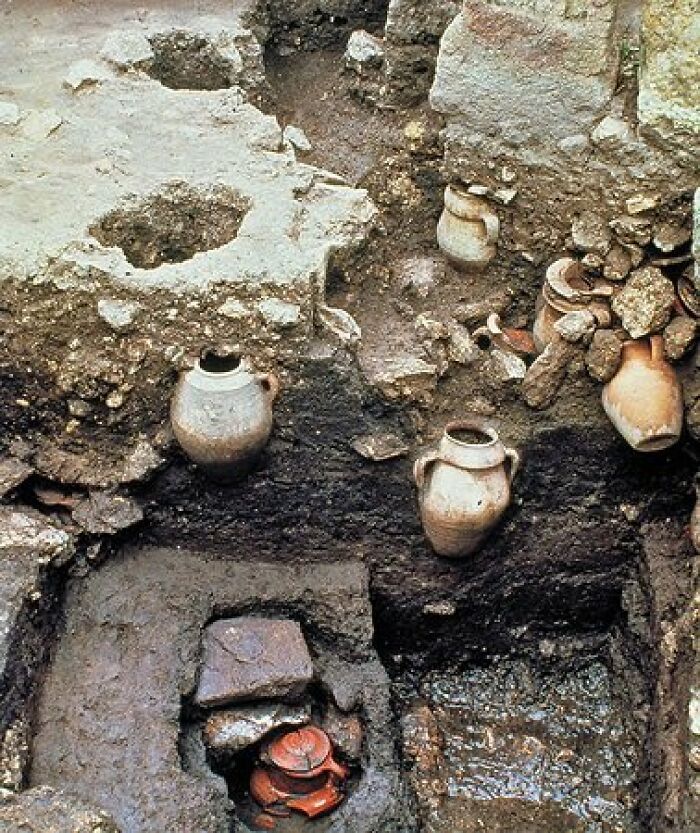 The Tophet at Carthage. The tophet was the human sacrifice in the Semitic Polytheism, vividly described in the Bible, and used as an example to demonstrate the depravity of the Canaanites.
The human sacrifice was also mentioned in both Greek and Roman sources; they described the Carthaginians sacrificing their boy children to Cronus (Moloch). The Romans considered human sacrifice to be the absolute nadir of humanity, and a sign of the utter immorality and pure evil of the Semitic Carthaginians.
The Tophet at Carthage. The tophet was the human sacrifice in the Semitic Polytheism, vividly described in the Bible, and used as an example to demonstrate the depravity of the Canaanites.
The human sacrifice was also mentioned in both Greek and Roman sources; they described the Carthaginians sacrificing their boy children to Cronus (Moloch). The Romans considered human sacrifice to be the absolute nadir of humanity, and a sign of the utter immorality and pure evil of the Semitic Carthaginians.

1) Cronus and Moloch are two radically different gods. 2) Carthage did not have either Cronus or Moloch, 3) The Tophet at Carthage was a temple to Baal. 4) No human sacrafices were made there, there is a theory by 1, just 1 scholar, Patricia Smith, that bc they found a children's cemetery next to the temple, that the must have been from child sacrifices. However every other scholar disagrees with her, as testing the bones showed the kids died of natural causes. Basically infants who dies were buried next to the temple
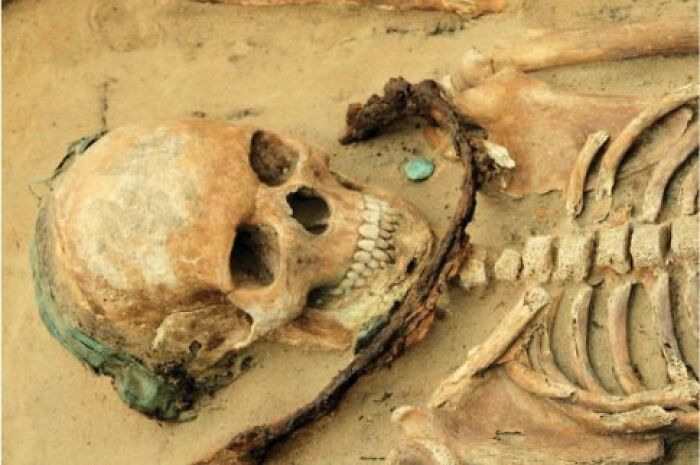 Iron sickles were discovered around the necks of two adult females, buried in Poland! Some researchers believed that the curved knives were placed around the skeletons out of a fear of vampirism. However, a new study suggests that unusual burials are “evidence of anti-demonic funerary practice”. This ritual began to prevent the dead from rising and terrorizing the living.
Additionally, those who passed away abruptly without a smooth transition from life to death, were believed to be at risk of becoming demons
Iron sickles were discovered around the necks of two adult females, buried in Poland! Some researchers believed that the curved knives were placed around the skeletons out of a fear of vampirism. However, a new study suggests that unusual burials are “evidence of anti-demonic funerary practice”. This ritual began to prevent the dead from rising and terrorizing the living.
Additionally, those who passed away abruptly without a smooth transition from life to death, were believed to be at risk of becoming demons
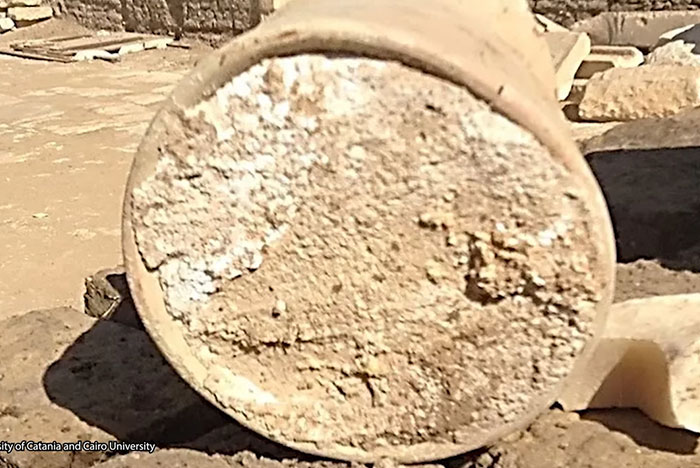 The Elder Cheese: While the world was still mourning over not being allowed to drink the sarcophagus juice, archaeologists in Saqqara, Egypt uncovered another ancient (and equally inedible) find: the world’s oldest known solid cheese. Protein analysis showed that the 3,300-year-old powdery white substance was likely a mixture of cow and either goat or sheep milk, made into a cheese, which was left in the tomb of an official who served the pharaoh. Scientists warned that the cheese might actually be “cursed” with live bacteria that could sicken anyone who dared to taste it.

The 2,000-year-old "sarcophagus juice" found in Alexandria in 2018 is actually a mixture of sewage water and decomposing remains, not a magical elixir, according to Business Insider. Despite over 30,000 people signing a viral Change.org petition to drink it, the substance is hazardous, and consumption would likely cause severe illness.
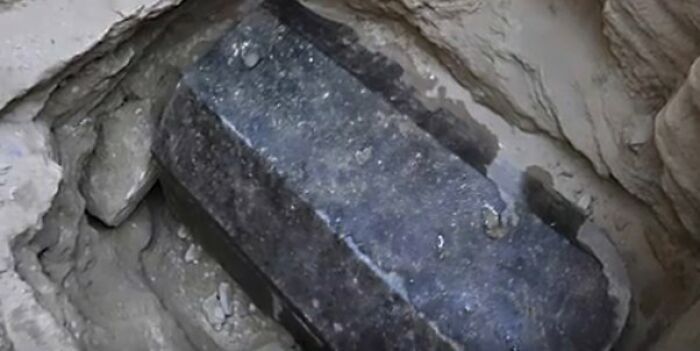 The Black Sarcophagus
The discovery of a massive, 2000-year-old sealed black granite sarcophagus in Alexandria, Egypt in July 2018 prompted speculation that opening it would unleash a world-ending curse. When opened, the sarcophagus was found to contain only the remains of three Egyptian army officers and a reddish-brown sewage liquid, spawning the #sarcophagusjuice meme.
The Black Sarcophagus
The discovery of a massive, 2000-year-old sealed black granite sarcophagus in Alexandria, Egypt in July 2018 prompted speculation that opening it would unleash a world-ending curse. When opened, the sarcophagus was found to contain only the remains of three Egyptian army officers and a reddish-brown sewage liquid, spawning the #sarcophagusjuice meme.

OMG, these are terribly written. I'm not sure I am going to make it through this list.
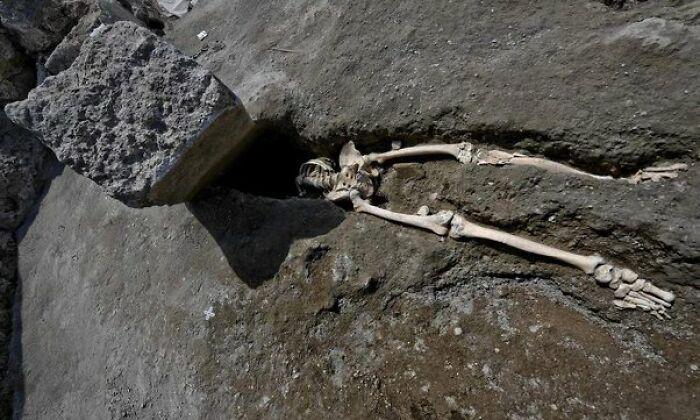 The Most Unlucky Man
At Pompeii, the site of Mt. Vesuvius’ disastrous eruption that killed the entire town in 79 CE, a man was found who was thought to have been crushed to death by a massive falling stone. Although archaeologists later found that the man’s head and upper torso were intact, they initially hypothesized that the rock had landed on him as he attempted to flee, hindered by an infection in his leg.
The Most Unlucky Man
At Pompeii, the site of Mt. Vesuvius’ disastrous eruption that killed the entire town in 79 CE, a man was found who was thought to have been crushed to death by a massive falling stone. Although archaeologists later found that the man’s head and upper torso were intact, they initially hypothesized that the rock had landed on him as he attempted to flee, hindered by an infection in his leg.

One of the few situations where being k****d by a flying boulder is your best hope💀
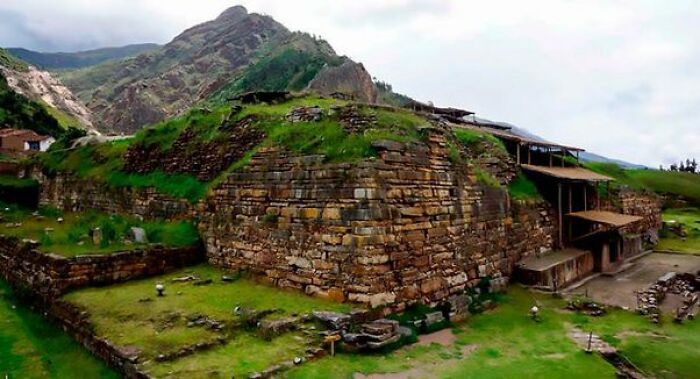 The Underground Labyrinth of Death
Using tiny remote-operated robots, archaeologists working at Chavin de Huantar in Peru have discovered a network of 35 interlocking underground tunnels, which contained the remains of at least three individuals that may have been sacrificed in “rituals [involving] drugs, noise and light manipulation.”
The Underground Labyrinth of Death
Using tiny remote-operated robots, archaeologists working at Chavin de Huantar in Peru have discovered a network of 35 interlocking underground tunnels, which contained the remains of at least three individuals that may have been sacrificed in “rituals [involving] drugs, noise and light manipulation.”
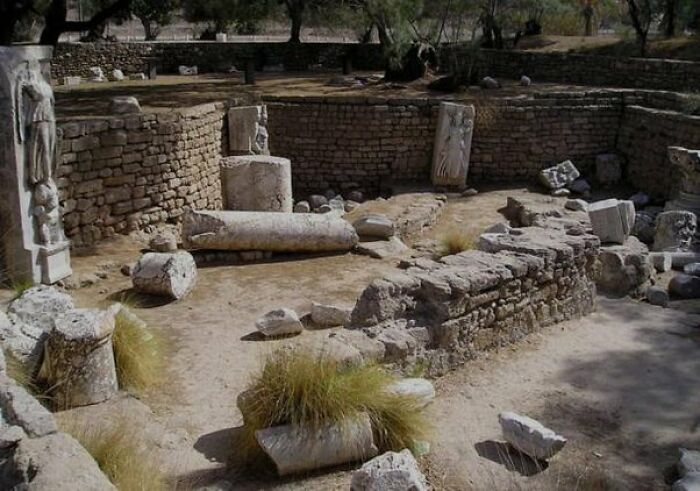 The discovery of a mass baby grave under Roman bathhouse in Ashkelon, Israel
Along the shores of Israel's Mediterranean coast, in the ancient seaport of Ashkelon, archaeologist Ross Voss made a gruesome find. While exploring one of the city’s sewers, he discovered a large number of small bones. Initially, the bones were believed to be chicken bones. However, it was later discovered that the bones were actually human –infant bones from the Roman era. With the remains amounting to more than 100 babies, it was the largest discovery of infant remains to date.
The discovery of a mass baby grave under Roman bathhouse in Ashkelon, Israel
Along the shores of Israel's Mediterranean coast, in the ancient seaport of Ashkelon, archaeologist Ross Voss made a gruesome find. While exploring one of the city’s sewers, he discovered a large number of small bones. Initially, the bones were believed to be chicken bones. However, it was later discovered that the bones were actually human –infant bones from the Roman era. With the remains amounting to more than 100 babies, it was the largest discovery of infant remains to date.
100 male infants, and it was the early Byzantine period (technically "Roman") and all were infants less than a week old. There are many theories as to why, but the general assumption is there were natural infant deaths, though there is an alternative theory that since the bathhouse was also a brothel, they infants may have been born to the prostitutes and k****d after birth, but its a theory without evidence. Also Leon Levy led the dig, Voss one of of a dozen archaeologists on the site.
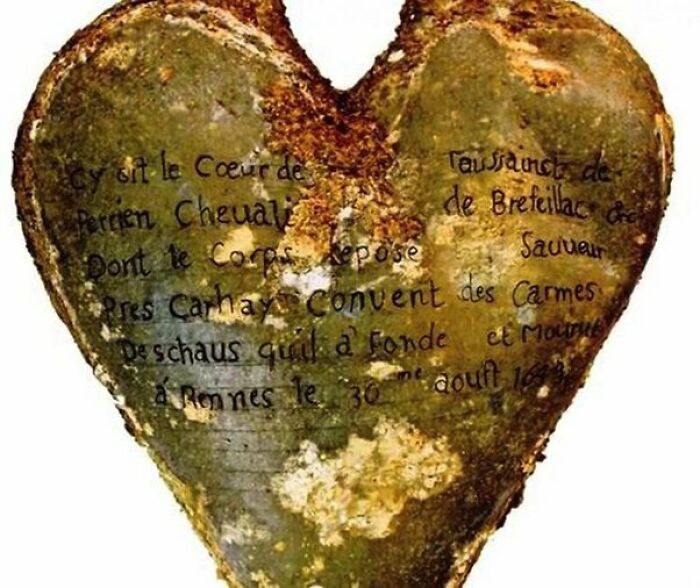 True love was forever for Louise de Quengo, the Lady of Brefeillac. The widow died in 1656 and was interred with a rather alarming trinket: the heart of her husband.
Toussaint Perrien, Knight of Brefeillac, died in 1649. As was sometimes done at the time, his heart was removed, embalmed and put into a lead urn.
"It was common during that time period to be buried with the heart of a husband or wife," Fatima-Zohra Mokrane, a radiologist at Rangueil Hospital at the University Hospital of Toulouse in France, said "It's a very romantic aspect to the burials."
True love was forever for Louise de Quengo, the Lady of Brefeillac. The widow died in 1656 and was interred with a rather alarming trinket: the heart of her husband.
Toussaint Perrien, Knight of Brefeillac, died in 1649. As was sometimes done at the time, his heart was removed, embalmed and put into a lead urn.
"It was common during that time period to be buried with the heart of a husband or wife," Fatima-Zohra Mokrane, a radiologist at Rangueil Hospital at the University Hospital of Toulouse in France, said "It's a very romantic aspect to the burials."
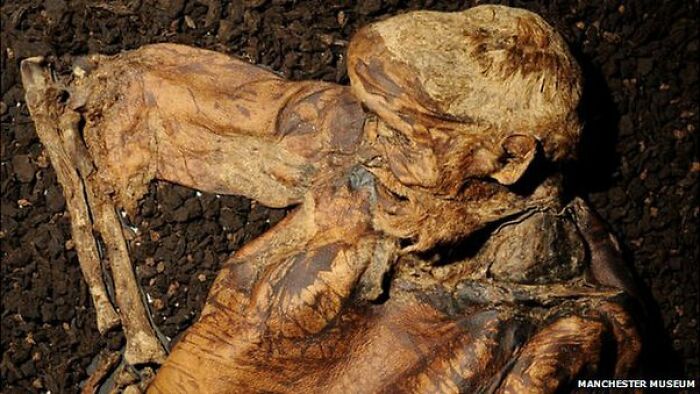 About 2,200 years ago, an aristocratic young Celt was brutally slain and thrown into a bog near what is now Manchester, England. His body, almost perfectly preserved and condition of the body and the manner of the man's death, moreover, suggest that he may have much in common with similar bodies found in peat bogs in Denmark during the 1950's.
The current burst of research and scholarship started at an ancient bog near the Manchester airport, where sphagnum peat moss has been growing for thousands of years. The peat, once commonly used as fuel, is now harvested mainly as a medium for cultivating plants.
On Aug. 1, 1984, a day many archeologists now regard as a milestone, a commercial peat cutter named Andy Mould was about to throw a load of peat into a shredding machine when some of the crumbling moss fell away, revealing a human foot.
Archeologists and other experts subsequently recovered the torso, head and arms of one of the most perfectly preserved ancient bodies ever found. The leathery flesh was stained deep brown and had been distorted by long burial in the wet, iron-rich peat, but facial features, skin texture, physique and even stomach contents were intact.
A flood of discoveries followed, and it soon became evident that ''Lindow Man,'' named for Lindow Moss, the locality where the corpse was found, had been no ordinary Celt. Several pieces of evidence, including the serene expression of the man's face, reconstructed from analysis of muscles and skin, suggested that he had gone willingly to his horrible death. His executioners had cut his throat, crushed his windpipe with a thong, bludgeoned his head and held his face under water.
About 2,200 years ago, an aristocratic young Celt was brutally slain and thrown into a bog near what is now Manchester, England. His body, almost perfectly preserved and condition of the body and the manner of the man's death, moreover, suggest that he may have much in common with similar bodies found in peat bogs in Denmark during the 1950's.
The current burst of research and scholarship started at an ancient bog near the Manchester airport, where sphagnum peat moss has been growing for thousands of years. The peat, once commonly used as fuel, is now harvested mainly as a medium for cultivating plants.
On Aug. 1, 1984, a day many archeologists now regard as a milestone, a commercial peat cutter named Andy Mould was about to throw a load of peat into a shredding machine when some of the crumbling moss fell away, revealing a human foot.
Archeologists and other experts subsequently recovered the torso, head and arms of one of the most perfectly preserved ancient bodies ever found. The leathery flesh was stained deep brown and had been distorted by long burial in the wet, iron-rich peat, but facial features, skin texture, physique and even stomach contents were intact.
A flood of discoveries followed, and it soon became evident that ''Lindow Man,'' named for Lindow Moss, the locality where the corpse was found, had been no ordinary Celt. Several pieces of evidence, including the serene expression of the man's face, reconstructed from analysis of muscles and skin, suggested that he had gone willingly to his horrible death. His executioners had cut his throat, crushed his windpipe with a thong, bludgeoned his head and held his face under water.
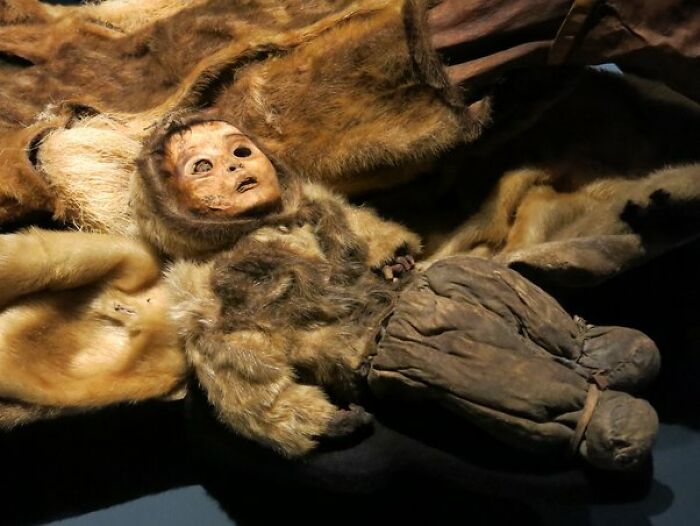 The Greenland Mummies: the dying remnants of the Vikings in Greenland at the outset of the ‘Little Ice Age’
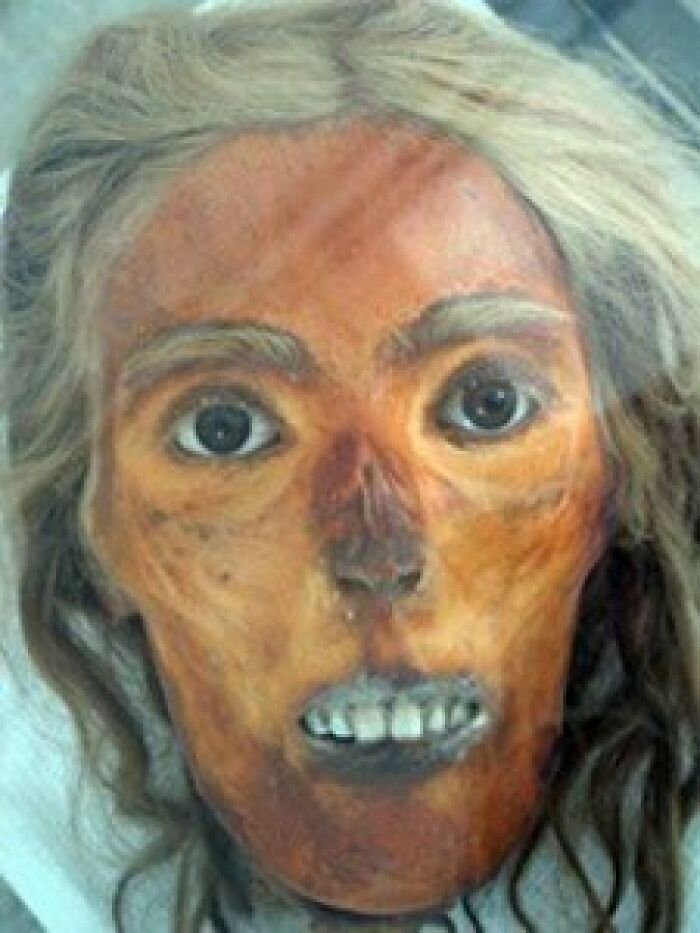 Girolamo Segato was an early medical science eccentric. Inspired by the preservation techniques of ancient civilizations, he invented a strange new way of preserving human remains. He injected an unknown mixture of chemicals into a body directly after death to make this eerie transformation.
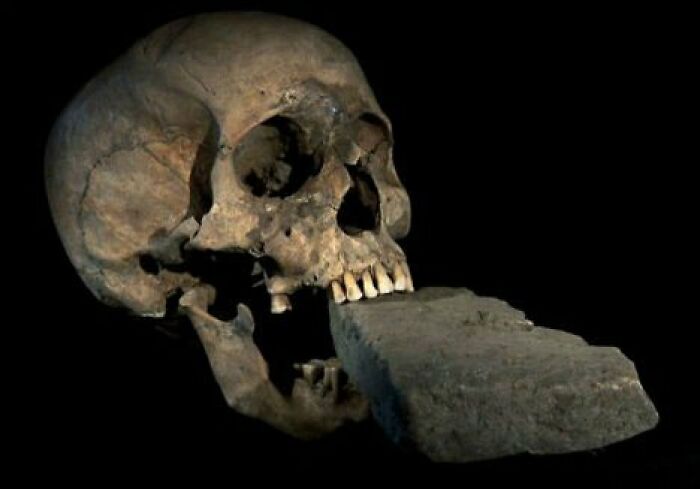 Vampire of Venice. Among the corpses of medieval plague victims was one very curious find: a skull with a brick shoved so forcefully between its jaws, they were broken. The technique was used on suspected vampires in Europe during this time, especially when natural biological processes after death resulted in dark blood-like liquid streaming from the mouth. Researchers have determined that not only was this elderly woman feared a vampire after her death, she may have been accused of witchcraft before she met her end. Most people didn’t live to be her age, estimated at 60-71 years, and many medieval Europeans believed that the devil gave the elderly powers to cheat death. Older women were particularly suspect because it was assumed that they had little to live for, and were vulnerable to offers of power.

Lol this is such būllshit 😆 lots and lots of people lived to be well above 70, even in the mythical "olden days". A super high infant mortality rate skewed the average age of death and a healthy 65 year old woman would not be considered as having one leg in the grave. "Researchers determined ... she may have been accused of witchcraft" so researchers determined nothing, you mean. Medieval peasants believed all sorts of shït, they didn't have the internet to look up how science worked, and then there's also the whole being high off their áss and hallucinating harder than ChatGPT because of bad grain storage.
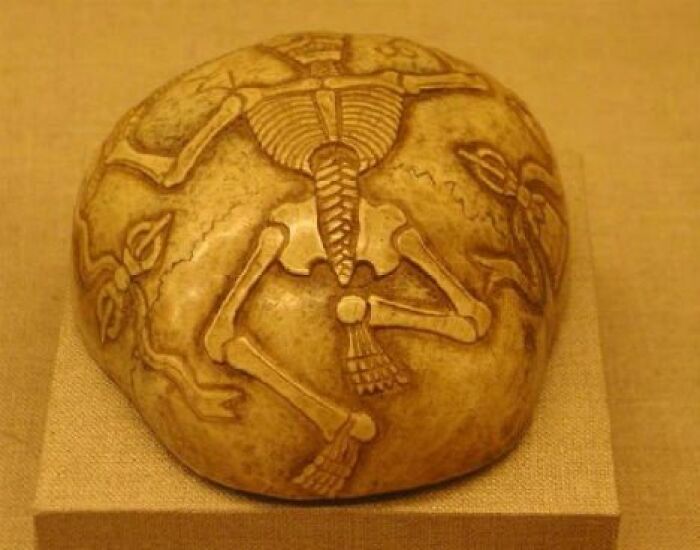 Skulls Used as Cups. Three human skulls found in Gough’s Cave, Somerset, England were careful worked into the shape of bowls, indicating that they were used to drink from. At 14,700 years old, these are the oldest skull cups ever discovered, and they were surrounded by other human remains that had been snapped to get to the marrow inside, suggesting cannibalism.
The picture is bollocks. There's a picture on Wikipedia which looks nothing like this one.
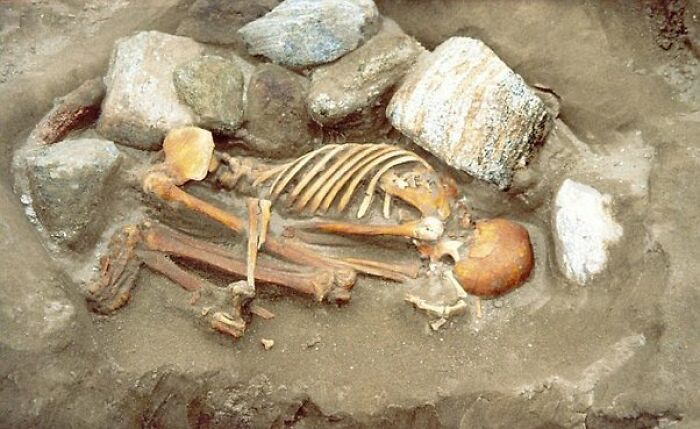 Cannibal attack on an entire family: In 1994, a group of Neanderthal skeletons consisting of 3 children, 3 teenagers and 6 adults were found in a cave called El sidron in Spain. They were found to have been killed 49,000 years back. Furthermore, no eveidence of fire was found, so it happened to be a raw meal.
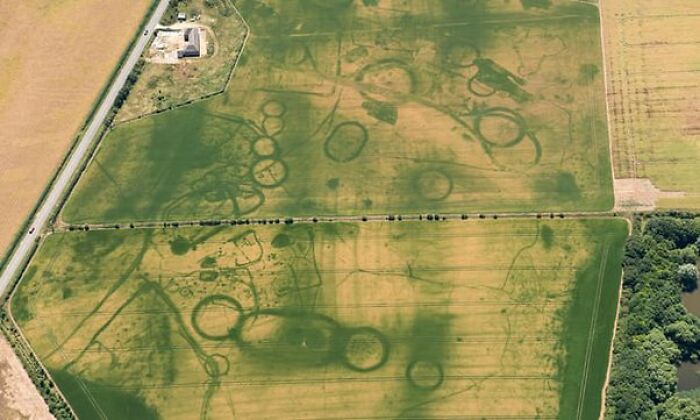 Ancient Sites Appearing in the Back Yard
Drought and a massive heatwave across the UK revealed the presence of hundreds–if not thousands–of previously unknown archaeological sites, ranging from neolithic hamlets to massive henges and WWII landscape modifications. These are no crop circles: because disturbed sections of the landscape hold more water than undisturbed soil, the differential drying patterns have revealed the exact locations of buried structures.
Ancient Sites Appearing in the Back Yard
Drought and a massive heatwave across the UK revealed the presence of hundreds–if not thousands–of previously unknown archaeological sites, ranging from neolithic hamlets to massive henges and WWII landscape modifications. These are no crop circles: because disturbed sections of the landscape hold more water than undisturbed soil, the differential drying patterns have revealed the exact locations of buried structures.
Ah yes, the once in a generation UK summer where it doesn't pïss it down 😎
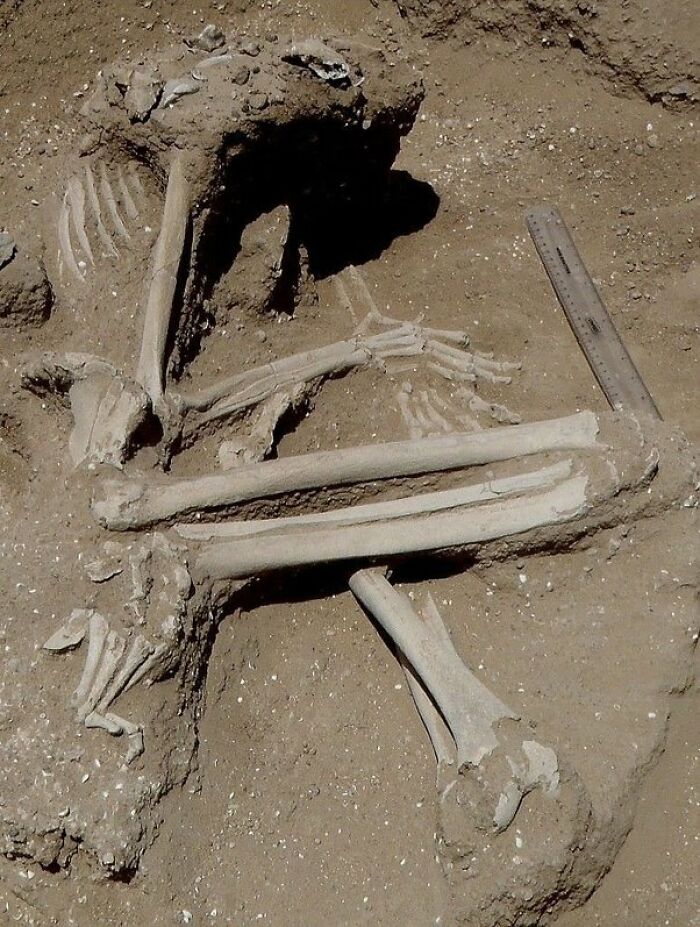 The skeletal remains of 27 men, women and children were found in modern day Kenya with signs of injury to the bones. The skeletons are 10,000 years old and the injury marks suggest ancient warfare.
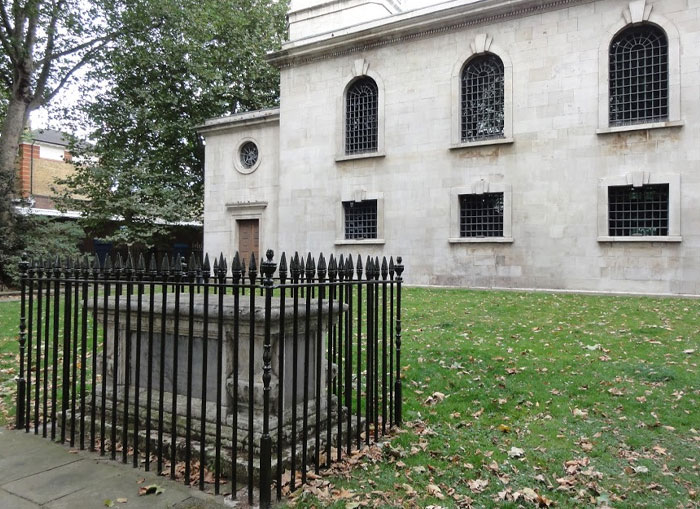 When St Luke Old Street church , London , was deconsecrated due to subsidence. The bodies were removed and examined by archaeologists , prior to reburial. They found that some bodies were extraordinary well preserved with burials dated back to the mid 17th century. Some of the corpses had the unmistakable appearance of having been struggling inside the coffins. I think is to have found these was truly terrifying .
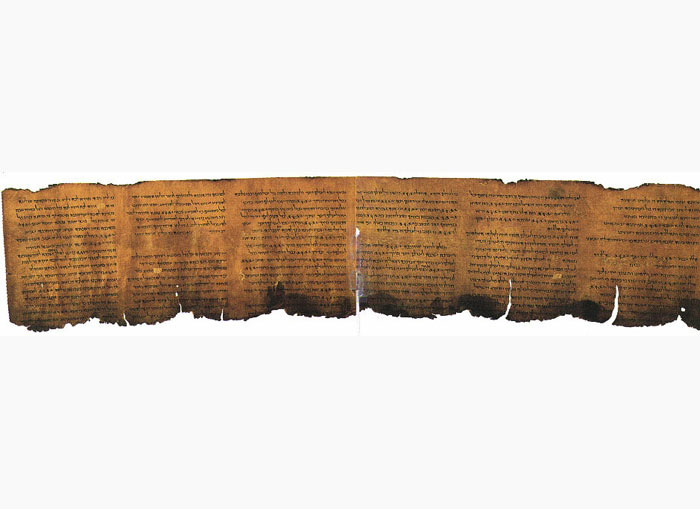 THE DEAD SEA SCROLLS
Found in 1948 on the shores of the Dead SEA. The scrolls are dated 1400 years older than any other biblical manuscript. 350 years before Christ.
Before this skeptics would claim the book of Daniel and Isaiah were written after Jesus came because both books prophecy so factually and extensively about Christ. THE GREAT ISAIAH SCROLL was part of what was found and Is a complete copy of the book of Isaiah that is word for word what you have in your Bible! There is Parts of every book in the Hebrew Bible found in the scrolls save Ezra.
THE DEAD SEA SCROLLS
Found in 1948 on the shores of the Dead SEA. The scrolls are dated 1400 years older than any other biblical manuscript. 350 years before Christ.
Before this skeptics would claim the book of Daniel and Isaiah were written after Jesus came because both books prophecy so factually and extensively about Christ. THE GREAT ISAIAH SCROLL was part of what was found and Is a complete copy of the book of Isaiah that is word for word what you have in your Bible! There is Parts of every book in the Hebrew Bible found in the scrolls save Ezra.
It is amazing, but it's not a complete copy of the book of Isaiah and unless your bible is written in ancient Hebrew and includes the variants in these scrolls, it's not a "word for word" copy.
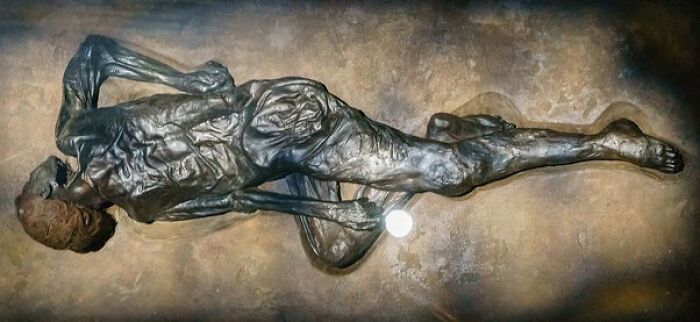 Grauballe Man. The so-called Grauballe Man is a bog body that was discovered in Denmark. The body is that of a man dating from the late 3rd century BC, during the early Germanic Iron Age. It was sacrificed to Germanic gods to live better in the next life (like Valhalla’s Sacrifice), the strange thing is that the body was saved for centuries without decomposing .
Well, actually it's not strange because he was in a bog.
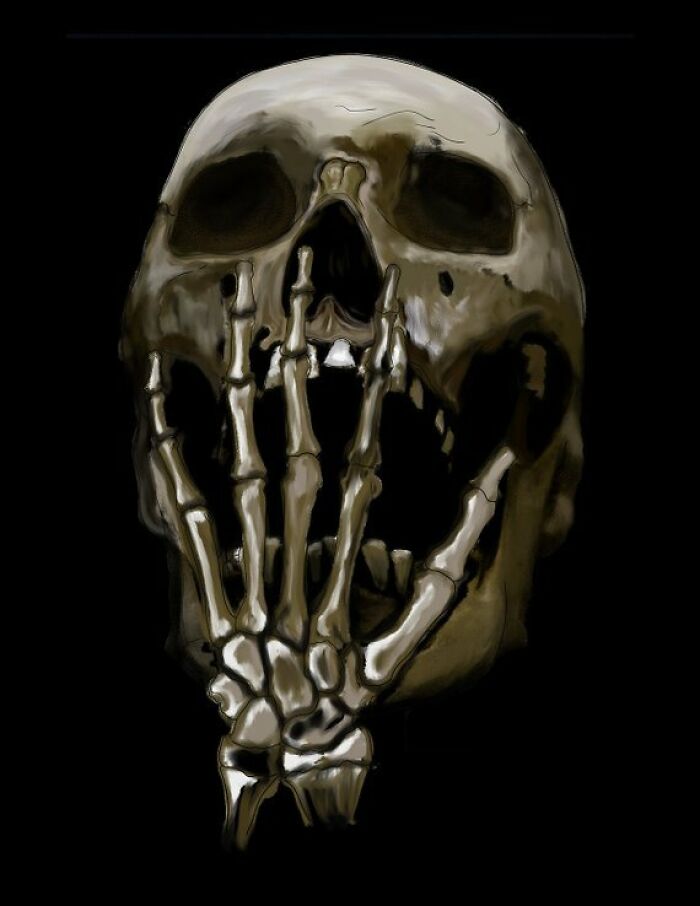 The most frightening thing I have found was the most extreme case of coffin yawn I’d seen anywhere. Coffin yawn is pretty much what you imagine it to be. When a person dies their muscles eventually relax, and this means the jaw will loll open. It is for this reason that, historically, bodies were buried with a cloth binding the chin shut (as with Marley in A Christmas Carol ), or, in the modern day; the jaw wired shut.
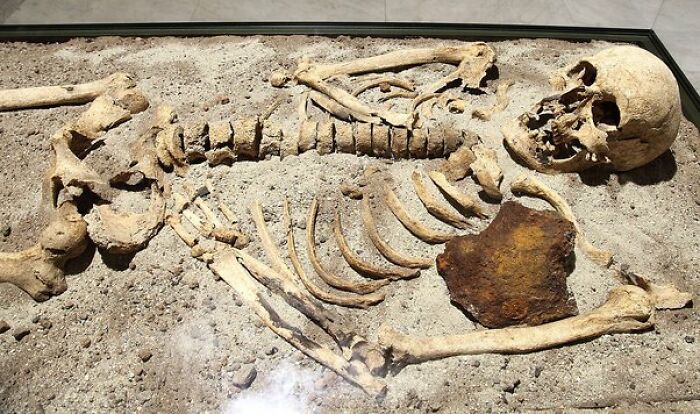 Vampire burials in Bulgaria: In the Balkans during the middle ages, vampire superstitions were widespread. This was the case of many unusual deaths including suicides. Many skeletons were formed with metal objects staked in their ribcages.
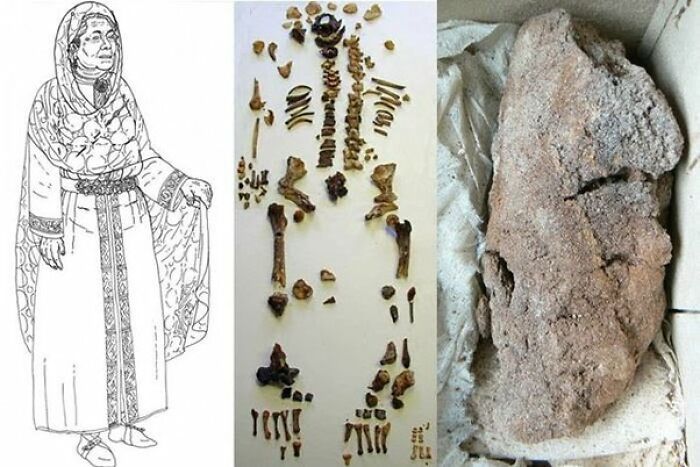 Whole-body mummies are a little creepy. But when you open a sarcophagus and find nothing but a skeleton and a single, leathery lung. well, this is some pretty spooky territory.
Archaeologists experienced that when they opened a stone sarcophagus in the Basilica of St. Denis in Paris in 1959. The remains are said to be of a queen named Arnegunde who lived between about A.D. 515 and 580.
Whole-body mummies are a little creepy. But when you open a sarcophagus and find nothing but a skeleton and a single, leathery lung. well, this is some pretty spooky territory.
Archaeologists experienced that when they opened a stone sarcophagus in the Basilica of St. Denis in Paris in 1959. The remains are said to be of a queen named Arnegunde who lived between about A.D. 515 and 580.
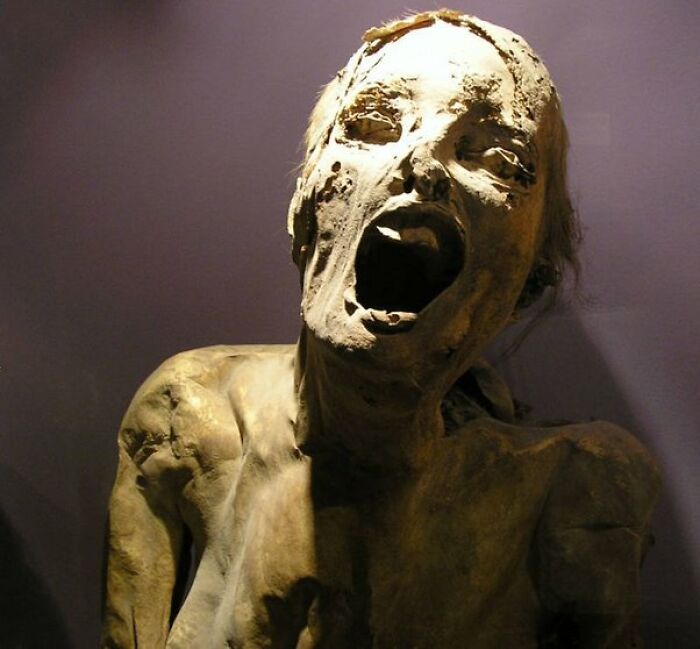 The Screaming Mummies. In 1886, Gaston Maspero, the head of the Egyptian Antiquities Service, was doing like he do -- just taking mummies out of their sarcophagi, unwrapping them, dictating all kinds of boring notes when he came across an unusually plain burial box. Unlike the kings and queens he'd been working with for most of his career, this particular box didn't give any information as to the identity of the stiff inside. Even stranger, the body was wrapped in sheepskin, which was considered unclean by ancient Egyptians. When he finally uncovered it, Gaston also found that the corpse's hands and feet had been bound for some unspeakable reason.
Is it just me, or does the writing sound disrespectful (and grammatically unsound...)
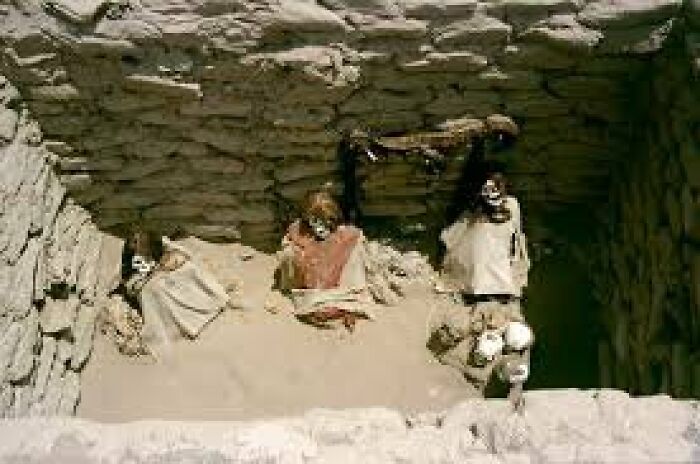 The Knife-Armed Man: While excavating a 1200- to 1400-year-old necropolis in northern Italy, archaeologists found the remains of a man with a knife blade prosthetic arm. Analysis of the man’s bones revealed that his arm had been removed through blunt-force trauma below the elbow, and that he lived for some time afterward with the knife blade prosthesis in place of a hand.
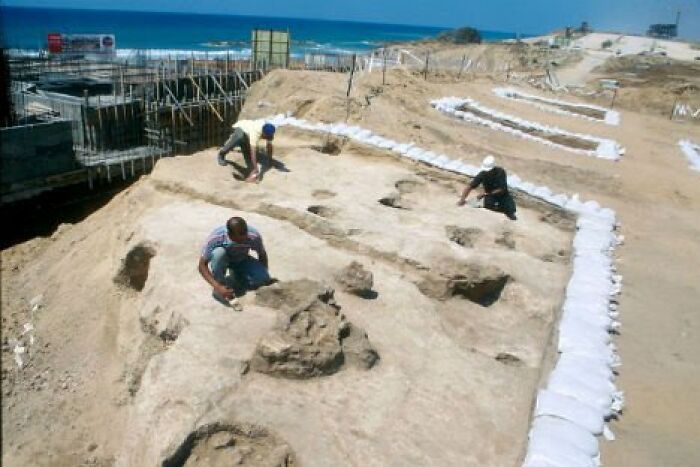 Bathhouse Baby Disposal. How and why were the bones of 100 infants discarded like trash in a late Roman, early Byzantine sewer beneath a bathhouse in Israel? Found in 1988 in Askelon, the remains indicate that the babies died before three days of age, and show no signs of disease or skeletal malformation. While scholars hypothesized that the babies were girls, since female infanticide was common during that time, tests have since shown that many were male. The reasoning behind their death is still a mystery.
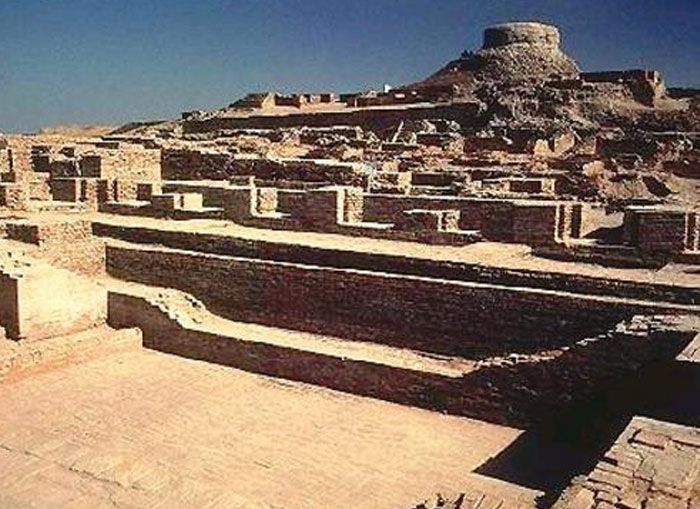 The most frightening thing discovered to me is Mohenjo Daro. It was an ancient city that seemed to have been very intelligent. They had a sewage system that worked and buildings had toilets in them. This civilization existed like 4,000 years ago! But it's people all randomly died or disappeared and no one has any clue why. In the city, they discovered skeletal remains that were far more radioactive then they should be and were in positions that suggest they may have been scorched by an explosion. In the city epicenter, they found a crater that resembled that of a nuclear explosion. People in surrounding areas were reported to have gotten really sick and had their hair and finger nails fall out, symptoms only found in radiation poisoning. Somehow our ancestors may have gotten nuclear weapons 4,000 years before they were created. The theory is that they either discovered how to create them and the proof has been lost in history or extraterrestrials provided them with it. Some also believe that time traveling occured. Ancient Hindu hieroglyphics seem to describe atomic wars and India is one of the most radioactive places on the planet, so it seems very likely.
But, this isn't the thing discovered that may point towards our ancestors having nuclear technology. The legend of the philosophers' stone suggests it as well. The philosophers' stone was believed to have been able to turn base metals such as mercury into gold. Experts for years believed it was just a legend, but Sir Isaac Newton believed it was possible and did many experiments. They never quite panned out, but as a result, it was later discovered that you can turn mercury into gold by changing the number of protons in the nucleus from 80 to 79. This is done through a process called nuclear transmutation and nuclear power is required to do so. It's a very difficult procedure with a very small turn out, but it's theorized that the ancient civilizations may have had this technology. It's further theorized that extraterrestrials gave it to them. The frightening thing is that our ancestors somehow had knowledge of nuclear transmutation because it was in the legends for thousands of years, but every civilization that may have been able to pass on their knowledge of how they discovered it vanished before it was ever written down or spoken about to people that could have passed it on.
OMG - kill me now. I can't believe I read all these.
This post is a frustrating jumble of real and interesting finds smashed together with goofy interpretations that have no basis in reality.

I am making a good salary from home $4580-$5240/week , which is amazing under a year ago I was jobless in a horrible economy. I thank God every day I was blessed with these instructions and now its my duty to pay it forward and share it with Everyone, Here is I started_______ LIVEJOB1.COM
Load More Replies... I have to admit this is probably one of the worst article I have read in 7 years on BP.

This post is a frustrating jumble of real and interesting finds smashed together with goofy interpretations that have no basis in reality.
I am making a good salary from home $4580-$5240/week , which is amazing under a year ago I was jobless in a horrible economy. I thank God every day I was blessed with these instructions and now its my duty to pay it forward and share it with Everyone, Here is I started_______ LIVEJOB1.COM
Load More Replies... I have to admit this is probably one of the worst article I have read in 7 years on BP.



































 No fees, cancel anytime