Get Premium
Dark mode theme is available exclusively for premium users. Learn more about the benefits of subscribing.
No fees, cancel anytime.

 Dark Mode Ad-Free Browsing Unlimited Content
 Ad-Free Browsing Unlimited Content Dark Mode
Join 1.2 million Panda readers who get the best art, memes, and fun stories every week!
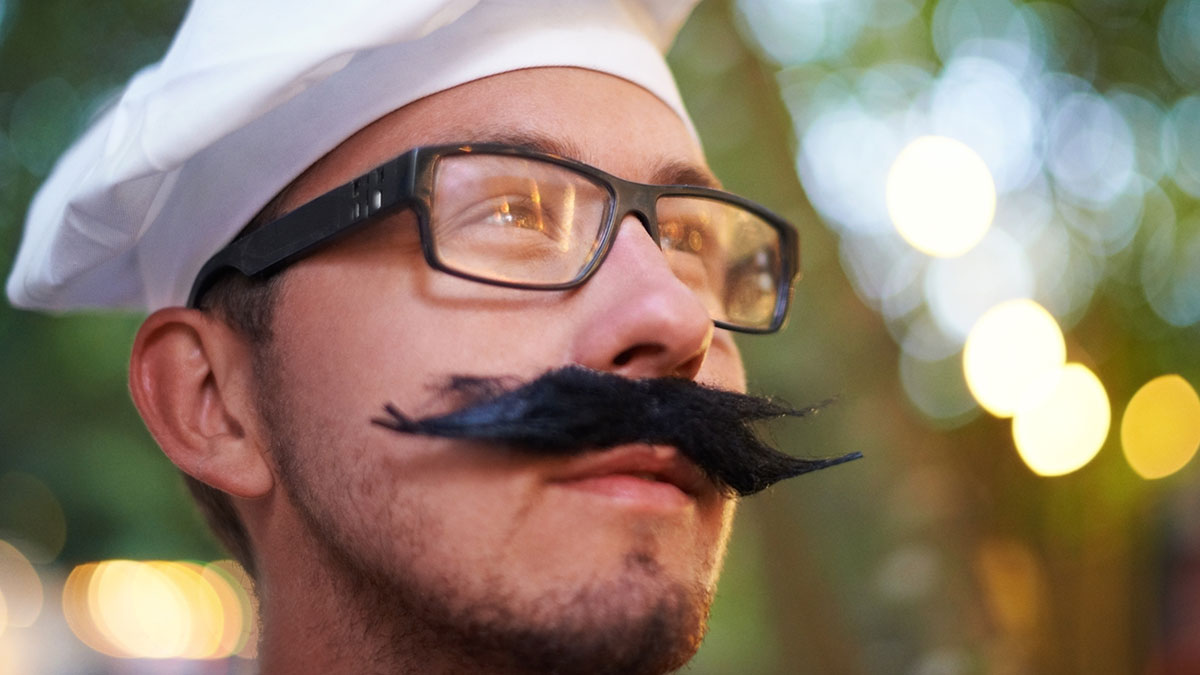


Visiting a new country can feel like stepping into a whole new world. Everything is exciting at first: the food, the streets, the accents, the everyday routines that feel unfamiliar yet fascinating. But somewhere between sightseeing and small talk, you often realize that not everything you’ve heard about a place actually holds up.
That’s exactly what sparked an online discussion when someone asked, “What’s something foreigners think is common in your country, but really isn’t?” From assumptions about everyone being able to sing or dance, to ideas about bland food or exaggerated habits, people from around the world chimed in to set the record straight. The replies were funny, surprising, and a reminder that stereotypes rarely tell the full story.

This post may include affiliate links.
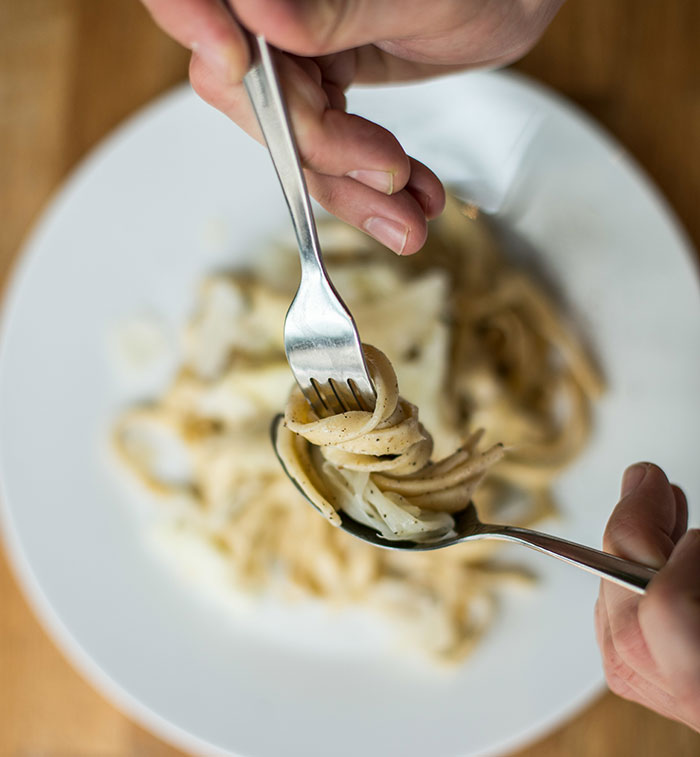 Italy - using a spoon to help you twist spaghetti around a fork
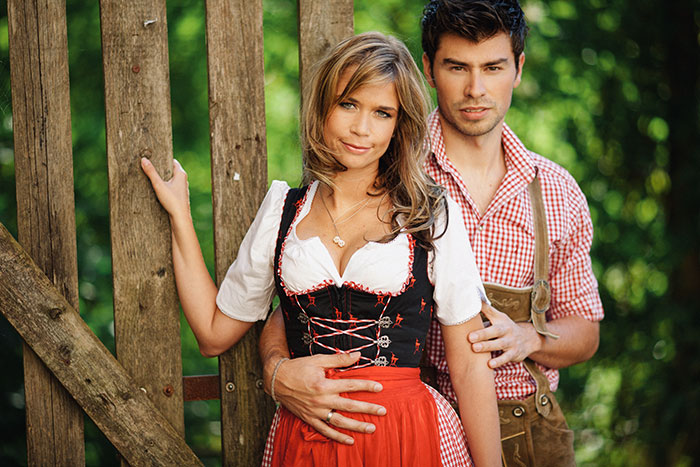
this is a German thing, nobody in Italy does it.
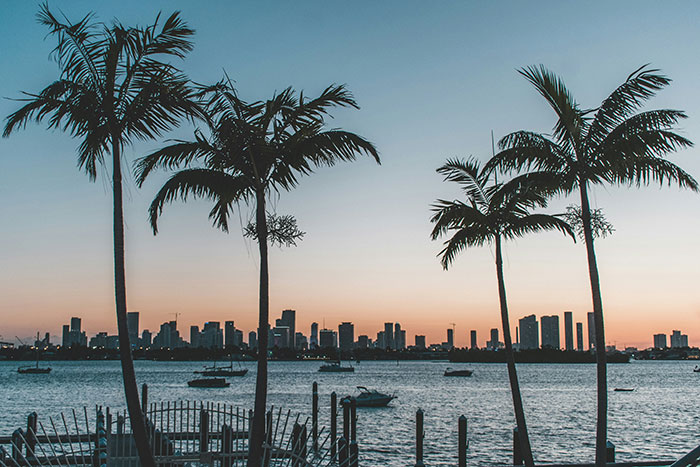 Not everyone wants to retire to Florida. That’s a very specific Northern Midwest or Northeast demographic.
There’s something incredibly exciting about packing for a new destination. The planning, the playlists, the outfits, and the daydreams about food, culture, and scenery all make it feel like you’re stepping into a whole new world. But thanks to social media, movies, and pop culture, we often arrive with a long list of expectations already formed.
We think we know how people dress, eat, behave, or even speak. Some of these ideas come from harmless stereotypes, others from viral clips that show only one side of a place. The reality, however, is usually far more layered. Once you’re actually there, you realize how misleading those assumptions can be. Cultures are complex, people are diverse, and everyday life rarely fits into neat online narratives. Travel has a funny way of gently proving us wrong.
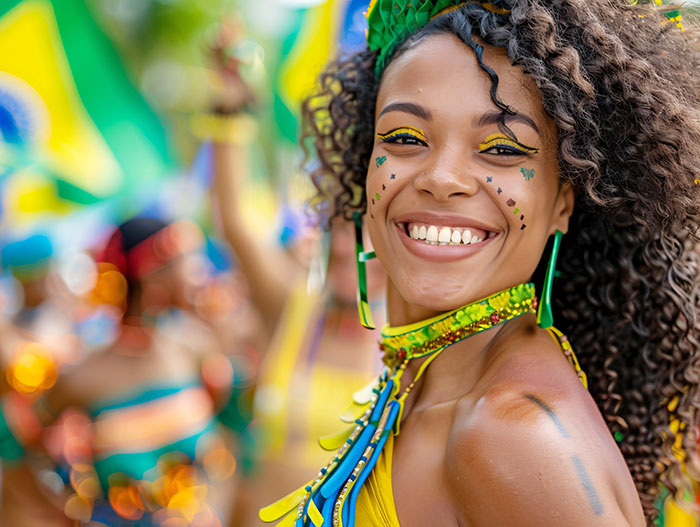 Not all Brazilians dance and are super happy; in fact, one of the most melancholic phrases in history was uttered by a Brazilian: "I didn't have children because I don't want to continue the legacy of our misfortune." And many here work 10 hours a day to buy things that an American (USA) could buy with 1 hour of work.

Wait, wait, wait! A pro-American statement on BP? What is it, Christmas or something?
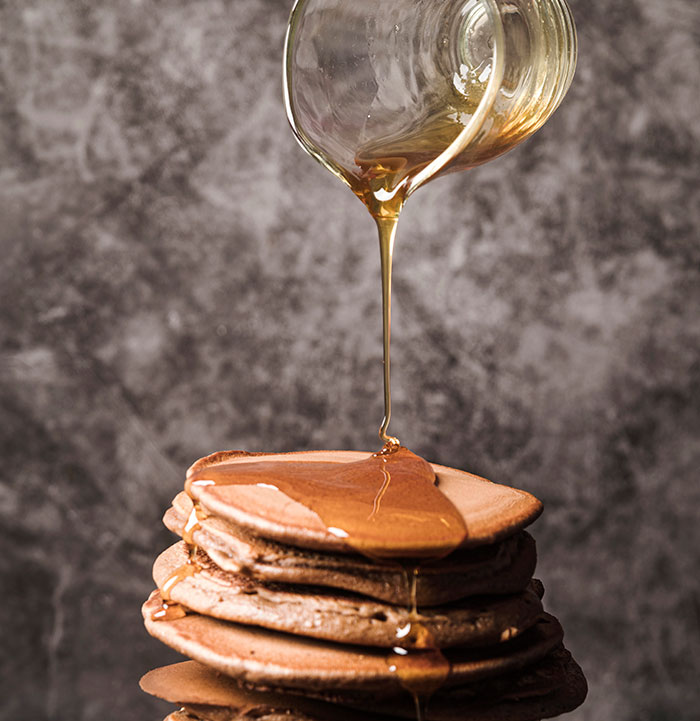 I live in western Canada, where maple syrup is not produced, nor is it something found in every home.
Very few people say "eh" the way they did when I was younger.
In my part of Canada (eastern slopes of the Rocky Mountains), snow comes and goes thanks to the warm, moist wind called the chinook, so we don't deal with huge snow drifts all winter. No igloos!
We are still stupidly polite, though. I'll apologize when someone steps on MY foot. 🤷♀️.

 Catholics, or at least actually religious Catholics. Like, most people who baptise their children are doing it for cultural reasons (to make grandma happy) not because they believe in God.
And clearly, a lot of people are out there seeing this for themselves. According to the latest UNWTO World Tourism Barometer, more than 1.1 billion tourists traveled internationally in just the first nine months of 2025. That’s millions of people crossing borders, experiencing new cultures, and quietly unlearning things they thought they knew. With travel bouncing back stronger than ever, more travelers are realizing that countries can’t be summed up in a single trope or trend.
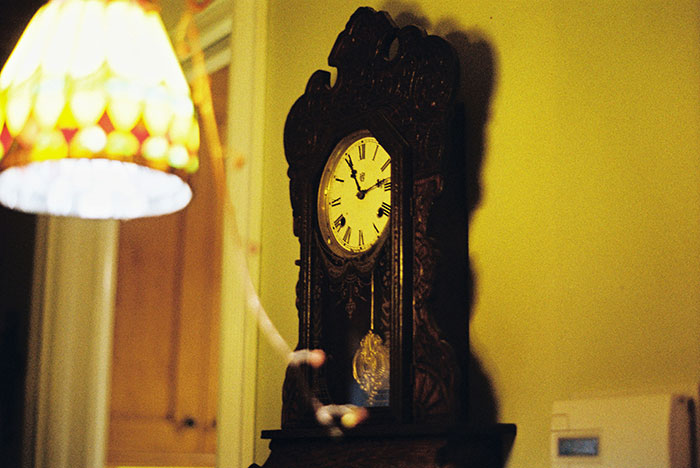 Cuckoo clocks. Switzerland is known for watches, but cuckoo clocks are more of a German thing.

Cuckoo clocks were invented in Bavaria. Secondly, I have lived in Switzerland for over 40 years and have only seen cuckoo clocks in tourist shops...
Sometimes, travelers only truly understand a place once they hear from the people who live there. That’s when stereotypes begin to fall apart. To explore this idea, we spoke with Rakesh, a 19-year-old local who gives guided tours of Mumbai’s Dharavi to foreign visitors.
Living in the community himself, he offers a perspective most tourists never expect. “Dharavi is one of the world’s largest and most densely populated settlements,” he begins. “It’s located right in the heart of Mumbai, not hidden away.” He says many visitors arrive with fixed ideas before even stepping inside. And those ideas rarely survive the tour.
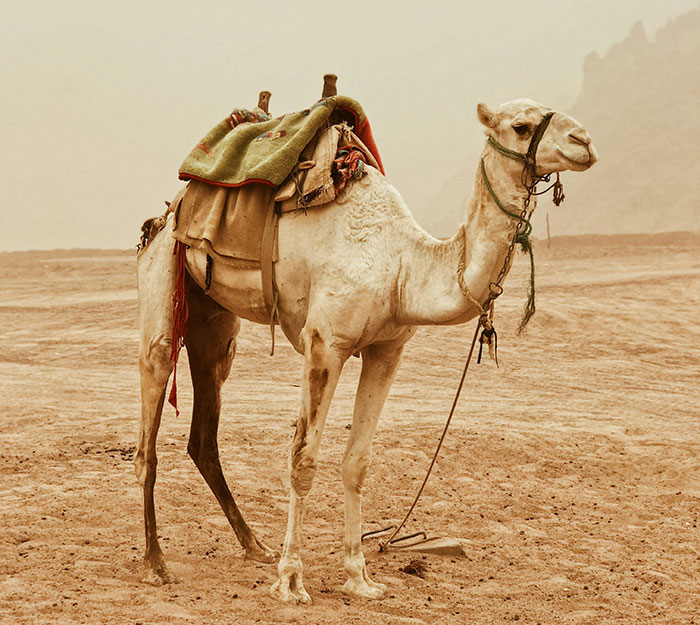 I NEVER SAW A CAMEL IN MY ENTIRE LIFE!
You need to come to Australia then. More camels than anywhere else apparently
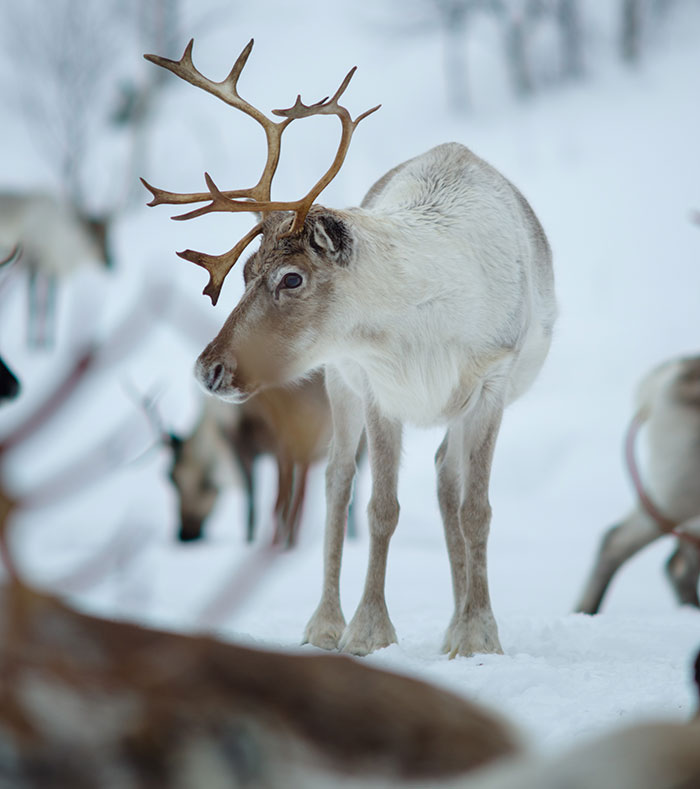 Eating reindeer. It's mostly a special treat because it is quite pricey.
I had reindeer burger and reindeer salami in Helsinki and both were delicious
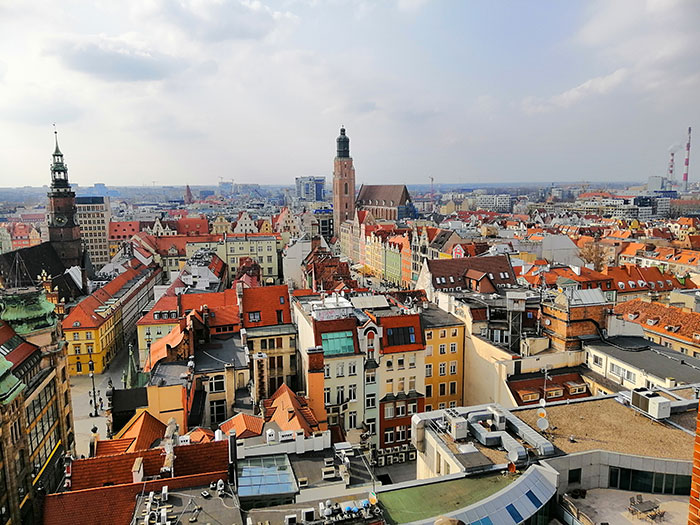 Drunk people, constant cold and snow, poverty everywhere - while the truth is Poland is one of the most developed countries in Europe, public drinking is forbidden by law, and snow is only present in winter for like two/three weeks but the hot season lasts from end of April till September.
“The first thing people tell me is that they didn’t know Mumbai was so developed,” Rakesh says. “They’re shocked to see massive malls, modern infrastructure, and luxury buildings so close by.” What fascinates visitors most, he explains, is the contrast. “You have some of the most expensive real estate in the country right next to Dharavi,” he adds. For many foreigners, it’s the first time they’ve seen wealth and hardship exist so closely together. That sharp contrast often challenges everything they thought they knew about the city.
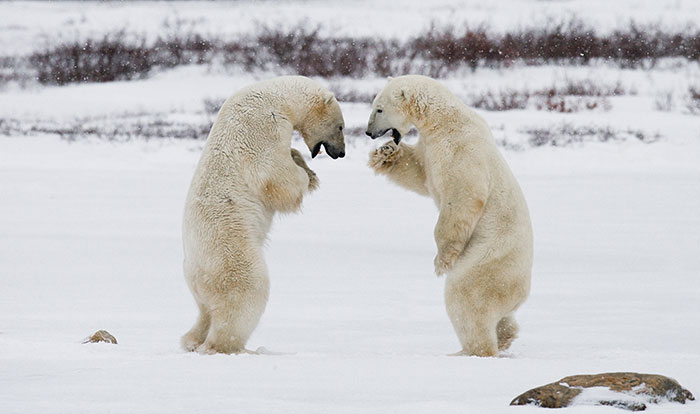 Running into polar bears. They only live on Svalbard, and even there, you’re safe within the town borders.
 Bullfighting. The dictator Francisco Franco tried to normalize the presence of the culture of bullfighting by building bullfighting plazas around all Spain when not every place appreciates them.
Nowadays, a lot of them are or not used, used for other stuff (concerts, for example) or...
...completely abandoned (that's Oviedo's bullfighting plaza).

Also many of us are totally against bullfighting as this is bloody soulless animal mistreating practice dressed up as "tradition"
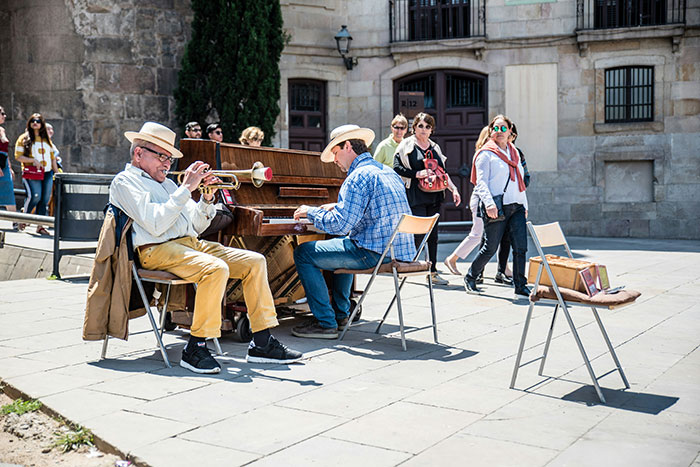 Nobody goes home to nap in the middle of the day.
Usually people go to pick up their kids from school, go home to have lunch and bring them back to school, do chores since it’s too late when they close, etc.
I used to have a 2h lunch break in my previous job but I was just walking around the office since it took me more than an hour to get home.
At least for me it sucks. Your whole day from Monday to Friday just revolves around work and work only.
Rakesh says one of the biggest misconceptions is about employment. “Some tourists honestly believe that everyone here is unemployed or begging,” he explains. “They’re surprised when they learn about the small-scale industries we have.” Dharavi is home to leather workshops, textile units, pottery makers, food production, and recycling businesses. “A lot of people here work extremely hard,” he says. “These businesses support families and contribute to the city’s economy.” For visitors, this reality is often eye-opening.
 Brits only eat bland food like fish & chips.
Years ago, an American friend was advised to only eat at Indian restaurants on his first UK trip as “British food is so awful”. Too many foreign visitors have bad food experiences in tourist-trap restaurants in London serving over-priced low quality frozen stuff, not realising that real British food is actually very high quality, richly diverse and flavourful.
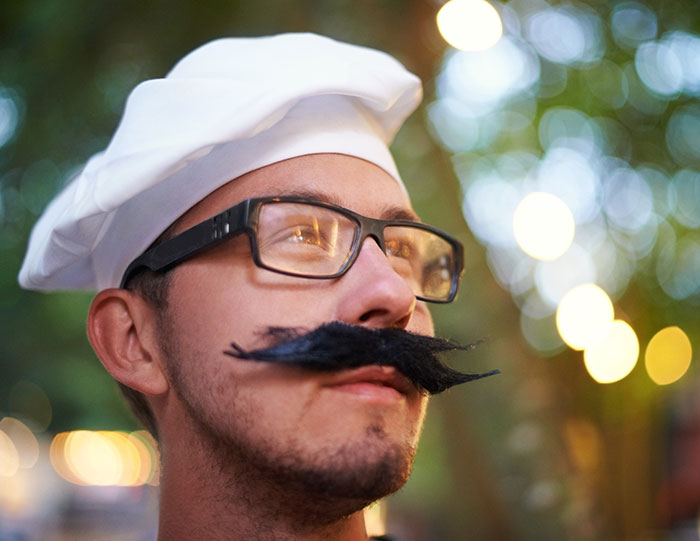 Like everywhere else, berrets are usually only worn by bald people. And mustaches are not so common. I've seen far more mustaches on Australians than on French.
How about carrying your baguette in your armpit, especially in the summer?
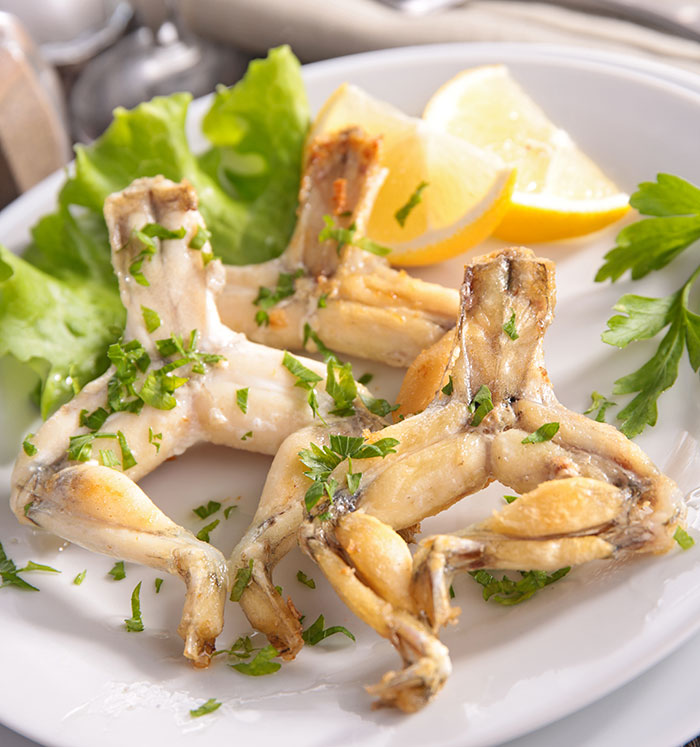 We don t eat frogs legs.
You see this on menu in foreign French restaurants in order to drag curious customers. But actually you would find them extremely rarely in a French restaurant in France.

I've definitely eaten them in a 'normal' (ie not tourist) restaurant. It's not particularly common, but about as prevalent as snails in my experience.
“We’re more than a million people living here,” Rakesh says proudly. “And we’re incredibly diverse.” He explains that Dharavi is home to people from different religions, cultures, and regions of India. “What surprises foreigners most is how strong our sense of community is,” he adds. Neighbors support each other, celebrate festivals together, and share resources. Laughing, he says, “They always ask me, ‘How is this possible, Rakesh?’” For many, that unity is unexpected.
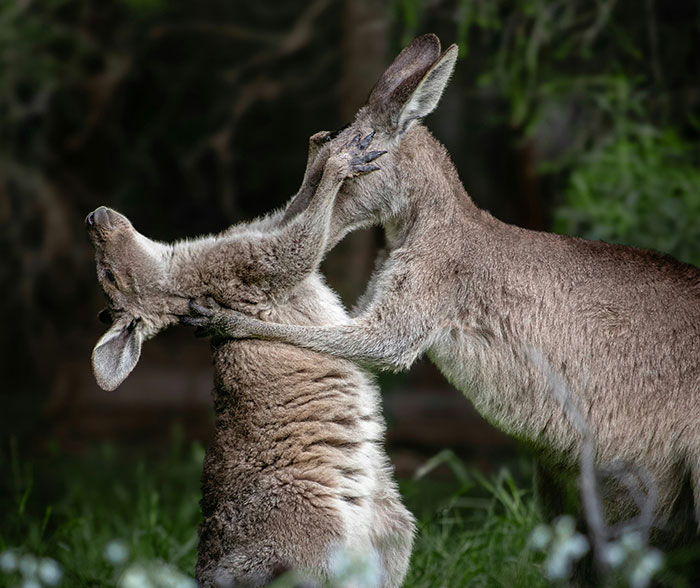 That our native animals are everywhere and even catch public transport.
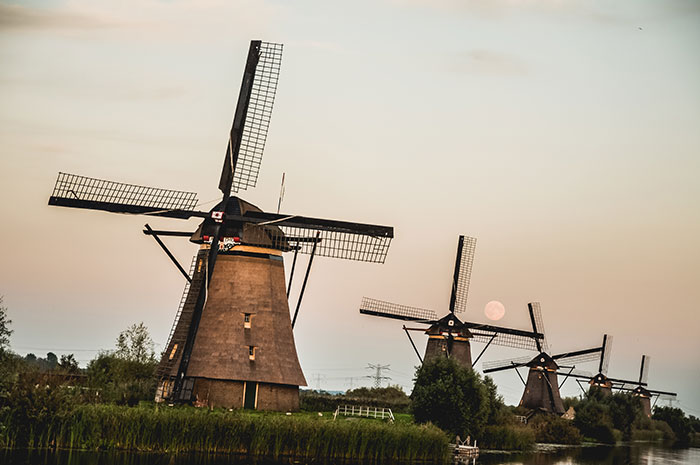 Some people do still think historical windmills are more prevalent and wooden shoes are in every household.
Edit: added historical to windmills. Because yes, the modern electricity producing ones are around a lot :p.
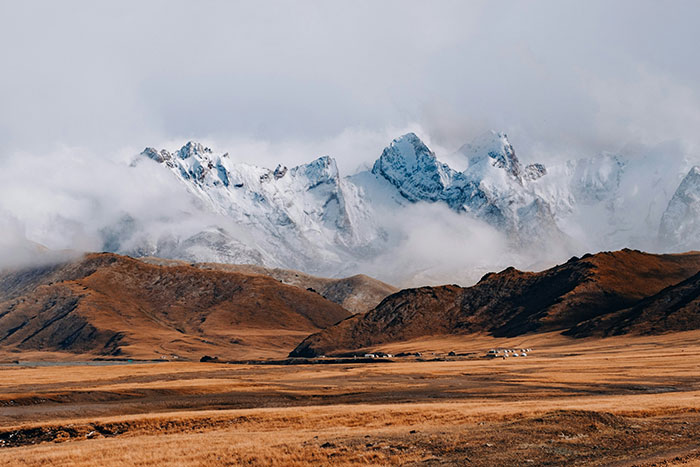 As I usually say when similar questions come up. While we do have a history of nomadism, it no longer exists in full, as the Soviet Union collectivised all nomads in this region. Seasonal nomadism in the summer is rare but happens in a few mountain pastures. So you won't see tons of yurts everywhere like in the steppes of Mongolia, you'll see villages with animal husbandry and agriculture.
The only fully nomadic Kyrgyz left are in the Wakhan Corridor of Afghanistan.

I honestly never thought about kyrgyztan my entire life, let alone stereotypes 😬
“We live close to each other, we work close to each other, and our lives are deeply connected,” Rakesh explains. Space may be limited, but relationships are not. He says visitors are often struck by how much cooperation exists in such a crowded environment. “People help each other out here,” he says simply. From shared workspaces to shared meals, daily life is built on collaboration. It’s a side of Dharavi that rarely makes headlines.
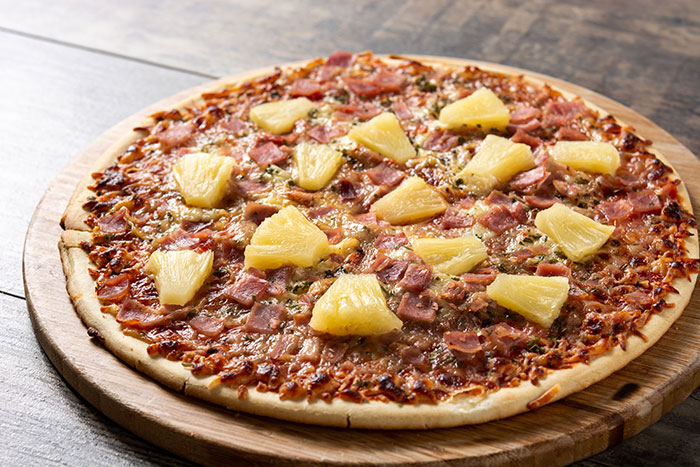 That we not have pizza with pineapple. There are some pizzeria that made this pizzas (not so common but exists), and people who eats it (not foreigners).

Fun fact: in South Africa a pizza with pineapple is called an Hawaiian pizza!
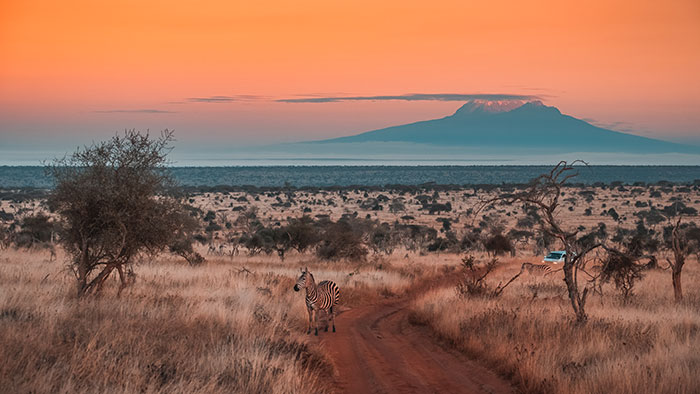 Having wildlife as pets.
Also: TIGERS ARE NOT INDIGENOUS TO AFRICA. You might see them in zoos or places that do 'rewilding' rescues or on some private holdings. But you will not see tigers "in the wild" here. (About two years ago, two tigers escaped from private smallholdings within a week of each other. Those were fun headlines.)
 People who look like models. Don't know why people seem to think that's common, but I've heard that people legit believe like all Swedes look perfect. It's weird imo. We're just humans.

Because only super good looking mostly talentless women moved to L.A and tried to make it in hollywood. We even have a show called Swedish hollywood wives with above said type of woman that didn’t make it as actresses but married some rich guy. Its complete and utter trash tv on the level of The Kardashians. My bestie is related to the absolute worst of them all Gunilla Persson.
Rakesh also mentions how pop culture shaped many assumptions. “After Slumdog Millionaire became popular, a lot of people came here expecting only misery,” he says. “They wanted to see poverty the way it was shown in the movie.” What they find instead often surprises them. “Yes, there are challenges,” he acknowledges, “but there’s also creativity, entrepreneurship, and resilience.” He concludes by saying Dharavi is not just a symbol of hardship—it’s a living, breathing community full of innovation and life.
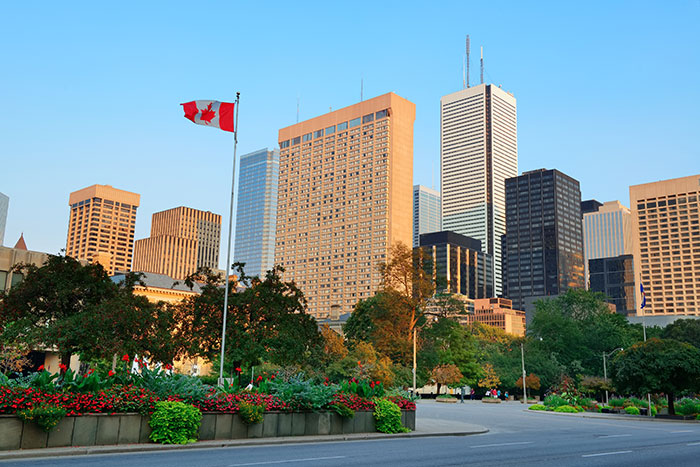 It’s actually very hot here during the summer.
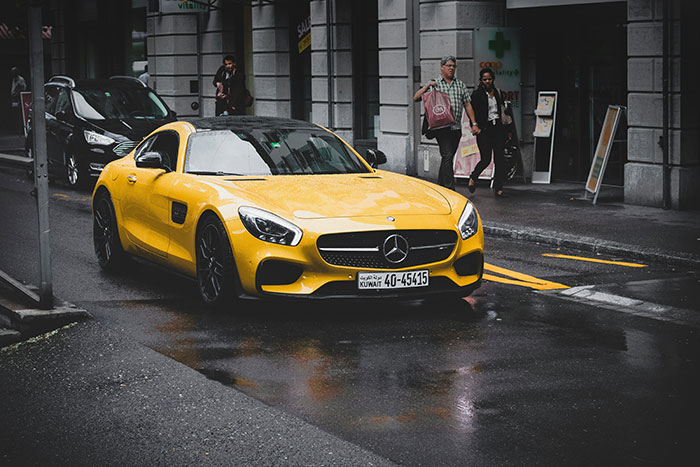 People believe there's no poor people in Switzerland an that we're all filthy rich...
In Switzerland, around 8 % of the population is currently below the national poverty line, and roughly 16–20 % are considered at risk of or near poverty. Only 16% of people are rich. There are so many ridiculous fantasies about Switzerland that it makes my blood boil. Health insurance and rent eats up 40% of our salaries.
It’s always refreshing to hear directly from locals about what life is really like in their country. Posts like these cut through the myths and show us the reality behind the stereotypes we often believe. From surprising cultural truths to everyday details outsiders rarely notice, these perspectives offer a whole new way of seeing the world. Which one of these myths shocked you the most or caught you off guard?
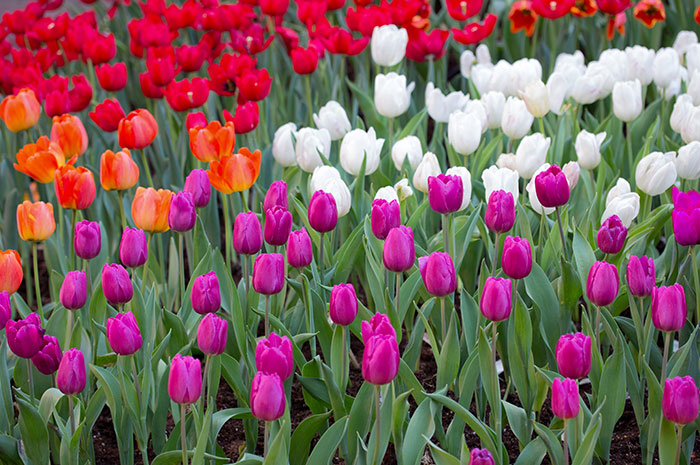 Tulips. It is a seasonal crop so when they come to us in summer and ask where they are we say come back next spring. And they are only very common in the Westland not everywhere else.
 Waffles, everyone seems to think our main sustenance is waffles. Most people I know rarely eat them.
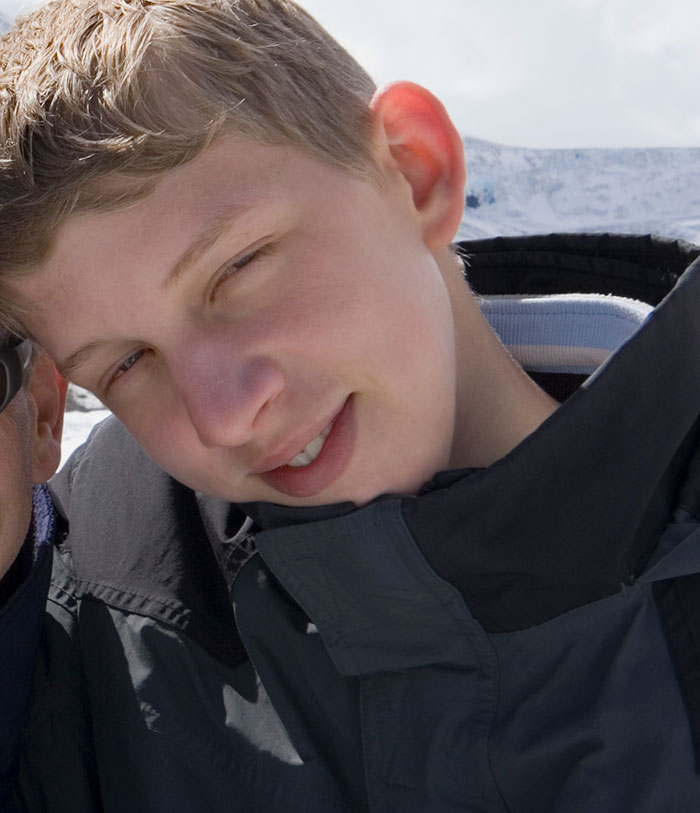 Drinking.
In my experience the stereotype is outdated and normal Finns, at least younger generations, don't drink more than people from other countries.
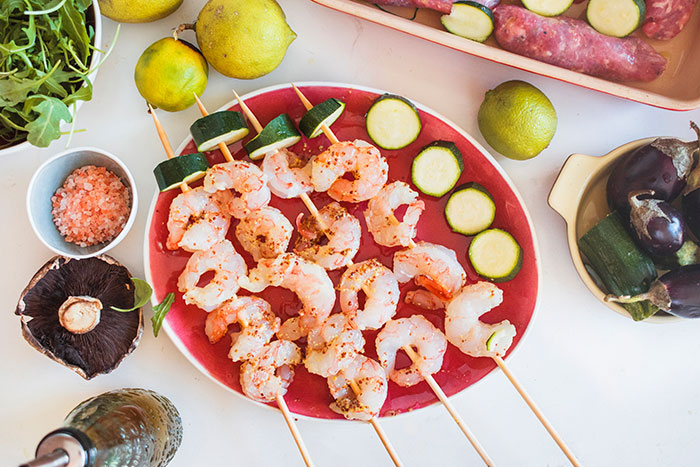 Shrimp on Barbies.. exactly 0.

Prawns. They're prawns. And we're going to eat a cra.ptonne of them at Xmas :)
 Not everyone in Japan is an anime or manga otaku. In fact, they are so widespread that there is hardly anyone who hasn't seen or read them, but the people who follow the popular works today are those who make it their hobby.

*deep breath because scared*
We aren't always rule enforcing to a fault. Most prominently, people jaywalk and our gov...doesn't seem to bat an eye.
Wow! You rebels! Yes, it is very regulated in Singapore. Drop a cigarette bůtt and fined (sic) out.
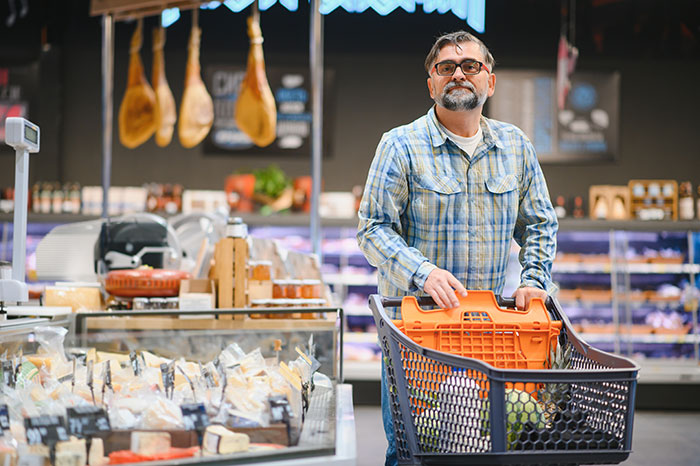 Bagged milk: it is completely non existent in most provinces/territories of Canada. I myself have never seen it in person.
Most stereotypes that pertain to Canada come from the eastern half, but said stereotypes feel mostly irrelevant to the rest of us elsewhere lol.
Um there are 5 brands at my local shoppers d**g in Toronto. Or up north or I've seen them at a local mom and pop variety in Calgary.
 People dont use Nokia 3310 amymore.
 Being hot like Kdrama actors.

Might just be personal taste, but I don't find any of the people in the picture hot. Good-looking, sure. Hot, no.
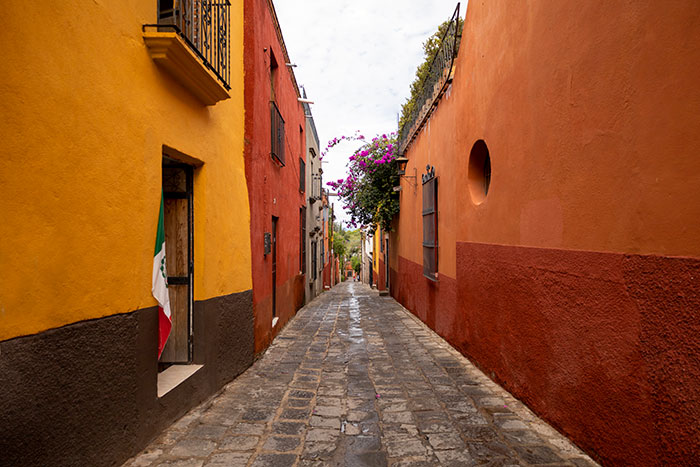 Cartels.
Lots of people (including Mexicans) seem to believe cartel members are all over the place.
In reality 99% of Mexicans will never cross paths with them, I would even say it's more likely for a foreigner to do so (for a reason).
This is true even in "cartel heavy" regions.
The avocado farmers arming themselves to stop the cartels from trying to scare them away from avocado farming so they can reap the avocado business? Hanging bodies from bridges as a demonstration of what they do to people against them? Being deeply embedded and woven into government?
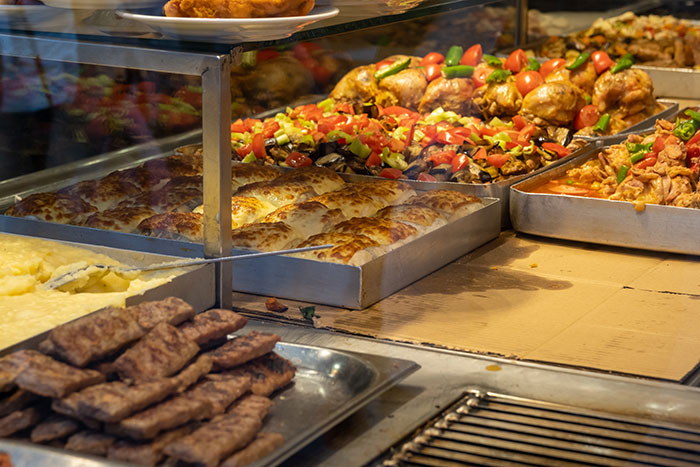 All-you-can-eat buffets. Perhaps this is a regional thing, but I live in a mid tier city in the Northeast and I can't think of any nearby (?).

Most buffets have died out. I remember going to them a lot as a kid. Golden Corral might be the only buffet style restaurant left.
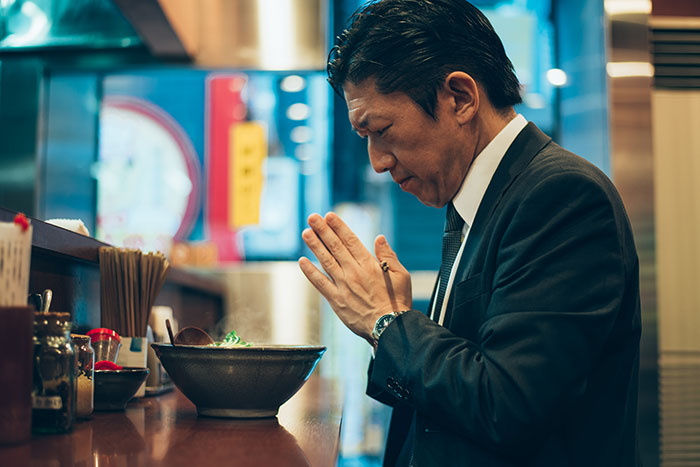 Doing this when you start a meal 🙏.
 Eating dog. Most Chinese people don’t eat it at all. It’s only a tiny portion of people, mainly in parts of Guangxi province, who do. And those dogs are raised specifically as meat dogs for consumption.
It's horrible and made more disgusting witbthe phrase raised specifically as meat dogs for consumption.
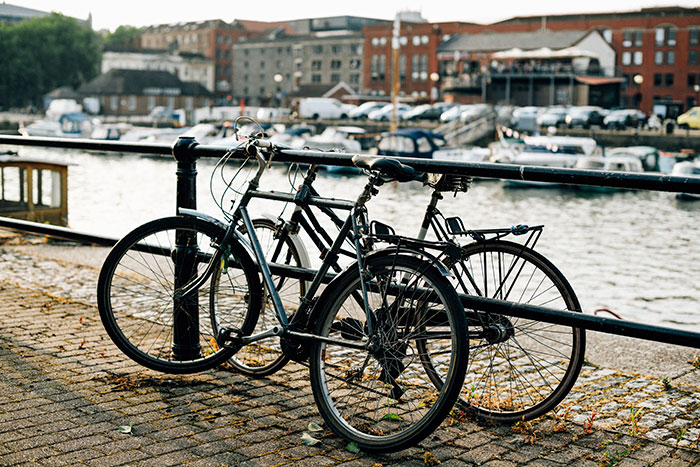 Bikes
Bikes
Yes they are common but no they are not that common. There are, as weird as it might seem, people in the Netherlands who never ride bikes and also a few who only ride bikes occasionally.
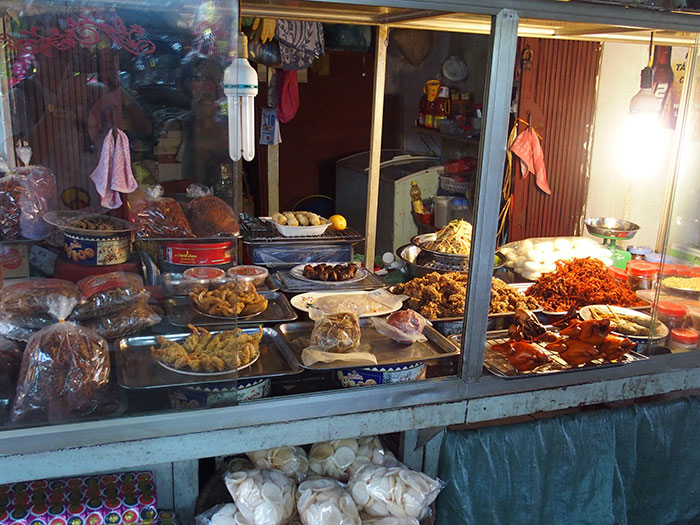 Eating from those dirty stalls, trust me it isn't common, lol there's a reason those are so cheap it's because barely anyone buys.
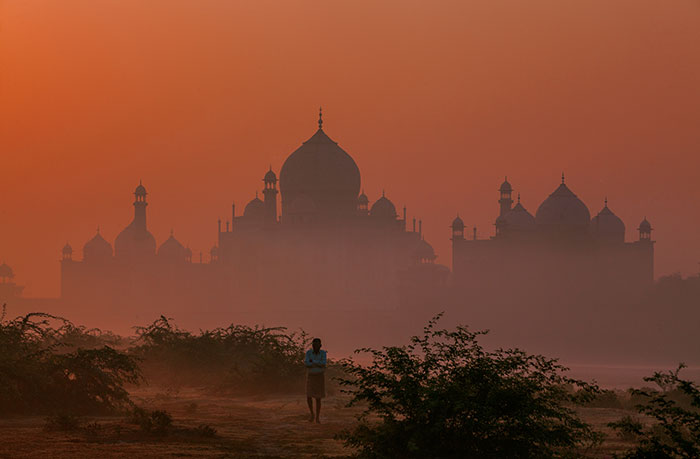 I've never been scammed, never consumed unhygienic food, and never seen anyone ever relieving themselves outdoors. Contrary to what many of you believe/ ragebait on social media highlights, these things aren't the norm but absolute exceptions.
Well, I've spent many months in India, on several different occasions. I can tell you that it's all true. Sorry to burst your bubble.

It makes me sad that Canadians don't put maple syrup on everything and all Swiss people don't have cuckoo clocks.

It makes me sad that Canadians don't put maple syrup on everything and all Swiss people don't have cuckoo clocks.



























 No fees, cancel anytime