Get Premium
Dark mode theme is available exclusively for premium users. Learn more about the benefits of subscribing.
No fees, cancel anytime.

 Dark Mode Ad-Free Browsing Unlimited Content
 Ad-Free Browsing Unlimited Content Dark Mode
Join 1.2 million Panda readers who get the best art, memes, and fun stories every week!


Despite what it can sometimes feel like in a dull classroom, history is a lot more than just “random” dates and dead people. It shaped and continues to shape the world around us. Through the things our ancestors left behind, it can be a lot easier to see just how similar they were to us.
The “Museum of Artifacts” page shares interesting and cool items from history. We got in touch with the page’s creation and administrator to learn more. So get comfortable as you scroll through, upvote your favorites and be sure to comment your thoughts below.
More info: Facebook | Instagram | TheTravelBible
This post may include affiliate links.
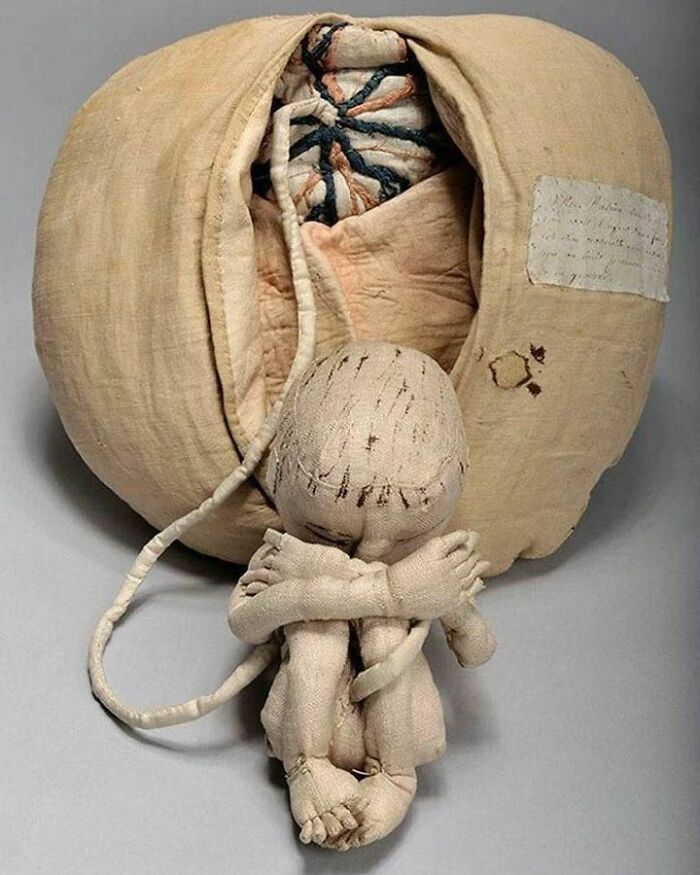
From 1760 to 1783, she traveled all over France, visiting poor rural women and sharing her extensive knowledge with them. It is estimated that she trained some 10,000 women.
Du Coudray also invented the first lifesize obstetrical mannequin, for practicing mock births, and published a well-received midwifery textbook

That's amazing! Most women at that time did not receive education about how their bodies birthed a baby, so this probably saved many lives by giving towns properly-trained midwives.
Bored Panda got in touch with the admin and creator of “Museum of Artifacts” and they were kind enough to answer some of our questions. Naturally, we wanted to hear the history behind the page itself.
“So a museum of artifacts was created 9 years ago, first on Facebook and Tumblr. As a history freak I found there is no place where you can find artifacts. So I started to post and then, quickly the community grew so much. There are hundreds of thousands of people who love history but not only in the books.”

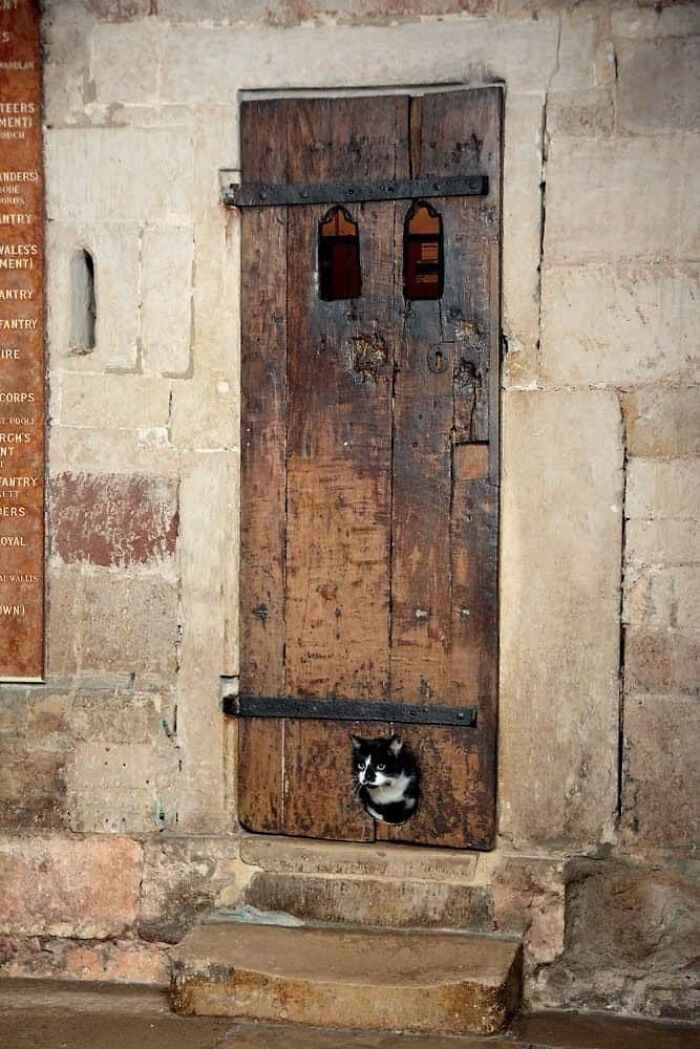
Is that cat flap intentional or did 700 years worth of cats just claw their way through that door?
The page has gotten quite large and now also includes a separate blog, the aforementioned Facebook page and an Instagram account. So we wanted to hear the admins' thoughts on what actually made it so wildly popular. “When you see a small amber bear that was made 5k years ago, when you see carbonized bread from Pompeii or a dinosaur skeleton that was folded in a super funny way you can imagine that those people were just like us.”

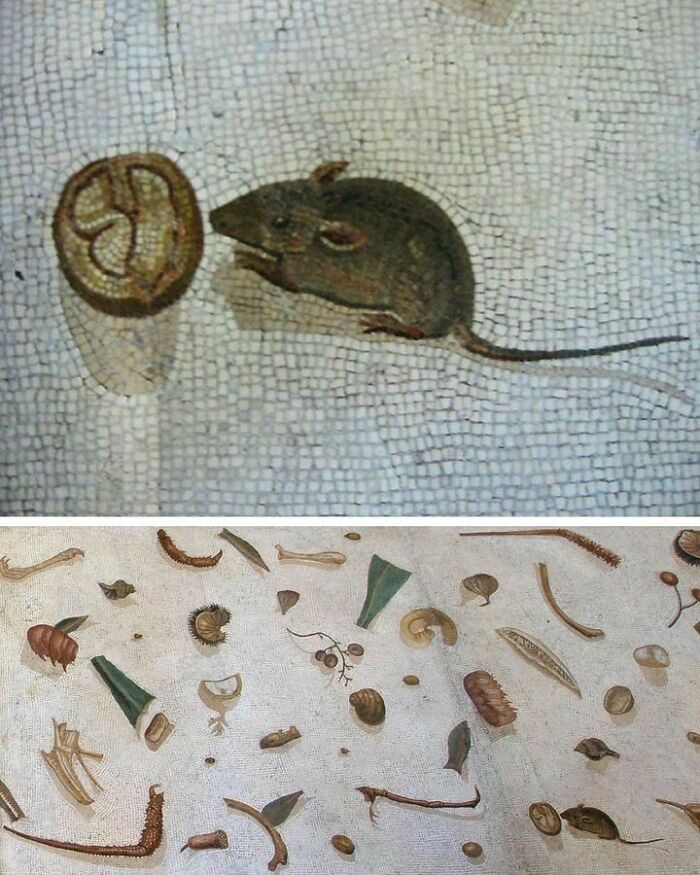
I've seen the mouse before, but I've never seen the whole thing! The details are incredible.

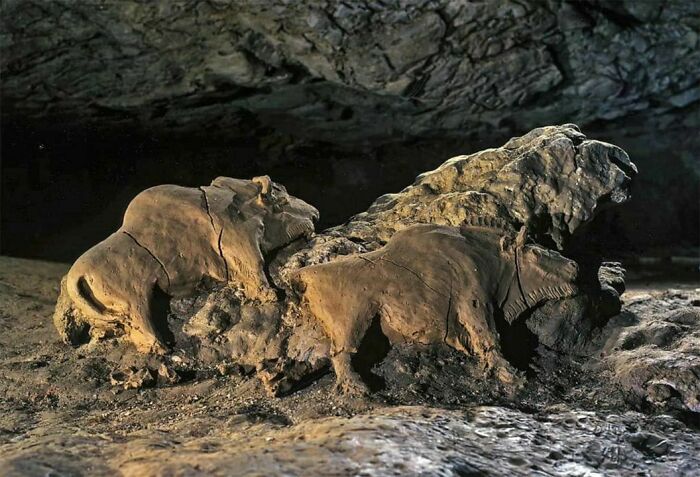
These are so well carved. Especially considering that in a cave, there wouldn't have been any natural light.
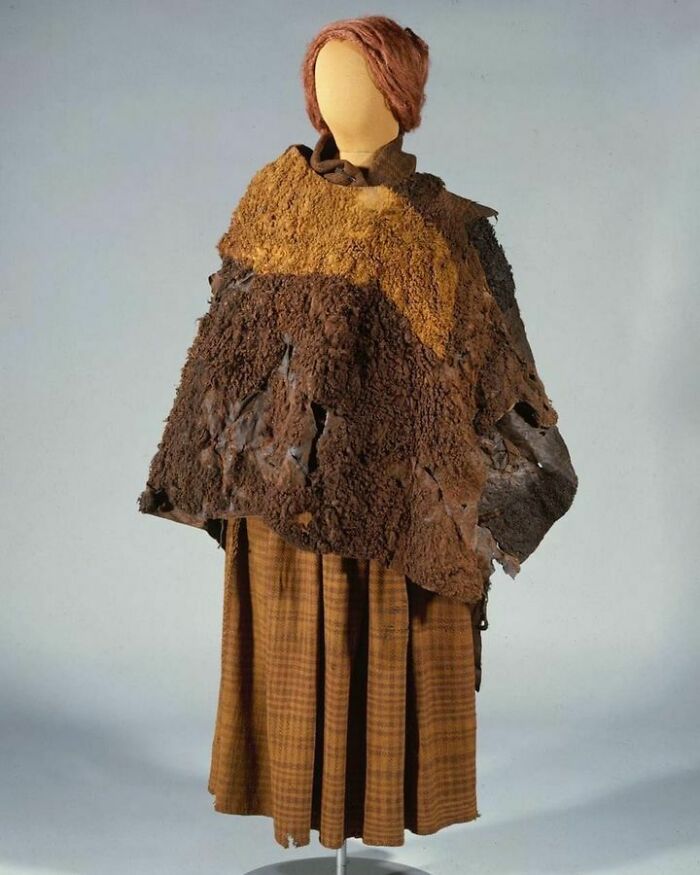
It consists of a checked woollen skirt, a checked woollen scarf and two skin capes. Now on display at the National Museum of Denmark
The skirt is incredibly well preserved. It looks slightly worn, but not very old
“They love to see and share objects, sometimes truly amazing, that were part of someone’s lives thousands of years ago,” they shared. We wanted to know how finding things to post worked from the admin side. “Museum of Artifacts is run by one person alone, non profit, never posted a single ad or referral.” Pages like this have the added benefit of making parts of history more accessible to the general public.

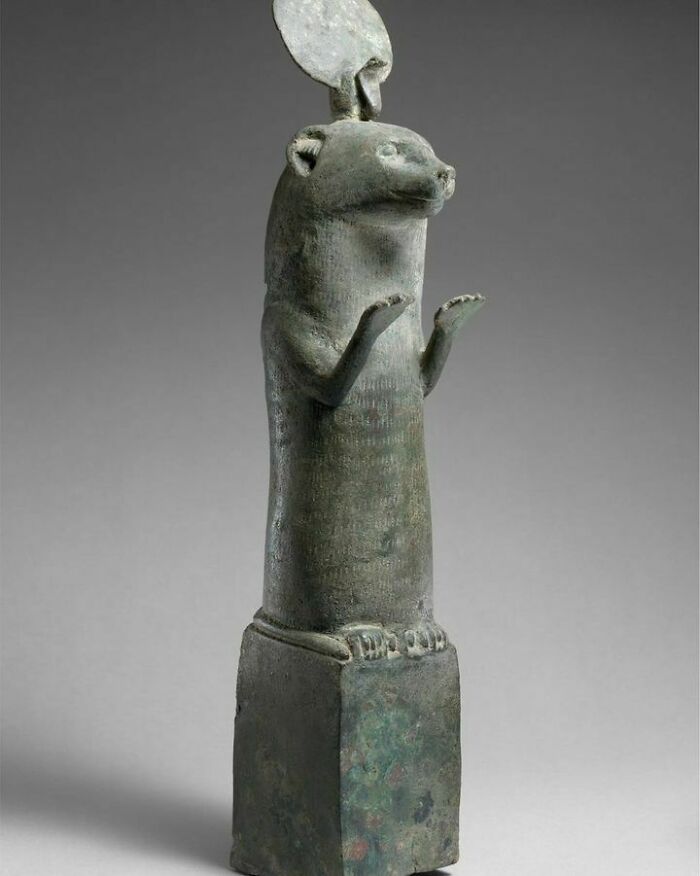
Dating to c. 640 - 30 BCE, it depicts a bronze otter on its hindlegs, forepaws raised in praise of the sun. The solar disc of Ra rests upon its head.

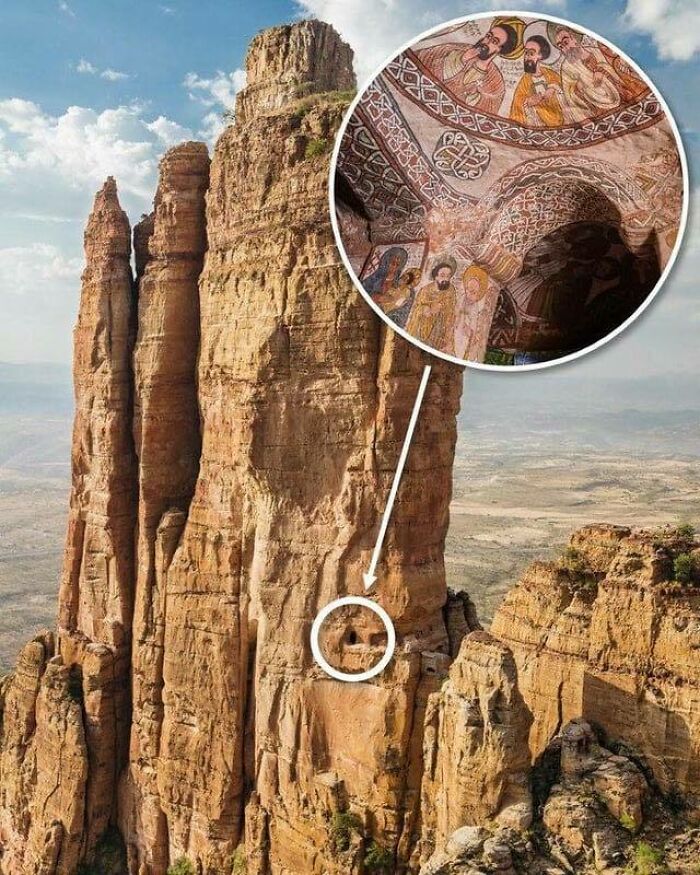
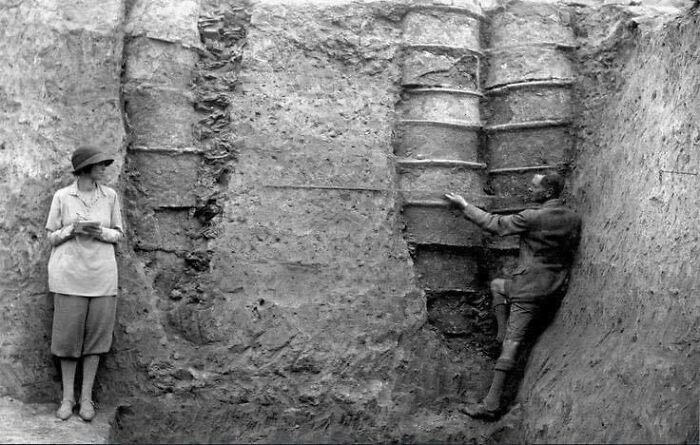
they didn't even do this at the top? I'm guessing someone was climbing this sucker and got to this point and said, "f**k it. Let's just do it here".
Given the sheer amount of content the page shares, we also wondered if they had any favorites. “Toys or doodles made by kids a long time ago amazes us. And there are still more questions like Gobekli Tepe, in which we still don’t know much about our past, which was complex and advanced.”
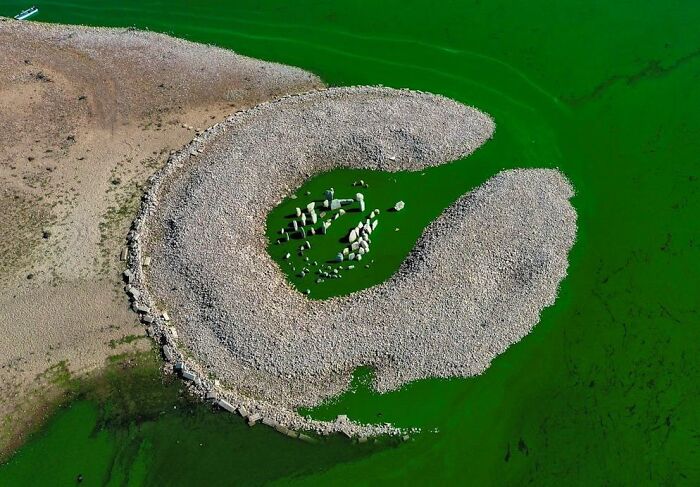
The "Spanish Stonehenge" is about 7,000 years old, some 2,000 years older than Stonehenge itself.

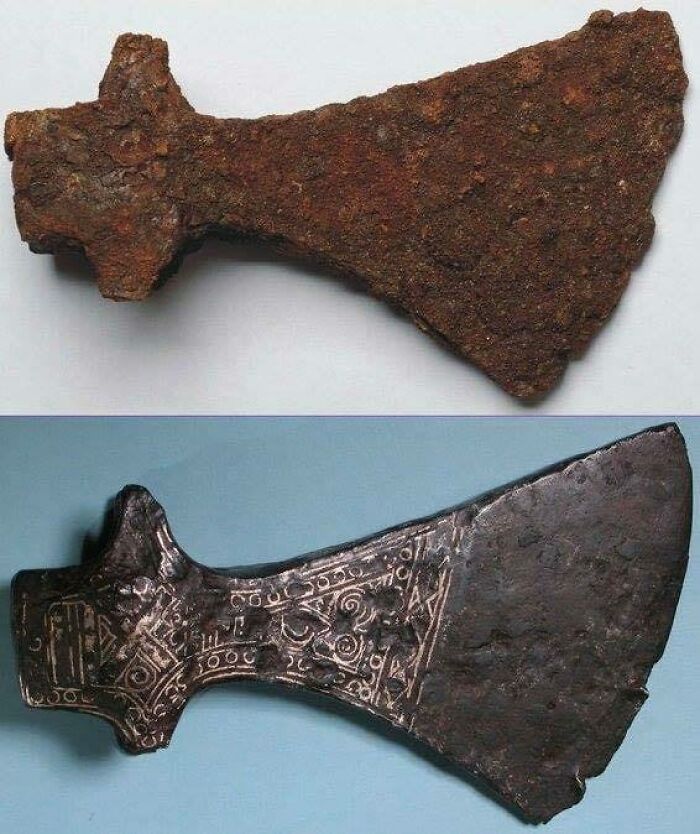
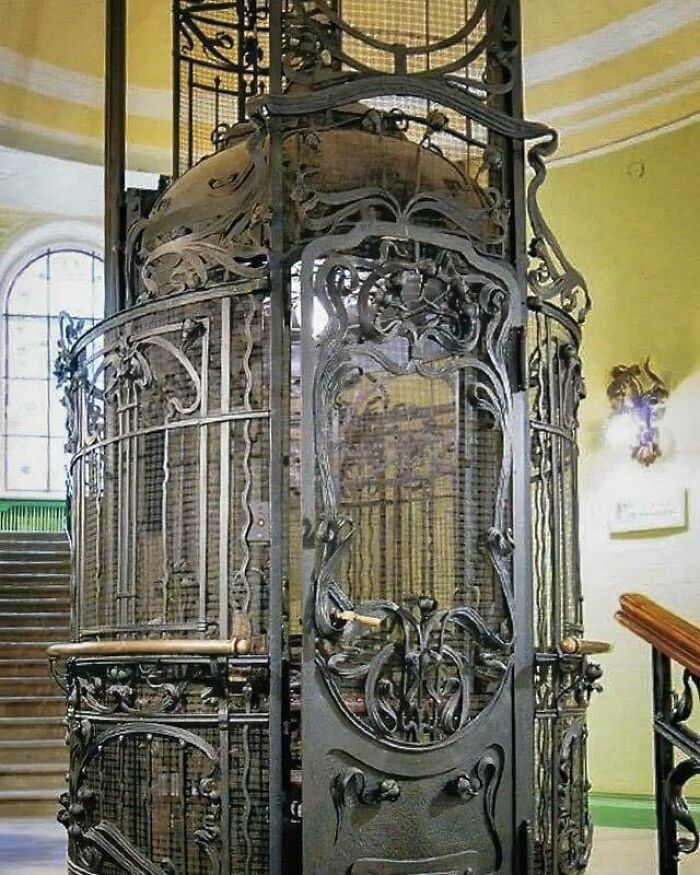
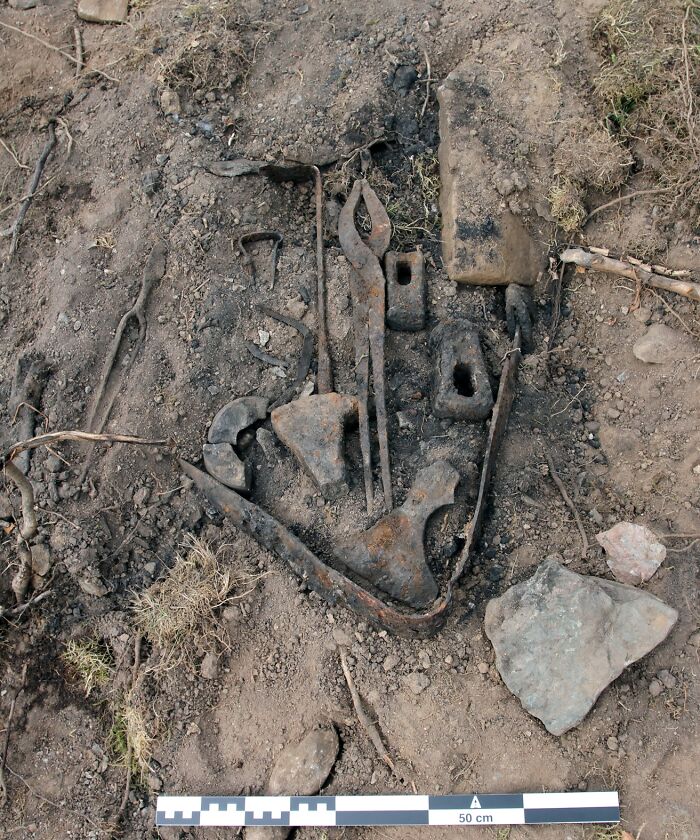
Just checked Google, and it looks like no one is yet selling a replica of this. Good opportunity for someone who likes metalworking. I know I'd buy one!
These dwellings, which are about 15,000 years old, are some of the oldest shelters known to have been constructed by pre-historic man.
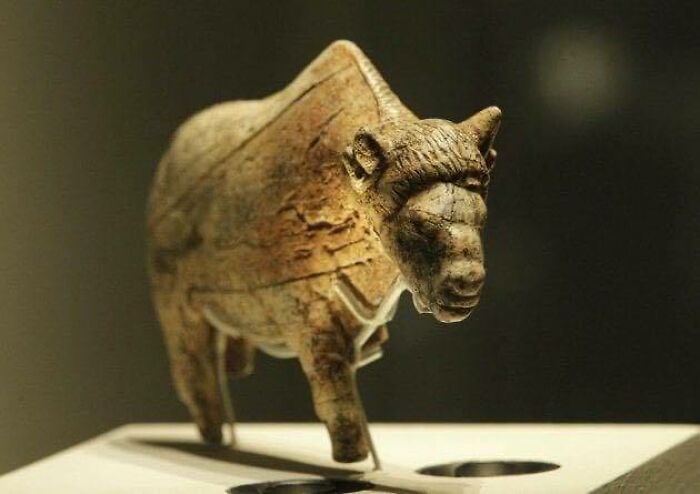
The admin shared a person's favorite, old bison sculptures found in Le Tuc d'Audoubert cave, in Ariege, France. “14k years ago and such artistic talent,” they shared with Bored Panda. So be sure to give them a follow. You can find more on their Facebook page, Instagram and other sites.
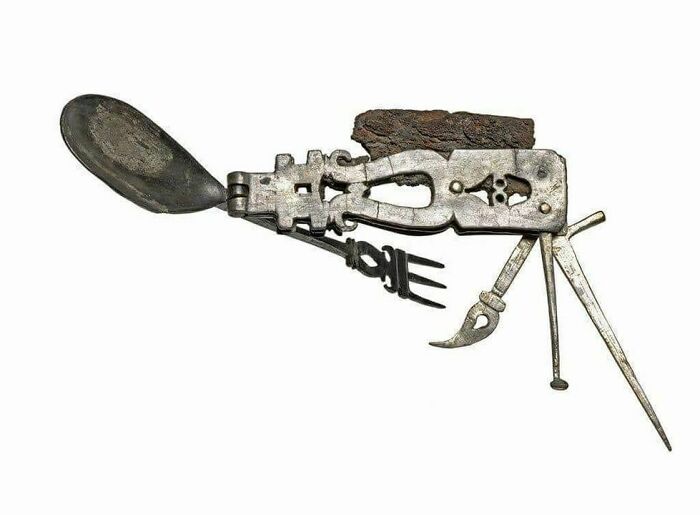
This folding eating gadget has a three-pronged fork, a spoon,a spatula,a pick, a spike and an iron knife that has eroded away. There is a hinge to allow each item to be folded out when it was needed, or folded away for ease of transporting it.
The spike might of helped in extracting the meat from snails, and the spatula in scraping sauce out of narrow-necked bottles. Some have even suggested the pick with the tiny spoon on the end could have been used to remove earwax.

I wonder how, in the future, this became a "Swiss" army knife?
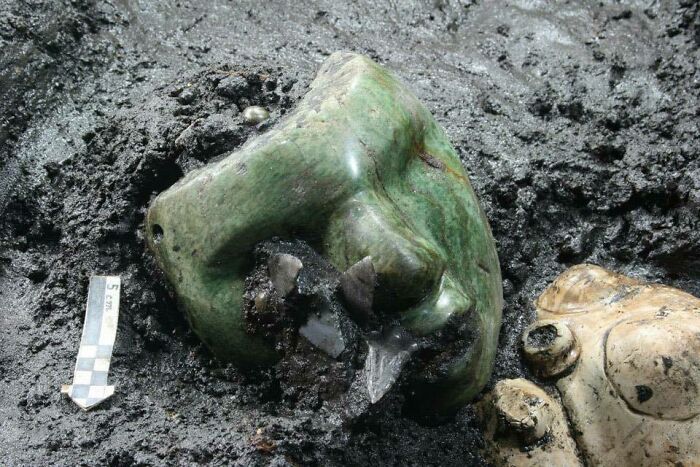
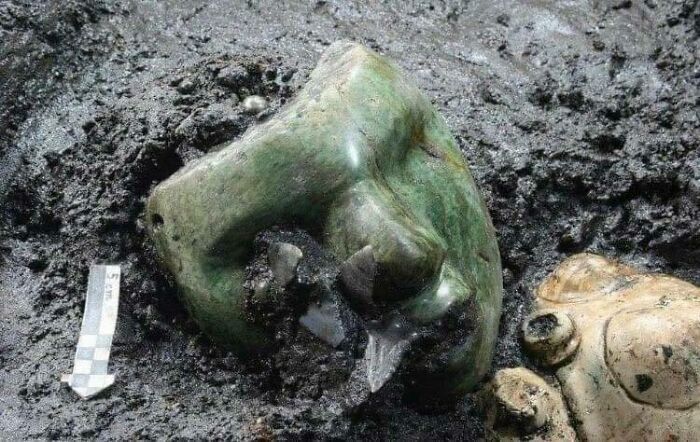
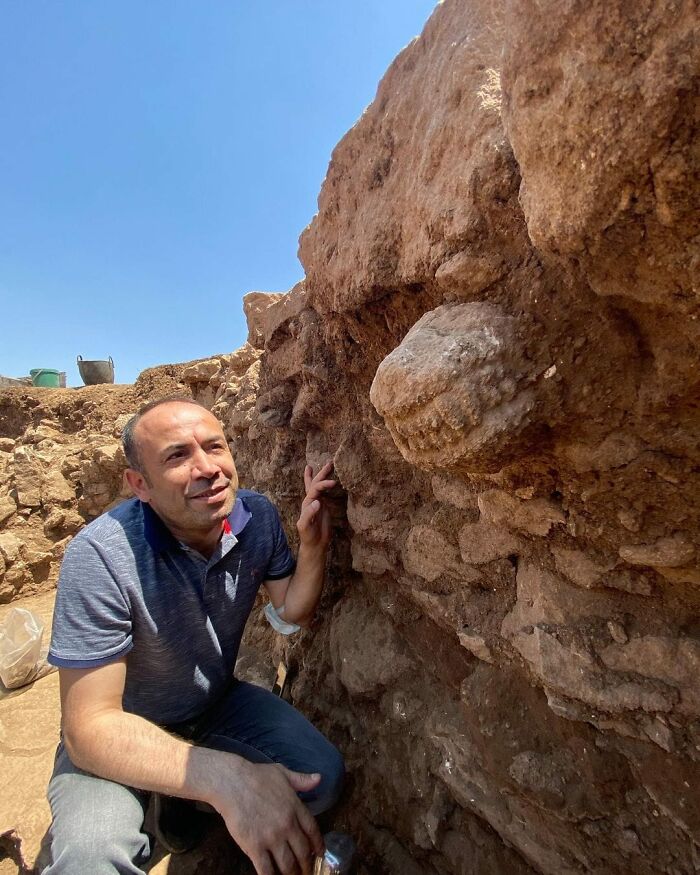
It's believed that these offerings were left as part of a ritual to inaugurate the construction of the pyramid, hence its location at the lower level. The mask itself is extremely lifelike, which gave rise to the theory that it's actually a portrait. This would be incredible, as archaeologists have little information about the people who constructed Teotihuacan. There are also conflicting theories about the exact use of the pyramid. Even the name isn't original.
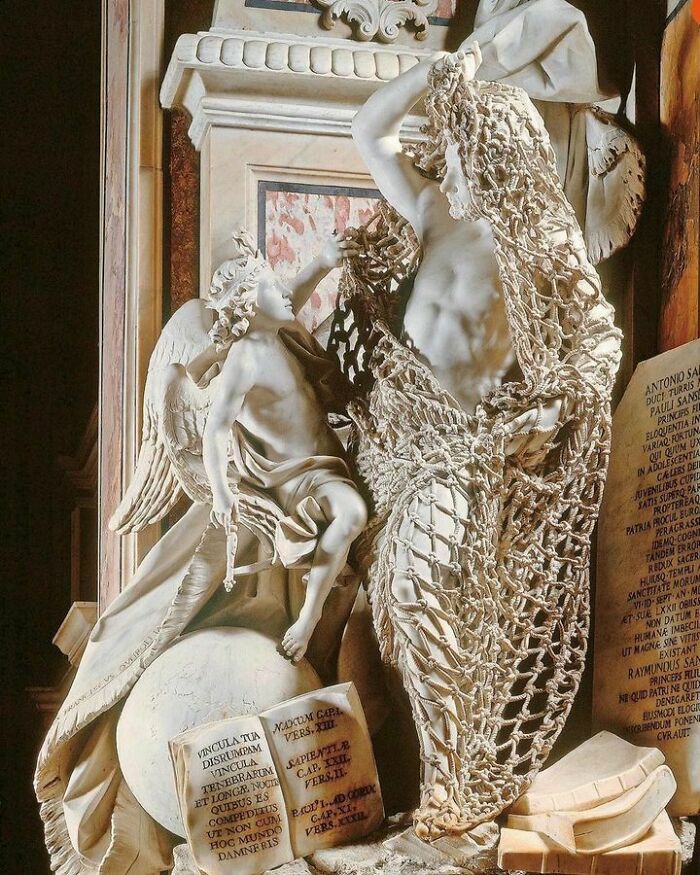
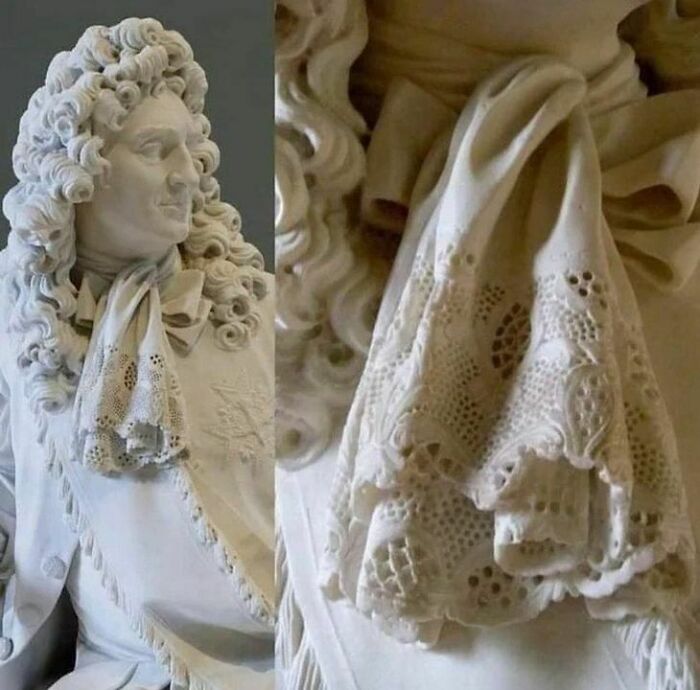
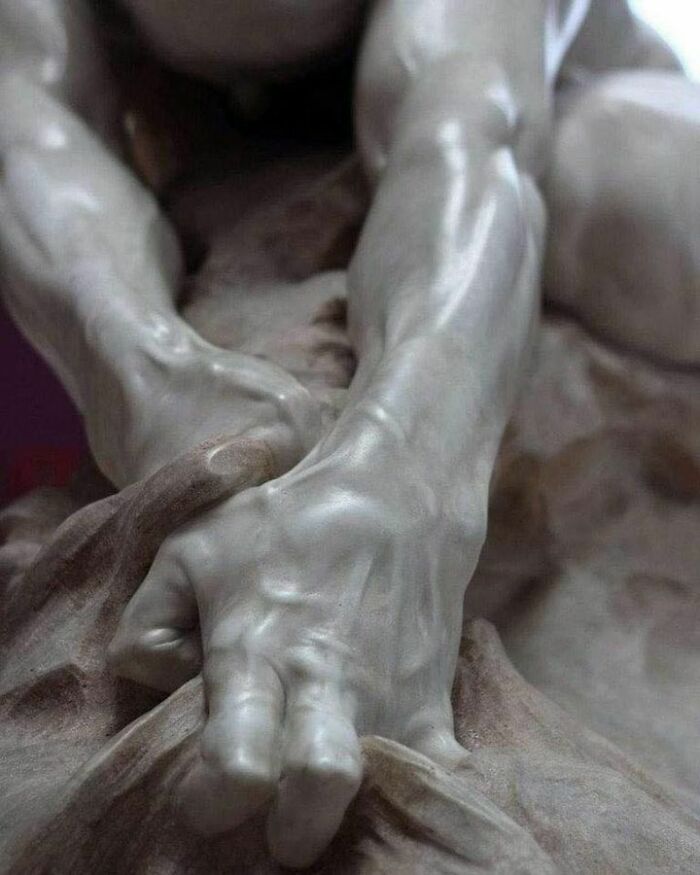
The statue was commissioned as a posthumous tribute to the Duke of Montausier, Charles de Sainte-Maure. The nobleman was one of the guardians of the Great Dauphin of France, Louis, son and heir of the Sun King, Louis XIV.
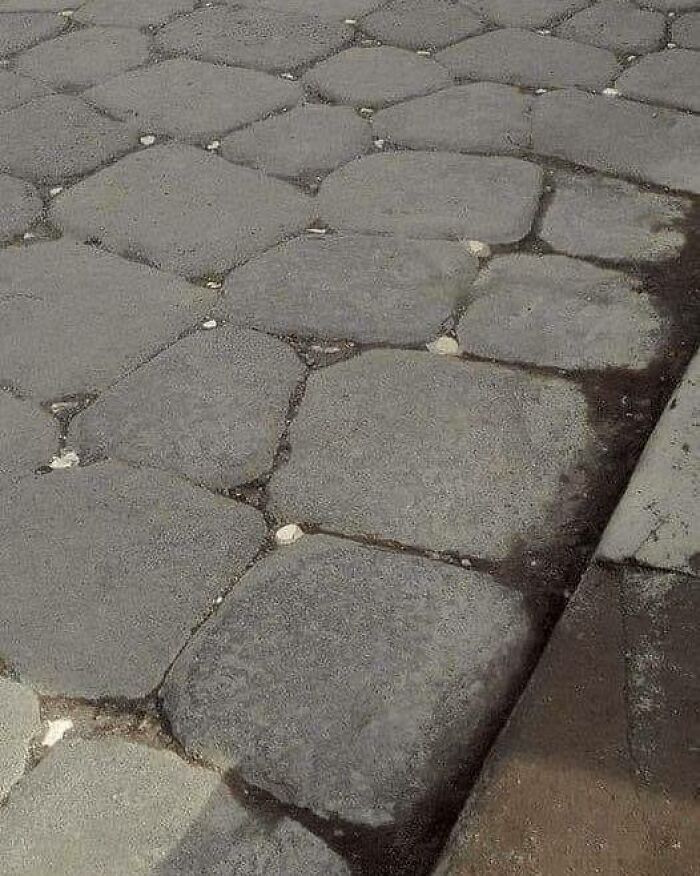
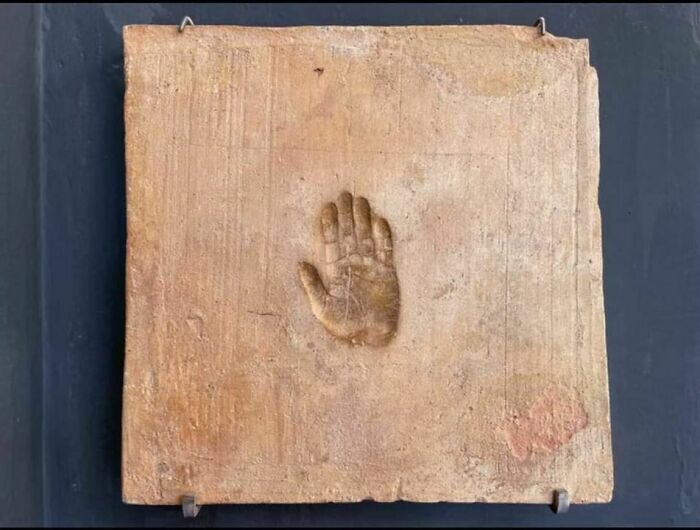
The handprint is seemingly that of a large Roman man, who pressed his hand into the brick as it lay out to dry before firing. Closer inspection reveals the fingerprints and skin textures of the man.
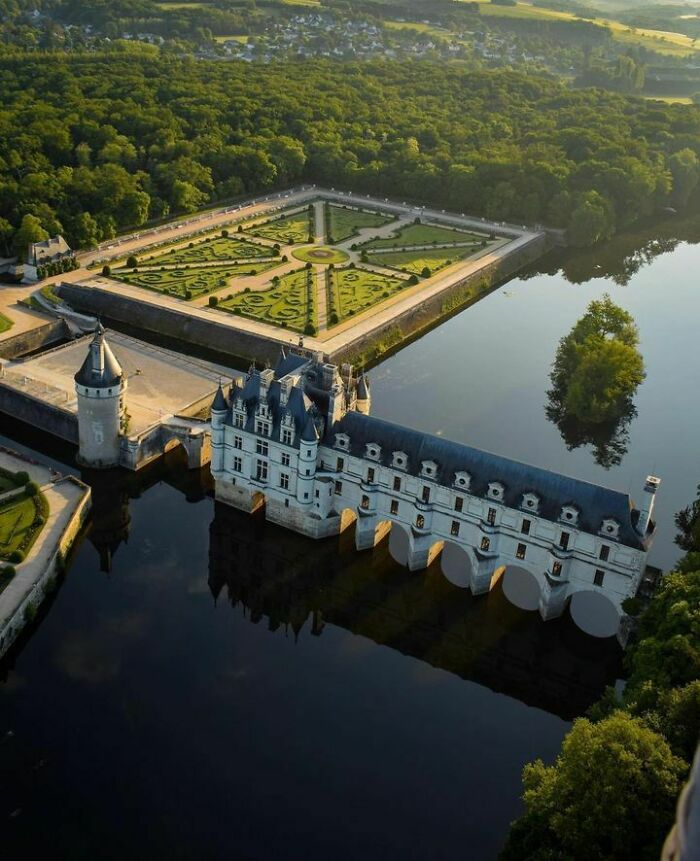
Arguably one of the most impressive inhabited bridges still in existence, the present-day structure, dating back to the 16th century, was constructed upon an arched bridge spanning the Cher River. This unique design allowed the owner to access the hunting grounds located on the opposite side of the river.
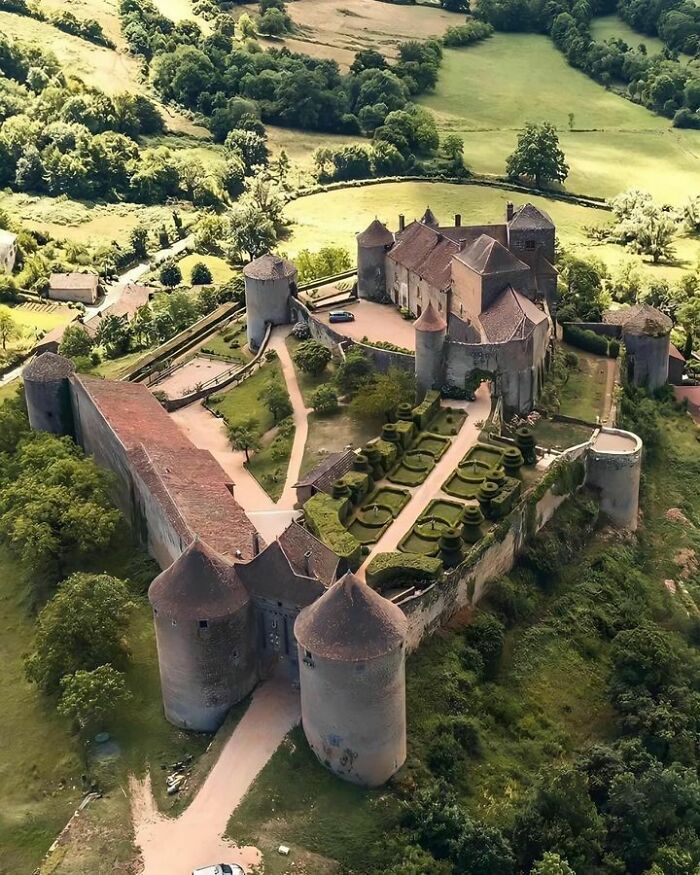
It is called the Ladies' Castle, because it was owned (almost) entirely by noble ladies.

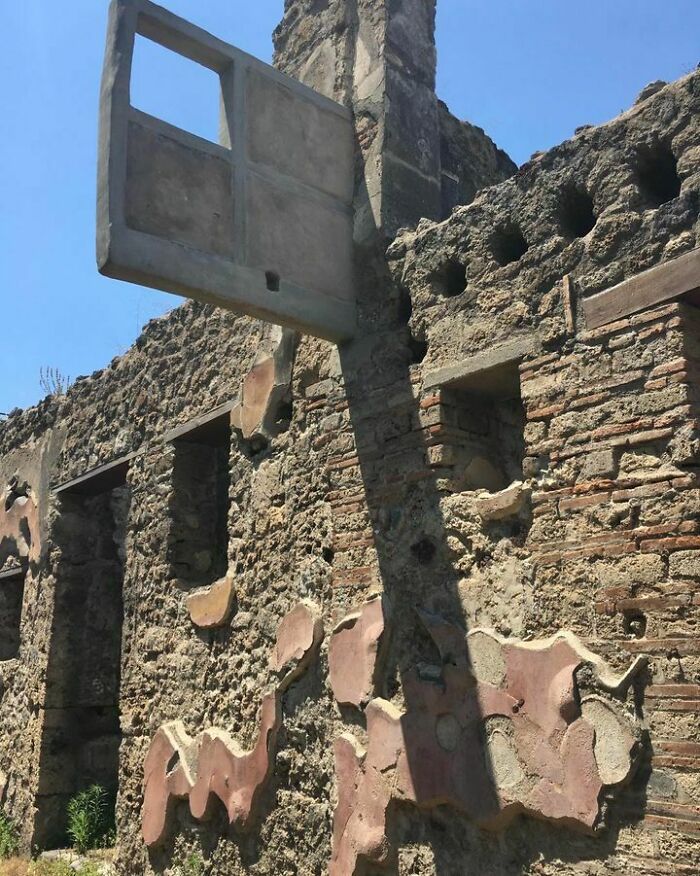
Something that tricks a lot of people into thinking these ruins are very old is is that they look similar -for shape, materials and preservation status- to the bronze age settlements found throughout Europe. In fact, this was created much, much later. About 3000 years later, in the 15th century. As a comparison, the Great Mosque of Cordoba had been completed over four centuries before, many noble palaces in Florence were already in use since 2-3 centuries and the Tower of London had already seen four major rebuildings and had been the scene of a few prominent royal murders.

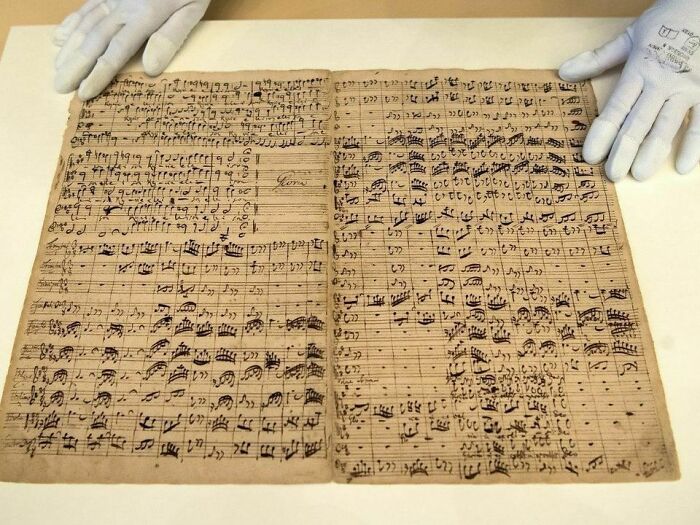
The Mass in B minor (completed in 1749) is widely regarded as one of the supreme achievements of classical music.

It’s so cool that someone’s art from TWENTY THOUSAND YEARS AGO is still identifiable.
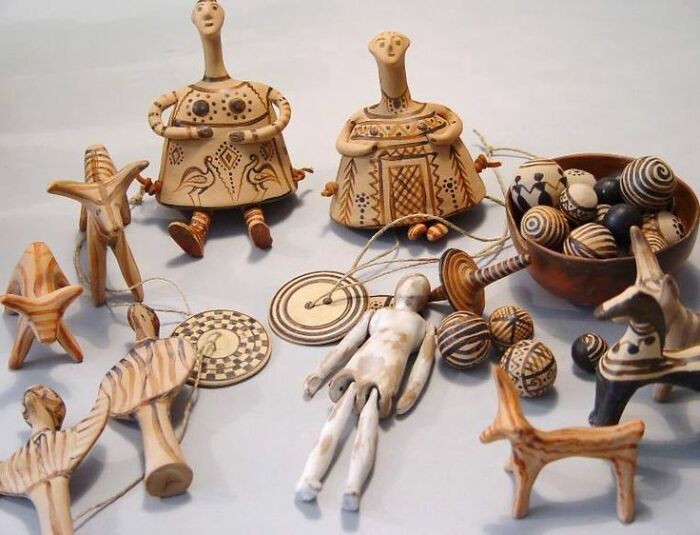
Kids of Ancient Greek times had a number of Ancient Greek toys to play with, in their leisure and free time. Some of them included- dolls, rattles, tops, swings, etc. Along with these, many other items of play have been unearthed by archaeologists. These were a key part of Ancient Greek childhood.


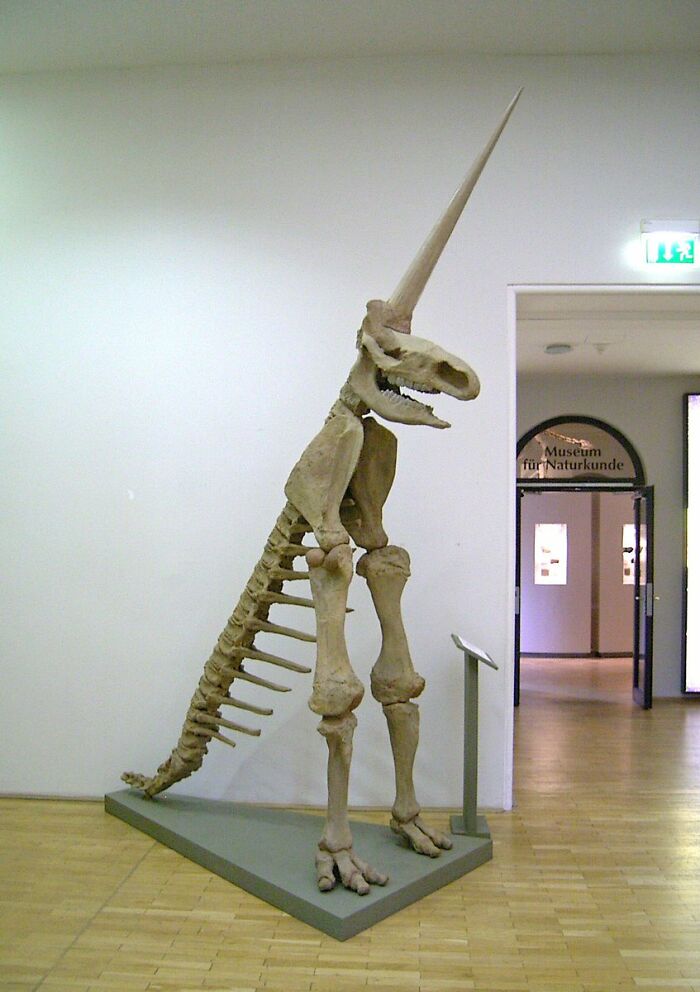
I'd love to meet the paleontologist who looked at that and went, yeah, should be right
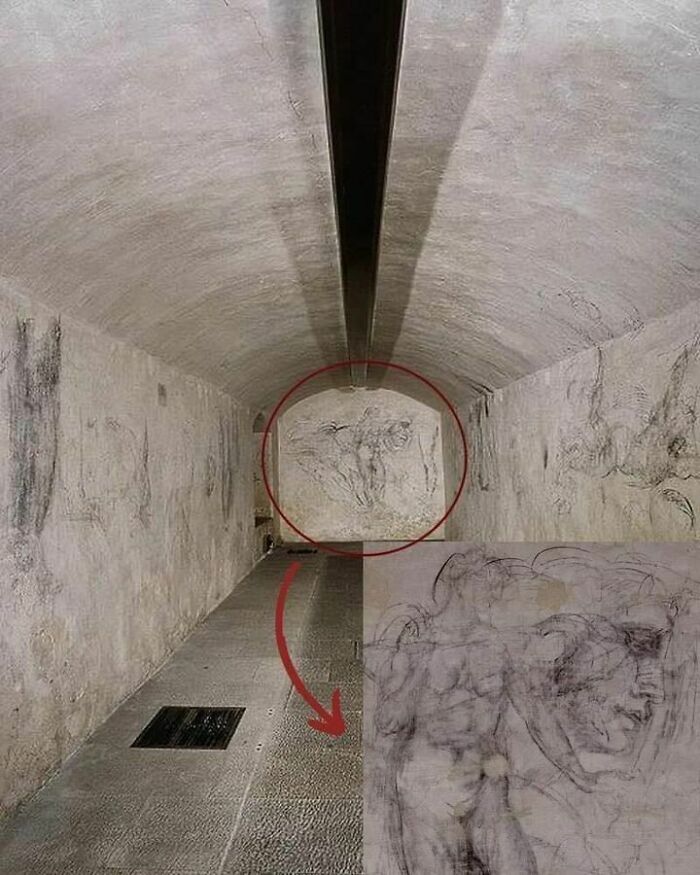
The discovery of the secret room in the 19th century sparked renewed interest in Michelangelo’s lesser-known works. Today, the room is considered a hidden gem of Renaissance art, offering a glimpse into the private world of one of history’s greatest artists and the influential patrons who supported him.
Oh, my grandfather would have loved this :) He died last year, he was an entomologist and one of his favorite pastimes was playing chess.
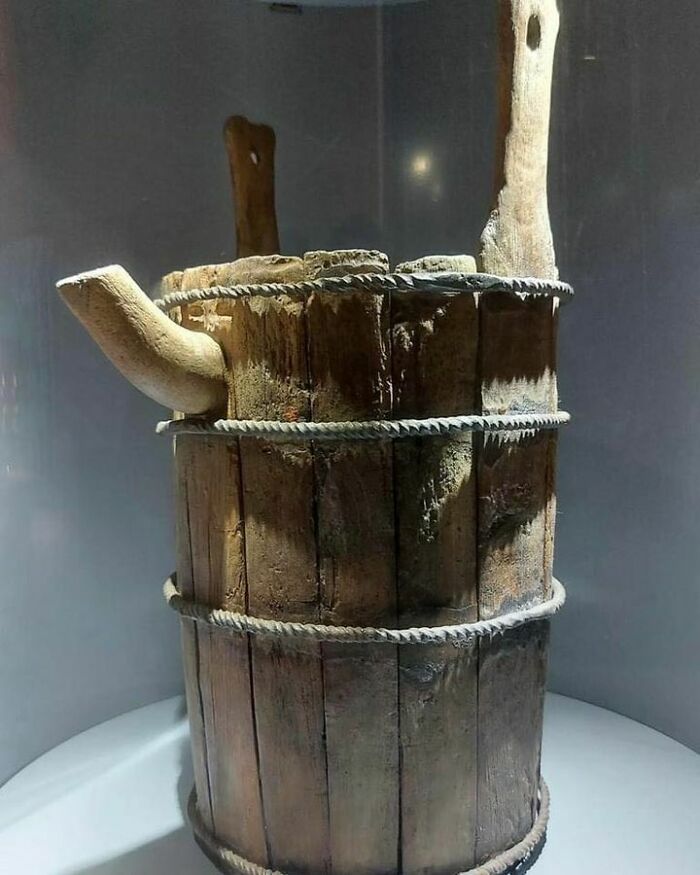
The characteristic spout allowed the liquid to be poured out easily. The object was aboard a river ship sunk 1,800 years ago on the Rhine.
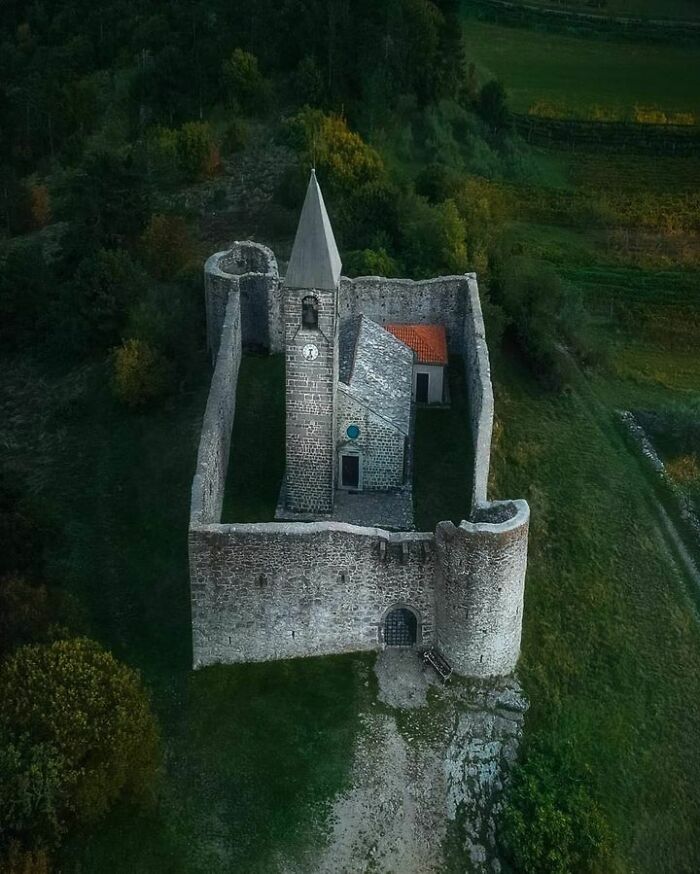
Such defensive architectures are found throughout territory settled by Slovenians and are called tabor. Church in Hrastovlje differs from all other pilgrim churches in that its bell-tower is located on western side and in that all other pilgrim churches have small wooden towers.

Welcome to the Holy Trinity Church. We welcome all God's children. Except the f*****g Turks.
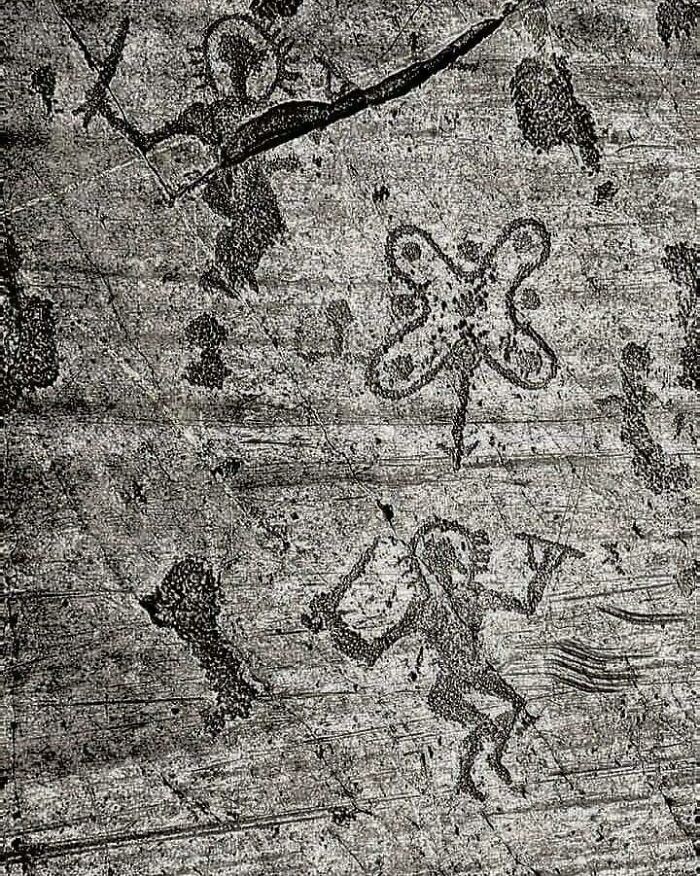
It is one of world's largest and most mysterious collections of prehistoric petroglyphs, crafted by enigmatic Camuni civilization over 10,000 years and recognized as Italy's first UNESCO World Heritage Site.
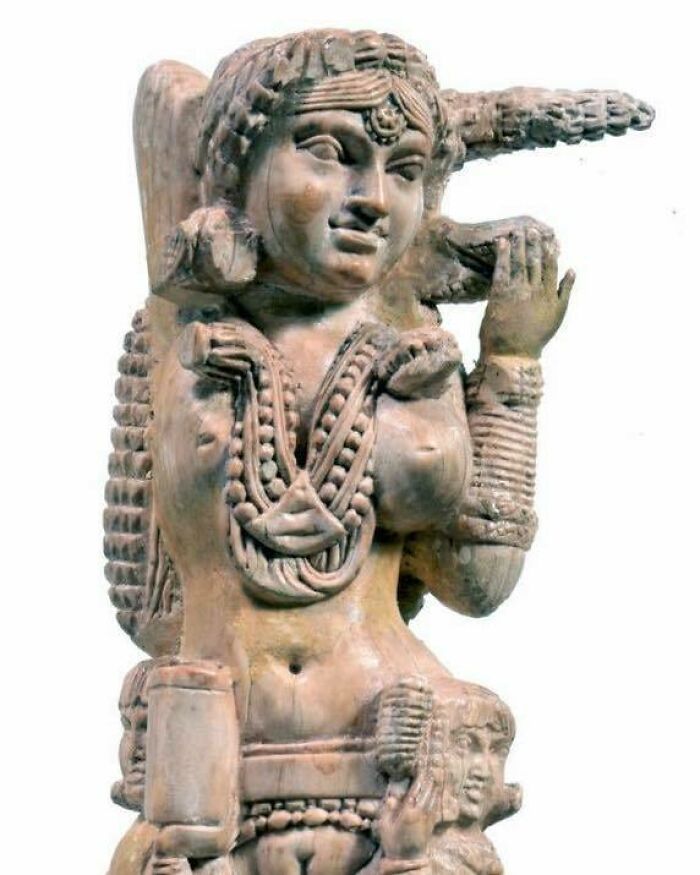
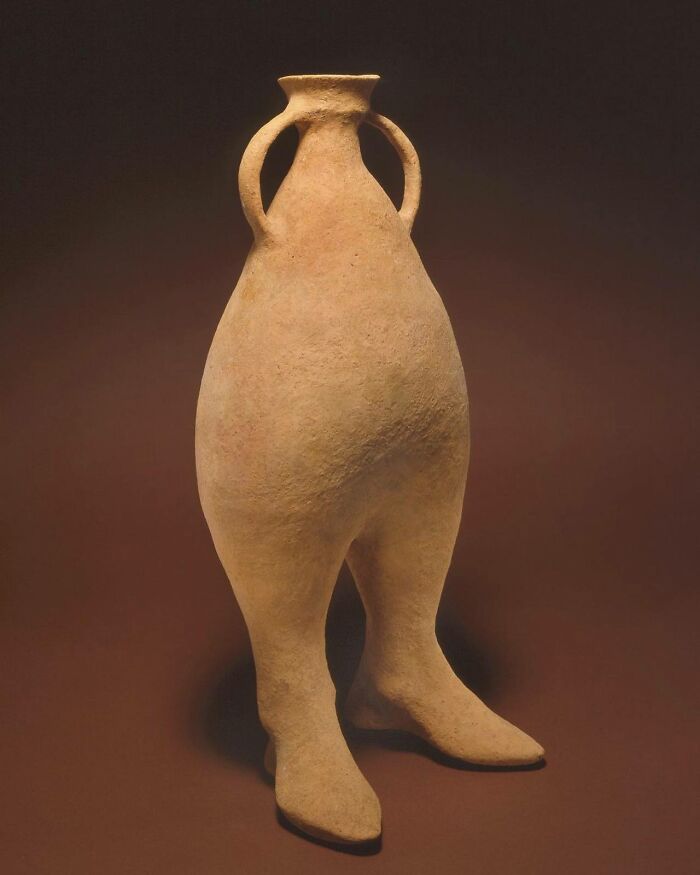
A tall vessel with an oval, almost bag-like body, a somewhat elongated neck with an everted rim and a pair of narrow curving handles that spring from the oblique shoulder to the neck. The lower portion of the vessel splits into two legs with well-modeled feet. Details such as ankle bones and the arch of each foot are rendered by modeled forms rather than incised lines. The overall effect is that of a wine- or waterskin rather than a ceramic vessel. It is likely that this association was intentional- as the light porous ceramic body of the vessel allows water to evaporate slowly through the sides, thus slightly cooling the remaining contents.
"Well you must have left it somewhere, it can't have grown legs and walked off" "uh...you might wanna see this..."
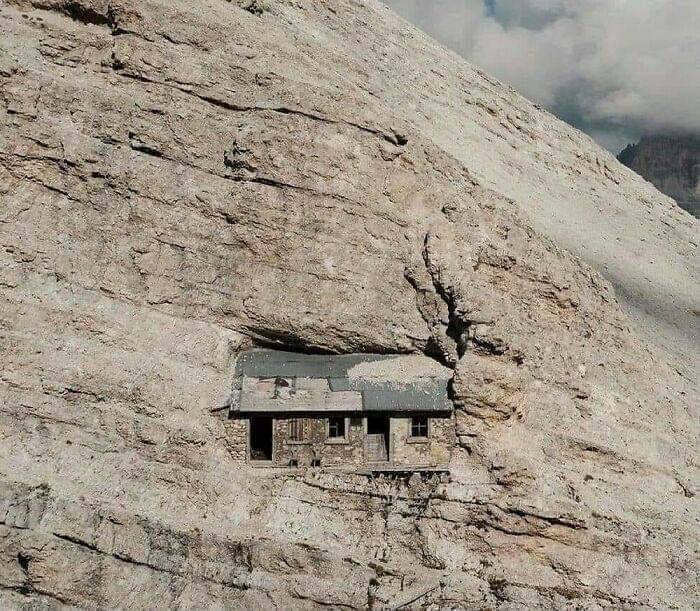
This incredible refuge has been built inside one of the peaks of the massif, with brick walls, a slanted roof, two doorways and four windows framed in wood. Some of the windows are shuttered.
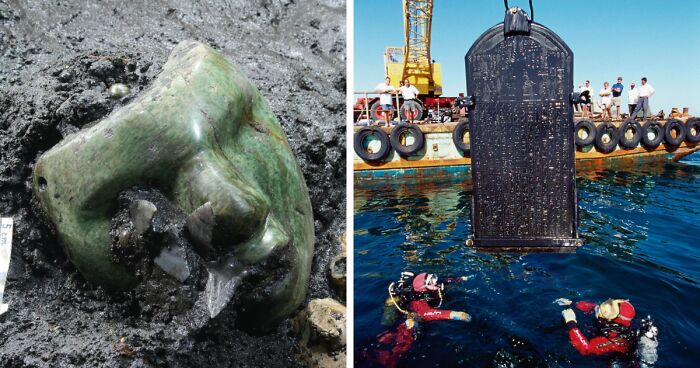
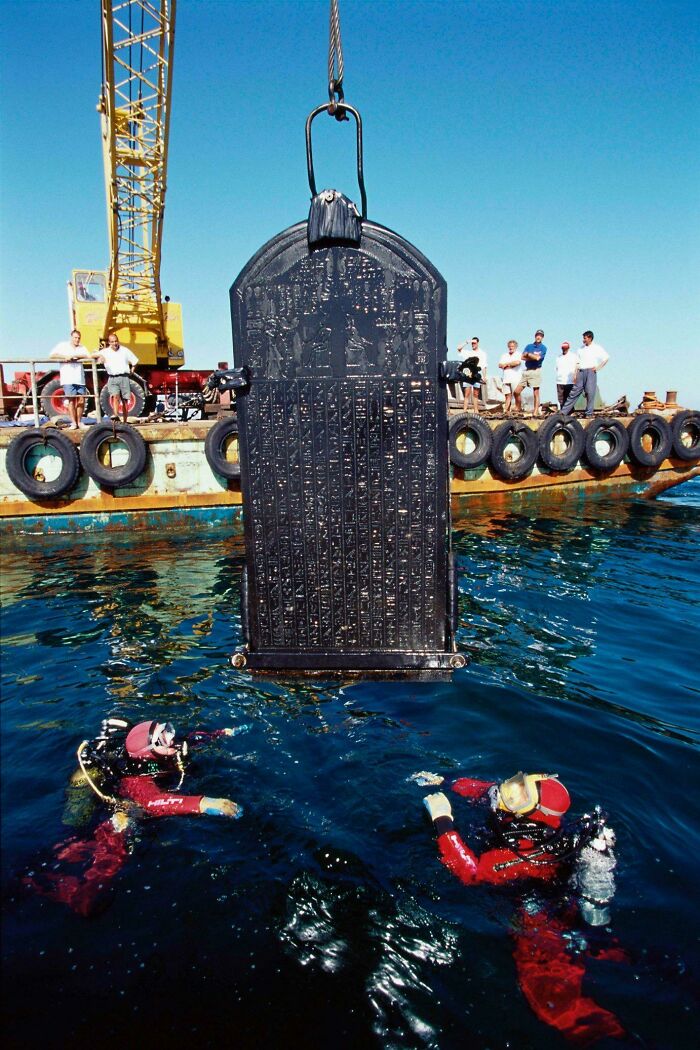
Here, we see a stele from the reign of the Pharaoh Nectanebo I (r.380-360 BCE) being excavated in 2000 CE, the same year as city's rediscovery.
For those like me who are curious, a stele is a stone or wooden slab, generally taller than it is wide, erected in the ancient world as a monument. The surface of the stele often has text, ornamentation, or both. These may be inscribed, carved in relief, or painted (Wikipedia) The plural is apparently stelae
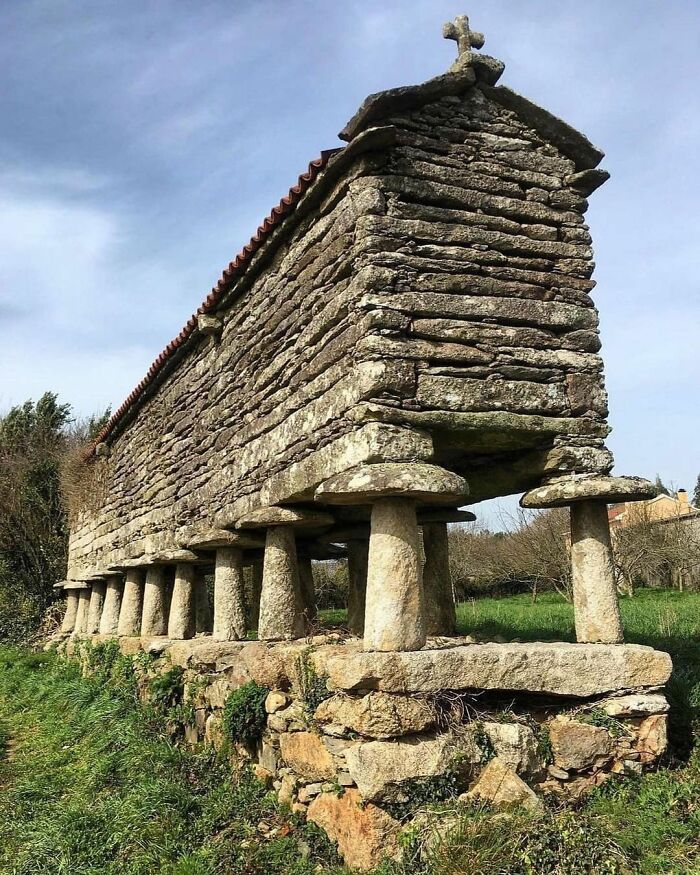
These structures are typically raised off the ground on pillars or stilts to protect the stored grain or food from moisture and pests. Horreos are characterized by their unique architectural design, featuring a rectangular or elongated shape with slatted walls or vents to allow for air circulation.
The construction of horreos dates back centuries, with some examples dating as far back as the Middle Ages. They were originally used to store and preserve crops such as corn, wheat, and other grains, as well as other food items like potatoes and beans. The elevated design of horreos helps to keep the stored goods dry and safe from rodents and insects.
Horreos are not only functional structures but also hold cultural significance in the regions where they are prevalent. They are often decorated with intricate carvings, symbols, or patterns, reflecting local craftsmanship and traditions. In addition to their practical use for food storage, horreos have become iconic symbols of rural life in Spain, attracting tourists and visitors who appreciate their historical and architectural value.
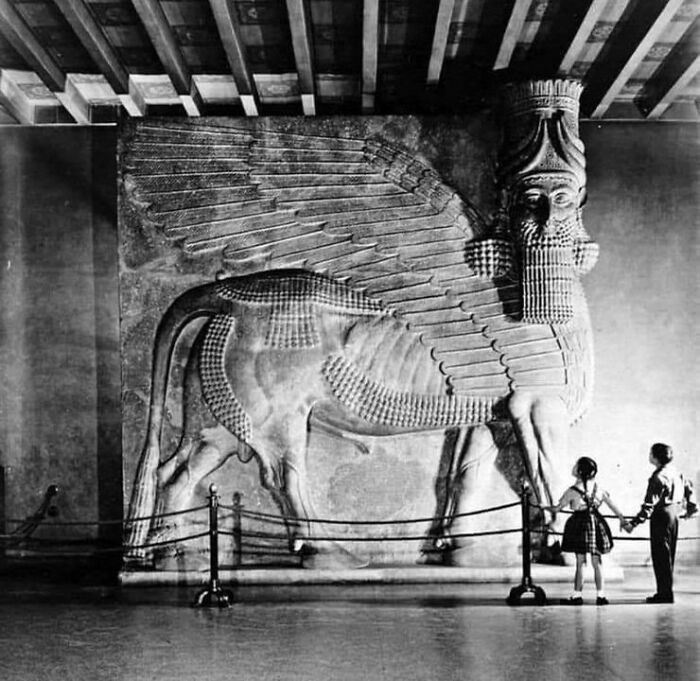
This 16ft high and weighs 40 tons sculpture was excavated during archaeological exploration between 1928-1932, at Dur-Sharrukin (present day Khorsabad, in northern Iraq). At the time, Dur-Sharrukin was the capitol of what is now known as the Neo-Assyrian Empire. The city was abandoned after Sargon II died in battle in 705 BC, against the province of Tabal in Anatolia (Türkiye), and the capitol was then moved to Nineveh.
wonderful craftmanship. No power tools, no modern material sheets or hardware. Simply stunning.
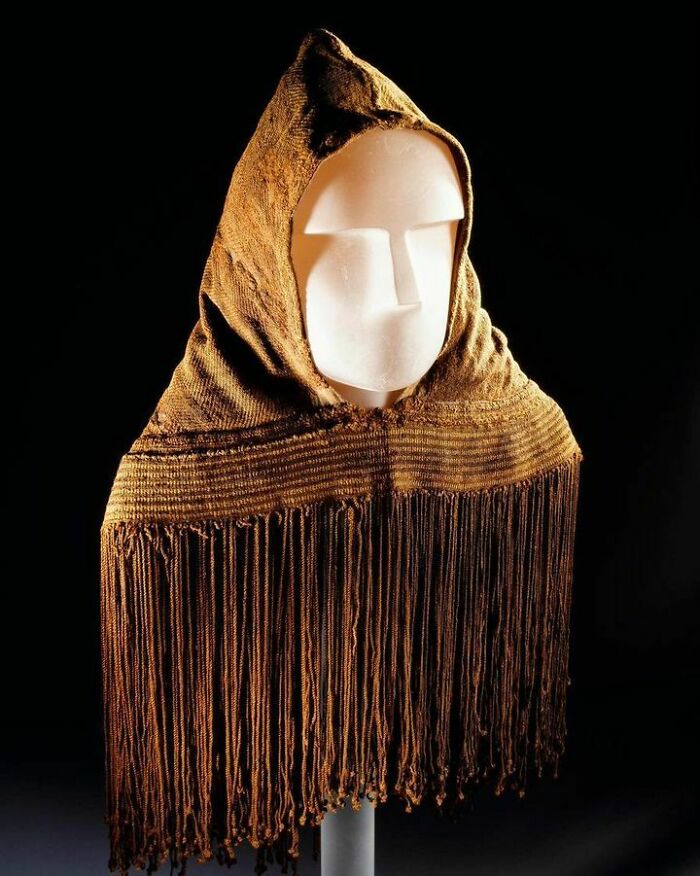
The garment was lost or deliberately left in a bog over 1,500 years ago and the lack of oxygen slowed its decay for centuries.
These bog textiles are incredibly well preserved. We're so lucky to have them.
Because skis come in pairs, archaeologists monitored the ice patch for summertime thaws that might reveal the other one. 7 years later, their patience has paid off

Lots of artifacts are being exposed as Scandinavian glaciers melt due to global warming and every year archeologists comb their facing edges looking for them before they're lost.
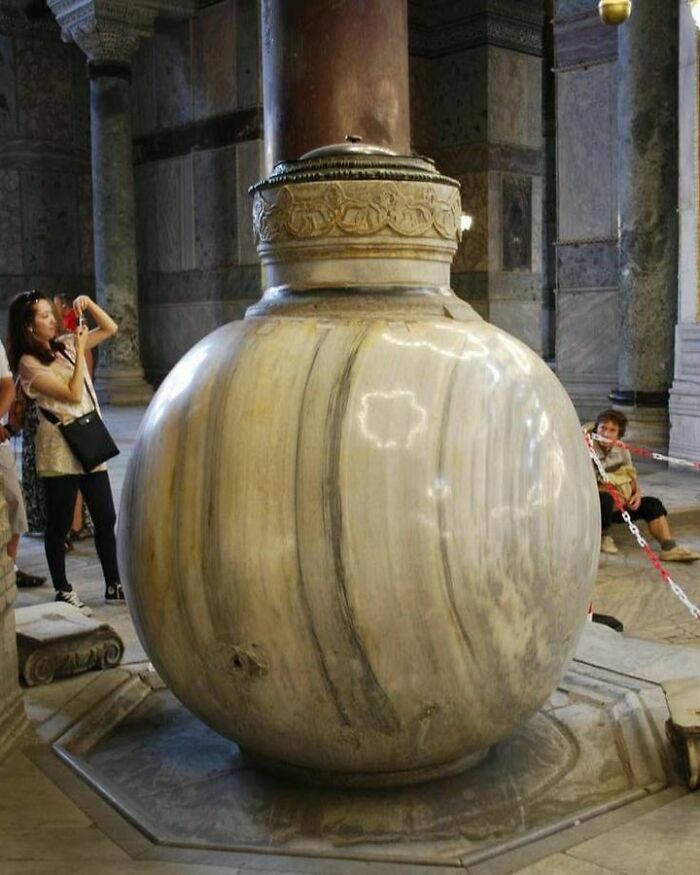
They are from the Hellenistic period and were carved from single blocks of marble in the 2nd century BCE. Istanbul, Turkey


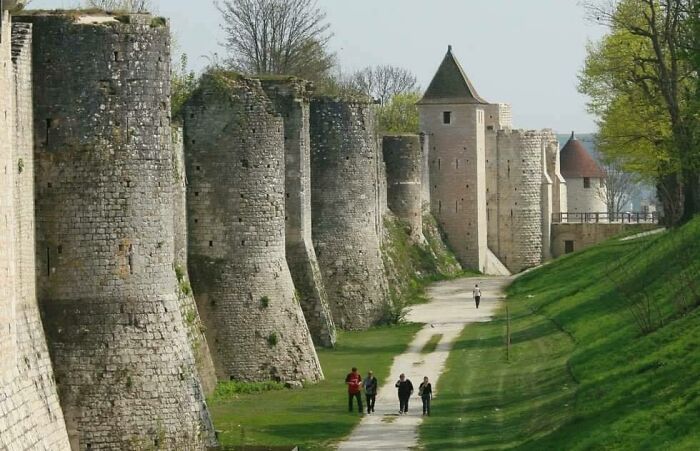
I lived in Provins when I was very young. The walls then were slowly crumbling. In the 70s à great effort of préservation started and now à good part of the ramparts have been restored. They, and the "Ville Haute" (high town) they enclose are the venue in spring and summer for many historical events and shows. Provins is a nice town with a lot of historical stuff to visit, lovely parks, and à beautiful rose garden.
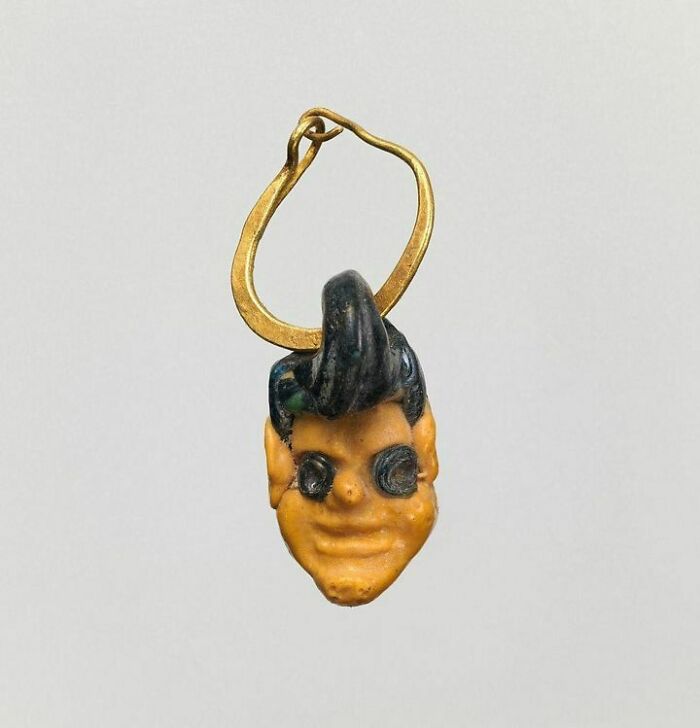
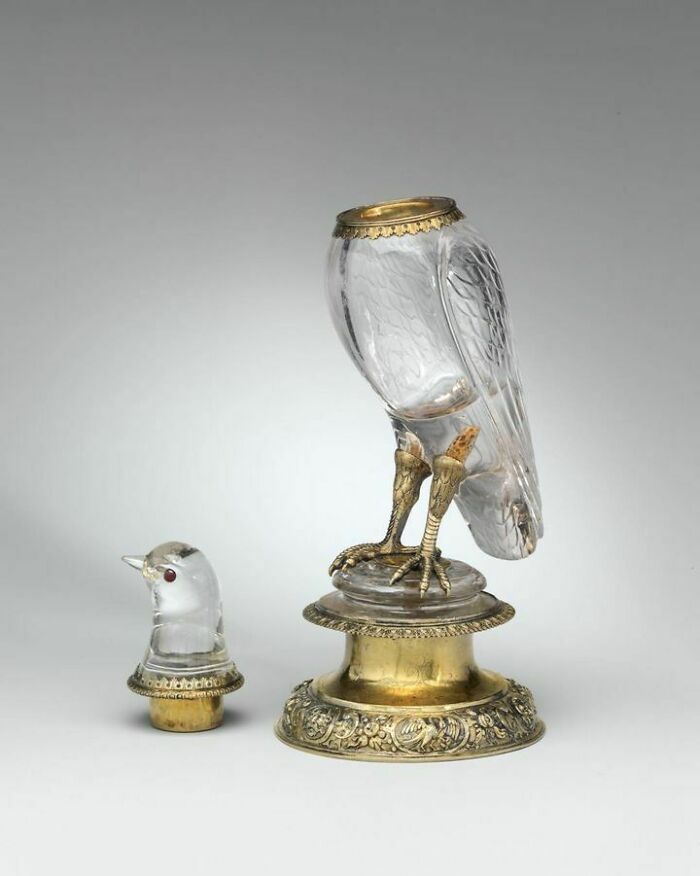
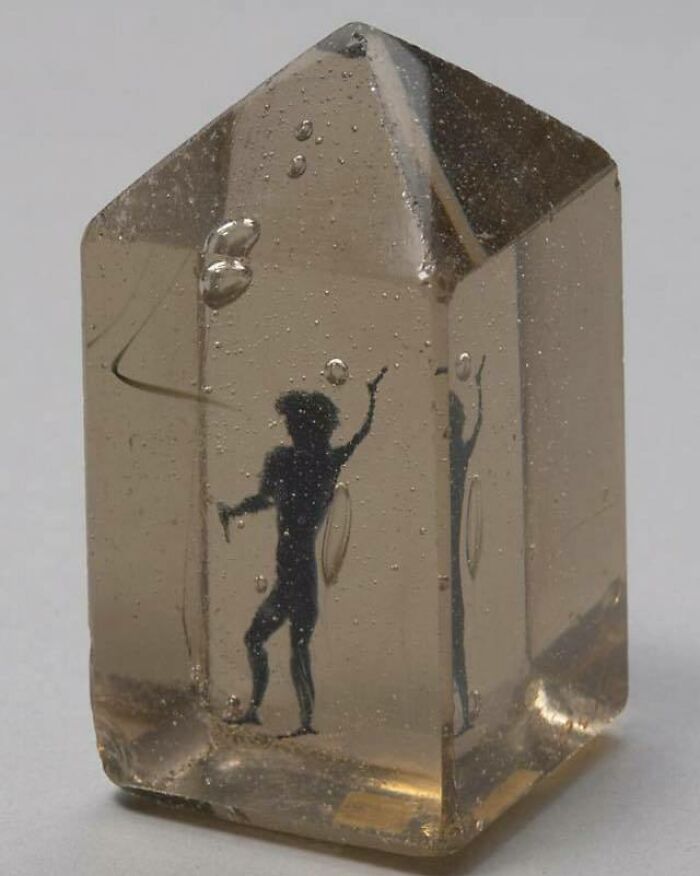
According to a description in the Viennese Treasury from 1720, this is a “spiritus familiaris”, a spirit that was exorcised from a possessed person and banished to the glass. 1600-1650 CE, Austria

The proof that even the devil appears as a leader sometimes...🤹🏽 🤘🏽 🧖🏽
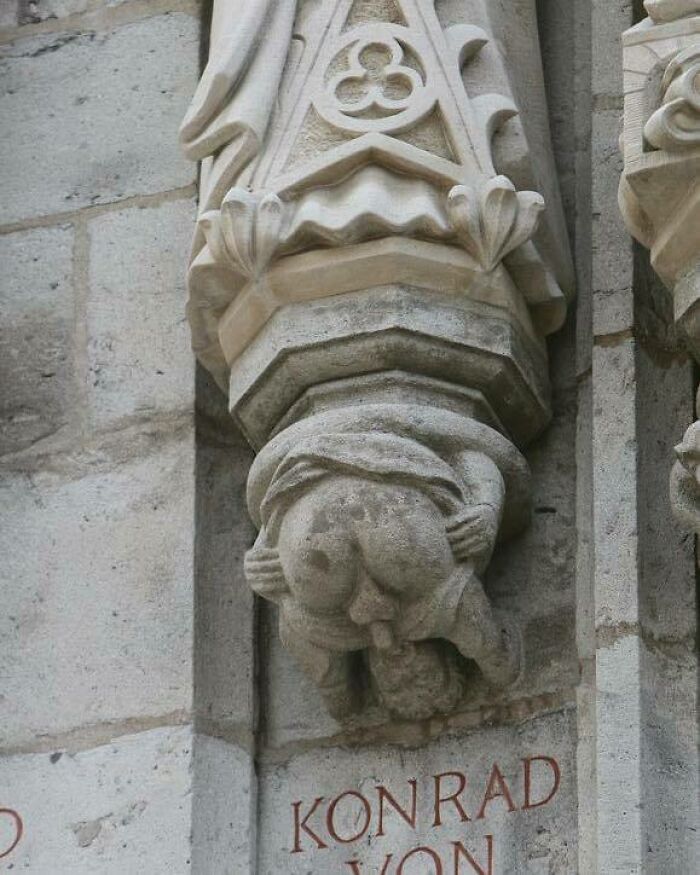
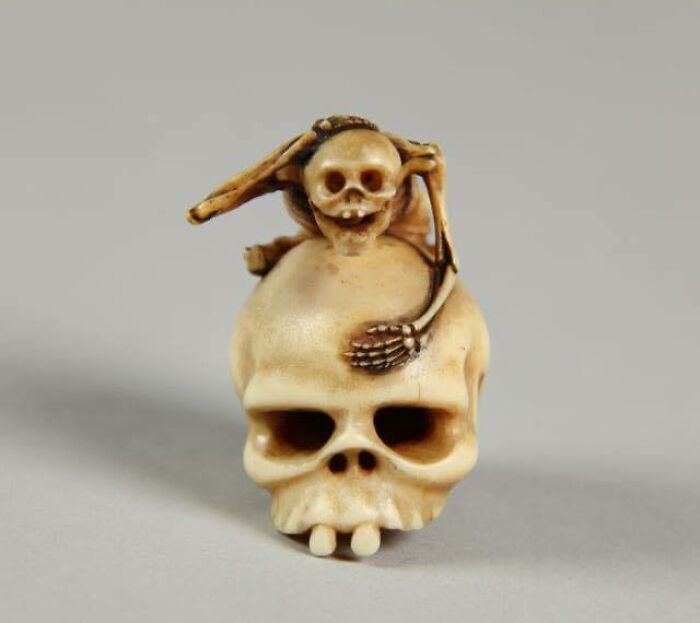
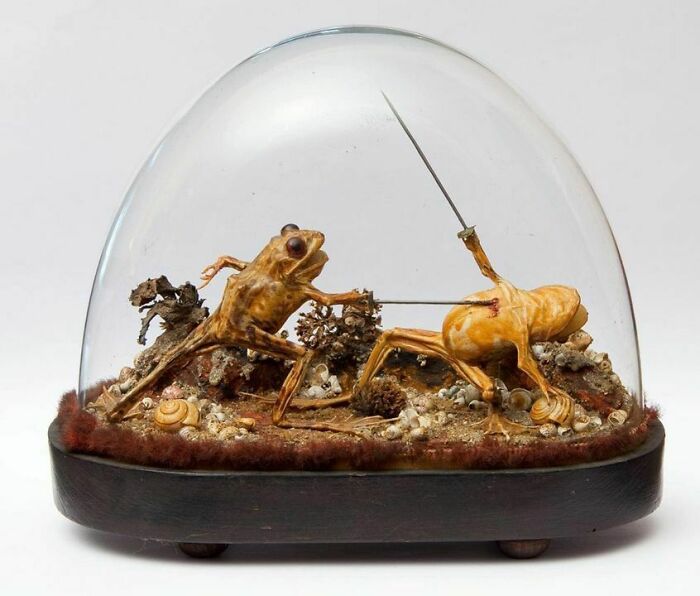
This kind of sculptures were a coveted prize for some noblemen's "Cabinets de Curiositè" (or wunderkammer, in the German area) . It was trendy to collect curious, rare or interesting pieces as conversation starters and as proof of the intellectual curiosity of the owner, his travels and his good taste. For some, the appeal was more into the esoteric (collecting specimens of "mermaids" and monsters made with taxidermy), other preferred very niche collections of a single type of item that were pursued relentlessly, while some others -such as this gentlemen- appreciated more searching for the occasional funny and grotesque artwork.
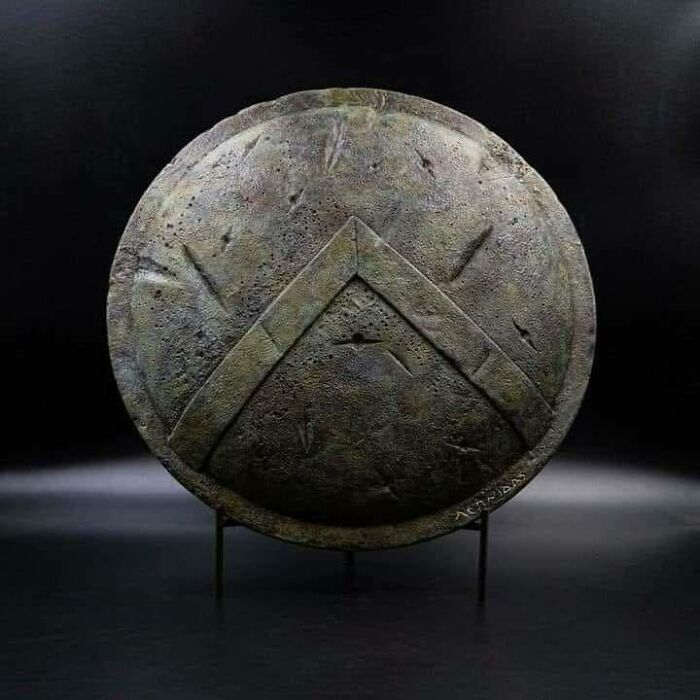
Ancient Greece Legend of 300 Spartans, Greek Art Metal Sculpture "Come and get them" ( "ΜΟΛΩΝ ΛΑΒΕ") inscription onto the backside grip Big Greek initial letter L for Λακεδαιμονιοι/Lacedaemon
The shield is in solid copper sheet with verdigris patina and stands on a bronze tripod and measures 33.5 cm in diameter (540-480 BC)…
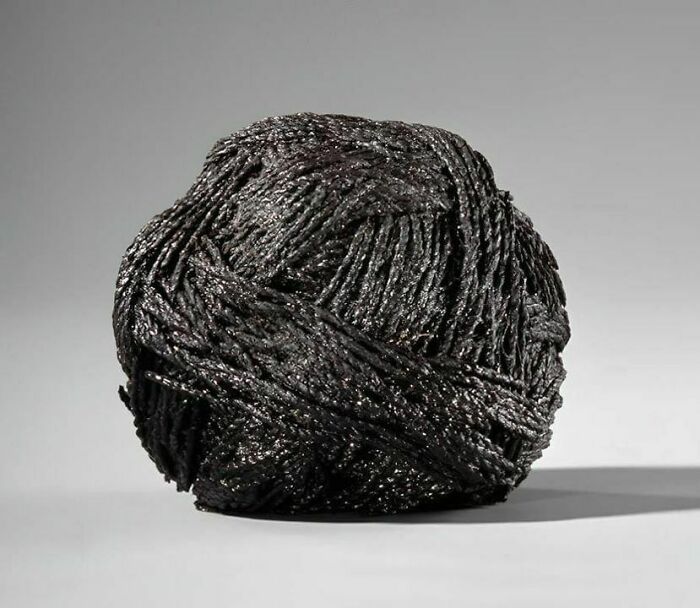
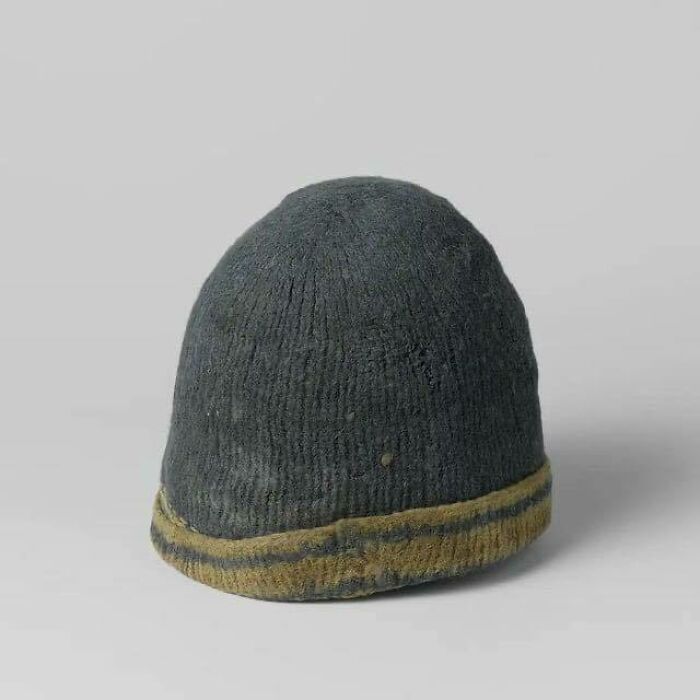
"In 1980 archaeologists investigated the graves of 185 Dutchmen – whale hunters, and workers at whale oil refineries – who had died on or near Spitsbergen in the 17th century. Many skeletons were still wearing their knitted woollen head coverings. These caps were highly personal. The men were bundled up against the severe cold and could only be recognized by the colours and patterns of their caps. Presumably this is the reason why the caps went with them into their graves."
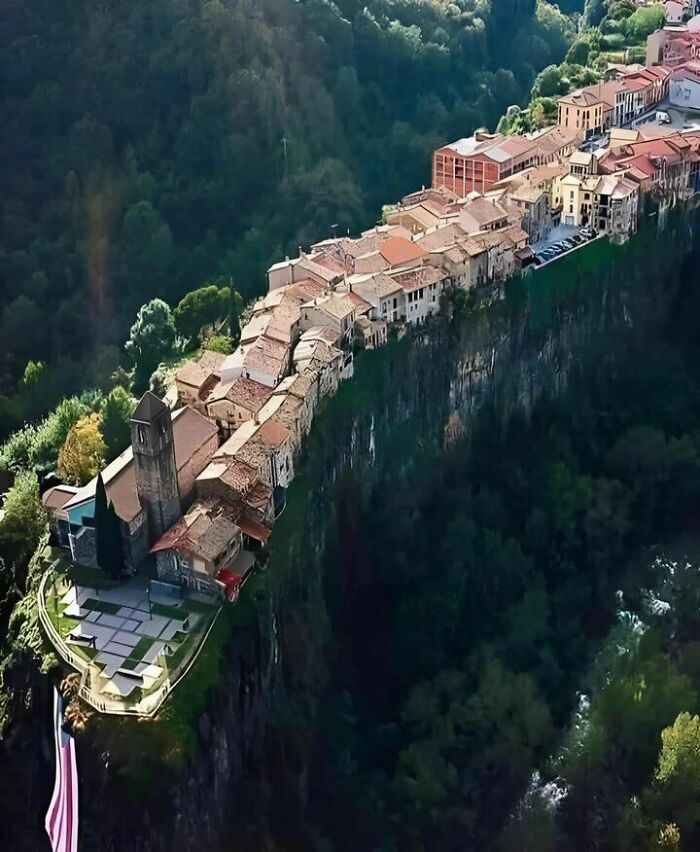
The panoramic location attracted a pampered clientele who sometimes stayed for weeks during the summers

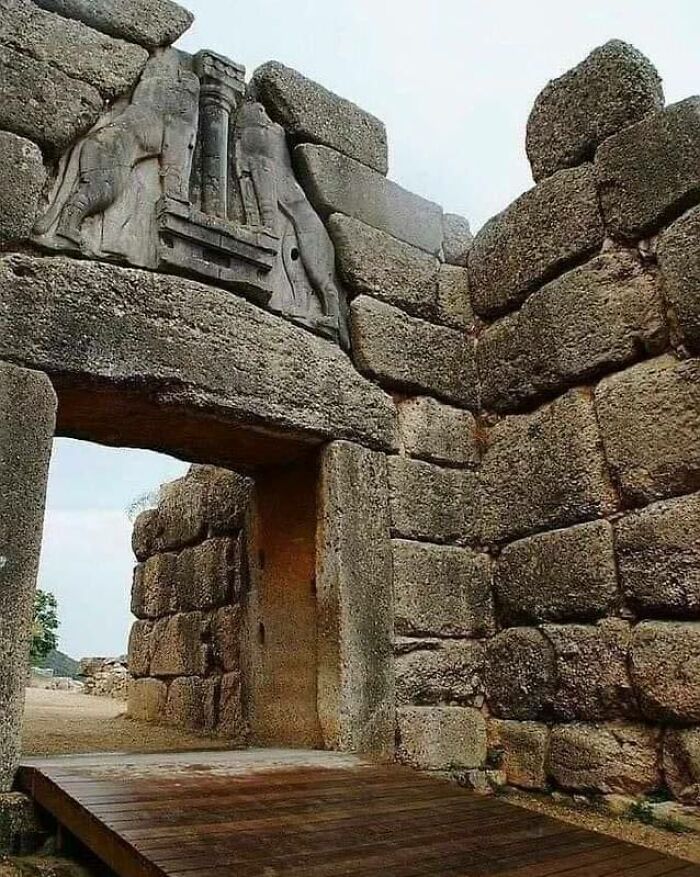
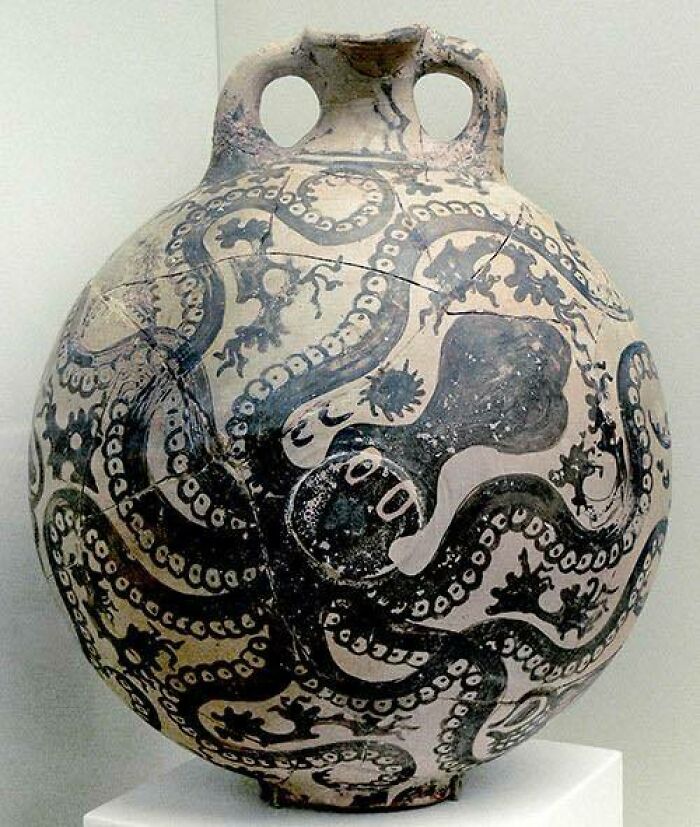
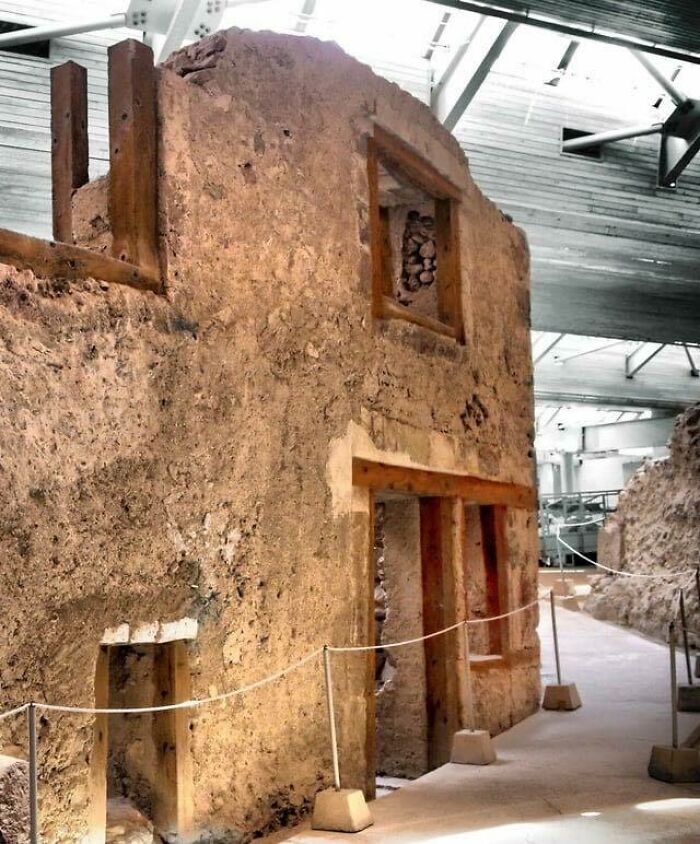
I personally think this was the basis for Atlantian mythology. Seeing that they were, as I recall, Minonian settlements, they were a bit of a contrast to the Mycenaean Greeks on the mainland.
They are flecked with wax over the legs from where the original owner labored under candle light.
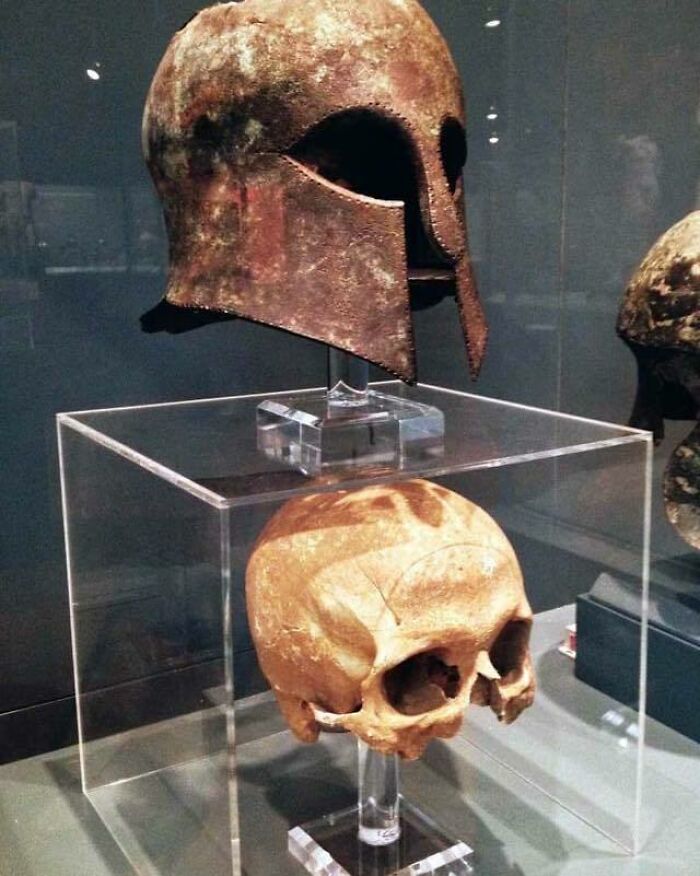
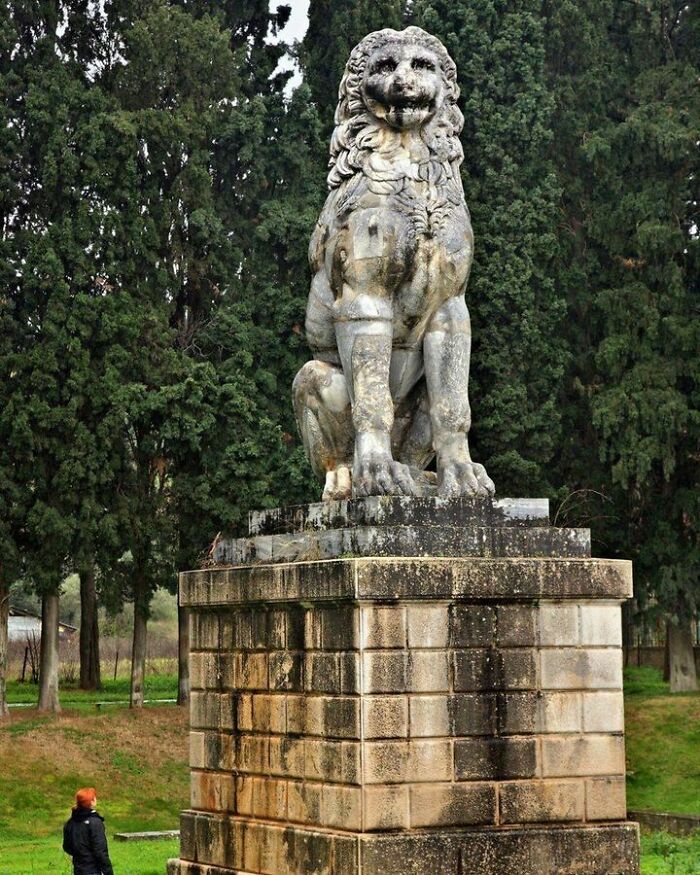
Under the monument, archaeologists unearthed a mass grave of 254 people, generally accepted to be the remains of the military unit known as "The Sacred Band of Thebes" who were wiped out completely by Philip II of Macedon.
"You know what a lion looks like, right?" Sculptor: "Yeah, of course!"
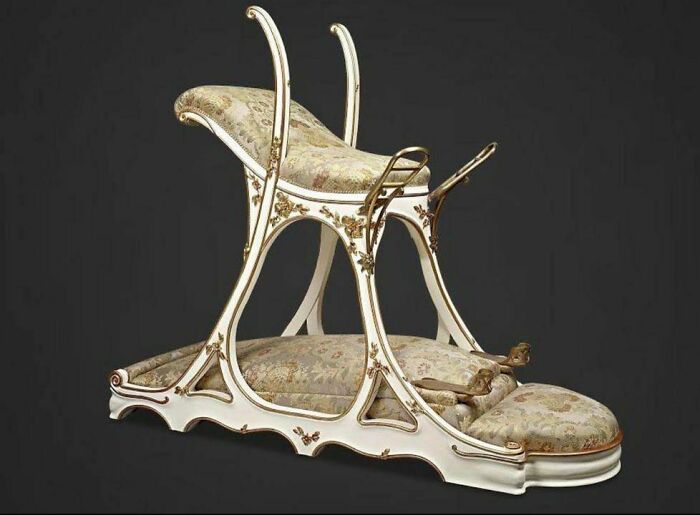
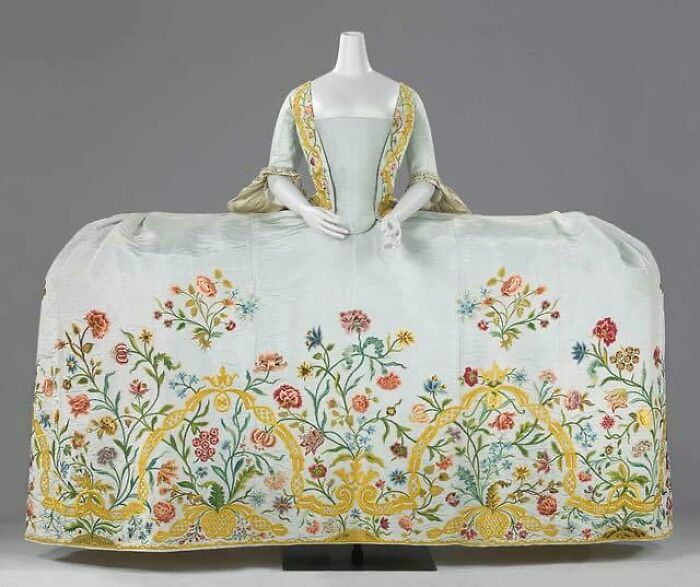
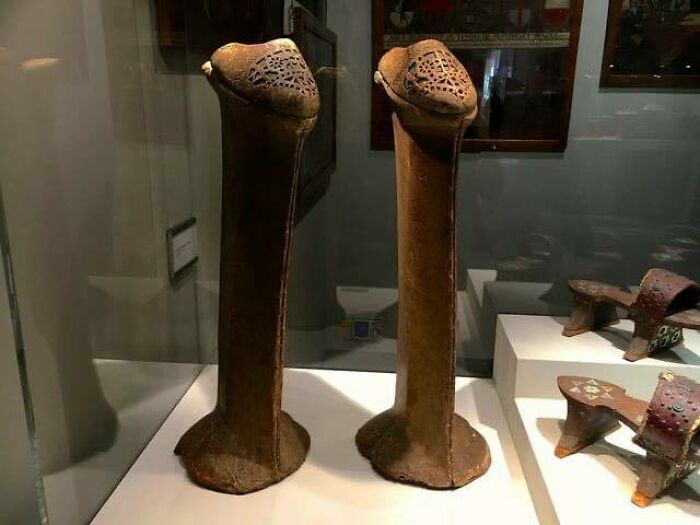
Women who wore them needed support from their maids while walking. Despite a safety ban in 1430, the custom continued until the 1650s
It allowed rich women to (precariously) walk the less-than-clean streets of the time without mucking up their dresses.
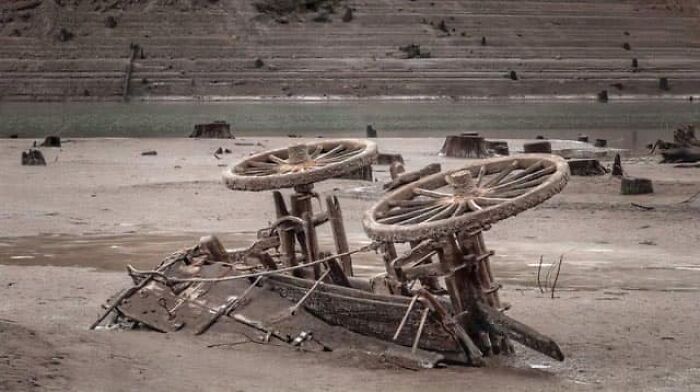
Unfortunately it's extremely fragile to remove and display properly preserved, so it was left in place. It is vulnerable to chance boat anchors and the whims of careless tourists looking for a souvenir. It is thankfully protected by it's non published location and water depth, but I hope funding could be had for it's conservation.
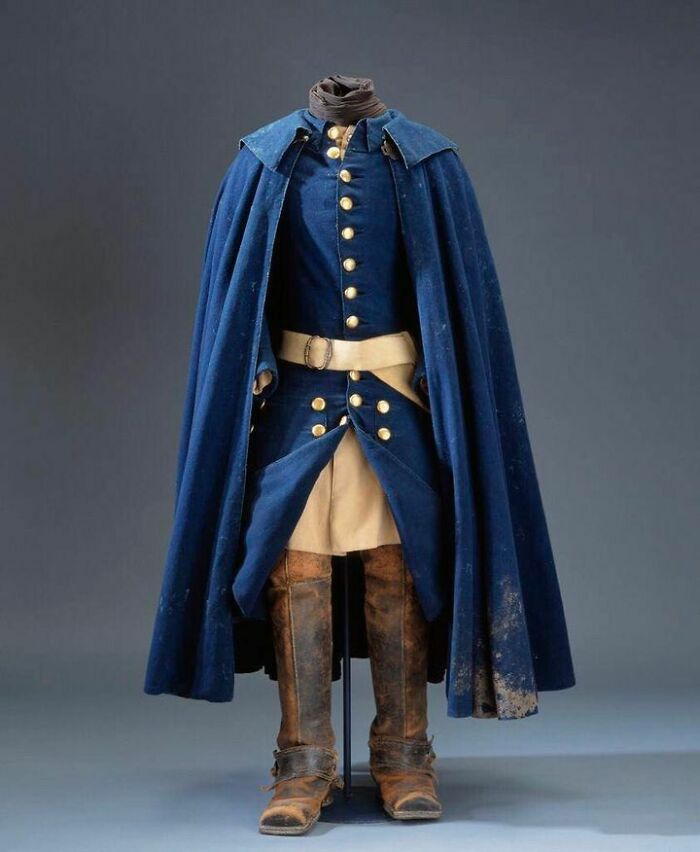
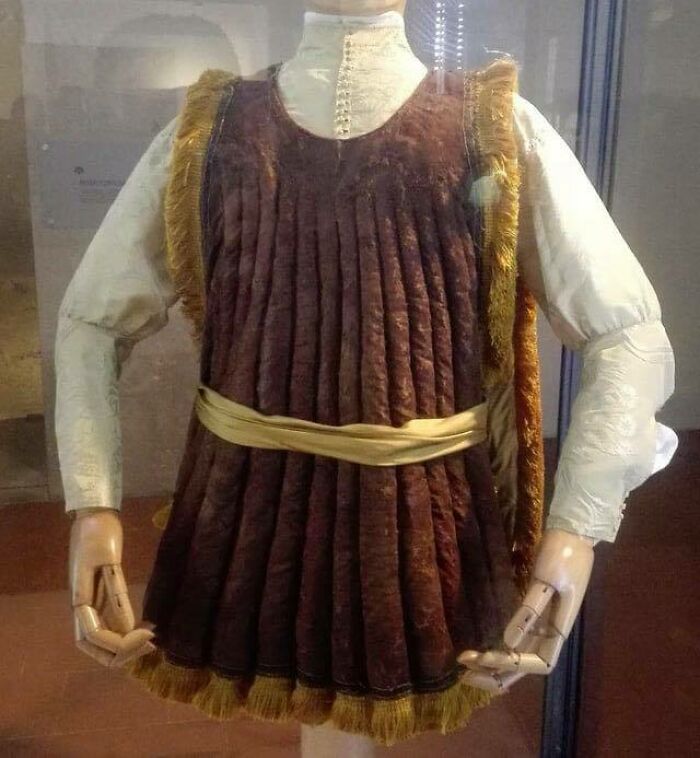
Journade (France) or Giornea (Italy) is a sideless overgown or tabard.[1] It was usually pleated and was worn hanging loose or belted. Young men wore them short and older men wore them calf- or ankle-length. They are still worn by the Vatican's Swiss Guards. 1280px-Raf...4ecb23.jpg 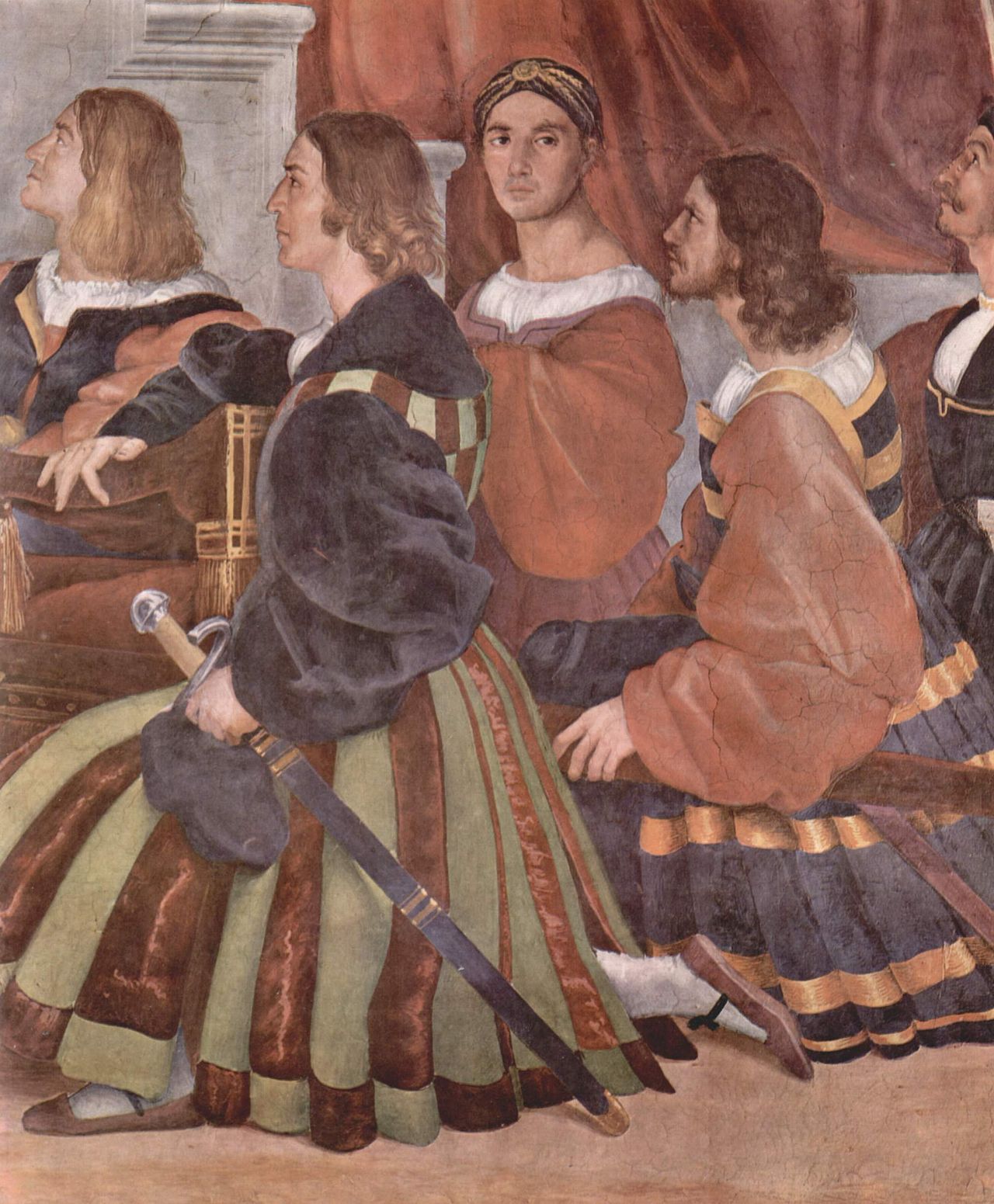
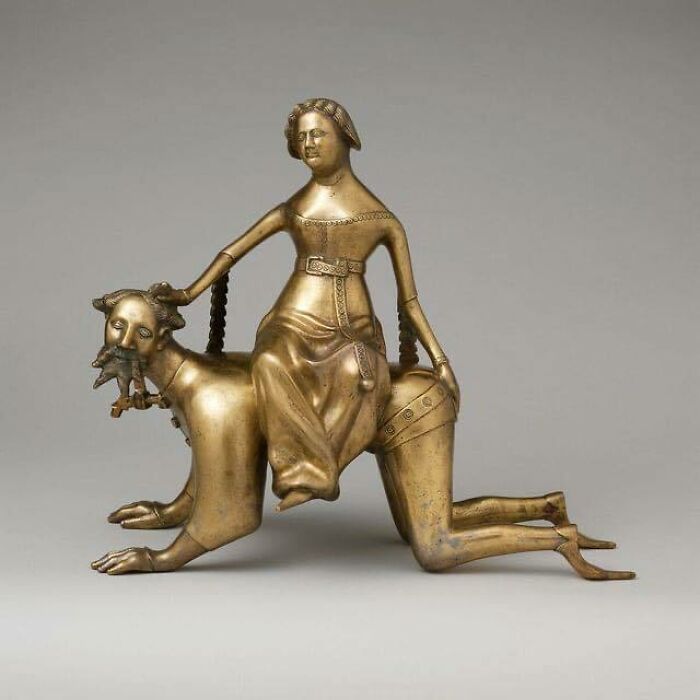
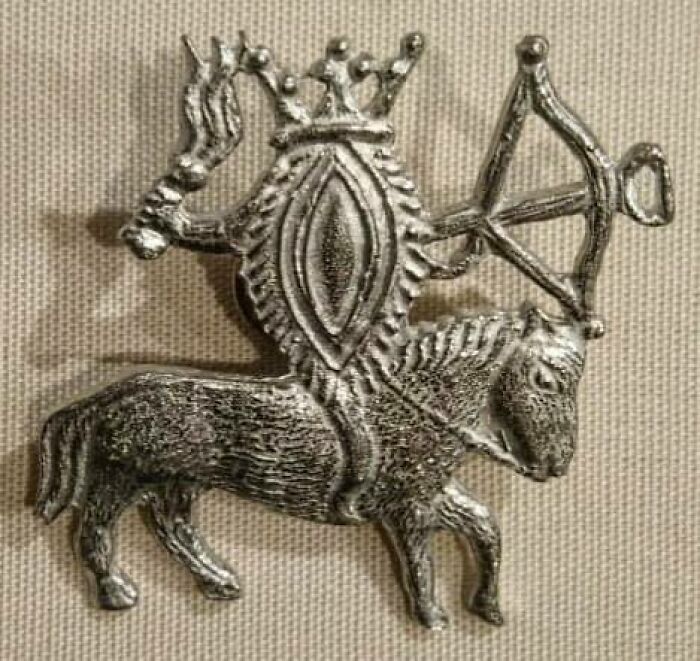
Wrong description again. These symbols were satyrical decorations used in Northern Europe during carnival. They *mocked* the pilgrims' badges, that often featured horseback saints with some identifying item. They replaced the saint with a vulgar image (either sexual imagery or grotesque figures) and added some random items to mimick the traditional poses. No real pilgrim went around with those. Also, not a very common practice, limited to a few places in the Netherlands and Bretagne, that were passing points for pilgrimages.
amazing, man's ingenuity coming up with better, more efficient ways to kill... Truely amazing.


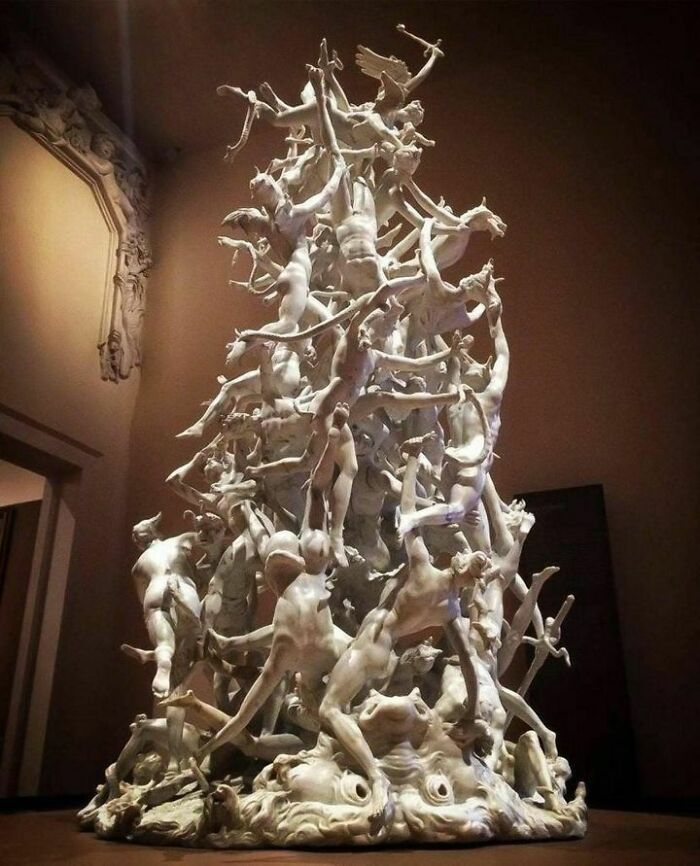
We're past due to start another one...this time, we need to toss ALL the politicians over board!!
The photo is remarkable because it reveals the original bright colours that were painted onto these life-size clay warriors more than 2,000 years ago by skilled artisans.
Unfortunately, when they were exposed to air and sunlight during the excavation, the colours began to curl up almost immediately and disappeared within minutes.
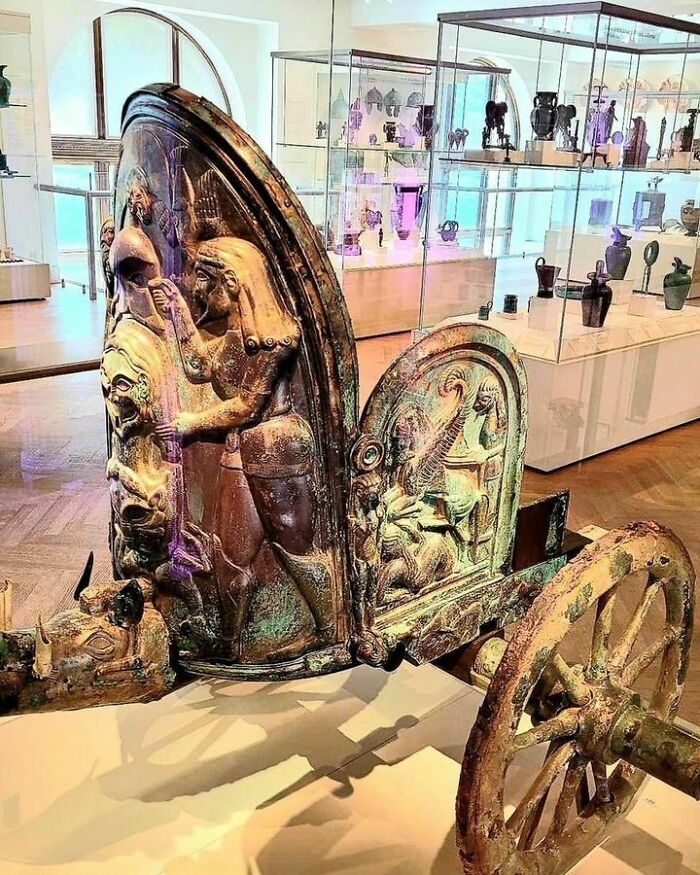
The Monteleone chariot is one of 6 known to remain in this condition and was undoubtedly used to accomodate a driver and a highly distinguished individual. Made of bronze with heavy useage of ivory inlays, Achilles and other Homeric scenes adorn this beautiful piece. The wheels are rather significant as they are wooden but covered with bronze to prevent damage, an expensive and unusual practice. It is on display at the Met, NY.
Lady of Cao, who might have been a high ranking priestess or even a Moche ruler, died in c. 450 CE when she was in her mid twenties, possibly of complications due to pregnancy or childbirth. Cao Museum, Peru
Discovered in 1993 during construction of the new Alexandria Library, Egypt. Now currently in the Greco-Roman Museum in Alexandria. Width: approx. 70 cm. Date: approx. 200-100 BC
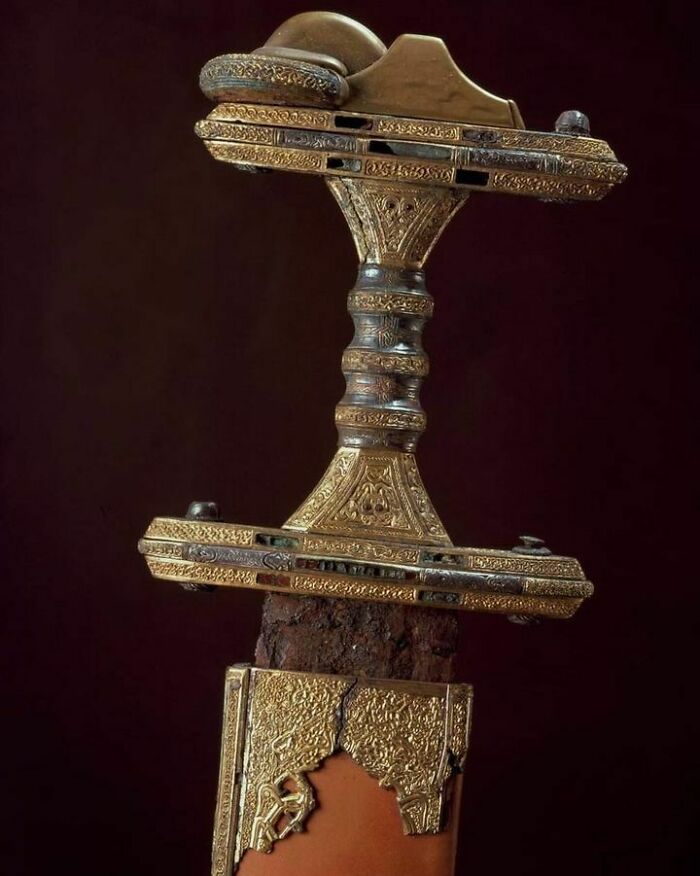
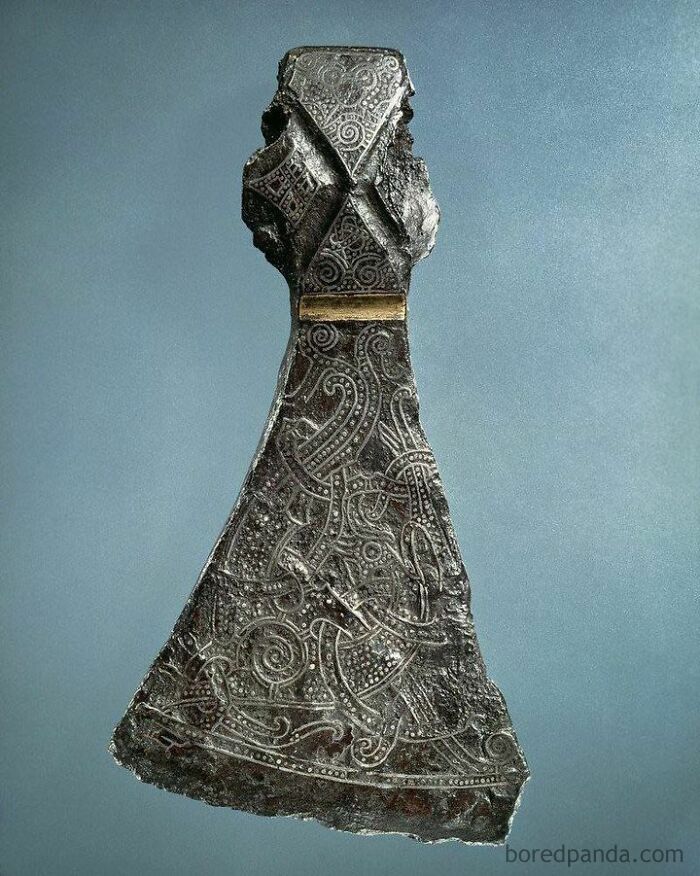
This period, named after the rich boat inhumation cemetery at Vendel parish church in Uppland, is renowned for its intricate animal art on copper-alloy objects, tiny embossed gold foil images known as guldgubbar, and elaborate helmets with embossed decoration.
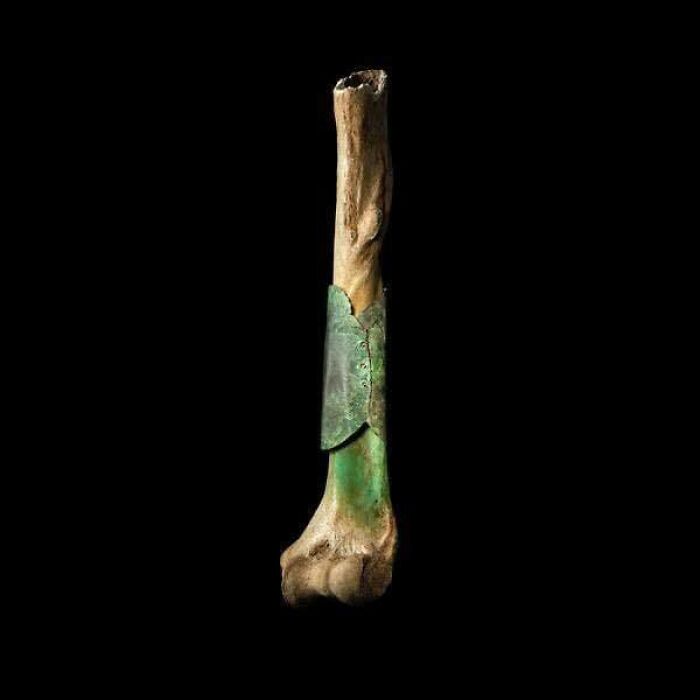
An unknown man got his axe arm badly injured in a battle. His humerus was found at excavations of Varnhem monastery in 1928, and is the only one of its kind in Sweden. Interventions in the upper arm are difficult to do even for today's experts. It's easy for nerves and blood vessels to be damaged. Yet a medieval "surgeon" has managed to cover the injury to the man's arm bone, and also pin it with rivets; you can see three of them in the plate. We can also see that the man survived: new bone has been formed after the procedure.
I can't even imagine the absolute agony that would have been experienced. So, so happy to be in a world of anaesthetics.
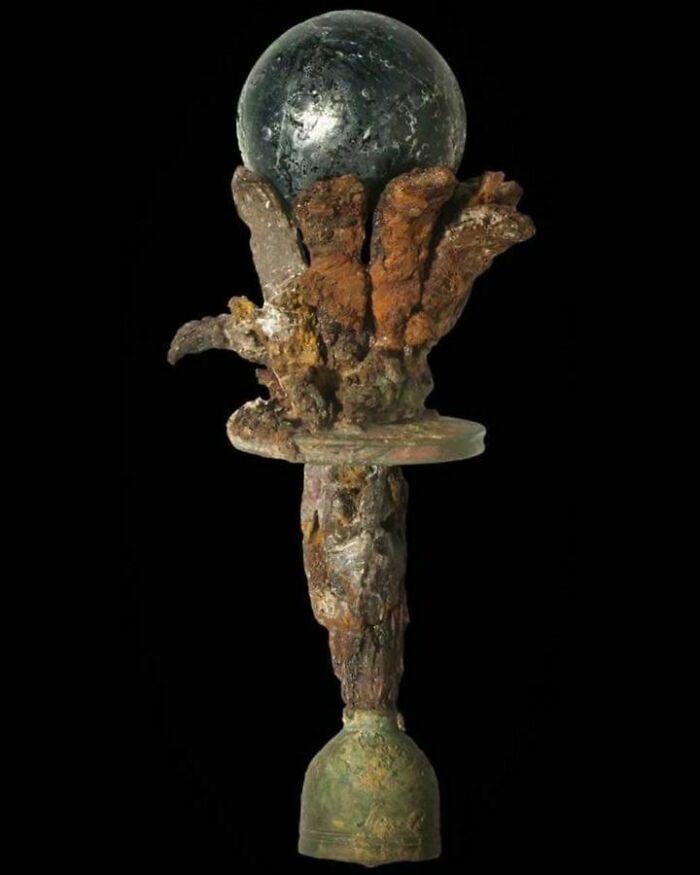
Topped with a crystal sphere, it was discovered near the base of the Palatine Hill in 2006, alongside several imperial banners.
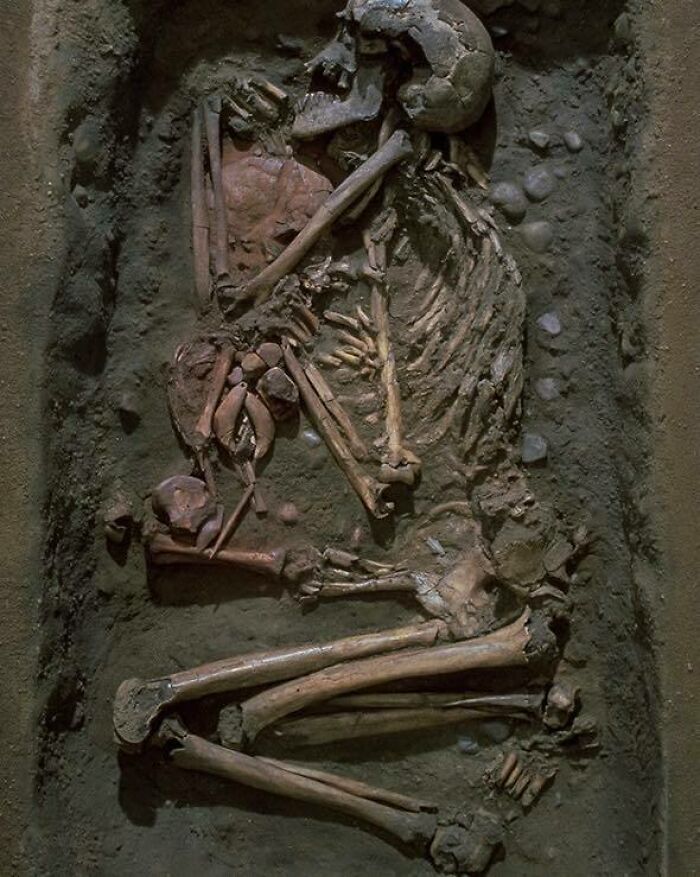
About 7000 years ago, an ageing man in his 60s was buried at Skateholm, Sweden. Next to him, face to face, lays a child of 4-5 years who was buried later. On the child’s chest lay jewelry made of bear teeth and pieces of amber. A beautiful display of love, and that the two belonged together in life as in death.
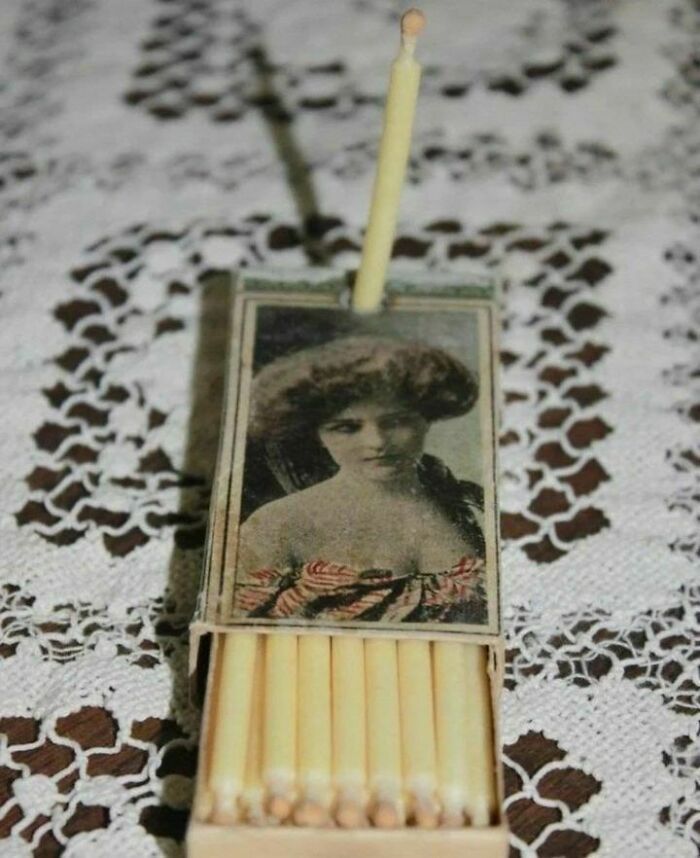
They were also popular in the Western United States during Gold Rush years. Concept was simple, you paid your price of admission, so to speak, and then you and your rent-a-date would head to 'Room of Requirement'.
Lady of the Night would light the wick and you’d get busy. A brothel candle burned for approximately seven minutes. When the candle went out, you were done. Even if you weren’t, technically, done. Some ladies would trim the candles down, so they’d burn for even less time. To which I say, good on ya, gals.

Villa Hadriana, a UNESCO World Heritage Site comprising the ruins and archaeological remains of a large villa complex built around 120 AD, by Roman Emperor Hadrian near Tivoli outside Rome. It is the most imposing and complex Roman villa known.
This discovery sparked excitement in the archaeological community. The well is a significant find as it provides a glimpse into the Viking era and the history of Dublin. It's a testament to the city's rich past and the Viking influence on its development. The well is now preserved and can be viewed through a glass section of the floor in the store, offering shoppers a unique glimpse into the city's Viking history.

Ancient Roman gladiators would walk around the arena wearing placards with advertisements on them between fights. When they made the "Gladiator" movie, Ridley Scott decided NOT to include this since he knew that people would think he was making fun of modern times with it.
Excavations of the site which includes 640 burials, show that people were occupying the region during the Neolithic, Bronze and Iron Age
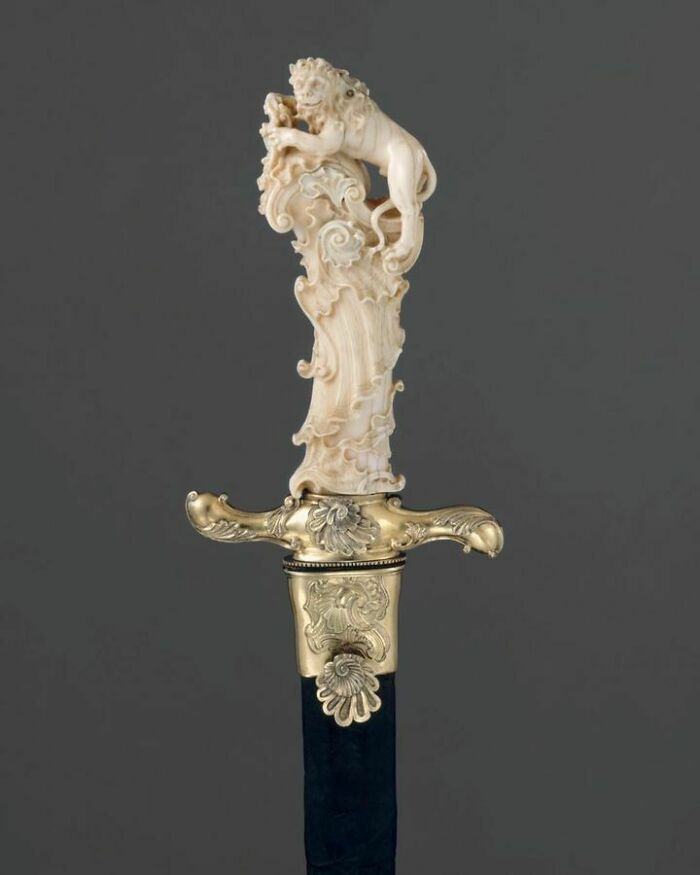
Carved from ivory, a lion sits atop the handle holding a crescent moon, likely alluding to recent European victories over the Ottoman Empire.
Somehow, I doubt he ever used it. That hilt doesn't look very comfortable.
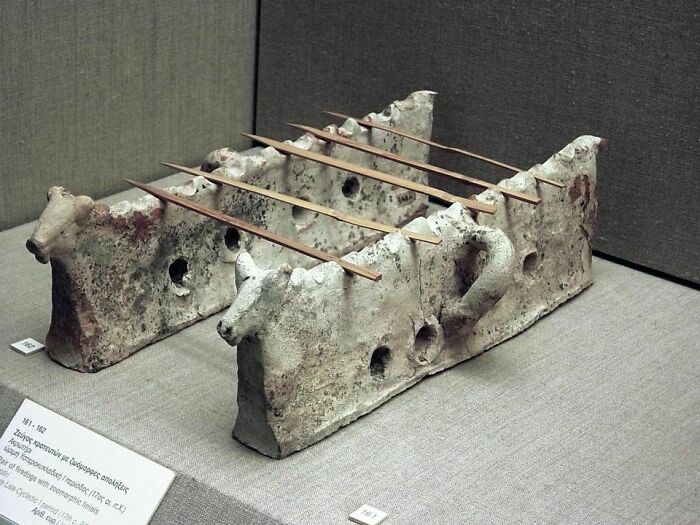
The line of holes in the base supplied coals with oxygen. Many consider modern "souvlaki" street kebabs a direct descendant of this portable food system. Museum of Prehistoric Thera, Greece.
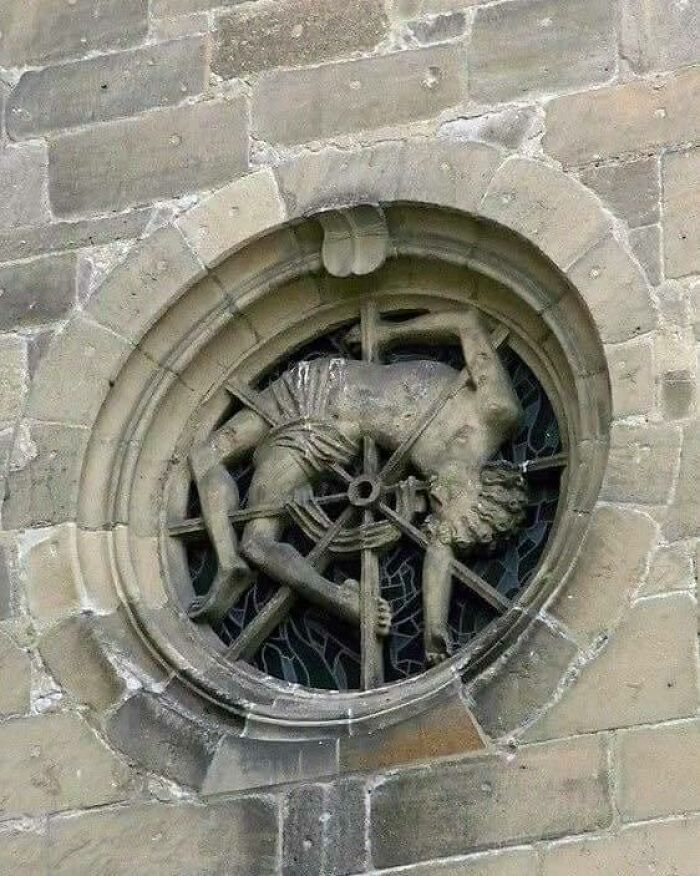
The window is said to have been installed by the Duke of Württemberg as atonement after he mistakenly ordered such an execution of an innocent man.
This woman, discovered in 2014, was one of over 100 skeletons found in a 6th century CE Anglo Saxon cemetery under a primary school playground in the village of Oakington in Cambridgeshire

Is anyone else looking at it and trying to figure out how the hell it worked? Never mind - I really don't want to know.
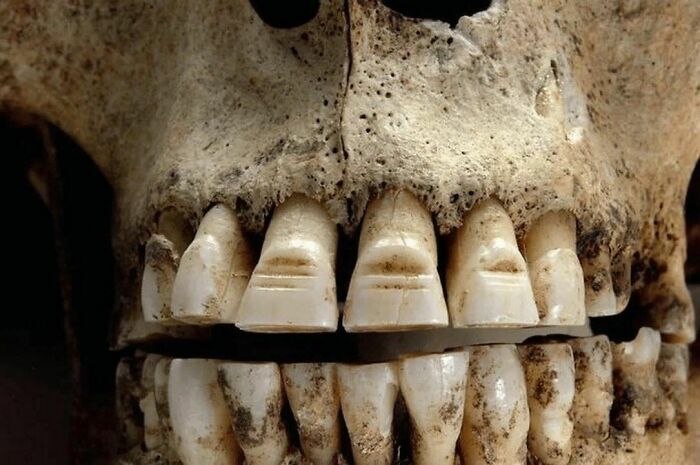
The purpose behind filed teeth remains unclear but some researchers believe that the teeth carvings were likely dyed (probably with red) to frighten opponents in battle or to show their status as a great
These decorated wooden purses with sliding lids were otherwise unknown in the historical record due to their perishable nature but a number have been found during excavations of Pompeii and Herculaneum, some still with their coins inside. From the House of the Double Atrium, 1st century AD.
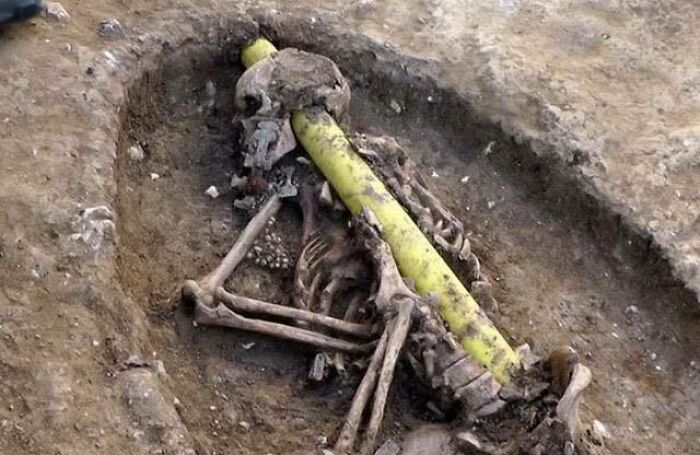
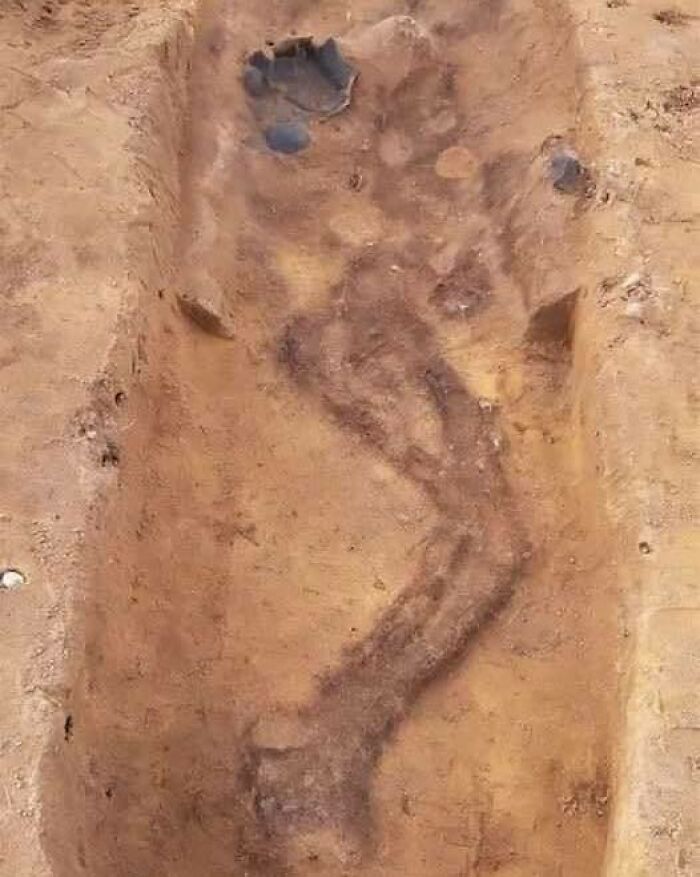
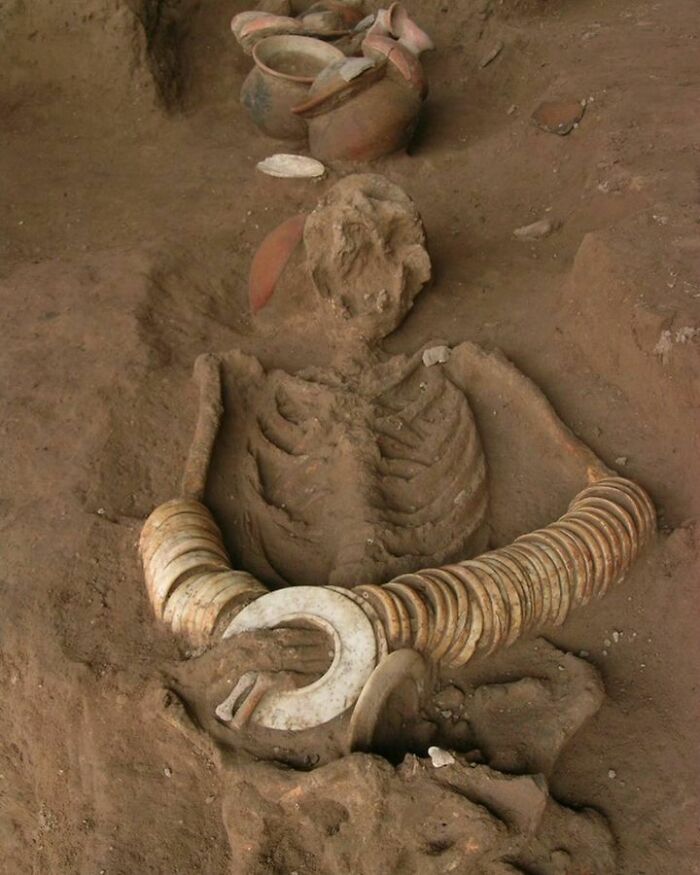
All that remains of some of the skeletons are dark stains, or “sand silhouettes,” visible in the region’s highly acidic soil.
These delicate traces of poorly preserved bones helped reveal the 1,400-year-old site’s 191 burials and 17 cremations.
The Anglo-Saxon cemetery was discovered in the town of Oulton, Suffolk in 2020.
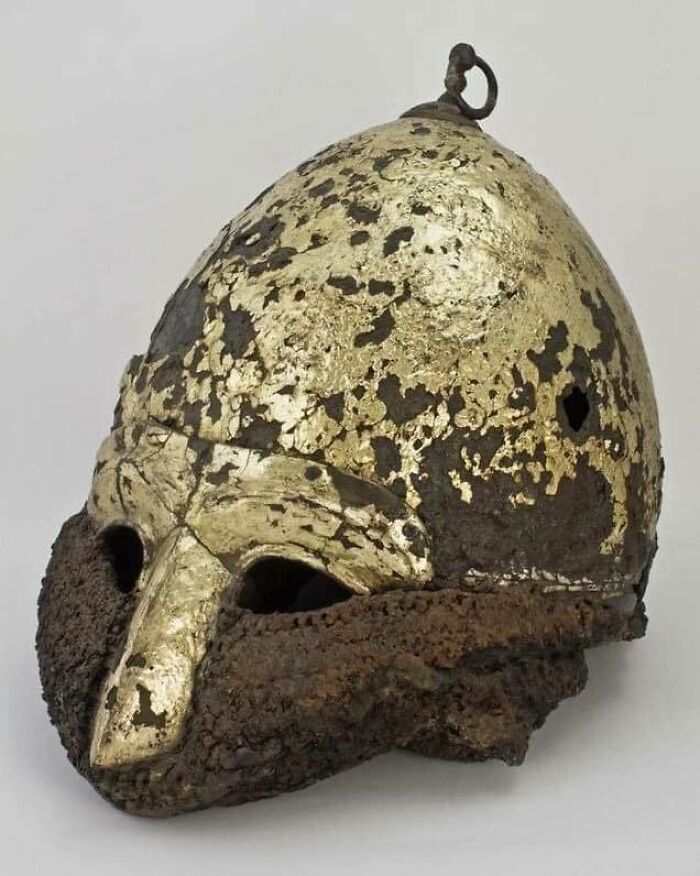
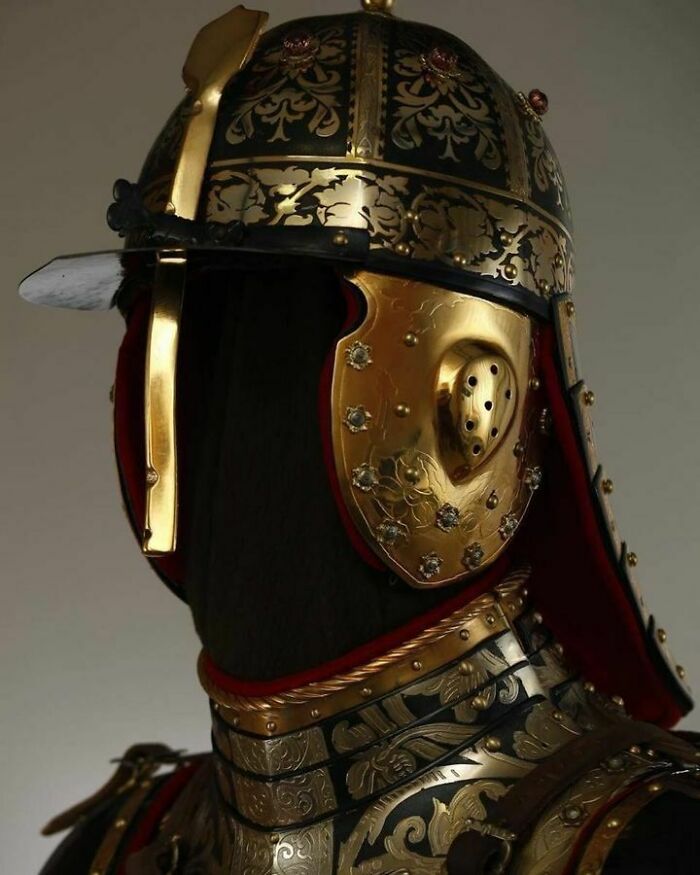
The Polovtsians, also known as the Kipchaks, were a nomadic Turkic people who inhabited a vast territory spanning from southern Russia, eastern Ukraine, to Central Asia. They were known for their warrior culture, and many of their statues depict male warriors wearing helmets, armor, and weapons.
The helmet found at the Chingul mound is believed to have belonged to a Polovtsian chieftain. The burial site was extremely rich, containing a treasure hoard that included items from Rus’, Byzantium, and the Middle East, attesting to the extensive trade routes of the time. The chieftain was buried with a range of items including a sumptuous gold-fabric kaftan of Byzantine silk, a thick chain made from an alloy of silver and gold, rings with gems, a straightened gold torc, and a range of weapons including a sabre, a sheathed bow, a quiver with arrows, a shield, and three knives. The helmet, shield casing, the rays on the quiver, and knife handles were all gilded.
The "Spanish Stonehenge" is about 7,000 years old, some 2,000 years older than Stonehenge itself.
We need more posts like this. With so many museums and archaeology sites around the world even the keenest history fan could not manage to visit a small percentage of them.

There are entire reddit communities for sharing cool/ weird historical items :)
Load More Replies...
We need more posts like this. With so many museums and archaeology sites around the world even the keenest history fan could not manage to visit a small percentage of them.
There are entire reddit communities for sharing cool/ weird historical items :)
Load More Replies... 







































 No fees, cancel anytime

































































![The Copenhagen Stock Exchange [1600s, Denmark] Built By King Christian Iv It Existed Until April 16 2024 When The Building - Including The Iconic Dragon Spire - Burned Down. Ironically The Four Dragons In The Spire Were Meant To Protect Against Fire](https://static.boredpanda.com/blog/wp-content/uploads/2024/05/pfbid02Fqq7MMt2xP7odVso9gZnHujuD9adAjJ94dRjLEpt3wKmJk6wprrBjQypr5FLoqypl-png__700.jpg "The Copenhagen Stock Exchange [1600s, Denmark] Built By King Christian Iv It Existed Until April 16 2024 When The Building - Including The Iconic Dragon Spire - Burned Down. Ironically The Four Dragons In The Spire Were Meant To Protect Against Fire")