Get Premium
Dark mode theme is available exclusively for premium users. Learn more about the benefits of subscribing.
No fees, cancel anytime.

 Dark Mode Ad-Free Browsing Unlimited Content
 Ad-Free Browsing Unlimited Content Dark Mode
Join 1.2 million Panda readers who get the best art, memes, and fun stories every week!
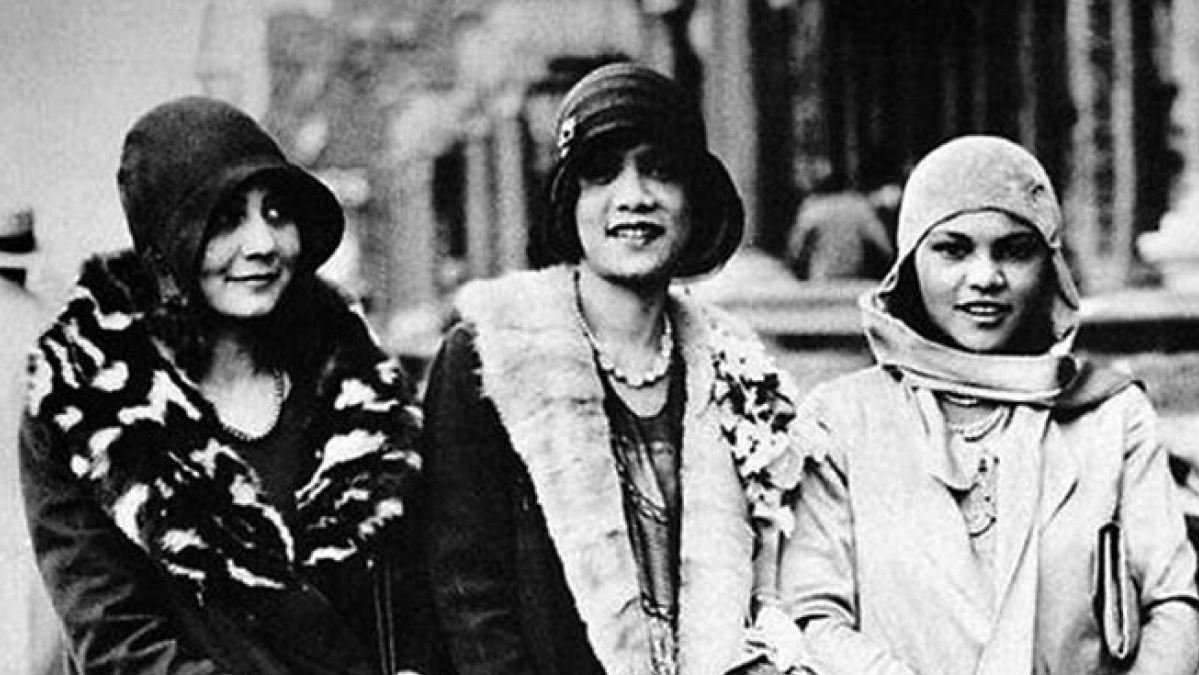
The Harlem Renaissance was an African American cultural revolution that took America by storm in the 1900s. Poets, authors, musicians, and even intellectuals came together in Harlem between 1917 and 1937 to celebrate their culture, challenge racial discrimination, and express their artistic excellence. These African American creators forged a new cultural identity using groundbreaking music, poetry, and art, all while fighting for social reform. Landmark works in literature, visual art, and jazz music were born against a backdrop of racial violence. From street riots to theatrical productions, we’ve compiled a list of 25 moments that shaped the Harlem Renaissance and solidified its significance in American history.
This post may include affiliate links.
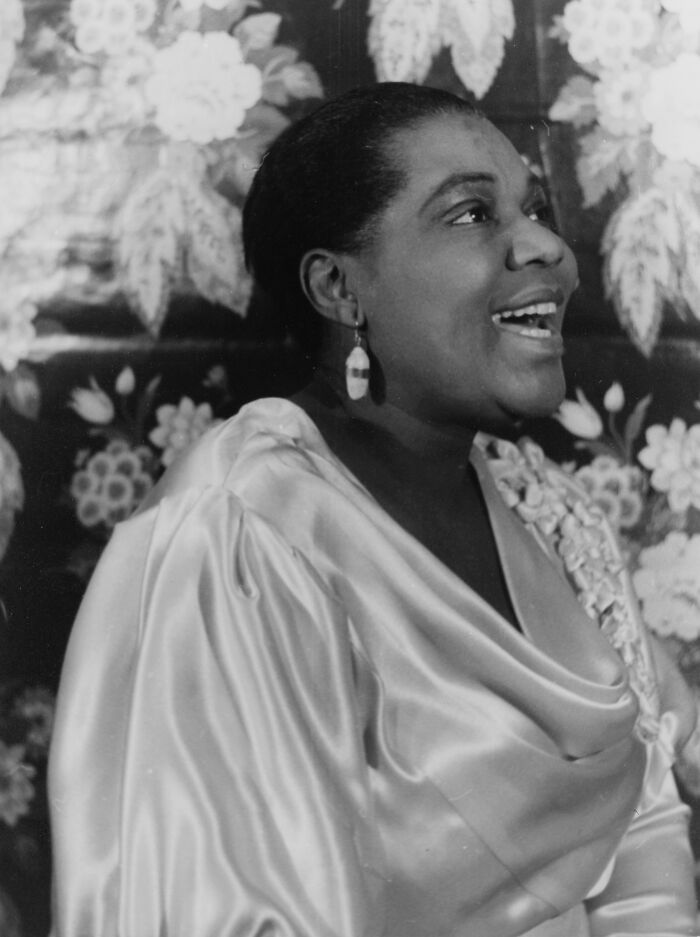
Bessie Smith was an African American blues singer signed to Columbia Records in 1923. After selling over 750,000 copies of her ground-breaking record, Downhearted Blues, she landed a headlining act on the Theatre Owners Booking Association circuit. Smith’s emotive vocals and raw performances, conveying pain and relatable experiences, resonated with audiences. As a result, she became one of the highest-paid African American artists at the time.
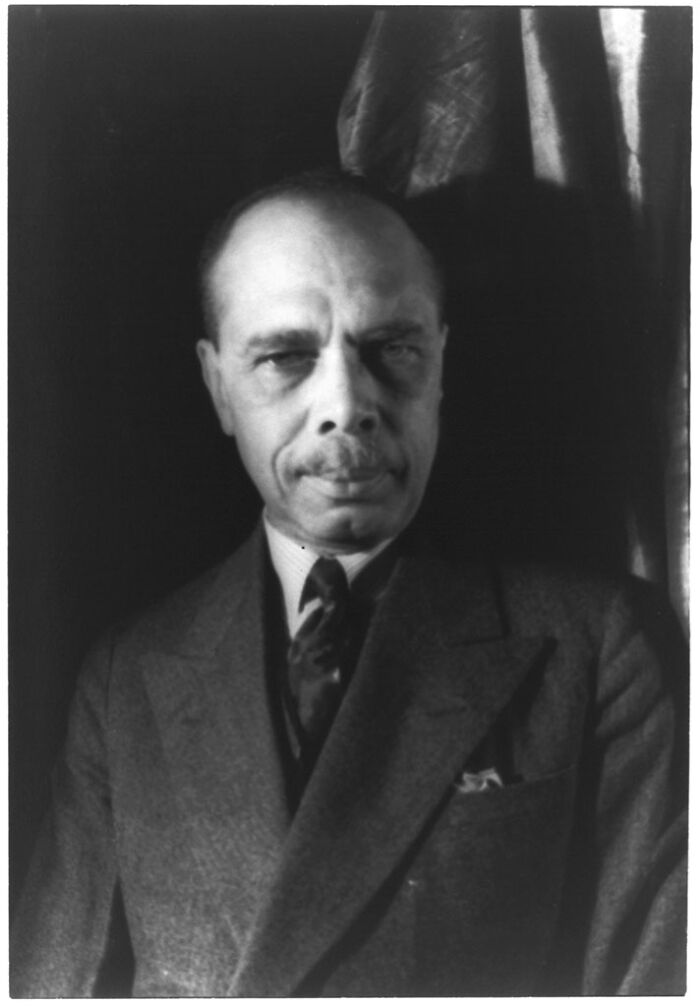
The National Association for the Advancement of Colored People (NAACP) is a civil rights organization that was founded in 1909 to advance justice for African Americans. James Weldon Johnson was appointed as the first African American executive secretary of the organization. In his role as secretary, Johnson advocated against racial discrimination and violence while supporting artistic growth within the African American community.
During the Red Summer of 1919, racially fueled riots spread across 26 cities in America. Hundreds were killed and thousands injured on both sides of the riots, with the Chicago Race Riot being the most brutal. Approximately 1,000 African American families were displaced as a result of the riot, and due to this, war veterans returning from World War I joined in on the fight, vowing to protect their homes.
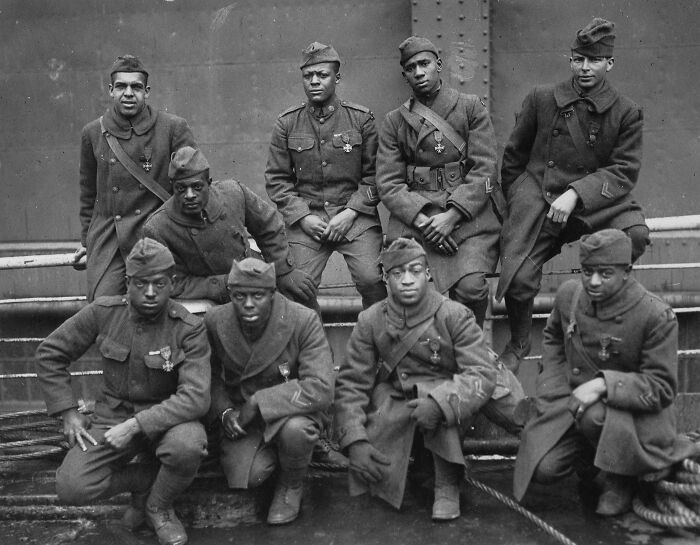
The 369th Infantry Regiment, made up of African American soldiers, went off to fight alongside the French in World War I. When departing, the soldiers didn’t get a hero's send-off and were barred from parading due to racial discrimination. However, upon their return from the war, the 2,700 soldiers were honored for their valiance in a parade down Fifth Avenue. Their jazz band, which introduced Jazz music to the French and the British during the war, was also featured in the parade.
Author Jean Toomer published the experimental novel Cane in 1923. It encapsulated the experiences of African Americans during the Harlem Renaissance through poems and short stories. Toomer integrated elements from both Southern African American folk culture and contemporary white avant-garde into the novel. Cane, a hit among African American and Caucasian critics, was placed in the same caliber as William Faulkner’s best work.
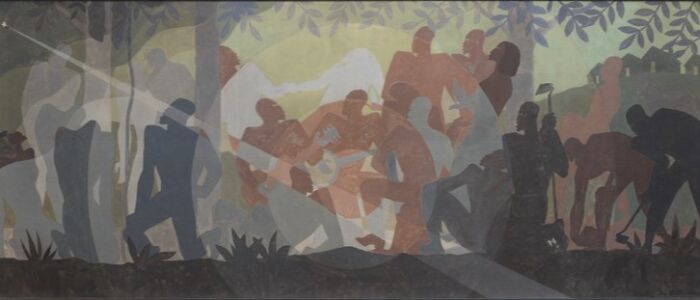
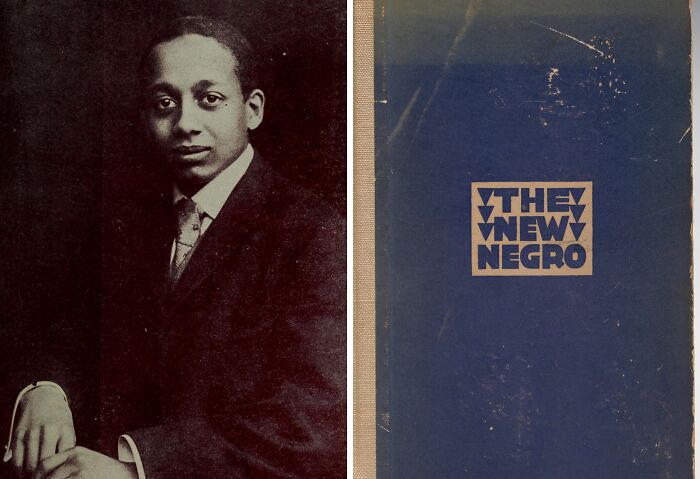
Aaron Douglas was a renowned visual illustrator known as the Father of African American Art. He drew inspiration from various West African sculptures and Egyptian antiquities to create his distinctive visual style. Douglas’s illustrations formed part of the movement’s aesthetic after they were featured in Allain Locke’s The New Negro and several Crisis magazine covers.
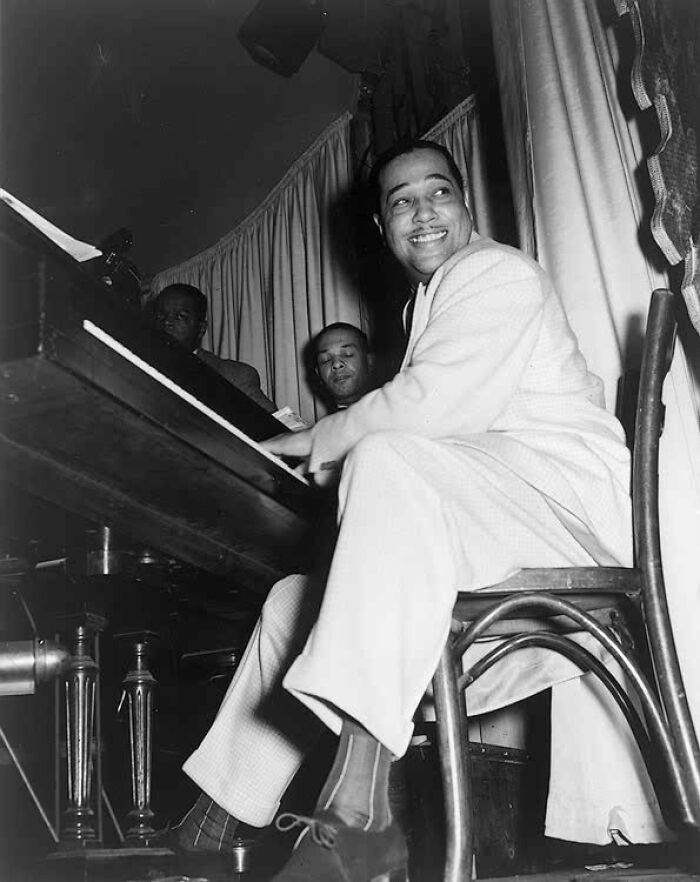
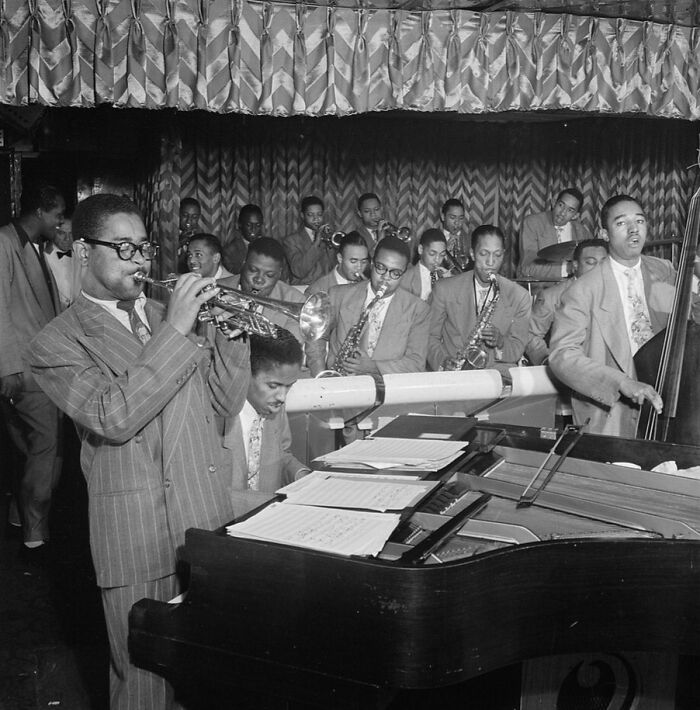
Marking a significant moment in jazz history, Duke Ellington began performing at the Cotton Club in 1927. His band’s unique sound incorporated “jungle style” and collaborative arrangements, which influenced many other artists at that time. Ellington’s music reached millions of listeners after being featured on radio broadcasts and recordings. With his innovative records still being performed today, Ellington elevated African American jazz music and cemented his reputation as one of history’s most influential composers.
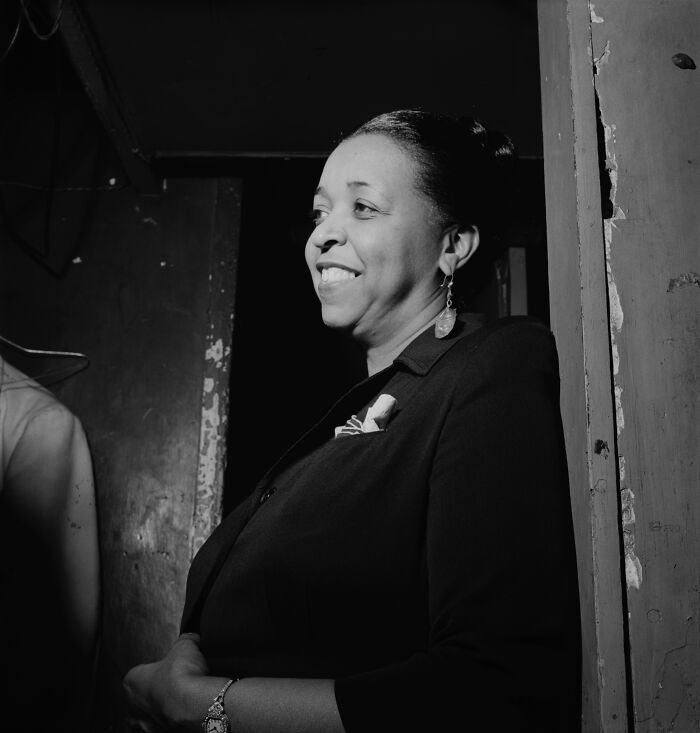
Ethel Waters was a versatile African American woman who had singing, acting, and performing on Broadway all under her belt. She began her career singing in nightclubs but eventually became one of the highest-paid actresses on Broadway in 1928. Waters frequently advocated for actors’ rights and served in positions on the executive council of Actors Equity and the Negro Actors Guild of America.
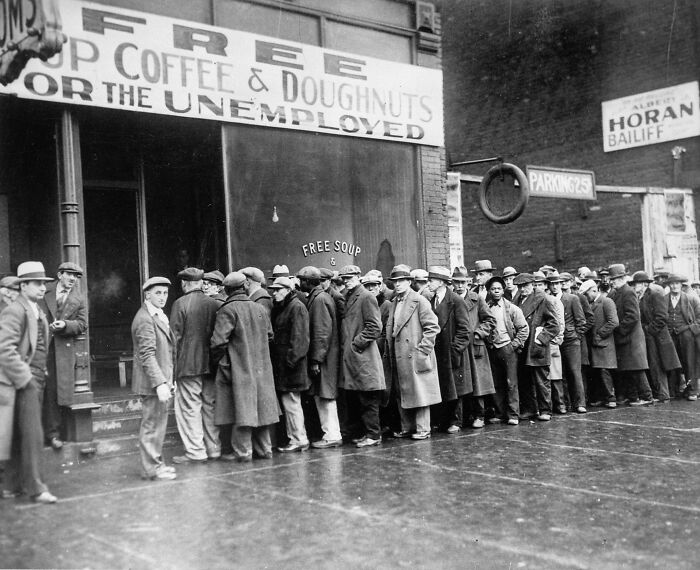
In 1929, when the great depression hit, African American workers were the worst affected when they were laid off from their jobs. The unemployment rate in Harlem soared, and a lot of people fell into poverty as a result. Racial inequality and discrimination worsened when African Americans were kept out of relief programs and housing. Patronage at the cultural establishments slowed, eventually leading to the end of the Harlem Renaissance.
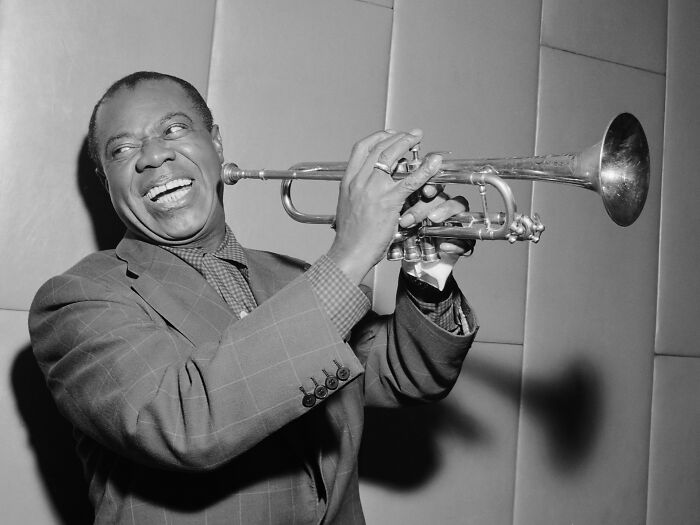
Named the ‘World's Greatest Trumpet Player’, Louis Armstrong transformed the landscape of jazz. Because his unique trumpet playing had such a significant impact on scholars, critics, and fans, he was named the first great jazz soloist. Armstrong’s singing was just as influential as his trumpet playing. His performances at Harlem’s Savoy Ballroom drew large crowds who wanted to witness his unorthodox improvisations and experience his powerful vocals.
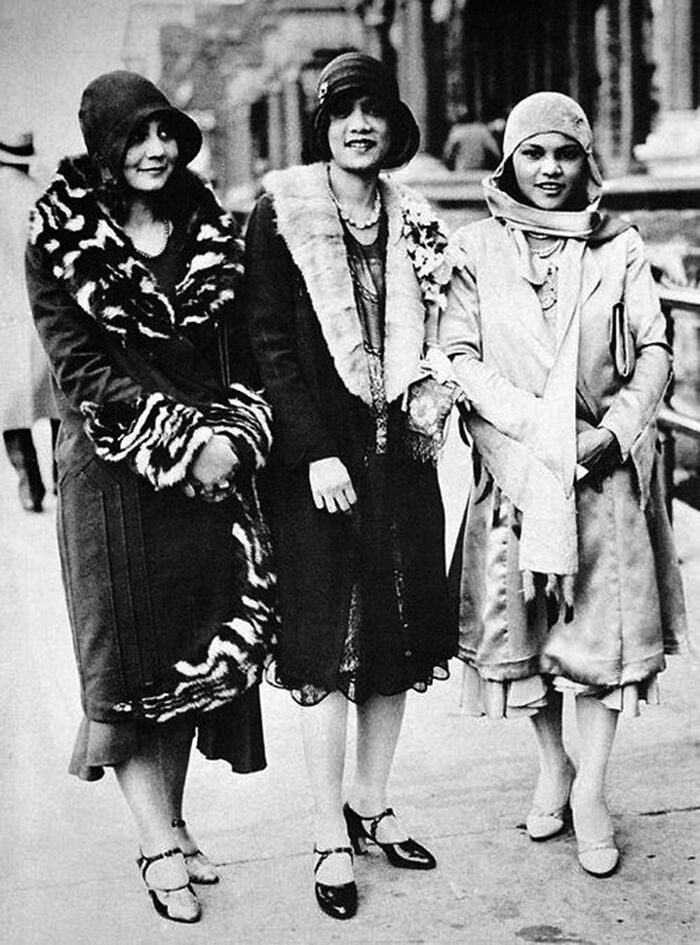
During the Jim Crow oppression in World War I, millions of African Americans fled from racial violence and poor socioeconomic conditions in the South. The reason? To pursue economic opportunities in the North and West. By the ‘20s, approximately 200,000 of those fleeing the South settled and formed their own community in Harlem. Because racial segregation wasn’t mandated in the North, they had access to better educational and economic opportunities.
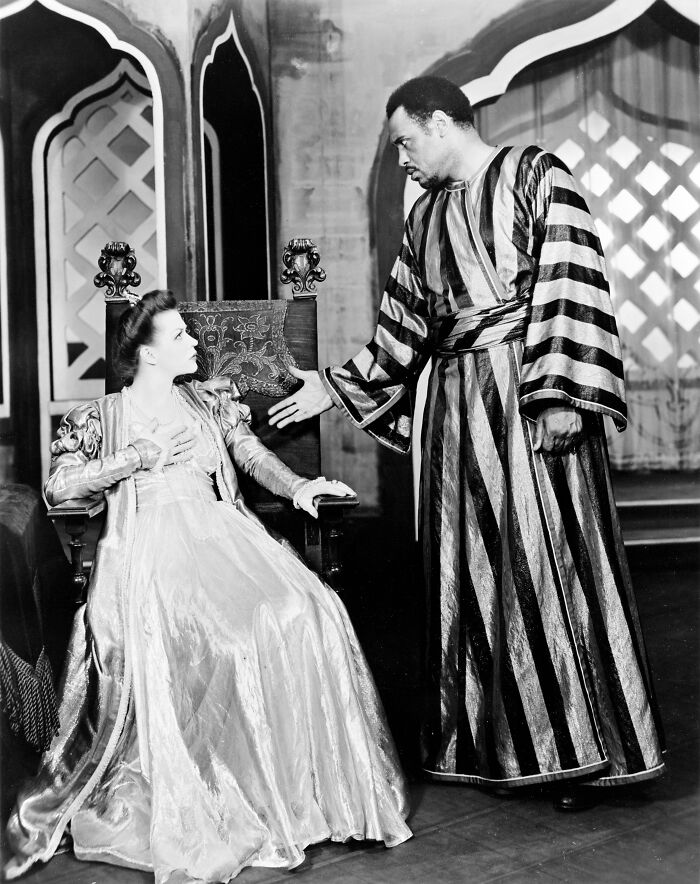
Paul Robeson was the only African American student to attend Rutgers University in 1915. He graduated as valedictorian and was named an All-American football player. While playing for the National Football League, Robeson also earned an LLB at Columbia Law School. After graduating, he became a civil rights activist and an artist whose powerful voice and stage performances broke racial barriers in theater and film.
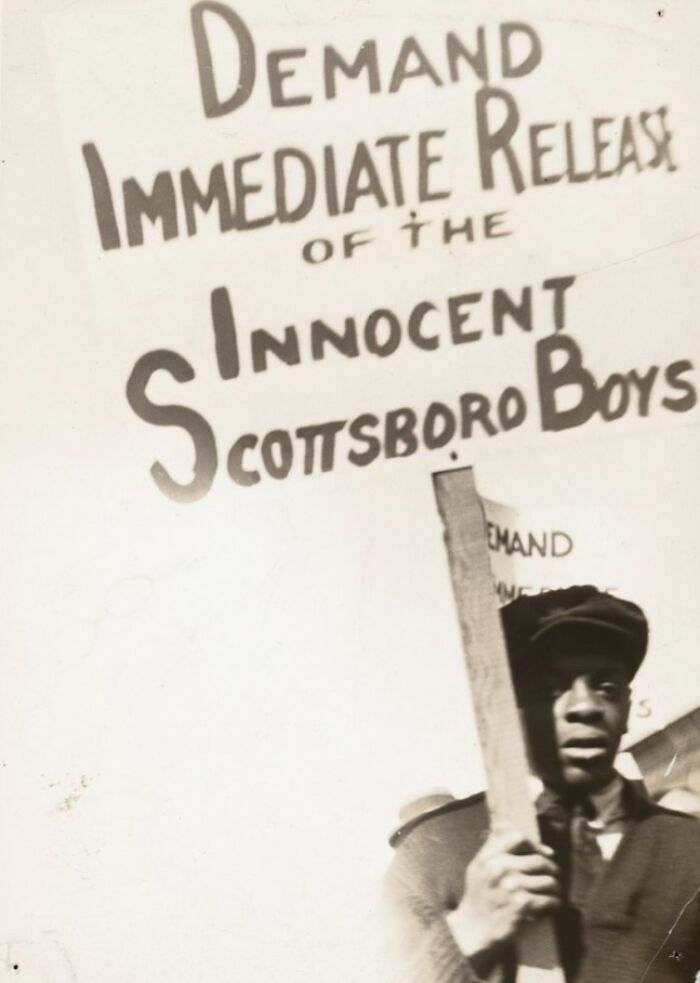
The Scottsboro Boys’ case set the Civil Rights Movement in motion. Harlem activists led fundraising efforts and organized protests for the nine African American teenagers who were falsely accused of rape. The case inspired influential authors such as Langston Hughes to publish the ‘Scottsboro Limited’ poem. Several other prominent figures during the Harlem Renaissance also drew inspiration from the case.
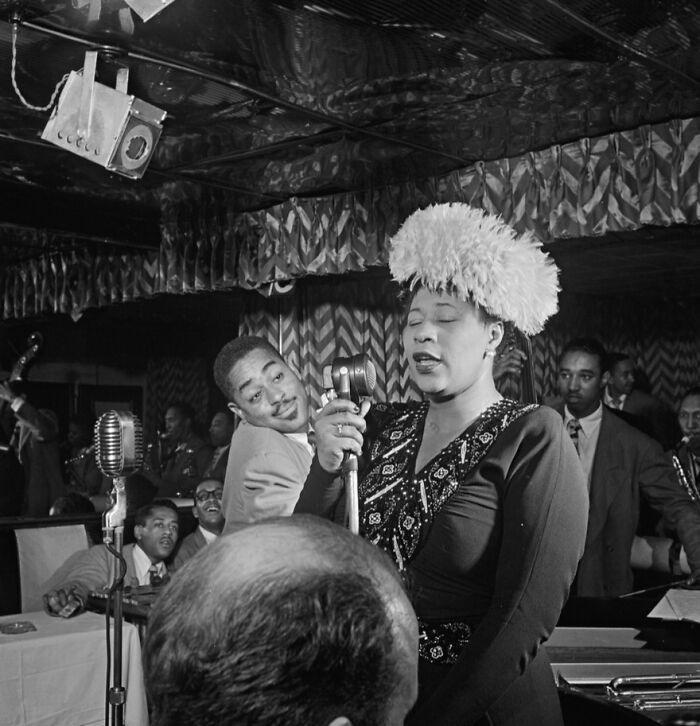
Even as the Renaissance formally waned, the Apollo's Amateur Night showcased emerging talents like Ella Fitzgerald and Sarah Vaughan. Tickets cost 25¢-75¢ when monthly rent averaged $50 and a movie 35¢. The theater remained a cultural cornerstone where Renaissance values of artistic excellence and racial pride continued through the war years into the modern civil rights era.
The New Negro Movement was founded by Hubert Harrison to promote a renewed sense of racial pride, cultural self-expression, and economic independence among African American masses. Harrison also founded the Liberty League and The Voice newspaper to advocate for freedom through equality, legislation against racial lynching, and political independence.
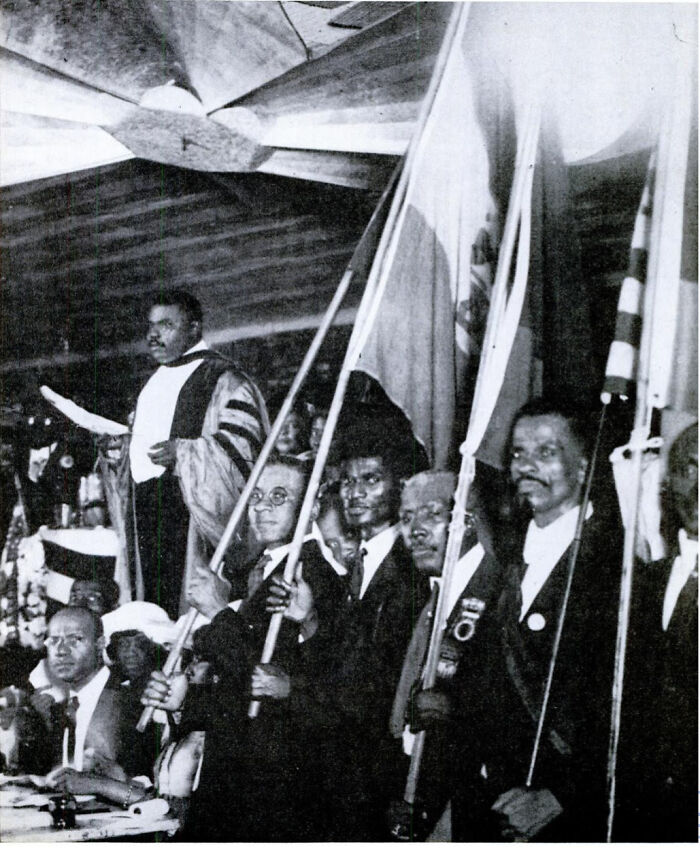
Marcus Garvey founded the Universal Negro Improvement Association (UNIA) to encourage the empowerment, solidarity, and unity of people of African descent across the world. When he opened up a branch in New York, it was made available to anyone of African American ancestry who could afford the membership fee. Garvey gave speeches on the streets and at events organized by Hubert Harrison, which led to a rapid surge in membership for the UNIA.
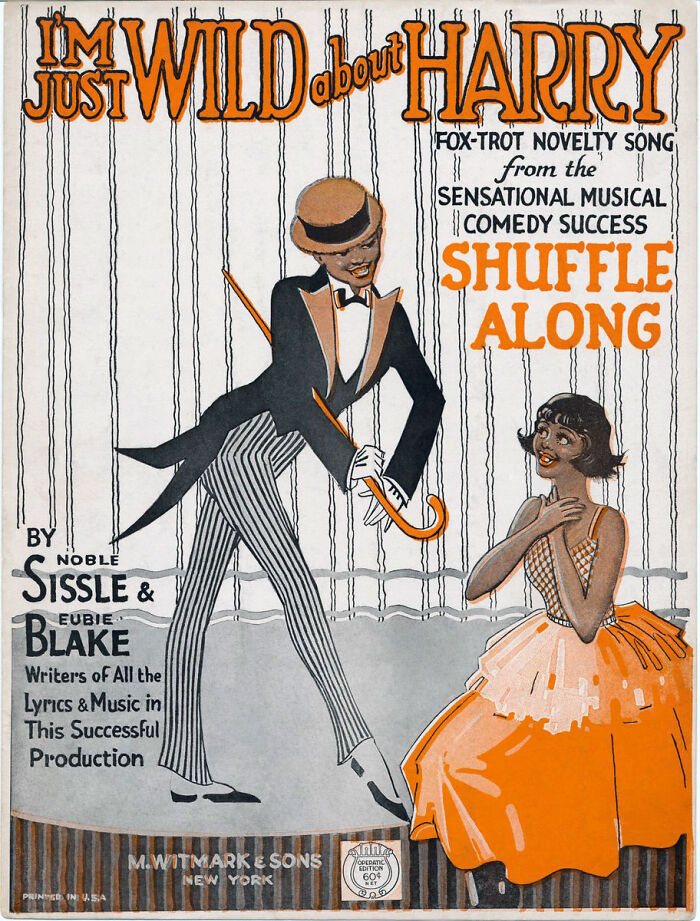
The Shuffle Along musical, an innovative two-act theatrical production from the ‘20s, was written and performed entirely by African Americans. Created by Eubie Blake and Noble Sissle, the musical comedy became the first highly successful musical produced by African Americans. Because it was increasingly popular among both races, Shuffle Along ran for 504 performances and went on a three-year nationwide tour. The show is considered the pioneer of jazz in mainstream theater.
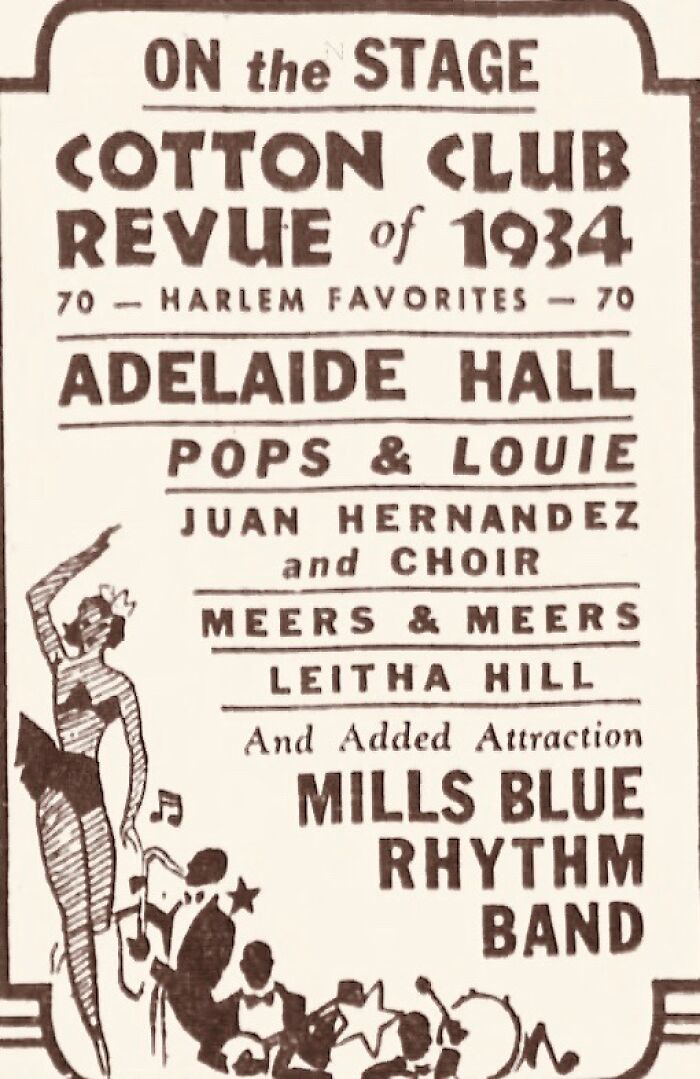
The Cotton Club was a legendary club that was part of Harlem’s nightlife since its opening in 1922. The club reflected the era’s contradictory nature since it featured a roster of predominantly African American performers, yet entry into it was restricted to Caucasian patrons. Some of the prominent performing artists who contributed to the club’s popularity included Duke Ellington, Louis Armstrong, and Cab Calloway.
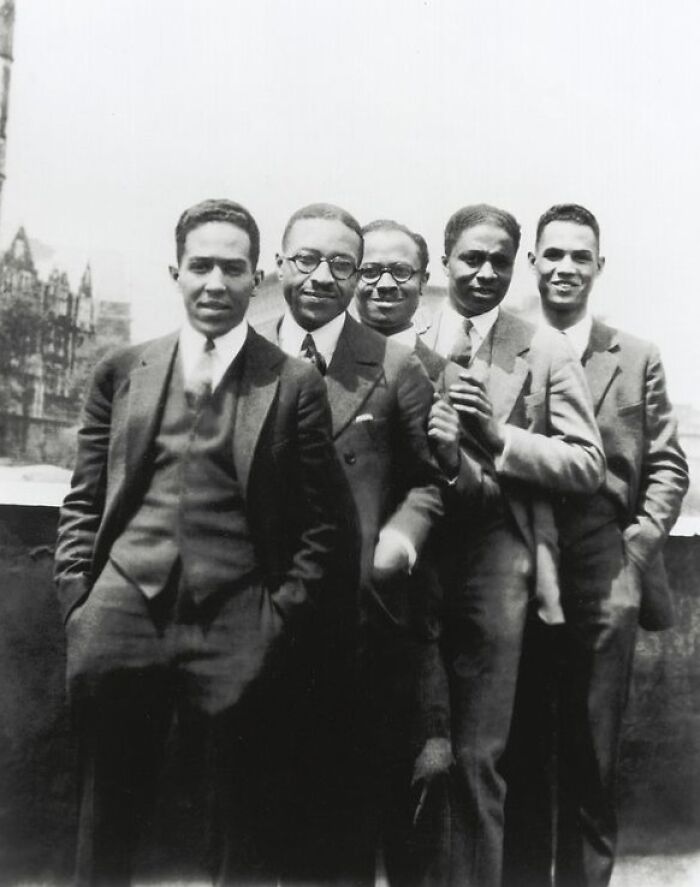
The Harlem Renaissance began at the Civic Club dinner organized by publisher Charles S. Johnson. During the dinner, African American writers were invited to showcase their work to over 100 Caucasian publishers and attendees. Prominent patrons included W.E.B. Du Bois, Jean Toomer, and Langston Hughes. In the years after the dinner gathering, more than 40 volumes of fiction, non-fiction, and poetry were published by African American writers. They used their own experiences as the basis for their creativity.
Alain Locke was the first African American Rhodes Scholar and a distinguished academic. His book on the Harlem Renaissance, The New Negro, became a landmark in African American literature. Known as one of his best-known works, the book gave Caucasian readers a glimpse into African American culture and raised overall awareness of potential racial equality.
Dubbed the ‘World’s Finest Ballroom’ and ‘The Home of Happy Feet’, the Savoy Ballroom was a large integrated dance hall in Harlem. The ballroom was named after the Savoy Hotel due to its classy and upscale feel. Unlike other establishments such as the Cotton Club, the Savoy Ballroom had a no-discrimination policy, and patrons were judged solely on their dancing skills. Many dances, like the Lindy Hop, were created in the ballroom, and several orchestra bands, such as Chick Webb’s, gained popularity there.
The Weary Blues is a poem written by one of the most influential figures of the Harlem Renaissance, African American poet Langston Hughes. Writing about his experiences in the world, Hughes’s work gave a voice to African Americans and also changed how the world viewed them. The poem uses literary devices and vivid imagery to provide readers with an intimate perspective into the life of the man playing the blues.
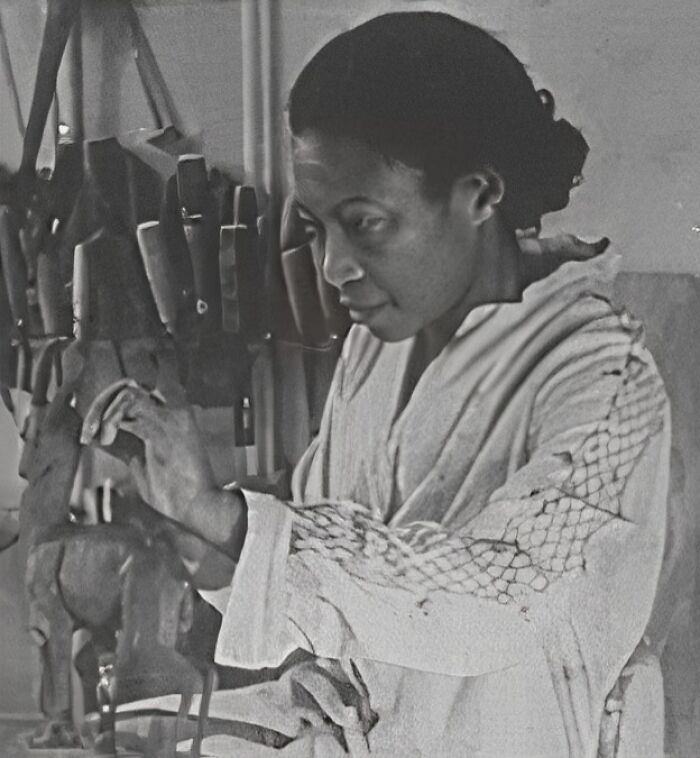
After graduating from art school in the mid-1920s, Augusta Savage began making portrait sculptures in her studio apartment. Savage made busts of some influential figures, such as W.E.B. Du Bois, but her best-known work was her award-winning bust, Gamin, a portrait of her nephew. In 1932, she established the Savage Studio of Arts and Crafts, becoming a prominent teacher in Harlem. Two years later, she became the first African-American member of the National Association of Women Painters and Sculptors.
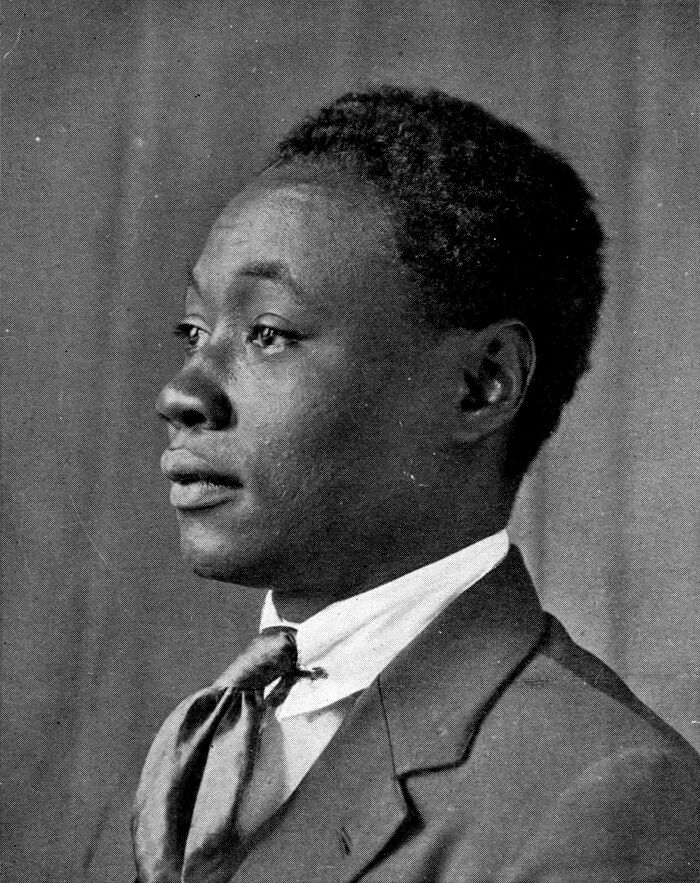
Claude McKay’s first novel, Home to Harlem, became an award-winning bestseller after its release in 1928. Although prominent figures like W.E.B. Du Bois criticized him for his controversial depiction of Harlem’s lower-class citizens, readers were drawn to the novel’s authenticity. For his work, McKay was revered as a literary force and became a central figure in the Harlem Renaissance.
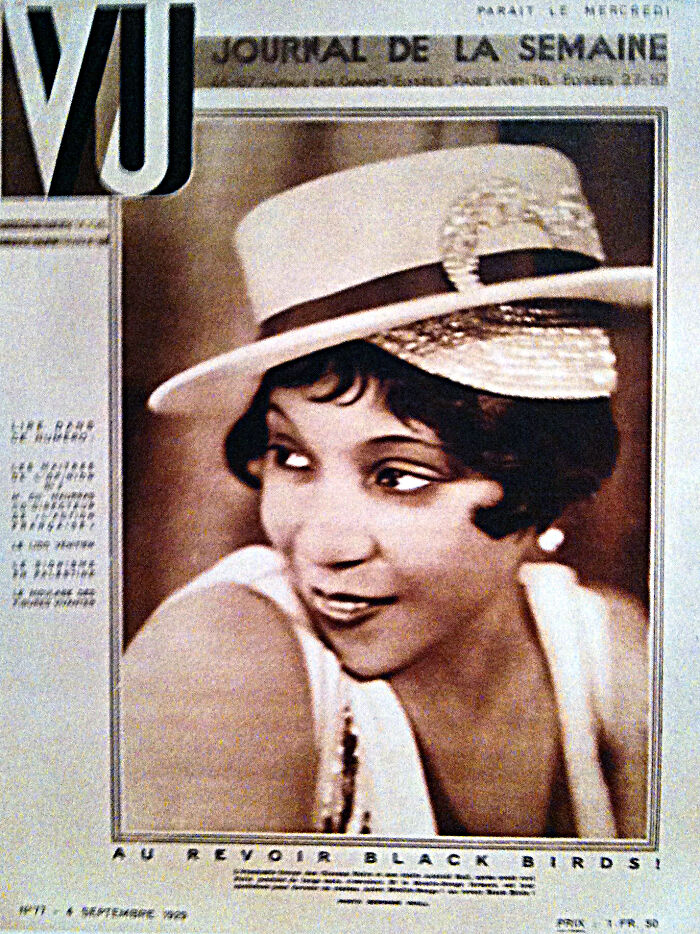
The Blackbirds of 1928 was an all-African American musical revue with an all-star cast including Adelaide Hall, Bill Robinson, and Aida Ward. It opened at the Liberty Theatre and became the longest-running African American show on Broadway with 518 performances. The show targeted mostly Caucasian audiences, introducing them to authentic African American entertainment and artistic brilliance.
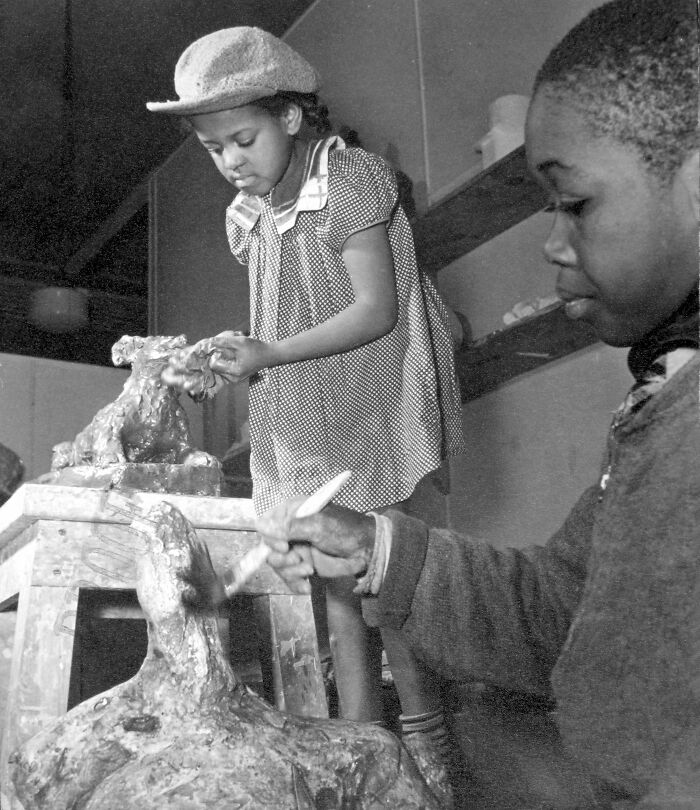
Considered a central arena for the Harlem Renaissance, the Harlem Community Art Center opened its doors in 1929. Funded by the WPA, it provided free art classes to eager students in the community. Prominent artist Augusta Savage was the director of the center, and other influential artists such as Charles Alston taught lessons there. Just over a year after opening, the center received over 70,000 people through its doors.
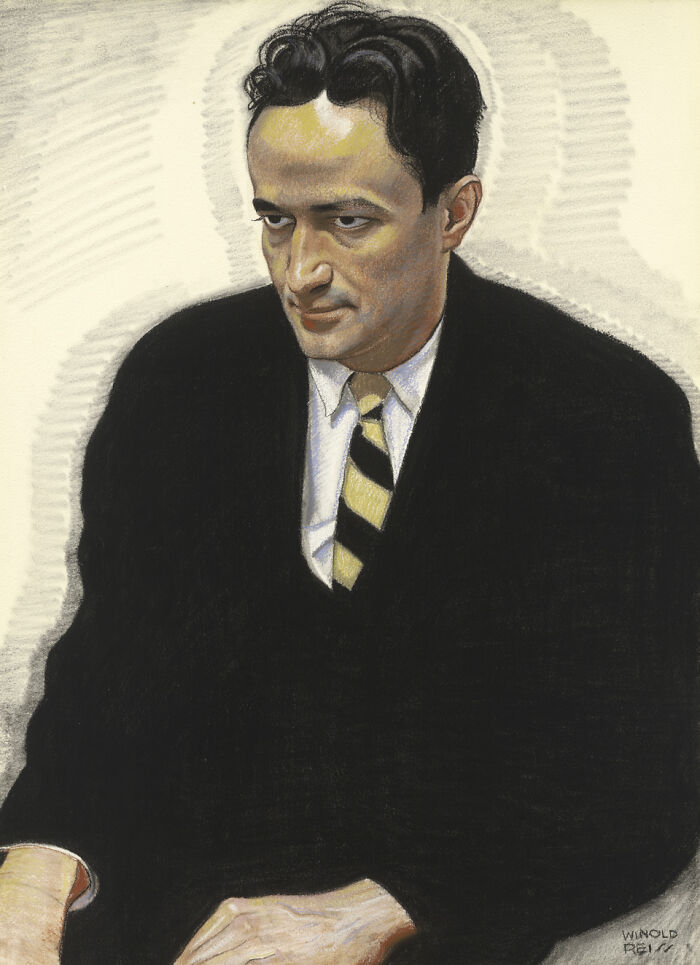
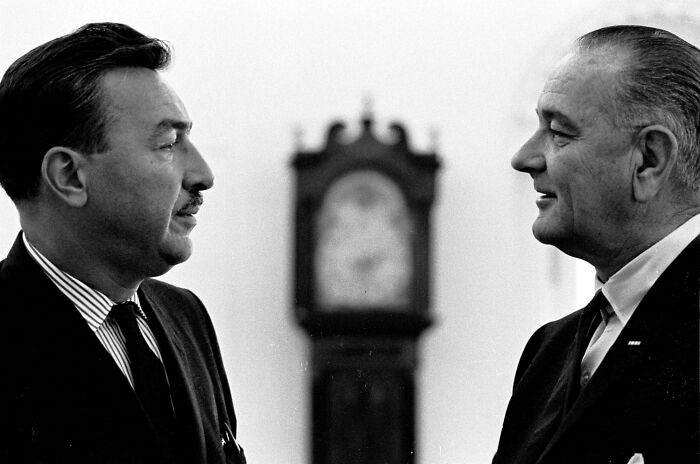
Following in his father's influential footsteps, Powell Jr. became the first African American elected to New York's City Council. His campaign grew from his leadership at Abyssinian Baptist Church, which had grown to 14,000 members under his father. Powell's political rise represented the Renaissance's evolution toward institutional power, with his campaign costs of approximately $2,000 funded largely through church collections averaging $1000 weekly when most churches collected $50-100.
Cullen's formal verse addressing racial themes garnered critical acclaim through collections like "Color" and "Copper Sun." As a public school teacher earning approximately $1500 annually, Cullen created poetry that appeared in mainstream publications paying $10-25 per poem. His marriage to W.E.B. Du Bois' daughter Yolande became a major social event when wedding costs typically ranged from $100 to $500, symbolizing the Renaissance's blending of artistic and intellectual lineages.
Though scholars typically mark the Renaissance's end with World War II, its artistic achievements permanently transformed American culture. The movement's pioneering artists, writers, and musicians created enduring works while establishing foundations for future civil rights activism. What began with the Great Migration culminated in a powerful legacy of cultural excellence that continues to inspire and illuminate today.
These were incredible - I really enjoyed this. Would LOVE to see more like this!
These were incredible - I really enjoyed this. Would LOVE to see more like this!






















 No fees, cancel anytime