Get Premium
Dark mode theme is available exclusively for premium users. Learn more about the benefits of subscribing.
No fees, cancel anytime.

 Dark Mode Ad-Free Browsing Unlimited Content
 Ad-Free Browsing Unlimited Content Dark Mode
Join 1.2 million Panda readers who get the best art, memes, and fun stories every week!
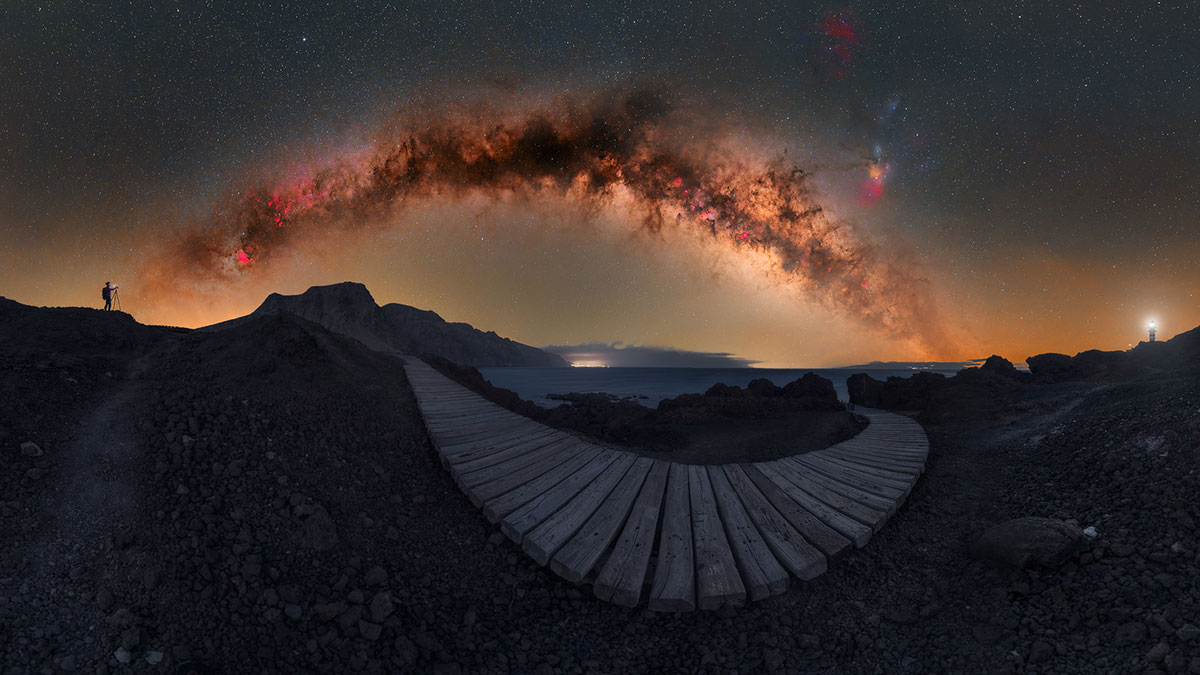

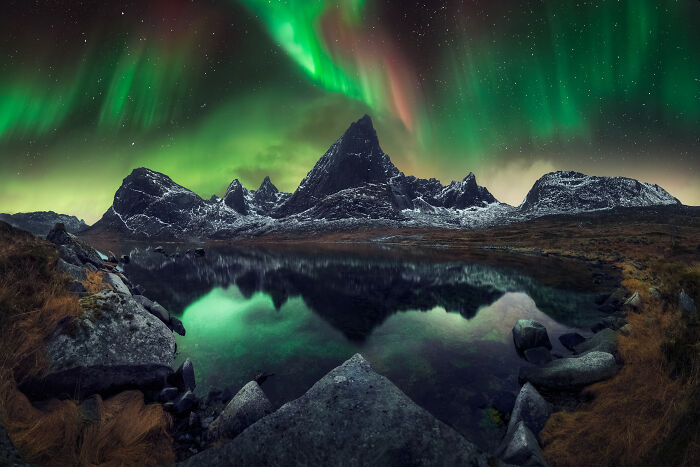
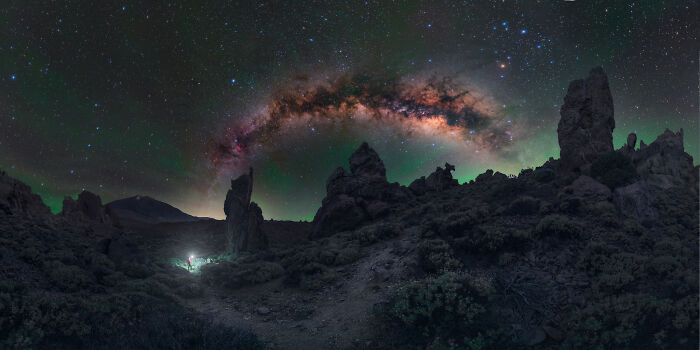
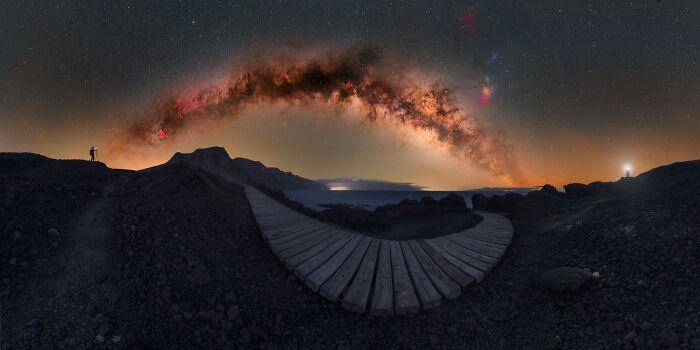
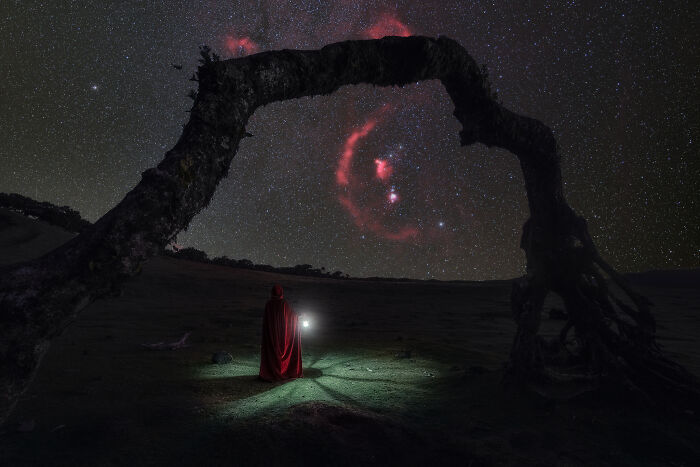
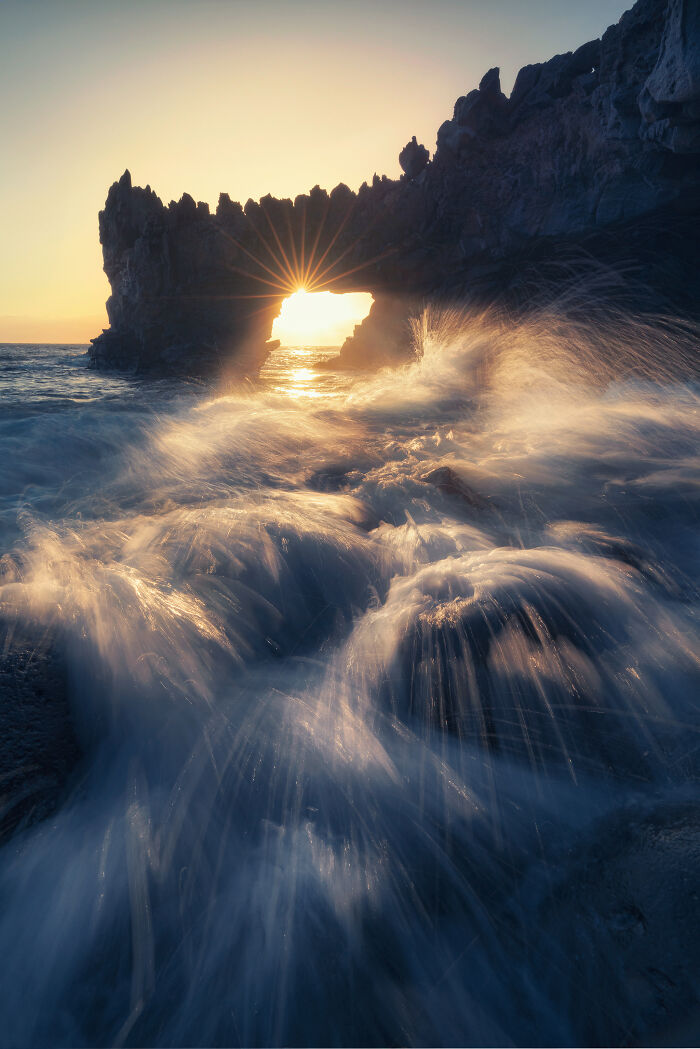
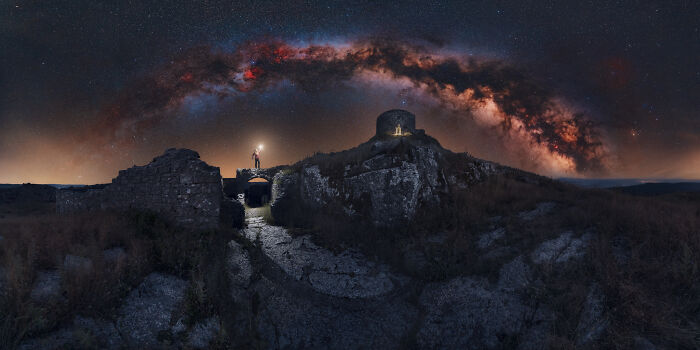
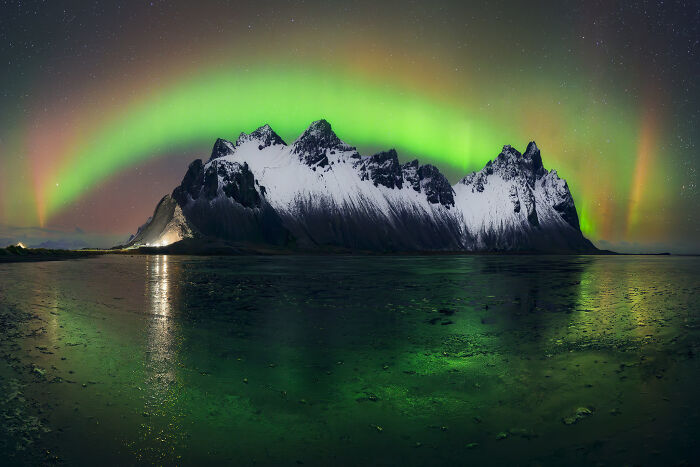
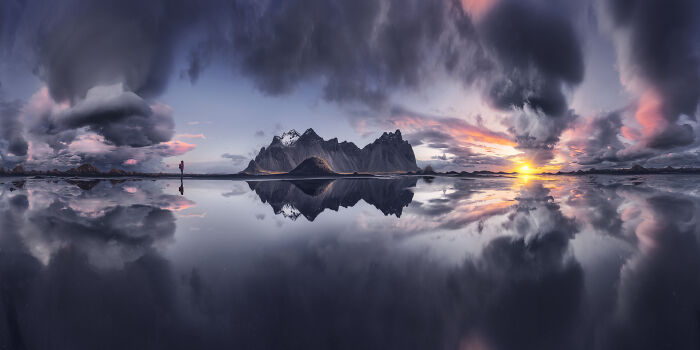
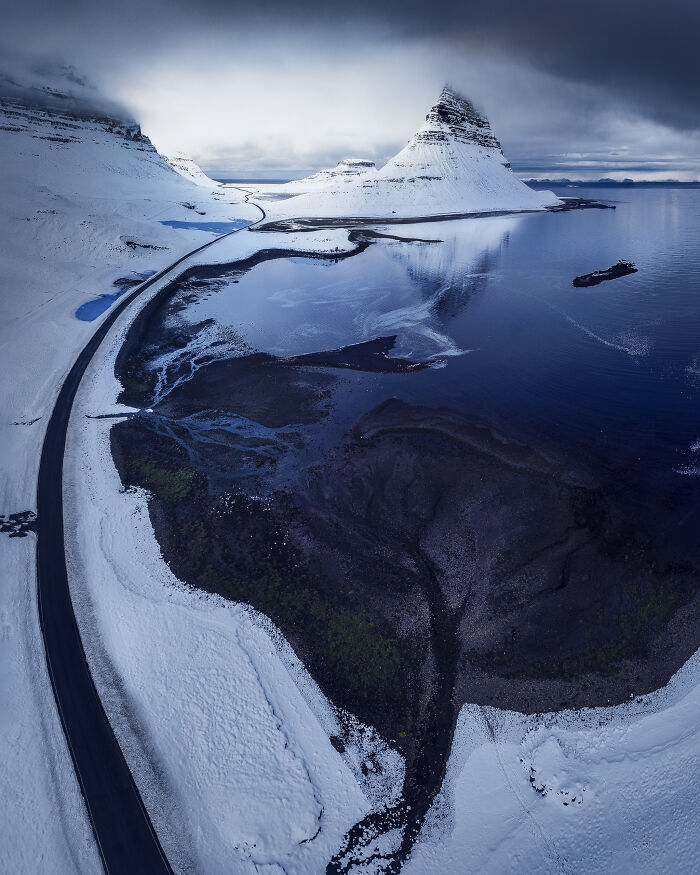
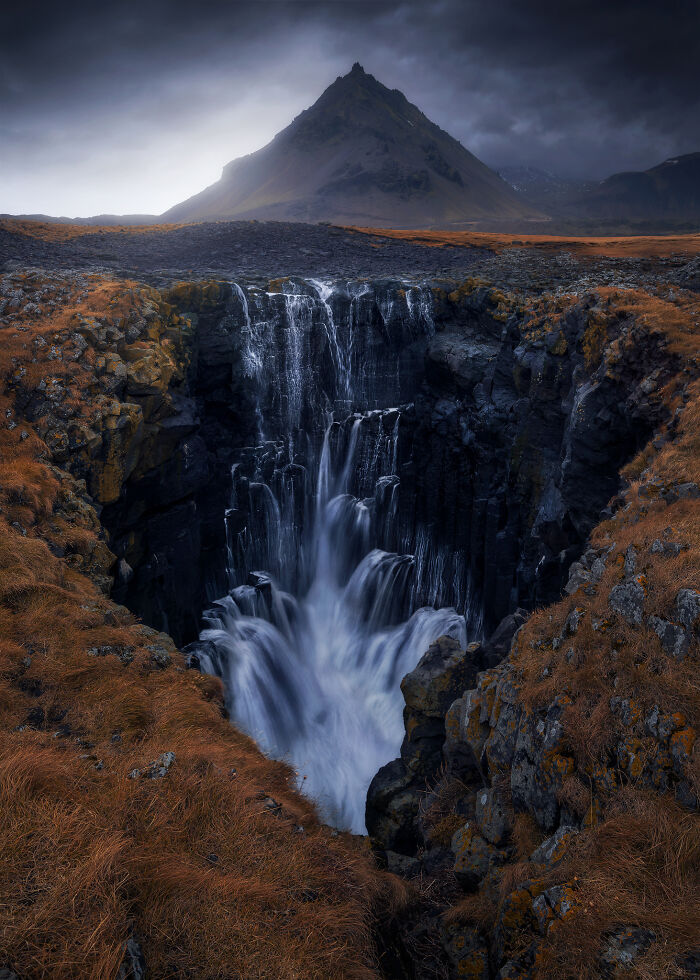
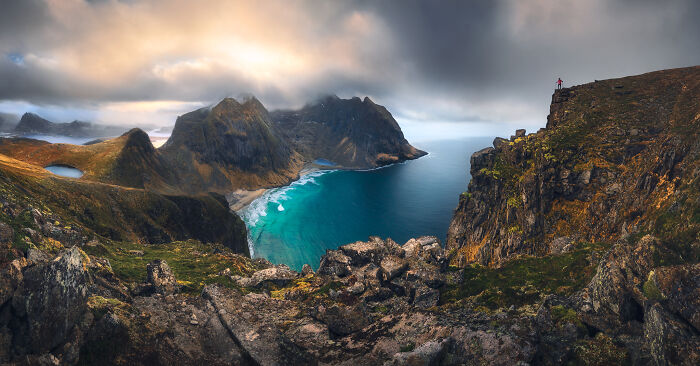
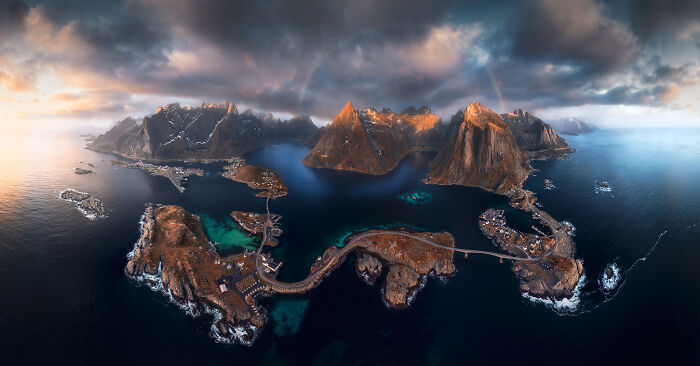
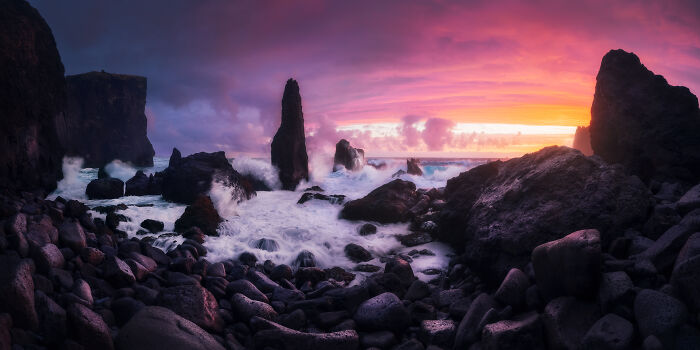
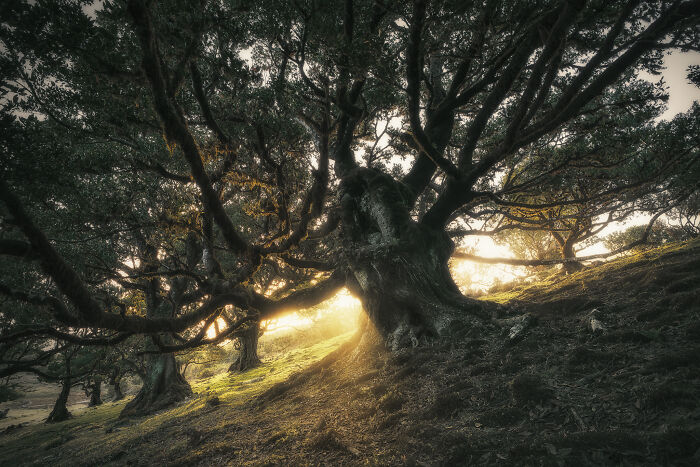
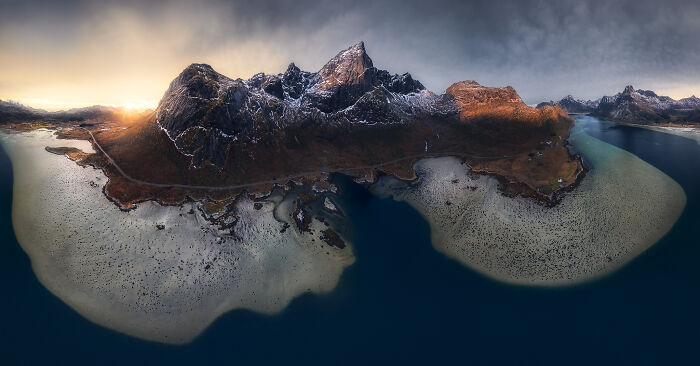
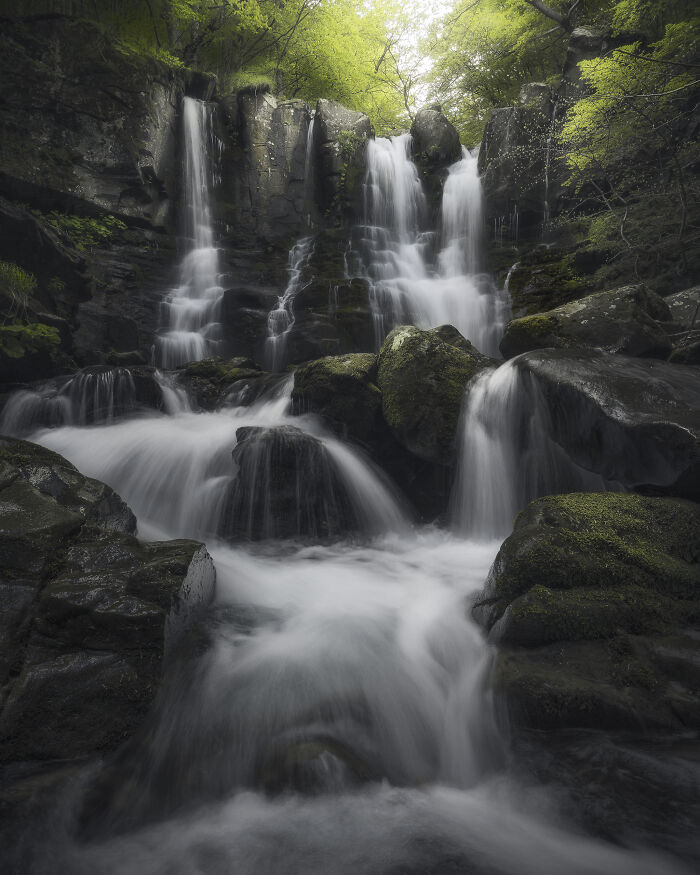
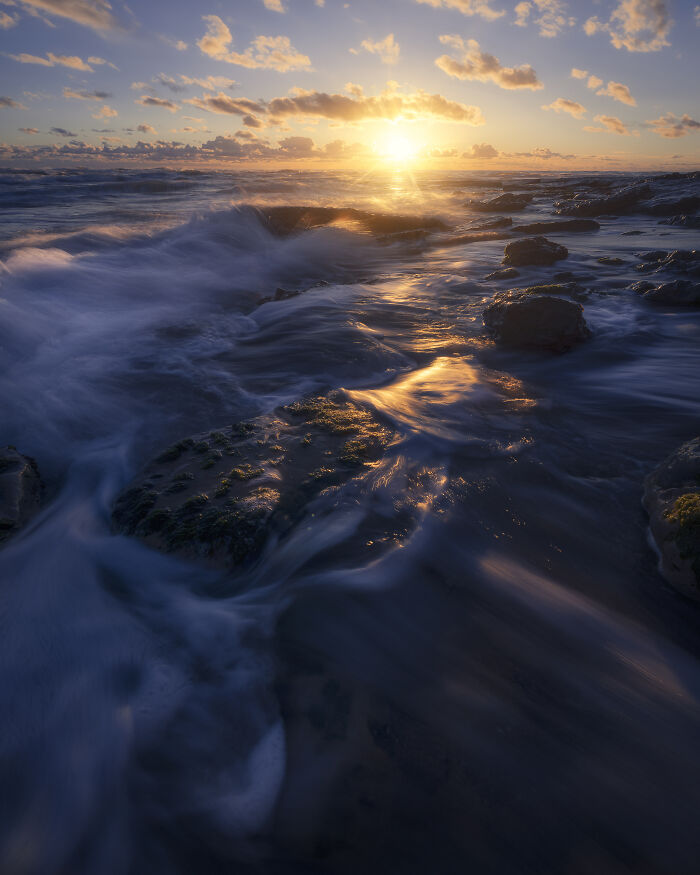
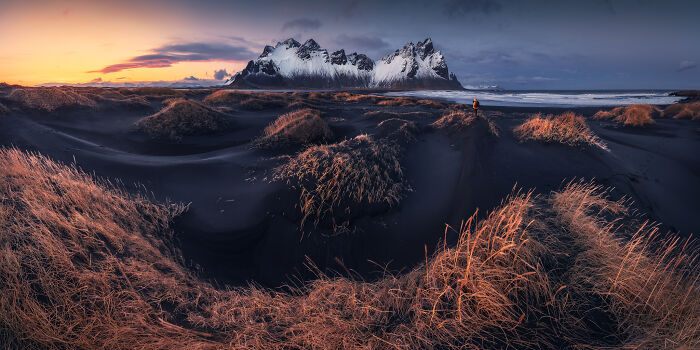
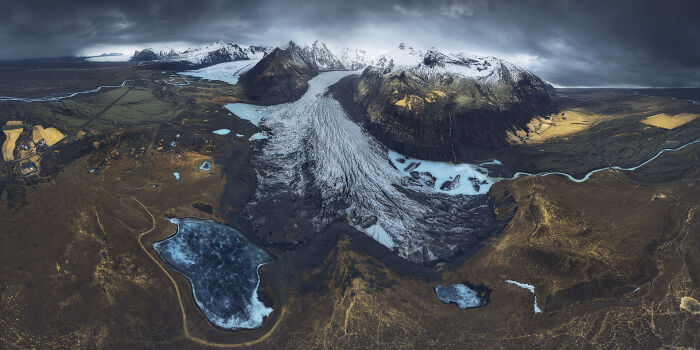
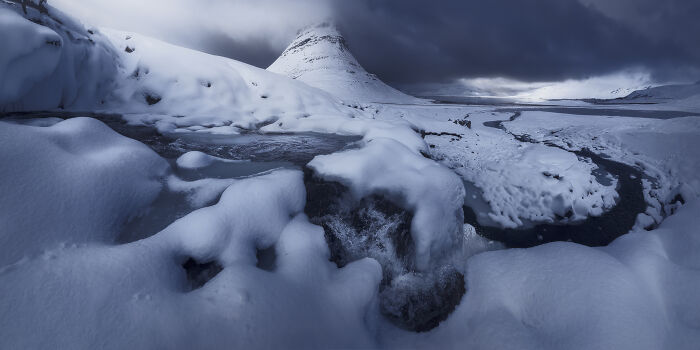
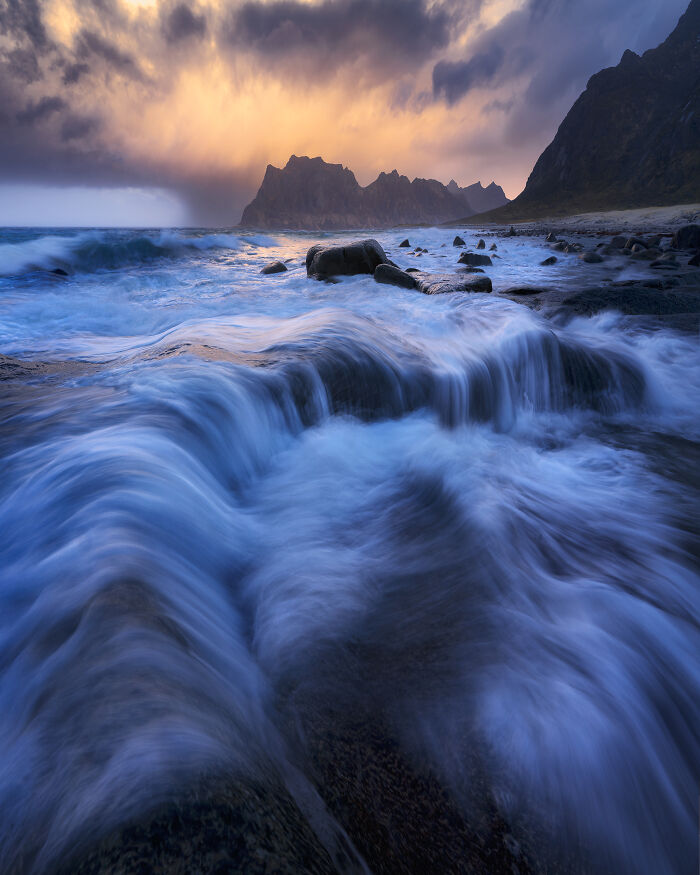
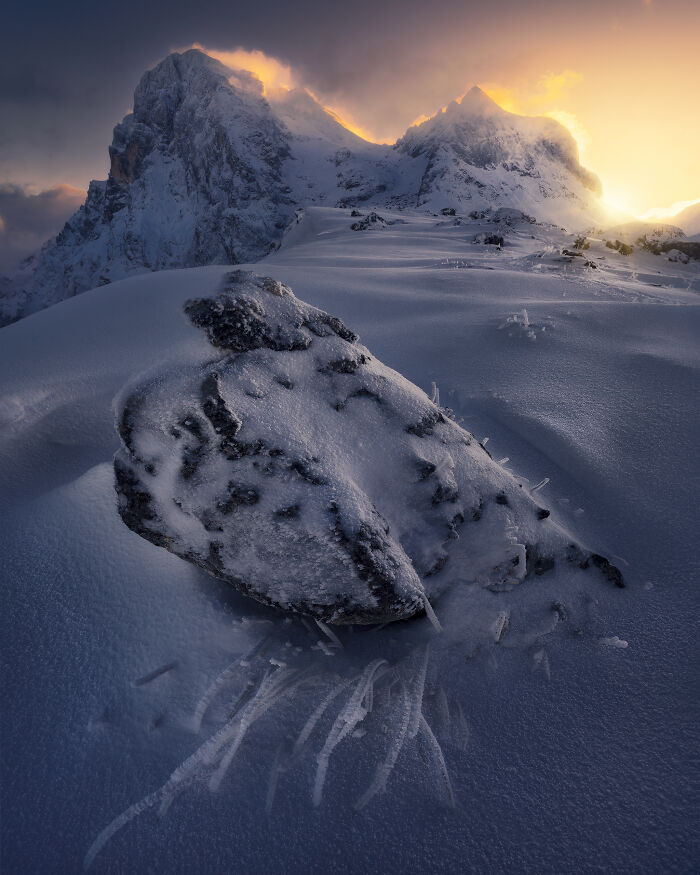
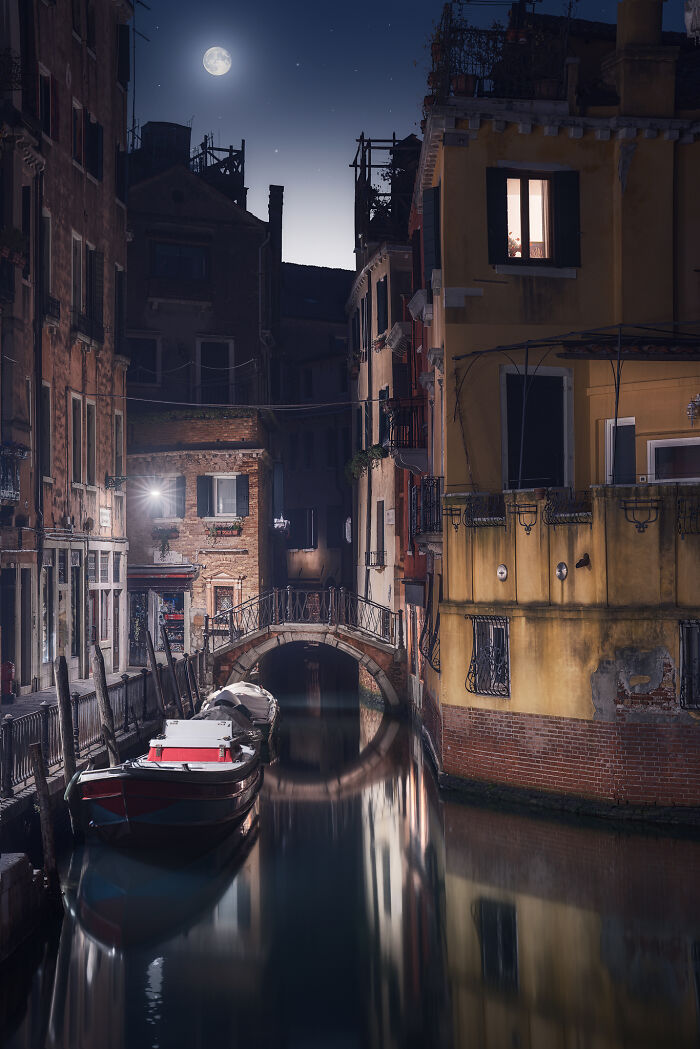
Landscape photography has the power to transport us to breathtaking places, capturing the beauty of nature and the magic of the world around us. Gianluca Rubinacci is one of the photographers who bring these scenes to life.
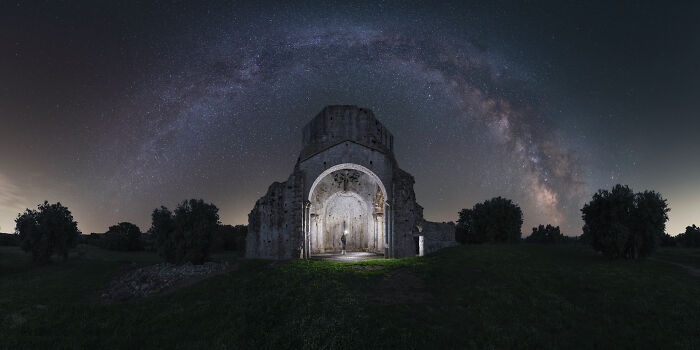
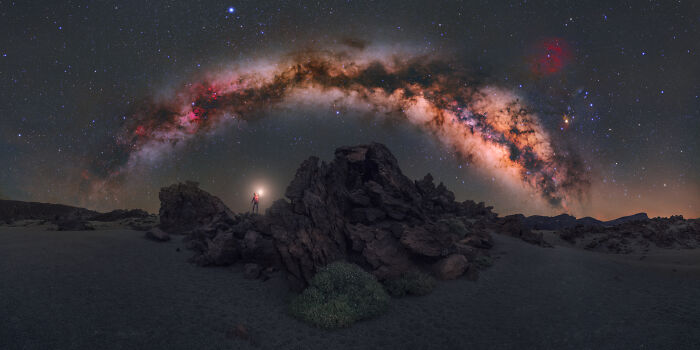
Originally from a small seaside town near Rome, Italy, Gianluca’s journey into photography began unexpectedly in 2018 when he received a camera as a gift: “From then on I have never stopped taking pictures. Initially it was difficult to understand the great mechanism that moves the images, but, studying and failing, I managed after years to find the segment that I am most passionate about and gratifies me: landscape photography and more specifically panoramic photography and astrophotography.”
If you’re interested in learning more about the photographer and his work, scroll down to read our full interview.
More info: Instagram | Facebook | saal-digital.net
This post may include affiliate links.
Bored Panda reached out to learn more about the Italian photographer and the captivating scenes he captures through his lens. Gianluca Rubinacci shared with us how he developed a passion for landscape and nightscape photography: “I have always photographed only landscapes: initially I only photographed night landscapes in the city. Until a few years ago, it was in fact difficult to cover the wide dynamic range of the night and I liked to merge different shots at different exposures to create night cityscapes with a wide dynamic range.
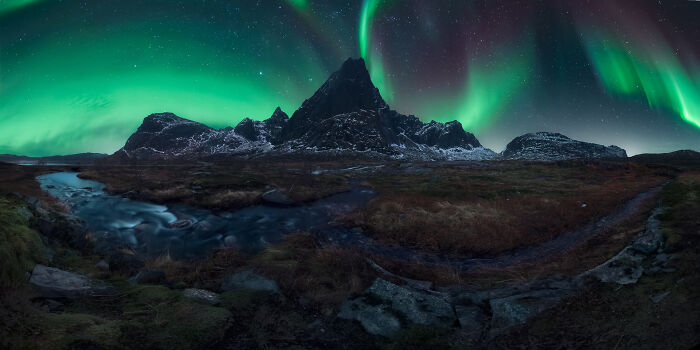
After some time practicing this type of photography, I started to get bored. The cities are beautiful but their landscapes are static and it is impossible to play with them. I then began to explore other more naturalistic places that allowed me to express a more personal vision of the images, and over time, evolving, I merged the love for the night with that for landscapes, getting closer and closer to wide-field astrophotography. I love being able to capture what the human eye is not able to perceive except in a light form.”
When asked about his preparation process for shoots, the photographer shared: “Almost all my shots are the result of careful planning: to organize them at their best I start by looking for images of the places I want to visit so as to get an idea of the type of landscape I will find. Then I use the Street View function of Google Maps to explore the area at 360 degrees, and finally, to best plan the sunrise and sunset times, as well as the positioning of the Milky Way, I rely on several specific applications, including quasi PhotoPills, Planit Pro and Stellarium. Every year, I prepare a list of the places I want to visit and the images I want to capture, then I evaluate the feasibility of each shot, and, when possible, I try to put it into practice. However, landscape photography is an unpredictable game: as much as you can plan for months, in the end it is always the weather that decides what will actually be achievable, so you also need a good dose of luck.”
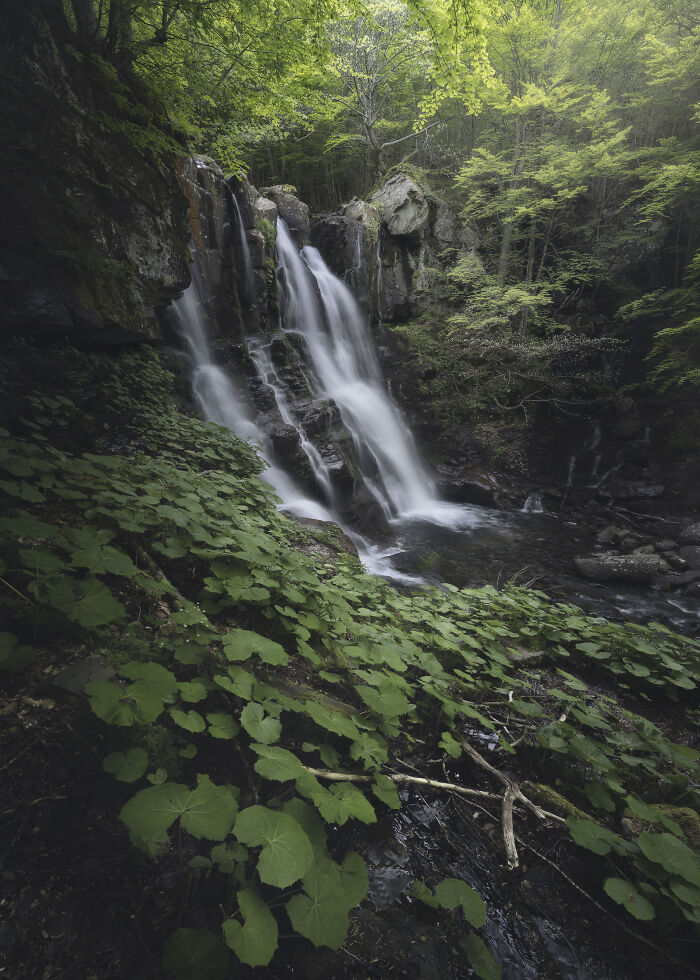
NGL, these are awesome, although there is a reason it is called landscape not portrait. Several of these shots would be better in landscape.
Gianluca also kindly shared with us some of his favorite locations to shoot, as well as dream destinations he hopes to capture in the future: “At the top of my list of favorite places are definitely Iceland and Norway: I love the very variable climate of those places and the possibility of chasing the Northern Lights.
Among the trips I have in the drawer are:
- Atacama Desert
- Argentine Patagonia
- Namibia
I have not yet undertaken these trips because I think that the European continent still has a lot to tell and I would like to continue doing so.”
Lastly, Gianluca Rubinacci shared some valuable words of advice for aspiring landscape and nightscape photographers: “If I could give someone advice, I would tell them that studying thoroughly is essential because photography is not limited to owning a lot of equipment but requires the ability to use it at its best. Furthermore, I would tell them that following your own path with determination and letting yourself be guided by your own vision is fundamental: accepting failures and repeating the process over and over again allows, little by little, to transform what you imagine in your mind into a photograph.”


It would be nice to know where these places are. The pics are beautiful.
It would be nice to know where these places are. The pics are beautiful.

















 No fees, cancel anytime