Get Premium
Dark mode theme is available exclusively for premium users. Learn more about the benefits of subscribing.
No fees, cancel anytime.

 Dark Mode Ad-Free Browsing Unlimited Content
 Ad-Free Browsing Unlimited Content Dark Mode
Join 1.2 million Panda readers who get the best art, memes, and fun stories every week!

When buying a home, many focus on the mortgage payment and whether they’ll be able to afford it. However, what they often forget to consider are all the additional or hidden costs that come with homeownership. Being unprepared for these unexpected expenses can put a financial and emotional strain on homebuyers and sour the whole experience.
We’re here to walk you through some of the hidden costs everyone should know before purchasing a house, so it doesn’t come as a stress-inducing surprise later. Scroll down to find them, and be sure to share your own similar experiences in the comments below.
This post may include affiliate links.
Beyond your monthly mortgage payment, owning a home in the US means you'll also be paying property taxes. It's really important to find out exactly how much this tax will be before you sign any final papers, because it can change a lot based on where your house is and how much it (and any land) is worth. Some lenders just add this tax to your monthly mortgage bill, but in other places, you might pay it all at once for the whole year, either upfront or after the fact.

Just google “property tax” and the county - then put in the address - tax bill will be right there You decide if you want to pay monthly or annually - very few mortgage companies will require it if you’re putting more than 5% down
Be aware that if you're purchasing a brand new home, or one built very recently, you might encounter impact fees. These are charges that local governments typically bill to property developers to help pay for new infrastructure like roads, utilities, parks, or schools. However, developers often pass these costs on to the homebuyers, so it's a good idea to ask your realtor about potential impact fees early in the process.
Beyond the initial purchase price, a big part of homeownership is understanding that major components of your house won't last forever, and replacing them can be a significant, often overlooked, expense. Things like your roof, heating and air conditioning system, water heater, and even windows and plumbing fixtures all have a limited lifespan. Essentially, with each passing year, these items are getting closer to needing a costly replacement, so savvy homeowners factor in these future "hidden" repair and replacement bills into their long-term budge

There are wonderful, free or low cost resources out there to help you learn how to take care of your house. Tons of great videos on YouTube. Also your public library is your friend! Books about simple woodworking and plumbing! Plus a bunch of terrific websites like Family Handyman, HowTo, TheSpruce…….all with accurate detailed info about home maintenance projects.
It’s no secret that buying a house gets increasingly expensive every year, but what many buyers might not be aware of is that keeping and maintaining the home gets significantly pricier too. A report by Bankrate.com has found that unexpected costs of ownership can, on average, add up to $18,118 annually, or $1,510 a month.
This number entails costs like property taxes, homeowners' insurance, home maintenance, energy bills, and other expenses related to owning a home.
If your new home comes with a lawn, you'll need to figure out how to care for it. Deciding to mow it yourself is a good start, but then you have to think about buying and storing the necessary equipment, like a mower and other tools, especially if your house doesn't already have a shed. Even if you're fortunate enough to inherit some equipment, remember that those machines need regular maintenance, which adds to the ongoing costs of keeping your yard looking good.
Even after your mortgage gets the green light, don't assume you're done with expenses; several surprise costs can pop up when you're finalizing the sale. Things like the real estate agent's commission, along with title and escrow fees, can add up. It's a smart move to have some extra cash, maybe around 2% of the home's price, ready to handle these last-minute charges.
If this isn’t covered in the first conversation you have - you’re working with the wrong people. This should not be a surprise and be very clearly planned for and mapped out from the beginning
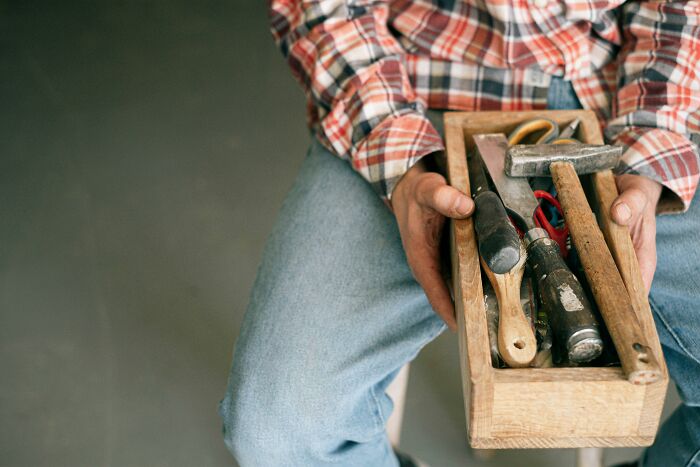
Owning a home means you're now the one in charge of fixing things, which is different from when you were renting. That little hammer you had in your apartment probably won't cut it for all the new tasks. You'll definitely want a good set of basic tools for small jobs, and if your new place needs a lot of work and you plan on doing it yourself, get ready to invest in even more specialized gear.
“It’s just important to understand that you’re buying a lot more than a mortgage payment,” said Jeff Ostrowski, an analyst at Bankrate.com. “You’re also buying all these additional costs that you’re gonna have to figure out how to pay for.”
If you buy a home, especially a condo, that has shared amenities like a pool, garden, or gym, you'll likely have to pay homeowners association (HOA) dues. These fees, usually paid monthly, go towards maintaining these common areas, covering things like pest control, snow removal, or gardening. HOA fees can hover around $250 but they can sometimes be as high as $1,000 or more. Also, be aware that you might face a one-time HOA transfer fee to cover administrative tasks when you buy the place.
Although homeowners insurance isn't legally mandated in the US, it's a very sensible thing to have as it provides financial protection if something bad happens to your home. Many mortgage lenders actually require it, viewing it as a crucial safety measure, particularly for properties they consider high-risk, like those located in flood-prone areas.
Please note that homeowners' insurance does NOT include flood insurance. That is additional, and more expensive, flood insurance. Which you will need anywhere you are -- a big rainstorm in Denver can cause flash floods.
When you get a mortgage, lenders often charge underwriting and processing fees, which are sometimes called mortgage origination fees. These are basically administrative charges that cover the lender's costs for preparing, handling, and finalizing your loan paperwork. The exact amount can change depending on who your lender is and the type of loan you're getting, but you can generally expect these fees to fall somewhere between $400 and $900.

Many, many banks do not charge any closing costs as a benefit of going with them. So shop around.
Out of all the ‘hidden’ costs that home buyers might face, maintenance and repair expenses often come as the biggest surprise. Typically, realizing the true cost of maintenance and repairs is a part of the learning process of becoming an owner because these expenses can vary, depending on the age of the home. “Once you’ve been a homeowner for a while, you realize everything that can go wrong,” Ostrowski said.
Be prepared for potentially higher utility bills when you move into a new home, especially if it's larger than your previous place or if you're used to splitting these costs with roommates. The annual expense for utilities can change a lot based on where your home is, how old and big it is, and what kind of heating system it uses. Keep in mind that heating and cooling a bigger house will naturally use more energy, leading to an increase in your energy bills.
One of the biggest chunks of cash you'll need when buying a house is the down payment. If you put down less than 20%, lenders will usually make you pay for something called mortgage insurance, or PMI, which protects them if you can't make payments. The actual amount you need for a down payment can change a lot depending on where you're buying and how big the house is. In the US, Bankrate.com says the lowest you might go is 3%, but only if your credit score is decent (at least 580). Of course, putting down more money if you can is a good idea because it often means you'll get a better interest rate on your loan.
Like any other type of insurance, you pay for mortgage insurance in installments. Mine was paid as part of my escrow payments, which are bundled in as part of my regular mortgage payments. After 3-4 years of always paying my mortgage on time, and keeping my credit score high, my lender informed me that I no longer needed mortgage insurance. This meant that I could pay off more of the actual principle each month.
Before you buy a house, you'll likely need a home appraisal, which is an independent professional's opinion on its fair market value. These appraisers look at things like the home's age, condition, and how it's built to make sure you're not overpaying for the property. While the cost can vary based on your lender and the home's price, an appraisal for an average single-family home typically costs around $500.
Don’t skip this step. You may think it’s too expensive. But a thorough inspection and appraisal will give you information that you can use to negotiate for a lower price. Does the roof need repairs? Is there evidence of animals living in the attic? Or termite activity? You might just get information that lets you know that you should walk away from this one. $500 spent to save $100,000 is pretty good!
Homeowners' insurance and home inspections are other costs that can be quite unexpected for first-time homebuyers. Even though they add up, they are necessary expenses, as without them, the costs can inflate further down the line.
“That definitely raises the risk of somebody moving into a house and not realizing that the [air conditioning] was about to go, or the water heater was on its last legs, or the roof needs to be replaced,” Ostrowski said. Without insurance, in case of disasters, people could also be left paying for everything out of pocket.
When you buy a home, there's a good chance you'll encounter a real estate transfer tax, which might also be called deed tax, mortgage registry tax, or stamp tax. This tax, common in most states, covers the government's costs for officially recording the change of ownership. Whether the buyer or the seller pays this tax can depend on where the home is, local customs, and even the current real estate market conditions. You can often find online transfer tax calculators for your specific state or local area to see if you'll need to pay and how much it might be.
When you're buying a house, moving large sums of money around often involves wire transfers, like sending funds to your lawyer. Banks usually charge a fee for this service, and it's not a fixed amount – it can vary. Just so you have an idea, Bankrate.com notes that sending money within the country typically costs around $26, while international transfers might be closer to $44.
Remember that actually getting all your stuff to your new house will cost money. You could rent a truck and do all the heavy lifting yourself, which is usually the cheaper option but can be very tiring if you have a lot to move. Alternatively, you can hire professional movers; their fees will depend on how much you're moving and how far you're going but this is usually in the thousands of dollars.
Therefore, it’s important to evaluate and understand these costs, as spending your entire budget on a down payment can leave people ‘house poor.’ “Then you move in, and you don’t really have any money left for repairs and maintenance, so you wind up running up credit card debt or taking out some kind of higher interest debt to pay for that,” Ostrowski said.
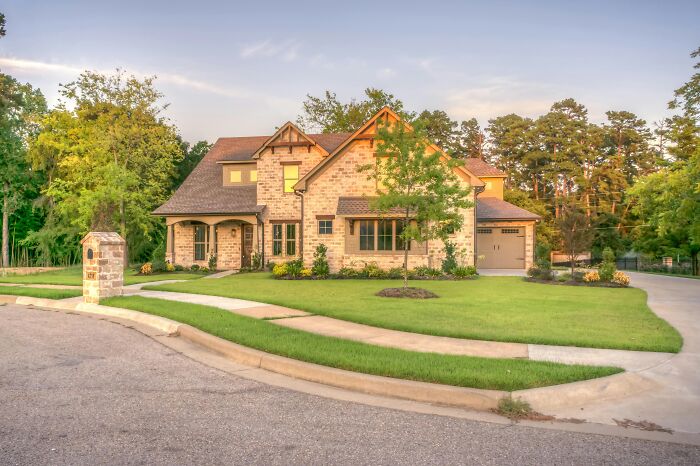
Keeping your home looking good from the outside, that comes with ongoing expenses. Even if you love how it looks now, things like planting annual flowers mean you'll be replacing them each season and possibly adding more mulch. If you're not entirely happy with the current look, you might want to make changes like adding new flowers, mulch, walkways, a new mailbox, or even replacing the front door, all of which contribute to the overall cost of maintaining or improving your home's aesthetic.

No curbs around here, and nobody can see this house from the road. I'm not even sure which side of the house is the "front".
If your new home includes features like a deck, patio, or pool, remember to factor in their ongoing upkeep. Even a well-maintained wooden deck will require regular maintenance to stay in good condition, and patios also need attention to keep them looking their best. As for pools, whether you're installing one or buying a home that already has one, be prepared for the various expenses involved in opening, closing, and generally maintaining your personal oasis.
Don't overlook the potential costs associated with trees, as you're generally responsible for maintaining any tree that overhangs your property, regardless of where its trunk is planted. Trees can grow quickly and often need pruning, pest treatments, and other preventative care. It's wise to ask the seller about any known tree issues on your property or neighboring ones before you buy.
The most important issue is that you don’t want to have any trees close to the house itself, because they will compromise the foundation and end up destroying the structure of the house itself.
In conclusion, Ostrowski said that their report findings should be a “reality check” for first-time homebuyers. “A lot of first-time buyers think of the closing table as the finish line,” he said. “But in another way, it’s just the starting line for all these new expenses you’ll be responsible for.”
Many homebuyers choose to work with a mortgage broker to help them find the best loan deals from across the entire market, which can simplify the often complex process of securing funds. If you decide to use a broker's services, be prepared for a fee, which is typically between 1% and 2% of the total loan amount you're approved for. It's important to remember to include this expense in your overall home-buying budget.
Beyond the main expense of transporting your belongings, remember to budget for other services you might need on moving day. This could include things like childcare, pet sitting, or even renting a storage unit, depending on your situation. Also, if you're leaving a rental property, be aware that you might have to pay an early termination fee, which can often be equivalent to two to four months' rent. It's smart to keep a little extra money set aside as a contingency fund to cover these unexpected costs.
One of the exciting parts of owning a new home is furnishing it, but this can also be a significant expense, especially if it's your first place. You'll likely need to budget for essential big-ticket items like a couch, refrigerator, and definitely a bed to sleep on right away. If money is tight, you can often find budget-friendly furniture through local neighborhood recycling sites and apps to get you started until you can afford to upgrade.
Just a bit of a point about this-- pay for nicer things the first time, and you won't pay more over time. I would NOT buy from neighborhood recycling or get things from people s houses because of the chances of bed bugs or other bug issues. A lot of used furniture can come with this pests and if you've never dealt with bedbugs, I promise you'll want to just go ahead and burn your house down. You'll end up paying thousands of dollars to exterminate whatever those pieces of furniture have on it, either from the home they came from, the truck they were delivered in or the warehouse they were stored in. This day and age, I'd buy new furniture. You should really try to budget for that, anyway. Use what you already have--hey it's working!- until you can afford new.
The best time to budget for these additional unexpected costs, according to Ostrowski, is when home buyers are trying to determine how big of a mortgage payment they can afford. “You may have thought you were done scrimping and saving when you got enough for a down payment,” he said. “But once you own, you have to set aside money for these unexpected costs.”
Owning a home in an area with regular snowfall or lots of trees means you'll have to deal with snow and leaf removal. You can either tackle these chores yourself, which means buying and maintaining equipment like shovels, salt, snow blowers, or leaf blowers (though you do get some exercise!). Alternatively, you can hire someone to do it, but the cost for that will depend on things like the size of your driveway or yard and how much work is involved in clearing the snow or leaves.
You also have to think of the future. People get stuck thinking about what they can do NOW instead of what they'll be able to do later. You may have no problem shoveling a driveway now, but when you're 60 you may feel differently. What if you're in an accident and can't move like that anymore. You're required to make sure the postal carriers can safely walk on your property. So if you can't handle the task yourself (and btw-snowblowers are nice but they're still heavy and tough to navigate when the wind chill is blowing you over), make sure you can afford to hire a plowing service. Don't think you can just 'get the kid down the street to shovel for mee for 5 dollars'. Everyone thinks that. They aren't doing that sh!t. That's a fairy tale. You might get lucky but I wouldn't count on it.
Ensuring you feel secure in your new home is a priority, and this might involve costs related to a security system. If the house already has a hardwired system, you'll likely have a monthly monitoring fee if you decide to activate it. Alternatively, you might opt for a system like Ring, which offers different pricing plans. Even if you had security cameras before, a larger home might mean you need to buy additional equipment to cover all the rooms.
While it's not a requirement in most states, bringing a real estate attorney on board can be a smart move when buying a home to help you navigate the legal side of things. They'll make sure all the documents are correct and filed properly, and can step in to negotiate for you if any issues come up during the purchase process, working with the seller's lawyer to get the deal done. You can expect hourly rates or a large one-off payment to cover their services.

Even if you've inherited the property, pretty sure this is a requirement to purchase or put your name on any home in the UK? Just like surveys, mortgage insurance, homeowners (leasehold freehold) insurance, stamp duty... Please correct me UK buyers.
After moving in, you'll likely have a list of maintenance tasks or repairs, especially if you conducted thorough inspections beforehand. Whether it's fixing known issues or making cosmetic updates you've planned, it's wise to budget for these projects so you can begin them soon. You can choose to tackle some jobs yourself, or if you prefer professional help, keep in mind that handymen charge by the hour!
Uh, no. Handymen (we call them contractors in the US) usually give you an estimate up front for the whole job?
While your new home's exterior might look great at first glance, consider when it was last painted. A quality paint job typically lasts about 5 to 7 years on wood siding and around 10 years on stucco. If your home has vinyl siding, you won't need to worry about repainting, but you might still want to factor in the cost of power washing it every few years to keep it looking fresh.
To ensure you don't miss any important mail after you move, consider setting up a mail redirection service for the first few months, even if you've updated your address with everyone. The U.S. Postal Service (USPS) offers this service, allowing them to forward your mail to your new home or hold it at your local post office for a while. It's a relatively inexpensive way to get peace of mind, costing only a few dollars.
This person clearly has never actually used the service as it is free.
Homes can sometimes attract unwanted wildlife, from small mice to bothersome ants, especially if there are small cracks or openings that offer them an easy way in. You might consider investing in preventative pest control to keep these critters at bay. If you don't, be prepared for the possibility of having to pay for pest removal services down the line to deal with any unwelcome visitors.
Nonsense. Got ants….. a couple of $5 bait traps do the trick. Mouse traps are a little more expensive and less pleasant to deal with, but there’s no need to fumigate the place …… and usually it’s pointless.




Us us us.. this country is done, there is a whole world that couldn’t care less. You live in Europe, stop focusing on dumb things that only exist in this shithole.

I felt a lot of pleasure, being a EU-based home owner- in comparing my condition with the sorry americans. Lot of less fees, hassles, more protections and generally better deals (even if I must admit that I loathe the real estate business, that is full of the most shady and despicable agents in any business)
Load More Replies... As I read through this I kept wondering who the target audience was. So many of these items are extreme exaggerations and worst case scenarios. The truth is , buying a house was the smartest financial decision I ever made. My monthly mortgage payment, which includes payments for my house insurance and my property taxes, is less than what it costs to rent a one bedroom apartment in my neighborhood. And when I am done paying all that money, I will have a house! If I want to I can turn around and sell it and recoup everything I’ve put into it. Why is Viktorija Strlciunaite trying to scare people away from home ownership?
Us us us.. this country is done, there is a whole world that couldn’t care less. You live in Europe, stop focusing on dumb things that only exist in this shithole.
I felt a lot of pleasure, being a EU-based home owner- in comparing my condition with the sorry americans. Lot of less fees, hassles, more protections and generally better deals (even if I must admit that I loathe the real estate business, that is full of the most shady and despicable agents in any business)
Load More Replies... As I read through this I kept wondering who the target audience was. So many of these items are extreme exaggerations and worst case scenarios. The truth is , buying a house was the smartest financial decision I ever made. My monthly mortgage payment, which includes payments for my house insurance and my property taxes, is less than what it costs to rent a one bedroom apartment in my neighborhood. And when I am done paying all that money, I will have a house! If I want to I can turn around and sell it and recoup everything I’ve put into it. Why is Viktorija Strlciunaite trying to scare people away from home ownership?



































 No fees, cancel anytime