Get Premium
Dark mode theme is available exclusively for premium users. Learn more about the benefits of subscribing.
No fees, cancel anytime.

 Dark Mode Ad-Free Browsing Unlimited Content
 Ad-Free Browsing Unlimited Content Dark Mode
Join 1.2 million Panda readers who get the best art, memes, and fun stories every week!
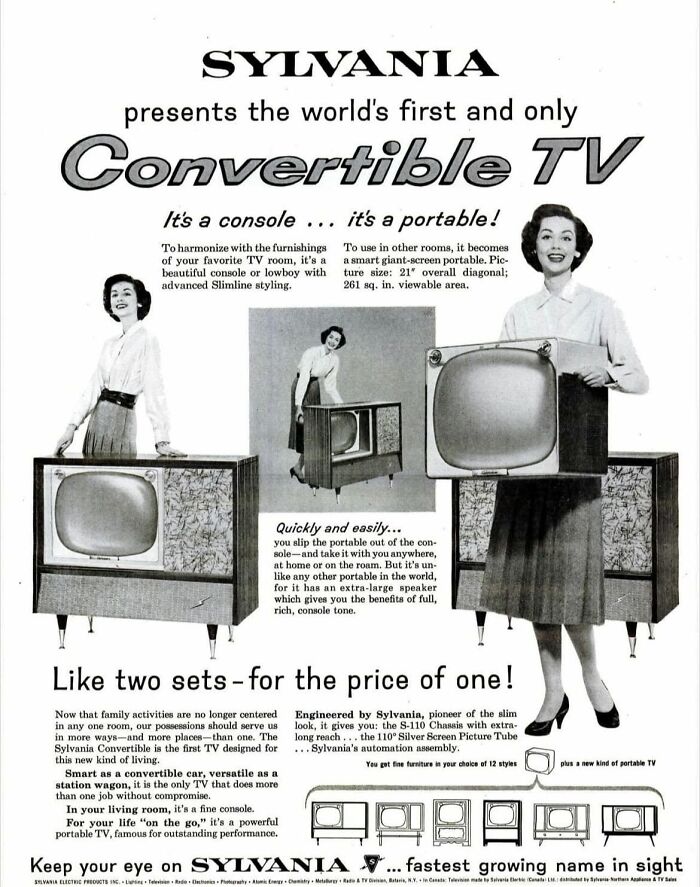
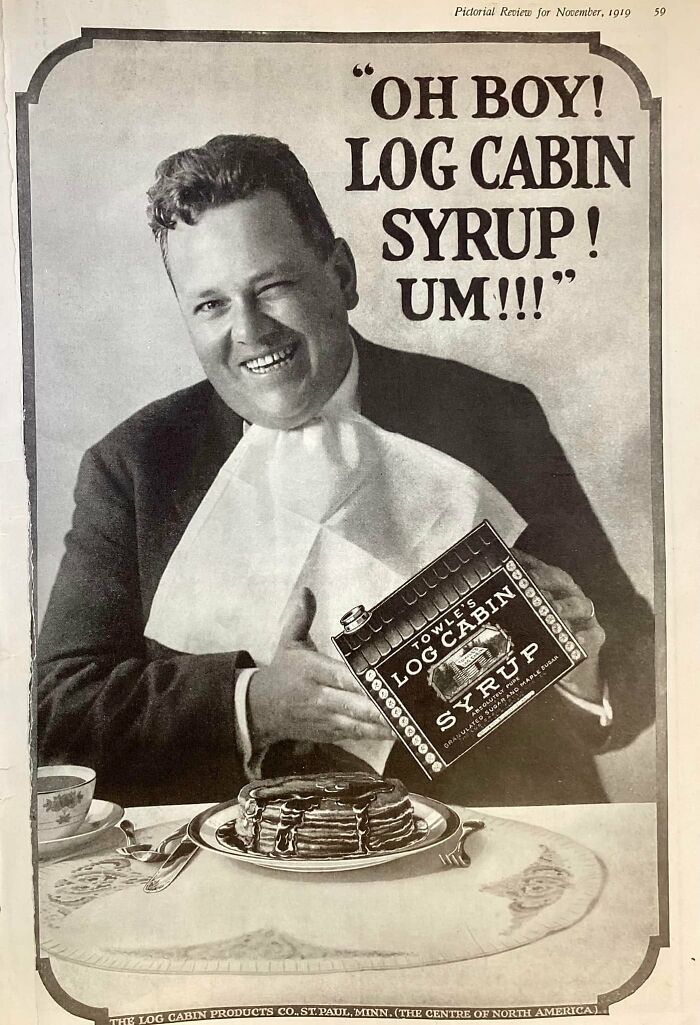
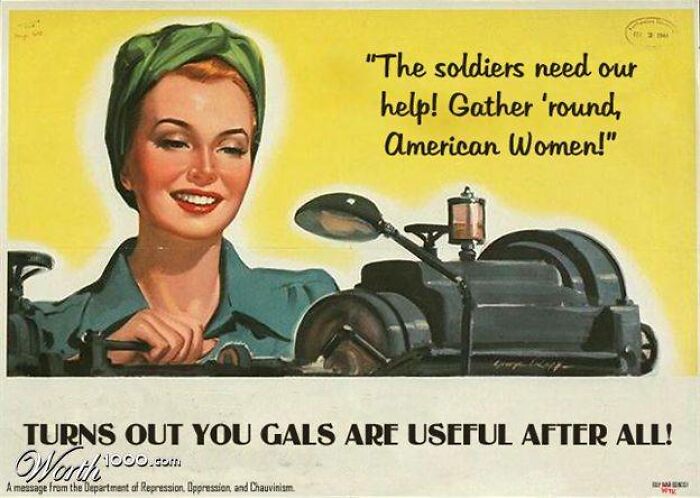
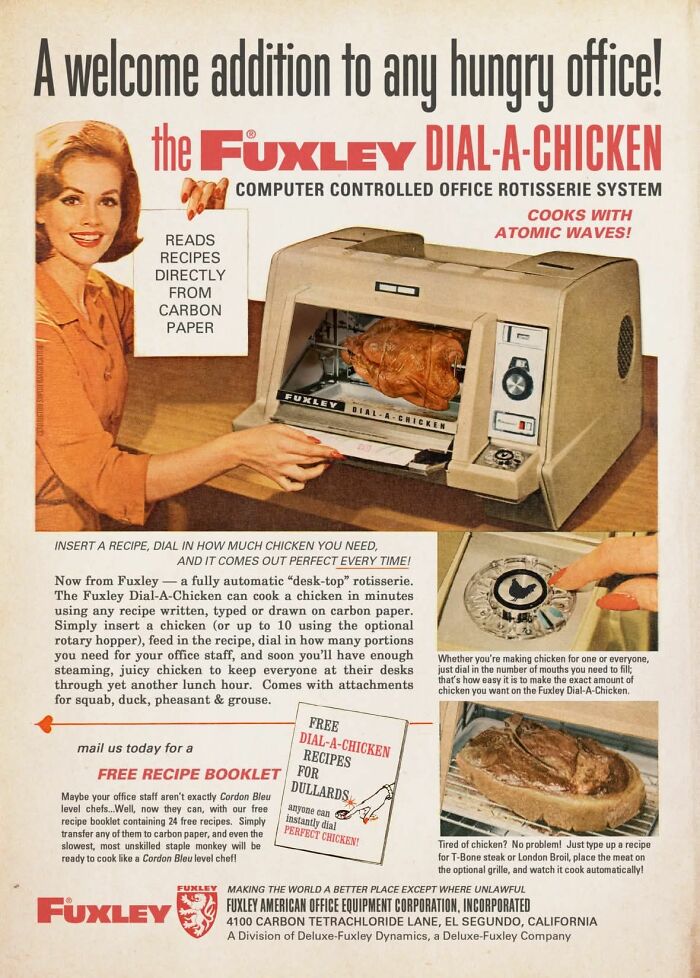
You really can’t go (or scroll) a few feet some places without bumping into an ad. They are ubiquitous to life these days, for better or worse. It raises the question, what ads were people in the past looking at and what actually worked on them?
So we’ve gathered some of the best posts from this page dedicated to interesting old ads. So get comfortable as you scroll through, upvote your favorites and be sure to share your thoughts and which products you’d actually still buy in the comments section down below.
More info: Facebook
This post may include affiliate links.

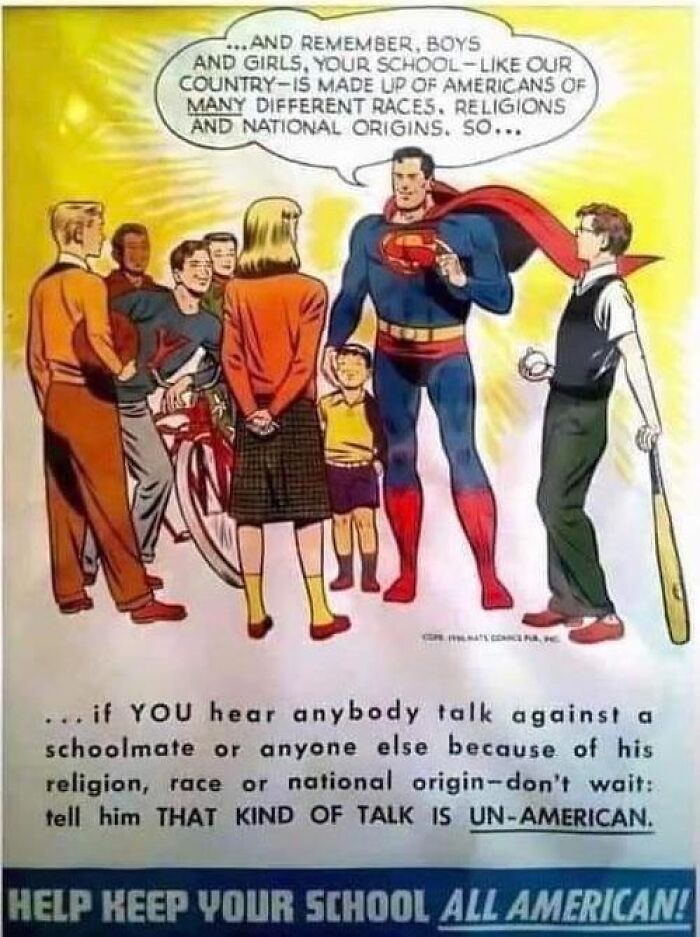
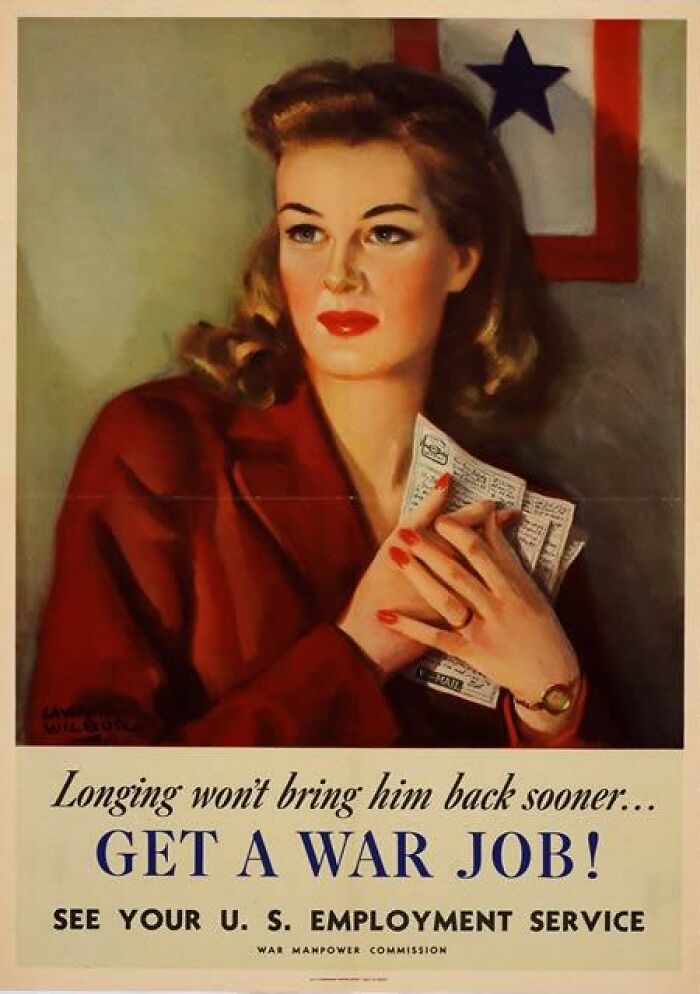
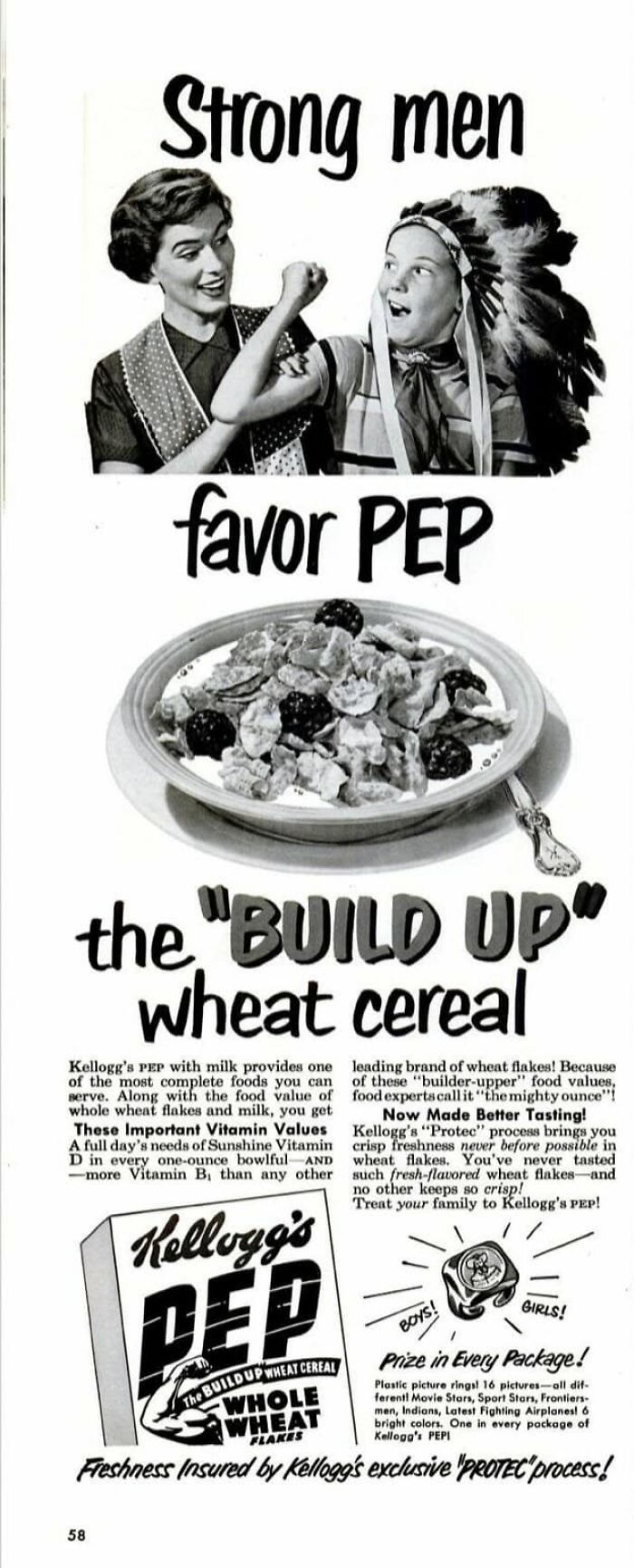
This is the kind of leader the world needs right now. Not the ones we seem to be voting in.

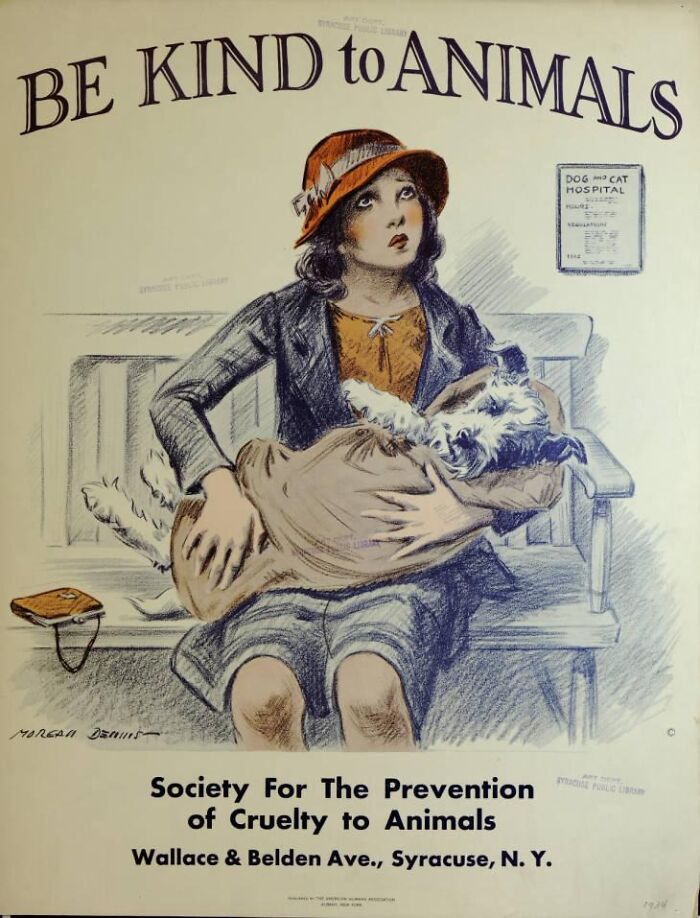
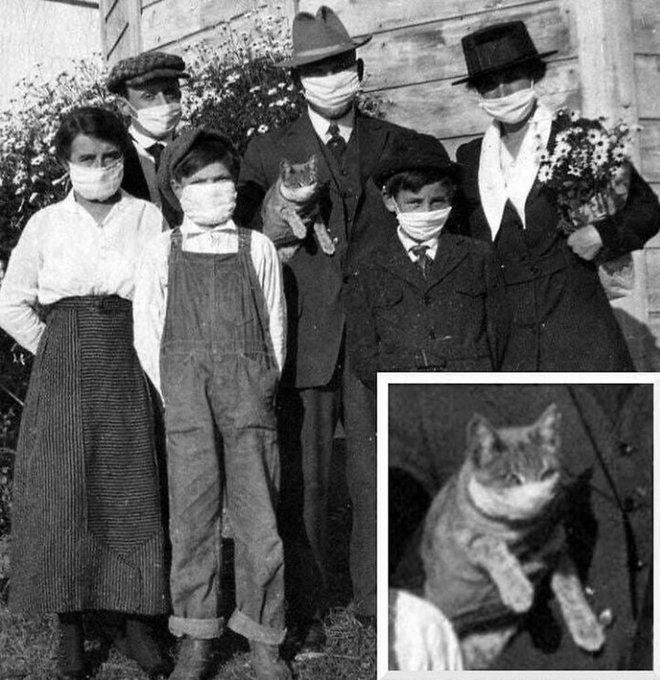
So in 1934, people were holding their pets like babies XD It's not just a "modern unmarried childless cat-lady" thing like some people like to scream about ;)
Welcome to the era where advertising grew a soul and started talking back. In the early 1960s, the industry underwent a massive transformation that moved away from dry product specifications toward something much more psychological and artistic. We transitioned from a world where ads looked like instruction manuals to a vibrant landscape where they felt like a conversation with a clever, funny friend. This period was not just about selling household goods, it was about defining the very identity of the modern consumer through sophisticated art and sharp wit.
The decade kicked off with the legendary Creative Revolution, spearheaded by agencies like Doyle Dane Bernbach. Before this shift, advertisers believed that more words meant more sales, often cluttering magazine pages with tiny text and boring facts.
The new guard realized that consumers were smarter than that and began using irony and self-deprecation to win people over. This was the birth of the modern commercial voice, one that favored a subtle wink and a nod over a loud, aggressive, and repetitive sales pitch.

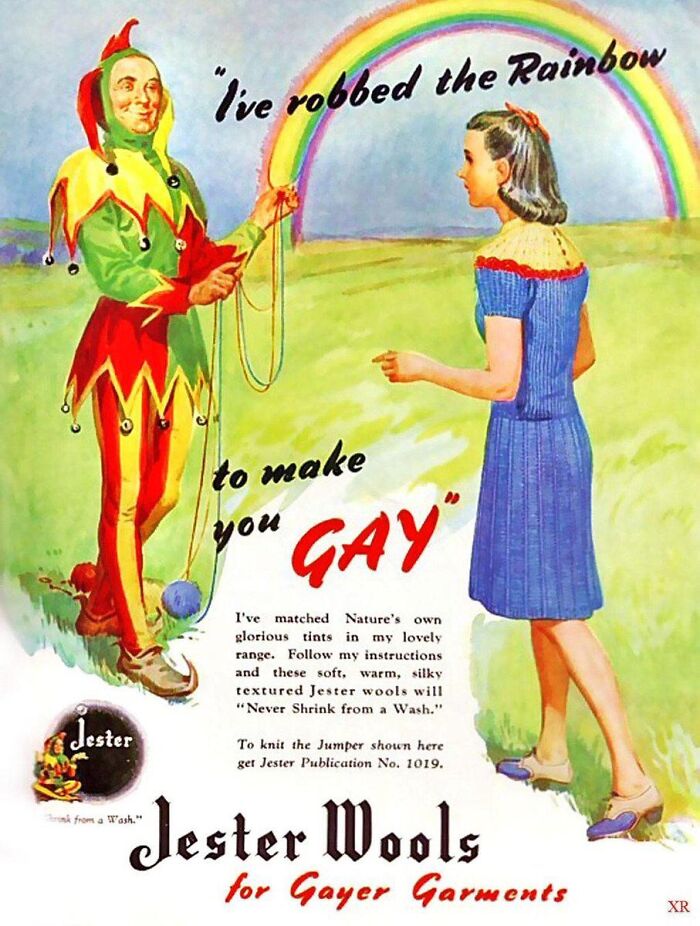
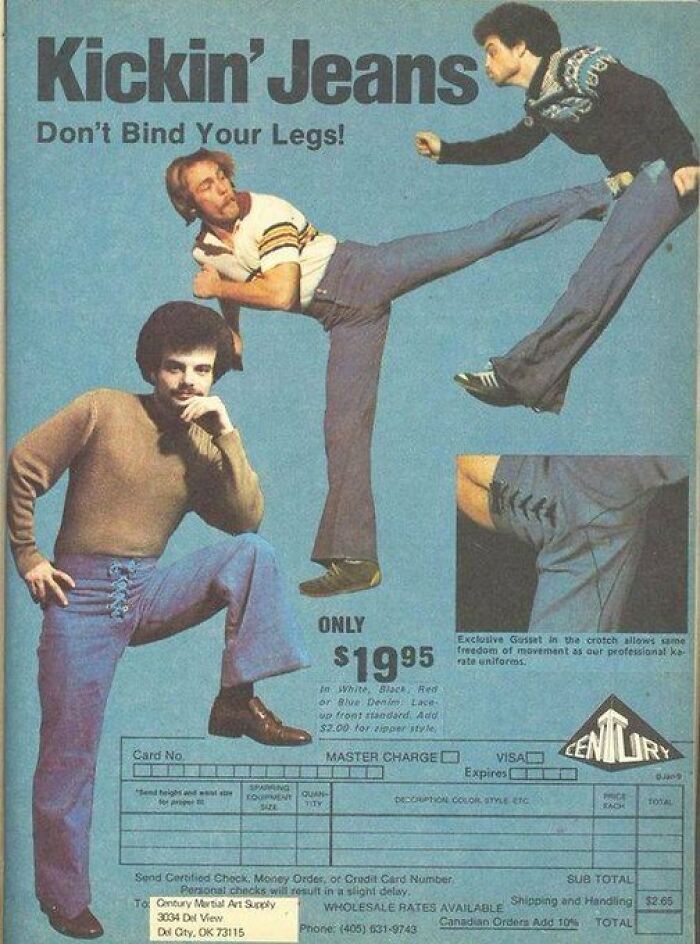
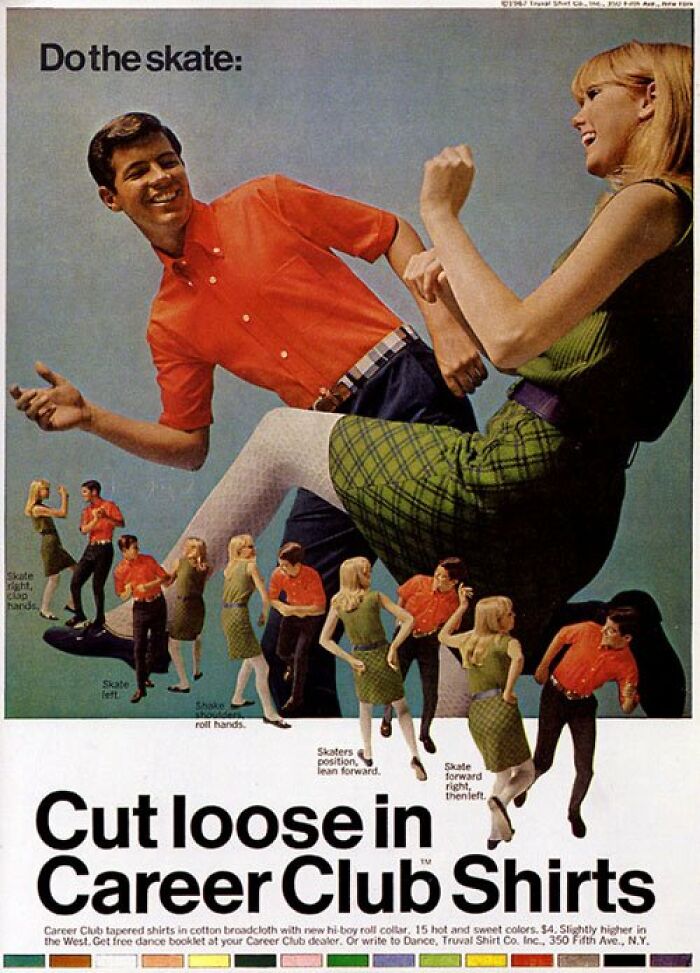
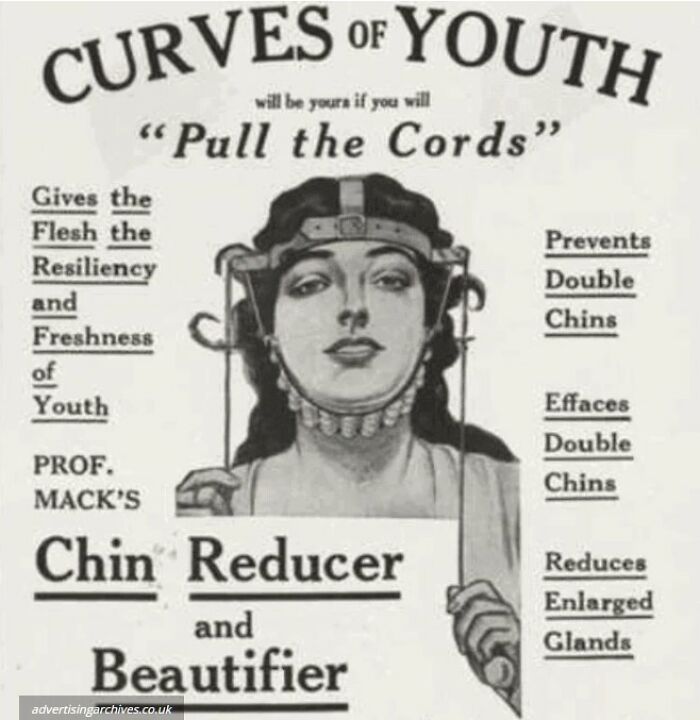
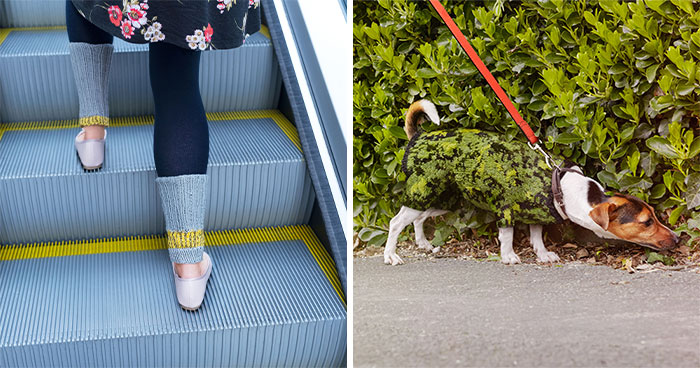
I want my money back, I put on a jumper and did not turn gay!
No campaign defined this new spirit better than the Volkswagen Think Small ads. At a time when American cars were becoming massive, chrome-covered behemoths, VW dared to show a tiny beetle in a vast ocean of empty white space. It was a radical departure from the status quo, teaching the industry that less is often more. This minimalist approach did not just sell cars, it invited the audience to join an exclusive club of people who were clever enough to value substance over flash.

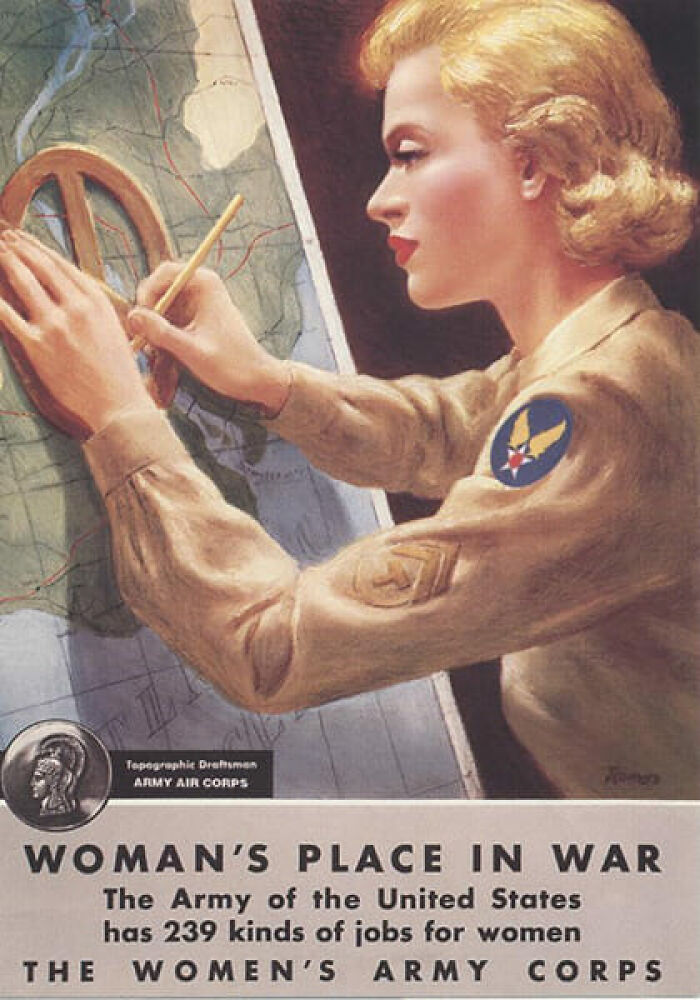
Interesting... It looks like she's tracing a peace symbol on the map!
As the 1960s roared on, the industry also discovered the power of the mascot to build long-term brand loyalty. This era gave birth to icons like the Pillsbury Doughboy and the Jolly Green Giant, characters designed to make mass-produced products feel friendly and approachable. Even fast-food giants got in on the action with the debut of Ronald McDonald, proving that if you could capture the imagination of a child, you could potentially secure a loyal customer for several decades to come.
Culture and music also played a huge role as the British Invasion and psychedelic art began to bleed into mainstream marketing. Pepsi took a bold stand by branding itself as the choice for those who think young, effectively inventing the concept of lifestyle marketing. Ads became colorful, loud, and groovy, reflecting the energy of a generation that was actively rebelling against the stiff traditions of their parents. It was no longer just about the soda, it was about the rebellion.
When the calendar turned to the 1970s, the vibe shifted significantly due to economic changes and a growing sense of social realism. The bright-eyed optimism of the previous decade faded as the energy crisis and political scandals made consumers more skeptical of big promises. Advertisers had to pivot from fantasy to a tell-it-like-it-is style that felt more authentic and grounded. This era was less about the dream of the future and more about how a product worked.
The 1970s were famously labeled the Me Decade, and advertising reflected this new obsession with the self and personal fulfillment. L’Oréal changed the game in 1973 with the iconic slogan Because I’m worth it, which shifted the focus from the product’s quality to the consumer’s self-esteem. It was a revolutionary moment for women's marketing, moving away from ads about pleasing a household to ads about buying something because you deserve to feel beautiful for yourself.
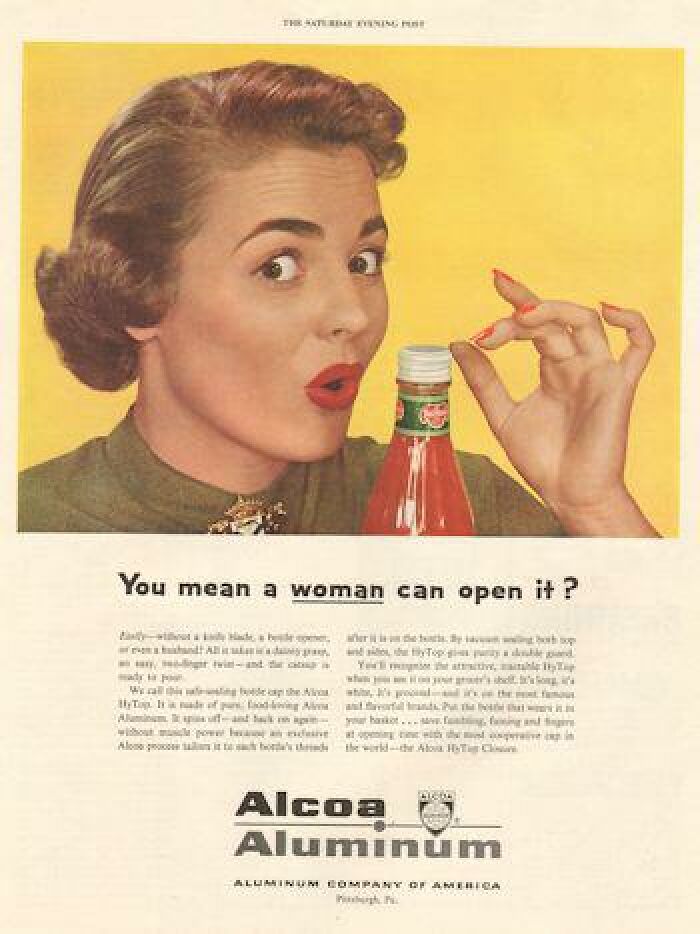
"That woman just opened a bottle all by herself! Witch! Burn her!"
This decade also saw the escalation of the legendary Cola Wars, most notably through the Pepsi Challenge starting in 1975. Comparative advertising became a powerful tool, as brands stopped playing nice and started naming their competitors directly in their scripts. By filming real people in blind taste tests, Pepsi created a sense of gritty documentary realism that made their rivals look like corporate relics. It was a high-stakes drama played out in the local grocery store aisle.
Beyond selling consumer goods, the 1970s used the power of persuasion to address growing social and environmental concerns. The famous Crying Indian public service announcement for Keep America Beautiful became a cultural touchstone that highlighted the era’s burgeoning environmental movement. While the ad is viewed through a more critical lens today regarding its casting, its impact at the time was undeniable, proving that commercials could be used to prick the collective conscience of a whole nation.


So much to unpack here, but why would anyone do that kind of work in a address anyway?
Looking back at these two decades, it is clear that they built the foundation for everything we see in modern marketing today. We moved from the witty, minimalist print ads of the 1960s to the bold, identity-focused television campaigns of the 1970s. These years taught us that a product is never just a product, it is a mirror reflecting our desires, our politics, and our sense of self. It was a golden age of persuasion that still influences every screen.
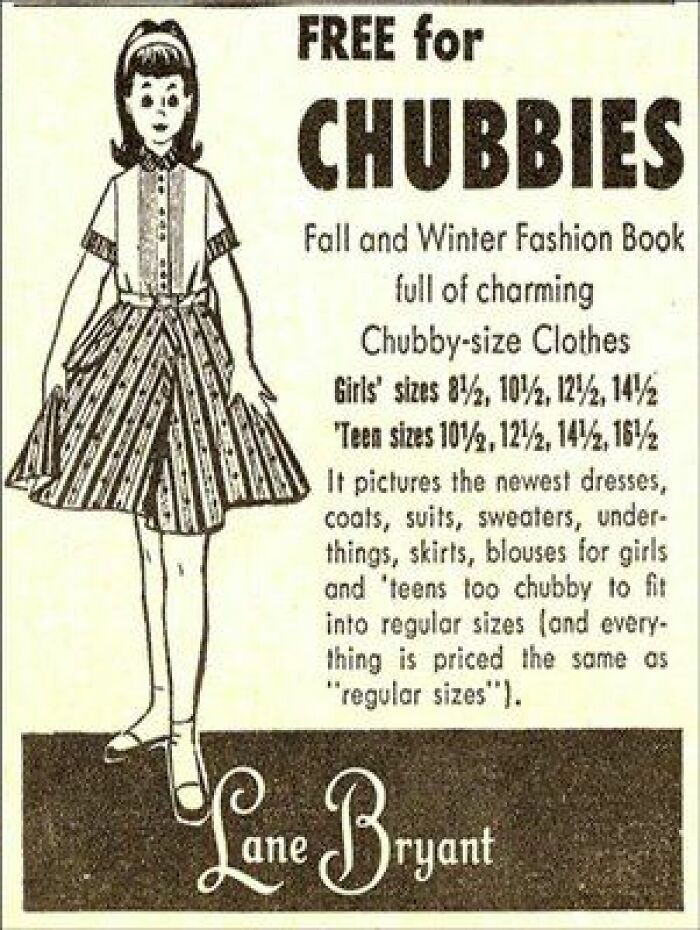
At the department store in my town, there was a department called Chubette. That’s where my mom took me to shop. I guess they couldn’t figure out that they just made regular clothes in bigger sizes it would fit us.
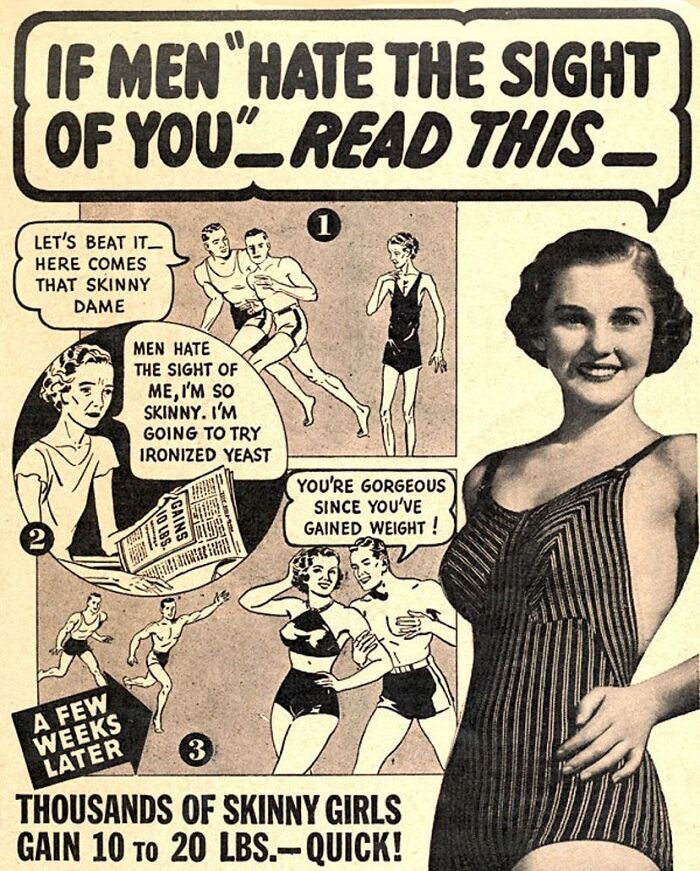
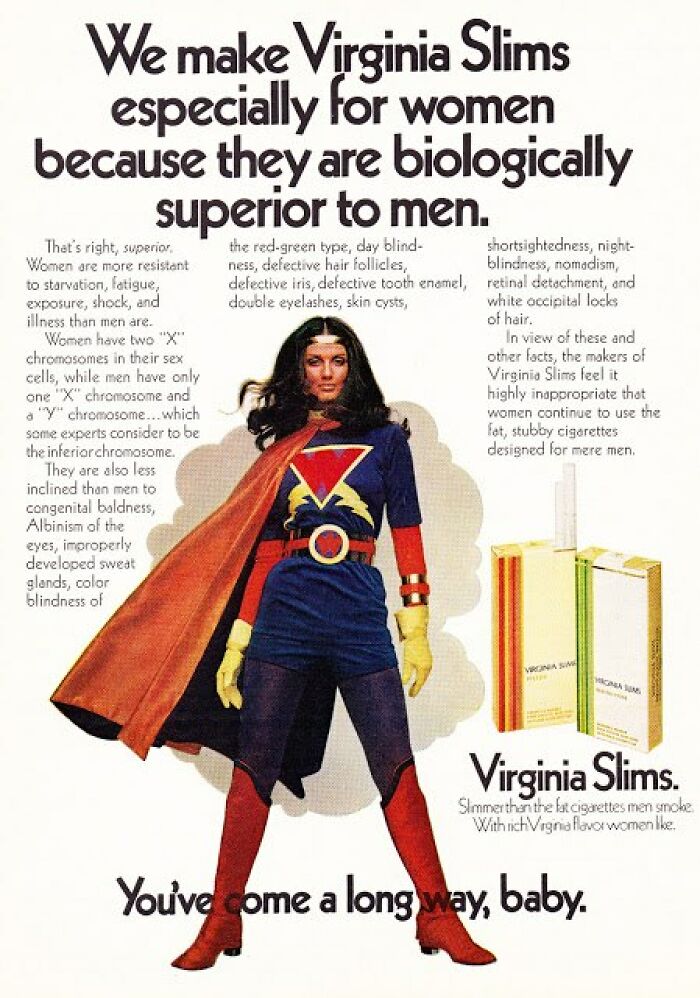
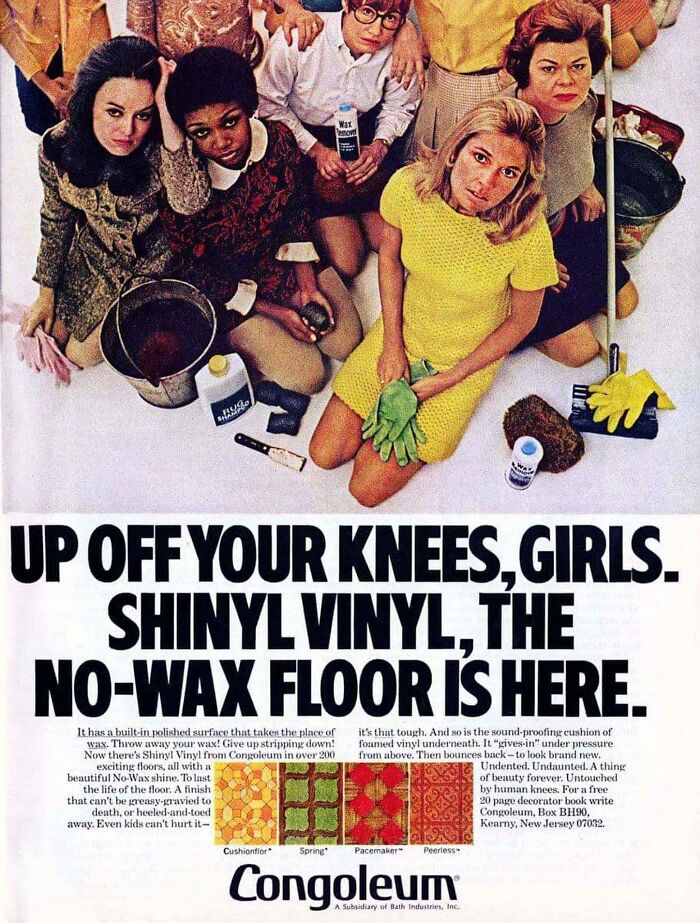
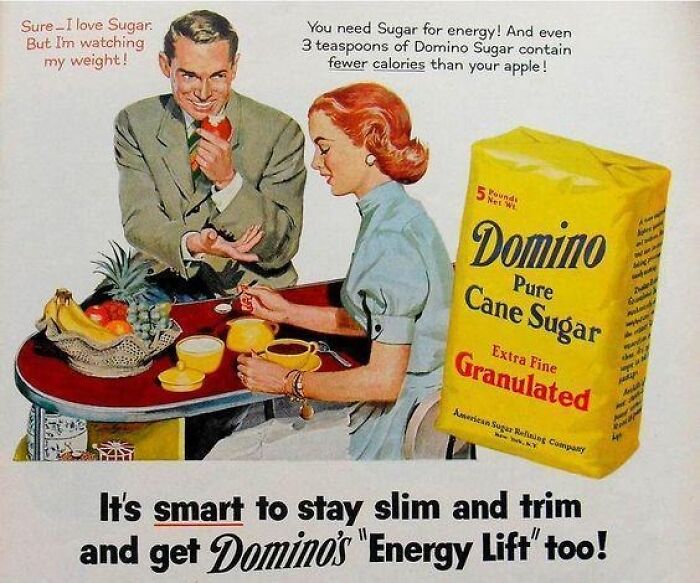
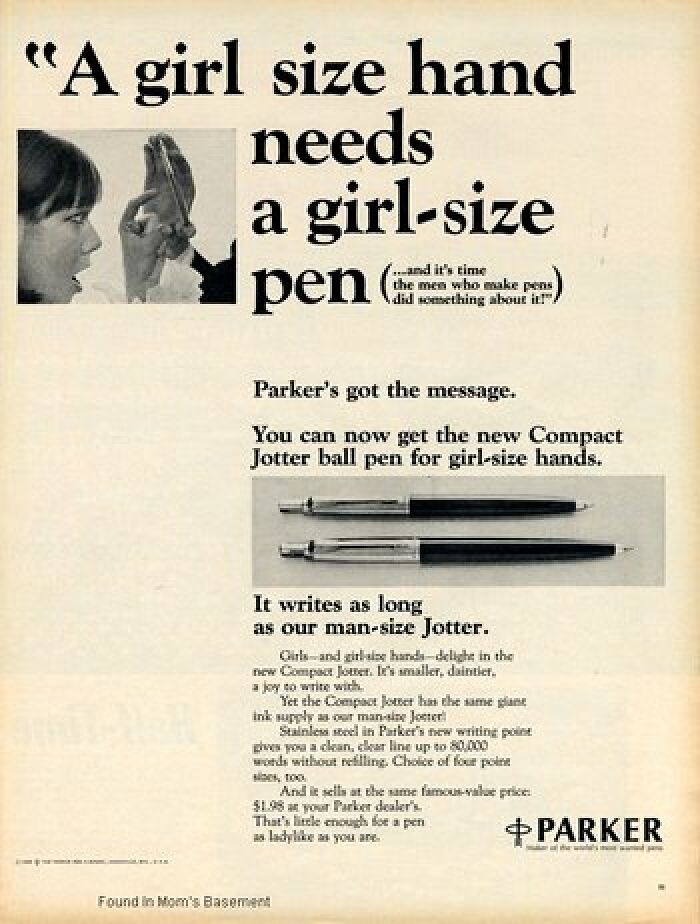
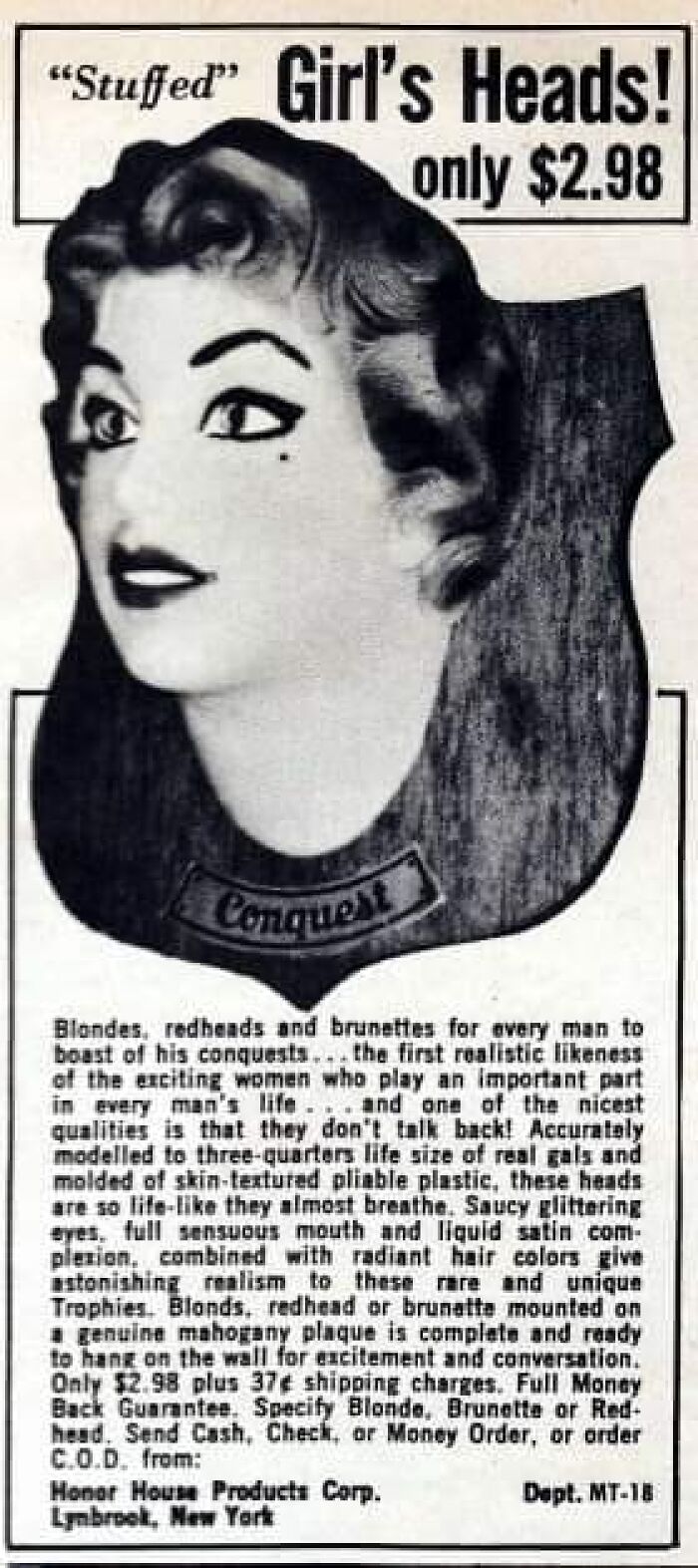
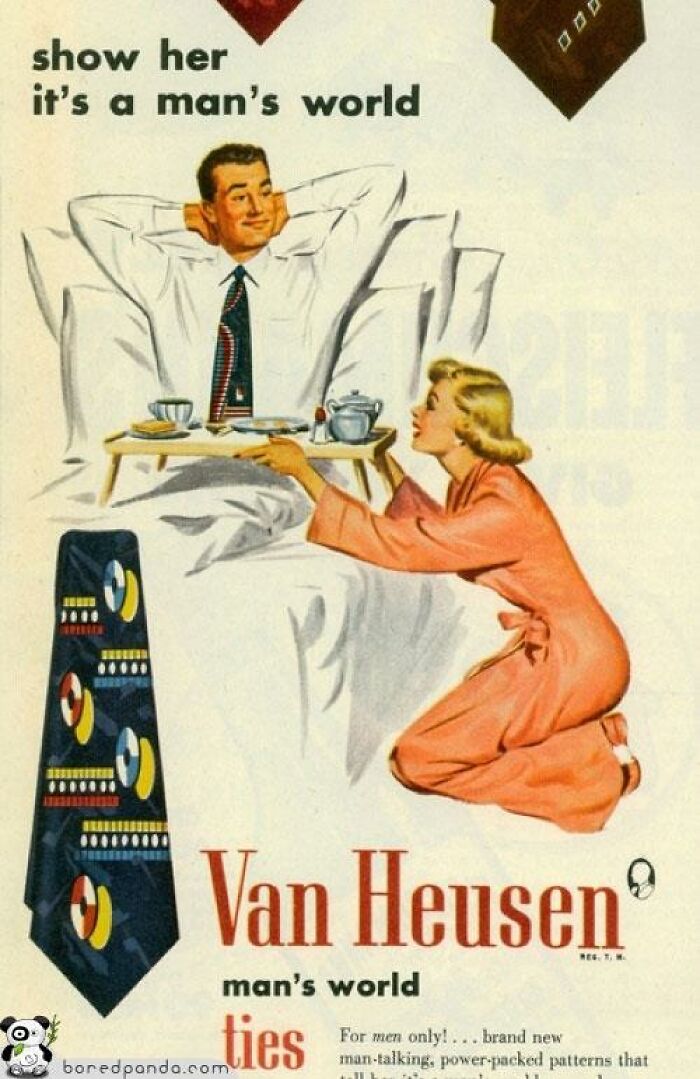
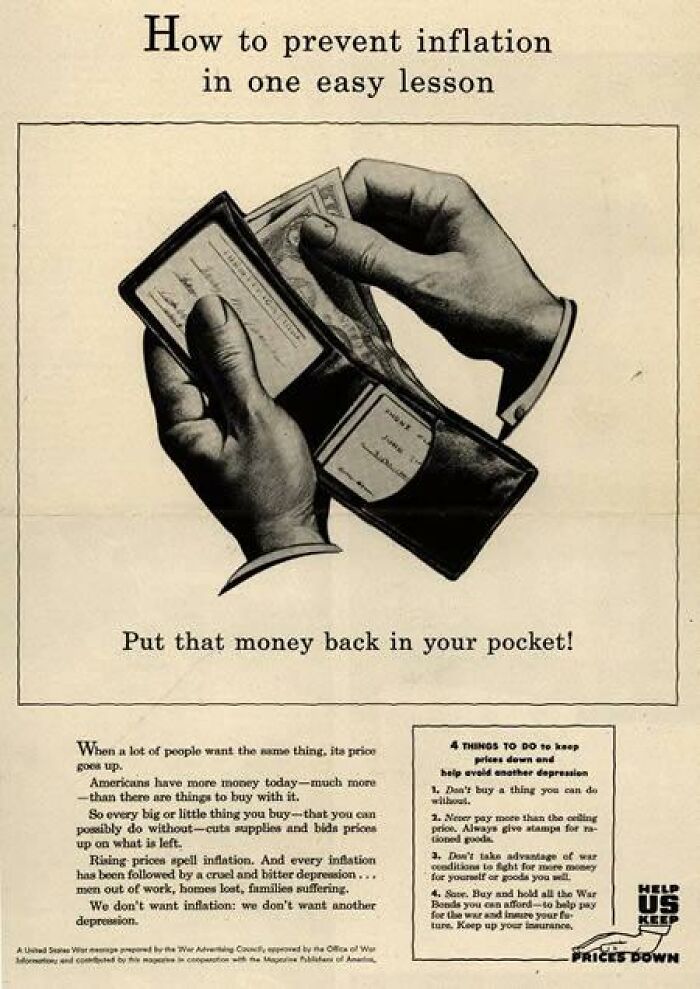
Until this post I was quite surprised of how reasonable those ads were. But this one is simply disgusting.
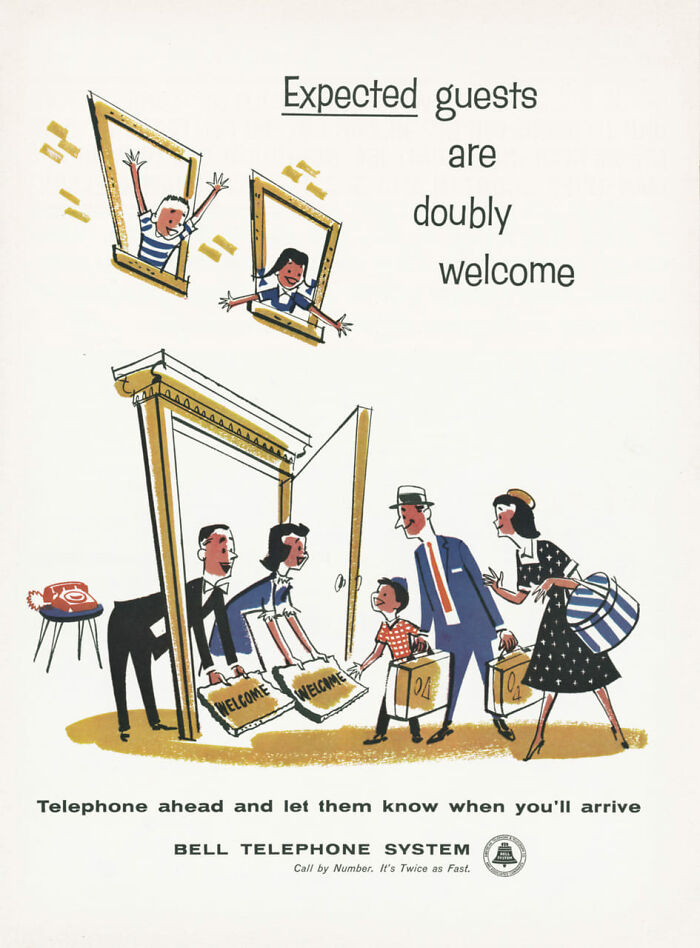
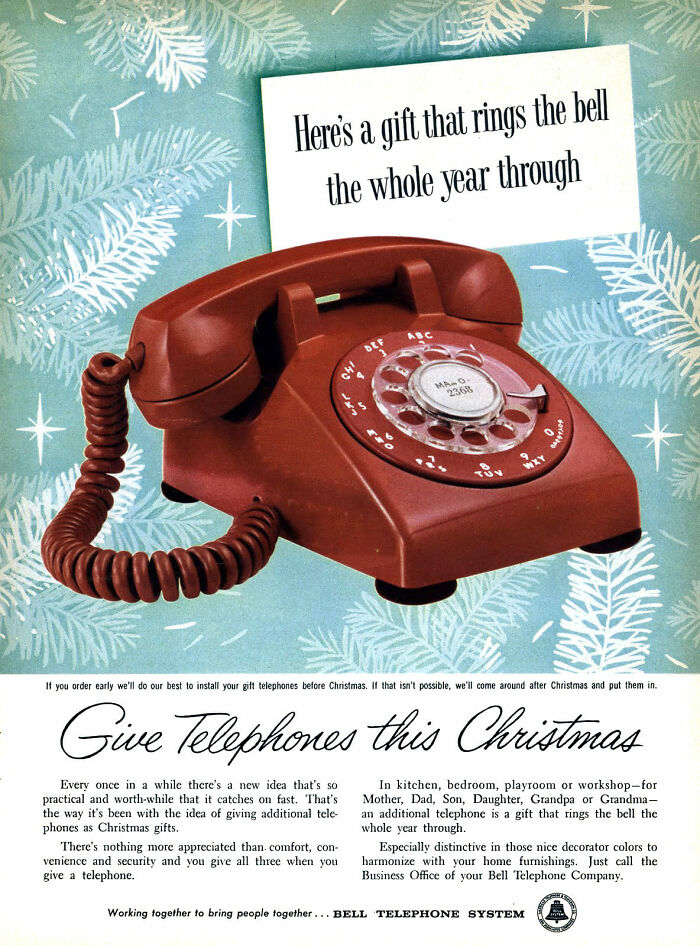
Ma Bell didn't allow people to own a phone, so I'm not sure how you would give one. Maybe I'll call my local Business Office and find out.
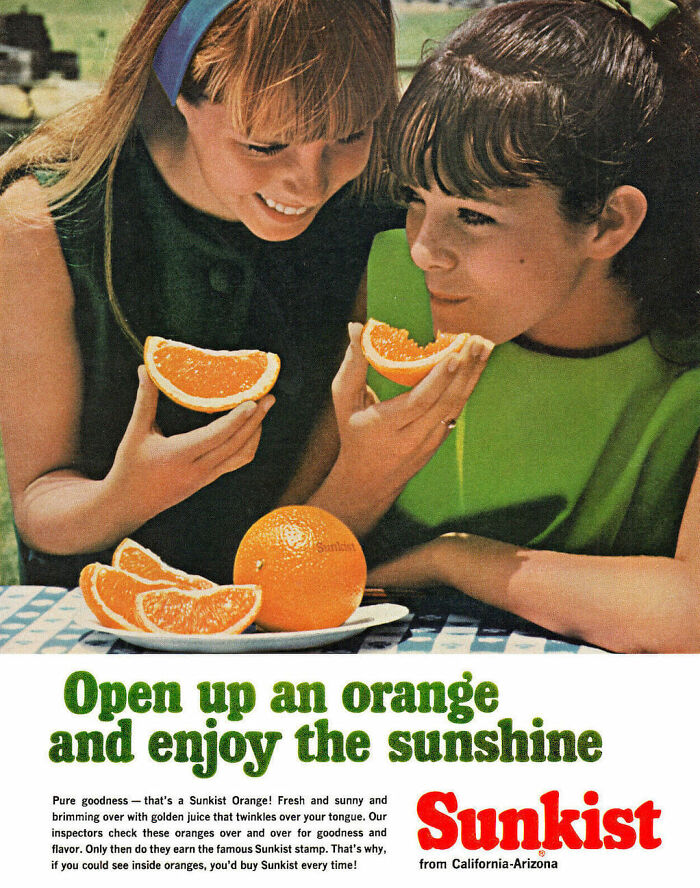
I remember when the oranges actually DID have the little stamp on them! ;_;

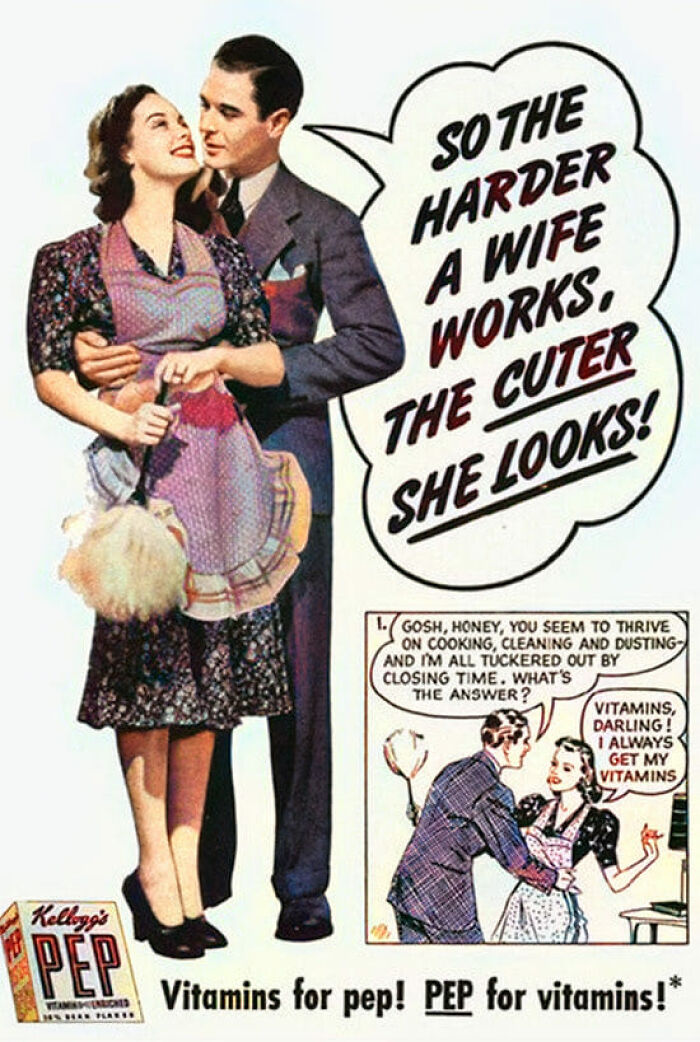
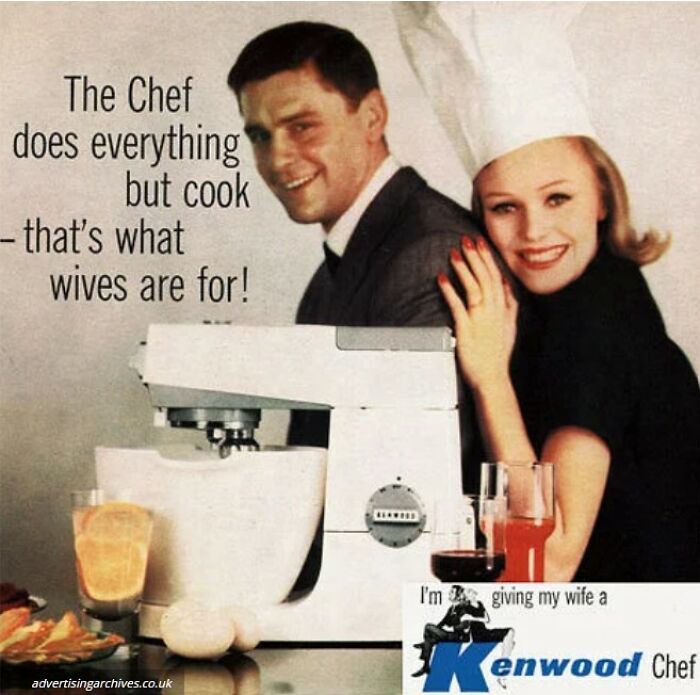
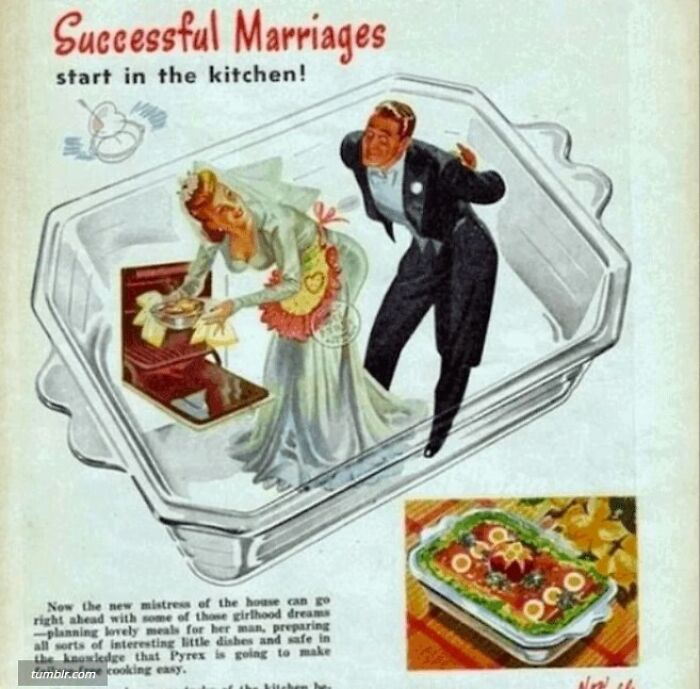
My gf says it depends how strong your worktops are to "Successful Marriages start in the kitchen". Personally I find the bedroom more comfortable anyway...


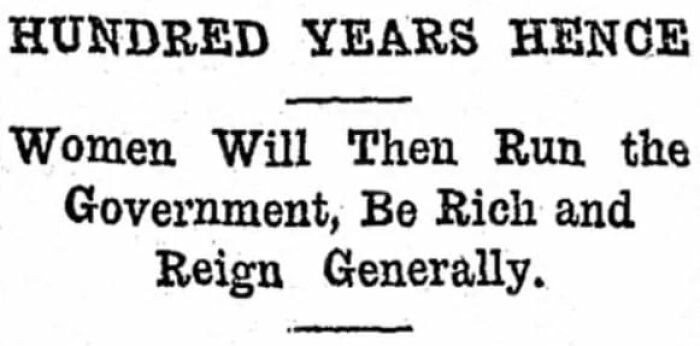
I wonder what people a hundred years from now will say about our ads? Probably be just as amused and self righteous as we are now.

Hindsight is always 20/20 - There is probably something we consider progressive nowadays that will be looked at in horror in 50 years
Load More Replies...
I wonder what people a hundred years from now will say about our ads? Probably be just as amused and self righteous as we are now.
Hindsight is always 20/20 - There is probably something we consider progressive nowadays that will be looked at in horror in 50 years
Load More Replies... 


























 No fees, cancel anytime