Get Premium
Dark mode theme is available exclusively for premium users. Learn more about the benefits of subscribing.
No fees, cancel anytime.

 Dark Mode Ad-Free Browsing Unlimited Content
 Ad-Free Browsing Unlimited Content Dark Mode
Join 1.2 million Panda readers who get the best art, memes, and fun stories every week!
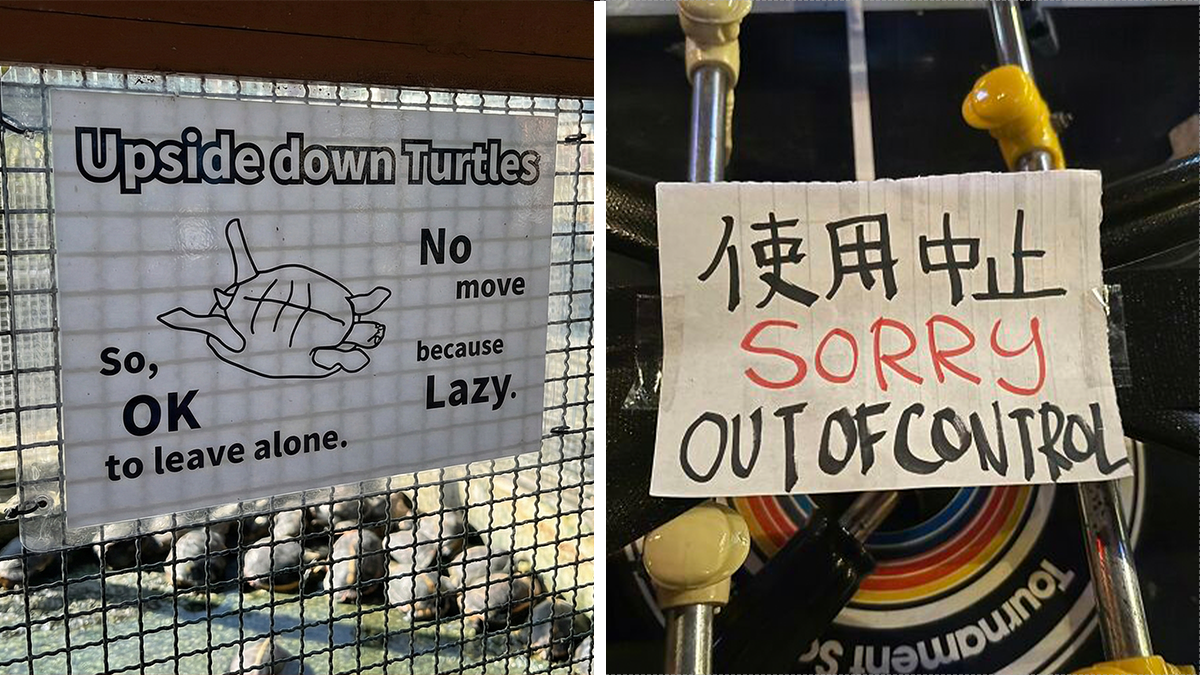
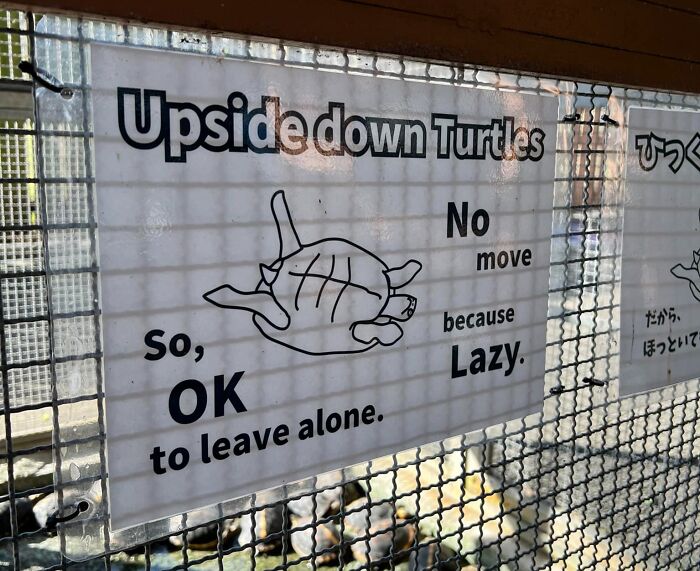
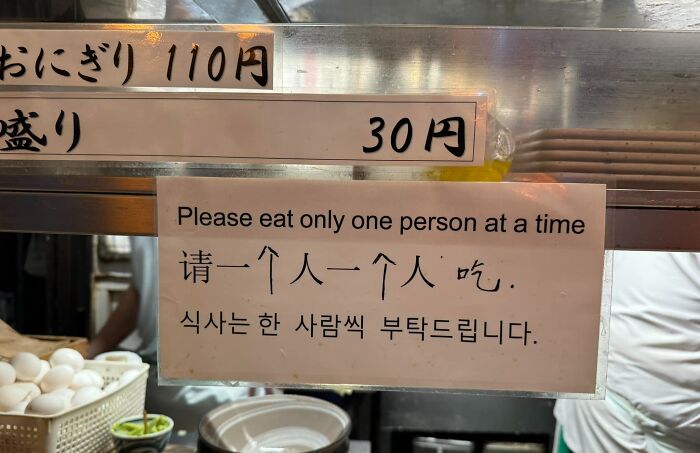
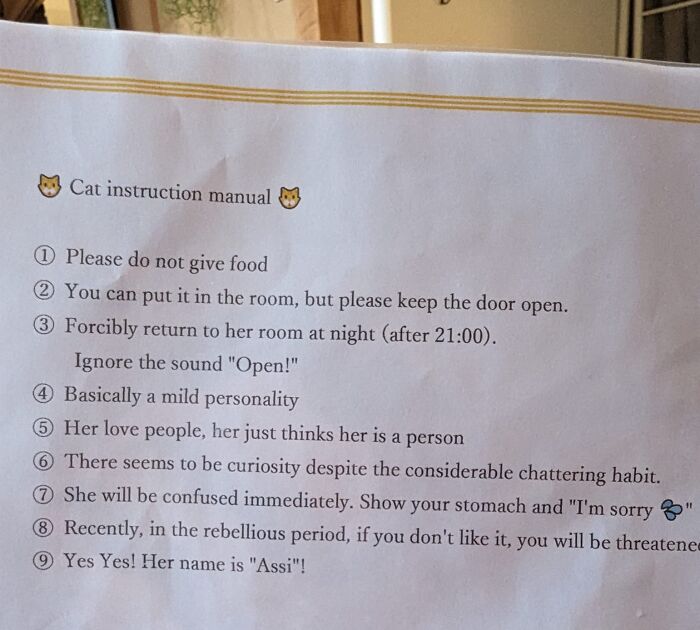
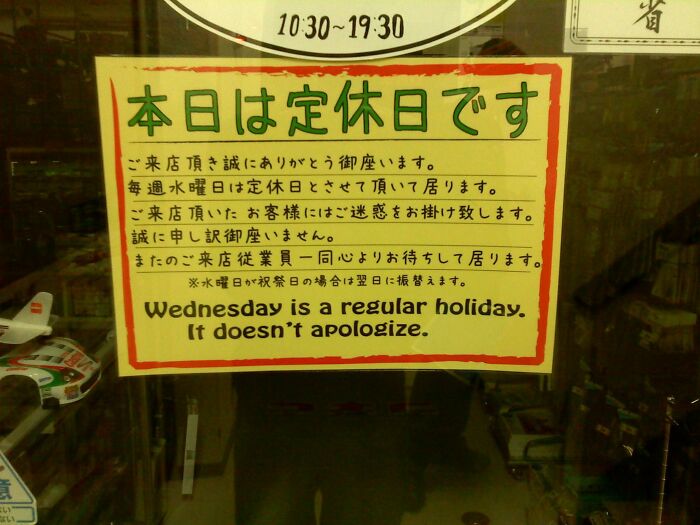
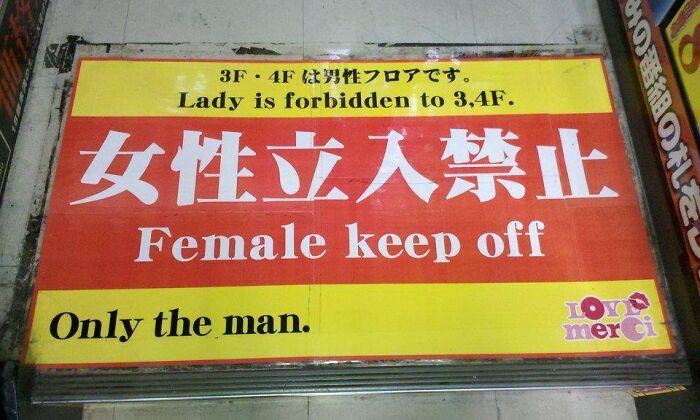
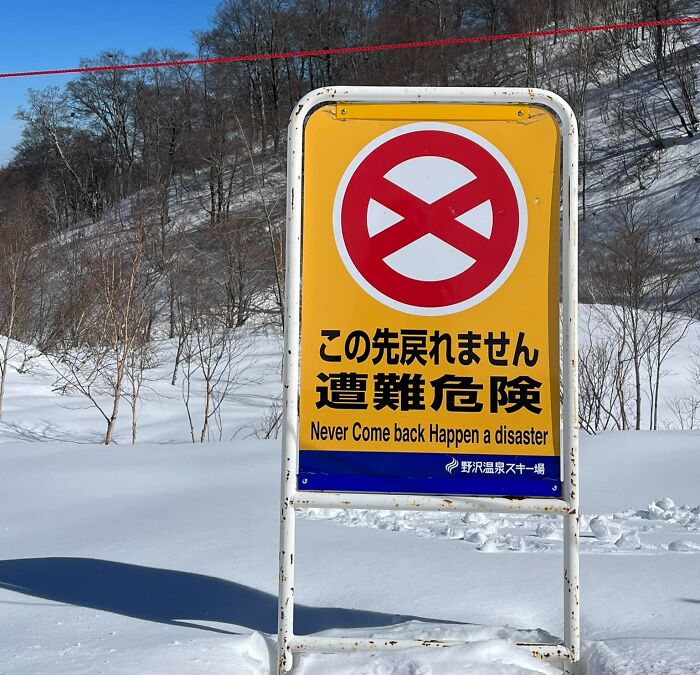
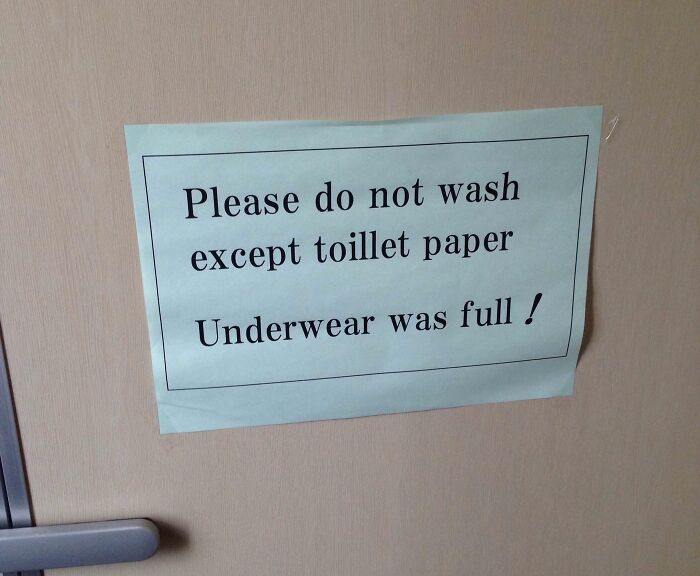
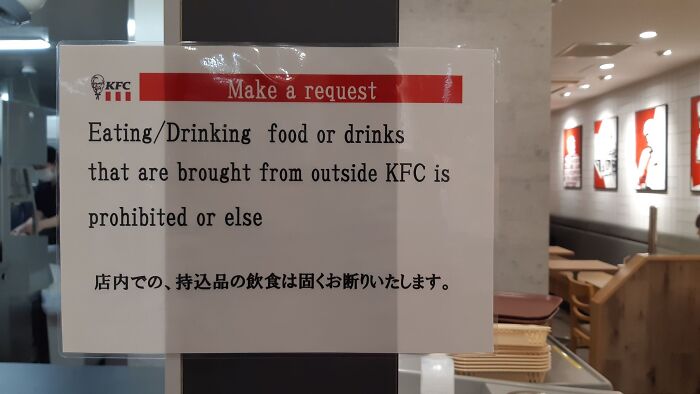
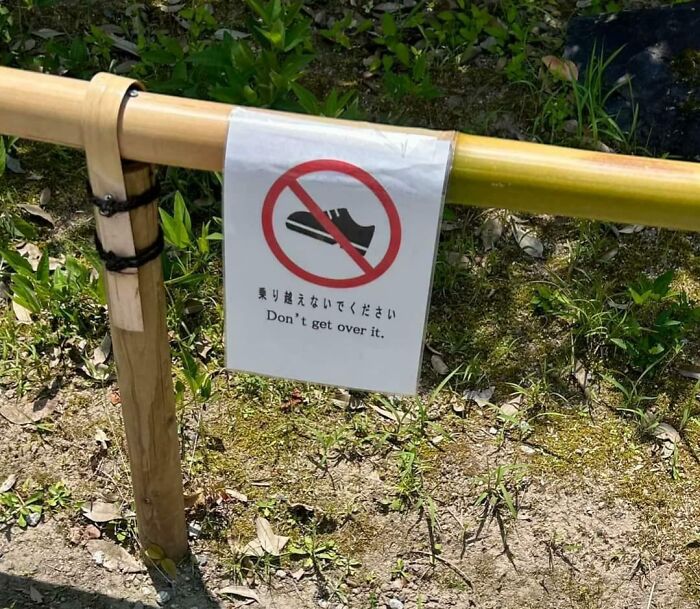
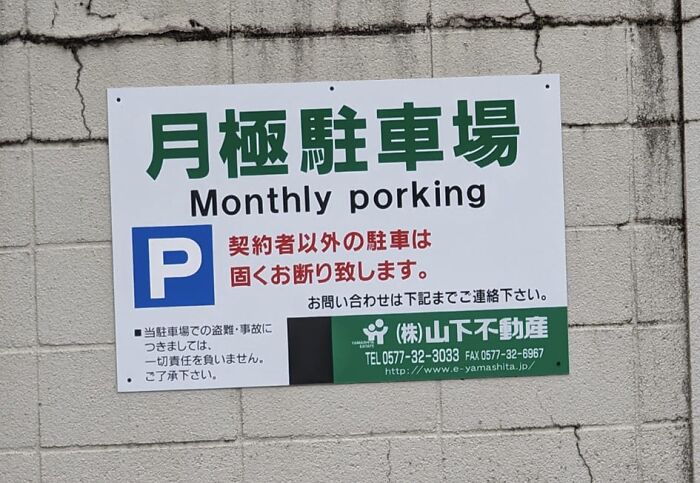
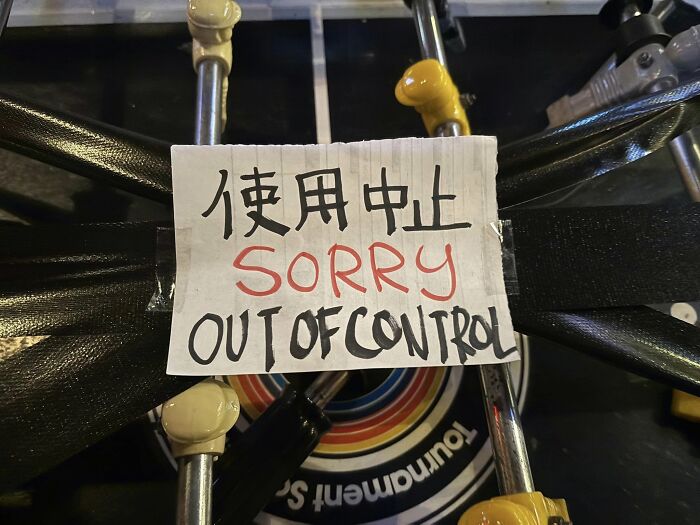
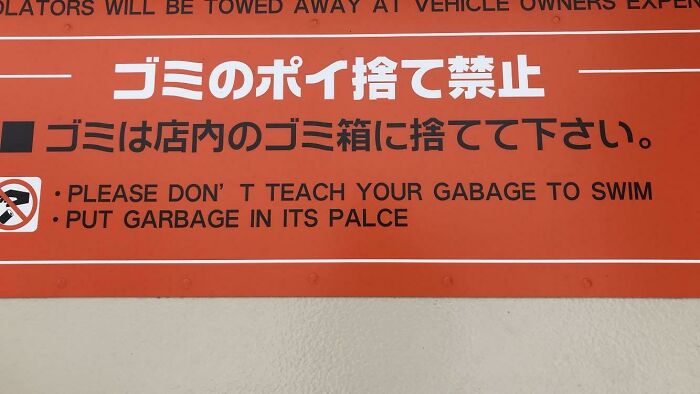
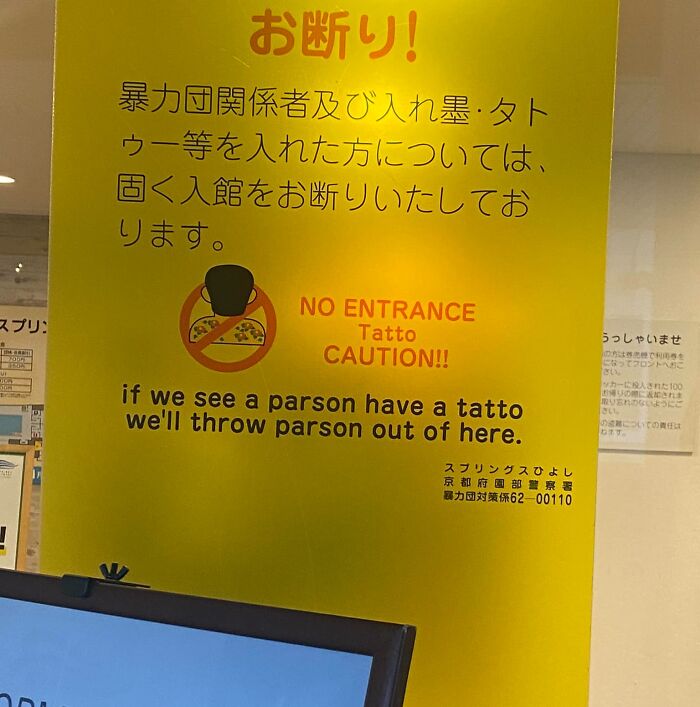
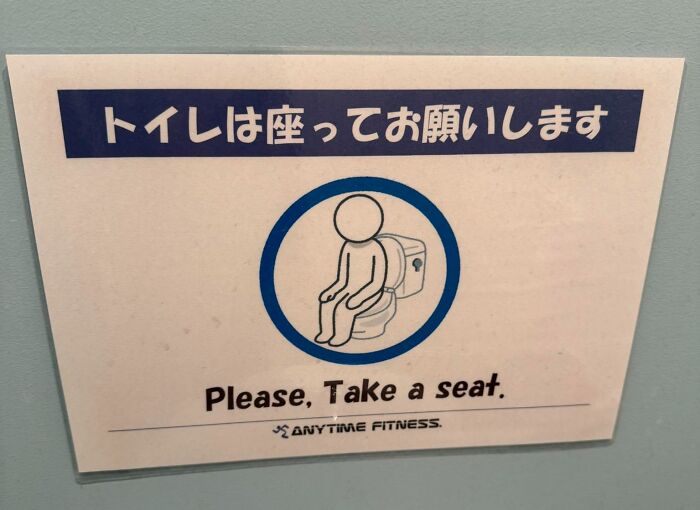
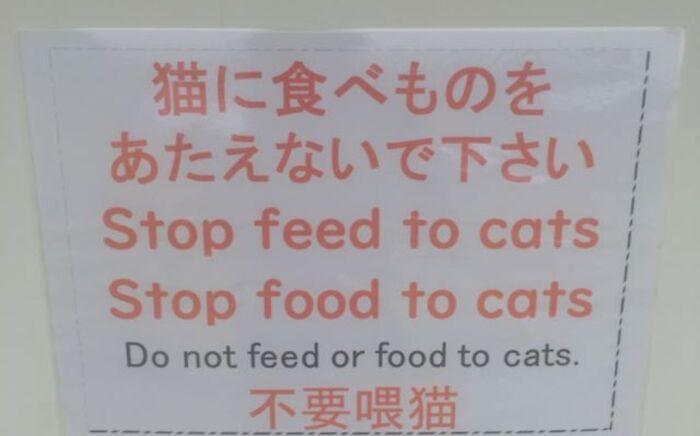
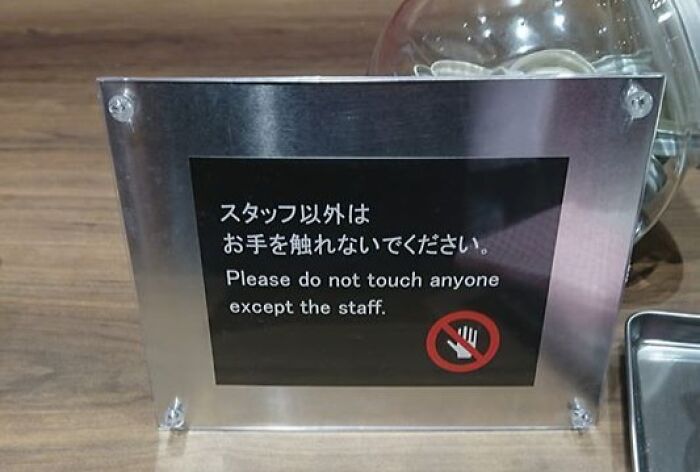
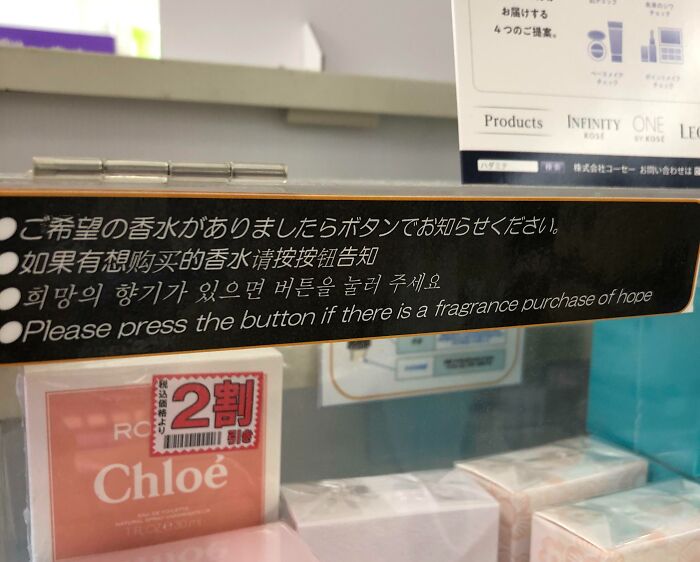
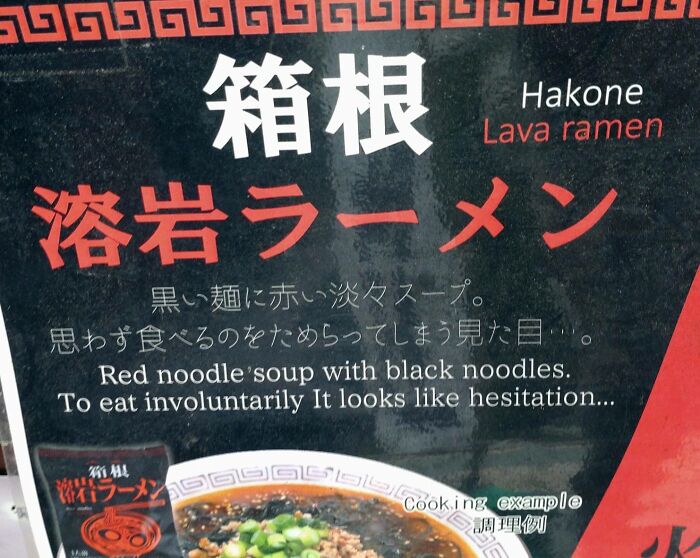
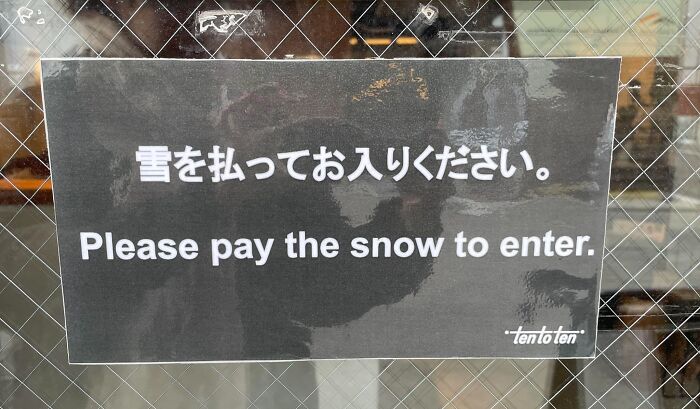
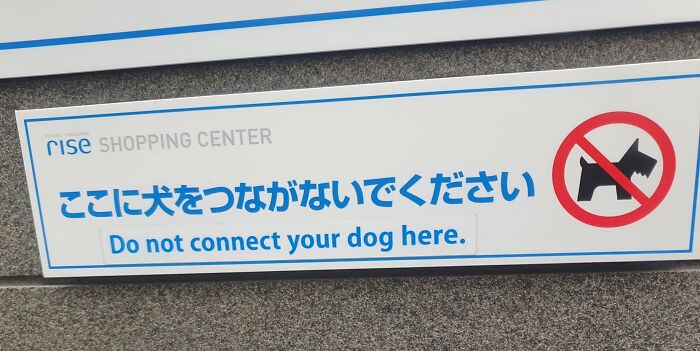
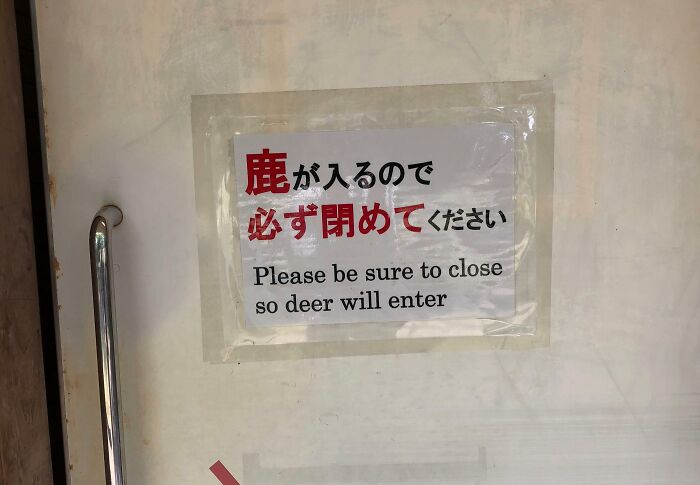
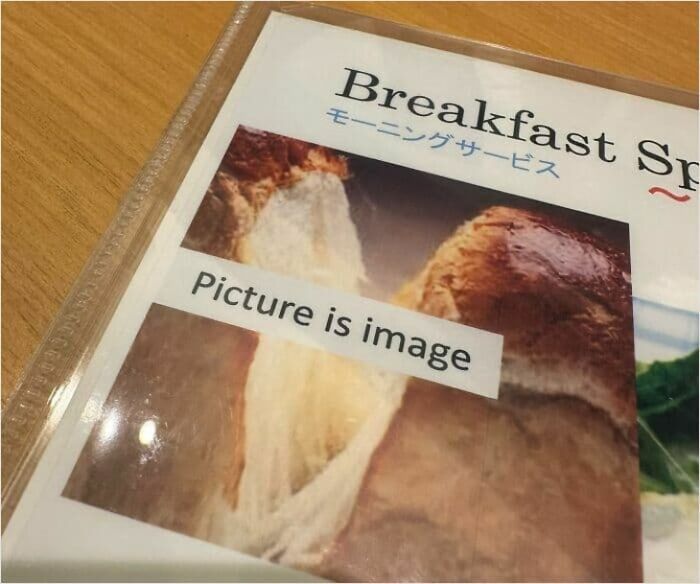
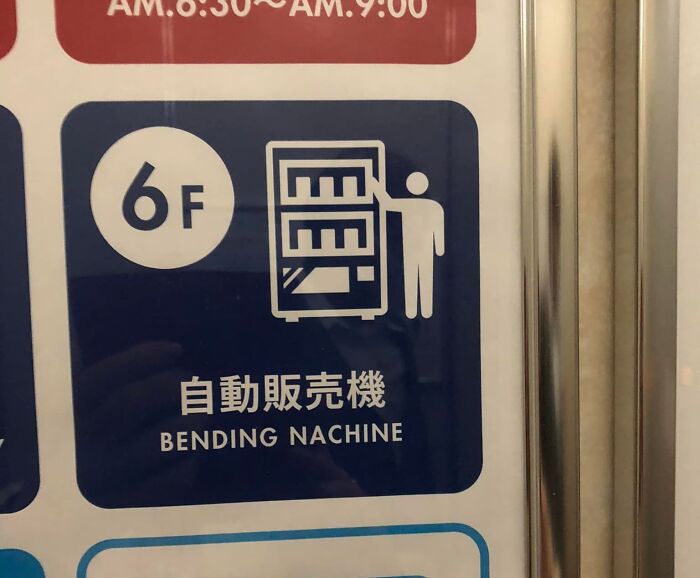
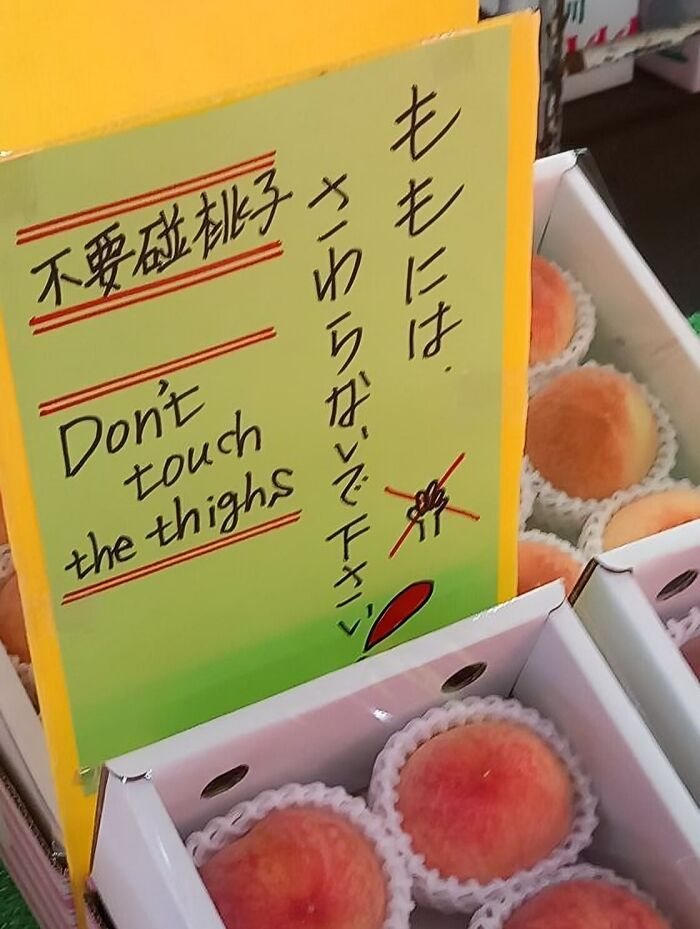
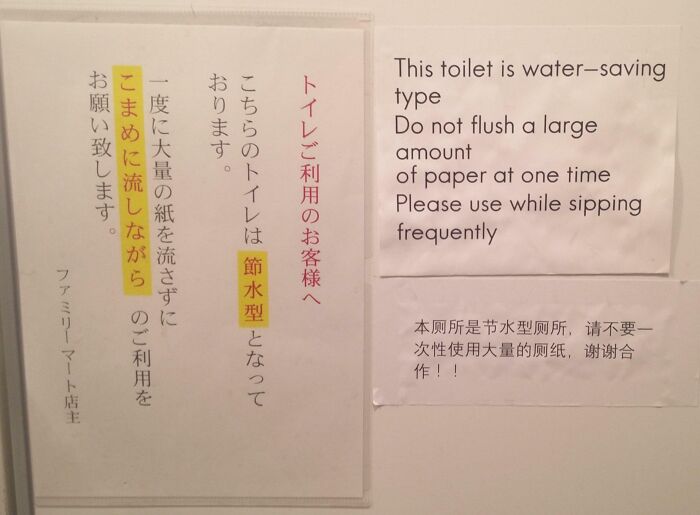
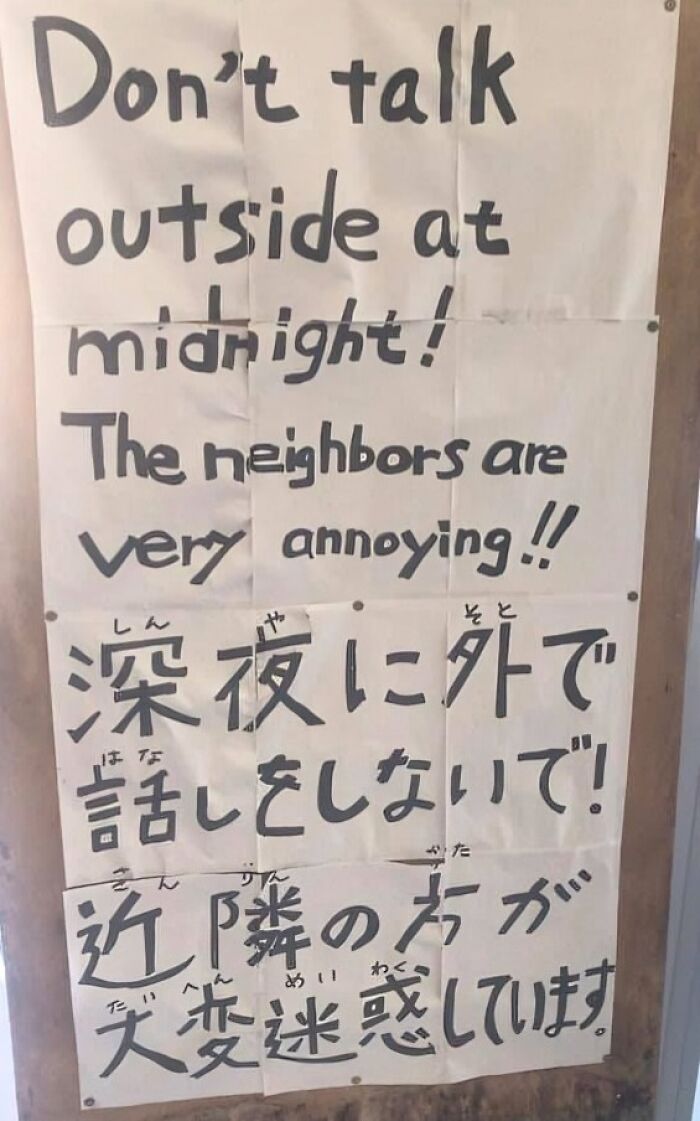
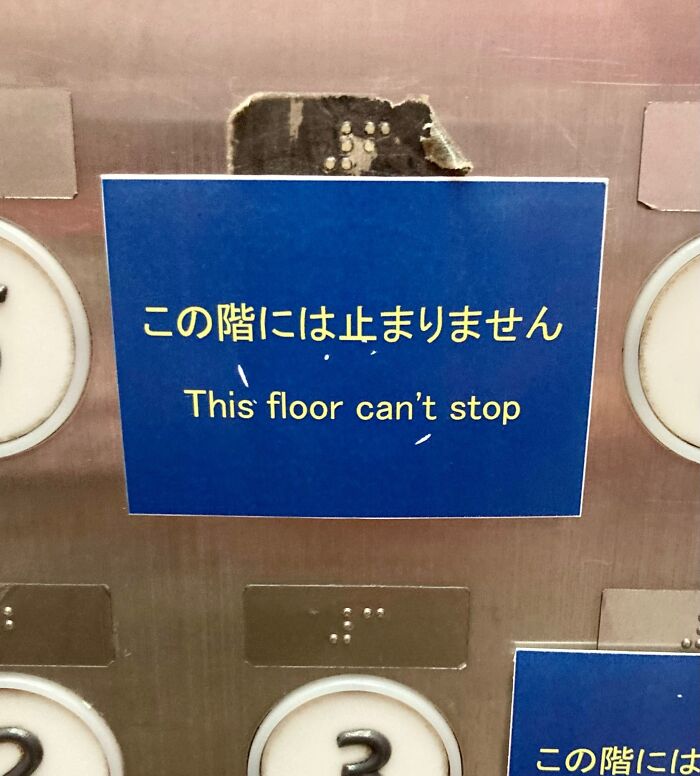
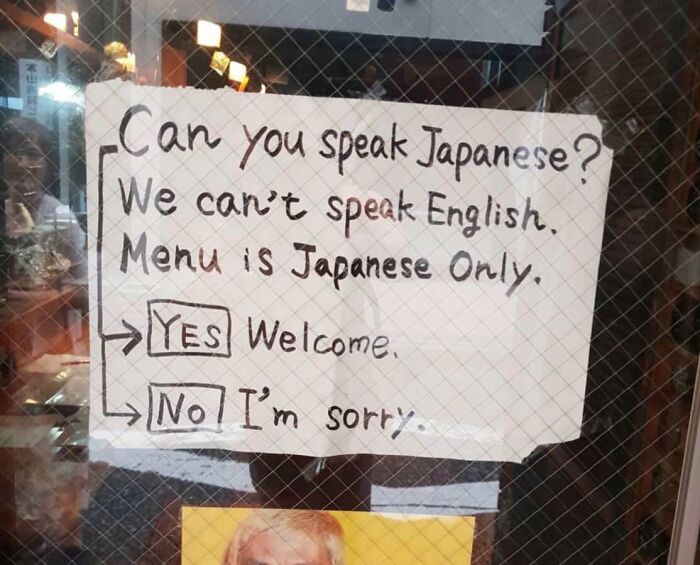
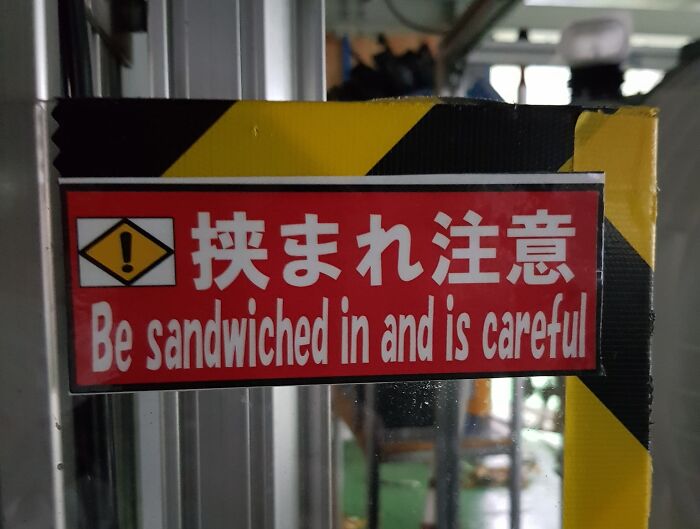
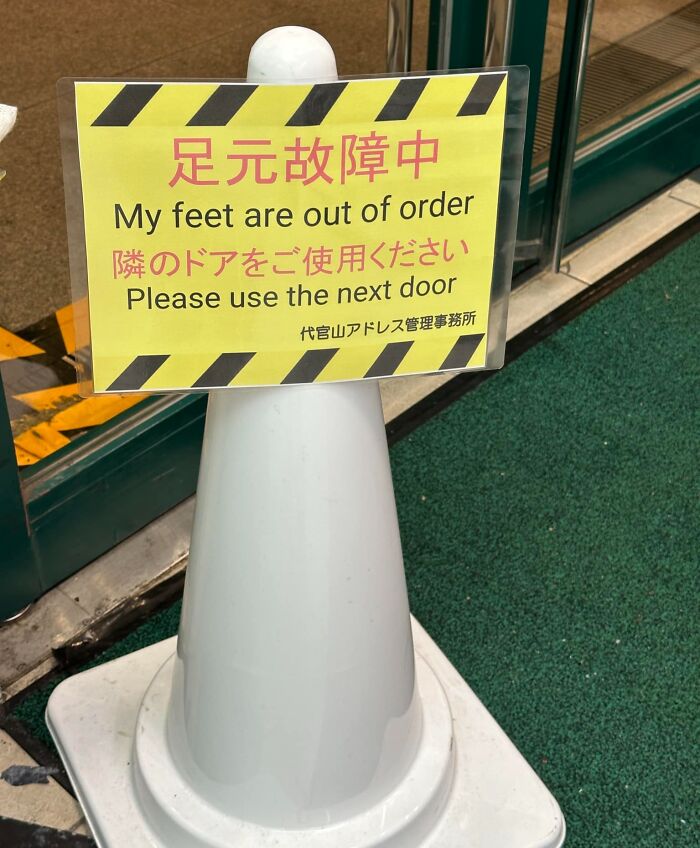
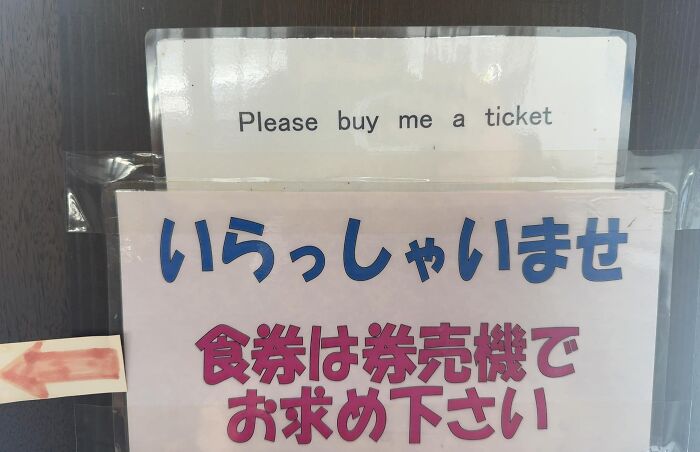
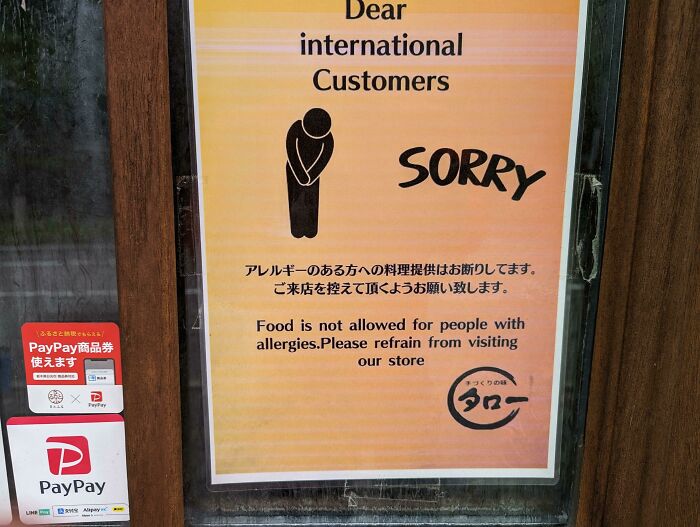
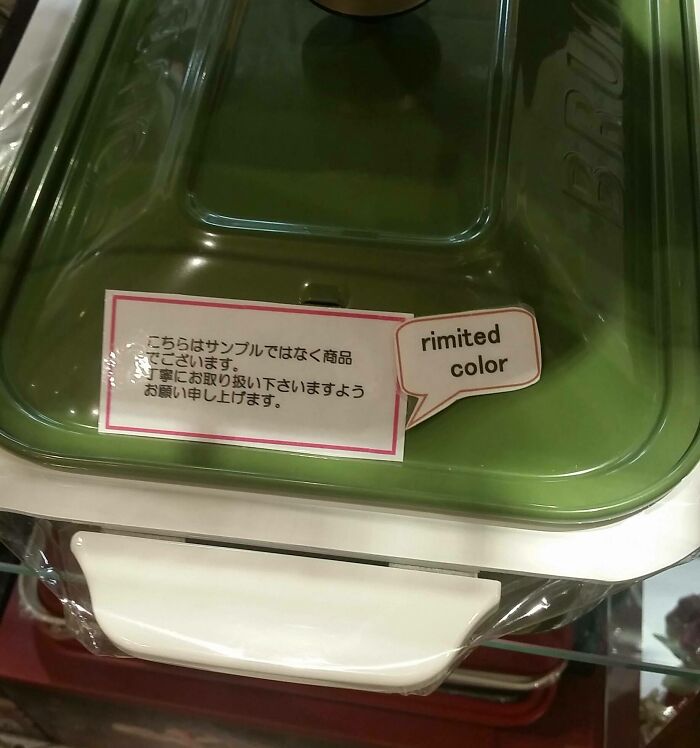
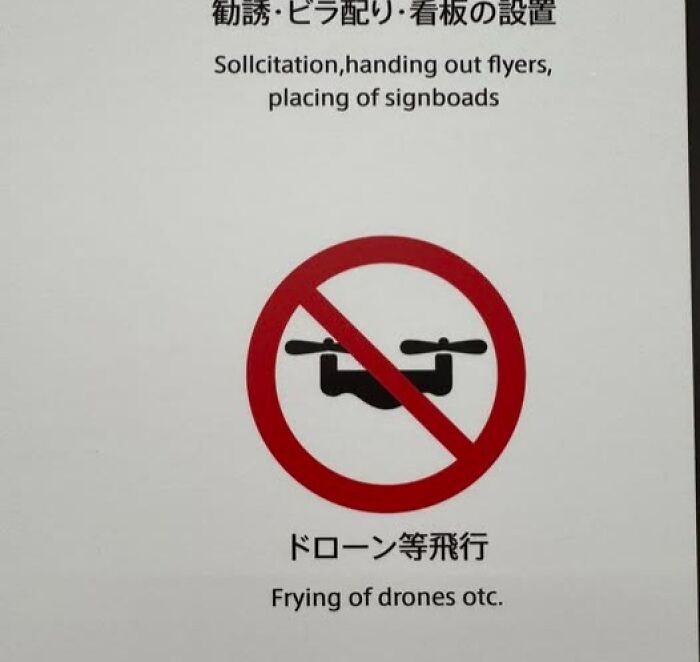
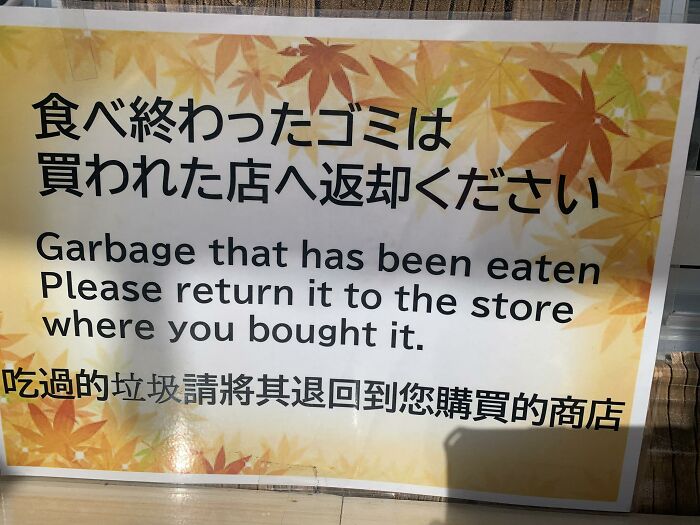
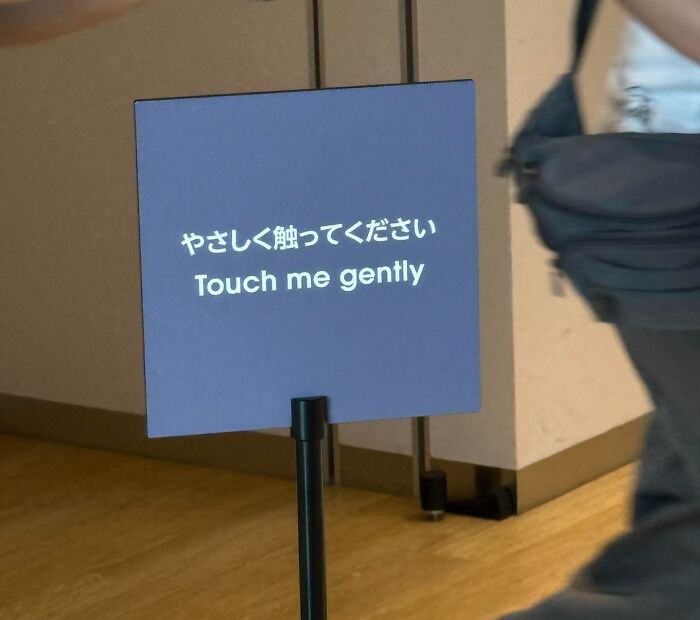
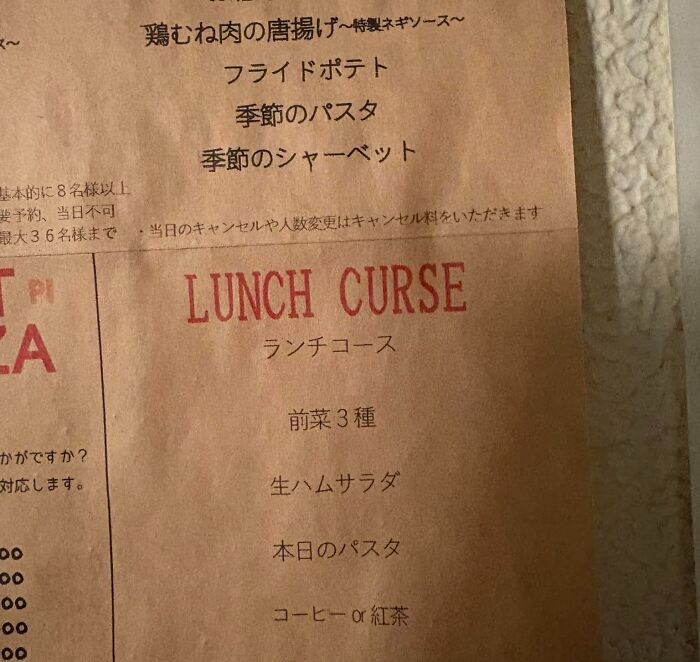
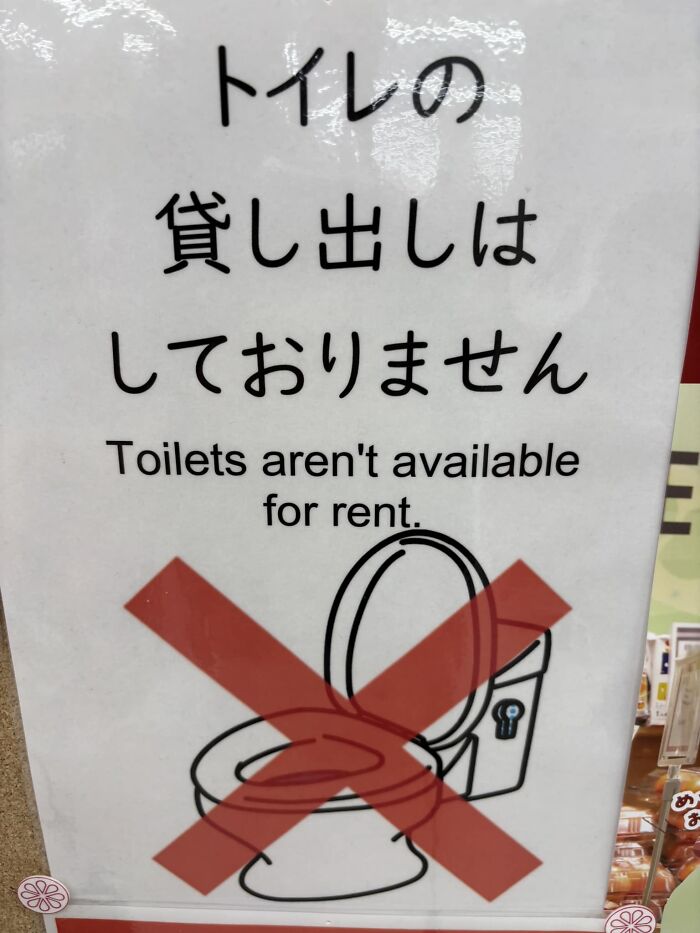
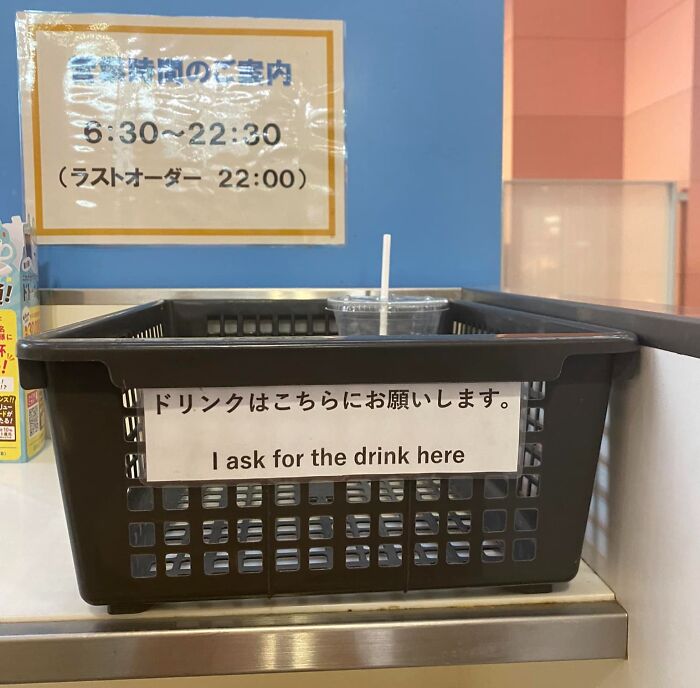
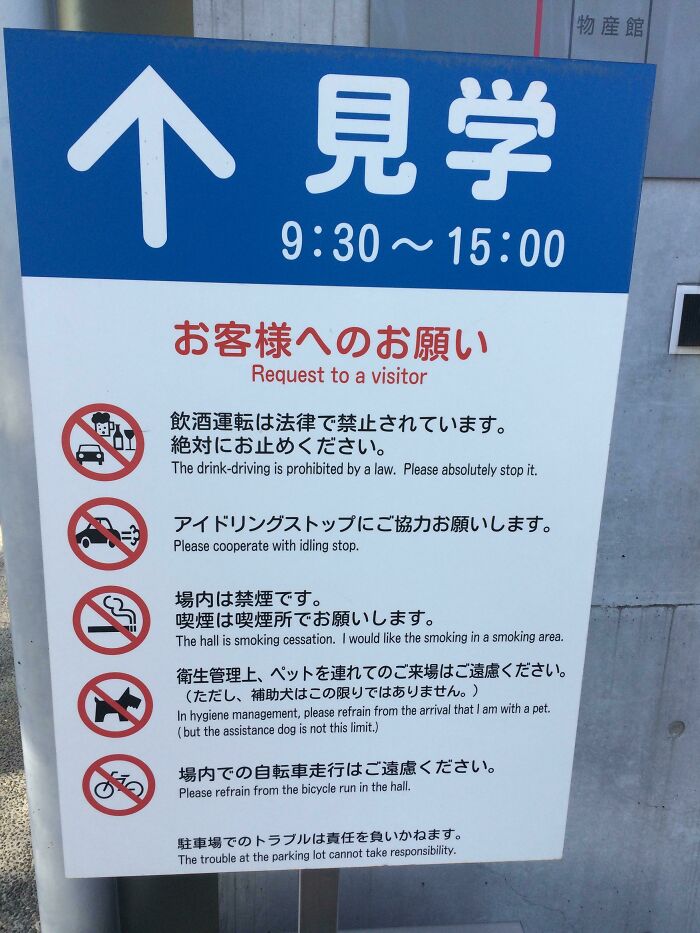
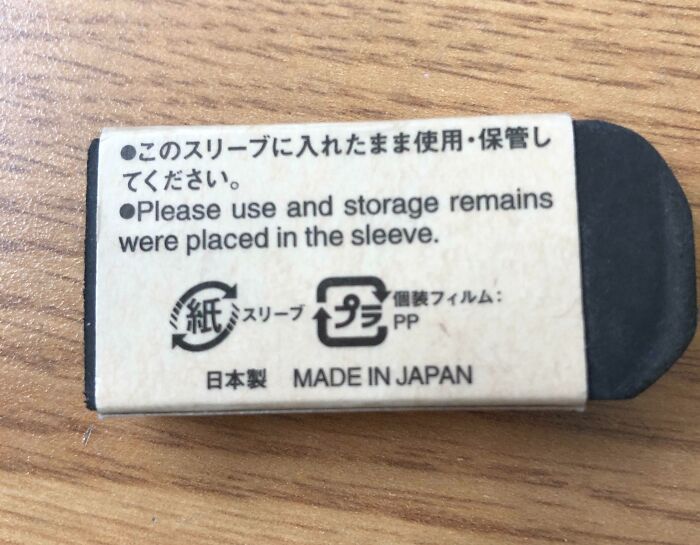
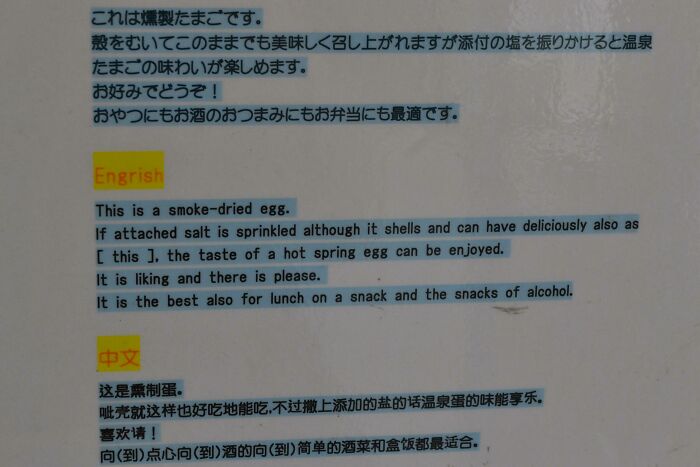
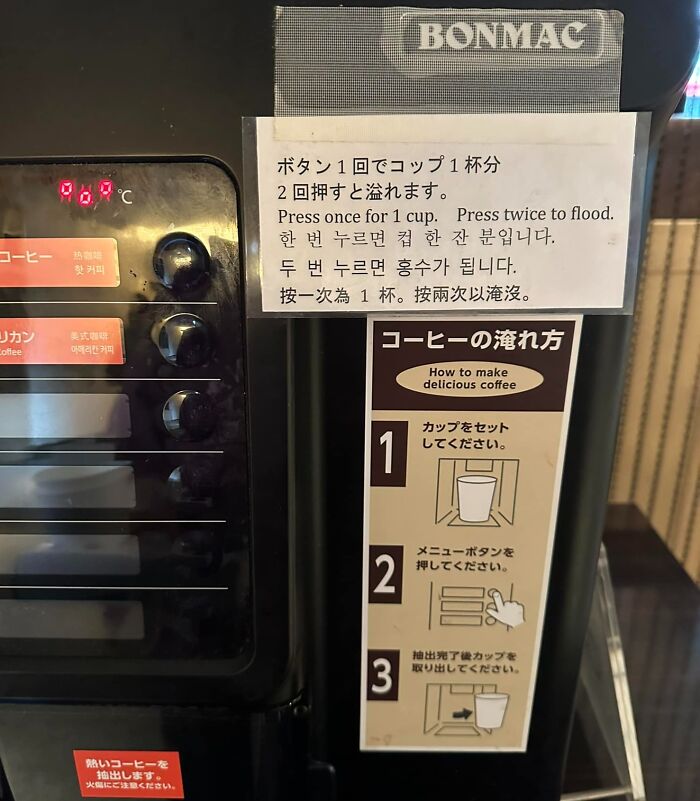
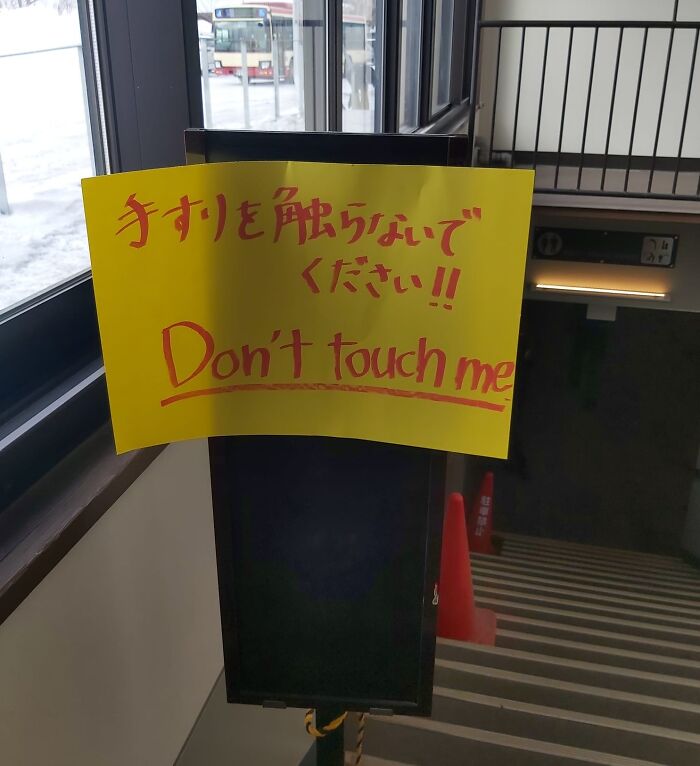
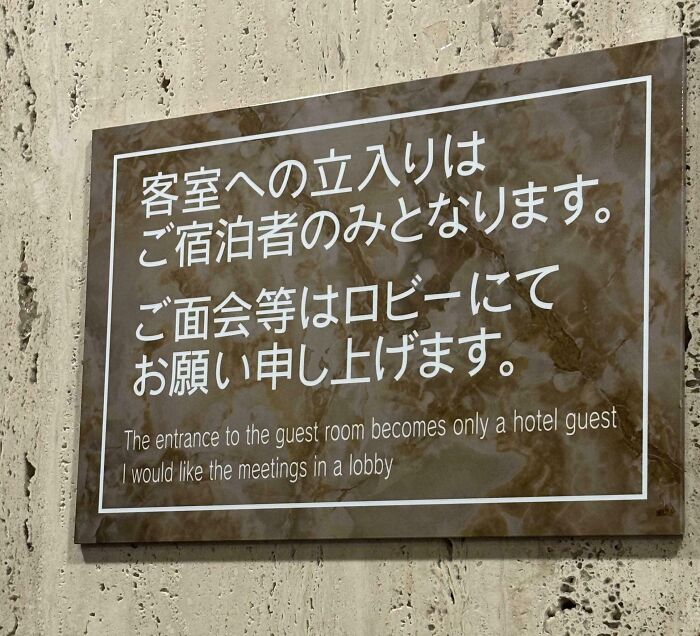
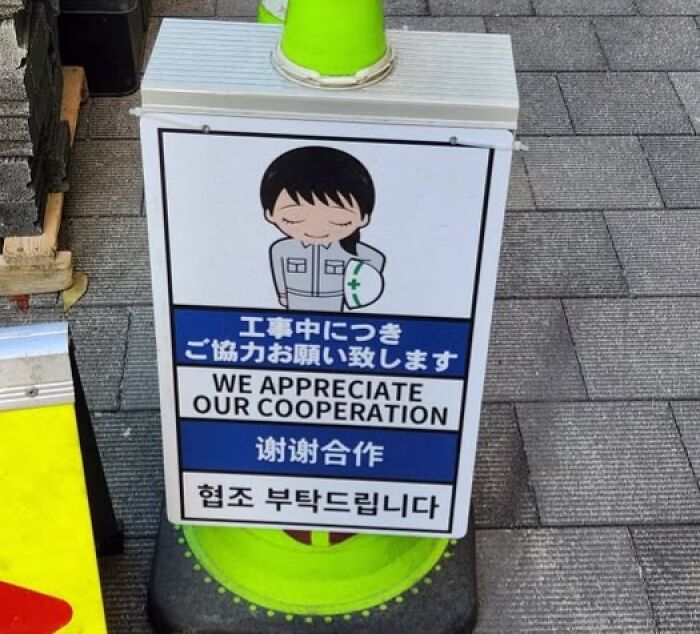
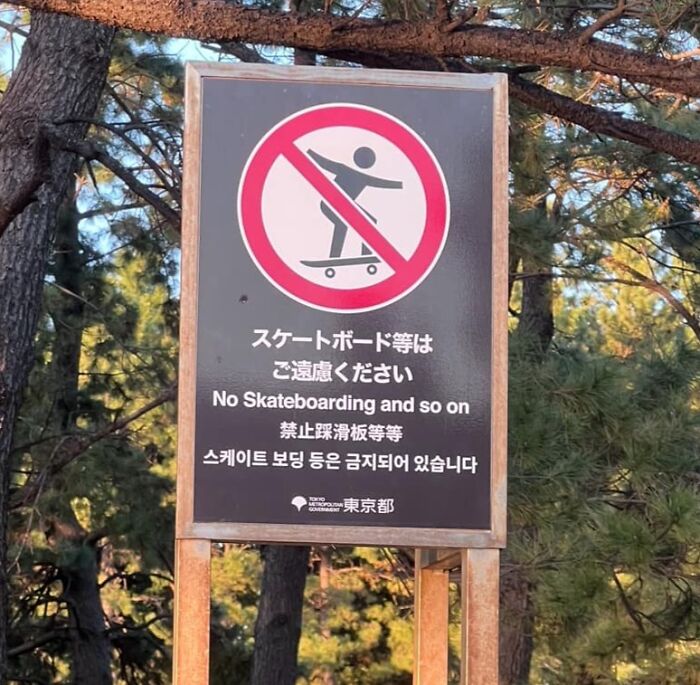
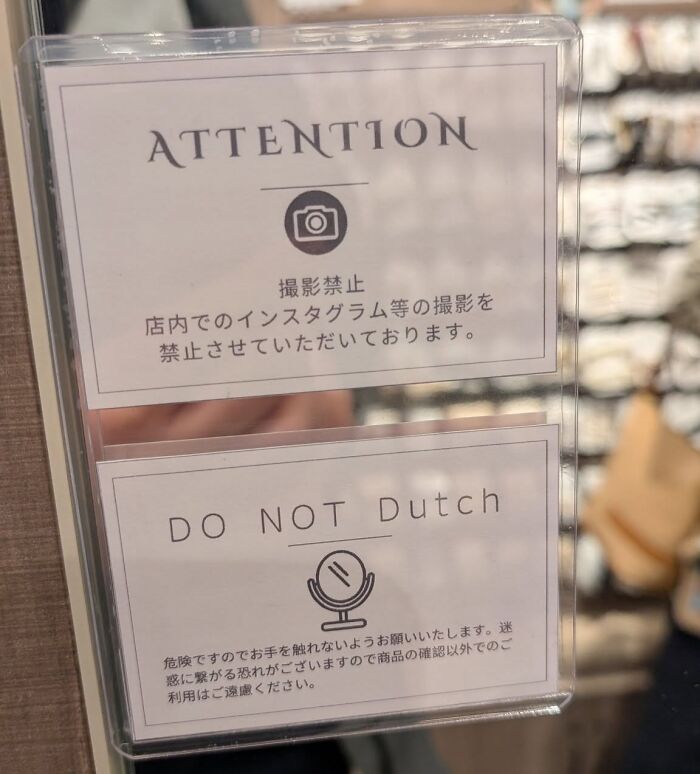
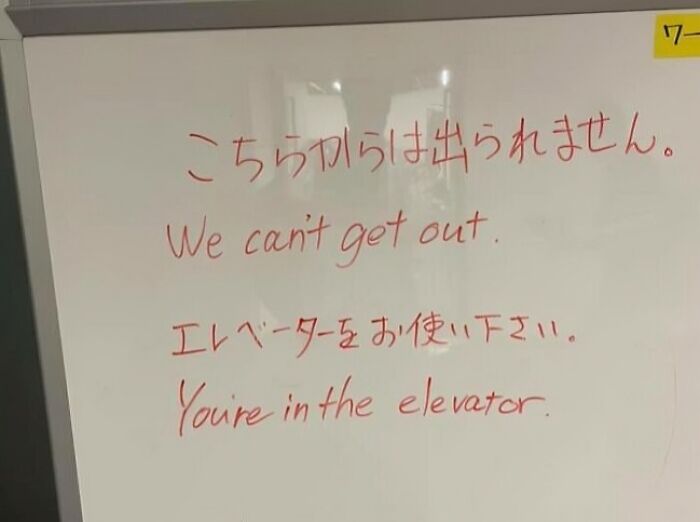
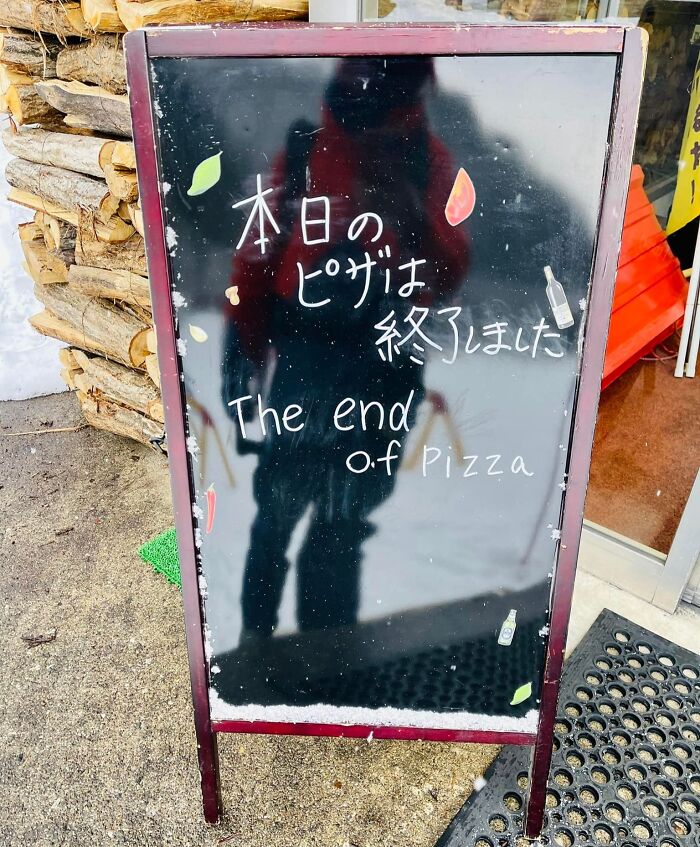
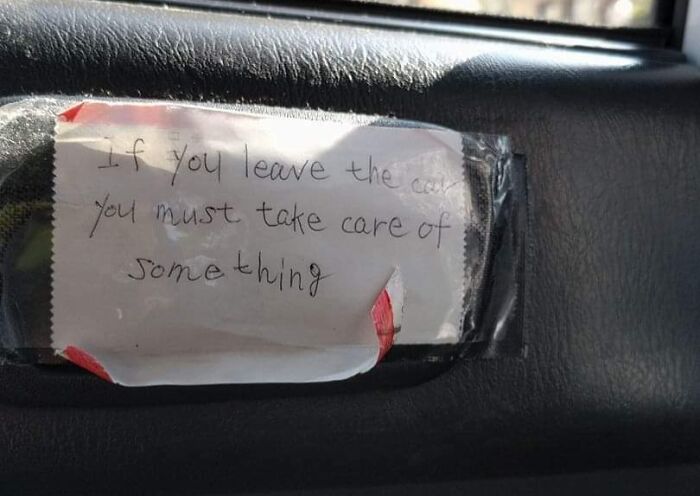
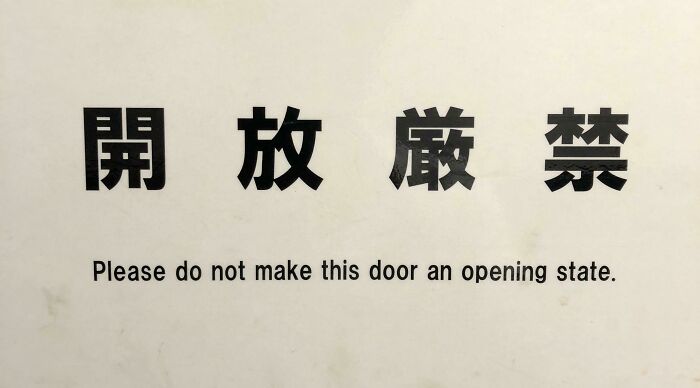
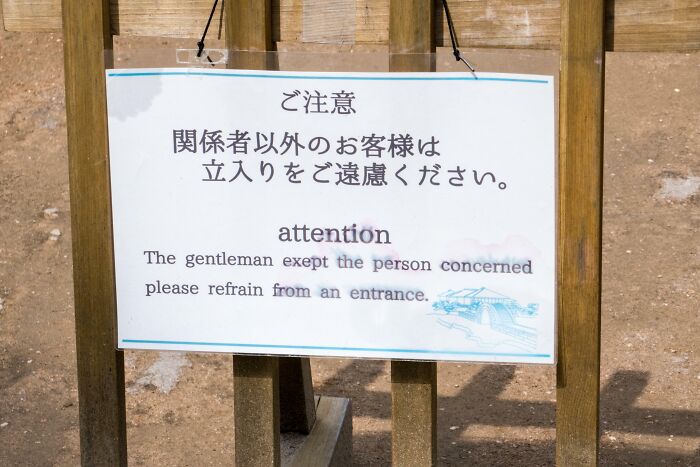
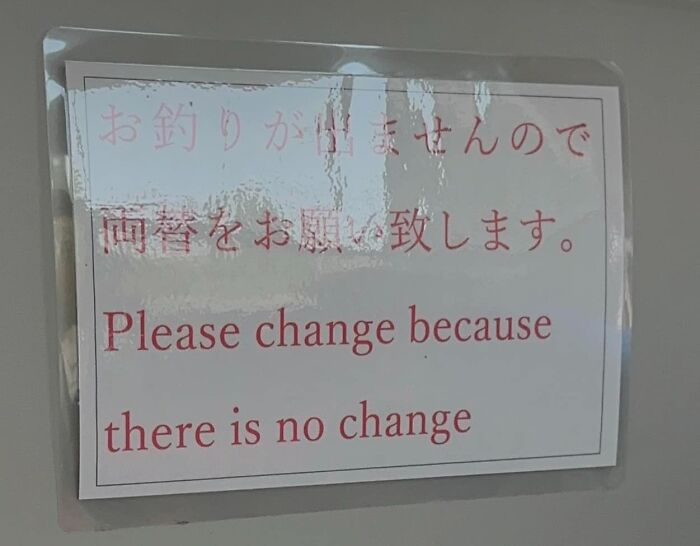
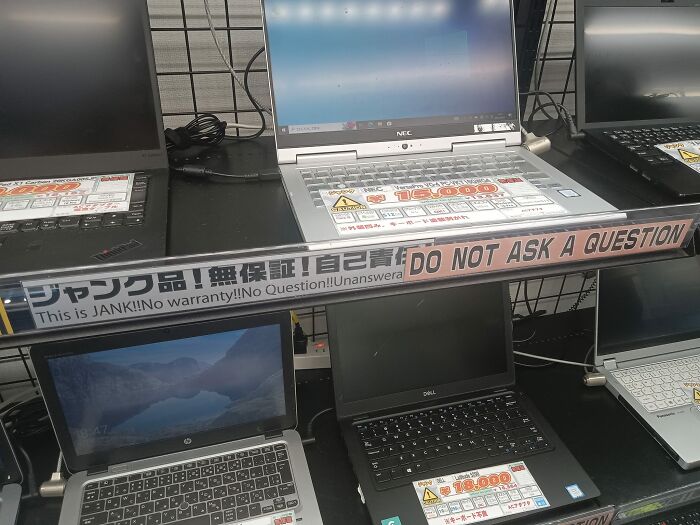
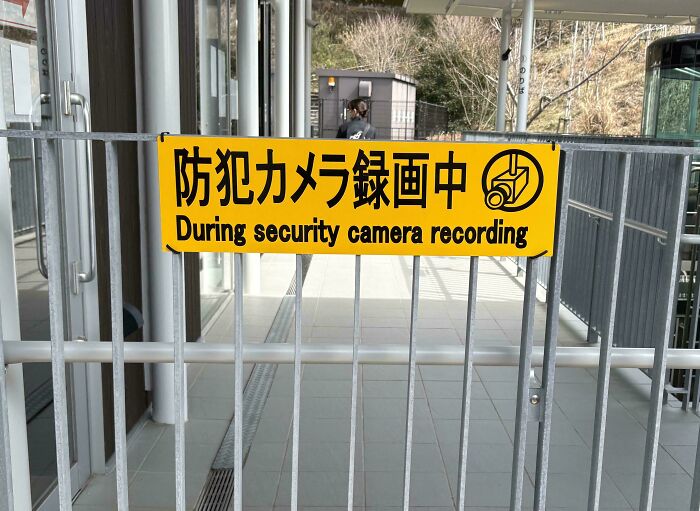
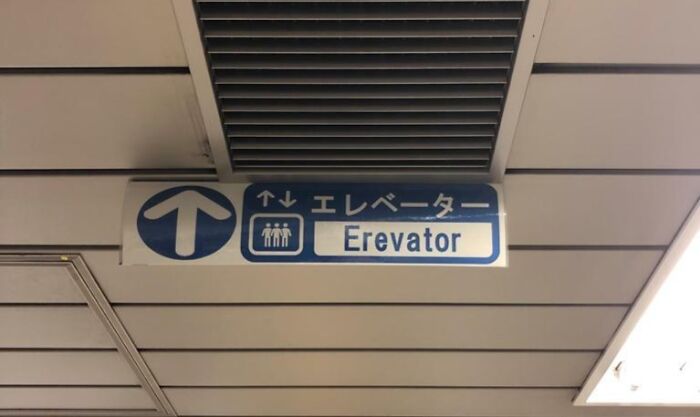
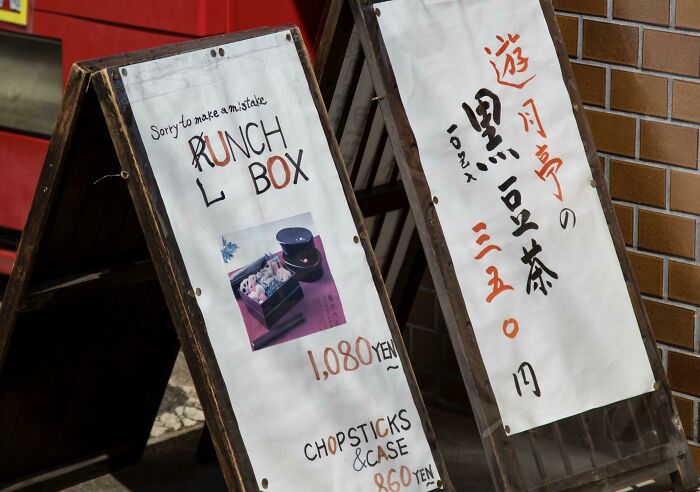
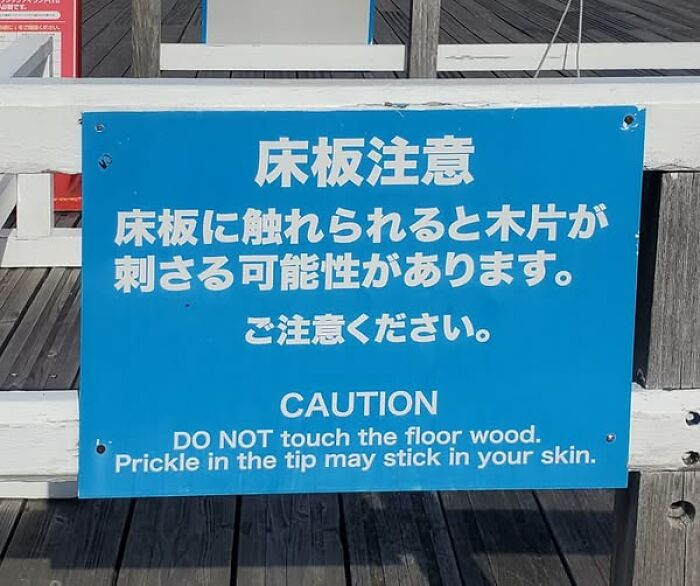
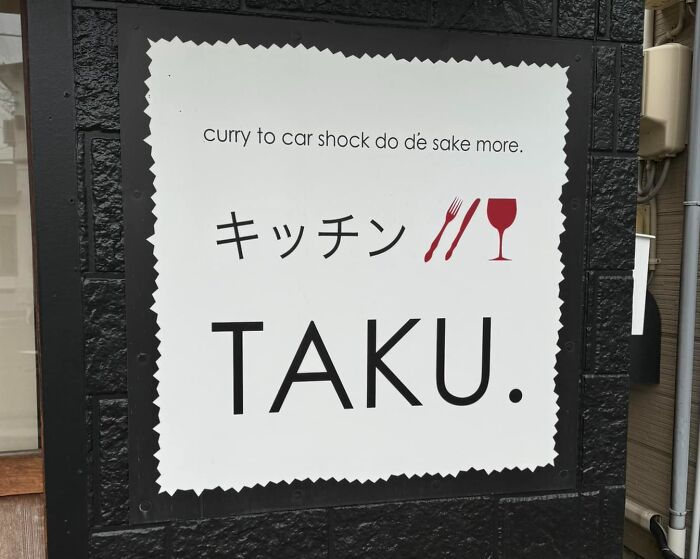
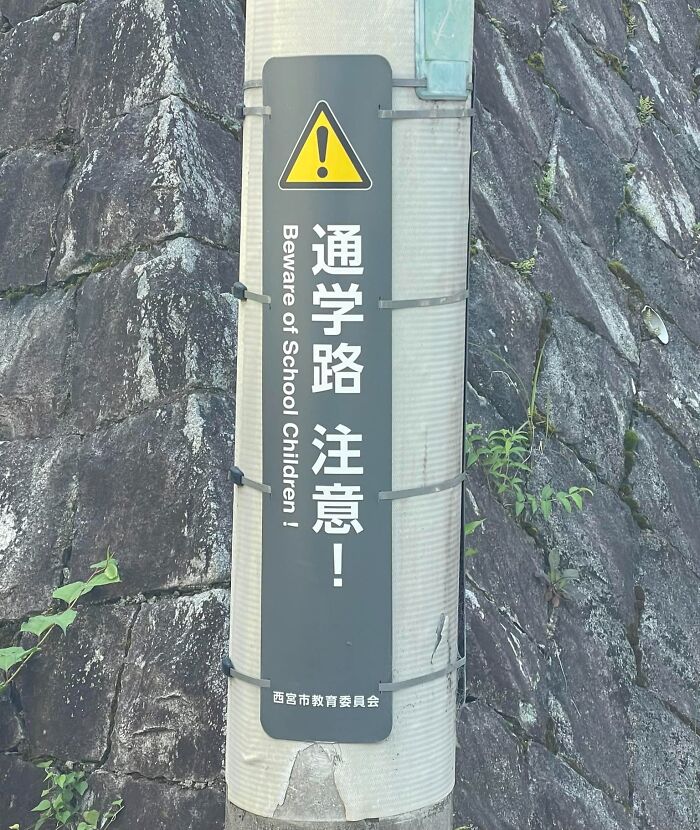
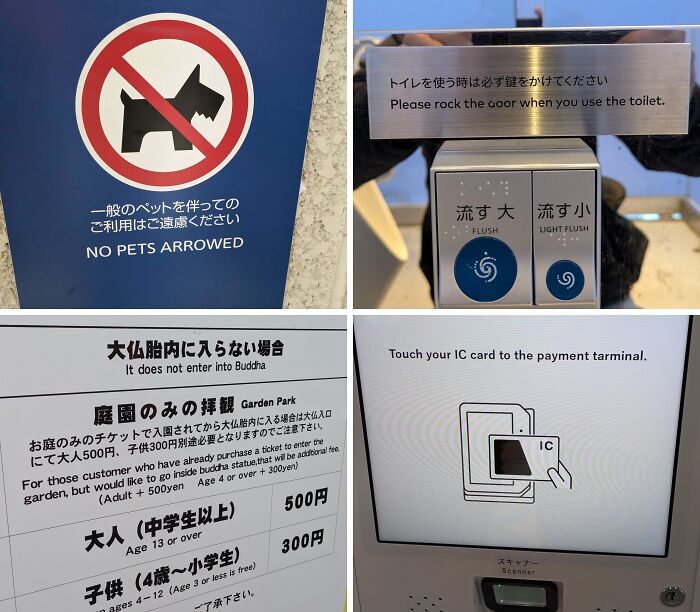
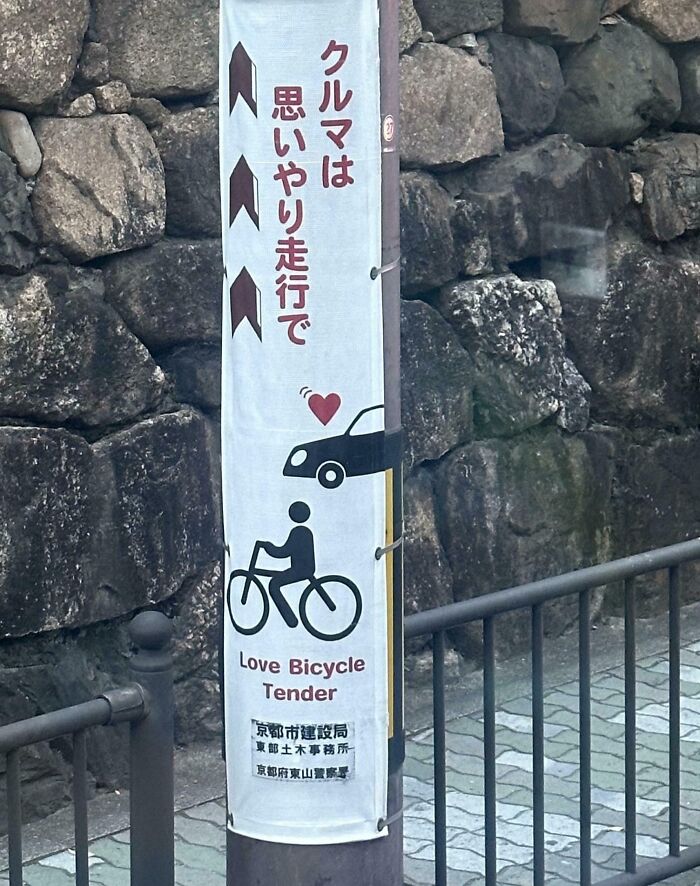
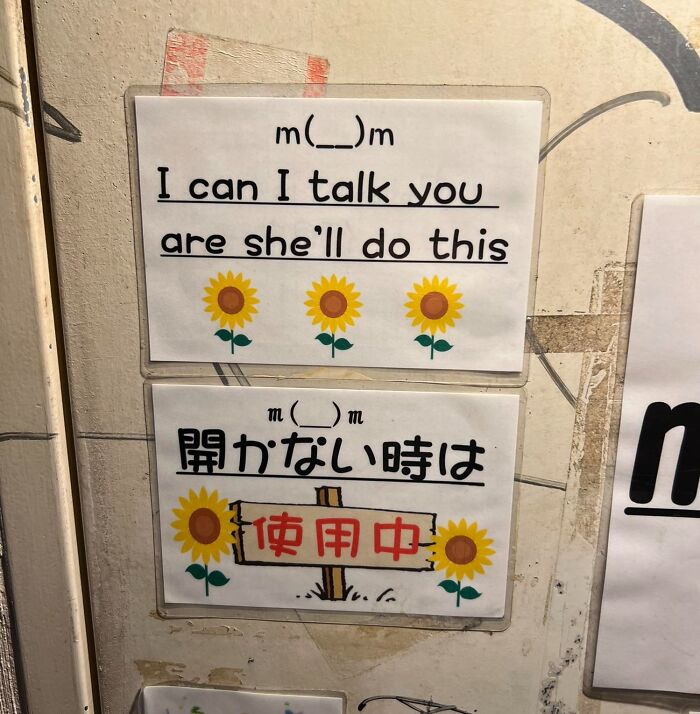
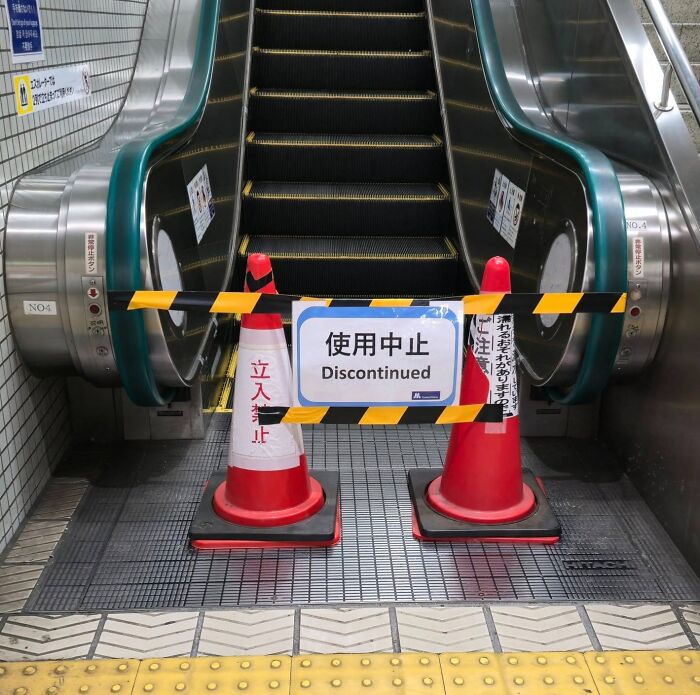
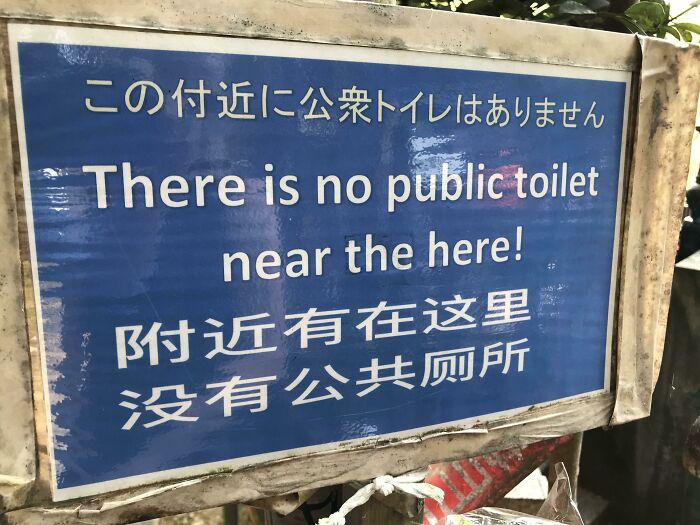
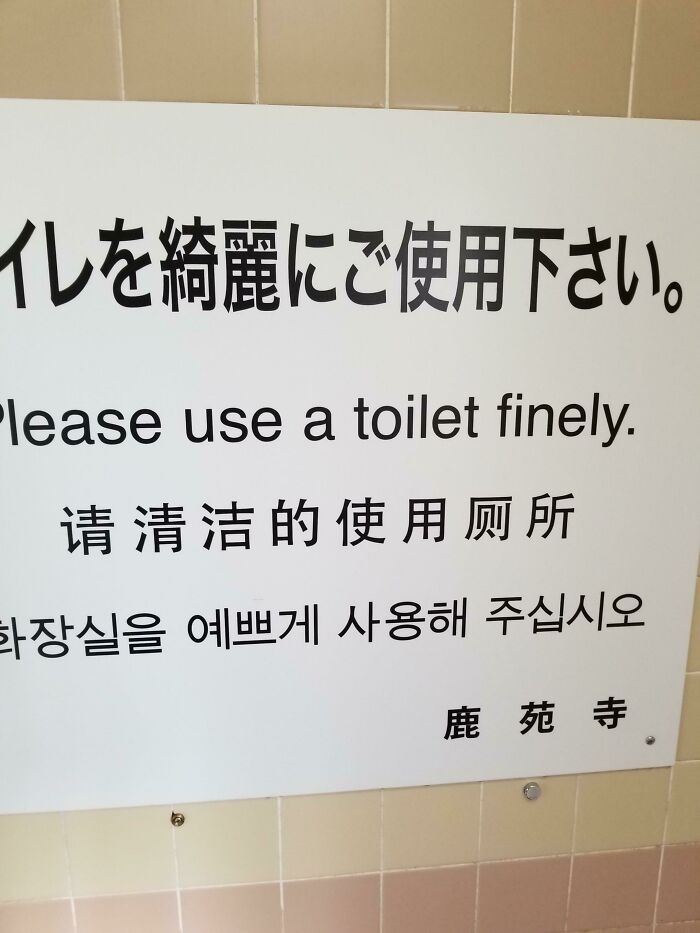
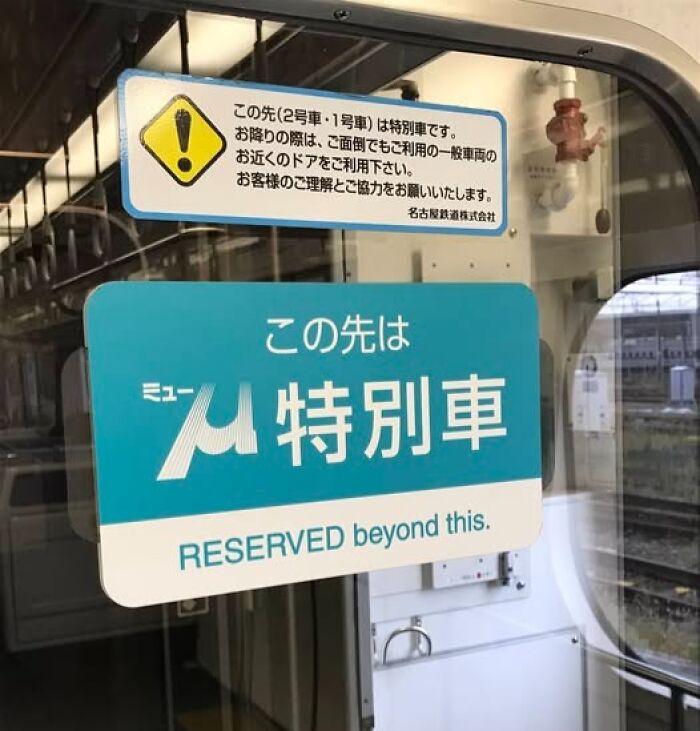
Learning a new language can be a tricky affair. Thankfully, we now have countless translation apps that make navigating foreign places much easier. But sometimes, those same tools do the exact opposite. A simple sentence can turn into something hilariously wrong. What was meant to be helpful suddenly becomes unforgettable.
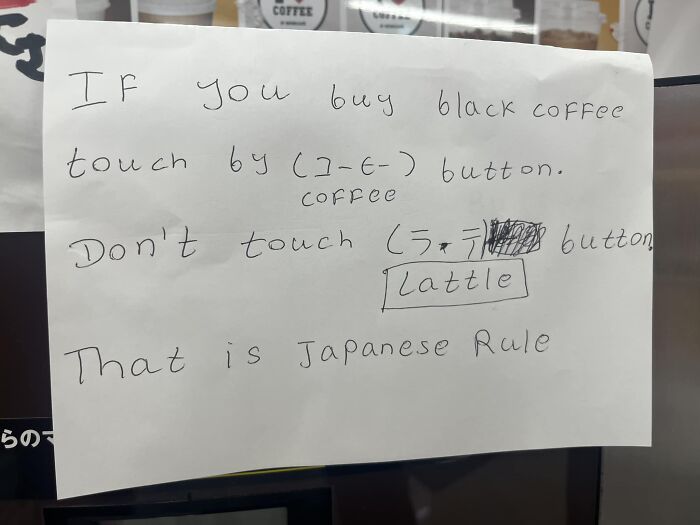
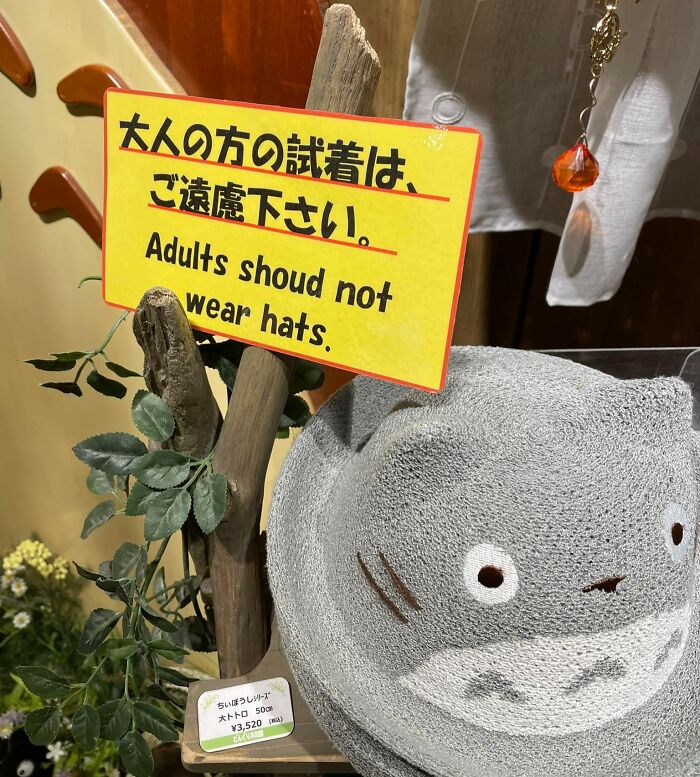
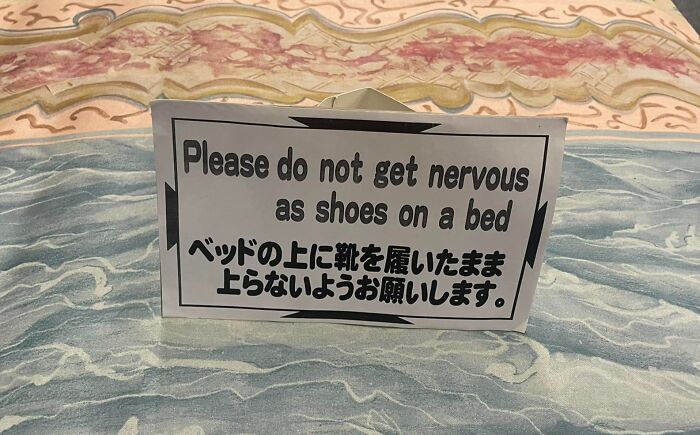
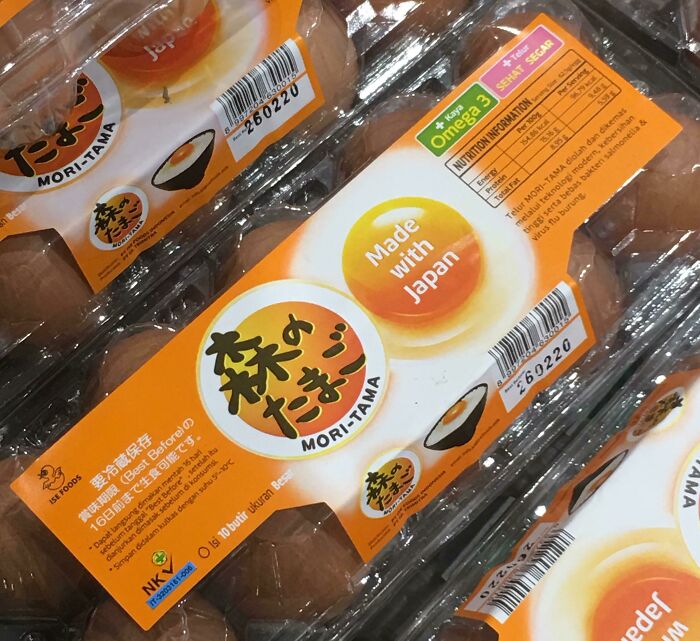
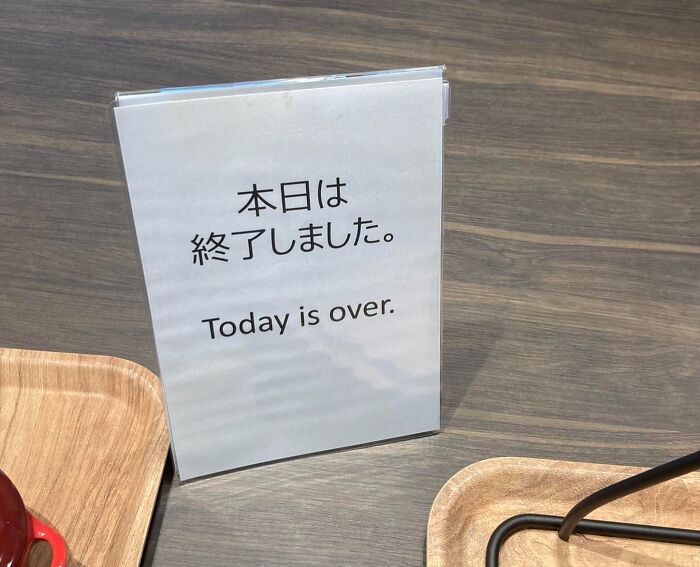
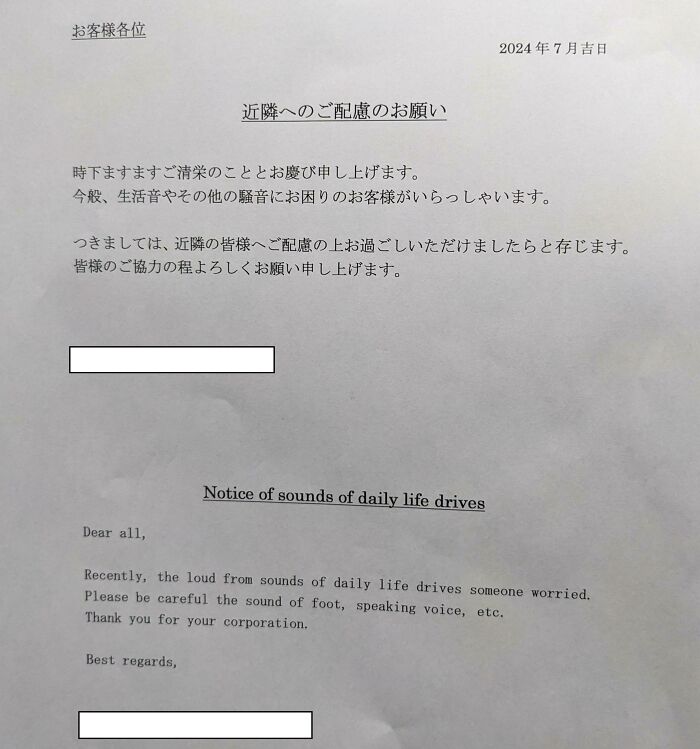
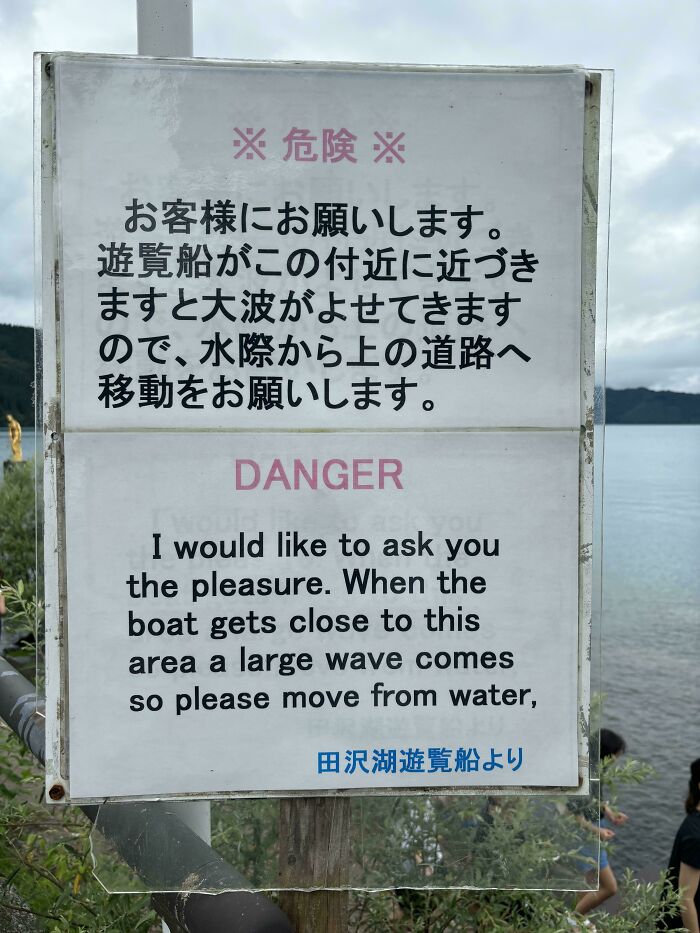
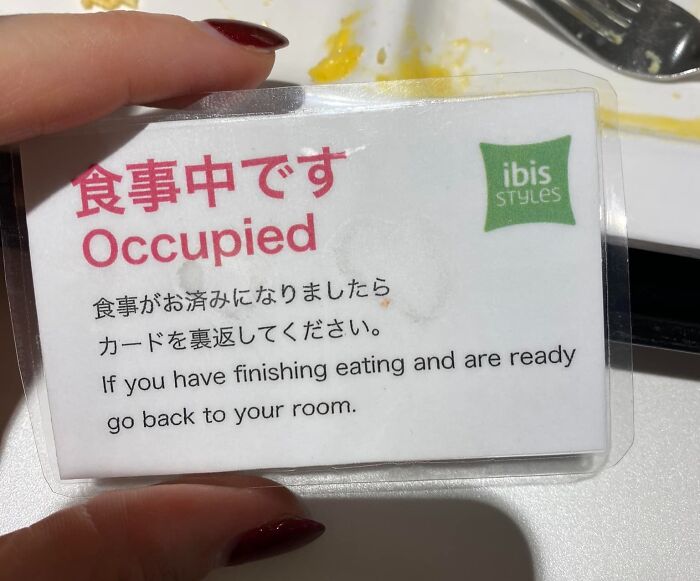
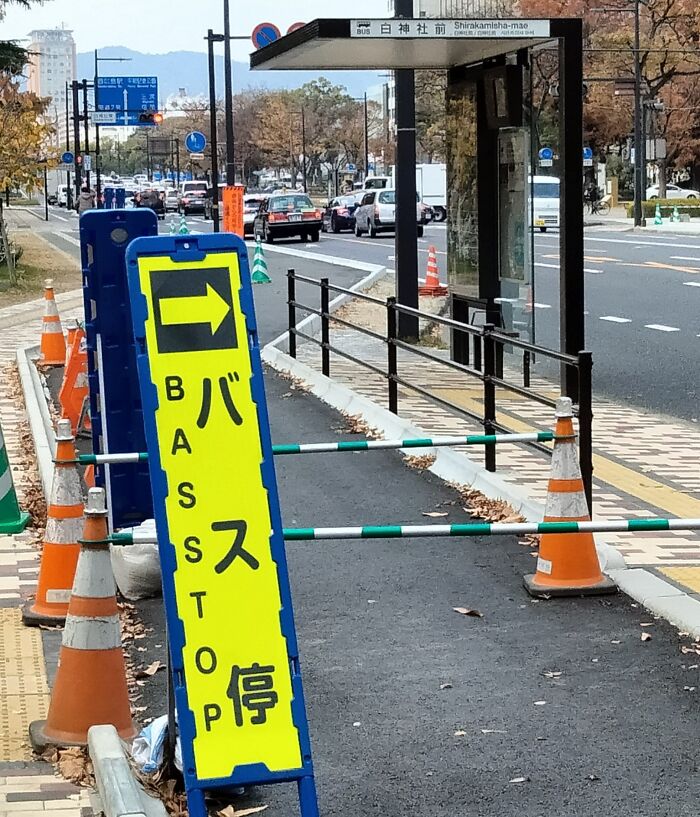
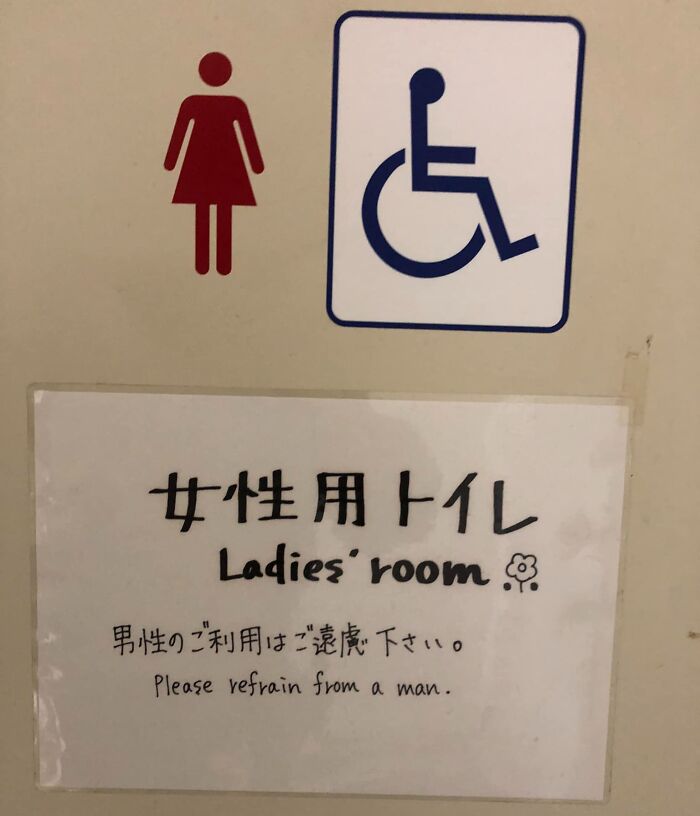
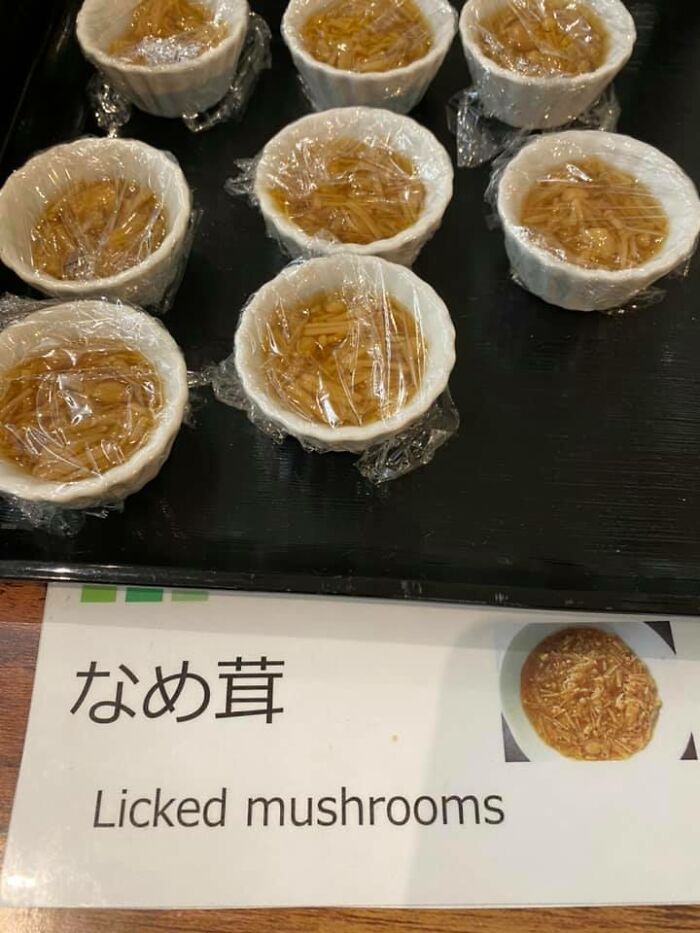
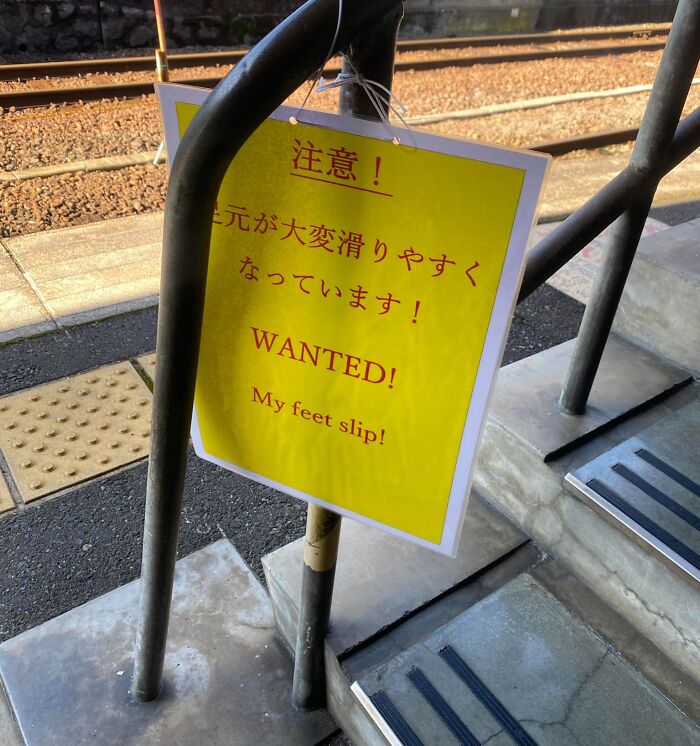
Today, we’ve rounded up some funny Japanese translation fails that show how easily meanings can get mixed up. From signs that accidentally suggest eating people to instructions that sound wildly illegal, these mistranslations are impossible to ignore. Keep scrolling for a collection that’s equal parts confusing and entertaining.
funny-japanese-translation-fails
Discover more in 101 Funny Signs In English People Spotted In Japan
Click here & follow us for more lists, facts, and stories.
This post may include affiliate links.
Japanese is a fascinating language that feels completely different from many others. The sentence structure alone can flip what English speakers are used to. Verbs often come at the very end, which means you sometimes have to wait to find out what’s actually happening. It can feel like listening to a story in reverse. This difference is part of what makes Japanese both challenging and exciting to learn.
One of the first things that surprises people is that Japanese doesn’t rely on just one writing system. In fact, it uses several. The oldest is kanji, which are Chinese characters introduced between the 4th and 6th centuries via Korea. These characters often represent ideas rather than sounds. Many kanji have multiple readings, which can be confusing at first. But they also add depth and nuance to the language. Over time, patterns begin to emerge. What feels overwhelming slowly becomes familiar.
Alongside kanji, Japanese uses hiragana, a softer, more rounded script. Hiragana is mainly used for grammatical elements like verb endings and particles. It helps glue sentences together and shows how words function. Children often learn hiragana first because it’s more approachable. Then there’s katakana, which looks sharper and more angular. Seeing a word in katakana usually signals something borrowed from another language. Together, these scripts work as a team.
Then there’s romaji, which is the Roman alphabet. It’s commonly used for beginners, signage, and international communication. You’ll see it on train stations, menus, and street signs. While romaji isn’t used much in everyday writing by native speakers, it plays an important role for visitors. It helps bridge the gap when everything else feels unfamiliar. Many people start learning Japanese through romaji before transitioning to the other scripts. Think of it as training wheels. Helpful, but not the final destination.
Another fun quirk is how Japanese handle months. Unlike English, months don’t have unique names. Instead, they’re numbered. The kanji for moon, 月, is used, and a number is placed before it. January is literally “month one,” February is “month two,” and so on. Simple, logical, and easy to remember. Despite this difference, Japan follows the same calendar system used globally. So while the wording changes, the timeline stays familiar. It’s practical in a very Japanese way.
Articles like “a” and “the” don’t exist in Japanese at all. There’s no direct way to mark something as definite or indefinite. Instead, meaning comes from context. A single word can refer to one thing or many things depending on the situation. This can feel confusing for learners at first. You have to listen closely and read between the lines. But it also makes the language more flexible.
From a linguistic perspective, Japanese is considered an isolate. That means it isn’t directly related to major language families like Indo-European or Sino-Tibetan. It didn’t evolve alongside English, Spanish, or Chinese in the same way. This is one reason it feels so different structurally. Even familiar concepts can be expressed in unfamiliar ways. Learning Japanese often feels like stepping into a whole new system of thinking.
All of these elements come together to make Japanese truly unique. It’s a language built on layers, context, and subtlety. It rewards patience and curiosity. While it can be tricky at first, it’s also incredibly expressive. Small changes can shift tone, politeness, or meaning entirely. That depth is why people fall in love with it.
All of these posts highlight just how unique the Japanese language really is, and how translating it can sometimes lead to unexpected results. Small shifts in wording can completely change the meaning, often in the funniest ways. Language is full of surprises like that. Did any of these translations make you laugh or do a double take? Have you ever come across a sign or phrase that didn’t quite translate right while traveling? Share your favorite moment with us.






































 No fees, cancel anytime