Get Premium
Dark mode theme is available exclusively for premium users. Learn more about the benefits of subscribing.
No fees, cancel anytime.

 Dark Mode Ad-Free Browsing Unlimited Content
 Ad-Free Browsing Unlimited Content Dark Mode
Join 1.2 million Panda readers who get the best art, memes, and fun stories every week!


Honey badgers are not actually named for their love of honey, in fact, they raid bee hives to loot the delicious, protein-rich larva inside, which seems like an overly complicated way to get protein.
In case you need to keep your little nieces and nephews entertained over Christmas, we’ve gathered some cute and interesting animal facts. So get comfortable as you scroll through, upvote and jot down your favorites, and be sure to share your own thoughts and examples in the comments down below.
This post may include affiliate links.
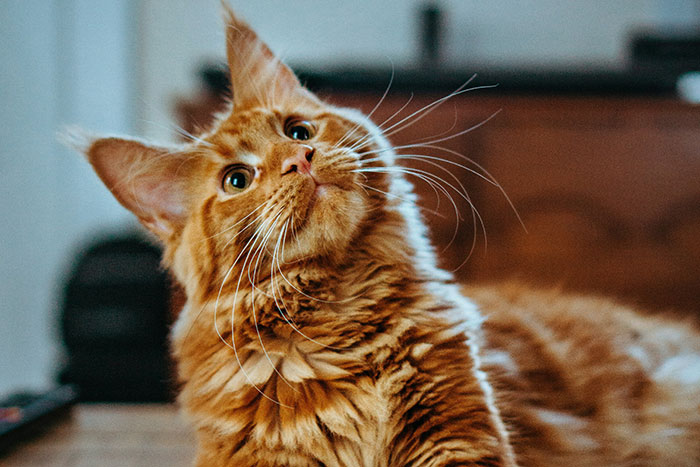 Cat Fact: Do Cats Really Remember You?
Cats may act independent, but their memory is far sharper than most people think. Research shows that cats can recognize their owner’s voice, face, and even footsteps — and they remember it for years. A cat who shared a strong bond with you can recall your scent and presence long after separation. That quiet stare or sudden cuddle isn’t random… it’s your cat showing you they never forgot who you are.

I am home once a year, but the family cat instantly remembers that I'm the only one who will turn on the tap so she can drink from it.
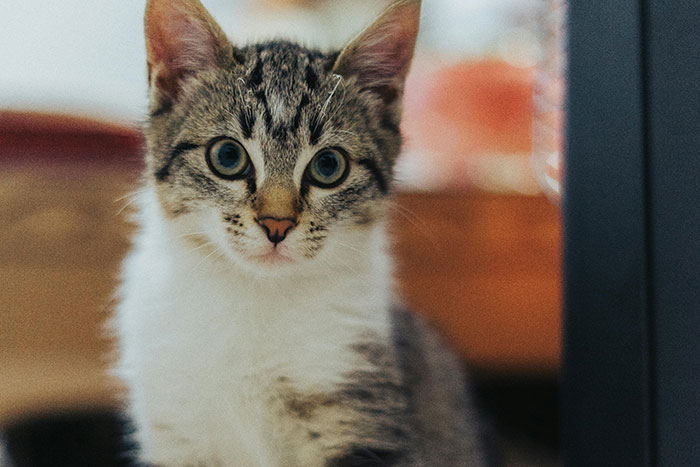 Cat Fact: Why Do Cats Knead (“Make Biscuits”)
Kneading isn’t just cute — it’s a behavior that starts in kittenhood to stimulate milk from their mother. Adult cats keep kneading when they feel safe, happy, or relaxed. They also have scent glands in their paws, so kneading marks you as “theirs.” It’s a mix of comfort, love, and instinct — one of the most mysterious and talked-about cat behaviors!

My girl cat used to do this to me all the time, purring as she did so (and her nose used to drip too, which was weird), with her claws digging into me (ouch!). But I point blank refused to produce milk for her
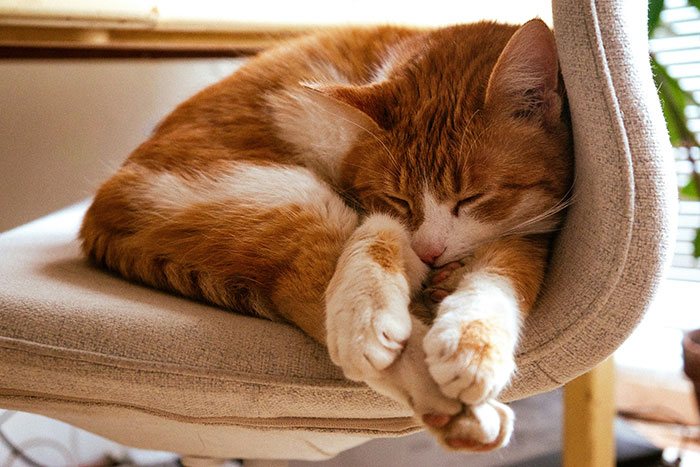 Cat Fact: Cats and Sleep Quality.
Sleeping with a cat nearby might be more beneficial than you think. The gentle sound of purring has a calming effect that reduces anxiety, slows your heartbeat, and helps you relax. Many cat owners report falling asleep faster and enjoying deeper rest when their feline friend is curled up beside them.

Apart from my two, who wake me up when they consider breakfast is overdue by purring extremely loudly in my ear
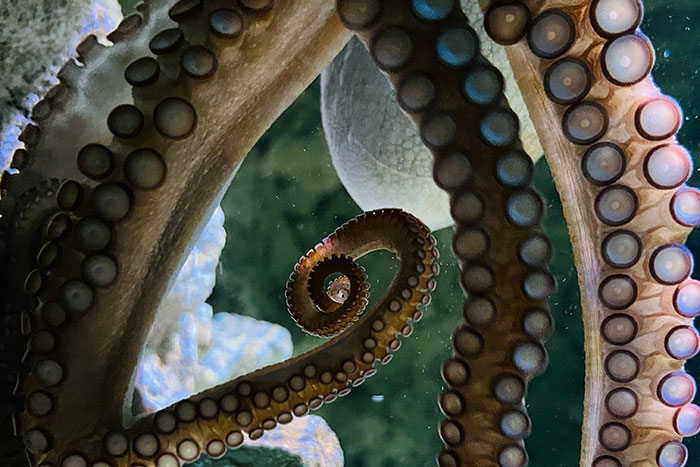
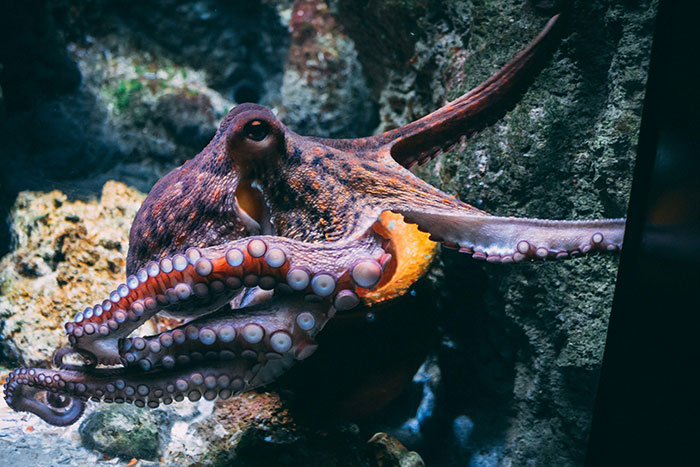 Octopuses have three hearts — swimming actually stops one of them.
Two pump blood to the gills, and one pumps it to the rest of the body. When an octopus swims, its main heart temporarily stops, which is why swimming quickly exhausts them and they prefer crawling.
 Dog Fact: Why Do Dogs Spin in Circles Before Lying Down?
This quirky habit comes from their wild ancestors spinning flattens grass, scares away bugs or snakes, and ensures a safe sleeping spot. Even on your carpet, the instinct remains!
My cat doesn't this too. The annoying part is he manages to steal my blankets and bunch em up when he does. Almost loke a fork twirling spaghetti.
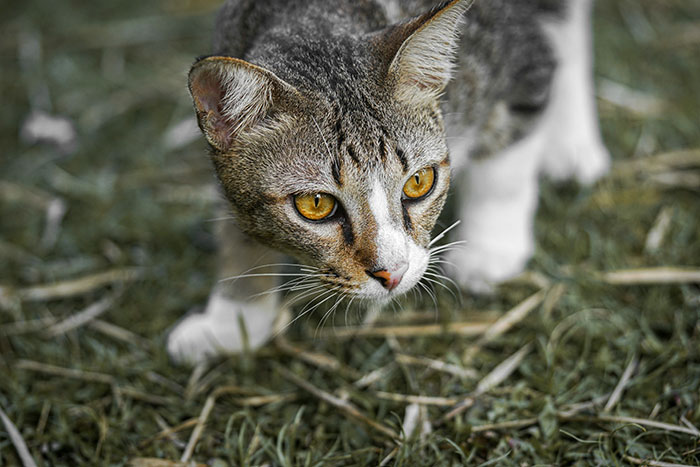 Cat Fact: How Does Your Cat Bring You a Gift?
When your cat drops a mouse, bug, or toy at your feet, it’s not random — it’s instinct. In the wild, cats bring prey to their young or to share with their family group. At home, it’s their way of caring for you, teaching you to “hunt,” or showing affection in the most cat-like way possible.
They think we're big, inept kittens and are trying to teach us to hunt or have given up and are trying to feed us
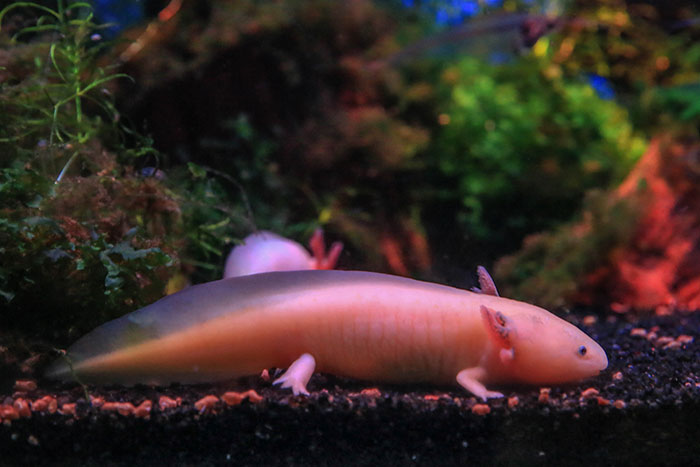 Did you know that axolotls can regrow their spine, heart, and even parts of their brain?
These “walking fish” are masters of regeneration, making scientists study them to understand how humans might one day regrow organs.
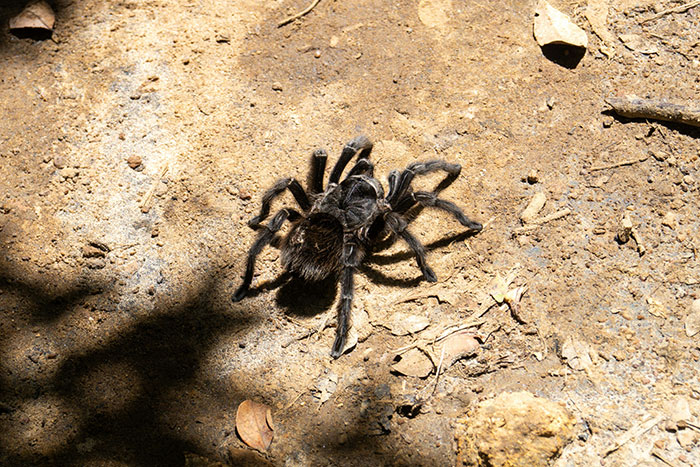 Tarantulas keep frogs as pets.
Tarantulas can often be seen with small frogs in their nest. These frogs protect the eggs of the spider against insects while the tarantula protects the frogs against their predators.
The Lyrebird: Nature’s Master Mimic
The lyrebird, found in Australia, is one of the most extraordinary birds on Earth because of its incredible ability to mimic sounds. It can imitate chainsaws, camera shutters, car alarms, other birds, and almost any sound it hears in its environment. Male lyrebirds use this talent during mating season to impress females, creating long, elaborate “songs” that combine natural and man-made sounds.
Evolution shaped this amazing ability because males with more impressive vocal skills were more likely to attract mates. Over thousands of years, natural selection favored birds that could reproduce complex, varied, and accurate sounds. This skill also helps lyrebirds warn others of predators by mimicking dangerous sounds or confusing enemies.
Today, the lyrebird is a living soundboard of the forest, a reminder of how evolution can turn creativity into survival and mating success. Its vocal talents make it one of the most entertaining and remarkable birds in the world.
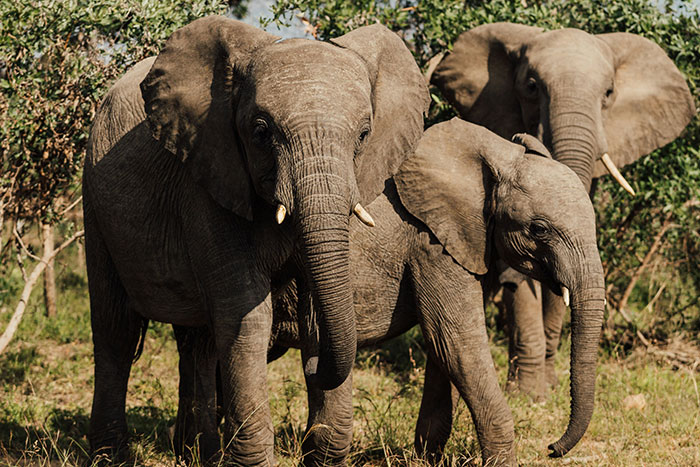 Elephants can “feel” storms long before they arrive.
Elephants can detect distant thunderstorms by sensing subsonic rumbles that travel through the ground. They sometimes start walking toward rain before the storm even forms.
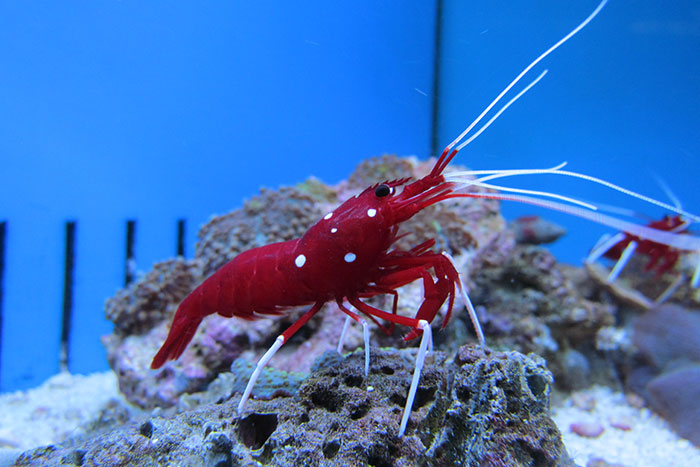 The pistol shrimp snaps its claw so fast it creates a bubble hotter than the surface of the sun.
This tiny shrimp uses the shockwave from the bubble to stun or even [end] its prey. For a fraction of a second, the bubble reaches almost 4,700°C — hotter than the surface of the sun!
 Dog Fact: Dogs Dream About Their Owners
During REM sleep, dogs often replay moments spent with humans. Paw twitches, soft barks, or tail movements could mean your dog is running, playing, or interacting with you — all in their dreams.
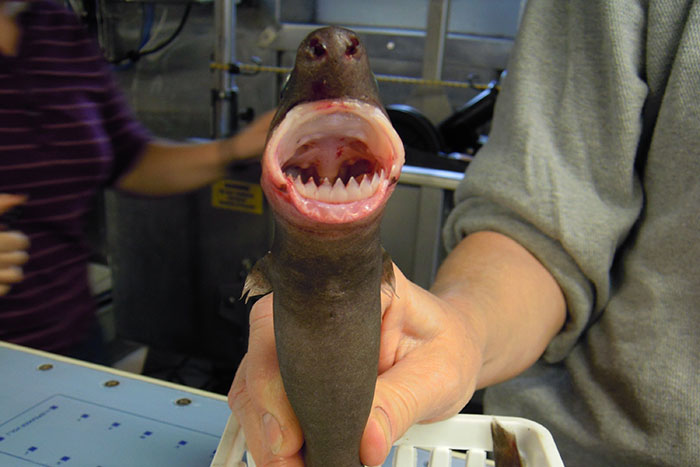 The cookiecutter shark is one of the smallest breeds of sharks and the only shark to be classified as a parasite. They feed on animals much larger than themselves by taking out small round cuts of meat from their bodies.
bolhass:
As the ocean did not scare me enough already
TIL that the hooded pitohui, a bird native to New Guinea, has skin and feathers laced with batrachotoxin—a potent neurotoxin also found in poison dart frogs—making it one of the few known poisonous birds.
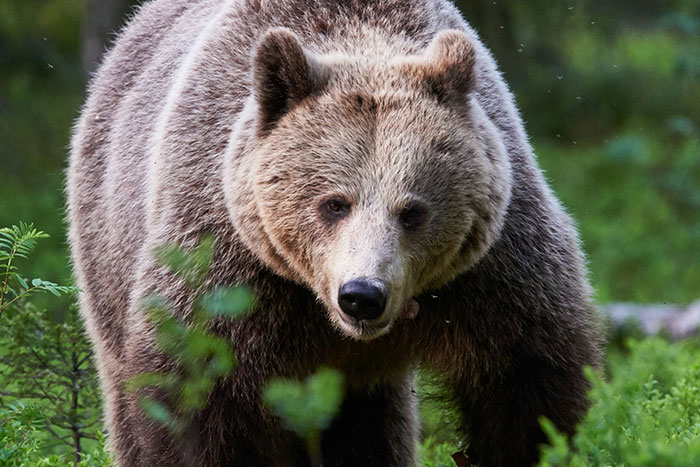 Grolar bears, a cross between polar bears and brown bears, have 74 chromosomes from each parent. The offspring also have 74 chromosomes and can sometimes be fertile.
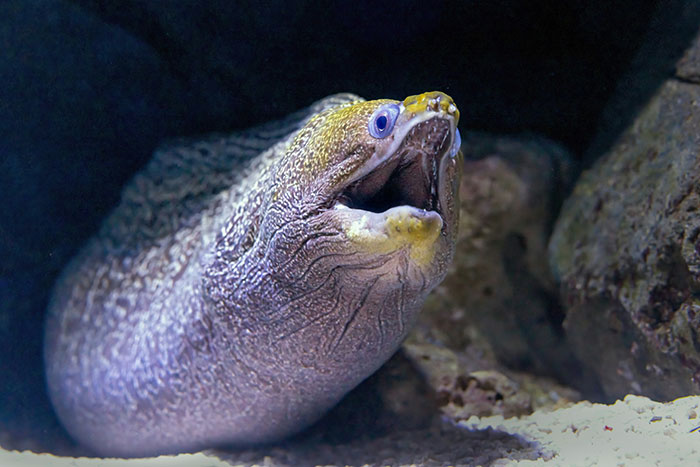 Moray Eels have a second set of jaws, called pharyngeal jaws that they can ‘shoot’ at prey they have in their first set of jaws. This is similar to the xenomorph from Alien, but wasn’t discovered until after the movie came out.
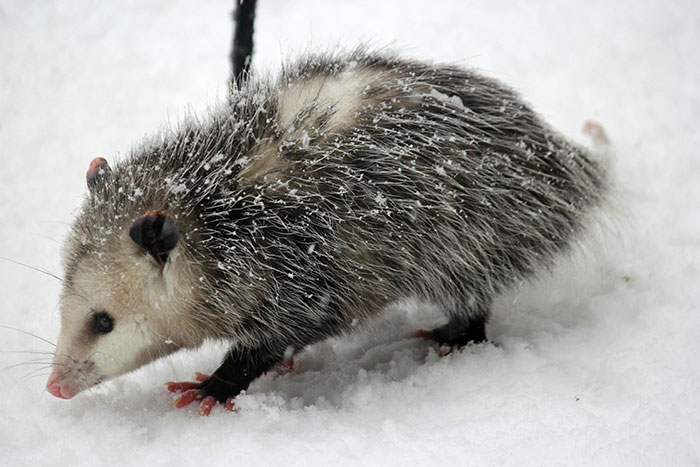 Opposums are have a super low chance of getting rabies.
Opossums are small little rat-like animals that are not as susceptible to rabies as most people think, this has probably already been posted on here by someone but I still think it should be here.
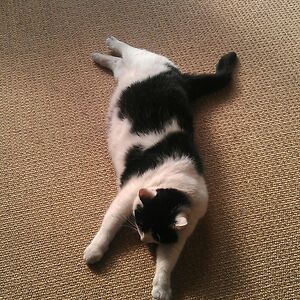
I read somewhere that their body temperature is simply too low for the rabies to survive in their bodies.
 Dog Fact: Why Are Dogs So Protective of Their Humans
Dogs aren’t just loyal — they instinctively guard those they consider family. Through thousands of years alongside humans, they’ve learned to sense danger, respond to emotions, and even put themselves in harm’s way to keep you safe. Their protective instinct is both biological and emotional.

And it's constantly reinforced...mailman comes, dogs go crazy, mailman leaves...job well done!
Honey Badgers - Their name doesn’t come from eating honey — but from raiding hives!
Honey badgers don't actually crave honey the way we imagine. What they really want are the fat, protein-rich bee larvae inside the hive!

Also, they don't care. 😂 There's a funny video by Ozzy Man where he narrates a honey badger trying to attack an elephant. The elephant literally punts it and the honey badger still comes back.
The Velvet Ant is actually a wasp that has a very painful sting that can cause hallucinations.

I saw some of these when I lived in Georgia and almost picked one up, they looked so interesting. Luckily I decided to wait.
Rats have the ability to laugh.
Cuttlefish aren't color blind!
ok so apparently scientists used to think that cuttlefish were color blind because they lack multiple photoreceptors for different wavelengths of light (as seen in other vertebrates, including humans). but how do cuttlefish change their skin color?!?!?
Turns out, there's a new theory that cuttlefish actually can detect different wavelengths (aka colors) through a property of the lens in their eyes. instead of having different photoreceptors to detect different wavelengths, the cuttlefish can detect changes based on how the light wave bends, and which ones are "in focus." this is also thought to be related to their w-shaped pupils which enhances this effect.
In any case, cephalopods are so cool because they've demonstrated (1) an entirely distinct / separate evolution of "intelligence" compared to humans and (2) a separate method of color vision unbeknownst to humans.
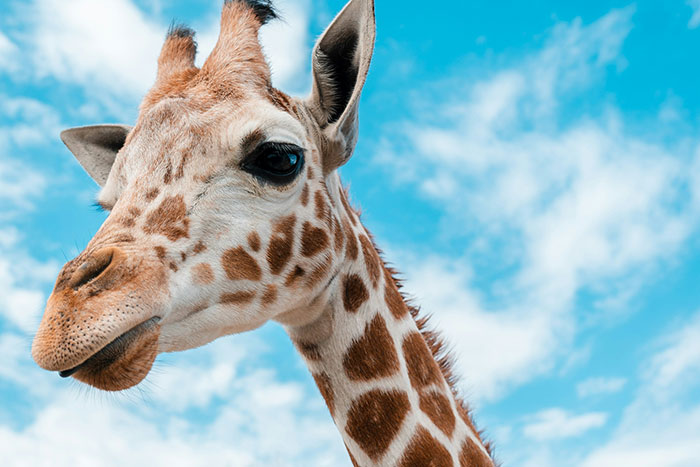 Did you know giraffes only sleep about 30 minutes a day?
They usually take super short naps, sometimes standing up, always alert for predators. Imagine living on just half an hour of sleep!
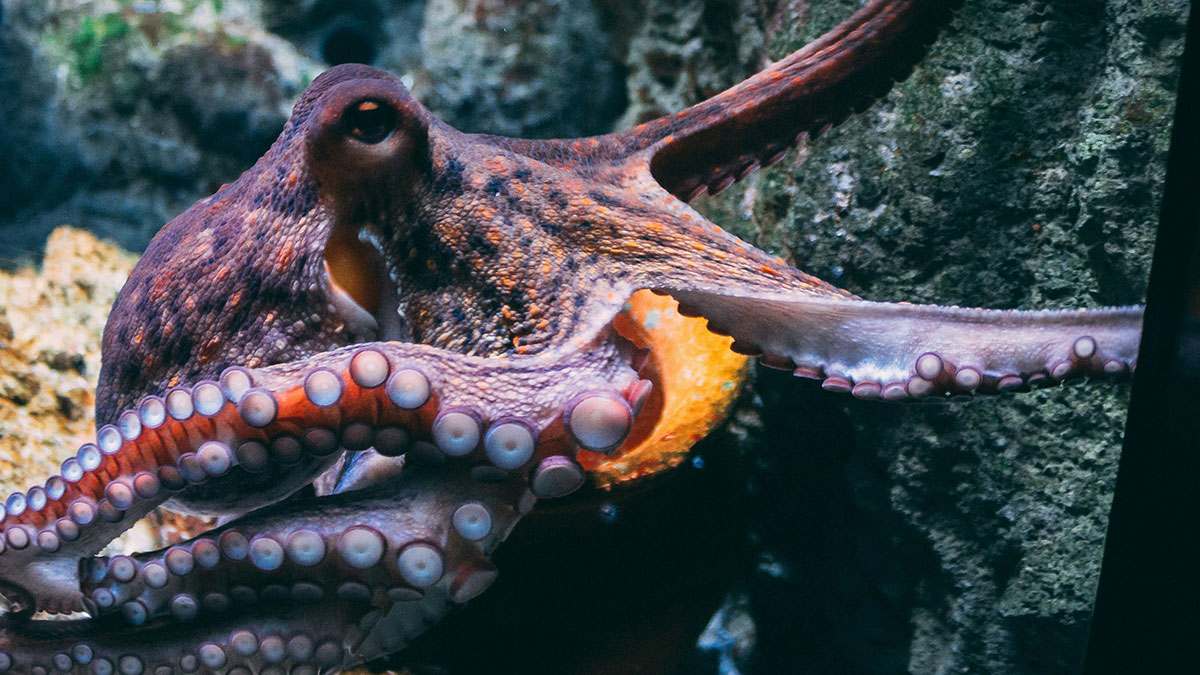
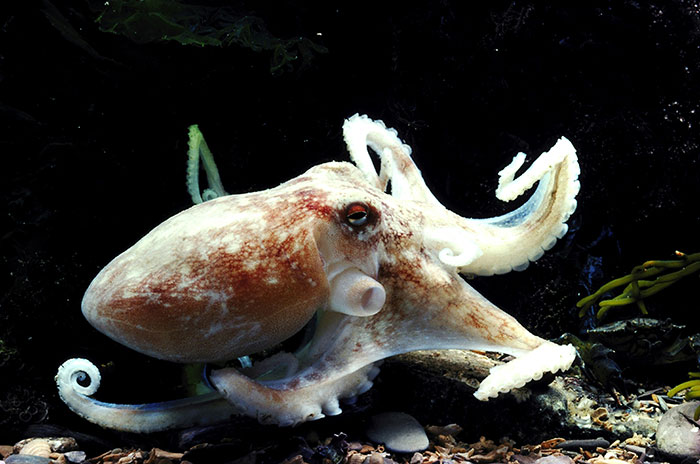 Octopuses have 9 brains (three quarters of their neurons are distributed throughout its eight limbs, and the central brain is found in the mantle).
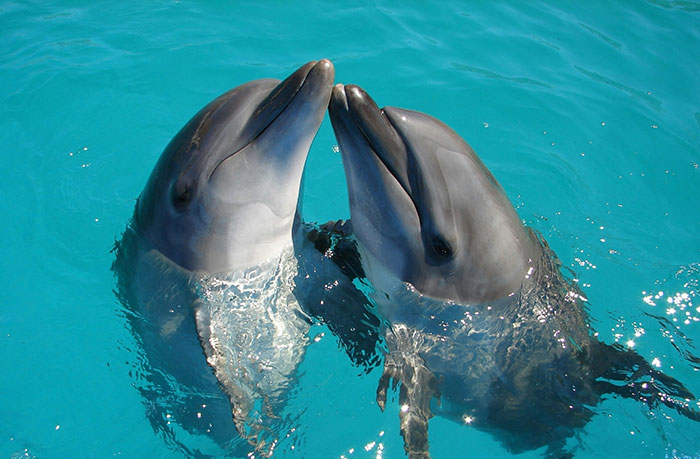 The reason why dolphins sleep with one eye is they only rest half of their brain at a time (unihemispheric sleep). One side of the dolphin's brain is "awake" while the other is in a deep sleep. During this time, the eye opposite the sleeping half of the brain is open while the other eye is closed.
The reason they only sleep half their brain at a time is becaue they need to be awake to breathe. If they were fully asleep, they would drown.
Only female mosquitoes suck blood.

Gary Larson drew a Far Side cartoon showing the dad mosquito coming home, hanging up his coat and saying, "What a day! I must have spread malaria over the whole county!" He said he got dozens of letters explaining that it's the female that drinks blood. He said somehow people didn't seem to mind the fact that they had clothes, could talk, and lived in houses...
Why the Blue Whale Eats So Much?
The blue whale is the largest eater in the animal world. Even though it eats tiny krill, it can consume up to 4 tons of food in a single day. During feeding season, a blue whale takes huge mouthfuls of water filled with krill, then pushes the water out and swallows the food. Its large body needs a massive amount of energy, so it must eat constantly when food is available.
Evolution shaped the blue whale’s feeding habits over millions of years. Its ancestors were smaller, but whales that grew larger were better at surviving cold oceans and traveling long distances. To support their size, they needed more energy, so natural selection favored whales that could take in huge amounts of food quickly. This led to the development of their enormous mouths, throat grooves, and baleen plates.
Today, the blue whale is perfectly adapted to eating large quantities of small prey efficiently.
Which animal has longest claws?
The animal with the longest claws in the world is the giant armadillo. Its middle claw can grow up to 20 centimeters, longer than a human hand. These enormous claws are powerful tools adapted for digging. The giant armadillo uses them to tear open termite mounds, dig burrows, and search for insects underground. Its claws are so long that the animal must walk on its knuckles to avoid damaging them.
Evolution shaped these impressive claws through constant pressure to find food and shelter. Early armadillo ancestors with slightly larger or stronger claws were better at breaking into hard termite colonies and escaping predators by digging quickly. These advantages increased survival and reproduction. Over millions of years, natural selection favored individuals with longer, more effective claws. This gradual development led to the giant armadillo’s remarkable claws, perfectly designed for life as a specialized insect-eater beneath the forest floor.
Vampire bats, unlike Vampires, do not actually suck blood. They use their fangs to make a small, harmless puddle, then drink out of the puddle. Their saliva has something inside it to keep the animal’s blood flowing. This saliva is now being used to treat strokes.
Cockroaches can survive without their heads for days.
Yup. They don’t bleed out because they have low blood pressure, and they breathe through holes in their body, not their mouth or nose.
The African Elephant: Earth’s Biggest Land Eater.
The African elephant is the largest land eater in the world. An adult elephant can eat 150 to 200 kilograms of food every day. It spends up to 18 hours eating grasses, leaves, bark, and fruits. Elephants need so much food because their huge bodies require a lot of energy, and their digestive system is not very efficient. They must eat constantly to stay healthy and strong.
Evolution shaped elephants into big eaters over millions of years. Early elephant ancestors lived in open grasslands where food was spread out. Larger bodies helped them reach more plants and travel long distances for water. Natural selection favored elephants that could consume huge amounts of vegetation. Their long trunks also evolved to help them pull leaves, break branches, and grab food easily.
Today, the elephant’s size, trunk, and appetite work together, making it one of the greatest eaters on land.
Bats are the only mammals capable of true and sustained flight. They're actually even more manoeuvrable than birds. What about gliding possums and flying squirrels, you say? Yes, they do glide in the air, but they cannot gain height and fly like bats do!

Flying squirrels need moose to launch them into the air. I saw it on TV. 😅
Giants of Smell: How Elephants Evolved the Biggest Nose?
The animal with the biggest nose is the African , whose nose is the long, powerful trunk. An elephant’s trunk can reach over two meters and contains around 40,000 muscles, making it one of the most versatile organs in the animal world. This enormous nose evolved to help elephants survive in diverse environments. The trunk allows them to breathe, smell, drink, communicate, grab food, and even lift heavy objects. Its exceptional sense of smell helps elephants locate water from many kilometers away, an ability crucial in dry habitats.
Evolution shaped the elephant’s huge nose through environmental pressures and survival needs. Early ancestors with slightly longer or more flexible noses were better at feeding on tall branches, accessing water, and detecting danger. This gave them a survival advantage, allowing those traits to be passed on. Over millions of years, natural selection led to the development of the modern elephant trunk—an extraordinary tool for feeding, communication, and survival.

Silly. Everyone knows that the elephant's child met the crocodile on the great, grey, green banks of the Limpopo.
How does the digestive system of birds support flight, and what adaptations make it efficient?
Birds have a uniquely efficient digestive system designed to keep them light for flight. Food first enters the crop, a storage pouch that lets birds eat quickly and digest later, reducing time spent vulnerable on the ground. It then moves to the proventriculus, where digestive enzymes begin chemical breakdown. Next comes the gizzard, a powerful muscular organ that grinds food—often with swallowed grit—so birds don’t need heavy teeth. This system lets them process food rapidly, extract nutrients efficiently, and stay lightweight. High metabolism demands fast digestion, and birds evolved exactly that: a streamlined gut perfect for energy-intensive flight.

A bit off topic but KFC in the 70s offered fried chicken gizzards, which oddly, as a child, I really liked to eat! I guess anything fried is good?
Sometimes Emperor Penguins mistake snowballs for eggs and treat it as their new child.
Mudskippers are amphibious fish that often spend more time on land than in water. In fact, they may drown if they are never able to leave the water. Mudskippers are known to engage in battles over territory and dominance, most often with their mouths open to demonstrate size and stamina.
Crabs showed up during the Jurassic period, 200 million years ago. The average lifespan of a crab however is only 3 to 4 years.
Seals can sleep underwater. To prevent drowning, they will close their nostrils when sleeping underwater.
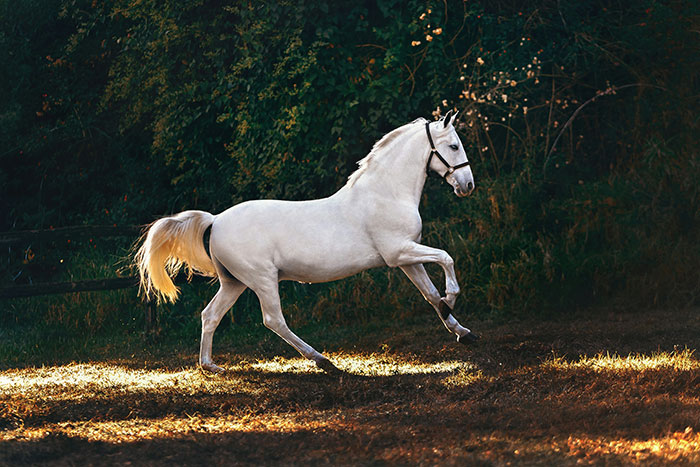 A horse barely breathes while galloping to preserve energy. No matter, just slosh the organs around so it rhythmically pushes the lungs to breathe! The sloshy organs can cause issues, though.
The Blue Whales: The Animal With the Largest kidneys.
The blue whale has the largest kidneys of any animal on Earth. Like its other organs, a blue whale’s kidneys are enormous, each weighing many kilograms. Instead of having a single simple kidney structure, blue whales have multi-lobed kidneys, made of thousands of small units called reniculi. This design allows them to filter huge amounts of blood efficiently while living in a salty ocean environment. The kidneys help remove excess salt from the whale’s food and water, maintain fluid balance, and support its massive body.
Evolution shaped the blue whale’s large, complex kidneys as its ancestors moved from land back into the sea. Early whales needed kidneys capable of handling saltwater intake and processing large volumes of blood. Individuals with more efficient, better-adapted kidneys survived longer and reproduced. Over millions of years, natural selection led to the development of the blue whale’s giant, multi-lobed kidneys—perfect for life in the deep ocean.
Armadillos may look sturdy with their bony plates of armor, but they actually hate the cold! This is because they lack fat stores and have a low metabolic rate. If there are times of unusually cold weather, a whole population can therefore be wiped out.
The Titi infants are carried by the male, and are always with them, except when feeding.
The greater honeyguide, is a small African bird that will help primates (including humans) locate beehives by calling and flare their tail. When the langer animal has made it’s way in to the beehive to access the honey, the honeyguide will eat the honeycombs and larvae.
The pygmy shrew, which weighs in at less than an ounce, has the fastest heartbeat of any mammal at 1,200 beats per minute, according to the National Wildlife Federation.
Lots of people think that when a cat purrs it means it's happy or content. While cats do purr when they're happy or content, that's actually not always the case. Sometimes they purr when they are in pain. And sometimes they purr when they feel very scared.
Baby guinea pigs are born fully developed.
Unlike most rodents who are born nude and helpless, baby guinea pigs are born with a full coat of fur and only hours after their birth they are basically able to do the same stuff as their parents. They don’t even need to suckle to survive. Also they kind of look like an adult guinea pig’s head with oversized ears and feet attached to it.
Black swallower's stomach is made up of distensible material and can be stretched into transparency. They can consume prey over 10 times its own mass. However, the food in their stomach sometimes doesn't have enough time to digest and it starts to decompose in their stomach.
Apparently this is a fish. For some reason I assumed it was a bird at first.
The biggest tail evolution awards goes to the blue whale.
The blue whale has the biggest tail of any animal on Earth. Its enormous tail, called the fluke, can reach 7–8 meters wide and is powerful enough to propel the 150-ton whale through the ocean. This massive tail evolved to support the whale’s enormous size and long-distance migrations. With strong, flexible muscles and a wide surface area, the fluke allows the blue whale to swim efficiently, dive deep, and escape predators such as orcas.
Evolution shaped the whale’s giant tail through millions of years of adaptation to marine life. Early whale ancestors lived near the shore and had smaller, less powerful tails. As they fully adapted to ocean living, individuals with stronger tails could swim faster, reach deeper feeding grounds, and travel farther for food. Natural selection favored these traits. Over time, this led to the development of the huge, muscular tail the blue whale uses today—an essential tool for movement, survival, and migration.
Emperor penguins are the largest penguins in the world. They are approximately 120cm tall (about the height of a six year old child) and weigh in at around 40 kg. Emperor penguins are the only penguin to breed in the Antarctic winter.
Wolverine - They're weasels.
They may look like a cross between a wolf and a baby bear, but wolverines are actually the largest of the weasel family (the branch of the weasel family that lives on land at least, giant otters are, well, pretty gigantic). While they may stand out at weasel family reunions, wolverines are still small – they’re about the size of a dog, usually about 65-107 cm long, not counting the tail.
Pistol Shrimp are REALLY cool
Pistol shrimp have a small front appendage and a big one. When the big appendage is cut off it regrows as a small one. What is cool about this is that the small appendage becomes the big appendage. They can also close the big appendage in a snapping motion to make a water jet in front of them to stun creatures much larger than them. They also coexist with goby fish which is kinda cool. Another cool thing they can do is use the process of sonoluminescence which involves bubbles that pop (maybe implode i forgot) to make hot temperatures which the pistol shrimp can make temperatures around 8,000kelvins which the suns temperature is about 5,500kelvins. Scientists have gotten hotter temperatures using this method but its still cool that small animal can also do this.
The Shoebill: The Dinosaur-Looking Bird
The shoebill is one of the most unique birds on Earth. Found in the swamps of Africa, it looks like a mix between a dinosaur and a stork, standing over 1.5 meters tall with a huge shoe-shaped beak. This massive beak isn’t just for show—it’s a hunting tool. The shoebill catches prey with incredible precision, striking fish, frogs, and even baby crocodiles. What makes it especially famous is its “stare.” Shoebills can stand perfectly still for hours, waiting silently like statues until the perfect moment to attack.
Evolution shaped the shoebill’s strange features because it lives in swampy, low-visibility habitats. Birds that could stay motionless and strike with power were more successful at hunting. Over millions of years, natural selection gave the shoebill long legs for wading, a giant beak for grabbing slippery prey, and a patient hunting style.
Today, it remains one of the world’s most mysterious and unforgettable birds.
I once saw one of those beautiful, scary-a*s birds at a nature show in Gran Canaria. A lizard randomly came out of nowhere onto the 'stage', and the bird just launched itself over and choked the whole thing down right in front of the audience. A kid started crying - it was brilliant. 😂
How does the digestive system of a crocodile work, and why is it so effective?
A crocodile’s digestive system is extremely powerful because it’s built to handle large, unchewed chunks of prey. Food enters a two-part stomach: a muscular section that grinds tough material—often with the help of swallowed stones—and a glandular section that produces highly acidic digestive juices strong enough to dissolve bones and shells. Their unique heart structure boosts stomach acid production, making digestion faster and more complete. Crocodiles also digest slowly and efficiently, allowing them to survive for long periods between meals.
The rough skinned newt secrete toxins through its skin. His defense mechanism is to show his poisonous and bright colors to predators.
Crabs do not have skeletons or bones inside their bodies. They only have a hard outer shell called an exoskeleton that protect their soft tissue. Insects, snails and spiders are examples of other animals with exoskeletons.
Termite hunting ants are colony-minded. If an ant is injured past the point of recovery, it is uncooperative with healing ants, choosing to [perish] rather than have resources wasted on its impossible rehabilitation.
DYK Box jellyfish has six eye clusters. Each contains four very simple eyes consisting of pigment-filled pits to catch light, and a pair of more complex, lensed eyes. They can't see white or pale objects and therefore more likely to accidentally "bump" into humans.
Albino animals exist in nature — here’s what makes them different.
Albinism in animals is a rare genetic condition caused by the absence of melanin, the pigment responsible for coloration in skin, fur, feathers, and eyes. This condition can appear in many species, including mammals, birds, reptiles, amphibians, and even marine animals. Because they lack pigmentation, albino animals often have: • White or very pale coloring • Light-colored or pinkish eyes • Increased sensitivity to sunlight • Vision difficulties In the wild, albinism can reduce survival chances, as bright coloring makes animals more visible to predators and sunlight can damage their eyes and skin. However, in protected environments, many albino animals can live normal lives. Albinism is different from leucism, which causes partial loss of pigmentation without affecting eye color.
A Turkish study of 31 cat-owning households revealed that cats are more likely to meow at their male owners.
Which animals have weak or inefficient digestive systems, and how do they adapt to survive despite these limitations?
Several animals have digestive systems that aren’t very efficient, so they’ve developed unique strategies to cope. Koalas have weak digestion and rely almost entirely on eucalyptus, which is low in nutrients; they conserve energy by sleeping up to 20 hours a day. Pandas have a carnivore-type gut but eat fibrous bamboo, which they digest poorly, so they must consume huge amounts to survive. Sloths digest food extremely slowly—sometimes taking a week per meal—so they move very little to save energy. Rabbits can’t fully digest plant fiber on the first pass, so they re-ingest soft droppings to absorb nutrients better. Each of these animals survives not because their digestive systems are strong, but because their behavior and lifestyle evolved to match their limitations.
By carnivore-type gut I suppose they mean that the intestines are short and very muscular. I know a lot of animals aren’t obligate vegetarians but will eat meat at times. I watched a short clip of a deer sampling some meat at one of the forensic body farms. The body farms are places where human decomposition under various conditions is studied. Since I can’t donate organs, or even blood because cancer I figure my next best options are donation for teaching purposes or a body farm.
The Opah is the only known fully warm-blooded fish that circulates heated blood throughout its body. Despite they look a little like mola, but they're completely unrelated, Opah is actually related to the Oarfish, strangely enough.
Wolverine - They’re kind of anti-social.
Wolverines spend most of their lives alone. They don’t even spend much time with other wolverines. They fill up their time with their favourite hobbies: eating stuff, and killing stuff so they can eat it. Wolverines are willing to go all out in their pursuit of food – traveling up to 24 km a day to look for something to eat. They will sometimes follow a pack of wolves to get their leftovers after the wolves eat, but they’re not friends. Wolverine babies, called kits, live with their mothers until they’re 2 years old. Wolverine dads do visit their kits and will even spend time with them once they’re grown, playing with them and showing them how to hunt. Just because they’re shy, doesn’t mean they scare easily. Wolverines will take on animals much bigger than themselves, fighting wolves, reindeer, moose, even bears. Wolverines don’t back down, which means that humans looking to scare them off will often get a nasty surprise in the form of an angry wolverine rushing at them.
Penguin faeces contain elements that are usually found in clouds of Venus.
Gentoo penguins faeces contain a chemical element scientists discovered called phosphine and it could be there for something that has to do with the defence or signalling against competing microbes. Phosphine is similar to ammonia, colourless, highly toxic, very reactive, non-polar and smelly. Gentoo penguins are known to be natives to sub-Antarctic islands where freezing temperatures allow perfect nesting, foraging, and breeding conditions. Despite having icy habitats, this penguin species usually live in ice-free places such as rocky, flat beaches and low-lying cliffs where large colonies of individuals can gather. It is believed that investigating the animals may help them detect organisms that are present on other planets.

'elements'. I don't think that word means what you think it means (in this context)
Kicking force of Ostrich vs Kangaroo.
I can’t find a reliable source for the force of a kangaroo kick and an ostrich kick. I’ve seen 850 psi for a kangaroo and up to 2,000 psi for an ostrich. I see they can weight about the same 200-300 lbs and reach speeds of 43mph (70km) I just need some decent sources to back up my findings because I would’ve imagined kangaroos can kick much harder than ostriches.
Birds are pretty versatile.
You can teach your pet bird to peek at people, you can teach it to retrieve stuff for you, they can search things over a wide area, if it's a parrot or something similar you can teach it to communicate in short phrases or repeat stuff you said earlier like your shopping list, also if you have some beef with someone you can have your bird poop on their car.
If only you bothered clicking the links under the pictures to see they're copied from Reddit posts over 5 years old...
Load More Replies... If only you bothered clicking the links under the pictures to see they're copied from Reddit posts over 5 years old...
Load More Replies... 




































 No fees, cancel anytime