Get Premium
Dark mode theme is available exclusively for premium users. Learn more about the benefits of subscribing.
No fees, cancel anytime.

 Dark Mode Ad-Free Browsing Unlimited Content
 Ad-Free Browsing Unlimited Content Dark Mode
Join 1.2 million Panda readers who get the best art, memes, and fun stories every week!
Many of us begin a new year hoping to become better versions of ourselves. Some aim to improve their health, others focus on personal goals, and of course, expanding our knowledge is always a win.
That’s why today we’ve compiled a collection of random and wonderfully weird facts from a popular Facebook page. Some are surprising, some are amusing, and all of them are worth a moment of your attention. Keep scrolling to discover facts that might just stick with you.
This post may include affiliate links.
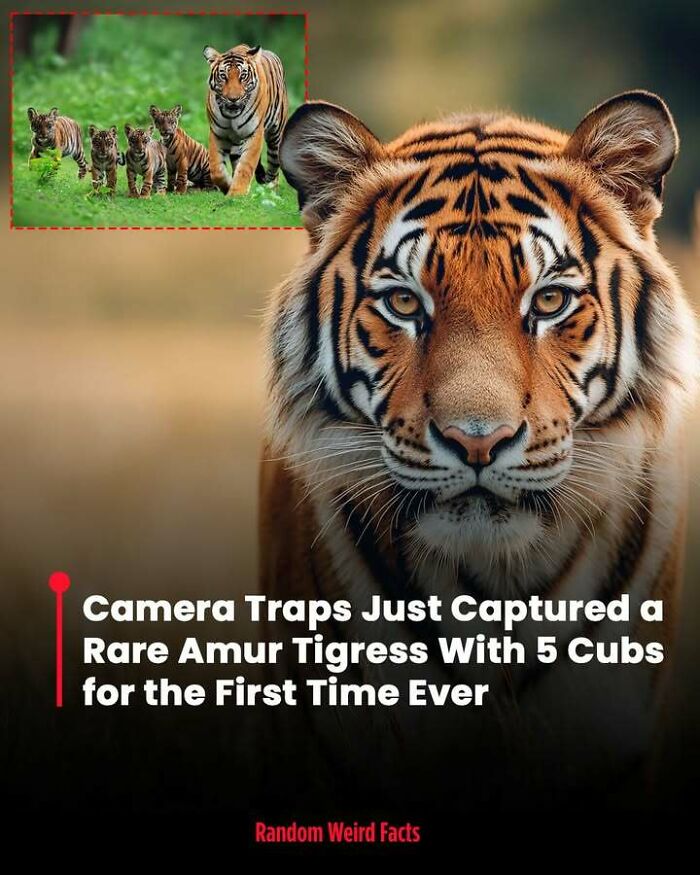
Five cubs. One mother. A biological miracle.
For the first time in history, camera traps in China captured an Amur tigress traveling with 5 healthy cubs. This species was nearly extinct decades ago.
Nature is healing. One tiger family at a time.
Source: Wildlife Conservation Society

That photo is AI garbage. I will include an actual photo from the camera trap below.
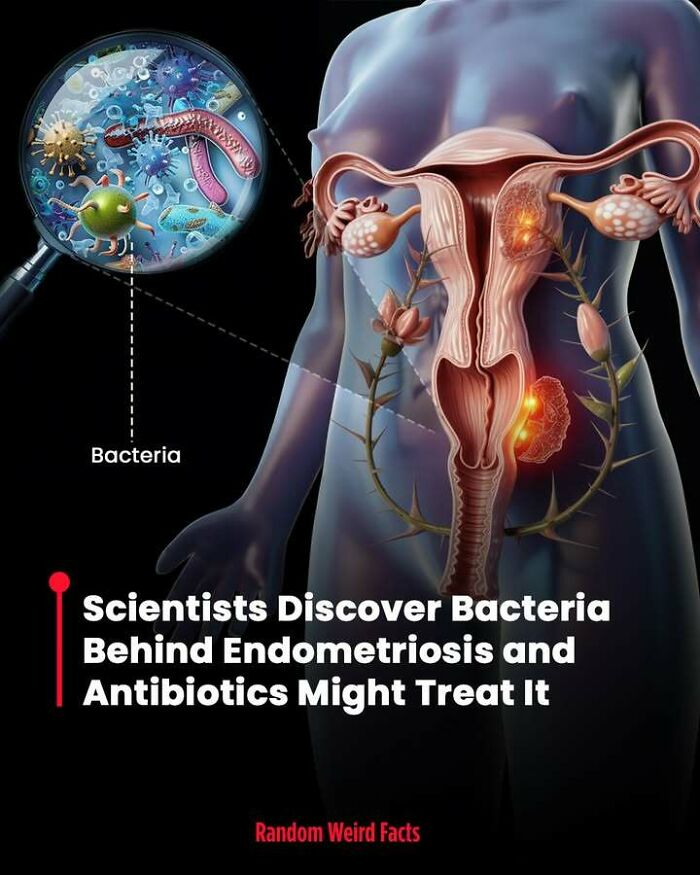
For years doctors blamed hormones. Turns out bacteria might be the real cause.
Researchers found Fusobacterium linked to endometriosis lesions. Antibiotics reduced growth and pain in early tests.
Still early. But millions of women are watching closely.
Shared for informational purposes only.
Source: Nagoya University
Heart surgery is about to become an injection.
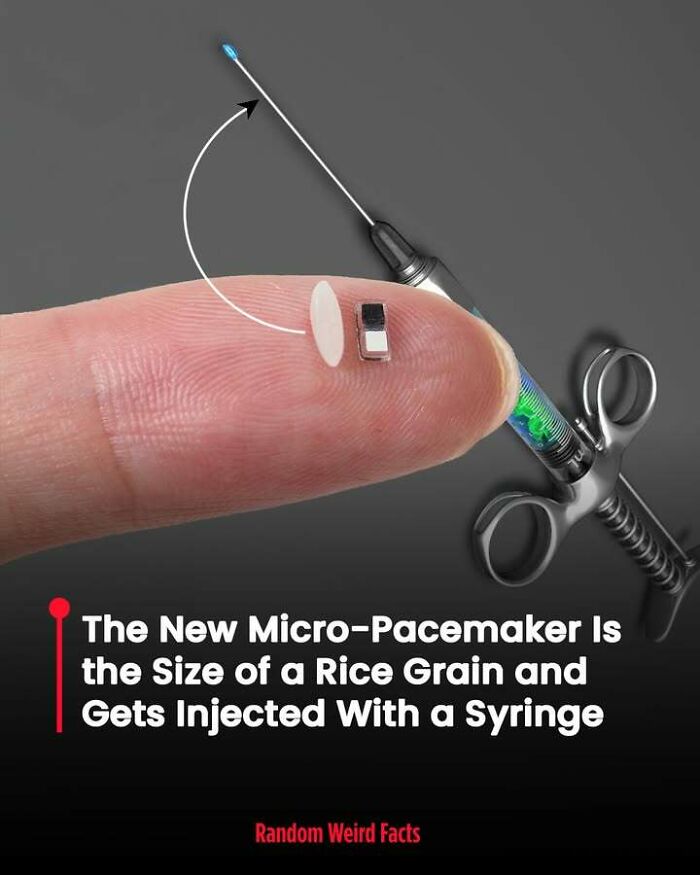
Researchers developed a pacemaker so small it fits inside a syringe needle. No incision. No operating room. It gets injected directly under the skin.
When you don't need it anymore, it dissolves harmlessly inside your body. No second surgery.
One tiny shot. Temporary protection. Then gone.
Source: Nature

"It dissolves harmlessly when you don't need it any more"? What keeps it from dissolving while you still need it?
All the facts in this post are fascinating, and yes, your brain really can remember them all. We tend to underestimate our memory, like it’s a small notebook that fills up fast. In reality, it’s closer to a massive library that keeps expanding. Every day, your brain quietly stores faces, sounds, skills, and random trivia without you even noticing. That ability is built into how the brain is wired. Forgetfulness isn’t about running out of space. It’s usually just about organization and attention.
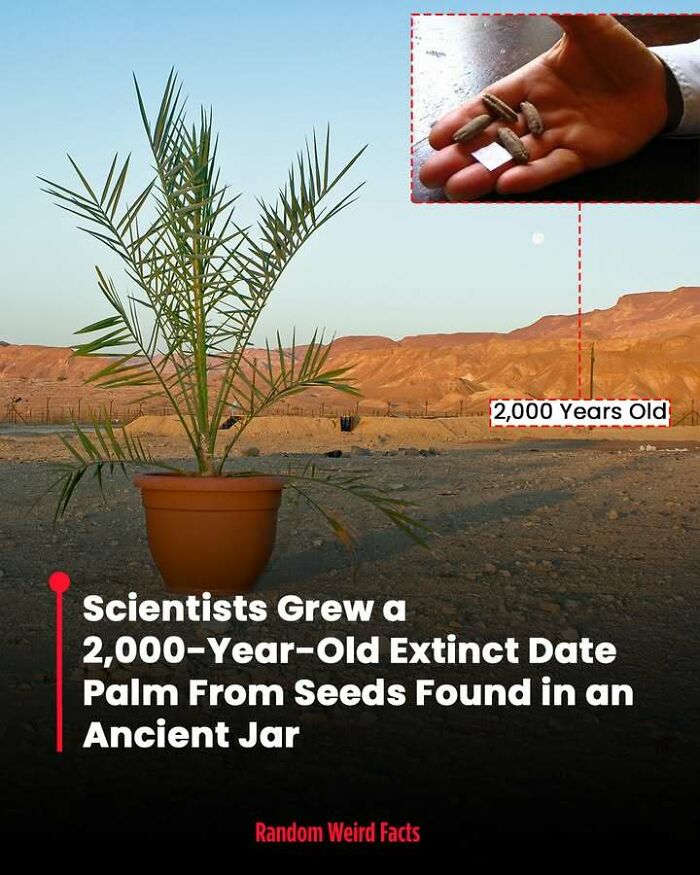
This tree hasn’t existed since the Roman Empire. Until now.
Archaeologists germinated 2,000-year-old seeds from the Judean Desert. The resulting date palm, named Methuselah, is now growing and producing fruit.
A taste from antiquity brought back to life.
Source: Science Advances

Are the Methuselah's seeds true to its parent? Or what the eng name is for this? Edit true to seed?
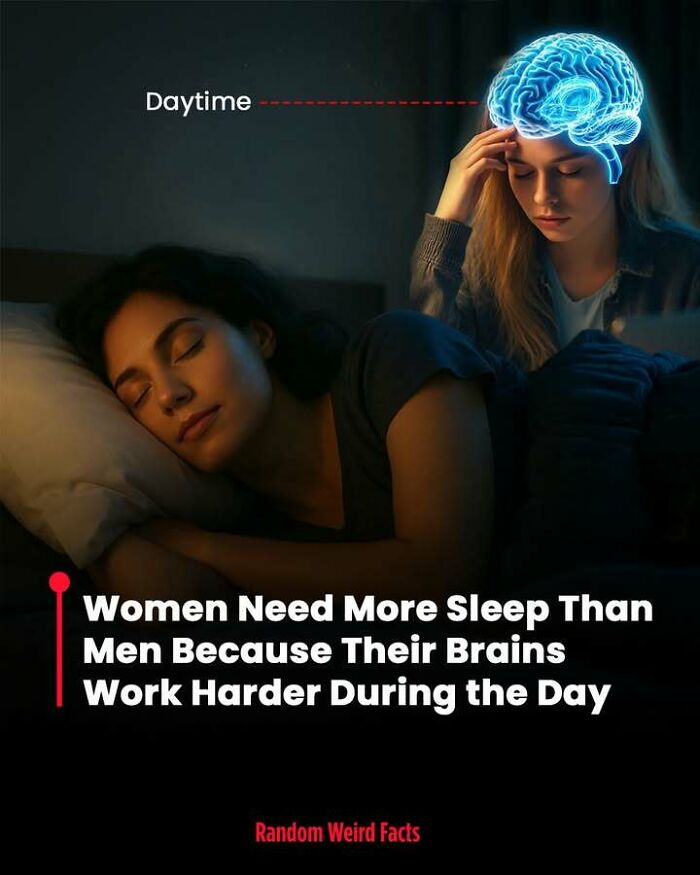
It's not laziness. It's biology.
Studies show women's brains multitask more and use more neural pathways. That extra workload means more recovery time needed at night.
She's not oversleeping. Her brain just ran harder than yours.
Shared for informational purposes only.
Source: Sleep Research
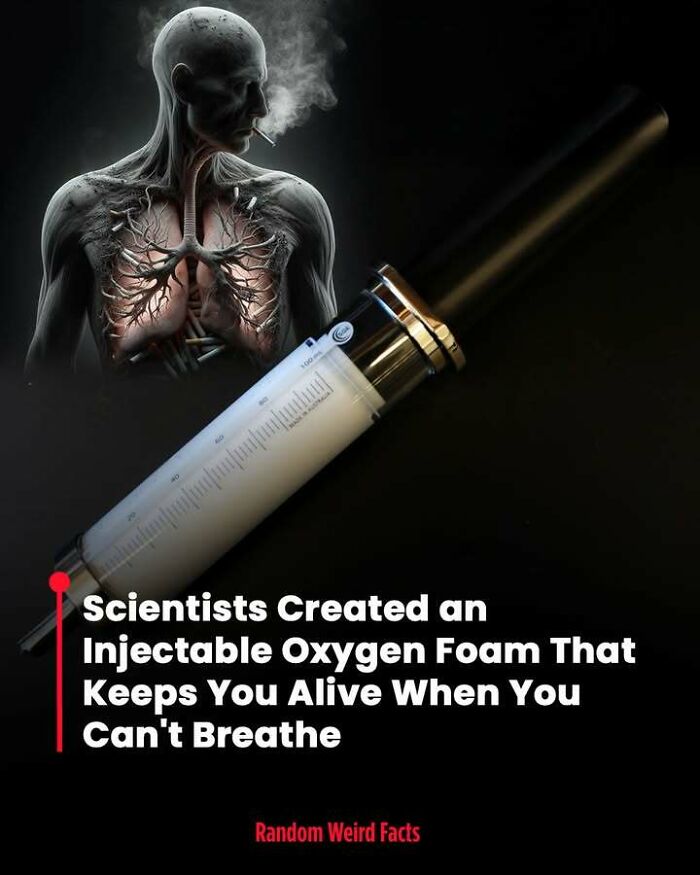
No lungs required. Oxygen delivered straight to your blood.
Researchers at Boston Children's Hospital developed an injectable foam packed with microscopic oxygen bubbles. It bypasses the lungs entirely and delivers oxygen directly into tissues.
This could buy 15 to 30 critical minutes during drowning, asthma attacks, or airway blockage. Enough time to save a life.
Source: Boston Children's Hospital / Science Translational Medicine
The human brain’s memory capacity is staggering when you look at the science behind it. Researchers estimate that the average adult brain can store trillions of bytes of information. To put that in perspective, that’s far beyond the storage of most personal computers. In one Stanford study, scientists focused on the cerebral cortex, the part of the brain responsible for thinking, perception, and memory. They found that it contains around 125 trillion synapses. That’s not cells, just the connections between them.
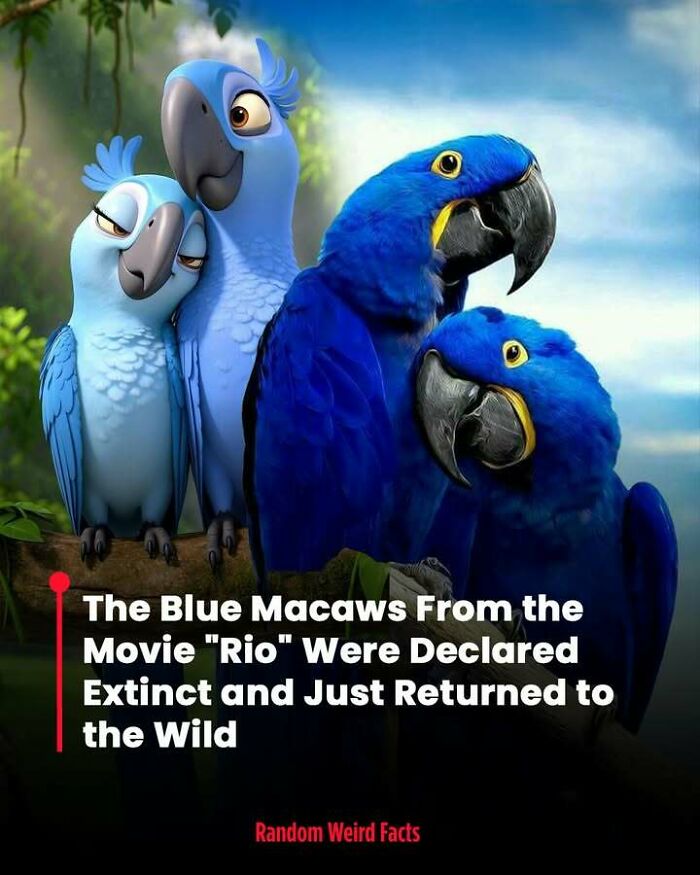
They were gone for nearly 20 years. Now they're flying free again.
Spix's macaws disappeared from the wild in the early 2000s due to habitat destruction and trafficking. Only captive birds remained.
After decades of breeding and habitat restoration, they've officially been reintroduced. Extinction isn't always permanent.
Source: Institute for Conservation of Tropical Environments
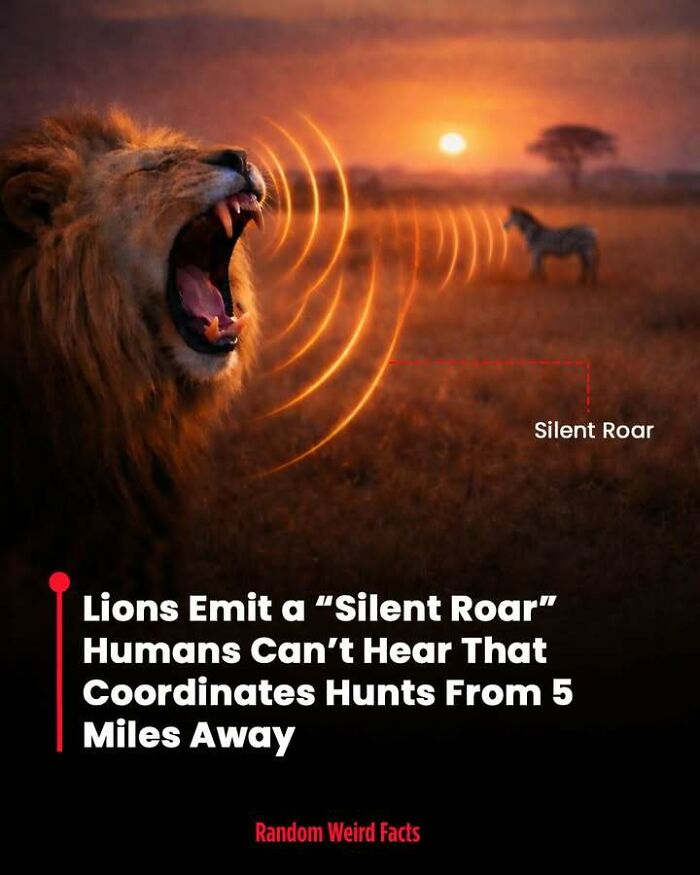
Lions have a secret frequency we never detected.
AI acoustic analysis revealed lions emit ultra-low infrasound “roars” inaudible to humans. This silent signal lets prides coordinate hunts across 5 miles without alerting prey.
They’ve been communicating in silence the whole time.
Source: Animal Behaviour
"Communicating in silence" is something Họmo Sapiens needs to work on.
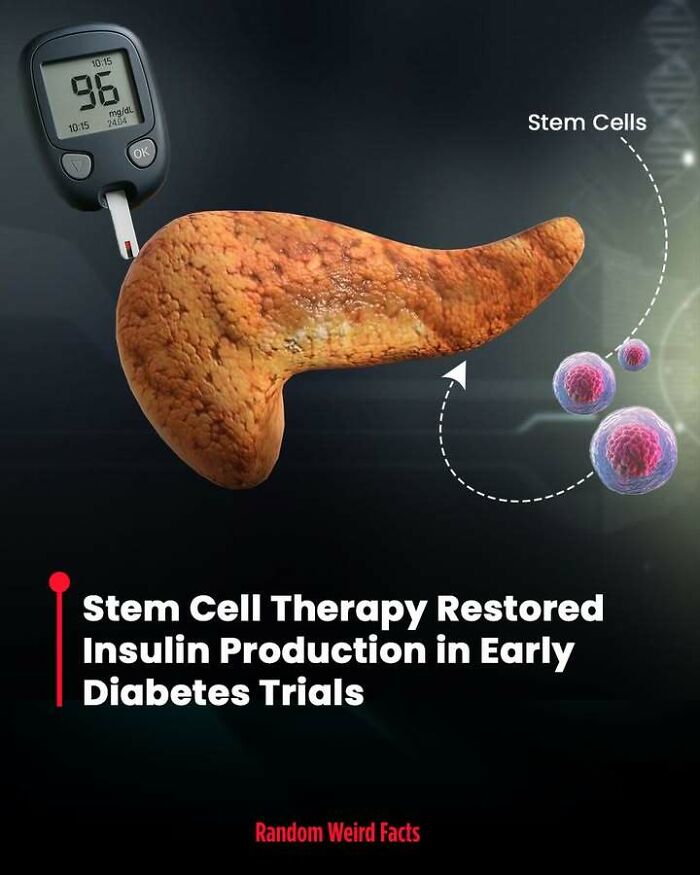
No injections. No pumps. Just cells doing what they were built to do.
Chinese researchers implanted stem cells programmed to produce insulin. Some patients maintained stable blood sugar for months without external help.
Still early. But this targets the cause, not the symptoms.
Shared for informational purposes only.
Source: Chinese Academy of Sciences / Diabetes Research

When I first glanced at the picture, whatever organ that is supposed to be in the picture, it look like some form of chicken nugget to me.
Neurons are the brain’s messengers, constantly sending signals back and forth. Synapses act like tiny bridges, allowing those messages to cross from one neuron to another. Another study estimated that a single synapse can store about 4.7 bits of information. That might sound small, but the numbers add up fast. When billions of neurons are connected by trillions of synapses, the brain becomes incredibly efficient. It’s less like a filing cabinet and more like a living network.
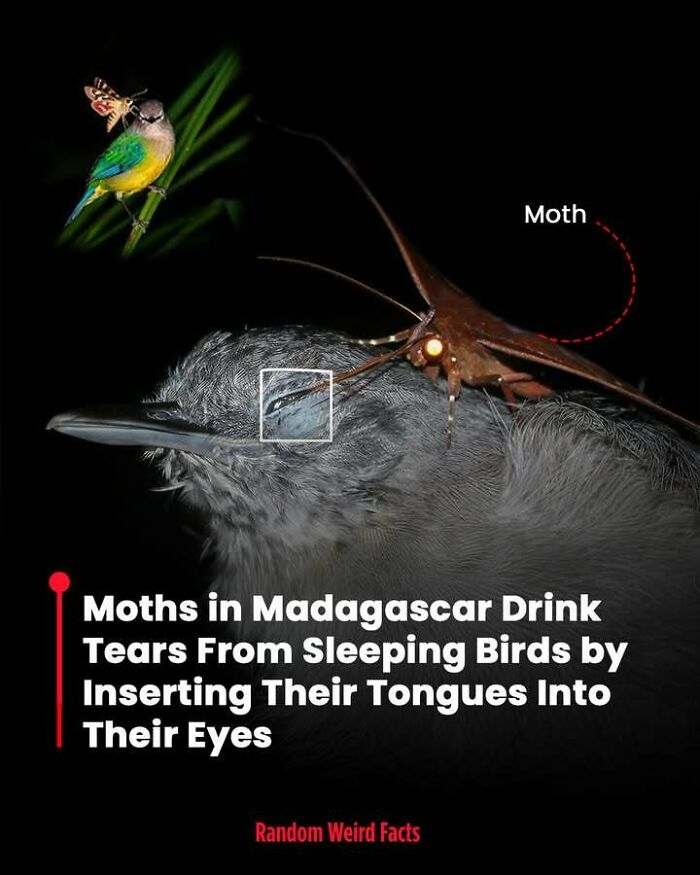
Some moths don’t drink nectar. They drink tears.
In Madagascar, moths sneak up on sleeping birds and insert their proboscis directly into the bird’s eye to extract tears. They need the salt.
The bird stays asleep. The moth gets its fix. Nature is unsettling.
Source: Ecology and Evolution
They are not sleeping, they are sad because of mean Moths! "You fleabag!" 😢
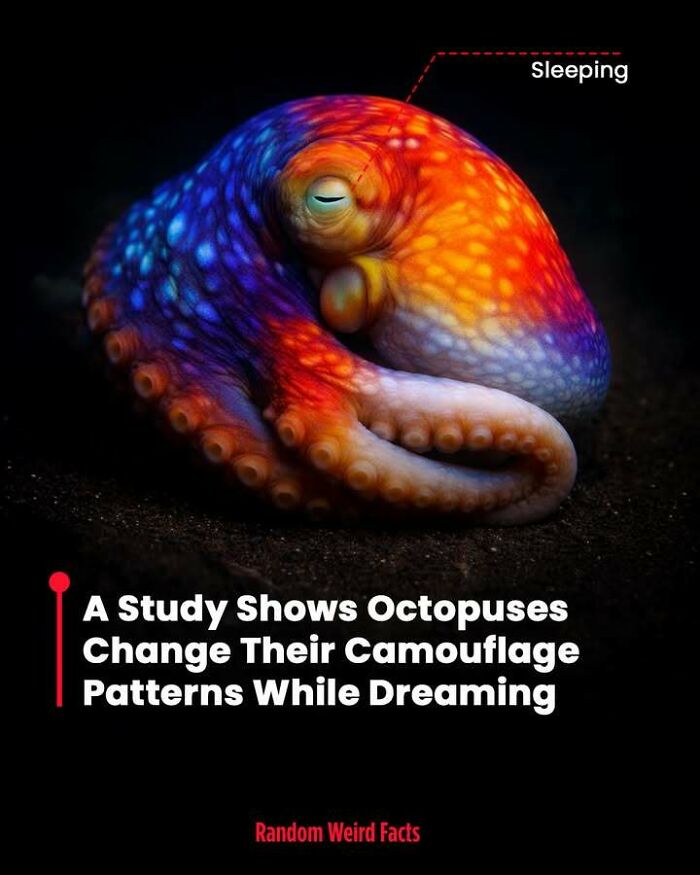
A study found that octopuses rapidly change skin color and texture while sleeping, cycling through patterns used for camouflage when awake. Scientists believe this behavior resembles a REM like sleep state where the brain replays recent experiences. The discovery suggests complex neural activity during sleep in one of the ocean’s most intelligent animals.
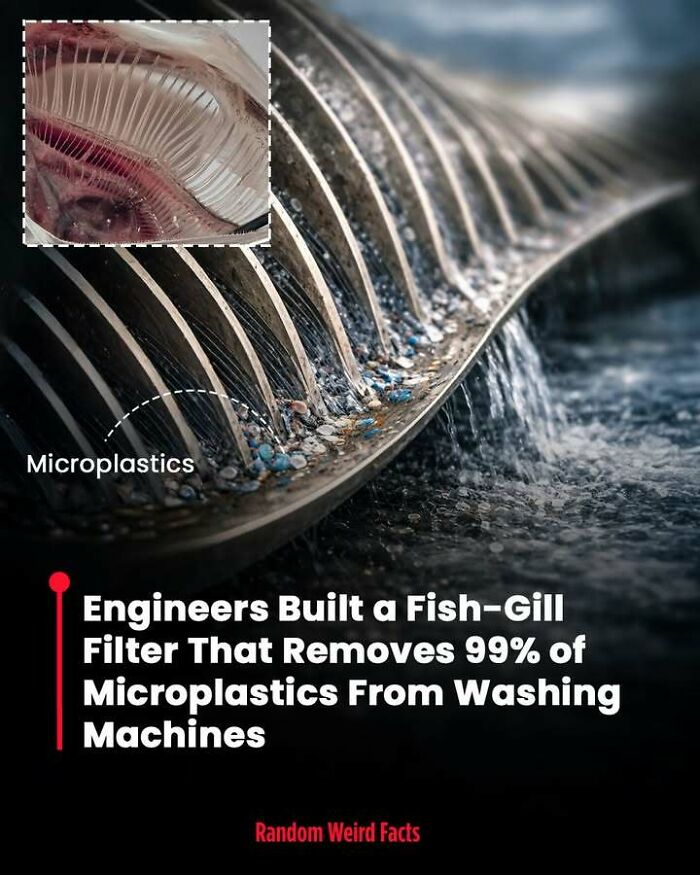
Fish gills inspired a plastic-catching breakthrough.
Engineers in Germany developed a filter that mimics how fish gills work. It removes 99% of microplastics from washing machine water without ever clogging.
Nature already solved the problem. We just copied it.
Source: University of Bonn / Environmental Science

It says something sad about the fish who struggle with this in the ocean.
When you run the math, the scale becomes almost unreal. Take 125 trillion synapses and multiply them by 4.7 bits each. That comes out to roughly several hundred trillion bits of storage. Since about one trillion bytes equals one terabyte, the human brain is often estimated to rival dozens of terabytes of memory. And unlike a hard drive, it’s constantly reorganizing itself.
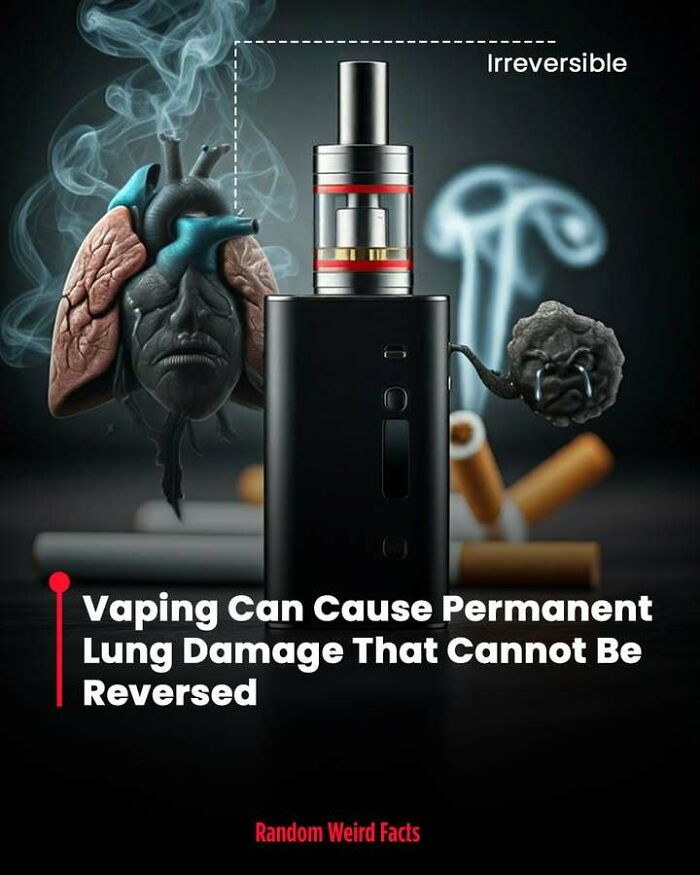
They call it popcorn lung. Once you have it, it's forever.
Heated vape chemicals destroy lung tissue in ways that don't heal. Most were never tested for inhalation.
The damage is real. And it's completely preventable.
Shared for informational purposes only.
Source: Pulmonary Health Research
What? Sucking chemicals into your lungs might be bad? Why did no one ever think of this?!?!?!?!?!?!?!?!?!
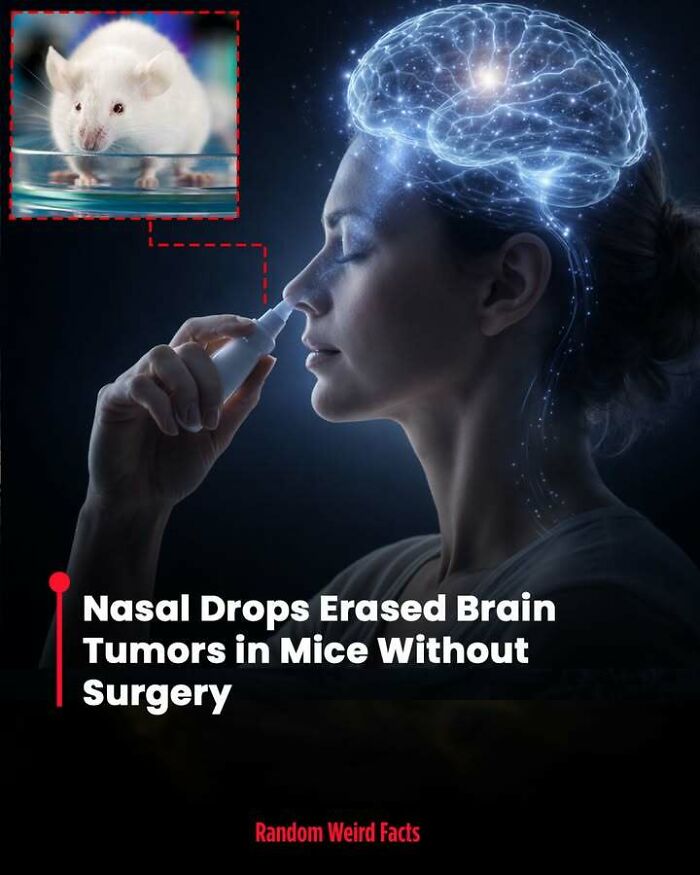
No scalpel. No drilling. Just drops up the nose.
Scientists loaded nanoparticles with DNA that woke up the brain's immune system. Cold tumors turned hot. The cancer vanished. And the immune system remembered.
Still early. But this could change everything.
Source: Washington University / Northwestern University
Forget Blackbeard. The greatest pirate ever was a woman.
Ching Shih started as a prostitute. She ended commanding the Red Flag Fleet. Over 1,800 ships. More than 80,000 sailors. A navy that defeated the Chinese imperial fleet.
The wildest part? She's the only major pirate who retired peacefully. Full pardon. Kept her fortune. [Passed away] running a gambling house.
The real king of the seas was a queen.
Source: National Geographic History
And that’s not all — your brain is basically a powerhouse wrapped in fat. In fact, about 60 percent of it is made up of fat, making it the fattiest organ in your entire body. That’s not a bad thing at all. Those fats help your brain cells communicate quickly and efficiently. Think of them as high-quality insulation for your mental wiring. This is why what you eat matters more than you think. Healthy fats help your brain stay sharp, focused, and energized.
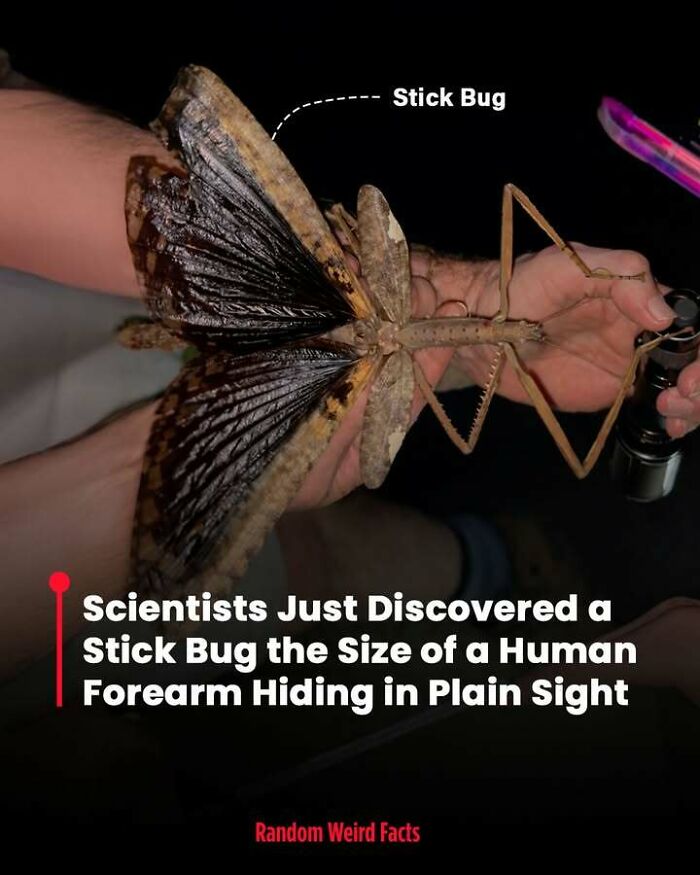
It’s 15 inches long. And it hid for centuries.
Australian scientists found a new species of stick bug the size of a forearm. It survived undetected by perfectly mimicking a large tree branch.
Something that big was invisible this whole time. Camouflage taken to the extreme.
Source: Australian Journal of Entomology
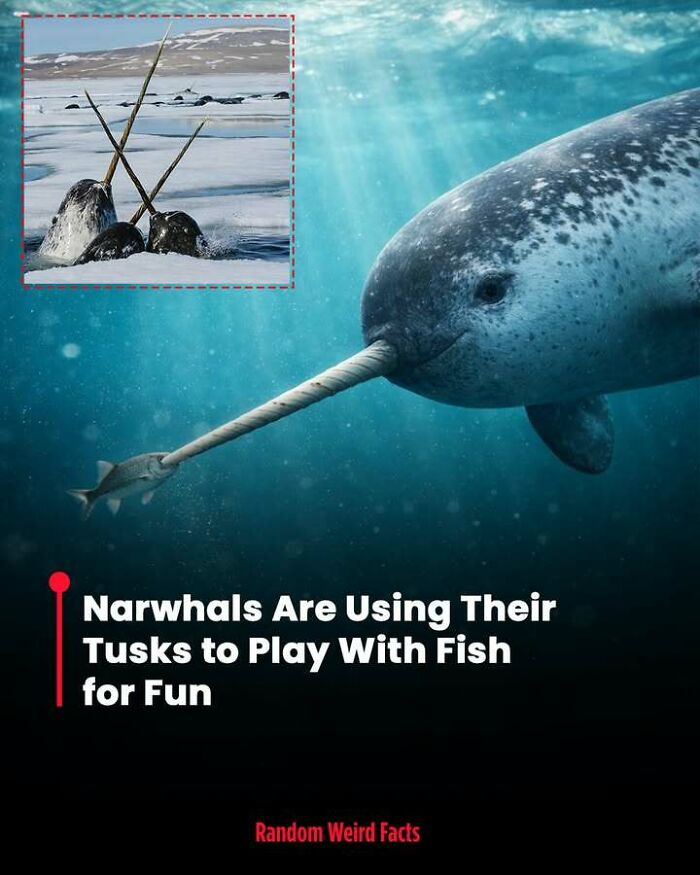
We thought narwhal tusks were for fighting or sensing water.
New aerial footage shows them gently poking and flipping fish with their massive tusks. They aren't hunting. Researchers believe it's pure entertainment.
The ocean's most mysterious tooth is actually a giant toy.
Source: Marine Mammal Science
And yet in the AI generated pic the whale is poking the fish's eye out.
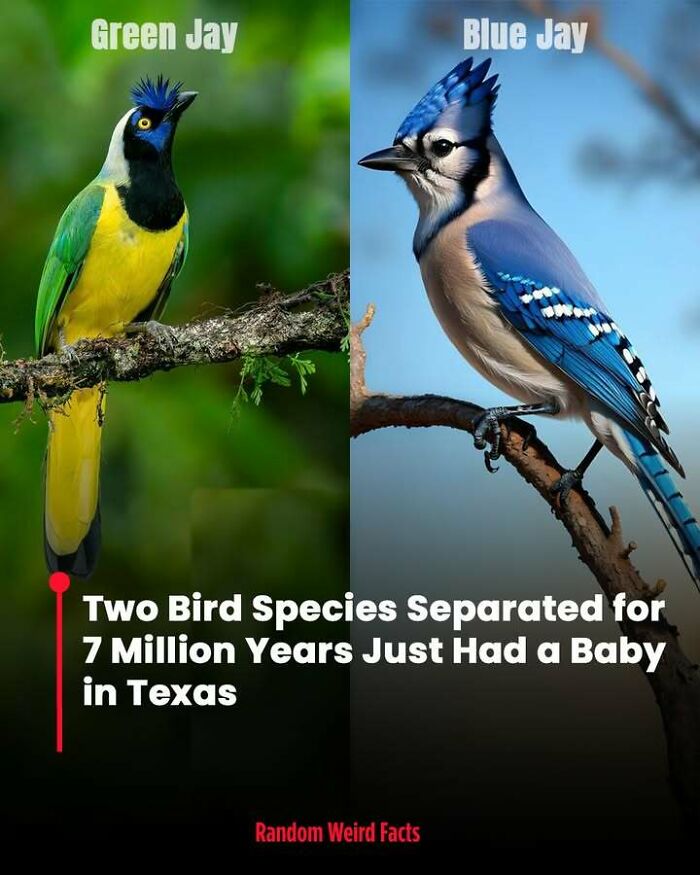
This wasn't supposed to happen.
Scientists identified a "Grue Jay," the first-ever hybrid between a Green Jay and Blue Jay. These species have been evolving separately for 7 million years.
Two long-lost relatives just created something entirely new.
Source: Audubon Society
Your brain also takes its time growing up. It isn’t fully developed until around age 25, which explains a lot about those early adult years. Brain development starts in the back and slowly moves forward. The final area to mature is the frontal lobe. This is the part responsible for planning, decision-making, and reasoning things through. So if younger people sometimes act before thinking, there’s science behind it. The brain is still finishing its construction project.
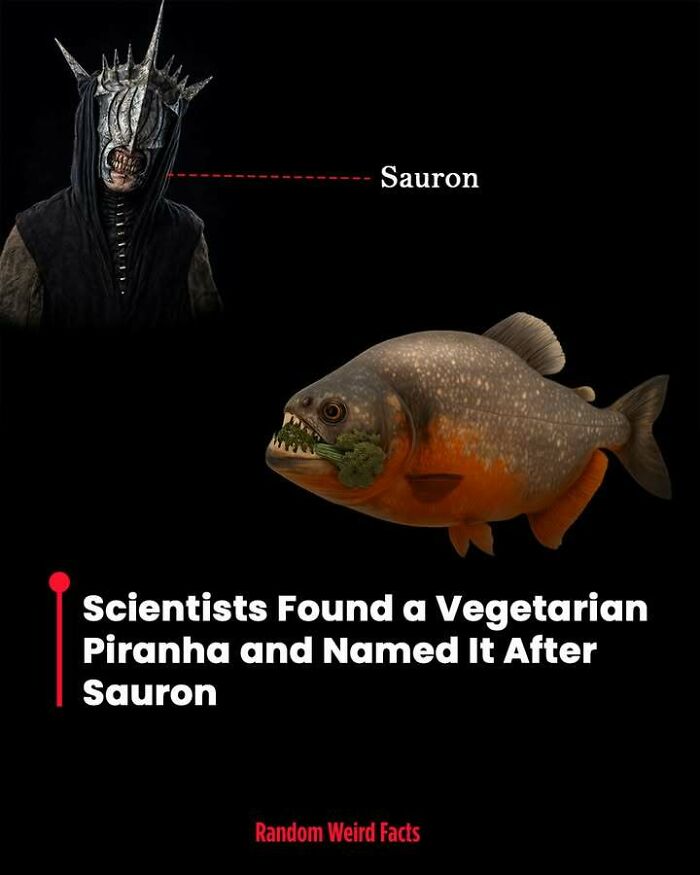
It has the eye of the dark lord but eats like a salad lover.
A new Pacu fish discovered in the Amazon has a black stripe that looks exactly like the Eye of Sauron. Despite the villainous name Myloplus sauron, it strictly eats plants.
Evolution has a sense of humor.
Source: Neotropical Ichthyology
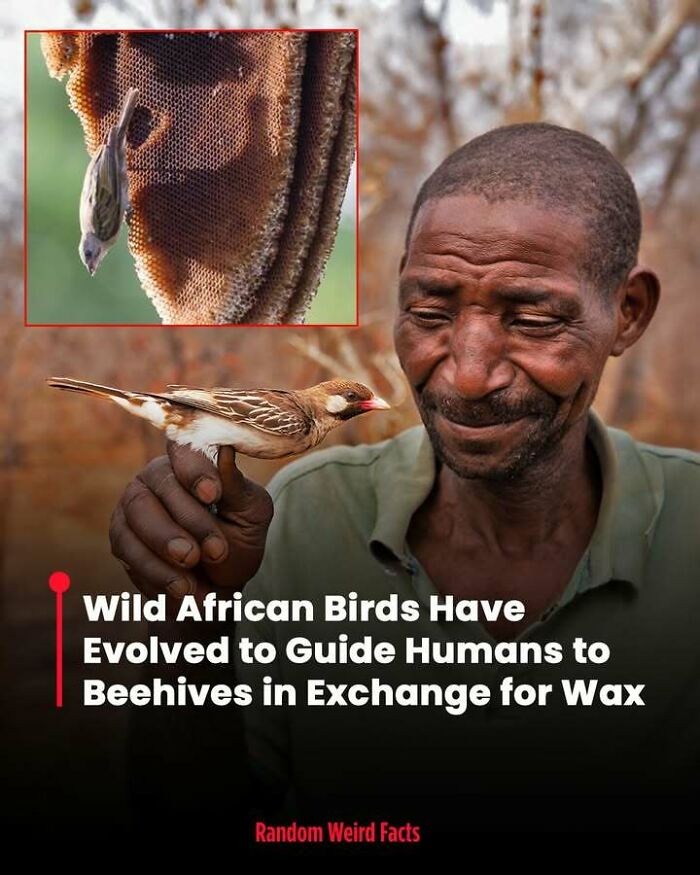
In parts of Africa honeyguide birds have evolved a rare partnership with humans by leading them to hidden beehives. After people collect the honey the birds feed on the leftover wax which they cannot access alone. This cooperation shows how animal intelligence and human behavior can shape each other over time.
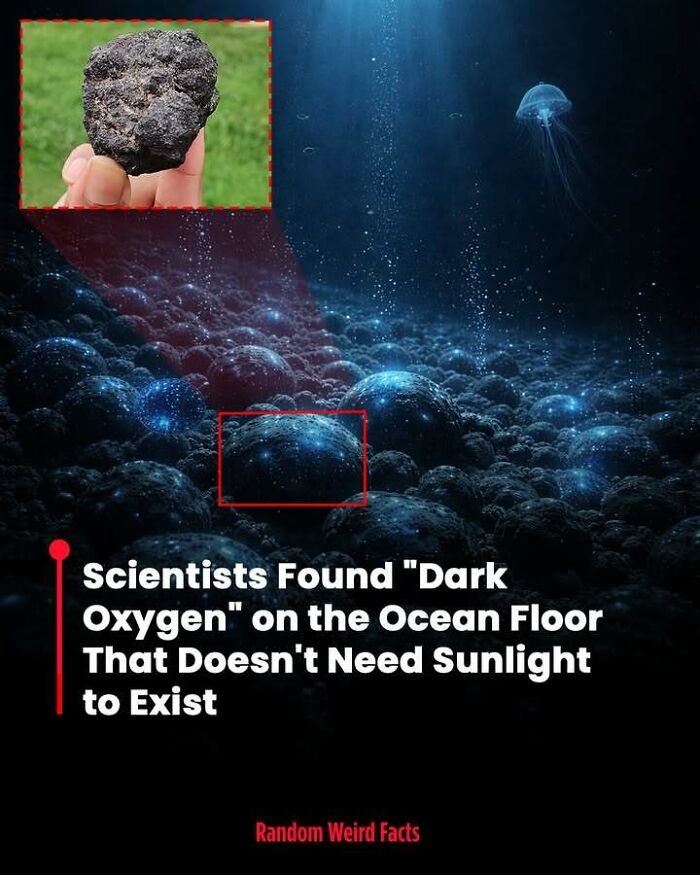
Oxygen without sunlight. It shouldn't be possible. But it's happening.
Researchers discovered metallic nodules on the deep seafloor that split water and release oxygen like batteries. No photosynthesis required.
Life in the deep ocean may not depend on the sun at all. We've been wrong about how oxygen works down there.
Source: Nature Geoscience
Despite everything it does, the brain runs on about 20 watts of power. That’s roughly the same energy needed to light up a small bulb. All that nonstop activity means it needs regular downtime. Sleep is when the brain cleans up, strengthens connections, and keeps important pathways in shape. Without enough rest, those systems start to lag. Good sleep isn’t a luxury; it’s essential maintenance. Your brain works best when it’s well rested.
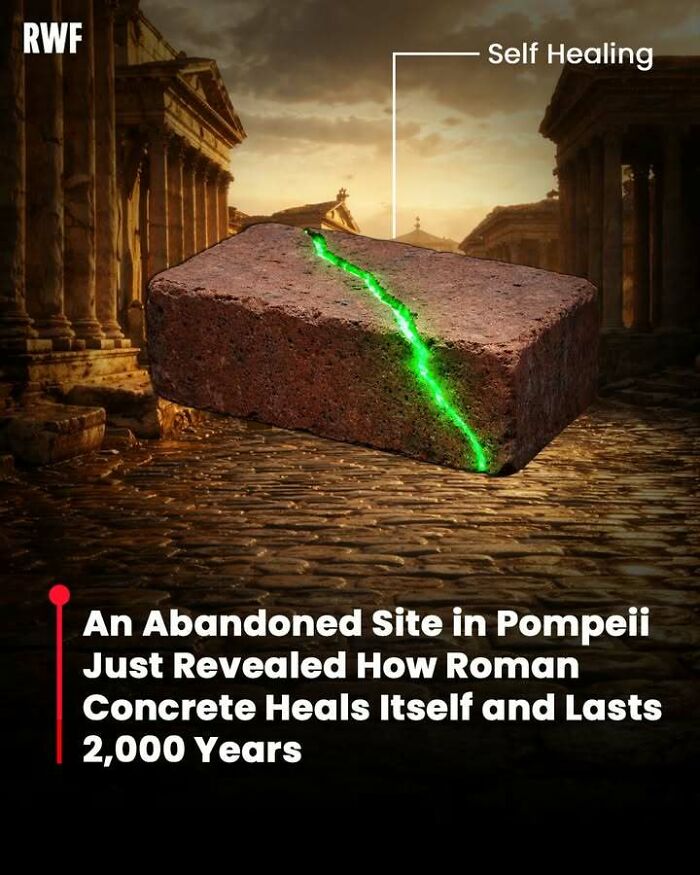
The Pantheon has stood for 2,000 years. Now we know why.
Researchers found raw Roman concrete ingredients at an unfinished Pompeii site. The secret? Volcanic ash that triggers a chemical reaction over time, sealing cracks automatically.
The concrete doesn't decay. It gets stronger.
Source: MIT / Science Advances
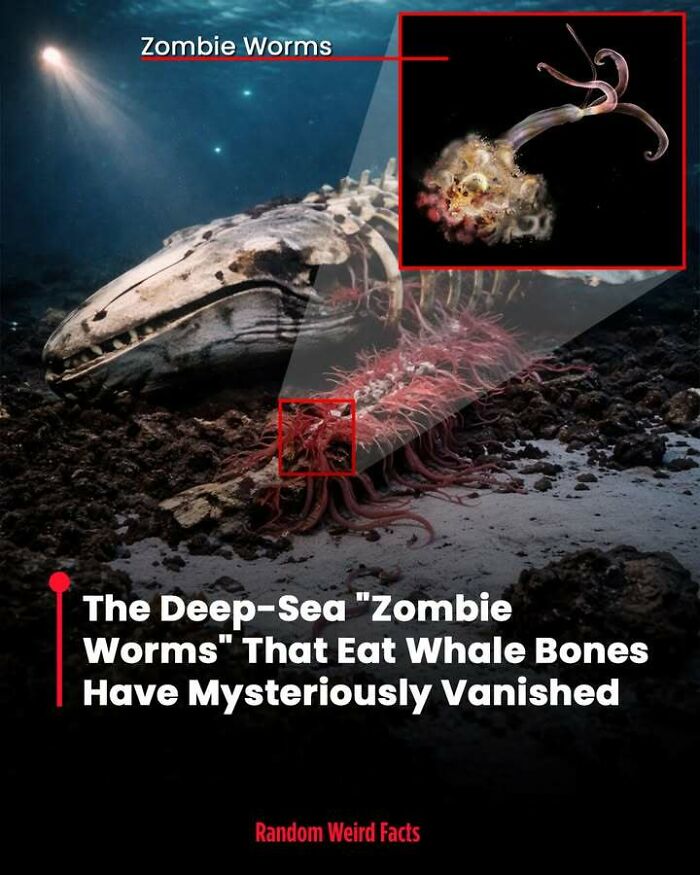
They were everywhere. Now they're gone.
Osedax worms swarm whale carcasses and devour the bones. But a 2025 deep-sea expedition found them completely missing from their usual habitats.
Something changed in the deep ocean. We don't know what.
Source: Deep-Sea Research
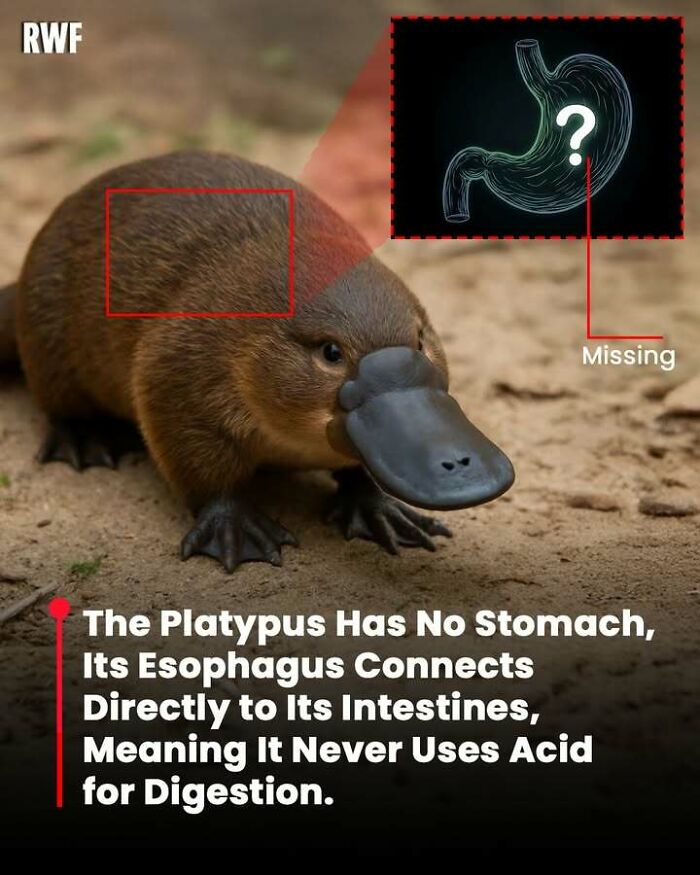
An unusual characteristic of the platypus is the complete lack of a digestive sac that secretes acid. Evolution suggests this organ was lost because its diet—soft-bodied invertebrates—does not require the intense chemical processing that strong stomach acid provides. This unique anatomy makes the platypus, already famous for its bill and venom, an even stranger anomaly in the mammalian world and a perfect example of evolutionary adaptation to a specific niche diet.
And finally, your brain has an incredible sense of smell. It can recognize and remember more than 50,000 different scents. That’s why a single smell can instantly bring back a memory from years ago. Scent is deeply tied to emotion and memory in the brain. It’s faster and more powerful than sight or sound when it comes to recall. One whiff can transport you to another time and place. Your brain never forgets a good smell.
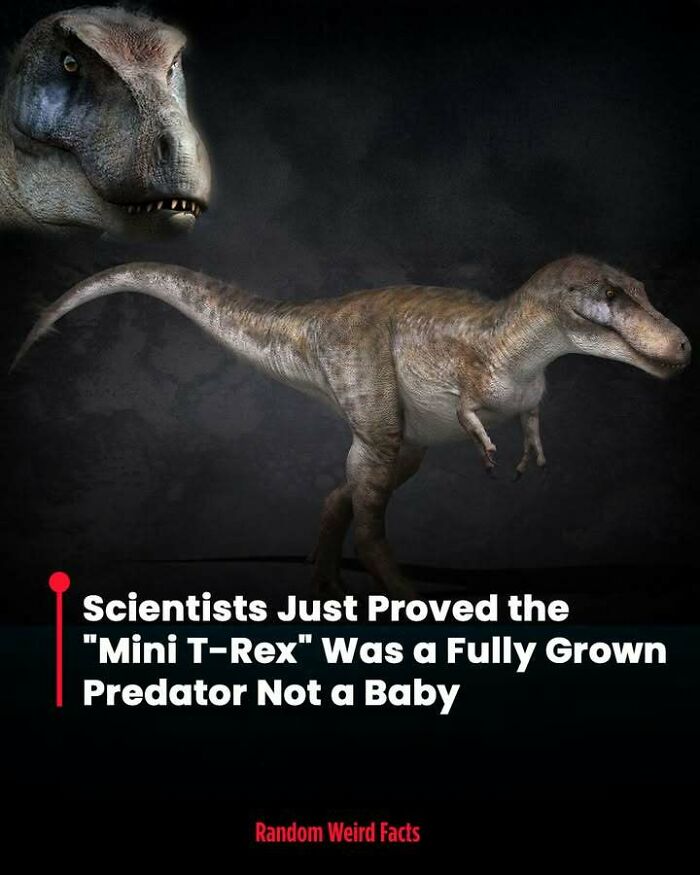
For years, scientists argued Nanotyrannus was just a teenage T. rex.
New microscopic analysis of a fossil's hyoid bone settled the debate. These were fully-grown pygmy tyrannosaurs.
The king of dinosaurs just got a terrifying little cousin.
Source: Journal of Paleontology

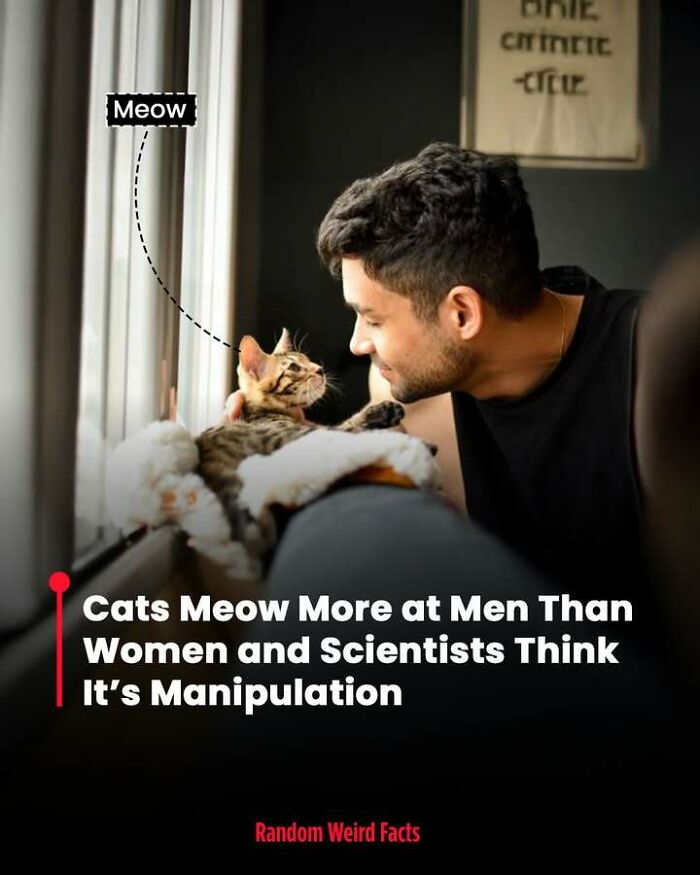
Google: "a recent study published in Ethology found that cats meow more frequently and louder at male owners compared to female owners, suggesting they adapt their vocalizations to get attention, possibly because men are perceived as responding less or needing clearer signals". Does this mean nagging is cross-species?
The "Cairo Toe," crafted from wood and leather, shows wear patterns consistent with regular use, proving it was a functional device intended to help the wearer walk, long before the advent of modern orthopedics. Dating back to between 950 and 710 BCE, this incredible find demonstrates that ancient Egyptian medicine possessed sophisticated knowledge of anatomy and had the compassion and skill to improve physical mobility for its citizens.
I had to look at the first line twice before I realized it WASN'T "camel toe".
Well, the human brain truly is a wonder — just like the fascinating facts you’ve just read. Which of these facts surprised you the most, or made you stop and think for a moment? Share your thoughts in the comments and let us know which one stuck with you.
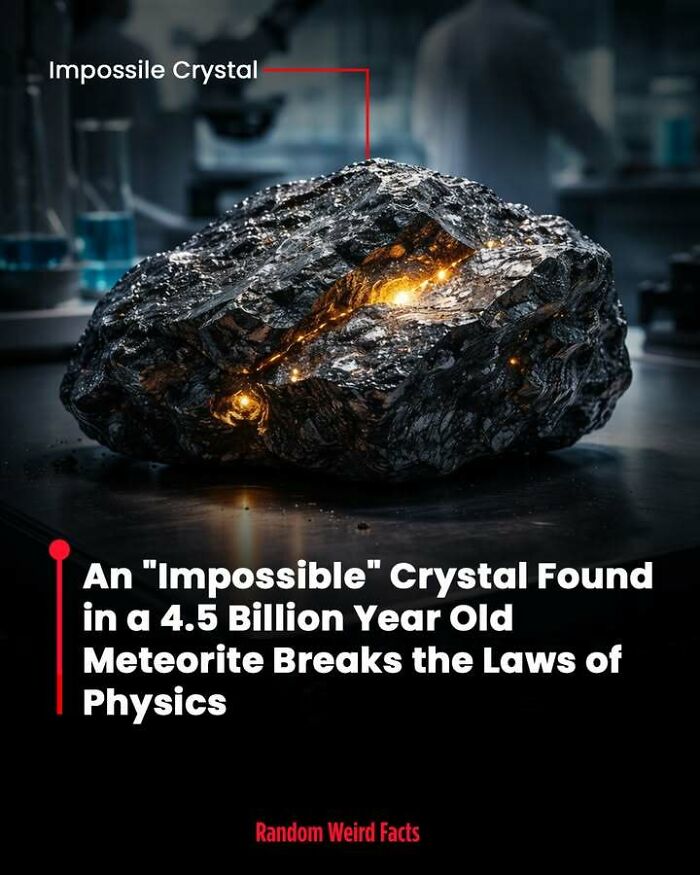
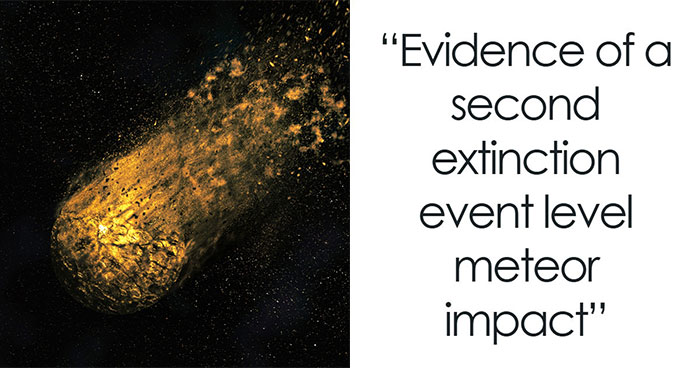
This crystal follows patterns but never repeats. That shouldn't exist in nature.
Scientists found a "quasicrystal" inside the Khatyrka meteorite. Its atomic structure defies the rules we thought governed all matter.
It's 4.5 billion years old. Formed before Earth existed. And it's still challenging everything we know about physics.
Source: Proceedings of the National Academy of Sciences

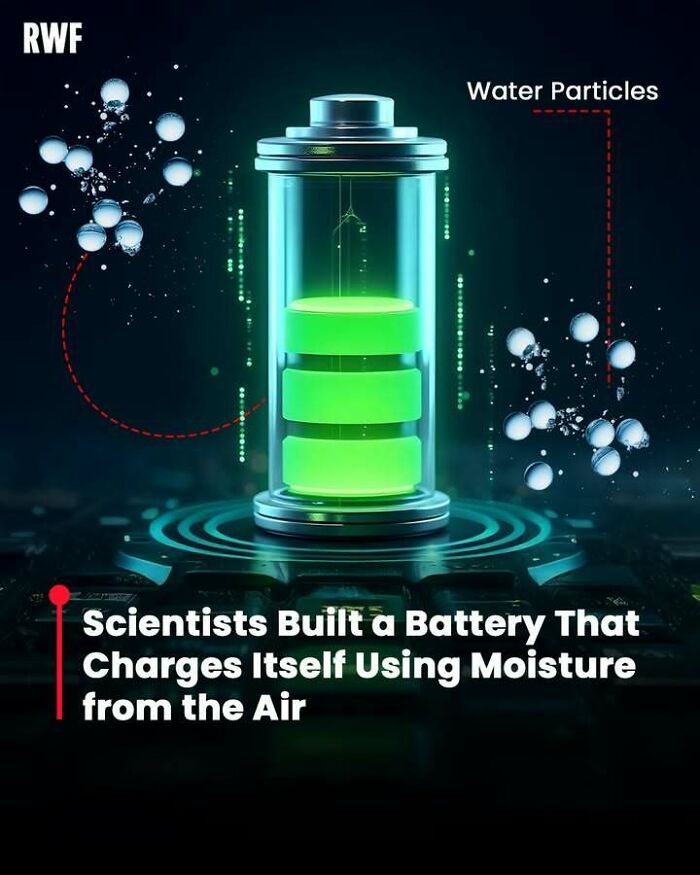
This battery never needs to be plugged in. It feeds on humidity.
Researchers created a power source that harvests energy from water vapor. A protein-based film absorbs moisture and generates a continuous electrical current.
It works indoors. Outdoors. Anywhere there's humidity. Which is basically everywhere.
Wearables that never die. Sensors that run forever. We've been surrounded by free energy this whole time.
Source: Proceedings of the National Academy of Sciences
The New York City Subway is one of the world's most extensive public transport systems, but what most riders don't see is the hidden city below the active lines. Beneath the streets of Manhattan and the outer boroughs lies a sprawling network of abandoned stations, decommissioned platforms, and miles of unused track. These tracks were built during the early 20th century, anticipating rapid expansion and rival private lines. For example, below City Hall is a cathedral-like station with vaulted ceilings and brass chandeliers that hasn't seen a passenger since 1945. This extensive ghost network represents a massive, unused urban relic—a testament to grand, forgotten ambition—hidden just feet below millions of commuters every day.

Sorry if this sounds stupid, but ist there no way to make use of these otherwise wasted resources? AFAIK space is at a premium in New York. The transit areas and tunnels must be somewhat accessible and sturdy (they were meant to be used constantly by millions of people for decades). Can't they be converted to some sort of housing or shelter, maybe repurposed as underground market places, museums, fitness areas, or at least for storage?
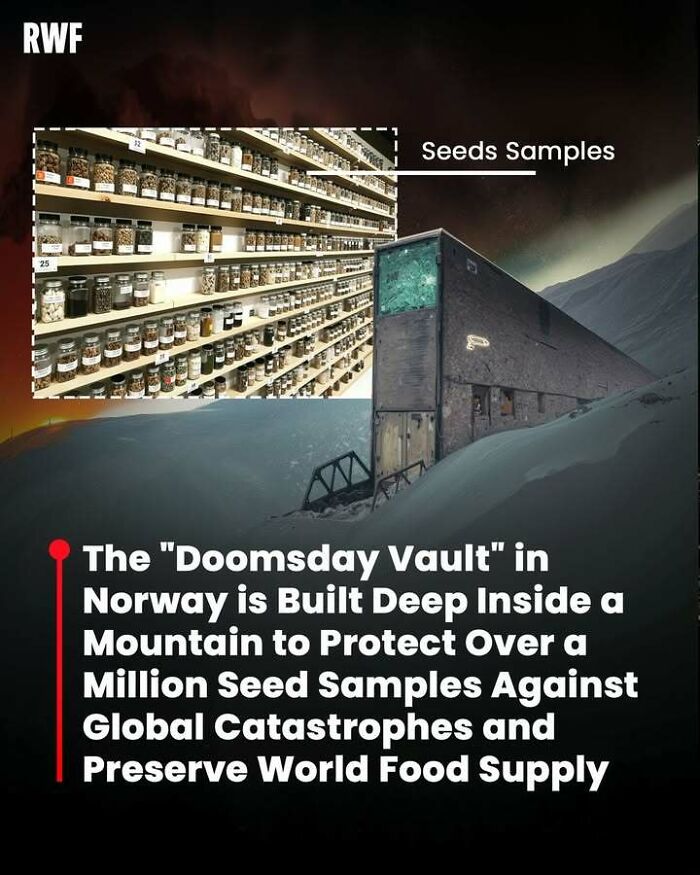
The Svalbard Global Seed Vault is a secure, fortified structure carved into the Arctic permafrost, making it resistant to natural disasters and power failures (the permafrost acts as a natural freezer). It holds duplicate "backup" copies of crop seeds from collections worldwide. This global effort is humanity's insurance policy, ensuring that the genetic diversity necessary to restart agriculture survives any potential worldwide catastrophe.
Veritasium was there 9 y ago. (Not as impressive on the inside though, but nerdier). Link below because of BP.
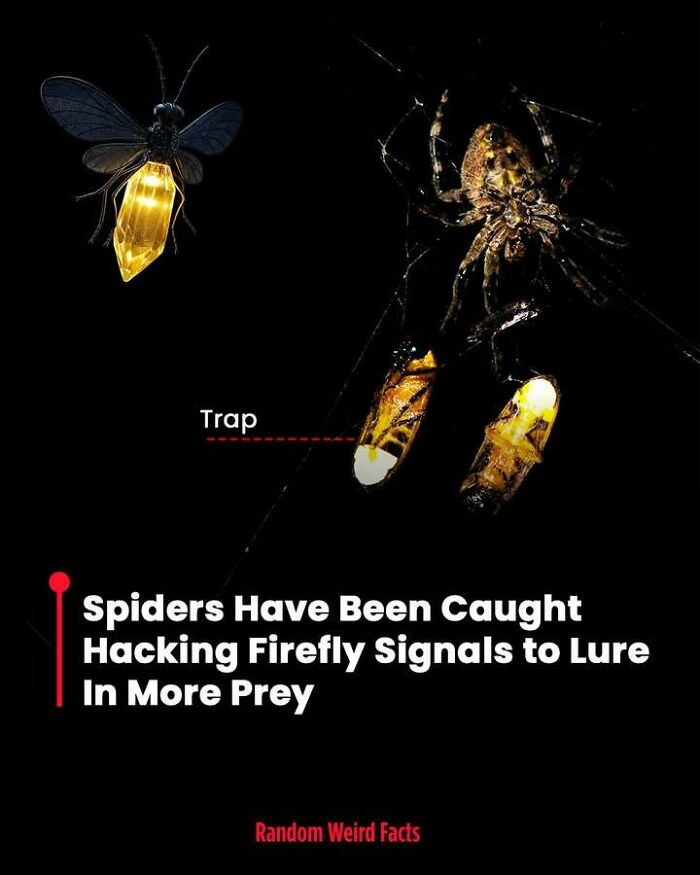
Spiders are way smarter than we thought.
Orb-weavers were filmed catching male fireflies and wrapping them in a way that forces a "female" mating flash. This fake signal lures in other males who fly straight into the trap.
Nature is brutal.
Source: Current Biology
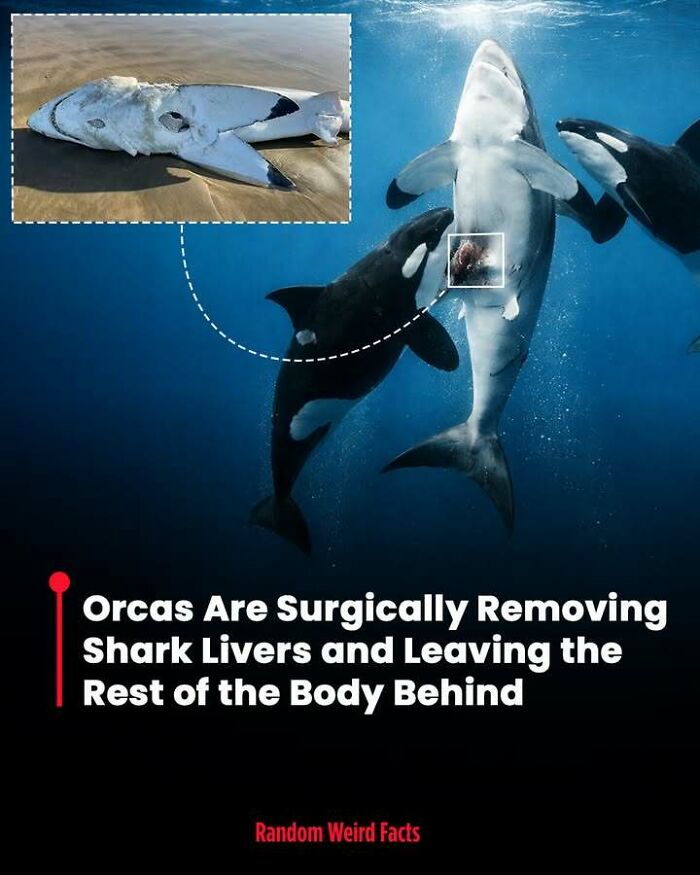
They’re not eating the shark. Just the liver.
A pod of orcas in the Gulf of California was filmed immobilizing a Great White and biting out only its liver. The rest of the carcass was left untouched.
Surgical precision from an apex predator hunting another apex predator.
Source: Marine Ecology Progress
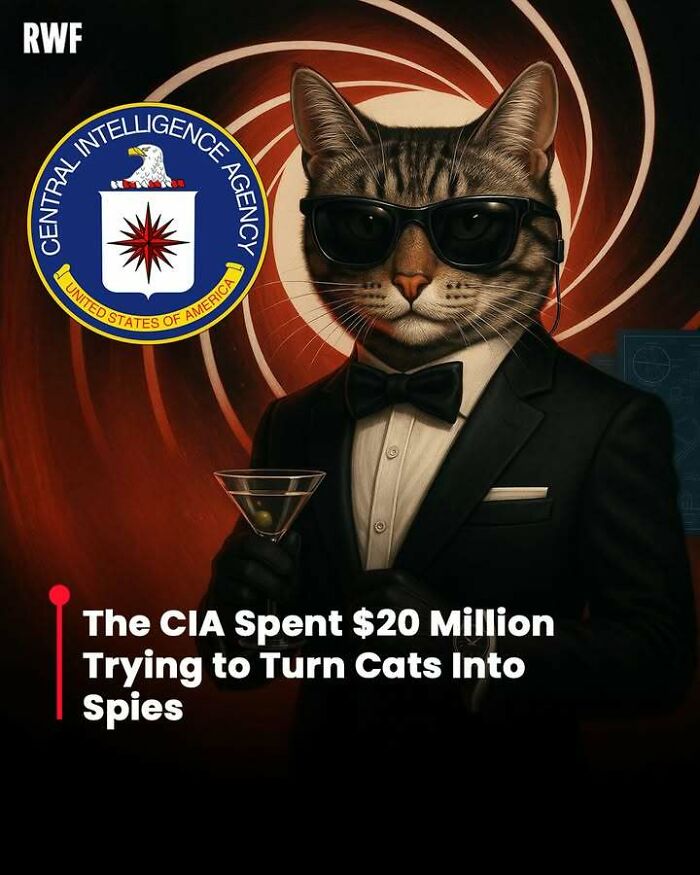
The Cold War got weird. Really weird.
In the 1960s, the CIA surgically implanted microphones into cats to record Soviet conversations. Project Acoustic Kitty cost $20 million.
It was a disaster. Cats don't follow orders. The first spy cat was reportedly hit by a taxi right after deployment.
The program was classified as an "utter failure." Somewhere in CIA archives, there's a file that basically says cats are untrainable.
Source: CIA Declassified Documents
Anyone who has ever owned a cat for more than 5 minutes could have told them this.
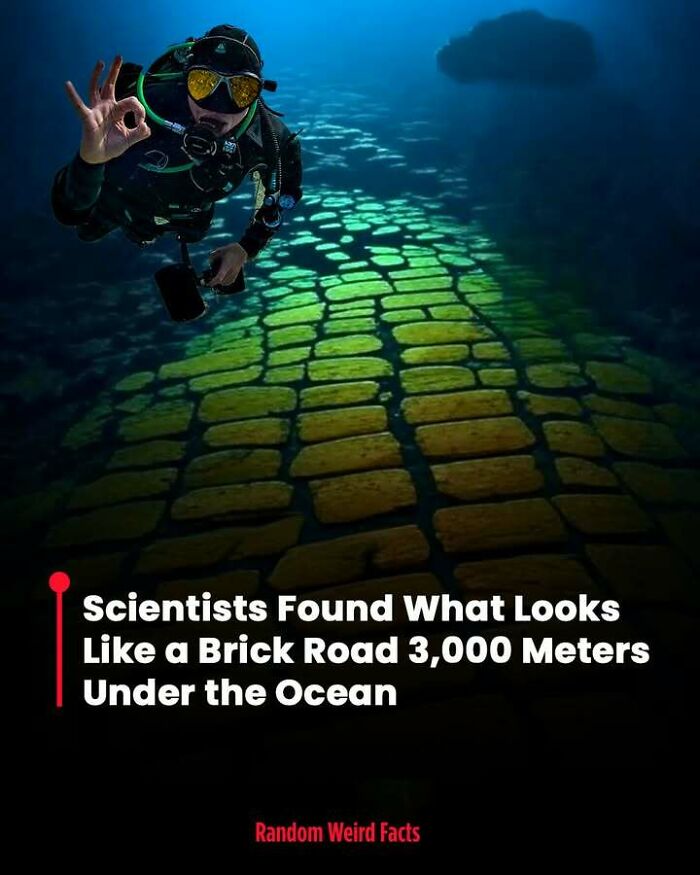
It looks like a path to Atlantis. It's not.
Marine researchers exploring the Pacific found what appears to be a man-made brick road on the seafloor. Geologists revealed it's actually volcanic rock that cracked in perfect 90-degree angles from extreme pressure.
Nature built a yellow brick road. No wizards required.
Source: Ocean Exploration Trust
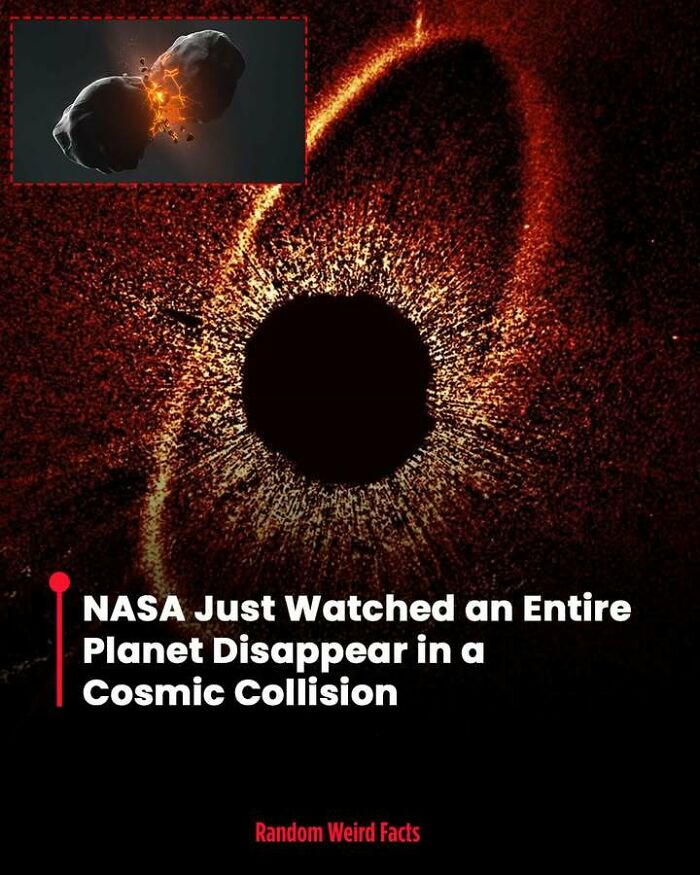
One moment it was there. Then it was gone.
Hubble data released January 1, 2026 shows an exoplanet that literally vanished. In its place? A glowing cloud of debris.
Scientists believe they witnessed two massive planets collide at full speed. A cosmic car crash that obliterated a world in real time.
Source: NASA / Hubble Space Telescope
Even death came with entertainment.
Archaeologists in Israel unearthed a marble sarcophagus featuring Dionysus and Hercules in a drinking contest. 1,700 years old. Perfectly preserved.
Romans wanted to spend eternity watching the gods get drunk.
Source: Israel Antiquities Authority
But was there any booze left? And are they sure that was a Sarcophagus and not a Cooler?
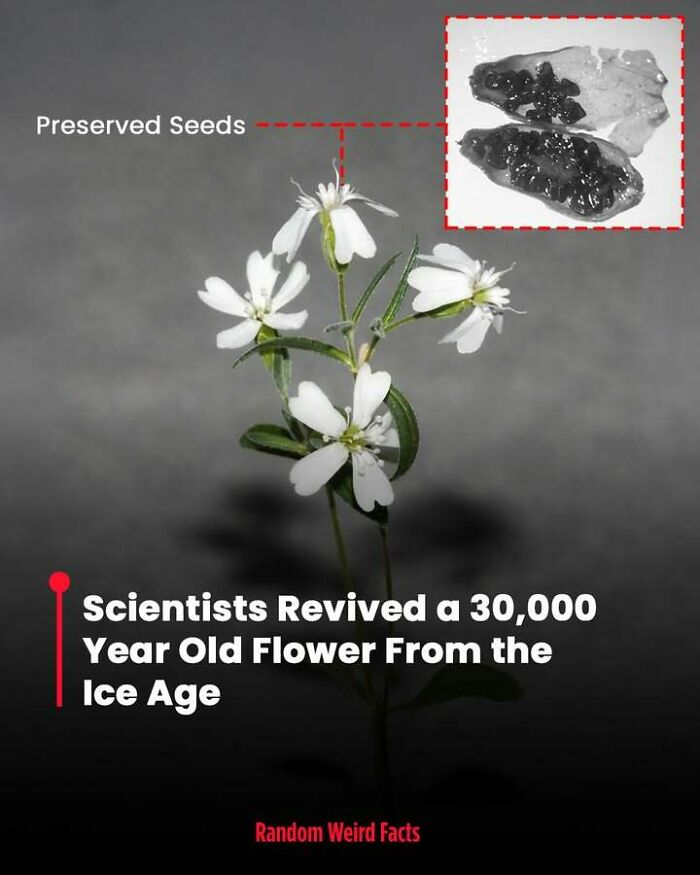
Researchers successfully grew a flowering plant using seeds that had been buried in Siberian permafrost since the Ice Age. The seeds were preserved by prehistoric squirrels in underground burrows, protecting them from decay for tens of thousands of years. The experiment revealed how life can remain dormant for extreme lengths of time and still return when conditions allow.
Space was built for a certain body. That's changing.
After years of training, a wheelchair user is preparing for launch. Not as inspiration. As proof that systems can be redesigned.
Human limits are no longer the final word.
Source: Space Exploration News
Zero gravity would probly be one hell of an amazing and freeing experience for someone confied to a wheel chair.
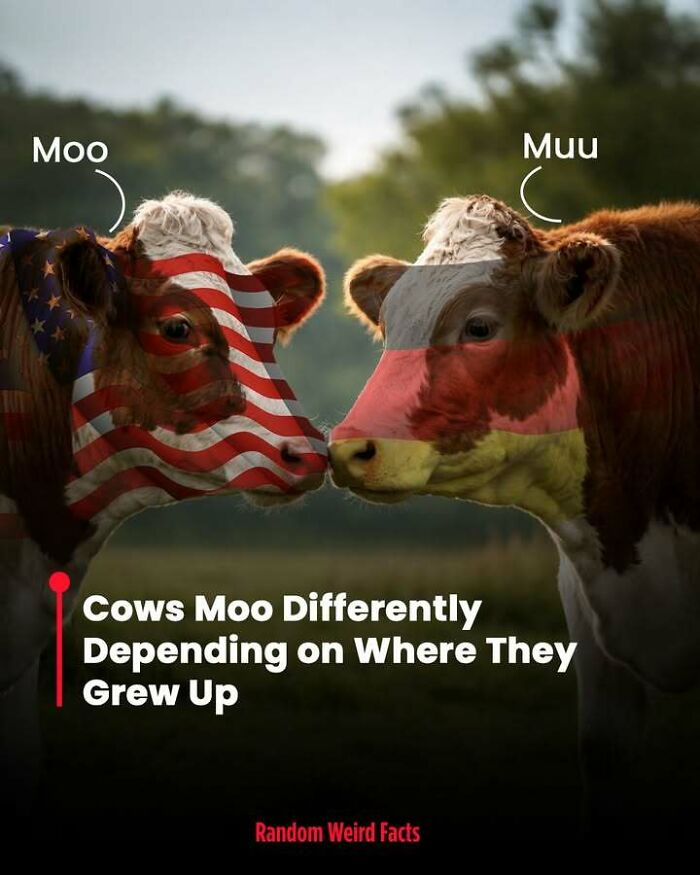
Cows have accents.
Researchers found that mooing patterns change by region and herd. Pitch. Rhythm. Tone. All shaped by who they grow up with.
It's not genetics. It's community. Even cows learn to talk like their friends.
Source: Animal Communication Research
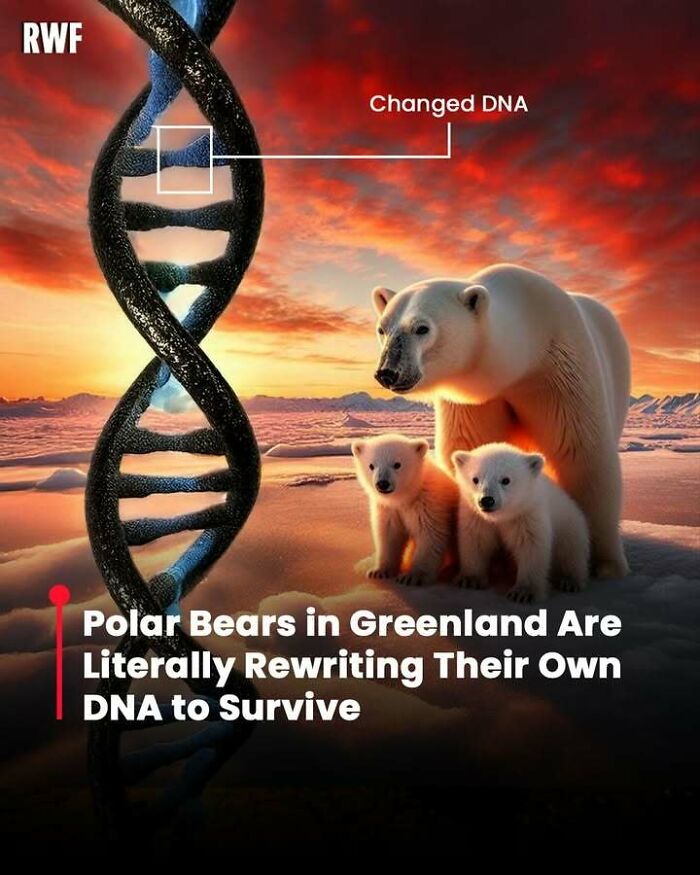
These bears aren't waiting for evolution. They're hacking it.
A population in Southeast Greenland is using "jumping genes" to rewrite their own DNA in real time. Their metabolism is shifting. Their hunting changed. They're surviving on glacier ice while others starve.
Evolution usually takes thousands of years. These bears are doing it now.
Source: Science Magazine

What does this caption even f*****g mean? Are the bears in a lab hacking into their DNA with a program called "jumping genes"? Are they eating the ice?
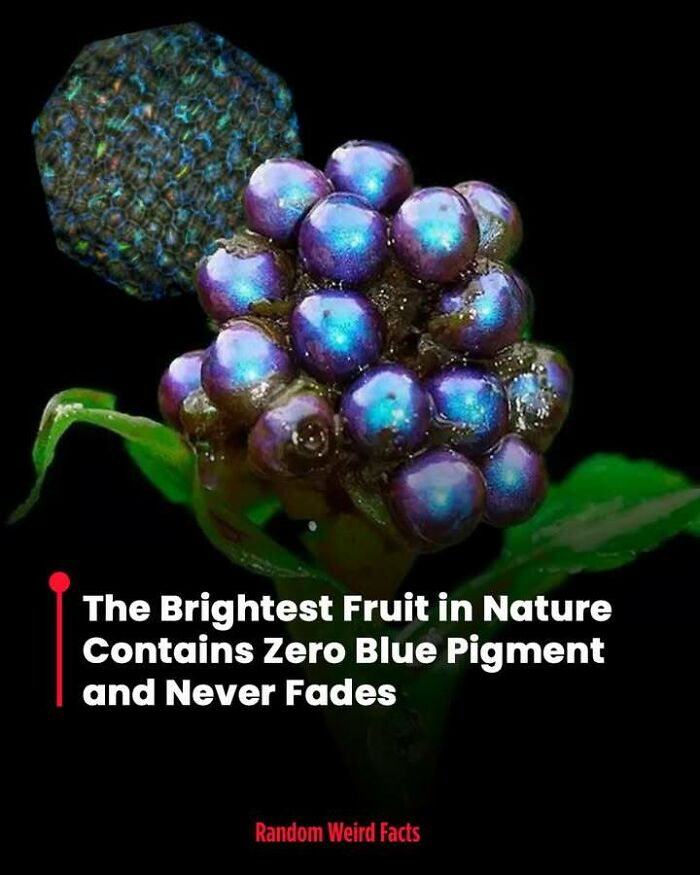
It's been in a museum for 100 years. Still vibrant as day one.
Pollia condensata creates its metallic blue color through "structural color," microscopic cellulose layers that reflect light. No pigment at all.
Nature invented permanent dye millions of years before we tried.
Source: Proceedings of the National Academy of Sciences
So not really a dye as texts states from beginning. Just a structure that reflects light. Like butterflies.
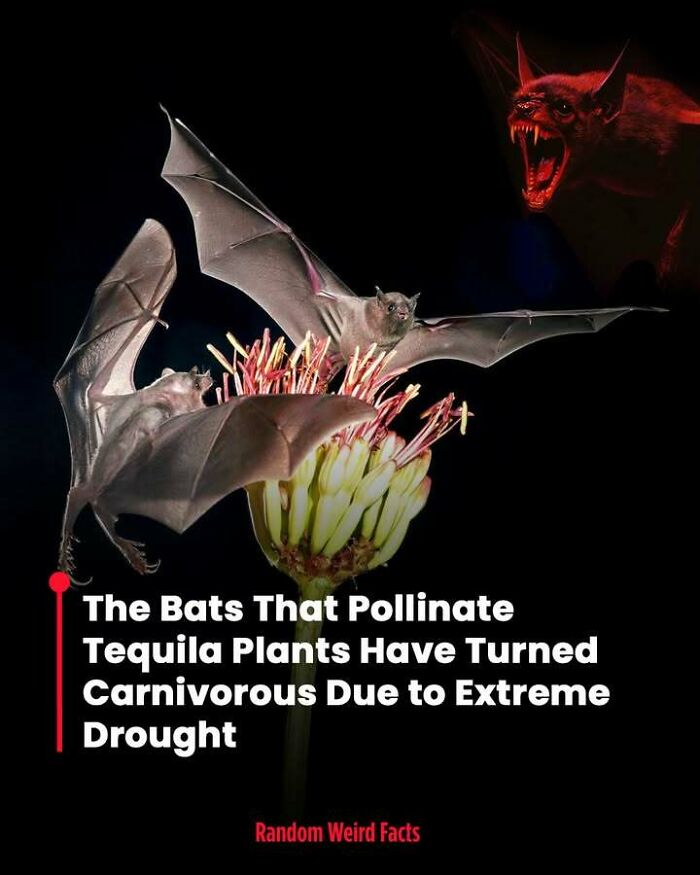
No sugar. No nectar. They started hunting instead.
Long-nosed bats, the primary pollinators for agave, were caught on camera eating aquatic insects to survive the 2025 drought. They abandoned their entire diet.
If the bats don't return to agave, the global tequila supply is in trouble.
Source: Journal of Mammalogy

Wow, this is silly. Carnivory and herbivory in mammals are a myth. There are virtually zero purely vegetarian mammals. The bats got super-hungry and ate meat (which probably ordinarily would taste bad to them). This will not have been the first time bats discovered meat is edible. They will not suddenly become largely carnivorous.
Your toilet is about to know you better than your doctor.
Japanese tech uses sensors and AI to track hydration, nutrition, and early health warnings from your waste. Reports go straight to your phone.
Preventive care starts in the bathroom now.
Shared for informational purposes only.
Source: Japanese Health Tech Research
No meals for a year. No problem.
Crocodiles pack massive fat reserves into the base of their tails. Combine that with the slowest metabolism in the animal kingdom and they can outlast almost anything.
This is how they've survived for millions of years.
Source: Wildlife Biology Research
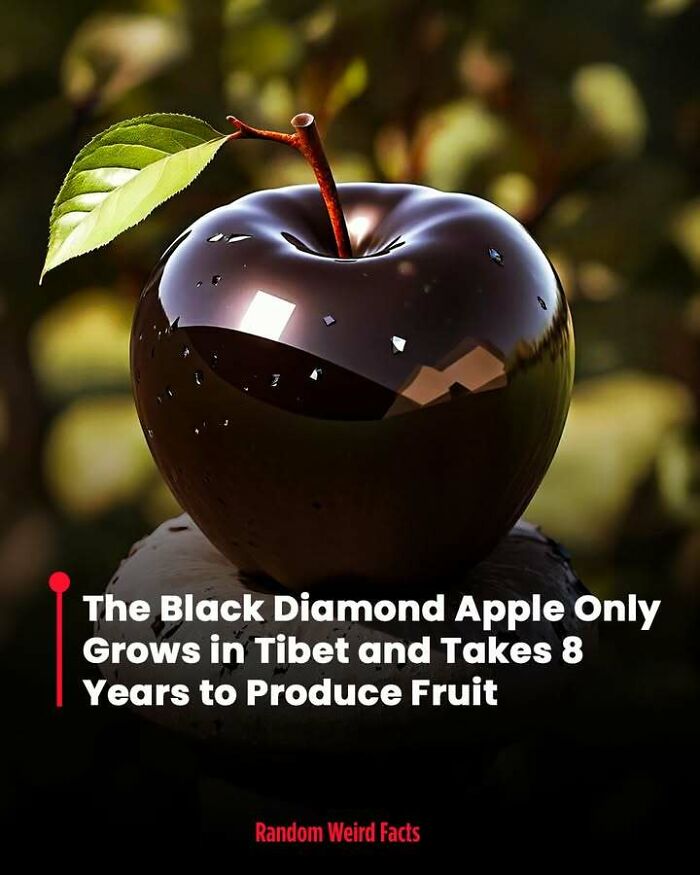
It looks like a gemstone. It tastes like honey and vanilla.
High in Tibet's mountains, extreme altitude and intense sunlight turn this apple's skin deep purple, almost black. The flesh inside is bright white and naturally sweet.
Trees take 8 years to mature. Harvest lasts just 2 months. One of Earth's rarest fruits.
Source: Agricultural Research Journal
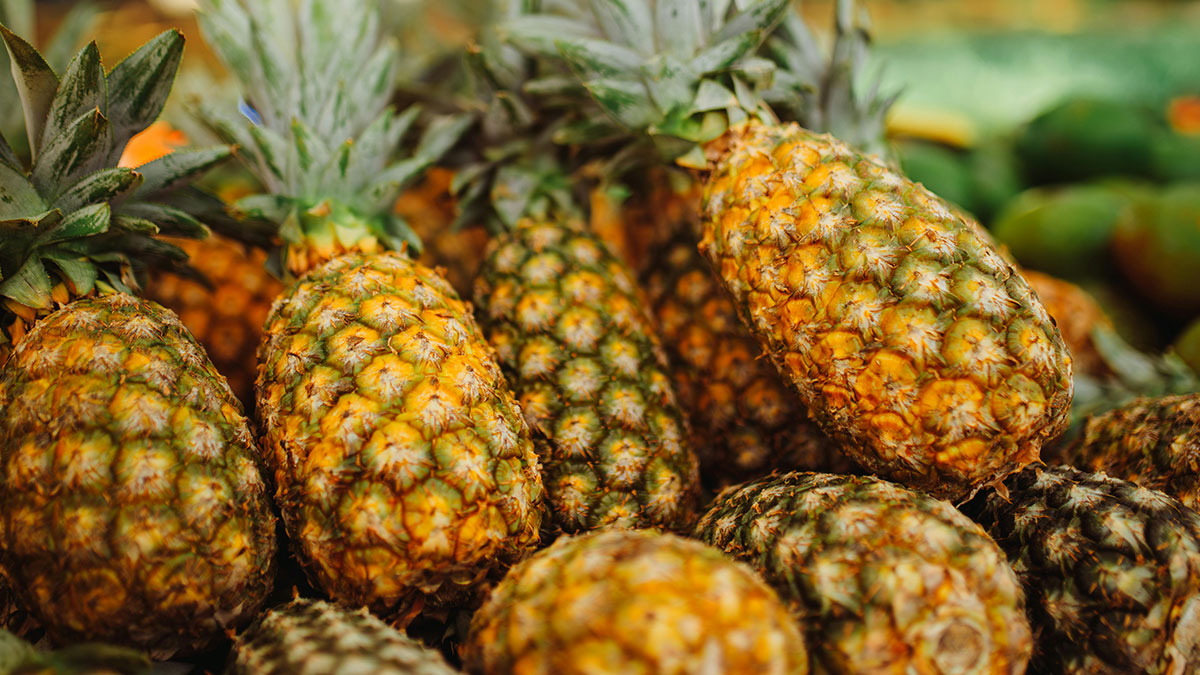
Owning a pineapple meant nothing. Being seen with one meant everything.
In the 1700s, pineapples were so expensive that aristocrats rented them just to carry under their arm at social events. Pure status symbol.
Instagram flexing started centuries before Instagram.
Source: Royal Historical Society
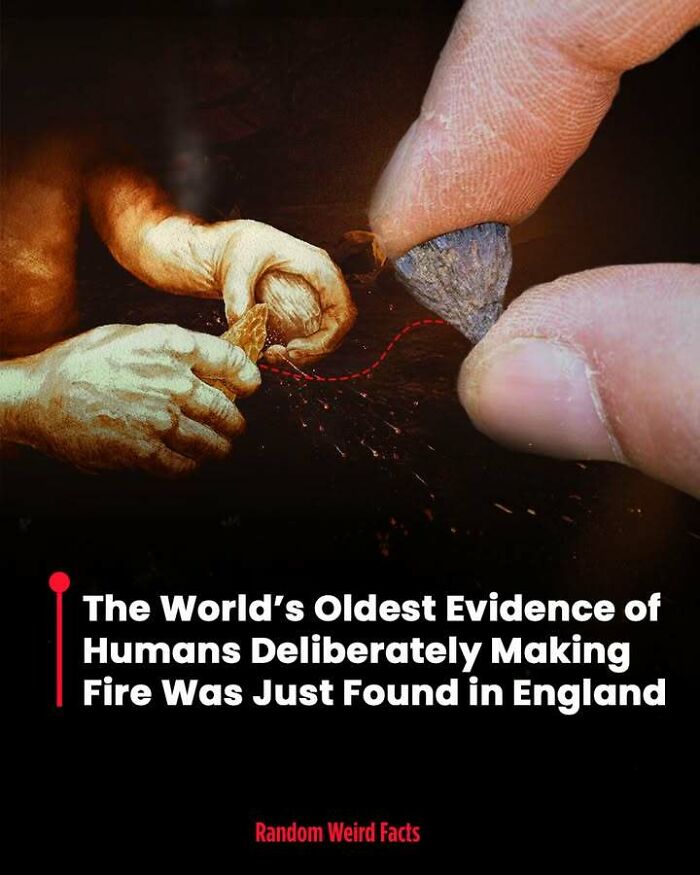
We mastered fire far earlier than we thought.
Archaeologists in England discovered 400,000-year-old evidence of deliberate fire-making. Not using fire. Making it.
This pushes human control of fire back hundreds of thousands of years. We were engineers before we were modern.
Source: Proceedings of the National Academy of Sciences
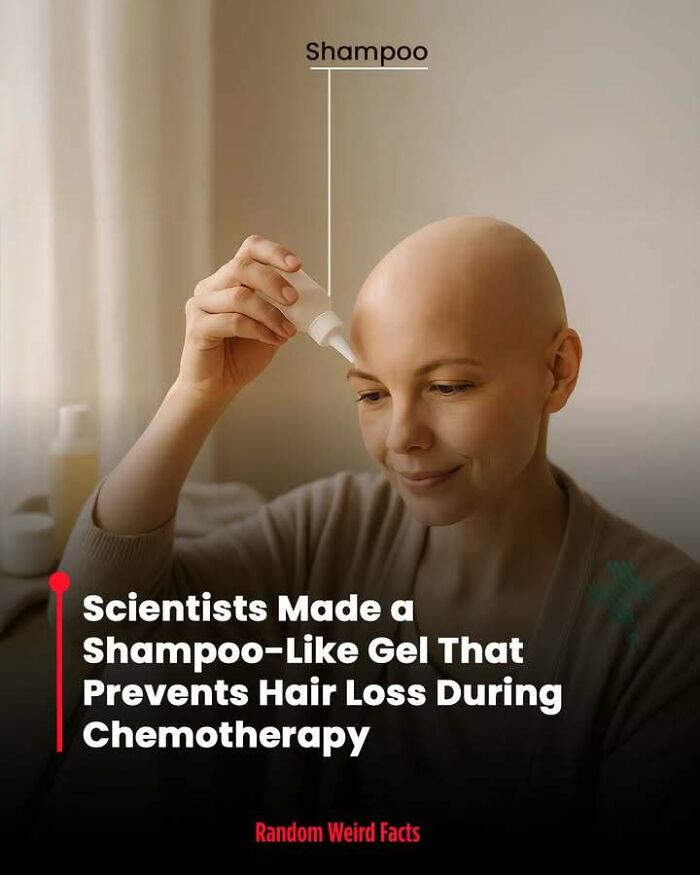
Chemo attacks cancer. It also attacks hair follicles. Until now.
Researchers developed a hydrogel with shampoo consistency that shields hair follicles from chemotherapy drugs. It prevents hair loss during treatment.
A simple gel solving one of cancer treatment’s cruelest side effects.
Source: Michigan State University

I am sure it would be priced out of range for the average person.
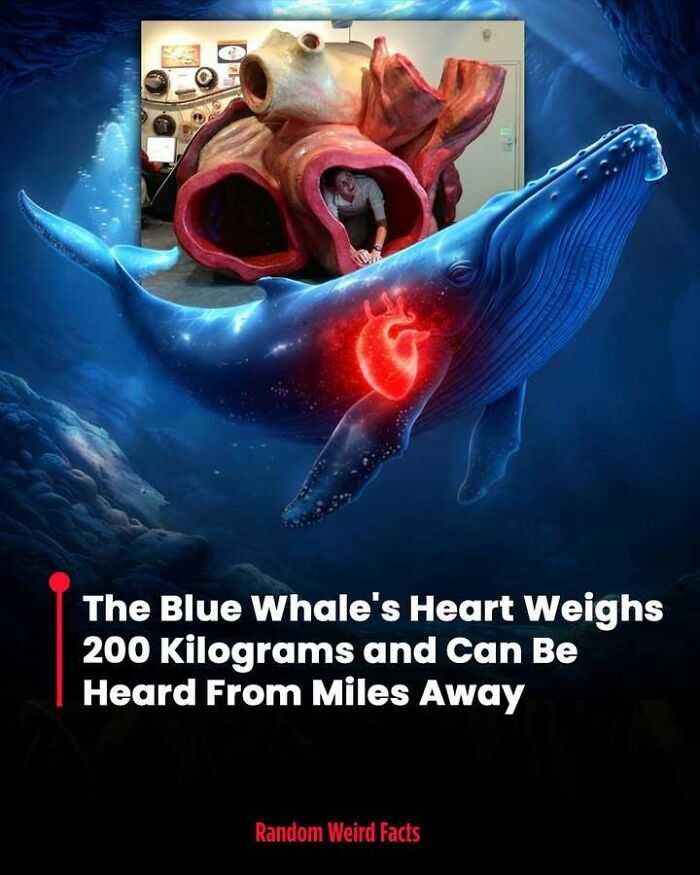
The largest heart on Earth. Over a meter wide. 200 kilograms of muscle.
Each beat pumps 220 liters of blood. The sound travels for miles underwater.
This is biology at its most extreme.
Source: Marine Biology Research
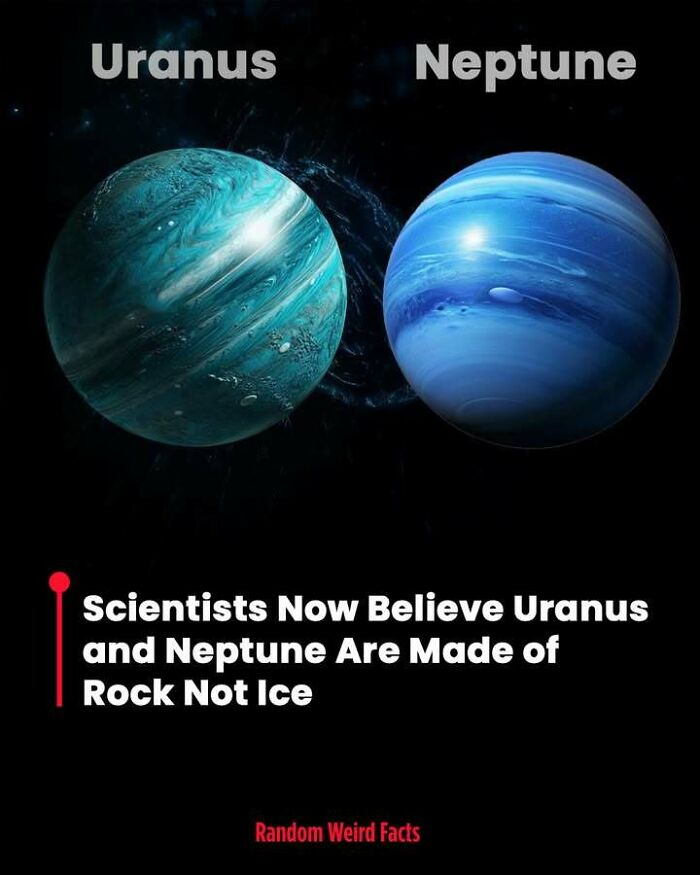
Everything we taught about these planets might be wrong.
A new computational model suggests Uranus and Neptune aren't "Ice Giants" at all. Their cores are likely massive solid rock and carbon, not frozen water.
Time to rewrite the textbooks. Again.
Source: Nature Astronomy
That's how science work - to our best knowledge, until we know better. 👍 Just sometimes hard to change paths? Like Pluto? 🙃
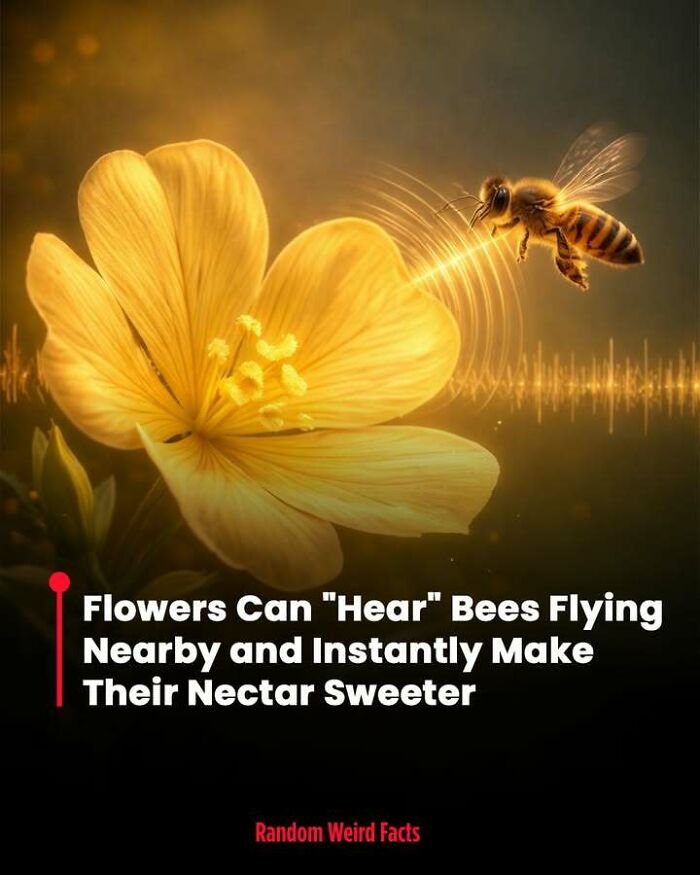
Plants are listening. And responding.
Within 3 minutes of sensing a bee's wing vibration, Evening Primrose flowers increase nectar sugar by 20%. They hear the buzz and prepare the reward.
Flowers figured out customer service before we did.
Source: Ecology Letters
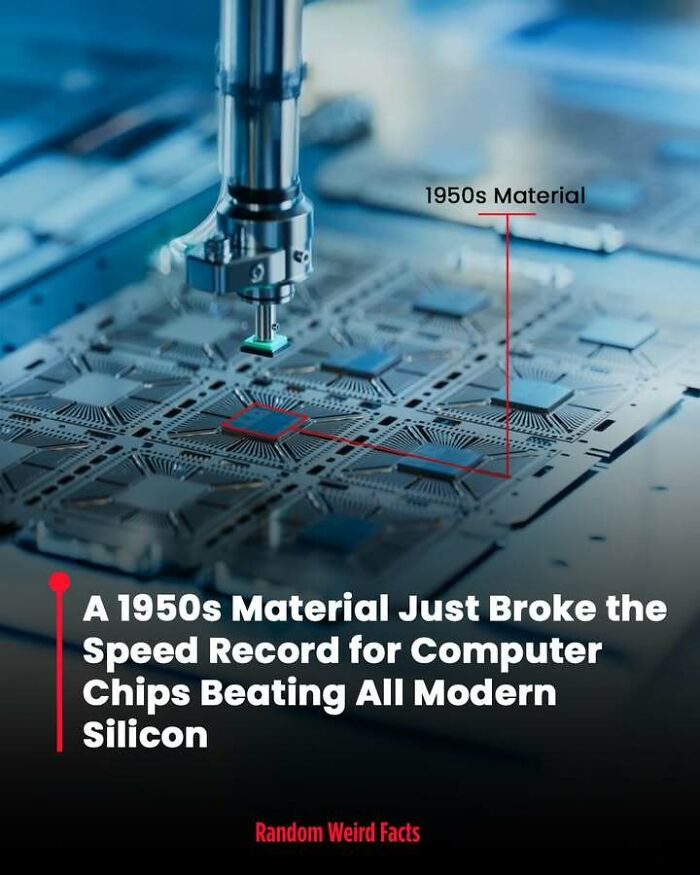
The future of computing might be 70 years old.
Researchers broke chip speed records using “strained germanium,” a material from the 1950s. It moves data faster and cooler than any modern silicon.
Sometimes progress means looking backward.
Source: Nature Electronics
Unlike mercy, the quality of germanium is improved by straining it seems.
Same rice. Completely different effect on your body.
Cooling cooked white rice in the fridge then reheating it increases resistant starch. This makes it behave like fiber, slowing digestion and reducing blood sugar spikes.
Pair it with protein and healthy fats. Your gut and insulin will thank you.
Source: International Journal of Molecular Sciences
●●●In the clinical study, test rice II [cooled for 24h] significantly lowered glycemic response compared with control rice (125±50.1 vs 152±48.3 mmol.min/L, respectively; p=0.047). In conclusion, cooling of cooked white rice increased resistant starch content. Cooked white rice cooled for 24 hours at 4°C then reheated lowered glycemic response compared with freshly cooked white rice. ●●● --- "Effect of cooling of cooked white rice on resistant starch content and glycemic response"
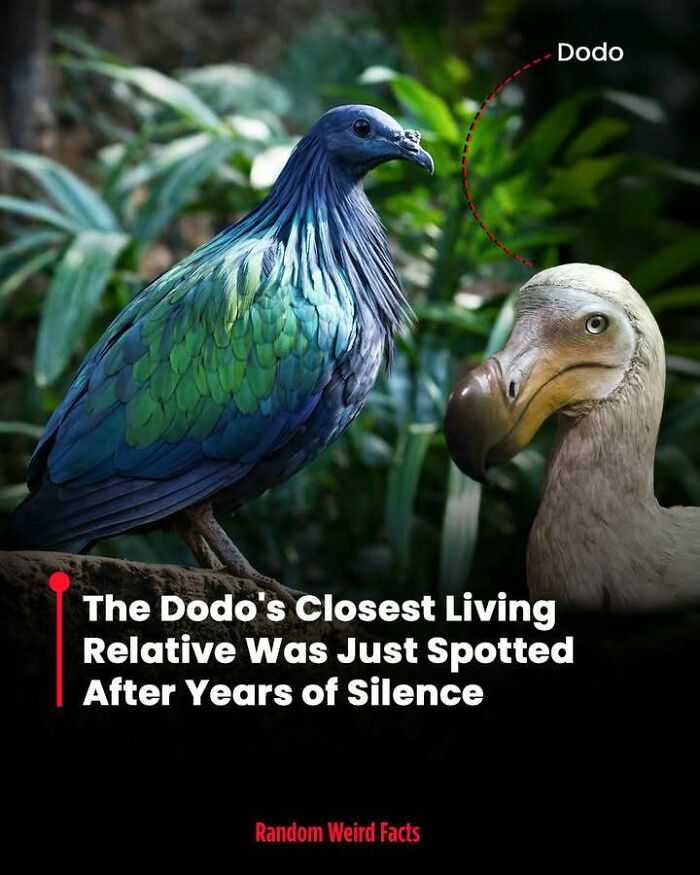
We thought it might already be gone.
On Christmas Day 2025, researchers spotted the critically endangered Manumea bird in a remote Samoan rainforest. It's the dodo's last living cousin.
A ghost from extinction just proved it's still alive.
Source: BirdLife International
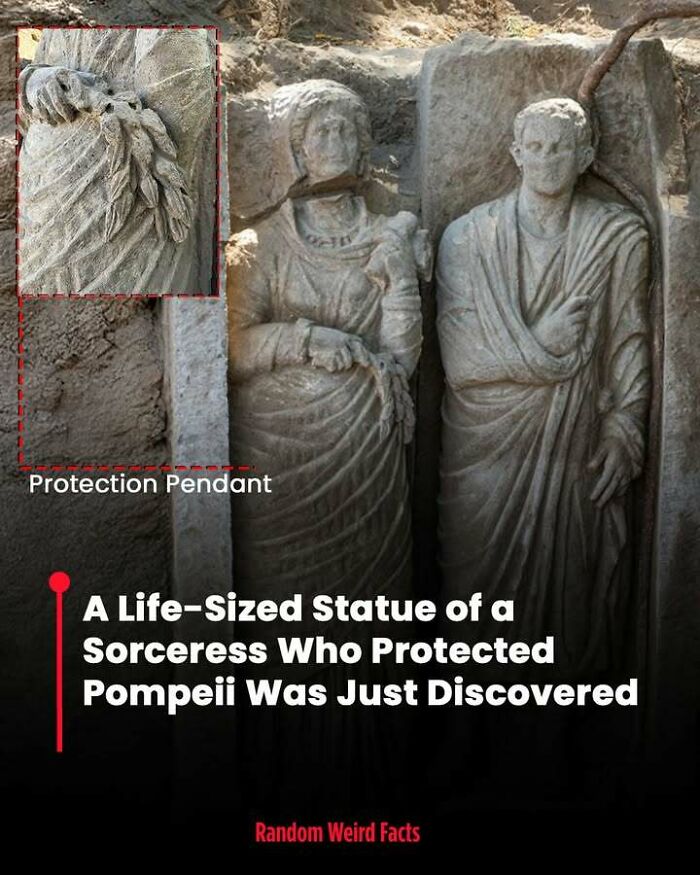
She was the city's spiritual shield.
A statue found in Pompeii on December 27 shows a woman wearing a crescent moon protection pendant. Historians believe she was a high-status sorceress who managed the city's defenses against evil spirits.
Buried for 2,000 years. Still guarding the ruins.
Source: Pompeii Archaeological Park
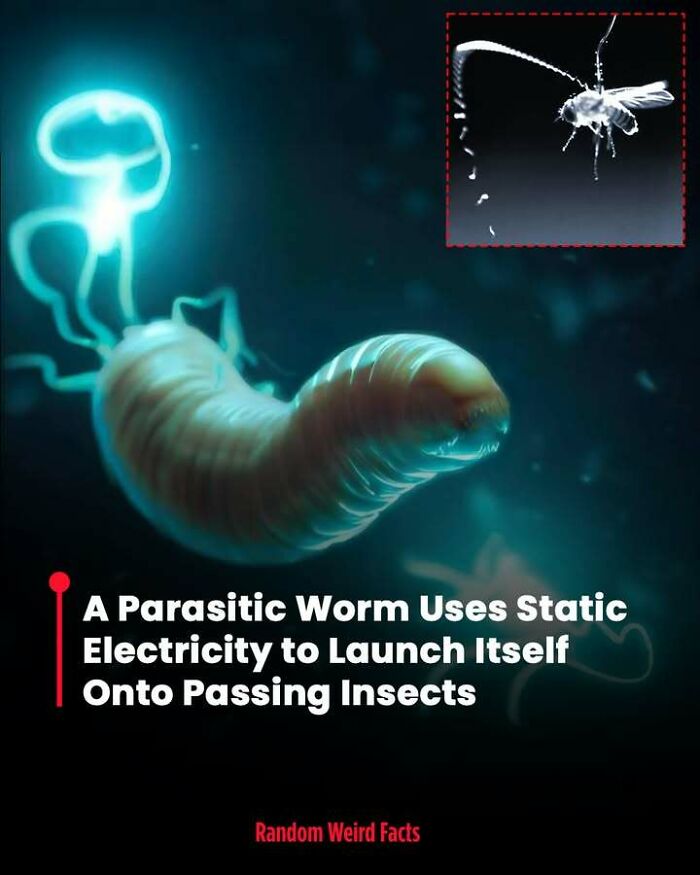
This worm doesn’t jump. It levitates.
Physicists discovered a parasitic worm that generates an electrical charge to launch itself through the air onto passing insects. It uses static like a force field.
A microscopic hitchhiker with its own biological tractor beam.
Source: Current Biology
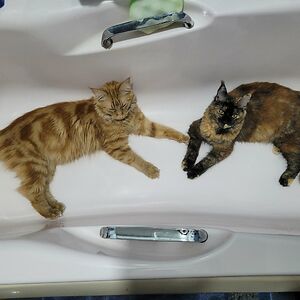
I wish I could have used static electricity to launch myself onto an escaping kitten this morning! He has shown no interest in "outside" before, but decided it was time to investigate. Luckily there was still some snow around and he didn't like cold paws!
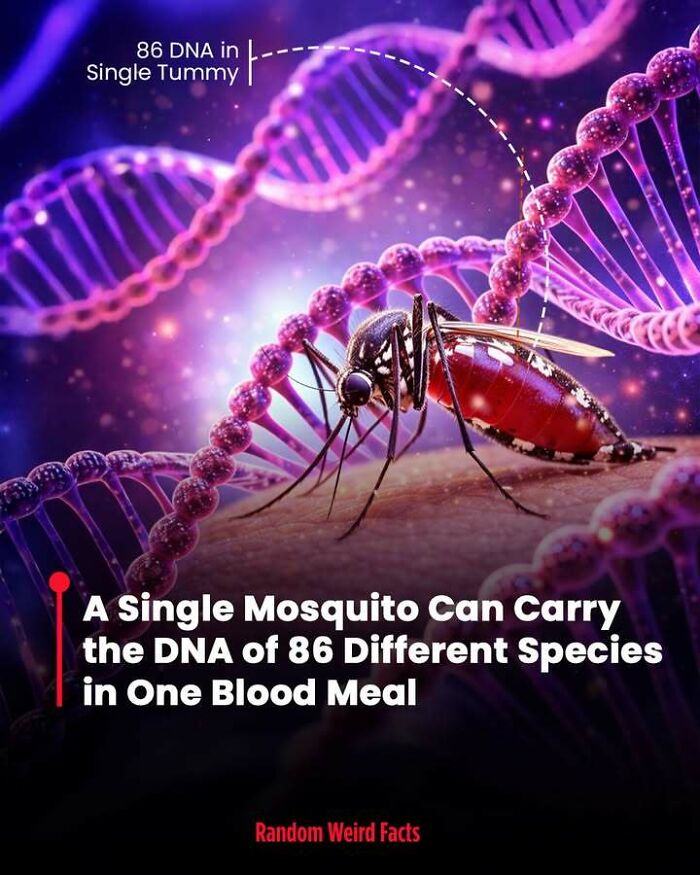
Mosquitoes are flying biodiversity scanners.
A 2025 study found one mosquito’s blood meal can contain DNA from up to 86 species. Scientists can now track entire ecosystems just by catching bugs.
Want to know what lives in a forest? Interview the mosquitoes.
Source: Molecular Ecology
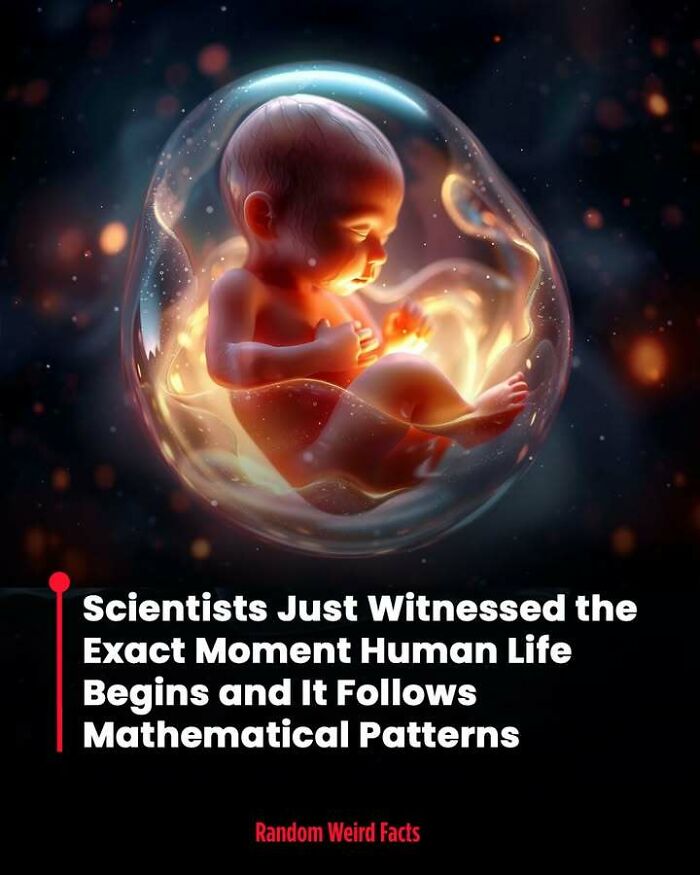
It's not random. It's precision.
MIT researchers captured the instant of fertilization. A biochemical wave erupts across the egg in structured, rhythmic patterns following the Golden Ratio and Fibonacci sequences.
The same math found in galaxies, hurricanes, and nautilus shells. Life doesn't stumble into existence. It ignites with code.
Source: MIT / Developmental Biology
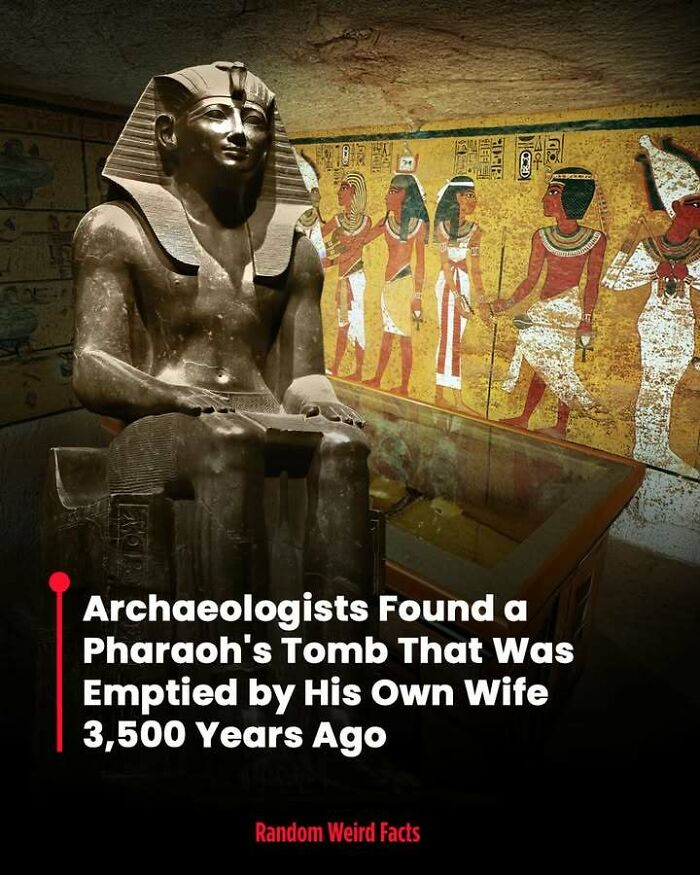
The tomb was nearly empty. But not because of looters.
Archaeologists in Luxor discovered the burial site of Pharaoh Thutmose II. His wife, Queen Hatshepsut, likely moved his body and treasures to a secret location to protect them from floods.
3,500 years later, we still don't know where she hid him.
Source: Egyptian Ministry of Antiquities
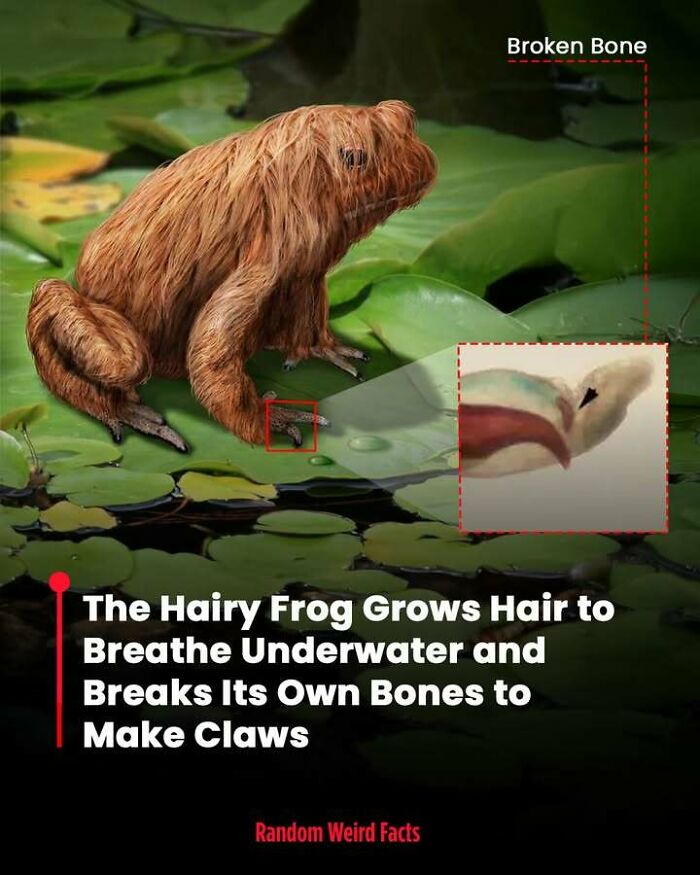
This frog turns its own skeleton into a weapon.
The Trichobatrachus robustus grows hair-like skin strands to absorb oxygen underwater. When attacked, it physically snaps its own toe bones and pushes them through the skin as retractable claws.
Evolution got violent with this one.
Source: Journal of Zoology
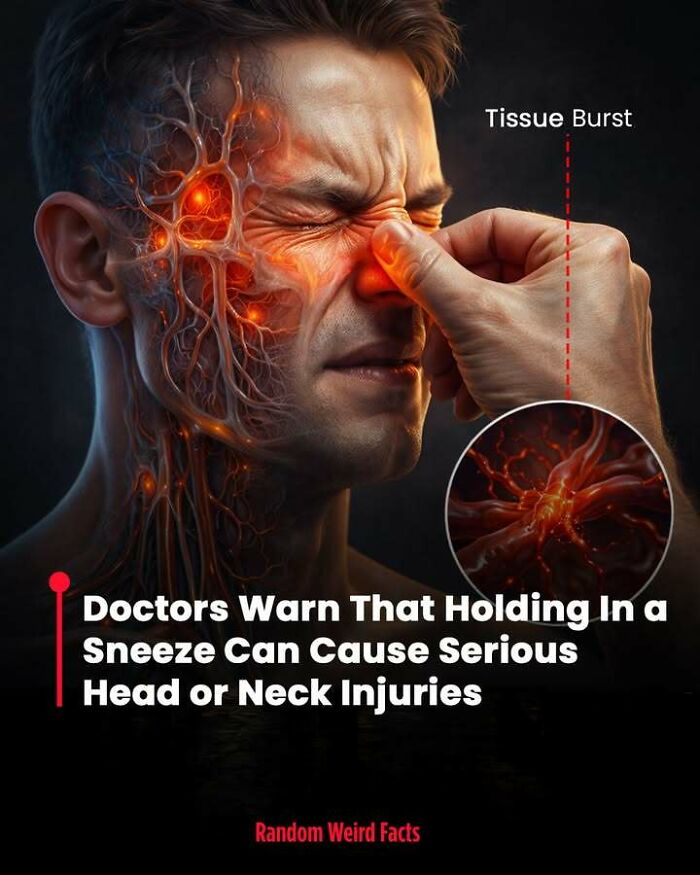
That sneeze you just held? It trapped explosive pressure inside your body.
Doctors say it can rupture an eardrum, tear throat tissue, or burst blood vessels in your eyes and neck.
Rare but real. Just let it out.
Shared for informational purposes only.
Source: Medical Safety Research
I've always held in sneezes, but lately I've been trying not to. It's more difficult than I expected
His empire fell. His bloodline didn't.
A DNA study found that roughly 0.5% of all men on Earth carry genetic markers tracing directly to Genghis Khan. That's about 16 million people.
800 years later, his legacy is still in our blood.
Source: American Journal of Human Genetics
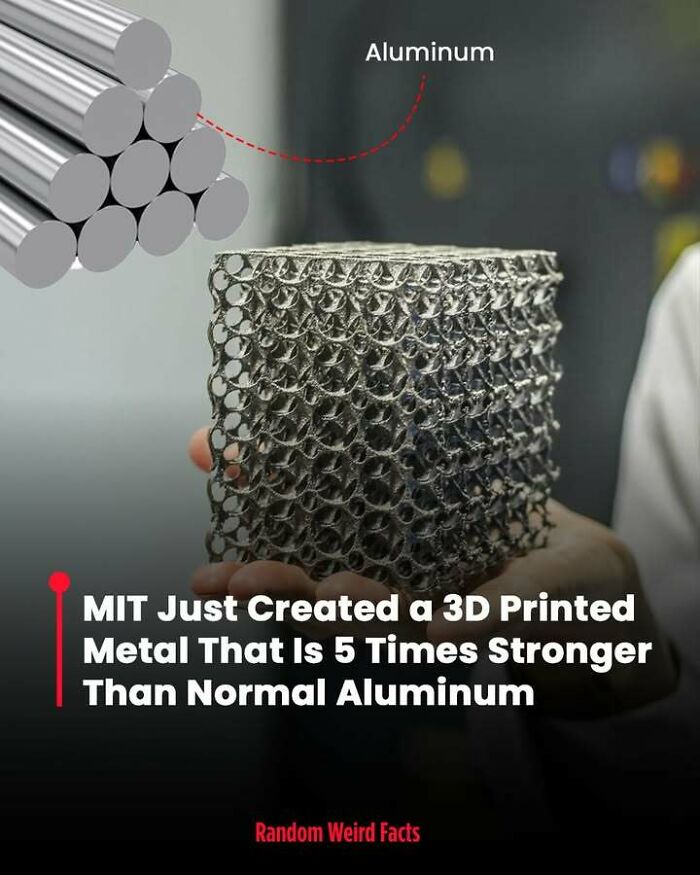
We can now print super-metal from scratch.
Using AI to find the perfect recipe, engineers created an aluminum alloy that rivals titanium but weighs far less. It handles extreme heat and doesn't crack.
This could replace heavy steel in rockets overnight.
Source: Massachusetts Institute of Technology
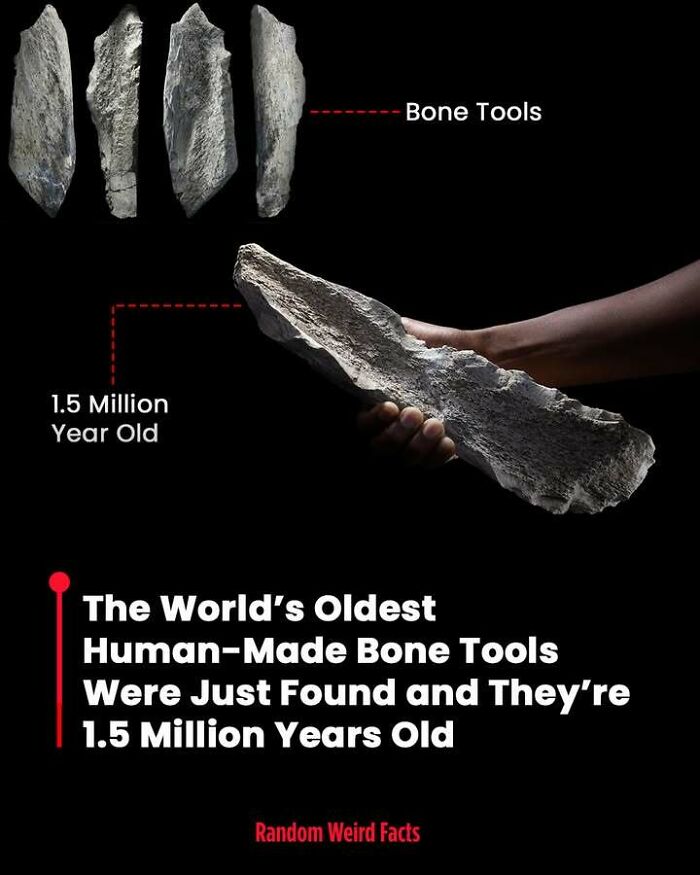
Our ancestors were master engineers far earlier than we thought.
2025 excavations in Tanzania uncovered bone tools dating back 1.5 million years. That’s nearly a million years older than previous evidence.
We didn’t stumble into intelligence. We’ve been building things for longer than we ever imagined.
Source: Journal of Human Evolution
When a mother sings, something changes in her baby's body.
Heart rate drops. Oxygen improves. Stress melts away. The nervous system shifts from alert to calm.
It's not just bonding. It's brain-building biology.
Source: Neonatal Development Research
I'm tempted to say something about Yoko Ono, but I think I'll refrain.
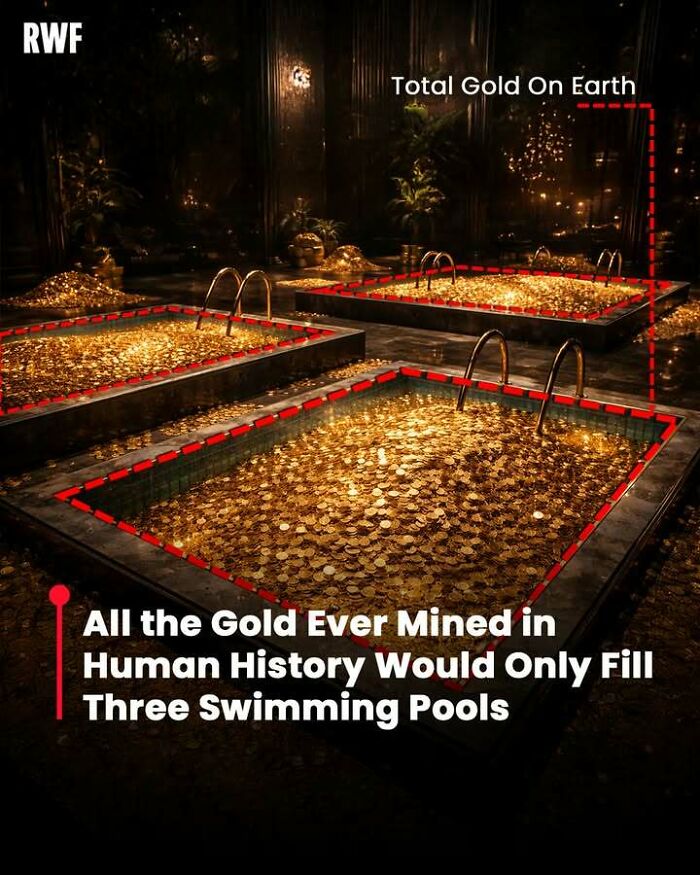
Gold feels rare. But you might not realize how rare.
All the gold ever extracted totals about 208,000 metric tons. Sounds like a lot until you account for density.
Melted down, it would fill roughly three Olympic swimming pools. That's it. Three pools for 5,000 years of mining, wars, and treasure hunts.
Every gold ring, every vault, every coin ever minted. Smaller than a hotel lobby.
Source: World Gold Council
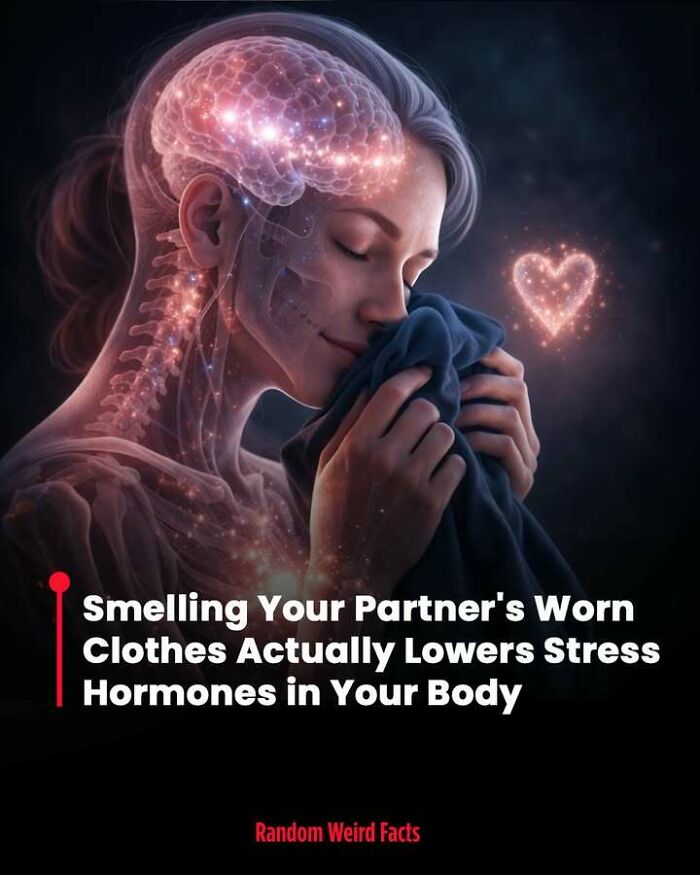
Their scent calms you. Even when they're not there.
Studies show smelling a partner's worn clothing reduces cortisol and promotes relaxation. The brain links their scent to bonding and safety, creating an emotional anchor.
The effect is strongest when you know the scent is theirs. Comfort you can literally breathe in.
Source: Journal of Personality and Social Psychology
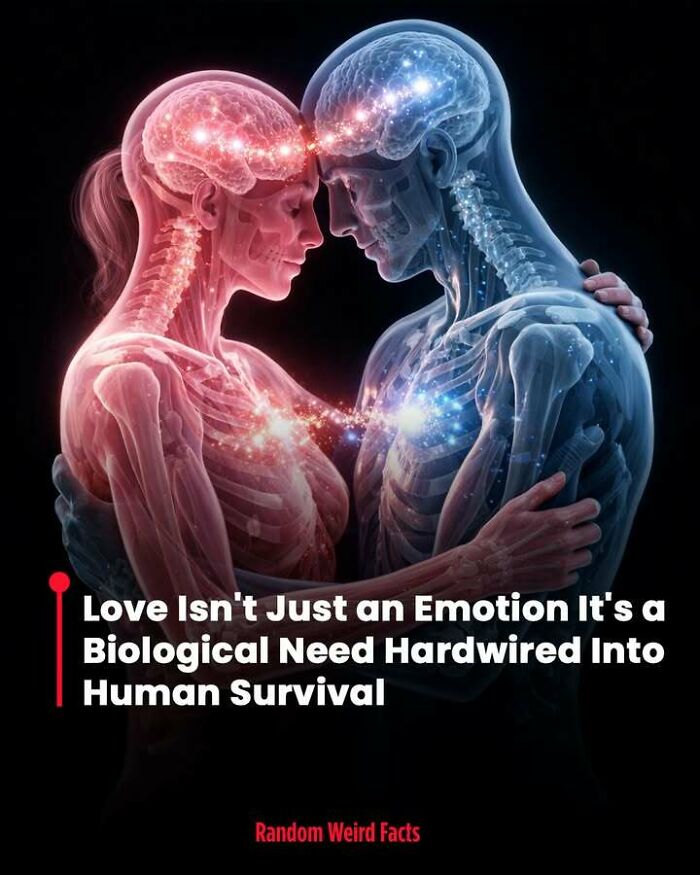
Your body treats love like food and water. Essential for survival.
Oxytocin and vasopressin shape bonding, trust, and loyalty. Dopamine and adrenaline lower stress, ease pain, and sharpen thinking. But when bonds break, cortisol floods the body. Doctors call it "Broken Heart Syndrome."
The loneliness crisis isn't just sad. It's making people sick.
Source: Journal of Neuroscience / American Heart Association
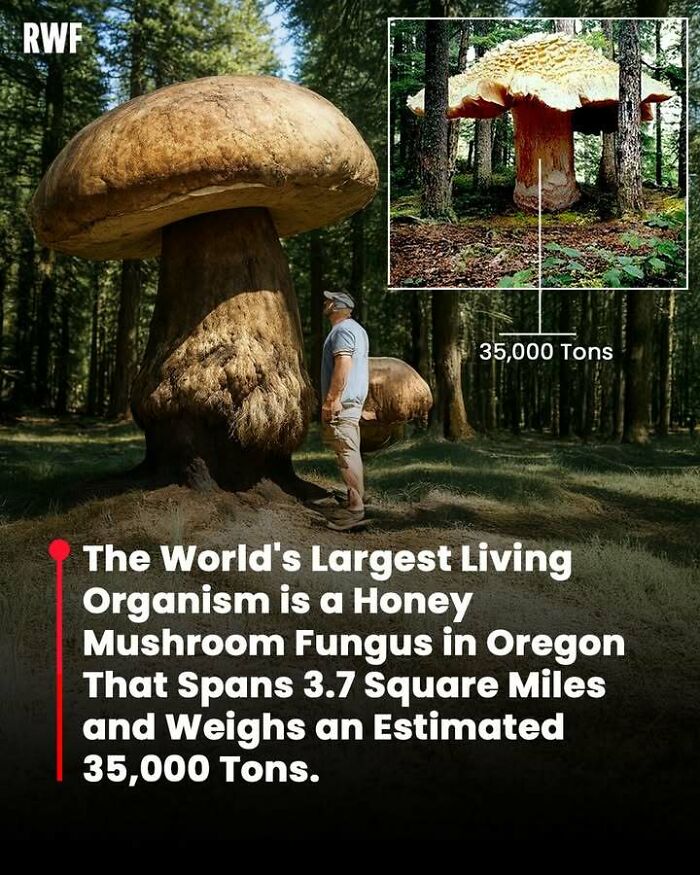
Known scientifically as Armillaria ostoyae, this massive fungus is largely underground, consisting of interconnected root-like filaments called mycelium. While you only see the small mushrooms above ground, the entire organism is genetically identical and covers an area larger than 1,600 football fields in the Malheur National Forest. Its age is estimated to be thousands of years old, making it one of the oldest and biggest life forms on Earth.

AAAAAAARGH! This crappy AI image is actually mis-informative, the honey mushroom fungus does not produce giant mushrooms, the underground mycelium filaments produce normal sized "fruiting" bodies. There are loads of images of this online - why use AI at all?
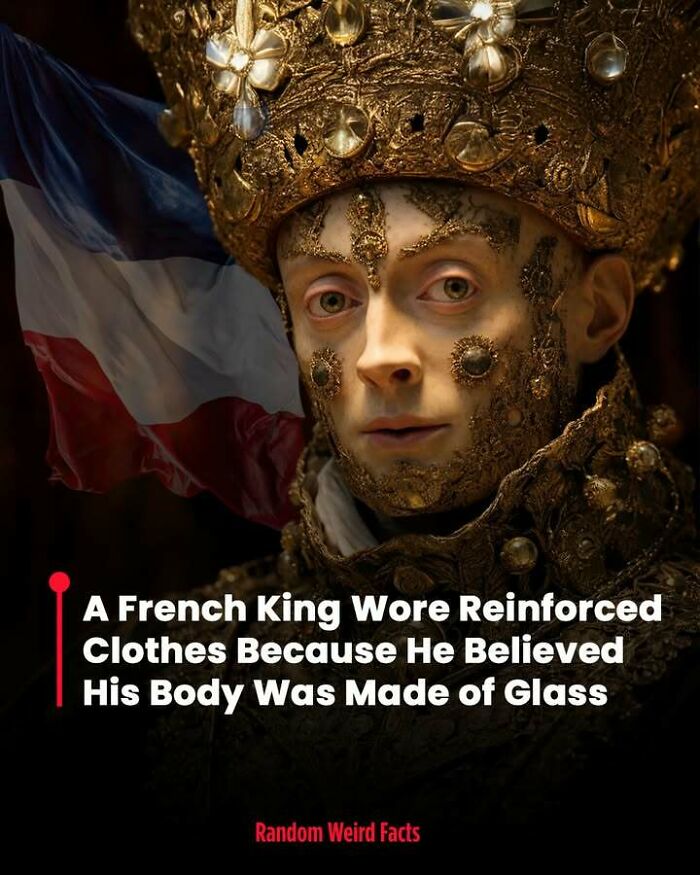
He was terrified of shattering.
King Charles VI of France suffered from "glass delusion," believing his body was fragile glass. He wore reinforced clothing and avoided physical contact.
A mental illness so specific it became legendary.
Source: Historical Psychiatry Archives
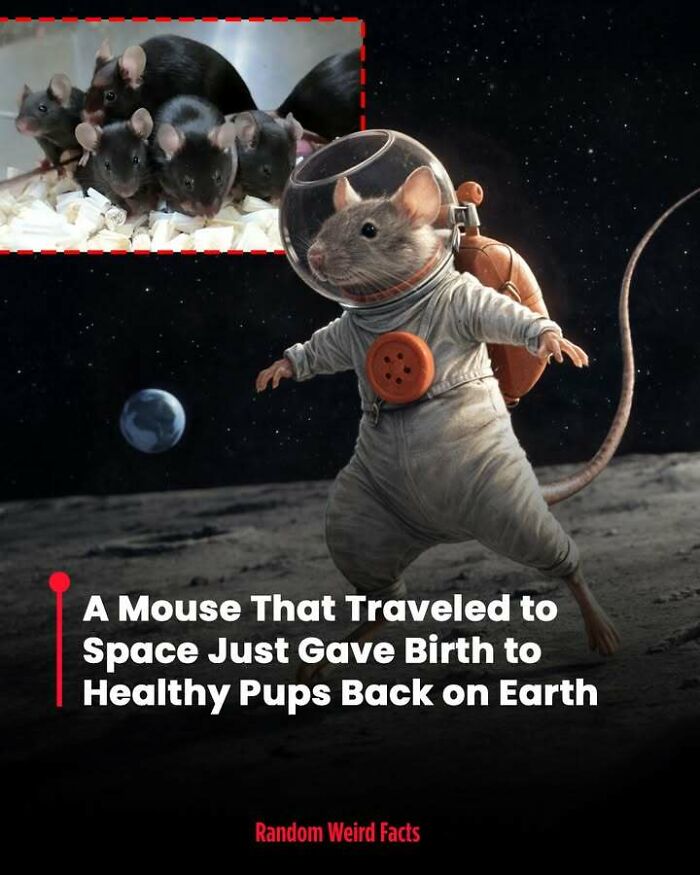
First time in history. A mammal reproduced after spaceflight.
A female mouse spent two weeks on a space station and returned to Earth. On December 31, 2025, she gave birth to healthy pups.
Short-term space travel doesn't destroy fertility. Humanity just got one step closer to the stars.
Source: NASA / Nature Communications
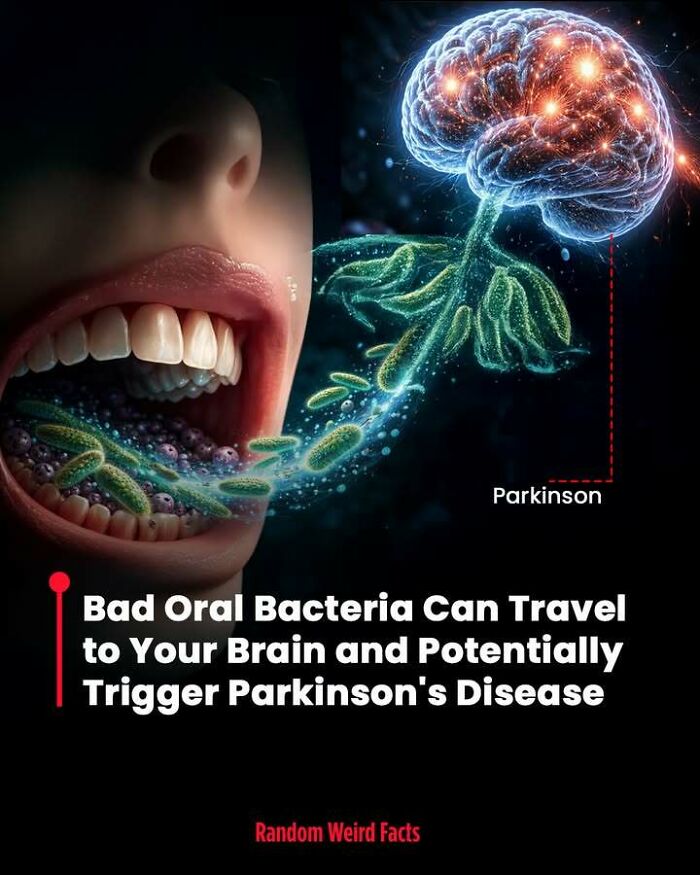
Your mouth bacteria might be destroying your brain.
Researchers found that Streptococcus mutans, a common tooth decay bacterium, can travel from your mouth to your gut to your brain. There it produces a metabolite that kills dopamine neurons.
Brushing your teeth might be protecting more than your smile.
Source: Nature Communications / POSTECH
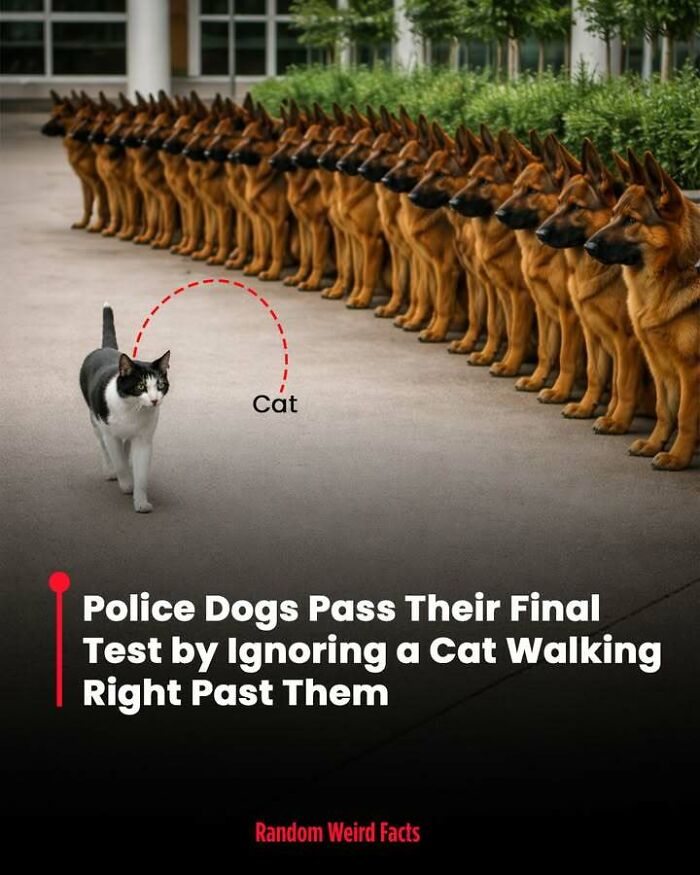
A cat strolls by. Every instinct screams chase.
But these dogs don't flinch. That's the final test. Total discipline. Complete focus. Instinct overridden by training.
This is what real service dog composure looks like.
Source: Police K9 Training
There is an actual widely used photo of this. Why did they have to use this AI generated monstrosity?
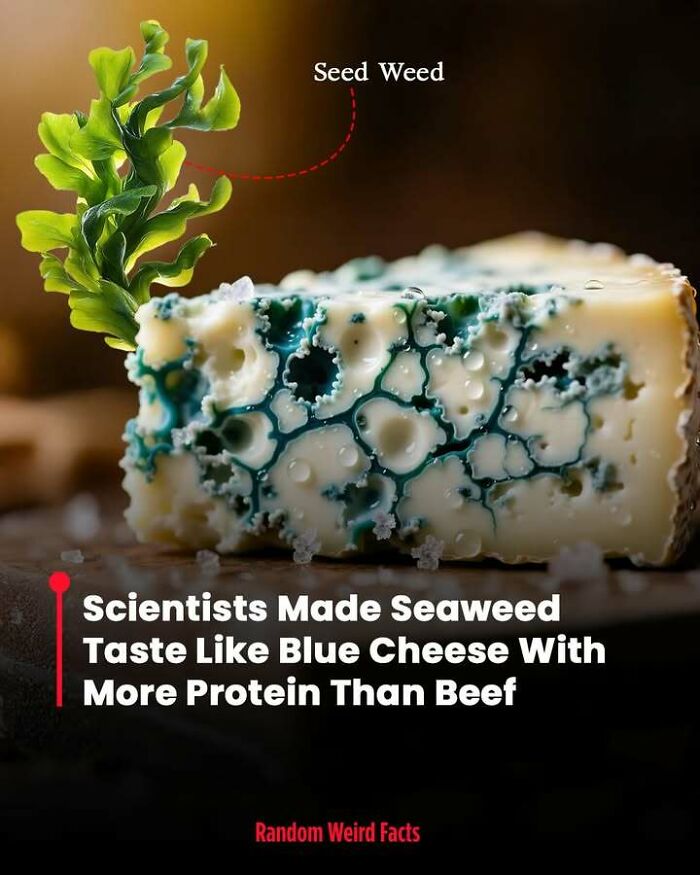
The future of dairy might come from the ocean.
Food scientists integrated Dulse, a protein-rich red seaweed, into dairy products. The result? A blue-cheese flavor that's more eco-friendly and packs more protein than beef.
Cheese without cows. And it actually tastes good.
Source: Journal of Food Science
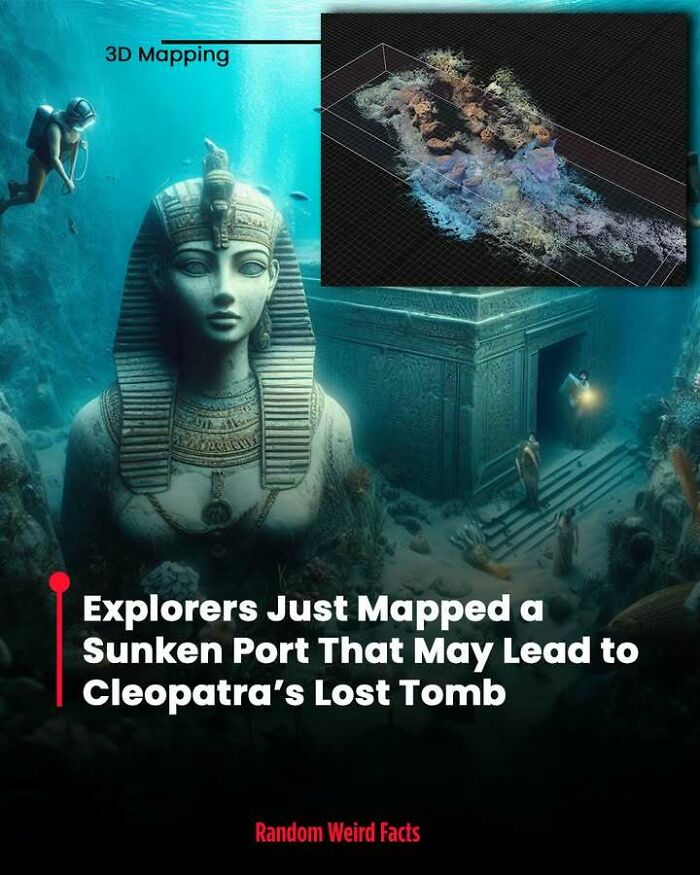
We’re closer than ever to finding her.
A 2025 expedition led by National Geographic and the discoverer of the Titanic mapped a submerged port near Taposiris Magna in Egypt.
Cleopatra’s tomb has never been found. This underwater city might finally change that.
Source: National Geographic
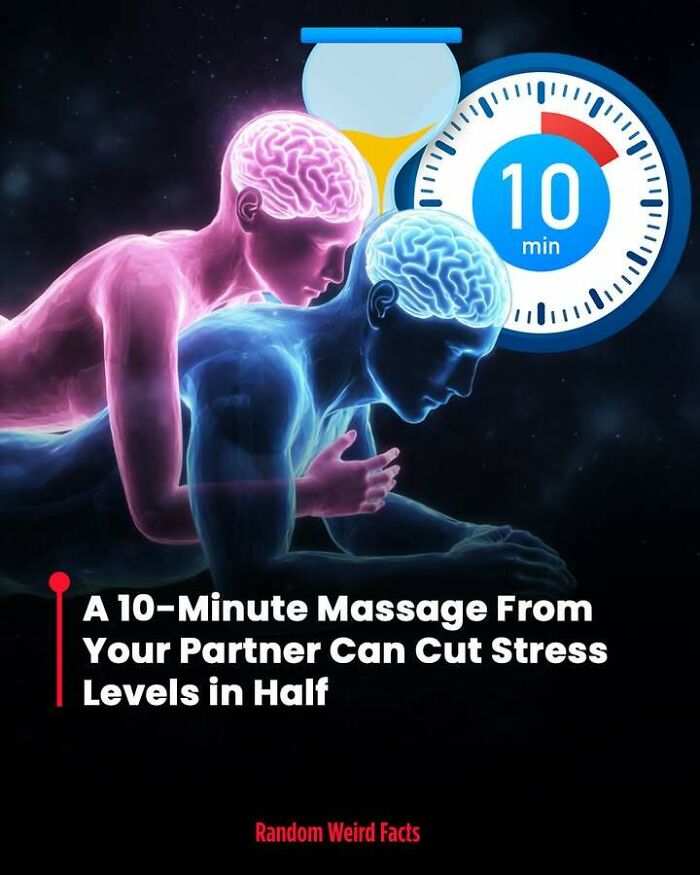
It sounds too simple. The science says it works.
Physical touch from a trusted partner drops cortisol and raises oxytocin. Heart rate slows. Blood pressure lowers. Anxious thoughts quiet down.
Professional massage helps muscles. Partner touch heals the nervous system. Connection is the medicine.
Source: Developmental Review
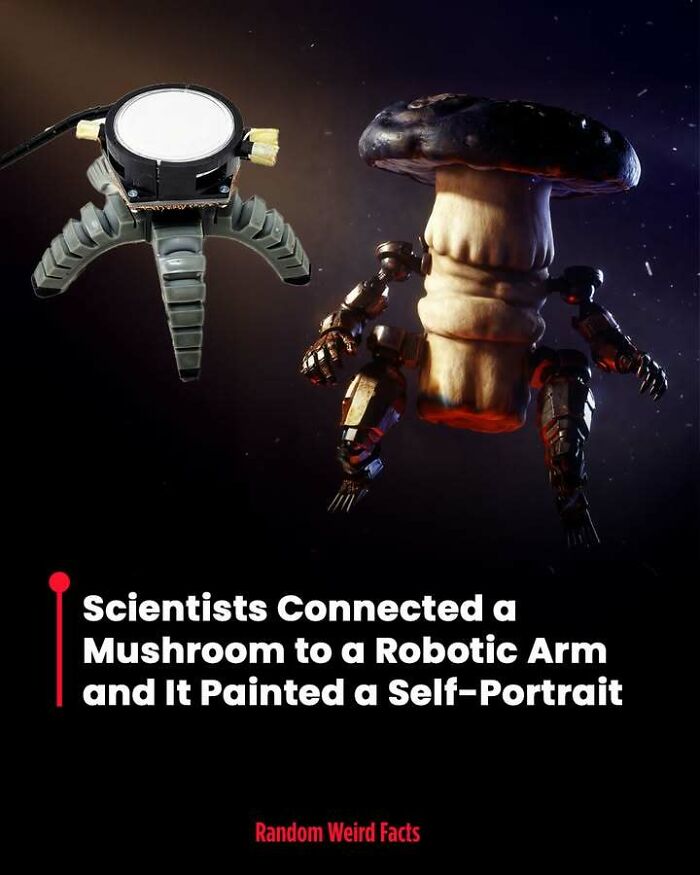
A fungus just made art.
In a bizarre December 2025 experiment, Oyster mushrooms were connected to a bionic arm. They used bio-electrical signals to control the brush and "paint" what researchers call a fungal self-portrait.
Mushrooms are communicating. We're just starting to listen.
Source: Frontiers in Fungal Biology
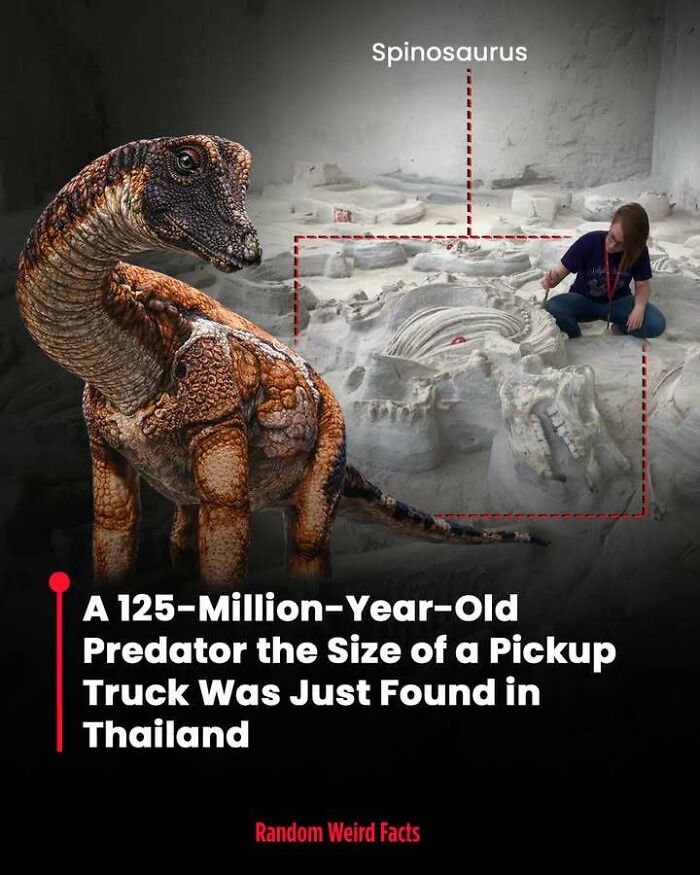
It hunted like a giant prehistoric heron.
A new Spinosaurus relative discovered on December 26 was longer than a heavy-duty pickup truck. It stalked shallow waters and speared prey with precision.
The dinosaur world just got a terrifying new hunter.
Source: Journal of Paleontology
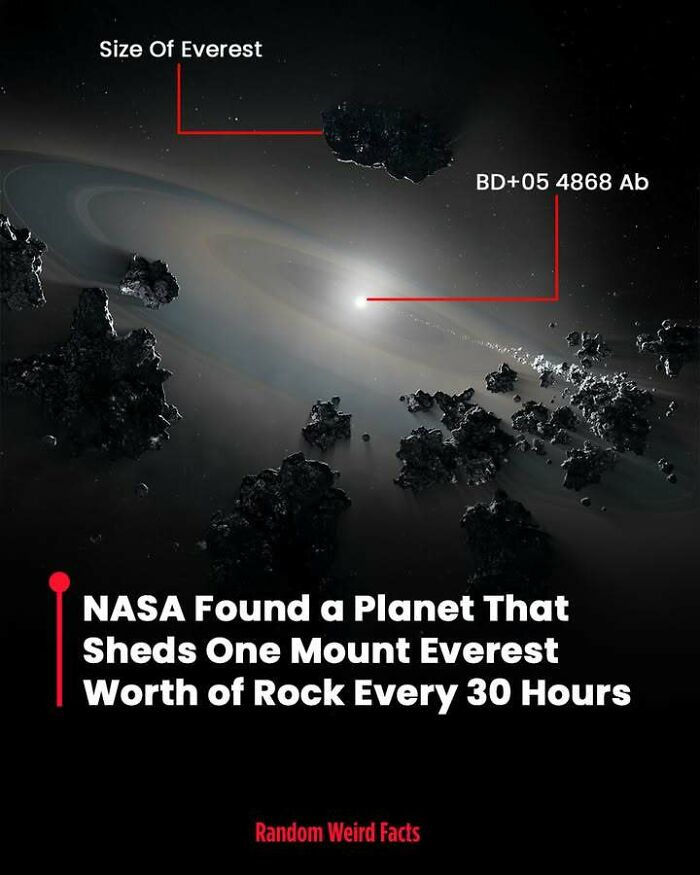
This planet is literally falling apart.
BD+05 4868 Ab orbits its star every 30 hours at 3,000°F. It’s disintegrating in real time, shedding a Mount Everest of rocky material each orbit.
A comet-tailed world slowly erasing itself from existence.
Source: NASA TESS / Astrophysical Journal
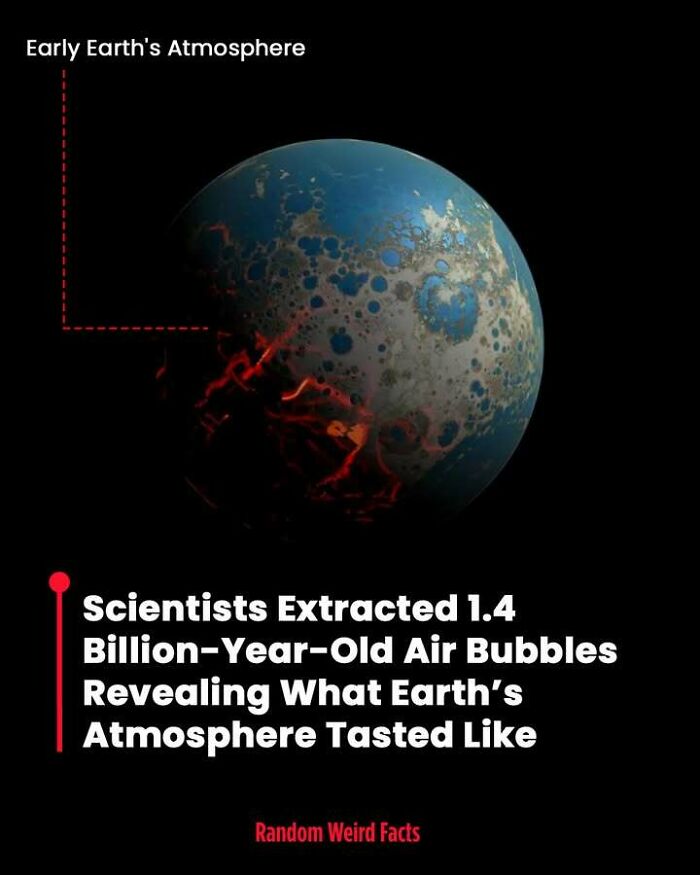
We just inhaled the planet’s ancient past.
Geologists extracted pressurized air from salt crystals 1.4 billion years old—the oldest direct sample of Earth’s atmosphere ever found.
Before complex life existed, this is what the air was like.
Source: Geology / PNAS
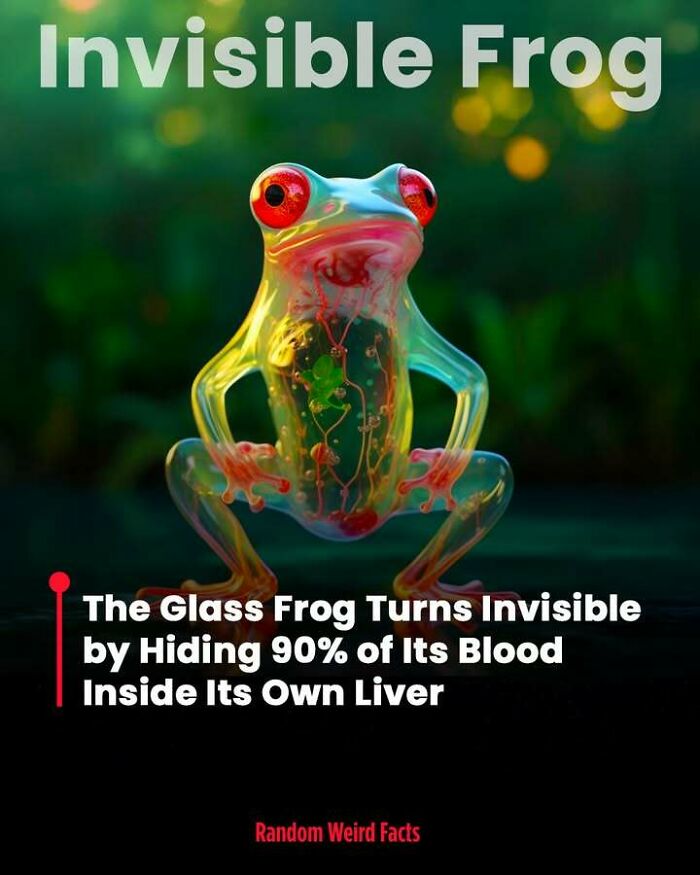
This frog turns off its own color to disappear.
Scientists discovered Northern Glass Frogs become nearly transparent while sleeping by packing 90% of their red blood cells into their liver.
When it wakes up, the blood returns. Invisibility on demand.
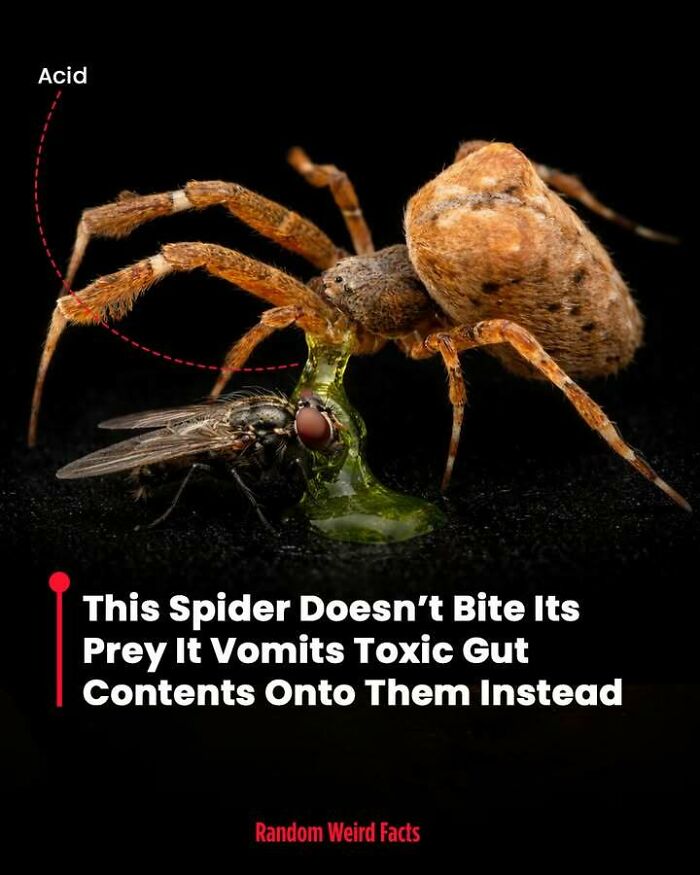
No fangs. Just lethal puke.
The Feather-legged Lace Weaver wraps prey in silk, then vomits its entire gut contents onto the victim. The toxins dissolve the prey from outside in.
Brutal efficiency.
Source: Journal of Arachnology
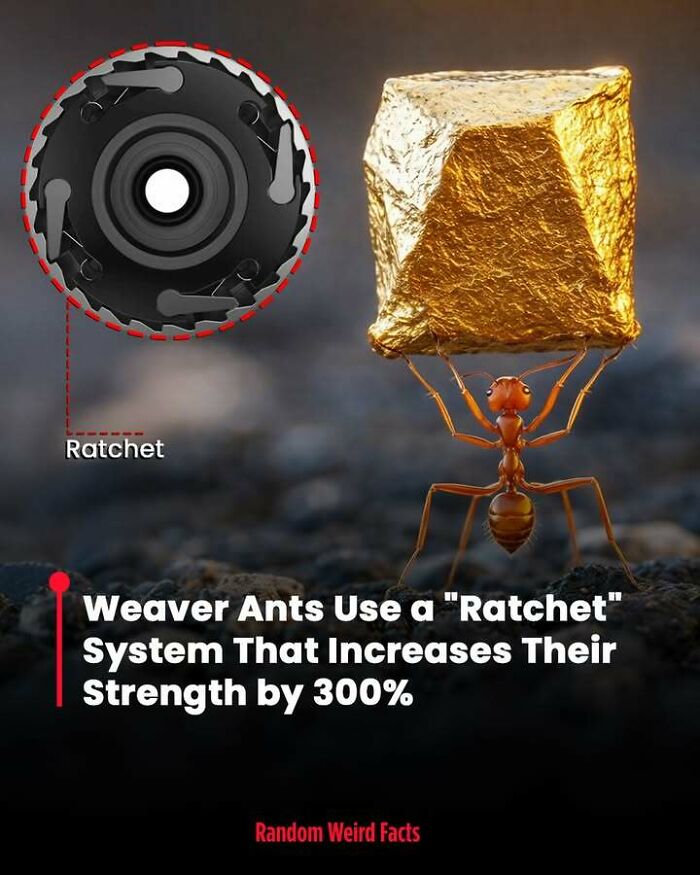
Teamwork makes them physically stronger.
Research shows weaver ants build nests using a ratchet system. Some pull leaves together while others act as living anchors to hold tension.
Working together increases each ant's individual strength by 300%. Cooperation is literally power.
Ah, the rare Gold-Gathering Atlas Ant! Infamous hoarders of precious metals!
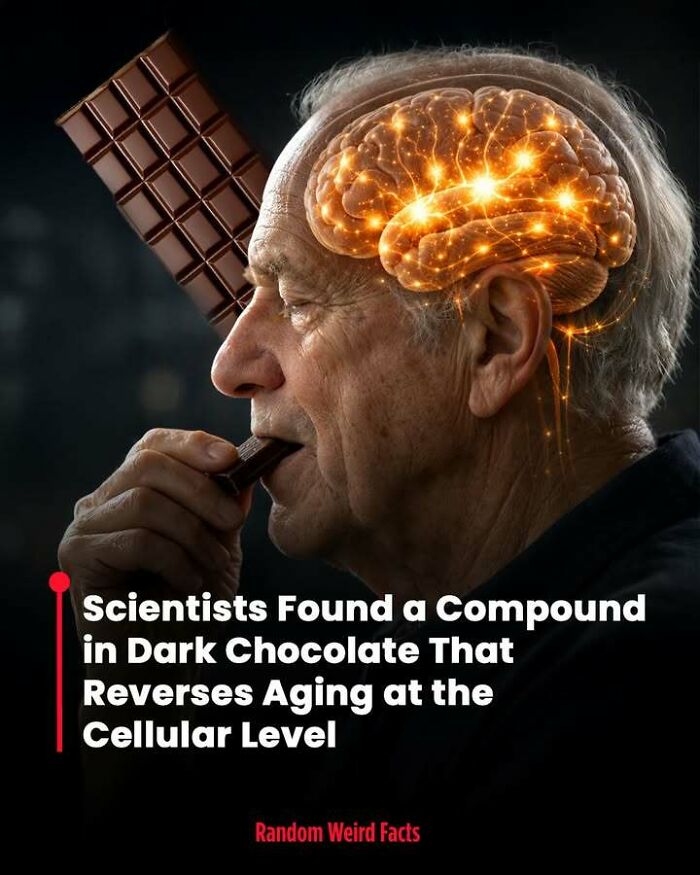
Your chocolate habit might be keeping you young.
Researchers discovered that theobromine, a compound in cocoa, is directly linked to slower biological aging. Regular dark chocolate eaters appear years younger at a cellular level.
Not all guilty pleasures are bad for you. This one fights time.
Source: Journal of Nutrition

These moths don't need GPS. They use the galaxy.
Research confirms Bogong moths navigate over 1,000 kilometers using the Milky Way and specific star patterns. They're the first insects ever proven to have celestial navigation.
A tiny moth looking up at the stars and knowing exactly where to go.
Source: Current Biology
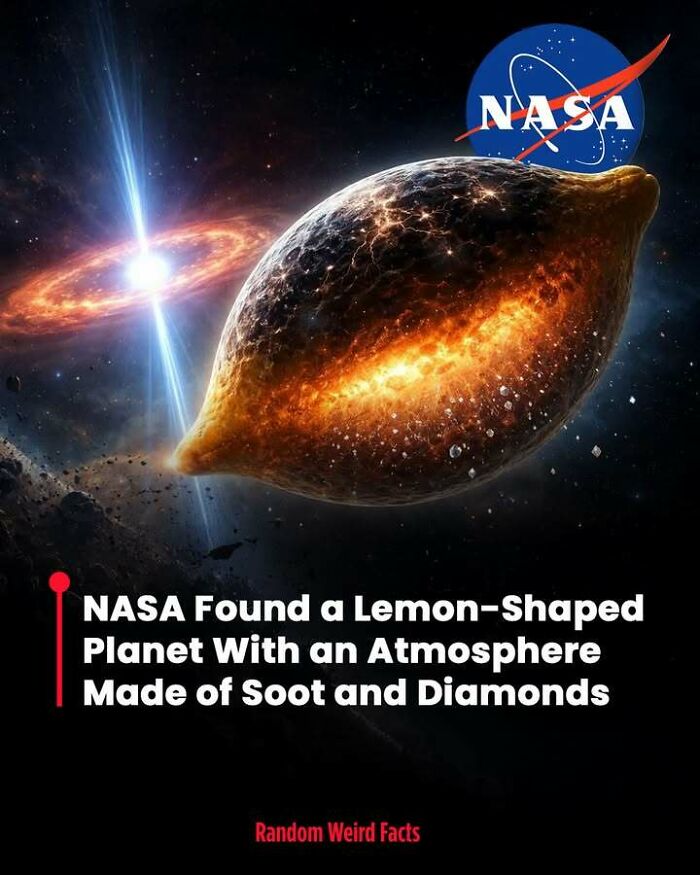
Gravity stretched this planet into a lemon.
The James Webb Telescope just imaged PSR J2322-2650b. It orbits so close to its star that it's been warped. Its atmosphere is pure soot. Its core likely rains diamonds.
The universe builds things we couldn't imagine.
Source: NASA / James Webb Space Telescope
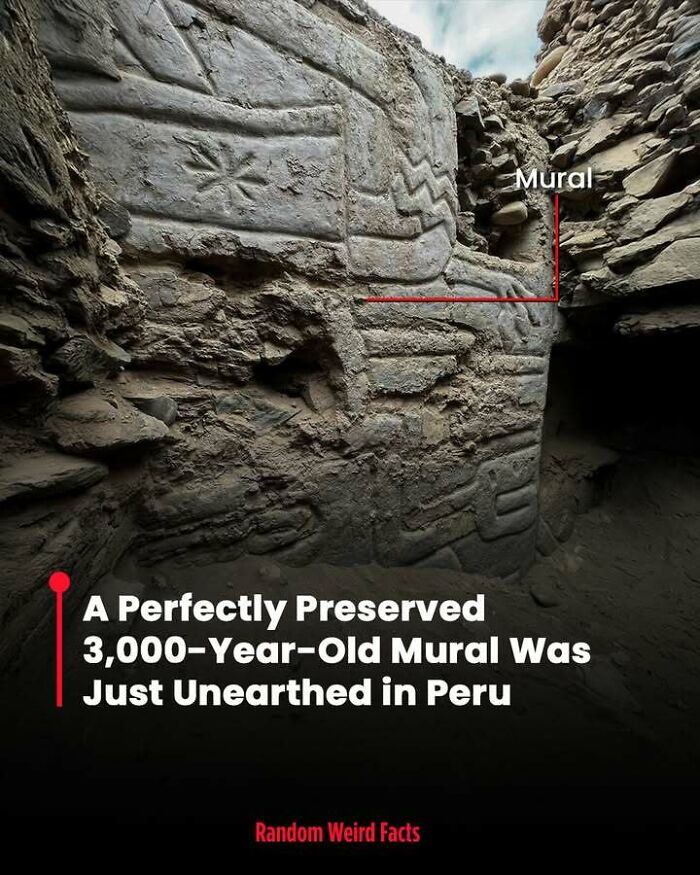
Three thousand years underground. Still vibrant.
Archaeologists at Huaca Yolanda uncovered a massive polychrome mural depicting rituals of a “hybrid” civilization that existed before the Inca Empire.
A lost culture’s story, painted on a wall and waiting to be found.
Source: Archaeology Magazine
I wonder what's hidden under the sea, before sea level rise. Like Dogger bank, or any other place! 🤯
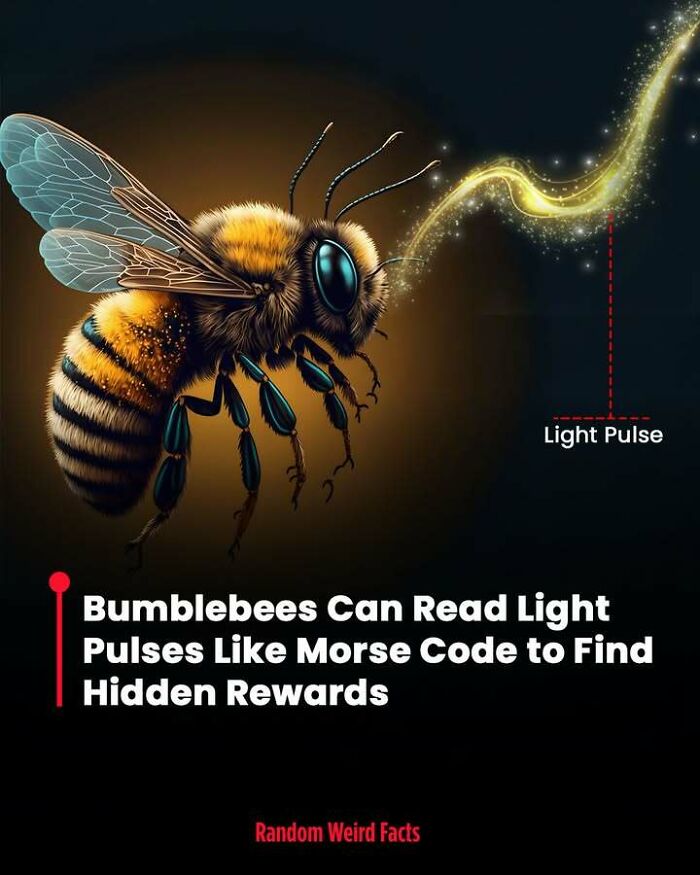
Bees just passed a code-breaking test.
A 2025 study found bumblebees can recognize and follow simple patterns of light pulses to locate hidden sugar rewards. They decoded the sequence like Morse code.
A tiny insect brain solving pattern recognition puzzles we thought required higher intelligence.
Source: Current Biology
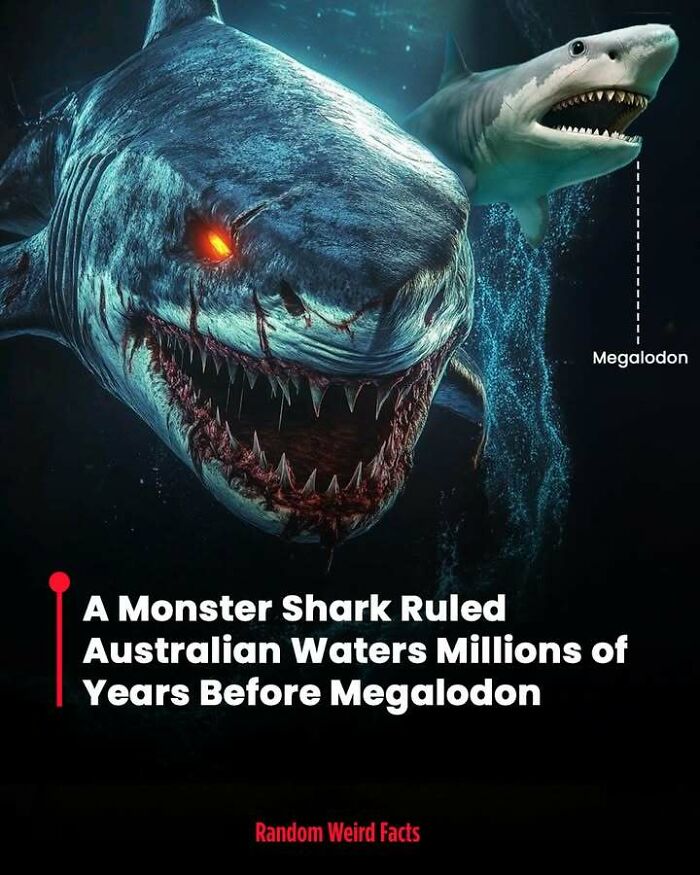
Megalodon wasn't the first giant.
Scientists dated ancient shark vertebrae to 15 million years earlier than expected. This predator dominated before the famous mega-shark even existed.
The ocean's history just got rewritten.
Source: Paleontology Research
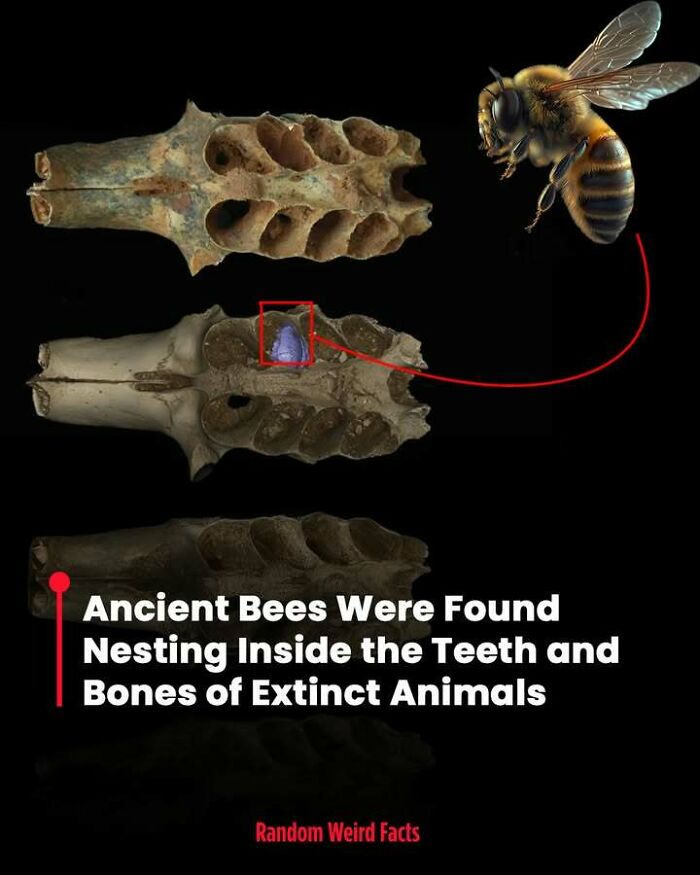
When there's no soil, you improvise.
A 2025 study revealed that ancient Caribbean bees built their nests inside the empty tooth sockets of extinct sloths and hutias. They lined the cavities with wax and raised their young inside bones.
Ten thousand years ago, bees were turning skulls into nurseries.
Source: Journal of Paleontology
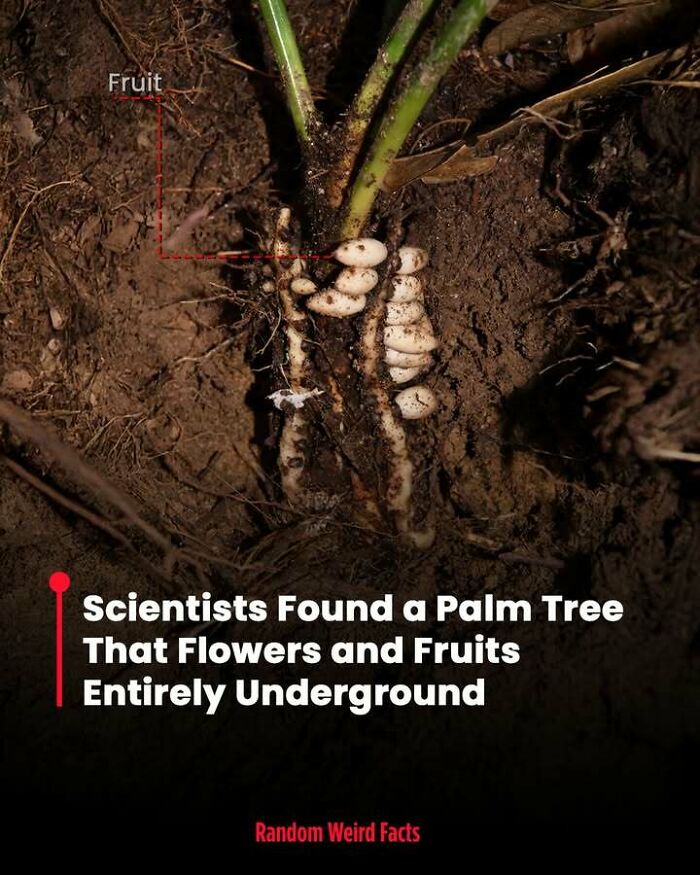
This plant doesn't need sunlight to reproduce.
Pinanga subterranea was discovered in Borneo producing flowers and fruit buried deep in soil. Somehow it still gets pollinated underground.
Locals knew about the "sweet treat" for years before science caught up.
Source: Royal Botanic Gardens, Kew
Com on BP, time to fix this 'hiding your links' thing you've got going on! 🧙♂️
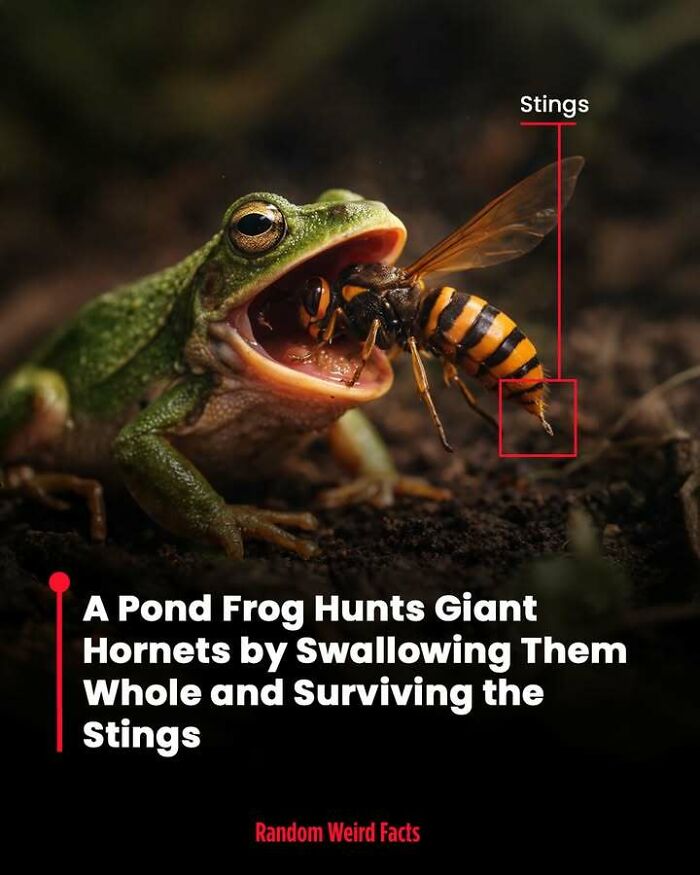
This frog eats hornets from the inside out.
Scientists found a pond frog completely immune to giant hornet venom. It swallows them whole and survives repeated stings inside its stomach.
The hornet fights back. The frog doesn’t care.
Source: Journal of Herpetology
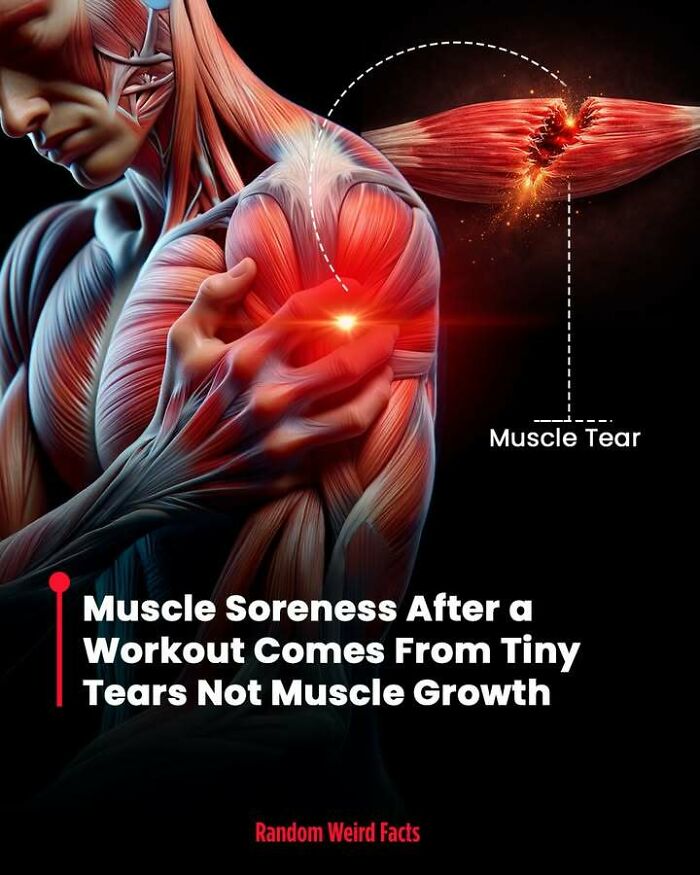
Soreness doesn't mean progress. It means damage.
Those aches come from micro-tears and inflammation, not gains. Muscles grow during recovery, not during pain.
You can build strength with zero soreness. Consistency beats suffering.
Shared for informational purposes only.
Source: Exercise Physiology Research
That's how you build muscle, you tear your muscle then it heals and rebuilds larger and stronger, this is not new information so, yes pain equals gain if you have proper nutrition and rest while you're training.
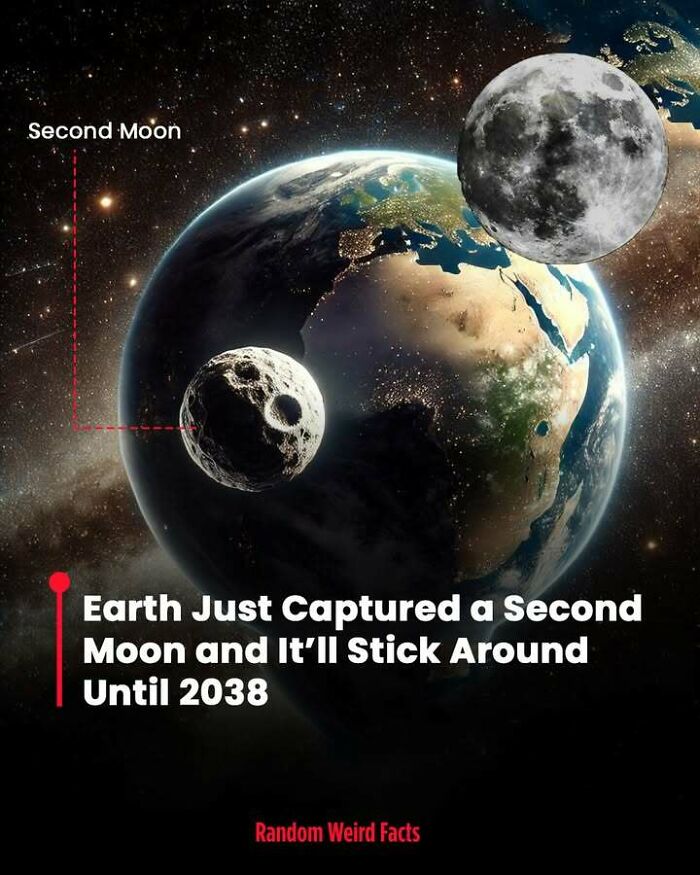
We have a new moon. Temporarily.
Astronomers confirmed that asteroid 2025 PN7 has been captured by Earth’s gravity. It’s now orbiting us as a “mini-moon.”
It’ll stay until 2038, then drift back into deep space. A cosmic visitor just passing through.
Source: NASA / Minor Planet Center
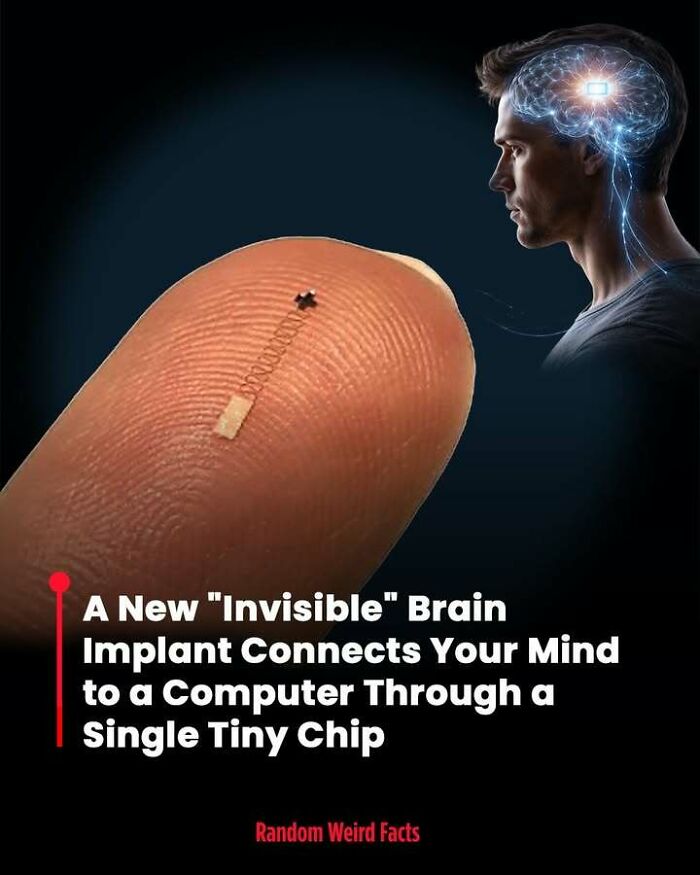
It's thinner than a human hair. And it reads your thoughts.
The BISC implant, unveiled in December 2025, uses AI to decode brain signals into movement. No bulky wires. No visible hardware. Just a microscopic chip translating intention into action.
Mind-controlled technology just became invisible.
Source: Nature Biotechnology
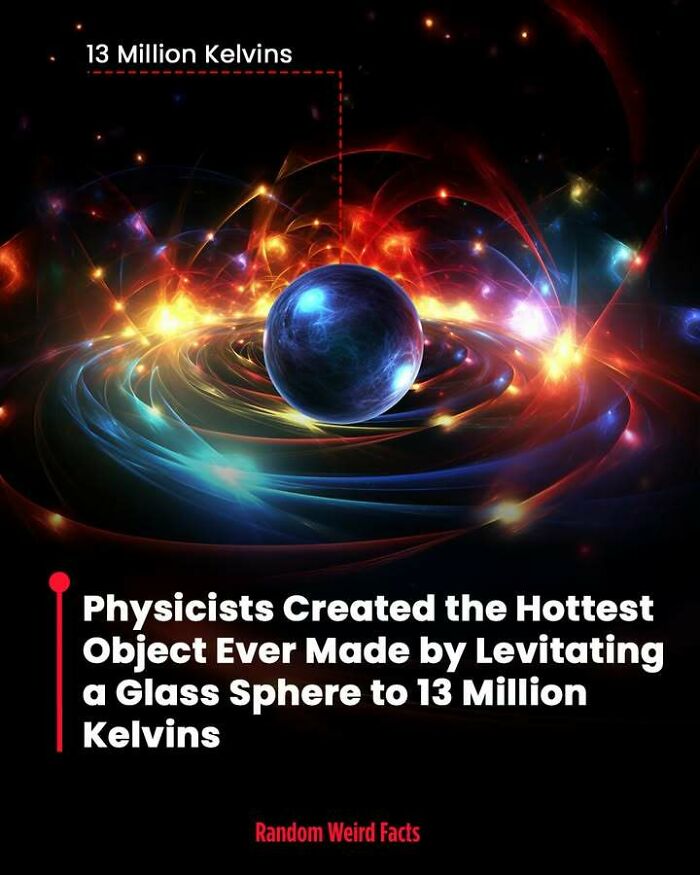
Hotter than the surface of the sun. In a lab.
Scientists successfully levitated a glass sphere that reached an effective temperature of 13 million Kelvins. The hottest human-made object in history.
We just out-heated a star.
Source: Physical Review Letters
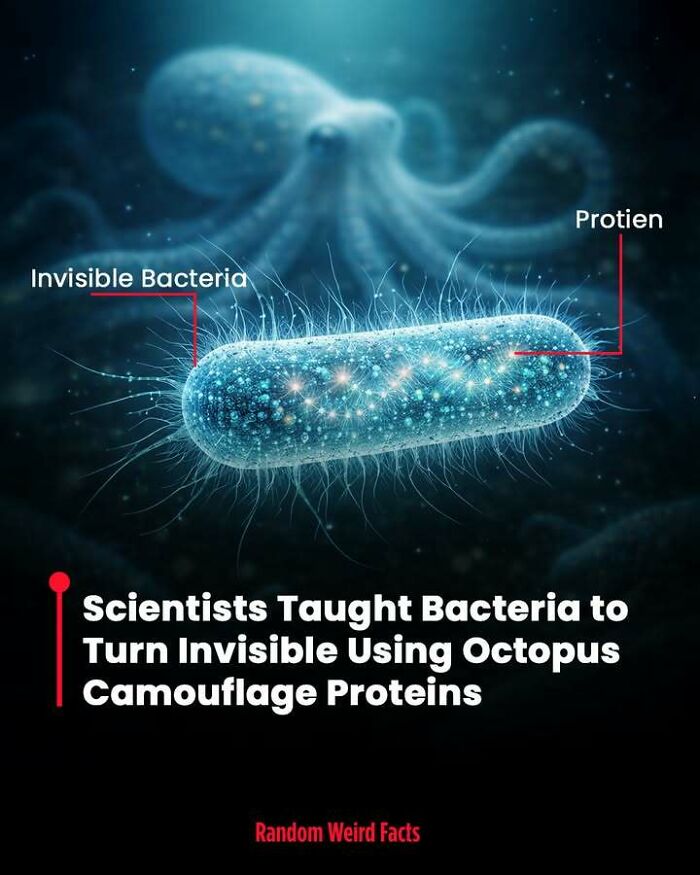
Octopuses vanish using light-reflecting proteins. Now bacteria can too.
In a lab breakthrough, scientists transferred octopus camouflage proteins into bacteria, creating living material that can turn invisible.
We just gave microbes a superpower stolen from the ocean.
Source: Nature Communications
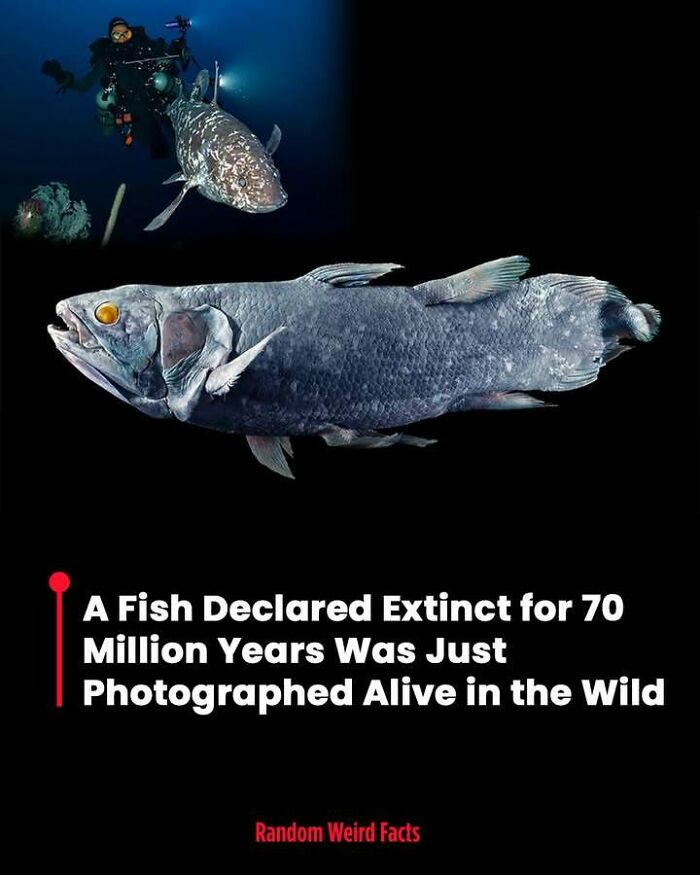
The coelacanth wasn’t supposed to exist anymore.
In 2025, marine biologists in Indonesia photographed the “living fossil” swimming in the Maluku Archipelago. First wild image ever captured.
70 million years after it supposedly vanished, it’s still down there. Alive.
Source: Marine Biology International
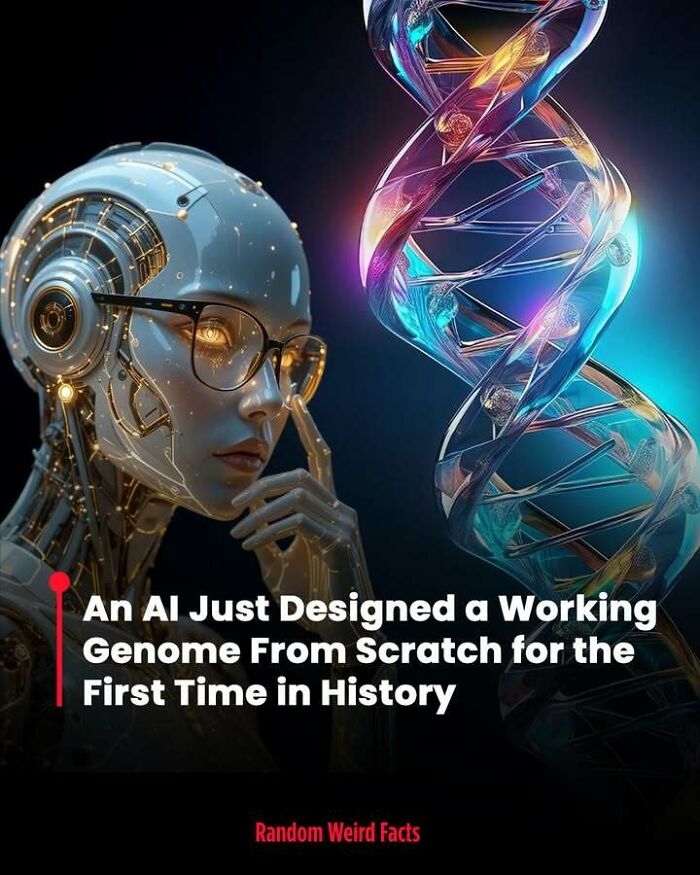
A machine just wrote life from nothing.
In late December, an AI successfully designed a complete working genome for a bacteria-destroying virus. No human template. No copying nature. Pure artificial creation.
We just crossed a line we can't uncross.
Source: Nature Biotechnology
Dr. Frankenstein - "And all this time, I've been doin' it the HARD way!"

You really don't understand how this site works or why it exists do you. These are all scraped from a Facebook group.
Load More Replies... And BP now seems to be deleting comments with links or images, rather than just hiding them.
Load More Replies... You really don't understand how this site works or why it exists do you. These are all scraped from a Facebook group.
Load More Replies... And BP now seems to be deleting comments with links or images, rather than just hiding them.
Load More Replies...








 No fees, cancel anytime