Get Premium
Dark mode theme is available exclusively for premium users. Learn more about the benefits of subscribing.
No fees, cancel anytime.

 Dark Mode Ad-Free Browsing Unlimited Content
 Ad-Free Browsing Unlimited Content Dark Mode
Join 1.2 million Panda readers who get the best art, memes, and fun stories every week!
Behind every invention is a creative mind, a great idea, and a ton of dedication. From alarm clocks to zippers, inventors throughout history have shaped the world with their creations. Some have changed the way we communicate, others the way we see the world, and many have made daily life just a little easier. Here’s a look at 35 clever creations we still rely on today, and the brilliant minds behind them. Prepare to be surprised at how far back some of these everyday inventions go, with some stretching hundreds of years into the past, proving genius ideas never go out of style.
This post may include affiliate links.
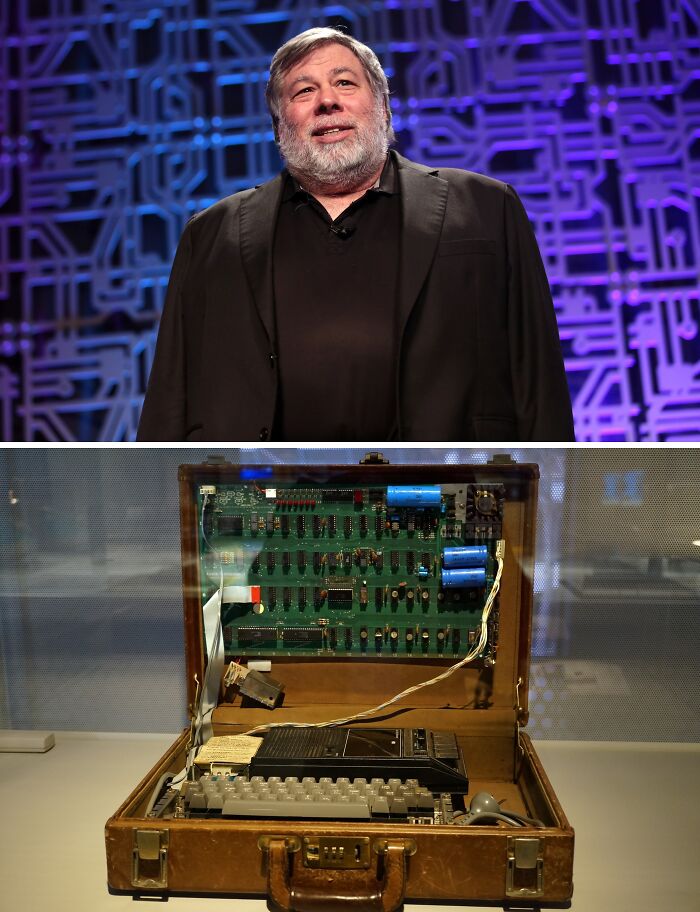
In 1976, Steve Wozniak invented the Apple I, officially kicking off the home computing era. Just a year later, Wozniak designed the Apple II, the first personal computer with color graphics and built-in BASIC programming language. By 1978, the Apple II had become one of the first successful commercially produced computers in the world.
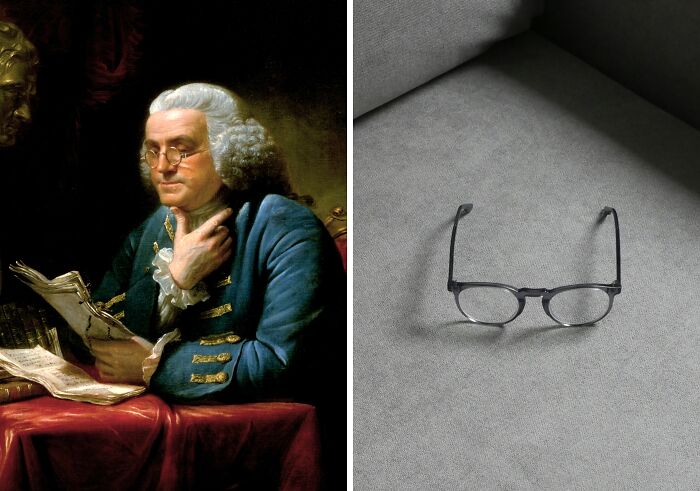
Benjamin Franklin grew so tired of having to switch between two pairs of glasses to address his near and farsightedness that in 1784, he invented the first “double spectacles.” Now known as bifocals, the glasses allowed him and anyone else with the same problem to see both near and far objects using a single pair of glasses.
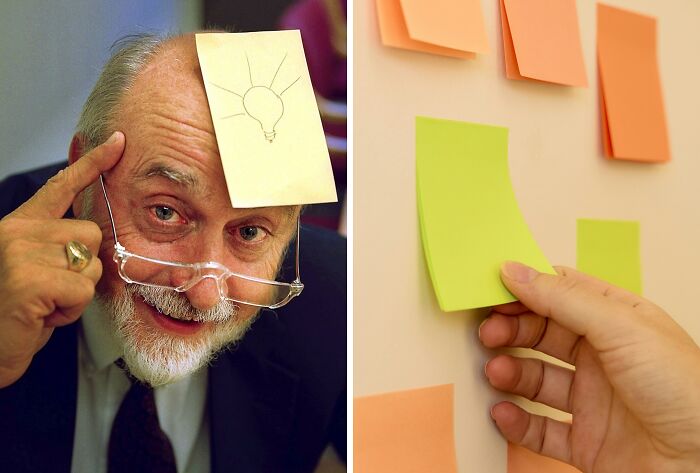
While working as a product developer for 3M, Arthur Fry grew frustrated with trying to find bookmarks that could stick to book pages without tearing them. After running an experiment with an adhesive created by Spenser Silver, also from 3M, Fry managed to come up with what we now know as the Post-it note.
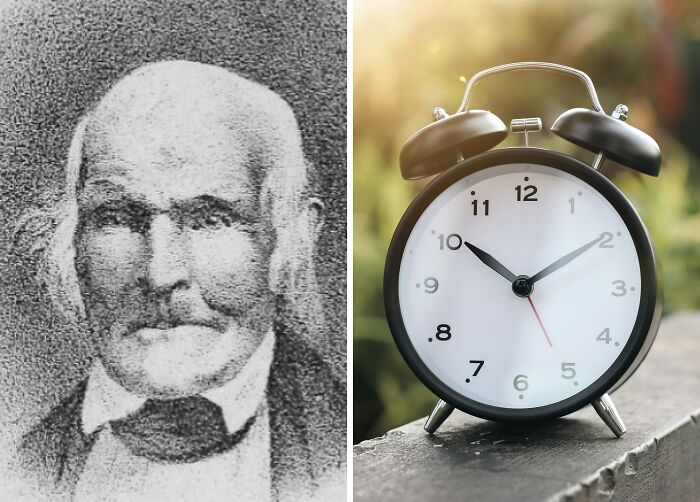
In 1787, Levi Hutchins, an American clockmaker, created the first mechanical alarm clock. He kitted one of his wooden clocks with a gear that tripped a bell every morning at 4 a.m. Because Hutchins didn’t patent his invention, fifty years later, French inventor Antoine Redier patented his own version of the clock, which could be adjusted to go off at other times besides just at 4 a.m.
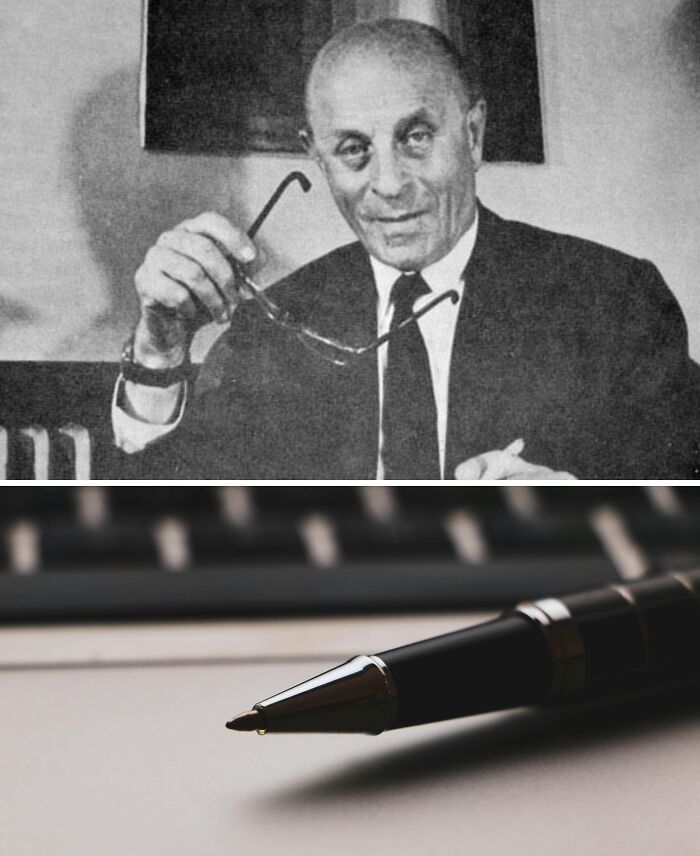
Although the first ballpoint pen was invented by John J. Loud in 1888, László József Bíró patented the first commercially successful one about five decades later. In 1930, he used a combination of newspaper printing ink and a ball-shaped metal nib to create the initial design. By 1938, he had patented a new ballpoint pen that had a tip with a ball rotating in a socket.
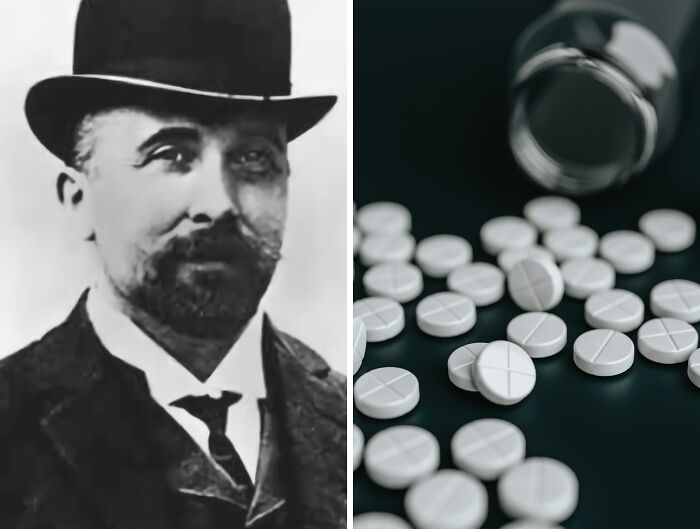
In a twist of irony, German chemist Felix Hoffmann created both aspirin, one of the best drugs, and heroin, one of the worst in the world. During his time at the Bayer Corporation, Hoffmann carried out several experiments using complex chemical compounds known to reduce pain and fever. It was this experimentation that led to his discovery of aspirin.
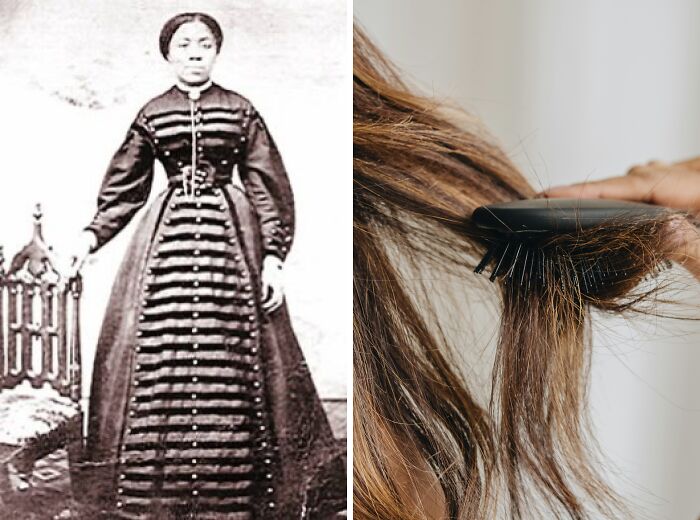
When she wasn’t fighting for women’s rights during the suffrage movement, Lyda Newman was designing the first hairbrush with synthetic bristles, suitable for various hair types. After completing this inclusive version of the hairbrush in the 1890s, she became the third black woman ever to receive a patent. Today, Newman’s design lives on as the hairbrush we’ve all grown accustomed to.
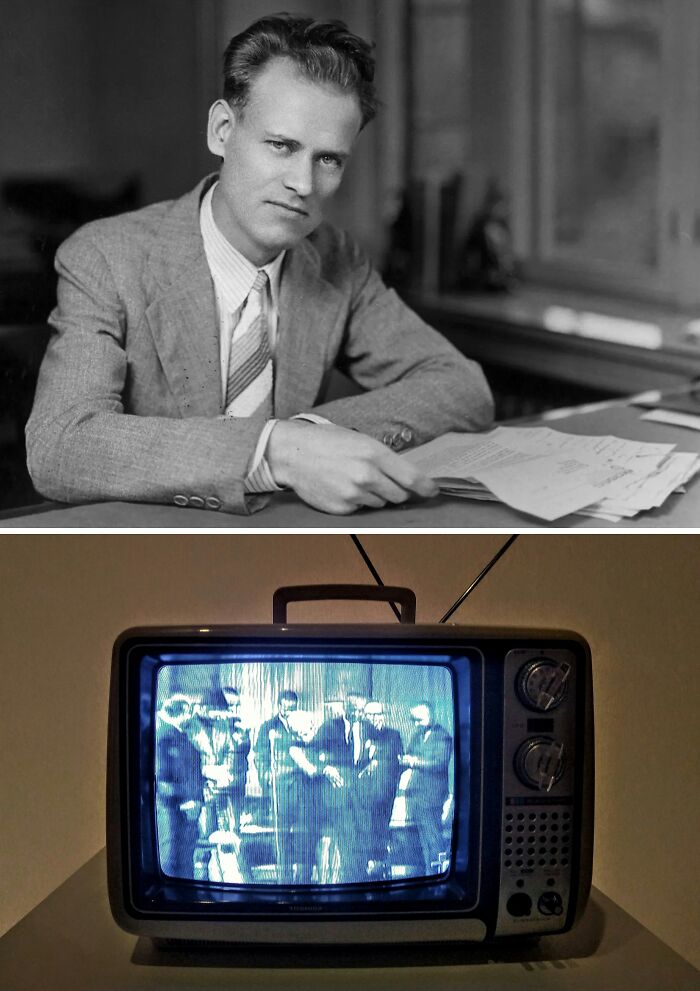
Although Philo T. Farnsworth wasn’t the first to think of the concept of a television, it was his invention of the first electronic TV in 1927 that revolutionized the industry. While the mechanical television designed in 1926 used discs to create images, Farnsworth’s version used tubes, producing much clearer images.
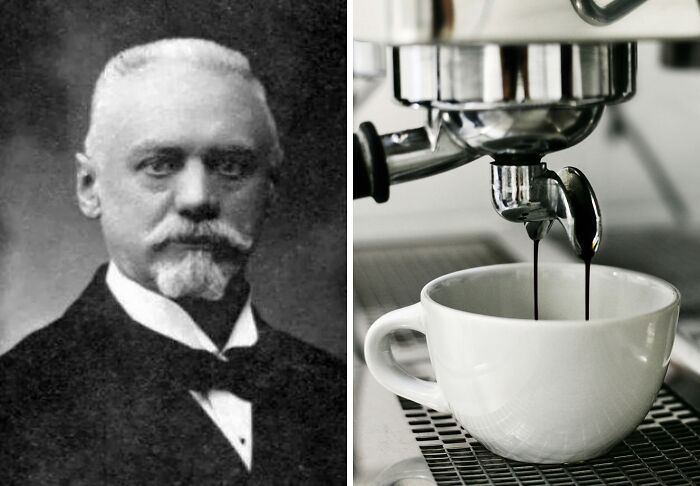
The first espresso machine was invented by Angelo Moriondo in 1884. Unlike modern-day machines that brew individual cups of coffee, this one was a bulk brewer. Despite successfully patenting his invention, Moriondo decided not to commercialize it, choosing to build only a few machines for use in his own establishments.
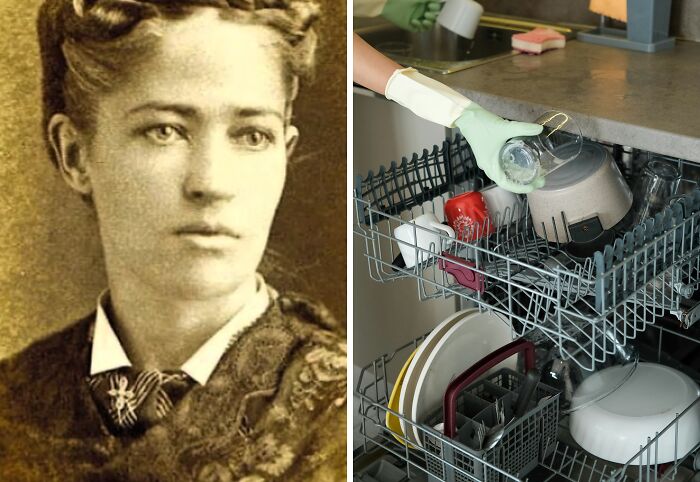
With the assistance of mechanic George Butters, Josephine Garis Cochran invented the first successful hand-powered dishwasher in 1886. By 1893, nine of her washers were installed in hotels and restaurants, eventually leading to great interest from other commercial customers. In 2006, over ninety years after her passing, Cochran was inducted into the Inventors Hall of Fame for her invention of the dishwasher.
During the Han Dynasty in 105 CE, eunuch Cai Lun invented paper. Using inexpensive raw materials such as bark and leaves, he made a pulp that could be dried on bamboo racks, ultimately becoming paper in that era. Cai Lun’s invention quickly gained popularity, facilitating the spread of literacy throughout Asia and the rest of the world.
John Landis Mason was the inventor of the mason jar, one of the most iconic household products in history. Mason invented the sealable glass containers in 1858 as a way to perfect the art of food preservation, which at the time was quite rudimentary. Sadly, because his patent expired in 1879, from then on, other manufacturers were free to use his designs without compensation.
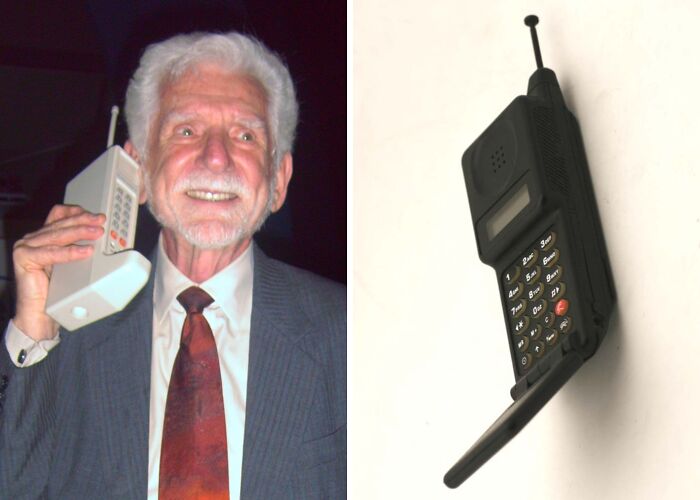
Widely regarded as the “father of cellular phones”, American engineer Martin Cooper built the first mobile phone. Cooper was also the first person ever to make a phone call using one in New York City in 1973. From his prototype, weighing a whopping 2.5 pounds, the Motorola DynaTAC 8000x was born and made available to purchase at the staggering price of $3,995 in 1983.
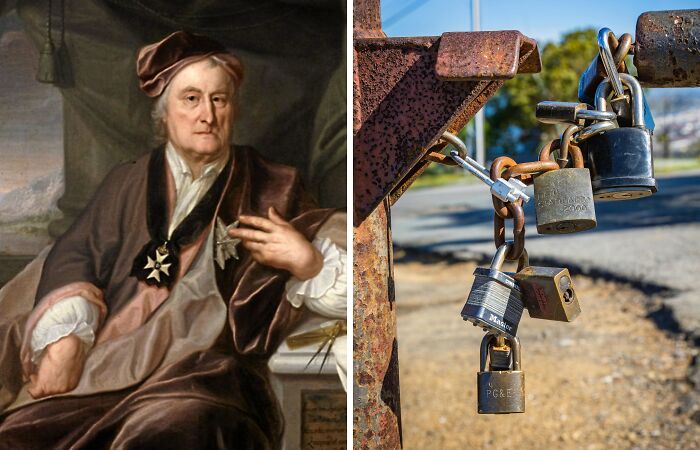
Swedish inventor Christopher Polhem is credited with inventing multiple innovations relating to clocks and locks, but his 17th-century invention of the padlock is the most noteworthy. His design, called the Polhem lock back then, gained widespread popularity because it was made of iron, easy to handle, and virtually unpickable.
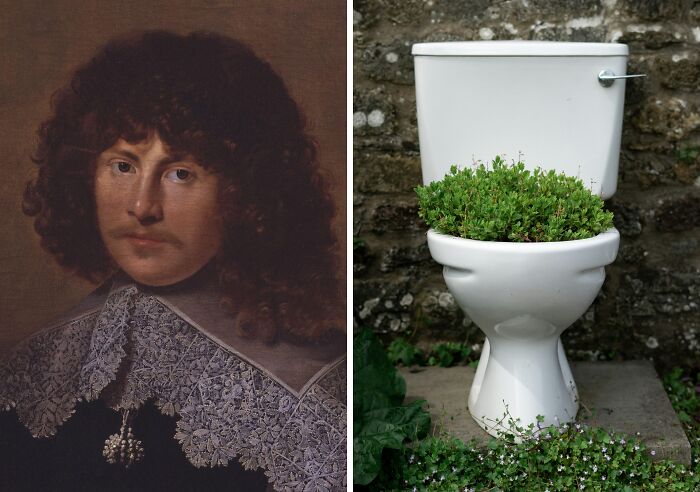
The modern toilet has been called a John for the longest time. But what most people don’t know is that it’s named after its inventor, Sir John Harrington. During his exile in the 1590s, Harrington installed the first flushable toilet, which he named the Ajax, at his own home before building one for Queen Elizabeth I at Richmond Palace.
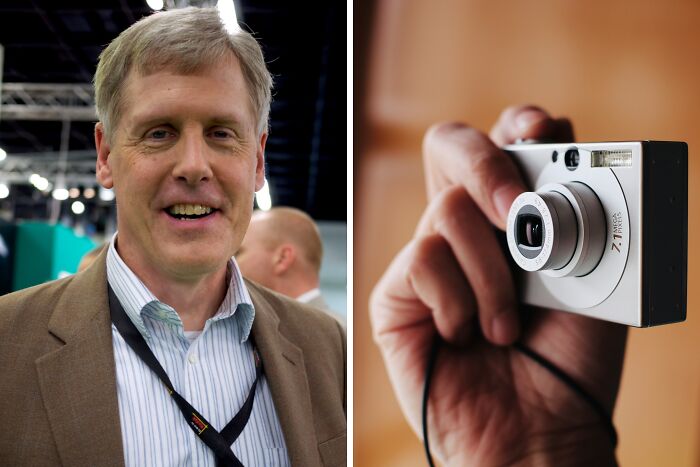
In 1975, while working as an engineer at Eastman Kodak, Steven Sasson invented the first portable, self-contained, and battery-operated digital camera. In 23 seconds per image, his prototype, weighing 8 pounds, digitally recorded black-and-white images onto a cassette tape. Interestingly, Kodak wasn’t thrilled with the invention and even declined the opportunity to take the 1989 DSLR (digital single-lens reflex) camera to market.
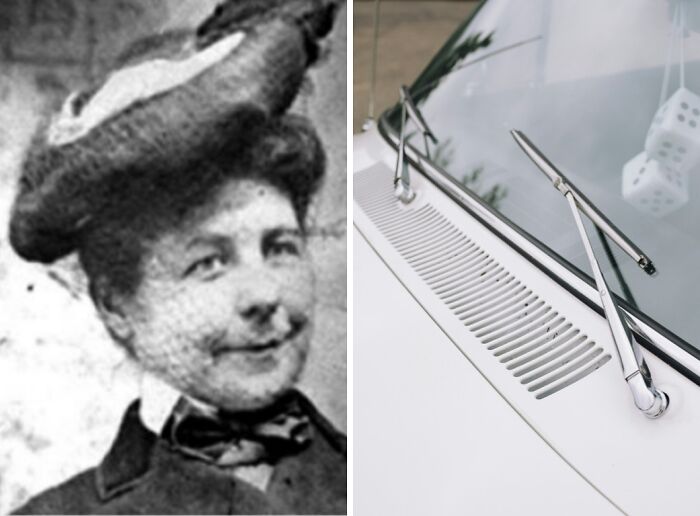
Mary Anderson conceived the idea of a windshield wiper in New York City, way back in the early 1900s. This was after she noticed that drivers had to open their windows to see the road on days when the weather was severe. Anderson’s invention was considered the first effective windshield-clearing device, and by 1922, it had become standard equipment on cars like the Cadillac.
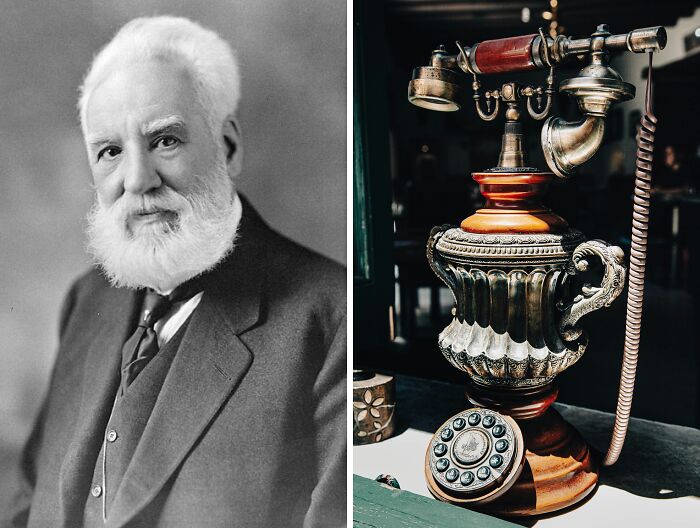
With the help of his electrical engineer assistant, Thomas Watson, Alexander Graham Bell secured a patent for the telephone in 1876. In that same year, Bell and Watson had the first two-way conversation over a line. This device, which could transmit sound through wires, was inspired by Bell’s research on hearing and speech in the years prior.
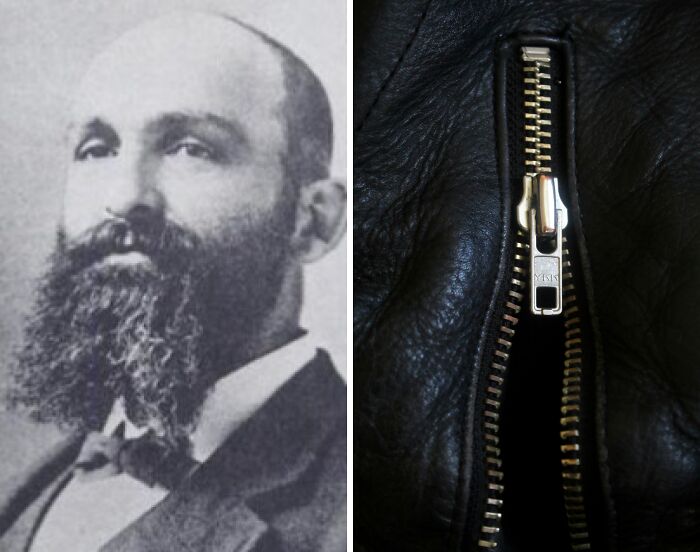
Of all Whitcomb Judson’s inventions, the chain-lock fastener he made in 1891 is his most famous. It was this fastener that led to the 1893 invention of the clasp locker, also known as the zipper. Interestingly, this invention wouldn’t become a commercial success until 1913, when Swedish-American engineer Gideon Sundback redesigned it.
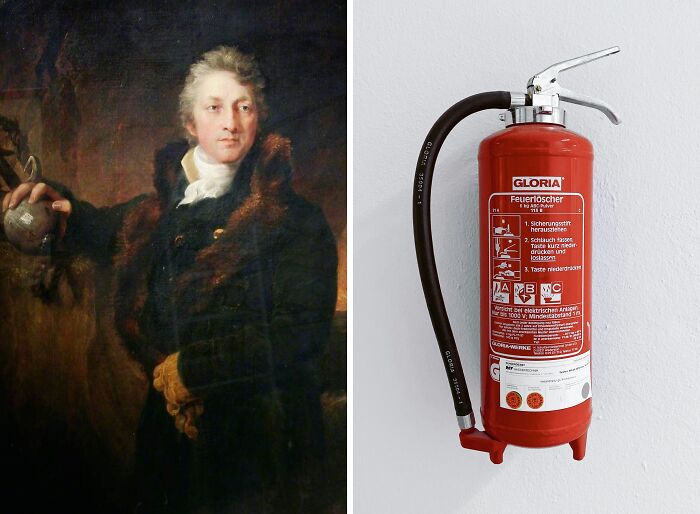
Back in 1813, the fire extinguisher we know today was first called the “Extincteur.” It was a device that was invented by George William Manby, an English author and inventor. As the first ever portable pressurized fire extinguisher, it used three gallons of water and pressurized air to extinguish flames.
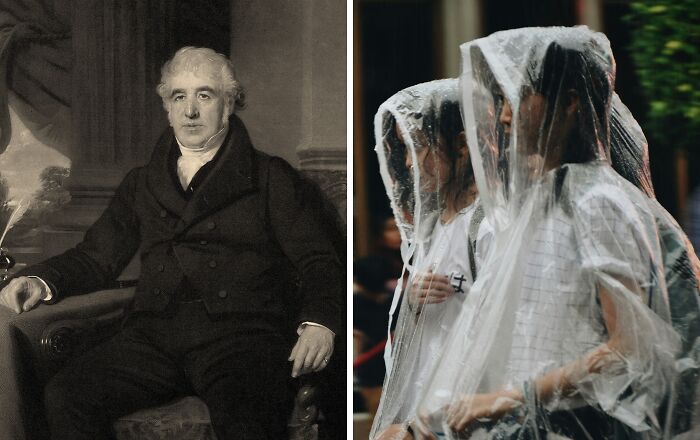
Rainy days were a little less miserable in 1824 when Charles Macintosh sold the first waterproof coat made from rubberized fabric. Macintosh designed it by fusing two pieces of cloth using rubber dissolved in coal-tar naphtha. As the first truly waterproof coat, his invention gained popularity worldwide quickly and remains in production even today.
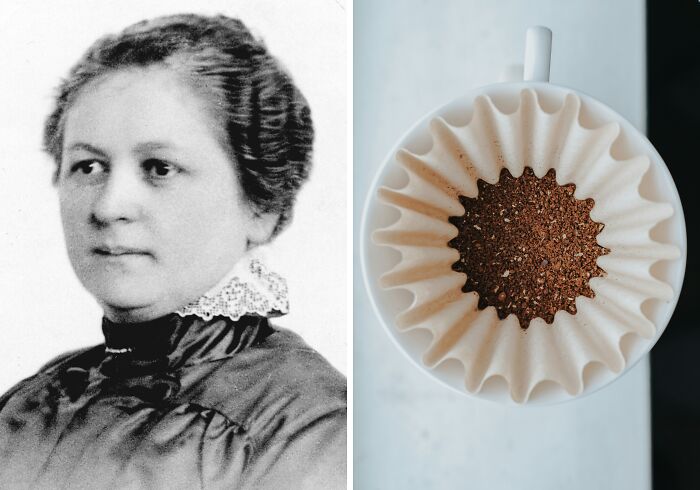
The drip coffee filter we all know and use today was invented by German housewife Melitta Bentz in 1908. In her search for a cleaner brew, Bentz used blotting paper from her son’s notebook and a perforated brass pot to strain out coffee grounds. After this trusty filter had gained popularity in 1932, Bentz created a cone-shaped one to refine the brewing process.
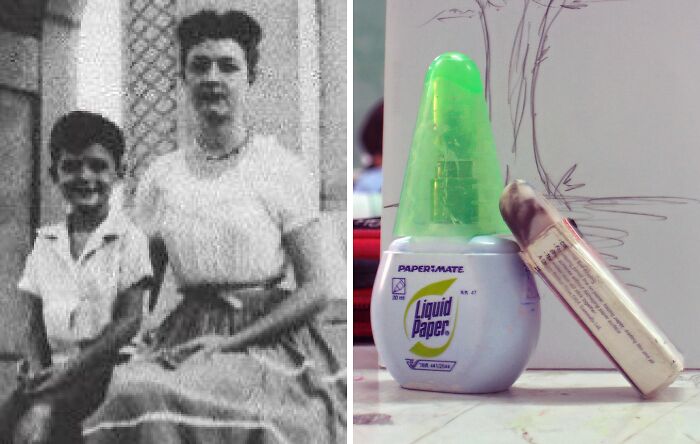
While working as a secretary in North Dallas, Bette Nesmith Graham created the prototype for correction fluid. This was after she grew frustrated with the fact that she couldn’t correct typos when using her work typewriter, often having to retype entire pages after making a mistake. Graham initially sold small quantities of her concoction from home, but by 1976, her new and improved “liquid paper” was selling in the millions due to increased corporate interest.
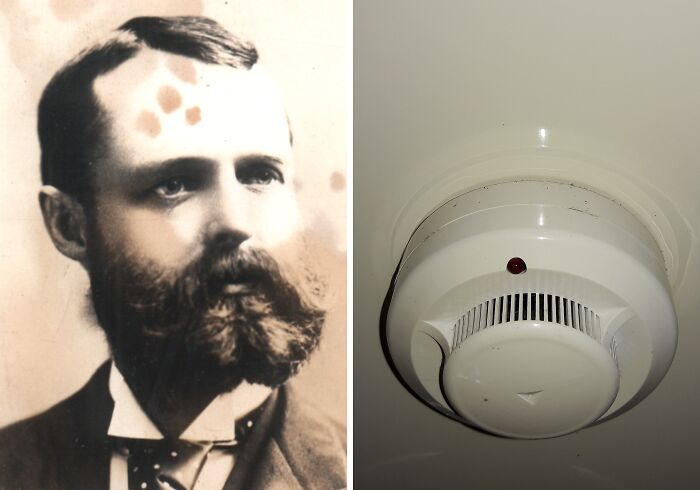
In 1890, Francis Robbins Upton invented the world’s first smoke detector, nearly a century before they were made available to the public in 1975. Although they aren’t suitable for every location in a building, smoke detectors have become a standard safety feature in most homes and businesses in many countries.
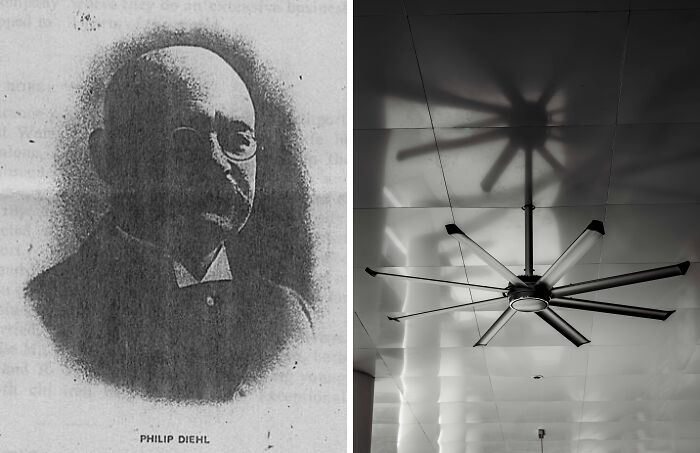
In 1882, around the time electricity was becoming more accessible, Philip H. Diehl, a German-American engineer and inventor, developed the ceiling fan. To make the ceiling fan, Diehl attached a fan blade to a sewing machine motor, then mounted the whole contraption to the ceiling. A few years later, he added a lightbulb to it and even created the first oscillating fan.
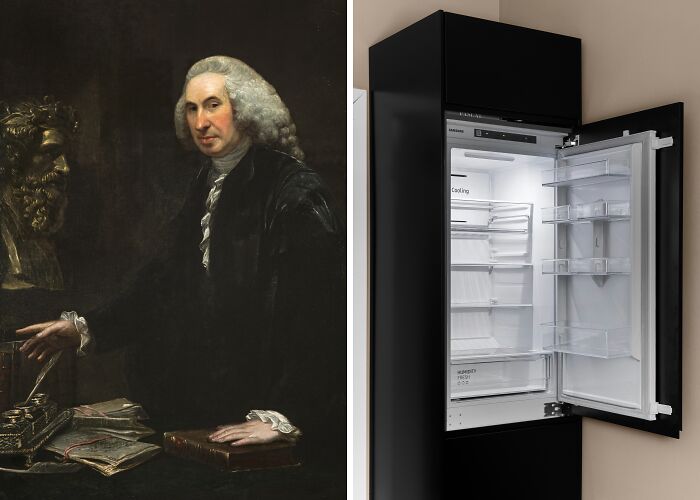
In 1748, during a demonstration of the first artificial refrigeration, William Cullen used a vacuum pump to boil diethyl ether, which then absorbed heat and caused a cooling effect. This experiment laid the foundation for future refrigeration, even though Cullen never put it into practice himself.
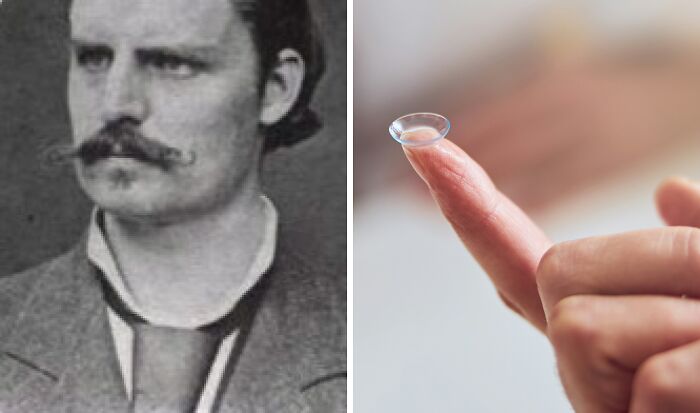
In the late 1800s, while working as an optometrist in Switzerland, German ophthalmologist Adolf Gaston Eugen Fick developed the world's first contact lenses. Fick used heavy brown glass to make them, and before fitting them on himself and a small group of volunteers, he tested them on rabbits. In 1888, after his model proved successful, other inventors used his idea to make their own versions.
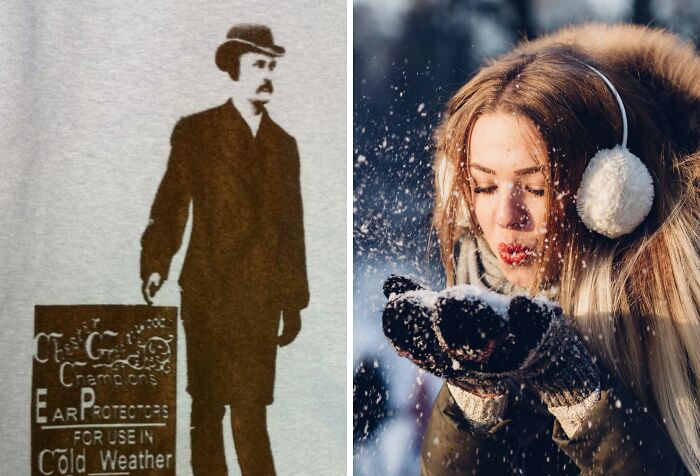
In 1873, when he was just 15 years old, serial inventor Chester Greenwood thought of the idea of earmuffs. Desperate to keep his ears warm while skating, Greenwood bent wire into two ear-shaped loops and had his grandmother cover them with fur. He later added a metal band to the loops so the earmuffs would remain in place.
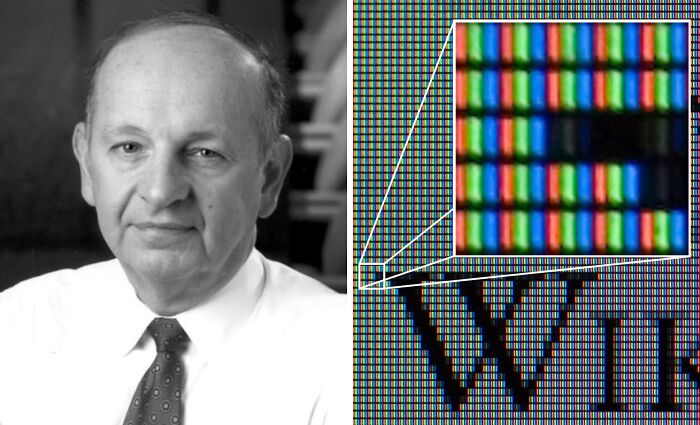
Liquid Crystal Display (LCD) was developed in the 1960s by electrical engineer George H. Heilmeier. During his time at RCA Laboratories, Heilmeier developed a system that used tiny liquid crystals to project images. With its brilliant clarity, LCD technology is now a key feature for devices such as TVs and computer monitors worldwide.
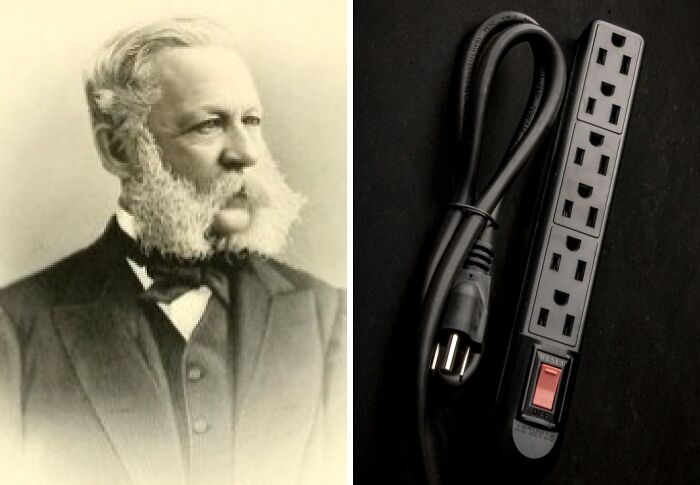
In an effort to extend the reach of electrical equipment, inventor and electrical engineer S.W. Atherton invented the extension cord in 1904. Despite electricity not being widely available at the time, it quickly gained popularity. Today, the extension cord is an absolute necessity in most households and businesses.
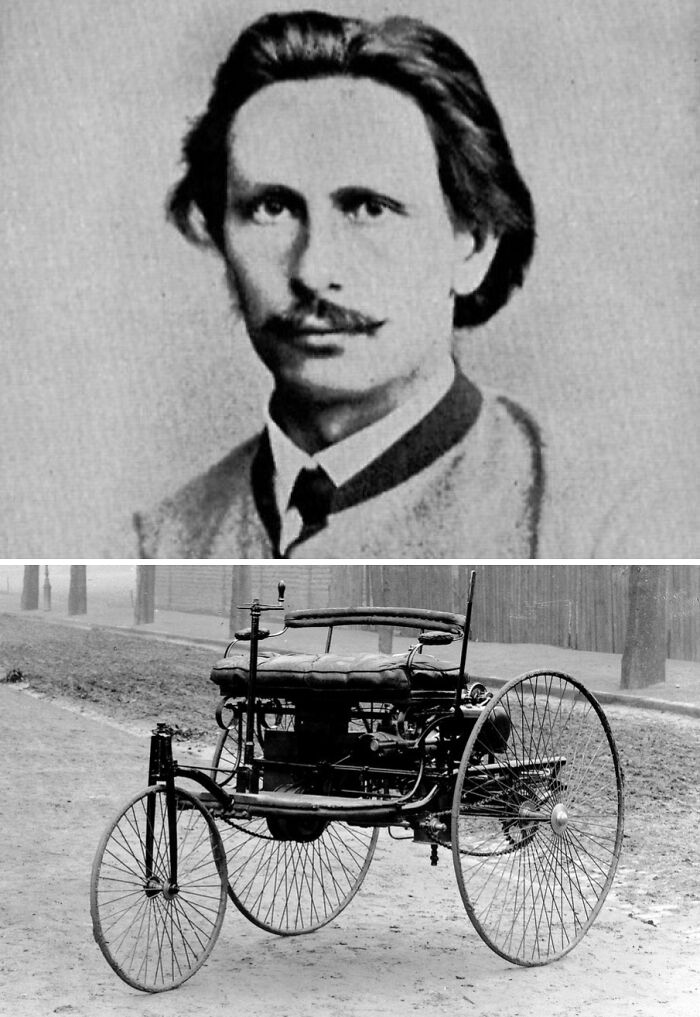
Carl Benz is credited with designing the first practical modern automobile in 1886. Additionally, his company, Benz & Cie., was the first and largest automobile plant in the world. By 1888, the Benz Patent-Motorwagen was up for sale, making it the first commercially available automobile in history.
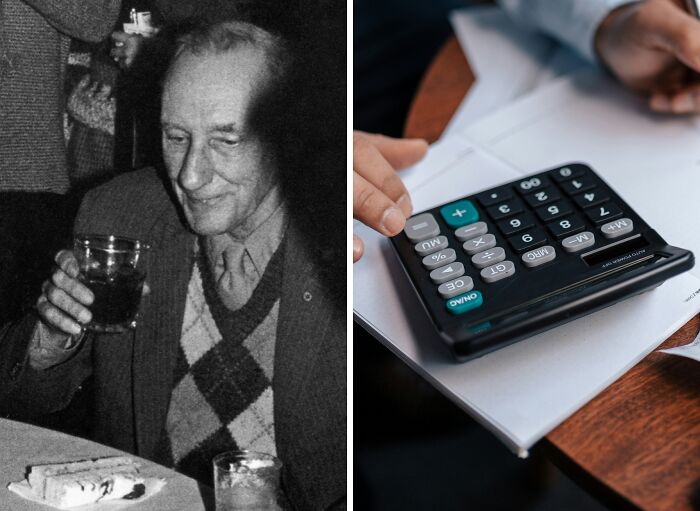
William Seward Burroughs’s time as a bank clerk inspired him to make the calculator. The mechanical device was meant to assist workers in the banking industry with accuracy when completing their monotonous tasks. Burroughs officially patented the “calculating machine” in 1888, and by 1926, over one million machines had been sold.
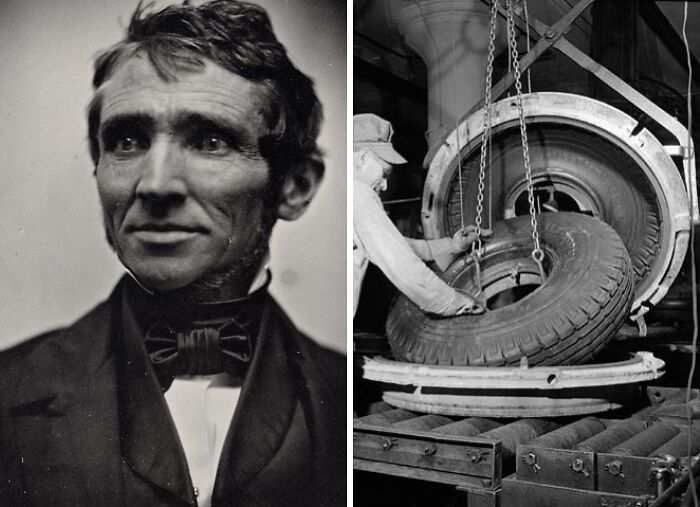
In 1839, Charles Goodyear discovered vulcanized rubber purely by accident when he unintentionally dropped some rubber into heated sulfur. Because regular rubber was prone to melting and cracking, this process made the rubber more pliable and durable, which was perfect for making tires.
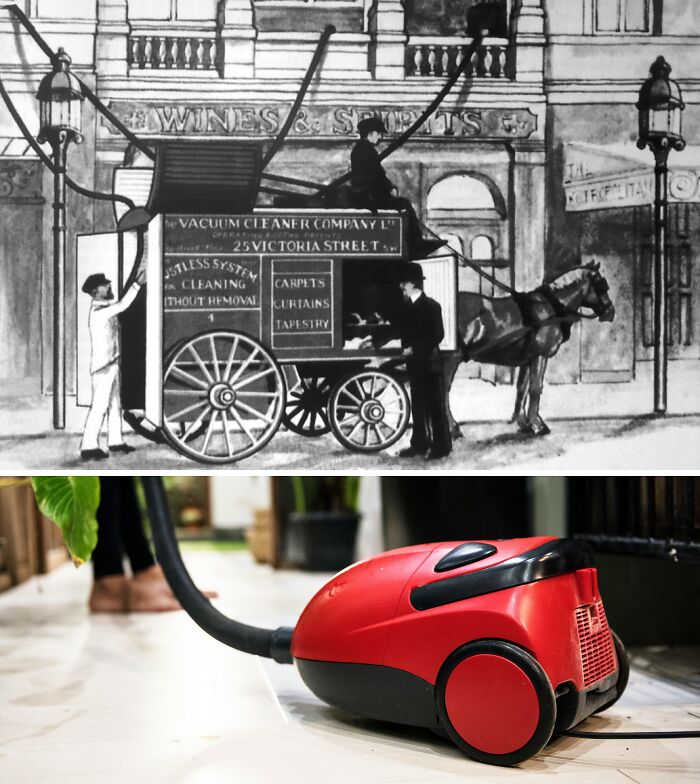
After watching a demonstration of a device that blew dust off chairs, Hubert Cecil Booth came up with the idea for a device that used suction to remove dirt from surfaces. To test this, Booth placed a handkerchief on a restaurant chair, pressed his mouth to it, and attempted to suck up as much dust as he could. This experiment led to the invention of the first vacuum cleaner in 1901.
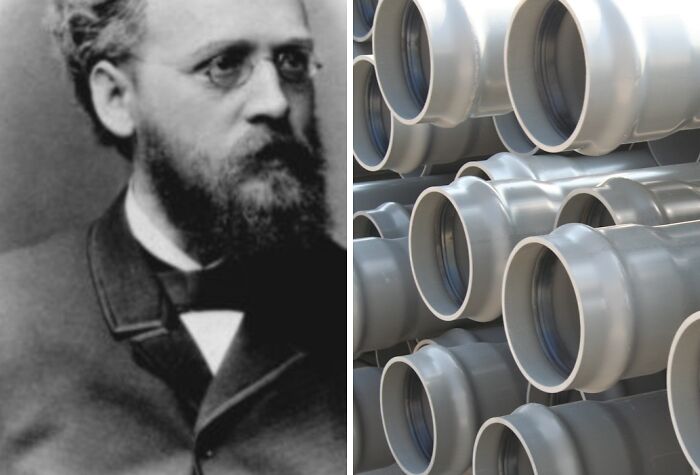
In 1872, Eugen Baumann discovered Polyvinyl Chloride (PVC) after exposing a flask of vinyl chloride to sunlight. Interestingly, Baumann couldn’t patent his discovery at the time because it was mostly viewed as exploratory research. Despite this, many scientists and engineers utilized the substance in various industries, ultimately commercializing it.


































 No fees, cancel anytime