Get Premium
Dark mode theme is available exclusively for premium users. Learn more about the benefits of subscribing.
No fees, cancel anytime.

 Dark Mode Ad-Free Browsing Unlimited Content
 Ad-Free Browsing Unlimited Content Dark Mode
Join 1.2 million Panda readers who get the best art, memes, and fun stories every week!
It's 11am... You woke at 10. You're sipping a perfectly frothed latte at a sun-drenched beach cafè, laptop open in front of you, sending off mails to clients on a super-fast WiFi network -- and raking in the dollars. You glance over at the turquoise ocean and decide, "That's it. I'm done for the day." On that note, your laptop goes into its nomad home and you hightail it into the warmest water you've felt in a while.
That, my friend, is the Instagram version of being a digital nomad. The reality, according to those who've done it, can be vastly different. Some describe the loneliness, others talk about the frustration. Then there are those who get straight to the point and admit that it's only fun and doable if you're already rich.
Digital nomads have been sharing their unfiltered thoughts on what life is REALLY like working from "anywhere" in the world, in a series of online posts. And they aren't holding anything back.
Bored Panda has put together a list of the best stories from people who were brave enough to say goodbye to a traditional life, and set off instead on a work-travel journey around the world. We also take a look at the best countries to work remotely in 2026. You'll find that info between the images.
This post may include affiliate links.
 Working and travel is quite different than only travelling.
I really miss being able to do Workaways and really experience the day to day of the place, to produce something locally and integrate more with the community. Or to just do whatever comes in my way - Camping, trips to the middle of nowhere, party, festivals.
Nomad routine is very similar to home routine and more tiring as there are so many adaptations I need to do in every new place. When I am travelling problems feel fun, when I am DN problems feel stressful because now they are taking the little time that I have to enjoy the place or to rest.
And I never get used to say goodbyes for the friends I make along the way. Saying goodbye to the whole group and having yo start it all over again is the worst.
Digital nomad life can be amazing, exciting and rewarding. But it can also be exhausting, stressful and expensive. For many, the pros are worth the cons, and they're willing to take a risk on a less-than-traditional lifestyle. Though it's hard to pinpoint the exact number, an estimated 40 million people have chosen to be digital nomads across the world, and it's becoming easier to do so than ever before.
More than 50 countries (and counting) offer digital nomad visas, typically lasting a year or longer. What was once considered a niche for tech peeps, the nomadic demographic has changed drastically over the years to include more traditional professions like lawyers and accountants.
According to statistics, around 18.1 million digital nomads hail from the United States. That's a 147% increase since 2019.
47% of the world's working travelers are in their 30s, and 56% are men. "Most earn between $50,000 and $250,000, with 34% earning between $50,000 and $100,000 annually," reports demandsage.com.
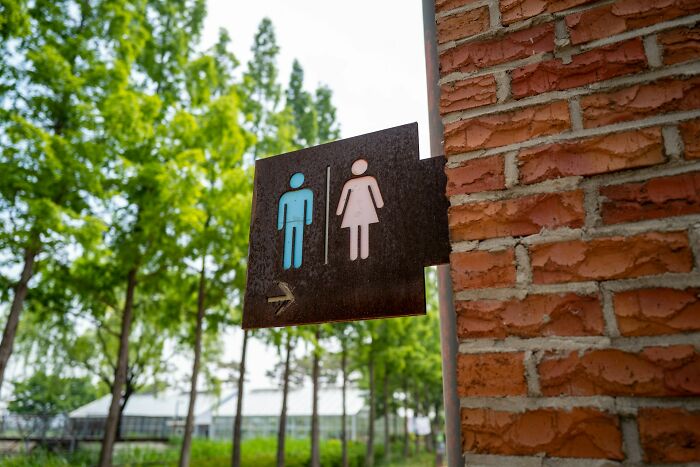 Public restrooms vary by availability, cleanliness and price. Not all locations allow you the comfort of flushing your TP either.

I hate those kind of places. And I went to one like this, but with no trash can. D:
Portugal is among the top places to live and work as a digital nomad. That's thanks to its mild climate, strong expat communities and the ability for remote workers to travel around Europe.
"Portugal’s D8/digital-nomad-style routes and other residence options for independent workers make it straightforward to stay legally while working remotely," reveals eSim company Voye Global, adding that the country also offers excellent internet in urban areas, affordable co-working, and has one of Europe’s best quality-of-life scores at relatively affordable Western-European costs.
If you're considering setting off on a digital nomad adventure to Portugal, you can expect to fork out around $1,500–$3,000 a month for your accommodation and other extras, depending of course on the city you choose and your lifestyle. Voye Global recommends Lisbon for its start-up scene, Porto for its culture and affordability, and Faro/Algarve if sunshine and beaches are your priority.
Remofirst.com reveals that another bonus to working in Portugal is the average internet speed of 205.11 Mbps. "Portugal’s temporary-stay visa for digital nomads is valid for one year and can be renewed for up to five years," reports that site. "However, a minimum monthly income of €2,800 is essential."
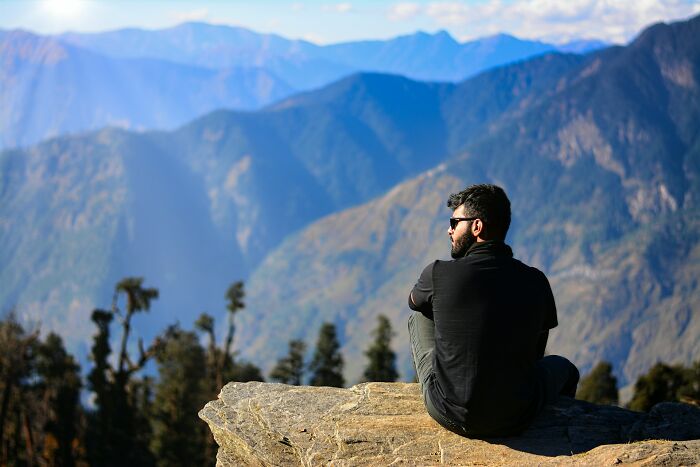 That a whole bunch of us are profoundly lonely and unhappy, due to social connections being shallow at best, and life in general feeling meaningless. They keep chasing the next party or “hotspot” thinking that *this time,* it’ll be better. But it doesn’t get better. It’s more of the same with different scenery.
If long summers, excellent food and culture, and the ability to get a telework/digital nomad visa appeal to you, you may want to head to Spain.
According to Voye Global, the country not only allows remote workers to apply for telework residence permits, but also has generous relocation incentives in some regions. These include programs that encourage remote workers to settle in rural areas. Another drawcard is that you can get around Europe easily via train or plane.
A typical monthly budget for a digital nomad in Spain is around $1,600–$3,500 but bear in mind that Madrid and Barcelona are pricier. The latter is known for its creative and digital culture, while Valencia has beautiful beaches and is more affordable. The capital of Madrid is a finance and tech hub, but outside of the well-known cities are loads of charming smaller towns -- and as mentioned earlier, some offer local initiatives for remote workers.
 Digital nomads are agents of gentrification and are a prime example of late stage capitalism lifestyle. We don't belong anywhere, don't stay long enough to be part any kind of communal organization - workers, neighbours, religious, etc. We don't even belong to any specific time, working for business on the other side of the world.
The whole world is for us to consume. And after we are done, we just move on.
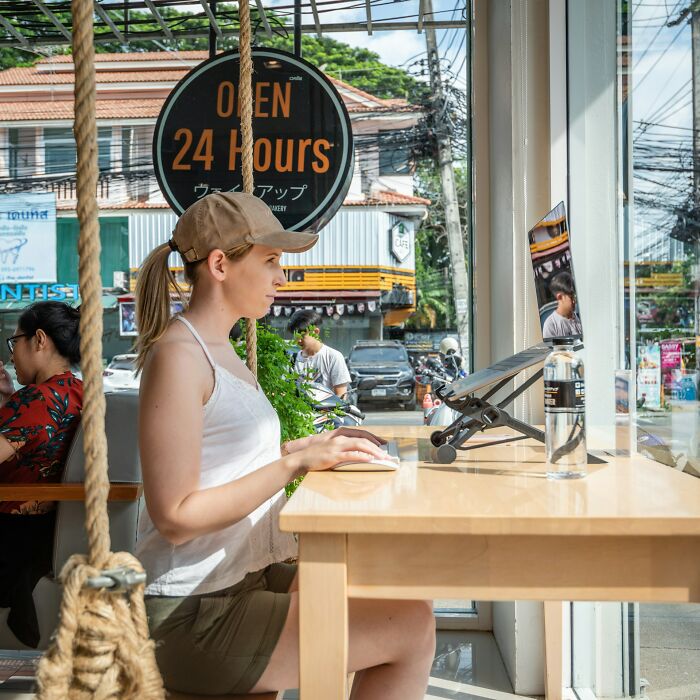 Not having a place that is your own to leave the stuff that you don't want to haul around (books, extra clothes, sentimental items...) and to go back to when you just feel like chilling at home and see your friends for a couple of months.
My dream is to buy a small apartment near my hometown and to use it as a deposit. I will live in it when I'm home, and rent it out short term when I'm travelling.
A quick scroll through Instagram and you're likely to see at least a few digital nomads who have picked Thailand as their current "home" base. With those beautiful beaches, the ability to island-hop and the undeniable low cost of living, it's not hard to see why. Many are opting to work from cities like Chiang Mai and Bangkok, or on the islands of Ko Phangan and Ko Phi Phi, thanks (in part) to an impressive internet speed of 260.54 Mbps.
"Thailand’s Smart Visa lasts two years and can be extended for another four, with a flexible monthly income range of $1,475–$5,900," notes remofirst.com.
 Don't forget the timezone difference, working for us company when you're in EU means your evenings are spent working which limits socializing options.
One country that might not be top of mind when it comes to remote work is Georgia. However, more and more digital nomads are heading out there. For one, your monthly budget is typically around $700–$1,600, quite a bit lower than many of the more popular destinations.
"[Georgia] is popular for its low cost of living, friendly visa policies for many nationalities, and rapidly improving coworking scenes in Tbilisi and Batumi," reveals Voye Global. "The country’s affordability, fascinating cuisine, and hospitality make it a magnet for long-stay nomads wanting to stretch their budgets while enjoying a novel cultural experience."
 People believe the insta version, which is complete [nonsense]. being a nomad is like living regular life on hard level. You still have to do everything you do in your normal life except you have to figure out how to do it in a foreign language and culture and in places where things work significantly differently. And all of that changes when you change location. Add into that [bad] wifi, delayed flights, the logistical planning and implementation, time zone changes, jet lag, etc. and it's not all sitting on the beach with your laptop drinking umbrella drinks while you make millions.
If you don't go into it thinking it'll look anything like instagram and you're going on vacation, and that you need to change location every few days, you'll probably be fine.
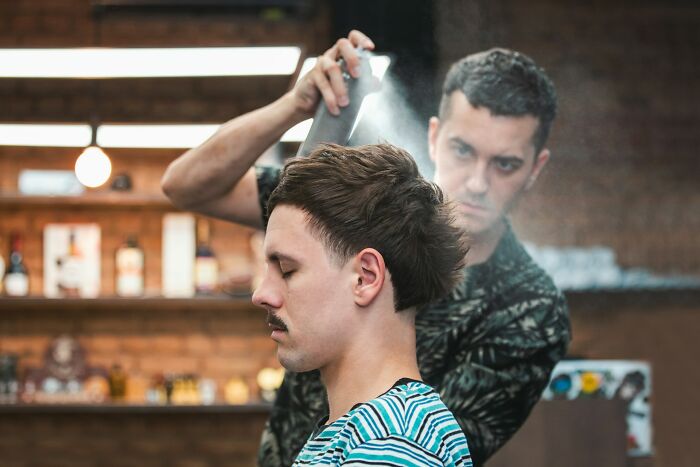 Finding a new barber every month is the worst.
On the more expensive end lies the United Arab Emirates. The UAE offers a one-year Virtual Work/Visa program for professionals who work remotely for employers outside the UAE.
"Dubai has world-class internet, coworking options, excellent international flight connectivity, and safety," notes Voye Global, adding that while the cost of living is higher, the convenience and modern infrastructure make it worthwhile. If you're looking for guaranteed speed, premium amenities, and a centralized hub between Europe and Asia, the UAE might be the place to be.
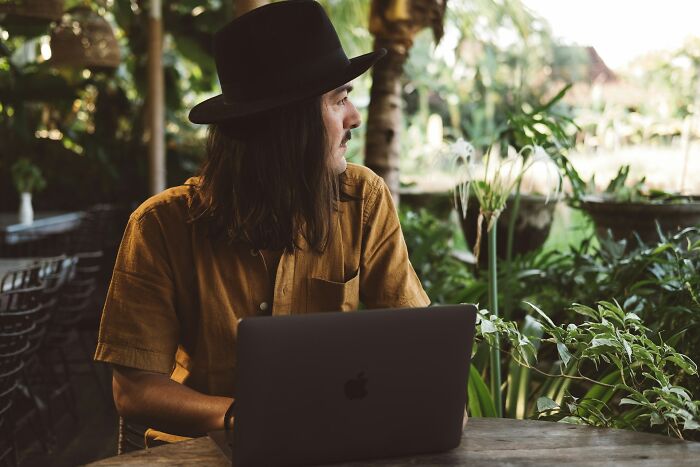 That it's a somewhat selfish lifestyle.
Family needs your help? You're too far away, hope they can get over it by themselves.
Trying to enjoy your stay while most of the people around you live in extreme poverty? You have to ignore that fact basically, which is much harder to do now that you live there than when you were just visiting the country as a tourist. It's not a problem in developed countries of course.
Then you have to ignore the fact that many of the people you will talk to wouldn't be able to follow your lifestyle at all, because of their weak passport making entry into any country almost impossible. Again, you have to ignore the poverty and privilege to enjoy your stay.
Escaping taxes from your home country sometimes also play a role in being a DN. Selfish by definition unless you are fleeing from some kind of communist regime.
Another digital nomad hotspot is Croatia. Think incredible jungles, spectacular biodiversity, and stunning beaches. The cost of living isn't too bad and neither is the internet speed.
"Digital nomads can apply for a one-year digital nomad visa with the possibility to extend for another year, and the minimum monthly income requirement is $3,000 per month," reveals remofirst.com. If you're planning to head that way, your best best would be to find your digital nomad tribe in the capital city San Jose or beach destinations like Playa Hermosa and Santa Teresa.
 There’s a lot of talk in this sub about visas, taxes, gear, where to live, etc. but to be totally honest, the hardest part for me wasn’t any of that.
It was letting go of who I was back home.
Before I started working remotely and living abroad, I had a really full social life. I was someone with a solid group of friends, the one who organized things, showed up, supported people. I felt smart, capable, and known.
Then I moved - and suddenly I was just the another foreigner. No one knew me, I had to start from scratch - figuring out how things worked, making new friends, slowly building community from the ground up.
And yeah…that part can take a while. Way longer than I expected (especially since I have lived abroad in several countries before, but this was the first time I experienced this).
I don’t regret becoming a digital nomad at all. But I do think this is a part people don’t talk about enough - the emotional side of starting over, changing countries, and how long it can take to feel like yourself again in a new place(s).
If you're in the early stages or planning this lifestyle, just know: it's totally normal to feel a bit lost at first. And it does get better. at least it has (started to) for me.
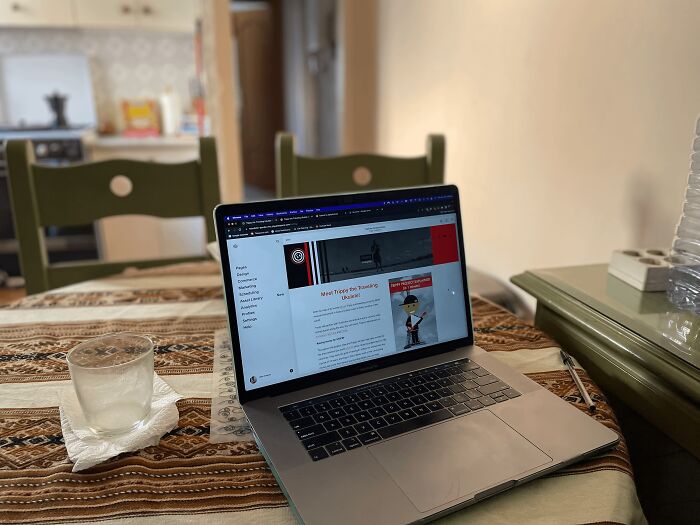 NO, YOU WILL NOT BE WORKING FROM THE BEACH (OR POOL, OR EXOTIC CAFE WITH THE INSTAGRAM-WORTHY BACKDROP)
It’s VERY HARD to do any real work at these locations. Sand and computers don’t mix. Laptops don’t swim. Video calls require background silence and an absence of sun glares. Believe me, I’ve tried it. When I started traveling while working remotely, I was enamored with the romanticized idea that “Digital Nomads” could work from the beach. Realistically it’s not going to happen, unless you’re working as a lifeguard, or surf instructor, or “beach reviewer” which I’m sure it’s someone’s real job.
What’s most likely going to happen is this. This is my ACTUAL work location + view today.
whiskey_bud:
It's so funny when people expect to be working constantly from quaint European cafes too - like, that's incredibly contrary to European cafe culture that makes it so alluring the first place. 98% of the time you're gonna be working from an unideal workspace (a kitchen table in an AirBnB, or a desk if you're lucky).
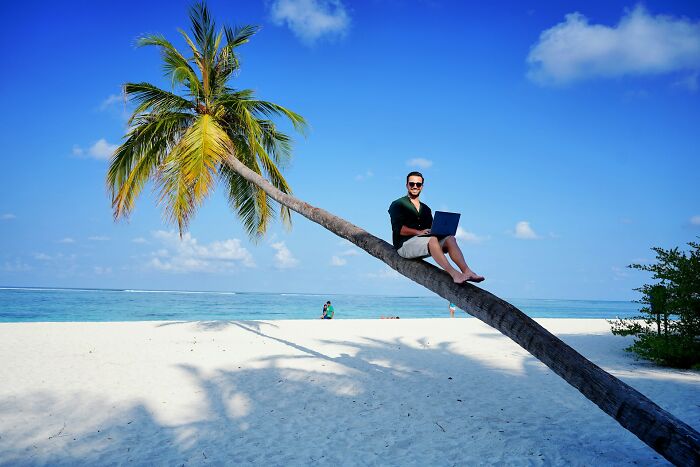 DIGITAL NOMADING IS NOT VACATION
Early in my Digital Nomading I ran into a problem of perception. Every meeting I would have with a client and others would start with “Where’s Alex now?” “What’s Thailand like??” “Will you be doing X-Touristy activity today? Because I went there for my honeymoon…”Unfortunately, this led some clients to see me as “not dependable,” or “always on vacation,” or “not really serious” about work. None of which was true, of course. The way I started describing my work set-up was “Yeah I have a 9-5 job, and then when I clock out, I happen to be in Malaysia (or Mexico, or Morocco).”But this also speaks to a mental and emotional challenge when you work remotely for the first time: YOU’RE NOT ON VACATION, even though it often feels like it. It took me a while to learn the discipline necessary to mentally clock in and out of the work day, instead of always feeling like “I’m not quite on vacation, and also not quite at work.” Which means you end up enjoying neither.
Whatever country you choose, the experts say following a few tips can make life as a digital nomad a whole lot easier. One is to establish a set routine, even if flexibility was the main reason you set off on this journey.
"Set specific work hours, even if they shift depending on your location. A healthy work-life balance will help you stay productive while ensuring you have time to explore and enjoy your surroundings," advises remofirst.com.
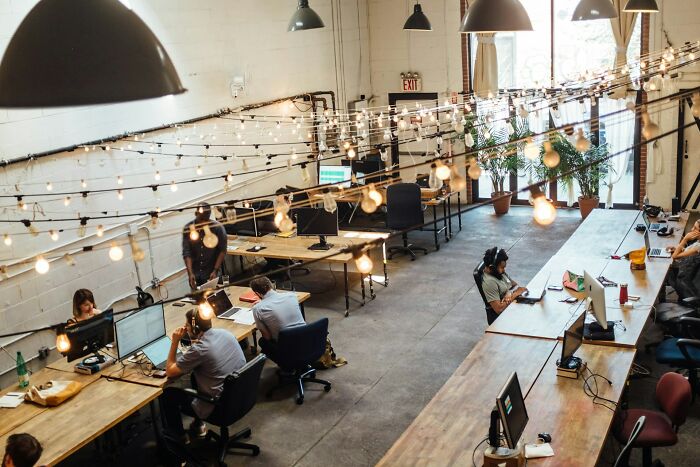 Coworking spaces [are bad] and are almost never worth it. They typically have the [worst], most beat-up chairs that aren't even slightly ergonomic. Even the ones that look like they're supposed to be ergonomic rarely are. Coworking spots allege to be social, but let's face it, if you're there, you're trying to get work done. I mean, it's not like it's hard to meet other remote workers in your off hours. I'm at the point now where, if I'm gonna plop down someplace for a month or more, I just buy a nice ergonomic chair from a retailer in town. Nine times out of ten you'll make back the cost of the chair within a couple weeks, since you won't be paying for a coworking space.

Plus they don't always stay open for your actual working hours (which can be late if you are in a different time-zone), and if you work face to face online you need quiet, but you also need to be able to talk (to your meeting partner(s) - neither one is conducive to a group-working space.
Also, expect the unexpected and be prepared for anything. Travel insurance is a must, say the experts, and often, a country will also want you to have health insurance in order to qualify for a digital nomad visa.
When it comes to working, you have to have the right tools. "Your laptop and internet connection are your lifelines," warns remofirst.com. "Ensure your devices are in good condition, invest in backup tools (like portable hard drives or cloud storage), and always have a reliable VPN for secure connections. If possible, carry a portable WiFi router for areas with spotty internet."
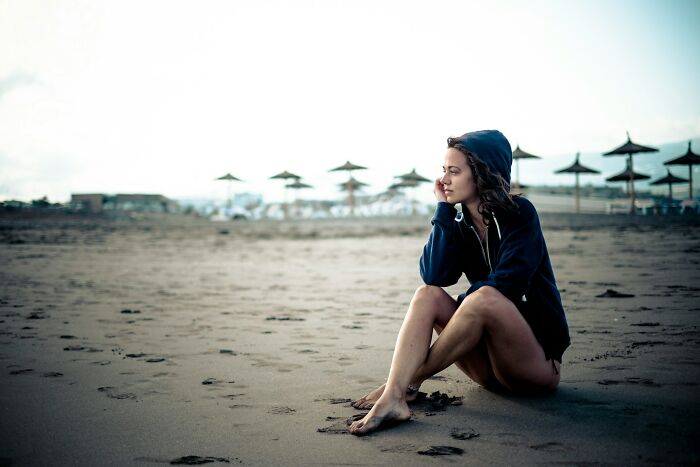 Long term it's only really suitable for a tiny minority of people because it's so hard to make and maintain meaningful relationships. You'd have to be either very introverted so you don't mind that, or very extroverted so you could make friends at a funeral. Or possibly so used to being lonely that you may as do it it somewhere exotic.
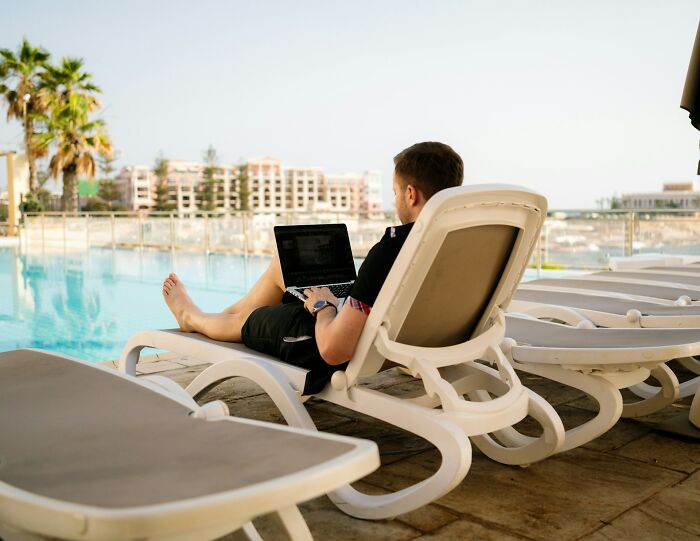 You need to be rich for it to be good.
When I pay more for a high end place...I feel very comfortable, and I want to nomad forever.
When the place is underwhelming...it feels like I need to move on from the nomad life.
Depending on where you are, and where your clients are, you might be working across different time zones. It's important to prioritize your well-being. Make sure to have a balanced diet, get regular exercise (even if it’s just walking or stretching), and don't sacrifice on sleep.
Have you explored digital nomad life? Are you keen to try? Let us know all about your experiences in the comments section below!
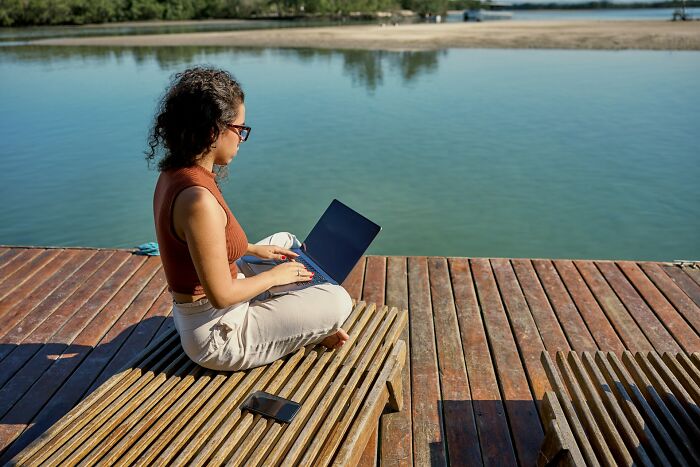 All products/services labelled as "digital nomad" are a scam, overpriced or targeting unexperienced, naive young people who don`t know what they are doing.
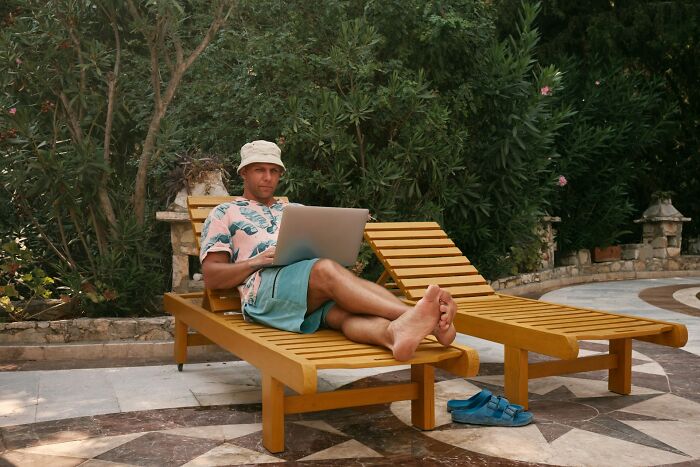 I travelled alone in my early 30s and despite meeting new people, it felt empty and lonely for me. I'd trade 6 months of that travel time for a week or two normal holiday with a SO.
 The “Oh where are you from?” conversation can get real old after a month. You’ll be asked it by everyone daily. I love people and all, so I think I just gotta be grateful that at least there’s something interesting about me that makes people wants talk to me.
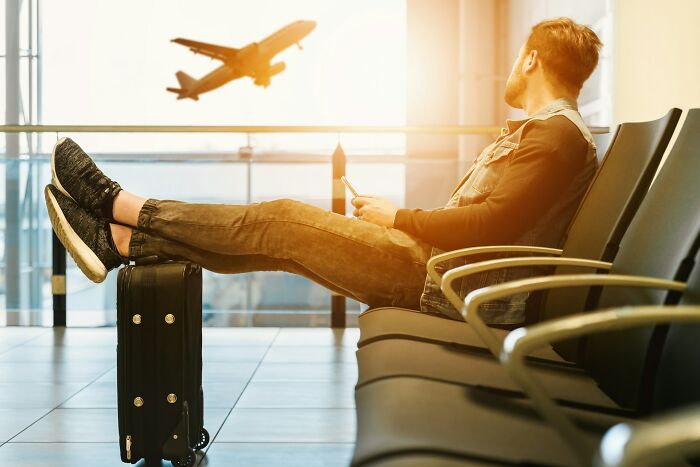 1. Airports and airplanes...soooo much time spent in airports and airplanes. Often times my travels are 5-6 flights over a 48 hour weekend
2. Obviously language barriers (can’t learn them all but thank you google translate app w/ camera). Sometimes I go months without making a real connection with someone in my native language. Adds to the loneliness that was already mentioned by another DNer
3. I miss MY bed, MY towels, MY kitchen. I put all my possessions in storage 5 or 6 years ago (was already pretty minimalistic) but sometimes you just miss YOUR stuff.
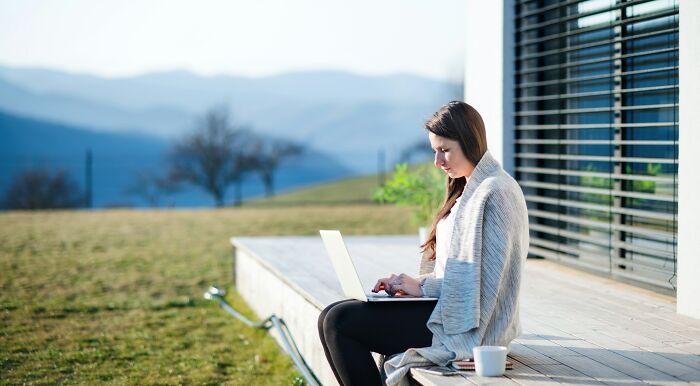 Basically being a foreigner. I mean it's nice to live in other countries but I found myself wanting to just be around the people and society I grew up in, being able to speak English and people actually understand your jokes and what's important and current events in your culture.
 Not having friends. When you are a kid or in school or an office you have a natural environment to meet people and bond over common experiences. In my DN days (over now) I made about 500 friends late night in bars, exchanged numbers and never talked to them again.
 I've been working remotely since 2015. This is gonna be my last year for nomading. I'll be 35 in a few months and I've been to many many countries, lots of miles under my belt but now, my god, the bags that I carry under my eyes and not the ones on my back are the real burden. I am exhausted by visas, flights, accommodation etc.
 It’s a bad lifestyle for “building” things, whether it’s a net worth, relationships or abilities. It’s a good lifestyle for enjoying what you already built.
 Digital nomads are for people who moved out of their hometown to get better opportunities and never goes to family reunions. It's not for the people who like to meet new friends because the digital nomad lifestyle is so transient in relationships it's hard to maintain. It's for people who are introverts but at the same time enjoys being alone in a socially noisy ambiance.
If you're white this isn't for you: But the dark side of digital nomad lifestyle is that it is white-centric or developed country-centric. If you are a POC from a developing country, expect to struggle invading white spaces unless youre really confident with yourself and do not [care]. Im a filipino digital nomad that probably earns the same as average middle class folks in the US but is of relatively comfortably higher wage in my country. The unconscious bias you have to struggle with invading white spaces down from immigration to bars is very apparent.
 I avoid nomad cities/events that are dominated by the crypto-coach-influencer-pickup artist nomad men. I've been traveling alone as a female for years and the most threatened that I've ever been abroad was at a nomad conference in Bulgaria that turned out to be full of gross ex-pats that harassed local and nomad women while the conference organizers didn't care. The nomad spots that have the best community generally have their expat/nomad groups run by women or men with families.
 Avoiding paying the tourist tax. Cabs that don’t use the meter, restaurant that don’t have menus with prices, money exchange scam rates, overpaying for lots of things until you learn the different shakedowns used in each country.
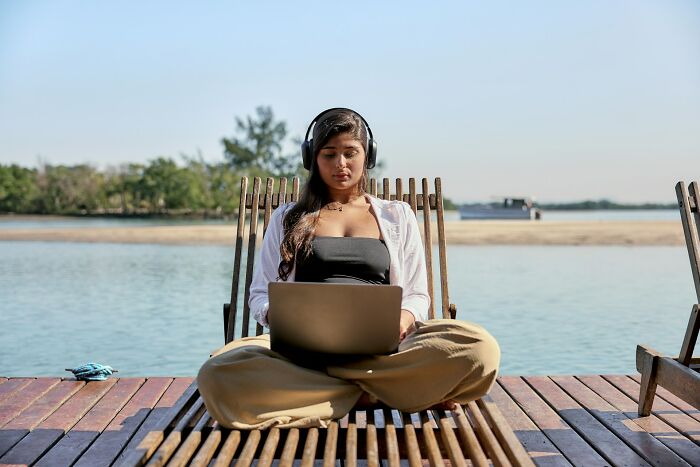 This lifestyle definitely isn't for everyone and I've learnt it the hard way.
Lifestyle
This will definitely sound like a first world problem rant but I feel like it's important to offer a counter-perspective. I'm 27, trying the "digital nomad" lifestyle for the 2nd time and I can already see it's not for me. I've spent a month in Sicily. There were many beautiful moments but I was glad to be back home. Now I'm in Vietnam and I've had my share of nice experiences as well but I can already feel I won't miss Asia too strongly once I get back home. This lifestyle just doesn't feel... real or fulfilling to me? No shade to anyone who genuinely enjoys it but I've learnt that I need stability and a routine, I need to be deeply rooted somewhere, to join a community. I like knowing that my family is close by in case something happens. I like the mundaneness of ordinary life spent in one place. It feels more meaningful somehow. All this travelling makes me feel like I'm just running away from the reality. Not to mention the fact that switching places and packing/unpacking can get pretty exhausting too.
Again, no shade to anyone who loves this lifestyle. Just wanted to offer a counter-perspective to anyone who is considering trying this. You might find out it's not actually that fulfilling. Don't fall for the idealised Instagram vision of the digital nomad lifestyle. To each their own, though.
 The hardest part is just getting a nomadic job. Been trying for a long time now and it’s very frustrating.
 IF YOU TRAVEL AND WORK, YOU WILL ALWAYS BE IN SOME SORT OF LEGAL GRAY AREA
I see this issue come up on the subreddit a lot. Some version of “Is it legal for me to check my work email while I’m in Cancun? Should I self-report to the police, IRS, FBI, immigration, and my HR department because I’m technically ‘working’ in a foreign country?”I won’t give legal advice because I’m far from a lawyer, but I will say this: sometimes the law takes a while to catch up to the reality of today’s global economy. Practically speaking, it’s virtually impossible for immigration officials in foreign countries to know you’re working remotely from within the country, unless you explicitly tell them. (Mandatory disclaimer: DO NOT lie to immigration officials). And from a company’s HR department perspective, they will always err on the side of “definitely legal” so they’ll mostly just say “No, you cannot work from Portugal for a month, while working for us, a US-based company.”Most laws relating to “foreigners working inside our country” were written back when remote work didn’t exist, and now a lot of countries are scrambling to catch up. And this is why most “Digital Nomads” until now have done this balancing act of traveling as “tourists” while working remotely for a few weeks or months, inside the visiting country.Digital Nomad Visas are helping to create more legal clarity, but they’re still far from perfect, because most countries still don’t fully understand Digital Nomads. So they add high fees or high income requirements, in exchange for 6 month or 1-year visas, because they figure they’re losing out on tax revenue during that time. The problem is that most Digital Nomads would rather spend 2-3 months in each location, and that’s usually the window of time they have available as “tourists.”I’ve done the fast travel (2-3 weeks in a country) and the slow travel (1.5 years in a country), and the format that I like best is having a “home base” where I work from (for maybe 6 months to a year) and then taking short mini-vacations to neighboring countries. I’ve had home bases in Asia, Central/South America, and Europe, where I’m currently based for the long-term.
 My brother calls it gilded homelessness. He has a point. After living overseas and moving around for decades, I bought a house. I learned basic house-maintenance skills such as cleaning the gutters, keeping the pipes flowing, where to find gear in a hardware store, etc. I am still learning skills that homeowners learn in their thirties.
On the other hand I have skills in handling money internationally, border controls, languages, etc.
Most digital nomads [are bad] at travelling. They constantly complain about every place everywhere... I guess they are seeking some kind of perfect fantasy land made just for them. I much preferred the scene when I was backpacking. So much more joy, much less whining.
The Digital Nomad Lifestyle is not easily sustainable on the long run. If you want to make it sustainable, pay the price of magnifed traveling logistics, uncertainty, loneliness, your desintized dopamine receptors that make you see places you saw once as amazing to just "meh" and the never ending cycle of new friendships.
The experience is priceless tho.
It's normal life with a different background. My life is 80% identical to when I had a permanent home.
People talk to me like I'm living some glamorous life, or like I'm on permanent holiday, but I still have to go grocery shopping, cook, do laundry, and work most days.
The difference is that, in my downtime, I get to do my usual hobbies (walking, reading, running, socialising) in cool, new places and do them with some likeminded people from around the world.
*Wherever you go, there you'll be*, you know?
Being a DN is a terrible way to start your career, but the people who most often want to do it seem to be at the start of their career.
Leaving home at 20 with almost no money to start an online business from Thailand that will almost certainly fail is just dumb imo. Just go on a 1 month backpacking trip. I get that you want to explore the world, but some people have no patience. Stay home and establish yourself, it’ll be much easier than if you’re in Thailand.
DN life is much better when you have options. I went on lots of fun trips when I was in my 20s but I never attempted the DN life until I was 31 and making well over 200k USD/yr, lots of savings, and a relatively secure career. I’m not saying everyone needs that much to be a DN, but career and financial security gives you options. An 800 USD/month budget does not give you options. It’s also a great way to get “stuck” in a low COL country and get priced out of your own country, making it very hard to return without starting over.
There is no such thing as a free lunch.
In AA you often hear of people "pulling a geographic," meaning wherever you go, you are still there, it's not a "reset" on your problems.
I think this is actually an unpopular opinion: I don’t think that's totally true. I'm sure it frequently is for many if not most people. I can say from personal experience that putting yourself in a totally new place can be a reset. This gets into very personal space and I don’t really want to elaborate that much but I can say it was life-saving to some degree.
1) Digital nomads are either privileged immigrants or privileged vacationers: most do not integrate with local culture or lifestyle, don’t learn the language, and so on. I think of them the same as the richest Asian exchange students. Oftentimes both parties stay within their circles, grossly spend their money on pleasure, and only learn the bare minimum language required. Sometimes they’re unaware, and sometimes they’re just rude. Not all, of course, but I’ve found a majority to be like this.
2) Digital nomads are running away. Maybe from their country’s policies, healthcare, or tax laws. Maybe from their families, their responsibilities, or maybe from their lifestyles. But sometimes, they’re running from themselves — but that never works. You’ll follow yourself wherever you go.
Unpopular opinion: we are the new international bourgeoisie taking advantage of cheap places to live our best lives, and as such, it's really easy to become out of touch.
I'm proudly part of this, so no shade.
It's just striking how many of us there are, running around with US/European money in places where people live off a fraction of what we make. This whole new reality is changing the world, and it's gonna be interesting to see how this all shakes out.
We're also making Airbnb [loads] of money; at least I rely on it way too much.
Also agree w/ others: I hated it owning a house.
Being a Digital Nomad didn't make you feel lonely.
You were already lonely to begin with.

There is an important difference between "lonely" and "alone". It's pretty clear many people offering their DN opinions in this thread don't understand the difference.
A lot of digital nomads are just fleeing unhappy home lives. They're not so much attracted to being a digital nomad or all the travel, they just don't want to be at home and this is an alternative. Same goes for some people travelling long-term.
Constantly feeling like EVERYONE is trying to get one over on you. I try to “local”
Myself quickly—but sometimes it’s really grating.
All the visa [stuff]. For me, timezones are annoying as [hell]. My company is Japan based but most of Asia is closed right now. Thailand is open and I *should* go there but I've carved myself out a life in the Russian speaking world and I want to stay here but it's coming into Winter and it seems dumb to stay... but I've spent so much time learning Russian etc.
No other travelers want to meet up or friends that you meet abroad are suddenly “busy” when you’re in town.
How to stay in order with insurance, taxes, personal and business registration
I find keep being registered in my home country the most complex. A fixed address is needed to have access to healthcare insurance and as a paper address for my freelance business. A city however has the right to de-register you if you don’t live there most of the year. If you live like a DN for multiple years, this can be problematic. It seems that many places, do not yet recognize a digital nomad and his or her way of traveling.
There's a lot of trade offs made with indefinite travel. You give up a lot of possible hobbies and lifestyle choices, but get many new ones in return. Depending on what you value, it could be a great tradeoff or terrible one. I have a friend who is huge into blacksmithing and metal working. He loves the activity, the community, going to events, etc. Nomadding wouldn't be a good fit.
A common negative is the lack of in person social circle. I miss being able to just meet up with my friends to do stuff, try new restaurants, etc. I meet new people easily enough, but we're all here today gone tomorrow. For that reason especially I am planning to settle down most of the year and travel maybe 4 months.
Also some people here seem to have lived in a boring place and wrote off all of settled life as a result. I lived in a large and vibrant city with lots to do, surrounded by great nature and interesting smaller towns. I love the nomad life, but I would also be very happy being back at home too.
Do what makes you happy, and ignore anybody who tells you a particular way of life can't bring meaning or value to you. Only you can determine that.
Fot me the best way to go is a seasonal nomadism. Having 2-3 bases in a countries where you spent some time and have friends / community and know the language. This way you have best of both worlds. It's nice to spend winters in a warm place, and summers in a chillier place. And there's still plenty of diversity and fun, living in several countries. But changing the place every few months, living in a bunch of airbnbs that you can't customize to your needs, I'm just too old for this. I respect people who do this and find it to be fun, it's just I had too much of that. For me it's all about balance.
Part of the struggle of being a DN is finding and being part of a community. If you're slow traveling, even more so. It's important to be conscious of this and find similar people to spend time with. Some of the best solutions include working in co-working spaces, living in coliving spaces, and attending local events.
But I've got to ask... What can your family realistically do, even if they're nearby? If an emergency happens, emergency services will better assist you anyway. If you're looking for companionship, you can also find that elsewhere but you've got to put energy into it.
Part of the experience of being a DN is in embracing discomfort. Through that, you learn and grow as a person. In my personal experience, being around family tends to invite more comfort and thus less personal growth.
Look, I was in Thailand for a few weeks and I was trying to understand if this life would be for me. After only a few weeks I was like nope. I need a house, I need my stuff. A proper gym, a proper routine, people that I know and that I trust. I even missed going to the office. Not for me, maybe ok for a month a year but that's it. I found it lonely and unfulfilling.
Very important, I moved countries permanent and it was like starting like all over again. It wasn't that I wasn't capable to making new friends but you have to navigate and whole new system and culture. When I return home I feel like I belong but when I am in another country you are made to feel at times that you are a nuisance to everything there, this is more noticeable with online local forums as people are anonymous. In the broader community it's completely different. There is a huge lack of groups, communities and support networks for immigrants an nomads in a few locations.
 The hardest part isn’t visas or taxes, it’s realizing no one knows who you are anymore. It’s like your personality doesn’t travel with your passport.
THE LONELINESS IS REAL
One of the downsides of working fully remotely is that there are not that many of us around the world, relatively speaking. Obviously this has changed some after Covid, but people who can be 100% fully remote while traveling the world are still a very small and privileged minority in the global workforce.
And yes, you can go to coworking locations and join meetups and participate in events with locals, all of which is fantastic and highly recommended. But at the end of the day, you will move on to the next location, and will probably do so alone or with a romantic partner, if you have one.
That means that the types of connections you make (at least in my experience), are very deep because you’ve shared an unforgettable experience together in a specific country, but shallow in the sense that they move on, and so do you. These normally don’t become friends you can call at any time, but if you see them again years later, it’s like you saw them yesterday. This is why programs where people work + travel together (like wifi-tribe and the ridiculously expensive Remote Year) have been such a hit, and I suspect they will continue to be highly popular over the next decade or so.
HOSTELS ARE MOSTLY IMPOSSIBLE TO WORK FROM
Friends, I turned 40 last year. And in the last 10 years, I saw lots of people trying to work from youth hostels. Don’t do it, you won’t enjoy it. Hostels are fun when you’re fully on vacation, taking a gap year, and in my experience, best when you’re in the sweet spot age of 25-35. I’ve had some INCREDIBLE experiences meeting lifelong friends at hostels around the world.

not true, i always worked in hostels when working while travelling. It was ok, you just have to find a good spot. Even a lot of hostels these days have co working spaces :)
"Digital nomads" are also tourists.
The sooner you accept that and stop fighting it, because there is no issue with being a tourist, the sooner you get to have a lot of fun.
While I love the lifestyle of working remotely while travelling, I am very put off by the weird 'digital nomad' identity that many people seem to adopt (think entrepreneur/life coach living in Chiang Mai or Medellin). Because of this I do not refer to myself as a digital nomad.
I telecommuted from two vacation homes for a decade +. I always had life-long friends in both places. I’ve also had road warrior jobs where I was on an airplane pretty much every week with at least a week+ out of the country every month. Personally, I like sleeping in my own bed and having non-superficial friends.
I feel stuck in between the people that want to be in the least trendiest area and country ever and have the purest experience, and in between the people that are very mainstream and just go to DN cafes.
I like to get the best of both worlds and be in a really remote area of Vietnam where I'm the only nomad, but then also be able to enjoy an acai bowl in Tulum or Bali. I feel like the community is kinda polarized, like you're either super cliché or super alternative. And I like to just enjoy whatever feels right.
The best way to nomad for most people is to have a home base.
You can have the best of deeper connections with friends at home and the new experiences and connections with those who understand how you work and live when you are on the road. There's no one way to do it.
Expensive but true. Home base plus travel. Added advantage of being there to return to if you need to go home unexpectedly. And a reason not to try and save money by subletting - the whole point is to have a home you can go back to at the drop of a hat if you need to.
The people working remotely who are actually worth meeting aren’t in the popular DN places.
The best digital nomad locations are expensive, and therefore digital nomading is best for people on high incomes. London, New York, Paris and Hong Kong are my favourite nomad locations.
I find it bizarre how individualized and isolated the digital nomadism movement has been thus far.
The vast majority of human history has involved some form of nomadism, but as groups (kin, tribes, moving military cities, etc).
A lot of people that do this aren't intelligent or cultured. I've met expats and nomads that are right wingers that don't pay taxes and are afraid of vaccines. Some of them have no idea about the politics of the country they live in.
Probably not exclusive to it. But I sometimes find people who travel just have no roots to lay and nothing going on and use travel as a substitute for a personality to make them seem interesting, and when they come back they just talk about travelling all the time and it comes off as pretentious, by extension it feels this way with the digital nomad lifestyle. It's definitely amazing just seems like people that I have interacted with who do this seem to be all about flaunting that they travel.
Loneliness. Anyone who doesn't have a career they can move around with, and a desire to see the world, cannot be your partner. Your friends aren't really there either, they exist in your mind for the most part, via FB messenger or whatever, because they are halfway around the world. I am not a digital nomad by choice, COVID forced this upon me and I hope my nomadic journey will end within the next year because this has been fun, but I am very lonely.
I got fed up with the digital nomad brand and many of the people and businesses attracted to it, because just "traveling all the time" felt thin and kind of insubstantial as an entire lifestyle choice. But I still really enjoy going to places and for a few months at a time, it's just driven by different goals (i.e. I am going to X country so I can explore X and do X that I've always been interested in) vs. "I'm a nomad so now I gotta find somewhere to go". I also don't do it full time anymore - COVID squashed that but I probably won't go back to it.
First off I agree with many of the sentiments already echoed here. What I can contribute :
Take stock of your current deep interests/passions. Then ask yourself how pursuing those passions will fit within the context of a nomadic lifestyle.
Photography and running for example fit really well in the context of this lifestyle.
But let’s say you love playing the piano or woodworking or biking, for instance — it is not worth trading these activities for a ‘life on the road’
I say this as someone who in the past year has made sacrifices to my own interests, in favor of this lifestyle, and im now in a position in which I feel it is no longer worthwhile.
In fact I’m now in the process of figuring out how to base myself more permanently so that I can ‘set myself up for success’ in my chosen disciplines (biking, playing instruments, woodworking, etc).
Part of me is nostalgic about the times I’ve been on the road for several months with one carry-on backpack, but ultimately that type of experience is less ‘fulfilling’ than, say, mastering the piano.
The worst part of being a digital nomad is being nomadic. I’m living most of the time in Chiang Mai, whilst working online and travelling a bit. I was never truly nomadic. Maybe I was for a few months 7 years ago. I liked it but after a few months I was glad to get back to CM for all the reasons people state in this thread.
Airports. Schedules. Airlines. Rescheduling. Airport security. Tedious long flights. Internet availability. Covid lol. Travel insurance without Covid cover.
Otherwise it is perfect in every way.
I now have a base that I make sure to visit with decent frequency and actively meet and reconnect with friends at my base. The other thing people tend to really look over is the difficulty in making quality connections related to your career as a digital nomad - even friends. After some point your work partially plateaus in freelancing/nomading. At least for the beginning of your career I think there is value to working some corporate/structured job to establish connections outside of college. Slowly build a network, then jump on the digital nomad boat again.
I did it in 2022 and didn’t like it at all. Would much rather take a few weeks off work and travel or go for a holiday, rather than mixing the two worlds.
Some ppl need to settle down and belong. Its in our western cultural DNA.
I am on the road since forever. My parents are way too conservative and heteronormative. Me, as gay and progressive always felt like a strange in the nest.
I chose an academic degree so that i could fly but somehow still have some income from home ( Canada is home-ish).
I was lucky because I got to conduct research abroad and teach a/synchronous classes at a college in BC.
Ik many DN don't have this and I dont know if I would be able to embrace this lifestyle altogether if I didn't if not for anything else, ill turn 59 this year.
I think if you're extremely attached to your local community this becomes a bigger challenge. Particularly family and close friends.
Leaving my immediate family when I travel for a while has been my biggest challenge. They're the thing that's hardest to replicate imo and just having people you trust 100% makes you much calmer mentally.
I could honestly do without the US outside my family. I realize that every time I come back.
But I do agree that having roots somewhere else really helps. I tend to like the idea of having 2-3 bases and then taking short trips from there. Loneliness is the #1 deterrent to this lifestyle imo, and you already have to feel some sort of detachment from your old lifestyle to get the most from it.
People who truly enjoy DN probably moved a lot as kids. You have to be naturally nomadic to truly enjoy it.
My husband and I were nomads for 2 years, that was our limit. We got so burnt out on traveling we didn’t go anywhere for 5 years after we got back home. Just finally went on a cruise to the Bahamas a couple weeks ago. We kind of still hate airports and are not ready to go back to air travel for a while unless absolutely necessary. Everyone is different though, it’s better to find out it’s not really for you early on I think, then you waste less time in a lifestyle you don’t actually want.
loneliness is a big problem, we all end up dating 4 tinder girls a week and a lot of the time its just to meet people.
That's why I only travel to places where I can stay in large colivings, it's the great hack to meet dozens of people quickly, make friends and generate real links.
What works out for me is to be a Digital Nomad 3 months a year, tops. I have a carpentry workshop at home, my hobby, and I really love it, and it is not compatible with traveling abroad. That is actually the main thing that ties me.
In any case, a couple places a year, 1 or 2 months each seems to be a good spot on knowing the place, meeting some nomads or just chilling out on my place with my lap.
Yes, 'meeting' people is easy at meetups, a hostel's bar or typical nomad events, but knowing people is quite hard. Most people stay less than 3 weeks, and those who stay are, well working at their laptop.
You can also see trust fund babies that browse email 1 hour a day, do yoga/wellness/healing/tantric workshops or don't stop surfing or renting all terrain vehicles, they are not nomads either.
Losing socks in washing machines.
This lifestyle is definitely not for everyone. I've been (late 20s F) DNing for four years with my boyfriend, and honestly I think the reason why nomadic life has been sustainable is because I've found my home and stability in our relationship, and we've gone on this adventure together through the highs and the lows of nomad life.
I think its definitely easier with a longterm partner since it can be so lonely at times, and locations can vary in how easy it is to meet people. For us it has helped to slow it down, to move max 1 time a month, and go to places that offer longer visas (Malaysia, Costa Rica etc) :)
There is a twilight zone episode where the guy never ages, but the people in his life do of course. He’s good for a while and then eventually has to move on and start all over. His eternal youth is a double edged sword.
Nomading must be sort of like that. You float like a ghost through the world. You latch on here and there but the place isn’t really yours, the joys there aren’t fully yours and neither are the problems. Then you float on.
The act of deconstruction that occurs when we swap knowns for unknowns is real and can be that poetic mix of challenge, catharsis, and meaningful growth. Without getting too spiritual or emo, the experience of letting go of ones ego and allowing ones sense of self to manifest by how we roll (values) not how we comply with social norms is powerful and unsettling. And nomads, digital or otherwise, are on the fast track to this awareness.
One thing I've learned over the years is to ask "how do you do" (or Joey's "how you doin'") and listen, instead of "what do you do". Similarly, I'm more genuinely engaged in conversations when people seek to connect with me through shared values rather than status trading such as job title, postcode, or name dropping. Social climbing and rapid box checklists have their place in a transactional society of course, and in many ways they become an easy signal of who's grown, and who's growing or trapped, leaving me more energy for those who are net contributors not net takers.
Most people who considering themselves "digital nomads" are extremely privileged and from affluent families. They are not really experts or even knowledgeable in their fields, but just burning though money or just breaking even, coasting on life trying to find themselves, partying and generally engaging in sleezy activities. Digital nomad (for many, not all) is just the new modern/digital version of "backpackers". These are the bloggers, influencers, digital marketers, entrepreneurs, CEOs.. all titles given to themselves with no substance. I am not judging them for it, but there is thin vail a fake-professionalism they use to cover up being lost.

People who travel and work while travelling discover that it's not as great as social media pretenders say it is. I'm shocked! Shocked, I tell you!

Mimi - thank you for describing how this has worked for you!
Load More Replies...
People who travel and work while travelling discover that it's not as great as social media pretenders say it is. I'm shocked! Shocked, I tell you!
Mimi - thank you for describing how this has worked for you!
Load More Replies... 

























 No fees, cancel anytime