Get Premium
Dark mode theme is available exclusively for premium users. Learn more about the benefits of subscribing.
No fees, cancel anytime.

 Dark Mode Ad-Free Browsing Unlimited Content
 Ad-Free Browsing Unlimited Content Dark Mode
Join 1.2 million Panda readers who get the best art, memes, and fun stories every week!
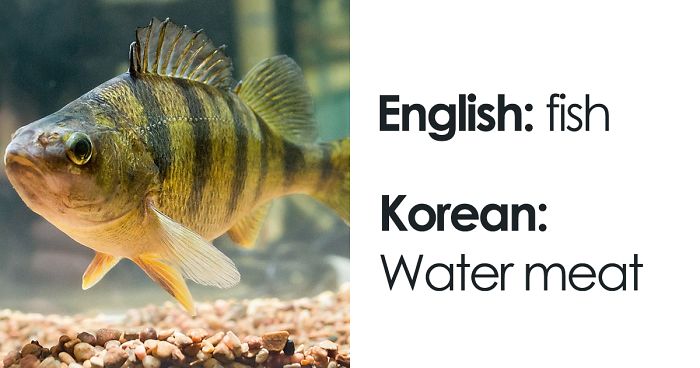
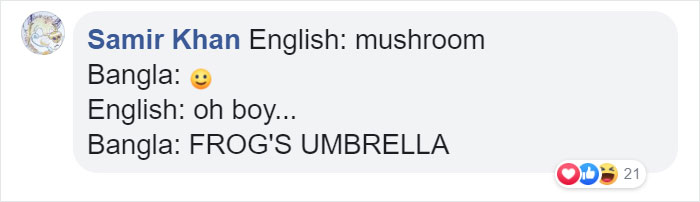
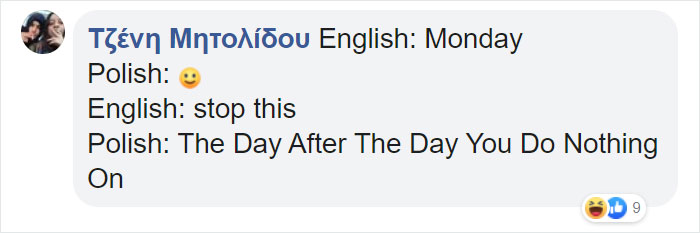
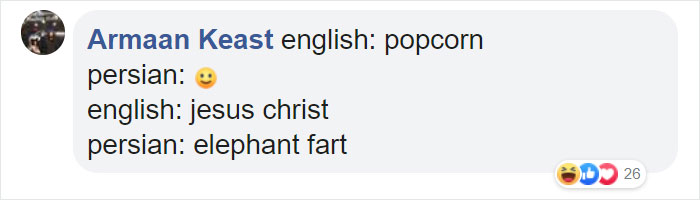
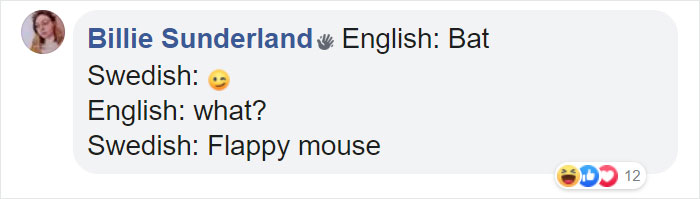
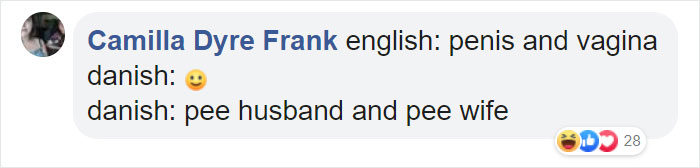
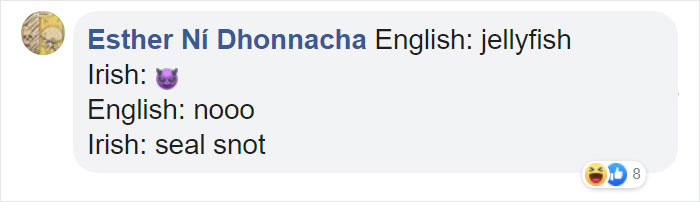
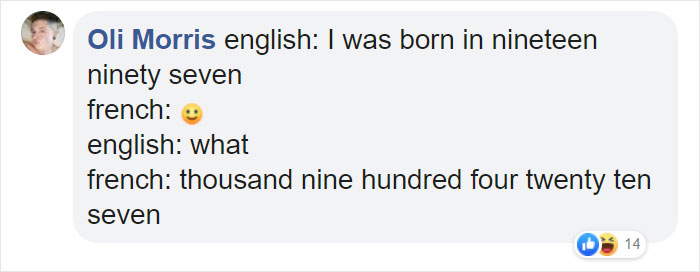
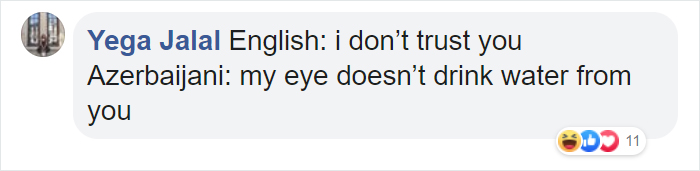
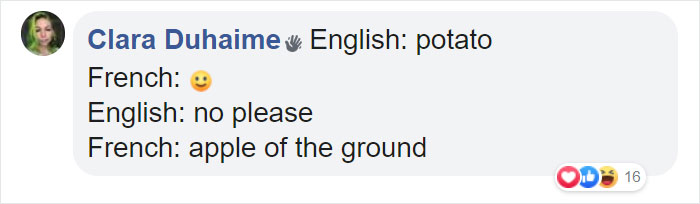
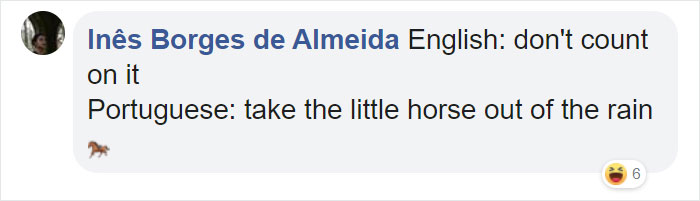
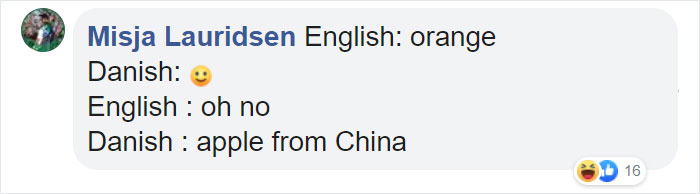
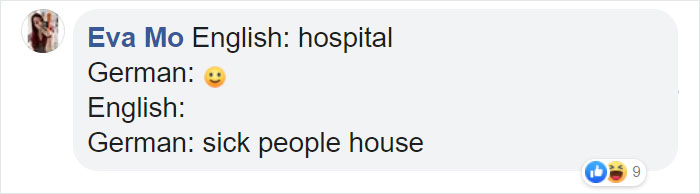
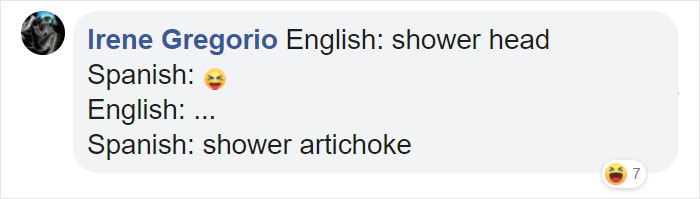
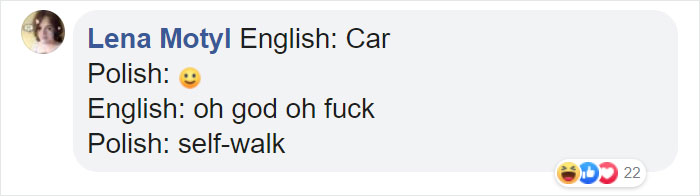
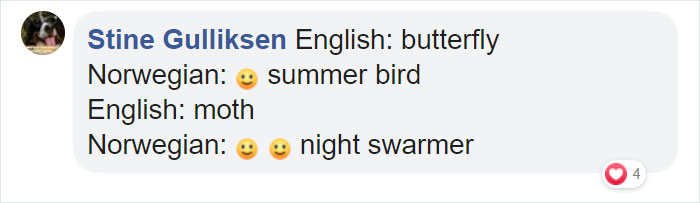
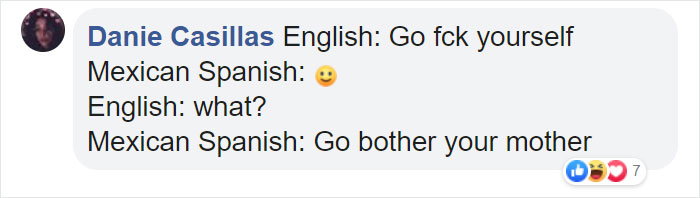
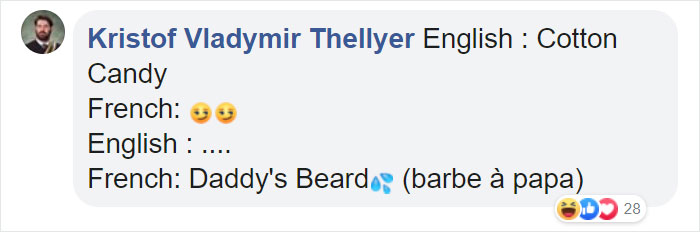
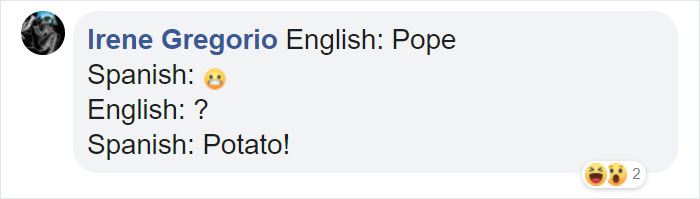
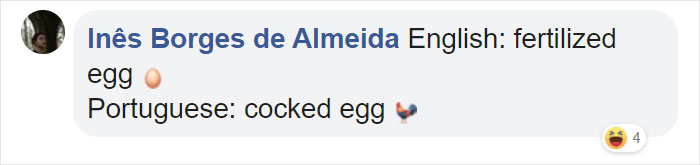
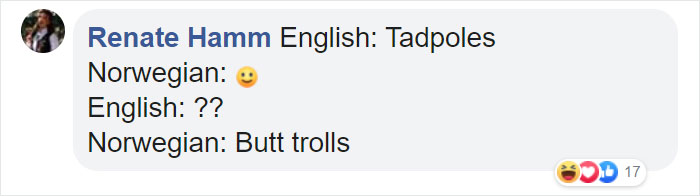
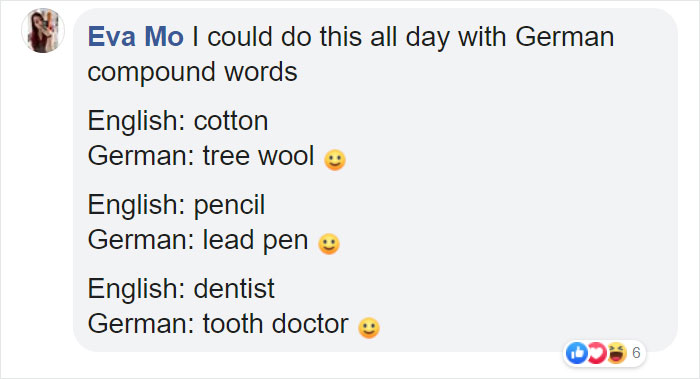
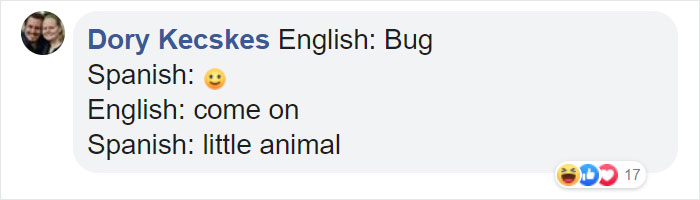
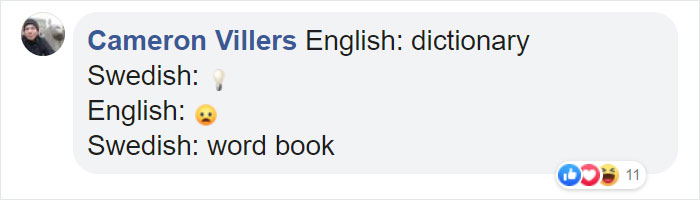
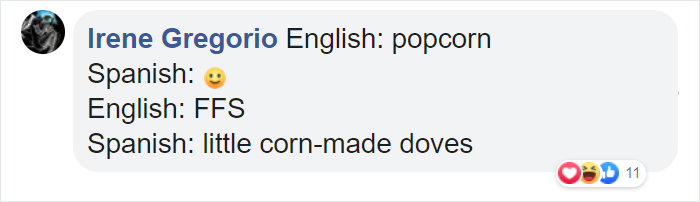
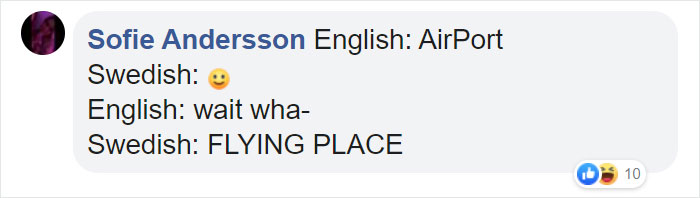
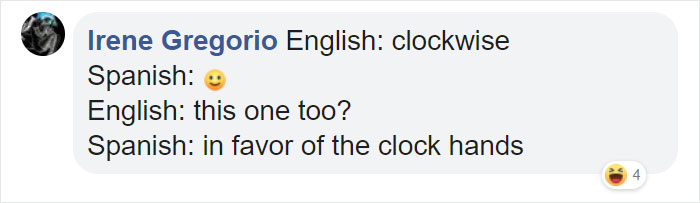
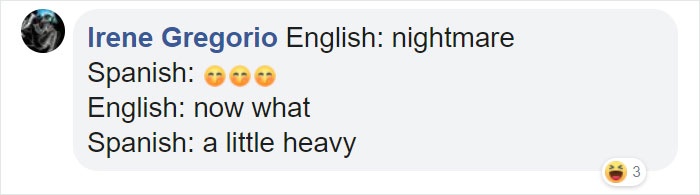
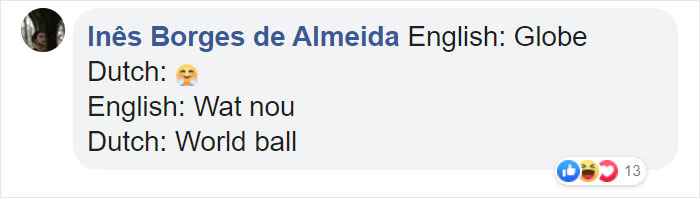
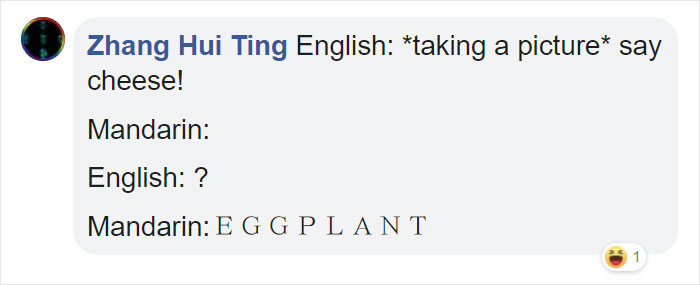
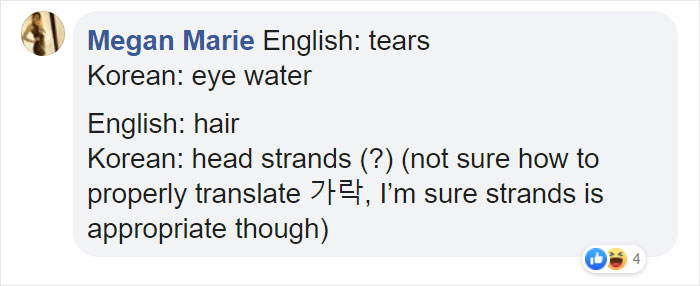
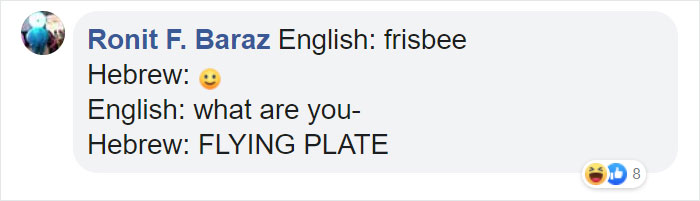
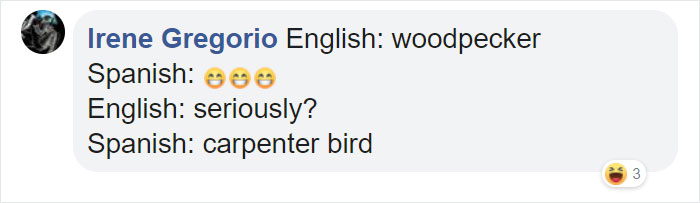
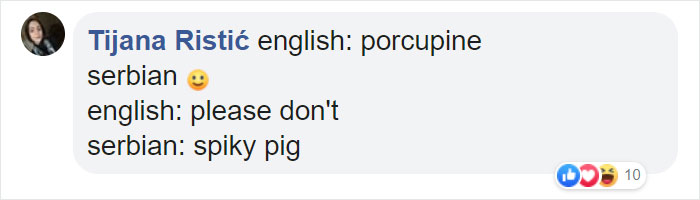
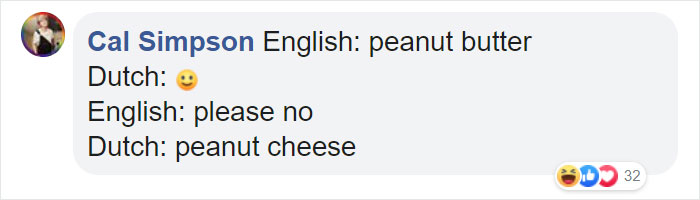
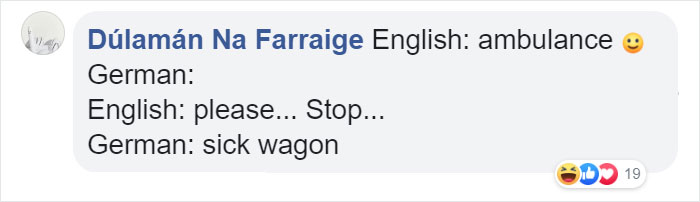
Learning a new language is challenging. However, it's just as rewarding. I mean, having the ability to interact with someone who grew up in a a completely different environment? Juk tai nuostabu. And the lessons aren't just a painstaking grind. They're full of fun things as well. One of them is literal translations, the "word-for-word" translations that tend to drift away from the sense of the original word on sentence. One of the members of the Facebook group Monolinguals are the worst has urged others to share the funniest literal translations they know, and, believe me, they delivered. Scroll down to check out these linguistic gems and upvote your favorites!
This post may include affiliate links.
Interestingly, the United States is largely monolingual. In fact, only about 15-20 percent of Americans call themselves bilingual, compared to 56 percent of Europeans surveyed in 2006 by the European Commission.
According to Arabic professor Mahmoud Al-Batal, the inability to speak a foreign language makes it difficult for Americans to compete globally on a linguistic and cultural level. Others who criticized the United States’ monolingual nature have highlighted problems in university-level language courses that result in students failing to reach higher levels of proficiency in a foreign language.


The term 'whisky' derives originally from the Gaelic 'uisge beatha', or 'usquebaugh', meaning 'water of life'. Gaelic is the branch of Celtic spoken in the Highlands of Scotland.



My grandmother's name was Handschoewerker. Flemish
Load More Replies...




Hand shoes does make sense, because the german word "Schuh" is based on an old word for "cover" or "sleeve".







Why say that? Either tell people, Provide a link or stay quiet! Comes across really pretentious.
Load More Replies...


Same in Dutch (sinaasappel or appelsien) and from Dutch (as far as I know) it was borrowed into many languages, including Russian.

I've never in my Hispanic life heard someone showering with an artichoke.. this is maybe from a very specific country or region, and not part of the common Spanish language, I think.

English: dragon Japanese: dragon English: dinosaur Japanese: fear dragon

Same in Portuguese. Funny thing is rollercoaster in Russian is American slides.

"butterfly" itself sounds rather weird to non-native English spreakers


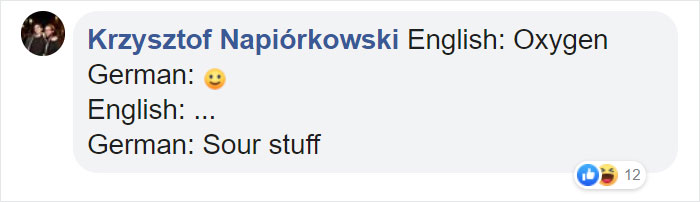
Oxygen translated from Greek means acid-producer so Germans just translated the name. Same with Finnish, happihappo.
Persian: same word for leg and foot. Also same word for hand and arm.
In Danish the mare rides you. You literally say "I've had the mare riding me". The mare being a being that takes you sexually against your will - and giving you evil dreams as a result.

Well, that's the actual translation from greek. Hippos: horse, potamos: river

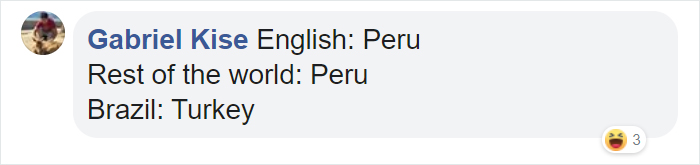
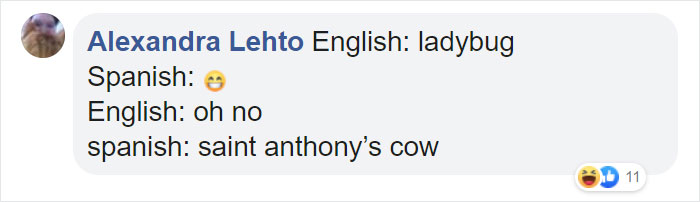
False! In Spanish is F****t (mariquita). Saint Anthony's cow is other bug!
The Chinese word in Japanese: oh, you mean like those from Ghost in the Shell.


That is just a literal translation, though, and not the meaning of the word. 'I morgen' means tomorrow, 'morgen' means morning. As in English, really, as 'morrow' is the same word (ie same origin) as 'morning' and 'morgen'.

And my personal favorite from: - English: terrible idea - Polish: poroniony pomysł (your idea was a miscarriage )
Tibetan has its share. Motorcycles are "magic horses" or "machine horses" (eastern dialect). Computers are also electric brains, or even more literally lightning brains. Turtles are bony frogs. Gloves are hand covers, socks are foot covers and condoms are penis covers. Libraries are book treasury houses. Hospitals are medicine houses. Planes are air-boats, and elephants are literally bix oxen.



Missing some italian pearls, like English : "what's your name?" - italian : "how you call you ?" - English : "How old are you ?" - Italian : "how many hears you have ?" :D oh and "how are you doing" becomes "how goes" in italian 😂

Peninsular Spanish (Castilian) has SO MANY incredible expressions. To say you're in a bad mood, you can say "estoy de mala leche" = "I'm of bad milk." To say you're going all in, you can say "de perdidos al río" = "from lost to the river." To express that something is surprising or incredible, you can say "cágate, lorito" = "s**t, little parrot." I'm a translator and this whole post is fascinating.


In Hebrew: "ani" means "me", "me" means "who", "who" means "he", and "he" means "she". Also, N is how you write the script letter "m" (mem).



English, half 12 (time) Swedish, half 1 Because it’s half TO the 1. Alway confirm what time you are meeting a Swede!

Same in Catalan but in quarters, so half past one is "two quarters of two"
Load More Replies...
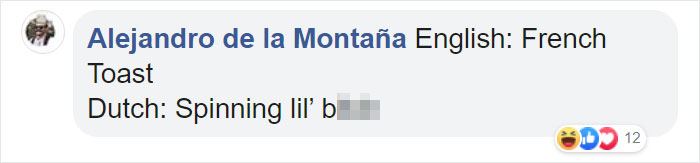
A few Dutch examples: English: French toast Dutch: Turning bitches. (Bitches as in female dogs though;-) ) English: Leopard Dutch: Lazy horse English: Seal Dutch: Sea Dog English: Moped (vehicle) Dutch: Mustache bike English: Ambulance Dutch: Burn again / Burn weather

French toast in Finnish is "poor knights" :). The recipe is a bit different, but still, what a name!
Load More Replies...
Crocodile in Vietnamese means ugly fish and a shark is a fat fish. Always thought people were joking when I started to learn the language& thought they were all into that:D

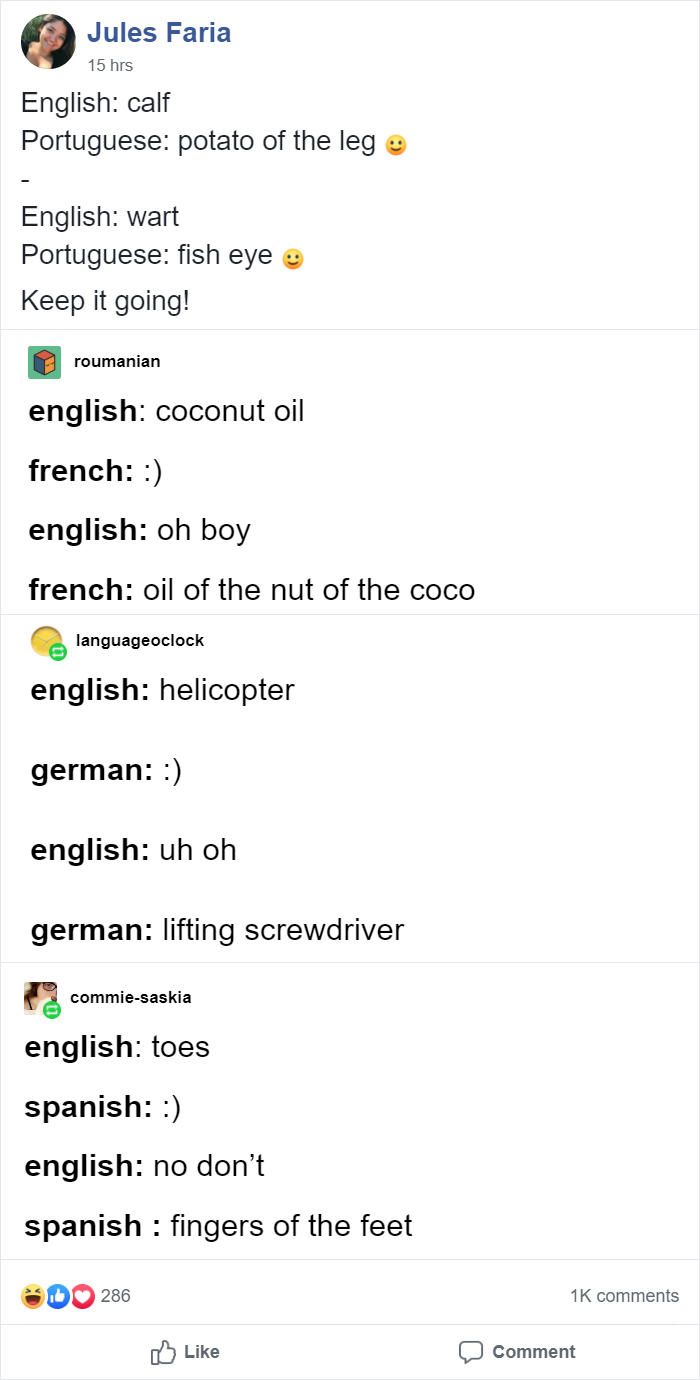
Helicopter isn't called a lifting screwdriver in german, but a lift screwer (Hubschrauber).

Argh though, I've always shuddered at the German translation of gums: toothmeat/flesh
Load More Replies...
I see a lot of Gaeilge, Irish, on this list, and I have to say I agree. Everything about it is dumb. Hello in Irish is Dia Daoibh, which literally translates to “God to you”
"Top of the morning to you" also has a correct response: "and the rest of the day to yourself"
Load More Replies... 

Someone built a translation machine and into it fed "The spirit is willing, but the flesh is weak" They translated it into Russian and back into English. They got back "The wine is agreeable but the meat has gone bad"
English has its own stupid terms: sea lion, sea horse, sea cow, sea monkey, sea urchin, sea cucumber, seaweed, dogfish, catfish, clown fish, bull shark, right whale, black rhino and white rhino (both are the same colour)... I'm sure there are other misnomers outside of the animal kingdom too.


For any of you who are not Canadian or are not familiar with eggnog (a drink we have around Christmas time)... the French Canadian literal translation is hen milk, or better yet s**t milk!
Hebrew has its share of military slang that went into common parlance. A lot of it is technically obscene: "To put a penis" or "to NOT put a penis" both mean "to not give a damn". Many expressions also come from the Torah or Talmud, for example "he's a lime-covered well" - "he has a good memory"; "he hits mountains together" - "he is a great scholar".

I don't know were that Portugueses person is from. But I've never heard of those 'transactions. For Calf we use stomach/belly of the leg (barriga da perna) and wart is Carnation (cravo)

I know that I'm a year late, but about "toes" in Spanish is not a literal translation. The thing is that we don't have a specific word (like "dedospie") for that, and we call to the toes "dedos de los pies" (fingers of the feet).

Also Italian has its own oddities: - Hedgehog: needle-pig - Shark: dog-fish - Sunset: [when the sun goes] behind the mountains - To sunbathe: to get a bronze skin - To kill: to club someone to death


My favourite is from English, lady literally means bread maker it's from an old English word. Most of these did not use the literal translation of the English words.

English: liver Bulgarian: Black lung English: bladder Bulgarian: pee bubble English: forearm Bulgarian: in front of the armpit English: ear lobe Bulgarian: ear seashell English: pickle Bulgarian: little sour cucumber

English - Italian: uncaring -> Idontgiveadamnist damn! -> cabbage! Crazy -> outside like a balcony Afterlife -> beyond the grave Know-all -> I-know-everything / everythingist

In German sauerkraut literally means "sour cabbage" and the phrase for "I'm sorry" (Es tut mir Leid) means "It does me suffering".






If you like the German language, go get yourself the book "you go me on the cookie" by Dana Newman


English: Now you have gone too far. Swedish: Don't s**t in the blue cabinet.

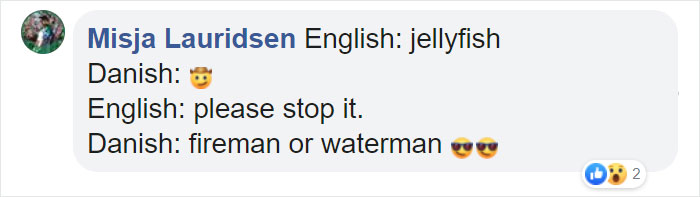
In Danish a JCB (earth mover) is called ‘gummiged’ which means ‘rubber goat’. Speed (velocity) in Danish is ‘fart’. Jellyfish (funny word to start with) in Danish is ‘vandmand’ which means ‘water man’.

I don't understand the smileys in some of those posts? Also, all the other Dutch users beat me to it when it comes to the Dutch translations, so I have nothing to say about any of these. XD
I find it fascinating, having worked in quite some countries.
Load More Replies...
In Dutch: “whats your name” = “hoe do you heat” and “whats up” = “hoe gate it” and “elephant” = “oil phant” and “turtle” = “shield toad” and “merkat = “little sticktail” and “We’re missing all of it!” = “It goes before our nose away.” and “raccoon” = “wash bear” and “chipmunk” = “ground squirrel” and “cellphone” = “little mobile” and “bra” = “Breast Holder (BH)” Pfew, I hope you’ll enjoy this cuz I did 30 minutes about this. 😉
Load More Replies...
Surprised not to see a lot of the Finnish ones here, like: English - Dice, Finnish - "Lottery Cube" (arpakuutio) , English - Turtle, Finnish - "Shield Toad" (kilpikonna), English - Bra, Finnish - "Breast Vests" (rintaliivit), and the word for "Sloth" (as in the animal) is literally just "Lazy One" (Laiskiainen)
Brassiere in French relates to a kind of vest, but the garment worn on the breasts translates as "throat supporter".
Load More Replies...


English = Double Barrel Shotgun Afrikaans = Double hail walk gun English = brother in law Afrikaans = heavy English = Tree root Afrikaans - carrot of tree English - Leopard Afrikaans - Lazy horse

And let's not forget - English: giraffe, Afrikaans: camel horse
Load More Replies...
sloth in german = lazy animal / platypus = beak animal / armadillo = belt animal

Englisch: Gear German: Tooth-wheel English: Spotlight German: Shine-thrower English: You annoy me German: You go me on the sack English: You are crazy German: You have one on the waffle

Tibetan has its share. Motorcycles are "magic horses" or "machine horses" (eastern dialect). Computers are also electric brains, or even more literally lightning brains. Turtles are bony frogs. Gloves are hand covers, socks are foot covers and condoms are penis covers. Libraries are book treasury houses. Hospitals are medicine houses. Planes are air-boats, and elephants are literally bix oxen.
Missing some italian pearls, like English : "what's your name?" - italian : "how you call you ?" - English : "How old are you ?" - Italian : "how many hears you have ?" :D oh and "how are you doing" becomes "how goes" in italian 😂
Peninsular Spanish (Castilian) has SO MANY incredible expressions. To say you're in a bad mood, you can say "estoy de mala leche" = "I'm of bad milk." To say you're going all in, you can say "de perdidos al río" = "from lost to the river." To express that something is surprising or incredible, you can say "cágate, lorito" = "s**t, little parrot." I'm a translator and this whole post is fascinating.
In Hebrew: "ani" means "me", "me" means "who", "who" means "he", and "he" means "she". Also, N is how you write the script letter "m" (mem).
English, half 12 (time) Swedish, half 1 Because it’s half TO the 1. Alway confirm what time you are meeting a Swede!
Same in Catalan but in quarters, so half past one is "two quarters of two"
Load More Replies... A few Dutch examples: English: French toast Dutch: Turning bitches. (Bitches as in female dogs though;-) ) English: Leopard Dutch: Lazy horse English: Seal Dutch: Sea Dog English: Moped (vehicle) Dutch: Mustache bike English: Ambulance Dutch: Burn again / Burn weather
French toast in Finnish is "poor knights" :). The recipe is a bit different, but still, what a name!
Load More Replies... Crocodile in Vietnamese means ugly fish and a shark is a fat fish. Always thought people were joking when I started to learn the language& thought they were all into that:D
Helicopter isn't called a lifting screwdriver in german, but a lift screwer (Hubschrauber).
Argh though, I've always shuddered at the German translation of gums: toothmeat/flesh
Load More Replies... I see a lot of Gaeilge, Irish, on this list, and I have to say I agree. Everything about it is dumb. Hello in Irish is Dia Daoibh, which literally translates to “God to you”
"Top of the morning to you" also has a correct response: "and the rest of the day to yourself"
Load More Replies... Someone built a translation machine and into it fed "The spirit is willing, but the flesh is weak" They translated it into Russian and back into English. They got back "The wine is agreeable but the meat has gone bad"
English has its own stupid terms: sea lion, sea horse, sea cow, sea monkey, sea urchin, sea cucumber, seaweed, dogfish, catfish, clown fish, bull shark, right whale, black rhino and white rhino (both are the same colour)... I'm sure there are other misnomers outside of the animal kingdom too.
For any of you who are not Canadian or are not familiar with eggnog (a drink we have around Christmas time)... the French Canadian literal translation is hen milk, or better yet s**t milk!
Hebrew has its share of military slang that went into common parlance. A lot of it is technically obscene: "To put a penis" or "to NOT put a penis" both mean "to not give a damn". Many expressions also come from the Torah or Talmud, for example "he's a lime-covered well" - "he has a good memory"; "he hits mountains together" - "he is a great scholar".
I don't know were that Portugueses person is from. But I've never heard of those 'transactions. For Calf we use stomach/belly of the leg (barriga da perna) and wart is Carnation (cravo)
I know that I'm a year late, but about "toes" in Spanish is not a literal translation. The thing is that we don't have a specific word (like "dedospie") for that, and we call to the toes "dedos de los pies" (fingers of the feet).
Also Italian has its own oddities: - Hedgehog: needle-pig - Shark: dog-fish - Sunset: [when the sun goes] behind the mountains - To sunbathe: to get a bronze skin - To kill: to club someone to death
My favourite is from English, lady literally means bread maker it's from an old English word. Most of these did not use the literal translation of the English words.
English: liver Bulgarian: Black lung English: bladder Bulgarian: pee bubble English: forearm Bulgarian: in front of the armpit English: ear lobe Bulgarian: ear seashell English: pickle Bulgarian: little sour cucumber
English - Italian: uncaring -> Idontgiveadamnist damn! -> cabbage! Crazy -> outside like a balcony Afterlife -> beyond the grave Know-all -> I-know-everything / everythingist
In German sauerkraut literally means "sour cabbage" and the phrase for "I'm sorry" (Es tut mir Leid) means "It does me suffering".
If you like the German language, go get yourself the book "you go me on the cookie" by Dana Newman
English: Now you have gone too far. Swedish: Don't s**t in the blue cabinet.
In Danish a JCB (earth mover) is called ‘gummiged’ which means ‘rubber goat’. Speed (velocity) in Danish is ‘fart’. Jellyfish (funny word to start with) in Danish is ‘vandmand’ which means ‘water man’.
I don't understand the smileys in some of those posts? Also, all the other Dutch users beat me to it when it comes to the Dutch translations, so I have nothing to say about any of these. XD
I find it fascinating, having worked in quite some countries.
Load More Replies... In Dutch: “whats your name” = “hoe do you heat” and “whats up” = “hoe gate it” and “elephant” = “oil phant” and “turtle” = “shield toad” and “merkat = “little sticktail” and “We’re missing all of it!” = “It goes before our nose away.” and “raccoon” = “wash bear” and “chipmunk” = “ground squirrel” and “cellphone” = “little mobile” and “bra” = “Breast Holder (BH)” Pfew, I hope you’ll enjoy this cuz I did 30 minutes about this. 😉
Load More Replies... Surprised not to see a lot of the Finnish ones here, like: English - Dice, Finnish - "Lottery Cube" (arpakuutio) , English - Turtle, Finnish - "Shield Toad" (kilpikonna), English - Bra, Finnish - "Breast Vests" (rintaliivit), and the word for "Sloth" (as in the animal) is literally just "Lazy One" (Laiskiainen)
Brassiere in French relates to a kind of vest, but the garment worn on the breasts translates as "throat supporter".
Load More Replies... English = Double Barrel Shotgun Afrikaans = Double hail walk gun English = brother in law Afrikaans = heavy English = Tree root Afrikaans - carrot of tree English - Leopard Afrikaans - Lazy horse
And let's not forget - English: giraffe, Afrikaans: camel horse
Load More Replies... sloth in german = lazy animal / platypus = beak animal / armadillo = belt animal
Englisch: Gear German: Tooth-wheel English: Spotlight German: Shine-thrower English: You annoy me German: You go me on the sack English: You are crazy German: You have one on the waffle




























 No fees, cancel anytime