Get Premium
Dark mode theme is available exclusively for premium users. Learn more about the benefits of subscribing.
No fees, cancel anytime.

 Dark Mode Ad-Free Browsing Unlimited Content
 Ad-Free Browsing Unlimited Content Dark Mode
Join 1.2 million Panda readers who get the best art, memes, and fun stories every week!
22submissions
1week left

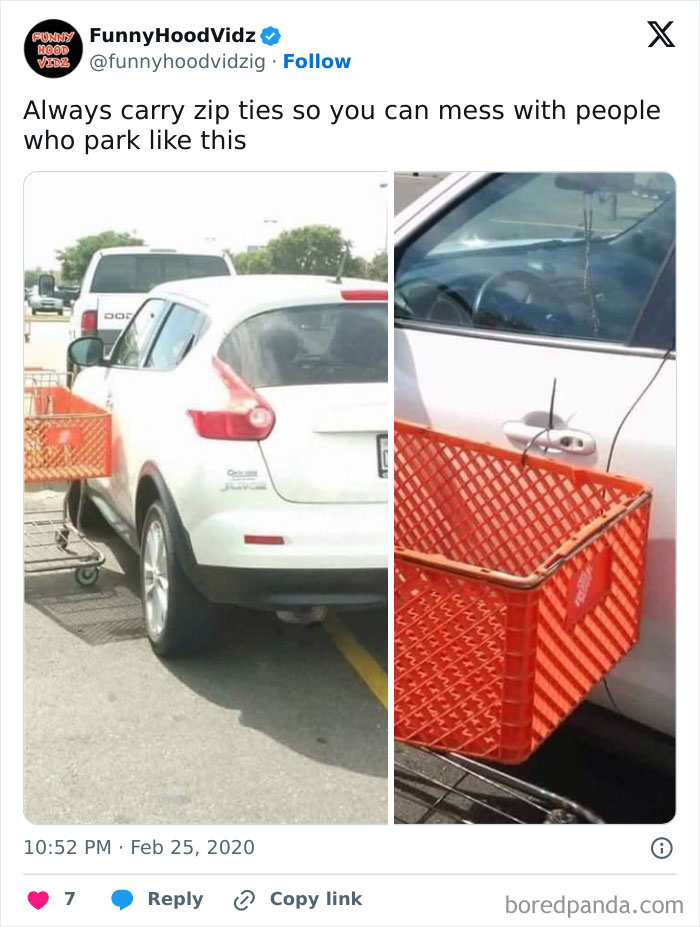
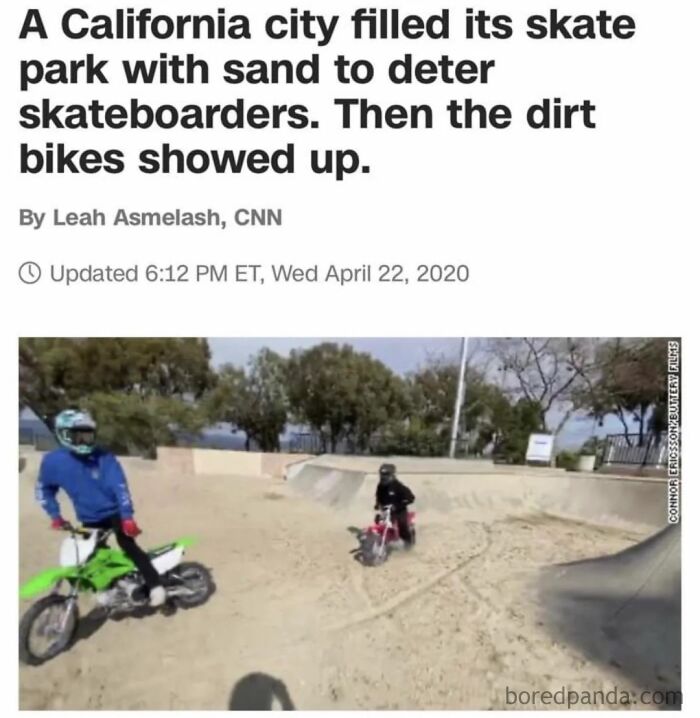
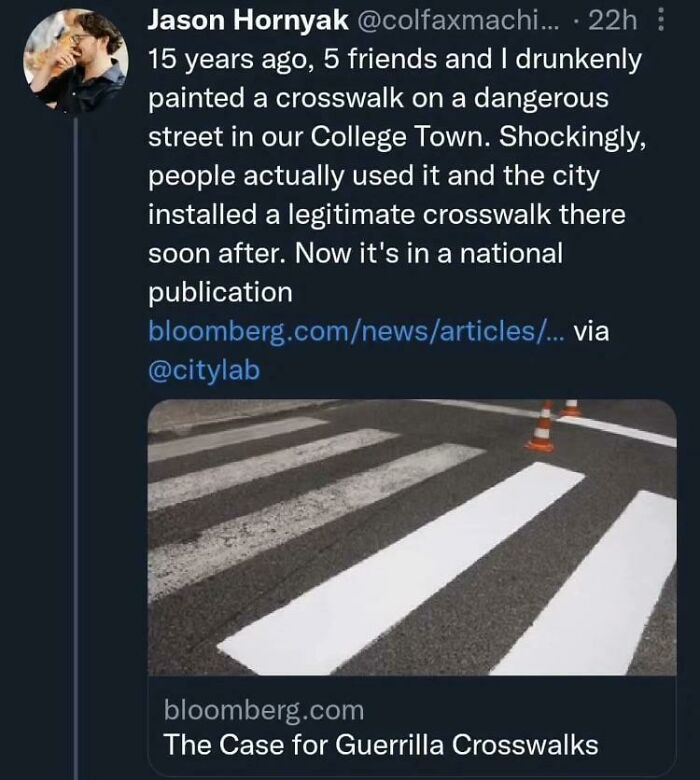
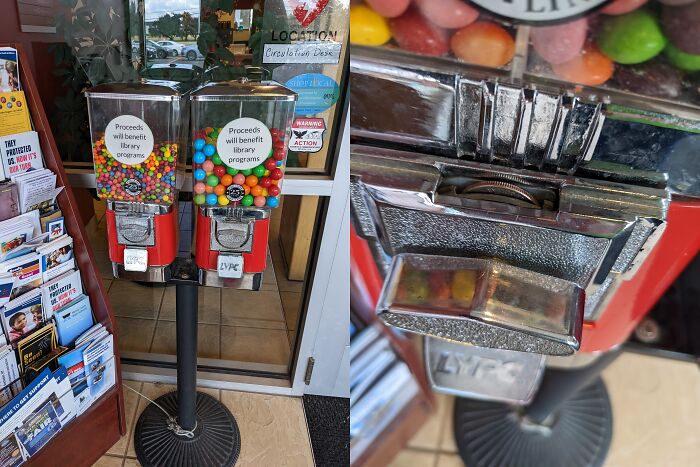
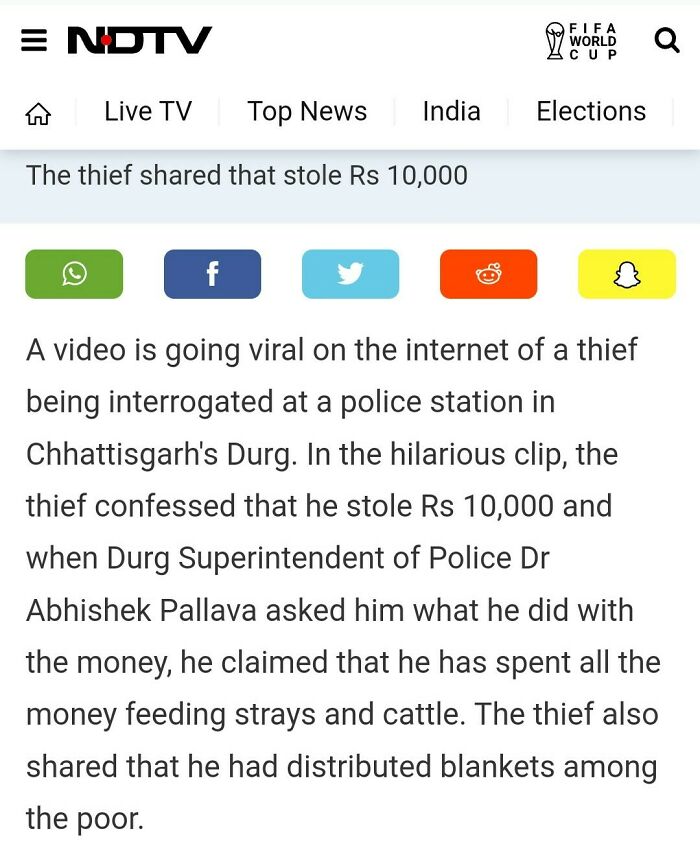
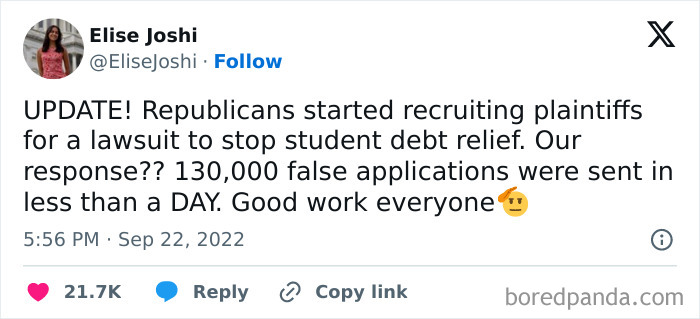
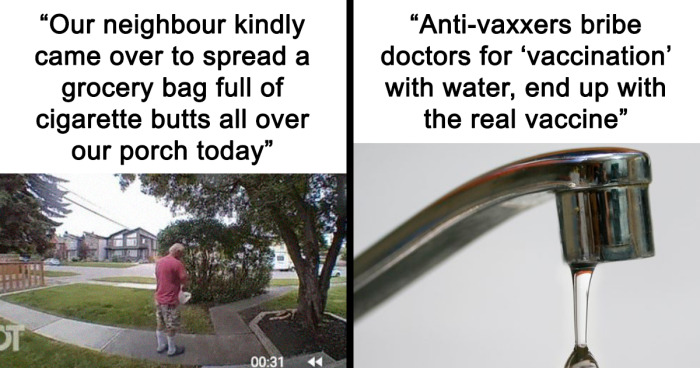
It feels good to do good, so people find numerous ways to help others and spread kindness. Some, though, turn to somewhat unconventional ways to accomplish their good deeds, which results in what can only be called ‘Chaotic Good’.
Unsurprisingly, there’s an entire community dedicated to such instances, which has amassed over 200k members already. We have found some of the best examples of how wholesome they can be, shared by the ‘Chaotic Good’ subreddit, so scroll down to find them on the list below and make sure to upvote your favorites.
Click here & follow us for more lists, facts, and stories.
This post may include affiliate links.
Created 15 years ago, the subreddit is dedicated to examples of chaotic good actions, which have attracted over 217k members already. The instances cover everything from fighting hate groups in the most inventive ways possible to supporting others through tough times, reviving people’s faith in humanity one post at a time.
Such somewhat altruistic behavior encourages people to believe in the kindness of others; and the majority of them do. A survey of adults in the US revealed that as many as 83% of them believe that humans are inherently good. Another one reported that the number was as high as 81%, adding that nearly half of the surveyed, though, consider themselves “better” than everyone else they know.
Some of the actions in the pictures shared by ‘Chaotic Good’ could be considered expressions of altruism, the level of which, according to some scholars, might vary depending on the individual’s brain.
Research suggests that people who express strong altruistic behavior have a more active—and sometimes even larger—right amygdala, which is responsible for the way we feel and perceive emotions in others; fear especially. That’s why it’s arguably safe to assume that the level of altruism is tied to people’s neurologically driven ability to perceive and empathize with others’ fears and vulnerabilities.
The research also suggests that altruism is ingrained in live beings at an evolutionary level. It is believed that in its basic form, altruism helped preserve species by members helping each other.
It pointed out that it can be witnessed not only among people, but in the animal kingdom as well; for example, among worker bees that “choose feeding the hive’s young over reproducing” or ravens that alert others of their species of a food supply they all can share.
When it comes to people, their level of altruistic tendencies often depends on certain factors, such as age and social proximity of the other person, as well as the nature of what is being sacrificed in order to help others.
A 2017 study revealed that people feel less altruistic sentiment to those who are more socially distant; for instance, they might not help a stranger, but they would a relative in a similar situation. It also suggested that individuals tend to feel more health altruistic towards young kids and more wealth altruistic towards adults, showing that altruism can be somewhat situational.
It’s not only adults feeling altruistic towards kids, though; children as little as two years exhibit signs of seeking to help others as well. Studies suggest that toddlers feel greater happiness when sharing treats rather than getting them themselves. In addition to that, they feel more content giving up their resources rather than sharing something at no cost.
Luckily, people seemingly don’t grow out of feeling happy about doing good when they exit the toddler years. Based on Michael Steger’s—a psychologist at the University of Louisville in Kentucky—findings, good deeds (even if somewhat chaotic, in my opinion) make people happy.
He carried out a study assessing people’s involvement in pleasure-seeking behavior, versus meaningful activities, such as helping others or listening to people’s problems. Steger learned that the extent to which people participated in meaningful activities was positively linked to their level of happiness; pleasure-seeking behavior, on the other hand, didn’t seem to reap similar rewards.
In addition to the sporadic cases of chaotic good, people also take up volunteering—another activity arguably capable of restoring one’s faith in humanity. According to TeamStage, over a billion people globally take part in volunteering, whose labor equals to over 109 million full-time workers.



















 No fees, cancel anytime