Get Premium
Dark mode theme is available exclusively for premium users. Learn more about the benefits of subscribing.
No fees, cancel anytime.

 Dark Mode Ad-Free Browsing Unlimited Content
 Ad-Free Browsing Unlimited Content Dark Mode
Join 1.2 million Panda readers who get the best art, memes, and fun stories every week!
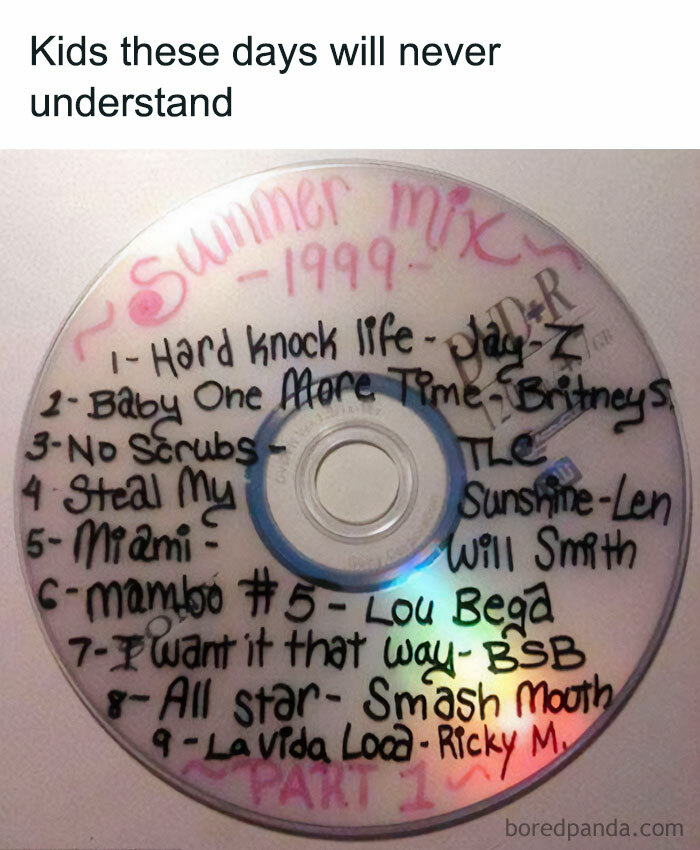
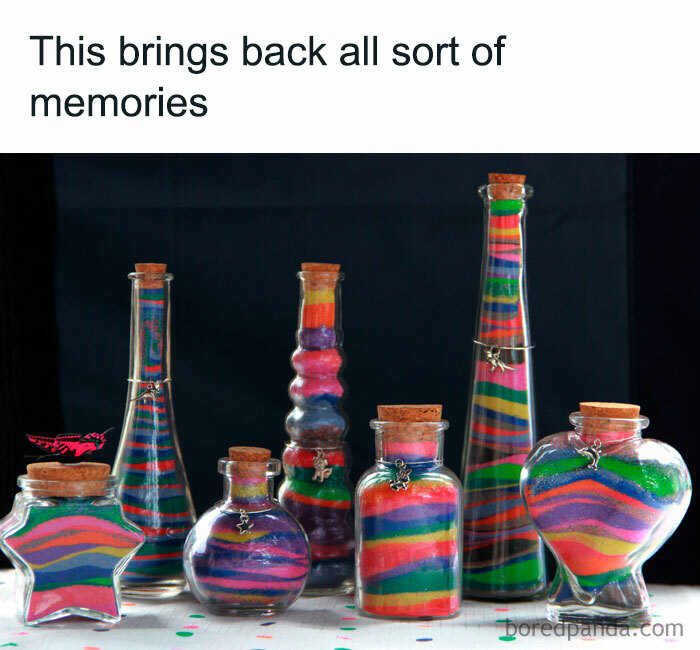
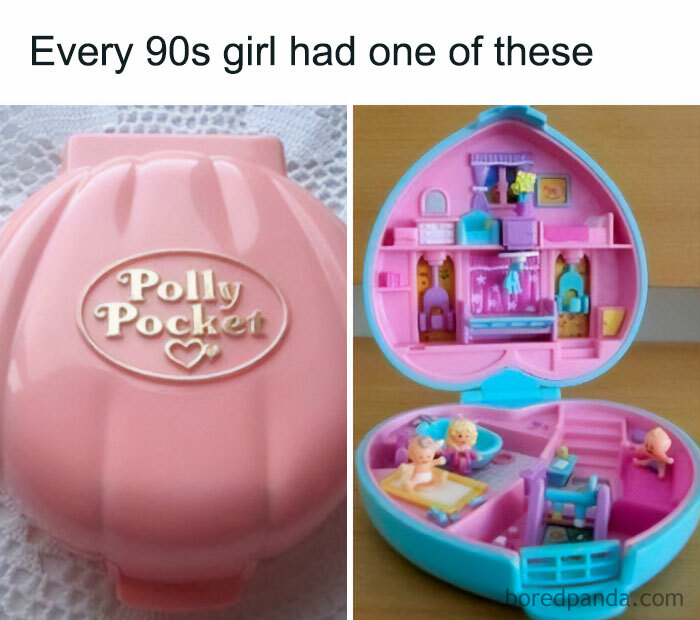
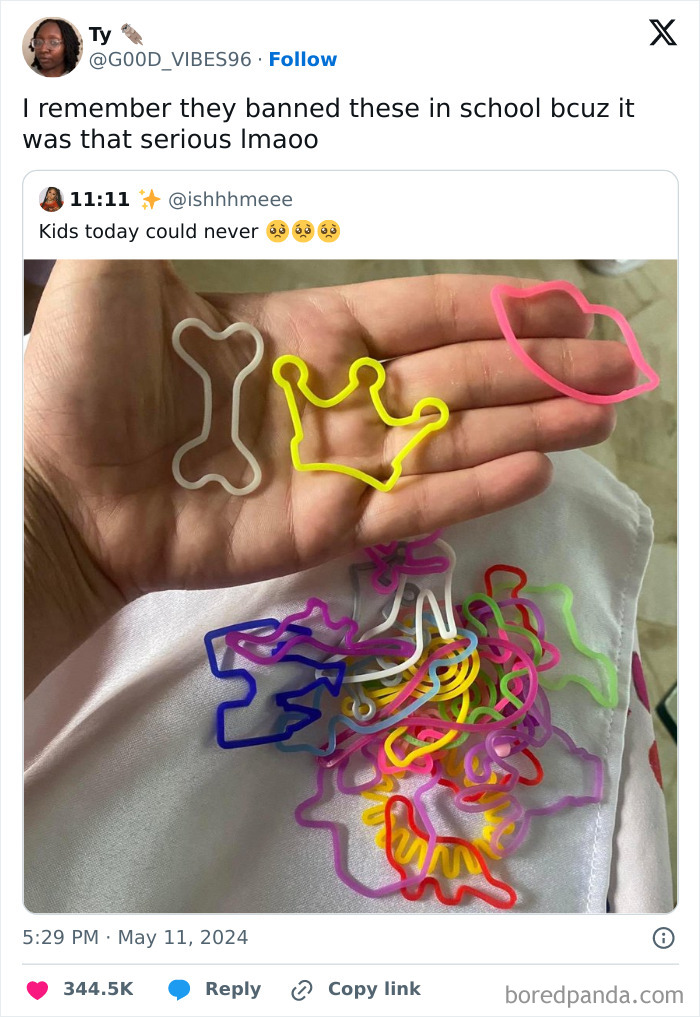
The first Bondi blue iMac, Sillybandz, and trading Pokémon cards. Feeling nostalgic yet? These three things have one characteristic in common: they were all around when millennials were kids. As most of our likes and dislikes come from childhood impressions, those who grew up in the '90s will always have a soft spot for these things.
Luckily, there are pages online that preserve our memory of this iconic decade. Like the "I was born in the 1990s" Facebook page, dedicated to nostalgic content relevant to that era. With its 1 million followers, it boasts a community of like-minded '90s kids hungry for a taste of their wonderful formative years.
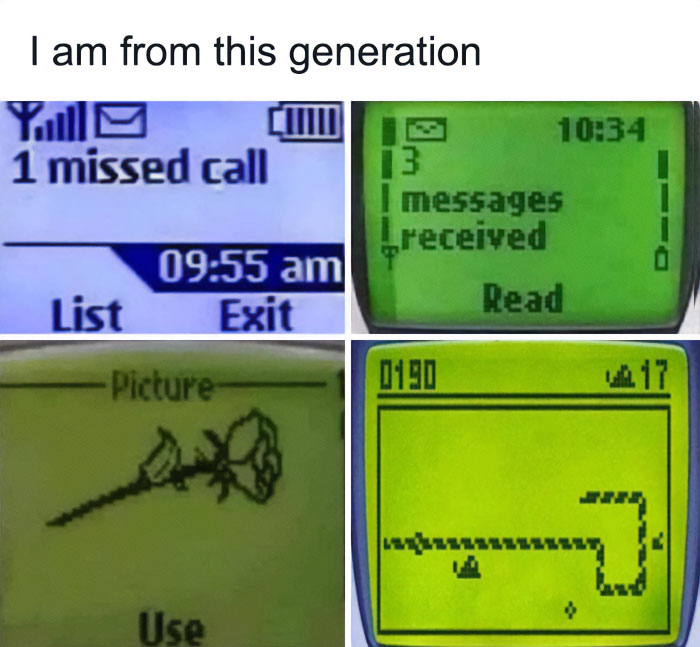
Since everything these days seems to be about nostalgia, from movie remakes to old-school Nokias coming back in style, Bored Panda sought some expertise about using '90s nostalgia in marketing. Social media marketing guru Peg Fitzpatrick kindly agreed to tell us more about the power of the '90s in marketing. Read her expert insights below!
More info: Peg Fitzpatrick | The Art Of Small Business Social Media | Instagram
This post may include affiliate links.
"Nostalgia is like a time-traveling magnet for consumer behavior," says Peg Fitzpatrick, a social media marketing consultant for small businesses. "It doesn't just tug at heartstrings; it wraps them around entire marketing strategies."
"People love revisiting the '90s because it was a simpler time of slap bracelets and dial-up internet—nostalgia taps into that longing for the good ol' days. Social media marketers can wield this powerful tool by creating content that resonates with these fond memories, from throwback ads to retro-themed product launches. After all, who wouldn't want to relive the days of TGIF and neon scrunchies?" Peg asks.
"Nostalgia isn't just a wistful glance in the rearview mirror; it's a powerhouse in consumer behavior that marketers can't ignore," Peg explains the psychology behind using nostalgia for marketing.
"It taps into our innate desire for connection and comfort, transporting us back to when things seemed simpler and more carefree. Whether it's reminiscing about Saturday morning cartoons or the thrill of collecting Pokémon cards, nostalgia evokes strong emotions and a sense of longing for the past."
According to Fitzpatrick, nostalgia works so well in marketing because it feels so personal. "From a marketing perspective, nostalgia serves as a powerful tool to engage audiences on a deeper level."
"Brands can leverage nostalgia to create authentic connections with consumers by tapping into shared cultural experiences and memories. This can be seen in campaigns that resurrect iconic '90s brands or icons, evoking a sense of familiarity and nostalgia that resonates with both longtime fans and younger generations," Peg points out.

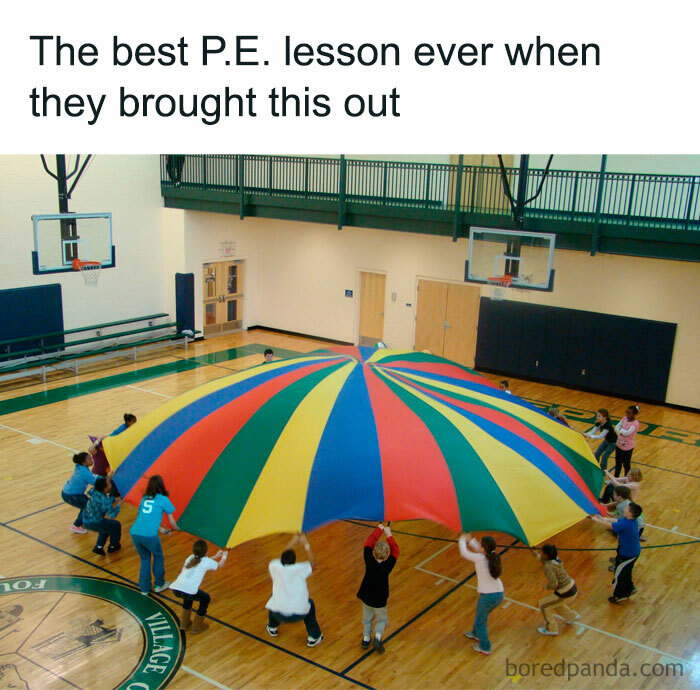
Nah. The best PE class was when they let us use the scooter boards (square boards on four casters). We ran relay races with those.
Oh yeah!!!! That and dodge ball were my favorites!!!
Load More Replies...


This just reminded me about something, I'm not sure if I've recalled, since it happened. So I was in elementary school and we created a giant underwater world that we could walk inside of. We took sheets of almost like giant saran wrap and taped them together, it took up almost the entire gymnasium. Once it was taped up air tight, these big industrial air blowers were turned on and made it into a humongous bubble, almost. Us kids got to draw and add our own pieces to the aquarium theme and I remember no one was allowed to wear shoes inside but it was big enough for many adults and kids could fit inside it comfortably. I think maybe because we did the parachute in gym, at this time is what made me remember this. So thanks for this happy memory I had. 😊



Some schools still do that. My husband teaches PE at a school and he got a real kick at how amazed the kids were by the parachute.

Ours had a mesh circle in the center and when you tossed it up for kids to run under it, it looked like a spotlight moving back and forth. Felt like a game show!


I saw an I think TikTok of highschool grads doing this one more time to celebrated their graduation. and I think we need to make this a tradition


It was great until the other person who was running Under the parachute ran. right in to me my glasses. bloody mess! I think they may have been running w/ their eyes closed. Maybe that makes it more fun. Still enjoyed it even after that!



Not for us wheelchair users. Or in my friends' case (or some of them) blind people

We used an actual ex military parachute for this! No idea where the school got it from.

It was for launching the 4 square balls into the stratosphere then running for cover before you were knocked unconscious, or was that just my school?



The only time I ever liked gym class and I LOVED it when the parachute came out!






Not so fun for me. I lost two teeth playing tug-of-war in 87 when I lost my grip on the parachute and the back of my head hit the wall of the gym. It was enough force to cause me to permanently lose one of my bottom front teeth.




That would be because you were taught to use the word incorrectly. "Parachute" is the object. "Skydive" is the verb. You don't PARACHUTE from an airplane, you SKYDIVE from an airplane. You skydive USING a parachute. I'm sorry that your childhood memory was not the same as most.
Load More Replies...Nostalgia is also a good way to build brand loyalty. "When consumers associate positive emotions with a brand's nostalgic elements, they are more likely to develop a strong affinity for that brand and remain loyal over time," Peg explains. "This emotional connection goes beyond product features or pricing—it's about fostering a relationship built on shared experiences and values."
Social media makes it even easier for brands to harvest nostalgia. "[It allows] brands to engage with consumers in real-time conversations about their favorite memories and cultural touchstones," Peg says.
"Whether through throwback posts, retro-themed campaigns, or limited-edition reissues of classic products, marketers can create immersive brand experiences that tap into the universal appeal of nostalgia."
"Ultimately, nostalgia in marketing isn't just about looking back; it's about creating meaningful connections that resonate with consumers' emotions and values," Peg emphasizes. "By harnessing the power of nostalgia responsibly and authentically, brands can turn fond memories into enduring brand loyalty and advocacy."

I think millenials (Gen X and Y) understand this much better than boomers.
Surprisingly, those born in the 2000s and even the 2010s love the '90s, too. They're as responsive (if not more) to '90s nostalgia campaigns as millennials are. The pop music "It" girl of Gen Z, Olivia Rodrigo, for example, masterfully uses her love for the '90s aesthetics both in her music and in her marketing campaigns.
Peg takes Ulta Beauty's Hello Kitty campaign as another example. According to her, it exemplifies the art of blending timeless appeal with contemporary flair. "From themed makeup collections to skincare products adorned with Hello Kitty motifs, these campaigns capture the hearts of both longtime fans and new audiences alike."
"By tapping into cultural icons that transcend generations, brands can forge connections that go beyond mere consumerism, fostering a sense of nostalgia and community."

So, do the '90s no longer belong to the people who actually grew up in the nineties? "Demographics in '90s nostalgia are as diverse as a Saved by the Bell reunion episode," Peg quips.
"Sure, millennials who grew up with Game Boys and Tamagotchis are prime targets. But don't underestimate the allure for Gen Z and even Gen Xers—they're all craving a taste of that Walkman-wearing, Beanie Baby-collecting era."
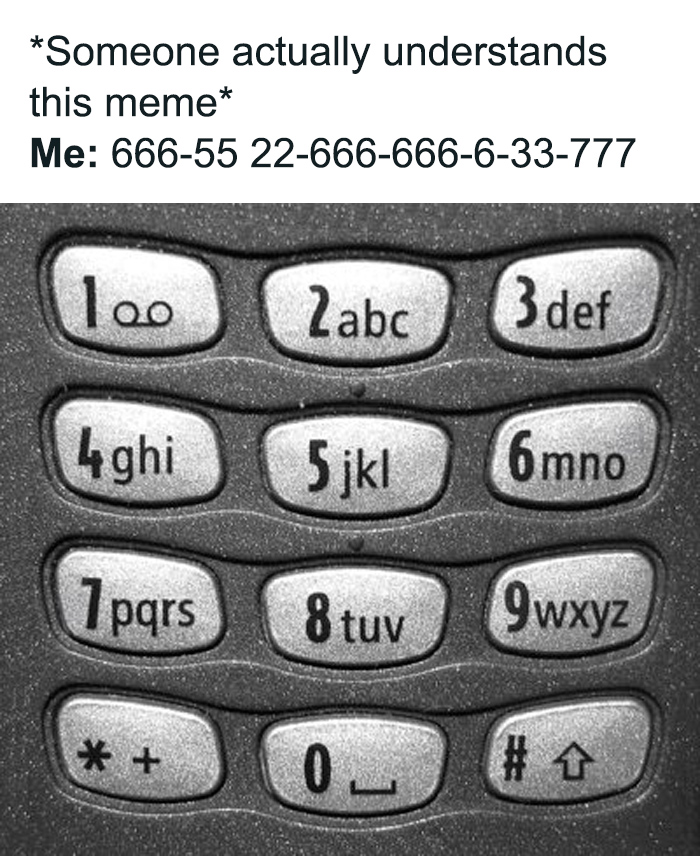
Flip phones, Tamagotchis, and cassettes coming back in fashion has little to do with when people were born, apparently. "Nostalgia in marketing isn't just about age," Peg confirms. "It's about tapping into shared cultural touchstones that transcend generations. After all, who doesn't smile at the thought of Blockbuster Friday nights and dial-up internet woes?"
These were unreal

Nowadays you're culrucified as a terrible person if you let your 10 year old alone for 5 minutes.

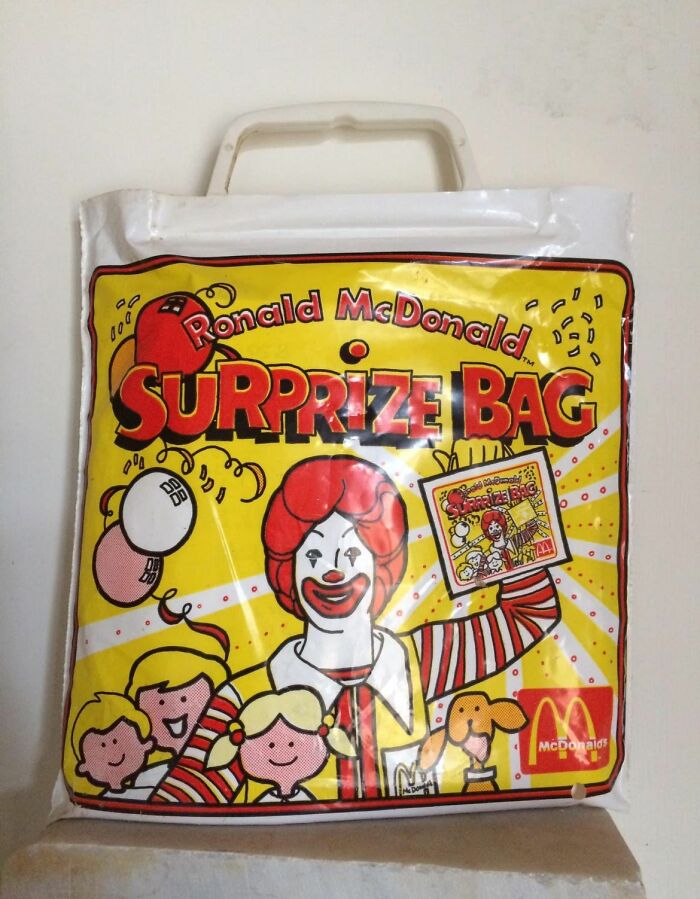
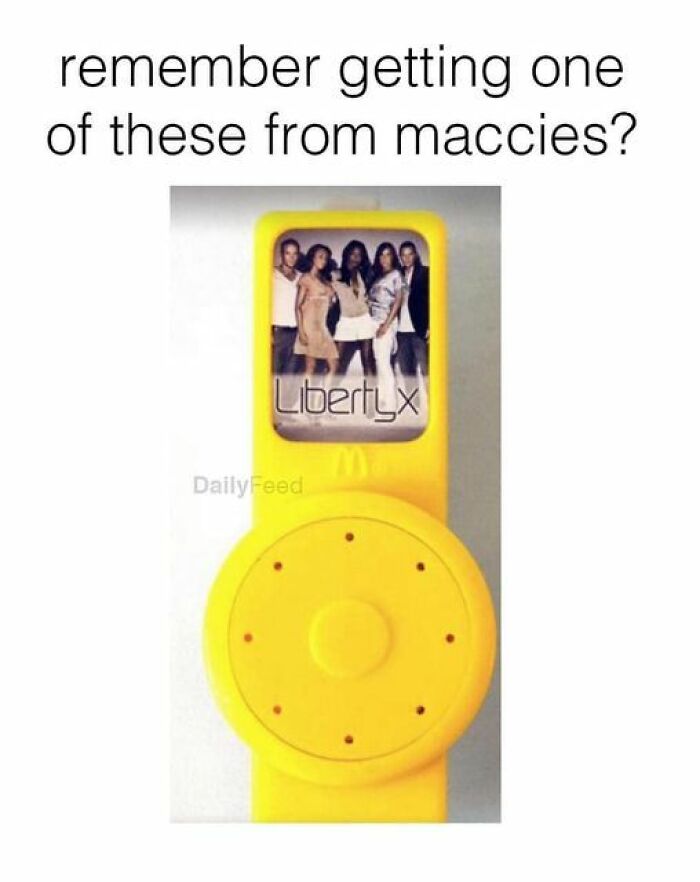
Oh wow! I feel ancient. Mum has a MASSIVE box of Happy Meal toys in her loft - mainly unwrapped that were sent to her as an apology by Mcdonalds in the mid 90s when she complained after they forgot the cake for one of our birthday parties... She can't remember whose. There is some awesome stuff in there
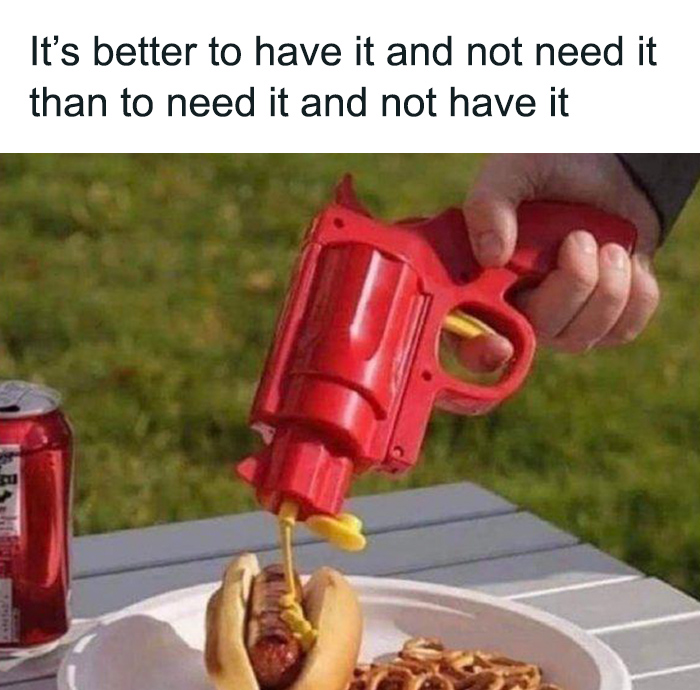
A gun for mustard? I'm fairly sure this wasn't a thing in Europe, Asia, Australia, South America, Australia, Antarctis, Arktis, Africa, Tattooine or Dagobah.

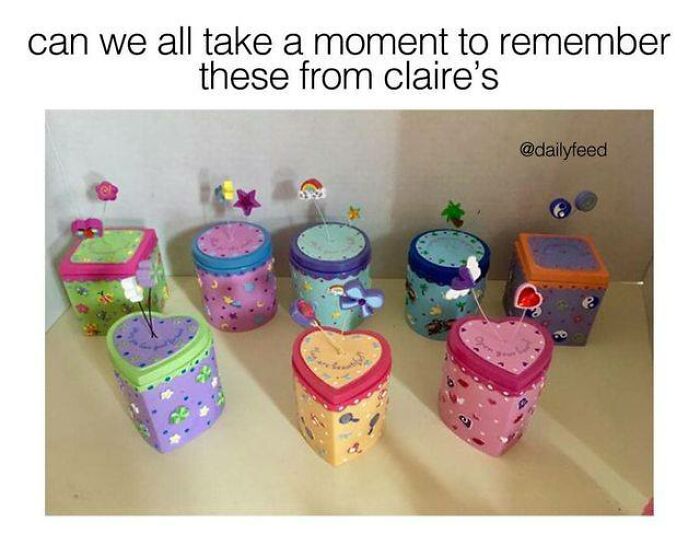
Dear god. I worked at Claire's in 03-04. These stupid things were add ons at the register and there was a different one every month. We had to push them so friggin hard.
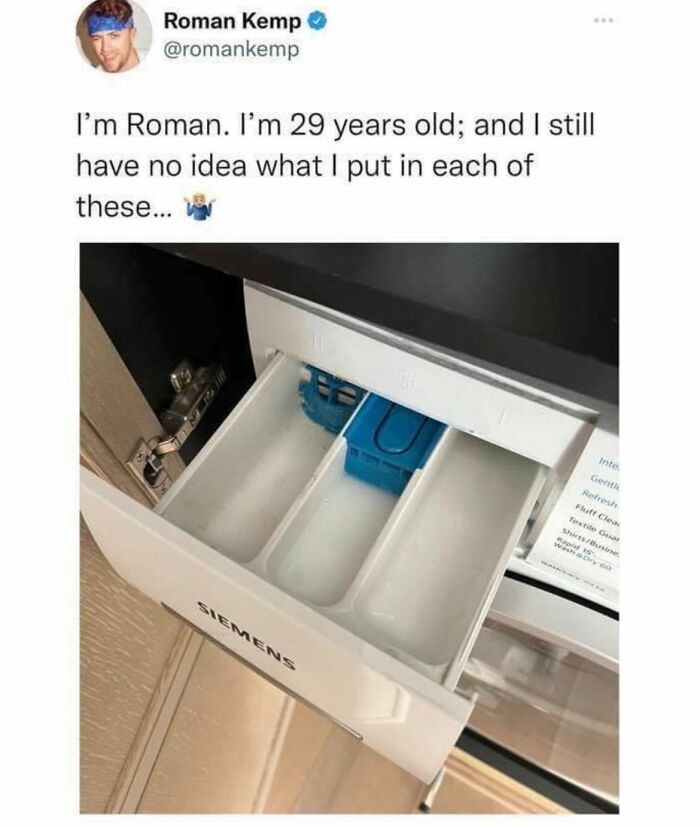
Have you tried reading the manual? I'm sure you'll find your answers there.


Must have UK and America because I remember most of these well.
Load More Replies...

I am the right age, mostly. I grew up in the late 80s. But I'm too foreign. Nobody would have had access to any of these things unless they were super wealthy. Plastic toys didn't come until we started trading with China in the mid-late 90s. And electronic toys were too expensive for most families.
Load More Replies...
When I was a kid, we played with rocks and sticks. Our house had one phone, it was plugged into the wall, it has a rotary dial on it and we weren't allowed to use it because local calls cost money back then.

When I was a young kid we did too. I spent a lot of time with my aunt, she had converted an old school bus and her and my uncle lived out in the middle of nowhere. This was back in the 80's, before this huge trend hit. There were no tvs, electricity, phones. We used our imaginations. Made forts, bows and arrows, found gun shaped sticks for hunting.
Load More Replies...

I wouldn’t say a lot, but it was nice to see a few that made sense for once though!
Load More Replies... Must have UK and America because I remember most of these well.
Load More Replies... I am the right age, mostly. I grew up in the late 80s. But I'm too foreign. Nobody would have had access to any of these things unless they were super wealthy. Plastic toys didn't come until we started trading with China in the mid-late 90s. And electronic toys were too expensive for most families.
Load More Replies... When I was a kid, we played with rocks and sticks. Our house had one phone, it was plugged into the wall, it has a rotary dial on it and we weren't allowed to use it because local calls cost money back then.
When I was a young kid we did too. I spent a lot of time with my aunt, she had converted an old school bus and her and my uncle lived out in the middle of nowhere. This was back in the 80's, before this huge trend hit. There were no tvs, electricity, phones. We used our imaginations. Made forts, bows and arrows, found gun shaped sticks for hunting.
Load More Replies... I wouldn’t say a lot, but it was nice to see a few that made sense for once though!
Load More Replies... 












 No fees, cancel anytime
 then open in external browser


 and click "Open in External Browser"