Get Premium
Dark mode theme is available exclusively for premium users. Learn more about the benefits of subscribing.
No fees, cancel anytime.

 Dark Mode Ad-Free Browsing Unlimited Content
 Ad-Free Browsing Unlimited Content Dark Mode
Join 1.2 million Panda readers who get the best art, memes, and fun stories every week!
We often read about great civilizations, lost cities, and ancient marvels in history books. But let’s be honest, sometimes words on a page don’t quite capture the magic. What really brings the past alive are the images—the structures, the art, the moments frozen in time that speak louder than any textbook ever could.
Today, we’ve compiled a collection of archaeological wonders that span centuries and civilizations, curated from the Facebook page “Archaeology and Art.” These awe-inspiring finds will leave you stunned by their detail, beauty, and the mysteries still buried within them. Shared by passionate history lovers online, this list is a powerful reminder that the past isn’t gone, it’s just waiting to be rediscovered.
This post may include affiliate links.
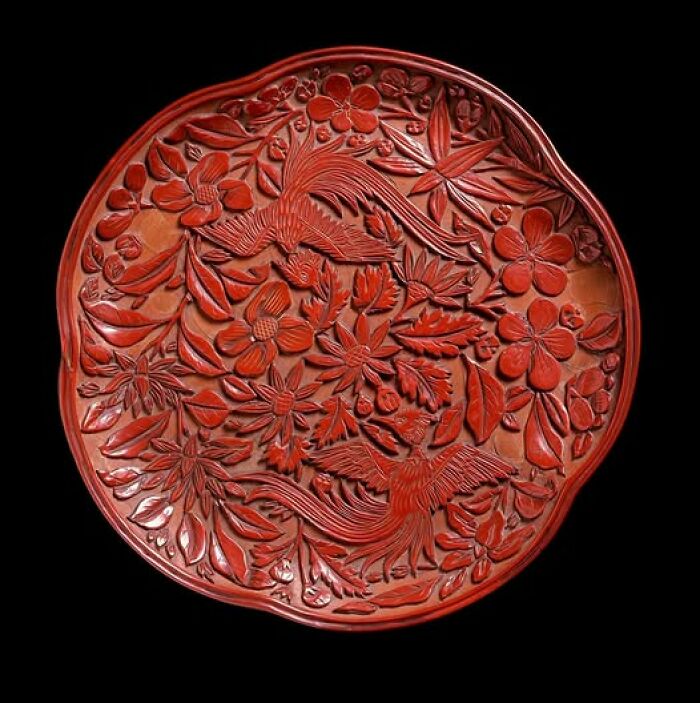
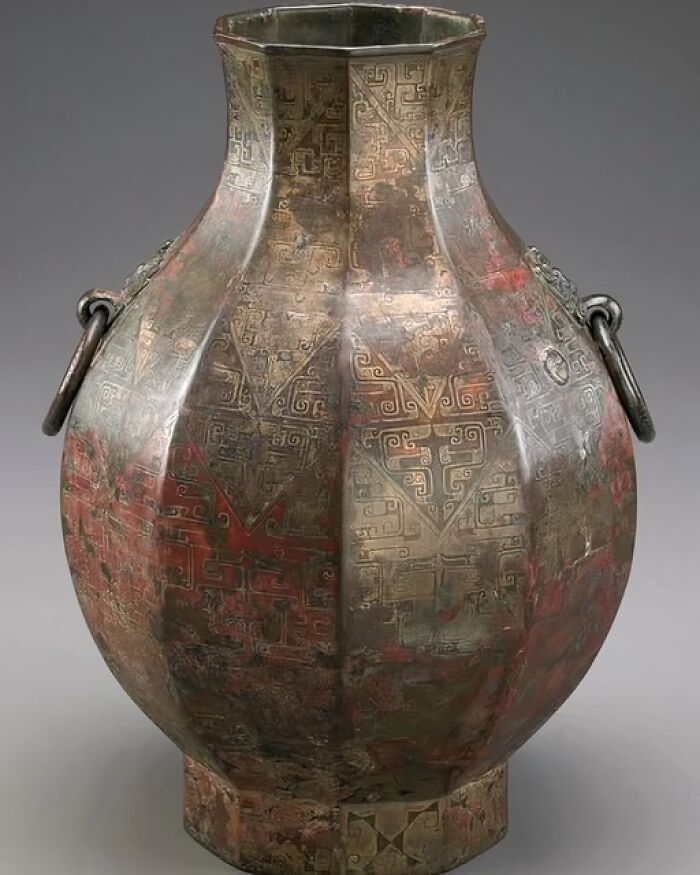
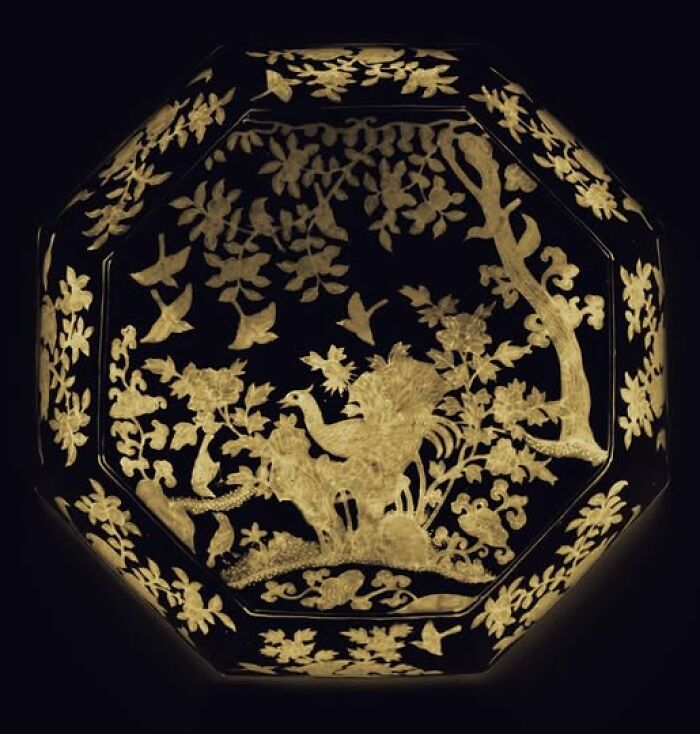
Carved Red Lacquer On Wood Core; Height: 7/8 In. (2.2 Cm), Diameter: 7 3/8 In. (18.8 Cm). Los Angeles County Museum Of Art, Los Angeles, Gift Of Dr. And Mrs. Sam K. Lee (M.86.330)
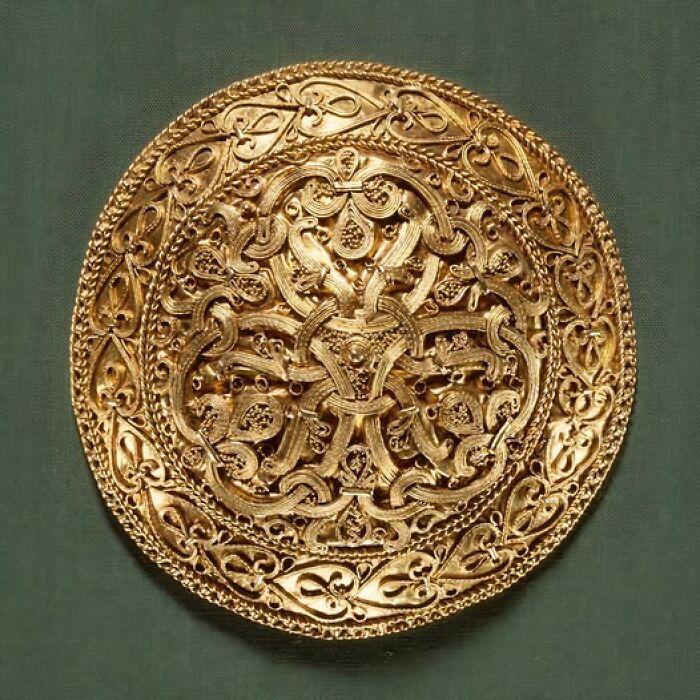
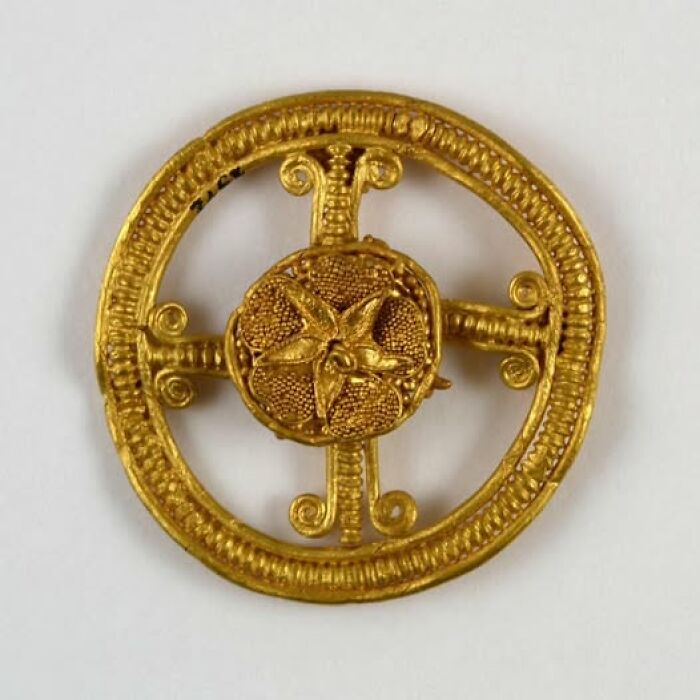
This brooch, decorated with wire filigree and granulation, was made by a Danish goldsmith in the last half of the tenth century. It's now on display at the National Museum of Denmark in Copenhagen

Archaeology is more than just digging into the dirt, it's a way of understanding how people lived long before us. By studying what they left behind, we learn not just about their daily lives, but also about the bigger challenges they faced.
From tools and shelter to food and rituals, every discovery gives us a small window into their world. These traces, however ordinary they may seem, reveal incredible insights into how human societies functioned. Every layer of soil carries a story, sometimes of survival, sometimes of innovation, but always of human experience.
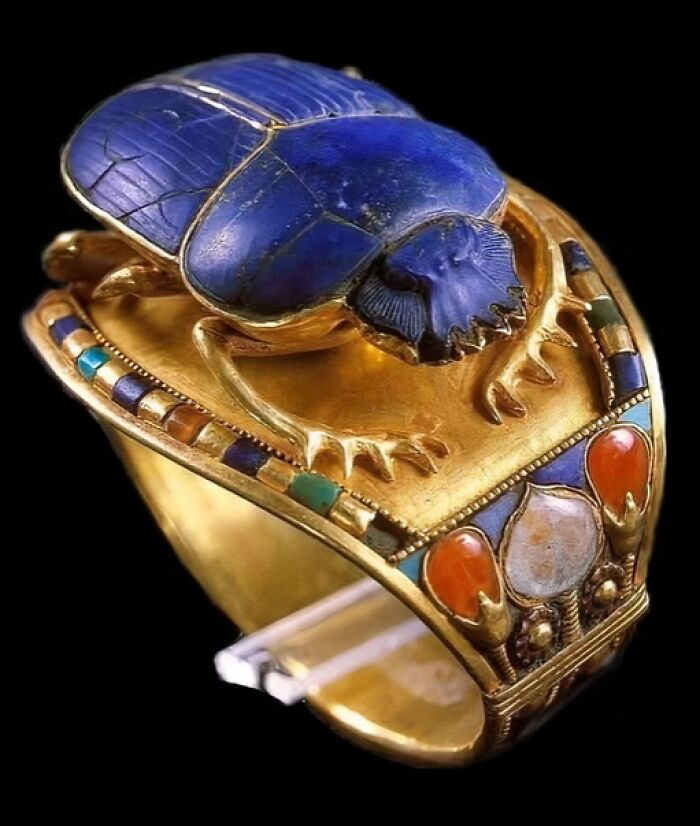
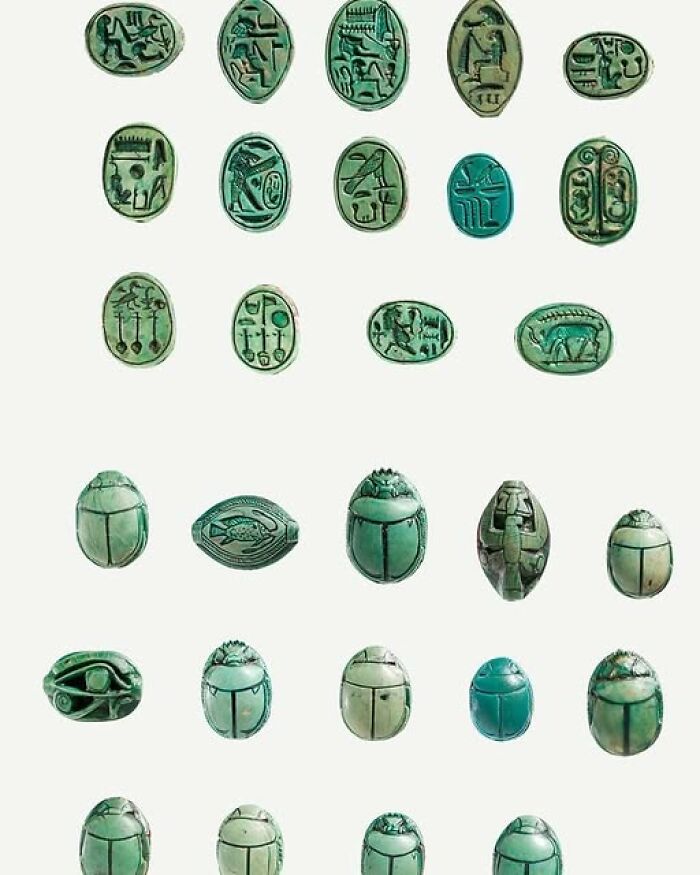
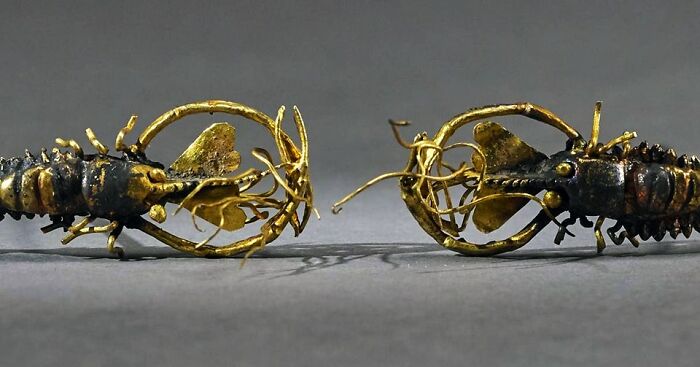
The scarab has been deified during Ancient Egypt. Its shape was related to the god Jepri in the graphic representation (human body and scarab face). However, normally, people referred to the scarab as Ra, the creator of the universe, one of the most important gods in the Egyptian pantheon.
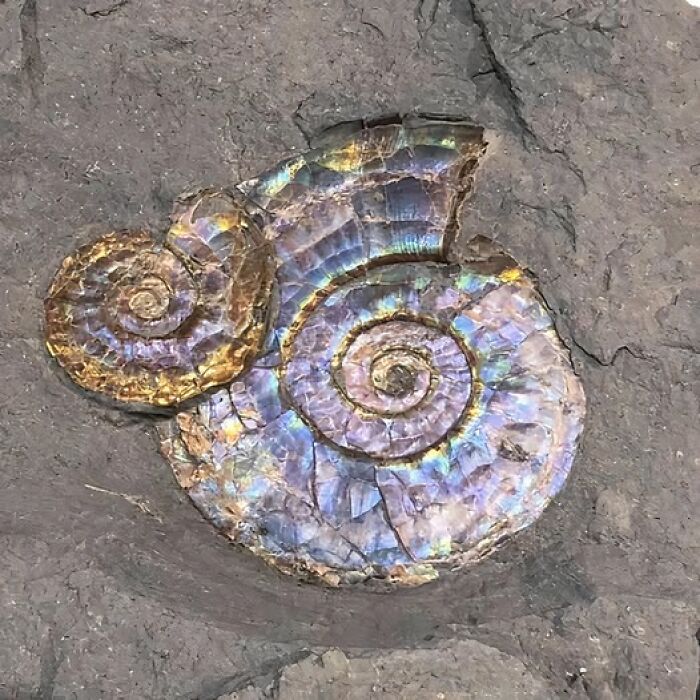
Photo: Geologic Gallery

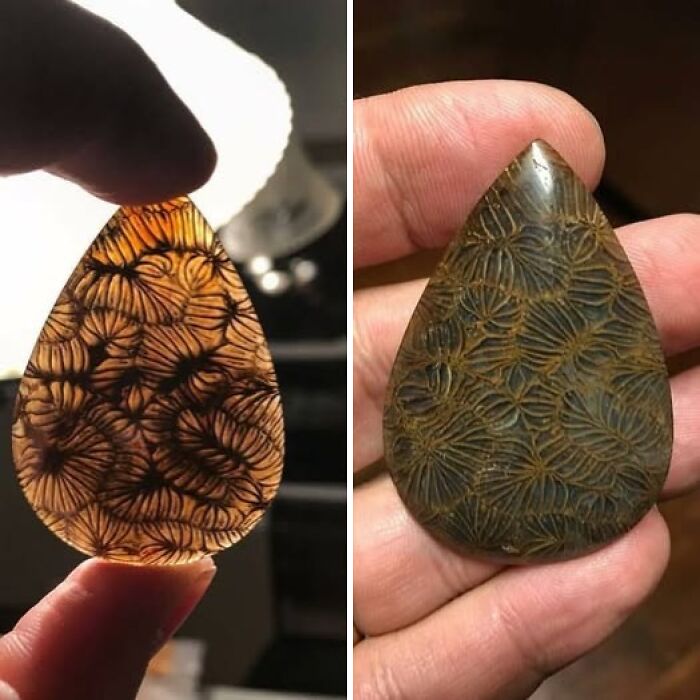
Ammolite is an opal-like organic gemstone. It is commonly unearthed by natural erosion or through the process of various mining practices, within the perimeter of an ancient sea bed. It is made of the fossilized shells of ammonites. It is one of few biogenic gemstones; others include amber and pearl.
What makes archaeology even more fascinating is how multidisciplinary it truly is. It draws from fields like climatology, history, dentistry, art history, chemistry, and even 3D modeling. When archaeologists examine ancient bones, for example, they may consult experts in human health or disease.
If they’re interpreting architecture or symbolism, they work with historians and artists. This collaboration across disciplines makes archaeology one of the richest research areas. It’s not just about finding things, it’s about understanding them from every possible angle.
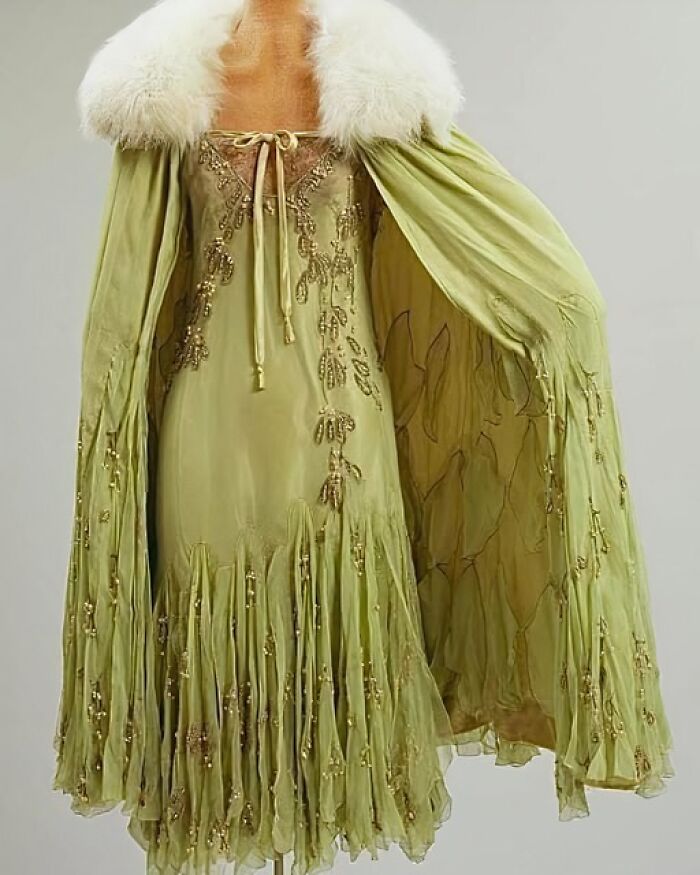
The dress is of sheer green silk chiffon with narrow shoulder straps and a flared skirt. Decorative mistletoe motifs of bugle beads, clear stones and pearls adorn the neckline, left hip and skirt. The skirt is comprised of twelve triangular shaped panels decoratively stitched in a “lettuce leaf” design with a scalloped lower edge. Mrs. Post wore this to her daughter Eleanor’s debut dance at the Ritz Carlton. From Art Deco, Art Nouveau and 20th Century Decoratif Arts Group.
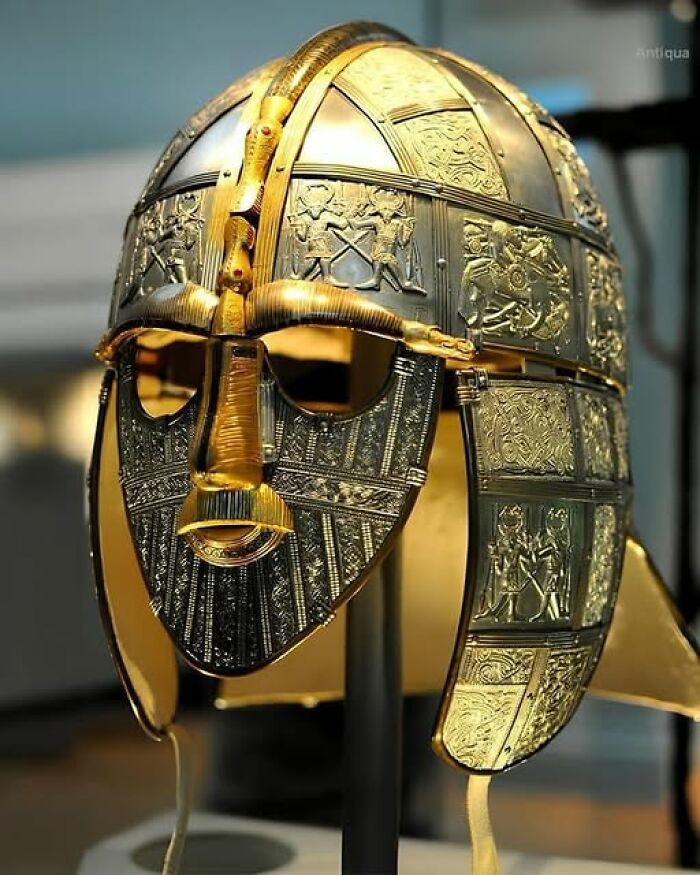
This early 7th century ship burial yielded a stunning array of artefacts, including an intricately designed ceremonial helmet and exquisite gold and garnet jewellery. Surprisingly, no human remains were left behind as the acidic soil had swallowed up the occupier’s traces, leaving his identity undisguised. Although many speculate that it may have been King Rádwald of East Anglia, based on the extravagance of the burial, we may never know for sure, adding to the allure of the story of Sutton Hoo.

The helmet depicted here is the reconstruction. The original helmet is still very impressive, but this picture is a modern version.
One of the major benefits of archaeology is how it helps us understand environmental change over time. By studying soil layers, plant remains, or ancient water systems, archaeologists can track shifts in climate and resource use.
This information is incredibly valuable today, as we face environmental challenges of our own. Learning how ancient people adapted or failed to adapt offers lessons that are directly relevant now. In many ways, archaeology gives us a long-term view of human interaction with the planet.

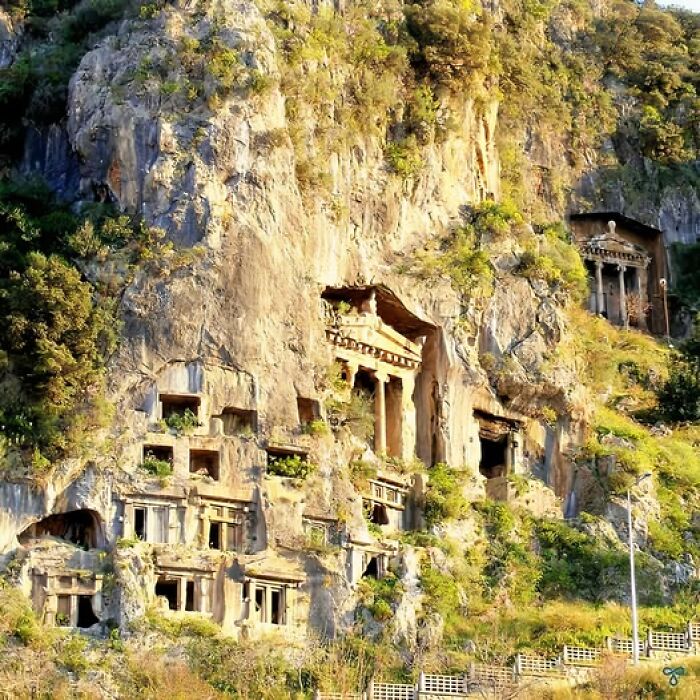
I would like to visit Turkey one day. I've heard that it has more Roman ruins than Greece and Italy combined. Cappadocia looks amazing too!

Without having done any detailed research beforehand, I remember having read that she was instrumental in defining the frivolous ancient Greece comedy, which was also more than evident in her private life debaucheries...🔞
Eisenstadt, Austria
2nd century CE
Landesmuseum Burgenland
source: Wolfgang Sauber, CC BY 4.0 , via Wikimedia Commons
Archaeology also plays a key role in cultural preservation. By documenting and protecting historical sites, we ensure that future generations can learn from and connect with the past. These efforts help preserve cultural identity, especially for communities whose stories might otherwise be lost.
Whether it's a ruined temple or a centuries-old cooking pot, every artifact holds meaning. Preserving them allows people to trace their roots, understand their heritage, and foster a deeper sense of belonging.

Imagine the time it took and the patience of the workers who made this.
It also enhances education in a hands-on, immersive way. Archaeology brings history to life, moving it beyond textbooks and into the real world. Students get to explore ancient sites, examine artifacts, and sometimes even contribute to active research. This type of learning sparks curiosity and encourages critical thinking.

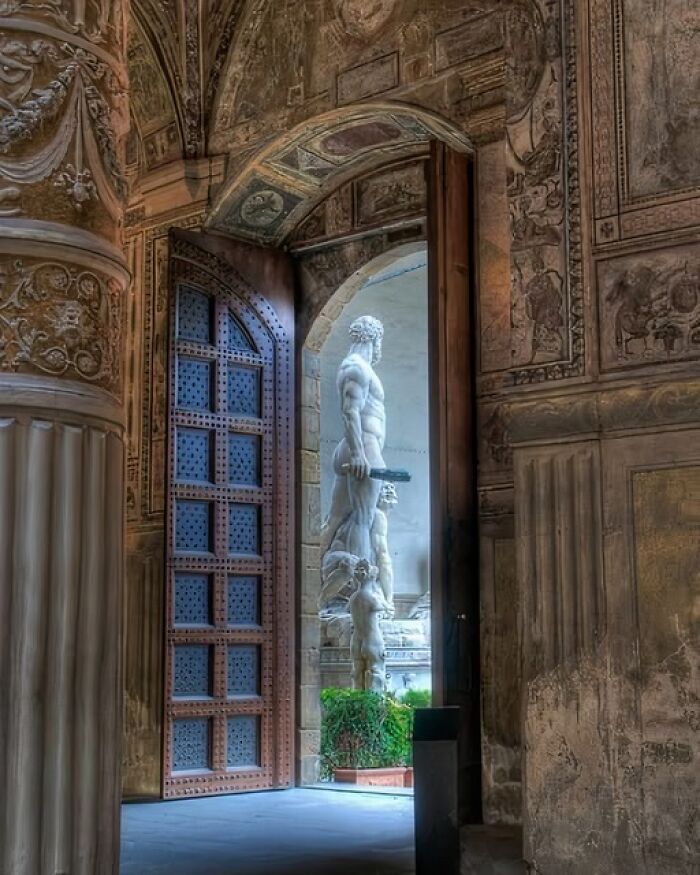
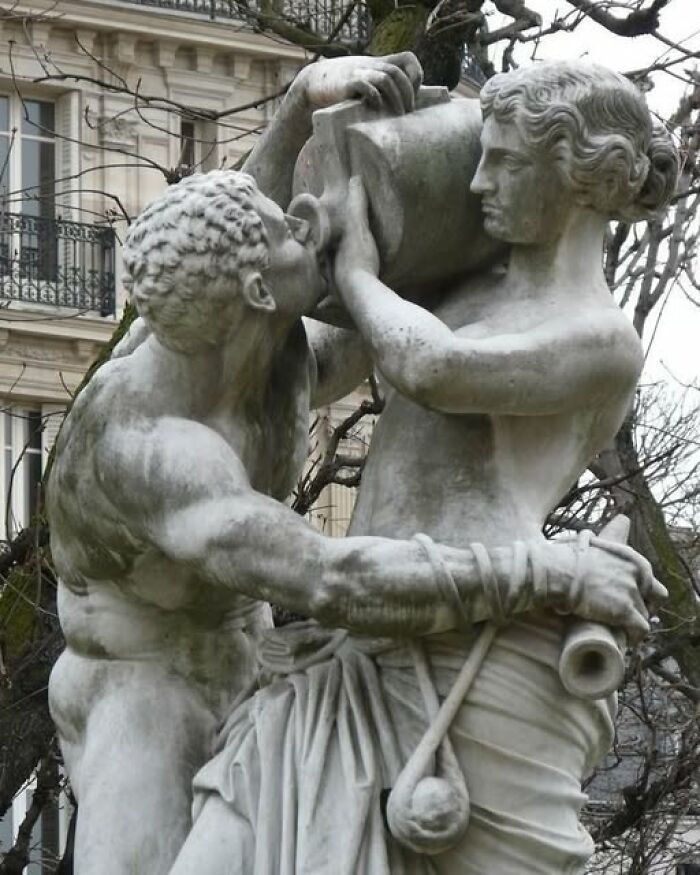
Long story short......you can see Herakles (Hercules) who's about to slay Cacus because the latter had stolen some cattle from him, and cattle theft was such an outlawed act in ancient times that it was mostly / merely punished with a death sentence, which was carried out instantly...🐄 🐂 🐄

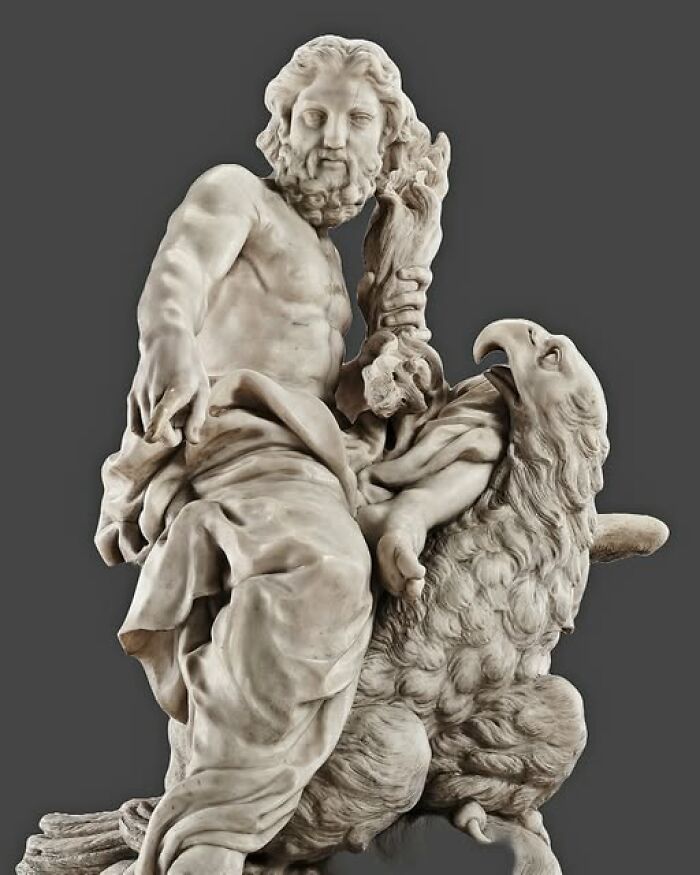
It must be nerve wracking to carve a bust of a client who communicates via lightning bolts.
Finally, archaeology strengthens cross-cultural understanding. Discoveries around the world show how humans, despite vast differences, often faced similar challenges. From building homes to forming beliefs, we’ve always searched for meaning and survival in strikingly familiar ways. These connections remind us that while cultures may differ, humanity has common threads.
And while most of us may never get the chance to dig at ancient sites or walk through every historic museum, these posts give us the next best thing. They bring the wonders of the past right to our screens: one artifact, ruin, or discovery at a time.
Each photo, each story, offers a glimpse into lives once lived and worlds long gone. It’s a way to connect with history from wherever we are. And sometimes, all it takes is a single image to remind us just how incredible human history really is.
Which of these pics caught your eye the most? Was it something beautifully detailed, surprisingly well-preserved, or just completely unexpected? Let us know your favorite: we’d love to hear what made you pause and marvel!
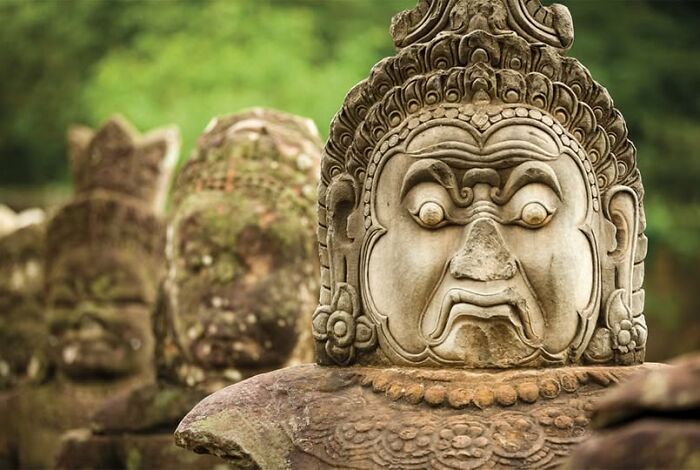
Opposite them is a row of devas, benvevolent Hindu deities. Both the devas and asuras are perched on the back of a serpent, called a naga.
Angkor Thom (Khmer: អង្គរធំ [ʔɑŋkɔː tʰom], meaning "Great City"), also known as Nokor Thom (Khmer: នគរធំ [nɔkɔː tʰom]), is located in present-day Cambodia and was the final and longest-lasting capital of the Khmer Empire. Founded in the late 12th century by King Jayavarman VII, it spans an area of 9 square kilometers. Within its boundaries are monuments from both earlier periods and the reign of Jayavarman and his successors. At the heart of Angkor Thom stands the Bayon, Jayavarman’s state temple, surrounded by other significant sites near Victory Square to the north. Today, Angkor Thom is a major tourist destination in Southeast Asia.
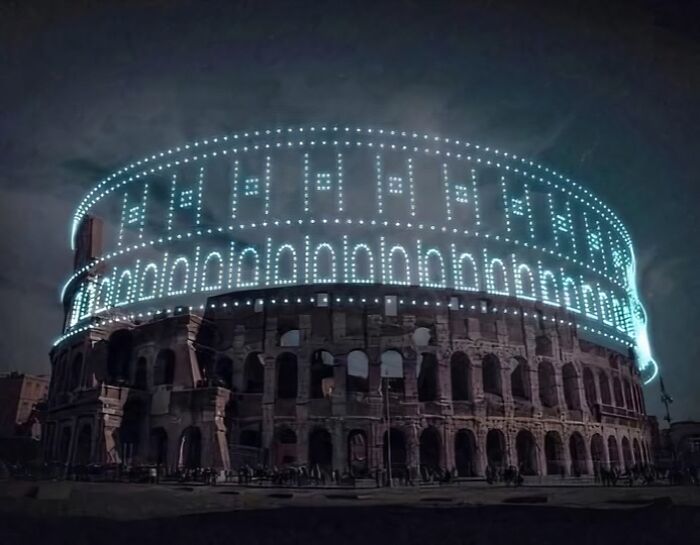
Photo: National Geographic
His Most Notable Title Was Wer-Ibeḥsenjw, Meaning Either "Great One Of The Ivory Cutters" Or "Great One Of The Dentists", Which Makes Him The Earliest Named Dentist. Old Kingdom, 3rd Dynasty, Ca. 2686-2613 Bc. Now In The Egyptian Museum, Cairo. Cg 1427.

There's a confusing sort of logic to these places. Honouring and remembering Grandad, that's fine. But enthusiasm for replacing the flowers on his grave - that tends to fade, over time. And the really big memorials - the huge stone tombs, the Mausoleums, even the Pyramids - sort of take on a life of their own , 'famous for being famous'. And nobody will tidy them up because 'they've always been there'. The human race is, well, strange.
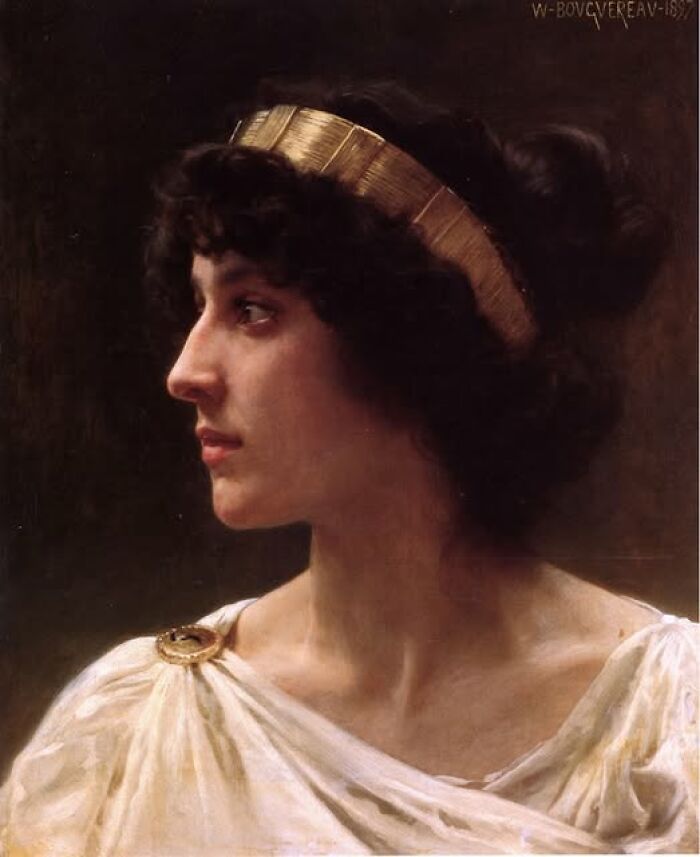
Artist: William-Adolphe Bouguereau (French, 1825-1905)
Date: 1897
Genre: portraiture
Movement: Academicism, Neoclassicism
Medium: oil on canvas
Location: private collection
I had to Google...stunning artist! His paintings look like photographs!
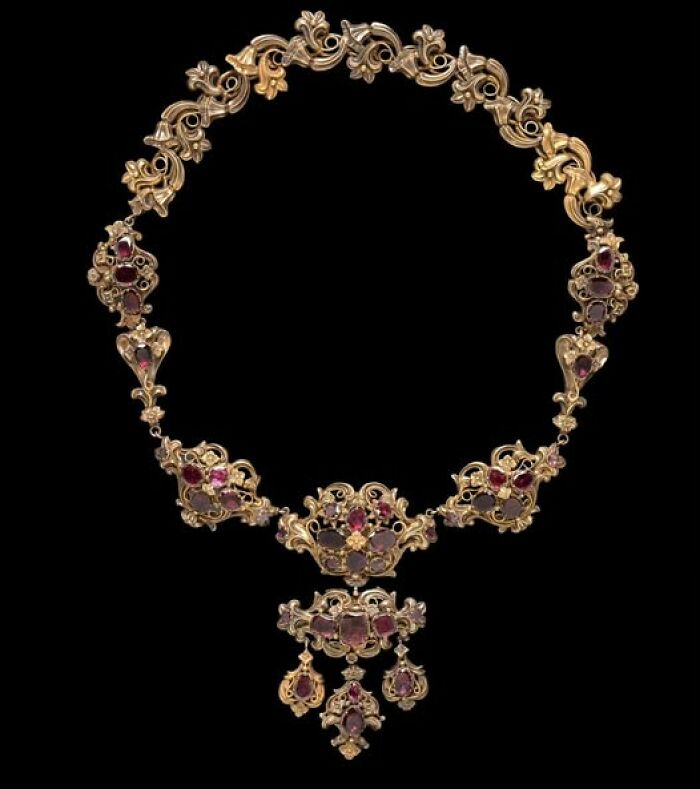
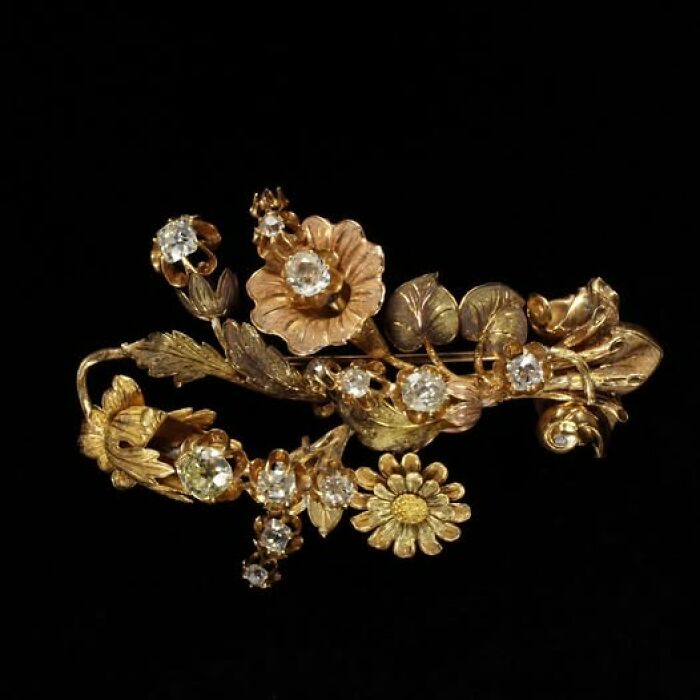
The real test of jewellery like this is 'would you wear it with pride' , or, at least , give it to someone you love, and want to be remembered in the gift ?
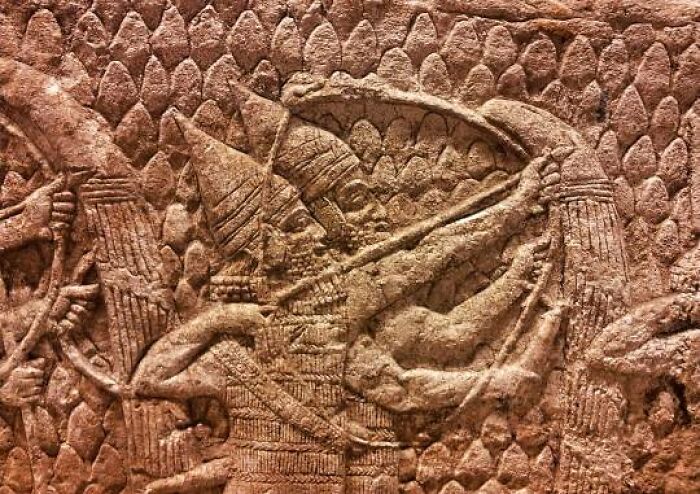
The siege of Lachish in 701 BCE was carried out by the Neo-Assyrian Empire, resulting in the town's conquest. This event is recorded in various sources, including the Hebrew Bible, Assyrian records, and the Lachish reliefs—a well-preserved series of carvings that once adorned the palace of King Sennacherib in Nineveh.

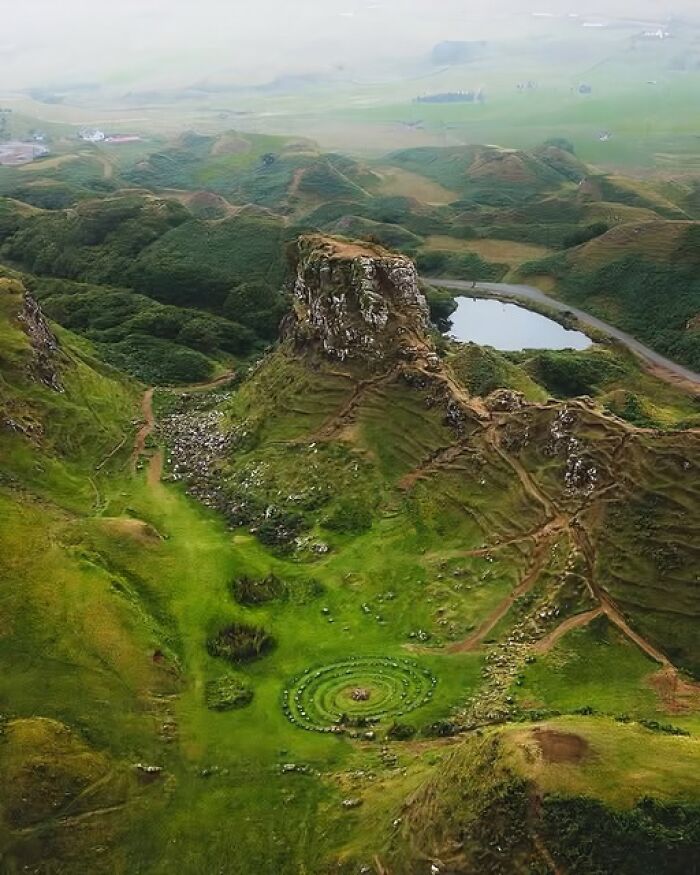
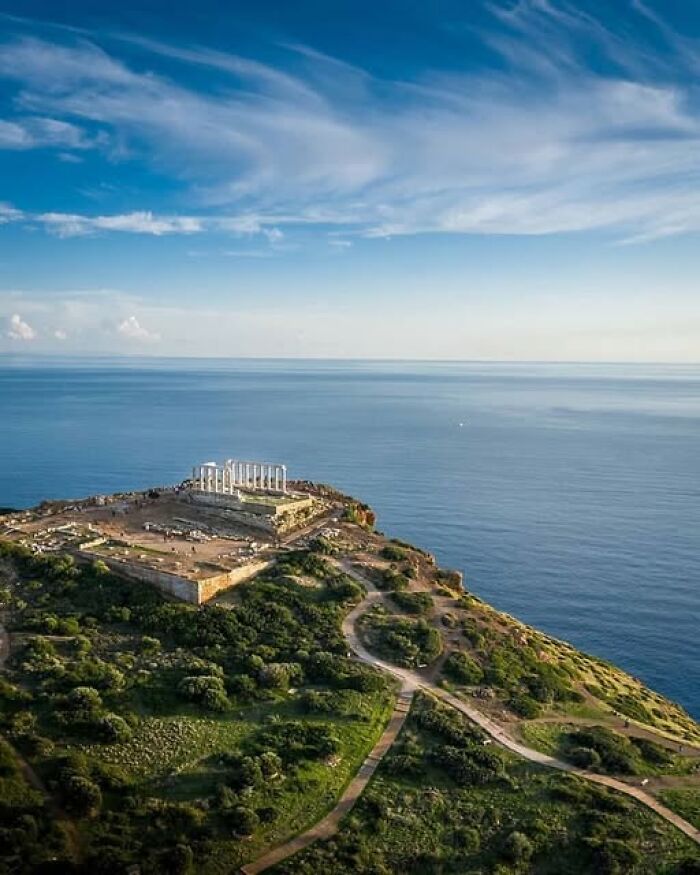
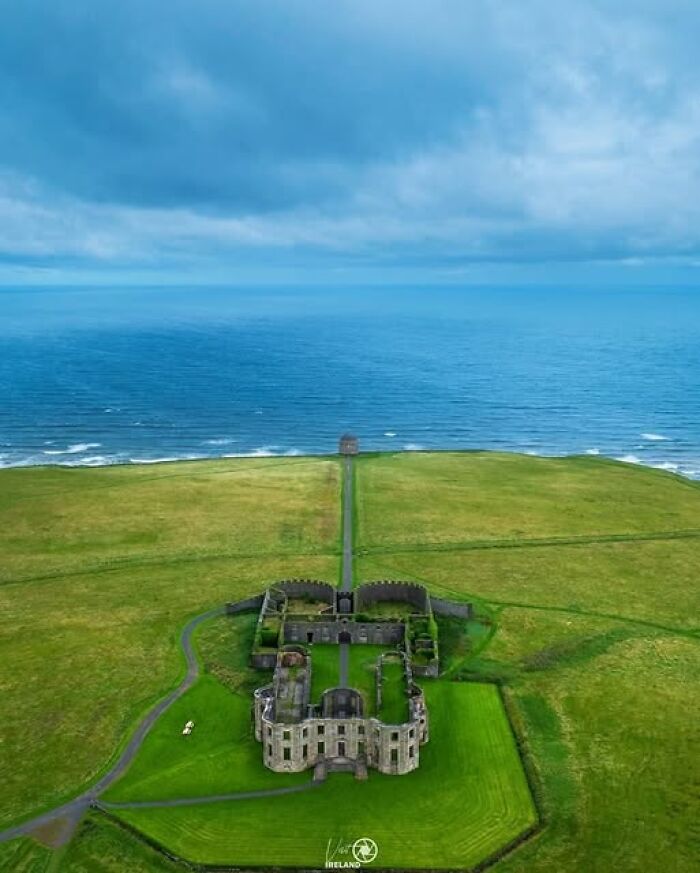
I've been there. Windy and marvellous l, the view is something else
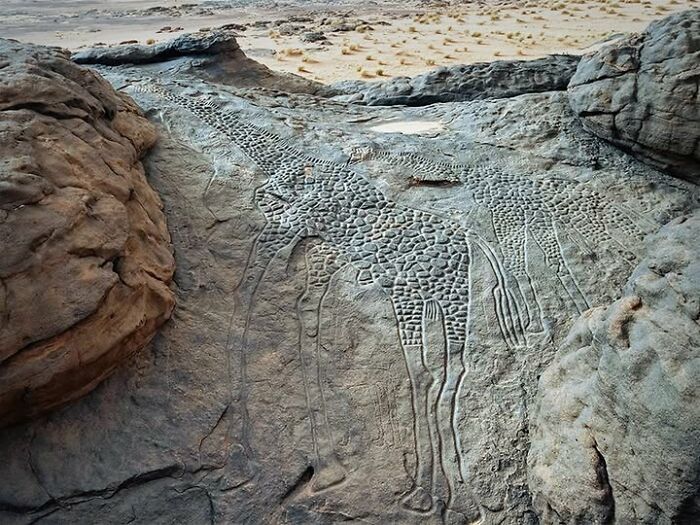
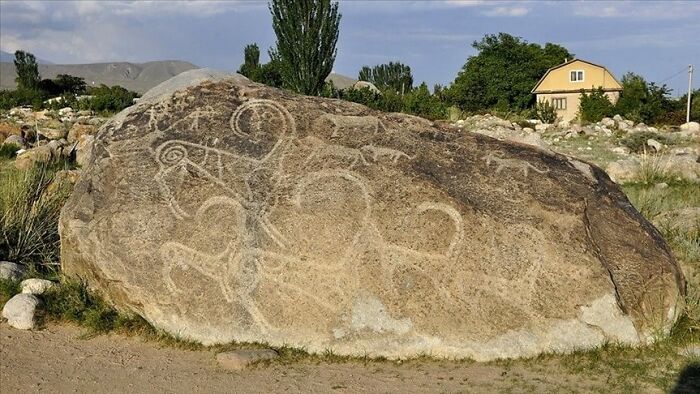
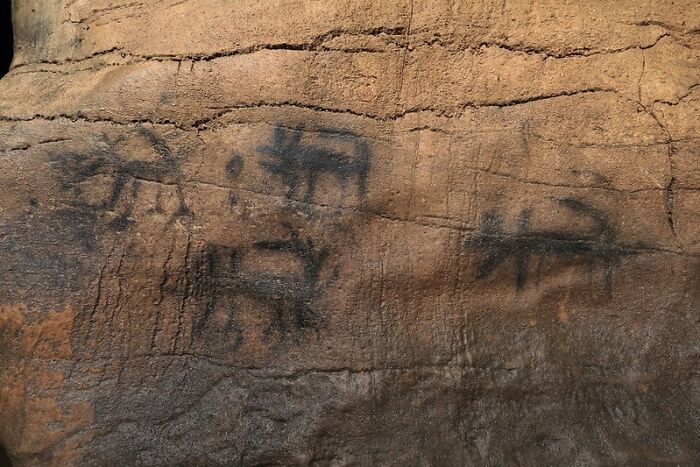
The bigger of the two giraffes is 5.4 meters long and is the largest known petroglyph in the world.
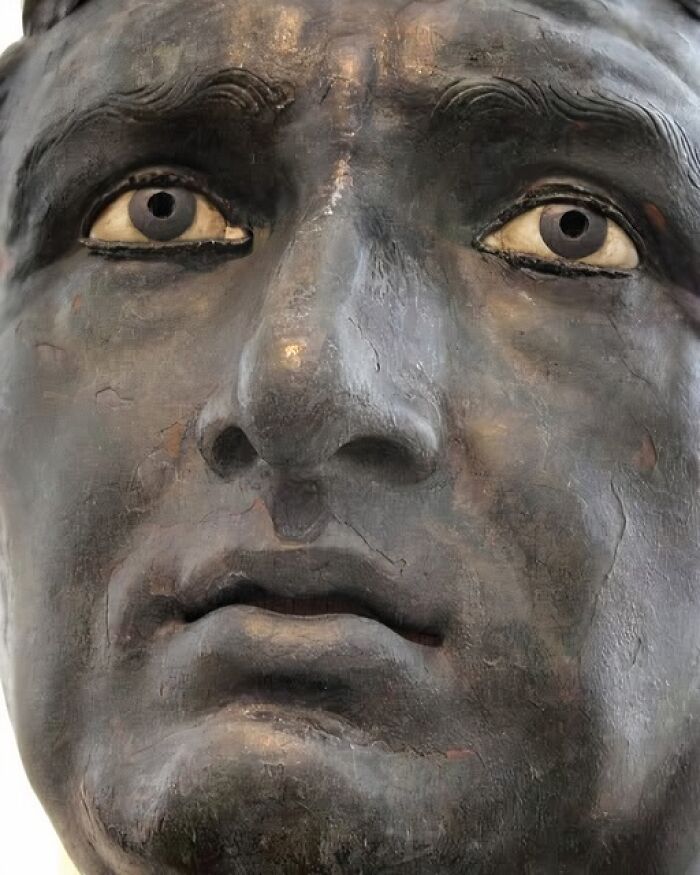
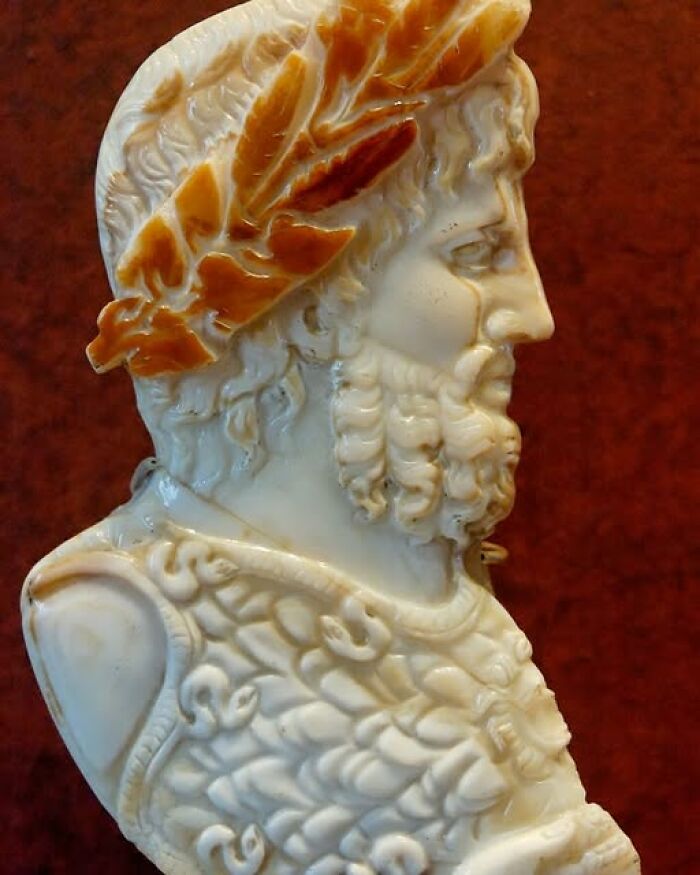
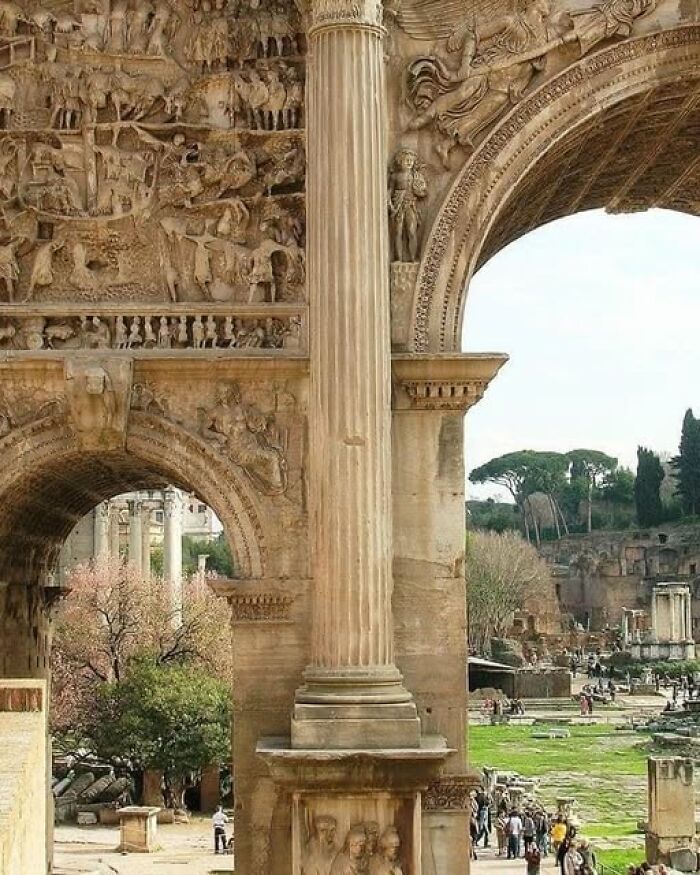
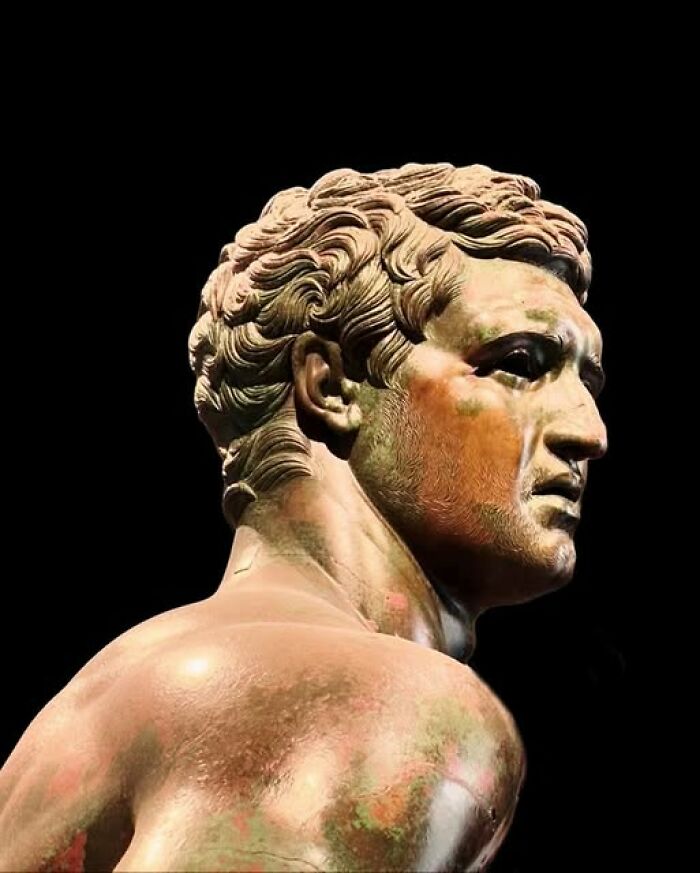
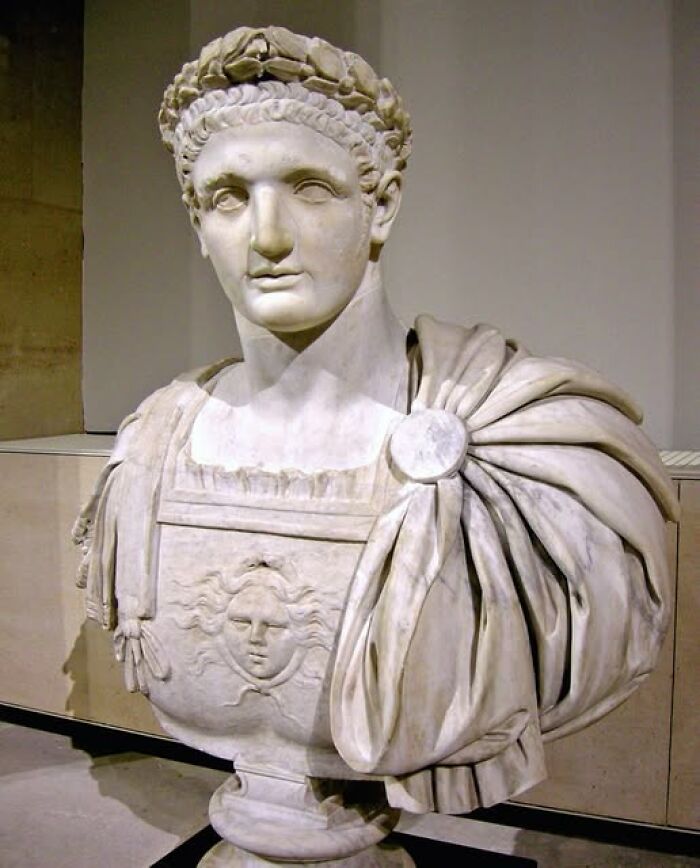
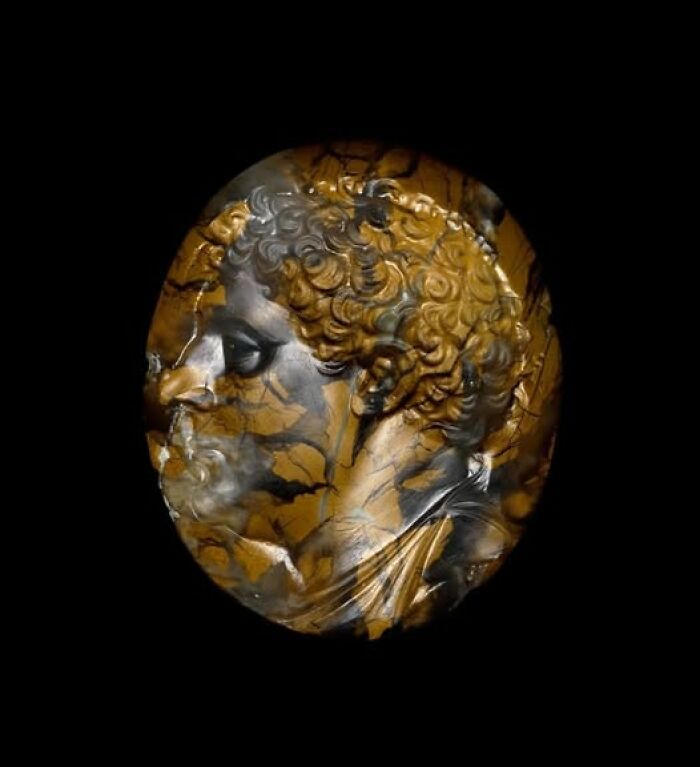
He was the younger brother of the beloved Titus who only ruled for a brief period. This last emperor of the Flavian dynasty ultimately met his demise through his arrogant dismissal of the Senate's authority and his tyrannical pretensions, ordering his subjects to call him "dominus et deus" (master and god). Senators, who held the highest positions in the empire, started to boycott the regime, withdrawing from public life. Most of them were inspired by Stoicism, leading the increasingly paranoid princeps to prosecute Stoic philosophers. Domitian was eventually k****d in a coup which saw the rise to power of the old Nerva, whose reign ushered in the golden age of Rome under the Antonine rulers.
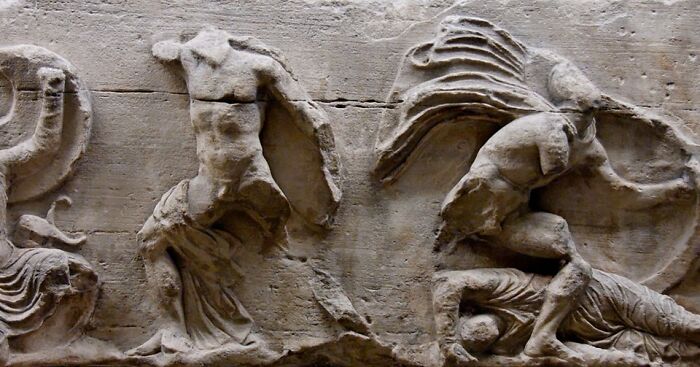
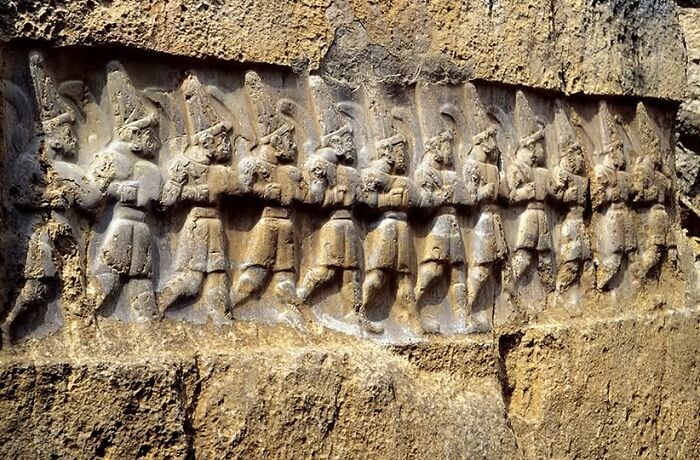
Depicting The Battle Of Plataea, The Decisive Victory By The Greeks Against The Persian Army Of Xerxes In 479 Bce, C. 420 Bce. British Museum.
Made in Austria in 1870. Walters Art Museum
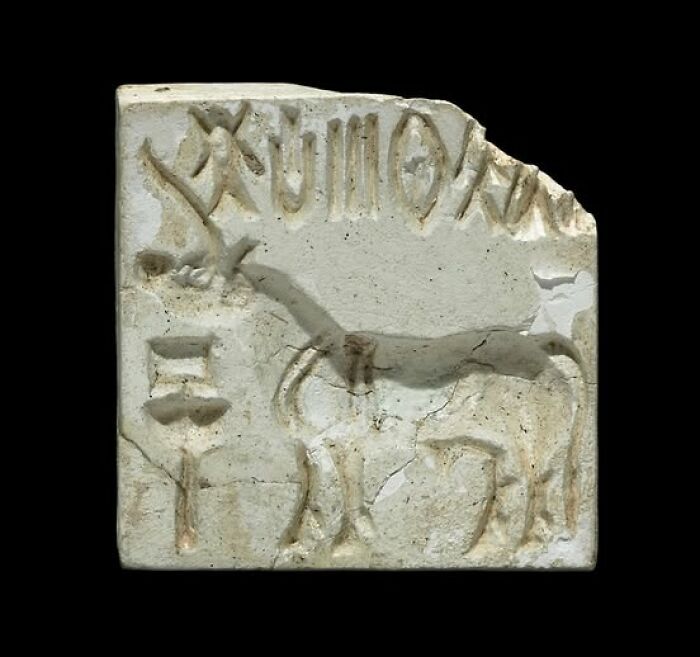
Small Stone Seals Were Probably Used To Identify Merchandise Or Property, And Are Among The Most Numerous Objects Surviving From The Protohistoric Urban Sites Along The Banks Of The Indus River System. Pakistan, Indus Valley Civilization C. 2000 B.C.
This Frieze Depicts Nagaraja, A Deity, Common To Hinduism And Buddhism, Who Rules The Nagas, Half-Human, Half-Serpent Beings Residing In The Underworld (Patala). It Now Resides In The Berkeley Art Museum And Pacific Film Archive, Berkeley, Ca, USA.
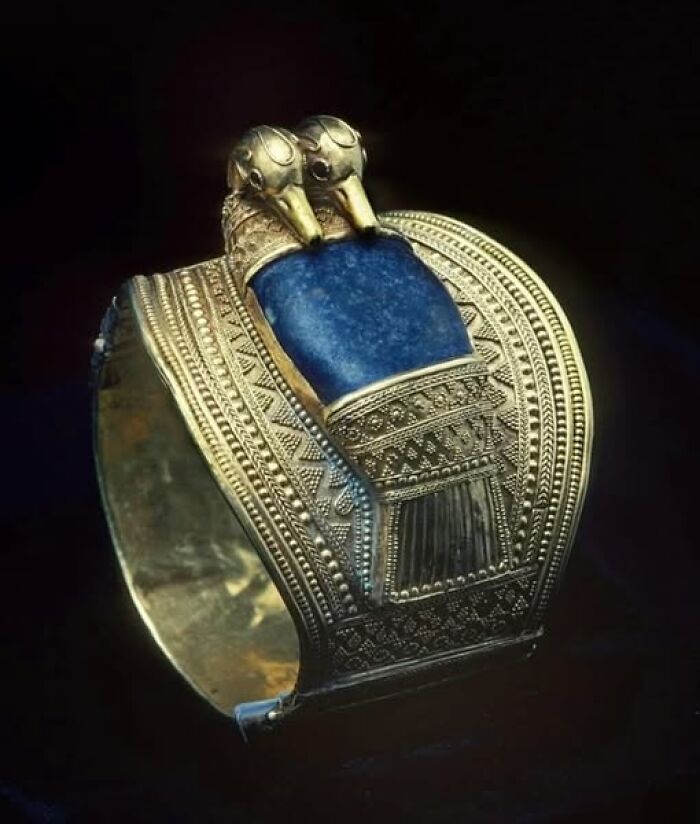
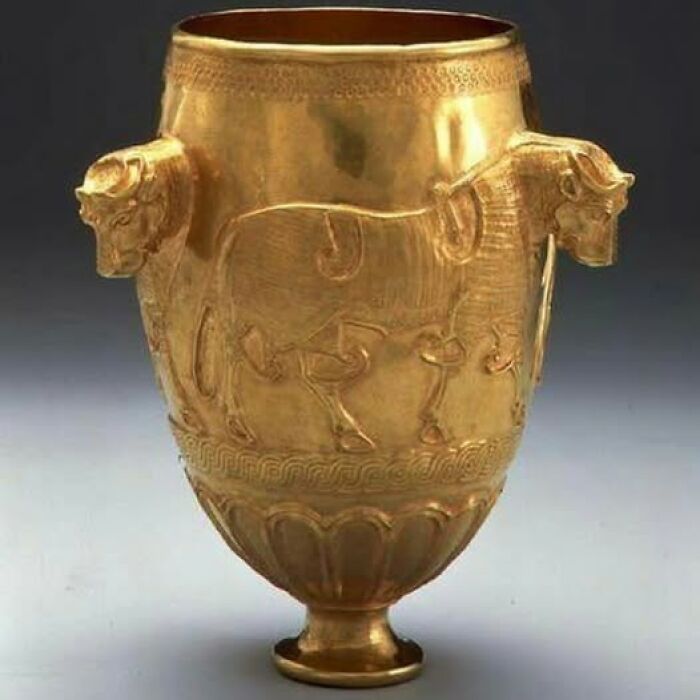
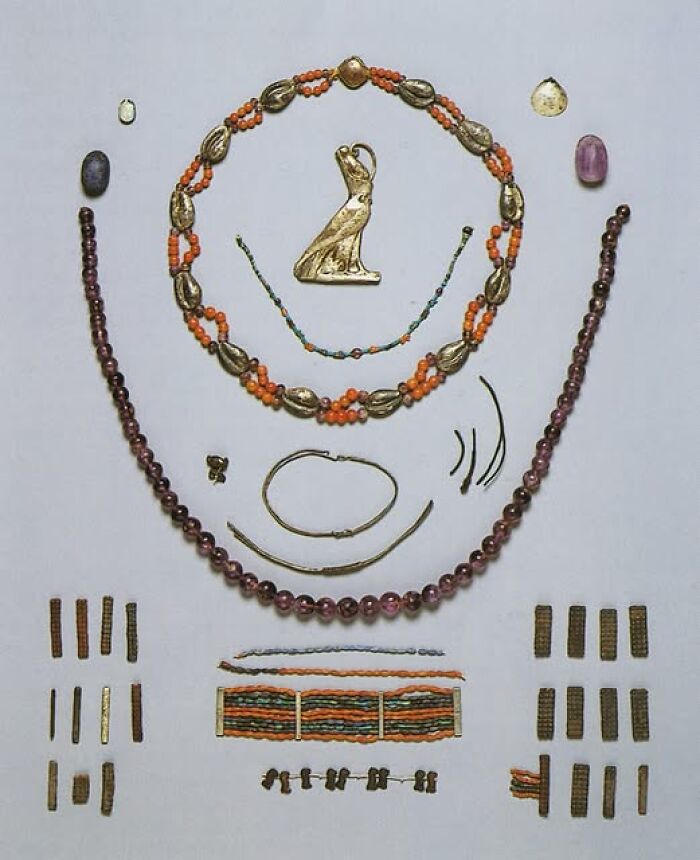
The Ziwiye hoard is a treasure hoard containing gold, silver, and ivory objects, also including a few gold pieces with the shape of a human face, that was uncovered in a plot of land outside Ziwiyeh castle, near the city of Saqqez in Kurdistan province, Iran, in 1947.
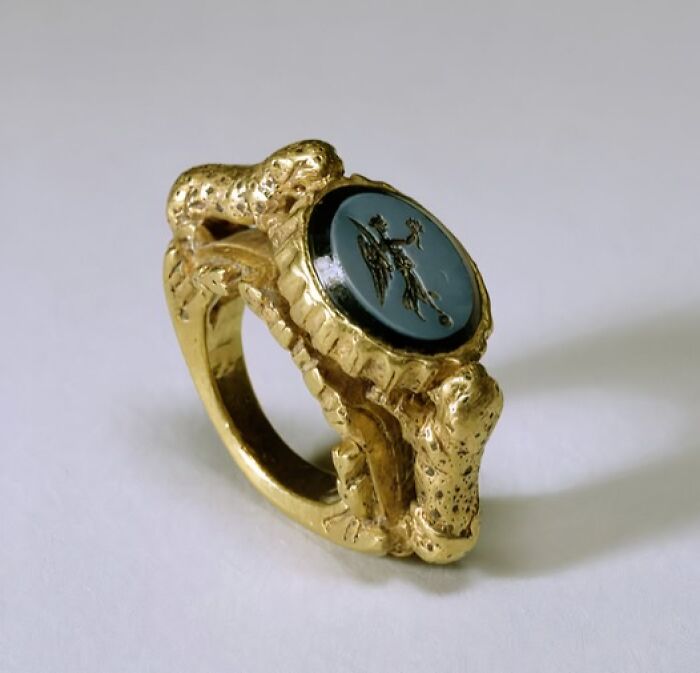
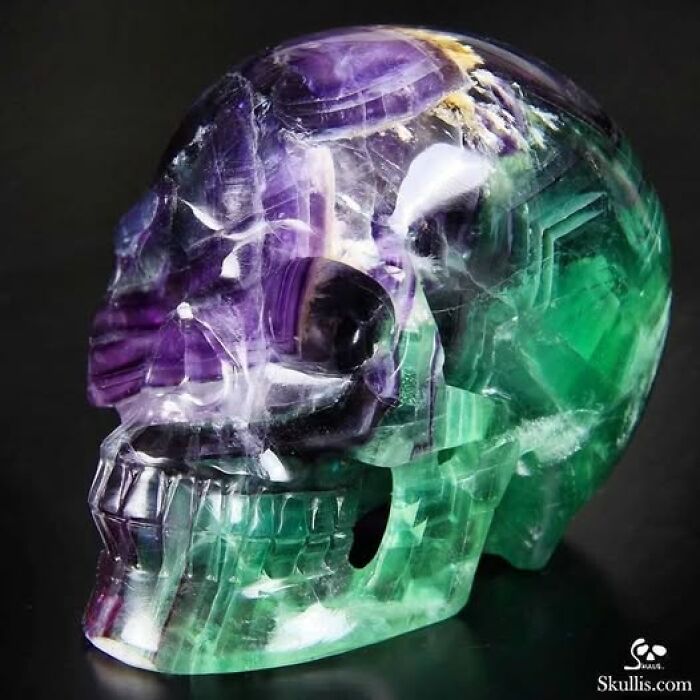
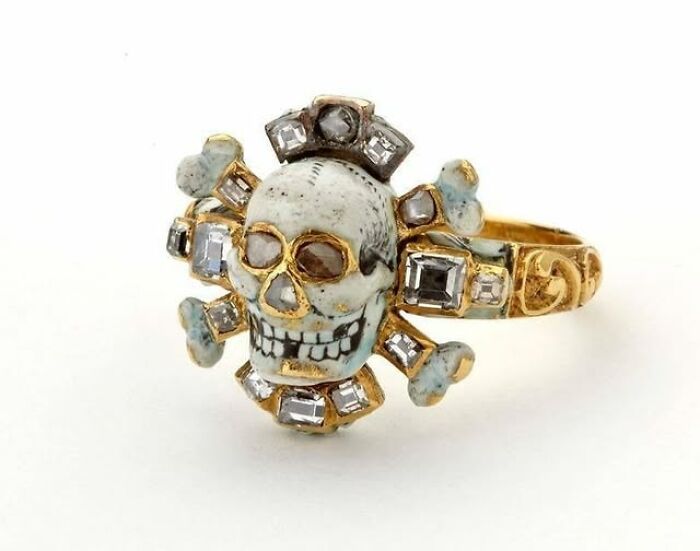
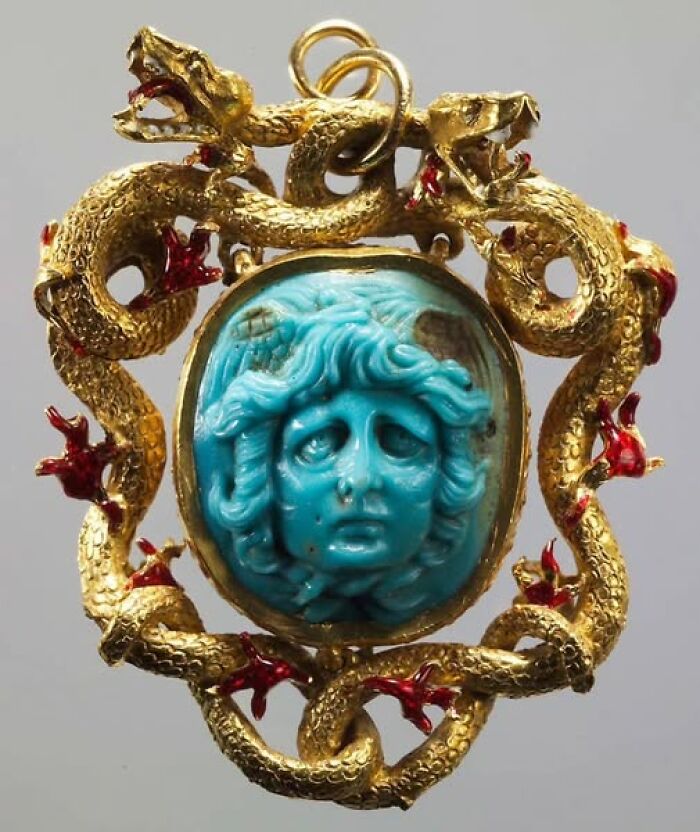
Diamonds are set in the skull’s eye sockets and nose, and in the crossbones. Memento mori Latin for ‘remember that you must die’ – were intended to remind the wearer of the brevity of life.
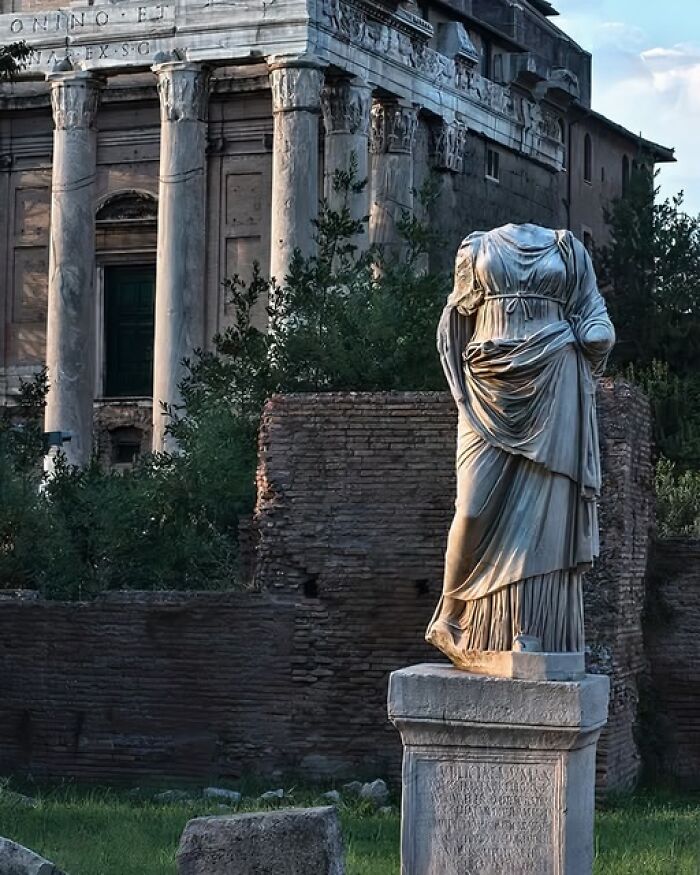
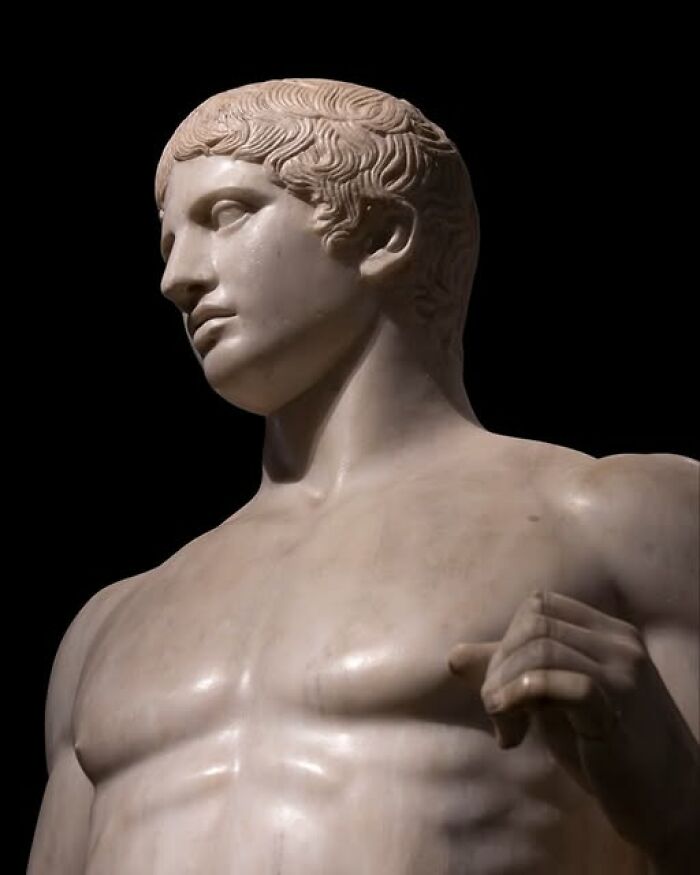
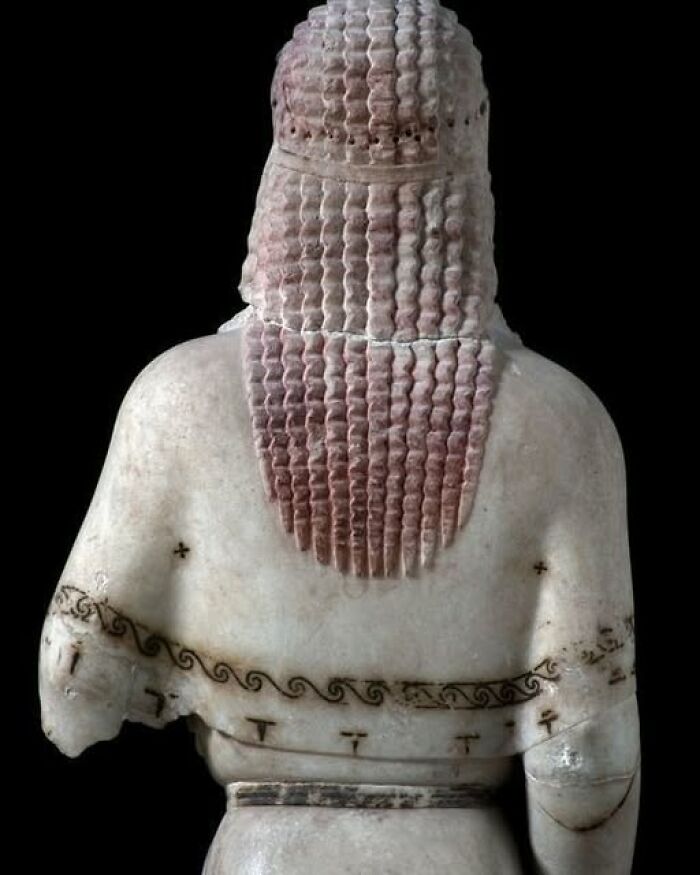
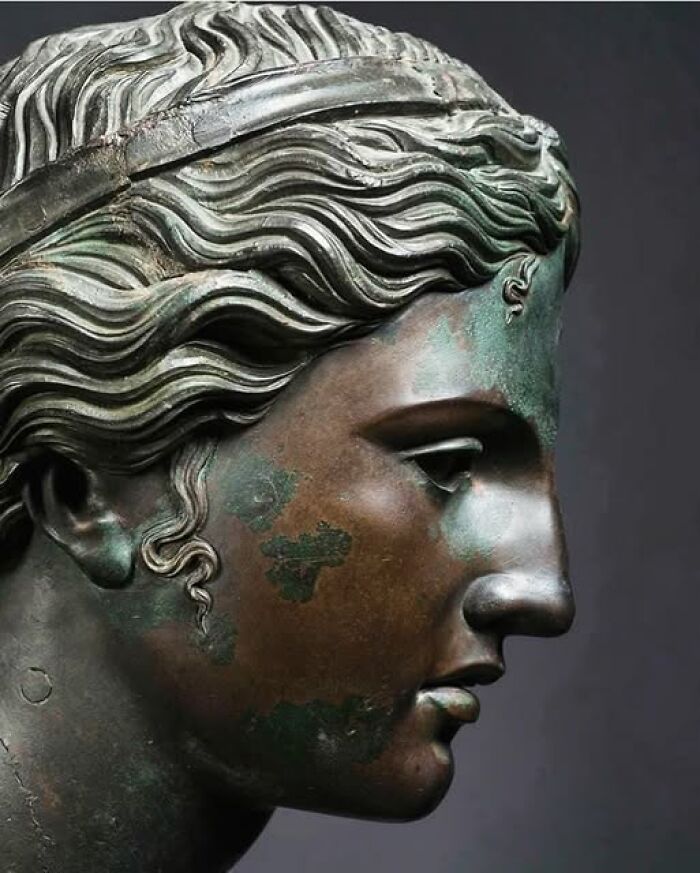
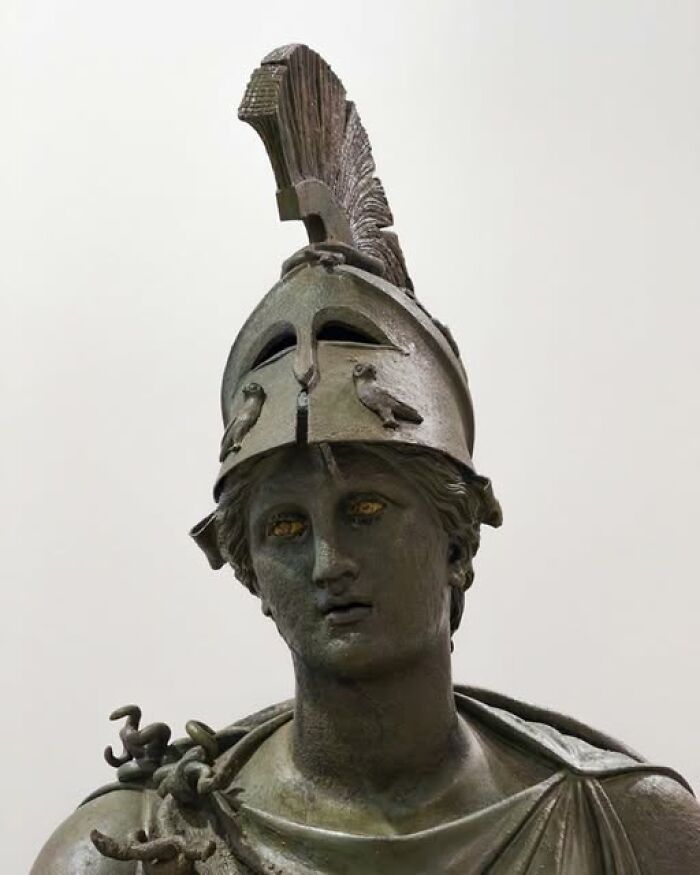
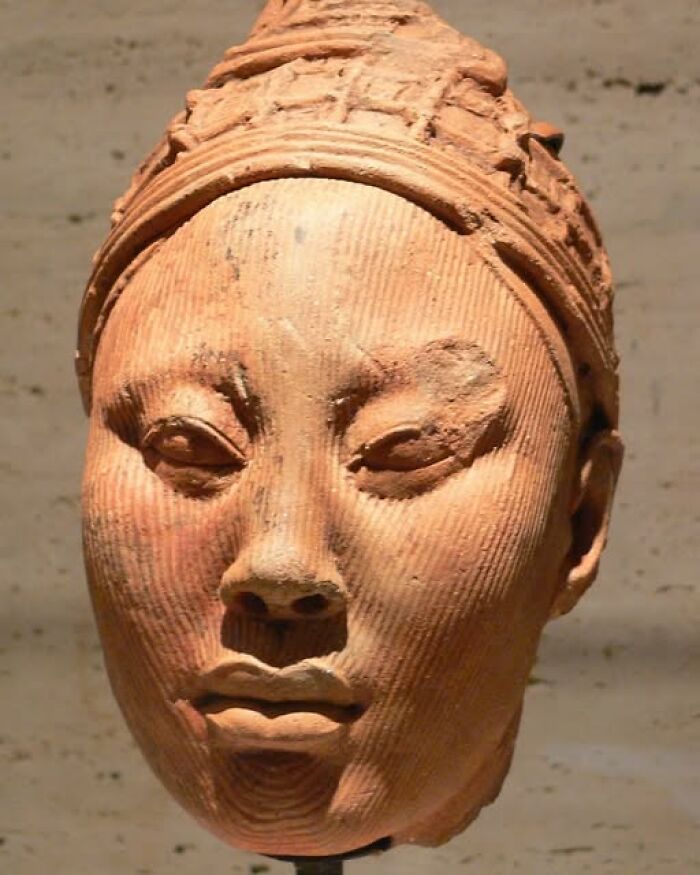
The statue was discovered under the Piraeus harbour in Athens and is dated to the 4th century BC.
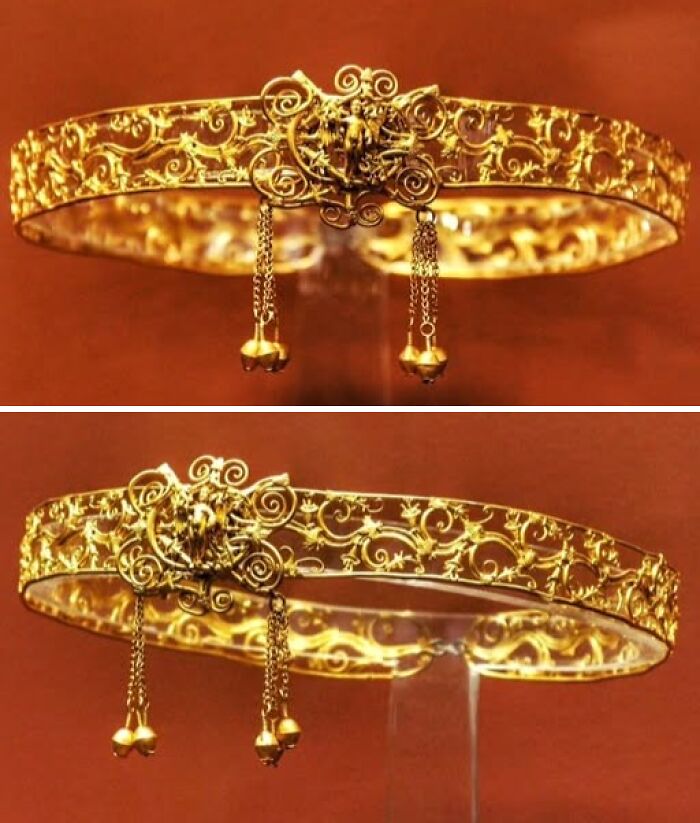
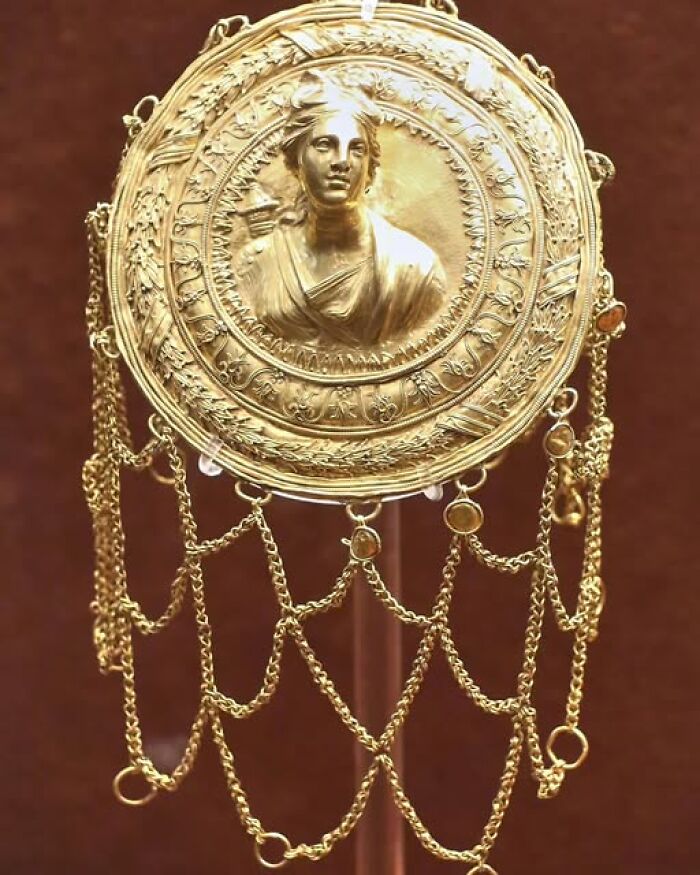
Hairnet with the relief bust of Artemis with a quiver, 3rd century BC., from Thessaly, gold, enamel.
Stathatos Collection, National Archaeological Museum of Athens
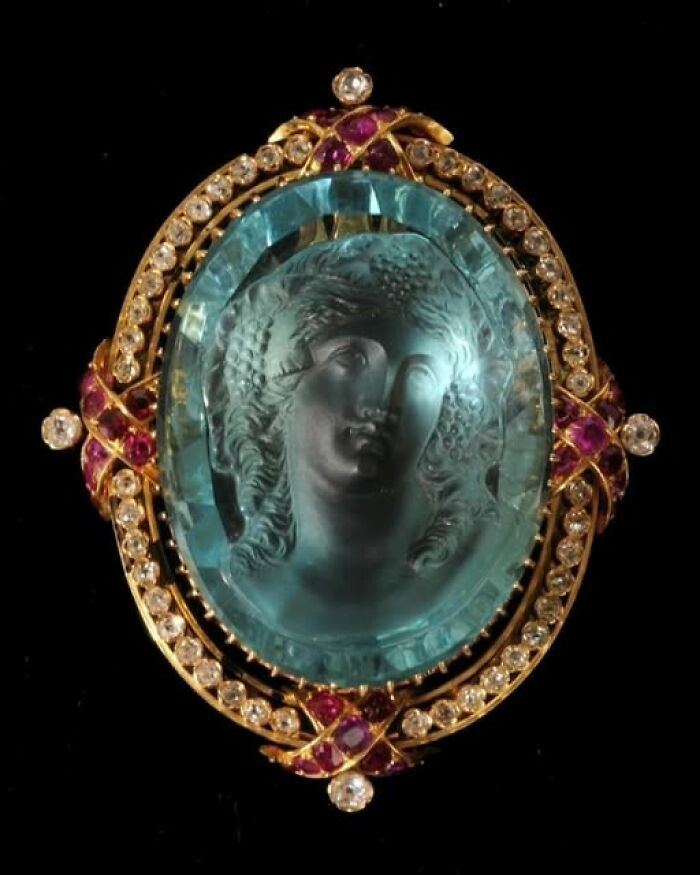
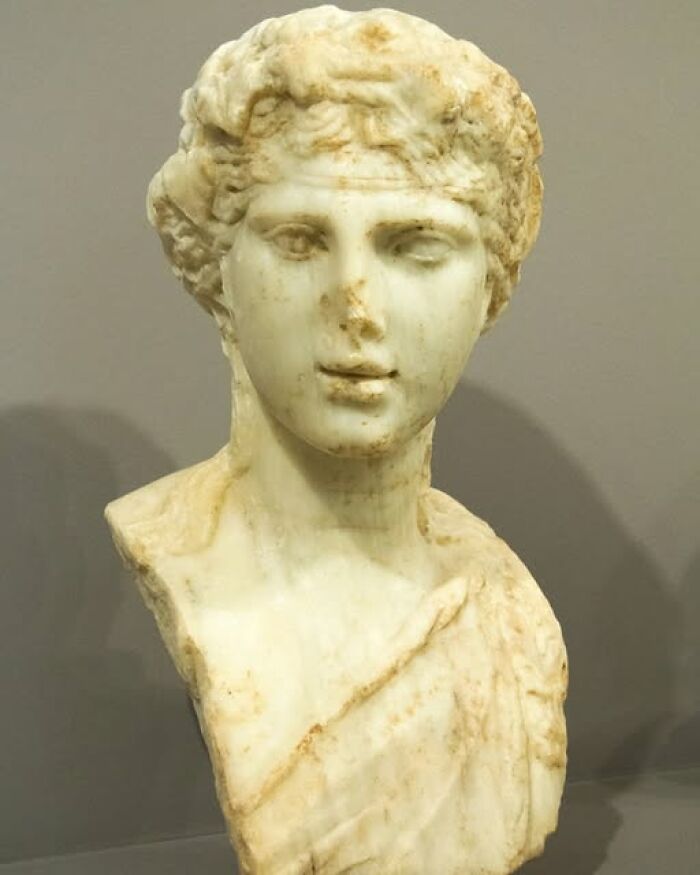
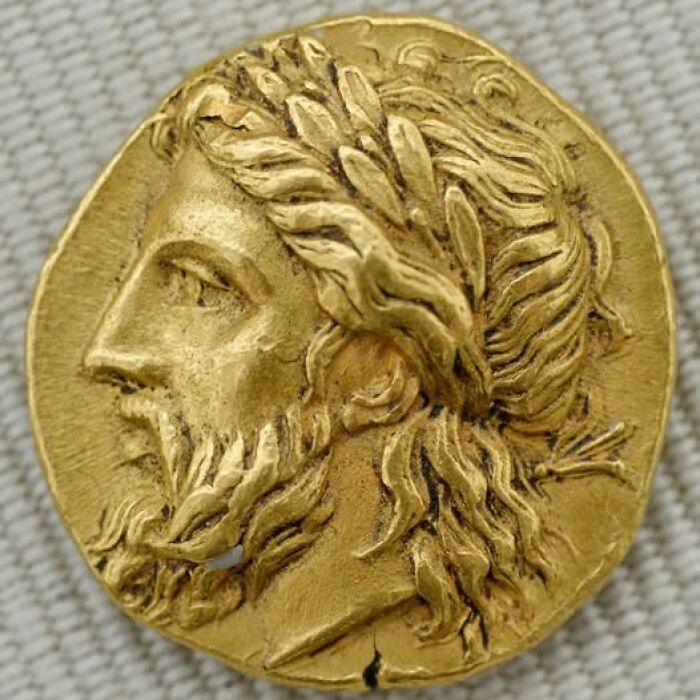
While most deities in the Hellenic pantheon have fixed iconographic representations (e.g. Zeus is always bearded, while Apollo never is), Dionysus is represented by a variety of iconographic types, ranging from a beardless, androgynous youth (as here) to a mature man with a heavy beard and bull's horns. This likely represents the god's fluid nature and frequent transgression of boundaries (including gender boundaries, as a male deity whose devotees were predominantly female).
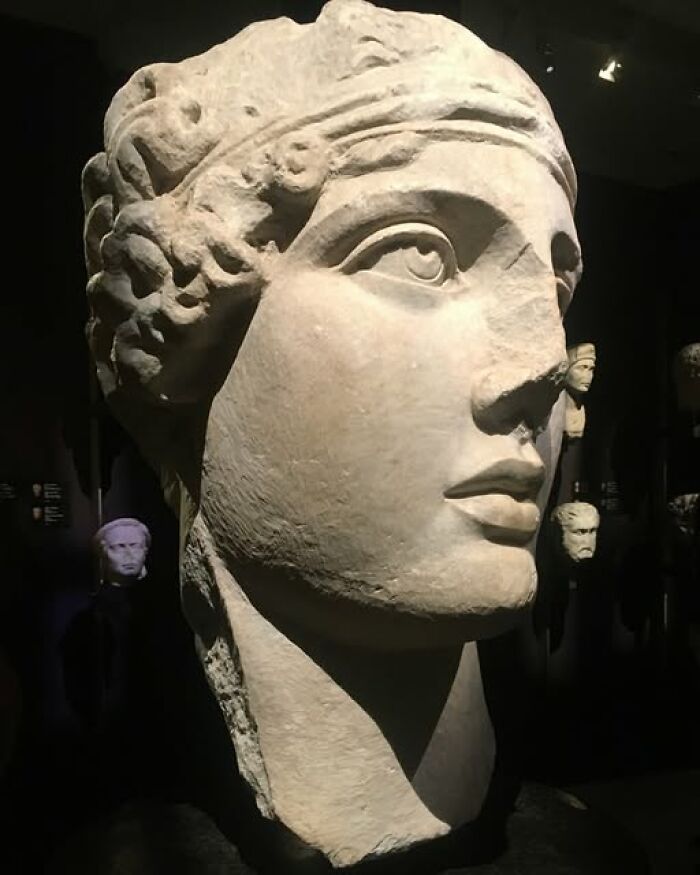
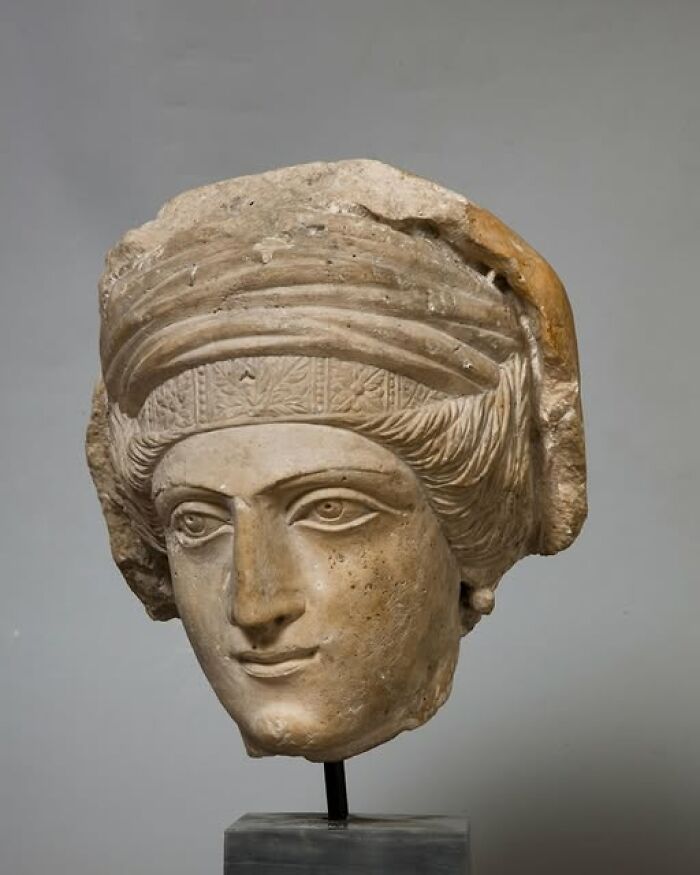
This bust was executed by an unknown artist in the 2nd century AD/CE (Roman Imperial period) and was found at Knossos, Crete. It is now housed in the Archaeological Museum of Heraklion, Crete.
Photo credit: Zde/Wikimedia Commons/ Creative Commons Attribution-Share Alike 4.0 International
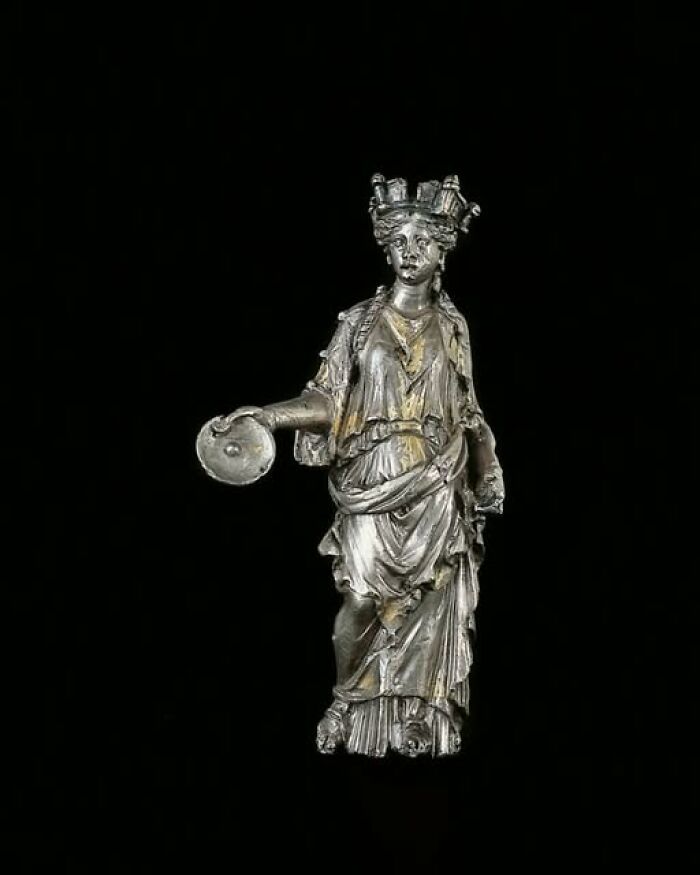
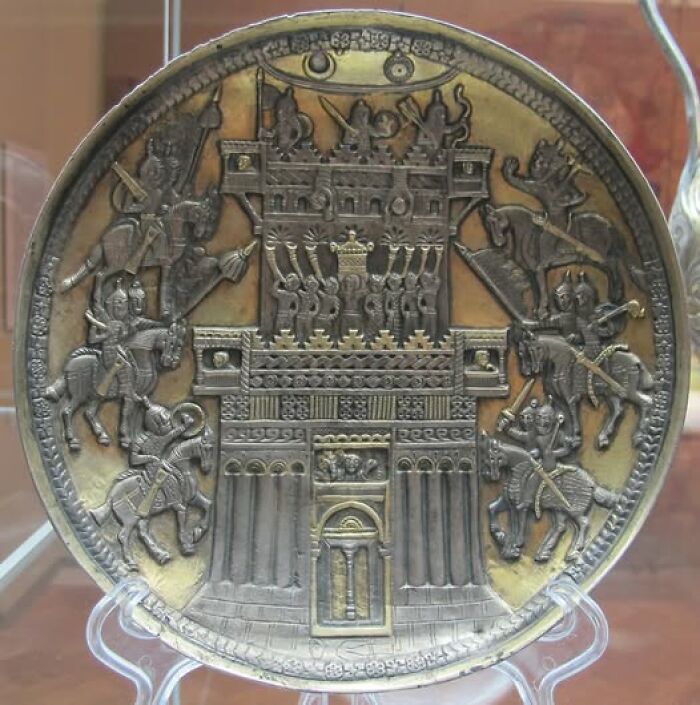
Cast silver of the 9th-10th century, copied from an original 8th century plate.
Artist unknown; 12th to 14th century. Now in the Kimbell Art Museum, Fort Worth, TX, USA.
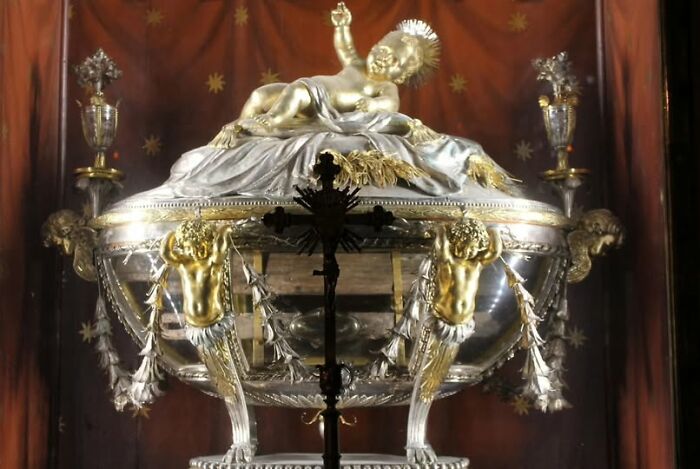
Within the silver and gilt reliquary are the remains of the manger in which the Christ Child was laid, said to have been brought to Rome shortly after the fall of Jerusalem in 638.
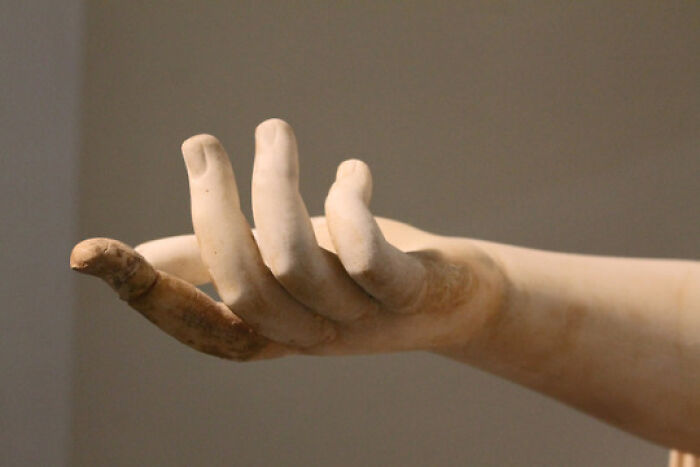
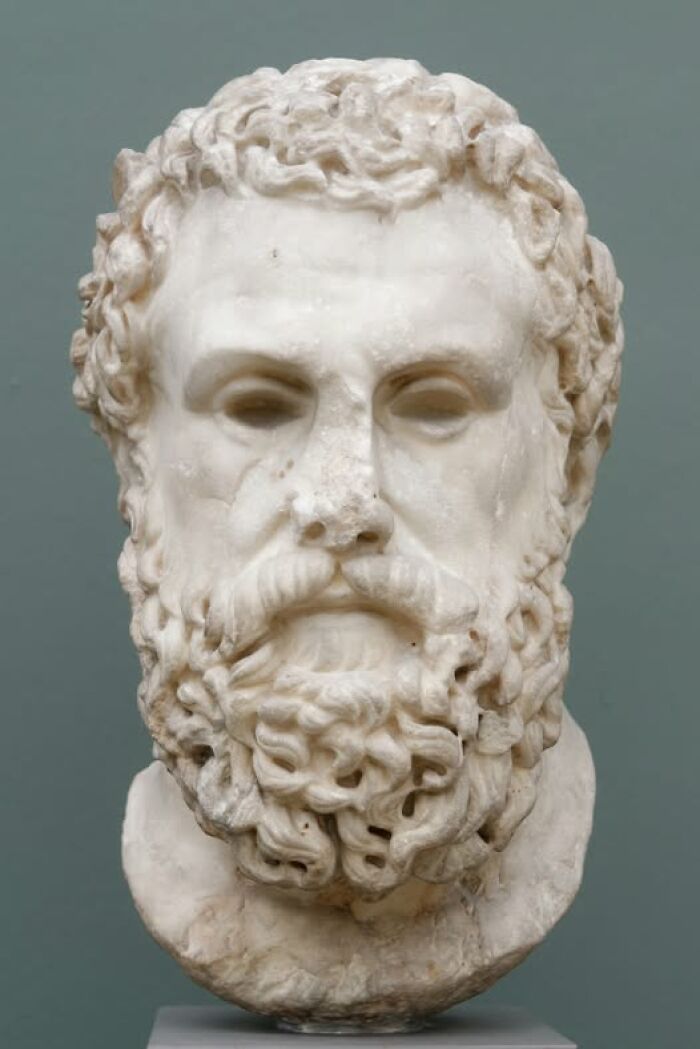
Roman copy after a Greek original of the 4th century BCE. Now in the Ny Carlsberg Glyptotek, Copenhagen, Denmark. Photo credit: Marie-Lan Nguyen/Wikimedia Commons.
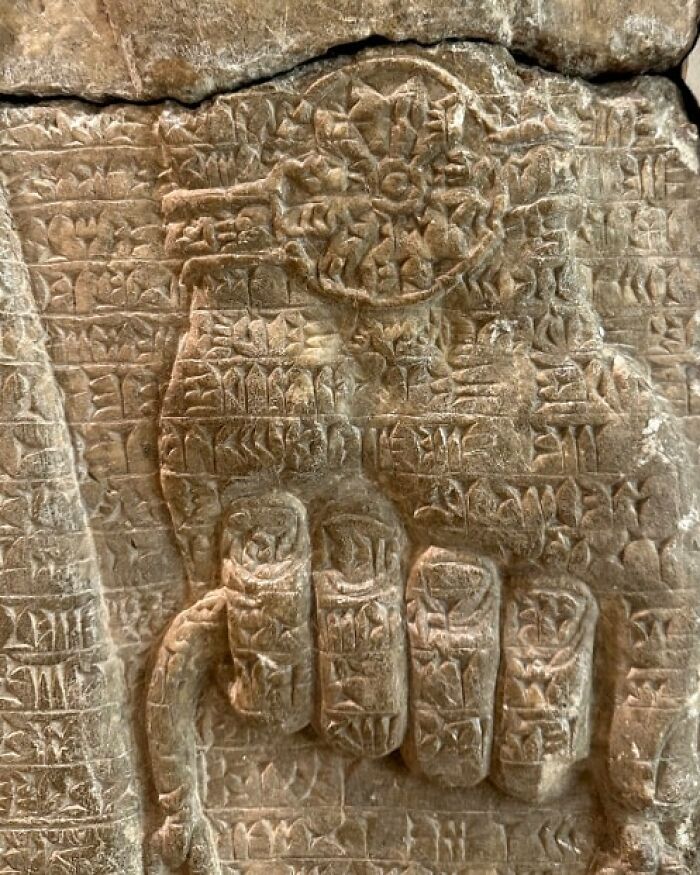
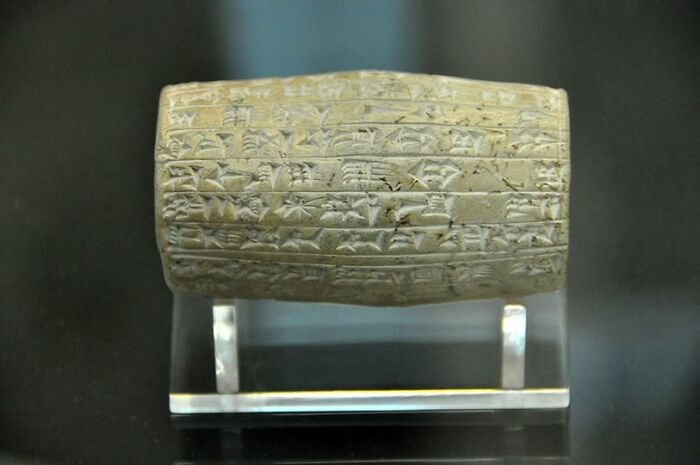
From Babylon, Mesopotamia, Iraq. Neo-Babylonian period, 625-605 BCE. British Museum
Now housed at the Kunsthistorisches Museum in Vienna.
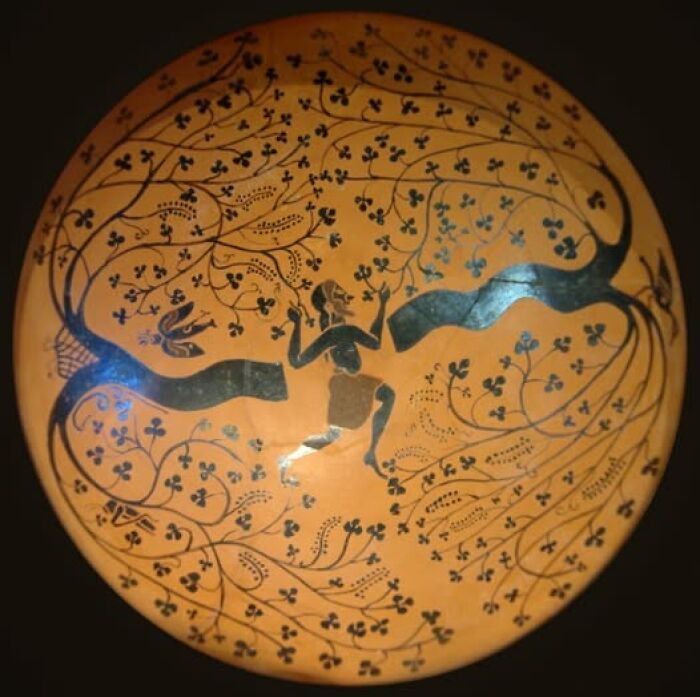
The tondo depicts birds, a grasshopper, and a snake amidst lush vegetation, with a human or divine figure in the center. Some have argued that the shoots are meant to represent vines and that the central figure is Dionysos, but this is uncertain. Provenance uncertain (perhaps Etruria); now in the Louvre.
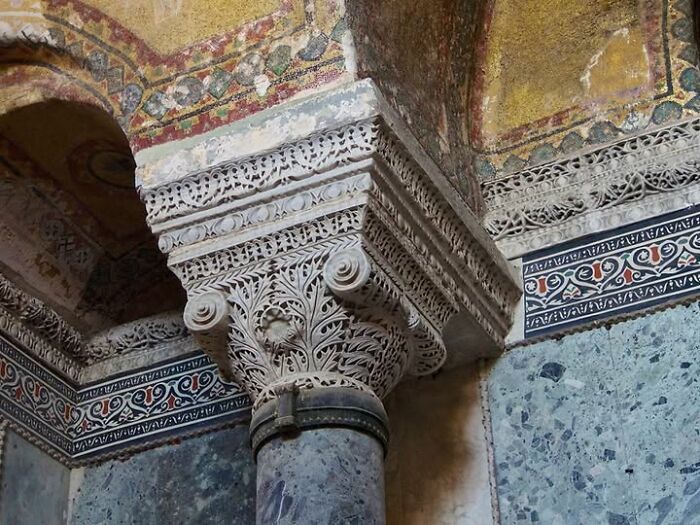
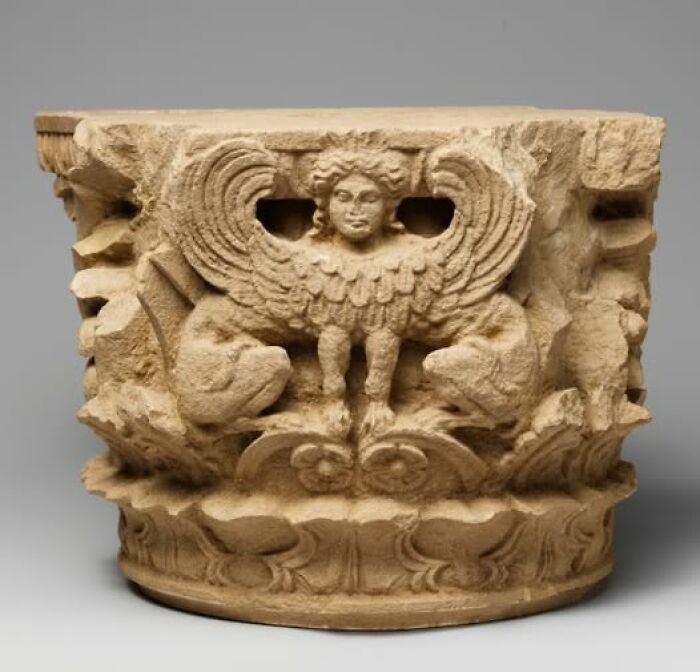
Column capital, Hellenistic late 4th/3rd century BCE, Greek, South Italian, Tarentine, limestone, 18.1×33 cm
The Met Fifth Avenue Inv. 1995.95
The capitals, carved in crisp and striking detail, are a variant of the early Hellenistic Corinthian capital. The figure of a double-bodied Sphinx dominates front and back, and large palmettes ornament the sides. They are typical of the architectural decoration found on Tarantine naiskoi (funerary monuments). (MET)
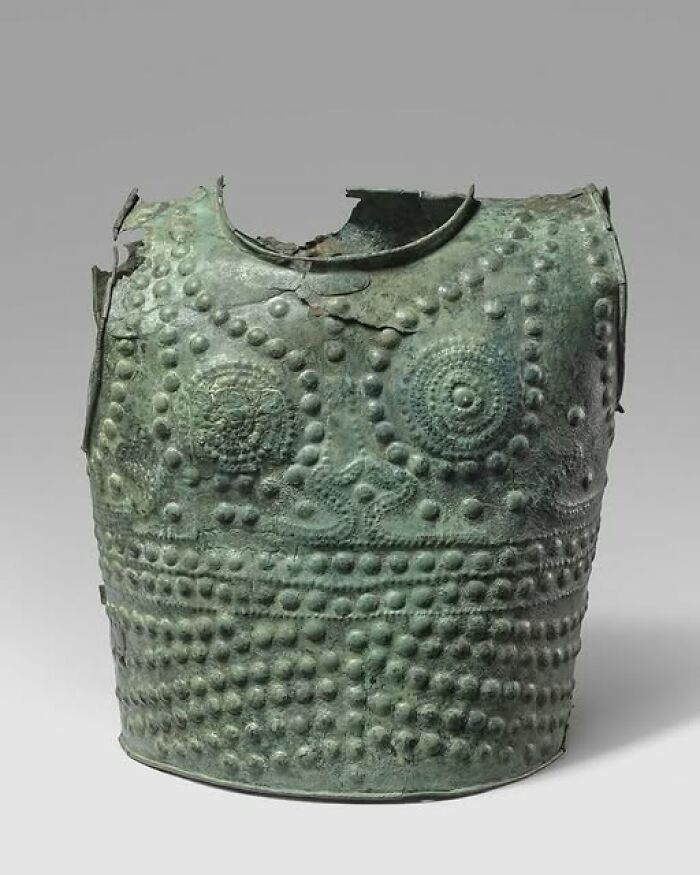
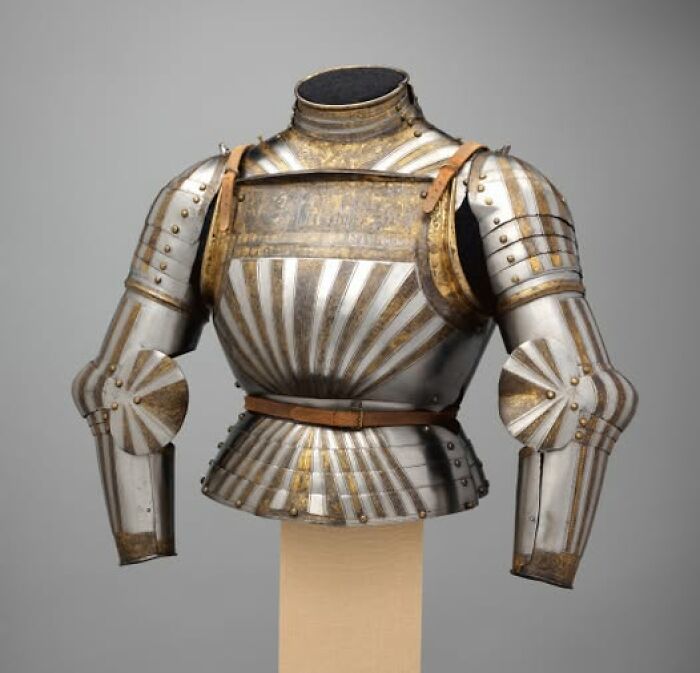
The band on the breastplate depicts the Virgin and Child in the center, flanked by St. Paul (right) and St. George (left). The gorget (collar) bears a representation of the Trinity.
There are two Latin inscriptions on the armor. The first, on the breastplate, reads CRISTVS RES (i.e. REX) VENIT IN PACE ET DEVS HOMO FACTVS ES: "Christ the King came in peace, and God was made human". The second, across the top of the backplate, is a slightly modified version of the Vulgate text of Luke 4:30: IESVS AVTEM TRANSIENS PERMEDIVM IL[L]ORVM IBAT ("But Jesus, passing through the midst of them, departed").
This suit of armor is now in the Arms and Armor collection of the Metropolitan Museum of Art, New York City, NY, USA. Photo credit: Metropolitan Museum of Art.

Guys, if it's not been dug from the ground it's not archaeology. French 19th century paintings, roman arches still standing and doors from italian palaces do not belong to archaeology.

From Wikipedia: "Archaeology or archeology is the study of human activity through the recovery and analysis of material culture." If it's indeed recovery AND analysis, not recovery AND/OR analysis, you're right.
Load More Replies... Guys, if it's not been dug from the ground it's not archaeology. French 19th century paintings, roman arches still standing and doors from italian palaces do not belong to archaeology.
From Wikipedia: "Archaeology or archeology is the study of human activity through the recovery and analysis of material culture." If it's indeed recovery AND analysis, not recovery AND/OR analysis, you're right.
Load More Replies...


































 No fees, cancel anytime