Get Premium
Dark mode theme is available exclusively for premium users. Learn more about the benefits of subscribing.
No fees, cancel anytime.

 Dark Mode Ad-Free Browsing Unlimited Content
 Ad-Free Browsing Unlimited Content Dark Mode
Join 1.2 million Panda readers who get the best art, memes, and fun stories every week!
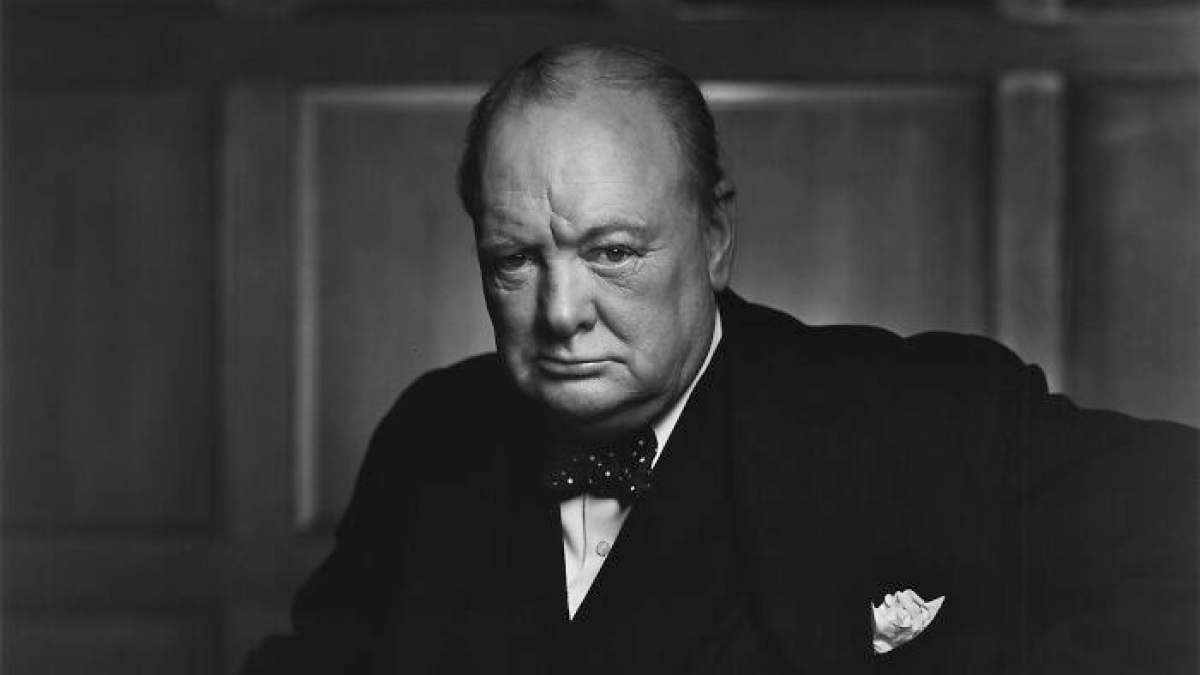


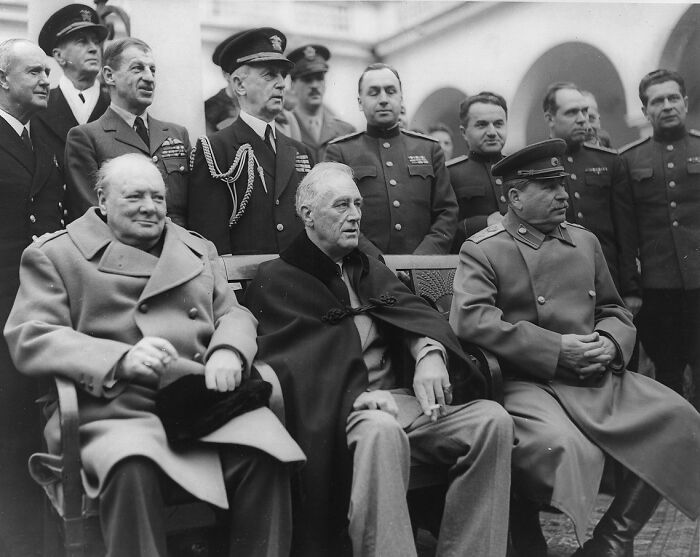
The 20th century was a tumultuous, revolutionary era, and for the first time in human history, its story was captured not just in words, but on film. These 46 images have become historical artefacts in their own right, after searing themselves into our collective memory. They transport us from the corridors of power where Churchill, Roosevelt, and Stalin redrew the world map, to the dusty fields of California where a migrant mother’s face became the symbol of a national struggle. In these frames, we witness humanity's greatest triumphs, like the first tentative flight at Kitty Hawk and the giant leap onto the moon, alongside its deepest shames; from the grim faces of child laborers to the ugly jeers of a hateful mob. Each picture is a pivotal moment, a turning point that shaped the world we inhabit today.
This post may include affiliate links.

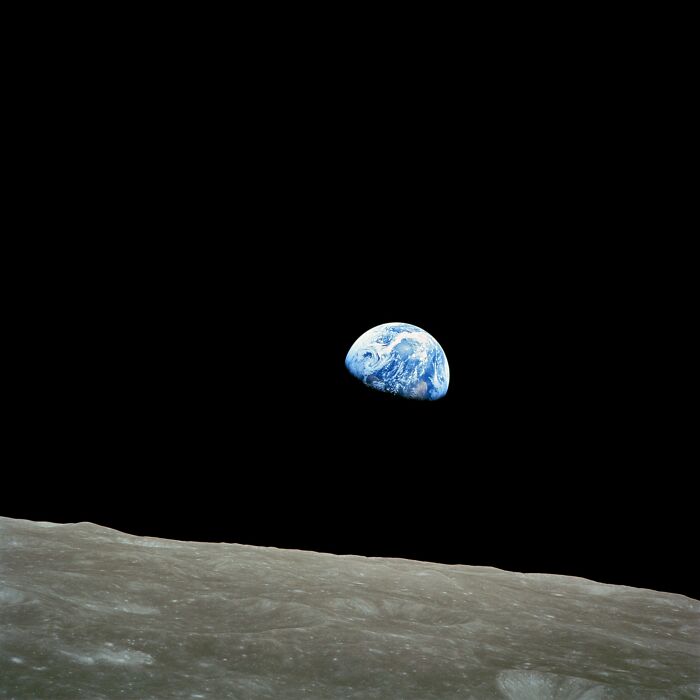
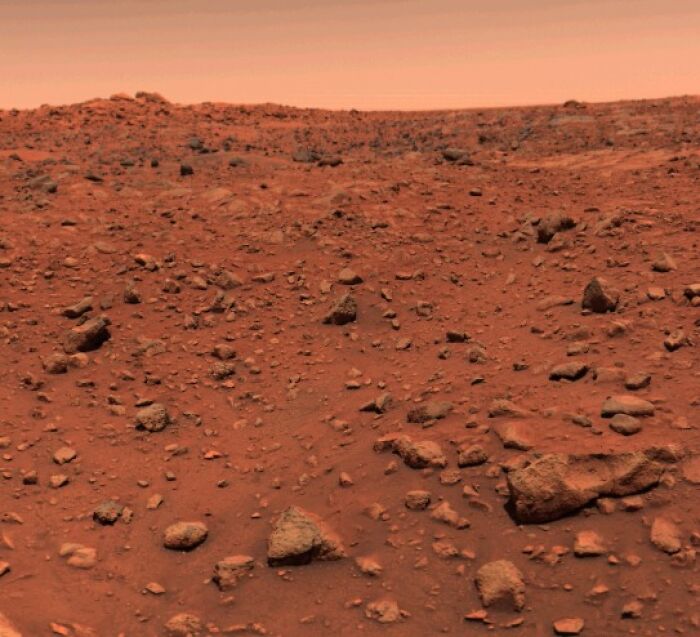
Such an iconic photo. We'd all like to think there's another planet out there like it, but is there?

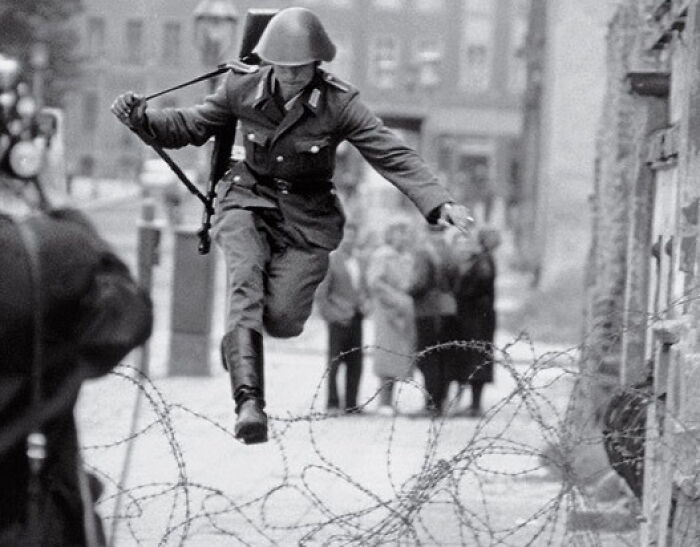
He never felt free until the reunification of Berlin in 1989. The story: https://www.warhistoryonline.com/cold-war/conrad-schumann-leap-into-freedom.html
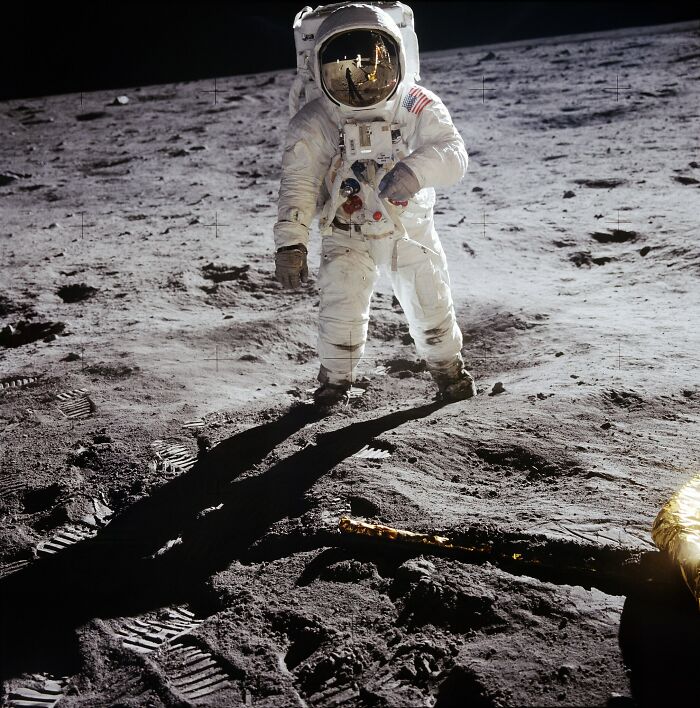
We're barely paying attention to the achievements in space these days. But this, with the technology available at the time, was and is still astounding.
Photojournalism truly came of age in the 20th century, placing photographers on the front lines of conflict and in the heart of social upheaval. Their cameras bore witness to history as it unfolded, and the resulting images often did more to shape public opinion and define an event than any written account.

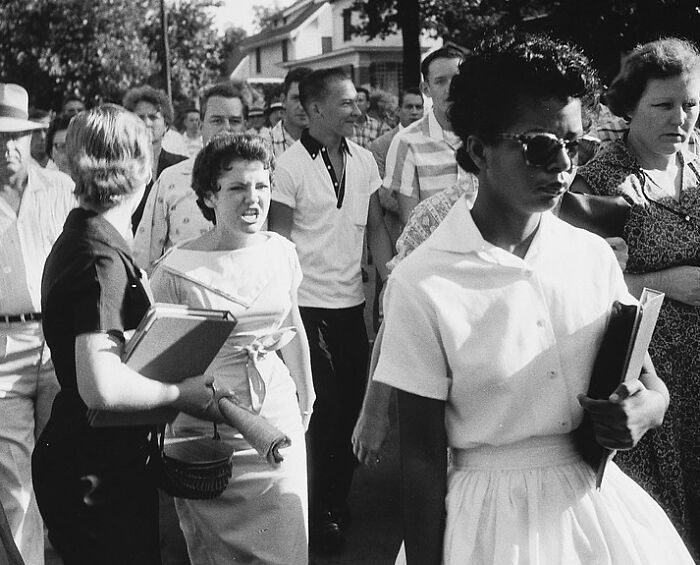
Elizabeth Eckford was so brave for doing this and for being able to stand in the face of those people and be so classy. I mean look at her cool as a cucumber. Pretty dress, great hair, a pair of shades and her books. She is rocking it! She had to be terrified but she didnt let them know.
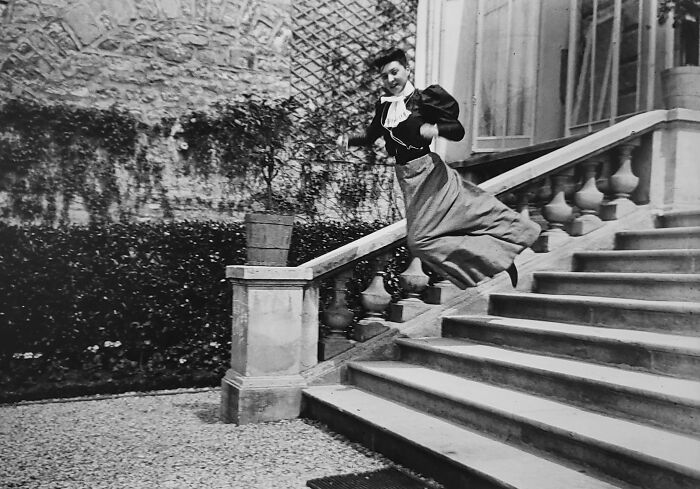
The door at the top left goes to a bridge that crosses a road and leads to Vicar's Close, the oldest continually inhabited street in Europe. The stairs to the right lead to the Chapter House, which is a circular room used as a meeting house.
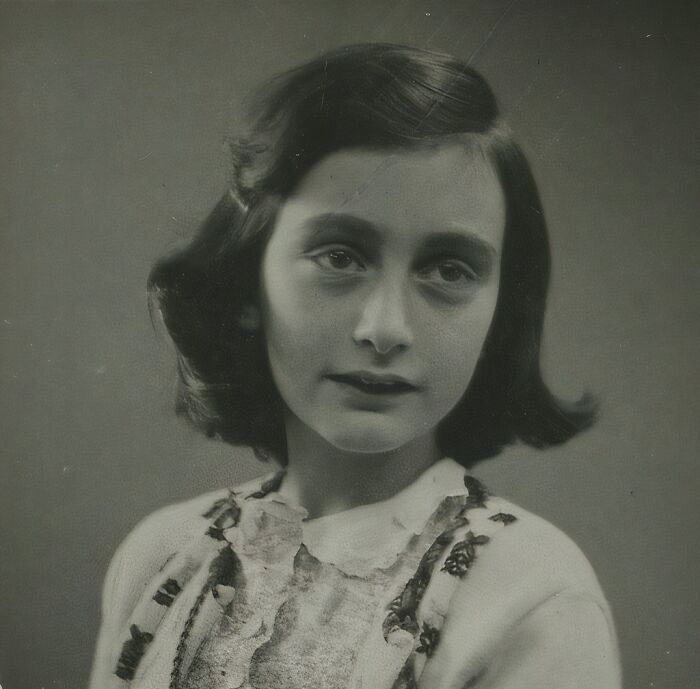
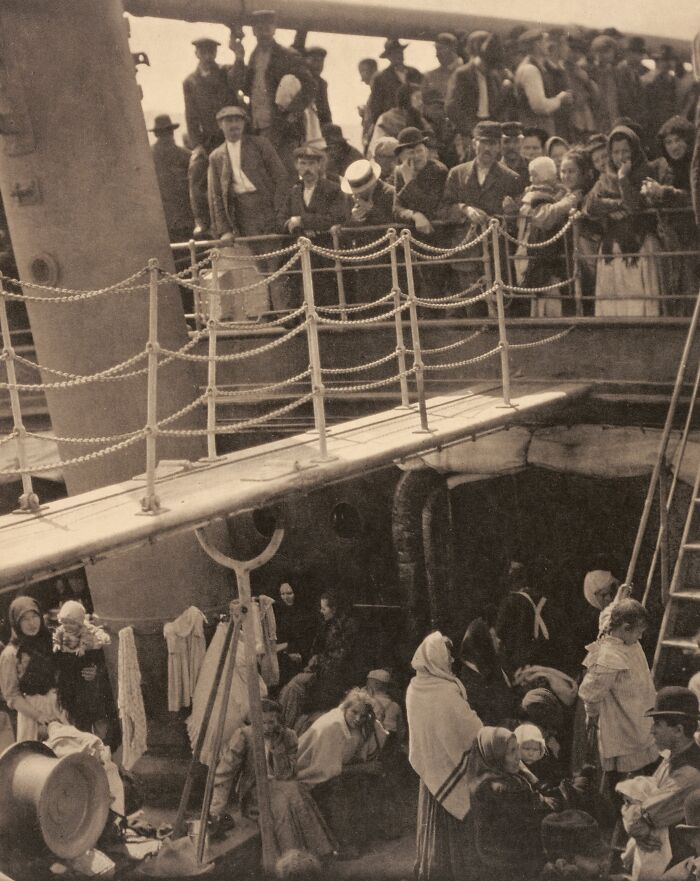
From a ticket to the whole world, to hiding from it, to a death camp. Heart-breaking
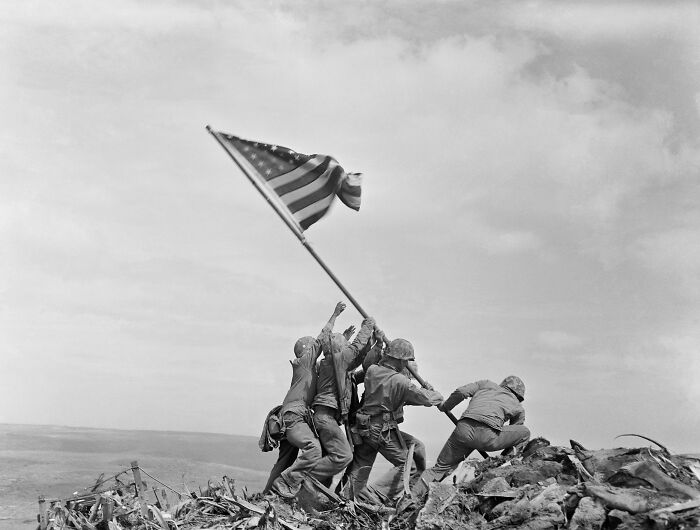
The famous picture is actually the second, bigger flag being hoisted
The century’s relentless pace of innovation was a story of stark contrasts, a duality the camera captured perfectly. For every image of humanity reaching for the stars or conquering the skies, there was another documenting the terrifying efficiency of modern warfare and industrial destruction.
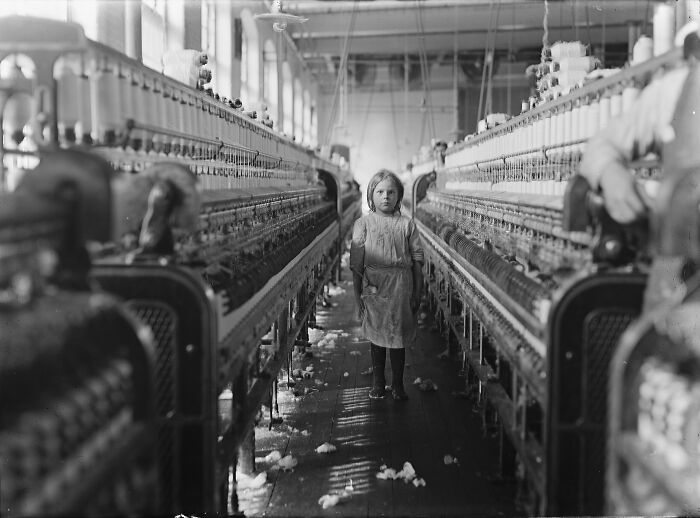
they used little kids to catch the shuttles (i think thats what they were called) because there hands are smaller so they can get in there easier. But the kids had to grab them while the machines were still going so if they werent fast enough bam! hand would be smashed in the machine as the 2 sides would come together weaving the threads to make cloth. so d**n dangerous
More than ever before, the camera became an instrument of social conscience, exposing harsh realities that were often hidden from view. By turning a lens on poverty, child labor, and racial injustice, photographers created irrefutable evidence that fueled movements for change.

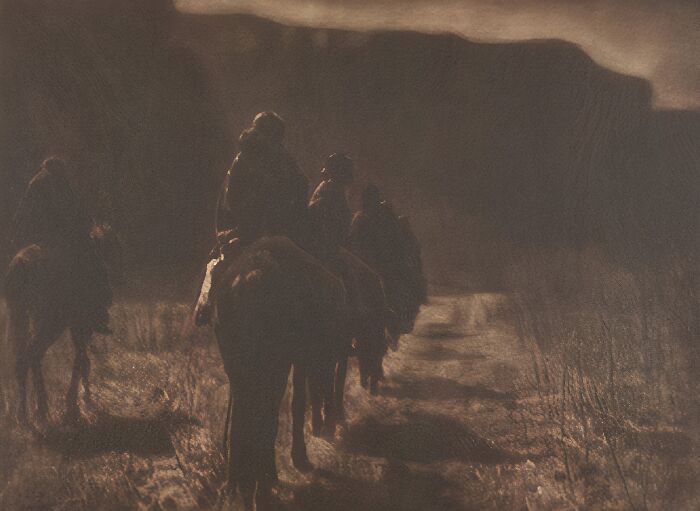
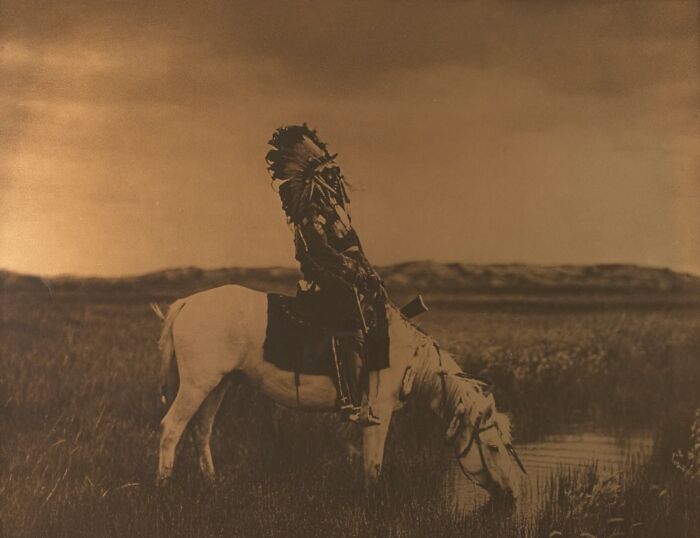
"Curtis wrote that this scene of Navajo riding off into the distance showed “that the Indians as a race, already shorn in their tribal strength and stripped of their primitive dress, are passing into the darkness of an unknown future.” The artist’s signature image is produced here as an orotone, a positive gelatin silver print on glass that has been backed with gold pigment or leaf." - The Cleveland Museum of Art what a charming individual...
fun fact about this picture, the photographer asked them to pose for a serious picture but the kids were playing and laughing so they had to turn there heads so they didnt show they couldnt stop smiling. there was an article somewhere about the photographer and his series of depresion era pictures he did.
Photography forever altered the nature of political power, bringing world leaders and issues out from behind closed doors and onto a global stage. These images did way more than document diplomatic events. They also crafted public personas and broadcast ideologies, becoming powerful tools of statecraft and propaganda but also to fuel social change.
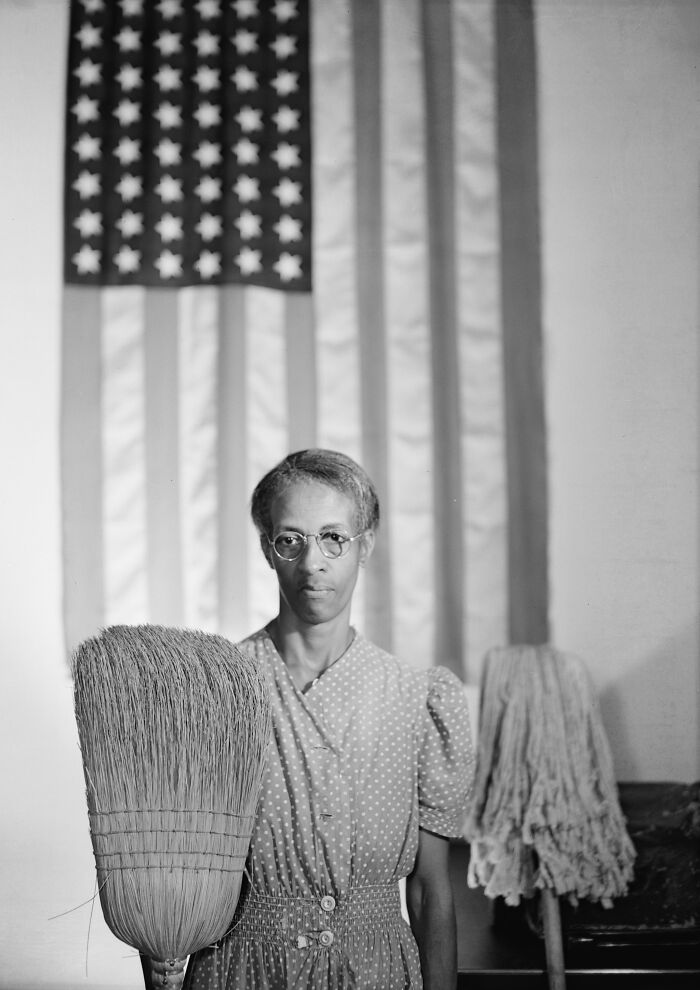
Photo by Gordon Parks. Brief summary: Gordon Parks was a pioneering photographer whose work profoundly captured the complexities of American life, focusing on social justice, race relations, and the African American experience.
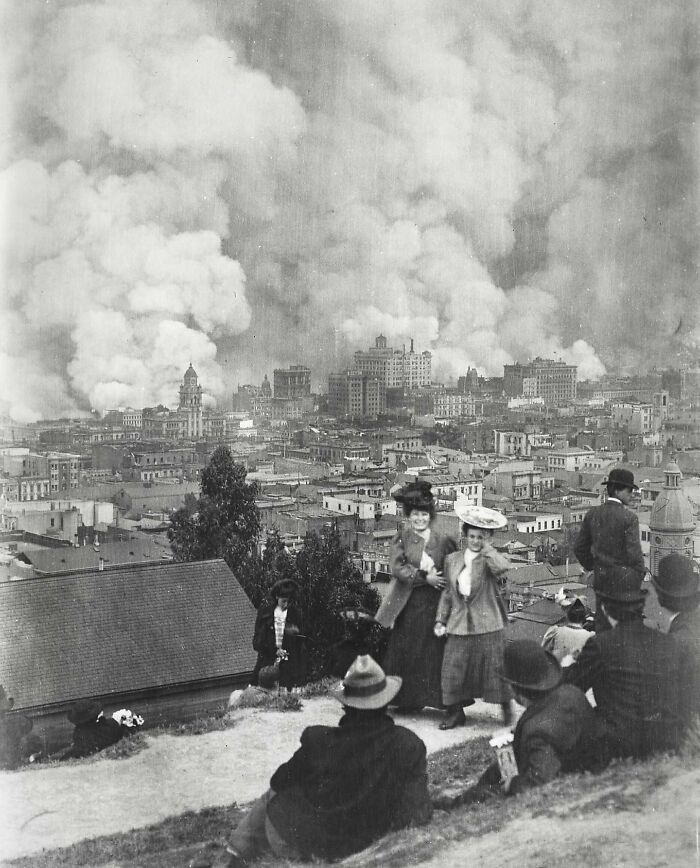
Why did these ladies look so delighted when destruction and chaos are right behind them?
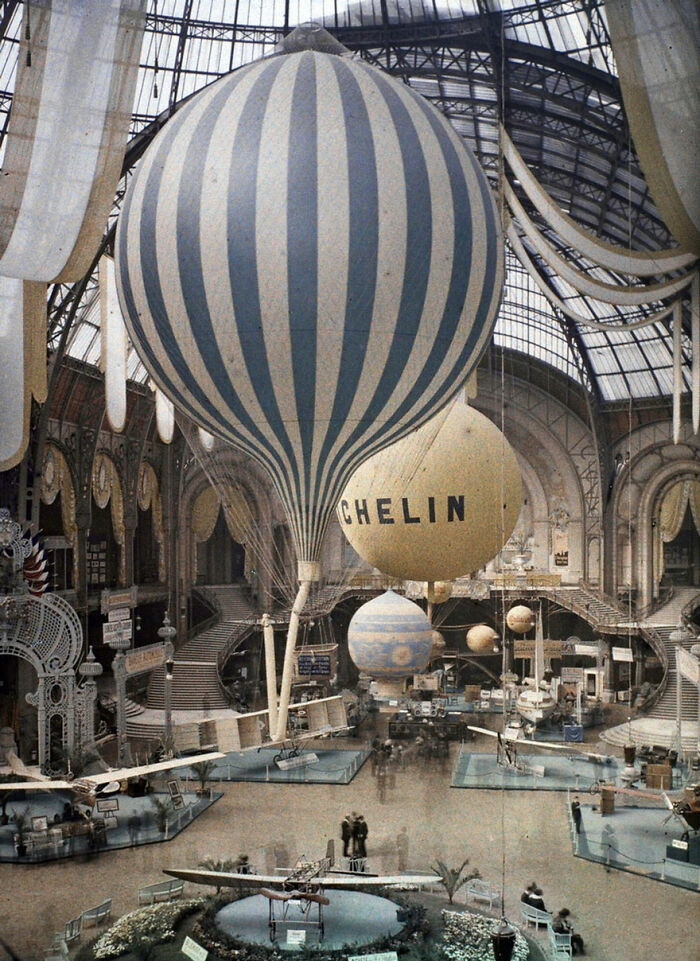
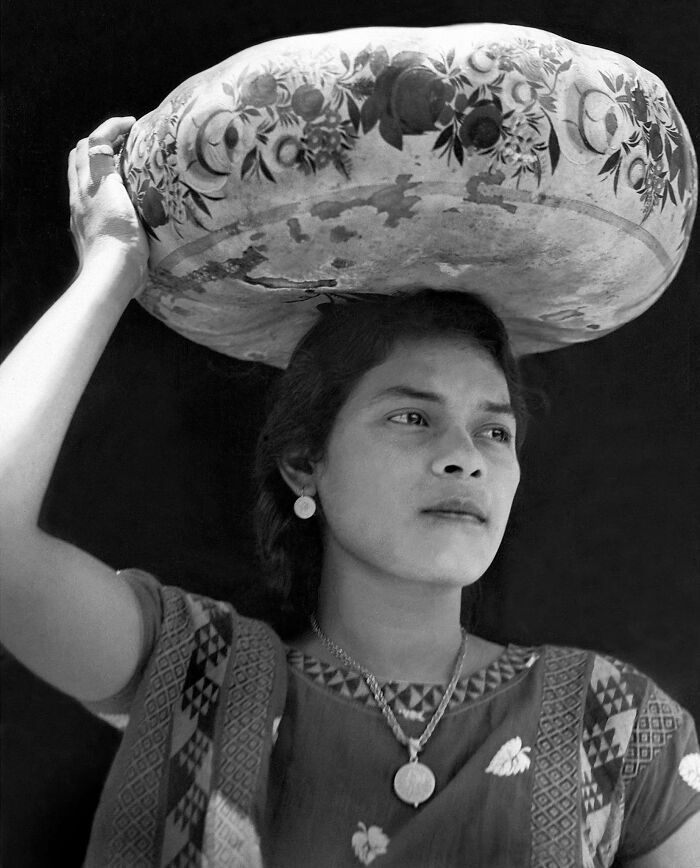
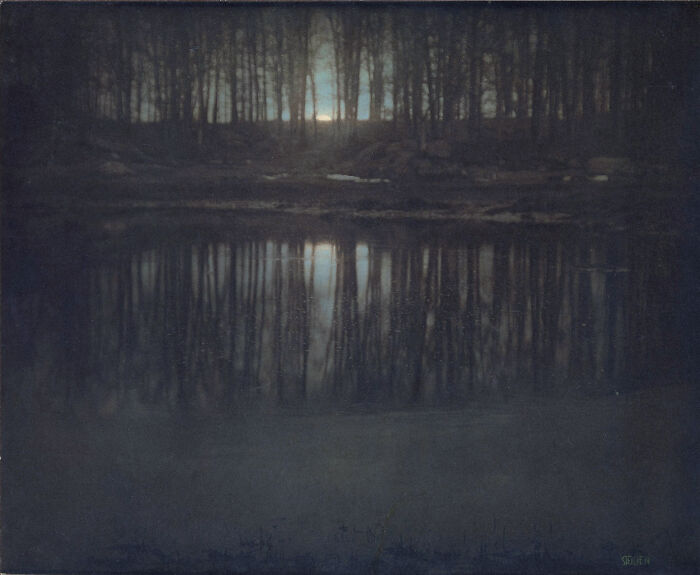
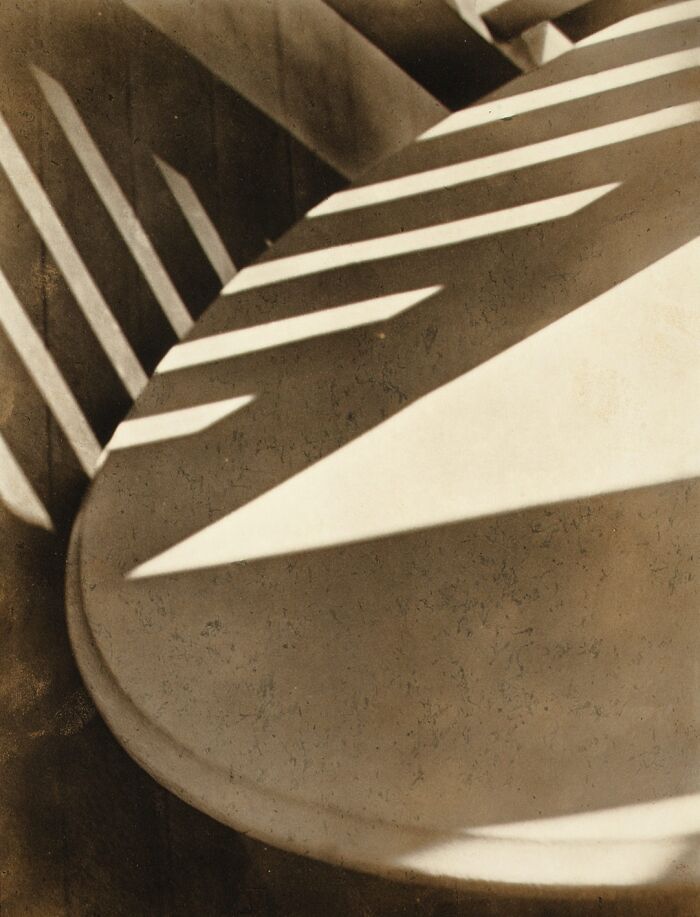
I thought that was a hat for a second. The decoration reminds me of canal artwork.
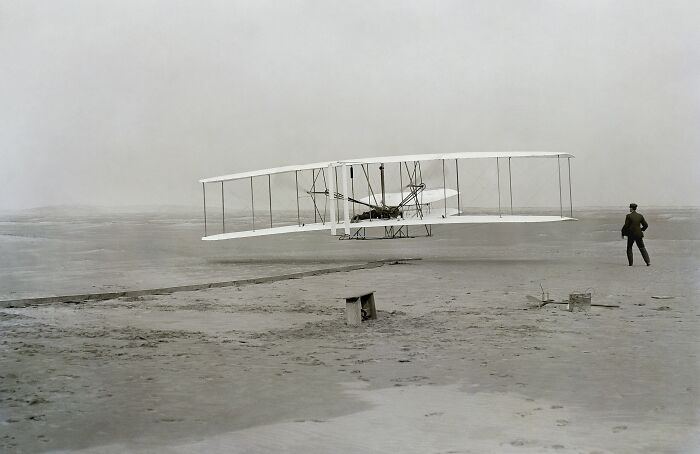
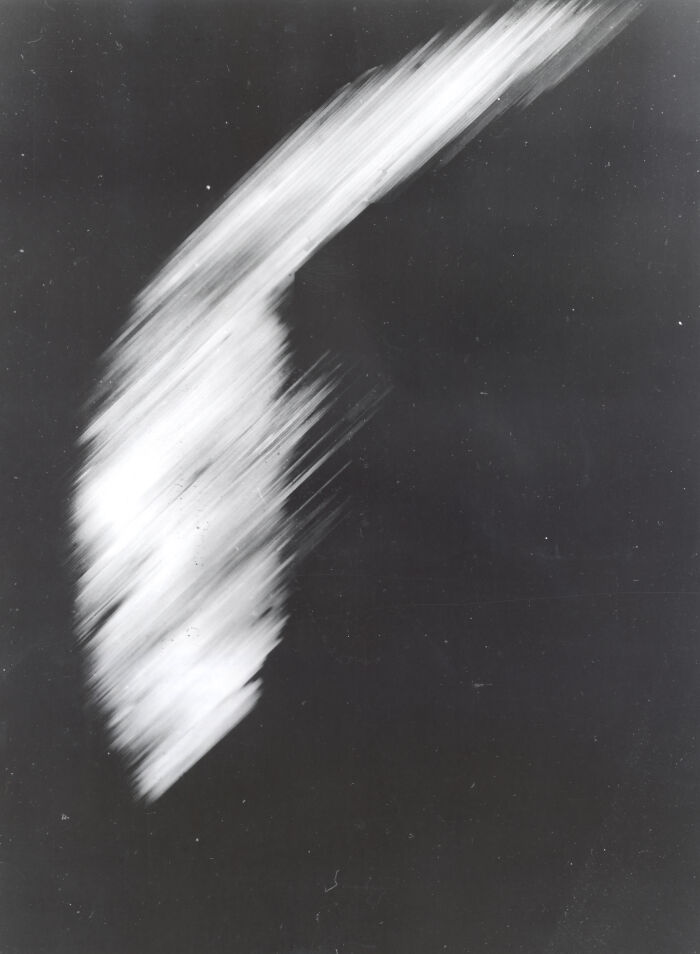
It blows the mind that the first flight into space was less than 60 years later.
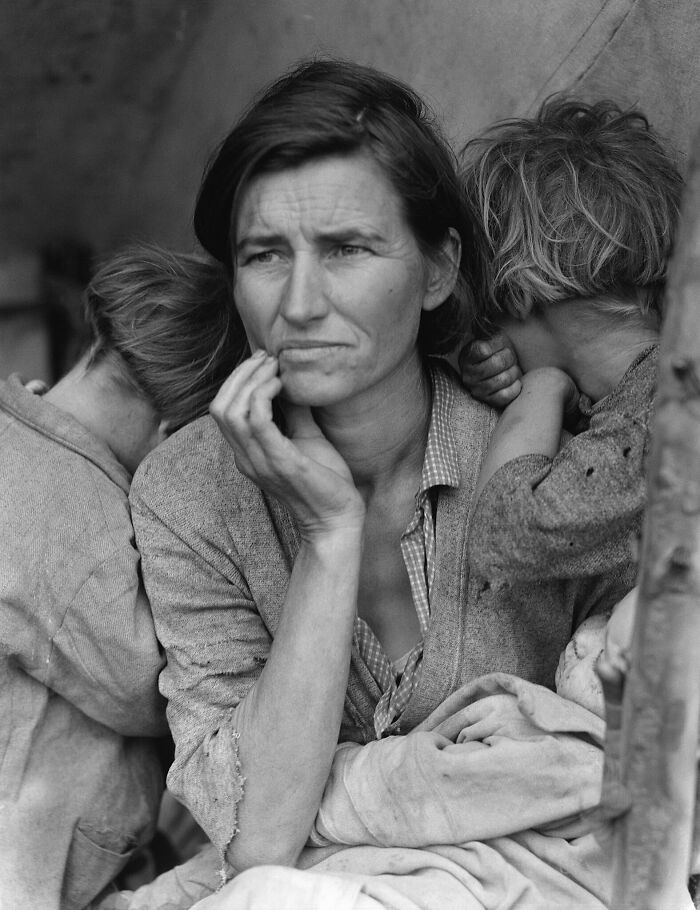
Often, the immense story of an era was distilled into the expression on a single human face. A portrait could transform an anonymous individual into a moving symbol, giving a human identity to abstract concepts like economic depression, genocide, persecution, or revolution.
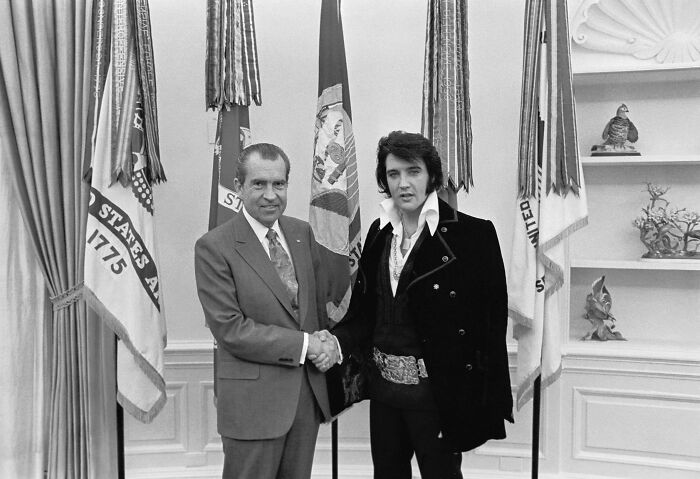
Remember when Nixon was the absolute worst President for our country?
From the Great Depression to the Civil Rights struggle and the Space Race, the camera chronicled the turbulent journey of what became known as the "American Century." These photographs capture the nation's (and by extension, the world's) profound contradictions and staggering achievements, defining its complex identity in the modern world.
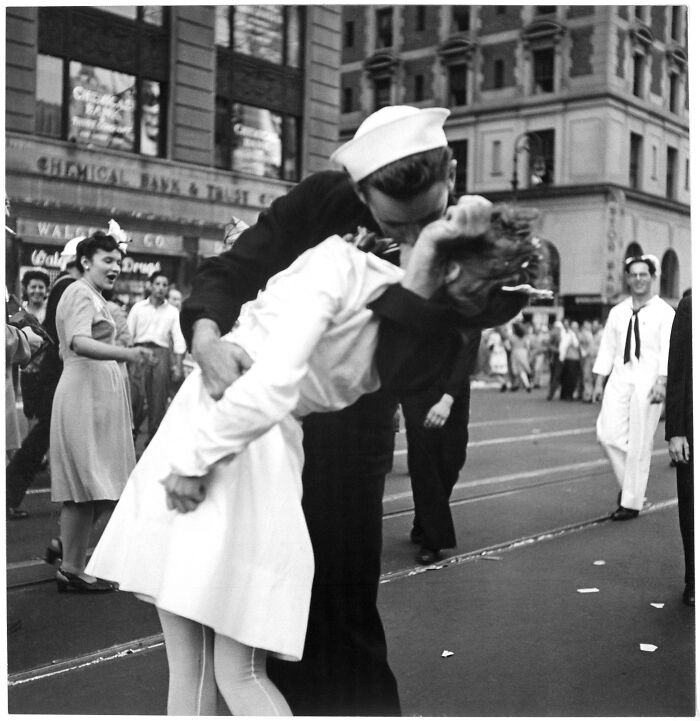
This photo? Really? Just no! He grabbed her and kissed her, they were total strangers. Good grief, verify your sources before you sensationalise SA.
this picture was taken after a dinner function where Einstien had already been photographed all night long. He was in the car with a couple friends of his ready to go home and before the door closed a photographer asked for one last photo and he stuck his tongue out thinking it would ruin the picture. it ended up being htis one. He ended up loving this picture and send later it was his favorite picture of himself. the full picture without cropping actually shows the other 2 people in the car.
Interesting article about this photo and others by Edward Curtis. It's a mixed legacy, as is typical of white people trying to depict other cultures. https://www.history.com/articles/native-american-tribe-photos
Many of these iconic shots are defined by their perfect, fleeting timing, or as the masters called "the decisive moment." In that single shutter click, a complex story of triumph, defiance, or simple human eccentricity is forever frozen, allowing us to study the instant that history was made.
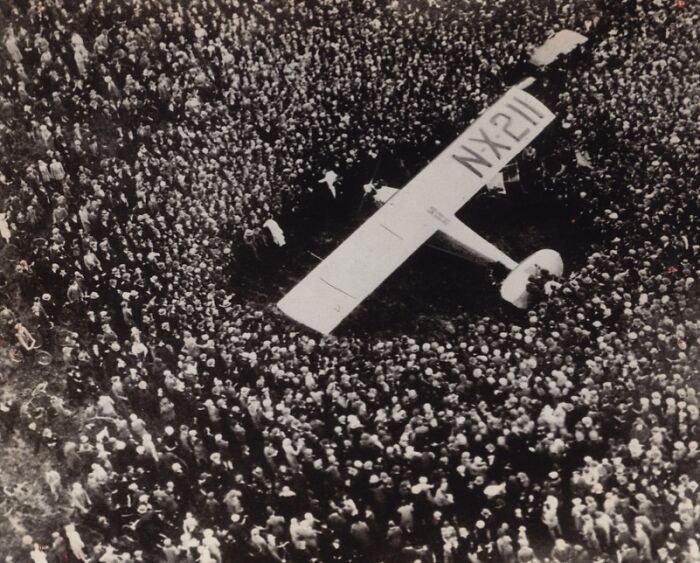
How did he land with all those people around the plane?
It was like surfing a mosh pit. As the plane came in for a landing the mob reached up and grabbed it then quickly passed it down the line till it came to a stop. Then they set it down.
Load More Replies... poor Lindberg and his wife. his son was kidnapped just because he was famous. such a sad story
Yes, we can bemoan the fact that his kid was kidnapped. But that doesn't excuse him being a N**i sympathizer.
Load More Replies...
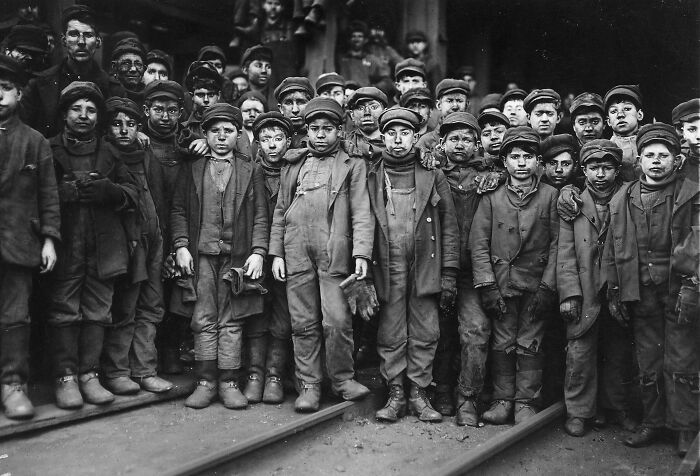
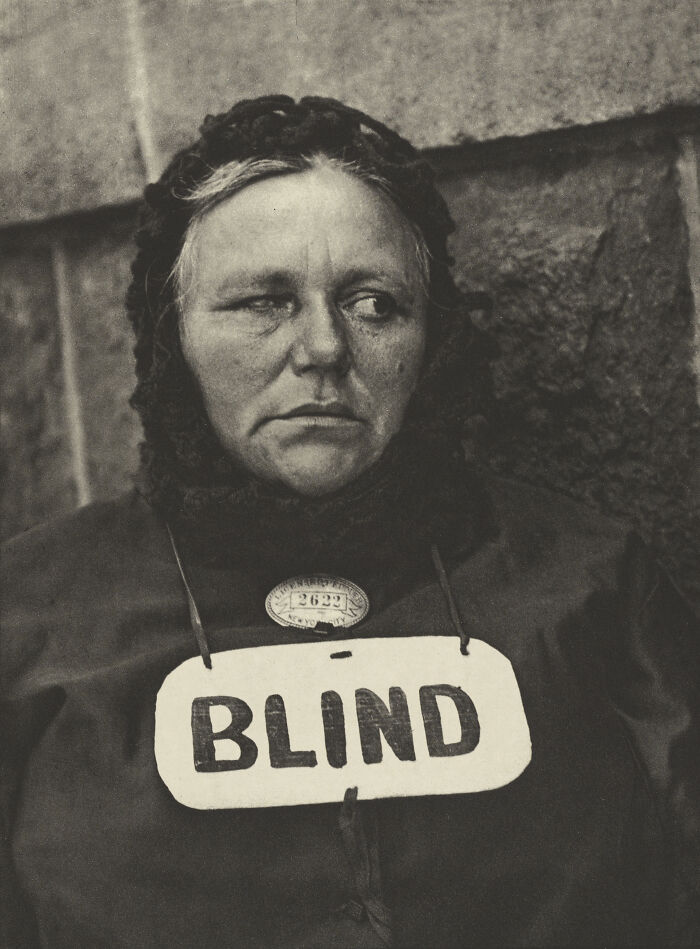
It looks like she is wearing a badge that shows she is a licensed beggar. In the Victorian era and early twentieth century the poor were divided into deserving and undeserving. Deserving poor were the disabled or those too old to work and they could get a license to beg. If you could work then it was your responsibility to support yourself and your family, regardless of whether that was even possible with the wages paid or the cost of rent or the number of children you had (birth control was rare and marital r**e wasn't a crime). Which is why we get pictures like the mill children or the breaker boys.
This era saw photography evolve from a specialist's craft into a ubiquitous part of daily life. The century began with photographers using heavy glass plates and ended with the first grainy image from a cell phone, a technological leap that put the power to document history into the pockets of millions.
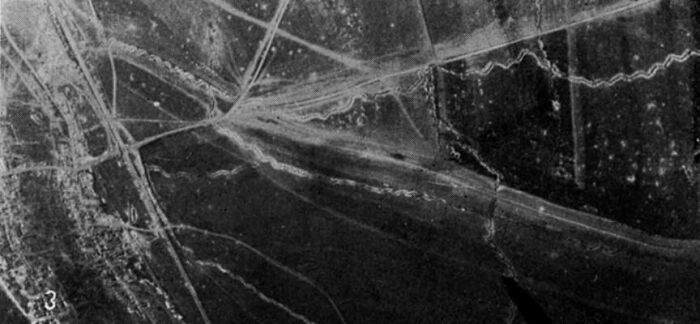
as much as we talk about the horrors of WWII, which we should mind you, I think people dont fully grasp how horrendous the conditions were in the trenches or what it was like when people first experienced mustard gas and other poison gasses used in the field for the first time. also this is the war where they learned what happened if you marched a line of people or calvery right accross a field into a brand new inventoion called machine guns and the mass produced gatling guns.
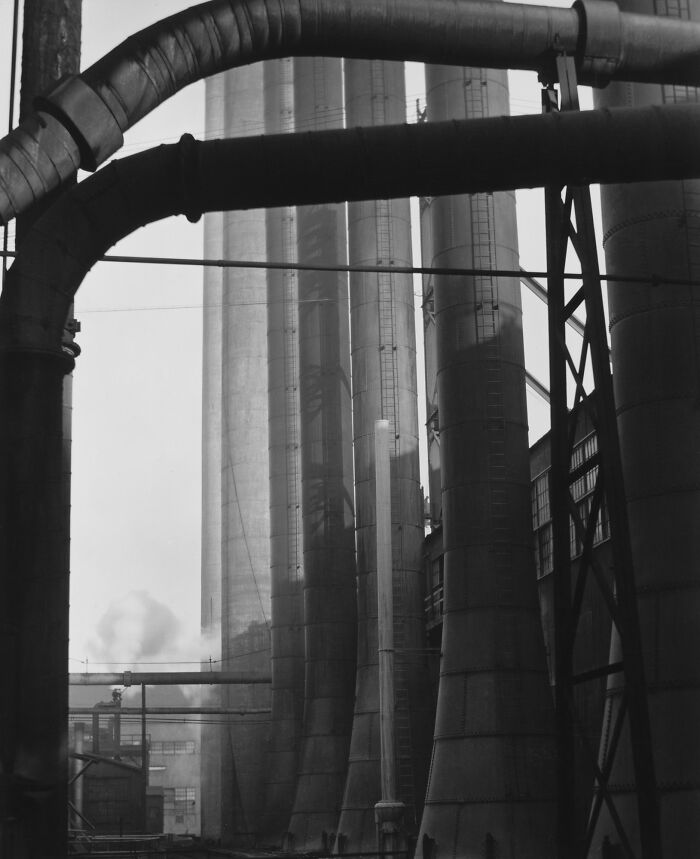
My degrading Ohio hometown has an old, abandoned cement factory in the middle of it. It was once a vibrant, post WWII city populated with workers connected to the factory and military personnel connected to the AF base there. Times change. Don't think the Donald is bringing that back.
The drսg аddіct offered his services as an undercover agent for the FBI.
I wish these posts would contain more context for these fascinating photos. It really doesn't take a lot of effort to do visual searches on them. Looking at you, Viktorija!
I wish these posts would contain more context for these fascinating photos. It really doesn't take a lot of effort to do visual searches on them. Looking at you, Viktorija!









 No fees, cancel anytime
 then open in external browser


 and click "Open in External Browser"