Get Premium
Dark mode theme is available exclusively for premium users. Learn more about the benefits of subscribing.
No fees, cancel anytime.

 Dark Mode Ad-Free Browsing Unlimited Content
 Ad-Free Browsing Unlimited Content Dark Mode
Join 1.2 million Panda readers who get the best art, memes, and fun stories every week!
What will your city look like 100 years from now? It might be hard to imagine. Perhaps future generations will live in utopia. Or maybe the earth will turn into one big disaster.
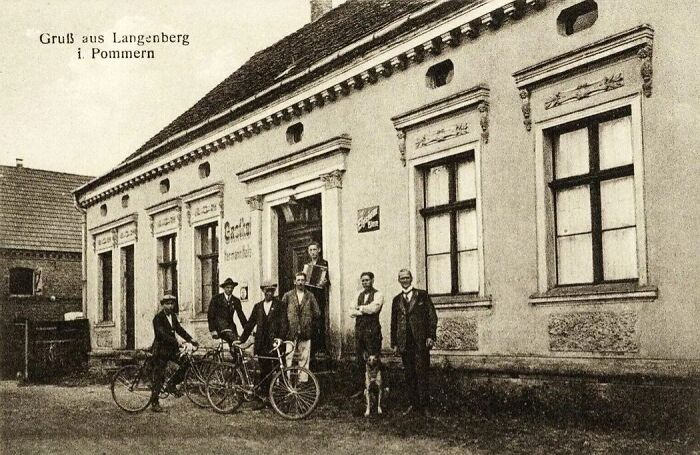
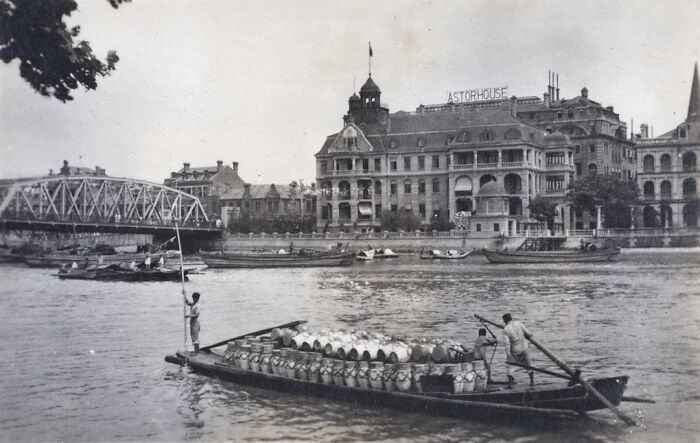
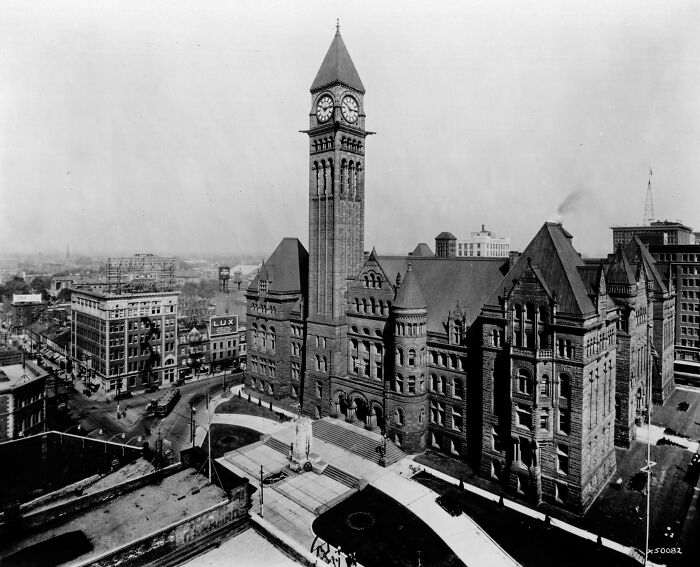
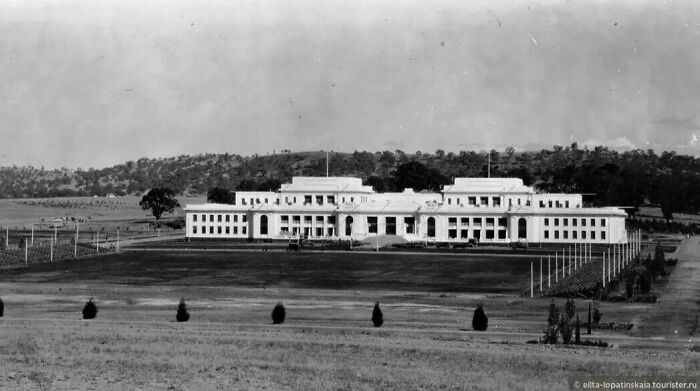
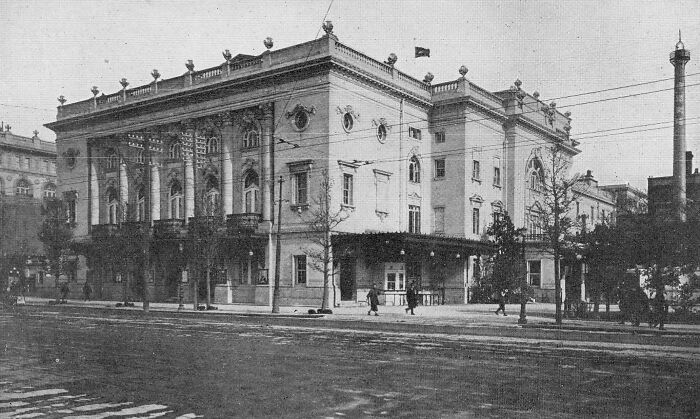
What we do know is that the world looked completely different a century ago. Things seemed quieter. Skyscrapers, and buzzing traffic weren't the order of the day. Some cities didn't even exist yet. While others have since grown beyond recognition, shaped by wars, waves of migration, modernization, and technological revolution.
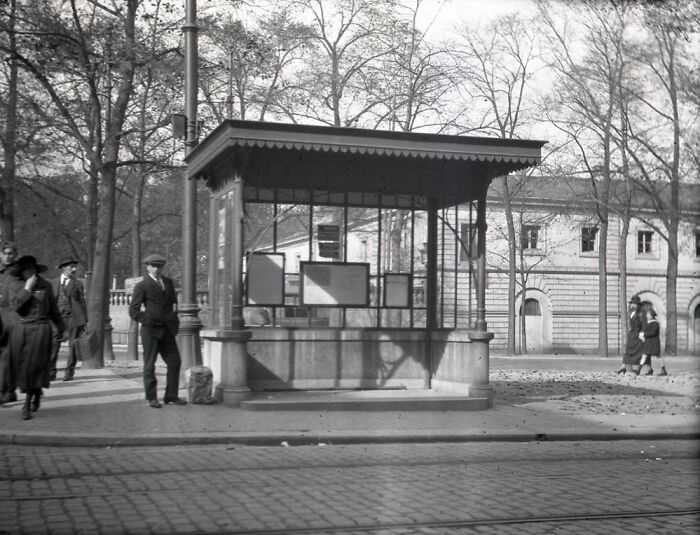
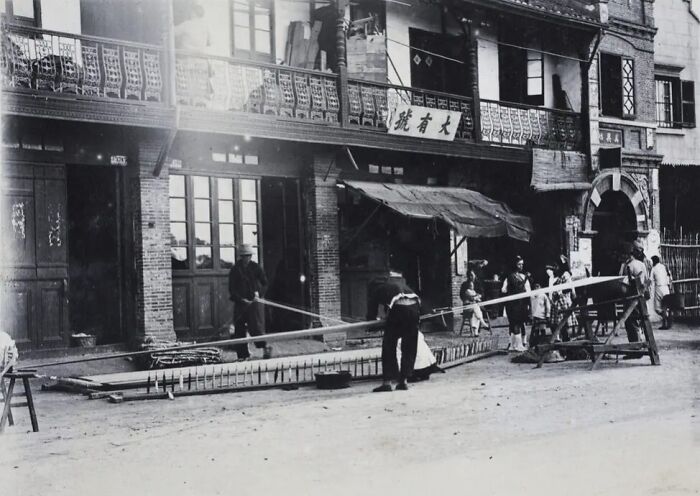
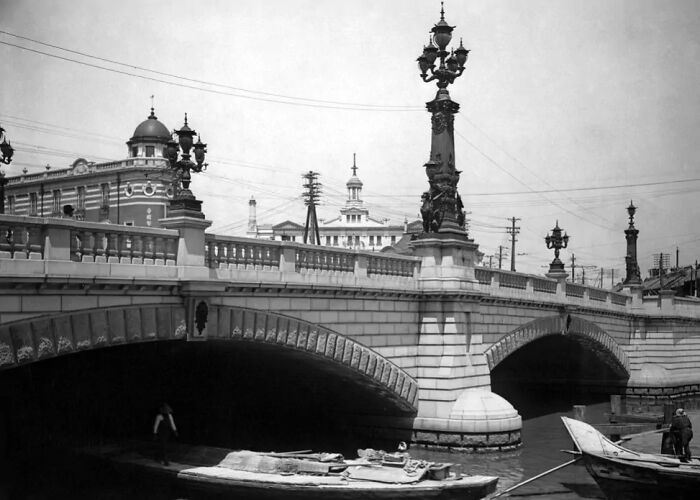
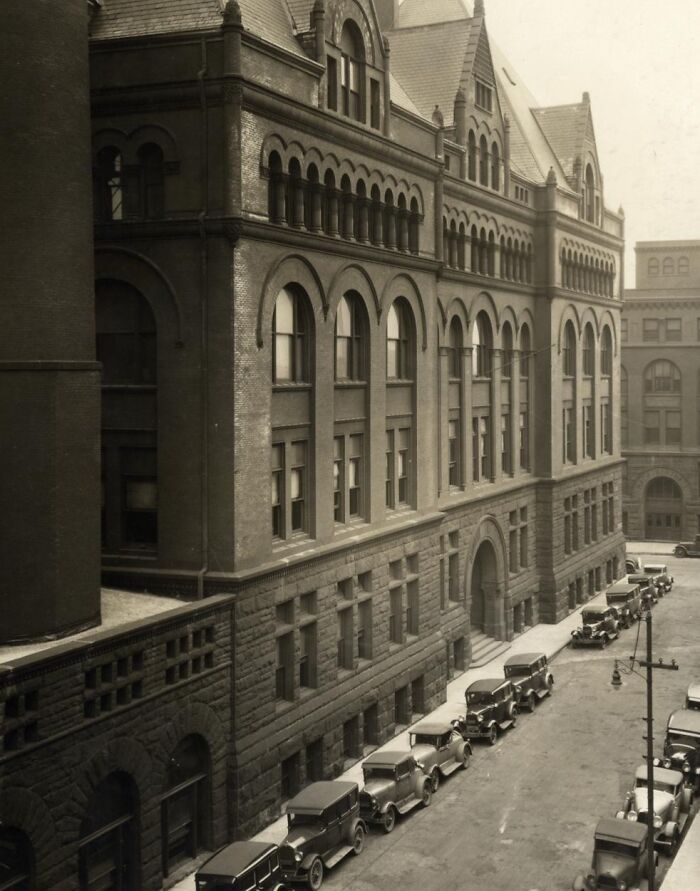
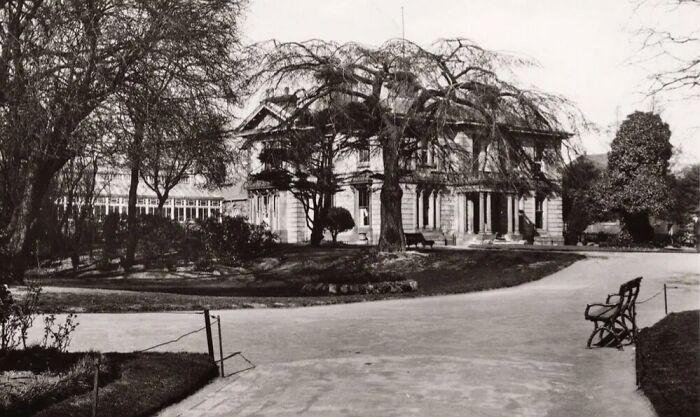
Bored Panda has put together a fascinating list of photographs that show just how much things have changed. Whether you're a history lover, an architecture enthusiast, or purely curious about places, prepare yourself for a visual journey of a different kind. Keep scrolling to see how time has transformed the places we call home, and don't forget to upvote your favorites.
We also explore what people back then believed the world would like today, and some of the beliefs were quite interesting. You'll find that info between the images.
This post may include affiliate links.
When asked what the world would look like in 200 years time, some Cambridge scientists of 1923 said that children will be grown in laboratories and not in their mother’s womb.
“The citizen of the future may quite possibly start life in a laboratory test-tube, be reared in a specially prepared serum and at the proper time be put on a diet of artificially created milk,” reads an article published in the Warsaw Daily Times in August that year.
It goes on to say that “Not only will the body grow in the laboratory, but also the character, skills and functions will be determined by cleverly made incisions, excisions, injections and so on.”

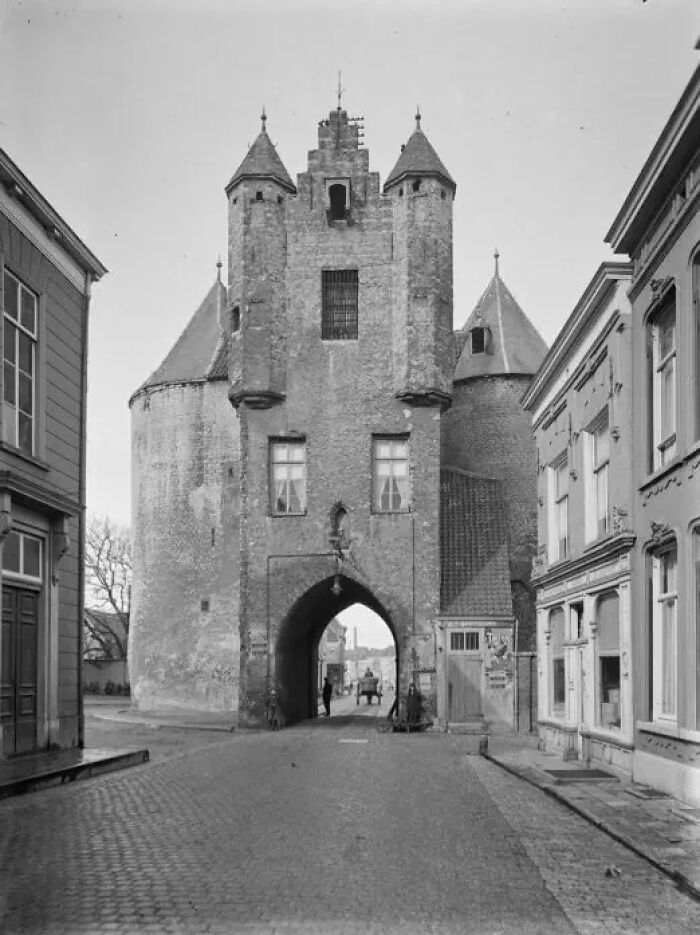
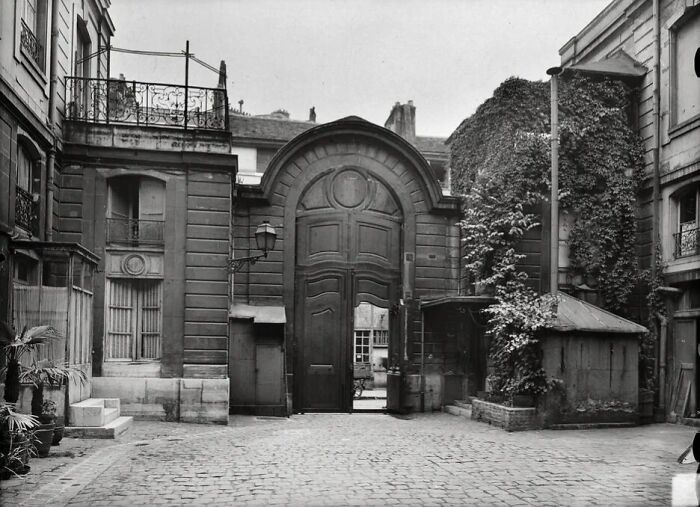
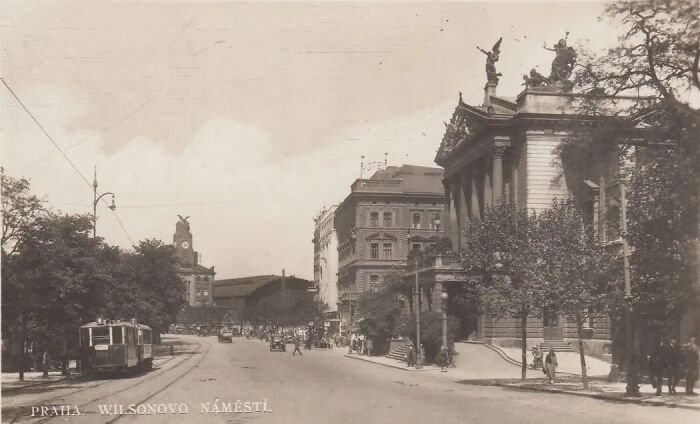
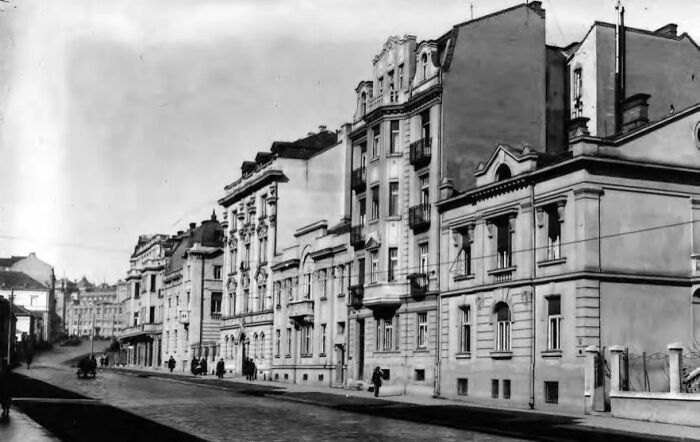
Not much has changed (except the house on the left is gone): https://maps.app.goo.gl/NoxFfNwhDfZwT2v17
Another somewhat amusing prediction was that humans would consume their food in capsule form. English writer, Walter Lionel George penned a full front-page article in The New York Herald in 1922 called “What the World Will Be Like in a Hundred Years."
George believed that people would continue to eat "corned beef, hash, and pumpkin," but most of the meal would be synthetic. All the ingredients would be contained in pills.

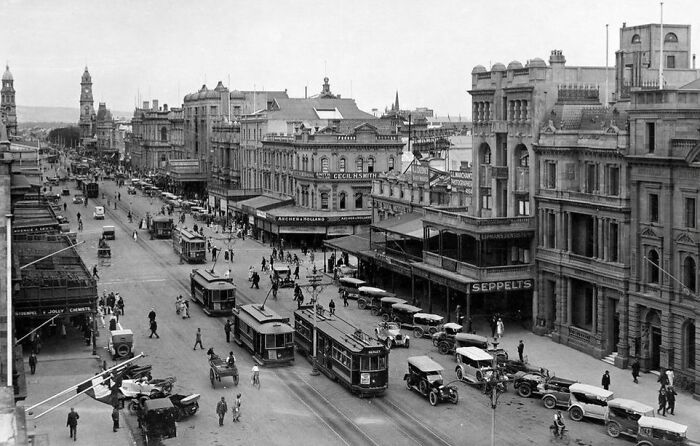
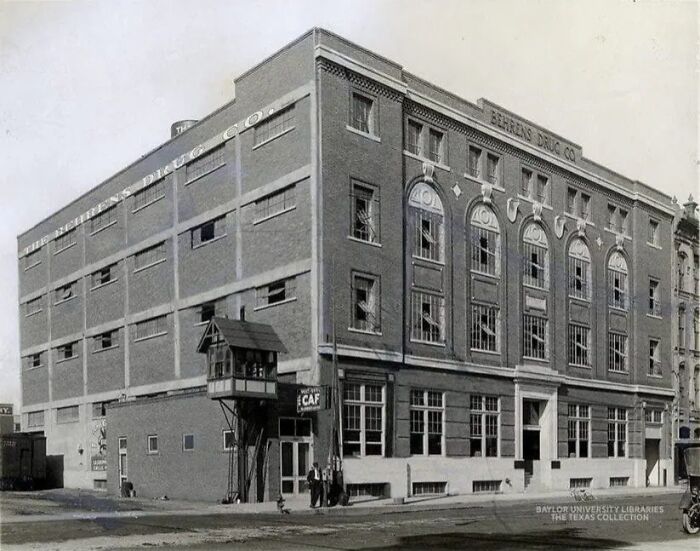
https://www.google.com/maps/place/King+William+St+Pharmacy/@-34.9234547,138.5996964,3a,75y,212.83h,98.1t/data=!3m7!1e1!3m5!1sg0ftBP3Md-Ntkz1Ry4NTzQ!2e0!6shttps:%2F%2Fstreetviewpixels-pa.googleapis.com%2Fv1%2Fthumbnail%3Fcb_client%3Dmaps_sv.tactile%26w%3D900%26h%3D600%26pitch%3D-8.104683252021914%26panoid%3Dg0ftBP3Md-Ntkz1Ry4NTzQ%26yaw%3D212.8289297289281!7i16384!8i8192!4m15!1m8!3m7!1s0x6ab0ced5e4de0227:0x3861ca244eaa06ed!2sKing+William+St,+Adelaide+SA+5000,+Australia!3b1!8m2!3d-34.924334!4d138.599725!16s%2Fg%2F121rvjhg!3m5!1s0x6ab0ced7c9b51307:0x5dbfc5275fa1a5be!8m2!3d-34.9247952!4d138.5999724!16s%2Fg%2F11dfttyrvp!5m1!1e1?entry=ttu&g_ep=EgoyMDI1MDcwOS4wIKXMDSoASAFQAw%3D%3D
The future of food was a big talking point in the 1920s. A 1927 article in The Grape Belt noted that American scientists found that the world’s population would increase so significantly that there would not be enough food to go around.
“Cheap, synthetic food is a dream or a nightmare, depending on how you feel about the population,” they said. Although it's unclear if they had a vision of drive-throughs and fast food chains taking over cities around the globe.

George, quite ironically, saw a world free of pollution. “Through the disappearance of coal in all places where electricity is not made there will be no more smoke, perhaps not even that of tobacco,” he predicted. And he wasn't the only one...
“The smoke and the dust of our cities will be gone forever,” reads an article published in 1908 in the Sunday Vindicator, adding that “Coal will be superseded by electricity driven from natural forces such as the tide and the sun.”
George also believed that by 2022, there would be a limit on how many children a family can have. He also, quite rightly, stated the following: “their status as heads of the household will change significantly, when women develop a career and enter the labor market.”
“Marriage will still exist much as it is today," he added. "For mankind has an inveterate taste for this institution, but divorce will probably be as easy everywhere.”


Still looks the same, add a few concrete-glass monstrosities here and there and voila!


Interesting, but pictures of the same places as they are today would have made more of an impact.
Exactly! Unless you've been there or know the area, most weren't all that interesting without having some comparison with today.
Load More Replies...
I wonder how many of these structures are still standing. WWII probably took out a number of them located in Europe and Japan.

Interesting, but pictures of the same places as they are today would have made more of an impact.
Exactly! Unless you've been there or know the area, most weren't all that interesting without having some comparison with today.
Load More Replies... I wonder how many of these structures are still standing. WWII probably took out a number of them located in Europe and Japan.


















 No fees, cancel anytime