Get Premium
Dark mode theme is available exclusively for premium users. Learn more about the benefits of subscribing.
No fees, cancel anytime.

 Dark Mode Ad-Free Browsing Unlimited Content
 Ad-Free Browsing Unlimited Content Dark Mode
Join 1.2 million Panda readers who get the best art, memes, and fun stories every week!
Women’s beauty standards have changed drastically throughout history, reflecting shifts in culture, fashion, and societal values. What was once viewed as the height of femininity, such as the gentle curves of the Supermodel era or the corseted waistlines of the Victorian age, may differ entirely from modern-day trends. From ancient standards to today’s inclusivity movement, each period reveals how definitions of beauty evolve with the passage of time. In these 20 photos, we reflect on the history and shifting ideals of women’s beauty over the years.
This post may include affiliate links.
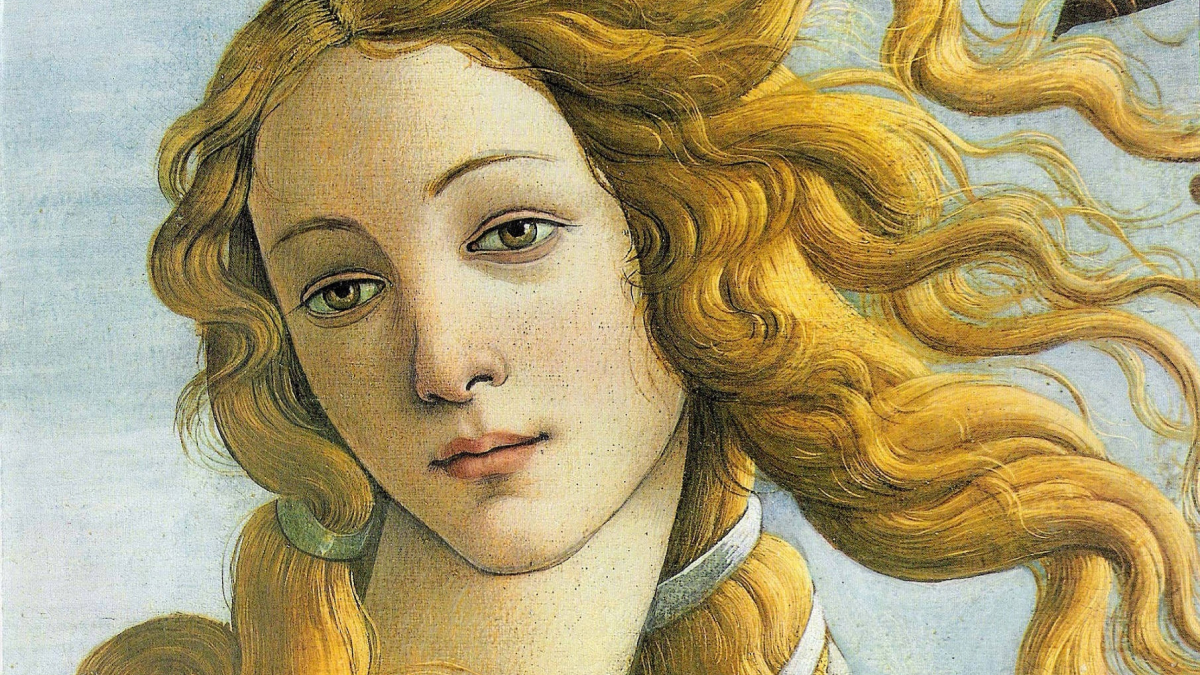
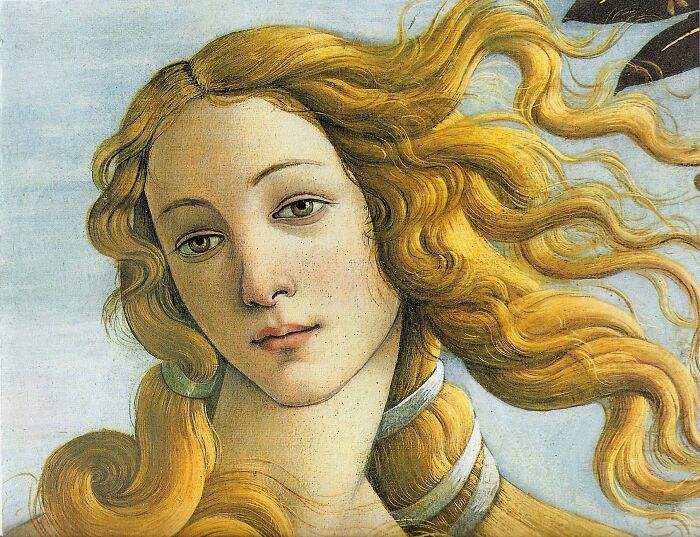
In ancient Greece, a woman was considered beautiful if she was plump, pale-skinned, and full-bodied. Modeled after the goddess Aphrodite, women’s level of attractiveness was measured in terms of virtue and fertility rather than physical beauty. Interestingly, during this time period, men’s standards of beauty and perfection were under way more scrutiny than women’s.
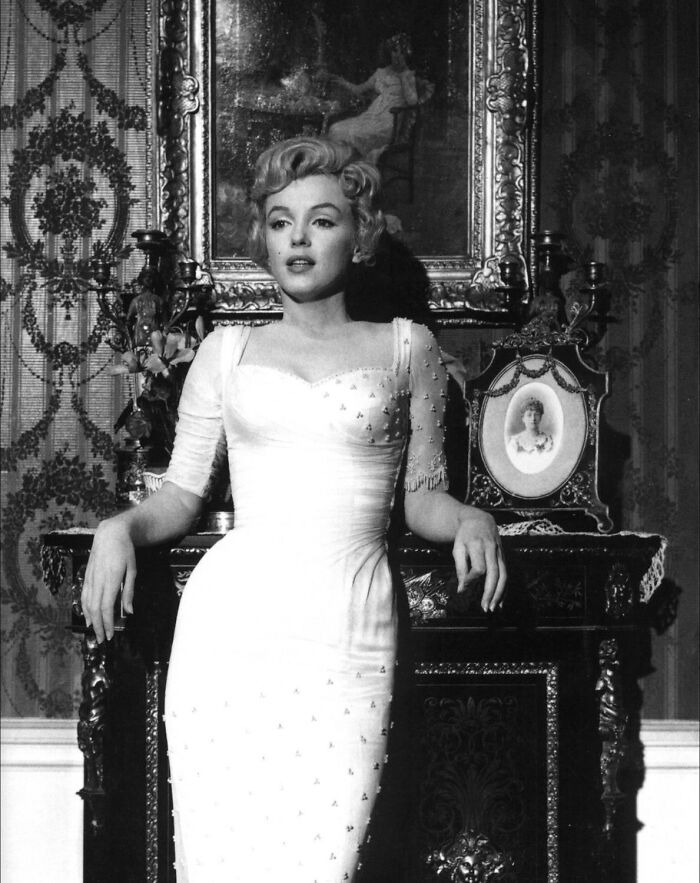
In the Golden Age of Hollywood, the standard of beauty for women shifted from a slim, boyish figure to a more voluptuous, curvy figure with an hourglass silhouette. Movie stars like Marilyn Monroe epitomized the standard, often appearing in fitted dresses and corsets to accentuate their curves. This beauty ideal became synonymous with luxury and femininity.
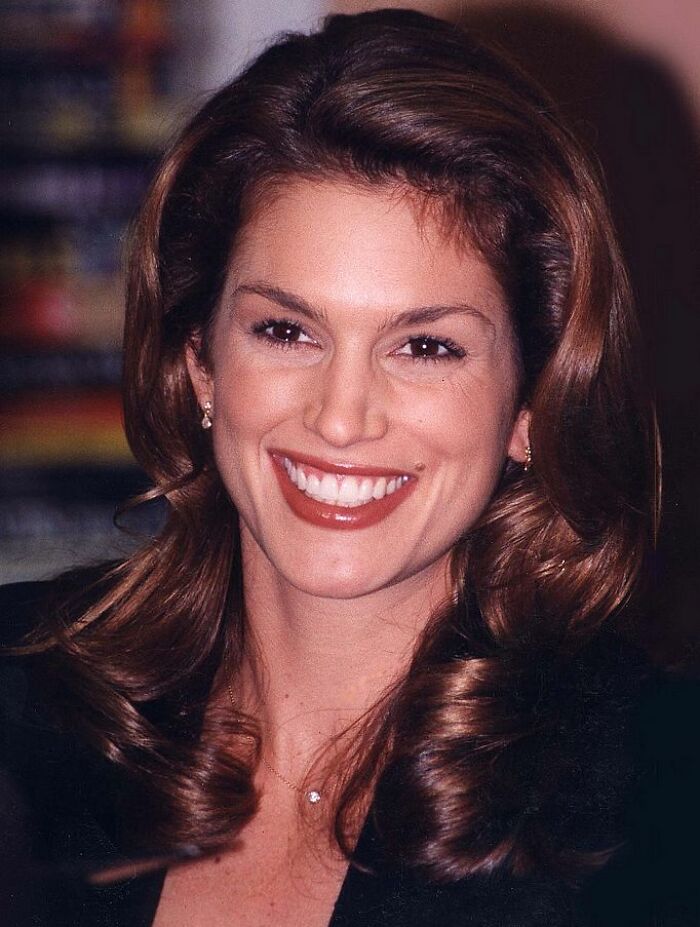
Fitness and fashion were all the rage in the 1980s, with athletic femininity being the beauty ideal. With the rising popularity of workout videos and gym culture, glamour and fitness were synonymous at the time. Supermodels like Naomi Campbell and Cindy Crawford embodied the standard with tall, toned physiques and gentle curves.
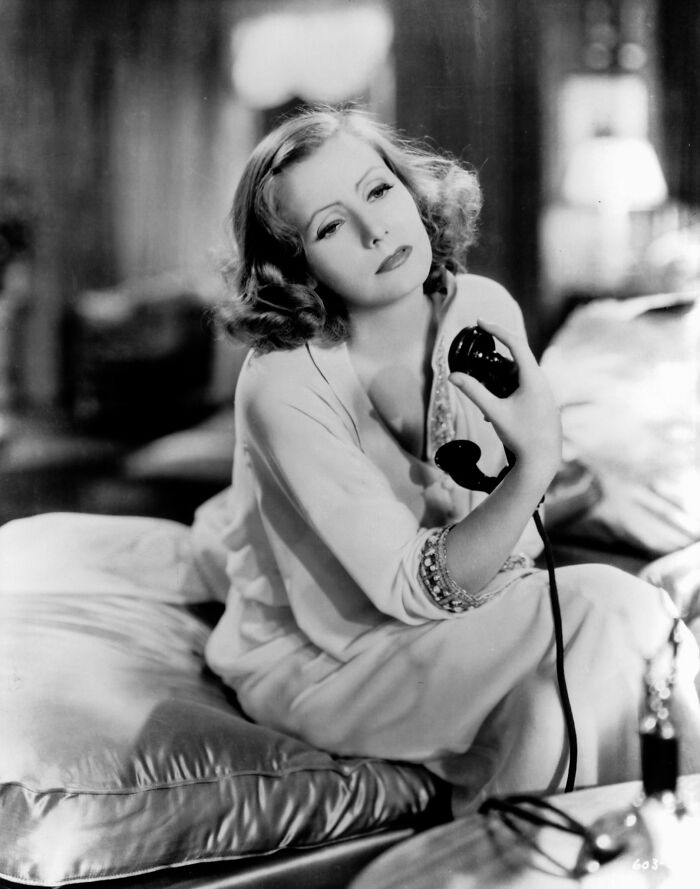
Before Marilyn Monroe became Hollywood’s “golden girl,” actresses like Greta Garbo popularized Art Deco glamour with striking facial features and chic sophistication. Refinement and symmetry were an ideal combination in this era, with film and fashion industries emphasizing a sleek look. Characterizing this look were sculpted cheekbones, dramatic make-up, and thin brows.
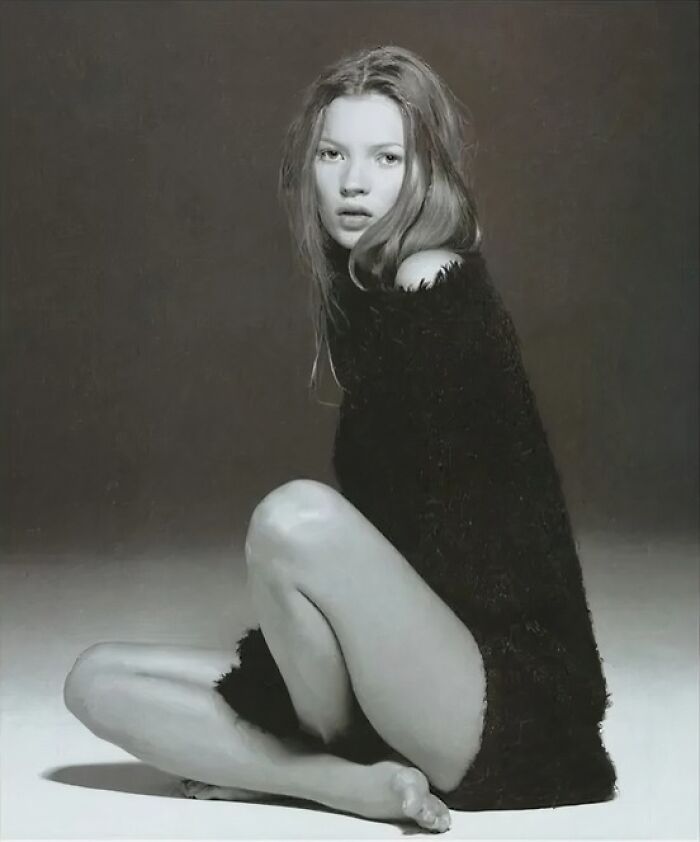
Unlike prior eras, the 1990s were a decade of edgy and controversial beauty standards. The androgynous look, along with pale skin and ultra-thin figures, led the era’s minimalist aesthetic, which was a reaction against the vibrancy of the ‘80s. Models like Kate Moss epitomized the look with waif-like frames, pale skin, and vacant gazes.
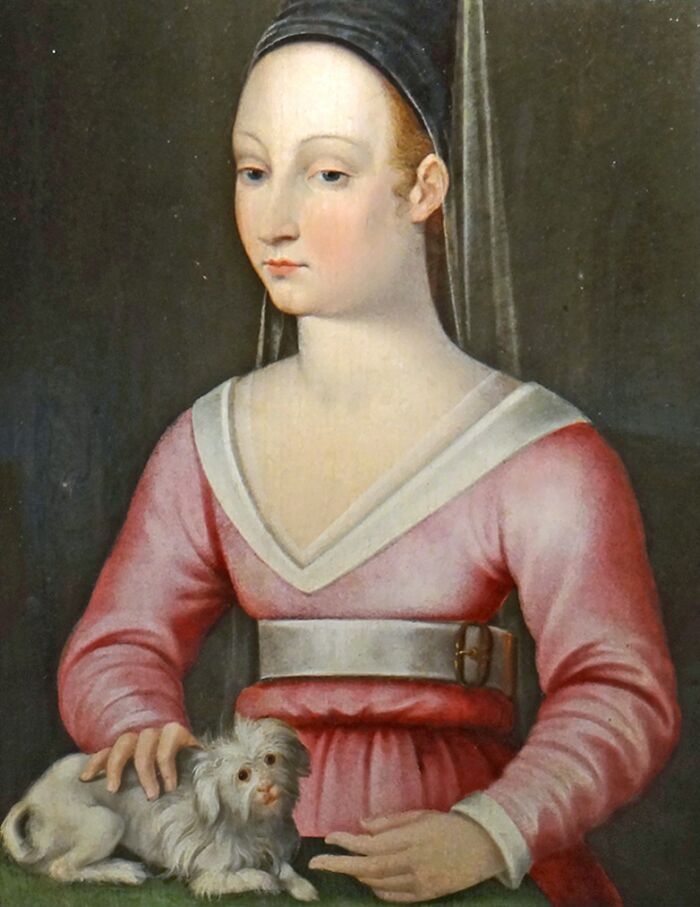
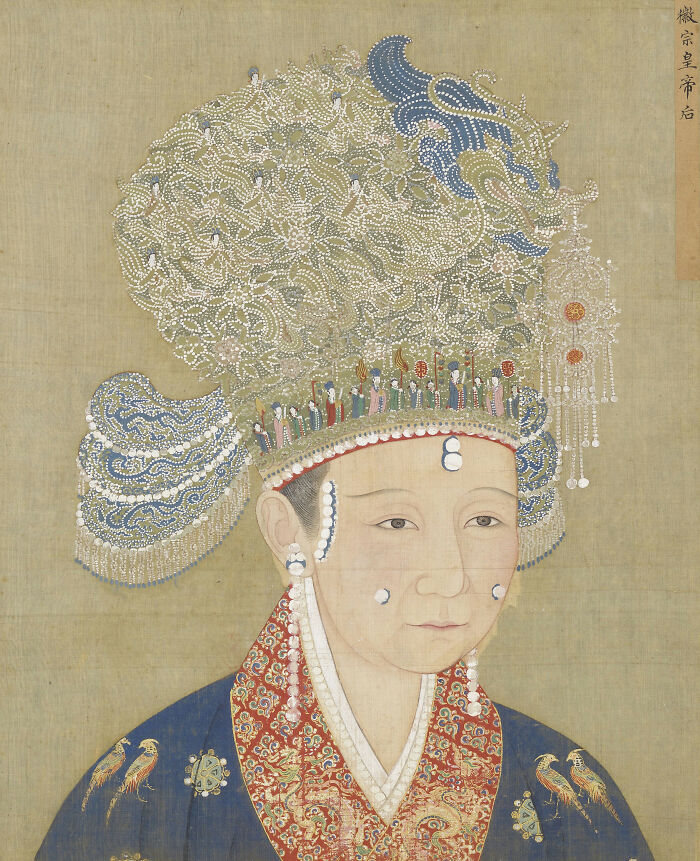
In Medieval Europe, women were admired for having porcelain-white skin and ample figures, as these were signs of fertility and wealth. Noblewomen like Agnes Sorel, King Charles VII’s mistress, represented the ideal beauty standards in the 1400s due to their refined looks, long necks, and slender waists.

Why couldn't artists back then paint a normal looking animal?!lol 🤔
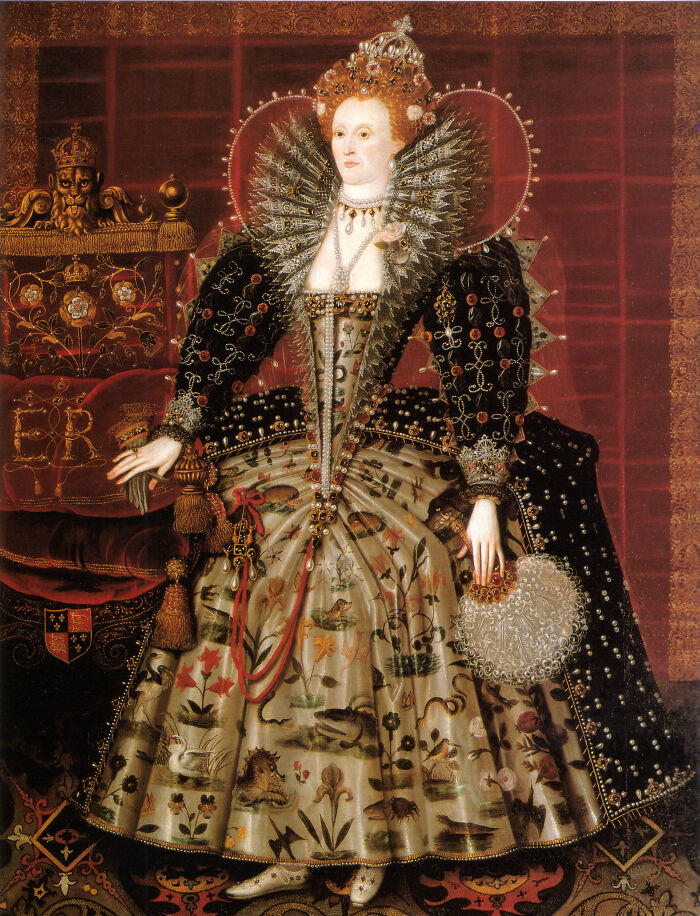
Queen Elizabeth I set a distinctive beauty standard during her reign. Even if it meant using dangerous lead-based cosmetics, a look conveying youthfulness and purity had to be achieved by any means necessary. Ultimately, the queen was seen as a style icon in this era, popularizing chalk-white faces, red accents, and elaborate outfits.
During the 17th-century Baroque period, women with fuller bodies, soft hips, and rounded stomachs were celebrated as symbols of fertility and abundance. This was largely because famous painter Peter Paul Rubens used curvy women as his muses and equated their fertility with the ultimate feminine allure. His ideal became so iconic that the term ‘Rubenesque’ was coined to describe the ultimate fertile form at the time, which was a curvy figure.
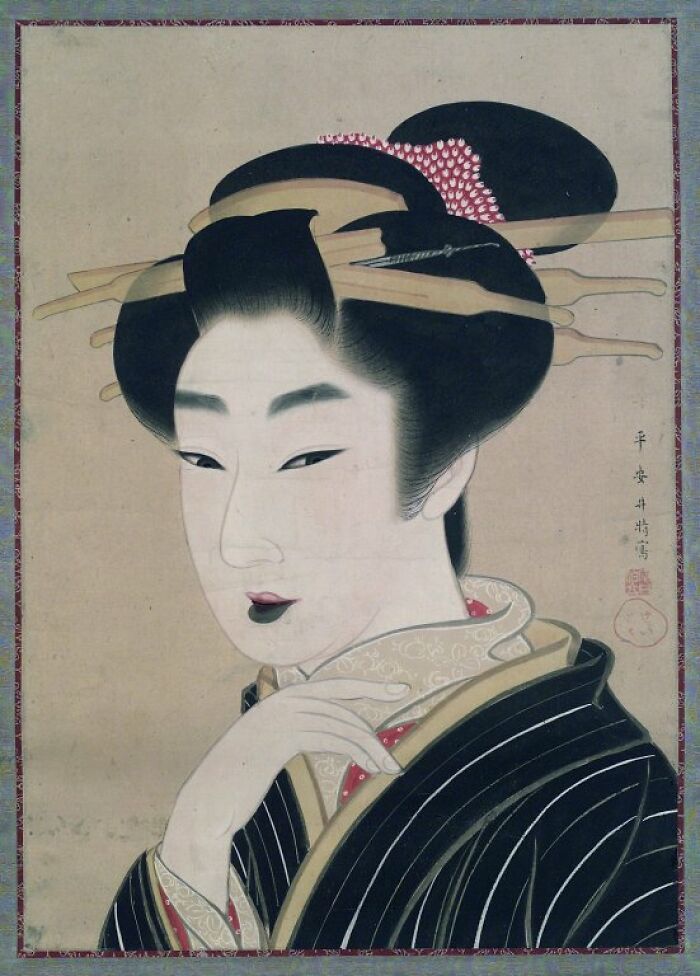
In 18th-century Japan, the Geisha aesthetic was the ultimate beauty ideal for women. Characterized by powdered white skin, delicately accentuated eyes, and bright red lips. This elegant appearance represented purity, refinement, and sophistication. Apart from the physical attributes, the Geisha ideal emphasized artistic presentation through poise and graceful movements.
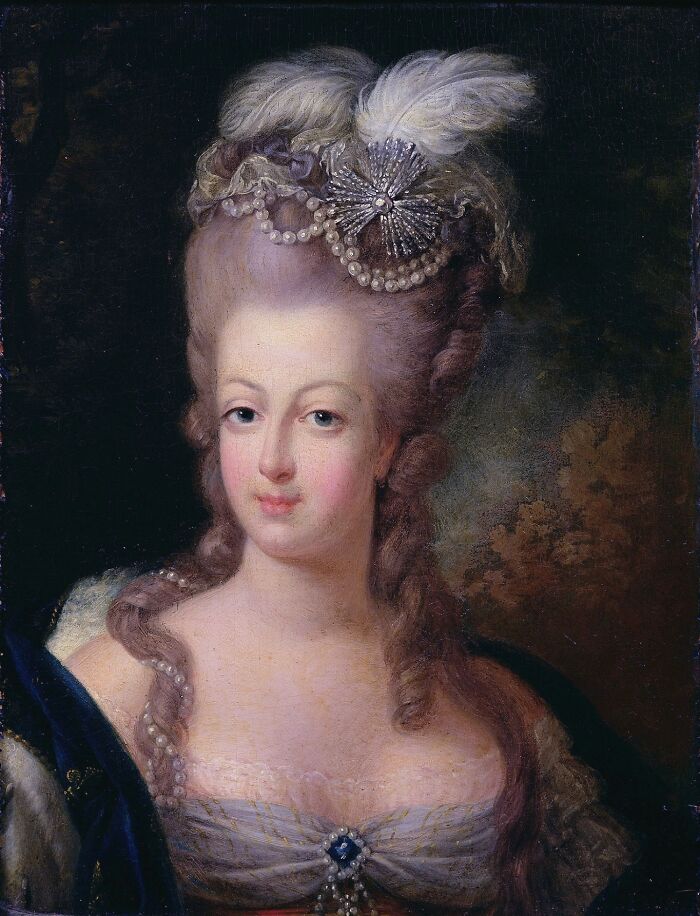
Marie Antoinette was the ultimate beauty icon of this era. Excess ruled the French Court, with towering hair, elaborate makeup, and lavish gowns symbolizing beauty and opulence. Seeking an angelic look, women colored their lips and cheeks red, painted beauty spots, and powdered their faces pale white as a finishing touch.
In the early 20th century, the Edwardian beauty standard was set by the famous ‘Gibson Girl’, illustrated by Charles Dana Gibson. He drew inspiration from socialites like Camille Clifford, who defined the standard with towering hair and cinched waists. Women idolized the slim-waisted yet voluptuous look, even going as far as lacing themselves into incredibly tight corsets to achieve it.
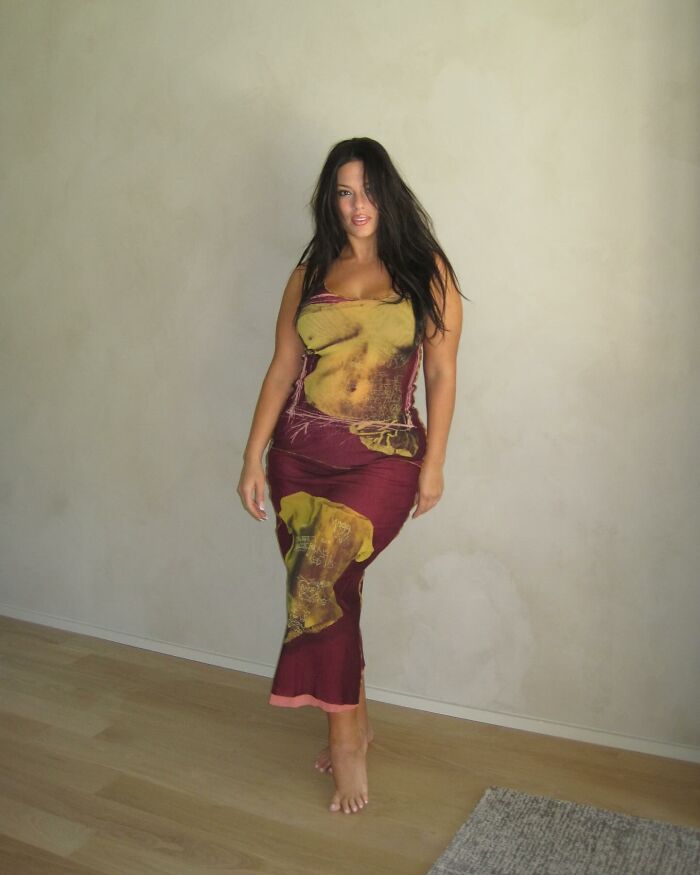
Inclusivity, diversity, and self-love represent the modern era, where women of all shapes and sizes are celebrated. Beauty ideals no longer just rest on physical attributes, but also on confidence, comfort in one’s own skin, and authenticity. Models like Ashley Graham have been dubbed this generation’s body positivity icons due to their contribution to normalizing inclusivity and redefining beauty standards.
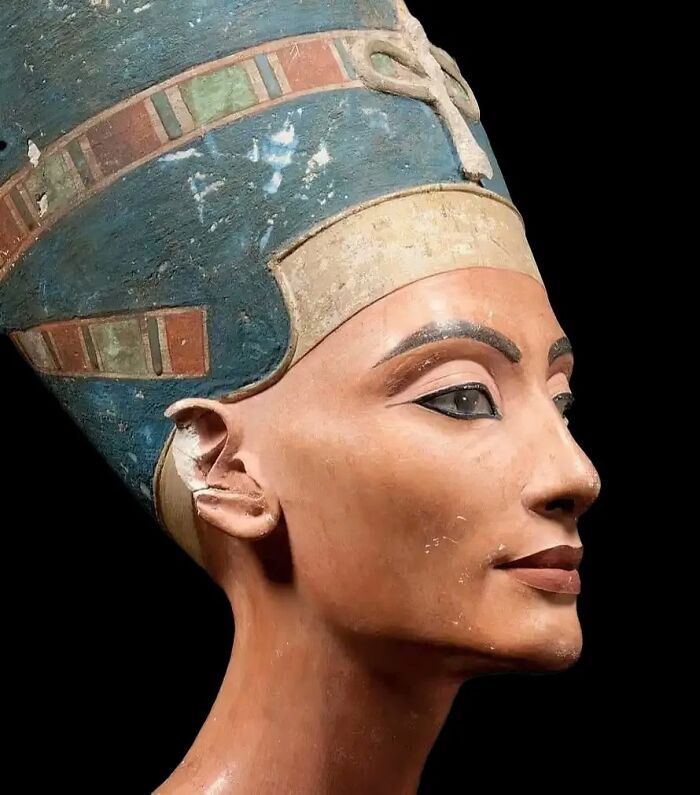
In ancient Egypt, beauty was characterized by power, self-expression, and sexuality. Women with slender figures, high-set natural waists, long necks, and symmetrical faces were the ideal. Queen Nerfetiti and Cleopatra embodied this ideal, using elaborate headdresses and perfectly painted eyes to accentuate their looks. Not only were they celebrated for physical beauty, but also for strength and intelligence.
Beauty meant status during the Italian Renaissance, as a woman’s physical appearance was considered a reflection of her husband’s wealth and social standing. A full figure, fair skin, and light hair were all indicators of elegance and affluence, with women like Lucrezia Borgia celebrated as the era’s beauty icons.
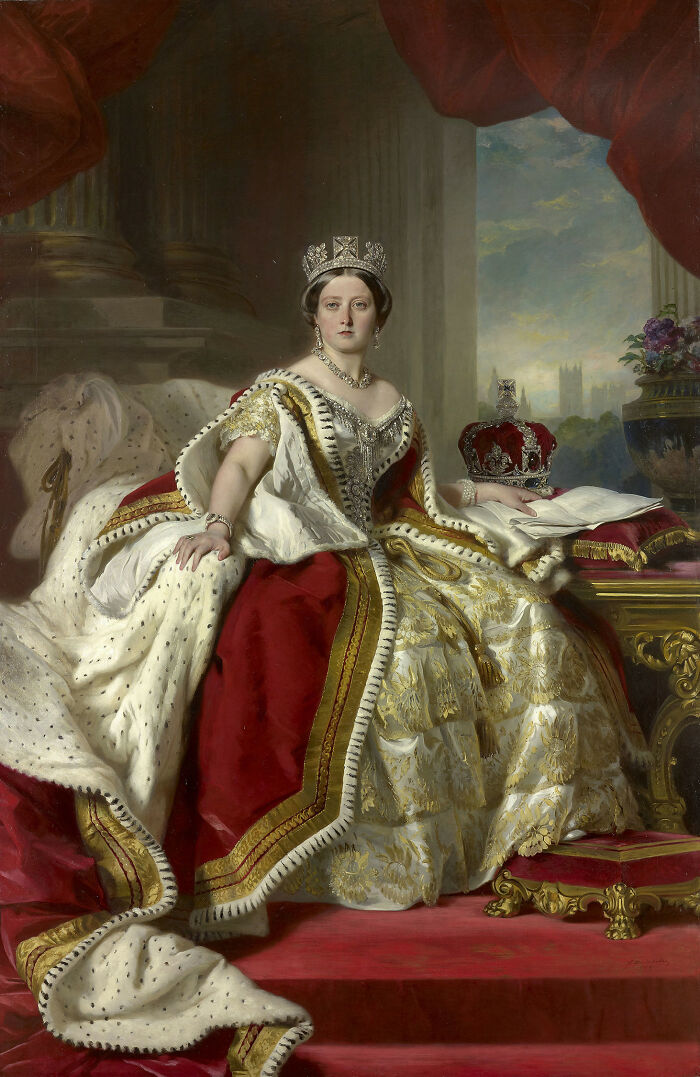
In Victorian England, women laced themselves into the tightest corsets to achieve the tiny-waisted, full-figured look that fit the era’s beauty ideals. In addition to this hourglass figure, pale, porcelain skin was a symbol of refinement. Queen Victoria epitomized femininity and ideal beauty with her physical appearance and modest fashion sense.
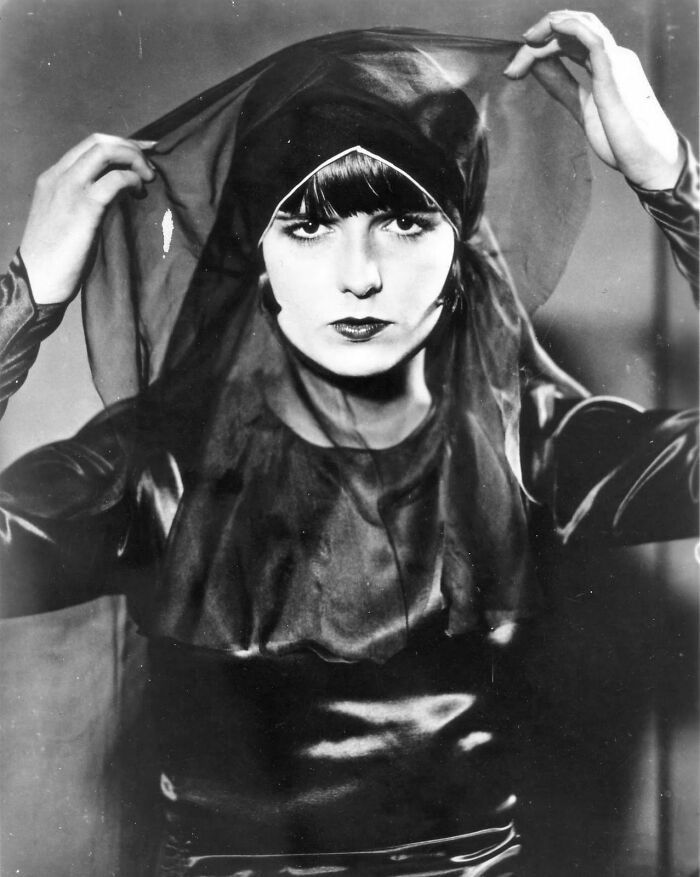
From fuller silhouettes to boyish figures, the 1920s era completely shifted women’s beauty standards. Smaller chests and slim frames had become the pinnacle of beauty, and actresses like Louise Brooks perfectly captured the era’s androgynous look. They accentuated the look with rebellious flapper style, dramatic makeup, and sleek bobs.
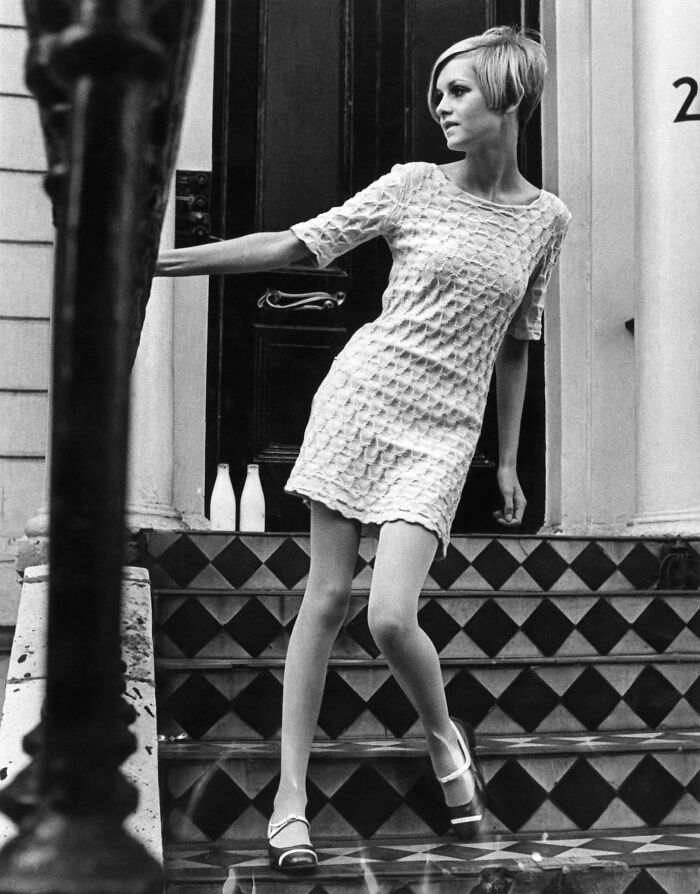
The beauty standard in the 1960s was all about slenderness, youthful features, and maintaining an adolescent physique. Far removed from the curvy figures of past decades, this era celebrated the boyish look. With thin frames, strikingly large eyes, and pixie cuts, models like Twiggy (Leslie Lawson) became poster girls for the aesthetic.
In the Han era, women’s beauty ideals were slender figures, unblemished pale skin, and long black hair. Wang Zhaojun, one of China’s famous Four Beauties, embodied this ultra-feminine standard with her delicate appearance. Interestingly, beauty extended further than looks at the time; poise, modesty, and social refinement mattered just as much.
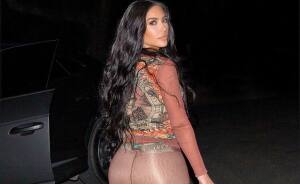
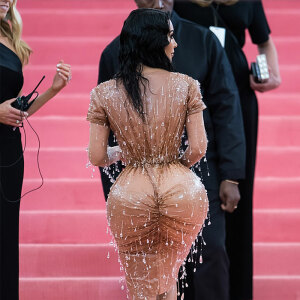
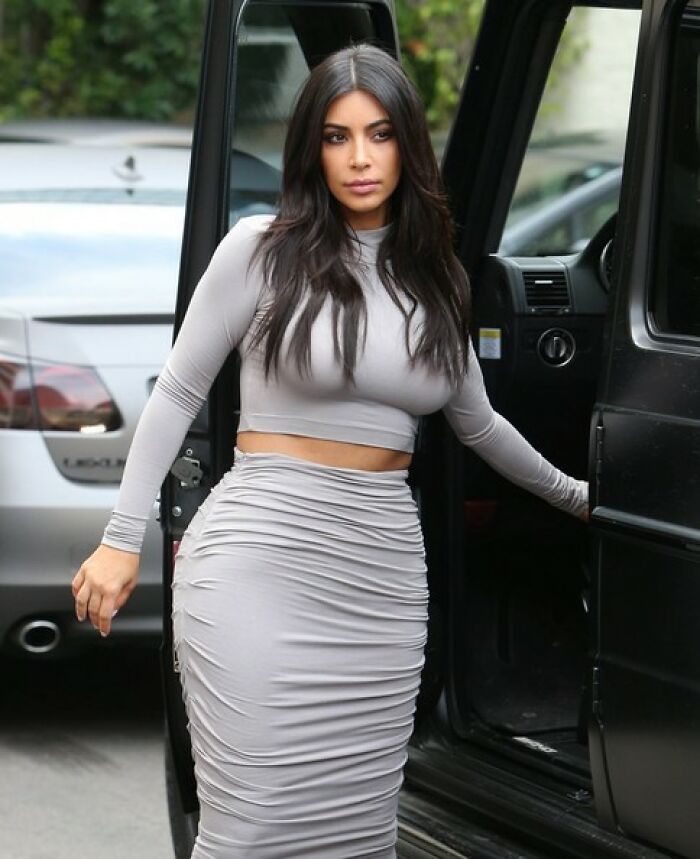
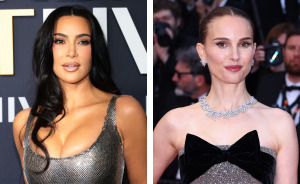
Interestingly, postmodern beauty combines voluptuousness and fitness. Being slim yet curvy is the ideal, with particular focus on having an hourglass silhouette, a large bust, and a prominent backside, often achieved through cosmetic procedures. This look was popularized by Kim Kardashian, who has become the epitome of the aesthetic.
In the early 2000s, the era’s beauty ideal favored ultra-slim silhouettes, beach-ready abs and sun-kissed skin, with socialites like Paris Hilton leading the trend. Other women idolized Hilton’s look because she represented carefree and glamorous ideal that had taken over the decade. Surprisingly, the Y2K look has made its way back in fashion today.


























 No fees, cancel anytime