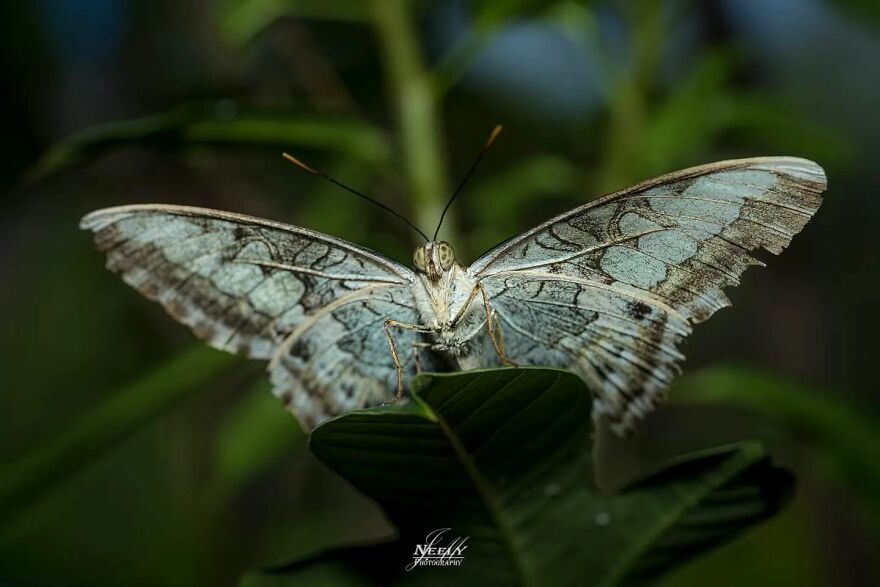
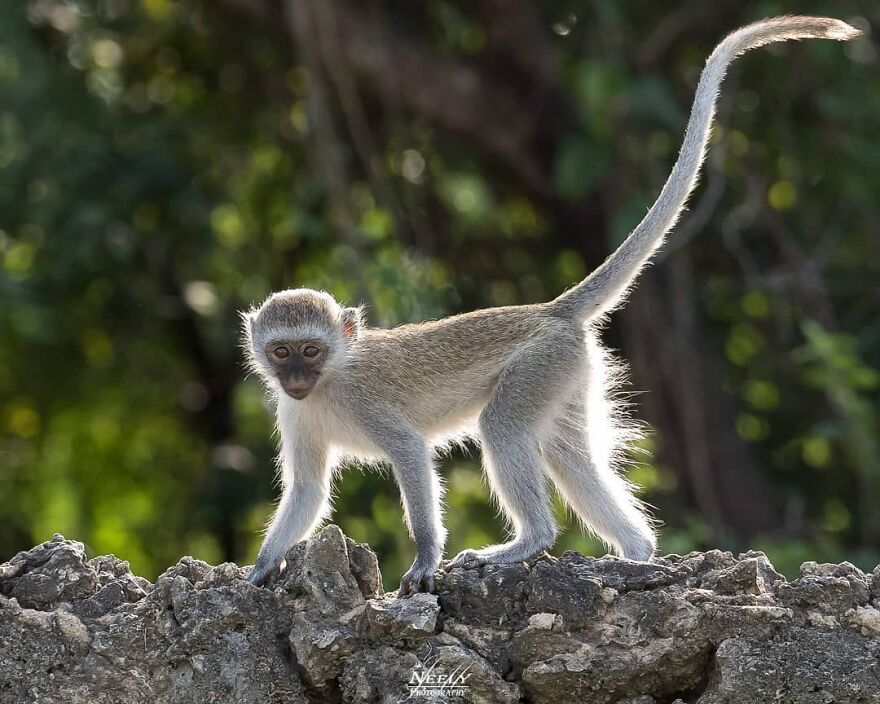
This Photographer Captured 80 Unforgettable Moments Featuring Wildlife
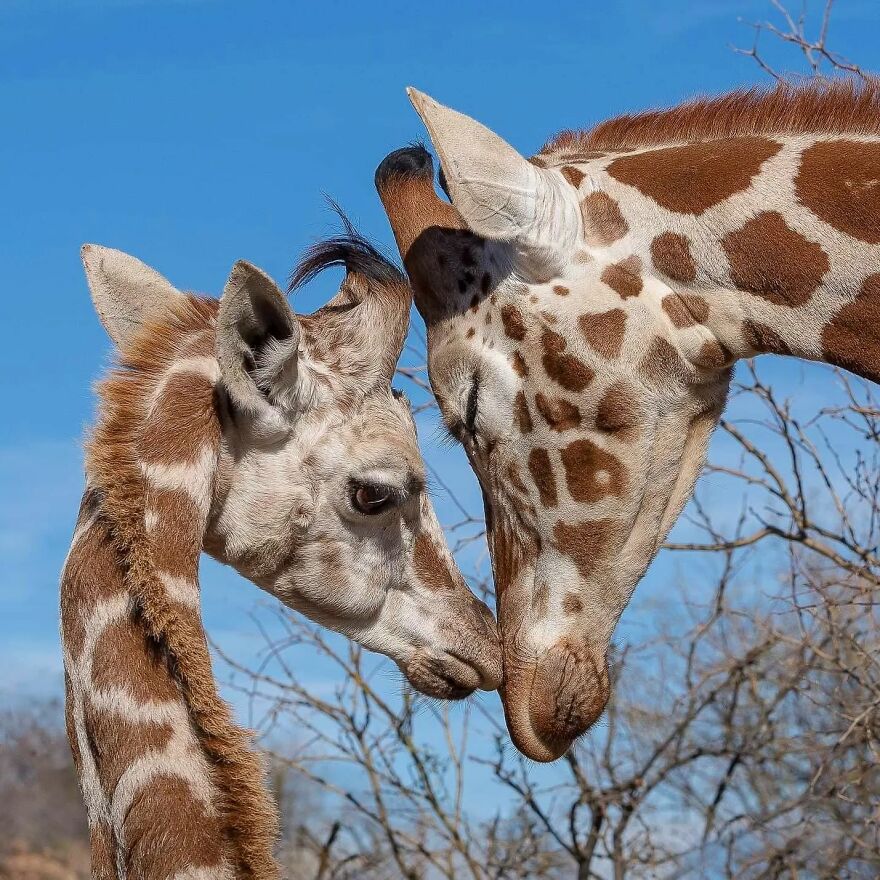
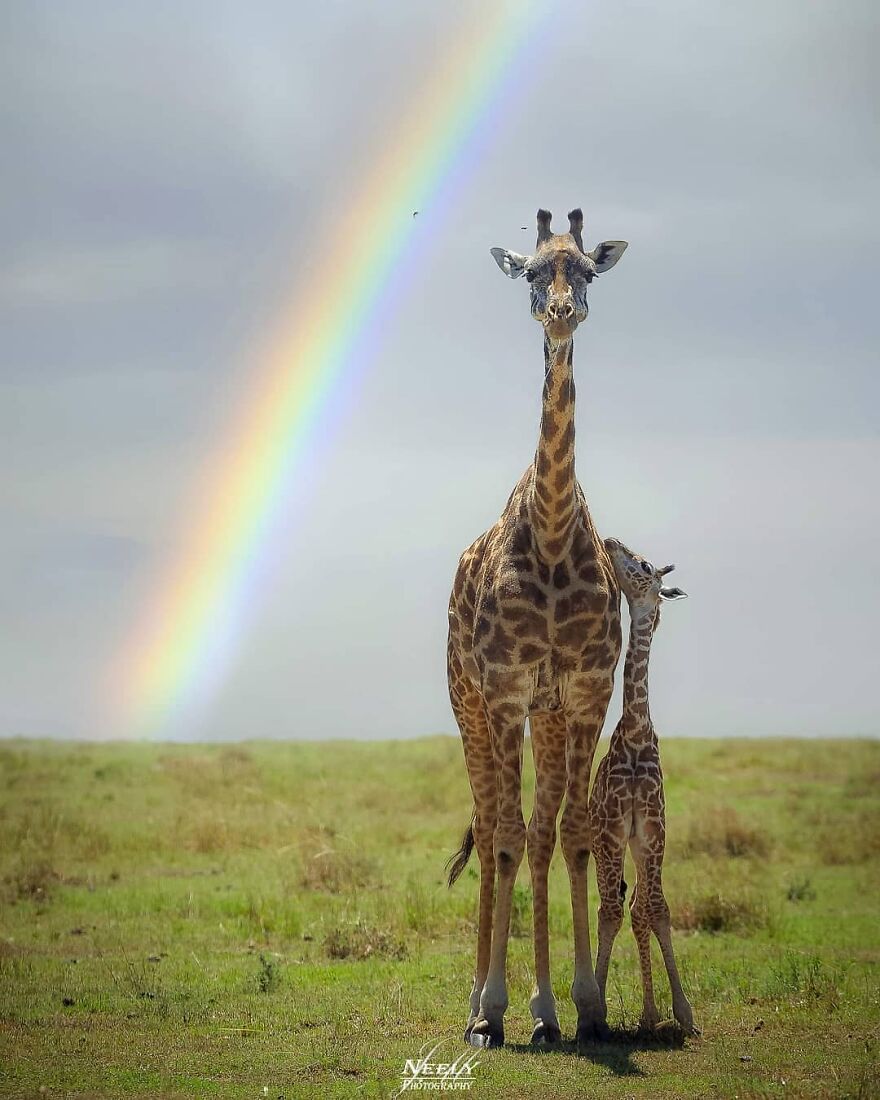
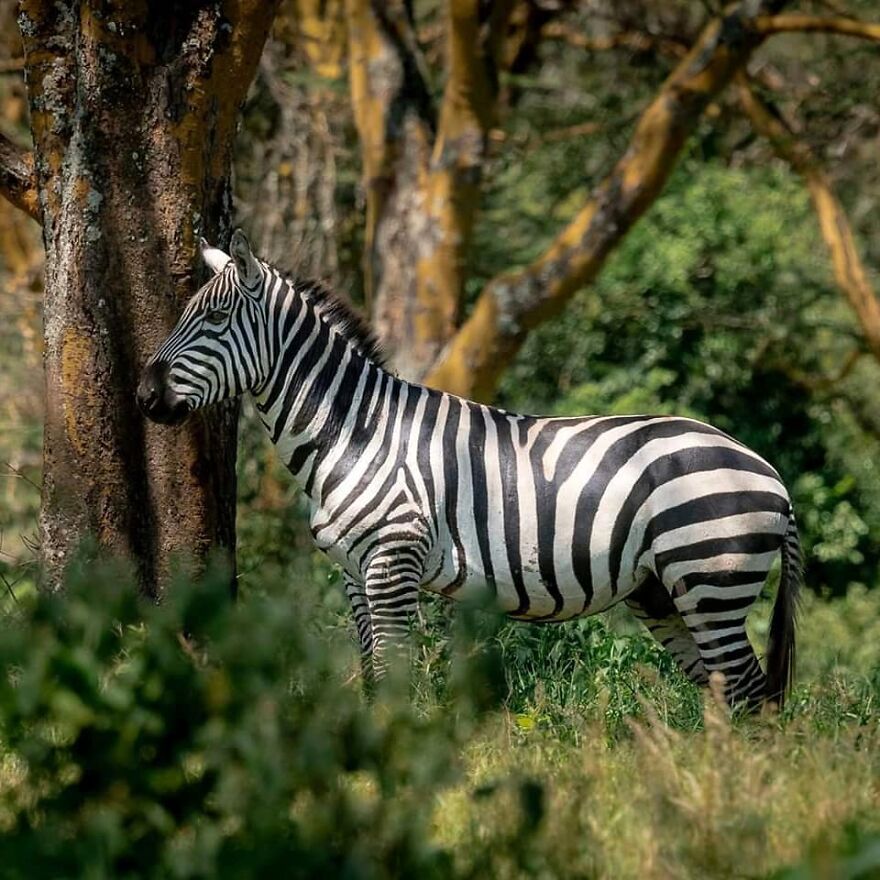
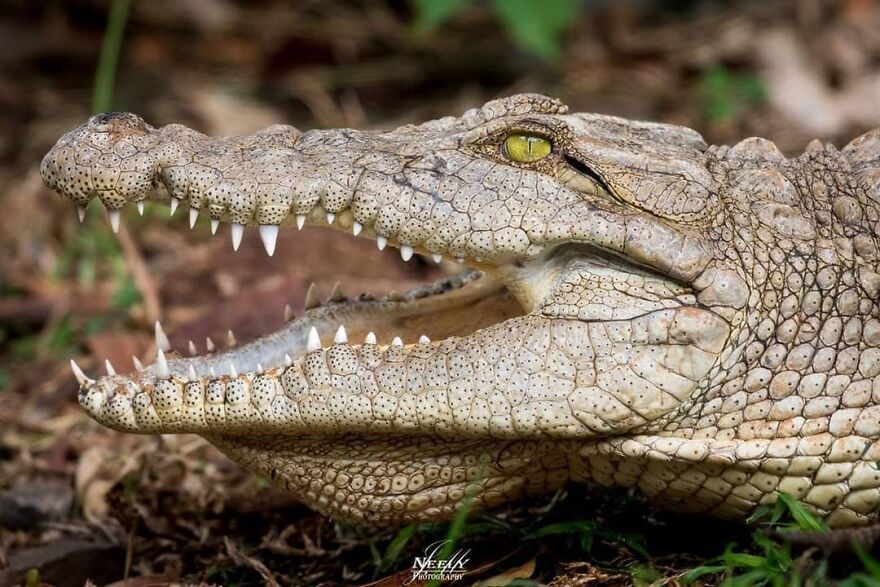
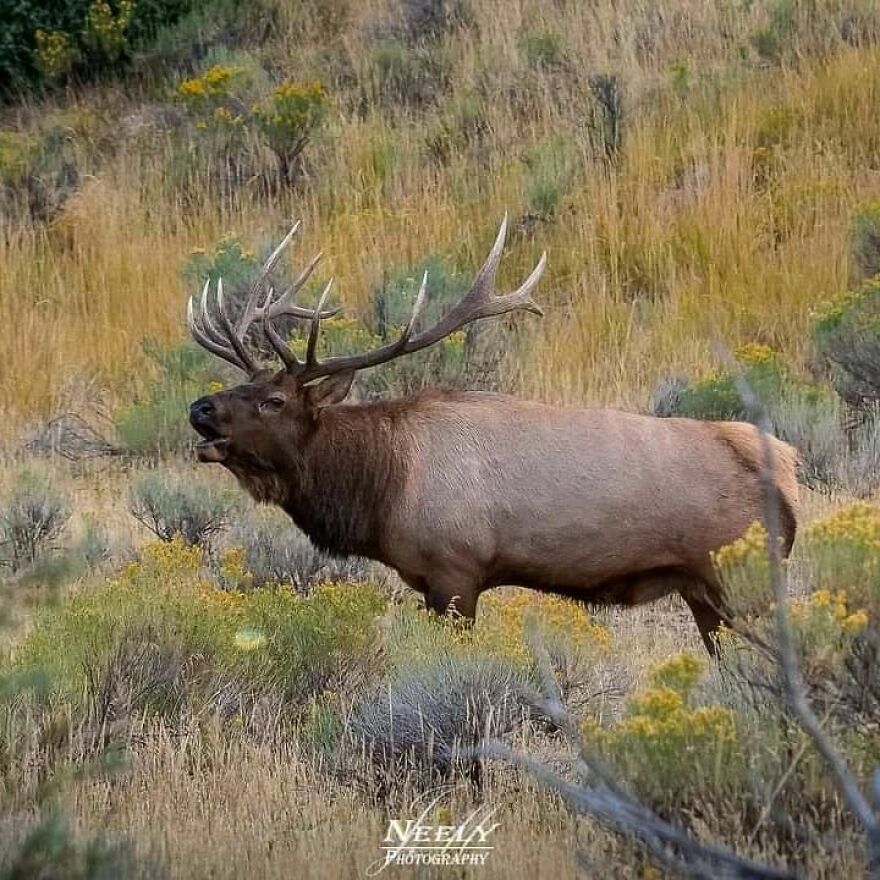
InterviewIt's time to transport ourselves to the most remote corners of the world, where humans are not common visitors. These places are governed by nature and the wildlife that inhabits them. Thanks to photographers like Joe Neely, we can catch a glimpse of these remote locations and gain insight into the lives of wild animals surrounded by undisturbed nature.
We contacted the photographer in order to find out more about his work. Joe was kind enough to share with us how he first got inspired to pursue wildlife photography as a career: “From a young age, I developed a fascination with nature through programs on the Discovery channel. My family supported this interest by gifting me subscriptions to publications like National Geographic. Spending time camping and exploring the woods further fueled my passion for the natural world. Although I once believed becoming a wildlife photographer was out of reach, purchasing an entry-level camera for hikes eventually transformed my fascination into a hobby and later, a fulfilling side business.”
More info: Instagram | jmneelyphotography.com | Facebook
This post may include affiliate links.
Love this and all the photos. It’s clear the lower photos votes go down because peeps don’t bother to scroll down
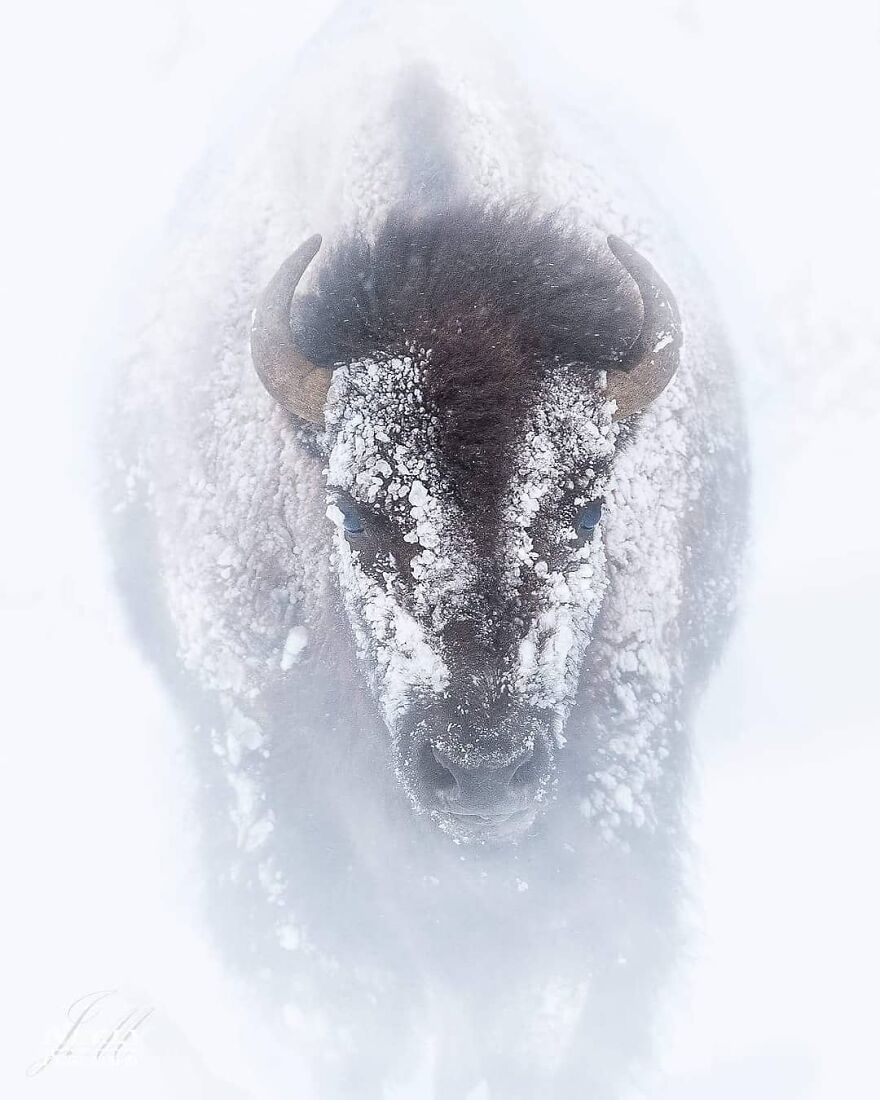
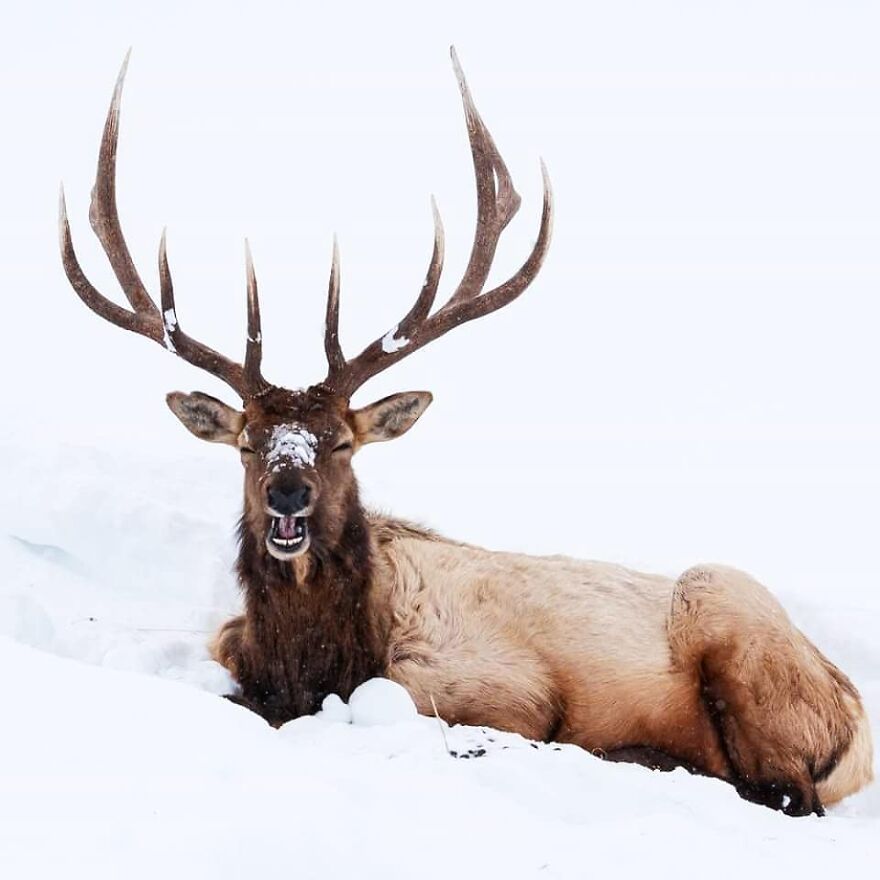
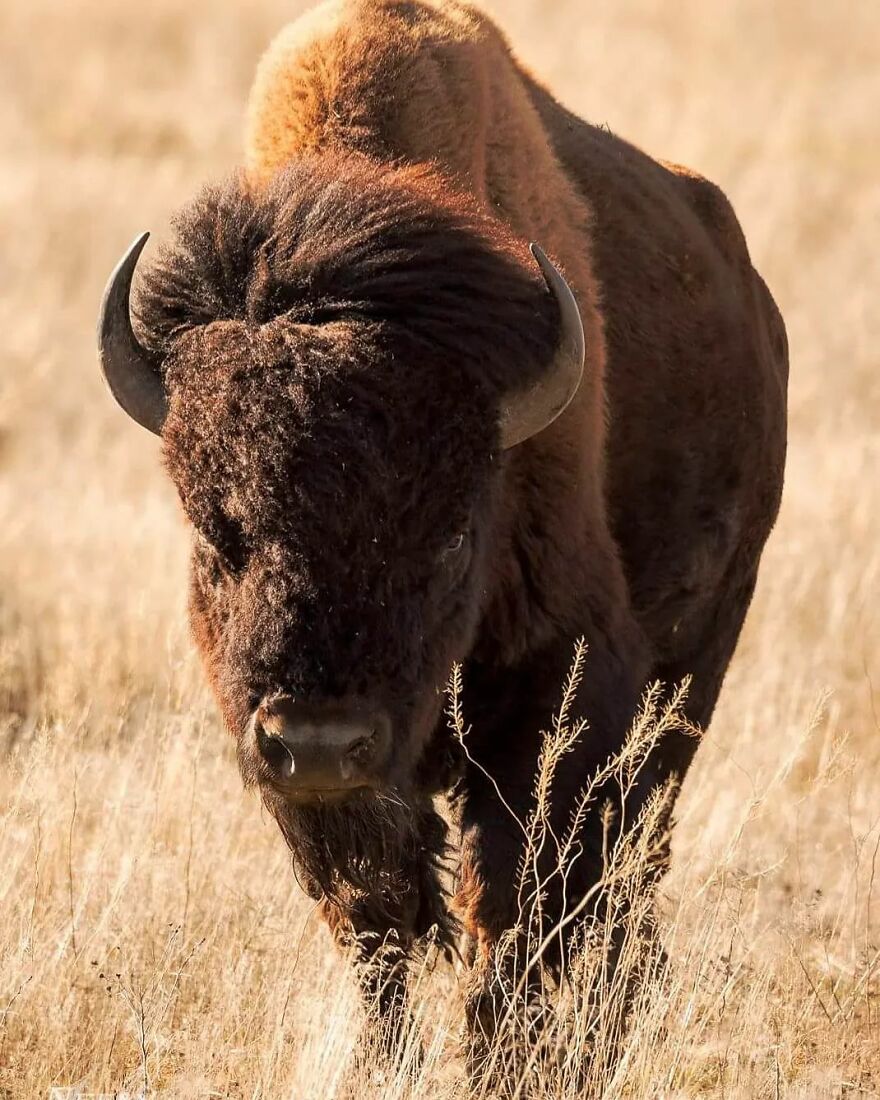
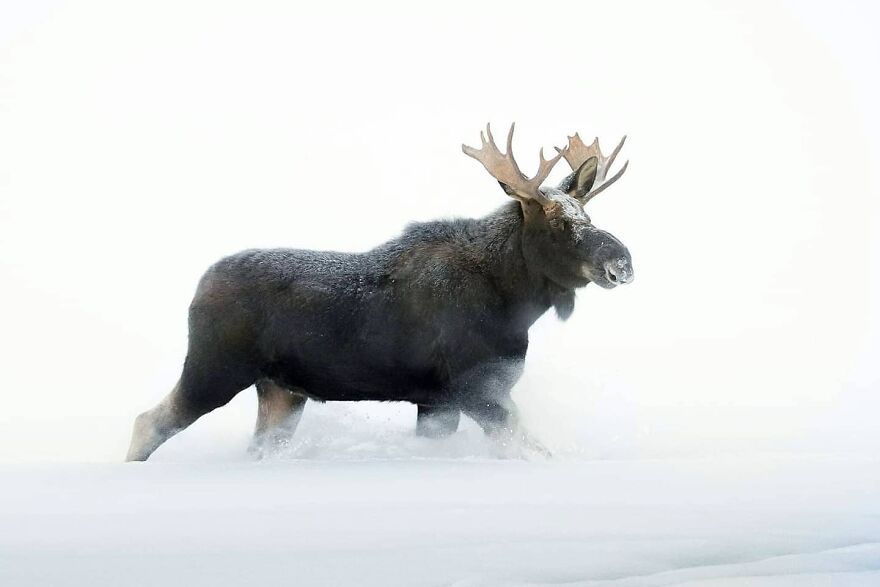
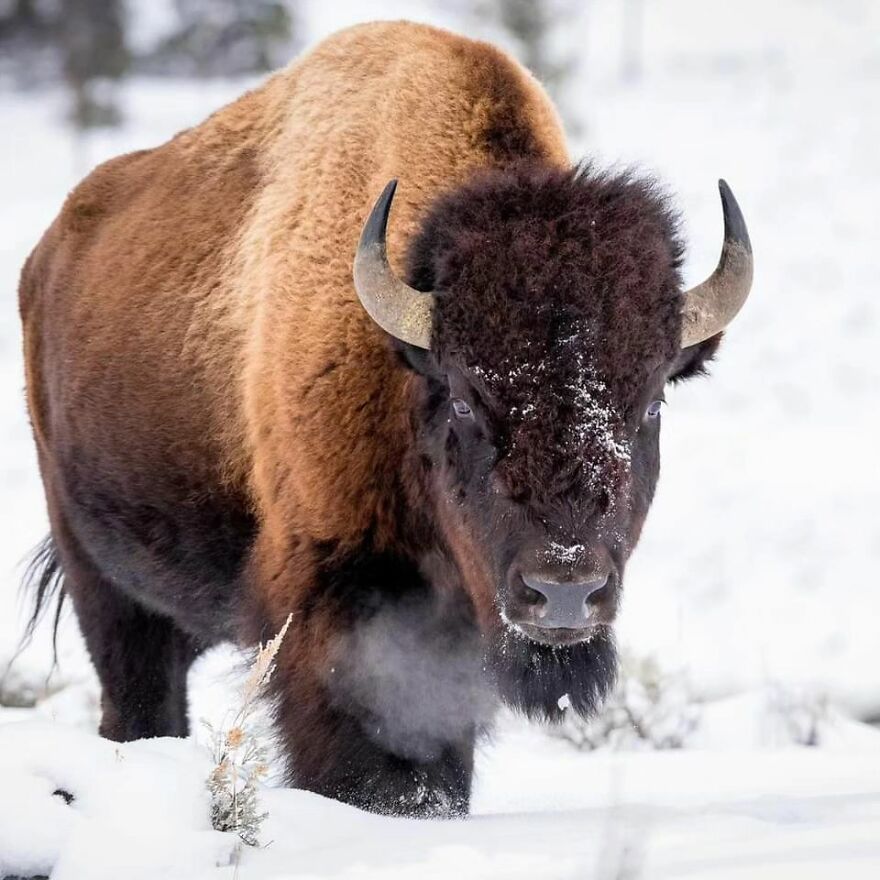
We also wanted the photographer to tell us more about his most memorable experience while capturing wildlife. We found out: “One of my most unforgettable moments was capturing an image I had dreamed of for years: a bison emerging from steam or fog in Yellowstone National Park. Despite meticulous planning regarding the animal's behavior, potential locations, and weather conditions, I unexpectedly achieved the shot at a mundane rest stop during a snow flurry. As the massive bison approached me with cold blue eyes and ice clinging to its face, it felt like an otherworldly encounter that remains unmatched.”
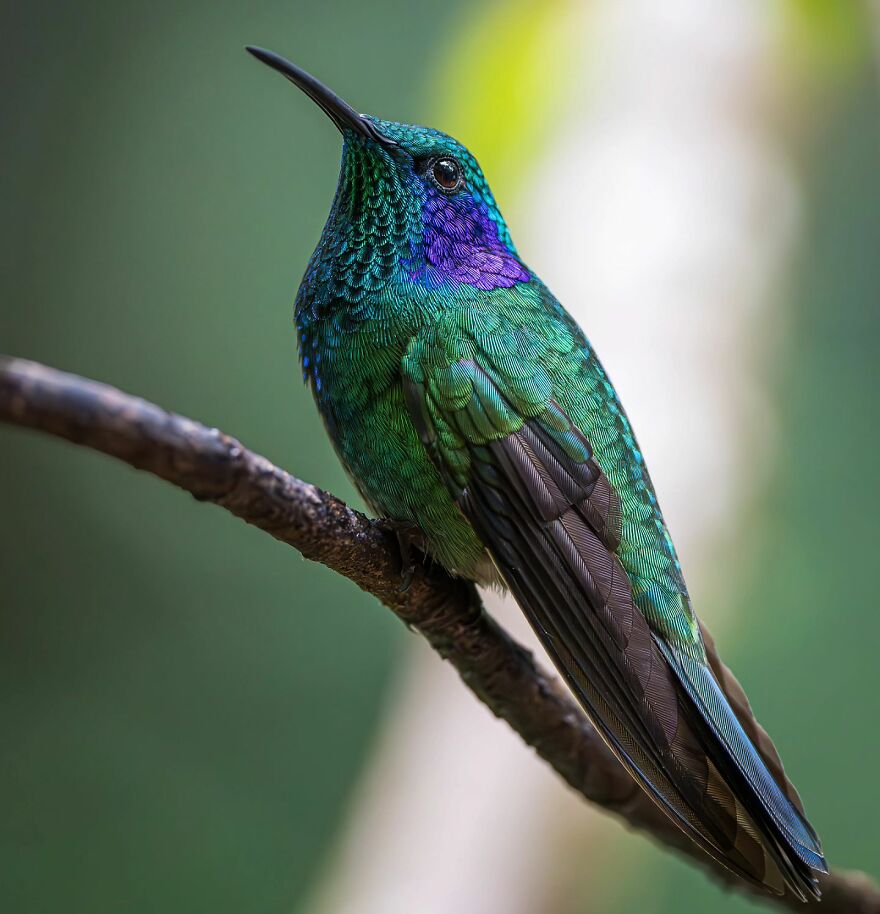
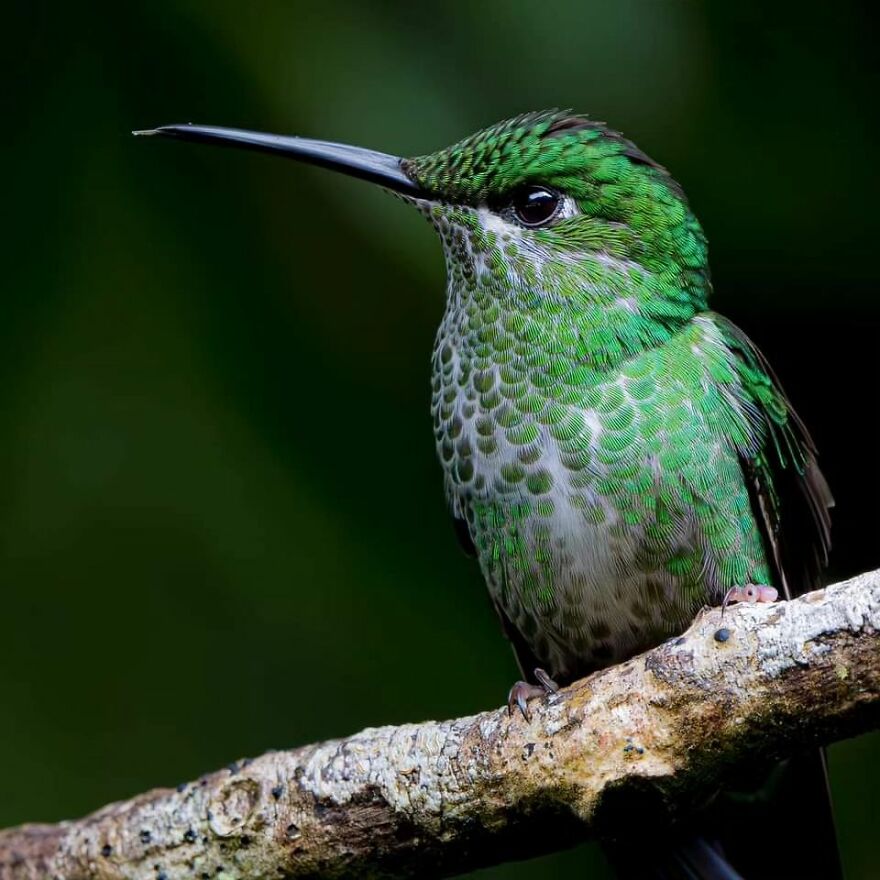
Why did humans get stuck with all the bland colors? Why couldn't we have iridescent, or shiny metallic hair, eyes or skin!
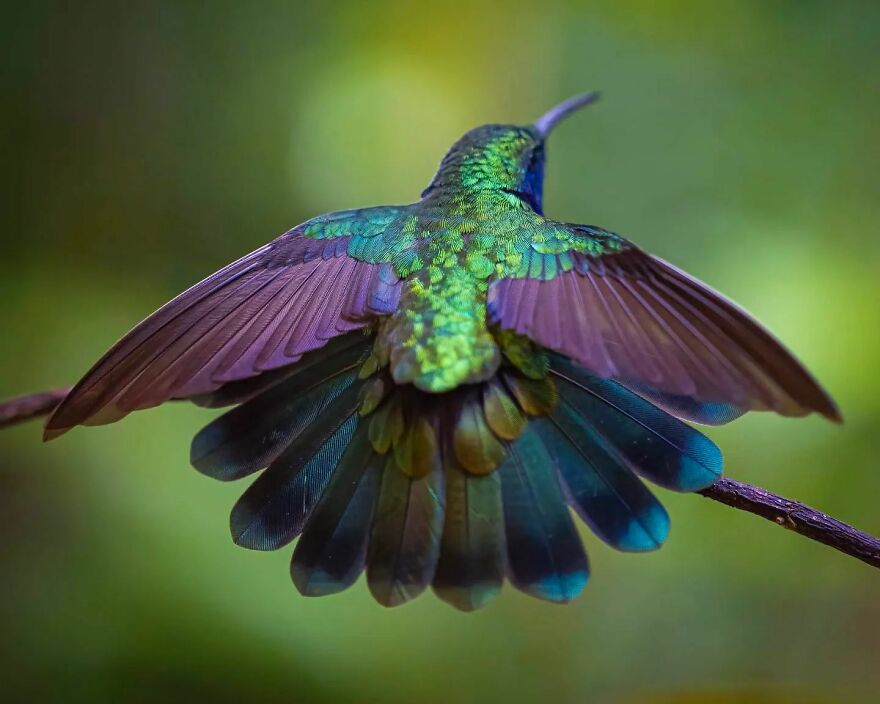
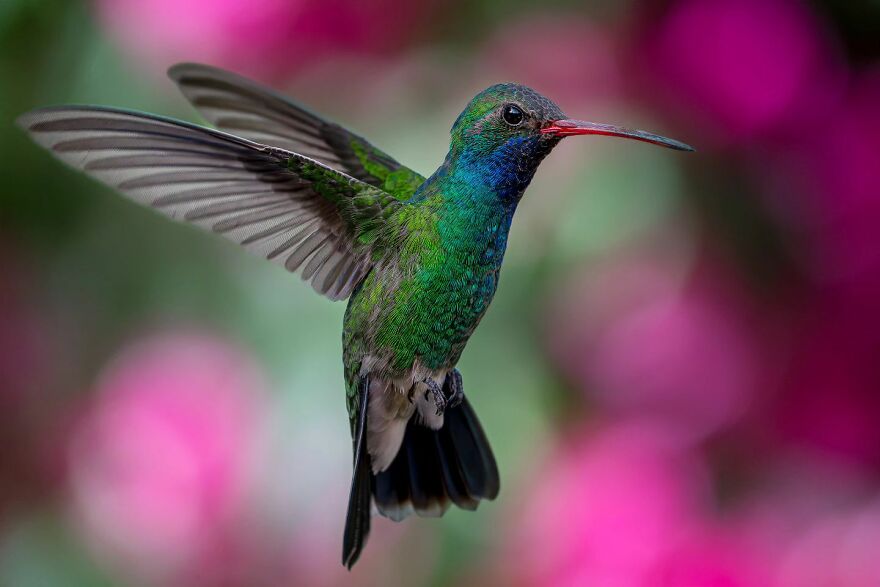
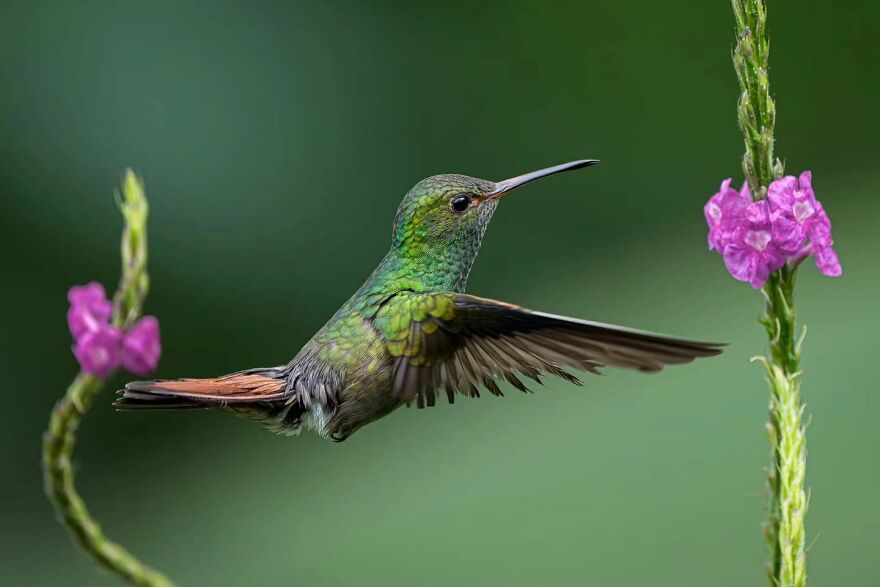
This picture would probably take a really quick photographer to get. It's a hummingbird about to take off, which is really hard to capture. Good shot!
Asked about the challenges he typically faces when capturing images of wild animals in their natural habitats, the photographer answered: “The primary challenge is often adverse weather conditions, such as enduring temperatures as low as -40°F while patiently awaiting wildlife sightings, like foxes hunting. Or facing the opposite extreme – scorching heat exceeding 100 degrees Fahrenheit in the arid landscapes of Arizona.”
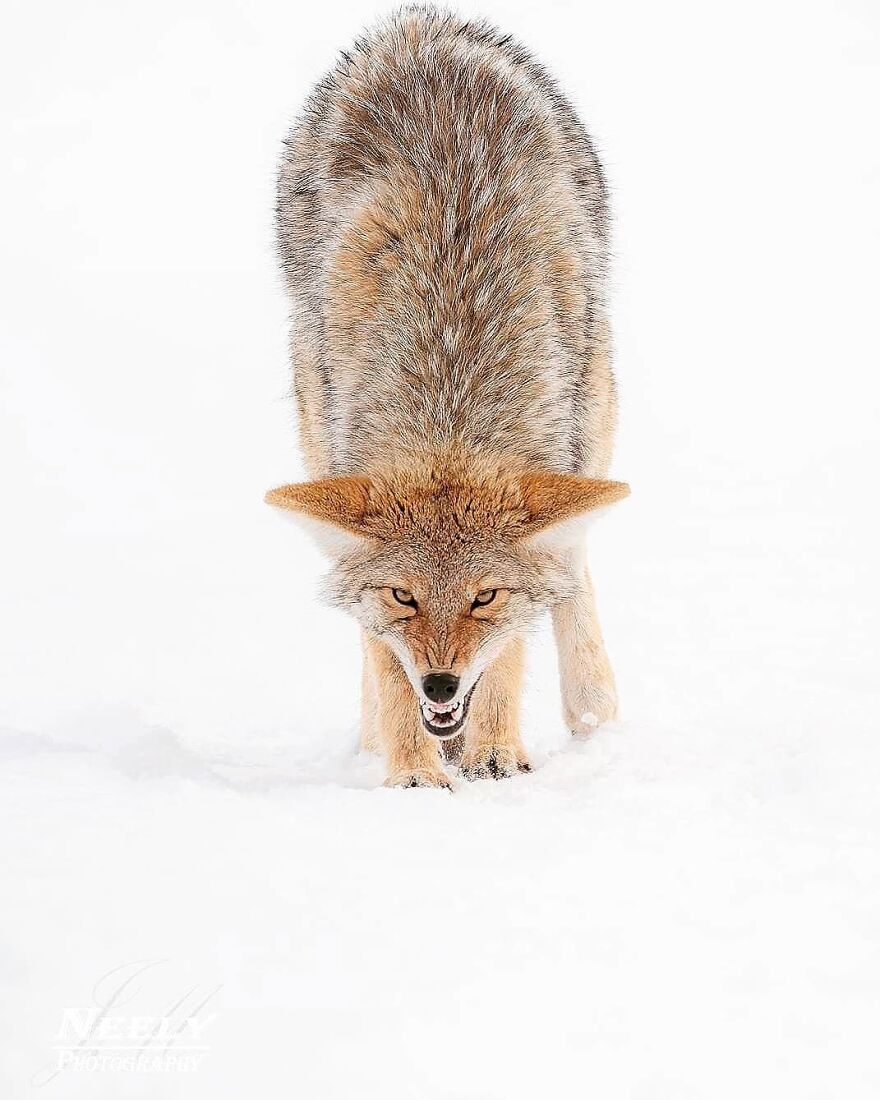
So.... smacking him on the nose and saying bad doggy not a good idea?
Load More Replies...The number of times I had to quietly call my kids in from playing in their own yard because one of these guys decided to come check them out. In suburban Milwaukee, Wi!
The expression! He looks like he doesn't like being in pictures. Time to start running!
Don't growl at the mailman just because your latest Acme package is late, Wile E.
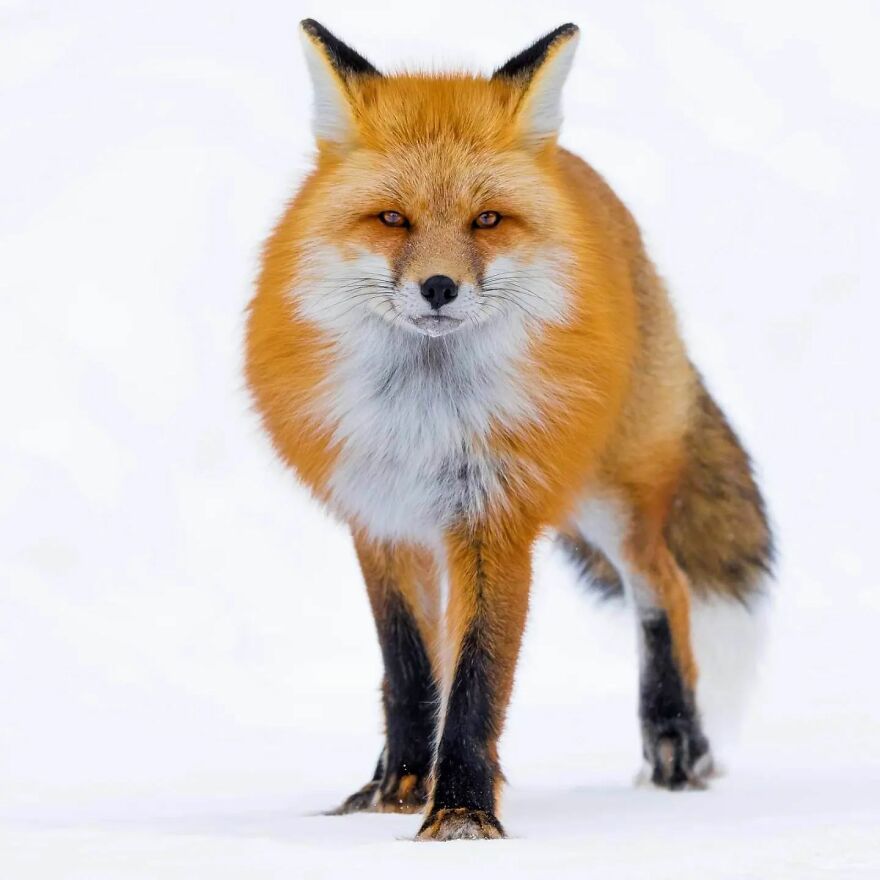
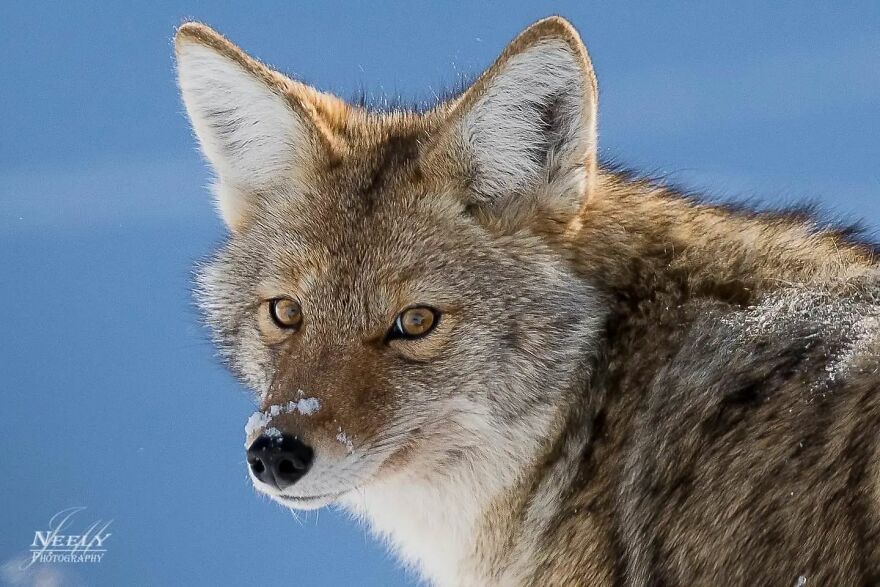
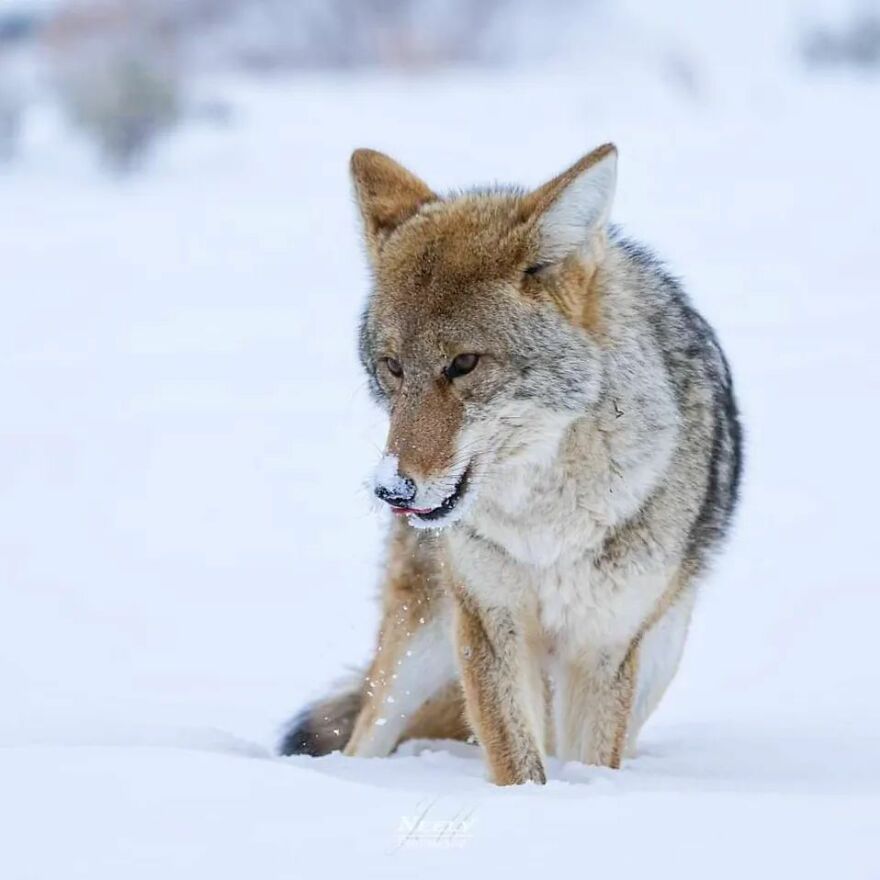
The fox's posture is interesting here: curious and cautious, but not defensive or scared. It sees the photographer and knows he isn't an immediate threat, but isn't benign either
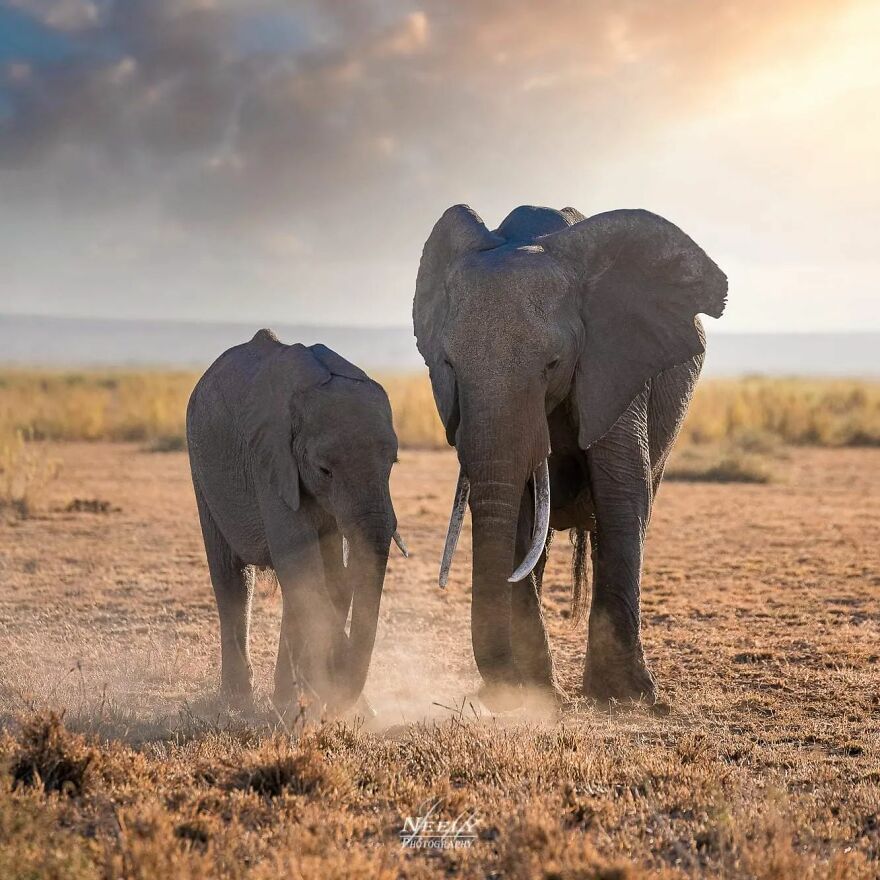
Then, we were wondering if Joe has ever faced any dangerous situations while photographing wildlife. We learned that: “About two years ago while exploring the country of Kenya, a mother African elephant charged our vehicle as we left the safari camp. A baby elephant had crossed in front of our vehicle so we stopped, but then we heard a loud trumpeting roar from behind. We had inadvertently placed ourselves between a mother and her child, a place you never want to be, with any type of animal. Recognizing the perilous situation, our safari driver swiftly maneuvered the vehicle to safety, ensuring we escaped unharmed from the intense encounter.”
Finally, Neely shared with us his belief regarding the role of wildlife photography in raising awareness about environmental issues and conservation efforts: “Photographs of wildlife in their natural habitats can educate the public about the delicate balance of ecosystems and the interconnectedness of all living beings, highlighting the importance of preserving biodiversity for future generations. It can inspire action and mobilize communities to participate in conservation initiatives, whether it's through donations to conservation organizations, volunteering for wildlife protection efforts, or advocating for policy changes.”

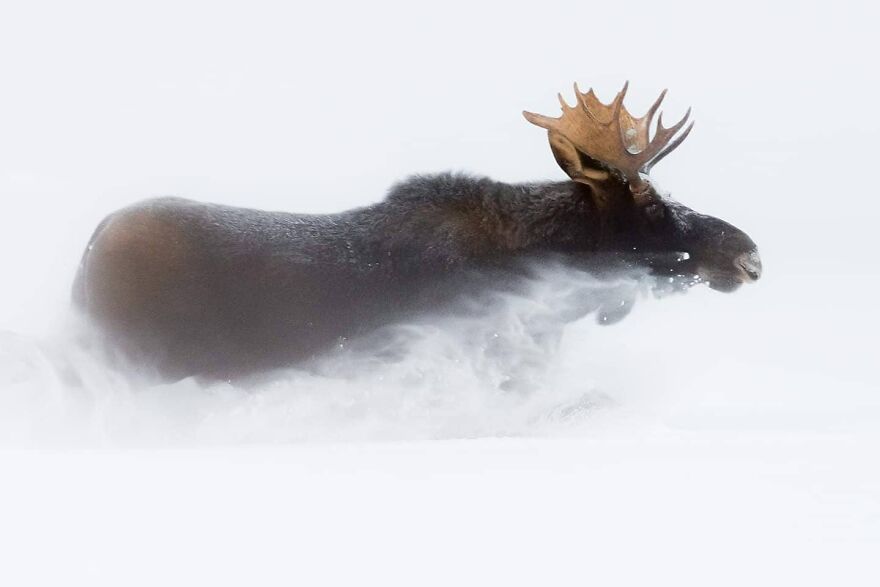
Jack Gladstone sings a song about one of the Blackfeet names for bison: "Faces The Blizzard". They do.
Thanks for sharing this! What a cool thing to learn.
Load More Replies...If not person got a healthy dose of western diamond back rattler.
Load More Replies...I wish I could borrow that look, would work great dealing with competitors.
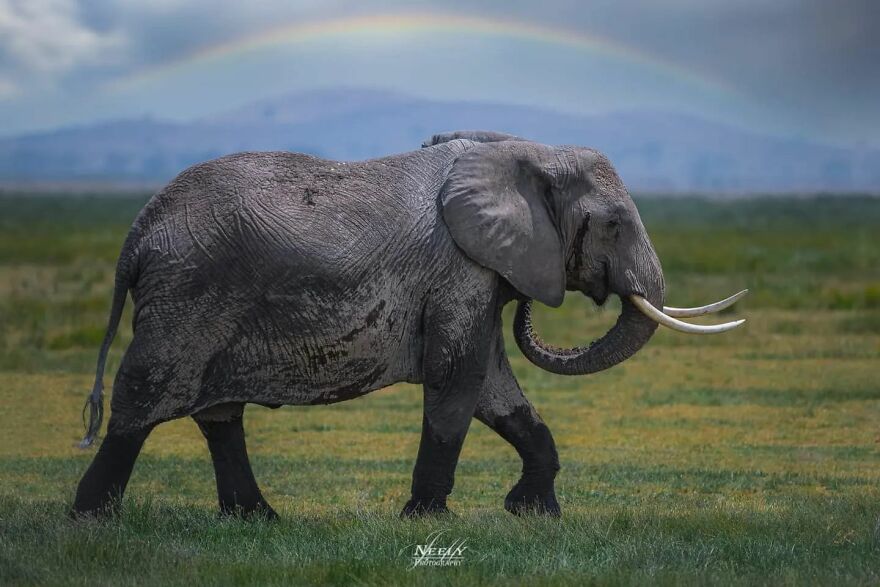
" I was just telling Gertrude about that Tusker in 1954, what a time we had "

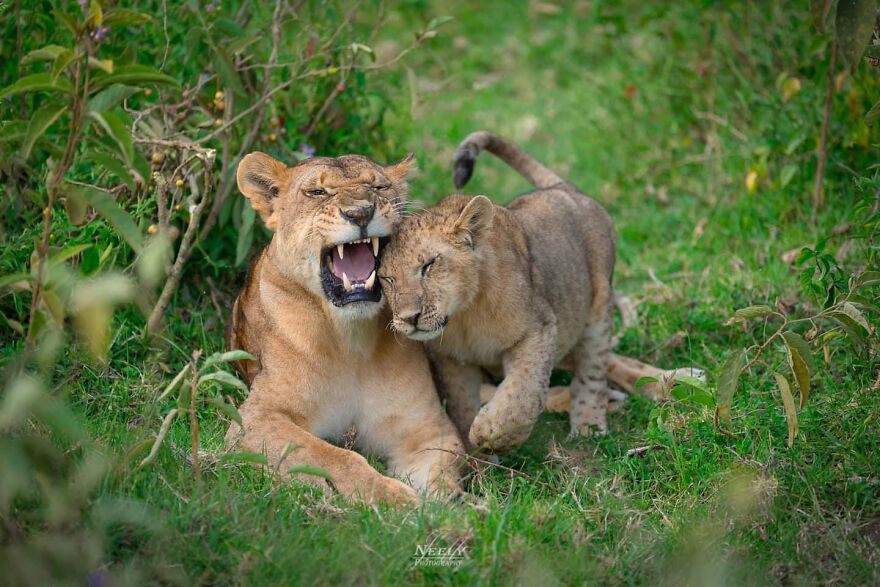
The smaller ellie looks like it's getting a dressing down for something.
That is what I thought, but I would never say it aloud for fear my two cats heard it.
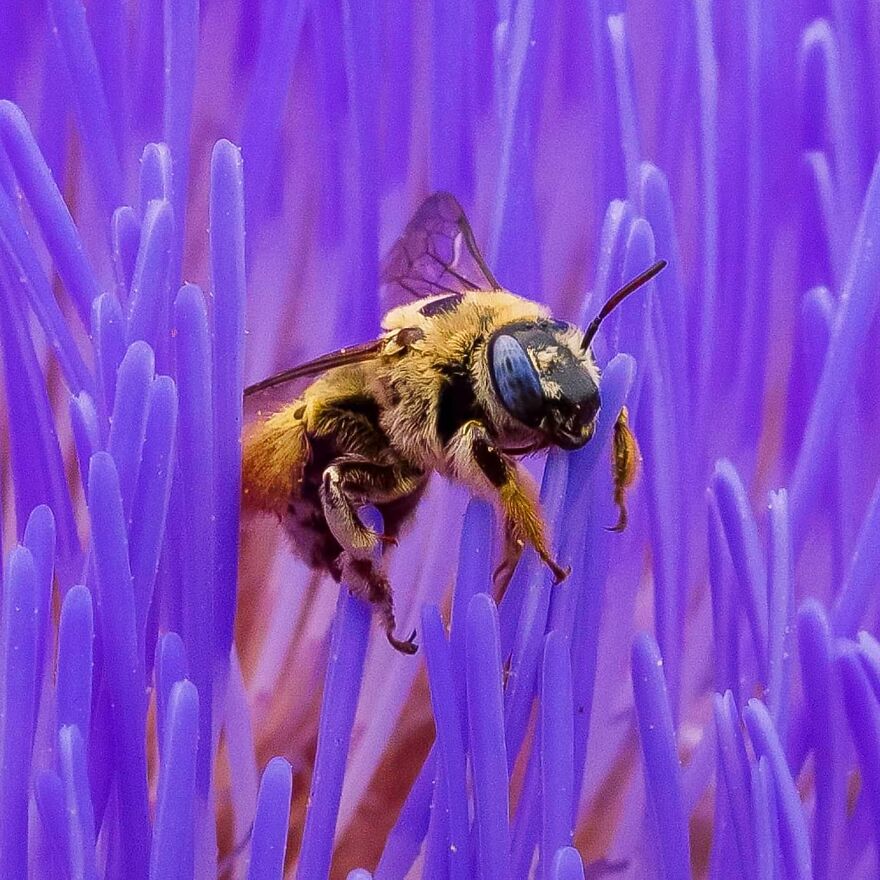
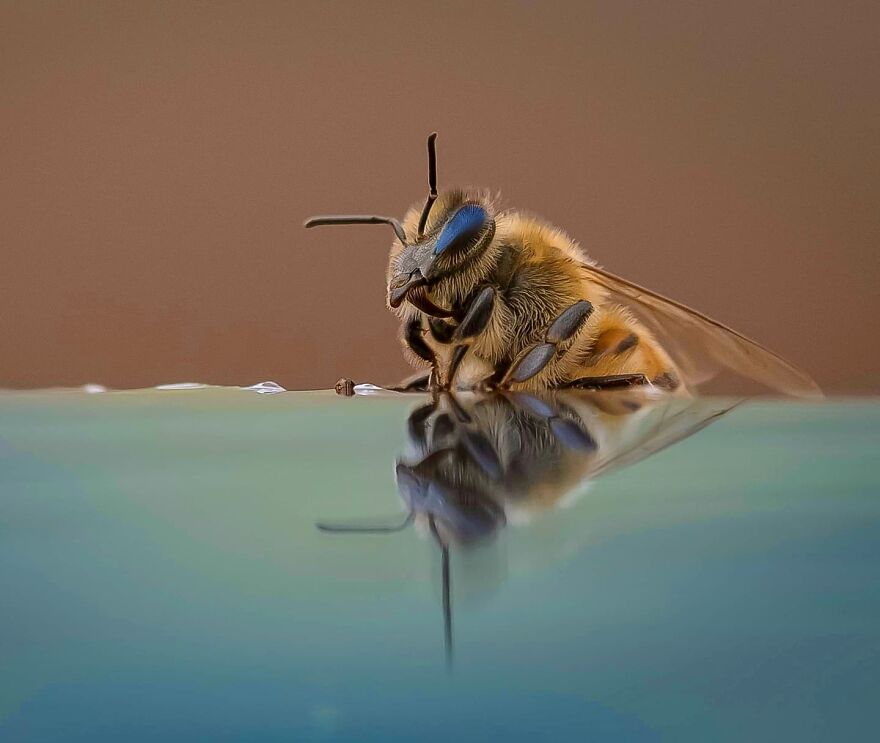
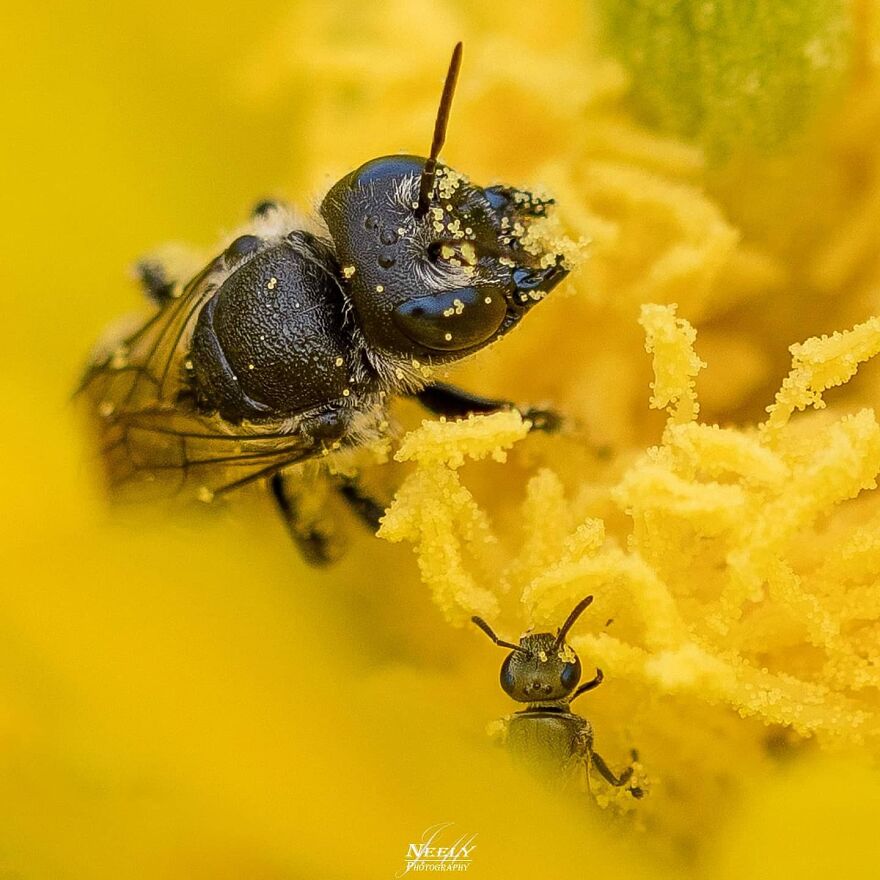
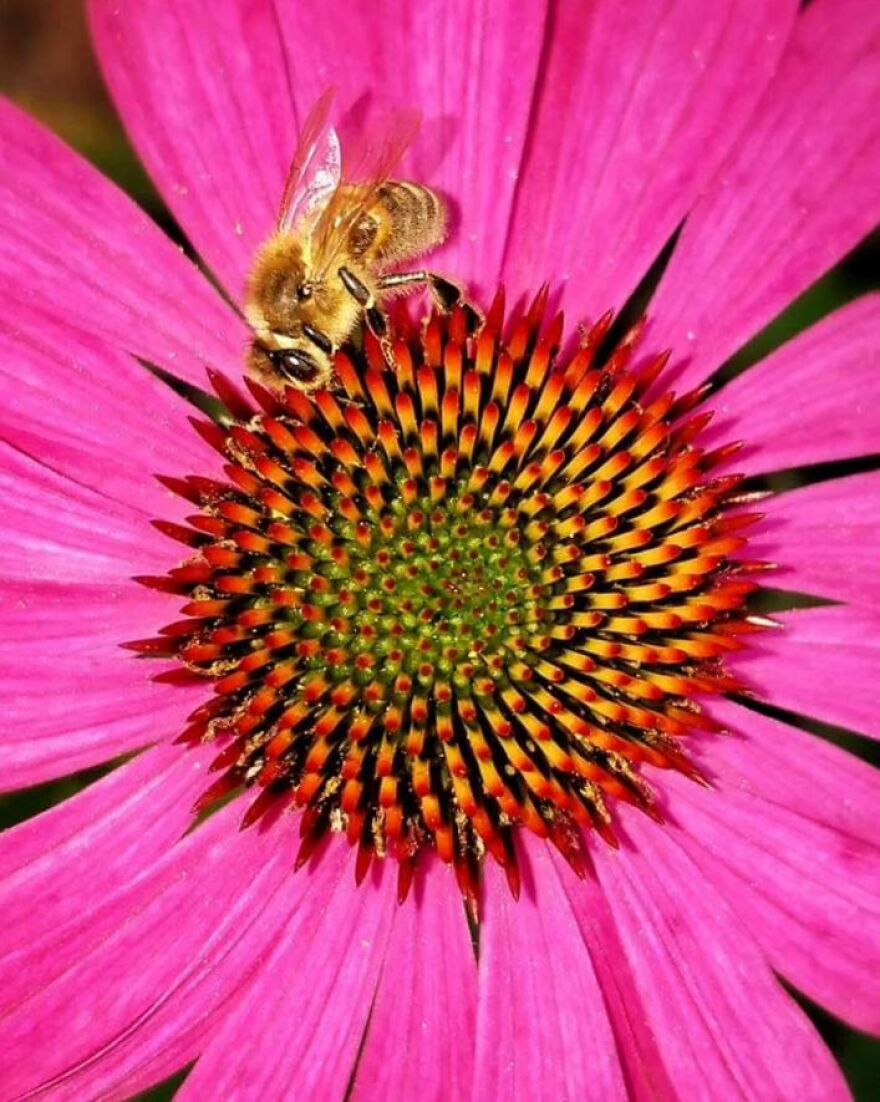
Load More Replies...Stunning picture, but I wonder what is being shown. Is the bee having a drink?
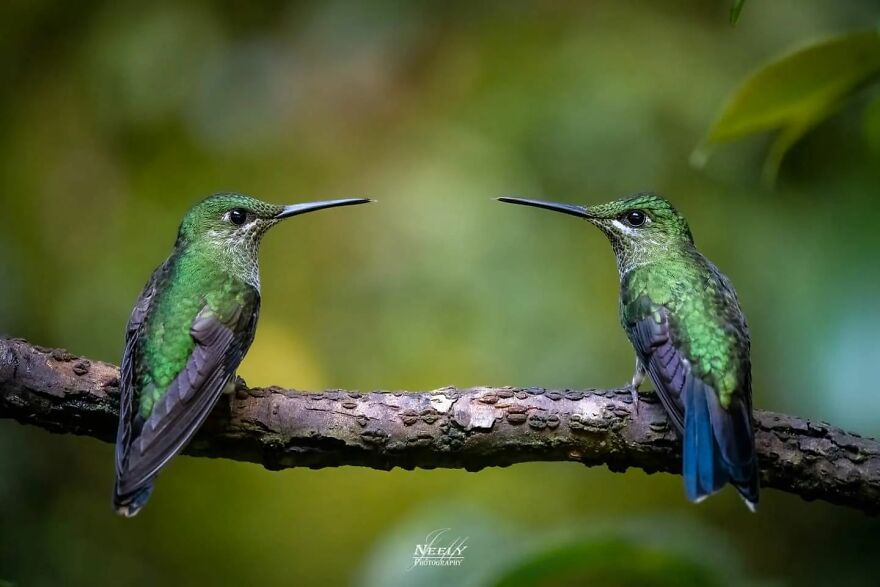
lol! If you've ever had a hummingbird feeder for a whole season- you've probably seen them fight. This one- looks po'd! "he is little- but he is fierce."
Always the males. They each want the whole feeder. Females share
Load More Replies...Rufous hummingbirds are the most aggressive - probably because they are so small. A request to people with feeders: Once you start, you should keep it up until they migrate in the fall. They come to depend on the calorie fix in you location. They can't afford to get behind on their intake.
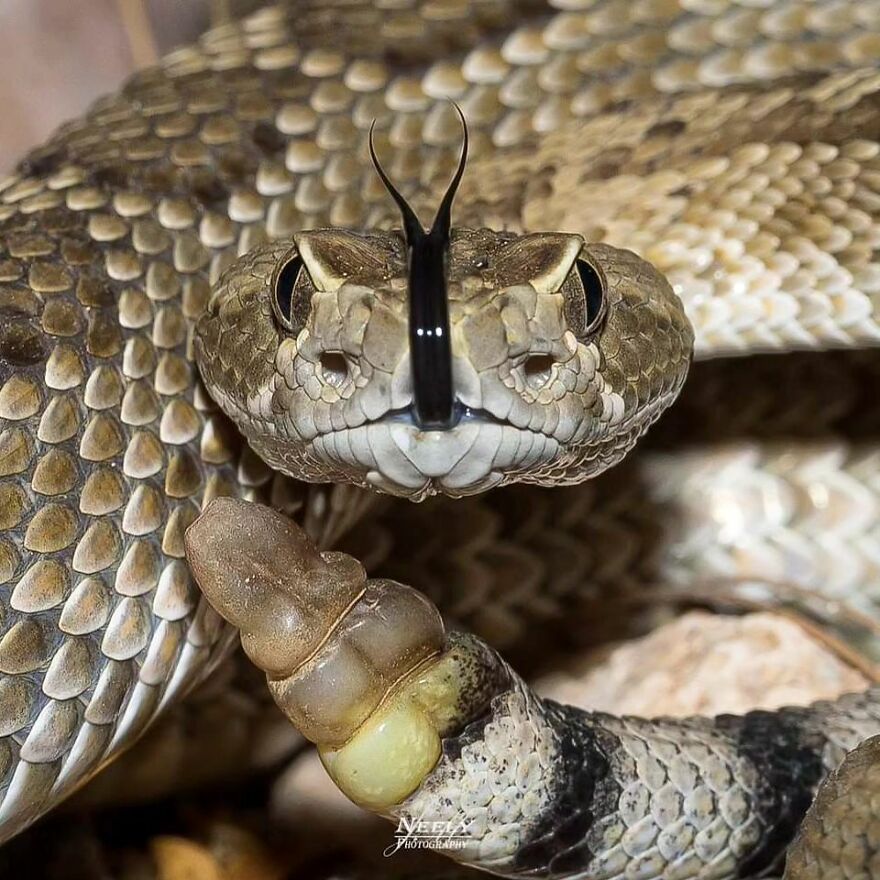
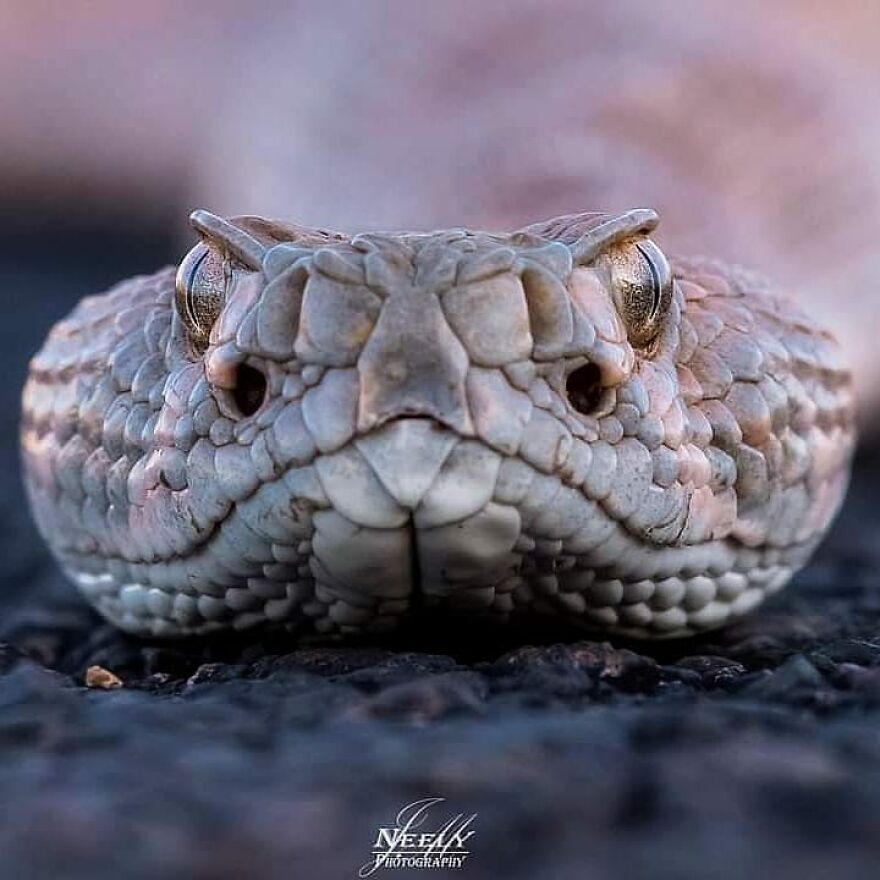
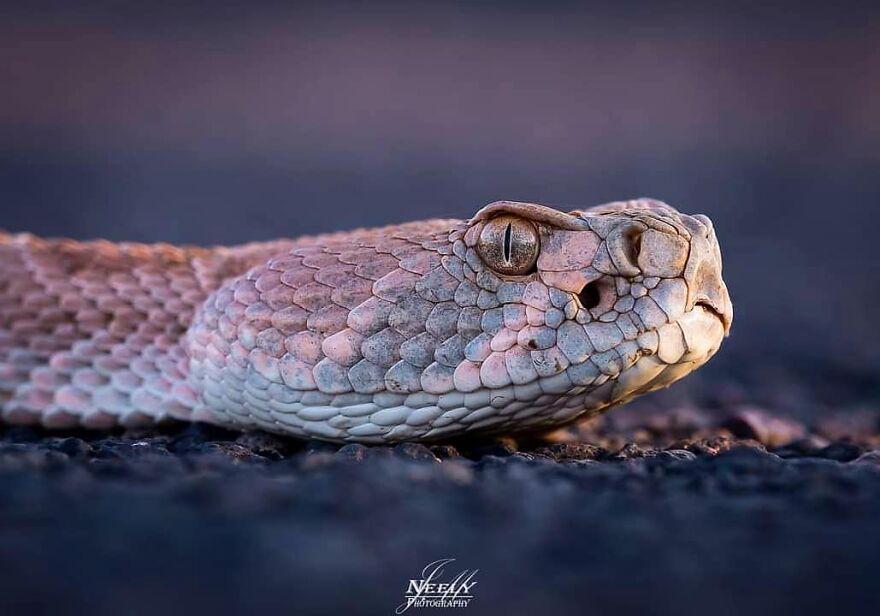
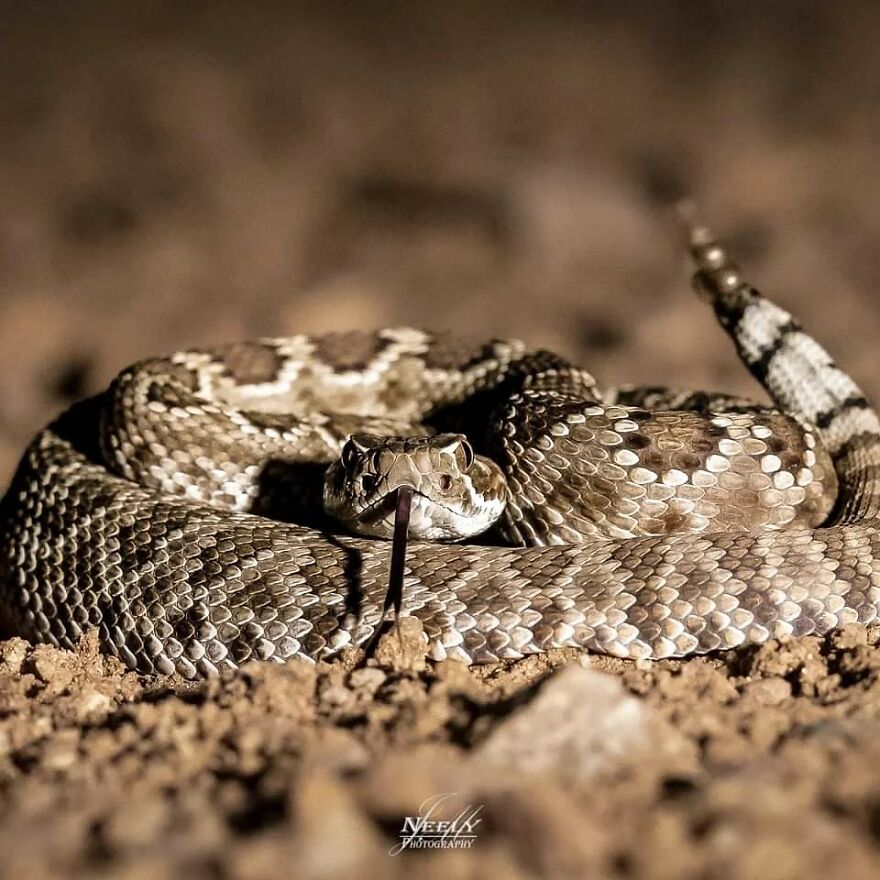
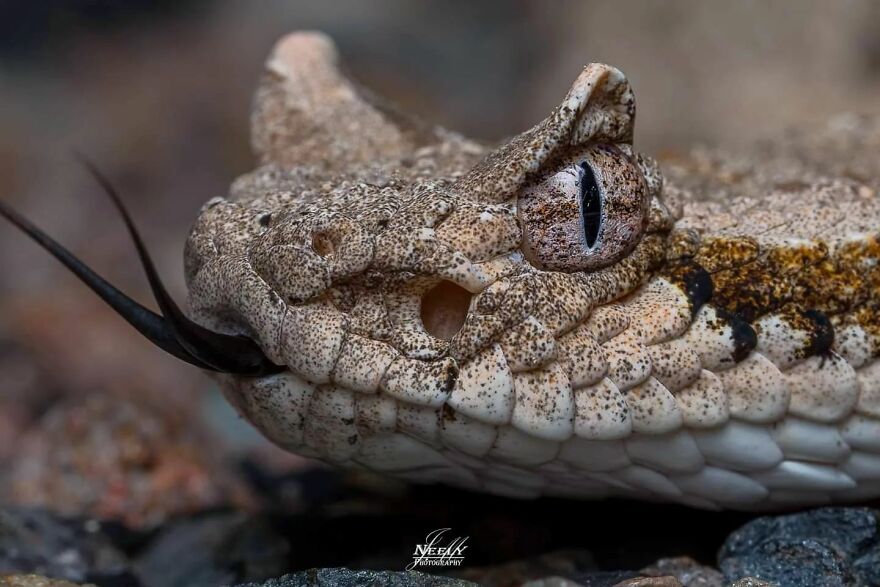
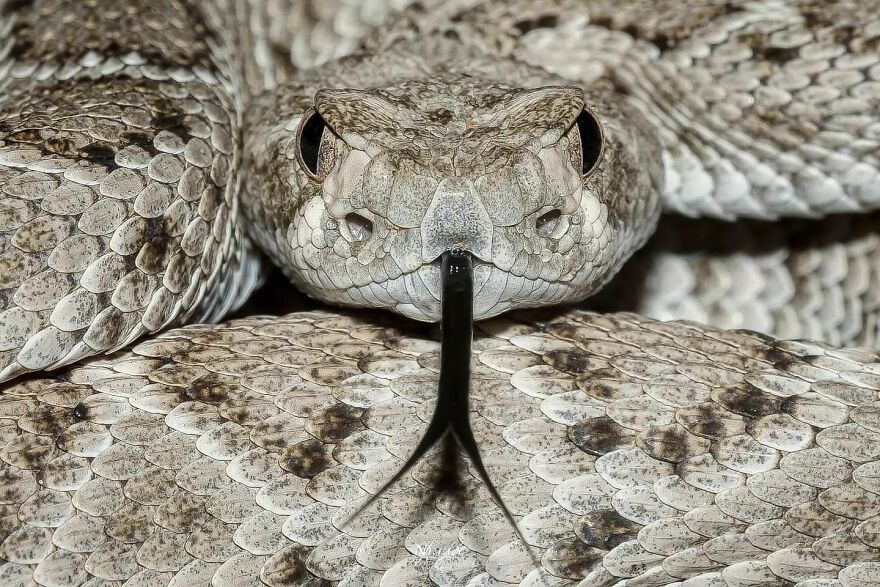
Actually - what I think you are calling his nostrils - ARE "eyes" of a kind. They are the "pits" of a pit viper; his real nostrils are above, and pointed sideways and hidden behind scales from this view, so less visible. It took a long time for humans to understand the pits - they are Infra-red detectors, that let the reptiles sight nice hot-blooded mice and bunnies in the dark. And it turns out- they are so sensitive they DO report an IMAGE - to the snakes brain. So- an eye- that sees heat in the dark.
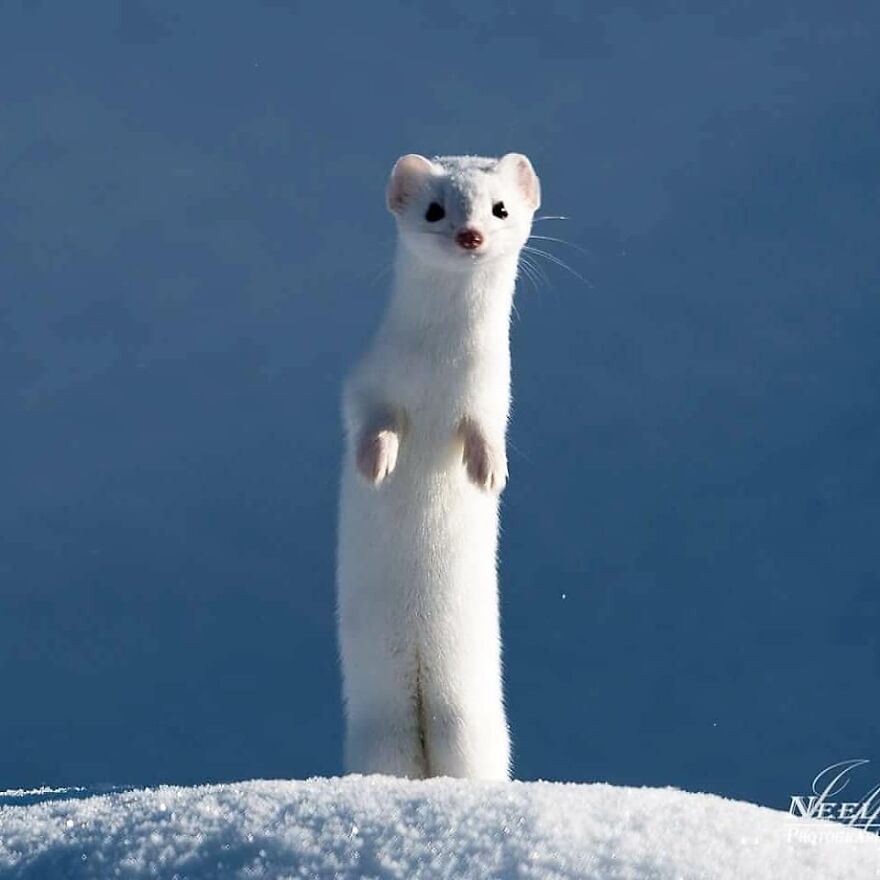
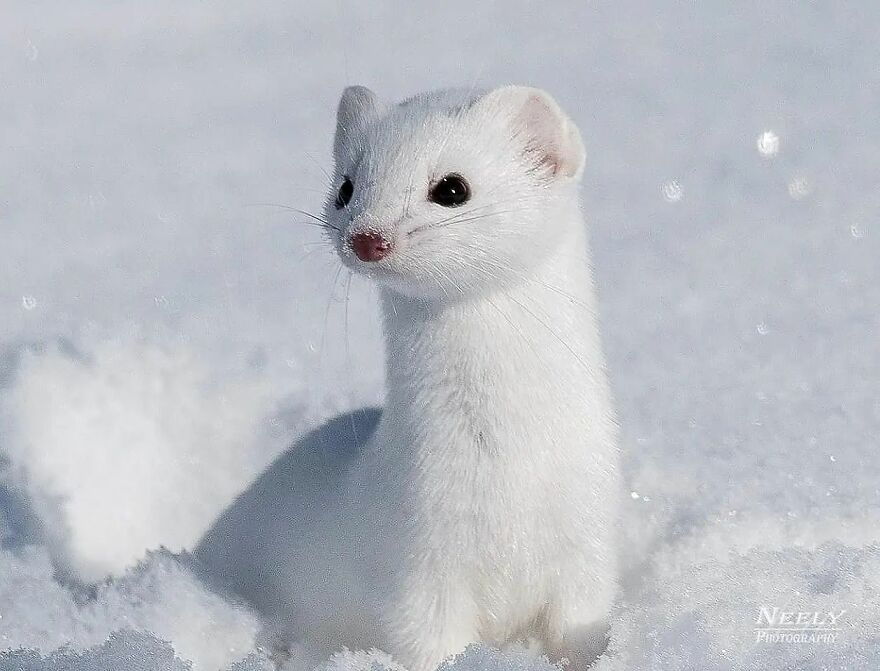
Load More Replies...Aggressive behavior in stoats is categorized in these forms: Noncontact approach, which is sometimes accompanied by a threat display and vocalization from the approached animal. Forward thrust, accompanied by a sharp shriek, which is usually done by stoats defending a nest or retreat site.
Load More Replies...They're just extremely sleepy from being up all night.
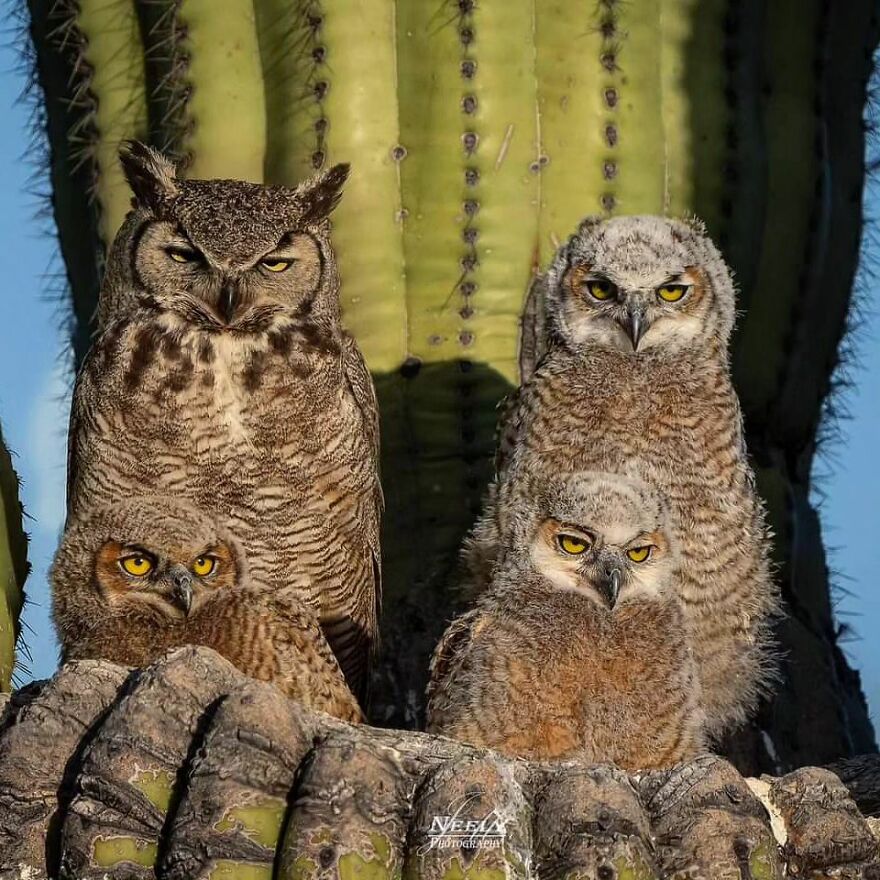
Load More Replies...I was not formerly aware that horned owls are only horned as grown ups.
I like bird photos to be identified. There are so many amazing ones around the world.
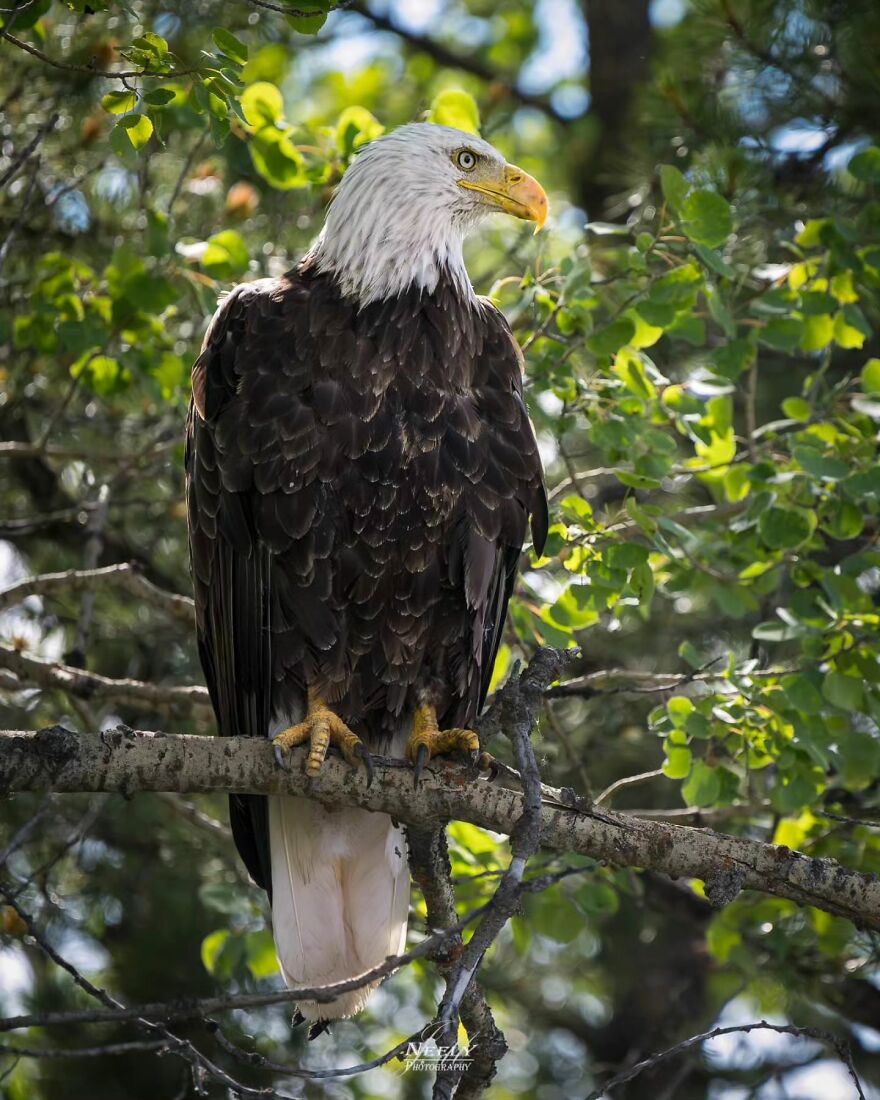
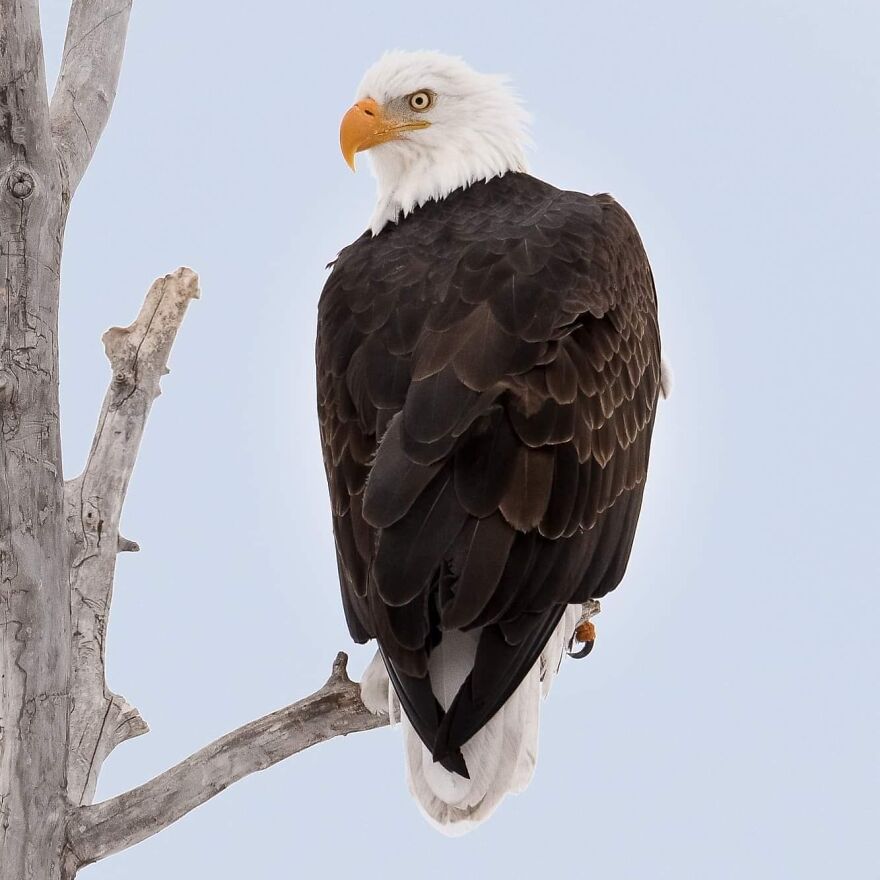
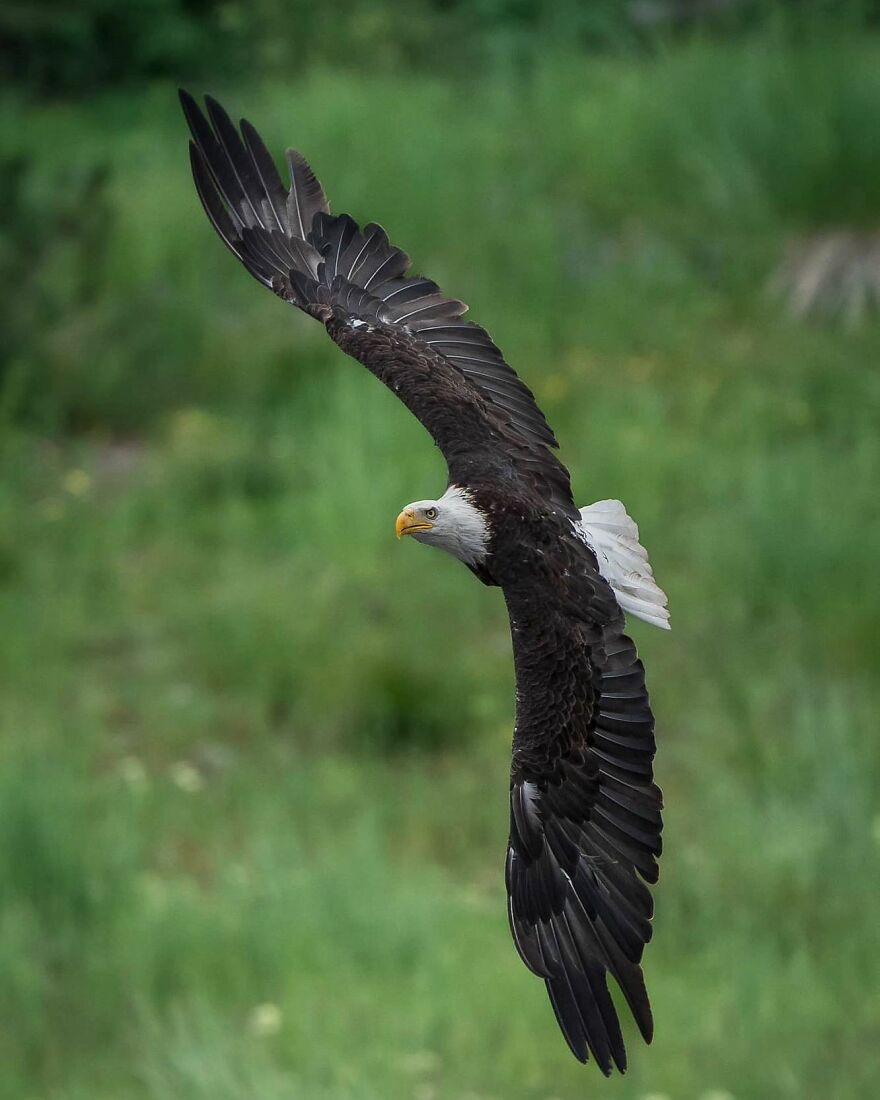
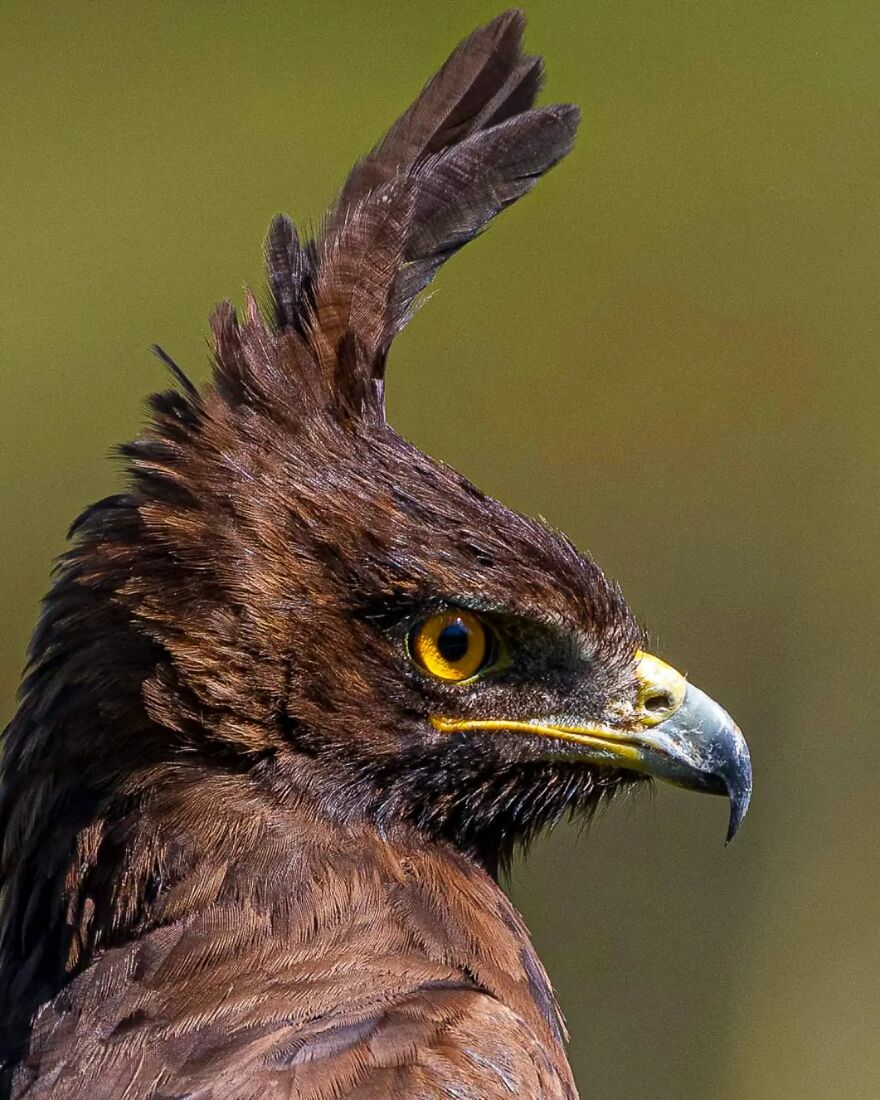
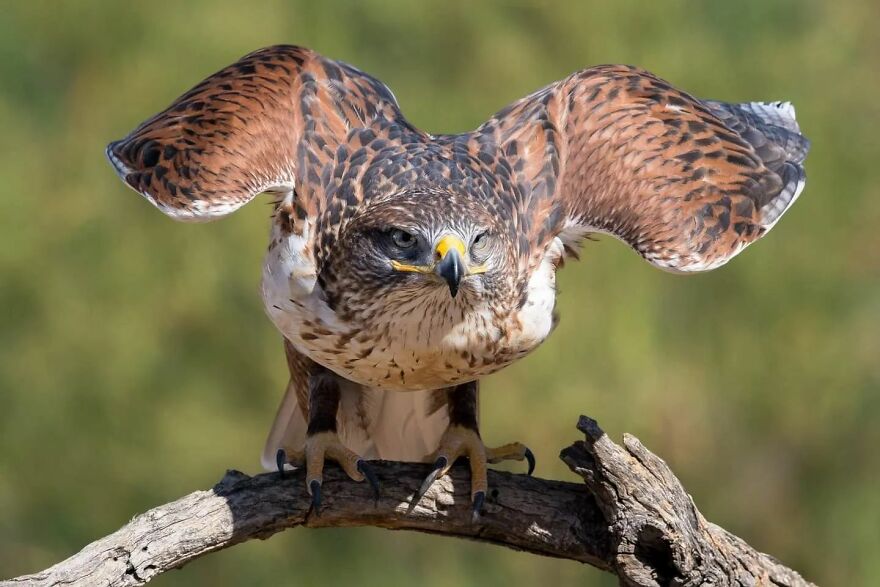
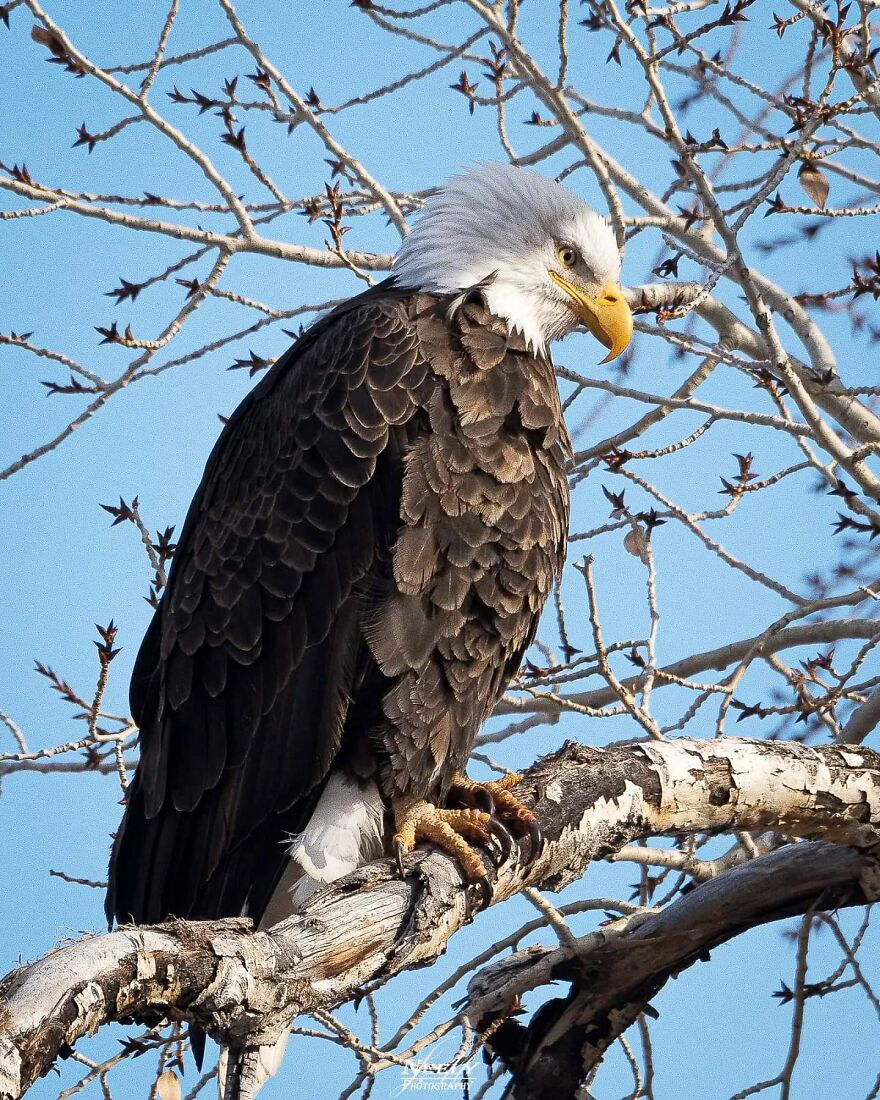
Load More Replies...This picture makes you think of how far away an eagle can see it's prey. It's gaze is so intense.
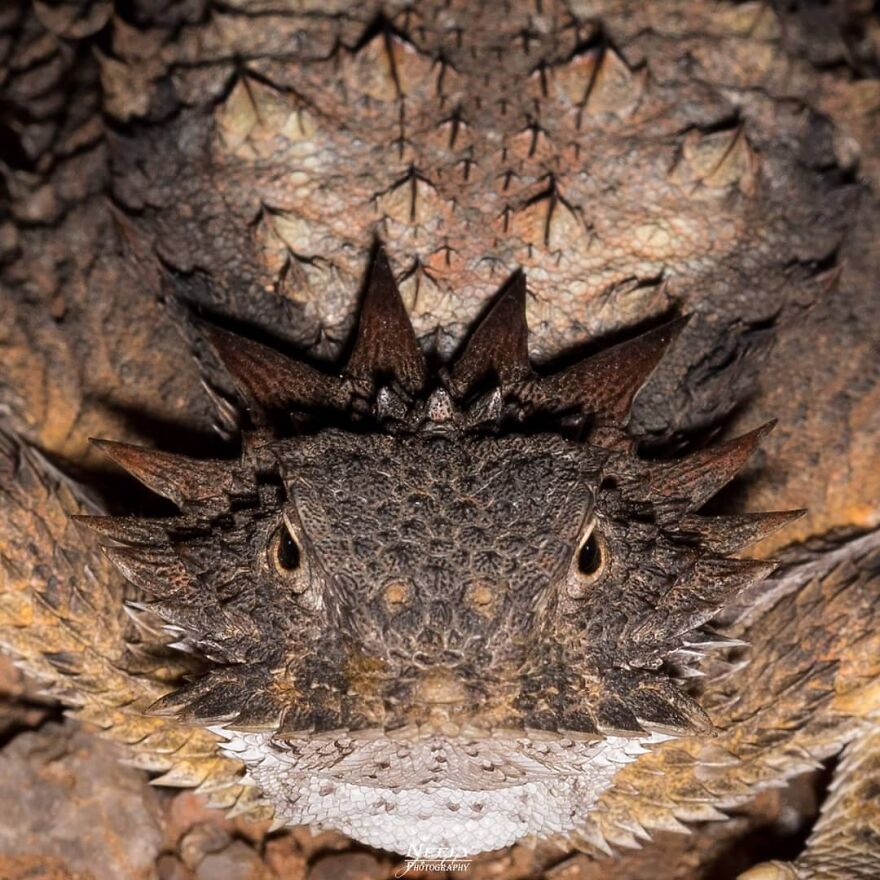
We called 'em "horny toads" when I was a kid in Texas. Entirely harmless - easy to handle for moment, and let go.
Love, love, love these guys!! My nickname as I would save them from killer kids who didn't know better. They eventually started saving them for me, and stopped destroying them.
Ankylosaurus? Is that you? Haven't seen you for ages you ol' so and so!
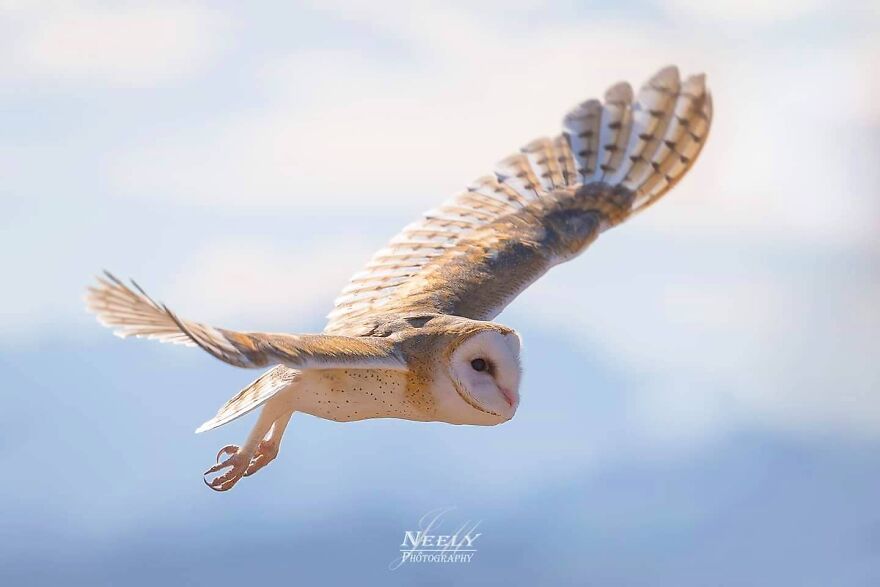
And why do you think that the Barn owl is struggling? You tell people to handle endangered species, and now you're saying that one of the most popular and widely distributed species, with a stable population is struggling Where does your information come from?
Load More Replies...From very Far Far Away with a lonooonnnggg lens!
Load More Replies...I am so proud that this incredible creature is a symbol of our country!
One of the Trickster Gods of the western Native Americans is- Coyote. Not exactly like Norse Loki - but in that neighborhood. This is him- right here. Why yes, I did just eat your cat. Tasty! Got any more? Look him dead in the eye- and you can hear him say it.
Patricia Briggs does an amazing sci fi series. Modern urban fantasy. Moon called is the first in the series. The mercy Thompson world. I love it!
Load More Replies...I would probably not like meeting one in real life, but I love looking at this picture.
Yep definitely a look of got anything else to eat. A small dog perhaps?
This should have not made me laugh as hard as it did🤣
Load More Replies...Hummingbirds are actually pretty vicious toward each other. It's understandable, seeing as how they have to eat pretty much all the time just to survive.
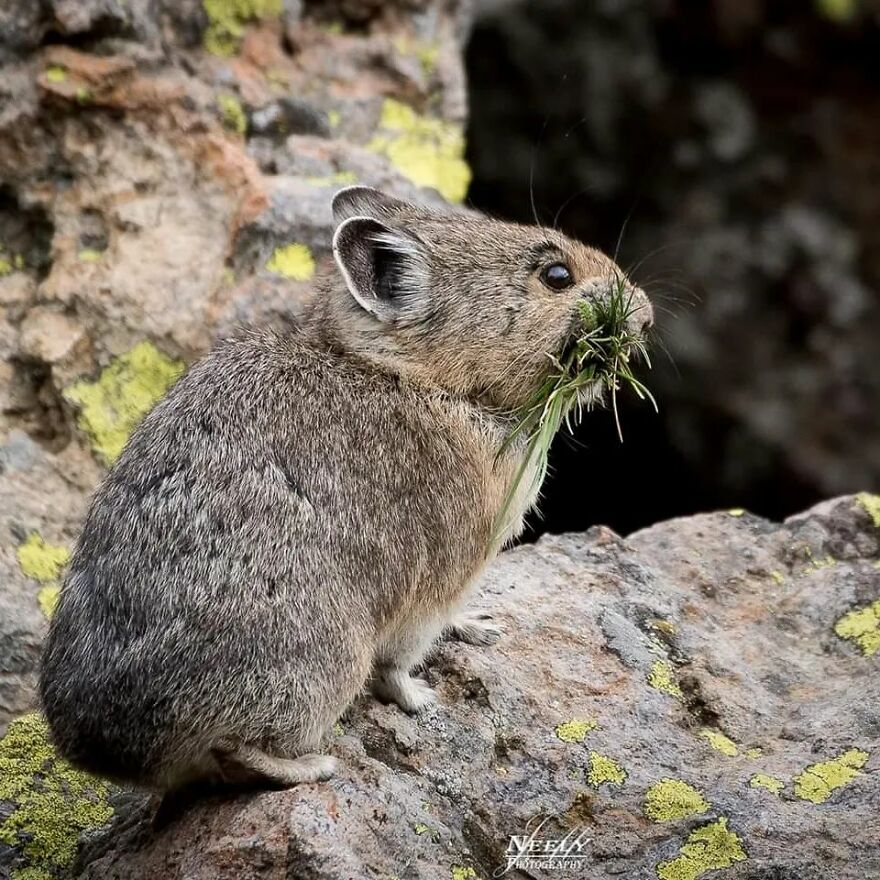
Pika - related to rabbits not squirrels; exist in N America Asia in the stone piles on high mountain tops. They whistle - sometimes it's the only way you know they're there. This one is making hay for the winter- they cut it, put it to dry in the sun, when dry they store it under the stones.
How do you get such detailed photos of such tiny, fast-moving subjects??!!!

Fast shutter or slow motion maybe then they seem to layer photographs in photoshop till it has the coloring and effects they want.
Load More Replies...Why do people Say such ridiculous things. How do you get a camera to take this picture? Duh
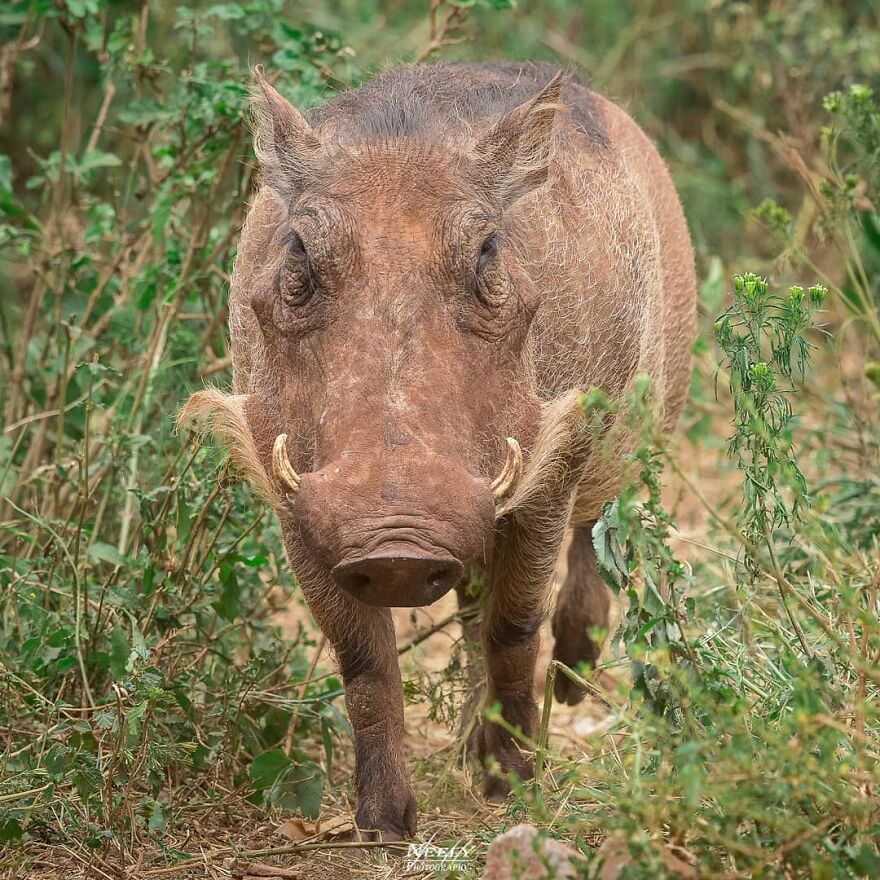
The texture of its coat and skin is amazing! Never seen such a wonderful photo!
A shallow pig! (Afrikaans for a warthog is "vlakvark". Vlak = shallow, vark = pig.)
Afrikaans right! The 'V' sound is actually said as a 'F'
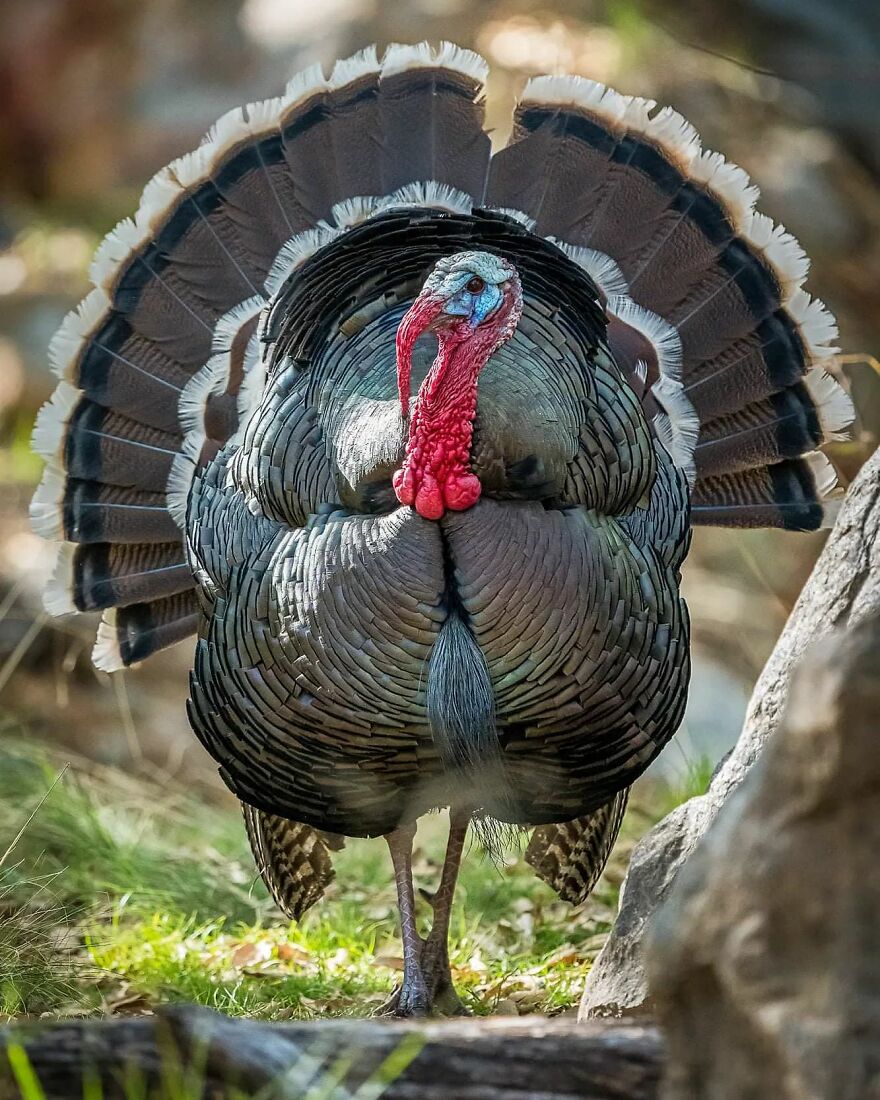
Load More Replies...I frequently forget that their feathers have that iridescent touch to them.
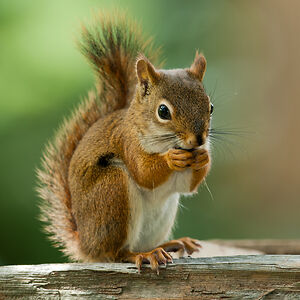
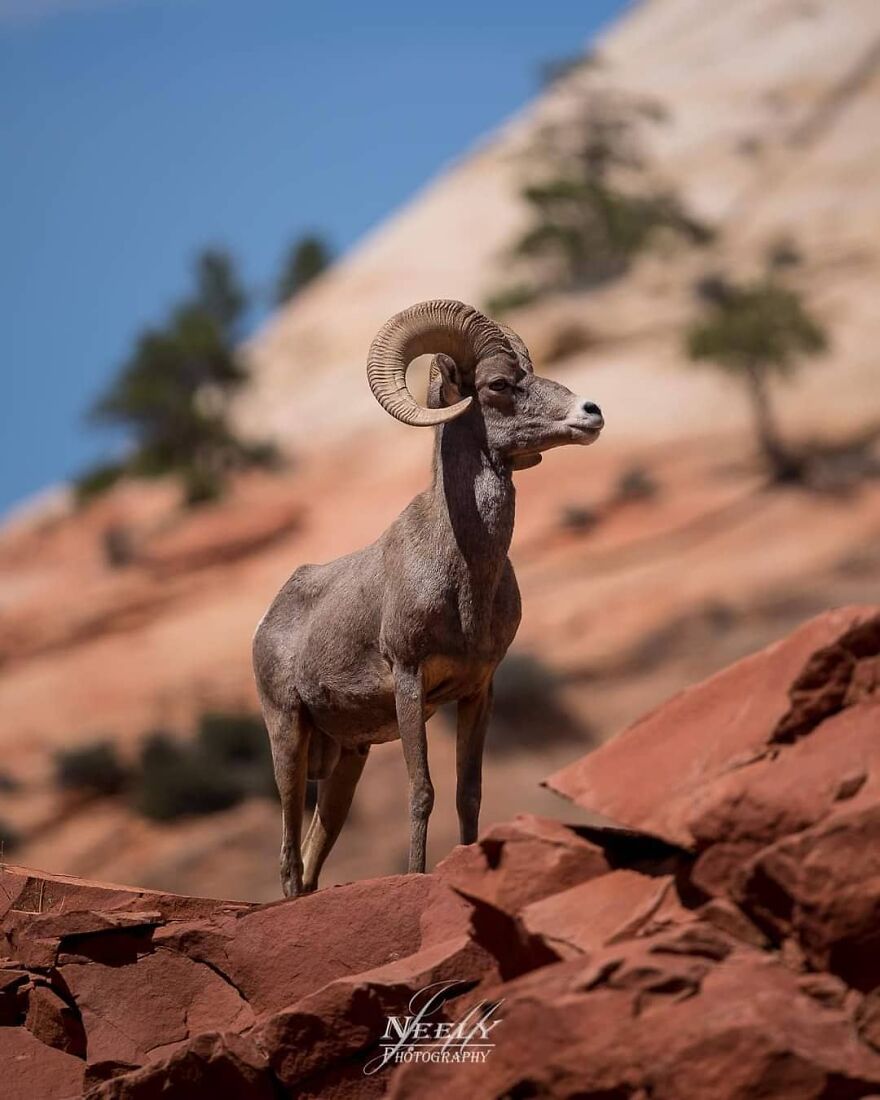
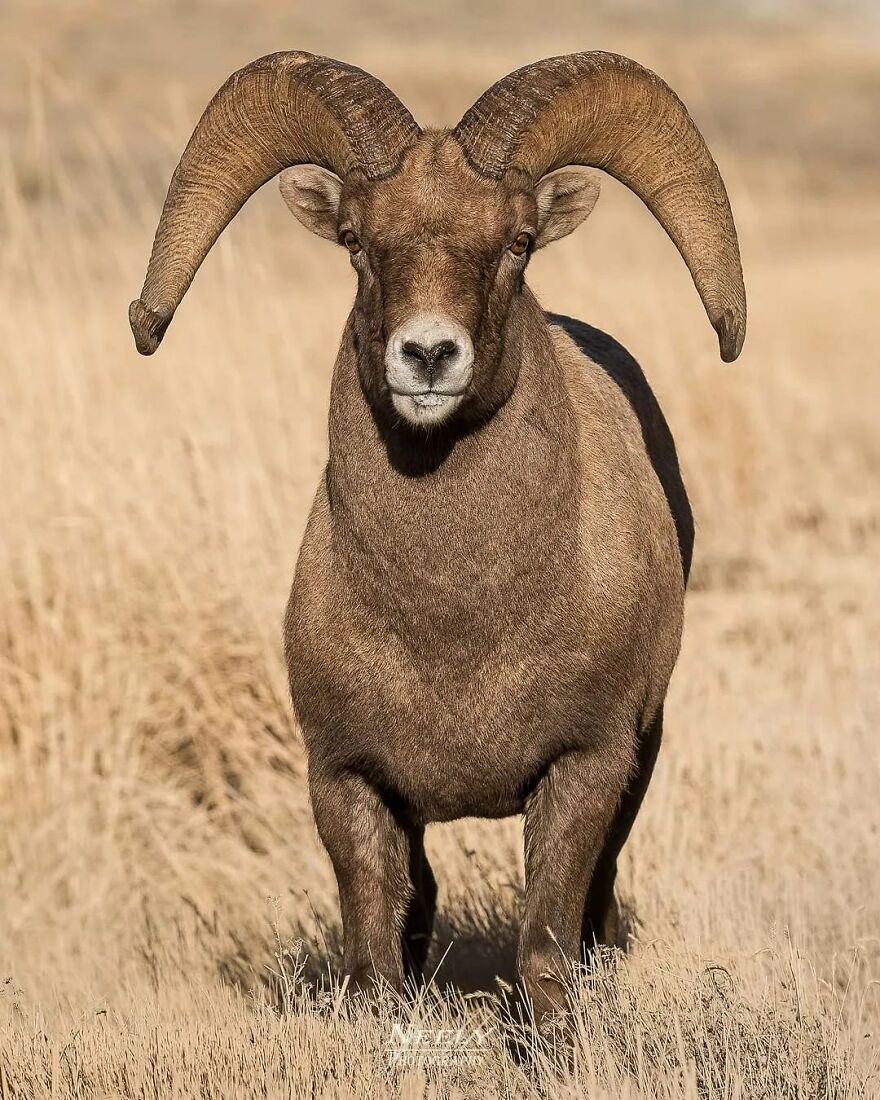
Sure, it's all fun and games until you're driving through a mountain town and there is a sudden big-horned sheep flashmob.
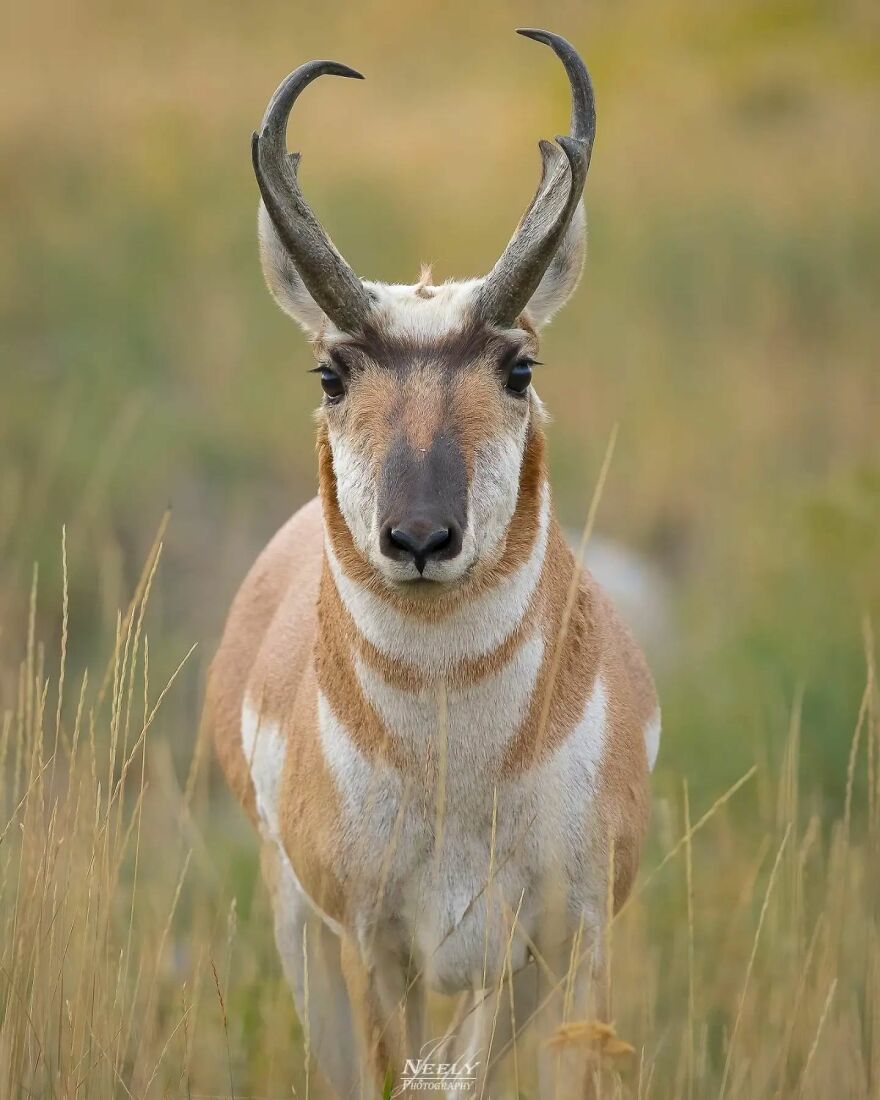
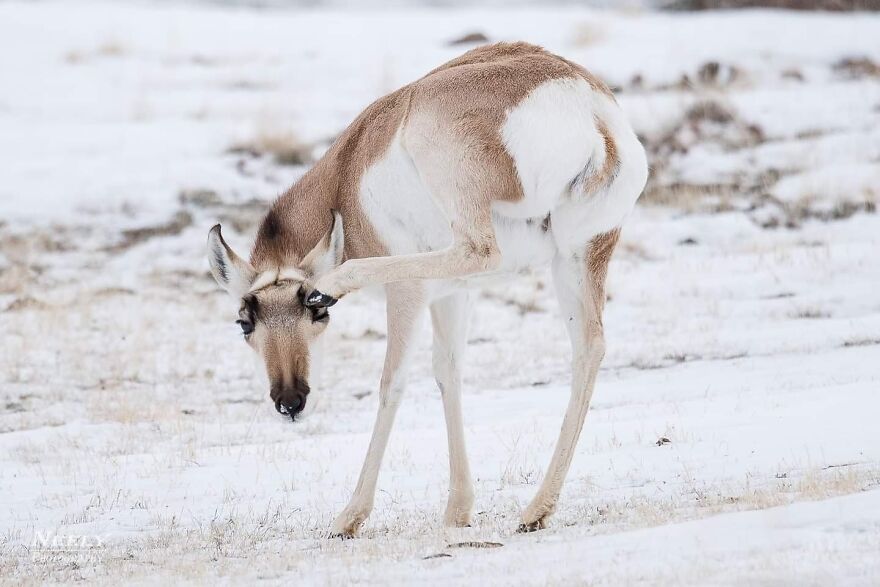
First time I saw a prong horn I thought it was a very sick deer. I'm not from the usa ok.
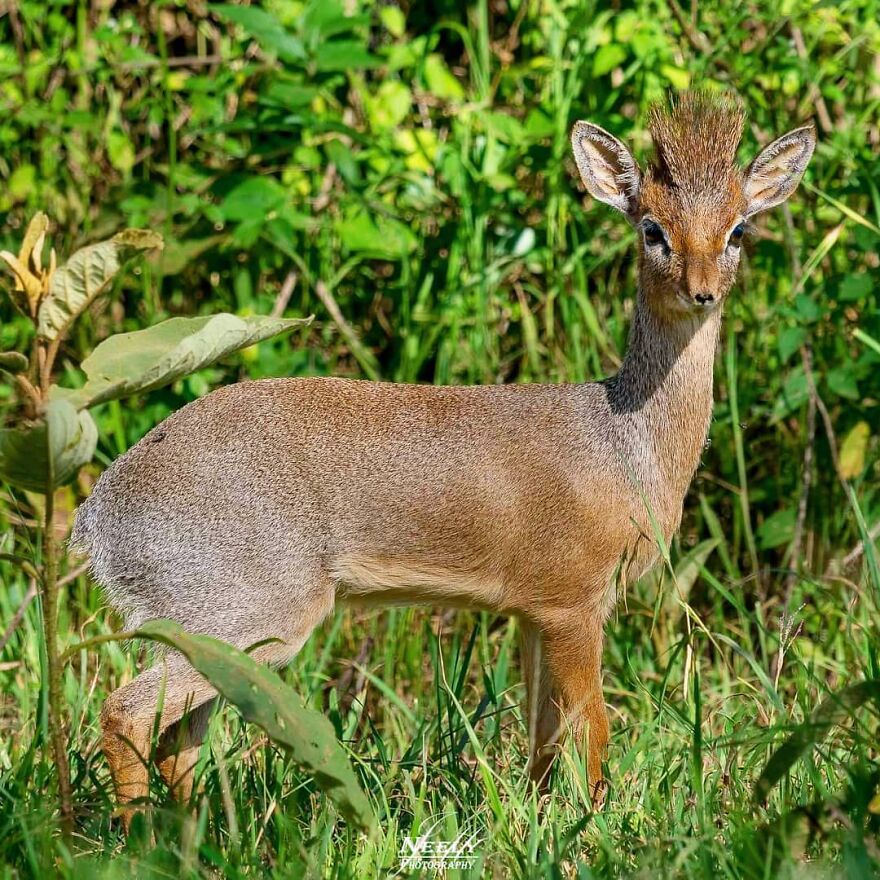
I was like, "Is that a dik dik?" Thanks! They're so cute!
Load More Replies...It's surprising how many tourists decide they want to pet the big fuzzy cow. My friend, that animal is the size of an SUV and will drop-kick you through the gates of heaven.
There are treatment for ignorance (i.e. learning) but not for stupidity.
Load More Replies...The camouflage works in the herd making it hard to sort one out for the kill.
Load More Replies...All those spots? Turns out they are sensors. Only took us forever to notice.
Clint's Reptiles on YouTube had an excellent video on these animals.
This one looks like he's saying "Stop bothering me and get off my lawn!"
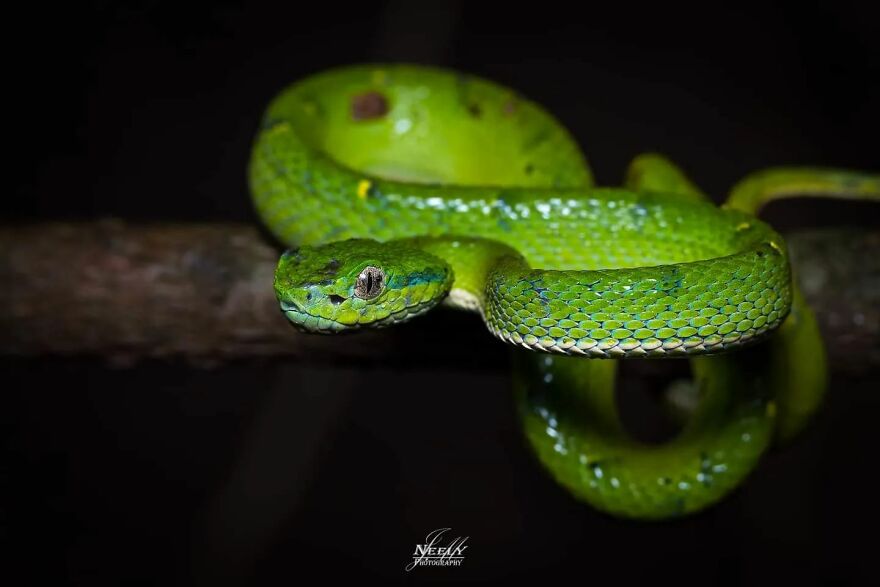
Load More Replies...It always strikes me a funny that som many snakes seem to be smiling in their pictures.
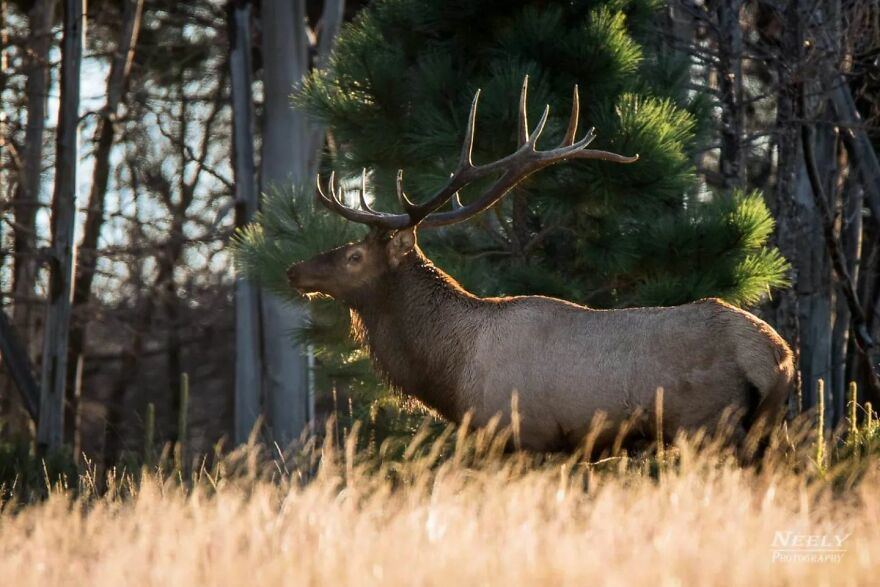
I have a couple herds 30-60 that visit me all the time. The bachelor herd is awesome but wreck my trees and ponds. 40 acres and they eat my roses and fruit trees
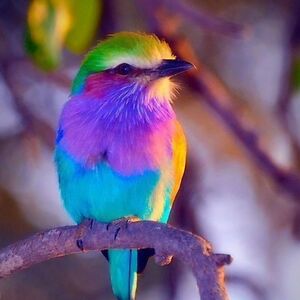
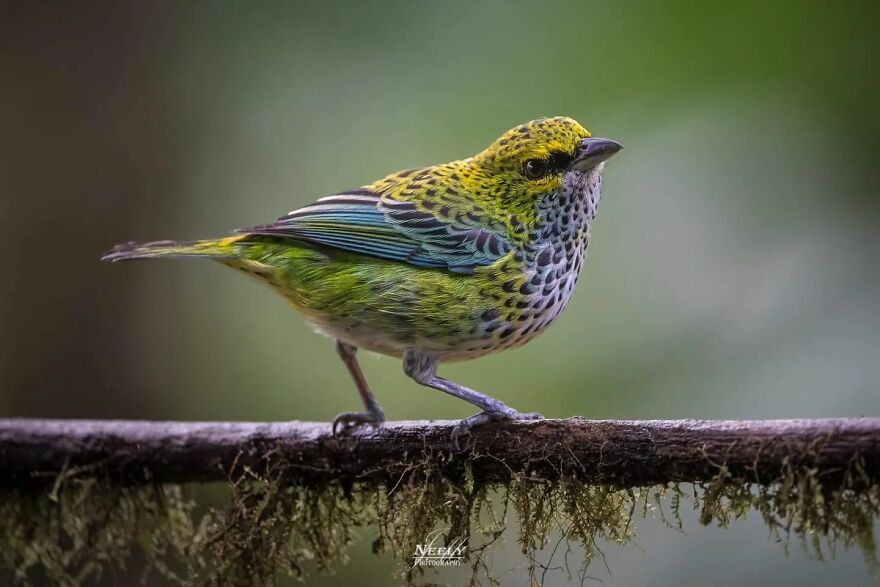
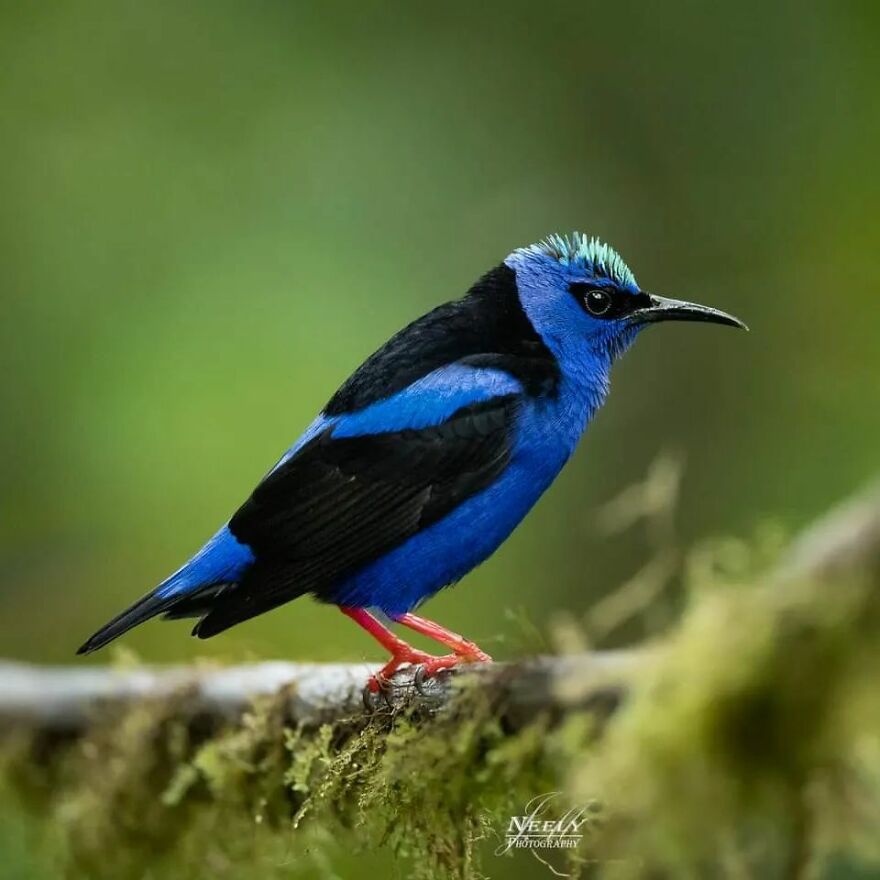
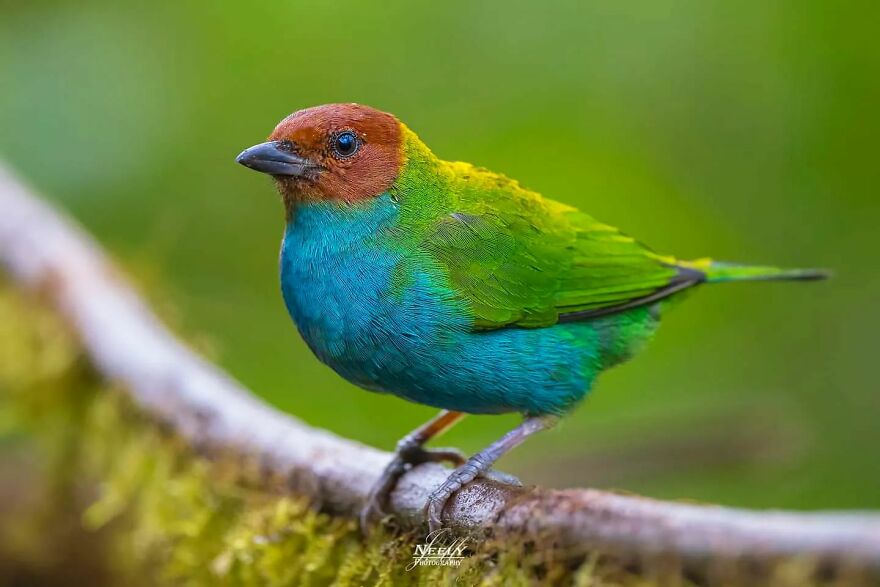
Does anyone know which species this bird is? I would like to know more about it.
Hi, this is a Bay-headed Tanager (Tangara gyrola).https://birdsoftheworld.org/bow/home
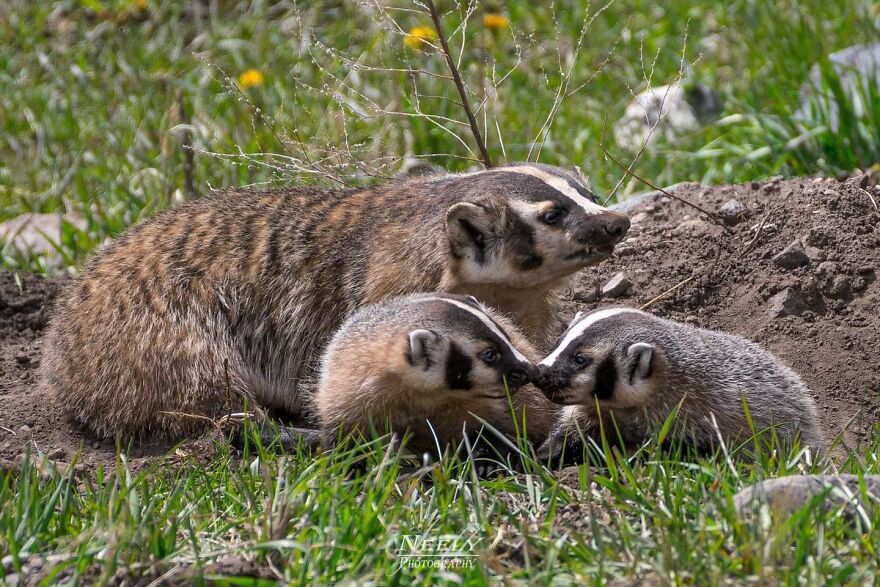
Load More Replies...American badger. Looks a bit different from European, behaves a little different. I meet one on my farm here about once in 3 years- though they are here all the time. The conversation is always the same. "Yes?" "Hello." "Yes? I'm, ah, busy, you know." "Ah. Ok, then, I'll be off." "Snnoof."
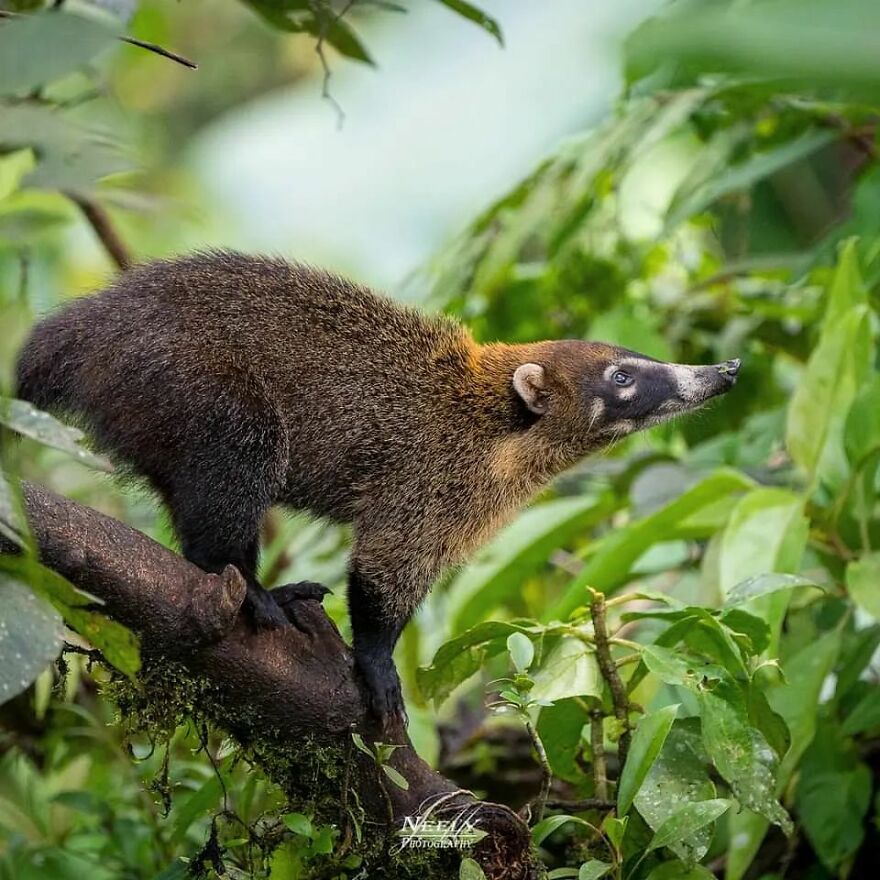
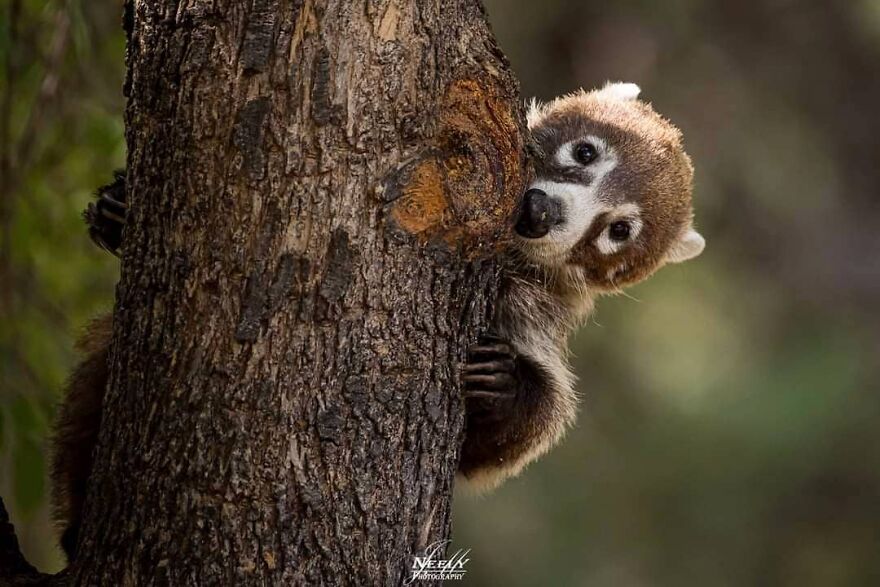
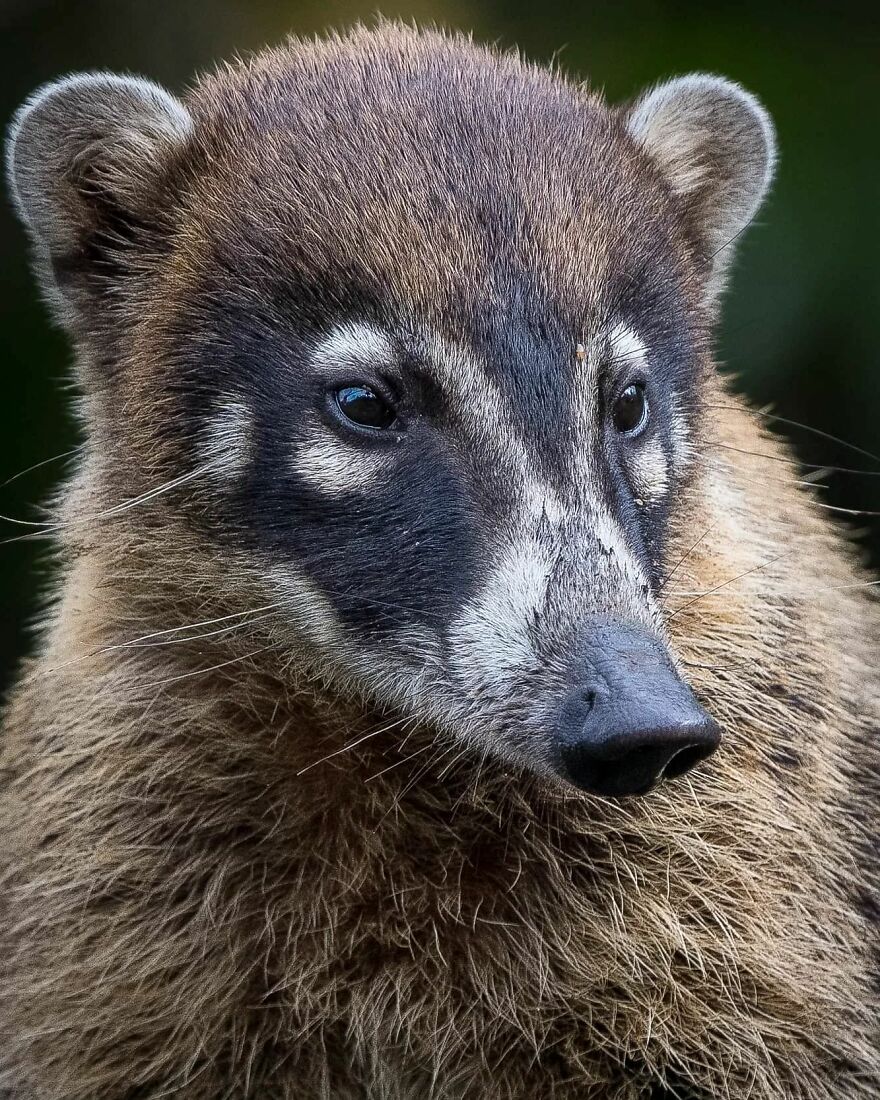
I love coati's! It's like a dog, cat, racoon and squirrel all had a baby!
He looks like he is racing to meet a lady and is afraid he will be too late.
And WHY?? Every detail you see is the result of - evolution. This works. The forked tongue we actually understand. Snakes smell in stereo; their olfactory world includes depth perception. The shields over the eyes? um. why?
I wanted to know as well - "Those that dwell in desert habitats may have horns to protect against the harsh sun and sand. When the snake is submerged in the sand, the horns bend down, protecting the eyes." https://thepetenthusiast.com/snakes-with-horns/
Load More Replies...Coati. Racco.on relative, multiple species in S and Central America, one reaches into the US SW. Mostly diurnal - smart, and with very, very impressive teeth. Be polite.
Personal experience? Or just on the job experience, read in a book or online?
Load More Replies...Aaand there's my ear worm for the day. Thanks (or something) 😆
Load More Replies...I knew people who would go out with a group every year to count eagles. They are apparently very small, like Trump's hands.
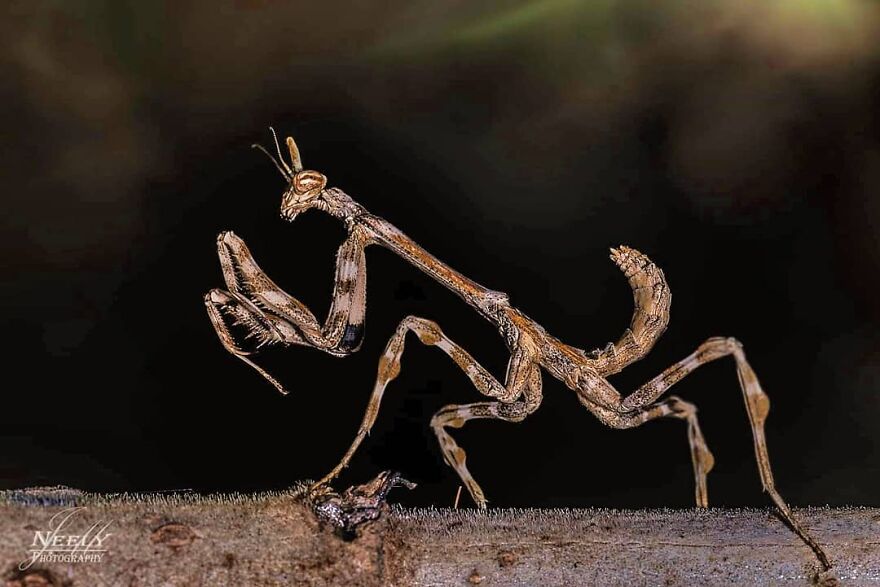
Adult praying mantids are solitary and territorial, but they do not have a high propensity for eating their mates. The mantids in the study that led to this common myth were underfed specimens.
Load More Replies...You don't have to love them. Just try to imagine how you would be bathed in insects if they all suddenly died. Then you will not mind them being around any more.
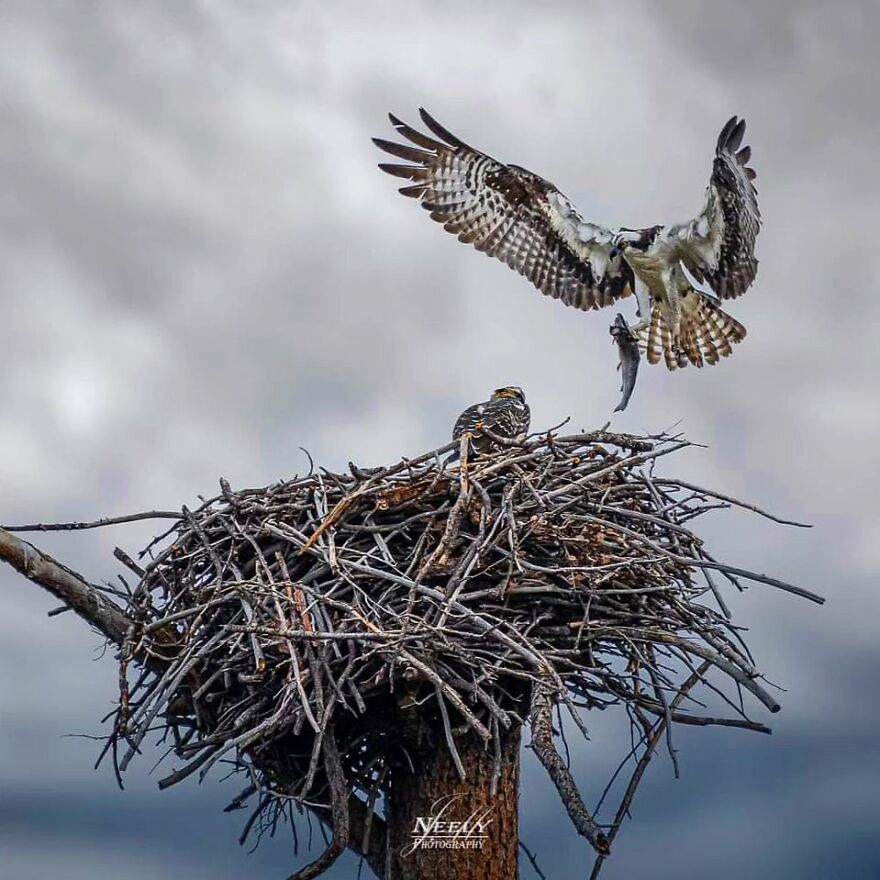
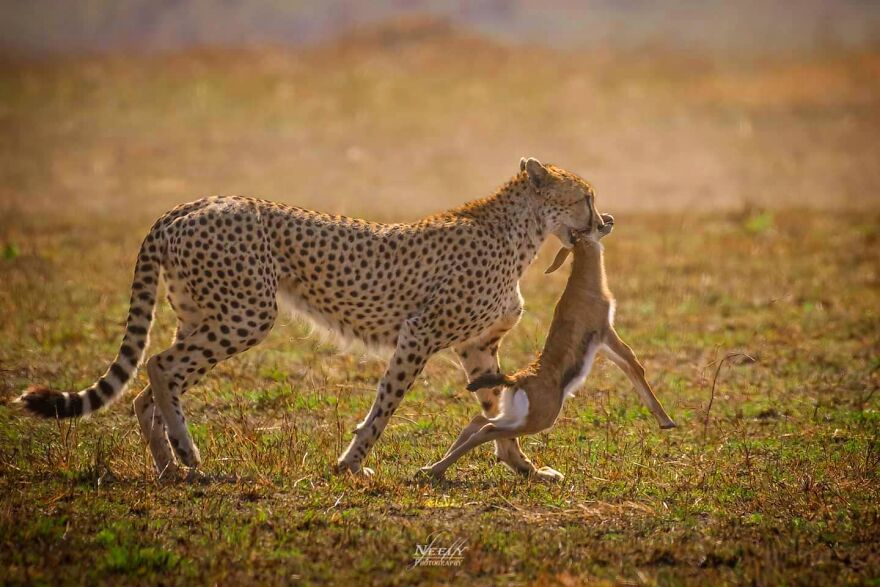
Load More Replies...I think she is bringing her kill back to her young ones. If it was just for herself wouldn't she have eaten it on the spot?
These were majestic and I thank you so much for curating them for us, Hidrėlėy!

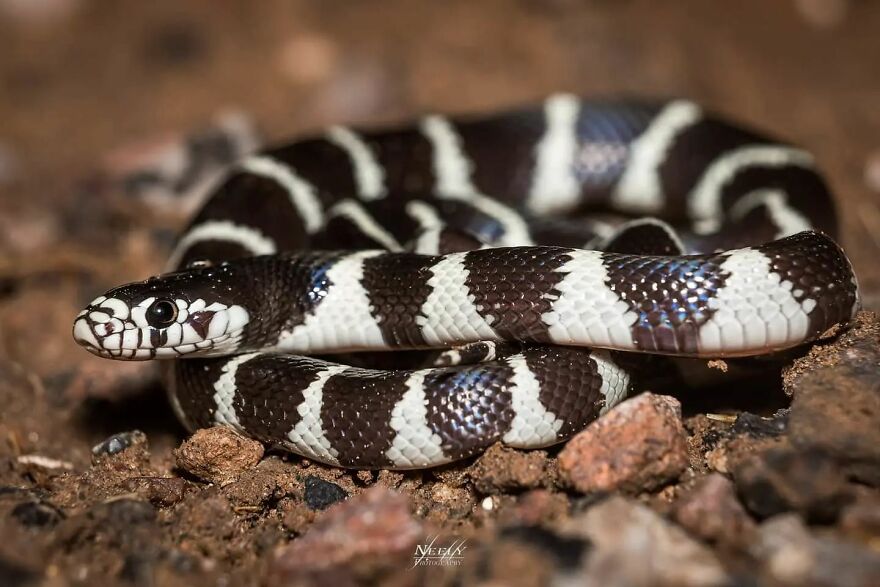
These pictures should have been in my biology book when I went to school. They show so many details that I have not noticed before. I especially liked the colours on the snake in the 24' picture.
You'll never forget this https://youtu.be/XBuNzChOhXw?si=a3x2o6B6QWeGqtUR
These were majestic and I thank you so much for curating them for us, Hidrėlėy!

These pictures should have been in my biology book when I went to school. They show so many details that I have not noticed before. I especially liked the colours on the snake in the 24' picture.
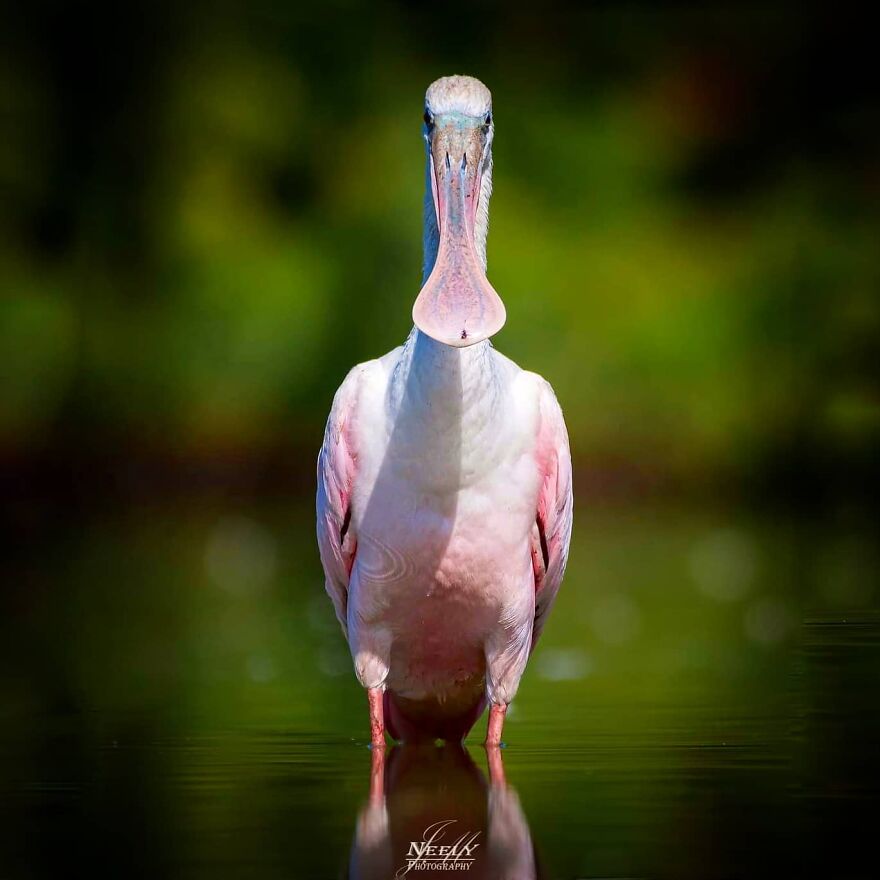
You'll never forget this https://youtu.be/XBuNzChOhXw?si=a3x2o6B6QWeGqtUR