Get Premium
Dark mode theme is available exclusively for premium users. Learn more about the benefits of subscribing.
No fees, cancel anytime.

 Dark Mode Ad-Free Browsing Unlimited Content
 Ad-Free Browsing Unlimited Content Dark Mode
Join 1.2 million Panda readers who get the best art, memes, and fun stories every week!
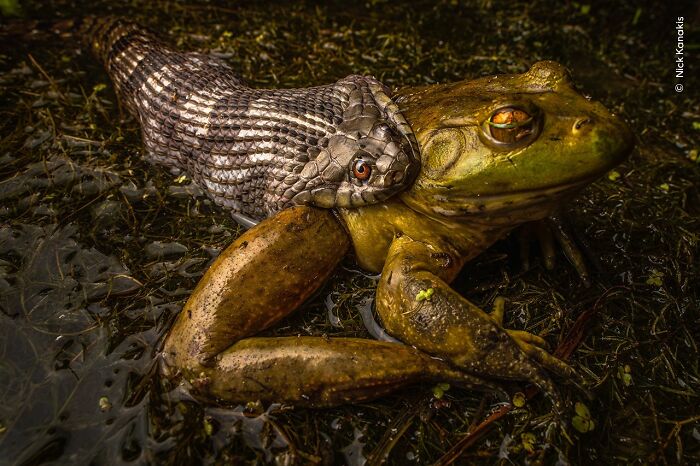
Today, February 4, marks the official opening of public voting for the Wildlife Photographer of the Year People’s Choice Award, inviting people worldwide to pick their favorite image from one of the most prestigious photography competitions on the planet, organized by the Natural History Museum in London.
Each year, tens of thousands of photographs are submitted, but only a small fraction make it through the rigorous selection process led by expert judges. From there, a final shortlist is presented to the public, celebrating creativity, technical skill, and powerful storytelling that highlights the beauty, fragility, and complexity of life on Earth.
For this article, we’ve selected photographs that recently stood out and captured strong attention on the competition’s official Facebook page. While these images have already generated admiration online, it’s important to note that not all of them have been officially confirmed for the final public voting lineup.
Even so, each photograph featured here reflects the extraordinary talent showcased in the competition, offering unforgettable moments - from intimate glimpses of animal behavior to dramatic encounters and rarely seen natural phenomena.
More info: Instagram | nhm.ac.uk | Facebook | x.com
This post may include affiliate links.
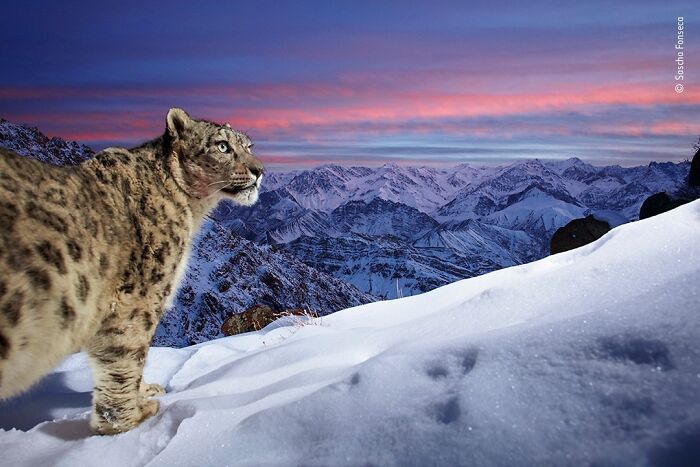
Photo by Sascha Fonseca
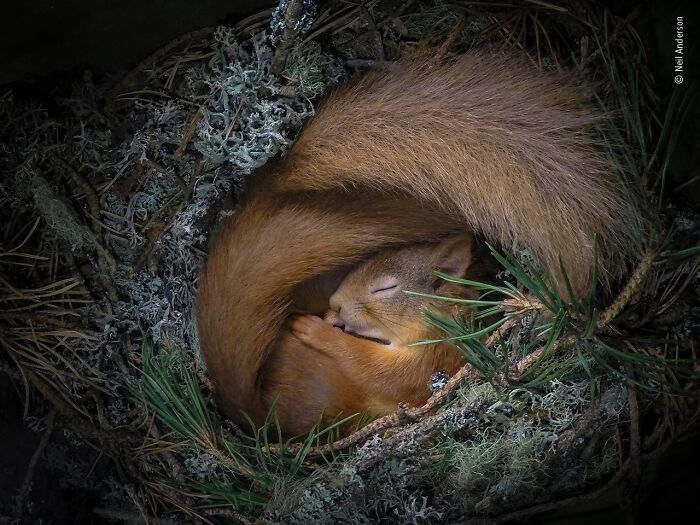
Photo by Neil Anderson
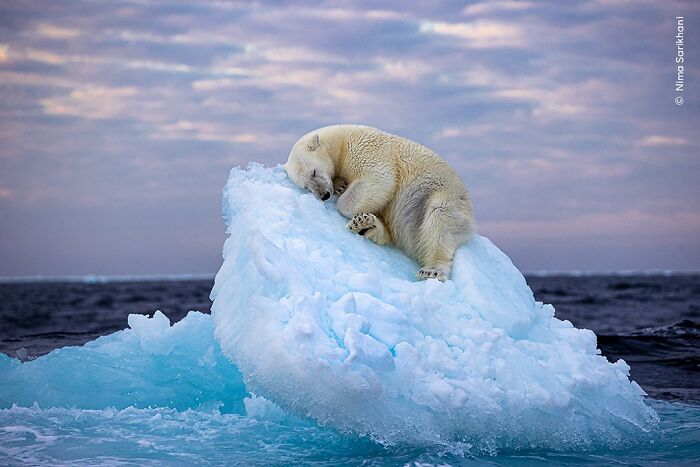
Photo by Nima Sarikhani
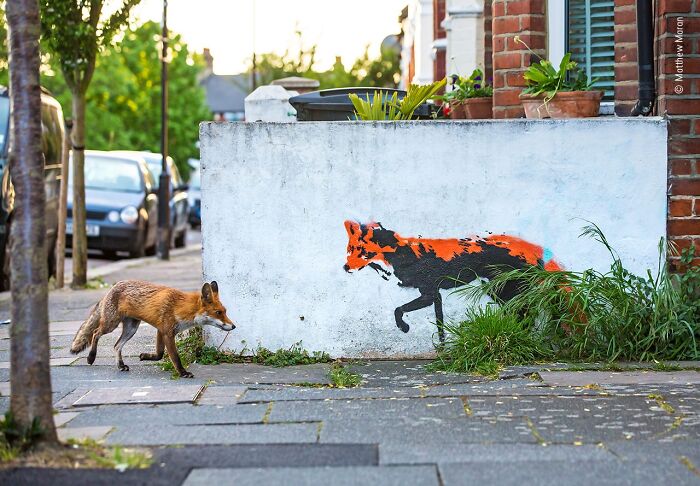
Photo by Matthew Maran
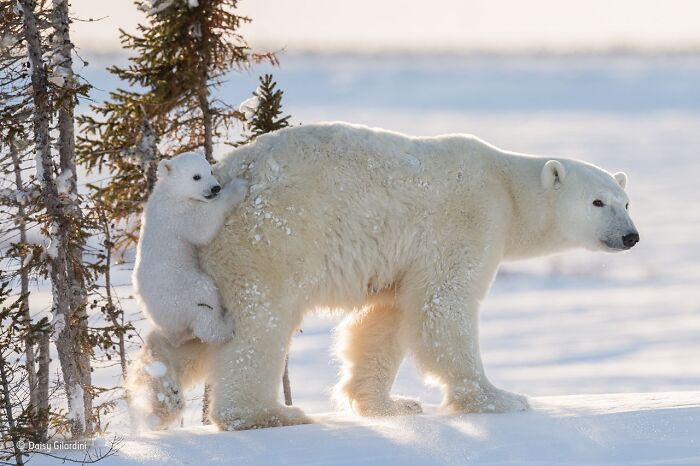
Photo by Daisy Gilardini
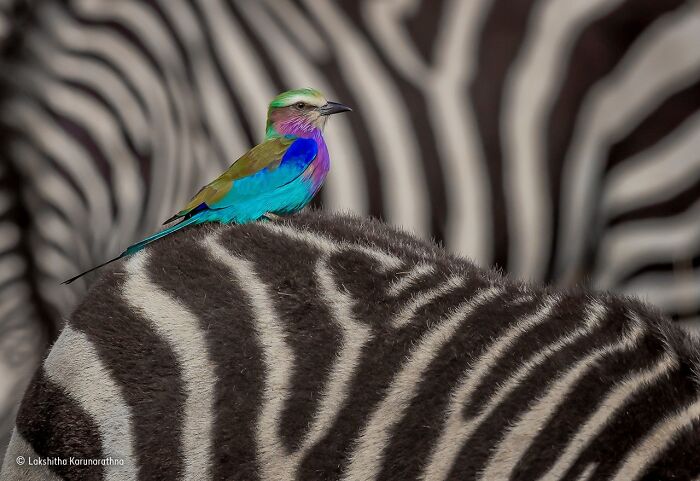
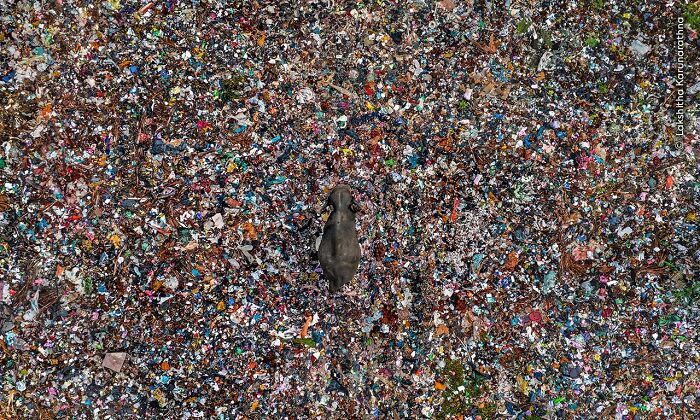
Photo by Lakshitha Karunarathna
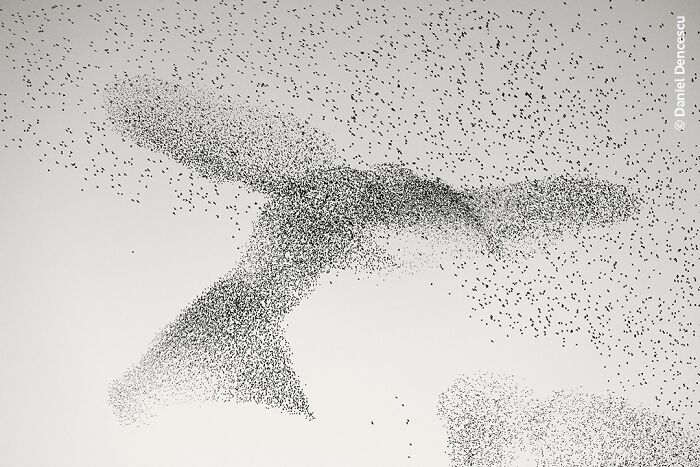
Photo by Daniel Dencescu
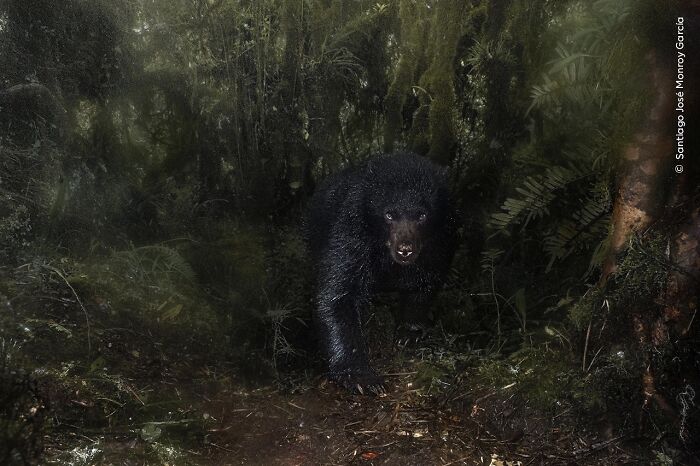
Photo by Santiago José Monroy García
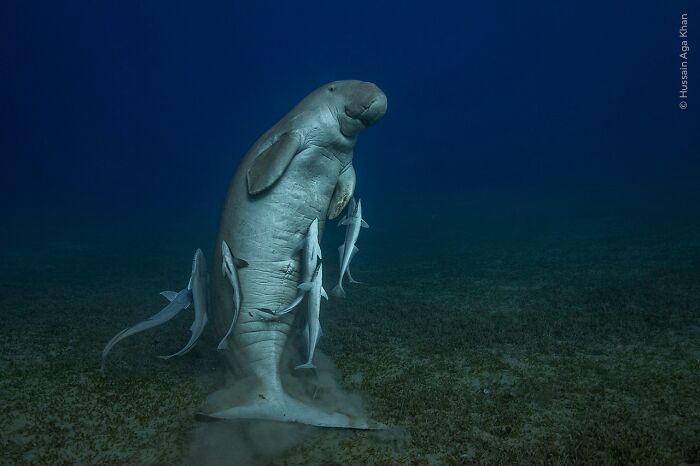
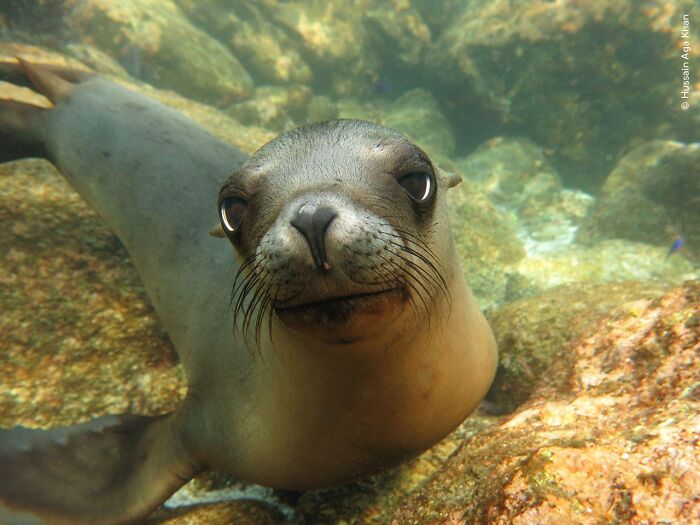
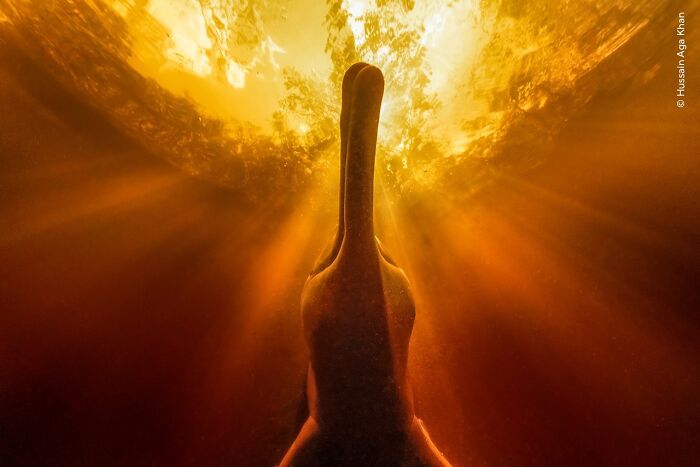
Photo by Hussain Aga Khan

"Young male dugong goes upright after a seagrass snack! 💚 This is one of the frames in my portfolio that appeals to people the most. We were very lucky to get two dives completely alone with this character, one of the most interesting animals I’ve ever encountered. Large, slow-moving, unexpected and original — bizarre – and ever hungry. This was a voracious goliath with a herbaceous appetite. A creature with features so funny that you might laugh at it. With valves for nostrils, pinhole ears, tiny beady eyes and a flat face with moustache and beard… This 3-metre-long animal, basically 300-420 kilos of adipose tissue, was moving at a snail’s pace. And yet he had us hyperventilating as he led us all around his gigantic bay in a strong current. Even when he was floating motionless it was hard to stay with him; it seemed like we were swimming in place!"
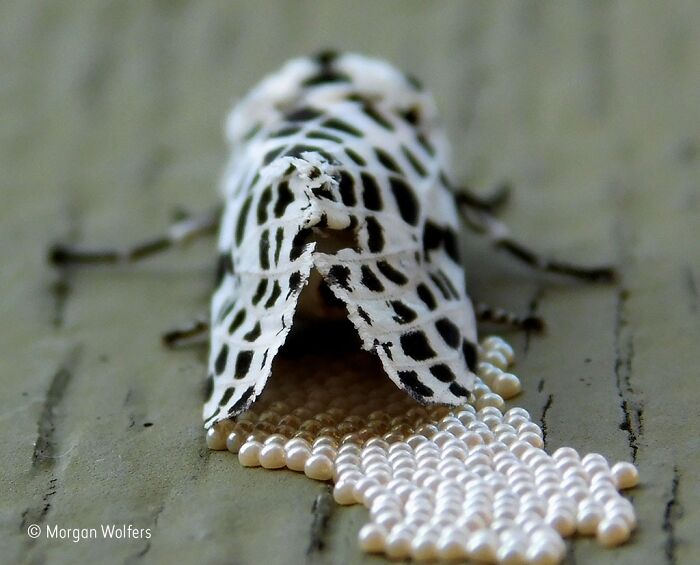
Photo by Morgan Wolfers

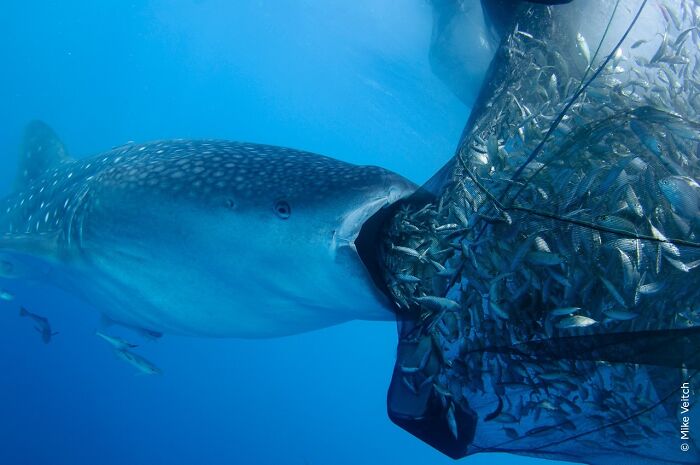
Photo by Mike Veitch
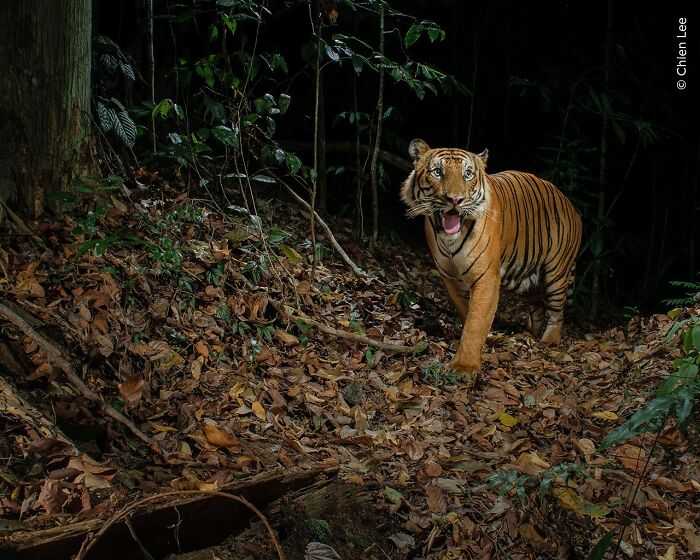
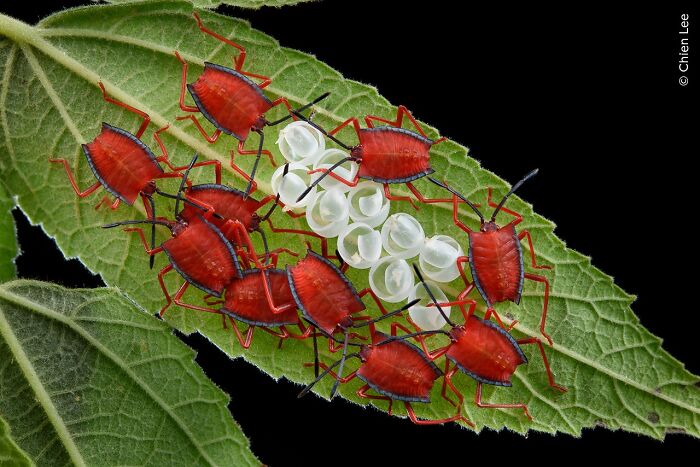
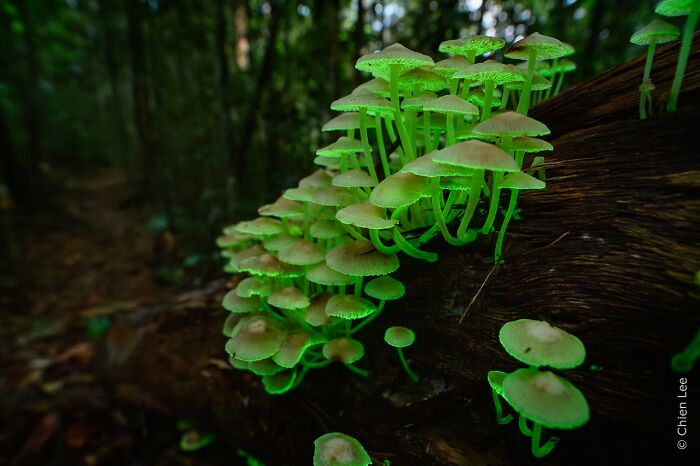
Photo by Chien Lee
"A newly hatched cluster of red stink bugs gathered around their empty eggs on the underside of a leaf. Their bright aposematic coloration warns would-be predators of their acute distastefulness, and even at this young age they are capable of emitting an extremely foul-smelling chemical deterrent when disturbed. Rather than dispersing after birth as many young insects do, many aposematic species remain gregarious like this. Studies have shown that their tightly grouped behaviour has the effect of amplifying their warning coloration signal to other animals." - Chien Lee"
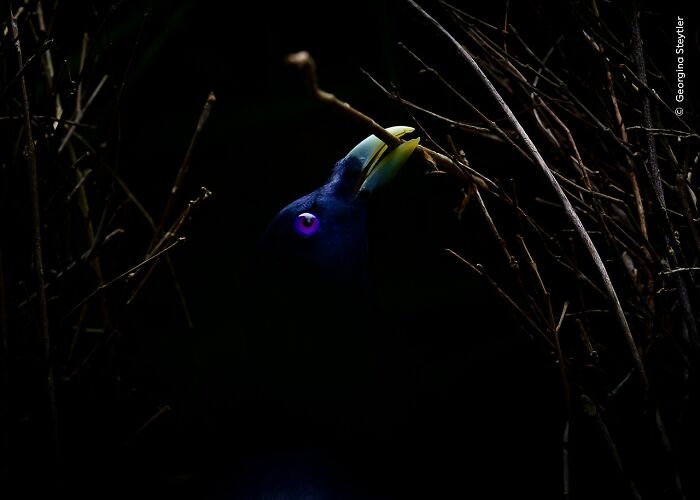
Photo by Georgina Steytler
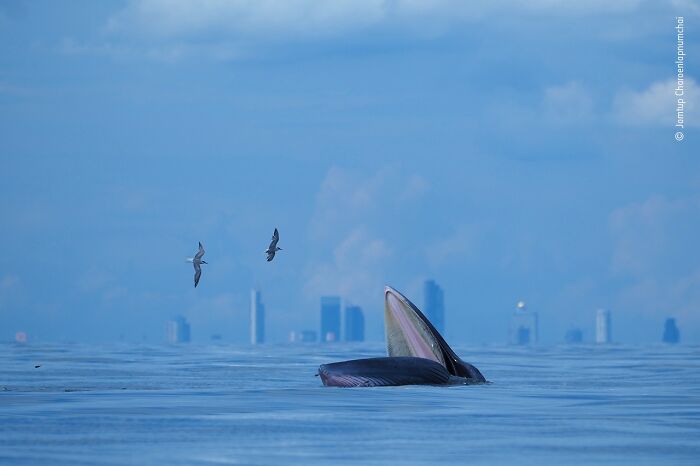
Photo by Jomtup Charoenlapnumchai
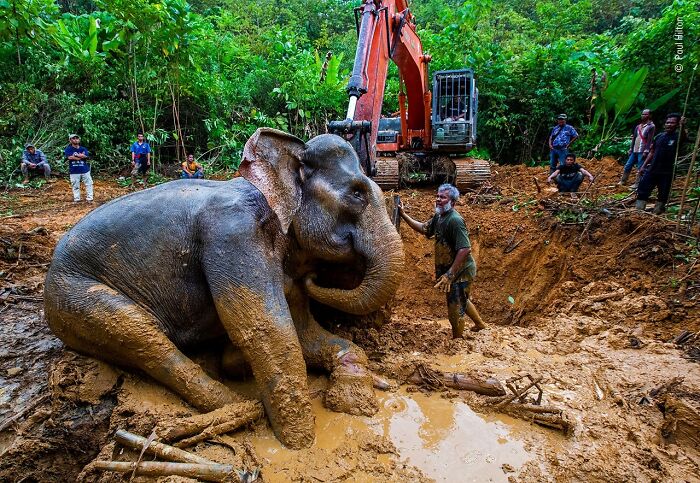
Photo by Paul Hilton

"Collapsed from exhaustion, its leg in a snare, this Sumatran elephant was helped with an excavator by a conservation group in a final attempt to help it stand. For several days, the animal had been lying in a forest corridor that linked two oil palm plantations. Shortly after this photograph was taken, the elephant died from blood poisoning. Sumatra’s Leuser Ecosystem is the only place on Earth where Sumatran elephants, tigers, orangutans and rhinos coexist. All are close to extinction. Clearance of lowland forests for oil palm plantations has forced elephants closer to human settlements, leading to conflicts. Although illegal, snares are widespread." - as per the NHM instagram account. //
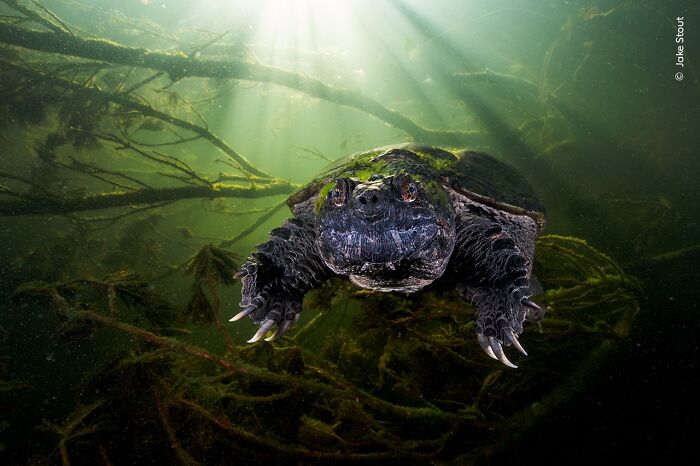
Photo by Jake Stout
"Jake Stout's Image - Jake Stout (USA) encounters a snapping turtle as it glides over lake vegetation in New Hampshire. Common snapping turtles have a fearsome reputation. But Jake finds them to be calm and inquisitive. He’s photographed them in this lake for over four years. In that time, he’s discovered the turtles’ dramatically different personalities and behaviours. Snapping turtles weigh up to 20 kilogrammes (44 pounds). They can strike with speed and deliver a powerful bite when they’re hunting, though they’re also scavengers."
Photo by Lakshitha Karunarathna’s
Photo by Chien Lee
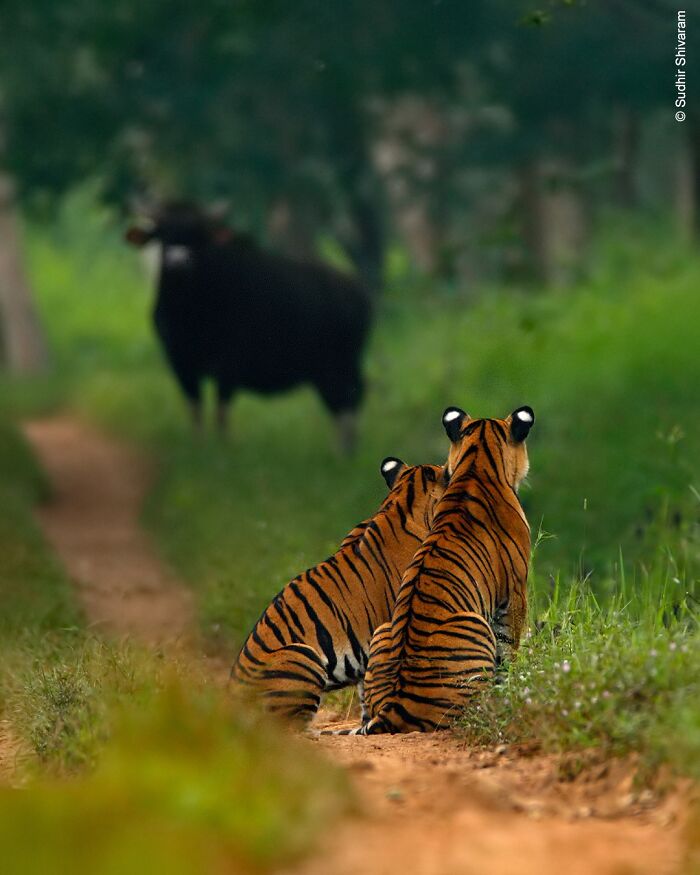
These were stunning! What incredible photography! Thank you for saving us from some of the more gruesome ones, even though they are a reflexion of reality (the two tiger photos in the original galleries).

AI has taken so much enjoyment out of threads like this. There are too many photos and videos that look great but you realise are fake

You’re right that AI and heavy manipulation exist today, but this particular set comes from a serious, internationally recognized photography competition. Every image shown here went through a strict selection process by an experienced, specialized jury that knows exactly how to distinguish real wildlife photography from composites, AI generated images, or excessive Photoshop manipulation. If any of these photos were digitally fabricated or artificially generated, they simply would not make it past the first screening, let alone be featured or shortlisted. Minor technical adjustments like exposure, contrast, or cropping are standard and allowed in professional photography, but that is very different from creating fake scenes. So in this case, what you are looking at is not “AI ruining the fun,” but the result of skill, patience, timing, and real moments captured in nature, judged by people who do this for a living.
Load More Replies... These were stunning! What incredible photography! Thank you for saving us from some of the more gruesome ones, even though they are a reflexion of reality (the two tiger photos in the original galleries).
AI has taken so much enjoyment out of threads like this. There are too many photos and videos that look great but you realise are fake
You’re right that AI and heavy manipulation exist today, but this particular set comes from a serious, internationally recognized photography competition. Every image shown here went through a strict selection process by an experienced, specialized jury that knows exactly how to distinguish real wildlife photography from composites, AI generated images, or excessive Photoshop manipulation. If any of these photos were digitally fabricated or artificially generated, they simply would not make it past the first screening, let alone be featured or shortlisted. Minor technical adjustments like exposure, contrast, or cropping are standard and allowed in professional photography, but that is very different from creating fake scenes. So in this case, what you are looking at is not “AI ruining the fun,” but the result of skill, patience, timing, and real moments captured in nature, judged by people who do this for a living.
Load More Replies...











 No fees, cancel anytime