Get Premium
Dark mode theme is available exclusively for premium users. Learn more about the benefits of subscribing.
No fees, cancel anytime.

 Dark Mode Ad-Free Browsing Unlimited Content
 Ad-Free Browsing Unlimited Content Dark Mode
Join 1.2 million Panda readers who get the best art, memes, and fun stories every week!
The human capacity (and appetite) for humor is boundless. There are probably thousands of memes being made daily, yet we still seek out more. So we should all take a moment to thank the diligent netizens who capture and share amusing things they stumble across for the rest of us to see.
The “Tonsil” Instagram page is home to funny and random pics and not, as it’s name suggests, dental anatomy. So get comfy as you scroll through, upvote your favorites and be sure to share your own thoughts in the comments section down below.
More info: Instagram
This post may include affiliate links.
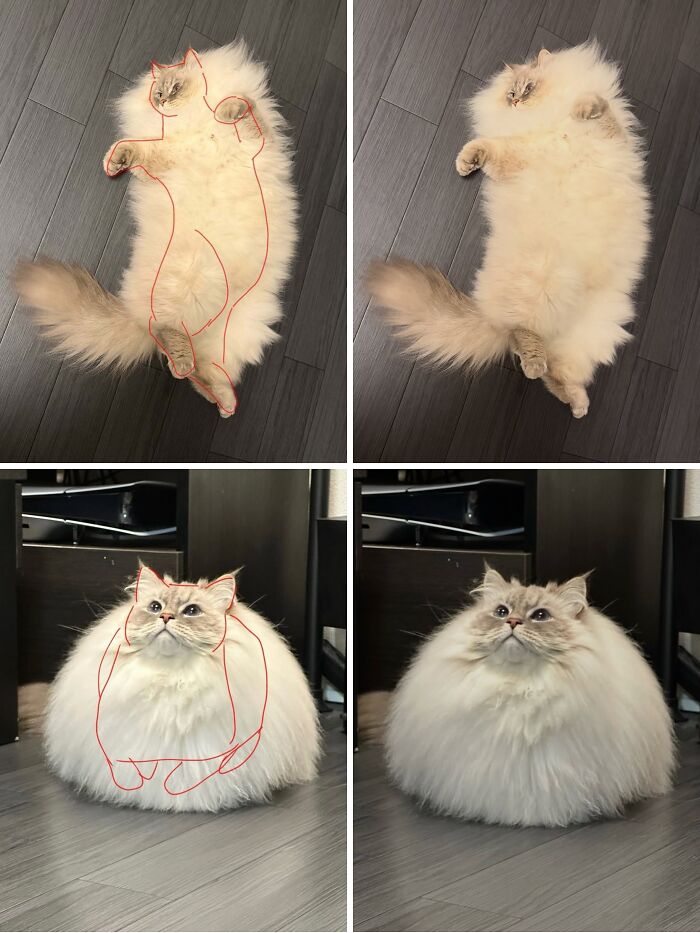
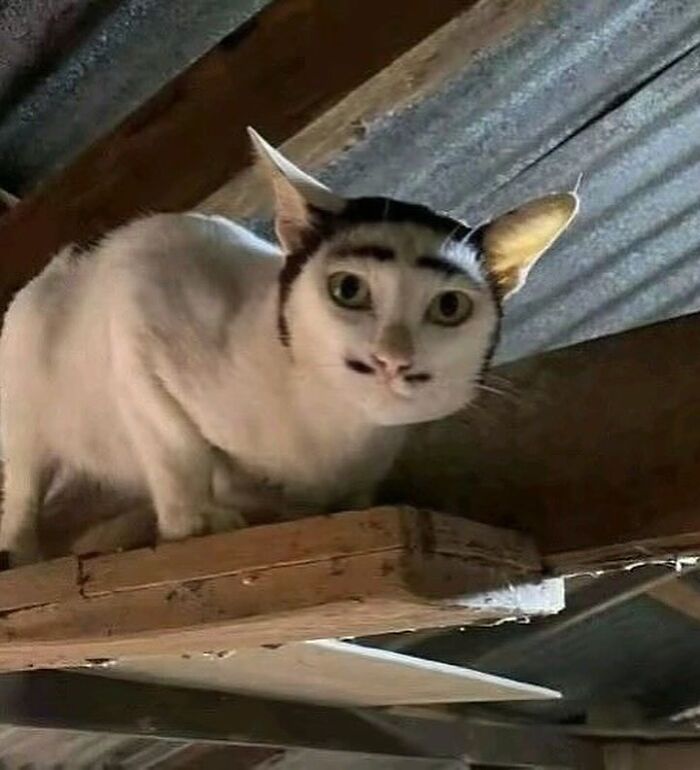
Overlayed sketches of a Siberian cat’s true form.
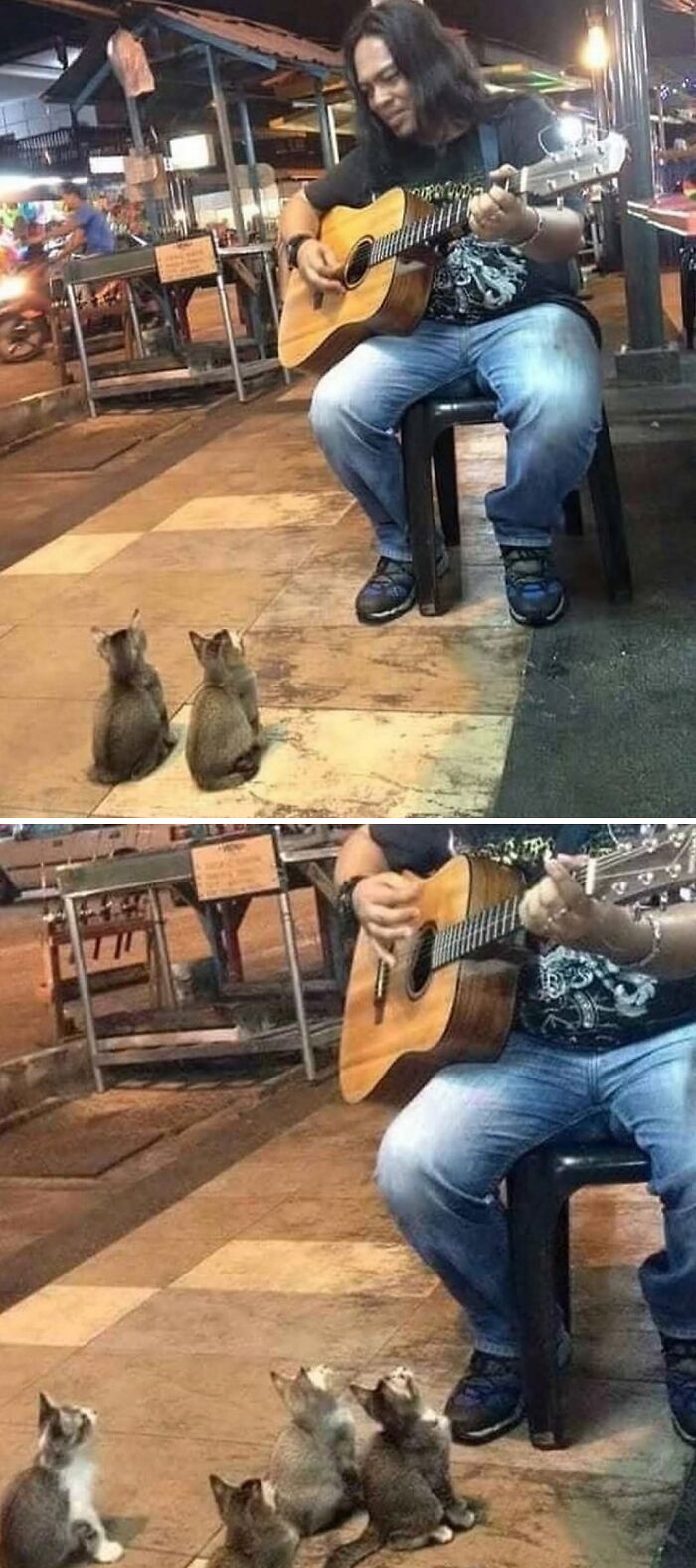
This street singer was ignored by everyone until a group of stray cats showed up to listen to his music.
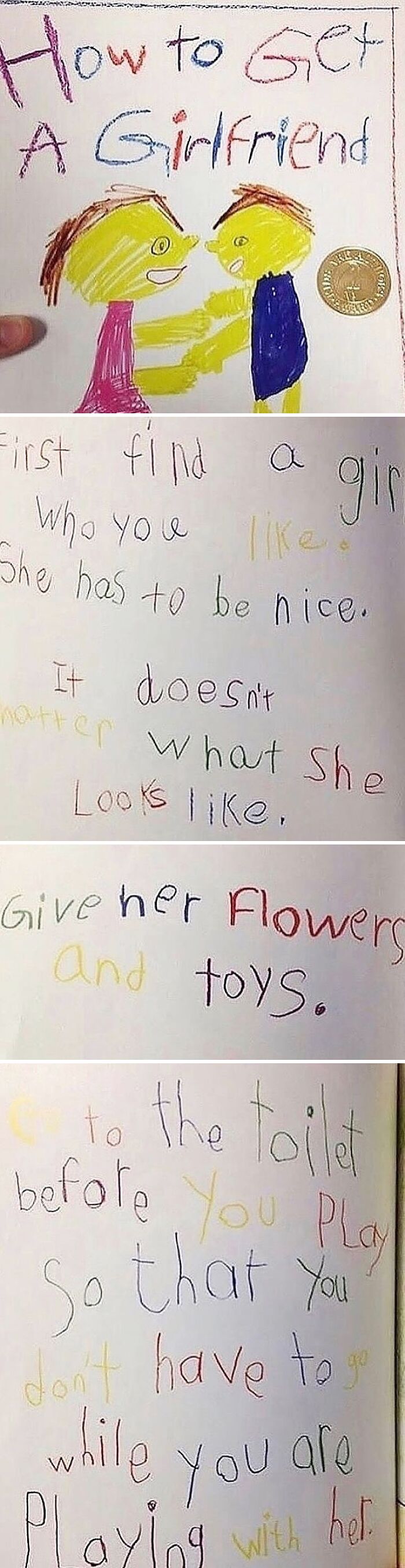
This kindergartener wrote a book on how to get a girlfriend for his classmates, it has achieved a 4/5 star rating online.
Imagine you are sitting on your couch after a long day and scrolling through your favorite social media feed when you suddenly see a picture of a golden retriever wearing a business suit and sitting at a desk with a serious expression. Even though there is no logical reason for a dog to be managing a hedge fund, you find yourself letting out a sudden burst of laughter. This reaction feels instantaneous and almost involuntary, but underneath that giggle is a complex web of neurological and psychological processes.
To understand why your brain reacts this way to a simple image, we have to look at the way humans evolved to process information and navigate social environments. The most widely accepted explanation for humor is known as the Incongruity Theory.
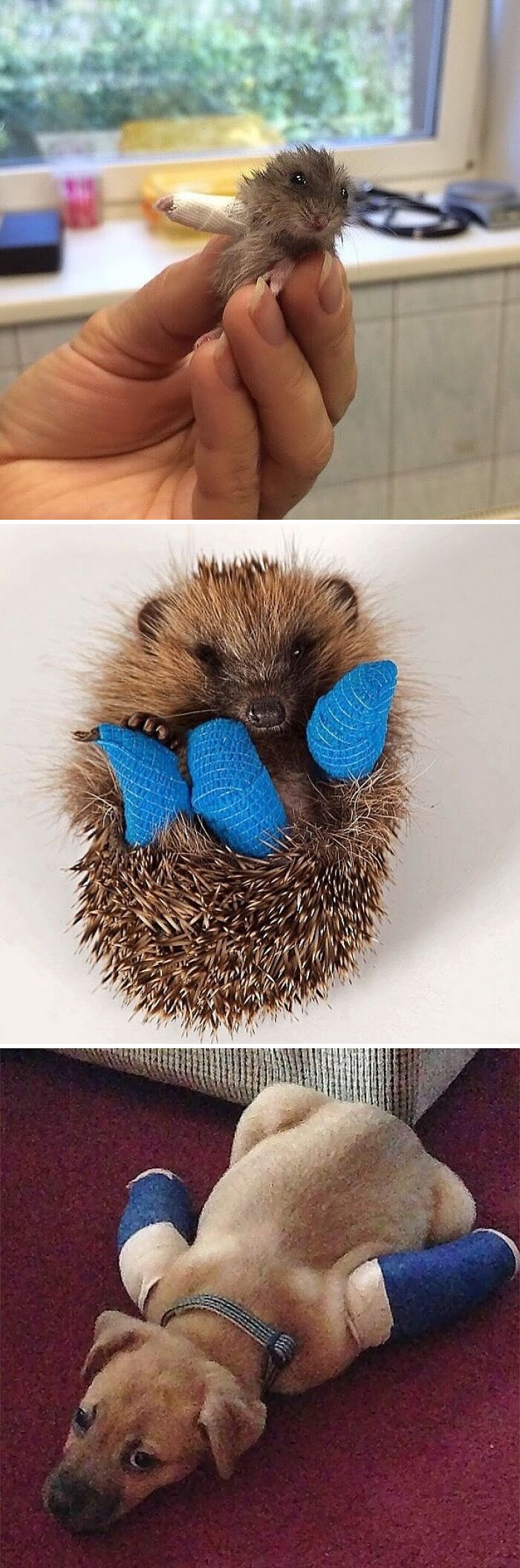
Animals with little casts to heal broken bones.
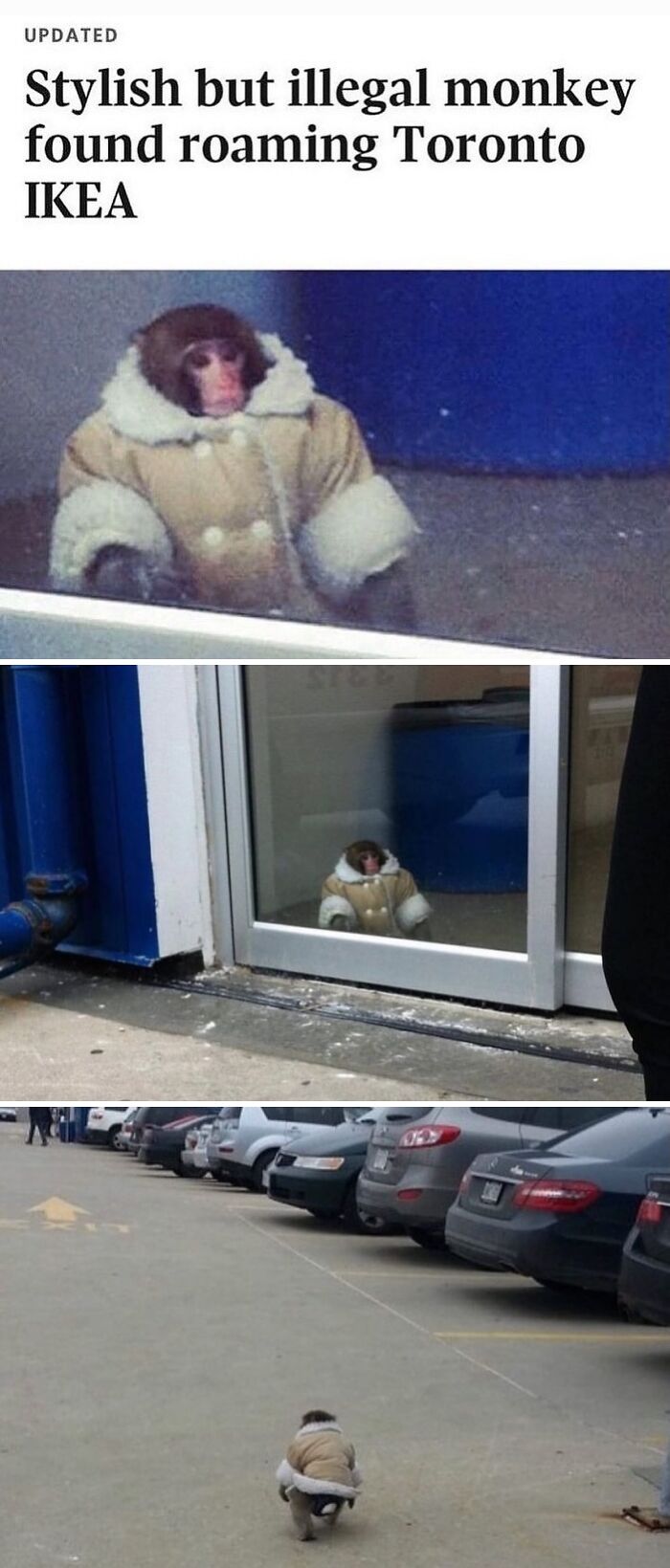
The monkey was identified as a Japanese rhesus macaque, a species that’s illegal in Ontario, and named Darwin. According to Toronto Police, Darwin had escaped from his owner’s vehicle, dressed in a shearling coat and a diaper, the monkey managed to open its crate, unlock the car door and go for a stroll in the IKEA parking lot.

You can go through an entire career in journalism and never get to write a headline like that. Some people have all the luck.
Our brains are essentially high speed prediction machines that constantly try to guess what will happen next based on our past experiences. When you see something that breaks your expectations in a way that is not threatening, your brain experiences a brief moment of confusion followed by a resolution. This cognitive shift is the cornerstone of how our brains process humor because it forces us to reevaluate the situation and find a new meaning in the absurdity.
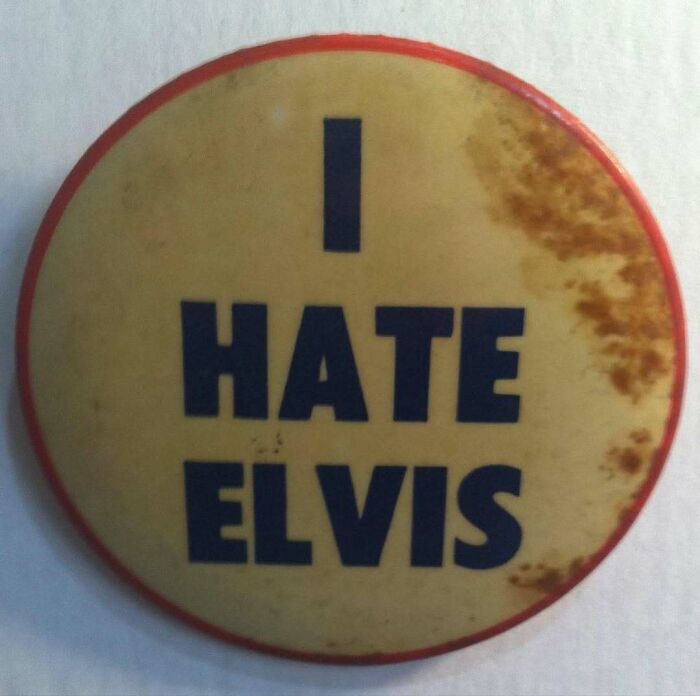
In the 1950s Elvis Presley’s manager sold “I Hate Elvis” badges as a way to make money from people who weren’t buying Elvis merchandise.
The randomness of internet culture has taken this concept of incongruity and pushed it to its absolute limit. In the early days of comedy, jokes followed a predictable structure with a setup and a punchline, but today a single image of a piece of bread falling over can go viral. This works because our brains are so accustomed to the standard patterns of the world that the most extreme deviations become the most rewarding.
Looking back C0VID was surreal, kinda like a dream everyone was stuck in together.
This is closely related to the Benign Violation Theory which was popularized by researchers such as Peter McGraw. This theory suggests that humor occurs when something is perceived as wrong or a violation of a norm, but it is ultimately harmless. A picture of a chaotic situation that would be stressful in real life becomes hilarious when it is framed within the safety of a digital screen. If you saw a literal explosion of cereal in your kitchen, you would be annoyed, but seeing a perfectly timed photo of a cereal box bursting open on the internet is a benign violation of order that triggers a laugh.
When you find something funny, your brain is actually performing a very sophisticated set of internal calculations involving several different regions. The prefrontal cortex works to understand the context of the image while the amygdala handles the emotional response. Once the brain realizes that the strange image is not a threat and is actually a clever play on reality, it triggers the release of dopamine.
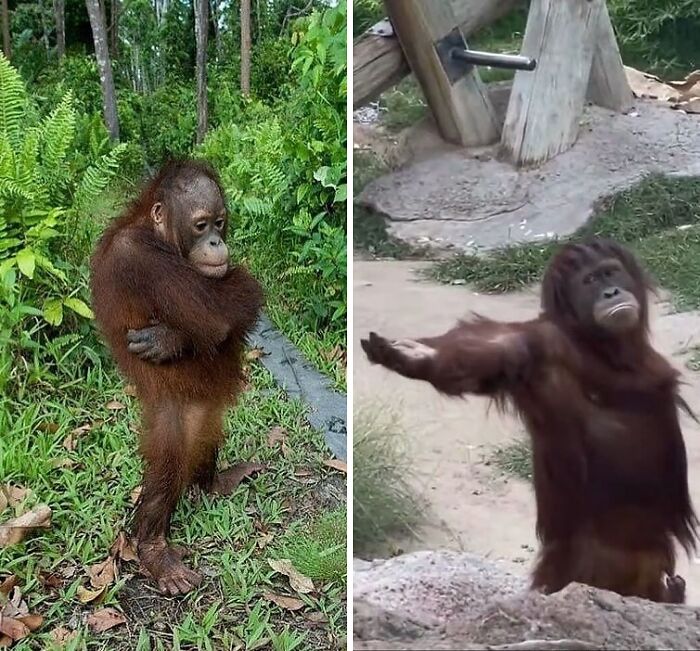
In sanctuaries, orangutans have been observed pretending to throw objects at their caretakers just to watch their reactions. They often repeat the act while still holding onto the item, clearly enjoying the prank as if it were a private joke.
This chemical is part of the reward system of the body and it provides a natural high that makes us feel happy and relaxed. This process explains why looking at funny pictures can be so addictive because our brains are constantly seeking that next little hit of dopamine that comes from a well timed joke or a relatable meme.
The physical act of laughter also serves a deep evolutionary purpose that goes beyond just feeling good. In ancient times, laughter was a vital social signal that told the rest of the group that a perceived danger was actually a false alarm. When you share a funny picture with a friend, you are engaging in a modern version of this social bonding.
Laughter is contagious because it is a way for us to synchronize our emotions and build a sense of community. Research from Psychology Today highlights that humans are much more likely to laugh when they are with others than when they are alone. By sending a random or funny picture to someone else, you are strengthening your social ties and creating a shared language of humor that helps you navigate the complexities of life together.
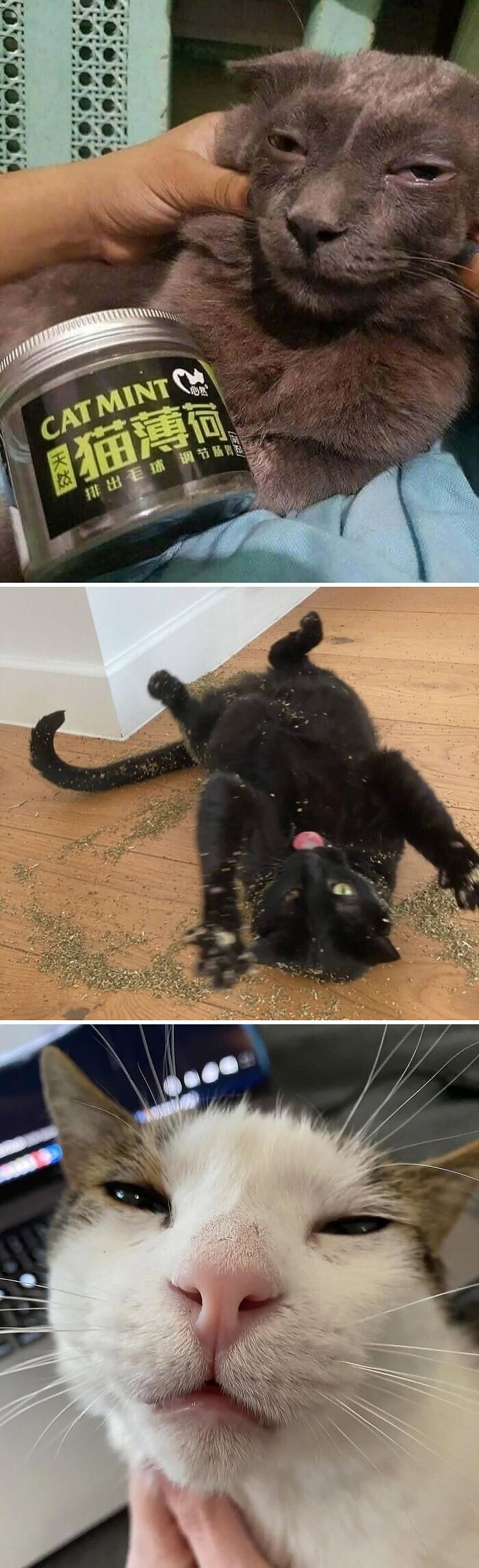
Nepetalactone, an essential oil found in the catnip plant, stimulates cats. When cats sniff, ingest, or rub against catnip, the compound binds to receptors in their noses, triggering a euphoric reaction.
YouTuber Sunday Monday Sank sank a Handsome Squidward statue into the ocean to prank future archaeologists. Before doing it, he even consulted a professor to make sure it wouldn’t cause long term damage to the sea.
As the internet continues to evolve, the humor we find there becomes more abstract and surreal. This is because we are exposed to so much information every day that our brains require increasingly unique and strange stimuli to trigger that same sense of surprise and delight. What was funny ten years ago might feel stale today because we have already integrated those patterns into our understanding of the world.
This constant search for the new and the weird is what drives the creation of deep fried memes and nonsensical internet trends. Ultimately, laughing at a random picture is a sign of a healthy and active mind that is capable of finding joy in the unexpected and the absurd. It is a testament to the creativity of the human spirit and our ability to find a reason to smile even in the most chaotic corners of the digital world.
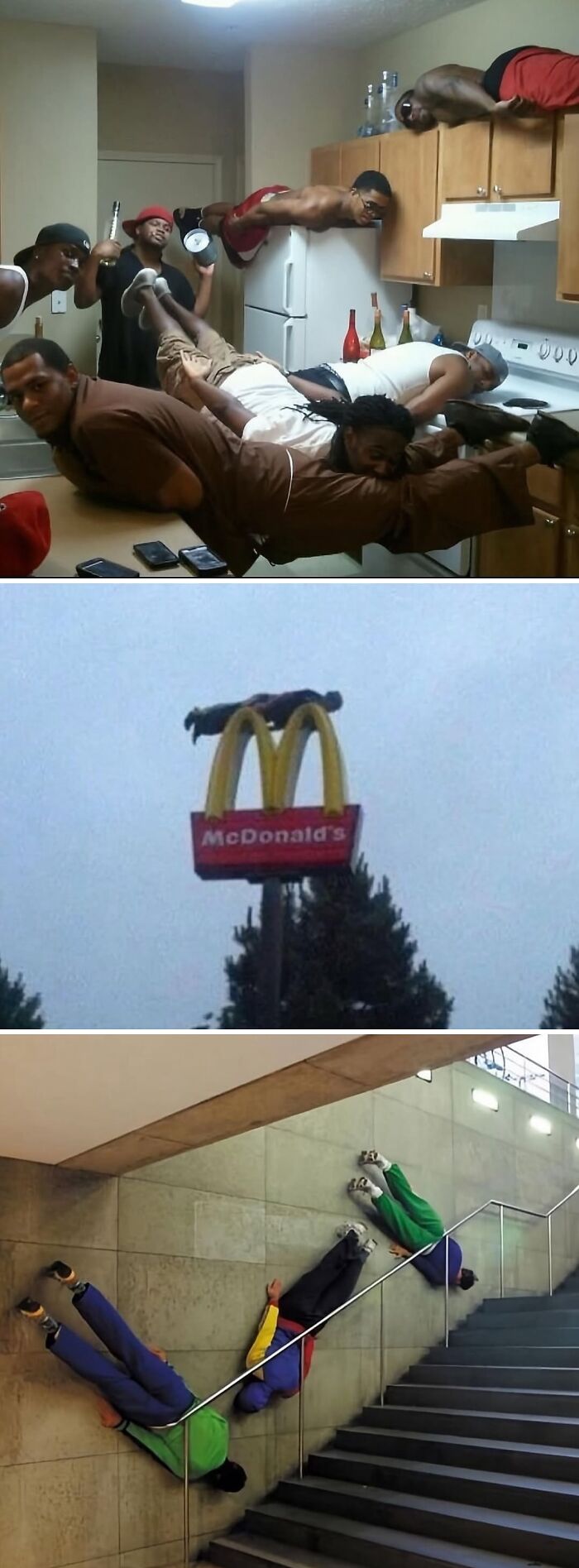
The planking trend in the 2000’s
In the early 2010s, a trend known as planking emerged and took the internet by storm. The trend involved people lying face down in interesting public places, taking photos of these unusual poses, and then sharing them on social media platforms like Facebook.
“Hostile Designs” – An architectural design strategy that uses elements of the built environment to purposefully guide or restrict behavior. Most hostile designs are intentional, while others are just bad architectural works.
The structural components used for these restrictions are usually harmful, such as metal spikes on floors, tilted seats, armrests and dividers on benches to prevent lying down, as well as rough-textured surfaces to prevent skateboarding.

None of the above is hostile design. First is funny, second is stupid, the third is binding nature
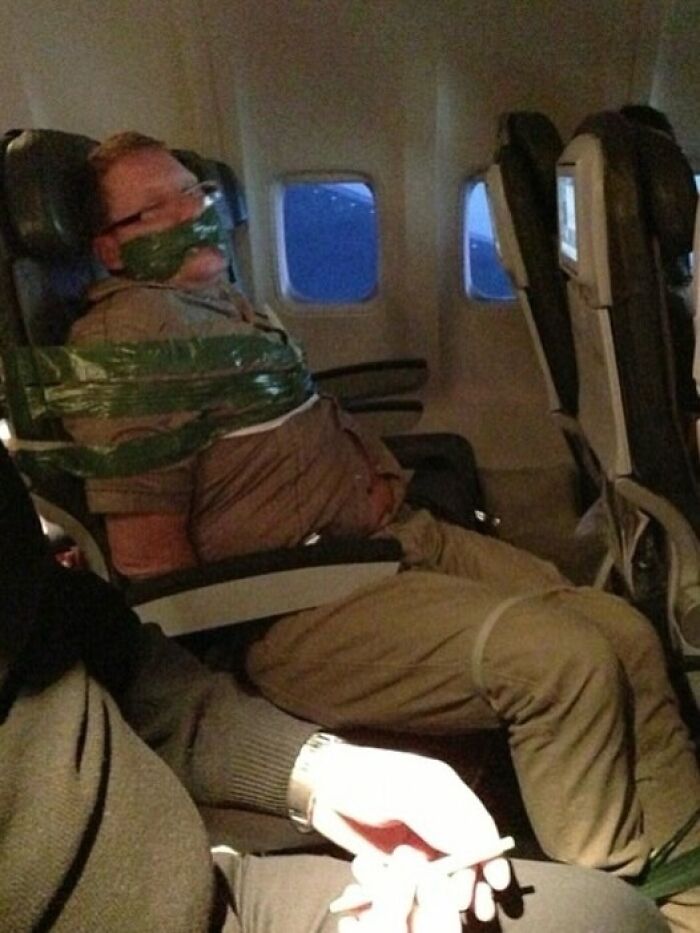
The moment a drunken passenger was taped to his seat during a flight to nyc after “trying to choke one woman and ranting the plane was going to crash” (2013)
He allegedly “drank all of his duty free liquor on the flight from Iceland to JFK.”
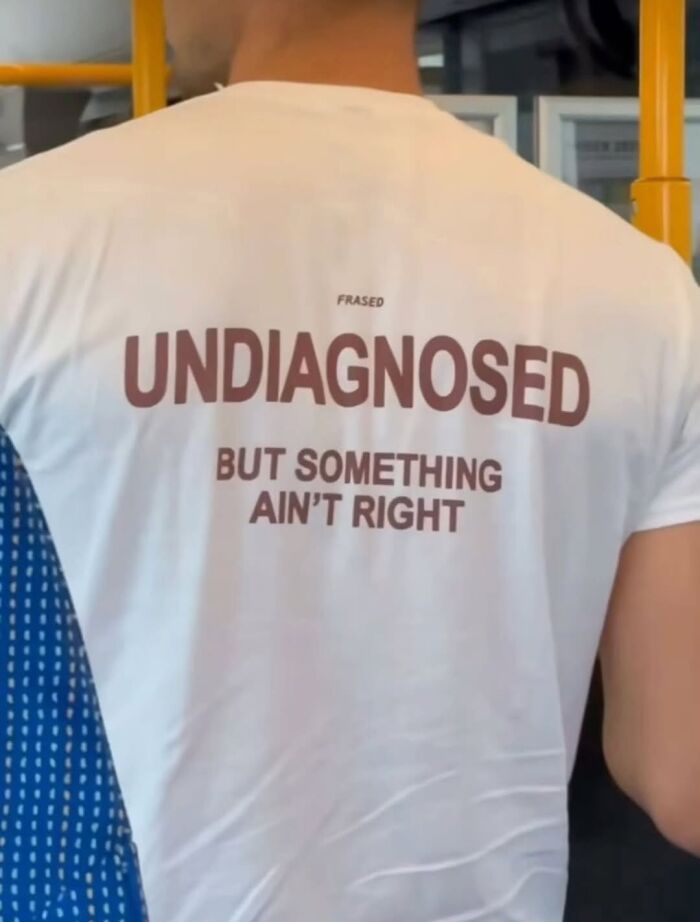
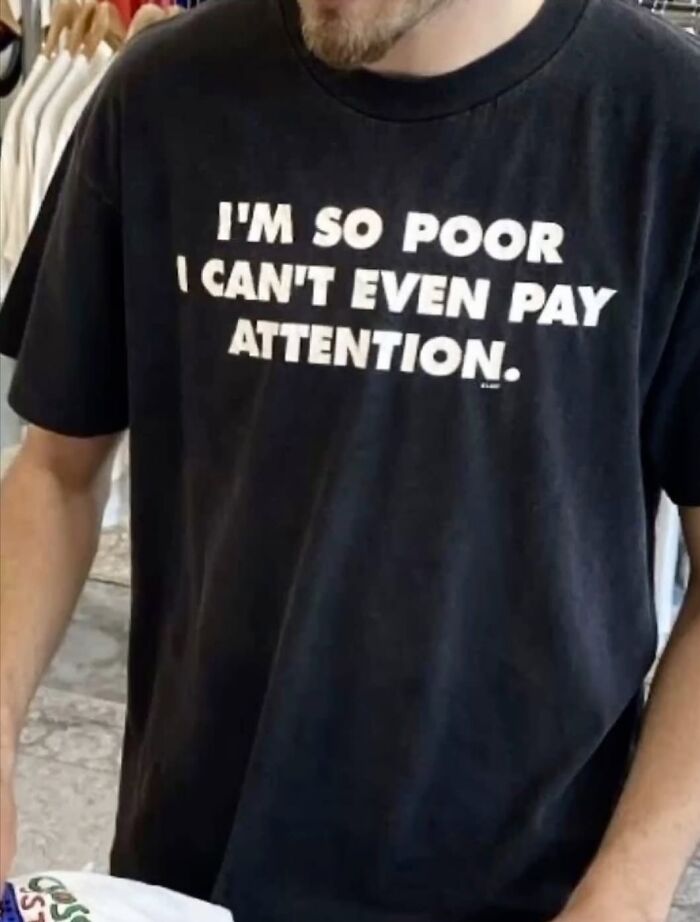
A 2020 study found that over 40% of people who wear shirts with strange or ironic slogans do it to start conversations or show their sense of humor

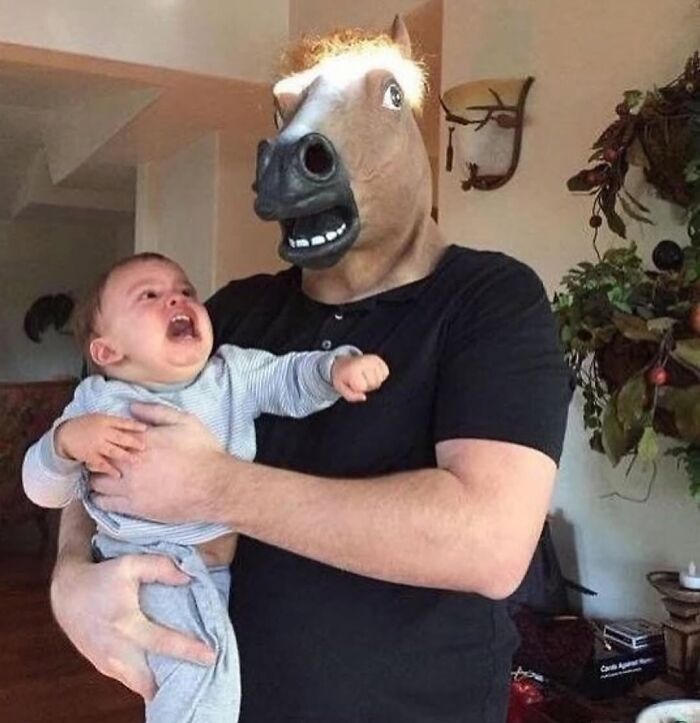
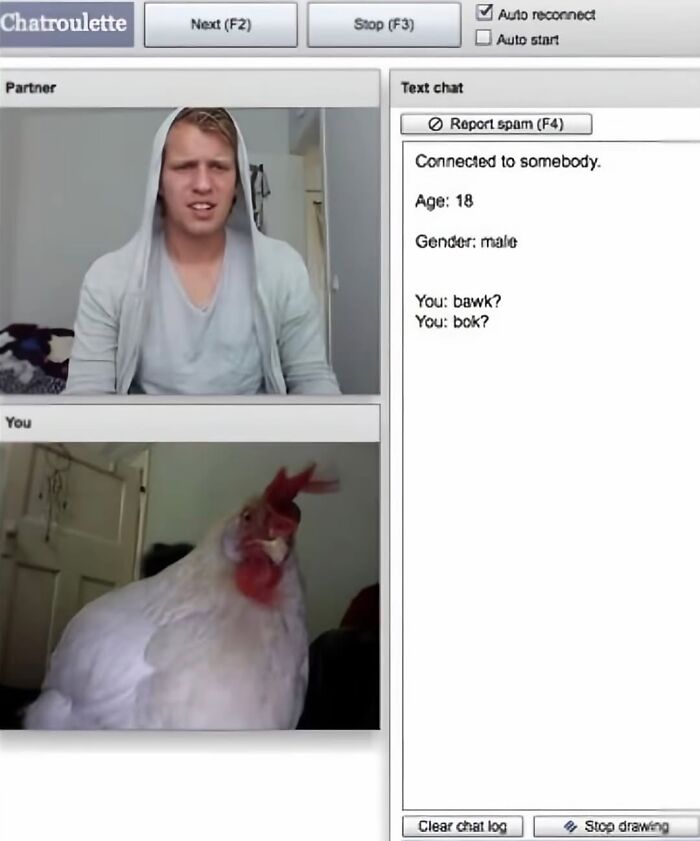
If I looked up, and seen a man with a horses head, I'd have the same expression
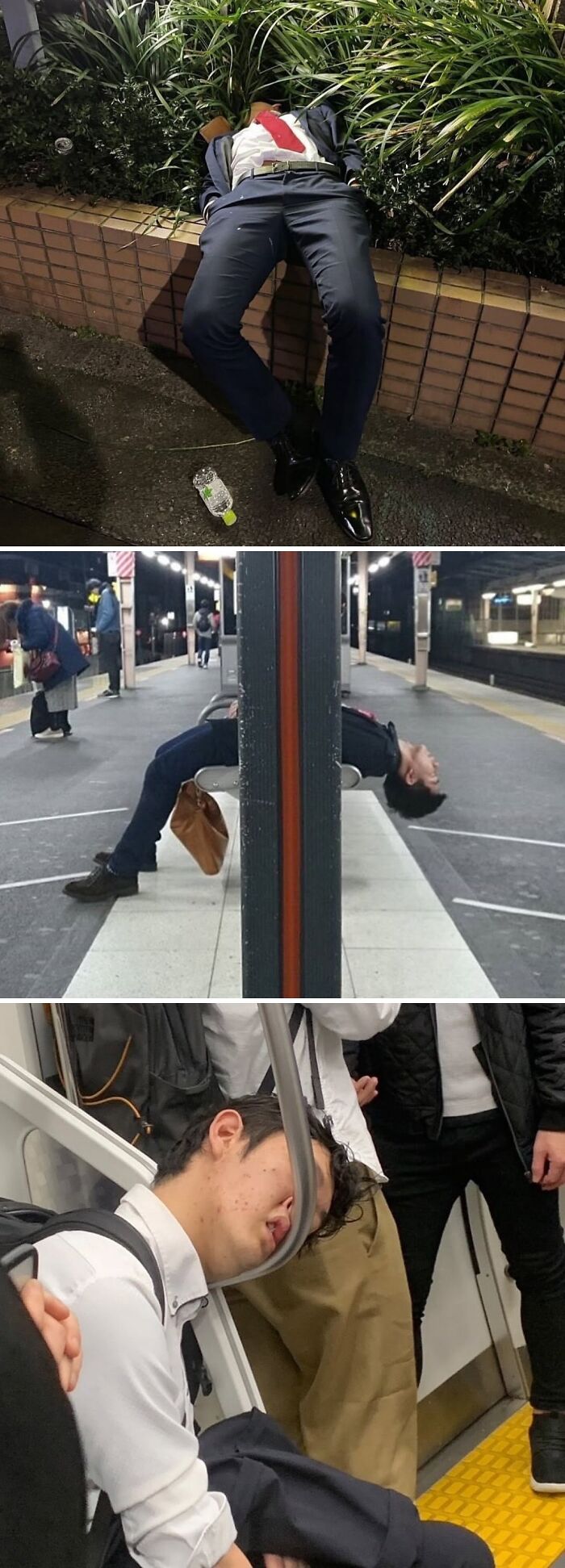
A visual documentation of Shibuya’s drunk and tired businessmen in Japan.
I want to know if this is going as well as the child thought it would.
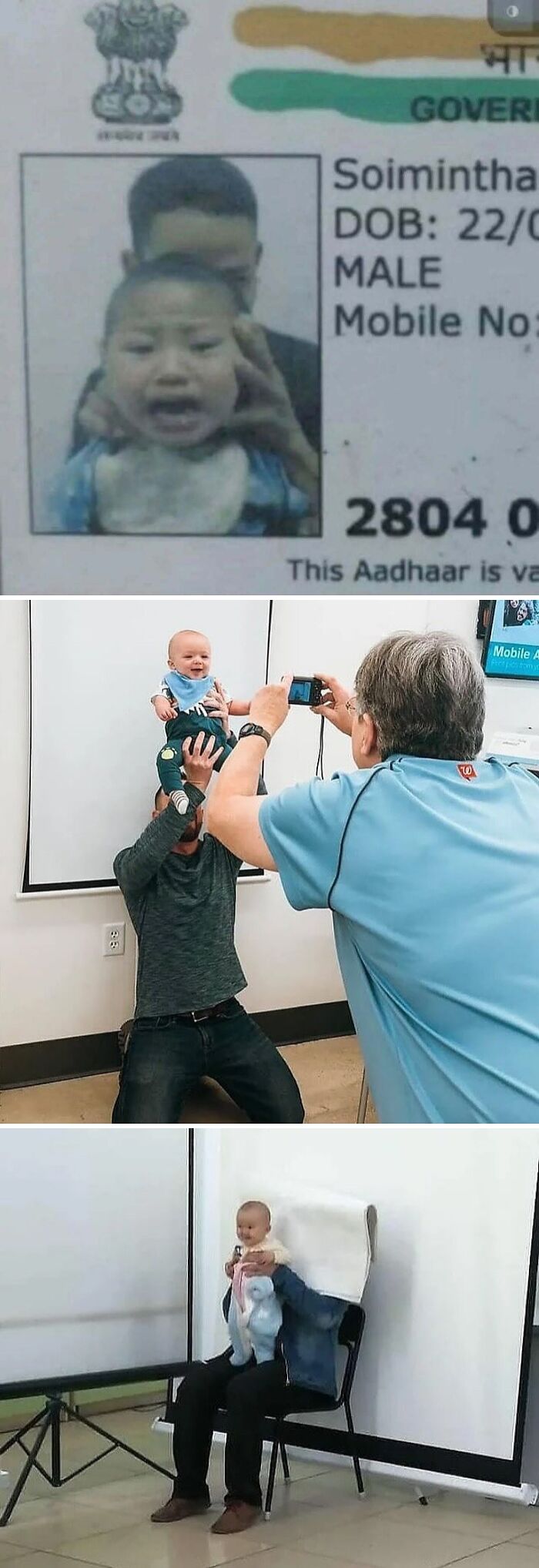
Most babies under 2 need their eyes open and face fully visible for a passport photo… easier said than done. Parents end up struggling to hold them up, or become the background altogether.

Me when I wake up after having one side of my face buried in my pillow :P
What is this? A guitar for Autobots? (G1 Jazz, specifically ;)
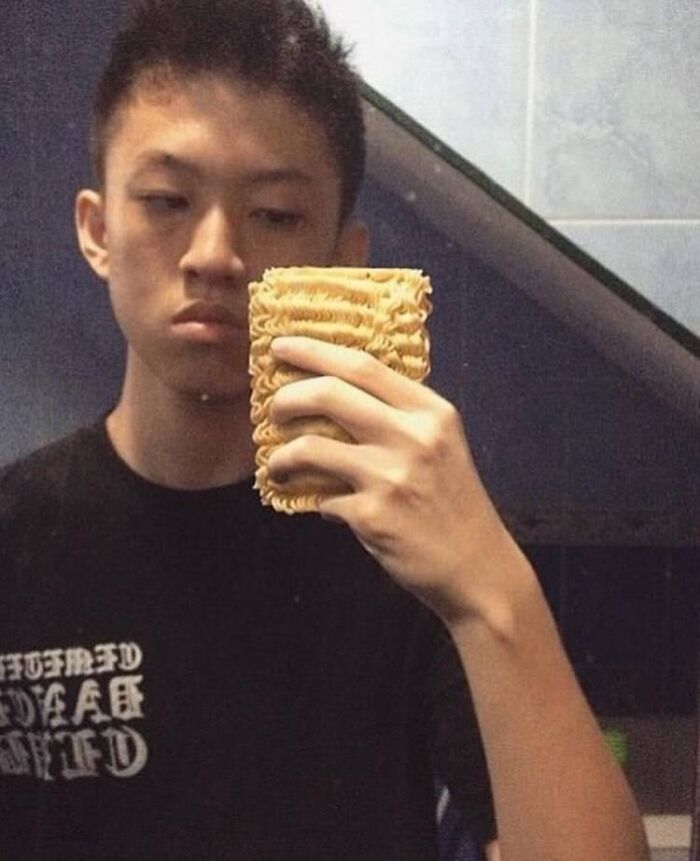
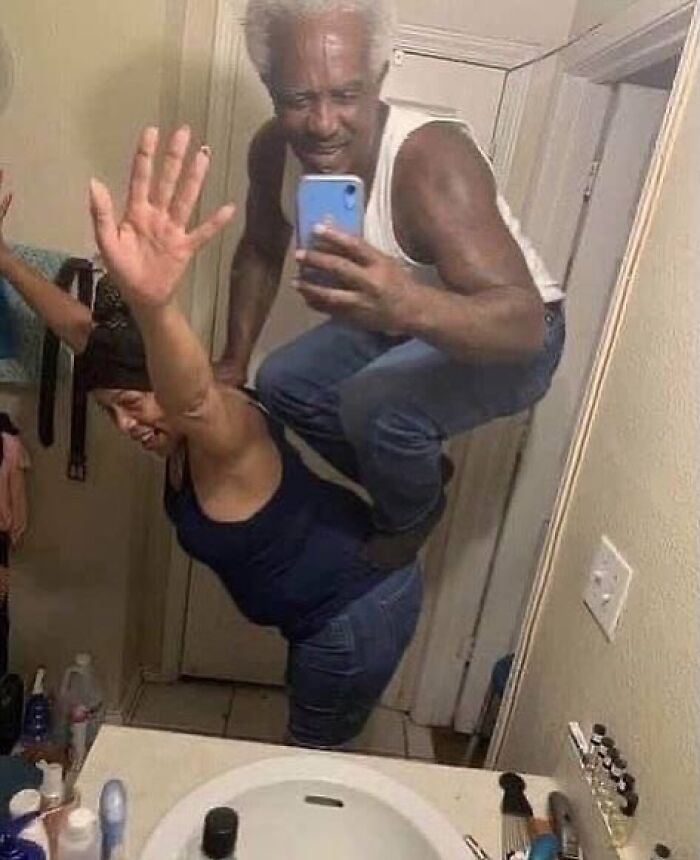
In the 2000s, the first “selfies” were taken in mirrors, since old cell phones didn’t have front-facing cameras. People would stand in front of their bathroom mirrors, flip their phones around, and hope the picture ended up centered. Years later, mirror selfies slowly came back as an easy way to photograph yourself.
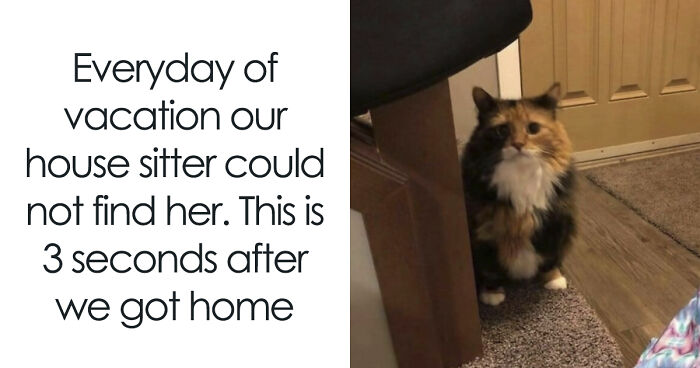
A 2019 study in Scientific Reports confirmed that cats can distinguish their name from other words, even if they choose to ignore you anyway.
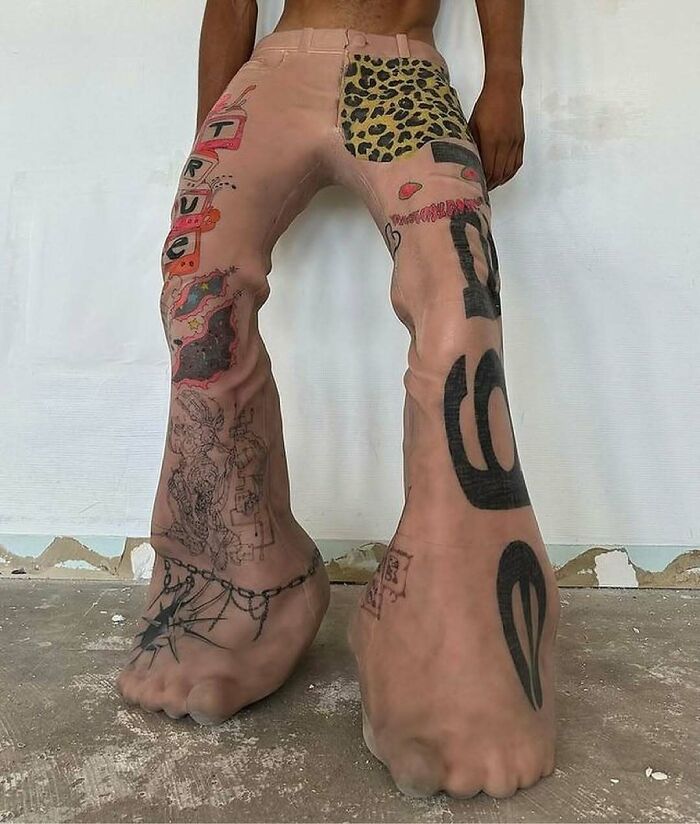
‘Bigfoot’ silicone pants featuring real tattoos done by various artists for Rohan Mirza’s FW24 Collection.












 No fees, cancel anytime