Get Premium
Dark mode theme is available exclusively for premium users. Learn more about the benefits of subscribing.
No fees, cancel anytime.

 Dark Mode Ad-Free Browsing Unlimited Content
 Ad-Free Browsing Unlimited Content Dark Mode
Join 1.2 million Panda readers who get the best art, memes, and fun stories every week!
To look at how society has changed over time, we don’t just have to rely on history books. Sometimes, the proof is sitting right under our noses.
To spot it, you could rummage through a drawer and find an old iPod. Or take a trip to your grandma’s house, open her closet, and see what her generation used to wear. Or you can look at something people used to see every single day: the ads of the past.
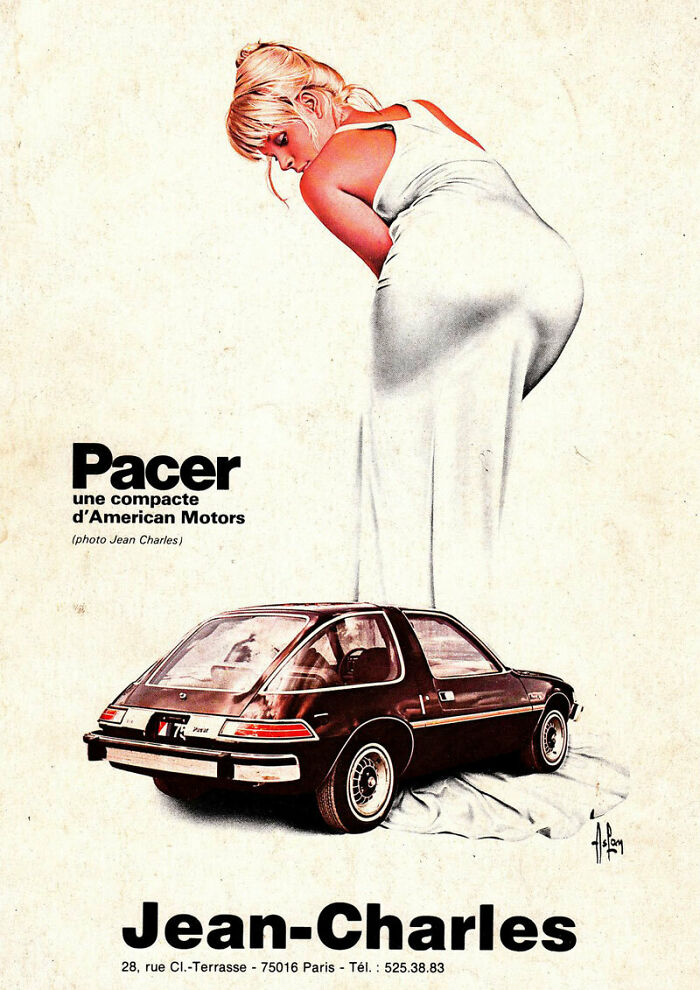
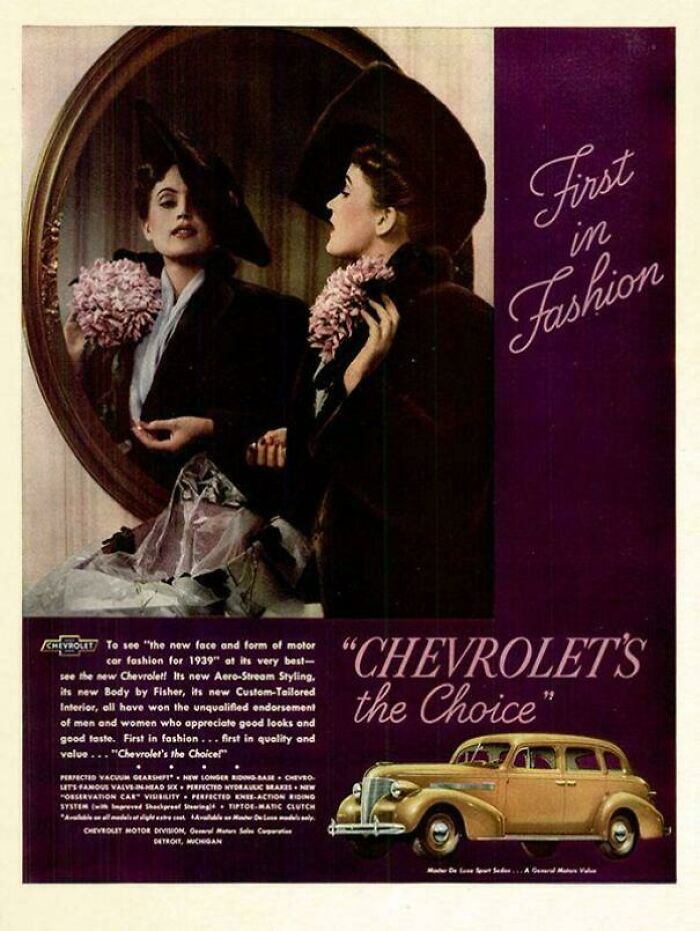
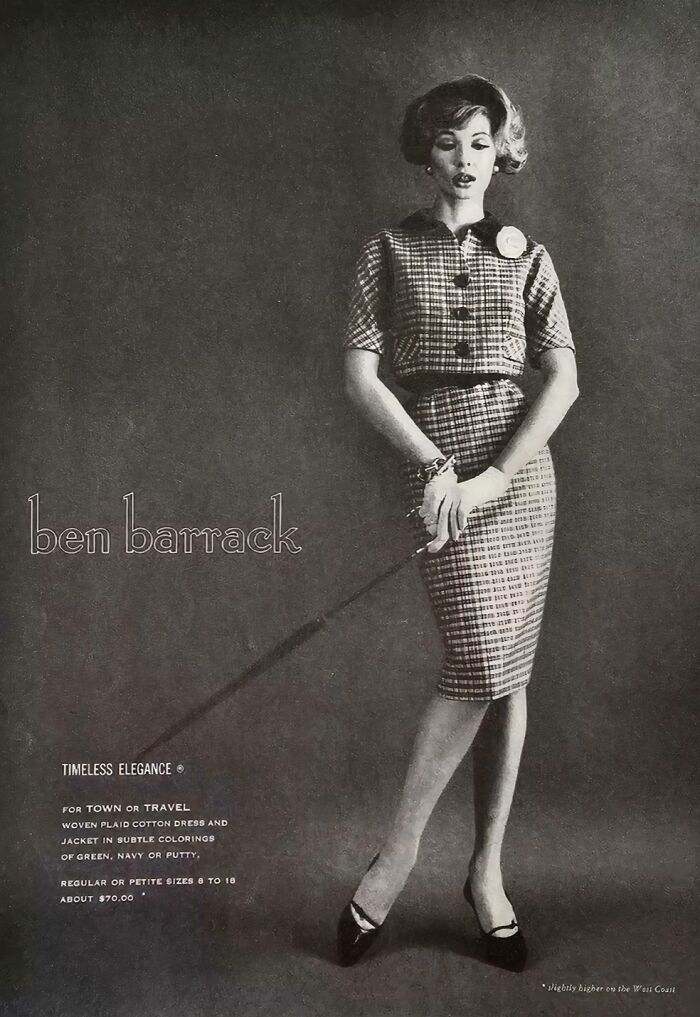
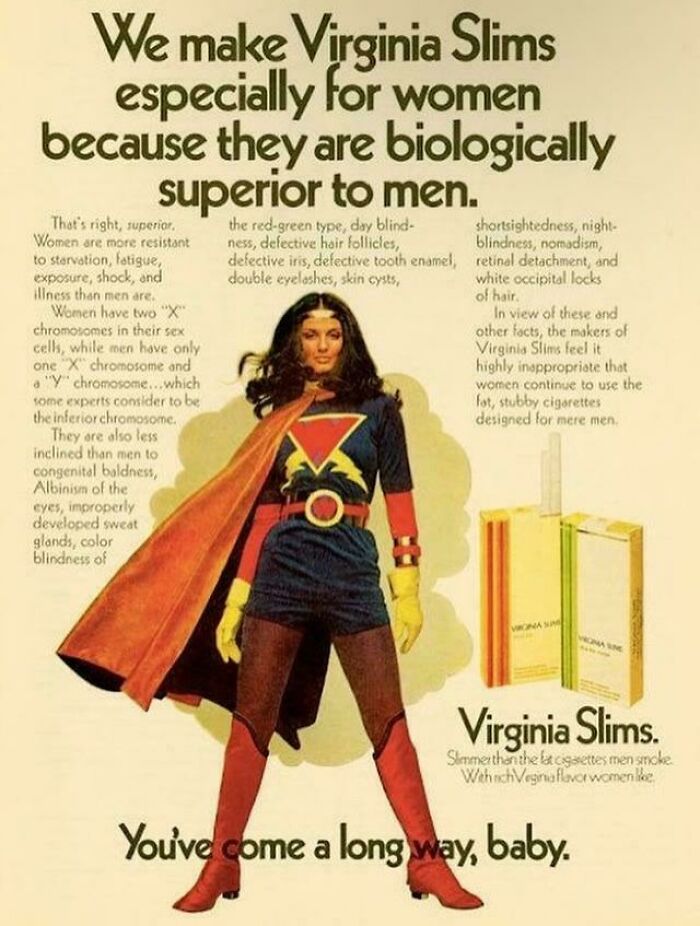
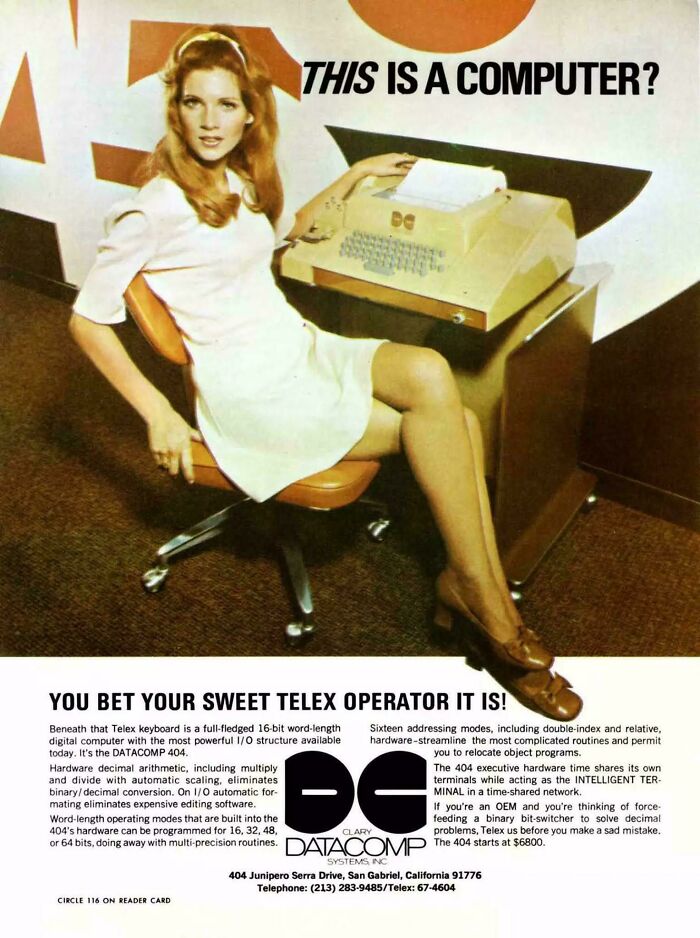
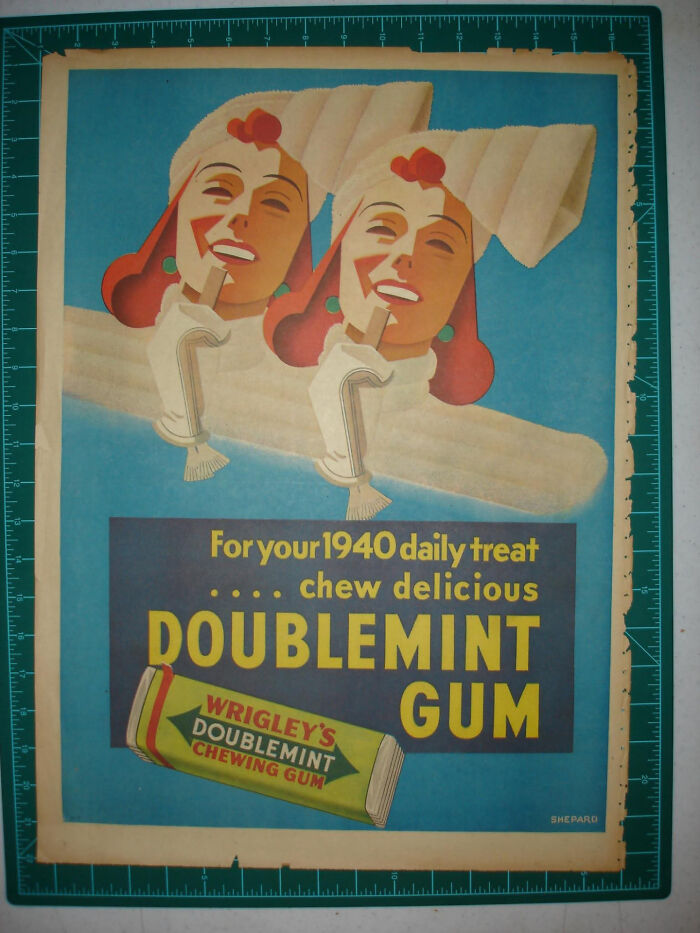
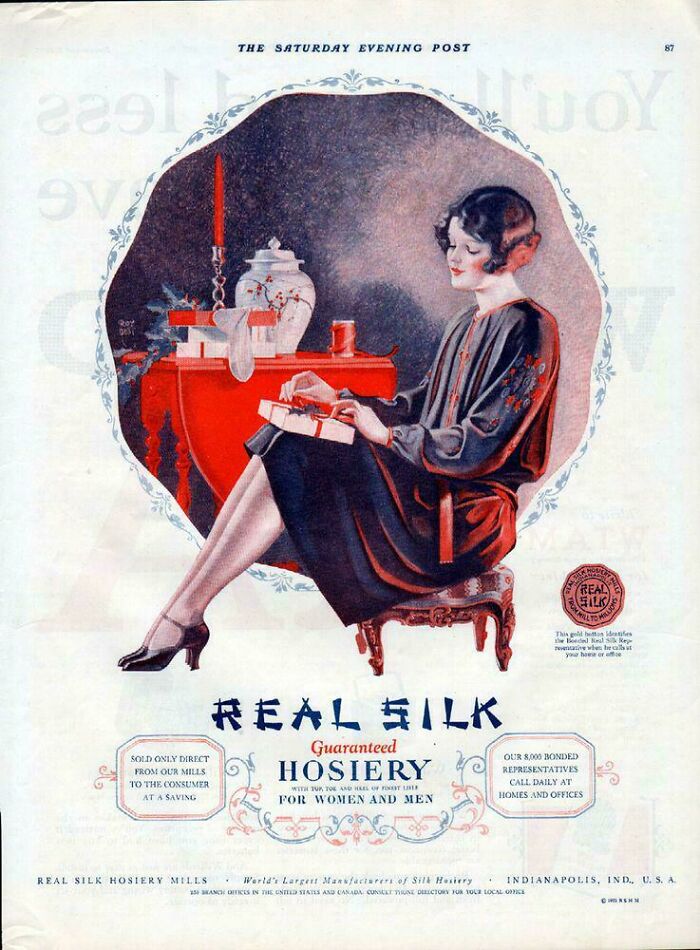
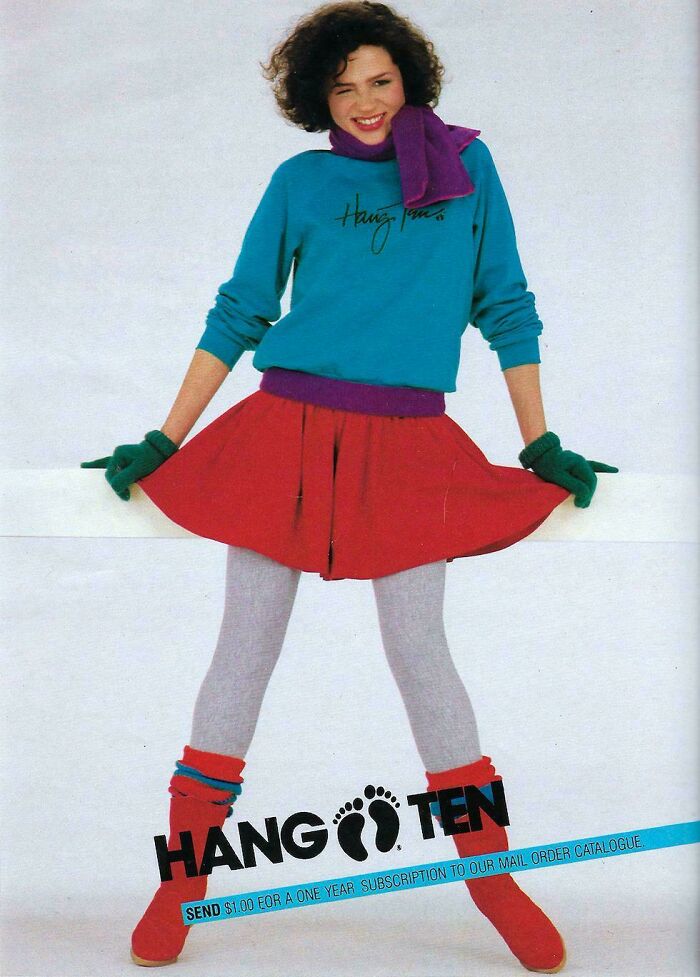
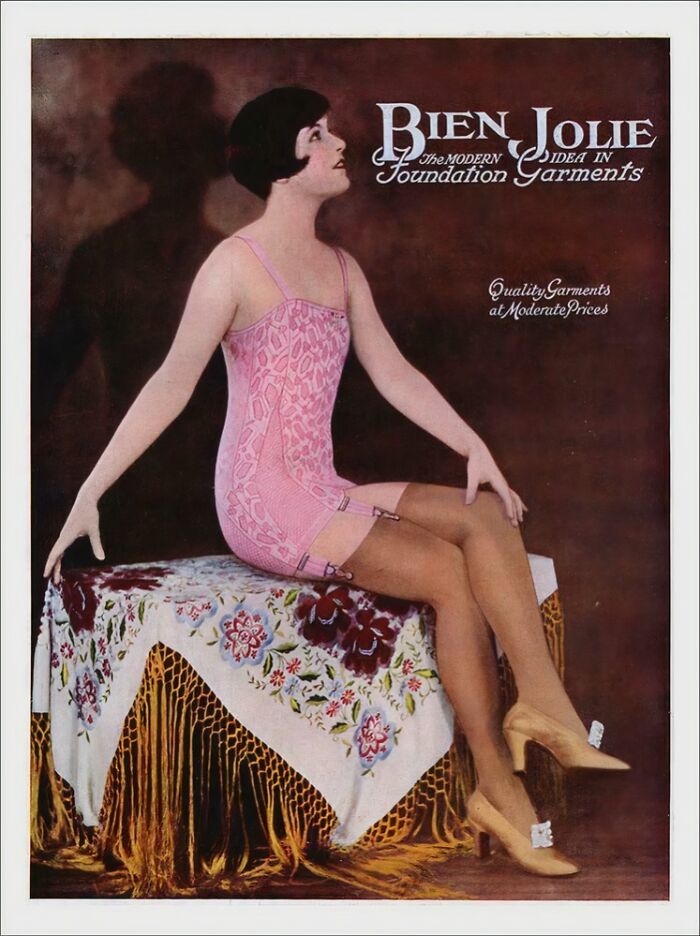
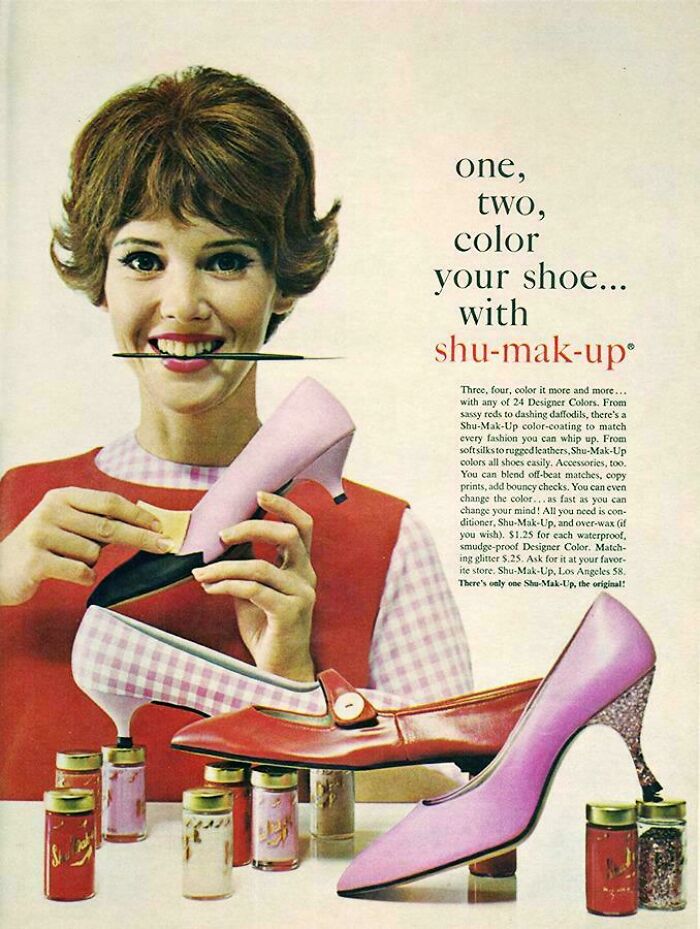
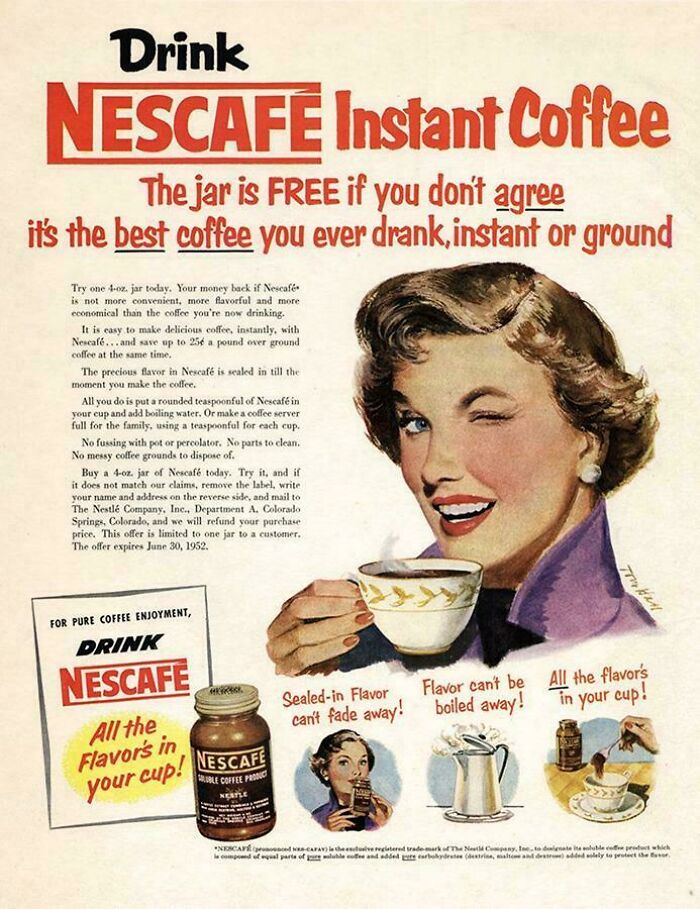
And when it comes to vintage ads aimed at women, they’re especially telling. On top of selling products, they also reveal the values of the time, along with the labels that were placed on women. The design might be gorgeous, but the messaging doesn’t always age well. Check them out below.
This post may include affiliate links.

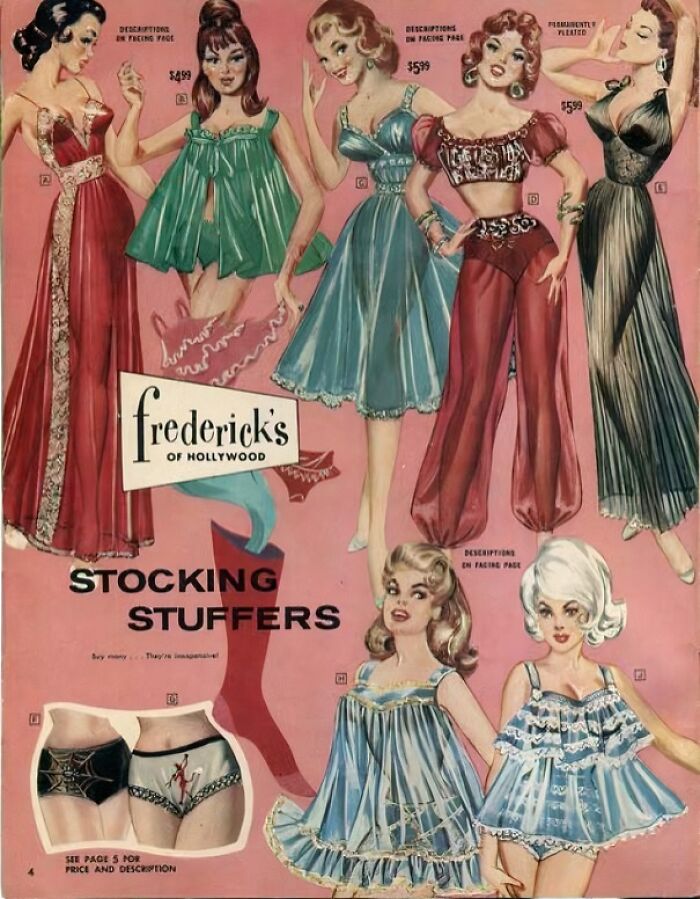
Fredrick 's of Hollywood sold very s**y, classy clothes back in the day.
Advertisements exist to sell us products. That simple truth has remained constant for over a century, even as the methods and messages have transformed beyond recognition. What has changed dramatically is our understanding of who gets targeted and how those targets are portrayed.


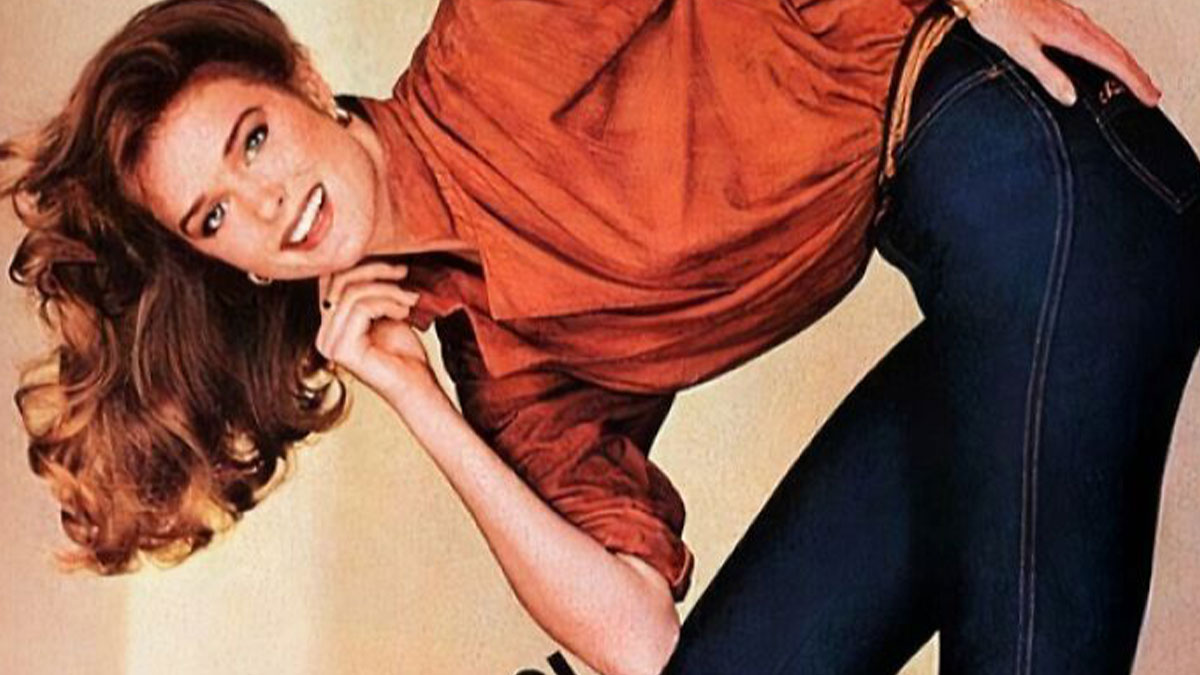
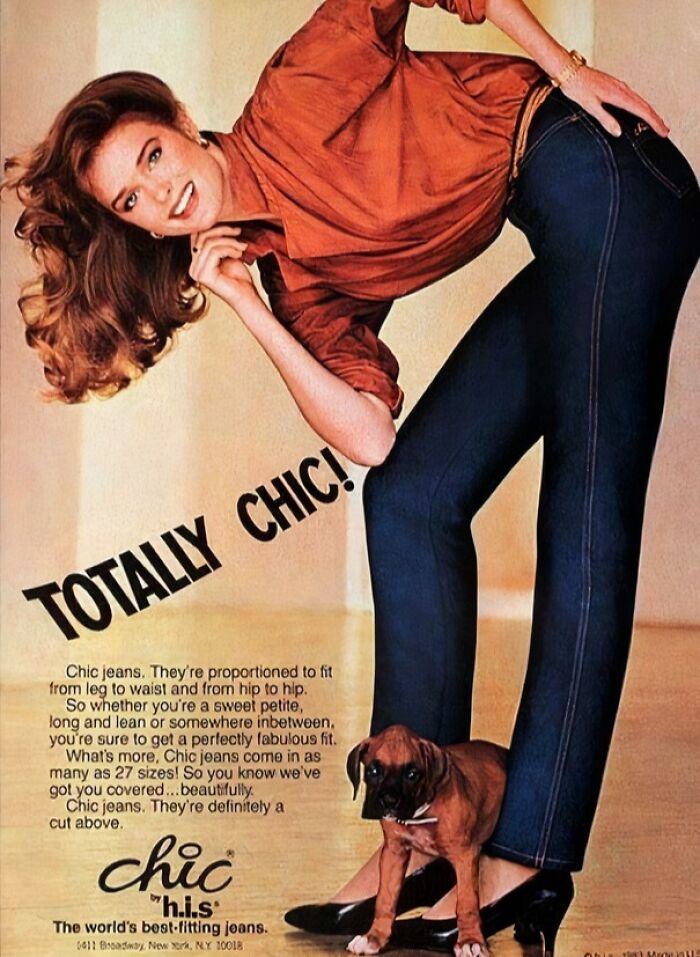
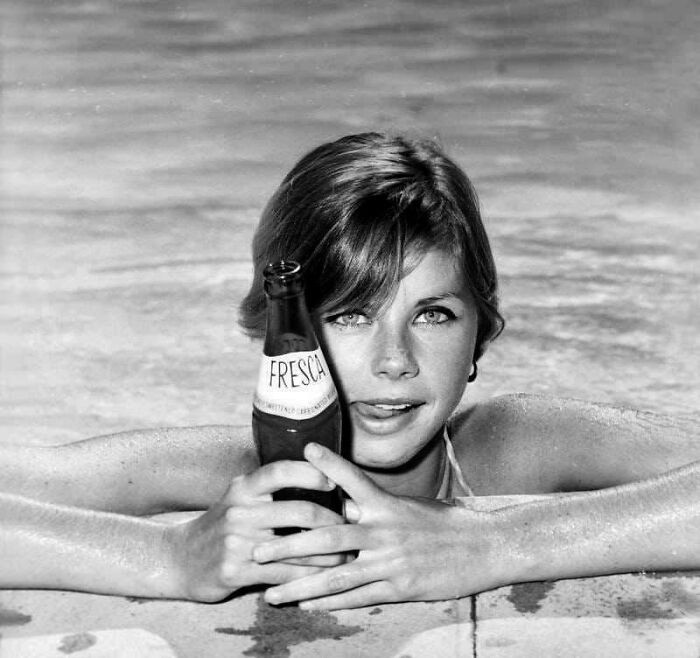
I still drink Fresca; and I like Jan Smithers; she was great at Bailey Quarters.
Women were recognized as a distinct consumer market long before modern advertising emerged. By the late 1800s, department stores and the culture around shopping already spoke directly to women and treated them as key customers.
What evolved over the decades wasn’t the recognition that women bought things, but rather the increasingly sophisticated psychological tactics used to influence those purchases.

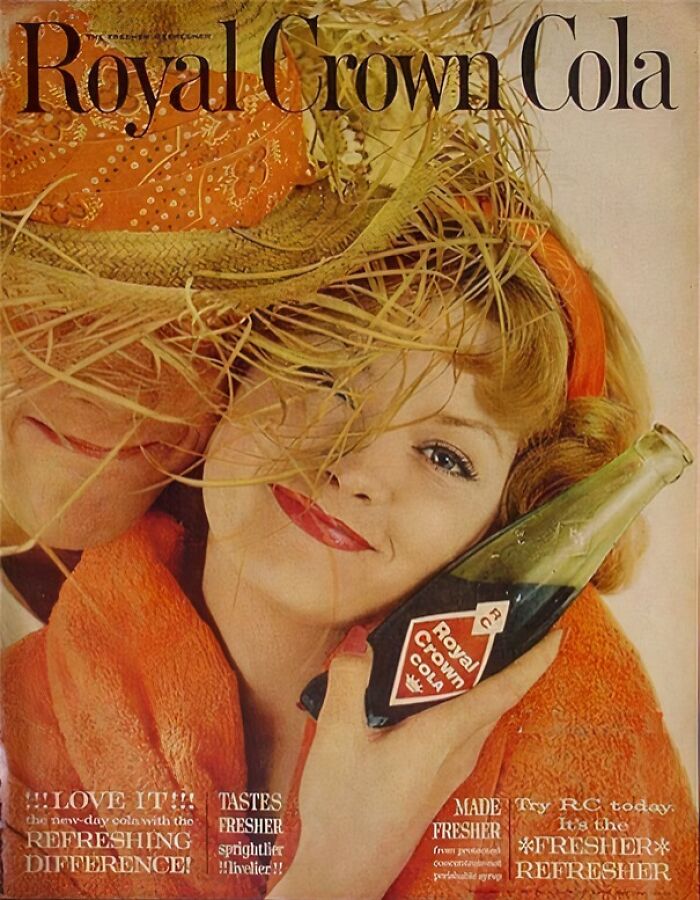
Oh that's what RC stands for. I thought it was just a generic store brand.
Soap companies became masters of speaking to housewives through guilt and aspiration. A 1930s Lysol campaign actually marketed the disinfectant as a feminine hygiene product, with ads suggesting that women who failed to use it risked losing their husbands.
The copy was clinical and authoritative, borrowing medical language to create anxiety where none existed before. The campaigns sold entire value systems about what made a woman worthy alongside the cleaning products themselves.
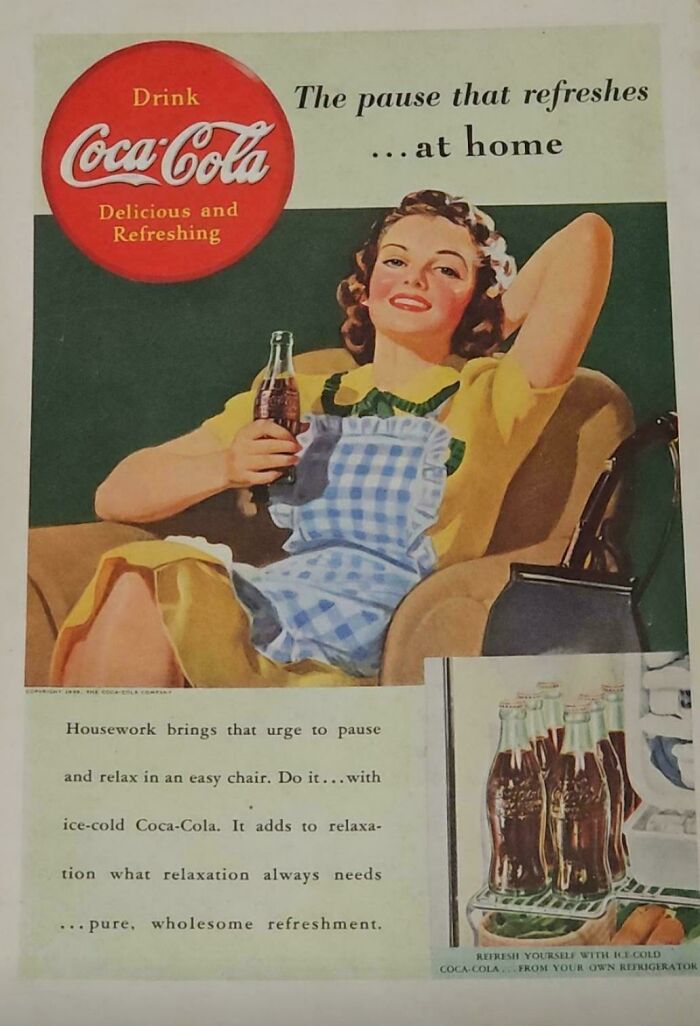
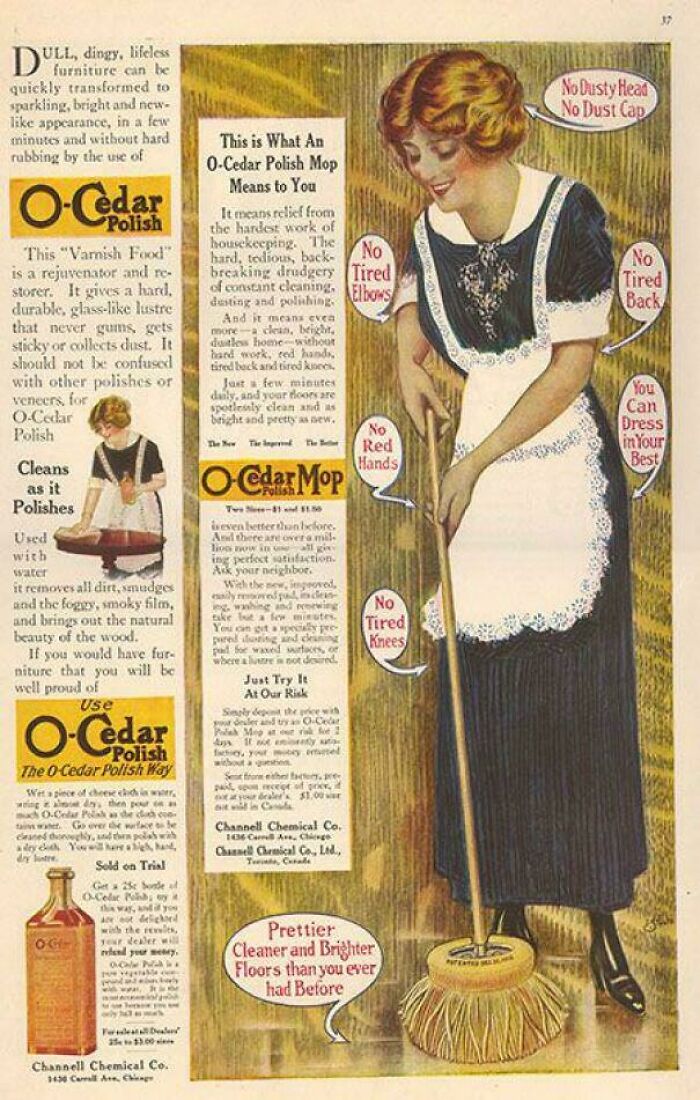
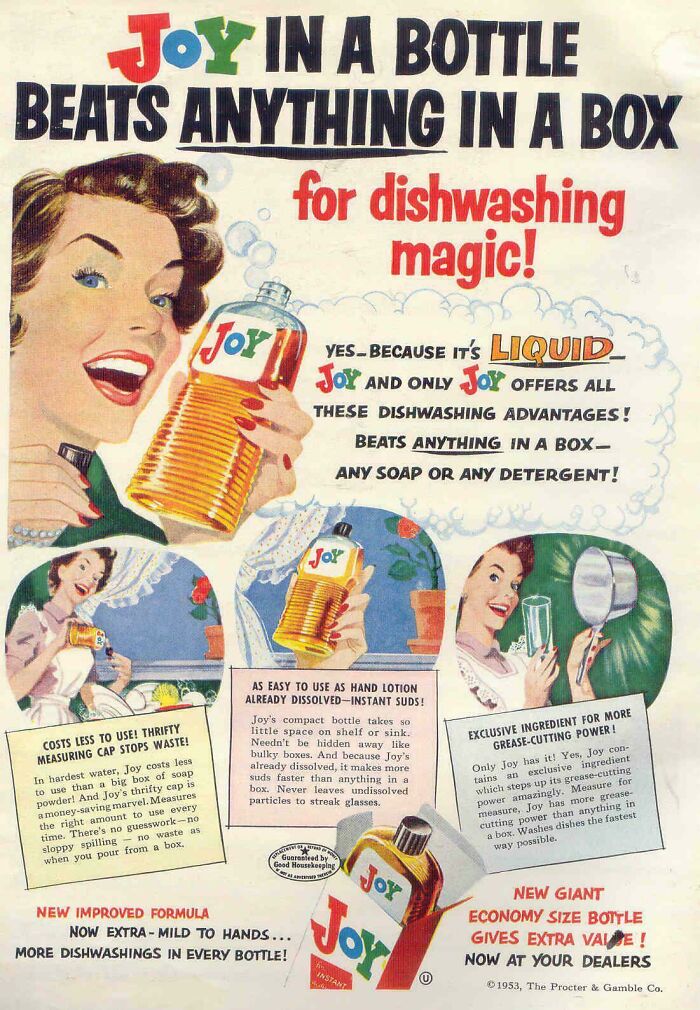
Kitchen appliances became central to advertising in the postwar boom. Refrigerators and washing machines appeared in ads as solutions to domestic drudgery, promising to transform the daily grind of housework.
A smiling woman in heels and pearls would pose next to her new vacuum cleaner, dressed as if ready for an evening out. The ads suggested that modern technology would make housework so effortless that women could look immaculate while doing it.
These machines were sold as labor-saving devices, yet the women in the ads always seemed to be performing for an invisible audience.

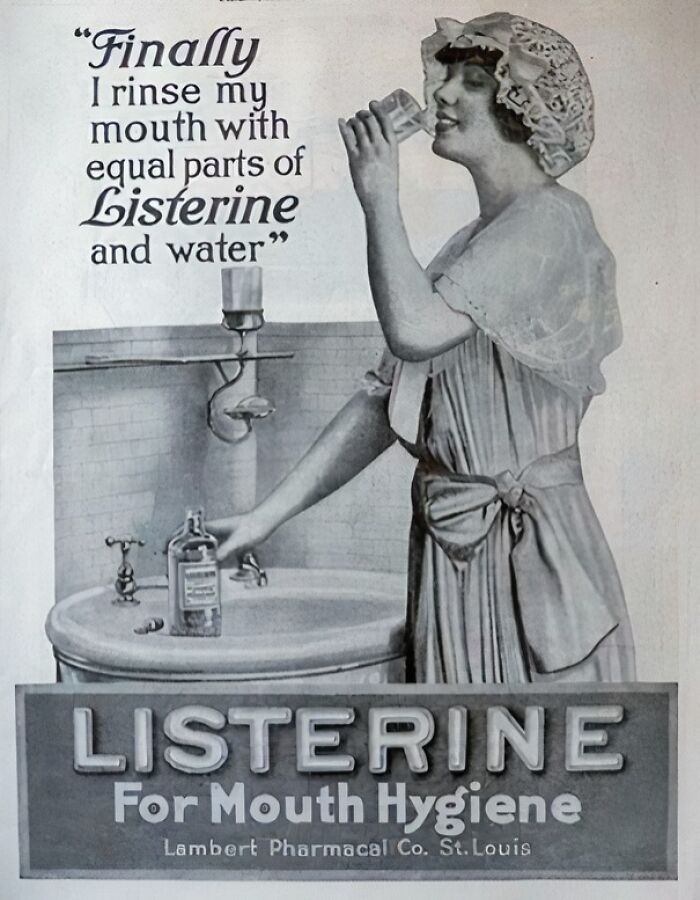
Listerine turned ordinary bad breath into a social disaster during the 1920s with their halitosis campaign. The ads featured stories about women like Edna, who remained a bridesmaid but never a bride because of her bad breath.
The campaign worked by suggesting that friends would never tell you about the problem, leaving you to face rejection without knowing why. Within seven years, revenues jumped from $115,000 to over $8 million as the company convinced people they had a medical problem that needed fixing.
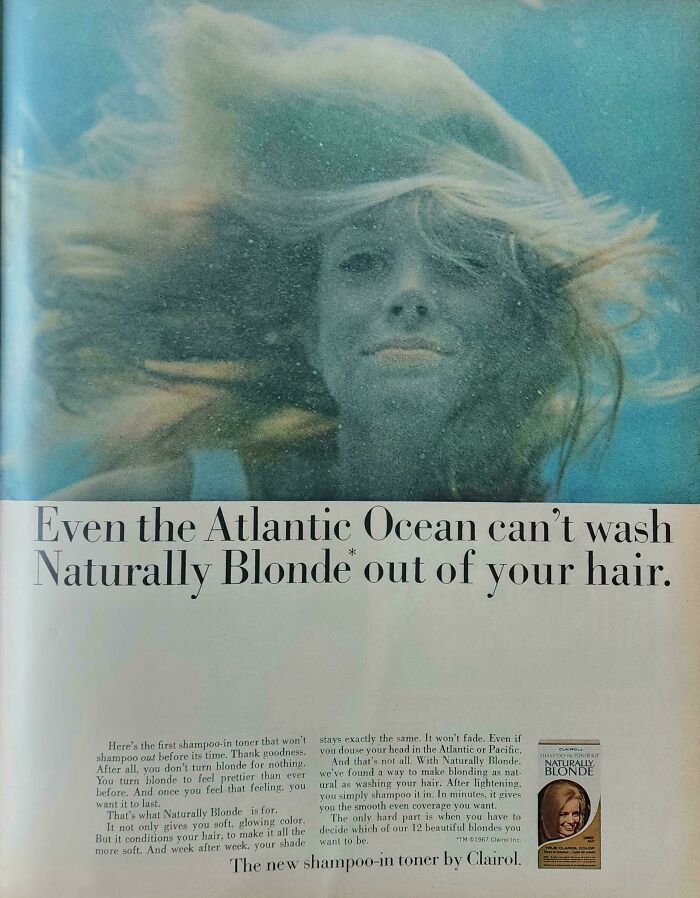
Last time I saw that hair style, Gary Oldman was playing Dracula.
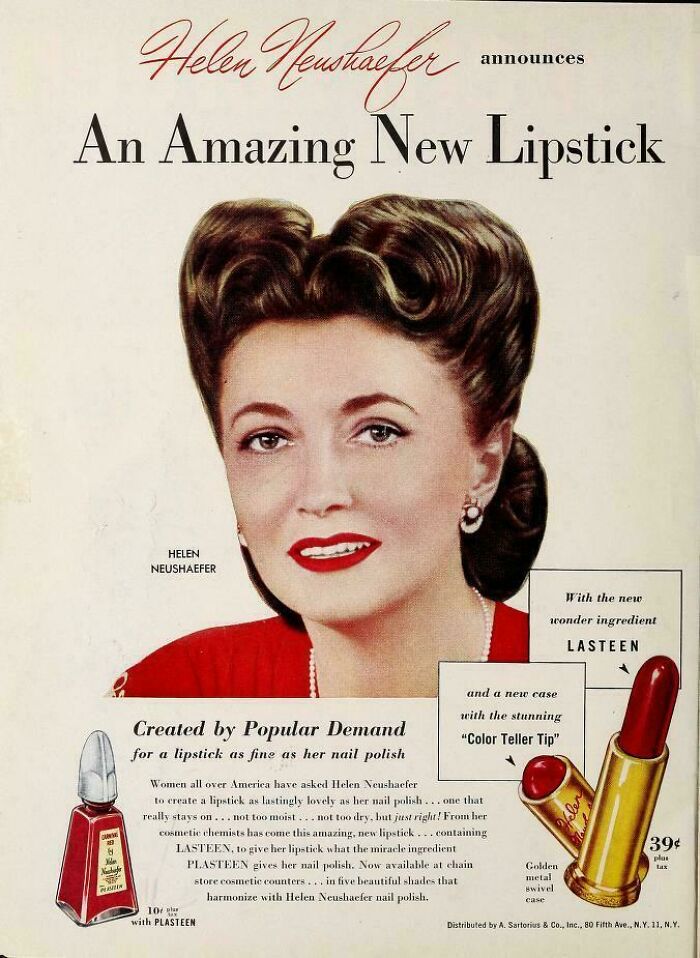
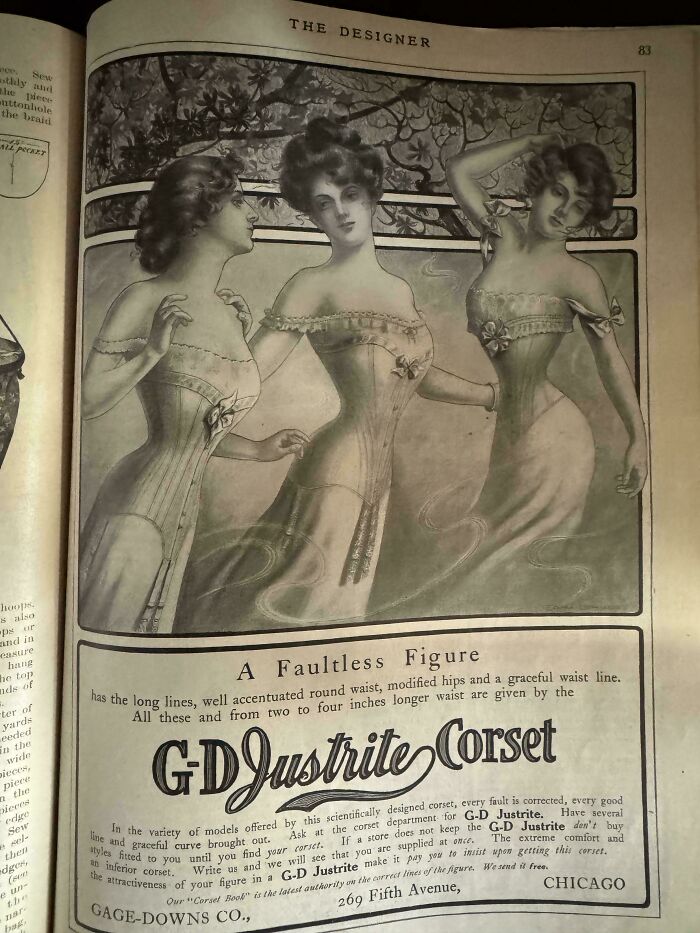
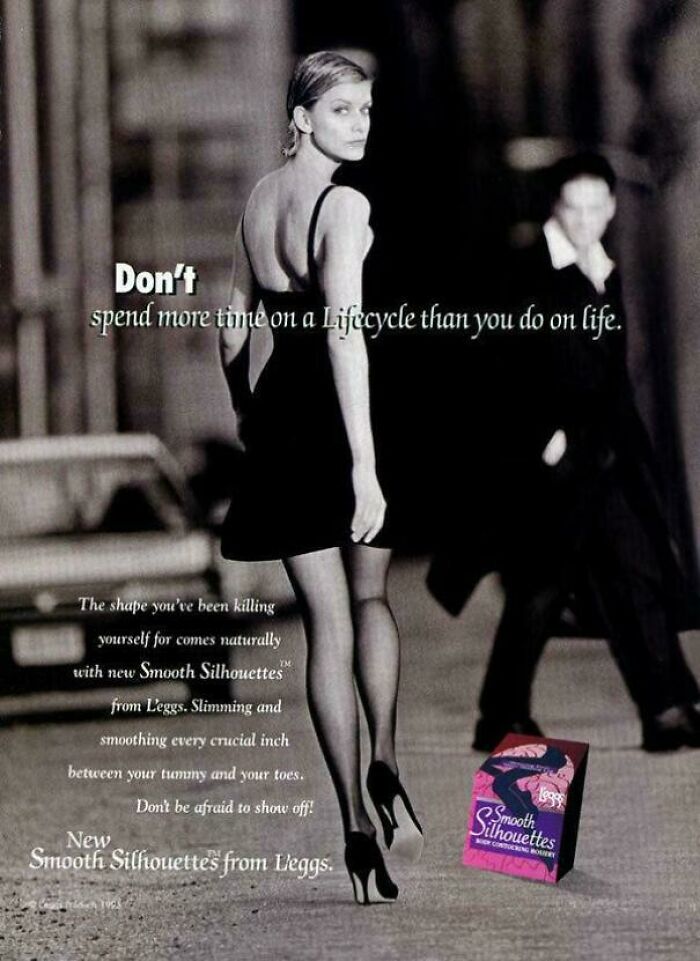
Beauty advertising has long worked by making women feel insecure. Mid-century beauty and fashion ads helped shape narrow ideas of femininity and “acceptable” appearance, repeatedly tying self-worth and social approval to how women looked.
Women got the message that their natural appearance needed fixing and constant attention. The ads promised younger-looking skin, flawless complexions, and the kind of beauty that would make them worthy of admiration.

Thise Ferraris and Lamborghini tractors don't have a chance.....
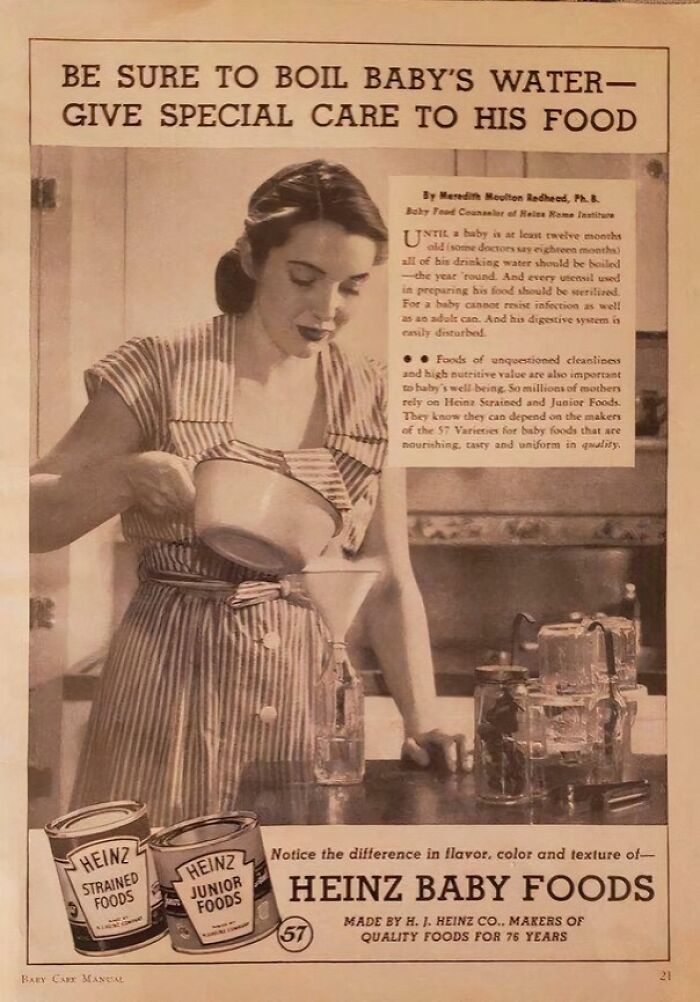
I remember my mother doing this for my younger sister. She also had a sterilizer for the bottles and nipples.
The regulatory picture started changing in the 1970s as women’s groups protested against demeaning portrayals. Norway banned gender stereotyping in advertising in 1978, becoming one of the first countries to legally recognize that commercial messages could cause social harm.
The United Kingdom established similar guidelines decades later through the Advertising Standards Authority. These regulations work from the idea that ads shape culture rather than just reflecting it, influencing what people think is normal.
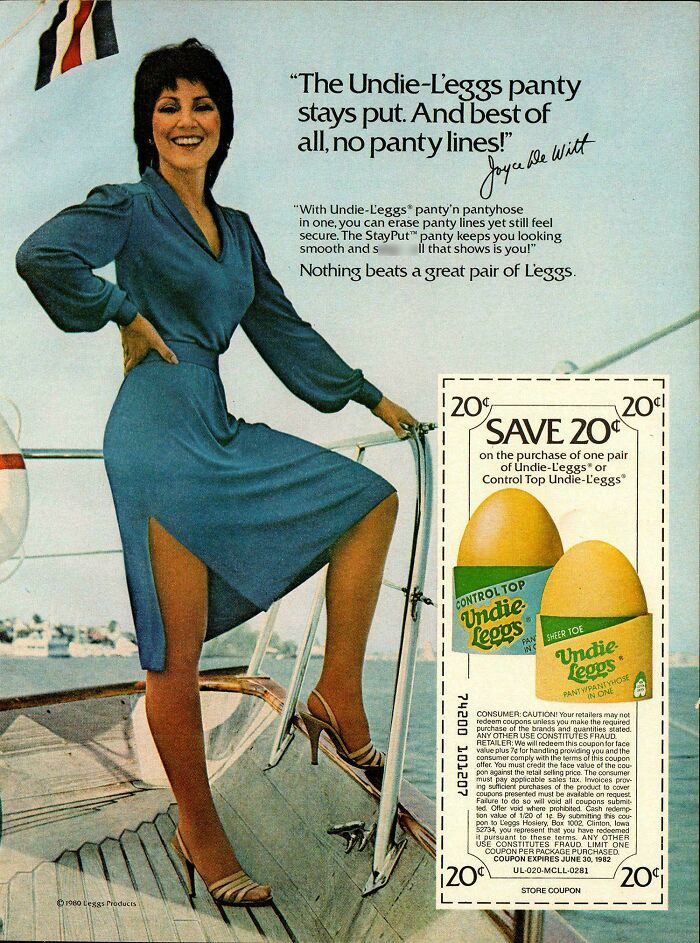
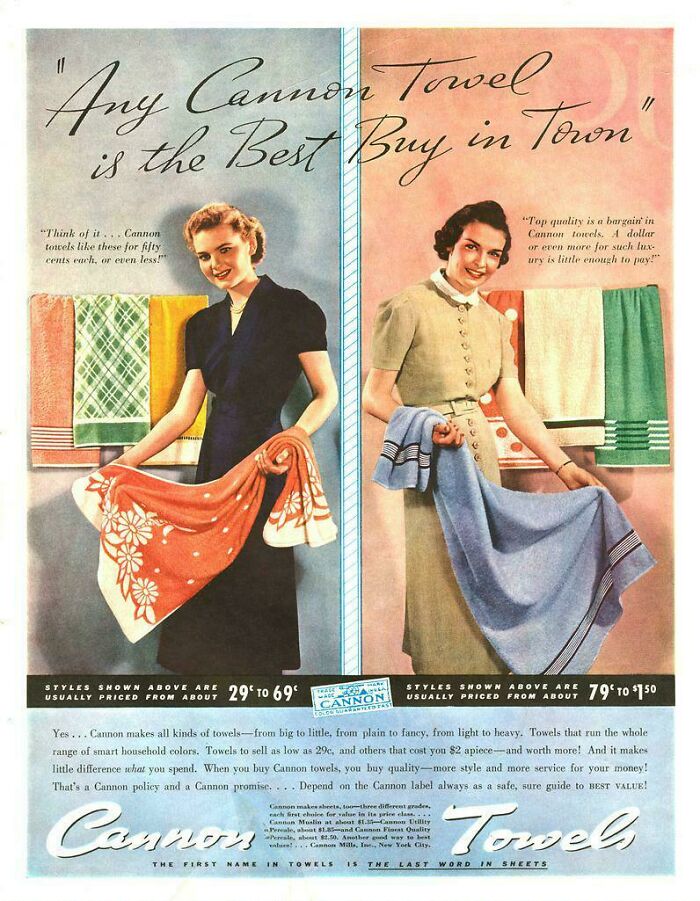
I’m pretty sure we have a hand towel that matches that blue one.

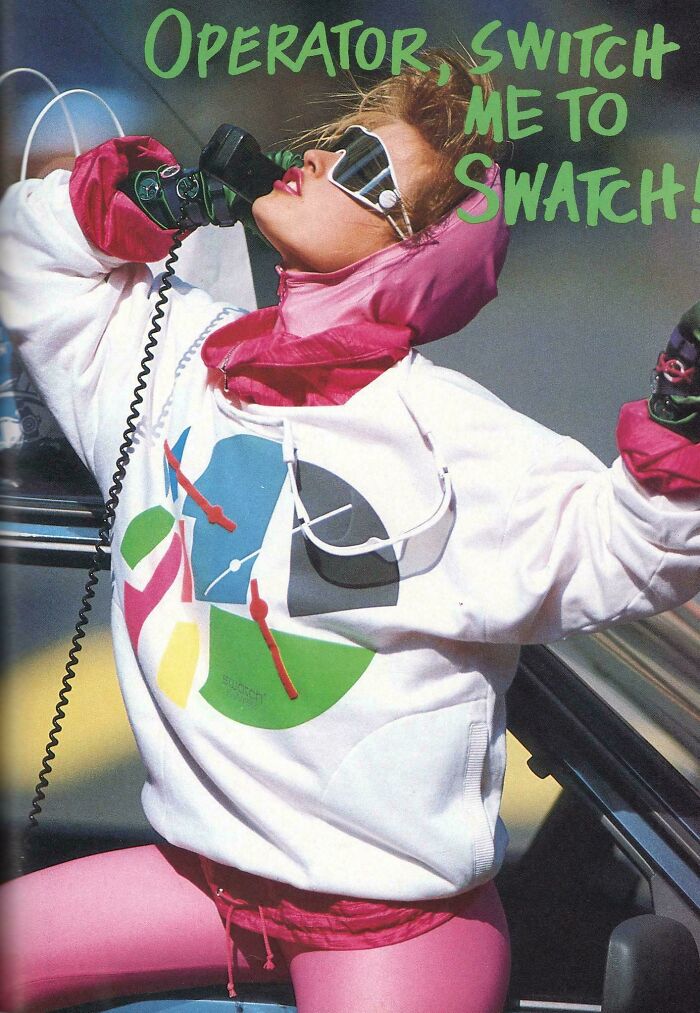
Because I am dumb enough to think I look cute wearing 8 watches at a time.
Modern platforms have made things more complicated. Influencers use them to sell products while claiming to share their real lives, making it harder to tell advertisements from personal content.
Thankfully, different countries require influencers to disclose when posts are sponsored. That’s a good step toward transparency in advertising.

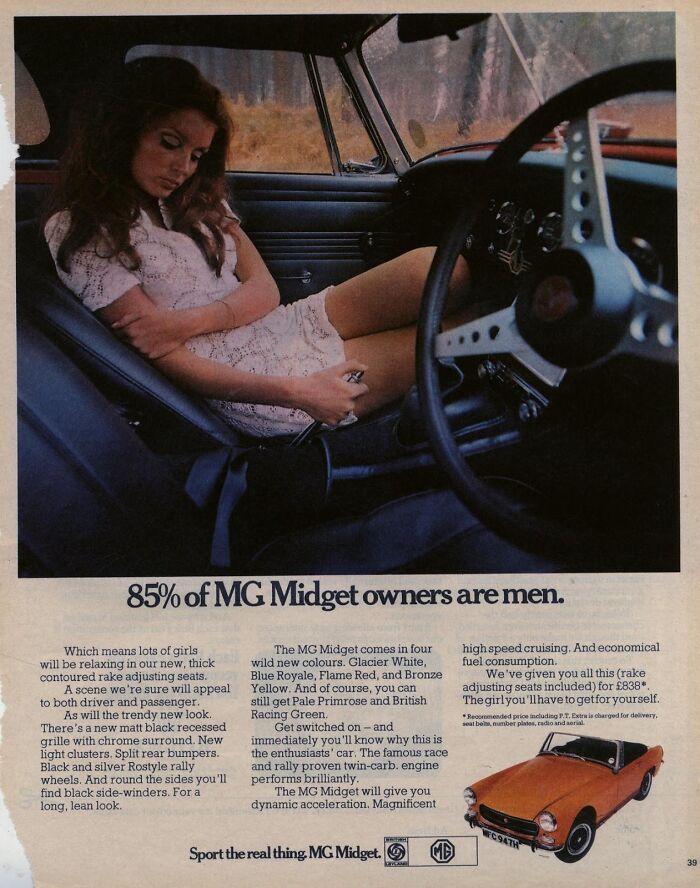
This is actually kind of funny. I really hate to admit it, but when my future husband rolled up in a cute little MG convertible the first time I saw him since high school I thought, "I really want a ride in that car!" Of course, he had to bring more than a cute car to the table, (and I never saw it again after that because it was a c**p car that was unaffordable to maintain) but yeah, he was cute, his car was cute and I was young and impressionable. Good thing he was also a really good guy. :)
Of course, we haven’t reached a perfect state with advertising. Many campaigns still manage to raise more than a few eyebrows with their tactics and messaging.
What’s changed is that we’re more educated about how persuasion works and can recognize when selling products to women means first making them feel inadequate.
We have more systems in place now to call out harmful advertising, and more people are willing to ask whether certain desires should be manufactured in the first place.

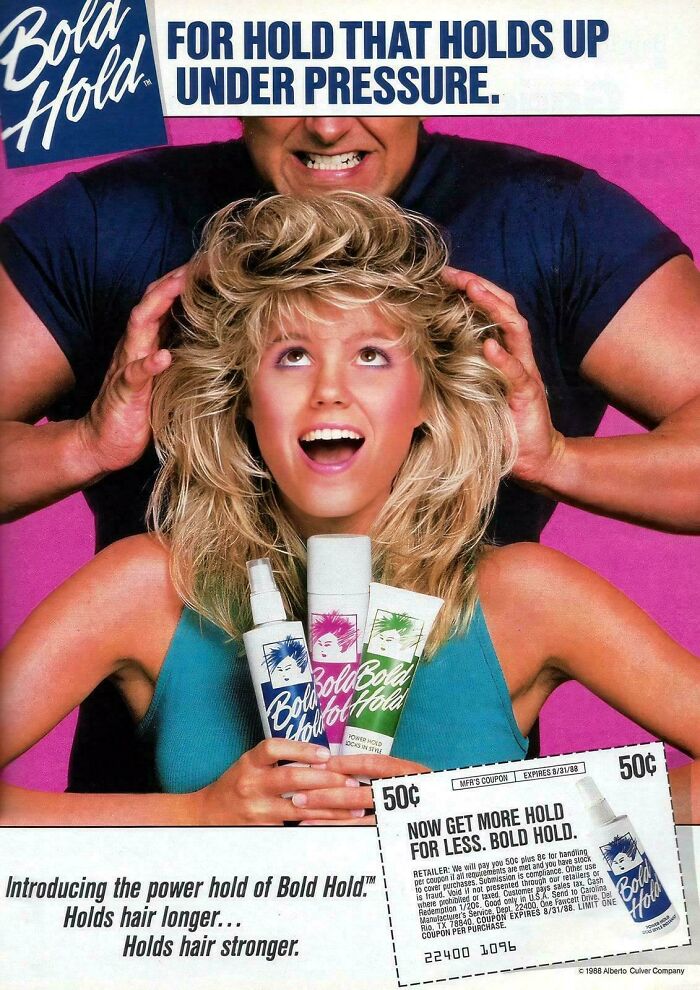
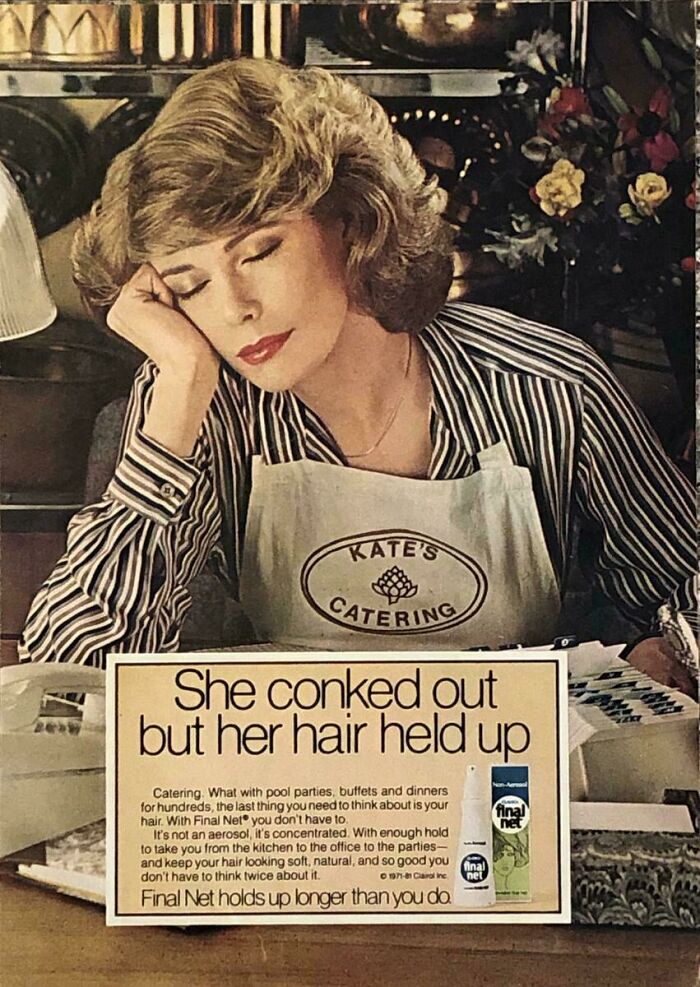
I may have used Bold Hold hairspray so my hair do didn't move...
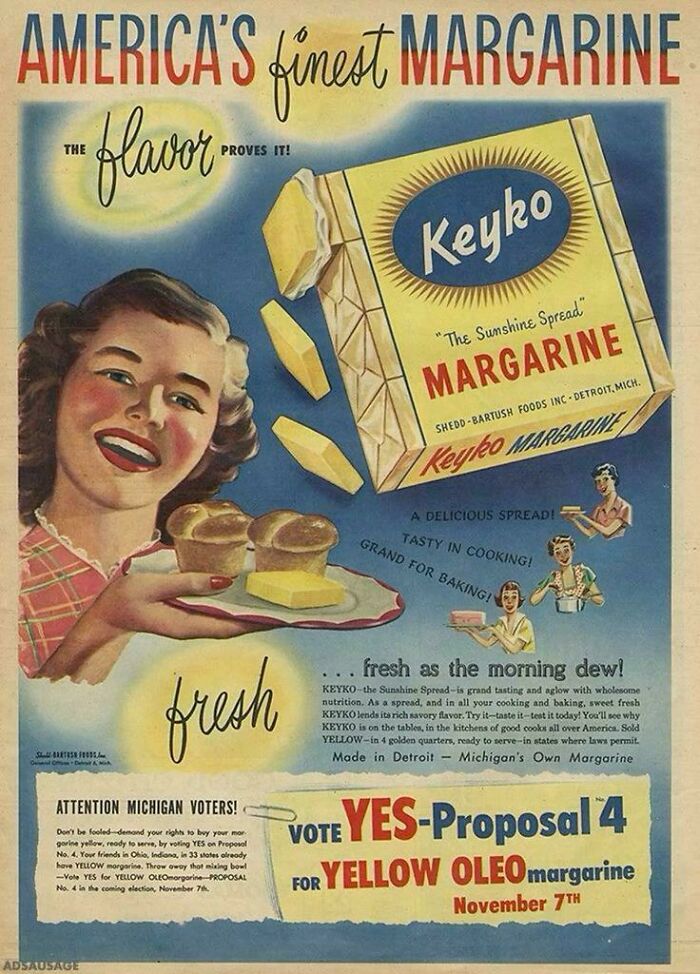
If you ever saw margerine without the yellow colour, you would never buy it. If you tasted it without the flavourings, you'd probably puke. And yet it's still regarded as something healthy 🤮
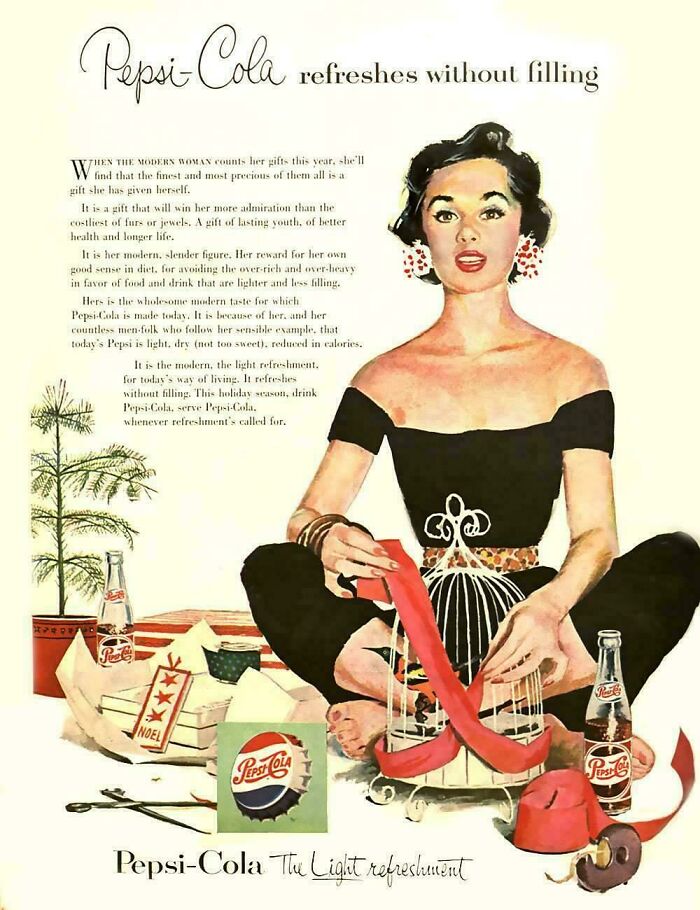
As Ben Elton pointed out, if advertising had to be honest "🎶Pepsi Cola, it's a fizzy drink!🎶"
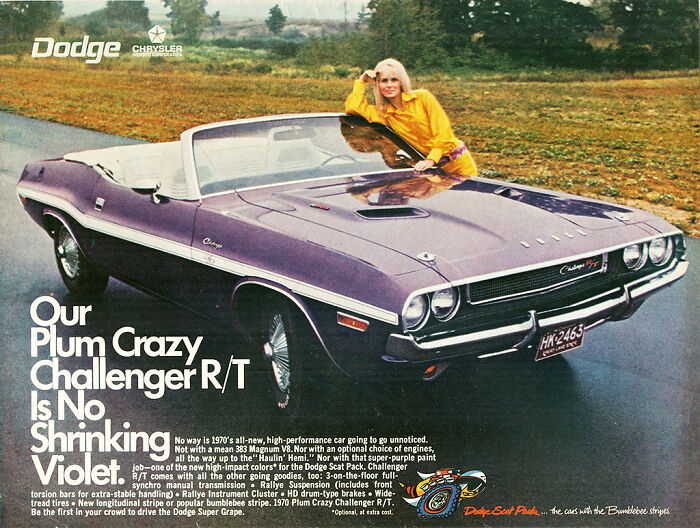
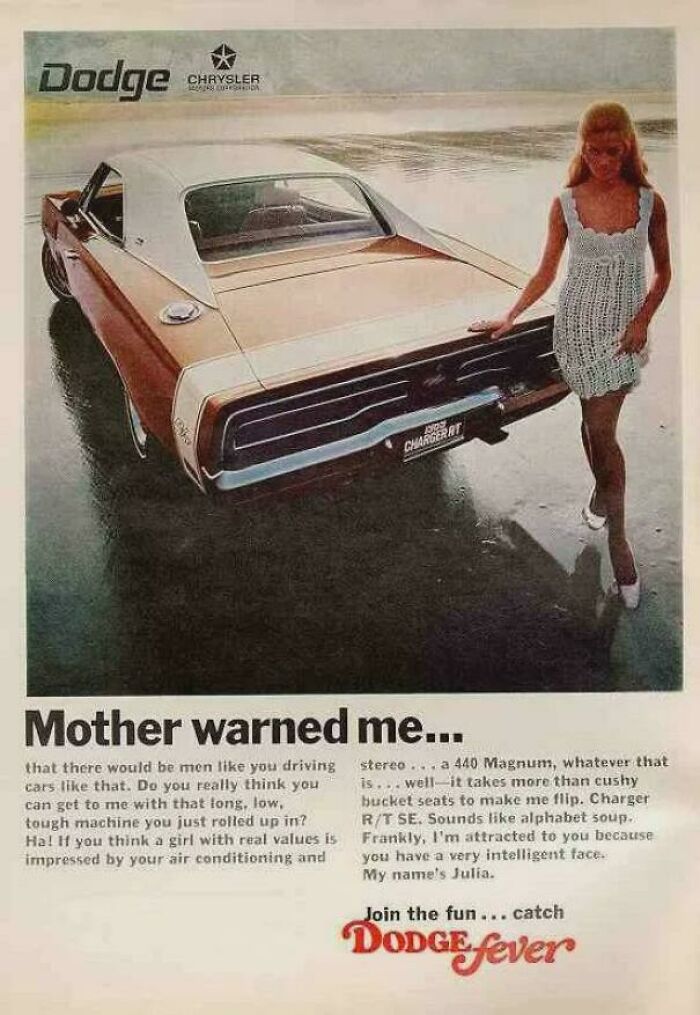
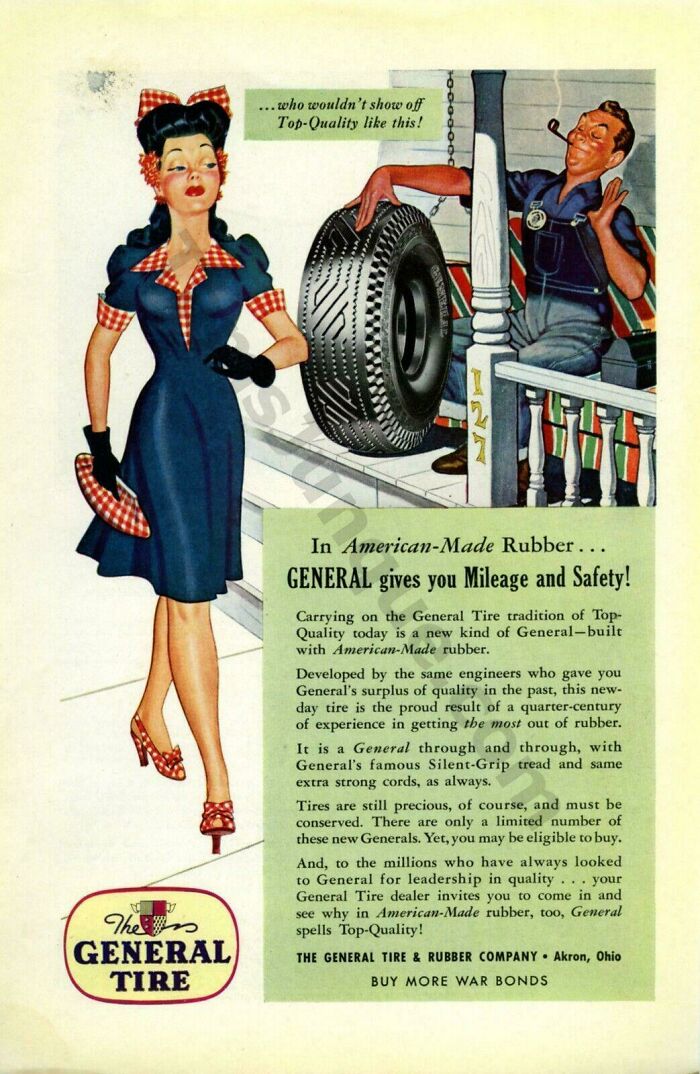
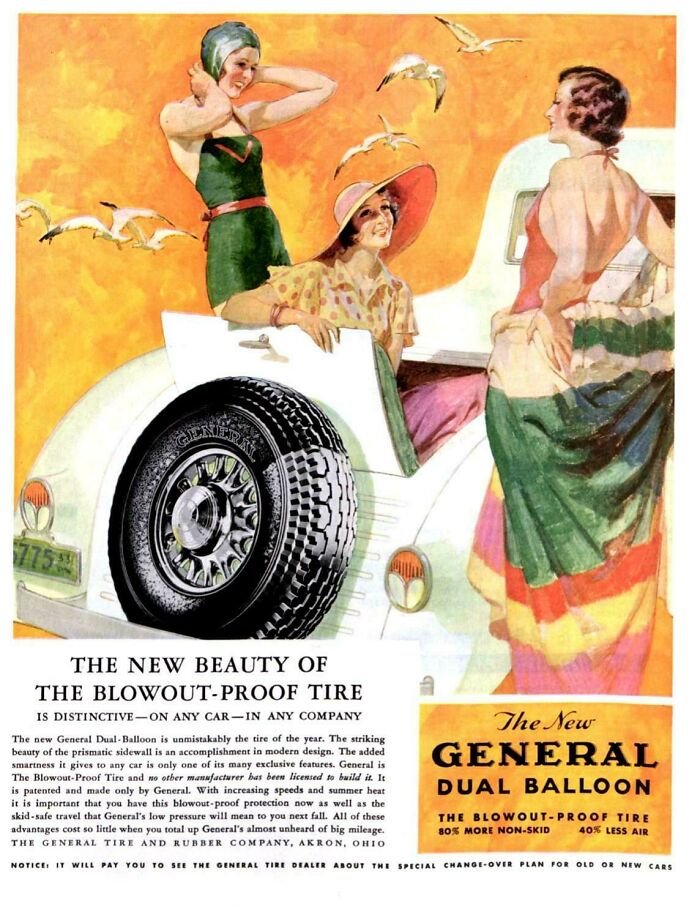
Absolutely women are attracted to men who only use certain tires. I can guarantee it. Uh-huh.
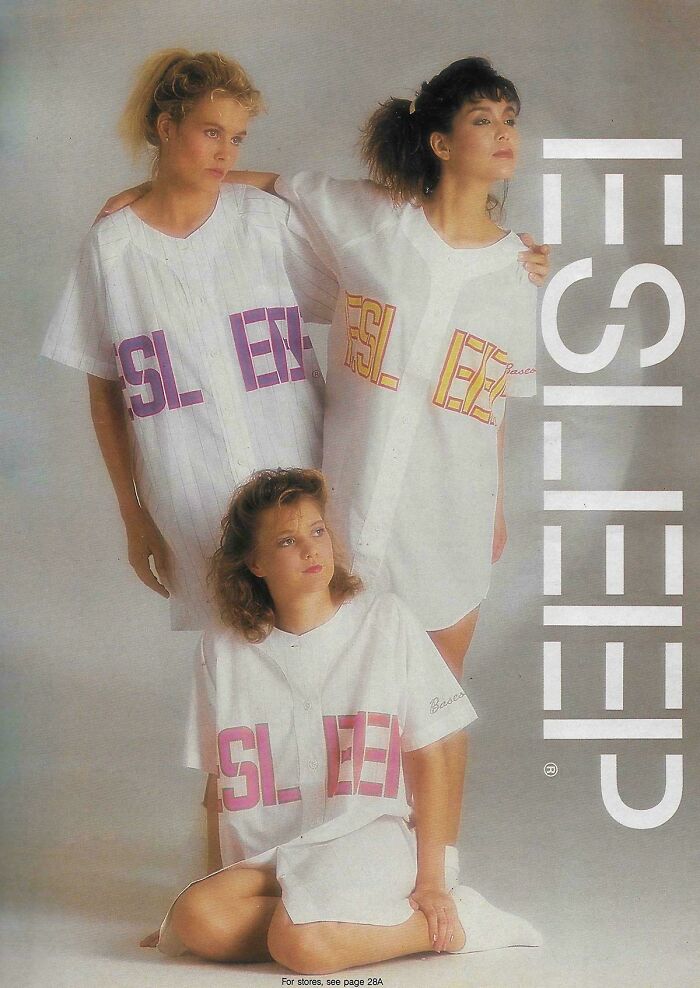
OH, that's *E* Sleep! At first I thought it said "*F* Sleep", and figured they likely had something better to do in bed dressed like that!
I do have a pair of actual silk stockings. Fortunately I have no suspenders.
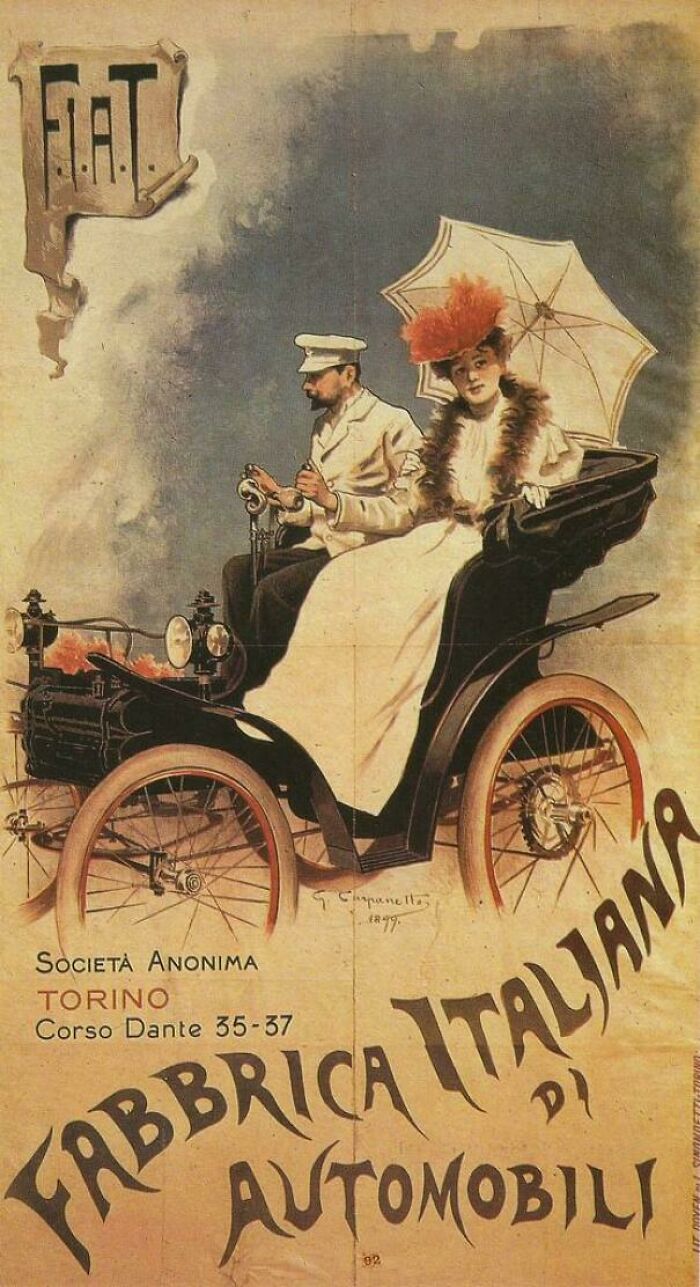
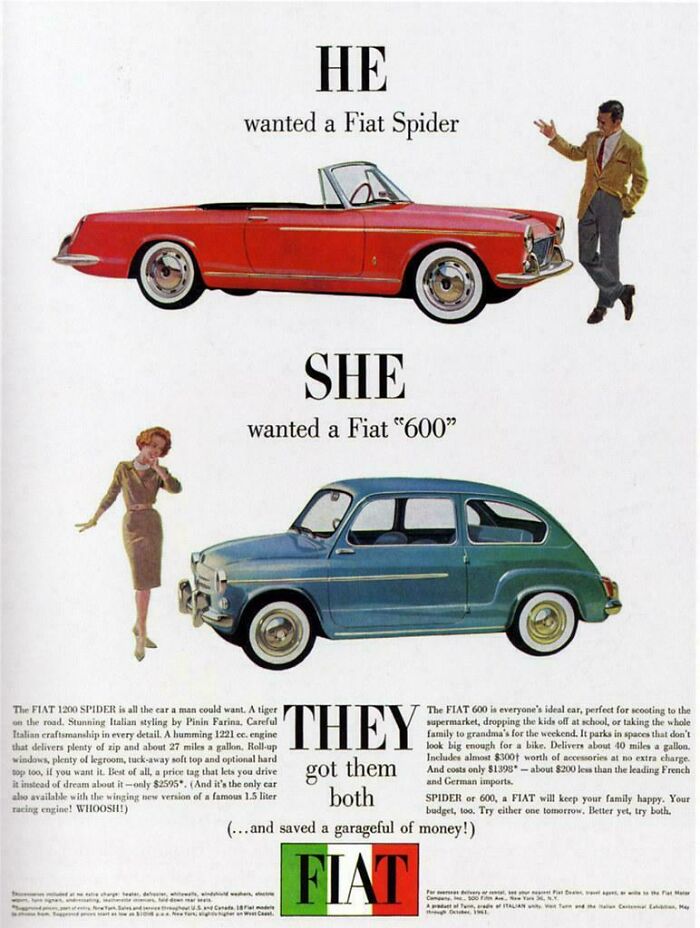
Whenever I see someone tall in a Fiat Spyder (you still see a lot in Italy) it looks like a toy car. It's great!
I'd have been no good in that era, I've had a substantial bust since I was 13
The way she's holding that handbrake isn't suggestive at all, is it.....?
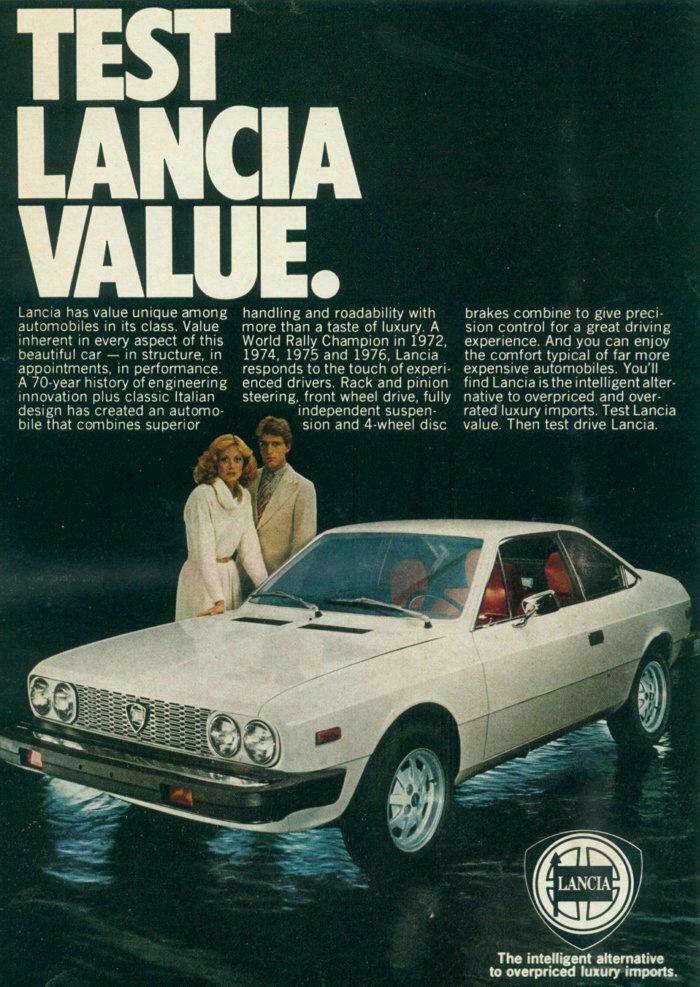
Lancia made some pretty dull cars for Italians. Almost everything else (apart from Fiat (except the X19!), obviously) is pretty swish. Impractical, but swish!



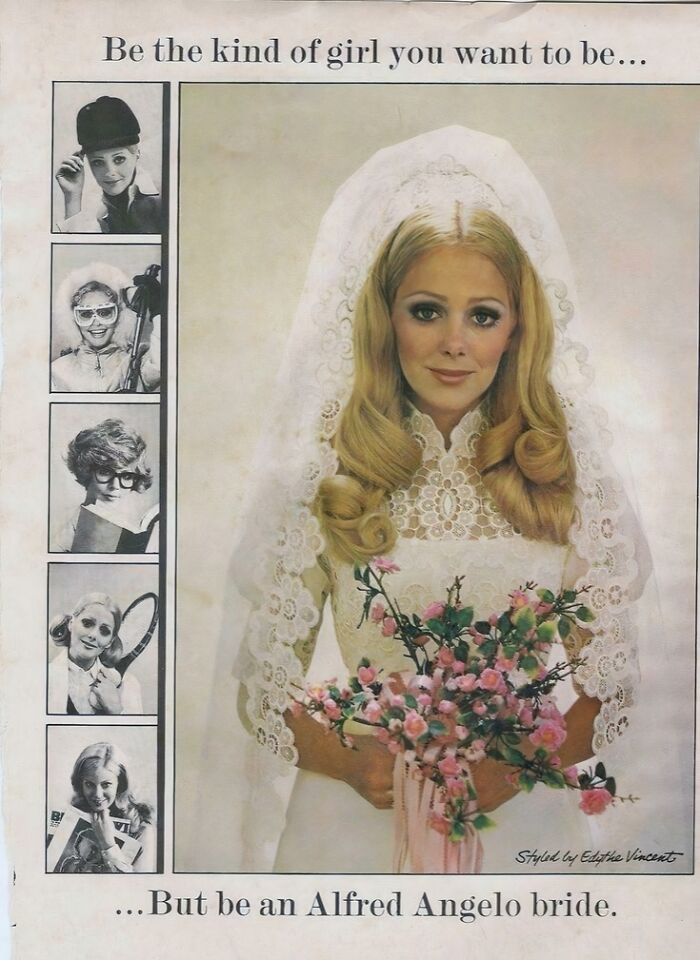
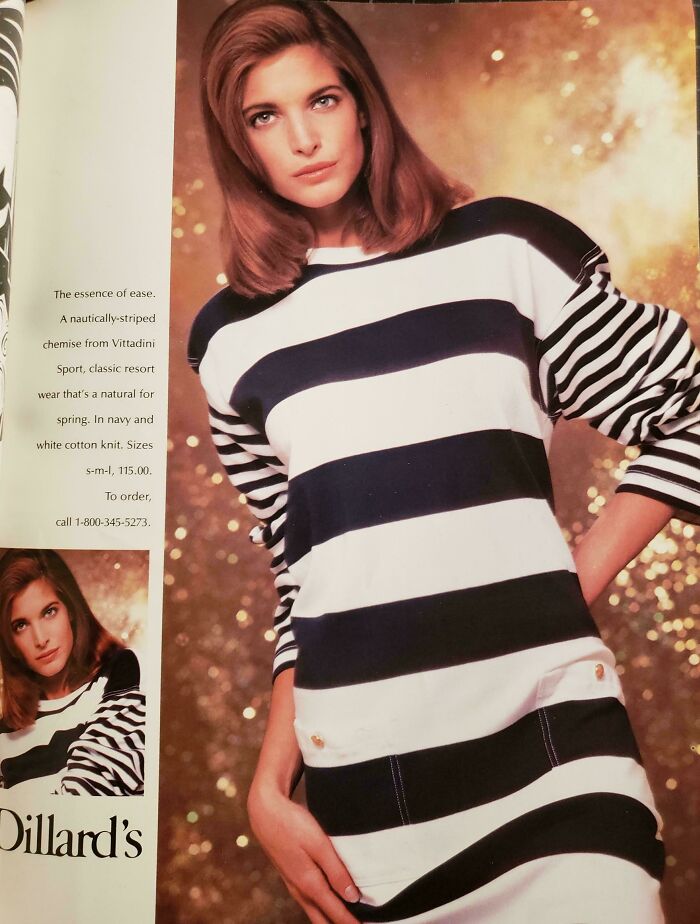
I have photos with my hair like that - what were we thinking?
Load More Replies... I have photos with my hair like that - what were we thinking?
Load More Replies...













 No fees, cancel anytime