Get Premium
Dark mode theme is available exclusively for premium users. Learn more about the benefits of subscribing.
No fees, cancel anytime.

 Dark Mode Ad-Free Browsing Unlimited Content
 Ad-Free Browsing Unlimited Content Dark Mode
Join 1.2 million Panda readers who get the best art, memes, and fun stories every week!


With coronavirus slowly but steadily turning into a grim memory, and our lives returning to the post-pandemic normal, more and more people find themselves deprived of the joy of traveling. Oh, that overcrowded plane cabin smelling of reheated sandwiches and salted peanuts, how much I miss you!
It’s fair to say that any content flying-related is, without a doubt, the top hit this summer season, and Flyiiing Twins' TikTok channel will curb these cravings until you book the flight. The two identical twins work as commercial pilots for international airlines, but not only are they space engineers, they also know how to get those numbers flying on social media.
With 683.6K followers and 11.4M likes, the pilot twins debunk flying myths, reveal aviation secrets, and answer all the biggest secrets about flying we all were too afraid to ask. So get your seatbelt fastened, we’re about to find out things like whether a passenger without any experience could land a plane if the pilots were for some reason incapacitated!
More info: TikTok | Instagram | Youtube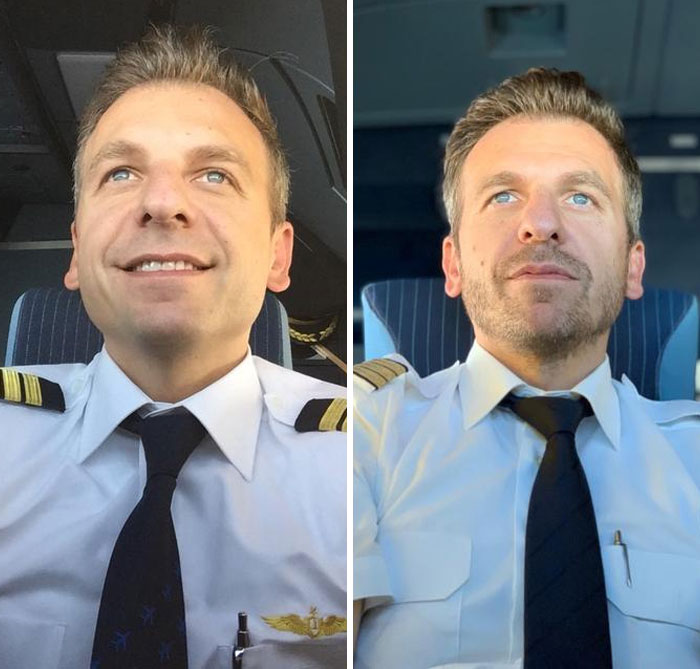
This post may include affiliate links.
"In the very unlikely event of an evacuation all lights could go out in the cabin. Valuable time would pass before the eyes could adjust to the darkness. When the cabin lights turn off during take off and landing your eyes will be already adjusted to the darkness. The evacuation can be initiated and carried out more quickly"
"In the very unlikely event of a dual engine failure the aircraft still can fly like a glider and will not drop down. The aircraft is able to stay in the air for about 25-30 minutes. All the necessary systems are supplied with electricity and hydraulics with a small extended emergency turbine. Enough time to find a runway or a suitable place to land"


Air Canada Flight 143 was a Boeing 767 that made an emergency landing at Gimli Air Force Base without engines. It was nicknamed "The Gimli Glider"!





Or Captain Moody of BA Flight 9 (Galunggung glider club) - Ladies and gentlemen, this is your captain speaking. We have a small problem. All four engines have stopped. We are doing our damnedest to get them going again. I trust you are not in too much distress.

engine off landing. Seriously. It's that simple. Engine off landing. In order to get a multiengine rating you have to be able to fly with an engine out. Two engines out just means you look for a safe place to land and probably do a slow flight landing. It's not going to be the smoothest but it's quite safe actually.

You find someone on that plane who knows a lot of yoga, and you ask them to help you kiss your ass goodbye... :D
"This case was tested in the simulator with different people without having any flying experience. These people were given instructions on how to fly and land the aircraft. Unfortunately none of these people was able to land the plane safely"

If a gamer who has played countless hours on a pretty realistic simulation game (ex. MS Flight Simulator), would he be able to land successfully with this guidance?

Nope. Asked a friend whose dad is a pilot. the gamer sims are totally not the same as the simulators used in flight training.
Load More Replies... I wonder what does 'safely' in this case? The plane went up in flames? Or was it so rough that many passengers have sustained injuries? Because those are two very different outcomes)

A mixture of the two results probably. This, and other outcomes.
Load More Replies...
I reckon if enough good instruction was given to two very clear headed people, between them they could get the plane down well enough not to kill everyone on board. But I have nothing to back this up!

I think mythbusters tested this once. and it didn't work. But I think there was something about an autopilot mode that does almost everything automatically anyway...?
Load More Replies...
Except in movies. Once u remove ur jacket or tie up a ponytail you become a pilot
I suppose that might depend on how long of a final approach ATC can vector them to, and how much fuel they have for go-arounds. It also depends on the aircraft; An A380, definitely not. A Dash-8, maybe. A Cessna 172, probably.
Not being able to "land the plane safely" isn't the same as a fatal crash - they could have damaged the airframe or even resulted in some fatalities, but the question is -- how many people survived these amateur landings? Increasingly, airplanes are being equipped with autoland systems, so as long as weather conditions are good and a suitably equipped airport is within range, all the amateur pilot needs to do is be talked through setting up autoland. This capability exists in some small private planes too, one (I think it's cirrus) has a panic button for passengers, if the pilot is incapacitated a passenger can just hit the button and the plane will land at the nearest airport.
Bored Panda reached out to Enis and Alper, two identical twins who work as commercial pilots for different airlines. “We love our job and want to bring people closer to flying and take away the fear of flying,” they told us in an interview.
Now, with a solid 684.2k followers, the Flyiiingtwins first became aware of TikTok through a mutual friend. “We really liked the concept and the outreach of TikTok. So we started posting aviation topics, which has attracted more and more attention and followers.”
"In case of a medical emergency pilots declare a medical emergency to the air traffic controller. After that we get absolute priority in the airspace and we land immediately at the nearest airport. We are in constant contact with medical care until we land. Pilots, cabin crew and atc does everything possible to save a person's life"

Do they really ask if there is a doctor on board, or is that a movie thing?

I've been on a flight where a woman died mid-flight. The attendants got on the intercom and asked for doctors/nurses. An emergency landing was made. Scary stuff!
Load More Replies...
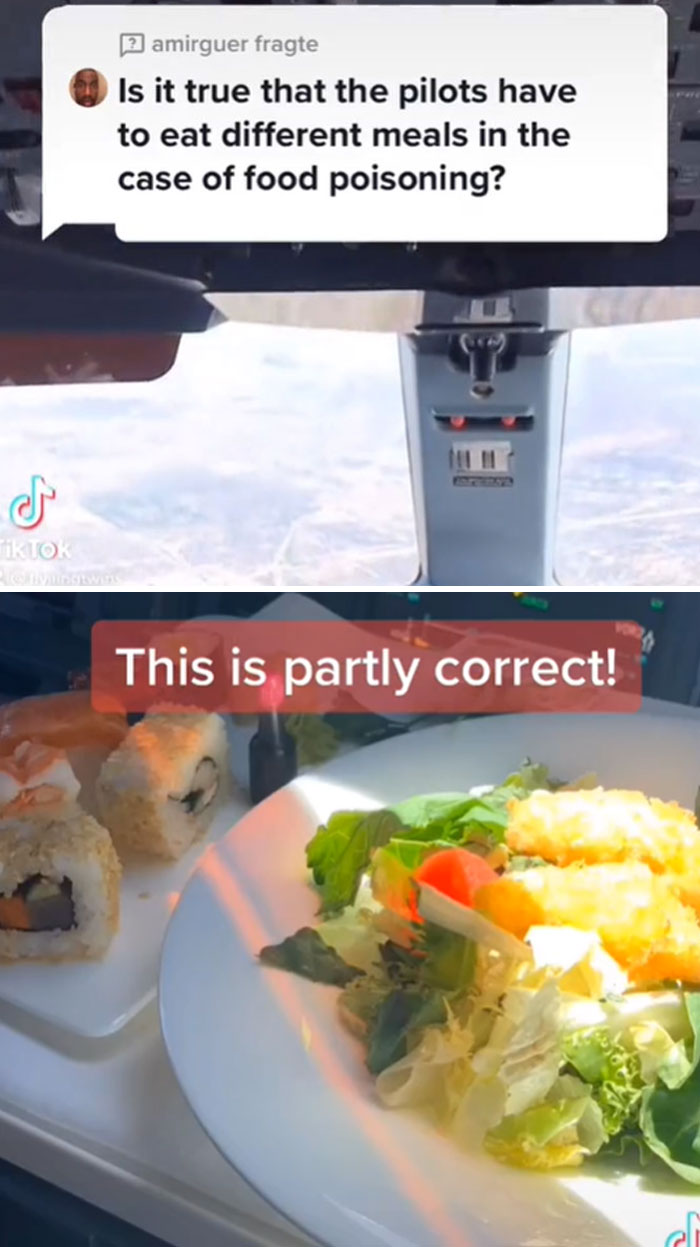
"This is partly correct. For some airlines this is indeed mandatory...While for others this is only a recommendation"
"This happened not long ago on a flight. The cabin crew initiated the birth and a healthy baby was born during the flight."

If she gives birth on RyanAir they'll be charging her credit card for the price of an extra passenger.
And for the blanket used to hold the baby. Don't forget that one.
Load More Replies...
Follow up question - what would the child's place of birth be recorded as? If it was an international flight, would it be the country whose airspace you were in at the time? Healthy baby, bureaucratic nightmare!
I read that the parents can choose between the place of departure, arrival or the airspace of the country they are in at the time for the nationality of the baby
Load More Replies...

It's against medical advisement to fly late in the pregnancy, but it's not illegal. Plus babies aren't very punctual and often arrive at inconvenient times.
Load More Replies...

Why did the *cabin crew* initiate the birth? Wtf? (Grammar/wording will get you every time!)

??? What do you mean? If a baby want's to come now, you can't really hold it back lol
Load More Replies... 
But if the baby is born on-flight, where would place of birth be?
“Flying has always fascinated people,” Enis and Alper stated and continued: “Many people cannot imagine how an aircraft can stay in the air. A mixture of fear and fascination has always appealed to people. The respect for the profession of pilot is therefore enormous.”
When asked what is the most common irrational fear when it comes to flying, the pilots said it’s turbulence. “People cannot assess the cause and effect in the cabin. Many unknown sounds increase this effect, spectacular incidents and accidents contribute to creating a false sense of risk,” they concluded.
"The take off performance is calculated every time before take off by the pilots. The pilots know exactly when the aircraft will left off. In aviation nothing is left to coincidence. Everything is calculated safely"

That's the biggest BS answer ever. You could explain how headwinds make it so the actual ground speed can be lower for take off. Or how the perspective from the side really doesn't show the actual (immense) speed of the aircraft building up, because you can't see the ground directly beneath you and even just looking 20 meters away reduces the perceived speed drastically. You wouldn't be able to drive a car otherwise. See airplane pilots also just know their little trick, like so many. Glad that they do though ;)

I'm not really an expert in physics so I can't go into much detail, but I think it's the same kinda thing as with trains where advance trains like ICE trains don't really feel like they're moving at 300km/h because it's so smooth and our brain doesn't register it at that point. That's at least my takeaway, might be wrong
it might interest you to know just how a plane is able to take off in the first place. One thing that really matters is the speed at which the plane is driving down the runway. The "speedometer" marks what the ground speed is (same instrument used to read air speed) and each plane has a checklist that tells the pilot - among other things - what the speed for nose up/take off is. If there is a problem on the ground with that speed then the pilot won't even take off. They'll slow the plane down and drive it to the taxiway and likely park it at a gate.
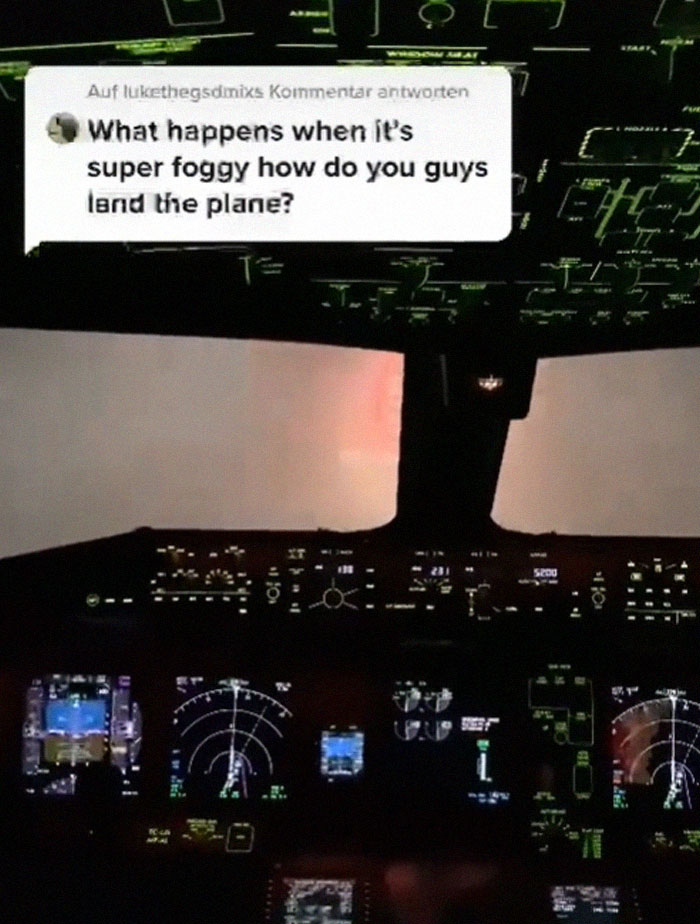
"We continue flying"
"We pull over onto the hard shoulder and wait for the cloud to clear." LOL Planes have radar that can see through cloud. What is slightly ironic is that they can't take off or land in thick fog, as the control tower has to be able to see the aircraft to make sure the runway is clear.
Well, when you can't see the planes things like Tenerife happen ...
Load More Replies... That's not fair. I mean to the person who asked, they probably thought there'd be more of an answer. The least these two could have said was that flying through clouds is instrument based.

"We continue flying." "Why is there a mountain goat straight ahead?" "Uhhh...."

Late to the party but if it helps. Two elements to this: Attitude and Navigation. The navigation bit is easy, just think of a highly accurate GPS combined with a mapping system, but mostly using waypoints and simple line diagrams (RNAV - Area Navigation). Older systems include VOR/NDB beacons, but GPS is taking over almost completely now, certainly in Commercial. THe second bit is attitude, so we know where we are going from the nav section above. Now, are we level, climbing, turning etc. The artificial horizon which on most primary flight displays nowadays is a biggish screen with brown and blue to indicate earth and sky. FLy the wings level off that, and pitch according to requirements for climb/descent (combined with power settings). Pretty easy. Or even easier, as is done most of the time in commercials aviation, let the autopilot take the strain and just dial in what's required in terms of speed, heading, clmb/dscnt profile etc.
Part 2: Guidance into the airport itself to touchdown: ILS system projects a beam of 90/150 hz overlapping lobes in the horizontal and vertical planes. Horizontal is the localiser, tells you via the localiser indicator if you are left/right of runway centreline, glidescope indicates if you are above or below the desired glidescope for that particular runway. Usually 3 degrees but can be steeper, e.g. London City is 5.5 degrees for s steeper approach and safe obstable clearance. You just fly it down the localiser and glidescope and get guided down to the touchdown zone. Different categories of landing depending on visibility, i.e. CAT I is "best" weather, CAT III is worst with very little visibility. Category CAT IIIc requires a fully automated landing, the so called "Autoland" - Yes, it is real & it's used around the world every day when runway minimums descend below certain thresholds. Fairly simple autopilots will also turn you in to intercept and maintain localiser
Load More Replies... 
Private pilots (single engine usually) may not fly through clouds. They get caught, they can lose their license. IFR (not a license but an endorsement) may fly through louds.
Load More Replies..."The cabin crew asks if there is a doctor on board. The death of a person can only be confirmed by a doctor. If there is no doctor on board, we initiate the medical emergency procedure and land as soon as possible at the nearest airport. If the doctor confirms the death of a person probably we continue the flight to the destination"

imagine been sat next to someone you didnt know and have them pass away, sad scary and scared for life

In packed flights, people have had to sit next to the deceased person till the plane landed. Sometimes it's a family member, sometimes it's not.

You've heard of burial at sea? Same thing on a plane. Open the door and yeet.

As a one time hospice nurse, being next to a deceased person, is peaceful, unless you've never seen a dead person. I think if you were too freaked out, they would. Change your seat with someone if they needed to.

I was on a flight to UK - a gentleman passed away but they covered the body and laid him down at the back of the plane where the crew prepare drinks, behind the curtain. Most folks didn’t even know…
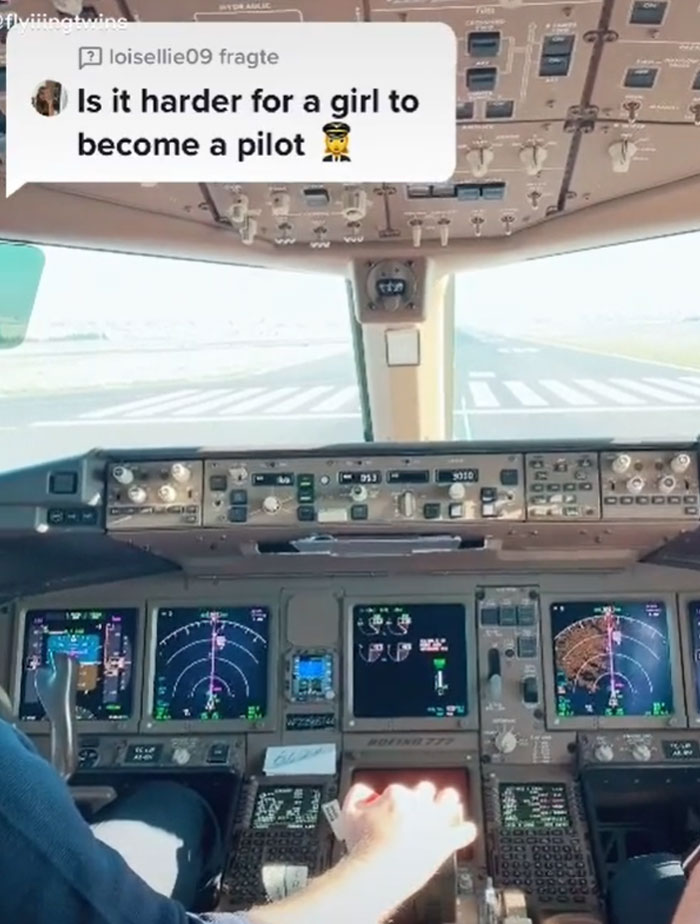
"There are no reasons why female pilots are no suitable for this job. We definitely need more women in the cockpit"


Hello female pilot here. It is not harder for a woman to become a pilot, however we do face our own challenges. Years ago it would of been almost impossible due to most aircraft having fly by wire style systems that would of required a lot of strength to be able to operate. It still isn’t easy dealing with a engine failure even a four seat dual prop trainer. By the end your leg will be shaking and you will will be worn out. I am also only 5ft. 2 so I have to bring a cushion to put behind me to reach the rudder pedals because I can’t adjust the seat far enough forward. As far as depth perception you get tested every time you get your medical renewed but it is not disqualifying, with the exception of the military. Fun fact if you have a full female crew pilots and flight attendants, we refer to it as a unmanned aircraft.
Just a suggestion. If these guys really want to see more women pilots, they should stop defaulting to "he" in their responses.
Vera's point is correct. Of course women are capable, but when girls in elementary school say that STEM subjects are more for boys than girls, we have a problem that starts very early.
Yup. And when material is constantly geared for a male audience, it hurts. Even in these reponses, pilots are defaulted as "he." Mix it up a little!
Load More Replies... Not nessacerily. Flight training is difficult, time consuming and expensive, so anyone that is pursuing becoming a pilot has to have an overwhelming desire to become one. Not everyone that starts flight training will continue with it, not everyone that gets a license will pursue a commercial license and/or airline training. If fewer women are interested in even starting to learn to fly, then that lowers the pool of women that might meet the end of that training, just a 10 percent lower chance of starting makes a huge difference of how many women would complete training at the other end. The battleground to equalize the gender split in the cockpit (if that even is a desirable outcome, I would argue the choice to train should be there, but the outcome of 50:50 completion doesn't need to be there for women to have still had the fair option of pursuing the job) is in getting young girls excited and interested in becoming a pilot, do that and the number of women in the cockpit will rise.
Load More Replies...
we definitely need more women in the cockpit... the "for the sole purpose of joining the mile high club" is silent
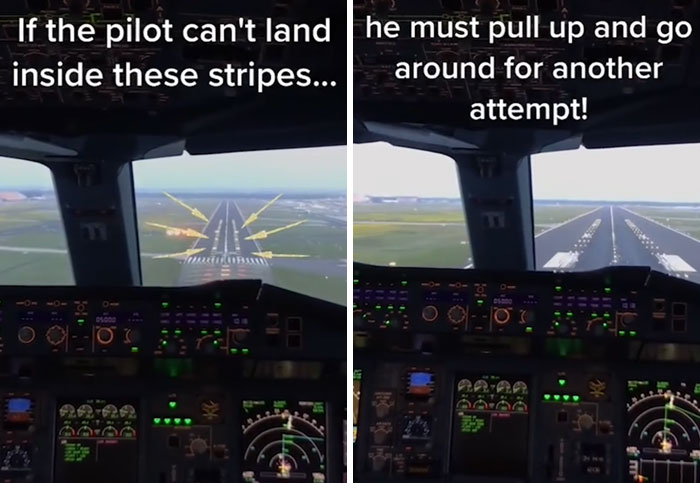
Ha hahahahhhahahahahah, fat chance. Any landing you can walk away from and still use the plane is a good one.
I think the point is that if the wind/weather is so severe that the pilot misses that area, then it's probably not going to be a landing that everyone will walk away from so the pilot is required to go around and try again (or maybe divert to a different airport with better weather, which happened to me once - we were on final approach on a very windy day, we were probably 100 feet off the ground when the pilot pulled up and said we were diverting due to ground wind)
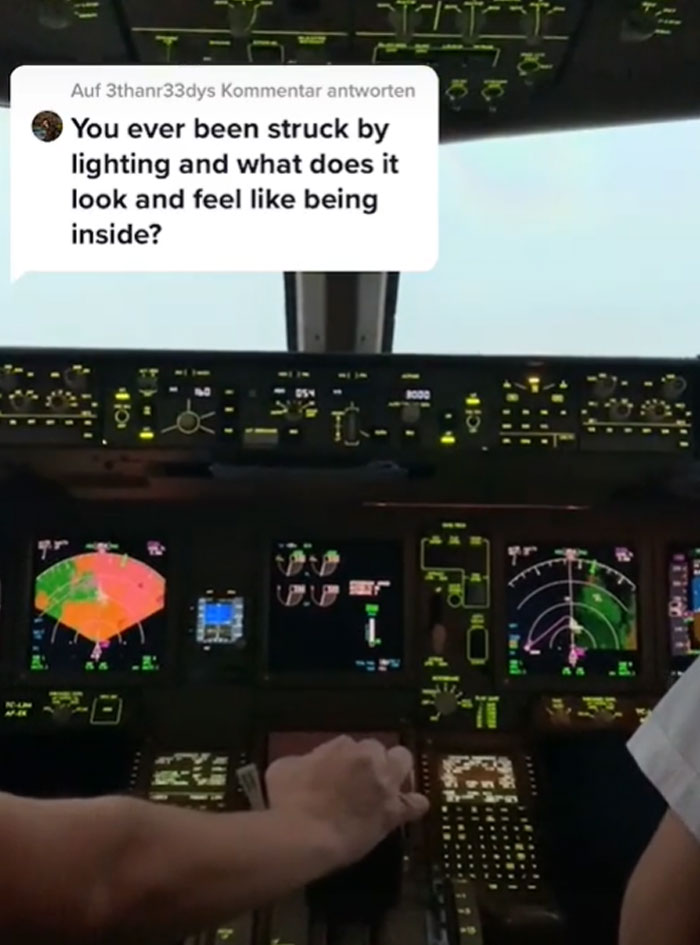
Load More Replies..."Airplanes can be stucked by lighting. But it's like being in a Faraday cage. The lighting stays outside of the fuselage. You are totally safe in an airplane"
Aeroplanes are regularly struck by lighting and usually nothing happens. It can however temporarily blind the pilots, which is not what you want on take off or landing. It can also trigger warning lights, which is what happened to two of my colleagues - I happen to live near the airport and we had the lamest thunderstorm ever with one rumble of thunder and a single flash of lighting - which hit their plane shortly after takeoff and they had to come around and land again to have it checked - not sure whether they were really lucky or really unlucky - either way should have bought a lottery ticket!
"It could disrupt and influence the communication signals of the aircraft. Therefore, all electrical devices must be switched off at least during take-off and landing or in flight mode during the entire flight"
This is actually changing. Some flights now have Wi-Fi. Not sure how they determine equipment is standards compliant, as that would be my worry.
Maybe it's just that modern aircraft equipment is built to withstand any interference. Perhaps the older planes weren't.
Load More Replies... I don't believe this one -- if this was a serious risk, they wouldn't allow it to be up to the passengers to comply. I bet at least 25% of passengers forget to turn off their phone when it's tucked in a carryon or checked bag.
RF immunity testing is a very complex process. With consumer technologies changing at a rapid pace, it's not practical to test every aircraft system against every new RF communications method. It's much simpler to demand that all devices be off. Similarly, the average consumer isn't smart enough to know precisely what frequencies their device operates at, prohibiting them all alleviates that problem.
Load More Replies...
I recently heard that it is actually the mobile towers on the ground that is the problem. If a plane with 300 phones fly by a tower optimized for maybe 50 people at any time, it will distrupt the tower and might even damage it.
"This information that is coming now is probably only known to very few people. Every locked toilet door in the aircraft can be opened very easily from the outside"
Watch the crew carefully on take off and landing. They will lock the toilet doors from the outside to prevent them being used.

Not all the time. The last plane I was in was delayed a few minutes because someone was in there.
Load More Replies... 
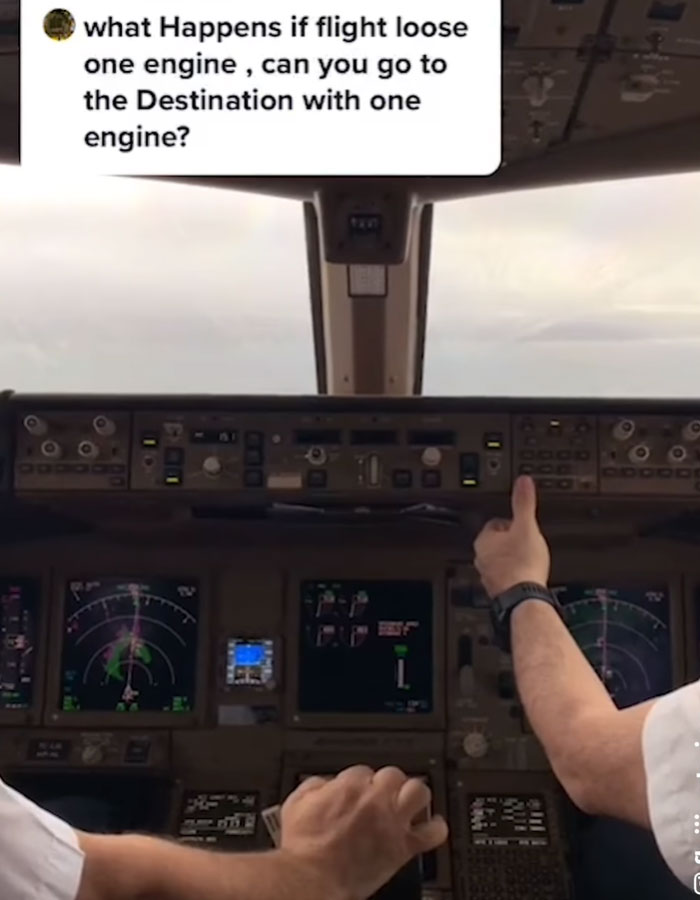
"Most likely not. In the event of an engine failure, the aircraft has to leave its cruising altitude due to the lower performance. At a lower altitude, the fuel consumption is much higher. Even with one engine, there would be insufficient fuel to fly to the destination. It makes sense to land at an alternate airport as soon as possible instead of continuing to fly with an engine"
"If an engine fails, how far can the other one take us ?" "All the way to the scene of the crash !" :D
Pilot: ladies and gentlemen, I'm afraid one of our engines has failed. But this plane has four engines and can fly perfectly on three. But we will be 30 mins late to our destination. [later]. Ladies and gentlemen, another engine has failed. But this plane can fly perfectly well on two engines. But we will be an hour late. [later] L&G, this is very unusual but another engine has failed. But don't worry - this plane can fly on one engine. But we will be two hours late. [one pax to another] Hope the last one doesn't fail - we'll be up here all bloody night.

Caveat ETOPS!!! If a twin engine certified ETOPS flight loses one engine, their diversion airport is typically the destination airport. Think, LA or SF to Hawaii where either the distance or remaining flight time (even if closer to California the headwinds may cause lower performance due to winds when flying east) is nearer the islands. Clearly the flight continues on to the destination.
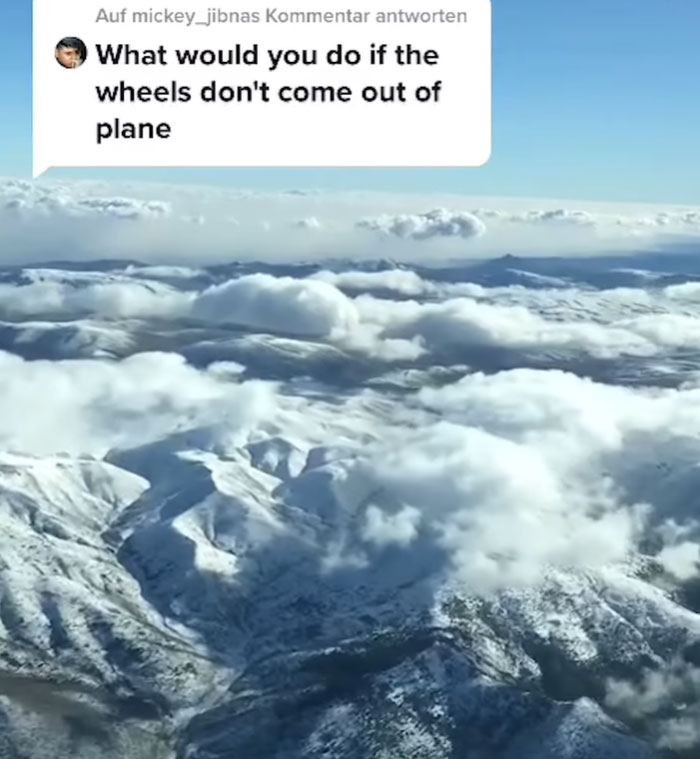
"We try it with the alternative landing gear extension system and if this doesn't help an emergency landing without landing gear is carried out on the longest runway"


They have been known to try shaking it loose. Well documented case of a Polish plane landing on its belly on a runway that they had covered with foam. Everyone survived.
See https://www.bbc.co.uk/news/world-europe-15543315
Load More Replies... My mom stopped flying in the 1960's for this exact reason. She and my eldest brother, a newborn at the time, we're on a plane that lost it's landing gear. It landed badly and smoke filled the cabin and they had to evacuate the plane. She never got on another one and she didn't drive either so made life complicated when I lived 3 states away.
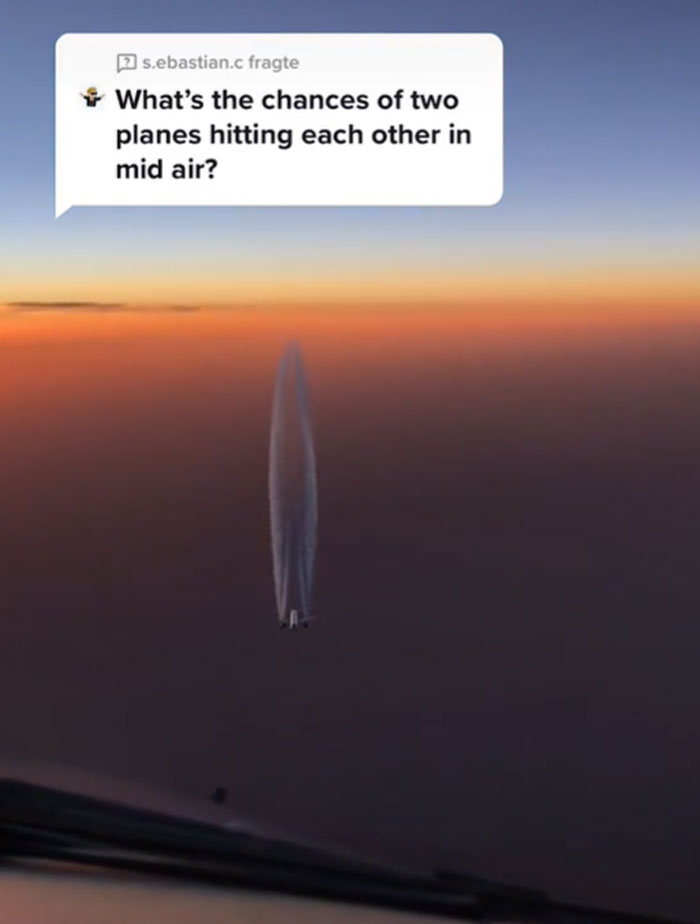
"In order to prevent mid-air collisions, aircraft are planned and controlled to keep a minimum distance to other aircraft. If aircraft still get too close, a Traffic Alert and Collision Avoidance System advises an evasive manoeuvre to the pilots. They have 20-30 seconds to initiate a climb or descent manoeuvre, whatever the system advises. Enough time to avoid a mid-air collision"

An accident happened in 2006 here in Brazil because one of the planes was flying with the transponder off :(
This reminds me of the collision that happened between 2 planes in south Asia because there weren't enough runways dedicated to commercial planes since they were used for the military.

It happened over the Grand Canyon in 1956, killing 128 people. That’s why they have air traffic rules today.

Didn’t stop it from happening again four years later in Brooklyn, killing all 128 passengers on the planes and six on the ground.
Load More Replies... When you are learning to fly, you actually become an amateur meteorologist. You have to know the different types of clouds, different requirements to deal with different elements (if I go to a tiny airport where I'm going to go fly a cessna 172 - for example - if the wind sock is fully out and the wind is at like 20 gusting to 45, I'm not allowed to fly). Different certifications allow for more complex take offs, lands and flying situations BUT all private pilots have to know the different sorts of cloud types and how the weather works.
How do you know the pilot is being honest and not hiding to avoid spooking you? Turbulence always makes me remember final destination movies
"The required thrust is always calculated for each start, according to the existing conditions. That means the thrust is enough for a safe take off with even one engine failure after passing the point of no return. There is no need to set more power than required for take off. The benefits: increasing engine life, decreasing maintenance cost, saving fuel, lower CO2 emission"
Boring is good. Boring flights don't kill you! Its when it gets 'exciting' you need to worry.
Load More Replies..."That is very, very, very unlikely but still possible. Bad news: if there is no other pilot on the plane, it is very unlikely that someone can land the plane safely, even with instructions over the radio, this is almost impossible. Good news: long-haul flights are carried out with 3 or 4 pilots. On many flights there are deadhead crews or pilots as normal passengers who can safely land the aircraft."
If the plane is on autopilot it will just keep on flying. This happened to a well known golfer - his plane depressurised slowly (no alarms) and all on board passed out - the plane carried on on autopilot and the military had to consider shooting it down (in case it came down in a populated area when it ran out of fuel).

Shouldn't air stewards be somewhat trained to make an emergency landing? With the help of the radio of course
That's a really good idea! They wouldn't need the full training because of autopilot but maybe if they taught them how to land it safely. Patent your idea quickly!
Load More Replies...
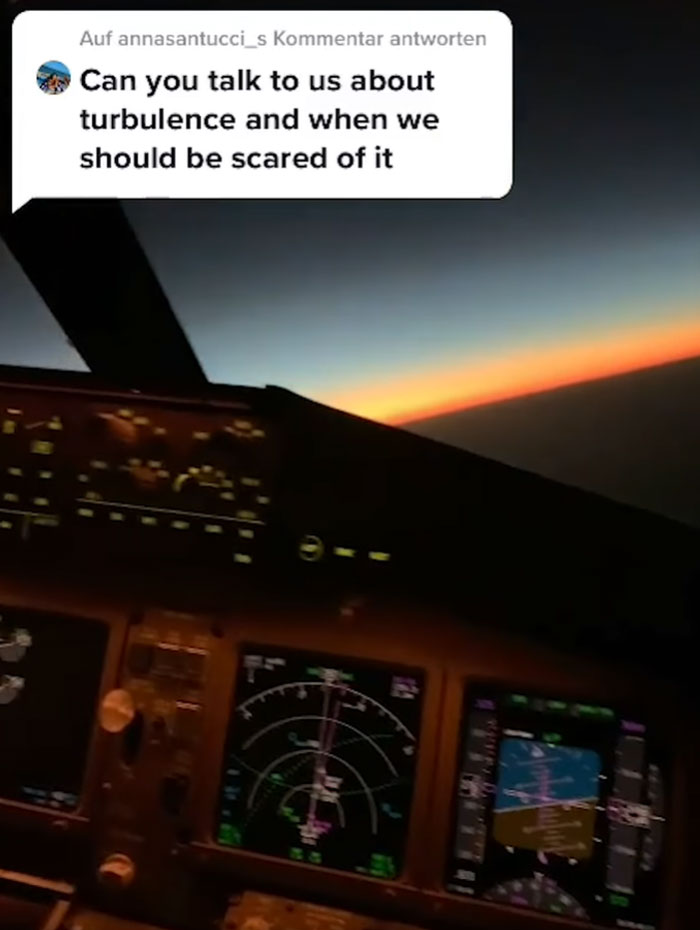
"Turbulence is caused by the wind and there is nothing to fear. The aircraft can withstand any turbulence"
Clear air turbulence is the one to not like. The plane might be able to survive it, but my stomach didn't like it!
Final approach into Manchester and suddenly the plane lurches and tips so that you could see grass out of one window and sky opposite. In trying to level out again it flipped the other way so we could see tarmac from one window and sky opposite. I have never been so scared in all my life. Landed safely (obviously) and the pilot just casually gives it 'Apologies for it being a bit bumpy there but we hit some clear air turbulence on approach'. Flippin' right you did mate.
Load More Replies... My advice on when to be scared on an airplane: only when the flight attendants look worried.

Absolutely agree. I always watch their faces and actions during severe turbulence. I honestly thought we were going to die once but FA were completely professional and carried on as normal. I was literally gripping my seat arms.
Load More Replies... The risks from turbulence are injuries caused by either not being belted in or being hit by things/people who aren't strapped down. You can't do much about the latter, but you can make sure to always wear your seatbelt when seated.
I've seen a video in which they were testing the wings of a plane ( a 757, or something), and they put like 1,000,000 pounds (I can't remember, but it was a lot) of upward pressure before they snapped off. It was a very violent reaction, but those things bent to almost 45 degrees until they broke.
NEVER be scared of turbulence. If you can't see it, it's not something that was prepared for. If you are going through clouds then the PIC knew what he was getting into.
Am I the only one who is HOPING for air turbulence when in a plane...? I'm always disappointed when a plane ride feels like a train ride. I like to FEEL that the plane is being supported by air - it's flying, so it should feel like flying, too, please.
Interesting. I suspect you would love cloud flying.
Load More Replies... Technically not wrong - pilot error navigating turbulence…
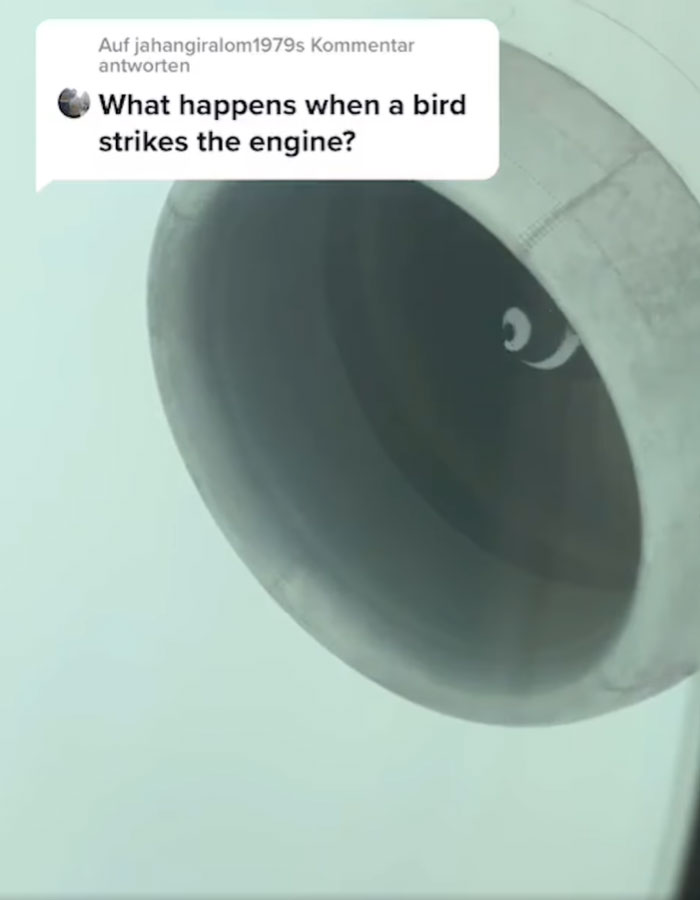
Load More Replies..."Bird strikes can occur up to a height of about 10.000 feet and in the worst case the bird can hit the engine. Unfortunately, the bird does not survive and it can cause considerable damage to the engine. In the worst case, it can cause an engine failure or even an engine fire. All pilots are very well trained for such cases and can handle these events professionally"
well, at least consciously. Parts of will fly as long as the plane is flying)
Load More Replies... they test aircraft engines in the factory by throwing frozen turkeys into them while they are running. These tests ensure the engine can handle a bird strike


A goose hit one of the engines on my flight home for thanksgiving.

it is not the bird that strikes the plane. It is the plane that strikes the bird. Seems important.

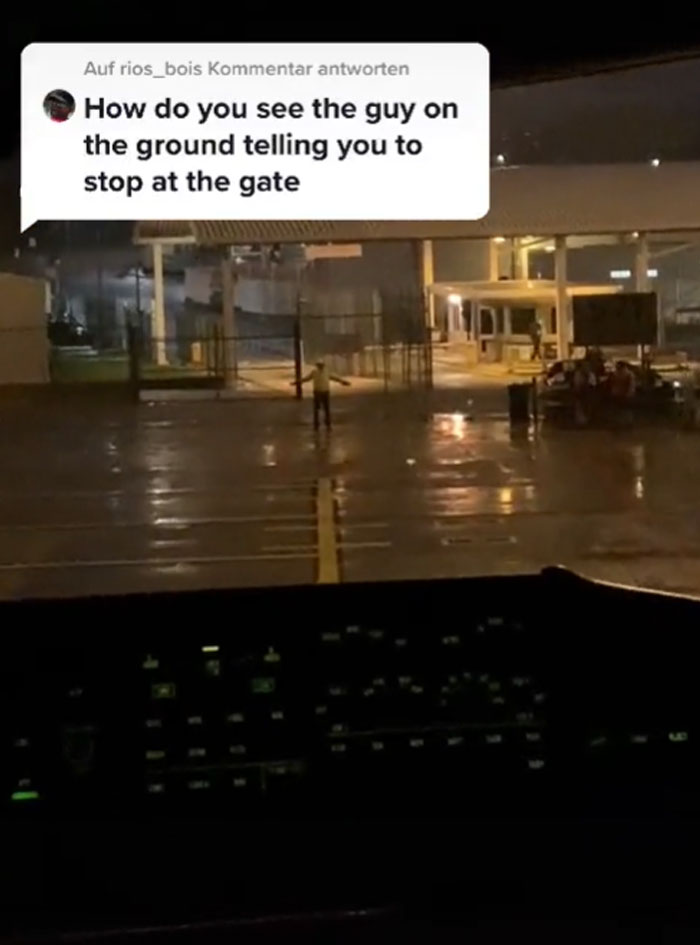
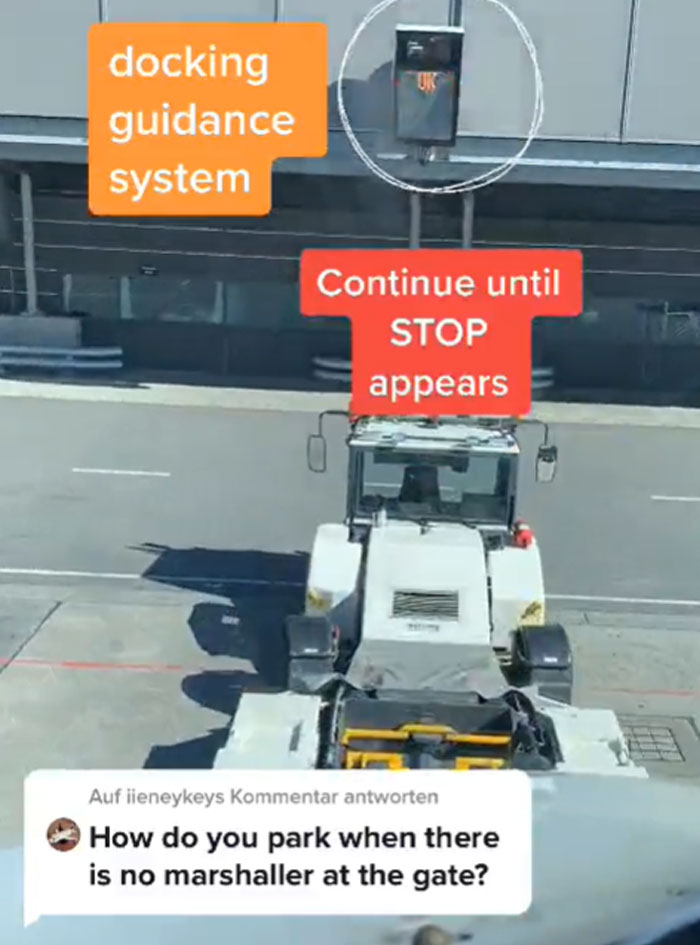
"Continue until he crosses the light sticks"
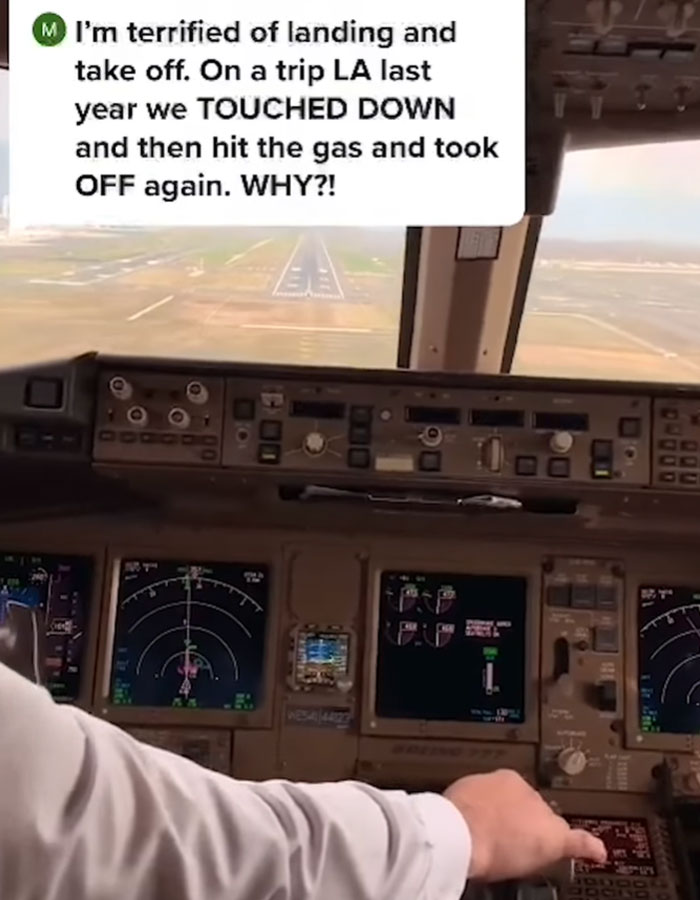
"A go-around can be initiated and carried out at any time during the landing and is not uncommon. This is still possible even just after touch down. There can be various reasons for this. Deterioration in visibility. Wind speed exceeds the limits. If the controller tells you to do it or if for whatever reason it is safer not to land"

I LOVE take-offs. That feeling you get just when the plane leaves the tarmac. 😍 Landing from a very high altitude (think intercontinental flights) is a massive bitch though. My ears hurt so much I feel like throwing up.
A go -around is ALWAYS a god thing, it means it wasn't 100% safe to land so the pilot chose to have another go at it. It might be surprising to you, but it is always a good thing and pilots are always planning to do it incase they might have to.
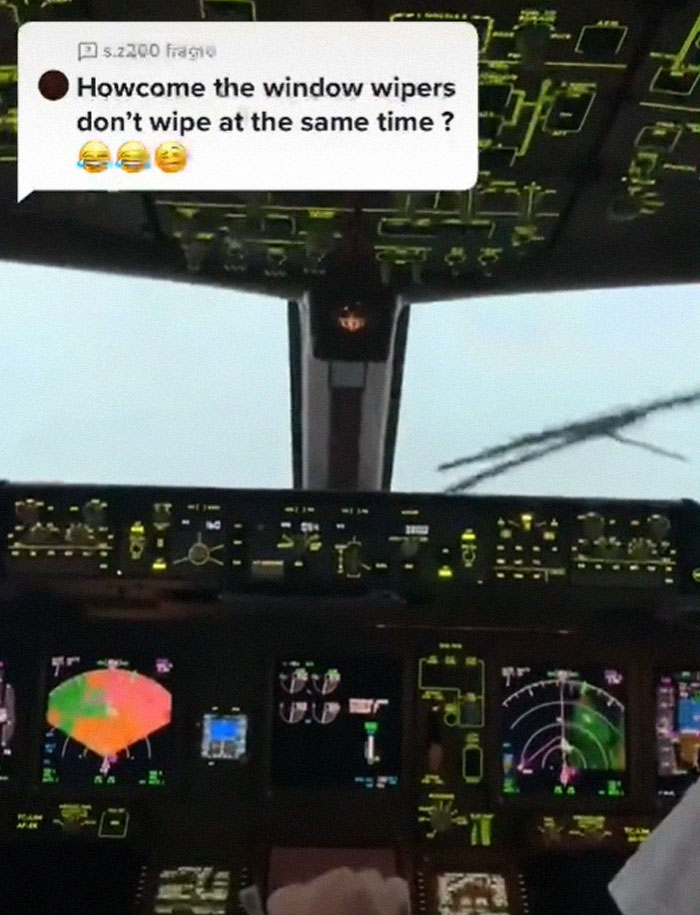
"The answer is very simple. Because they are controlled independently from each other."
That would probably bother me if I were a pilot. I would definitately try to start them in sync

"In case of low visibility (fog) the landings are in most cases flown with the autopilot. This is called Autoland. The aircraft is even able to land with zero visibility"
That equipment isn't available on every aircraft, nor are the necessary facilities present at every airport.
Load More Replies... Wait wait wait wait...hold up here. Twice they have stated if both points are knocked out that a regular person can't land a plane. But now you say there's an autoland system???? I'm lost

To refer to an earlier question about passengers safely landing an airplane, why not have them drop the wheels, put it in autopilot, reduce throttle,, reverse thrust, brake and perhaps do a few other things?
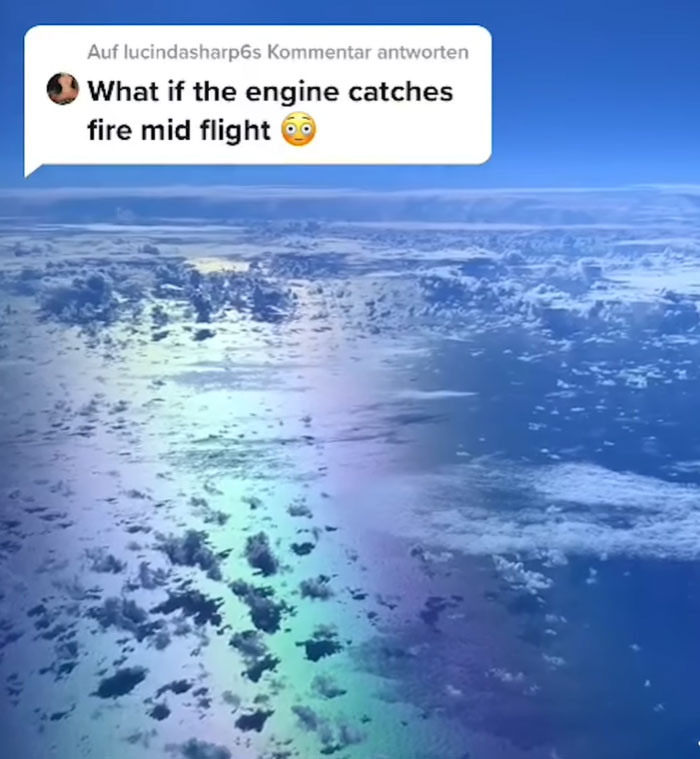
"If engine catches fire during cruise flight immediate action will be taken. Mayday call to ATC. The burning engine will be shut down immediately. Both fire extinguishers will be activated. An immediate descent and approach to the nearest airport will be initiated"
I vaguely remember a holiday flight when I was a small child where the engine caught fire on take off. I seem to recall they put it out and then took off. The airline was Dan Air (who were nicknamed Dan Dare)!
That sounds dangerous, looks like the nickname was well deserved
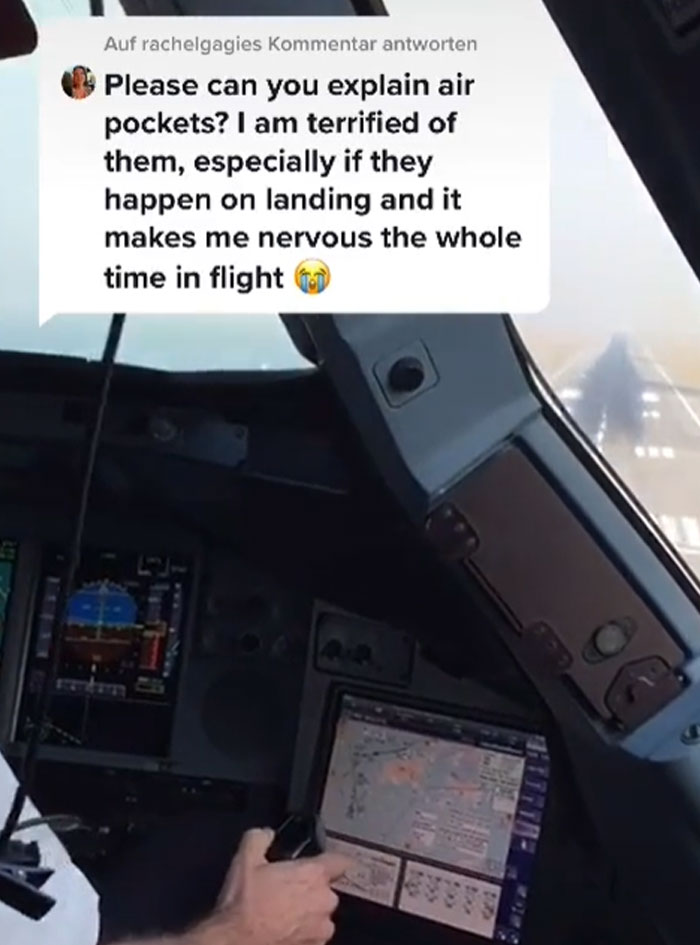
Load More Replies..."Air pockets are up- and downdrafts caused by local difference in air pressure. These are not visible and usually come unexpectedly. But besides being very rare, they are also harmless. Just make sure you are buckled up"
Yea right like i would believe that! Gripping arm rests very tight might help. And make sure u have empty bladder!!
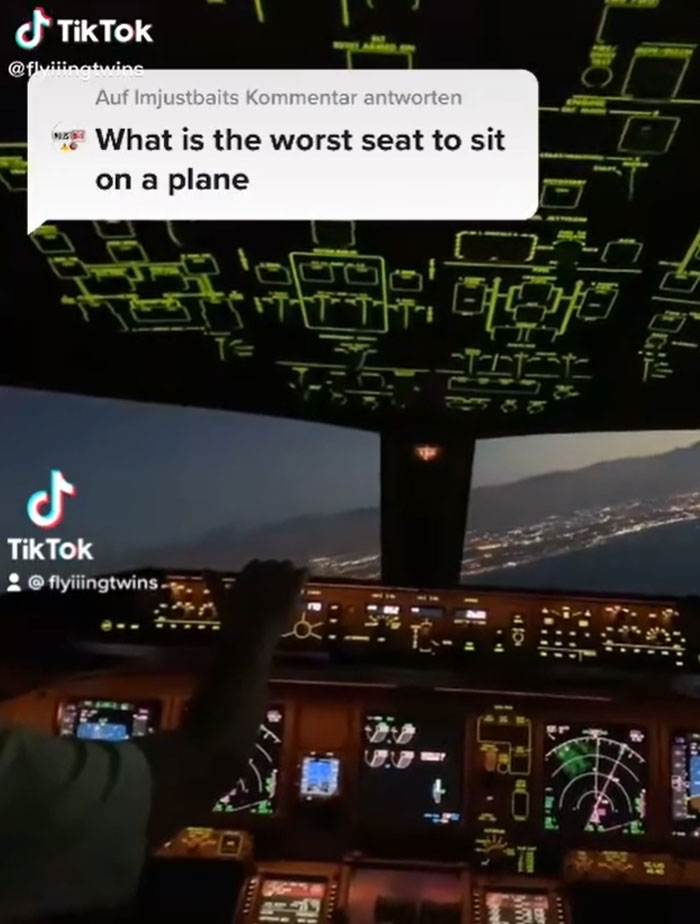
"There is no worst seat to sit on the plane"
Not true. The worst seat is the one next to the screaming child, or the one with the person behind that insists on giving you a kidney massage with their knees. If you mean for the smoothest ride, the front or over the wing is better than the back. If you mean for surviving a crash, then over the wing or the back.
The seat in the middle, squished between two massive dudes who not only insist on sitting with their legs spread, they also take both armrests. 🤬 I'm willing to pay extra for a seat just to never have to experience this again.
Load More Replies... I remember this ex-pilot used to do after dinner talks back in the '80s and he became quite well known. He was asked what the safest seat in the plane was. He said one in the very back. The person asked why that was. He said, "Have you ever seen a plane reverse into a mountain?"
30 years ago, when I was a young, budding aero engineer at Lockheed (back when they were still in Burbank) I asked one of the senior engineers where the safest place to sit on a plane was. His response was, "In the back". When I asked why, he said "Because if the plane crashes, you'll end up on top." Brilliant.
I always try to sit at the very back near the toilets, because people hate sitting there and if it’s not a full flight, I usually get a whole row to myself. The smoothest ride is over the wings. The most dangerous place is typically first class.
They may have better food, but they hit the ground first
Load More Replies... 
The worst seat I would imagine, would be the one next to the dead person who died mid-flight.

Nah, nah, the worst seat is next to a lady who first talks very, very loudly into her cellphone, then tries to talk to you, repeatedly, even after multiple hints you’re not interested, and finishes off the whole fiasco by eating tuna fish. True story XD


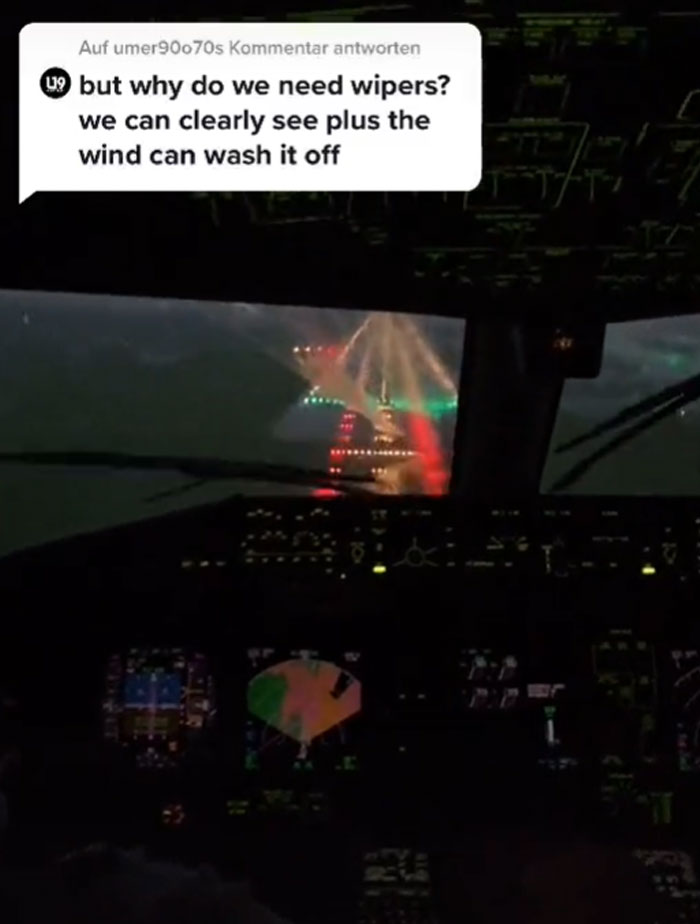
"As you can see, windshield wipers are indispensible in heavy rain."
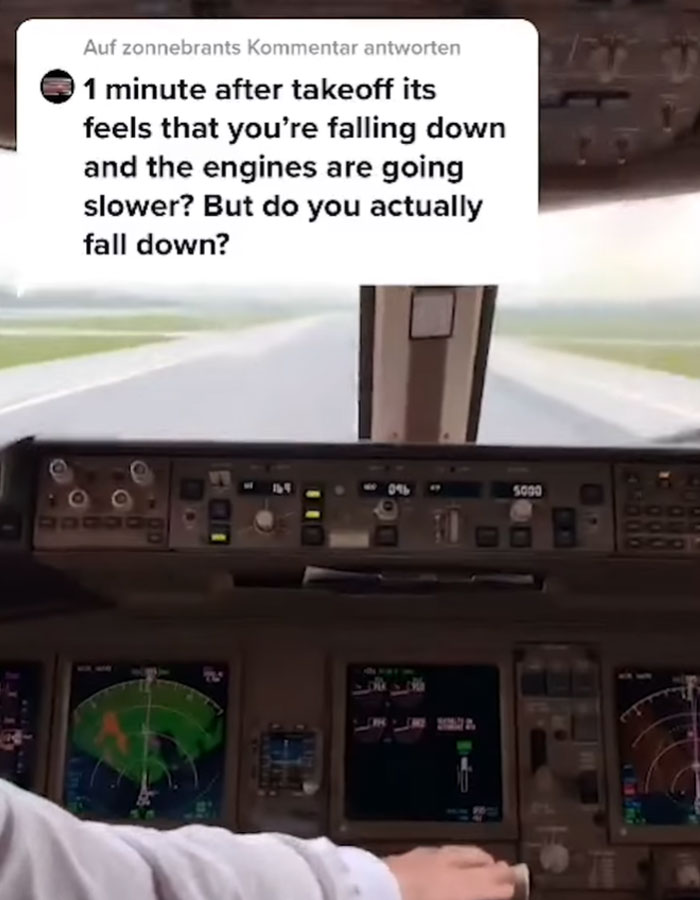
"Engine power is reduced after take-off to climb power. Among other things because of noise reduction due to people who live close to the airport. This has the effect that the engine noise decreases. The climb rate decreases but you still continue to climb. You don't fall down"
The rate of climb changes and therefore you feel a change in the acceleration of the aircraft. It is often combined with a turn, which you will also feel.
I can always feel that change in speed coz I'm always super conscious of what happens, being scared to hell. But once one of my friends told me this during that moment, and I always repeat it to myself and it helps. He said: "You don't want to go beyond the stratosphere, do you" :D
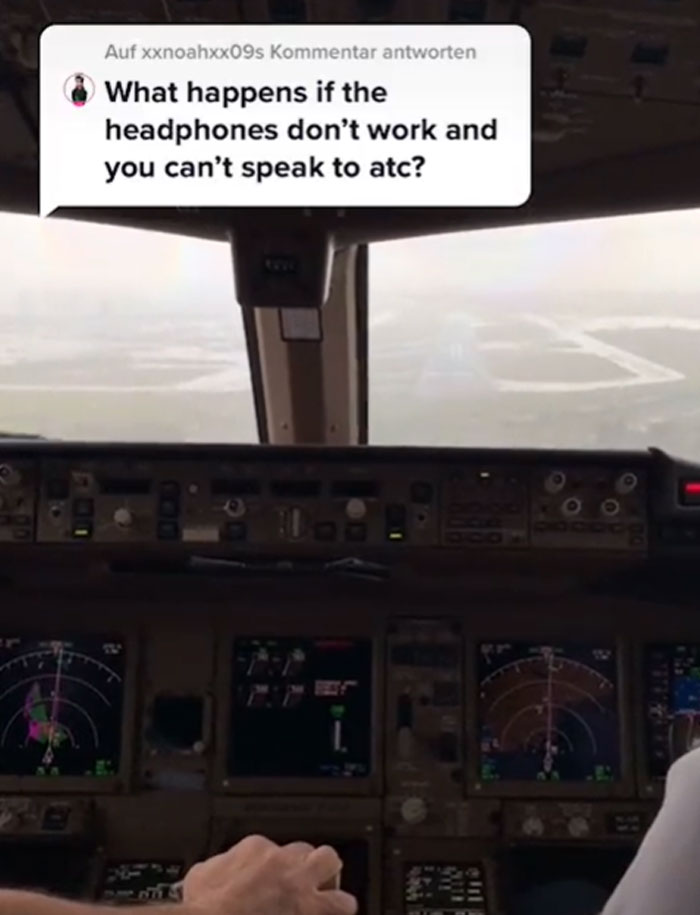
Load More Replies..."The transponder will be set to 7600. Atc now knows that no communication can be established. Aircraft flies according flight plan route and lands at the destination"
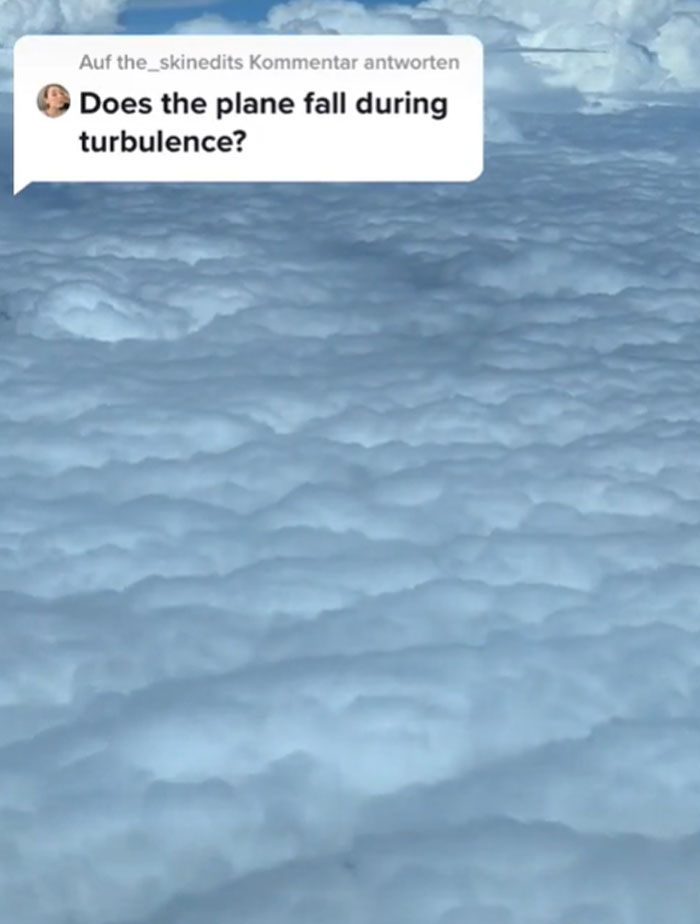
"The aircraft does not fall during turbulence. Unsteady air, upwinds, downwinds or wind shears literally are trying to disturb the aircraft's course"

I find the more ou know, the more scared you are... and the more you try to "pilot the plane" yourself... at least this is me
Load More Replies... I looked up what happens when a plane depressurization occurs and now I’m terrified and I’m not even on a plane I’m safe with oxygen on the first story of my house while I’m breathing normally
So, as I said in another post, I simply am TERRIFIED of flying. Irrational phobia I can do nothing about (I've tried many things). For some reason, I'm EAGER to know facts about aviation. But the more I know, the more scared I am. Also I get a subtle and unexplainable feeling of relief when I watch take off videos while at home. It's like watching a horror movie for me.

Also, there has been only one avionics package that was affected by cellular and it hasn't been used in years. Your cell phone does nothing to the planes communication or navigation gear
If the flight is not considered ETOPS (extended range twin engine more than an hour from a landing place..over an ocean for example) then it can fly without a working APU ( Auxiliary power Unit). So, yeah, both engines fail, you may lose electrical power

Really great information to share with everyone, I would have never known otherwise.
I have a weird obsession with plane accidents since I was a little kid. It's not that I want them to happen. I like to study the why did they happen. Since studying them I am confident in flying knowing that they are so many redundancies in air transport.
There's an accident investigation team for the FAA. The training sucks a bit but ...
Load More Replies...
Autoland isn't used much. And landing a plane is actually quite difficult. Taking off is easy.
Load More Replies... I find the more ou know, the more scared you are... and the more you try to "pilot the plane" yourself... at least this is me
Load More Replies... I looked up what happens when a plane depressurization occurs and now I’m terrified and I’m not even on a plane I’m safe with oxygen on the first story of my house while I’m breathing normally
So, as I said in another post, I simply am TERRIFIED of flying. Irrational phobia I can do nothing about (I've tried many things). For some reason, I'm EAGER to know facts about aviation. But the more I know, the more scared I am. Also I get a subtle and unexplainable feeling of relief when I watch take off videos while at home. It's like watching a horror movie for me.
Also, there has been only one avionics package that was affected by cellular and it hasn't been used in years. Your cell phone does nothing to the planes communication or navigation gear
If the flight is not considered ETOPS (extended range twin engine more than an hour from a landing place..over an ocean for example) then it can fly without a working APU ( Auxiliary power Unit). So, yeah, both engines fail, you may lose electrical power
Really great information to share with everyone, I would have never known otherwise.
I have a weird obsession with plane accidents since I was a little kid. It's not that I want them to happen. I like to study the why did they happen. Since studying them I am confident in flying knowing that they are so many redundancies in air transport.
There's an accident investigation team for the FAA. The training sucks a bit but ...
Load More Replies... Autoland isn't used much. And landing a plane is actually quite difficult. Taking off is easy.
Load More Replies...
































 No fees, cancel anytime
 then open in external browser


 and click "Open in External Browser"