Get Premium
Dark mode theme is available exclusively for premium users. Learn more about the benefits of subscribing.
No fees, cancel anytime.

 Dark Mode Ad-Free Browsing Unlimited Content
 Ad-Free Browsing Unlimited Content Dark Mode
Join 1.2 million Panda readers who get the best art, memes, and fun stories every week!
What happens at the end of life remains one of the universe’s greatest mysteries. Throughout history and across cultures, human beings have come up with several theories about what the afterlife could have in store for us. Some claim that we’re probably reincarnated till the end of time or simply just existing in our own minds. Meanwhile, others suggest we’re all just part of one big simulation at the hands of a higher power. From permanent non-existence to immortality, we’ve gathered 28 such theories that are sure to fascinate you.
This post may include affiliate links.
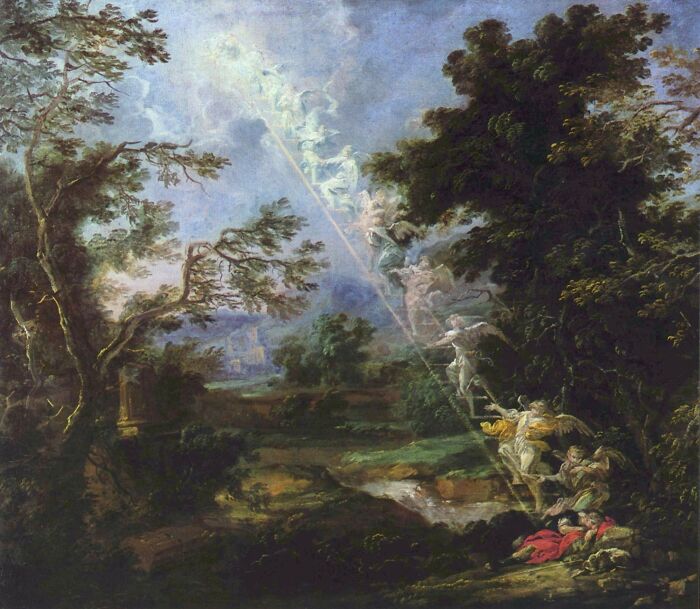
According to various philosophical, religious, and literary traditions, passing away could be like waking from a shared dream into a more real world. Life as we know it is described as a temporary existence. This supports views first expressed by Plato, who suggested there were many levels of waking up, and that our true selves were hidden beneath the personalities we recognized.
The void theory, associated with atheism, agnosticism, and certain philosophical viewpoints like nihilism, denies the existence of an afterlife. It also rejects reincarnation or any form of continued existence after life ends. Passing away is considered the end of self-awareness, subjective experience, and consciousness, marking the beginning of a permanent state of non-existence or nothingness.
The afterlife is a theory that one’s soul lives on after passing away. Religions such as Christianity and Islam, along with many other pagan belief systems, believe that the soul continues to exist in another world. However, religions like Hinduism and Buddhism believe in reincarnation, or the rebirth of the soul into this world. In either case, one's status in the afterlife is said to be determined by how they lived their life.
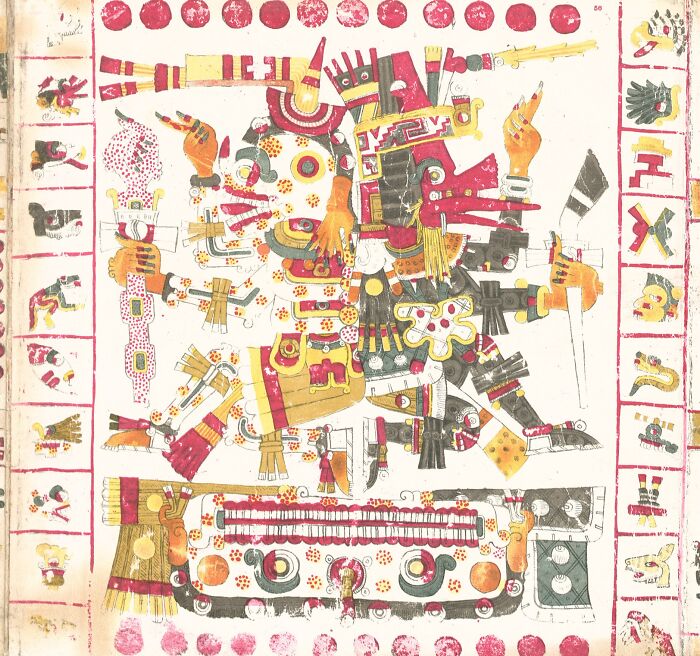
According to many traditional belief systems, the afterlife depends on upright behavior in one’s earthly life. The Aztecs, however, believed that the afterlife was determined by how a person’s life ended. They also believed that souls went to one of three places: the sun, Mictlan, or Tlalocan. The souls of women who didn’t survive childbirth and fallen warriors were said to transform into hummingbirds that followed the sun on its journey through the sky. The souls of those who succumbed to less glorious causes were sent to Mictlan, while those who drowned went to Tlalocan.
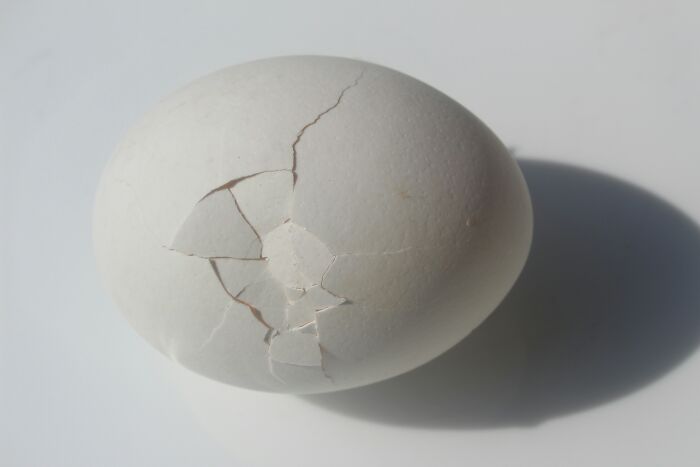
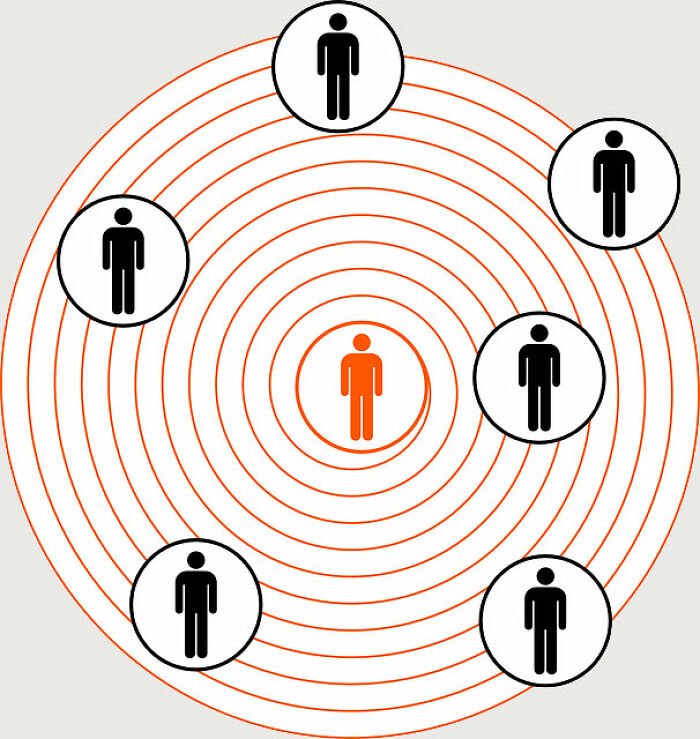
Coined by American novelist Andy Weir, the Egg Theory suggests that every other human being that an individual has ever interacted with or come across is just another version of them, reincarnated. The theory further suggests that versions of you will continue to be reincarnated until your soul has gone through every possible human experience. Essentially, all the things you do, whether good or terrible, you do to a version of yourself.

Kurtzgesagt https://www.youtube.com/watch?v=h6fcK_fRYaI though can feel depressing, a warning.
The levels theory sees human life as the first stage of existence. Grounded in viewpoints from philosophy, eastern religions, and spiritualist thinkers, it proposes that the soul moves through different levels of consciousness or reality. These stages may involve learning, judgment, or rebirth, depending on the belief system. Ultimately, passing on isn’t framed as the end, but as a transition to a new and often higher level of existence.
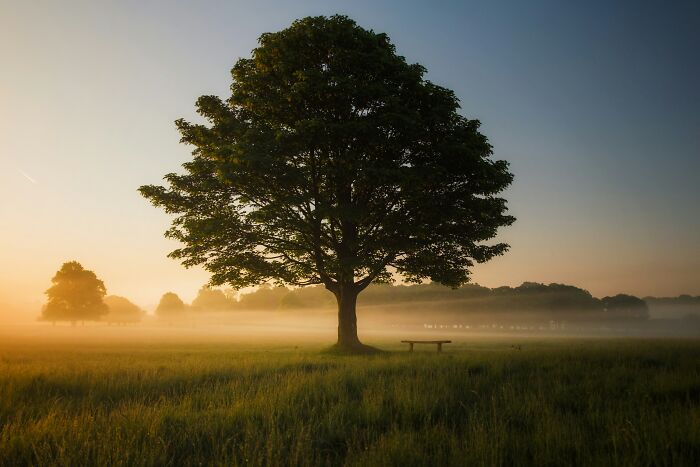
Passing away is a natural process in the tree theory. Upon their passing, a person’s energy and body are returned to the earth. The people who accept this theory believe that life never truly ends because when they perish and get buried, their bodies feed the soil. This, in turn, creates new life by helping new plants to grow.
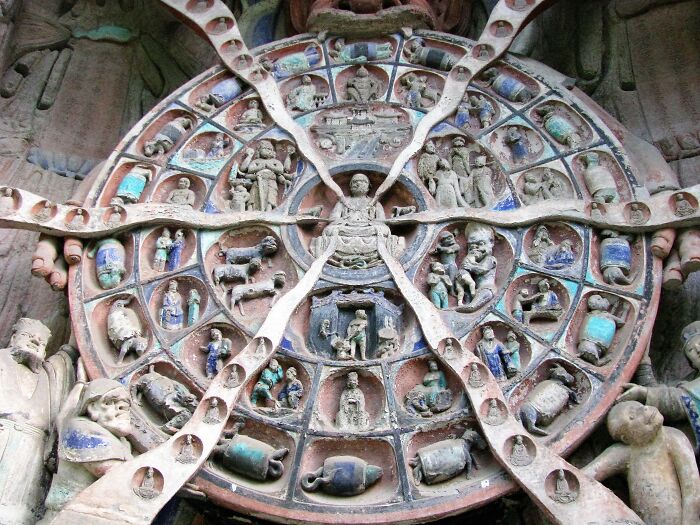
Reincarnation is rooted in the belief that the human soul continues to exist even after the physical body shuts down. At the end of one’s life, the soul is simply reborn into a different human or animal form, to live out another lifespan. The cycle continues, with each incarnation presenting new challenges and opportunities for the soul to grow. Additionally, actions in one life influence the nature and circumstances of future lives.
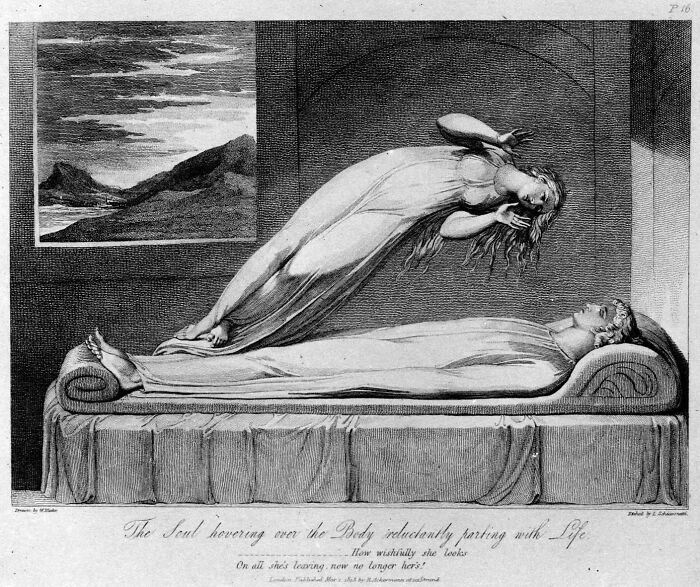
The concept of a soul remains a core aspect of many belief systems throughout history. According to this theory, the soul separates from the body when one passes away, potentially travelling to another plane of existence. In 2025, scientific evidence presented by acclaimed anaesthesiologist Dr. Stuart Hameroff suggested the surge in gamma-wave brain activity seen after the heart stops could indicate the soul leaving the body.
As one’s soul transitions to the afterlife and before the connection between the soul and body is severed, it undergoes a final assessment or judgement. Often described as a life review, this period isn’t meant to punish but educate. It's said to help the soul deepen its understanding of karmic consequences and aid its growth before moving on to the next stage of existence.
In the energy transfer theory, people believe that when they pass on, their energy simply changes form and goes back into the universe. Once it dissipates into the world, the energy may become food for plants, warmth in the air, or even a part of other life forms. Essentially, the theory promotes a sense of continuity after the body perishes.
According to psychiatrist Richard Maurice Burke, Cosmic consciousness is a higher state of consciousness not possessed by the ordinary man. The defining characteristics of this form of consciousness are believing in eternal life, the absence of sin, and acknowledging the aliveness of the universe. Burke named Buddha, Jesus, and thirty-four others as people who managed to achieve the state of cosmic consciousness.
The upload theory proposes that human consciousness is a form of data that can be extracted from the brain. When the body ceases to exist, this consciousness can be uploaded to a non-biological system, like a computer. This would allow for a form of continued existence, or what futurists and transhumanists describe as digital immortality.
The never-ending life theory encompasses various concepts of the afterlife, such as being reborn or waking up in a new world. It claims that life never truly comes to an end, and our consciousness will continue to have experiences even after our passing. Since this includes multiple ideas, the theory generally has roots in both philosophical and biological concepts.
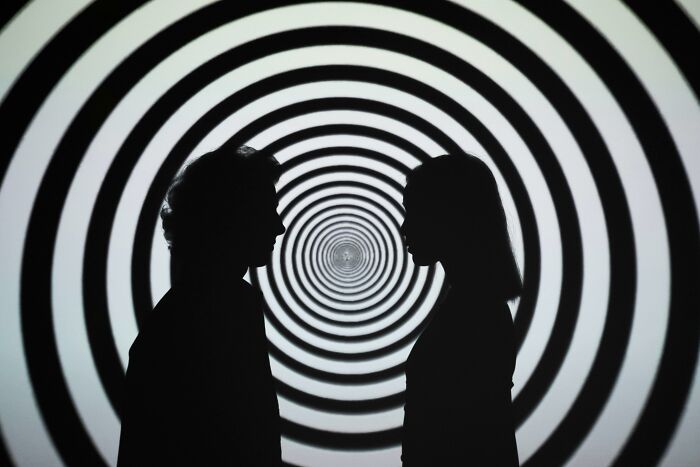
The parallel universe theory suggests that when one reaches the end of their life in this universe, their consciousness continues living in an alternate reality. Instead of a traditional afterlife, the experience is described as moving through infinite timelines, living on in a different branch of the multiverse, possibly without even realizing a shift has occurred.
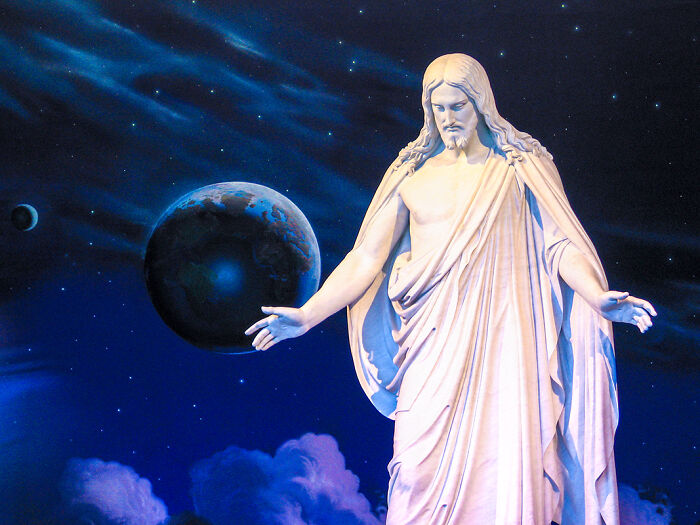
This theory, accepted by the Latter-day Saints, suggests that one’s passing causes the spirit to separate from the body. The spirit then resides in the Spirit World until judgment, and once resurrected, receives a perfect body. After resurrection, each perfect body is then assigned to one of three “heavens”: the Celestial, Terrestrial, or Telestial.
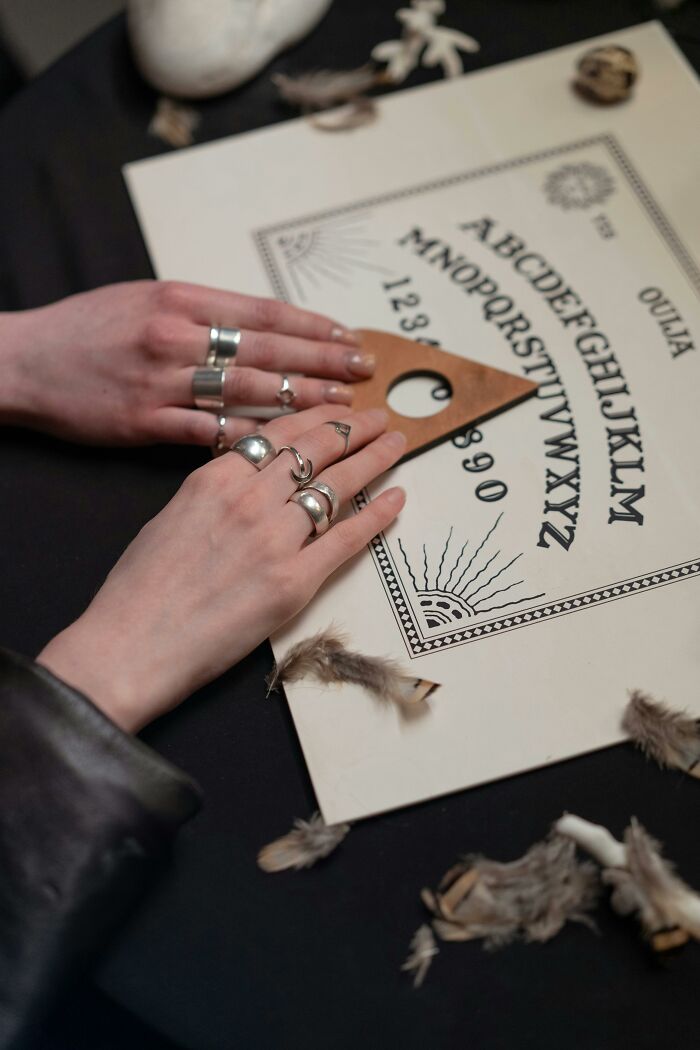
The premise of most horror films, the paranormal theory suggests that the souls of those who have passed on remain here on Earth among the living. It’s believed that these souls (also referred to as spirits or ghosts) linger due to sudden departure, unfinished business, or strong emotional attachment. For believers in the paranormal, communicating with these souls is possible through mediums, séances, and various other means.
Modern science explains passing away as the cessation of all necessary biological processes for sustaining a living organism. In human beings, this initially referred to the heart stopping, but shifted to the total loss of all brain signals with the development of CPR. Today, the end of life is typically understood as the heart no longer beating, the lungs no longer functioning, and the brain activity permanently ceasing.
Imagine if life were like a video game, and we could all be reprogrammed back into the world after losing our lives. This is exactly what the simulation theory suggests. While we may not be aware that we’re living in a simulation, a higher power in control of the game gets to decide what happens to our consciousness when we pass on.

Diane Duane expounded upon this in her Star Trek novel entitled "The Wounded Sky." In her version, each human person was simply a piece of "god" who, during life on Earth, forget about being "god" and was more like an independent playing piece with free will. At the end of the round, at death, the playing piece remembers its divinity and can then choose to play another round or simply watch the game.
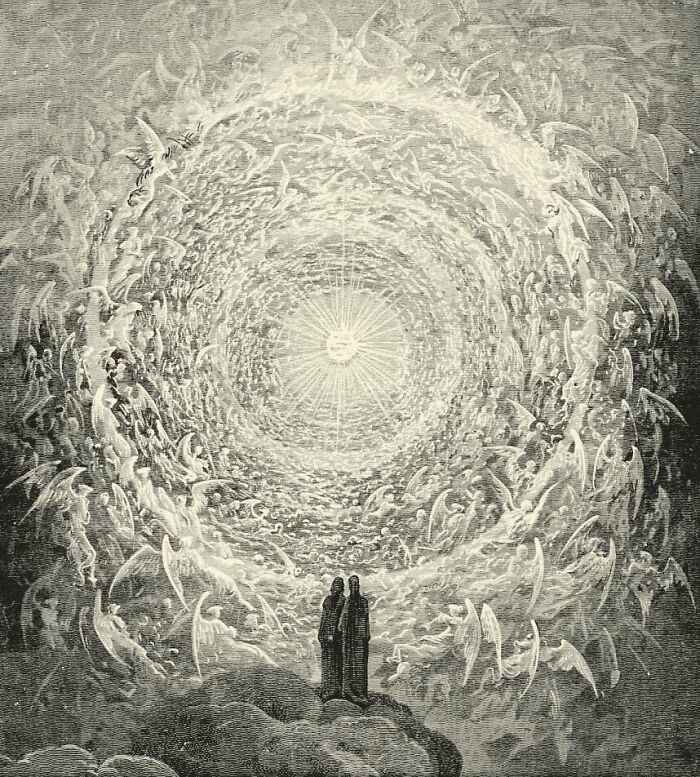
In many religions, life extends beyond the grave, with heaven and hell as two possible destinations. Heaven is described as a paradise where souls experience happiness. Hell, in contrast, is where souls experience punishment and torment. Those who lead morally upright earthly lives are welcomed into heaven, while hell awaits those who commit moral transgressions and remain unrepentant.
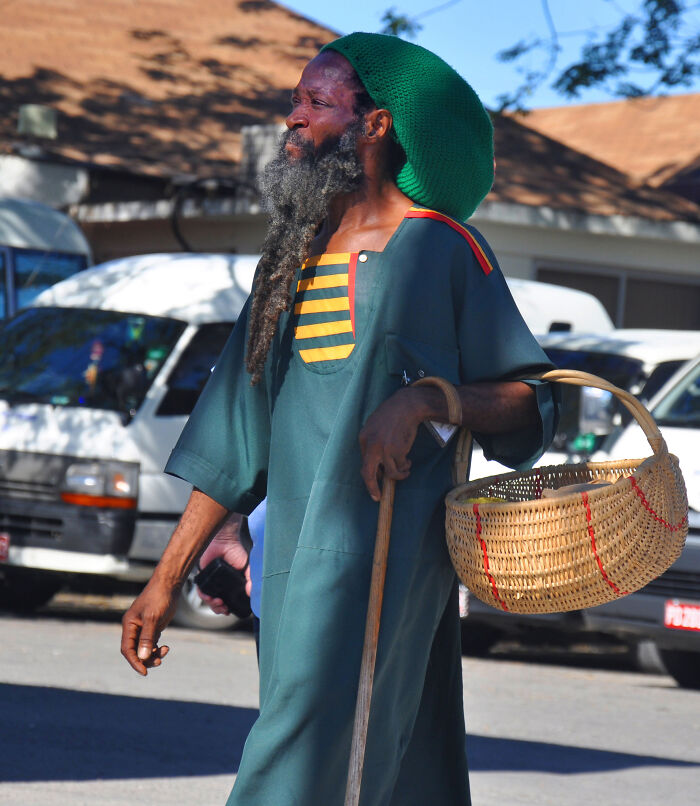
Rastafarians believe in eternal life on earth. For them, passing away isn’t the end, but the start of a new life in Zion. Many also accept that those who live a good life may be reincarnated into a new body. Therefore, the idea of a separate afterlife doesn’t exist in this theory since immortality on earth is achieved through righteousness.
Cryonicists believe that they can be frozen soon after their passing and be brought back to life sometime in the future. The idea rides on the hope that technological advancements will eventually lead to a successful revival process. While some cryonicists choose to freeze their entire bodies, others opt to freeze just their brains.
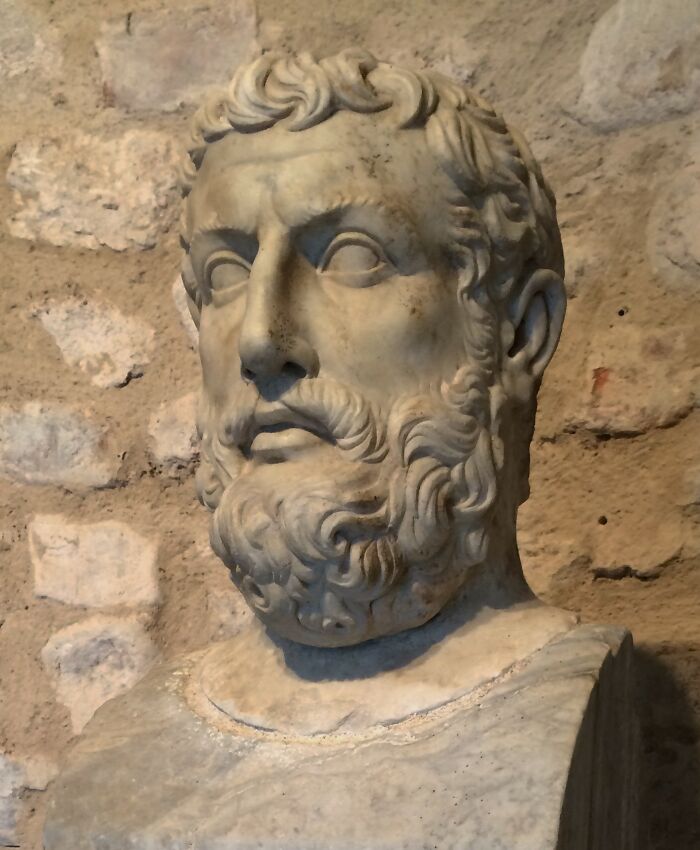
Plato believed that the soul existed before birth and continued living beyond the end of life. When the soul left the body, it was said to face judgment based on how it had lived. Souls that had lived in pursuit of virtue were freed from the physical world and entered a divine realm. Less virtuous souls, however, were reborn into new bodies to experience more growth. Meanwhile, corrupt souls beyond saving faced eternal punishment and permanent separation from both bodies and enlightenment.
The egocentric theory is centered around one’s own mind. It suggests that the universe begins when one is born and comes to an end upon their passing. Everything seen and experienced by an individual is said to occur only inside their head, and essentially ceases to exist once their mind does too.
Technically, this is true. Reality consists only of what you perceive and experience.
Supported by figures like Dr. Robert Lanza, a respected stem cell biologist and author, the illusion theory claims that reality is shaped in our minds. Based on this view, space, time, and even life are constructs of the mind. Believers in this theory propose that even the end of life is merely an illusion shaped by human belief. As such, it can’t be considered the final destination, but a shift in perception.
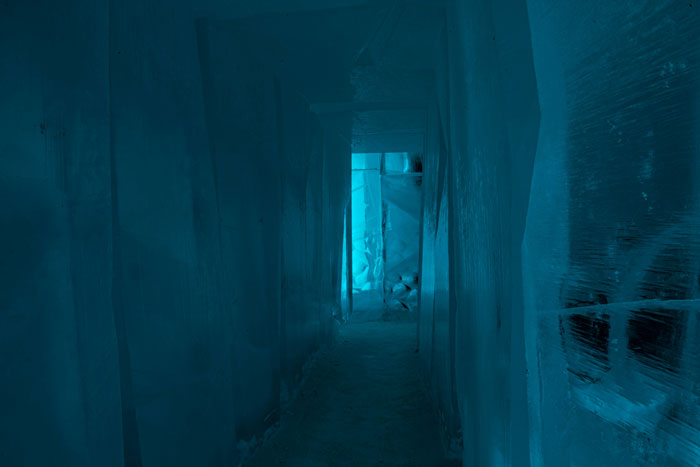
The nothingness theory suggests just that —nothing. When a person passes away, they simply cease to exist. Almost like being asleep forever, their thoughts, feelings, and consciousness just fade away into a state of emptiness. With this idea, there’s no afterlife to experience and no other world for our consciousness to travel to.
Rooted in philosophical pessimism, the pessimist theory is based on the idea that our lives are already over and that existence itself doesn’t hold inherent value or any intrinsic purpose. As a result, pessimist thinkers hold that the end of life isn’t something that happens later, but rather a state we’re already in without realizing it.
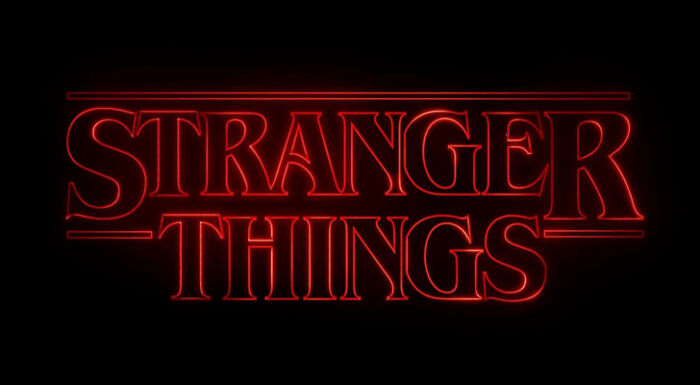
If you’re familiar with the hit Netflix series 'Stranger Things', you’ll know that the Upside Down is a terrifying alternate dimension that mirrors the human world. As it is portrayed in the show, this parallel world is shrouded in darkness, coldness, and a thick, persistent fog. Supposedly, a person can become trapped there, no longer alive, yet not fully gone.

TL:DR for the article - people don't want to accept that when they die they're gone, so will invent all manner of reasons to believe that death is not the end.

I commented a few months ago, just after my wife died, that I had begun to understand why people throughout history have invented so many ideas about afterlifes, souls, spirits and all that. It may give some comfort to the bereaved to think that they may one day be reunited with their late loved ones. (I'm a 100% void-ist, I know that she is no more).
Load More Replies...
No mention of Apatheism?? Pah!! Philistines!! All of the theories with any form of continued heavenly existence fail to mention whether there's anyone else there, and if so, who. For example my idea of eternal bliss might involve Liz Hurley, but I'm pretty sure hers won't involve me. For David Attenborough, it may involve lots of animals - but for others, those animals represent huge fears. Will there be predators? Dinosaurs? What about all the unused sp3rm and eggs, do they get an afterlife? This is why I haven't bothered to follow any theory - we won't know before we get there, quite possibly won't know anything at all, so no point worrying about it before hand. The only thing we can be certain of is that they can't all be right - so why believe any of them, since you're likely to be wrong?

I don't believe in an afterlife, but I am still bringing a change of underwear.
TL:DR for the article - people don't want to accept that when they die they're gone, so will invent all manner of reasons to believe that death is not the end.
I commented a few months ago, just after my wife died, that I had begun to understand why people throughout history have invented so many ideas about afterlifes, souls, spirits and all that. It may give some comfort to the bereaved to think that they may one day be reunited with their late loved ones. (I'm a 100% void-ist, I know that she is no more).
Load More Replies... No mention of Apatheism?? Pah!! Philistines!! All of the theories with any form of continued heavenly existence fail to mention whether there's anyone else there, and if so, who. For example my idea of eternal bliss might involve Liz Hurley, but I'm pretty sure hers won't involve me. For David Attenborough, it may involve lots of animals - but for others, those animals represent huge fears. Will there be predators? Dinosaurs? What about all the unused sp3rm and eggs, do they get an afterlife? This is why I haven't bothered to follow any theory - we won't know before we get there, quite possibly won't know anything at all, so no point worrying about it before hand. The only thing we can be certain of is that they can't all be right - so why believe any of them, since you're likely to be wrong?
I don't believe in an afterlife, but I am still bringing a change of underwear.




















 No fees, cancel anytime